
What does grub damage look like? I asked myself this same question when I noticed brown patches spreading across my lawn last fall. I had no idea what was wrong.
This article will walk you through everything. You will learn how to spot grub damage, what it looks like in different seasons, and how to fix it fast.
I have spent time studying this problem so you do not have to guess. We will cover signs, causes, prevention, and treatment.
Let’s get into it.
Understanding Grub Damage in Lawns
Lawn grubs are small, white, C-shaped worms that are the larval stage of beetles like Japanese beetles and June bugs.
They live just below the soil surface and feed on grass roots, cutting off water and nutrients to the blades above.
Most people never notice them until the damage is visible. Grub damage is most common in late summer and fall when young larvae feed actively near the surface.
Spring can also bring some damage before grubs turn into beetles.
5 Signs of Grub Damage in Your Lawn
Five clear warning signs that grubs may already be destroying your grass from below.
1. Brown or Yellow Patches That Keep Spreading
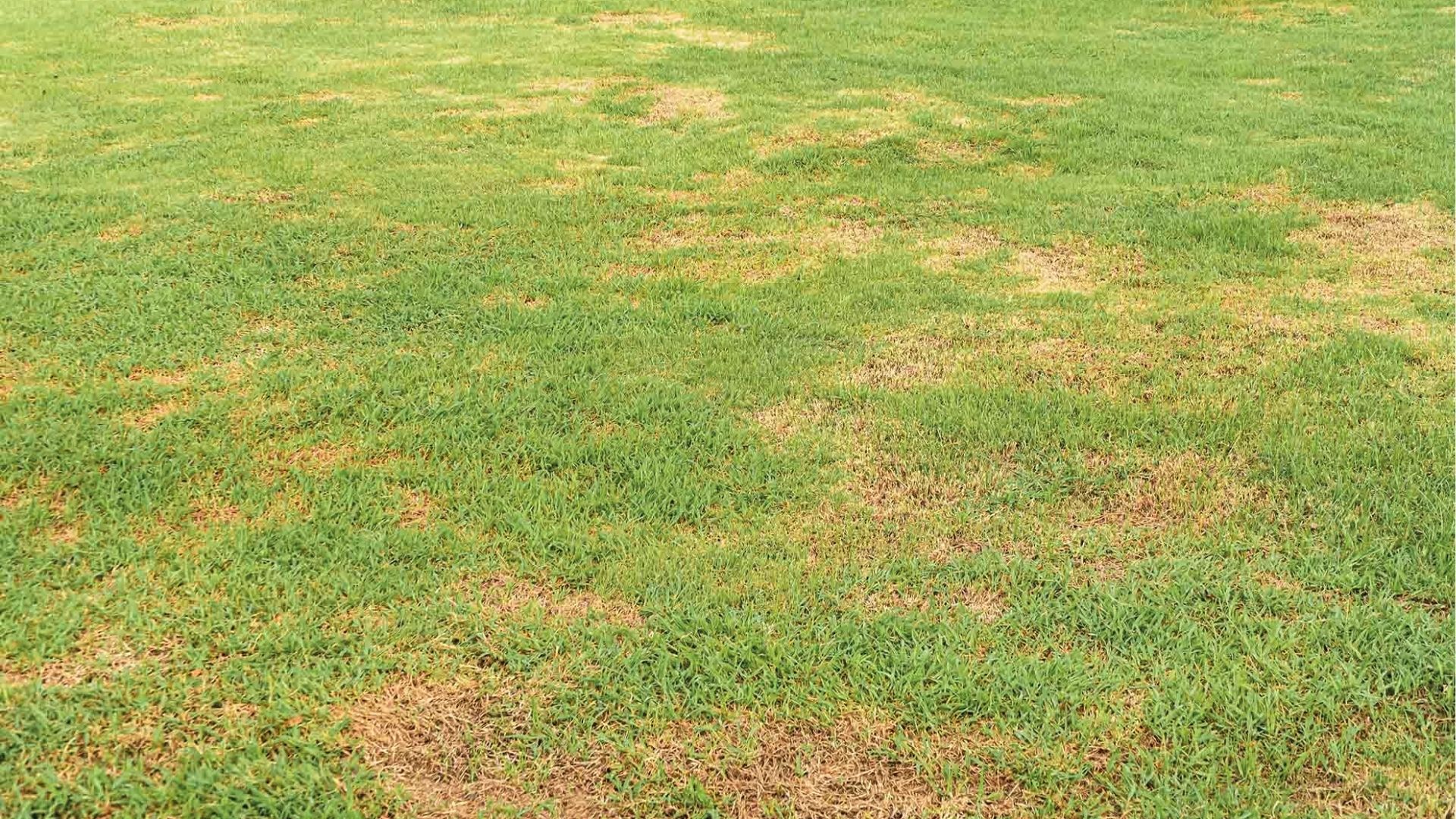
You may notice patches of brown or yellow grass. These patches do not follow any pattern. They spread slowly at first and then grow fast.
What makes grub damage different is that the patches keep getting bigger even when you water. Drought-stressed grass often bounces back. Grub-damaged grass does not.
2. Soft or Spongy Grass Underfoot
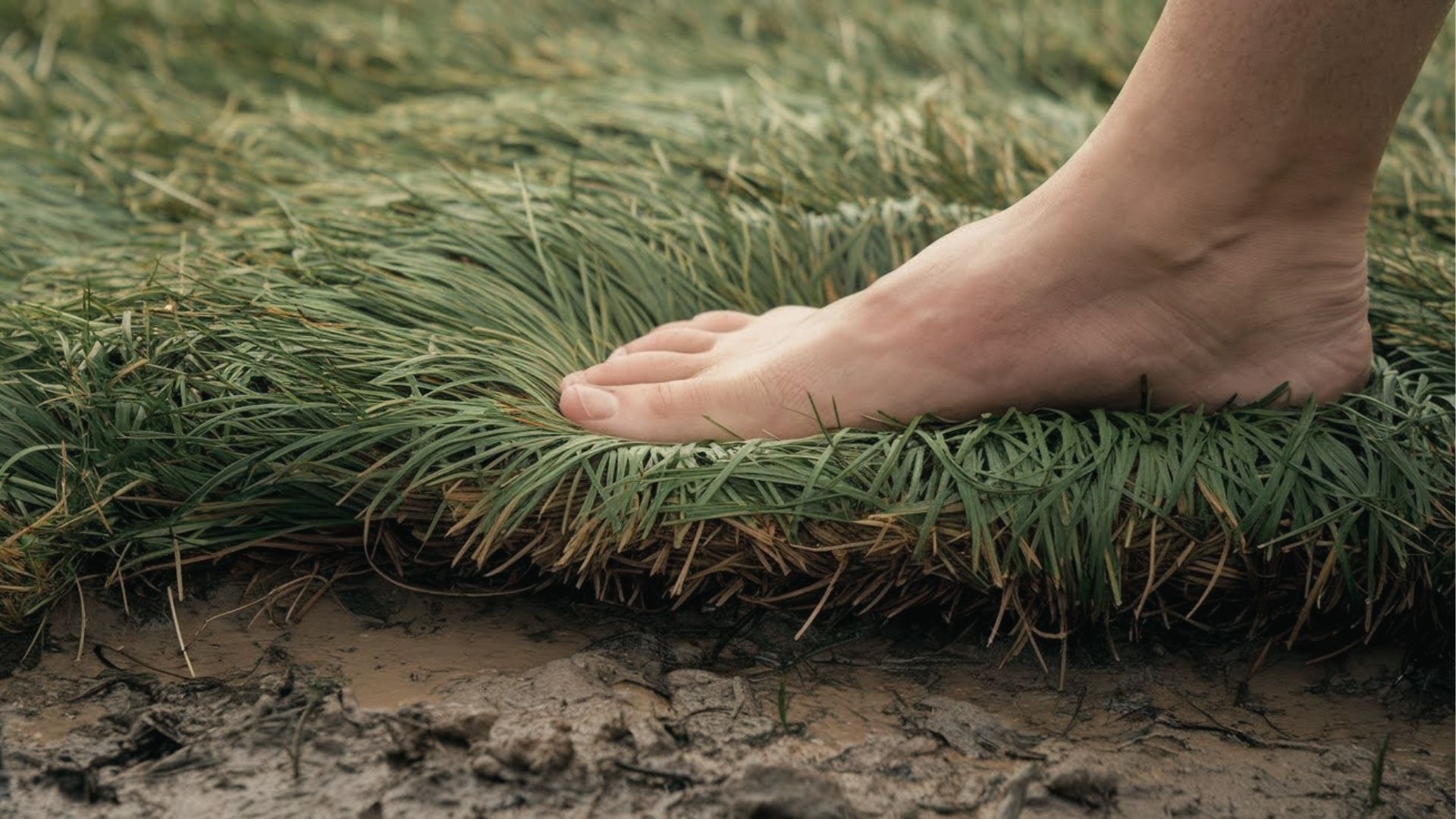
Walk across your lawn. Does it feel spongy or soft in spots? That feeling means the root structure beneath has been eaten away.
Healthy grass has firm roots holding the soil together. When grubs remove those roots, the turf above loses its grip and feels loose.
3. Grass Pulling Up Like Carpet
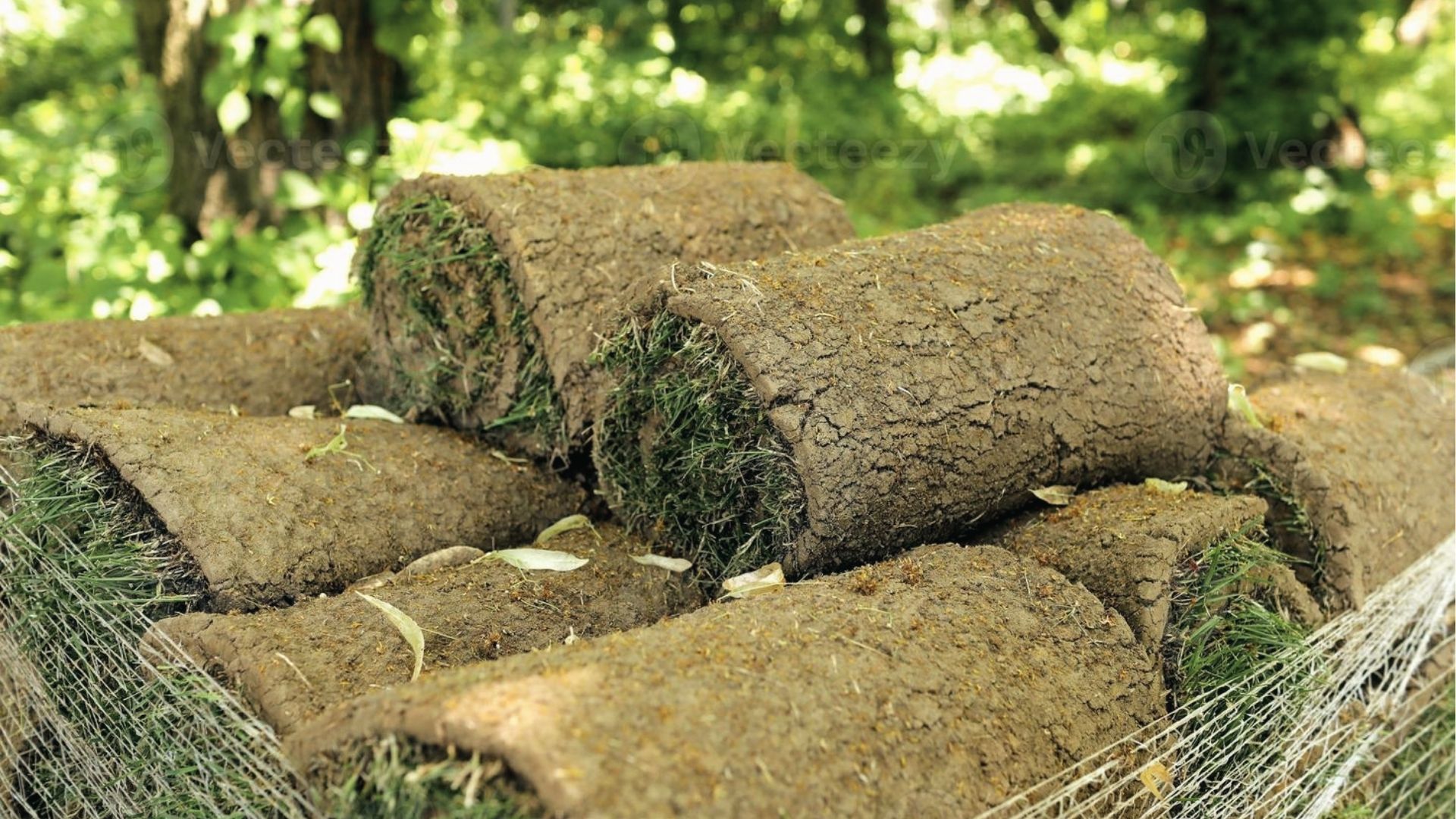
This is one of the clearest signs. Grab a patch of damaged grass and pull gently. If it lifts like a piece of carpet with no resistance, grubs are almost certainly the cause.
Healthy grass will hold firm because roots anchor it into the soil.
4. Increased Bird or Raccoon Activity
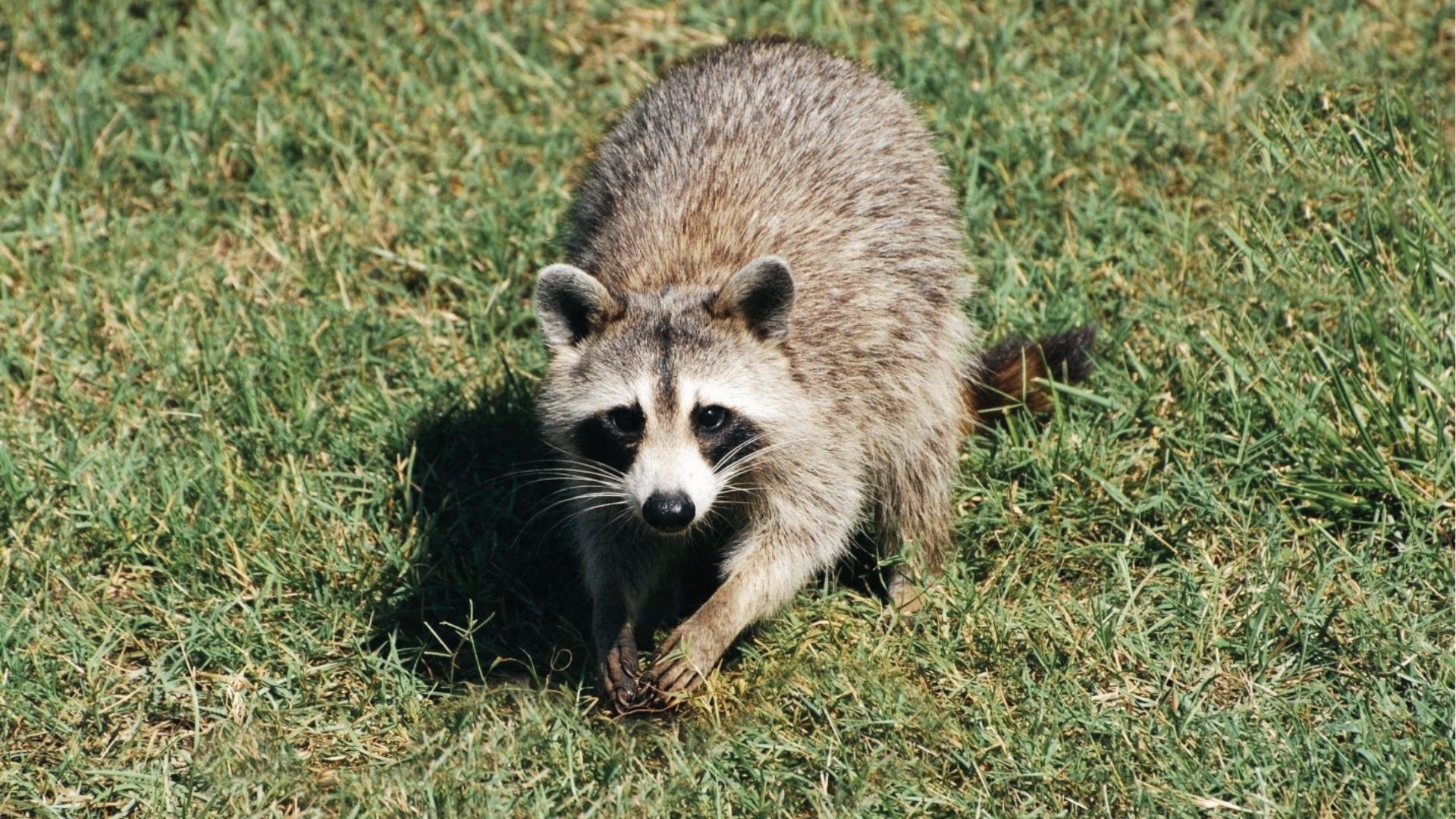
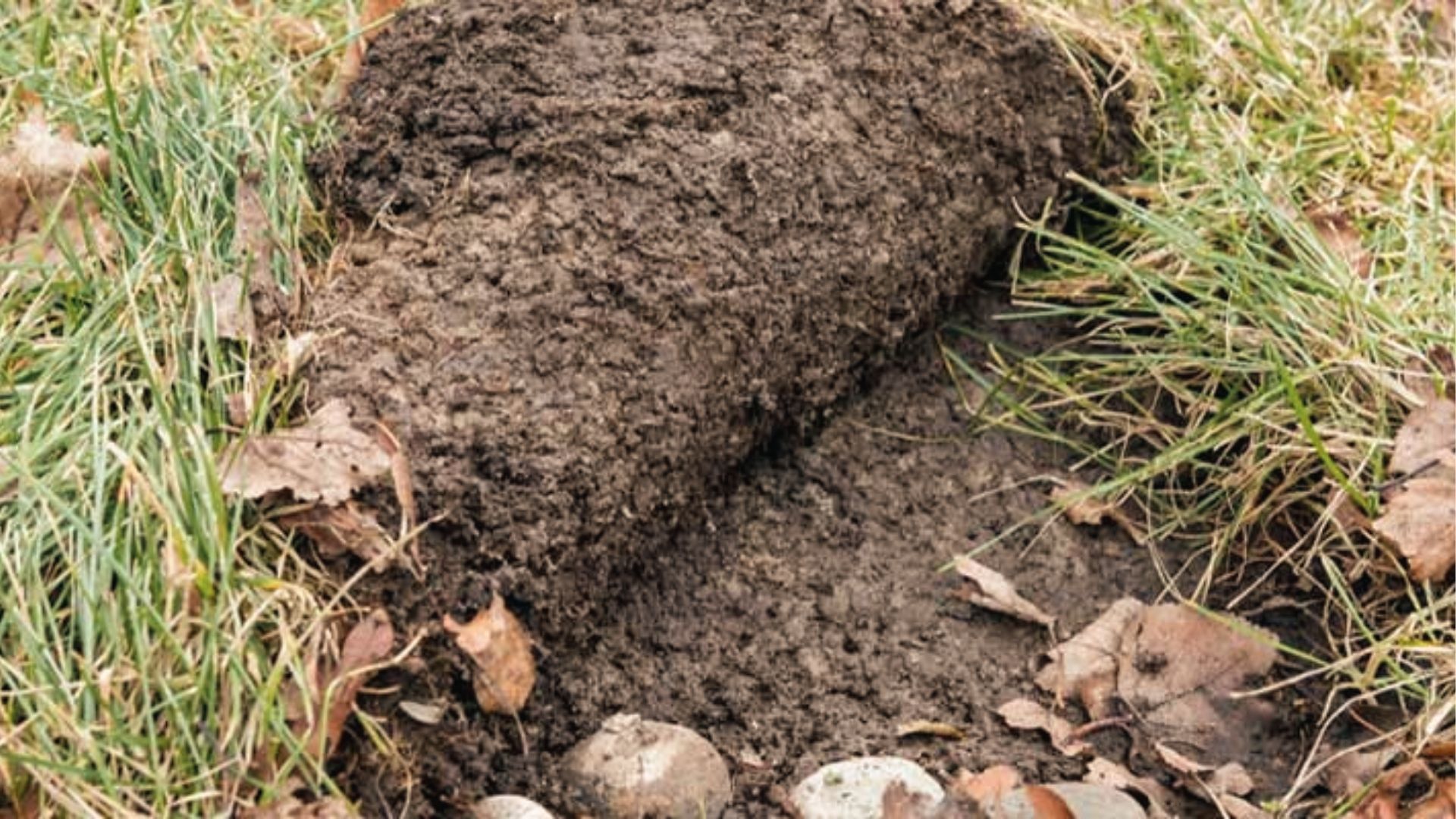
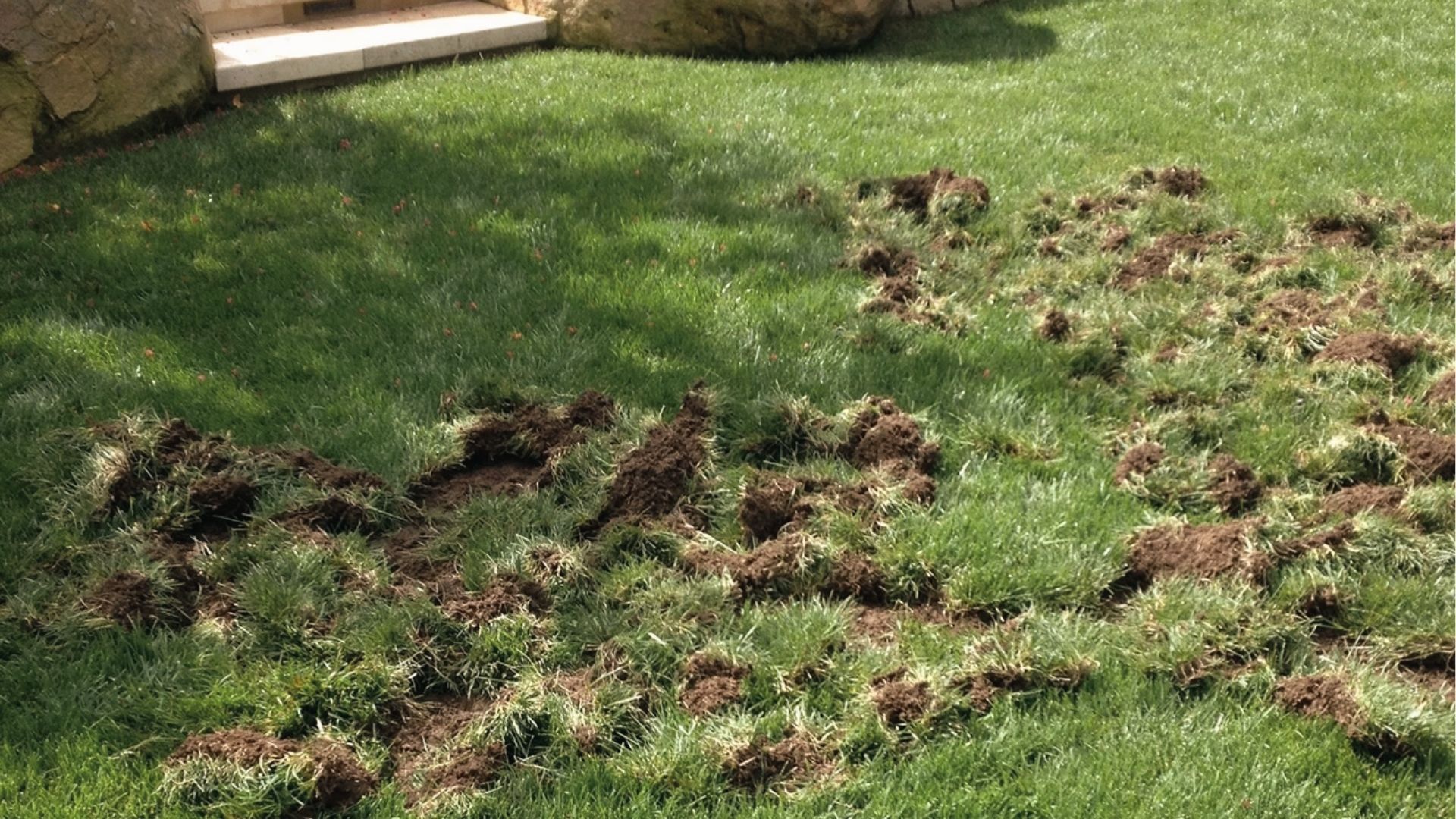
Birds, raccoons, and skunks love grubs. If you see them digging into your lawn, they are likely after a meal underground.
This kind of animal activity is a strong hint that grubs are present. Animals can smell them through the soil and will tear up the turf to reach them.
5. Wilting Grass That Does Not Recover With Watering
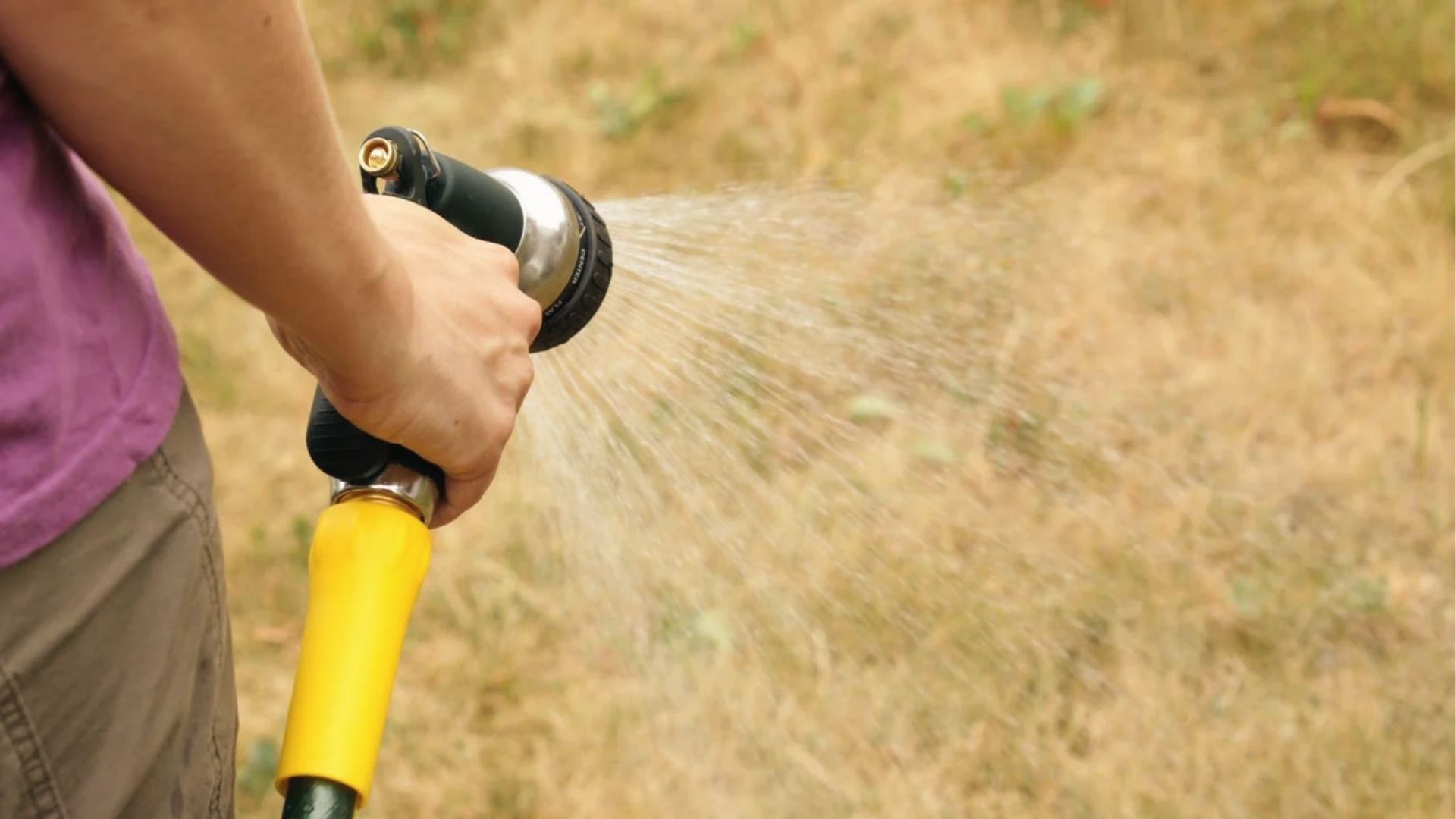
Drought-stressed grass usually perks up after a good watering. Grub-damaged grass does not.
The roots are gone, so water cannot reach the blades no matter how much you apply.If your grass is wilting and watering is not helping, check for grubs right away.
What Does Grub Damage Look Like on a Lawn?
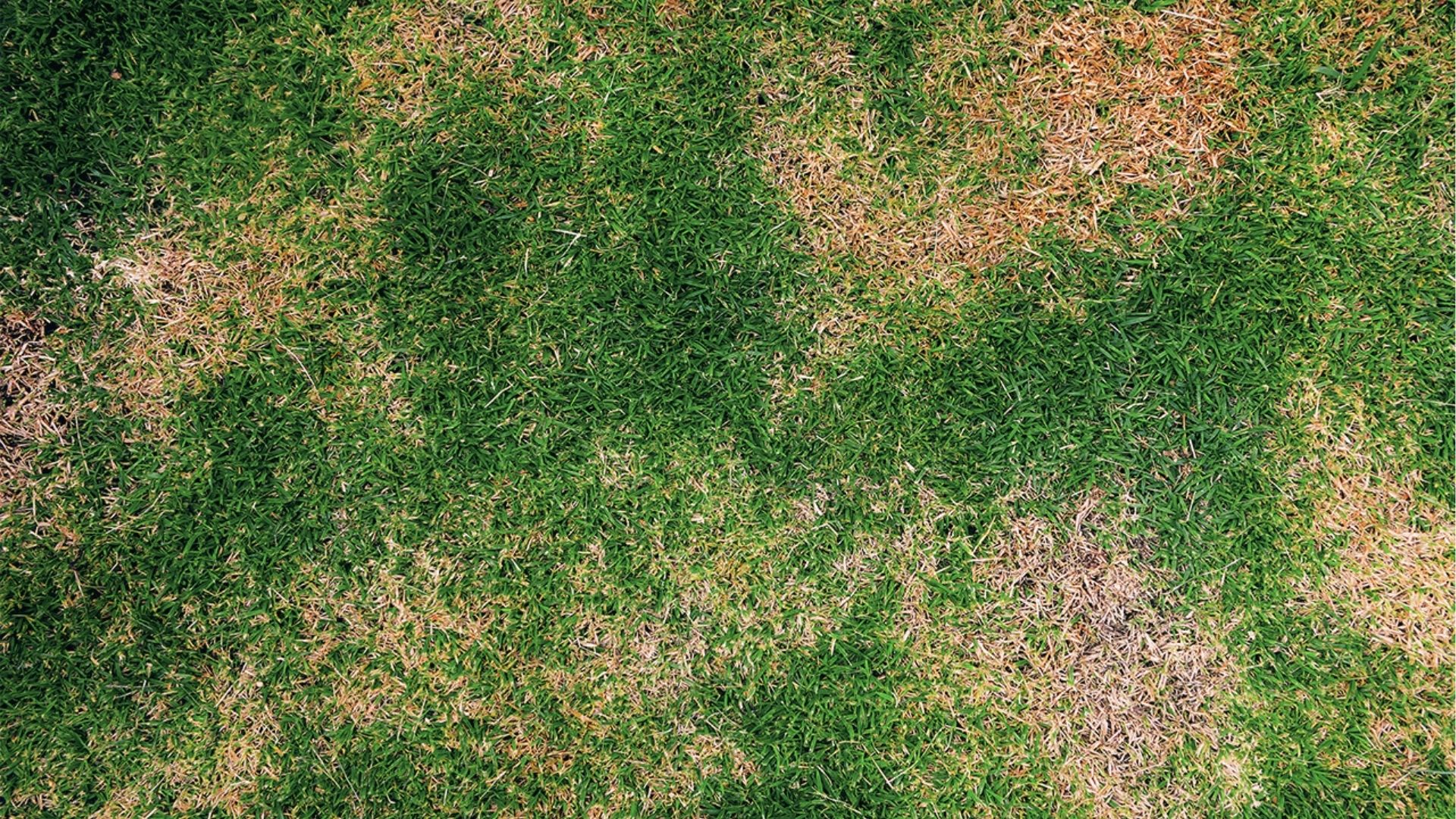
See how grub activity changes your lawn’s look and which areas get hit first.
How Grub Damage Changes Lawn Appearance
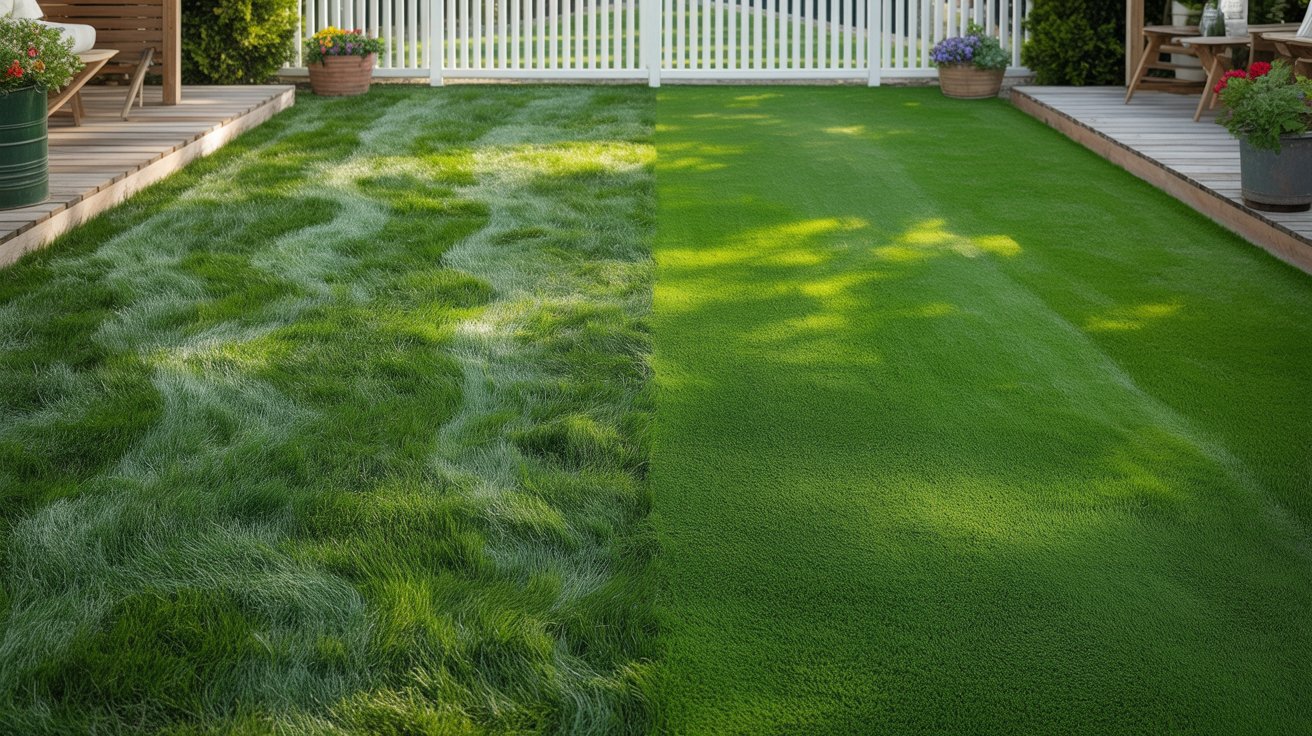
A healthy lawn looks green, full, and firm. A lawn with grub damage looks patchy, pale, and tired. The color fades unevenly and the texture feels off in damaged areas.
Difference Between Surface Damage and Root Damage
Surface damage shows up as color changes. Root damage shows up as loose turf that you can lift with your hands.
Both are signs of grubs, but root damage is more serious and harder to recover from quickly.
Common Areas Where Grubs Attack First
Grubs tend to start in areas with thinner turf, poor drainage, or heavy shade. Beetle eggs are laid in soft, moist soil in summer, so these areas attract the most activity.
Edges of the lawn near flower beds or garden borders can also be common starting points.
Why Healthy Lawns Can Still Get Grubs
Even a well-maintained lawn can have grubs. Beetles lay eggs based on soil conditions, not grass health.
If your soil is moist during egg-laying season, you are at risk regardless of how green your lawn looks.
What Does Grub Damage Look Like in the Fall?
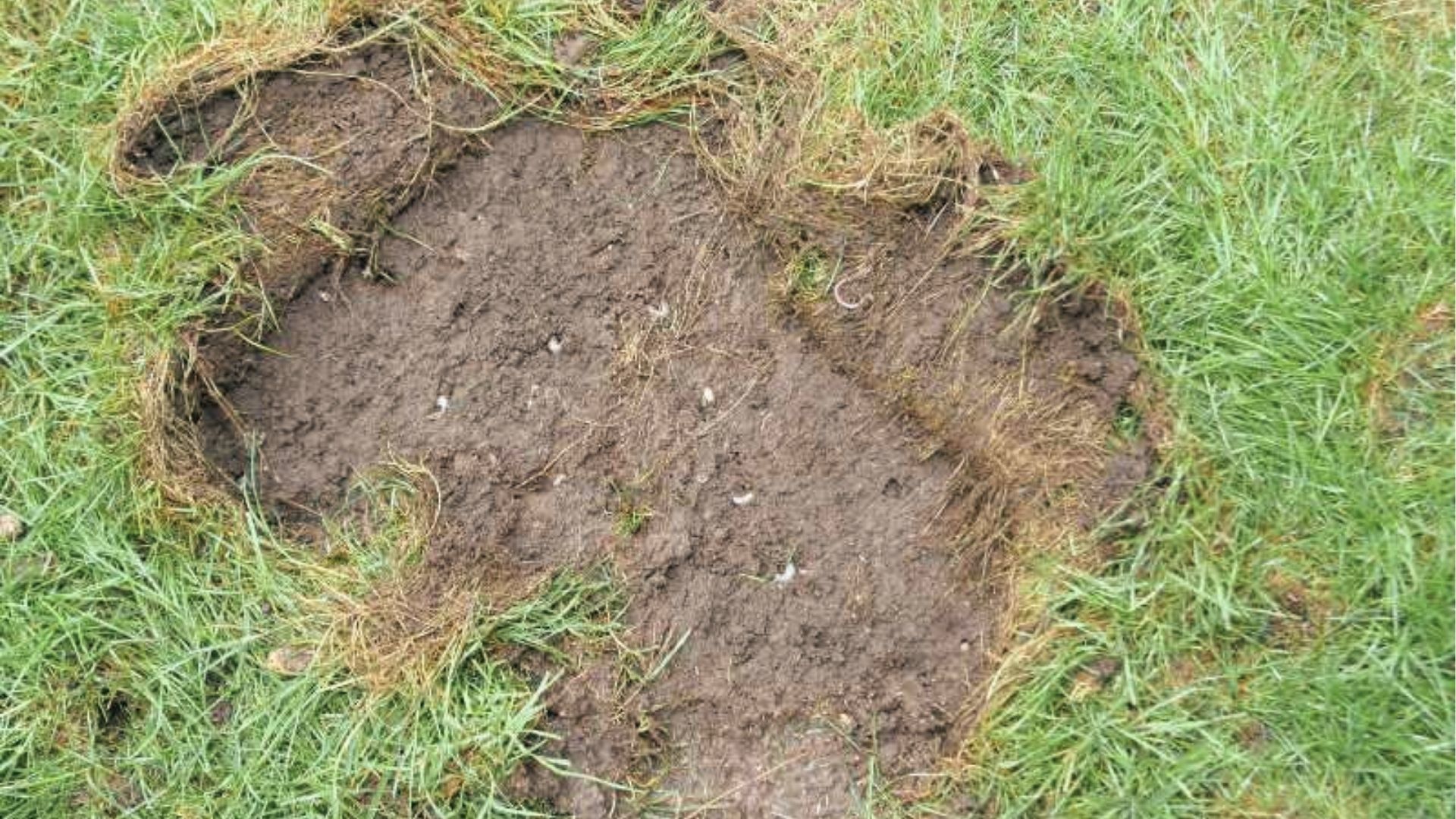
Fall brings the worst grub activity. Here is how to spot and understand it.
Why Fall Is Peak Grub Damage Season
By fall, grubs have grown larger and their feeding increases. They are working hard before the cold pushes them deeper into the soil. This is when the most visible damage happens.
Fall Lawn Symptoms Linked to Grubs
Brown patches that appear in September and October are a strong sign. The grass looks dead but the soil beneath is active with larvae.
You may also notice animals digging more frequently during this time.
Grub Damage vs Normal Seasonal Dormancy
Dormant grass turns brown but stays firm underfoot. Grub-damaged grass turns brown and feels spongy or loose. The tug test is the fastest way to tell them apart in fall.
Why Damage Becomes More Visible in Cooler Weather
Warm weather can hide grub damage as nearby healthy grass fills in gaps. In fall, grass stops growing and the damaged patches stand out clearly against slower-growing turf.
How to Check for Grubs in Your Lawn
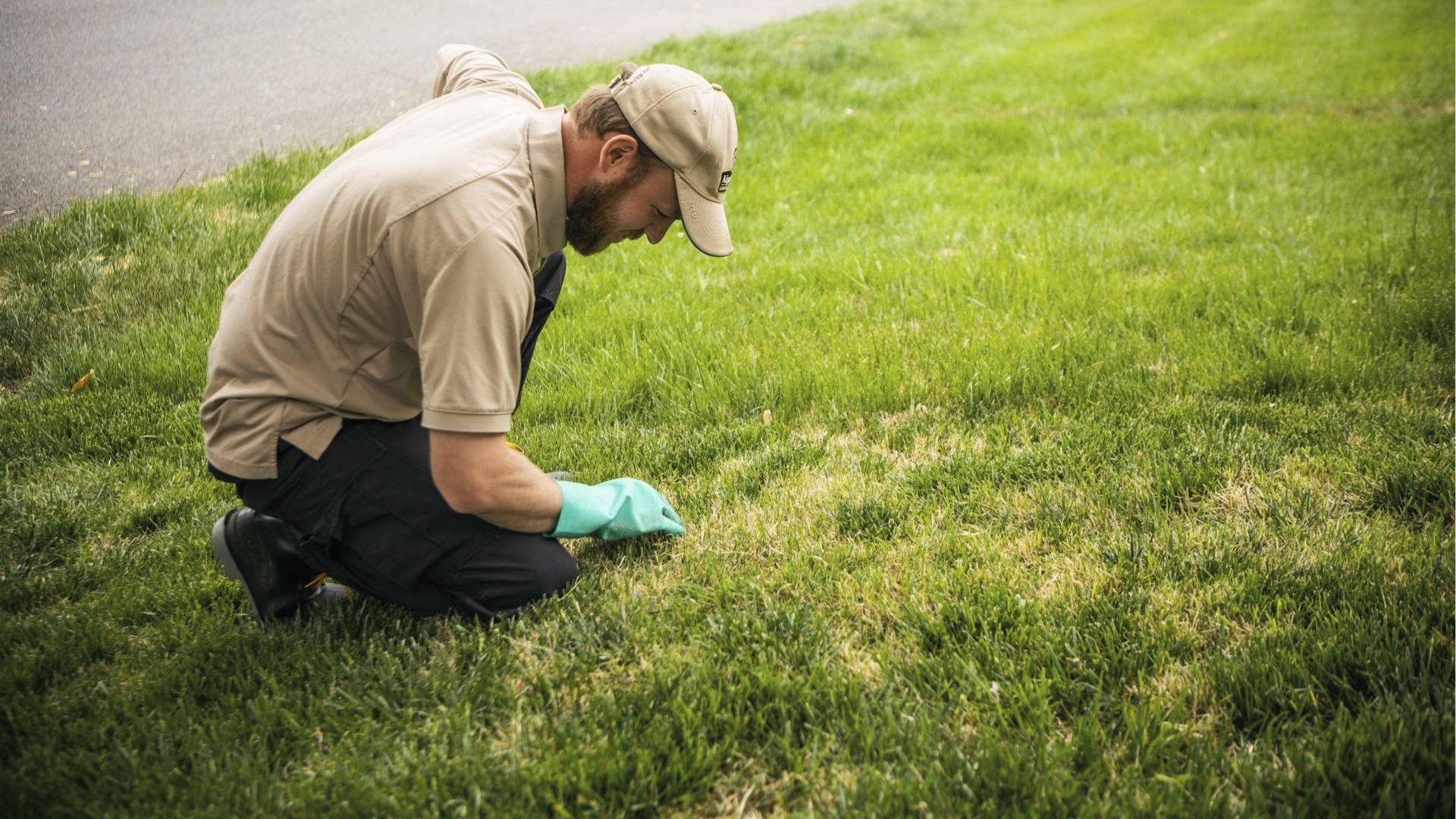
Simple steps to inspect your lawn and find out exactly how bad the infestation is.
How to Perform the Tug Test
Grab a handful of grass in a damaged area and pull gently. If it lifts with no resistance, grubs have eaten the roots. Do this in several spots to understand the spread.
Digging and Inspecting Soil for White Grubs
Use a shovel to dig a small square about 1 foot wide and 4 inches deep. Flip the soil over and count any white, C-shaped grubs you find. Do this in a few different areas.
How Many Grubs Are Too Many?
Finding 1 or 2 grubs per square foot is normal. Finding 5 or more per square foot means you have a problem that needs treatment. Severe infestations can have 10 or more per square foot.
Best Time to Inspect Your Lawn for Grubs
Late summer and early fall are the best times to inspect. Grubs are small but active near the surface. Spring is the second-best time before they go deep again.
Tips to Prevent and Treat Grub Damage
Practical advice on treating active grubs and keeping your lawn protected long term.
- Apply preventive grub treatments in early summer before eggs hatch and use curative treatments in late summer for active infestations.
- Preventive treatments work best to stop grubs before damage starts while curative treatments kill active grubs already feeding on roots.
- Use beneficial nematodes or milky spores as natural options to reduce grubs safely without harming pets or people.
- Remove dead turf, loosen the soil, reseed the area, and keep foot traffic off until new grass grows back fully.
- Water deeply but less often and mow at the right height to keep turf thick and discourage beetles from laying eggs.
Conclusion
Spotting grub damage early makes all the difference. Brown patches, spongy turf, grass that lifts like carpet, and animal digging are the signs you need to watch for.
I have been in your shoes, staring at a patchy lawn with no idea what went wrong.
Once I understood what grub damage looked like, everything became clear. The signs were there all along. Now you have the knowledge to act fast and protect your lawn.
Drop a comment below and share what you noticed in your yard.
Frequently Asked Questions
What does grub damage look like in grass?
It appears as brown or yellow patches with soft, spongy turf. Grass in affected areas lifts easily from the soil because grubs have eaten the roots underneath.
Can grass recover from grub damage?
Yes, it can recover if treated early. Remove dead areas, reseed, and keep the lawn watered. Recovery is faster in fall when growing conditions are cooler and more stable.
What month is grub damage most noticeable?
September and October tend to show the most visible damage. This is when grubs are large, actively feeding, and the cooler weather makes dead patches stand out clearly.
Will watering fix grub-damaged grass?
No, watering will not fix grub damage. Since roots are destroyed, water cannot reach the grass blades. The turf needs treatment, removal of dead areas, and reseeding to recover.
How do I know if I have grubs or lawn fungus?
Do the tug test. If grass lifts like carpet, it is likely grubs. Fungal damage usually stays rooted and often has a circular shape with dark borders around the affected area.