
How long does mulch last? Learn mulch lifespan by type, signs of breakdown, and tips to make mulch last longer.
How Long Does Mulch Last? 15 Factors Explained
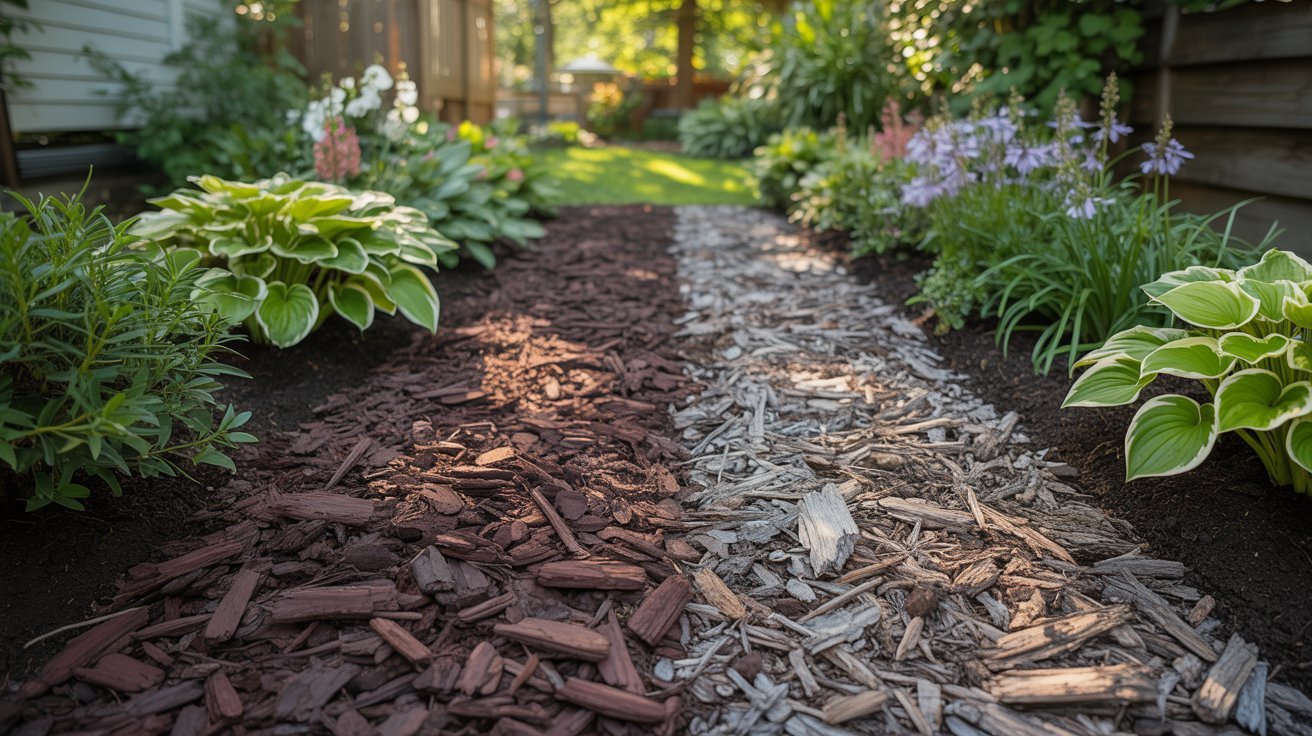
Most organic mulch lasts between 1 and 3 years. Inorganic mulch like rubber or stone can last 10 years or more.
Understanding how long mulch lasts helps you avoid overwatering, weed growth, and unnecessary replacement costs.
I used to guess when it was time to replace mulch. That led to wasted money and bare beds that dried out fast. This article takes the guesswork out.
Here is what you will find: how to read the age of your mulch, a lifespan breakdown by type, the 15 factors that affect mulch lifespan, and clear guidance on when to replace versus refresh.
I have worked with mulch across different soil types and climates for years. Everything here is based on real results.
How to Tell Exactly How Old Your Mulch Is (Even If You Forgot When You Applied It)
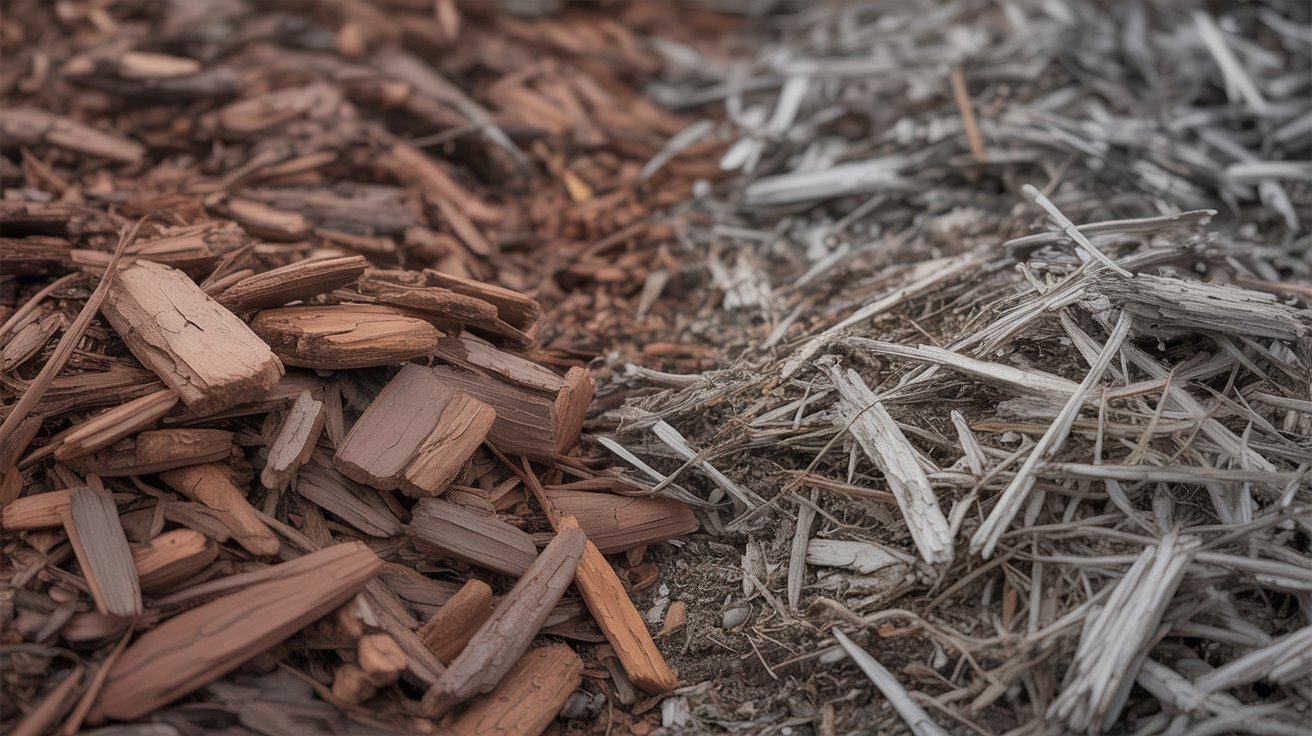
Fresh mulch has a rich color and a strong earthy smell. Over time, it fades to gray or dark brown.
The texture changes too. Fresh mulch feels firm and chunky. Old mulch crumbles when you press it.
Push your finger an inch into the layer. If it loses structure and blends into the soil below, it has been wearing down for a while.
In my raised beds during humid summers, shredded hardwood mulch usually thins out within 8 to 10 months. Pine bark in the same garden holds closer to two years under identical conditions.
In USDA Zone 8 gardens, hardwood mulch deteriorates nearly twice as fast as it does in cooler northern climates. Location matters more than most people realize.
Lifespan Breakdown by Mulch Type (Realistic Timelines)
Not all mulch holds up the same way. Here is a realistic look at how long each type lasts in real garden conditions.
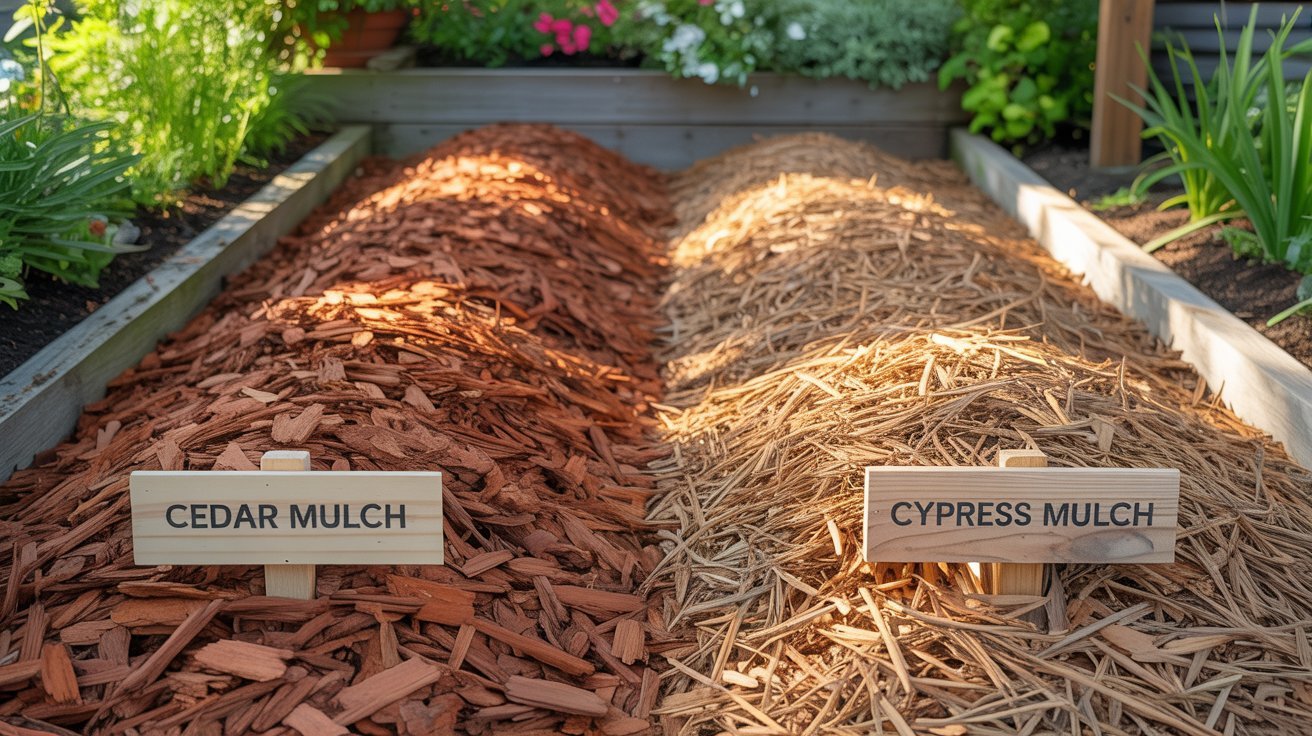
Bark Mulch (Lasts 1-3 Years)
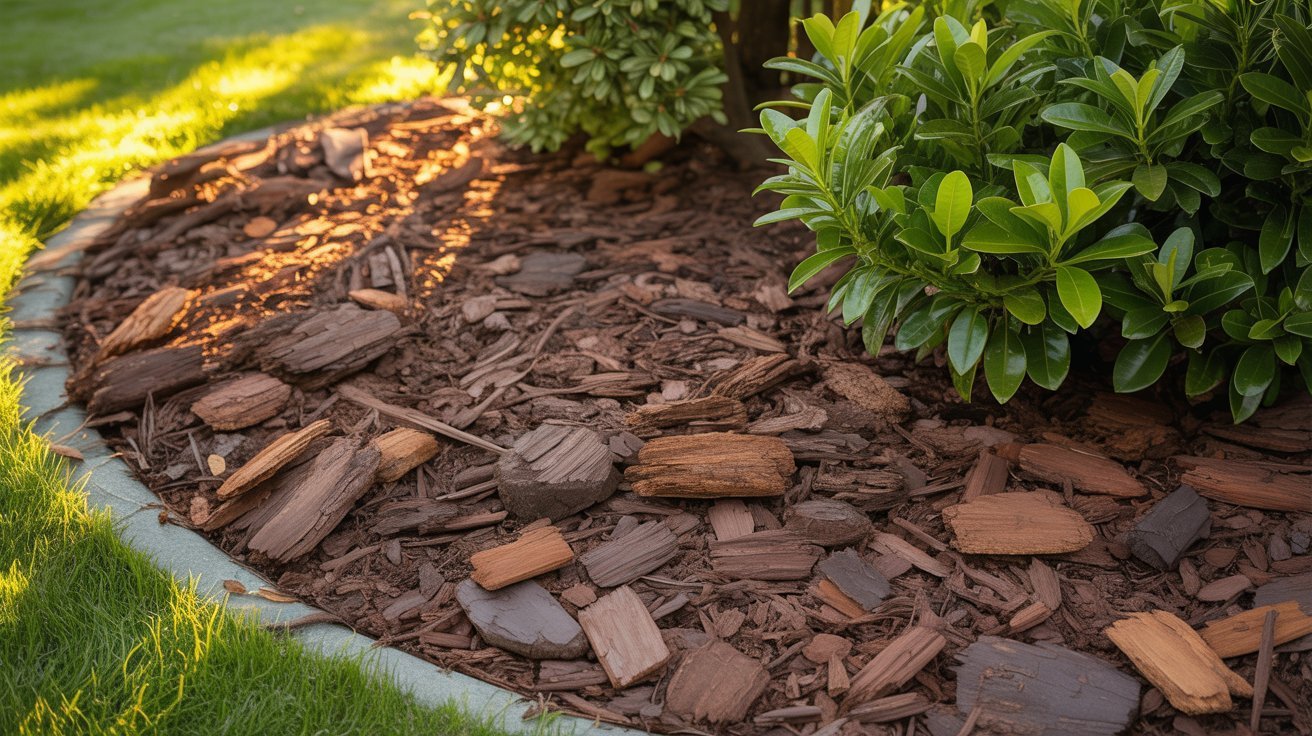
Bark mulch is one of the more durable organic options. In dry climates, it can hold up for three years with minimal refreshing. In humid or wet zones, expect to top it up after one season.
Wood Chips (Lasts 1-2 Years)
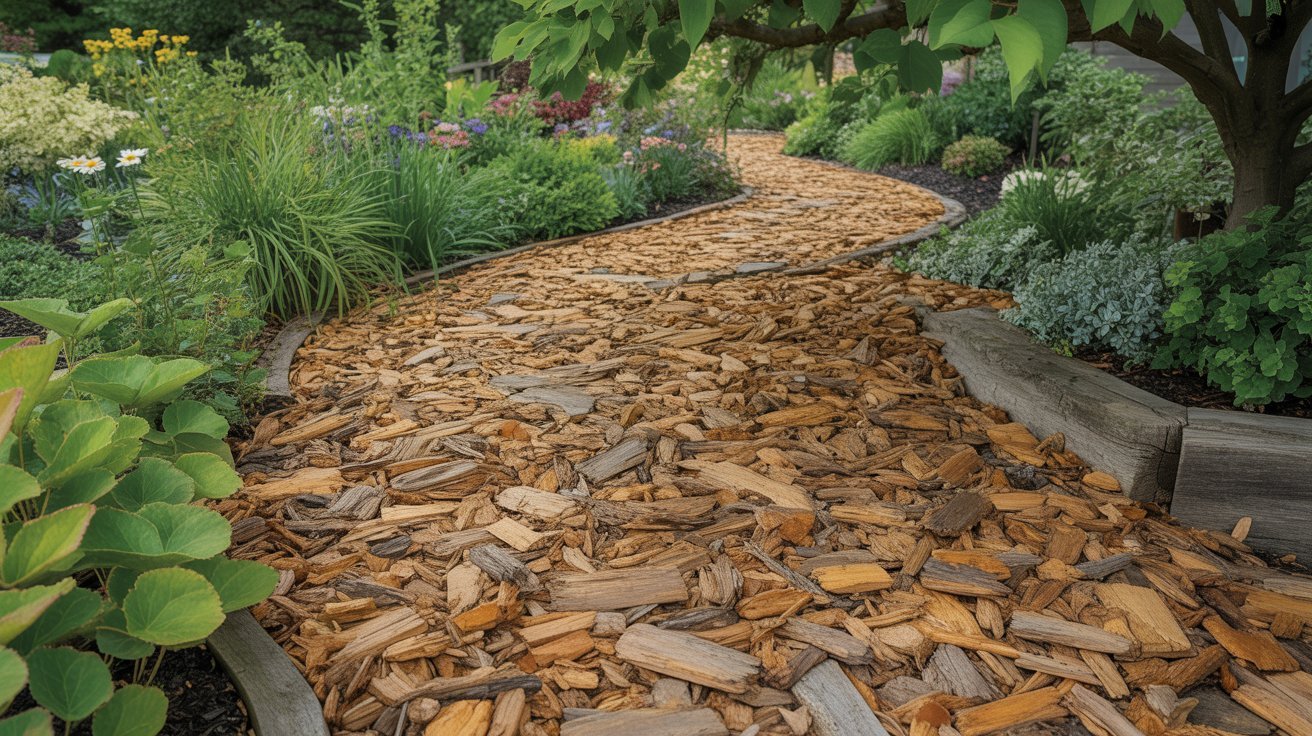
Wood chips wear down faster than bark. Coarser chips resist deterioration longer and give better weed coverage. Fine chips in flower beds may thin out within a single growing season.
Straw or Grass Clippings (Lasts 1-6 Months)
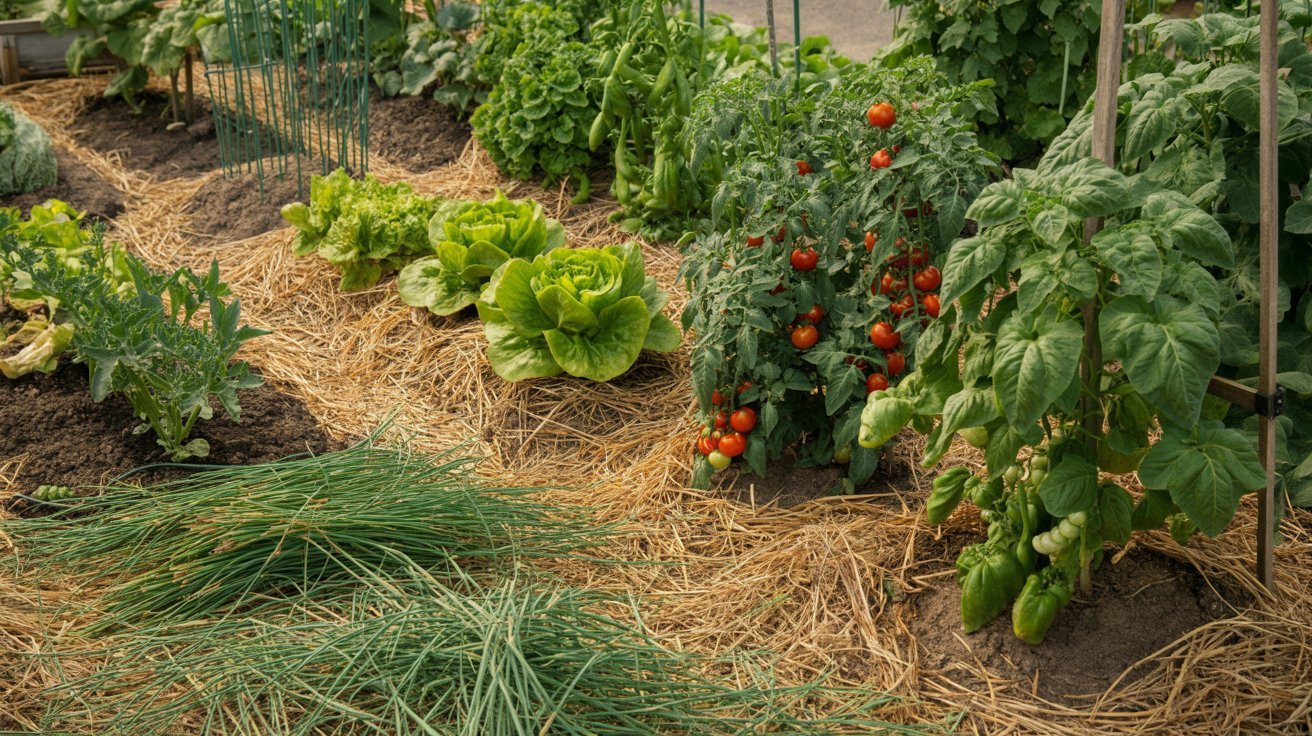
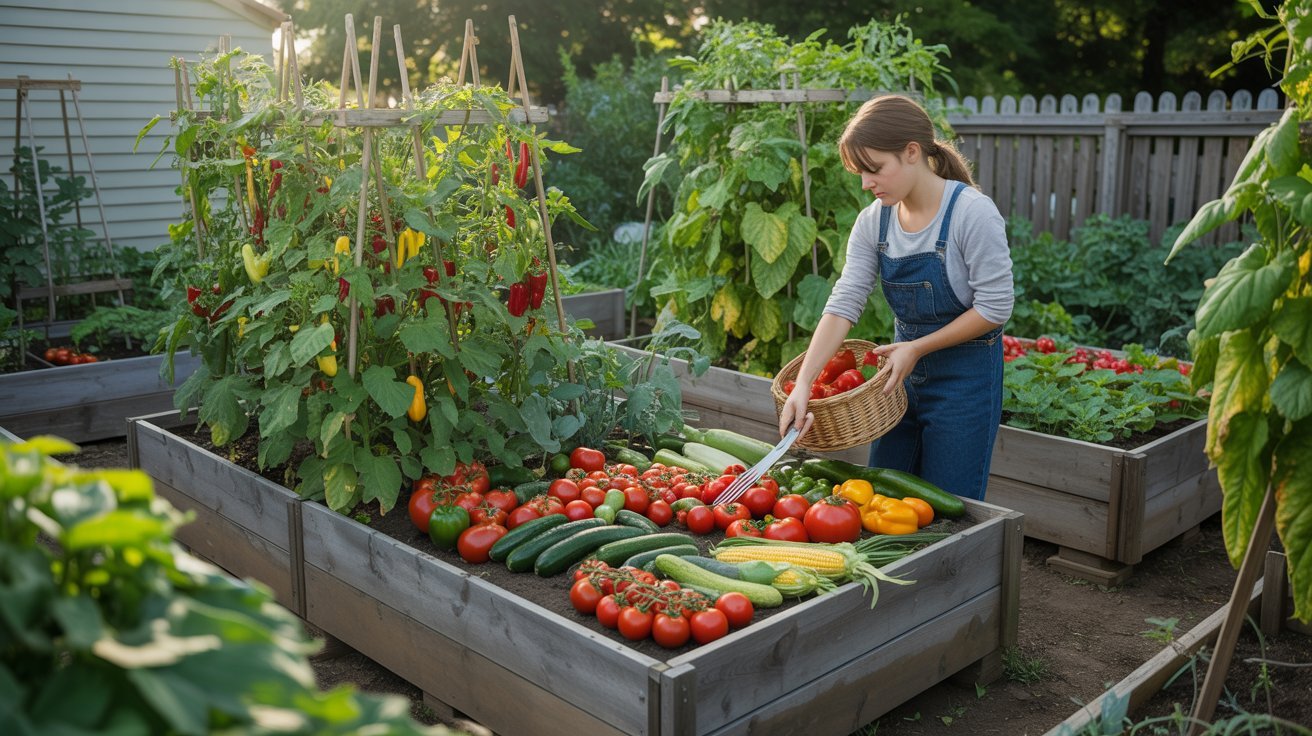
These degrade fast, which is actually useful in vegetable gardens since they feed the soil quickly. You will need to add more throughout the season.
Compost or Leaf Mulch (Lasts 3-6 Months)
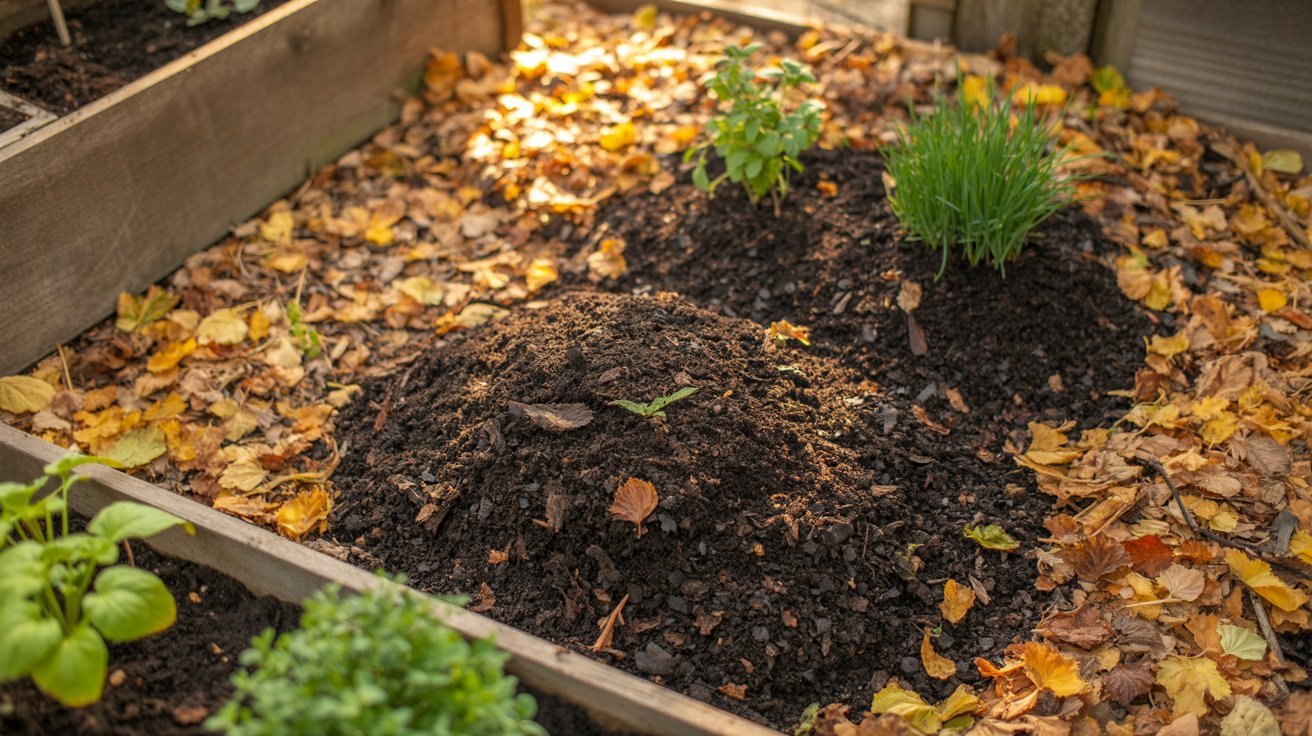
Rich in nutrients but short-lived. Best for raised beds where you want quick soil improvement and do not mind reapplying.
Rubber Mulch (Lasts 10+ Years)
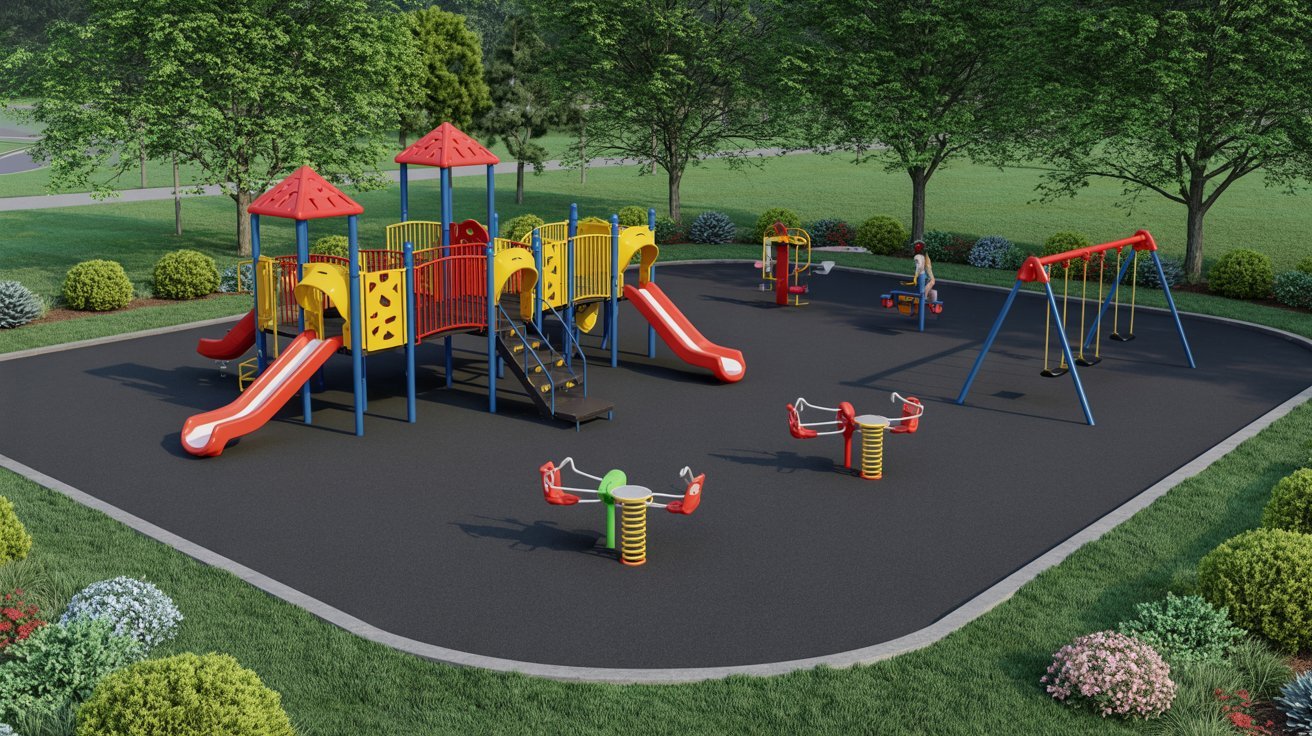
Rubber mulch does not decompose. It holds its shape and position for a decade or more. Best for playgrounds and pathways where soil health is not a priority.
Gravel or Stone (Permanent but Shifts Over Time)
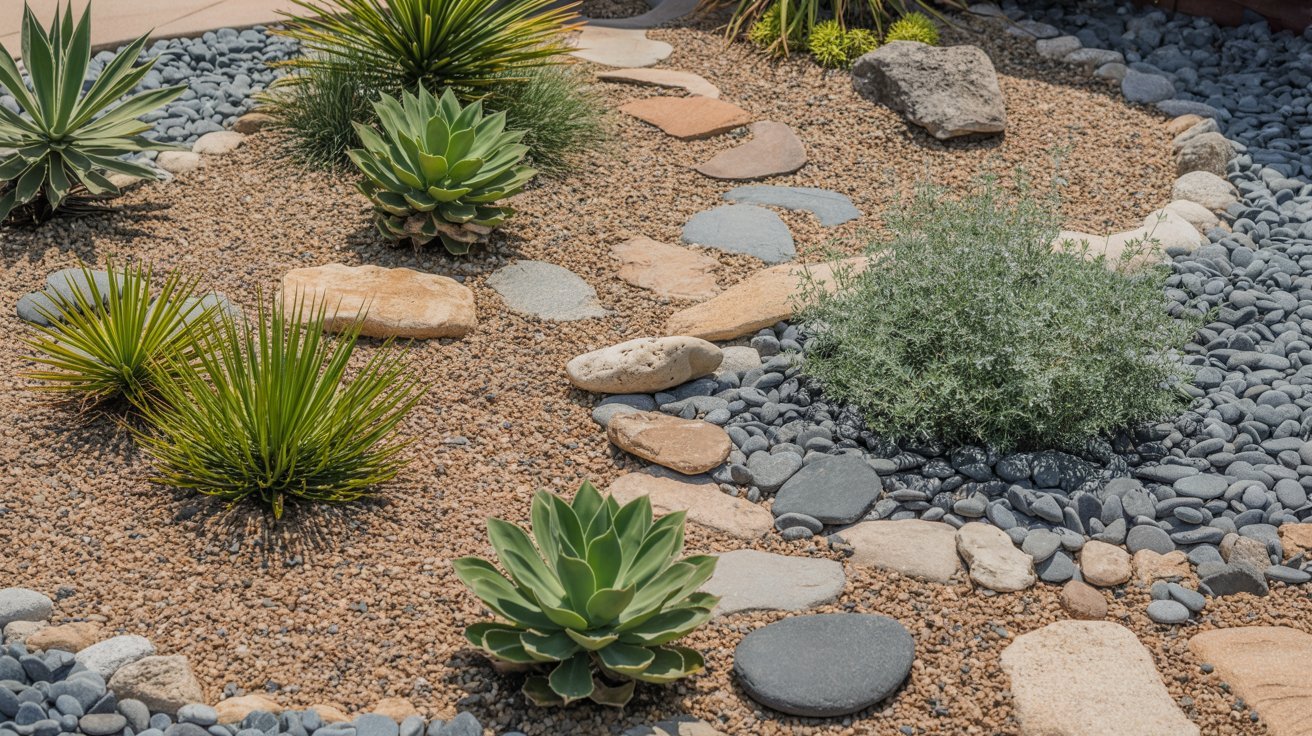
Stone does not degrade. But it sinks, shifts, and lets weeds push through gaps over time. Occasional raking and resetting keeps it tidy.
15 Key Factors That Affect Mulch Lifespan
These are the real reasons mulch wears down faster in some gardens than others. Most people only think about mulch type, but location, maintenance, and biology matter just as much.
- Climate:Hot, wet climates accelerate deterioration. The same mulch can last twice as long in a dry western climate as it does in a humid southern one.
- Sun exposure: Full-sun beds cause mulch to dry out and lose structure faster. Shaded beds keep it fresh noticeably longer.
- Wind and erosion:High winds scatter lightweight mulch quickly. Heavier materials like bark chunks or gravel hold better in open, exposed spots.
- Microbial activity:Microbes in warm, moist soil consume organic mulch steadily. Great for soil health, but it shortens what stays on the surface.
- Earthworms and insects:They pull mulch into the soil over time. Helpful for your garden, but it thins the surface layer faster than you might expect.
- Soil moisture levels:Constantly wet soil speeds up decay. Well-drained soil helps mulch hold its depth longer.
- Mulch material type:This is the biggest variable. Rubber lasts a decade. Straw may go in months. Matching material to your goals makes a real difference.
- Particle size:Fine mulch loses structure faster. Coarser chunks resist deterioration and give better weed control.
- Mulch thickness:Two to four inches is the right depth. Anything under two inches dries out fast. Over four inches can trap too much moisture around roots.
- Foot traffic:High-traffic areas compact and wear down mulch faster. Use denser, coarser materials in walkways and play areas.
- Watering habits:Frequent overhead watering speeds up surface decay. Drip irrigation keeps mulch drier and extends its life noticeably.
- Mixing into soil:Regular digging or turning thins the layer faster than natural deterioration does.
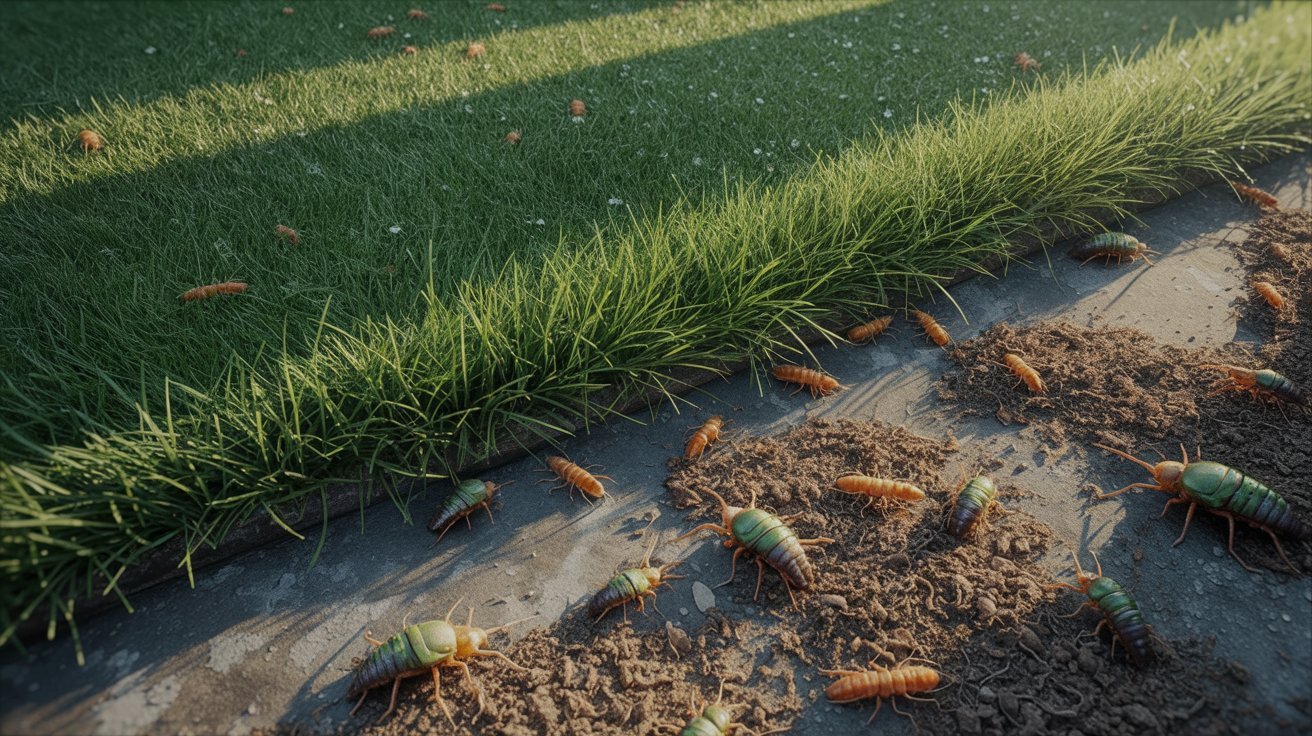
- Pest activity:Some pests nest in mulch and physically disrupt it. Watch for signs of digging or tunneling through the layer.
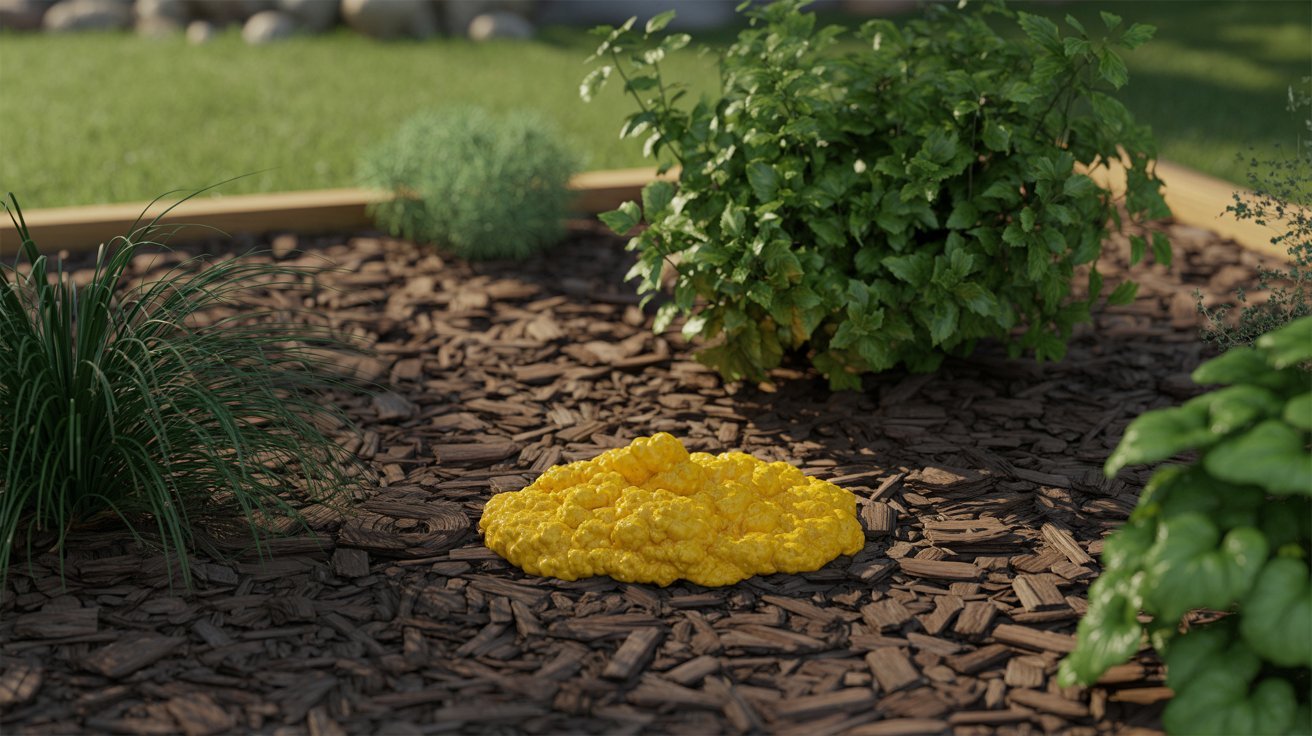
- Fungal growth:White or yellow patches signal active decay. They can accelerate deterioration in that section of the bed.
- Seasonal changes:Freeze-thaw cycles crack and crumble mulch in cold climates. Spring is usually when you notice the most wear from winter.
When to Replace Old Mulch (Signs Mulch Has Gone Bad)
This is about knowing when mulch has stopped doing its job, not just how it looks.
Replace mulch when the layer measures under one inch deep, weeds push through easily, water runs off the surface instead of soaking in, the smell turns sour, or you see matted sections blocking drainage.
Two or more of these together means it is time to act. One sign on its own may just need a light top-up.
How to Make Mulch Last Longer (Actionable Tips)
Apply two to four inches at a time. That depth gives the best balance of moisture retention, weed suppression, and airflow.
Top up once a year rather than waiting until the layer disappears. A one-inch spring refresh goes further than a full replacement later.
Use coarser mulch in rainy climates or high-traffic areas. It resists wear far better than fine materials under tough conditions.
Keep mulch two inches away from plant stems and trunks. Direct contact causes rot right where you want protection most.
How Often Should Mulch Be Replaced vs Refreshed?
Replace when the old layer is under one inch thick or has turned into dark, crumbly material that looks like soil. Start fresh with a full two to four inch application.
Refresh when the layer is still intact but thin or faded. A one-inch top-up usually does the job without a full overhaul.
A good rule:refresh each spring, and do a full replacement every two to three years for organic mulch types. Inorganic mulch rarely needs full replacement, just occasional raking.
Organic vs Inorganic Mulch: Which Has a Longer Lifespan?
Inorganic mulch wins on lifespan. Organic mulch wins on soil health.
Here is a side-by-side look:
| Type | Lifespan | Feeds Soil | Best Use |
| Bark mulch | 1-3 years | Yes | Garden beds |
| Wood chips | 1-2 years | Yes | Paths, borders |
| Straw | 1-6 months | Yes | Vegetable beds |
| Rubber mulch | 10+ years | No | Playgrounds, paths |
| Gravel or stone | Permanent | No | Decorative, paths |
For garden beds where healthy soil matters, go organic. For low-maintenance areas where longevity matters more, inorganic is the smarter pick.
Common Mistakes That Shorten Mulch Lifespan
Applying too thin:Anything under two inches dries out fast and gives weeds an easy path through.
Piling against stems:This traps moisture and invites rot at the base of plants. Keep a two-inch gap around all stems and trunks.
Using the wrong type for the climate:Fine mulch in a wet climate can deteriorate in weeks. Match material to your conditions.
Skipping annual top-ups:Waiting too long means starting over instead of refreshing. That costs more time and money.
Layering over old, matted mulch: It traps moisture underneath and speeds up wear from below. Remove it first.
Cost vs Longevity: Is Long-Lasting Mulch Worth It?
Here is an honest look at cost compared to lifespan:
| Mulch Type | Avg Cost (per cu. ft.) | Lifespan | Long-Term Value |
| Bark mulch | $0.50-$1.00 | 1-3 years | Solid all-round choice |
| Wood chips | $0.30-$0.80 | 1-2 years | Budget-friendly |
| Rubber mulch | $1.50-$3.00 | 10+ years | Best for paths and play areas |
| Gravel or stone | $1.00-$2.50 | Permanent | High upfront, low annual cost |
Rubber mulch may cost two to three times more than bark upfront. Spread over ten years, the annual cost works out lower.
For playgrounds and pathways, that math makes sense. For garden beds, organic mulch still wins. The soil benefits outweigh the shorter lifespan, and a yearly refresh keeps the cost manageable.
Conclusion
Mulch lifespan ranges from a few months to over a decade depending on the material and your conditions.
Most gardeners land somewhere in the middle with bark or wood chips that need refreshing every one to two years.
The easiest way to extend how long mulch lasts is to apply the right depth, choose a material suited to your climate, and top up each spring before the layer thins out.
Choosing the right mulch and refreshing it at the right time improves soil moisture, weed control, and long-term garden health more than most people expect.
What type of mulch are you using right now, and how long has it been holding up?
Frequently Asked Questions
Does mulch need to be replaced every year?
Not always. Most organic mulch like bark lasts one to three years before needing a full replacement. A light annual top-up is usually enough to keep the layer working properly.
Can old mulch harm your plants?
Yes, if it becomes compacted or stays constantly wet. Matted mulch blocks water and airflow from reaching roots, which puts real stress on plants over time.
Does rubber mulch really last 10 years?
In most cases, yes. Rubber mulch does not decompose and holds its position well for a decade or more. It may fade slightly in color and need occasional raking back into place.
How thick should mulch be applied?
Two to four inches is the standard. This depth holds moisture, controls weeds, and lasts longer than a thin layer without trapping excess moisture around plant roots.
Is it okay to add fresh mulch over old mulch?
It depends on the condition underneath. If the old layer has turned into dark, crumbly material, leaving it is fine. If it is matted, soggy, or moldy, remove it before adding anything new.