
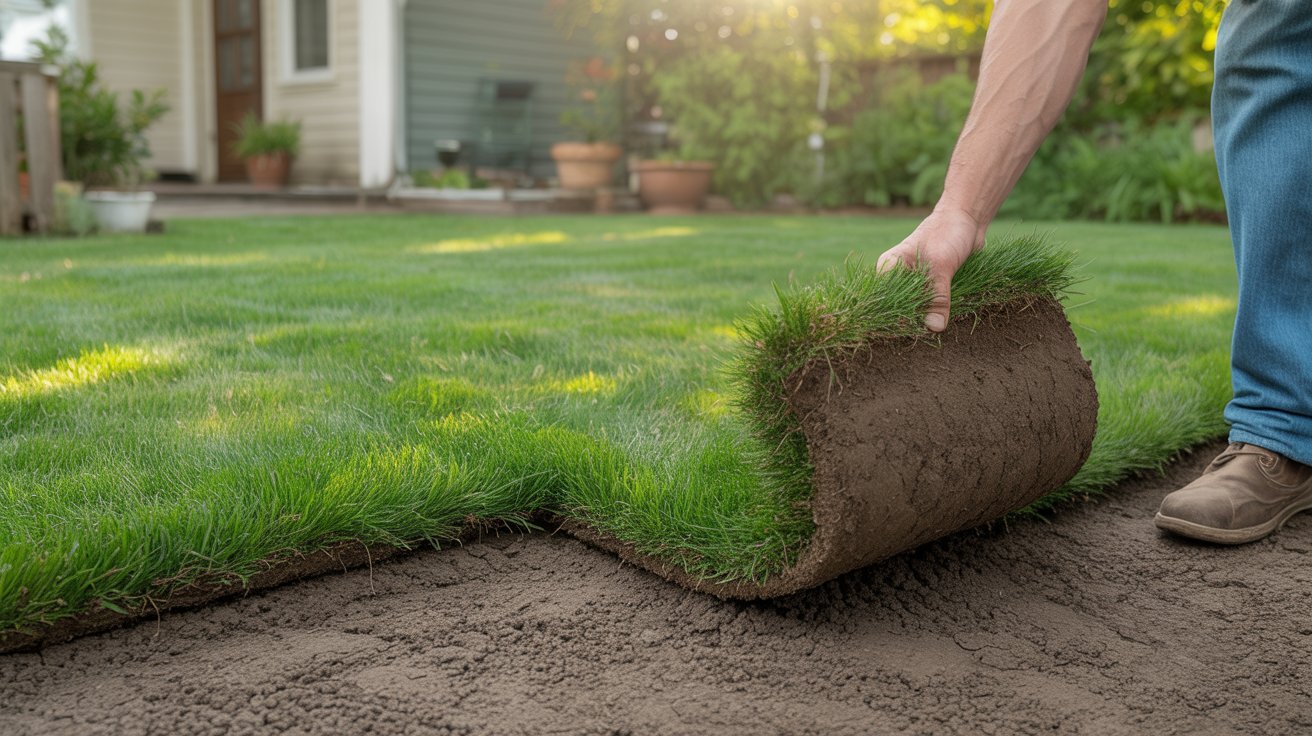
If you just laid sod and you're wondering how long does sod take to root, you're in the right place.
I've installed and maintained lawns for years, and this question comes up every single time. People want to know when it's safe to walk on it, mow it, and finally stop worrying about it.
In this blog, I'll cover the full rooting timeline, what affects how fast grass establishes, signs your sod is doing well or failing, and how to speed things up the right way.
Everything here is practical. No fluff. Just what actually works.
How Long Does Sod Take to Root?
Most sod starts forming shallow roots within the first 10 to 14 days. You'll notice it when you tug a corner and feel some resistance.
But that's only the beginning.
Full establishment takes 4 to 6 weeks for most grass types. In one lawn I installed during early fall in Georgia, the sod rooted fully in just under 4 weeks.
The soil was well-prepped, temps were around 65°F, and I watered twice daily for the first week. Cooler weather, heavy clay, or rushed prep can push that closer to 8 weeks.
Here's a simple week-by-week breakdown of what to expect:
| Week | Rooting Stage |
| 1–2 weeks | Shallow roots begin forming. Sod starts gripping the soil. |
| 2–4 weeks | Roots go deeper. Lawn feels more stable underfoot. |
| 4–6 weeks | Full establishment for most grass types. |
| 6–8 weeks | Deep integration, especially in slower or cool-season varieties. |
Each stage builds on the last, so early care directly affects how strong your lawn becomes.
How Long Does Sod Take to Root by Grass Type
Not all grass roots at the same speed. The type you chose plays a big role in the timeline.
Here's how the most common varieties compare:
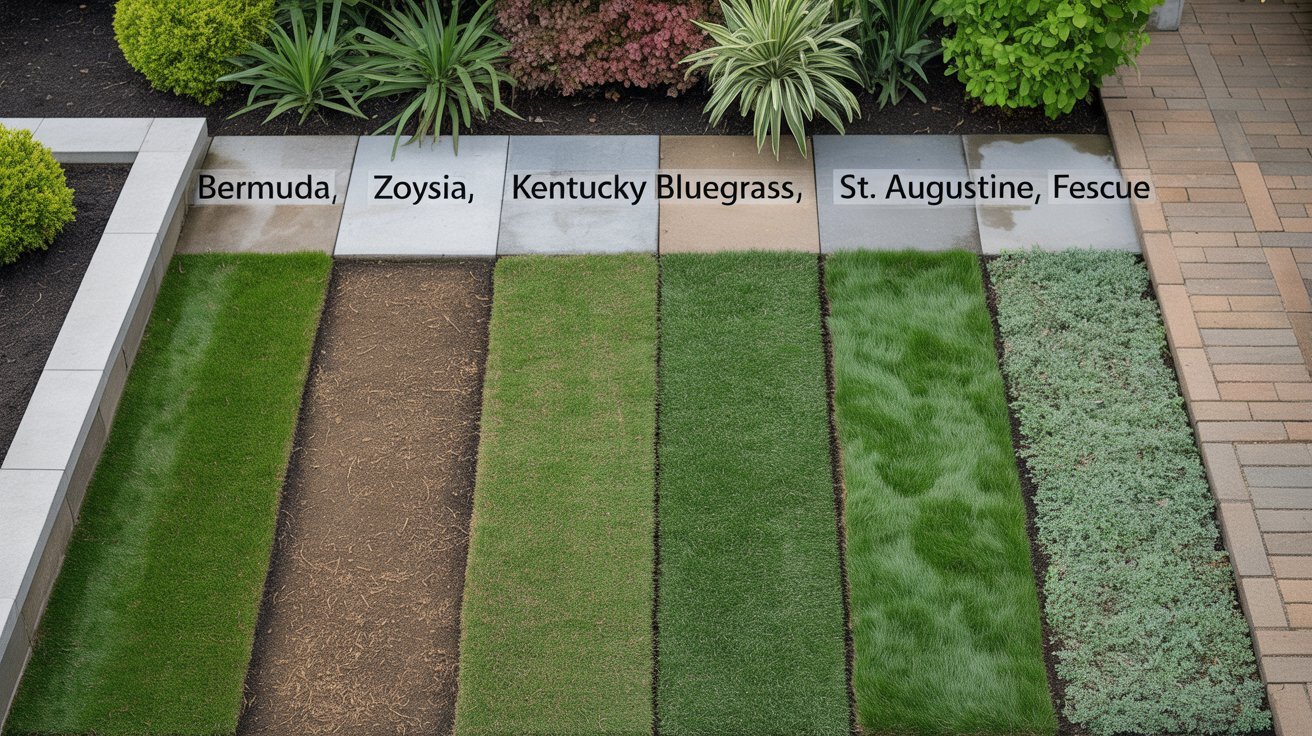
| Grass Type | Initial Rooting | Full Establishment |
| Bermuda | 2–3 weeks | 4–6 weeks |
| Zoysia | 3–4 weeks | 6–8 weeks |
| Kentucky Bluegrass | 3–6 weeks | 5–7 weeks |
| St. Augustine | 2–4 weeks | 4–6 weeks |
| Fescue | 3–5 weeks | 5–7 weeks |
Grass type is one of the biggest factors in how fast new sod takes hold. Match your expectations to your specific variety so you're not second-guessing normal progress.
7 Key Factors That Affect How Fast Sod Roots
Several things control how quickly roots develop and here are the seven that matter most:
- Soil condition:Loose, prepped soil lets roots grow freely. Compacted ground slows everything down.
- Watering:Too little and sod dries out. Too much and roots rot. Consistent, deep watering wins.
- Temperature:Most grass establishes best when soil temps sit between 55°F and 80°F.
- Grass type:Each variety has its own pace, as shown in the table above.
- Season:Spring and fall are ideal. Extreme heat or cold adds weeks to the timeline.
- Sunlight:Warm-season grasses love full sun. Shade-tolerant types do fine with less.
- Soil contact:Sod must sit flat against the ground. Air pockets stop root growth entirely.
Get these right and you'll cut weeks off how long it takes for your lawn to establish.
Signs Your Sod Is Rooting Properly (How to Tell It's Working)
Here's how to tell things are going in the right direction:
- The sod feels firm when you step on it lightly. It doesn't shift or slide.
- You feel resistance when you gently tug a corner. That's the roots gripping the soil beneath.
- Color stays even and green across the whole lawn.
- New grass blades start appearing around the 2-week mark.
- Edges stay flat and tight without curling up.
If you're seeing all of this, your new sod care is working exactly as it should.
Signs Your Sod Is NOT Rooting (And What to Do)
Sometimes things stall and here's what to watch for:
The sod lifts easily after two weeks. Roots haven't formed yet.
Edges are curling or drying out. Usually a watering issue.
Yellow or brown patches appear. This can signal underwatering, overwatering, or poor soil contact.
A sour smell or surface mold. Too much water is almost always the cause.
What to do:Start with your watering routine. The soil beneath should be moist, not soaked. If soil contact is the problem, use a lawn roller to press the sod back down. Persistent issues may mean replacing those sections entirely.
How to Make Sod Root Faster (Proven Tips That Work)
Here's what I've seen work on real installs, not just what sounds good on paper:
Prep the soil before laying. Till it, level it, and add compost if the soil is poor quality.
Use a starter fertilizer. High-phosphorus formulas support early root development. Apply before or right after laying.
Water deeply right after installation. Soak the soil at least 4 to 6 inches down on day one.
Water in the early morning. This cuts evaporation and lowers disease risk.
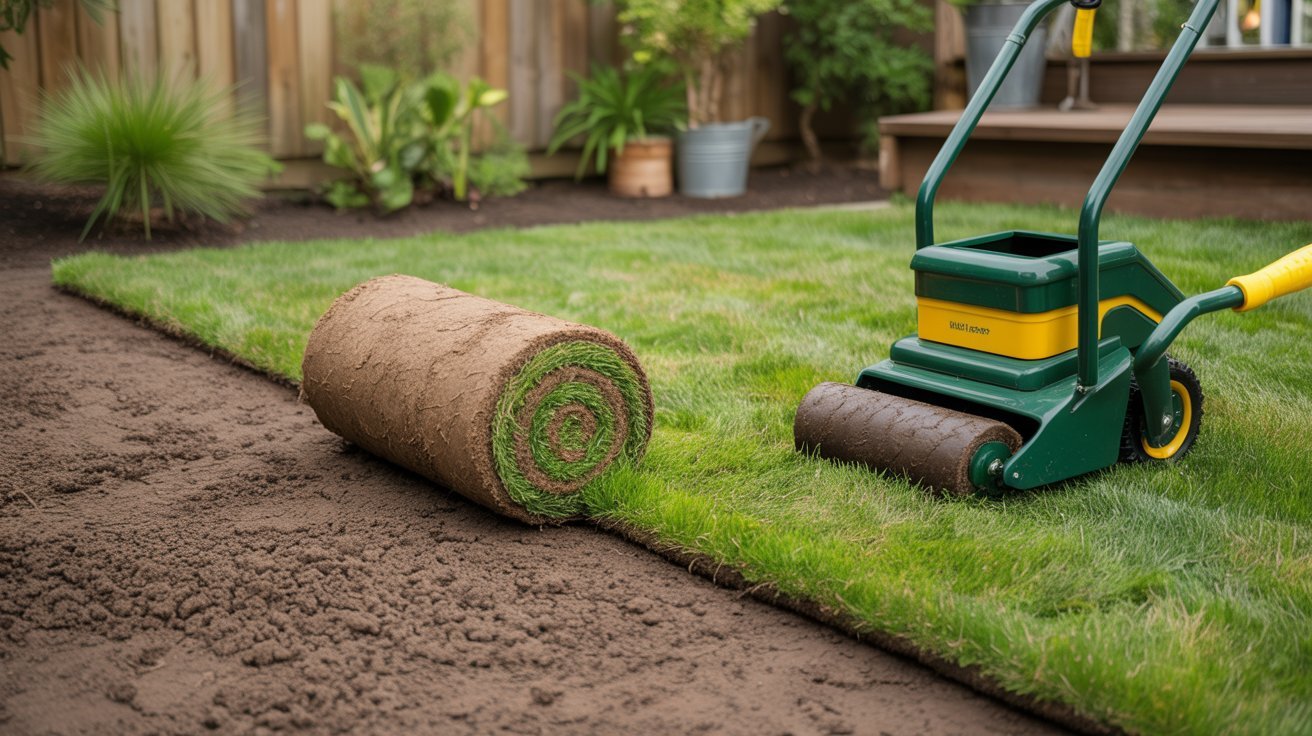
Roll the sod with a lawn roller. This removes air pockets and improves ground contact significantly.
Keep foot traffic off for 2 to 3 weeks. Every step pulls at roots that haven't fully set.
In one summer install on compacted clay soil in North Carolina, the sod took nearly 8 weeks to root. The homeowner had skipped the roller and had visible gaps under large sections.
Once we re-rolled and adjusted the watering, recovery came within 10 days. One step, big difference.
When Can You Walk on New Sod?
Wait at least 2 to 3 weeks before walking on new sod. Even then, keep it light.
Heavy foot traffic should wait until the 4 to 6 week mark, when grass is firmly established.
If you have pets or kids, try your best to keep them off. One extra week of protection makes a real difference in how well the roots develop.
When to Mow New Sod for the First Time
Mow when grass reaches 3 to 4 inches tall. For most types, this happens around 2 to 3 weeks after installation.
Do the tug test first. If the sod still lifts easily, wait a few more days before mowing.
Use a sharp blade. A dull blade pulls at the grass instead of cutting cleanly, which can uproot sections that are still settling.
Never cut more than one-third of the blade height at once. Keep the first mow light.
Best Season to Lay Sod for Faster Rooting
Season directly affects how long sod takes to root.
Spring:Warm soil and steady rain create solid growing conditions. Avoid peak heat weeks.
Fall:My top pick. Cool temps lower stress, and roots have time to settle before winter. I've consistently seen faster establishment in early fall installs compared to any other season.
Summer:Grass can root, but you'll need to water more often and watch for heat stress closely.
Winter:Not recommended in most climates. Cold soil slows root development to almost nothing.
Why Knowing How Long Sod Takes to Root Matters
This isn't just about patience. Understanding the rooting timeline shapes every decision you make after laying sod.
Mow too soon and you pull roots out. Walk on it too early and you compact the soil before roots can spread. Stop watering too soon and the grass dies before it ever had a chance.
Knowing what's happening beneath the surface helps you protect the lawn at every stage. That's what separates a lawn that thrives from one that needs to be relaid completely.
Common Sod Installation Mistakes That Delay Rooting
These are the mistakes I see slow things down most often:
- Laying sod on dry or hard soil. Roots can't push through. Moisten and prep the soil first.
- Skipping starter fertilizer. The first few weeks are the most critical for root development.
- Overwatering in week one. Soggy soil leads to shallow, weak roots.
- Not rolling the sod after installation. Air gaps quietly kill new growth.
- Laying in the wrong season. Extreme temps add significant time before grass fully establishes.
- Mowing too soon. It can pull entire sections right off the ground before roots have set.
Avoid these and your lawn will be in good shape much sooner.
Conclusion
If you've been wondering how long does sod take to root, the answer always comes down to care, timing, and conditions.
Most sod roots within 2 to 6 weeks. How you handle those weeks makes all the difference.
Good soil prep, consistent watering, and keeping foot traffic off early are the three things that matter most.
Small mistakes early on, like mowing too soon or skipping the starter fertilizer, can push your timeline back by weeks.
Give your lawn the time it needs. Check it regularly. Adjust when something looks off. The results show up when you don't cut corners on early care.
What part of laying new sod are you struggling with most, and what have you tried so far?
Frequently Asked Questions
Can sod fully root in less than 2 weeks?
Sod may grip slightly in under 2 weeks, but full rooting takes longer. Rushing any part of the early care process will likely set back the whole timeline.
How often should I water new sod in the first week?
Water once or twice daily in the first week, keeping the soil moist 4 to 6 inches deep. Staying consistent during this window prevents drying out and overwatering equally.
Does sod root faster in sandy or clay soil?
Sandy soil drains fast and warms up quickly, which generally speeds up how fast grass establishes. Clay soil holds moisture longer but compacts more easily, slowing root spread.
What kills new sod roots the fastest?
Air pockets under the sod, overwatering, and early foot traffic are the top causes of failed establishment. Rolling after installation helps prevent all three at once.
Is brown new sod always dead?
Not always. Light browning in the first week can be normal stress. Check if the soil below is still moist. If color doesn't return within a few days after that, the section may need replacing.