
Fennel vs dill is one of those mix-ups that trips up even good cooks.
Both herbs look feathery and green. Both grow tall. But they taste nothing alike, and using the wrong one can throw off your whole dish.
I've cooked with both for years, made the swap, and learned the hard way when it works and when it doesn't.
In this blog, I'll cover what each herb is, how they taste, how to tell them apart fast, when you can substitute one for the other, their health benefits, and tips for growing them at home.
I've tested both herbs in real dishes, not just read about them.
By the end, you'll know exactly which one to reach for and when.
What Is Fennel?
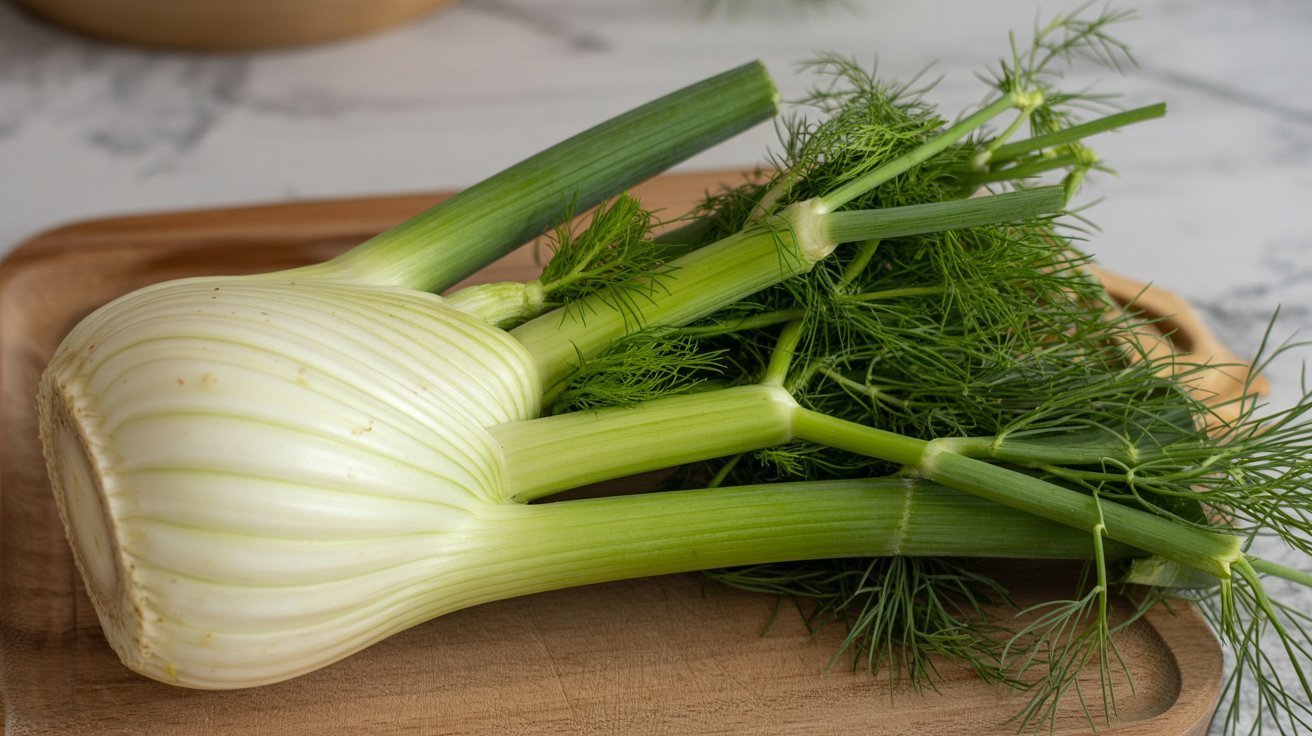
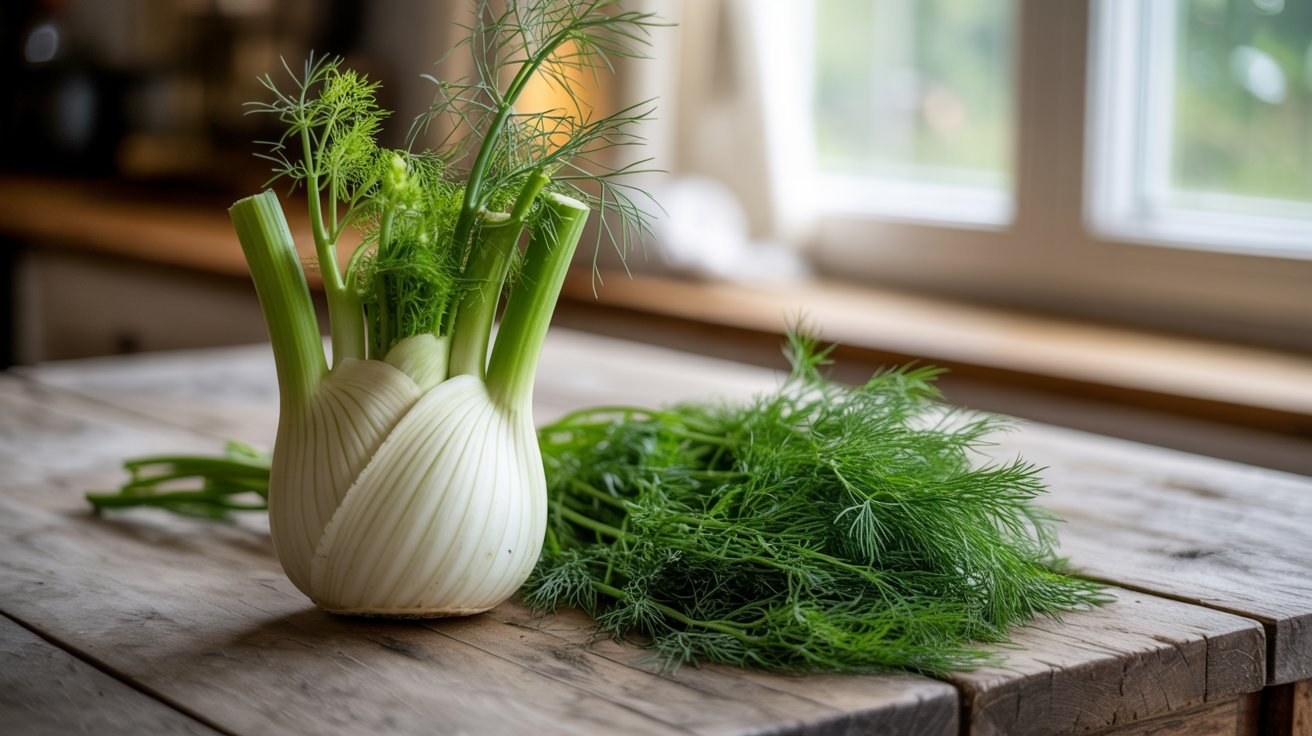
Fennel is a plant with a lot going on. You can eat the bulb, the stalks, the fronds, and the seeds. Each part has its own job in the kitchen.
Types of Fennel (Bulb, Herb, and Seeds)
There are two main types. Florence fennel forms a large white bulb at the base. Herb fennel is grown mainly for its fronds and seeds. The bulb works as a vegetable. The fronds function like a fresh herb. The seeds are a spice.
Flavor Profile and Aroma
Fennel tastes strongly of anise with a sweet licorice note. Raw fennel is bold and punchy. Cooked fennel turns mild and almost sweet. That shift in flavor is what makes it so versatile.
Common Culinary Uses
Fennel bulb works well in salads, soups, and roasted dishes. The fronds pair well with fish and pasta. Fennel seeds are common in sausage, bread, and spice blends.
What Is Dill?
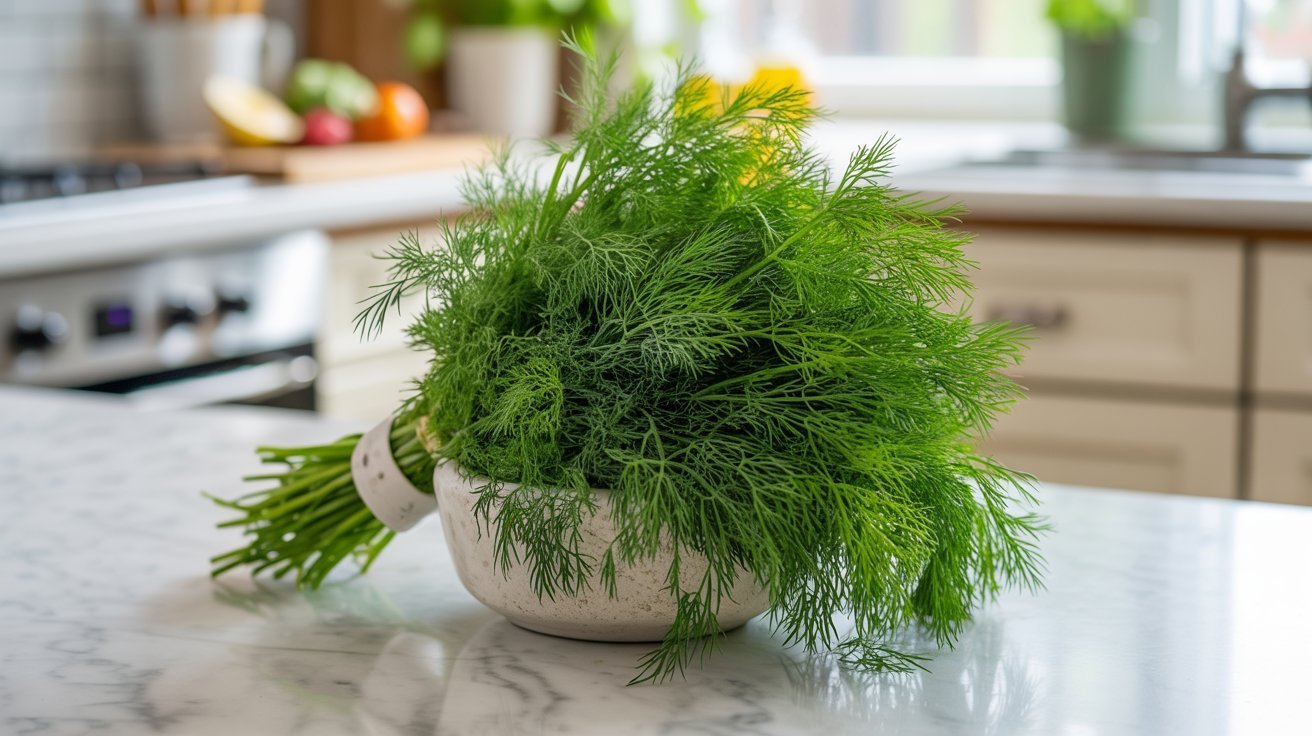
Dill is a lighter herb with a fresh, grassy flavor that doesn't overpower a dish. It is widely used in European and Middle Eastern cooking.
Dill Leaves vs Dill Seeds
Dill leaves, called dill weed, are soft and feathery with a mild, fresh flavor. Dill seeds are stronger and slightly bitter, closer to caraway than to the fresh herb. Same plant, very different taste.
Flavor Profile and Aroma
Dill has a clean, herby smell. It's tangy, slightly grassy, and a little citrusy. None of the licorice note you get from fennel.
Popular Uses in Cooking
Dill pairs well with salmon, yogurt dips, pickles, potato salad, and egg dishes. It is common in Scandinavian, Greek, and Eastern European recipes.
Fennel vs Dill Taste: What's the Real Difference?
This is the question most people actually need answered before anything else.
Fennel tastes like licorice or anise. It's sweet, slightly medicinal, and bold even in small amounts.
Dill tastes grassy, tangy, and fresh with a mild citrus edge. There is no licorice in dill at all.
If you close your eyes and smell them side by side, you'll know instantly.
Fennel smells like a candy shop. Dill smells like a fresh herb garden. They are not in the same flavor family, and that difference matters every time you cook.
Fennel vs Dill Leaves: The Most Common Confusion
If you're standing in a grocery store and unsure which herb you're holding, use this quick test:
- Smell it:Fennel smells like licorice. Dill smells grassy and fresh.
- Feel the stalk:Fennel stalks are thicker and firmer. Dill stalks are thin and fragile.
- Check the base:Fennel will often have a white bulb at the bottom. Dill won't.
Three seconds and you'll never grab the wrong one again.
Fennel vs Dill at a Glance (Quick Comparison Table)
Before you scroll further, here's the short version so you can decide fast.
| Feature | Fennel | Dill |
| Flavor | Anise, licorice | Fresh, grassy, tangy |
| Aroma | Strong, sweet | Light, herby |
| Plant parts used | Bulb, fronds, seeds | Leaves, seeds |
| Best with | Fish, pork, pasta | Salmon, pickles, yogurt |
| Raw or cooked | Both | Mostly raw or added late |
| Shelf life (fresh) | 7 to 10 days | 3 to 5 days |
Keep this handy next time you're mid-recipe and second-guessing yourself.
When to Use Fennel vs Dill (Quick Decision Guide)
Not sure which one your dish needs? Follow this:
Use fennel for:roasted dishes, Italian sausage, rich meats, braised vegetables, spice blends
Use dill for:fish, salmon, yogurt sauces, salads, pickles, egg dishes, light soups
Simple rule:rich and warm dish, reach for fennel. Fresh and light dish, reach for dill.
Fennel vs Dill: Key Differences Explained
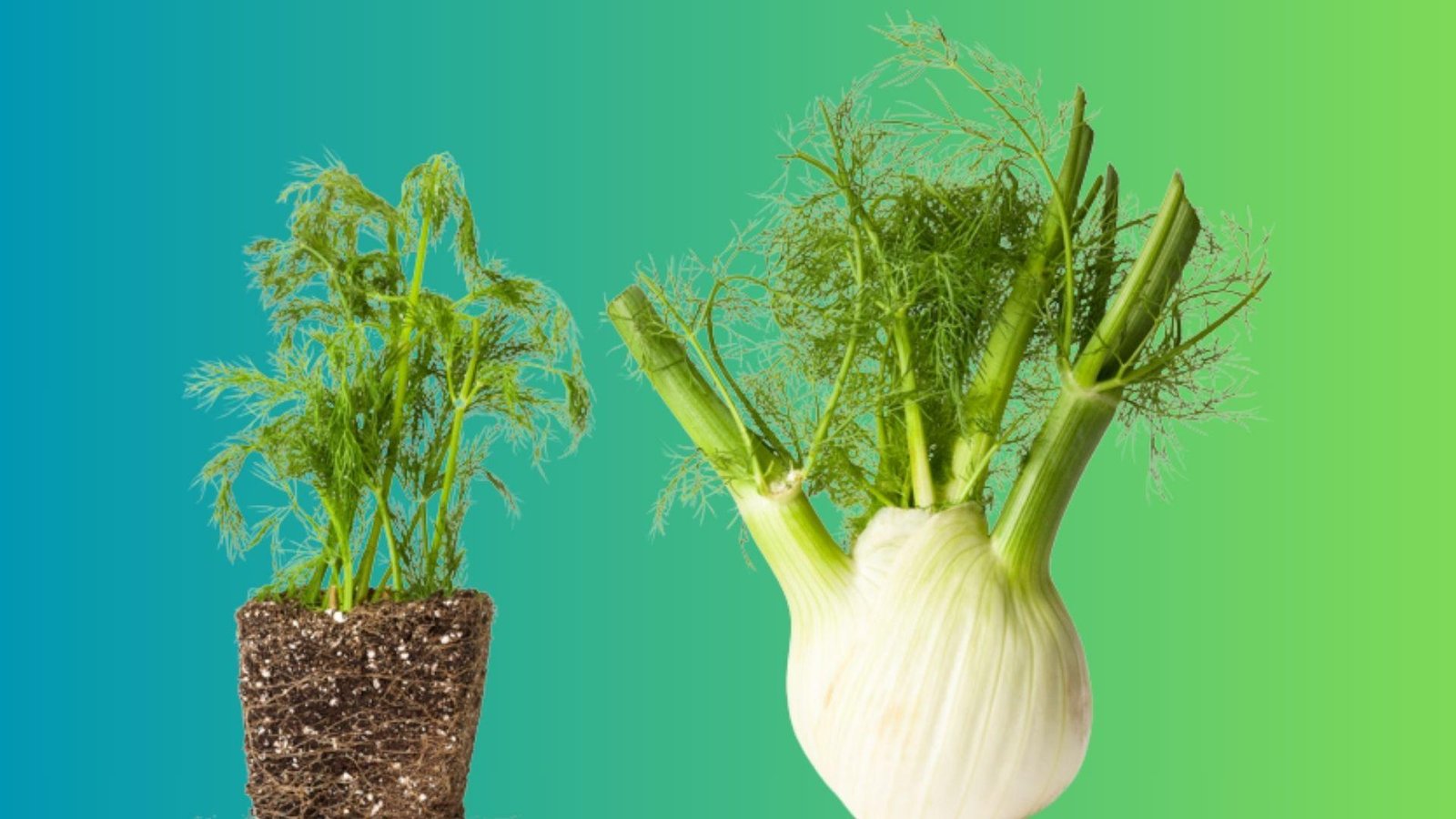
They may look alike in the produce aisle, but these two herbs behave completely differently once you start cooking.
Appearance and Plant Structure
Both plants are tall and feathery, so the mix-up makes sense. But fennel has a thicker stalk and a bulb at the base. Dill is thinner and more wispy. Fennel fronds are broader. Dill fronds are softer and finer.
Difference Between Fennel and Dill in Cooking
Fennel holds up to heat. You can roast, braise, or sauté it. Dill wilts fast. Add it at the very end or use it raw. Heat kills its flavor in minutes. That cooking behavior alone changes how you plan a recipe. Fennel belongs in the oven. Dill belongs on top of the finished plate.
Shelf Life and Storage
Fresh fennel lasts 7 to 10 days in the fridge. Fresh dill lasts only 3 to 5 days. Wrap both in a damp paper towel and store in a bag. Use dill quickly after buying it.
Fennel vs Dill Seeds: Are They the Same?
No. Fennel seeds taste sweet and anise-like. Dill seeds are sharper, slightly bitter, and closer to caraway.
The swap seems harmless but changes the flavor noticeably.
Use fennel seeds for sweetness. Use dill seeds for something more savory and sharp.
Can You Substitute Fennel for Dill (and Vice Versa)?
No fennel? Try tarragon or anise. No dill? Try parsley, chervil, or fresh tarragon. These are closer matches than using fennel and dill in place of each other.
Best Substitution Scenarios
Fennel fronds can fill in for dill in fish dishes or fresh salads. I once swapped fennel fronds into a light fish salad where dill was called for. The dish was citrus-based and fresh, so it worked well. The fennel fronds added a subtle sweetness that actually complemented the lemon dressing. But that only worked because the dish was light. A heavier recipe would have been overpowering.
Dill seeds can replace fennel seeds in bread if you reduce the amount slightly.
When Substitution Fails
I once used dill instead of fennel seeds in homemade sausage. The whole batch came out wrong. Too sharp, too herby, nothing like Italian sausage should taste. That's a swap that doesn't work, no matter how you adjust it.
Don't use dill in braised fennel recipes either. The texture and flavor won't hold up.
Nutritional Comparison: Fennel vs Dill
Both herbs are low in calories. One cup of raw fennel has about 27 calories and 2.7g of fiber. It's also high in vitamin C and potassium.
One tablespoon of fresh dill has barely 5 calories but covers a solid portion of your daily vitamin A.
Dill is also surprisingly high in calcium and manganese. Fennel seeds pack iron and antioxidants. Dill seeds offer calcium and some B vitamins.
Health Benefits of Fennel vs Dill
Both herbs do more than flavor food. Here's what they actually help with.
Digestive Support
Fennel is well known for easing bloating and gas. Fennel seed tea after a heavy meal works well. I keep it at home for that reason. Dill soothes digestion too. It has been used for centuries to relieve colic in infants and indigestion in adults. About 1 teaspoon of crushed dill seeds in warm water is a common folk remedy.
Anti-inflammatory Properties
Fennel contains anethole, a compound shown in studies to reduce inflammation markers. Dill has flavonoids like quercetin and kaempferol that work similarly. Both herbs go beyond flavor when used consistently.
Traditional and Medicinal Uses
Fennel has been used in Ayurvedic and Mediterranean medicine for centuries. It supports digestion and works as a natural breath freshener. Dill has been used in folk medicine for sleep support, indigestion, and mild diuretic effects.
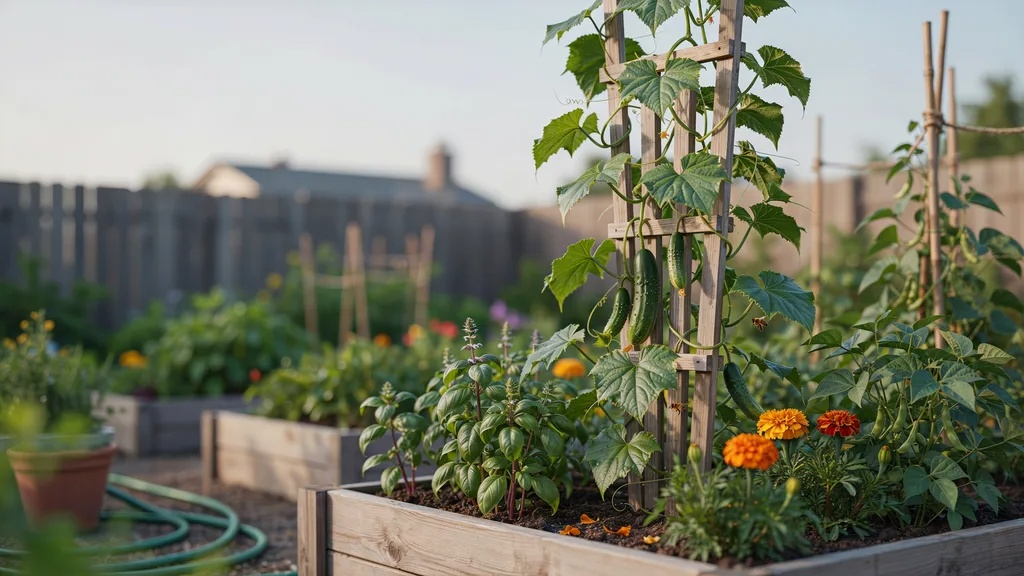
Growing Fennel vs Dill at Home
Growing either herb at home saves money and gives you fresher results than anything from the store.
Soil and Sun Requirements
Both like full sun and well-drained soil. Fennel prefers slightly dry conditions. Dill does fine in average garden soil and doesn't need heavy fertilizing.
Watering and Care
Water dill regularly but let the soil dry between sessions. Fennel is more drought-tolerant once established. Both are low maintenance after they take root.
Harvesting Tips
Pick dill before it flowers for the best flavor. Once it bolts, the leaves get bitter fast. Harvest fennel fronds anytime. Wait for the bulb to fully form before cutting at the base.
Which One Is Easier to Grow?
Dill. It grows fast, needs little space, and is forgiving for beginners. Fennel takes longer and can crowd out nearby plants if not managed. Start with dill if you're new to growing herbs.
Fennel vs Dill in Different Cuisines
Fennel belongs to Italian, French, and Indian cooking. It shows up in pasta sauces, roasted meats, and spice blends like panch phoron.
Dill belongs to Scandinavian, Greek, Russian, and Turkish cooking. Think gravlax, tzatziki, and borscht.
Both are widely used, but they live in completely different culinary worlds and rarely overlap.
Common Mistakes When Using Fennel and Dill
Adding dill too early is the most common error. Heat destroys its flavor in minutes.
Another mistake is using fennel fronds as a direct swap for dill weed. They look alike but won't taste the same.
People also mislabel fennel seeds and dill seeds in spice jars. Label yours clearly.
And don't combine both herbs in the same dish expecting harmony. In most recipes, they compete rather than work together.
Conclusion
Fennel and dill are both useful herbs, but they serve very different purposes.
Fennel brings a sweet, licorice-forward flavor for heartier, cooked dishes. Dill brings a light, fresh flavor for more delicate recipes.
Here's my go-to rule:rich and warm dish, use fennel. Fresh and light dish, use dill. That covers most situations in one line.
I've made the wrong call before, ruined a batch of sausage, and learned from it. Now I always check the dish first before picking an herb.
Use the comparison table when in doubt. Check the substitution section before you swap. And remember, these two are not interchangeable most of the time.
Which herb shows up more in your kitchen right now?
Frequently Asked Questions
Is fennel the same as dill?
No, fennel and dill are two different plants. They look similar but taste completely different. Fennel has a licorice flavor while dill is grassy, tangy, and fresh.
Can I use dill instead of fennel in a recipe?
You can swap dill for fennel fronds in some light dishes, but the flavor will change. It works in fresh salads or fish dishes, but not in cooked or spiced recipes.
Do fennel seeds and dill seeds taste the same?
No. Fennel seeds are sweet and anise-like. Dill seeds are sharper and more bitter, closer to caraway. Using one in place of the other will noticeably shift the flavor of your dish.
Which is healthier, fennel or dill?
Both offer real nutrition. Fennel is high in fiber and vitamin C. Dill is rich in vitamin A and calcium. Both are low in calories and support digestion when used regularly.
Which herb is easier to grow at home?
Dill is easier. It grows quickly, needs little care, and doesn't take up much space. Fennel takes longer and can crowd nearby plants if not managed properly.