
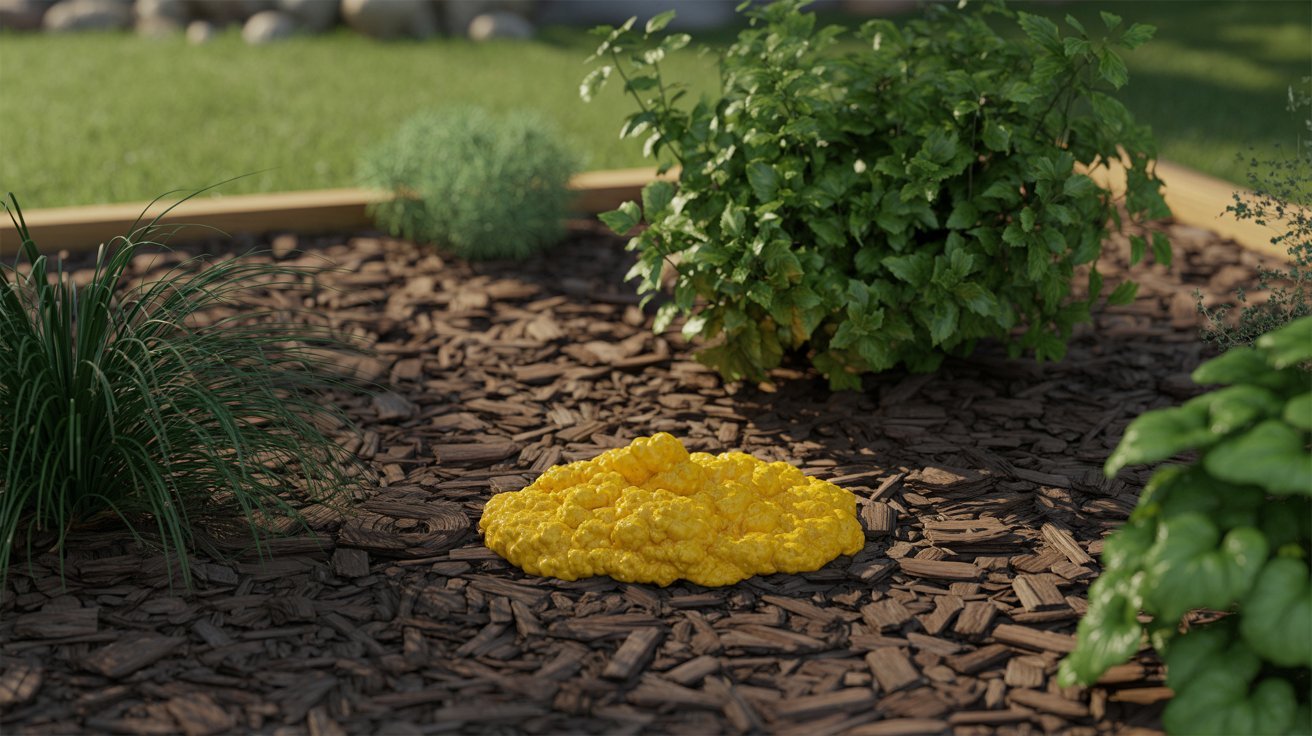
If you've spotted a bright yellow blob growing on your mulch, it's easy to panic. I've been there.
Yellow fungus on mulch is one of the most common things gardeners deal with, especially after rain. In this blog, I'll cover what it is, what causes it, and how to remove it fast.
I'll also tell you if it's dangerous, how to stop it from coming back, and when you can leave it alone.
I've spent years working in gardens, and this is one of those things that looks scary but usually has a simple fix.
Let's get into it.
What Is Yellow Fungus on Mulch?
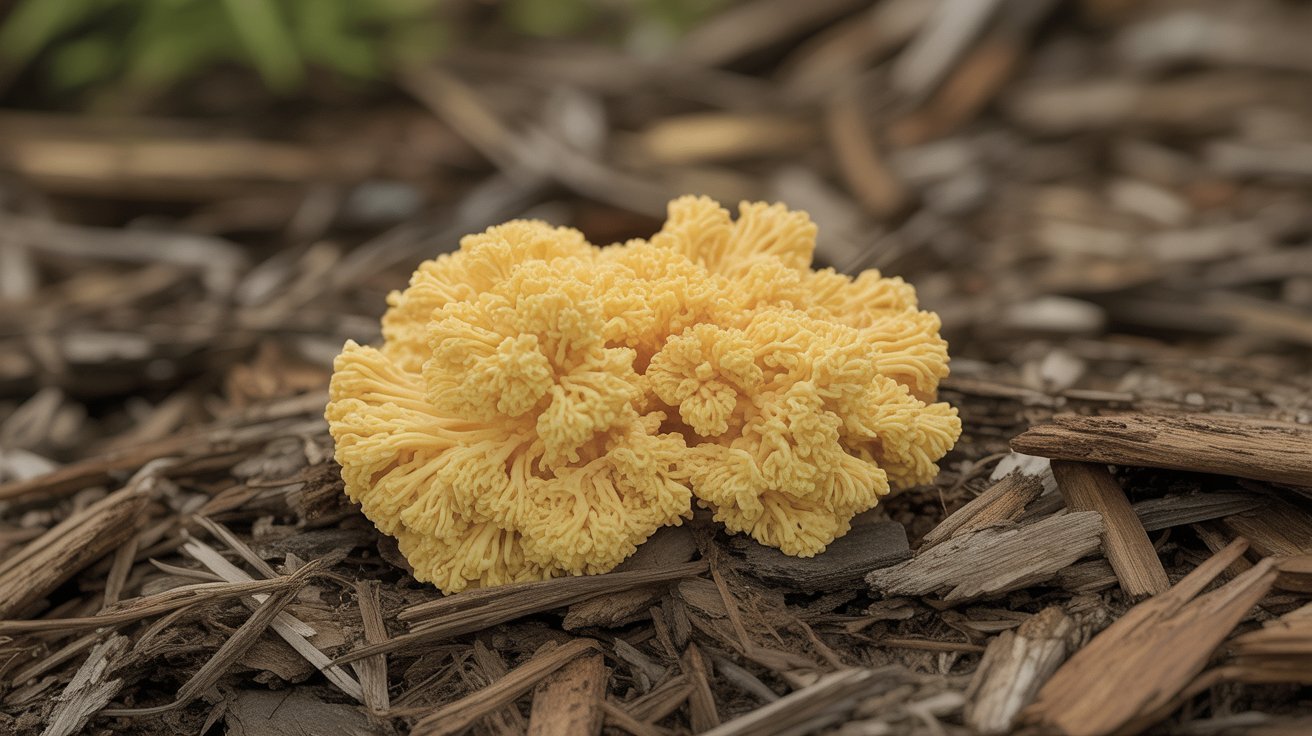
That yellow mass on your mulch is most likely a slime mold. The most common type is called Fuligo septica. Gardeners often call it "dog vomit slime mold" because of how it looks.
It's not a true fungus, technically. It belongs to a group called myxomycetes. But it grows in the same conditions and behaves in a similar way.
It starts as a bright yellow or orange blob. Over a few days, it turns brown and crusty. Then it dries up and disappears on its own.
In most cases, it's a cosmetic issue, not a plant health one.
What Causes Yellow Fungus on Mulch to Grow?
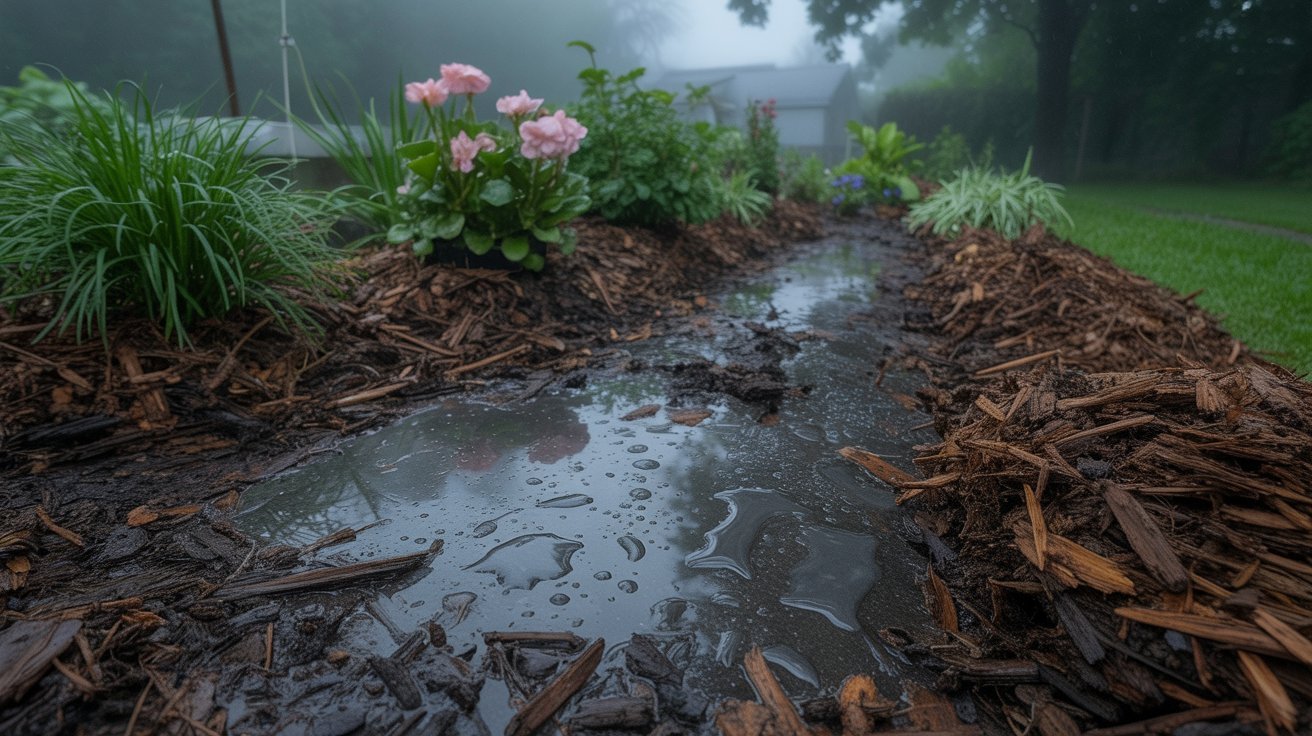
A few conditions come together to create the right environment for yellow fungus on mulch.
Moisture and Humidity
Wet mulch is the main trigger. When moisture builds up and doesn't drain properly, slime mold has everything it needs. In most cases, slime mold appears after heavy rain or periods of high humidity.
Typically, you'll see it pop up within a day or two of prolonged wet weather.
Organic Material Breakdown
Mulch breaks down over time. As it decomposes, it feeds the bacteria that slime mold lives on. Older mulch tends to attract more growth because of this natural cycle.
Warm Temperatures
Slime mold thrives between 70°F and 85°F. Late spring and summer are the peak seasons for it. Warm, damp mornings create the ideal conditions for it to spread.
Lack of Air Circulation
Thick mulch layers trap heat and moisture underneath. Without airflow, the environment stays wet far longer than it should. That's where most problems begin.
Is Yellow Fungus on Mulch Dangerous?
This is one of the first things gardeners want to know: is slime mold actually dangerous?
For your plants, no. Yellow fungus on mulch does not attack roots, stems, or leaves. It feeds on bacteria in decomposing organic material, not on plant tissue.
For people and pets, it's mostly harmless in small amounts. Eating large quantities can cause stomach upset, so keep children and animals away from it just to be safe.
Research shows that slime mold spores can irritate the airways when disturbed. If you have mold allergies or breathing issues, wear a mask before handling it.
Overall, yellow fungus on mulch is far more of an eyesore than a genuine health threat.
How to Remove Yellow Fungus on Mulch Fast (Step-by-Step)
There are several effective methods for removing yellow fungus on mulch. Pick the one that suits your situation best.
Method 1 – Manual Removal
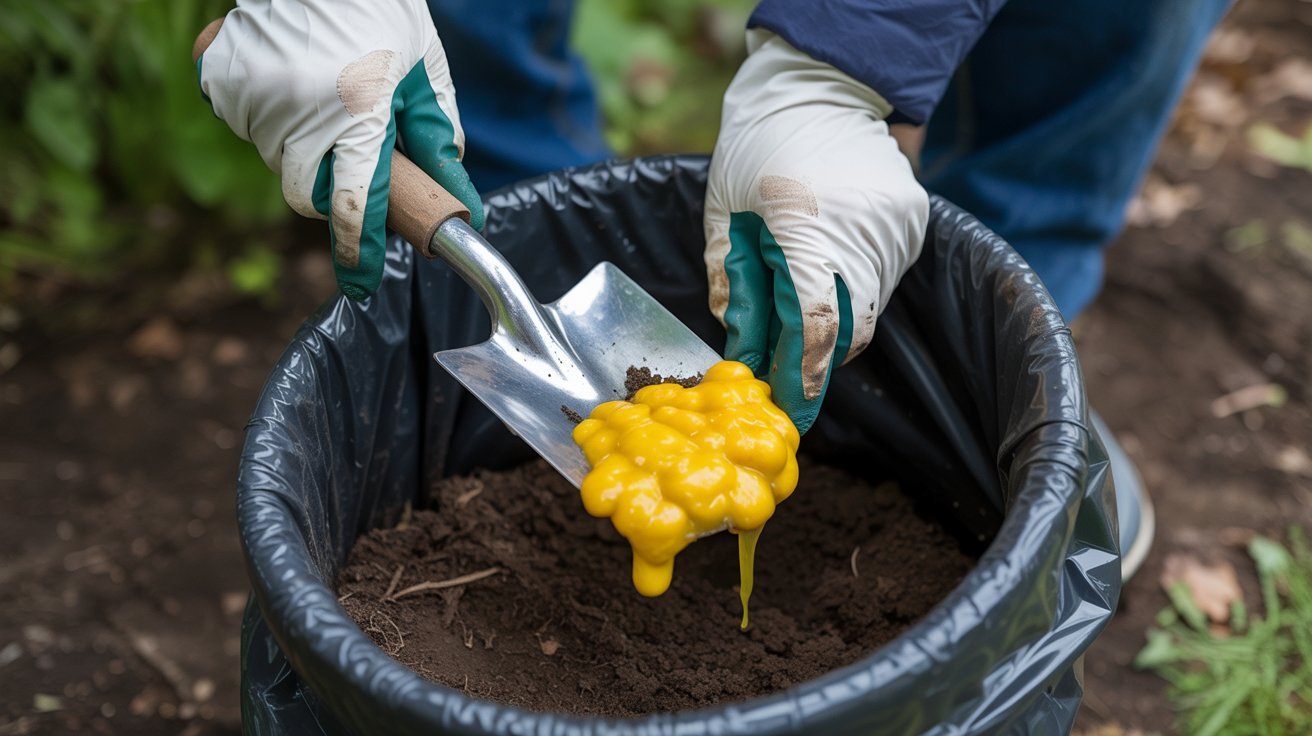
Scoop up the yellow mass using a shovel or gloved hands. Seal it in a bag and put it in the trash. Do not add it to compost. It can spread from there.
Do this in the morning, before it dries. Dried slime mold breaks into spores that float through the air.
Method 2 – Dry It Out
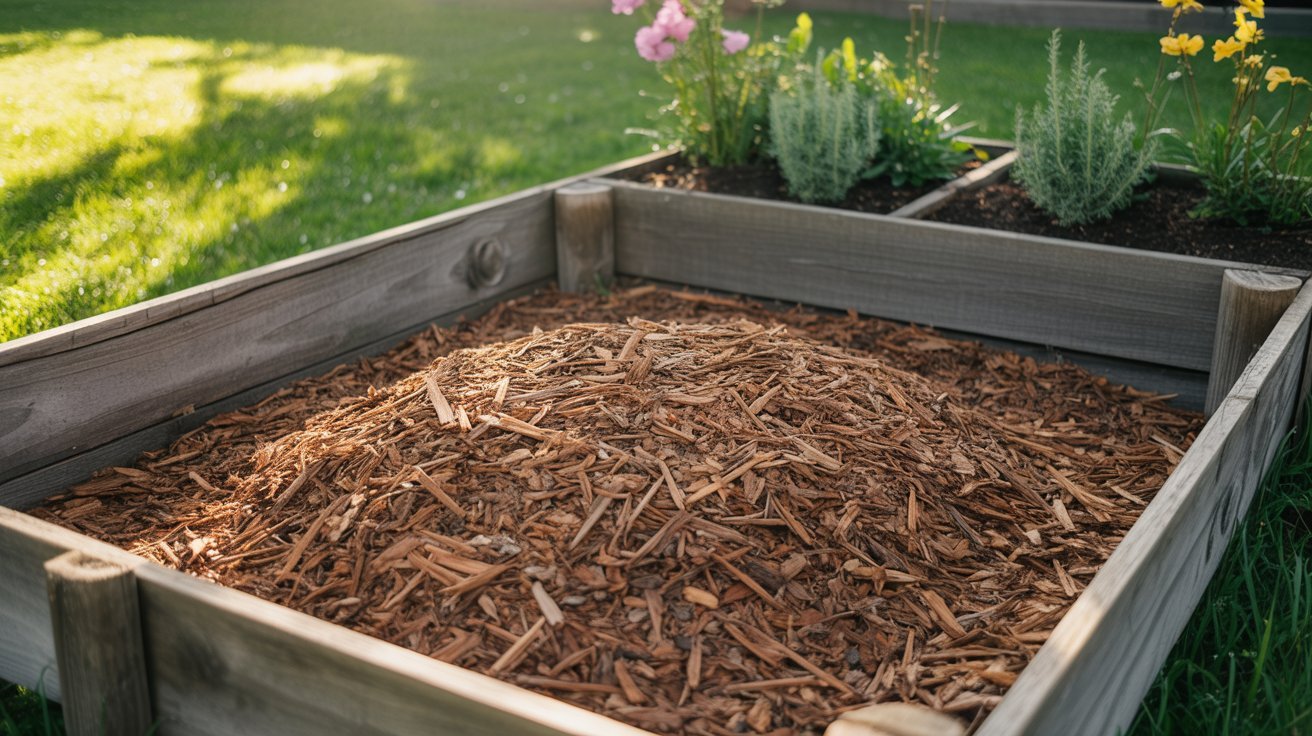
Stop watering that area for a few days. Let the mulch dry out completely. Sunlight and dry air will take care of the mold without you having to touch it.
Typically, this works best during warm, sunny stretches of weather.
Method 3 – Turn the Mulch
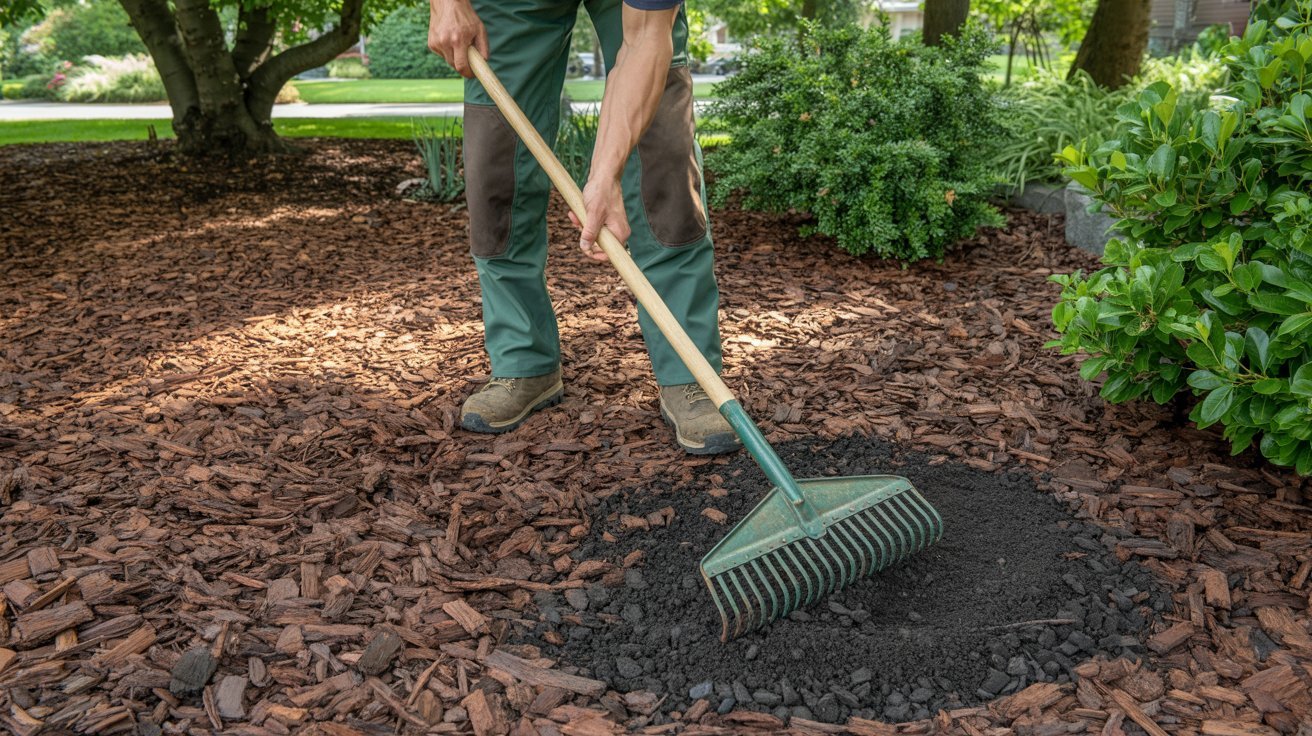
Rake the affected area to break up the mold and expose it to air and sunlight. This disrupts growth and speeds up drying. It takes just a few minutes and makes a real difference.
Method 4 – Replace Affected Mulch
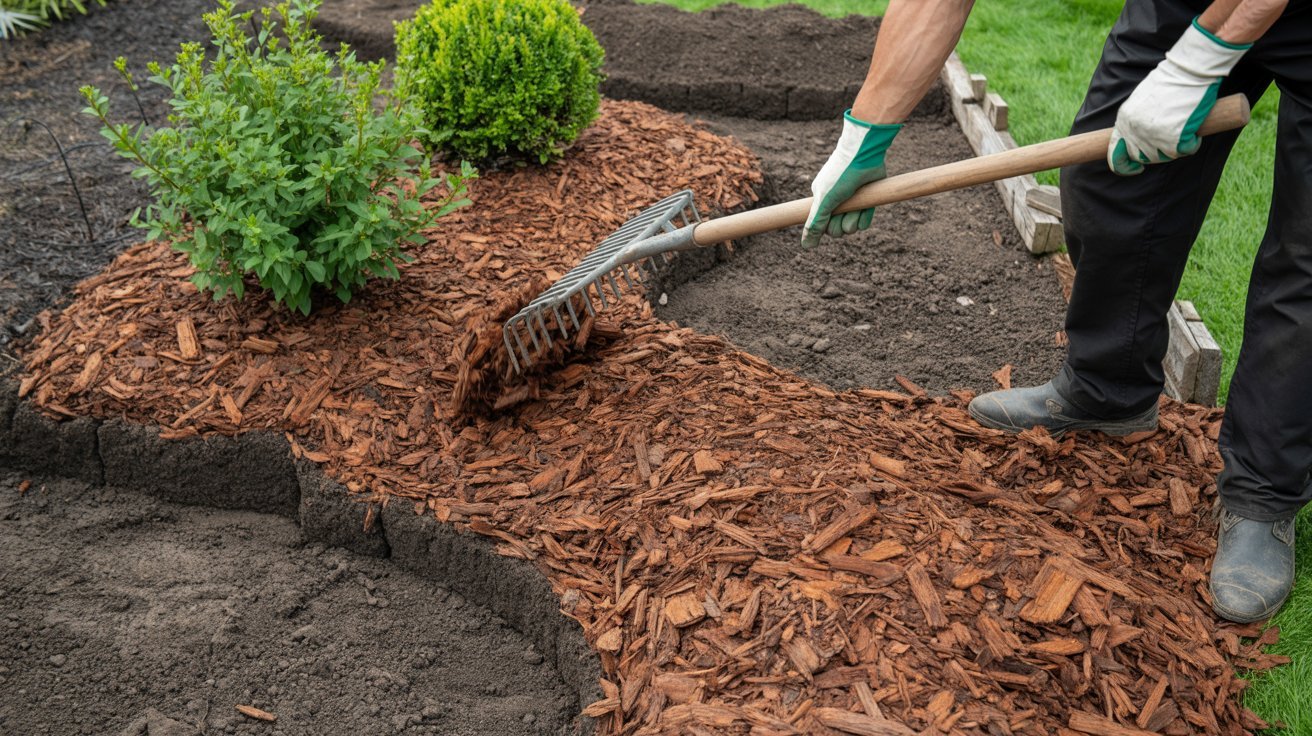
If yellow fungus on mulch keeps returning in the same spot, replace that section entirely. Remove the old mulch, bag it, and add a fresh layer. This removes the food source the mold depends on.
Method 5 – Natural Remedies
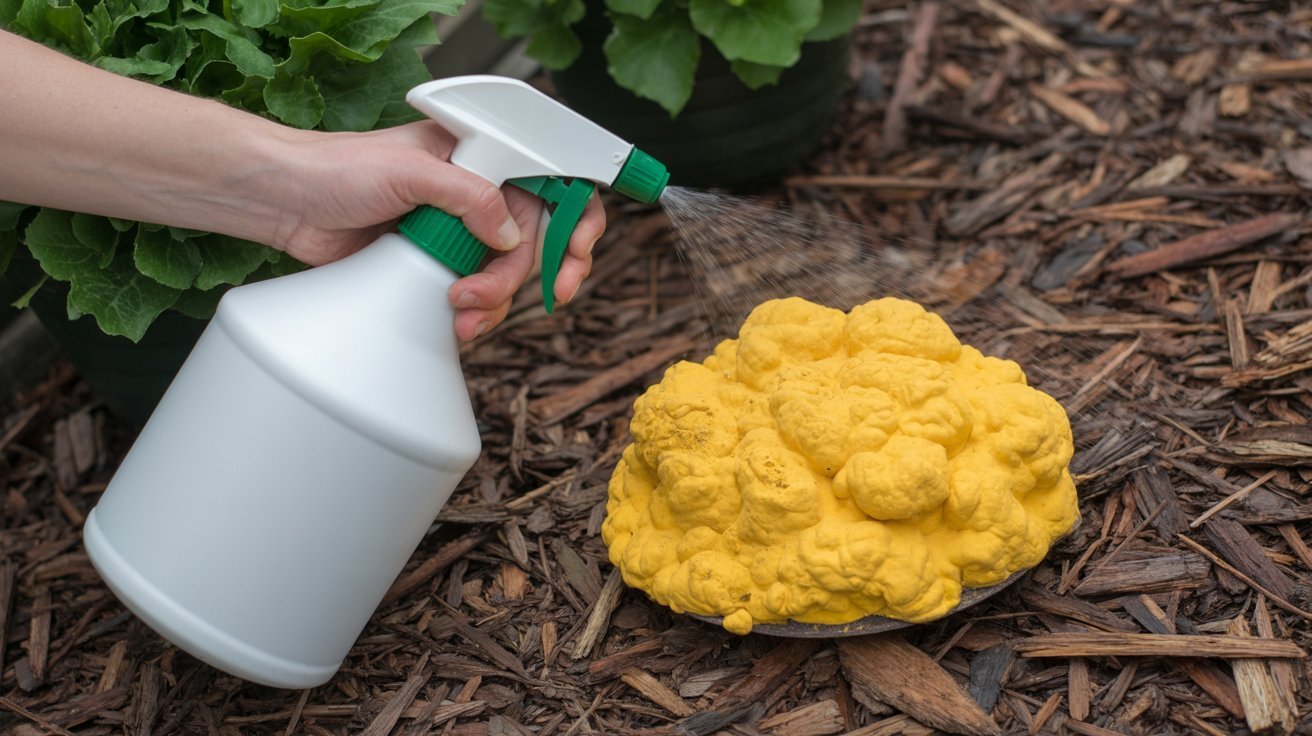
Baking soda works well here. Mix one tablespoon into a gallon of water and spray it directly on the mold. It shifts the pH of the area and slows regrowth. A dry sprinkle of baking soda on the surface helps too.
How to Prevent Yellow Fungus on Mulch
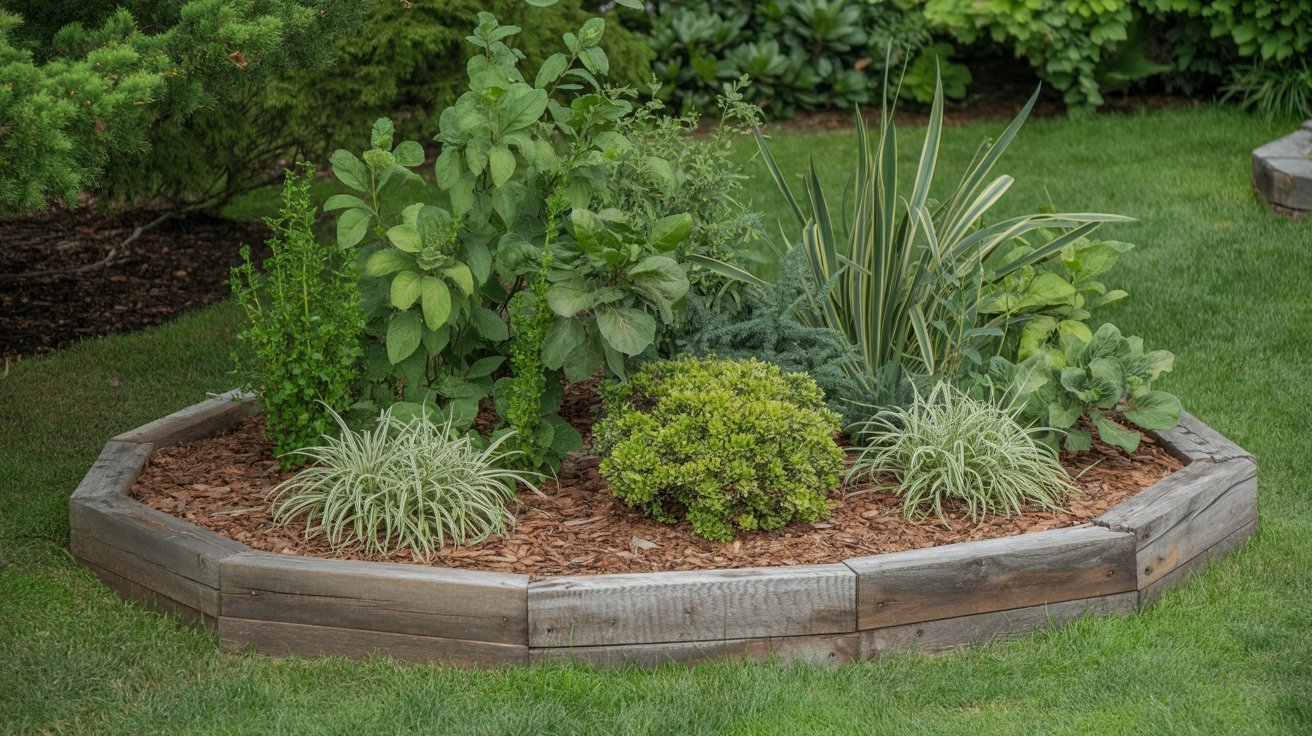
Fix the moisture, and you'll stop it for good. Here's how to keep yellow fungus on mulch from coming back.
Use Proper Mulch Depth
Keep mulch at two to three inches deep. Any thicker than that traps moisture underneath and invites fungal growth. Piling mulch too high near flower beds is one of the most common mistakes gardeners make.
Improve Drainage
Start with drainage. That's where most problems begin. If water pools on the mulch for more than a couple of hours after rain, improve the slope or loosen the soil underneath.
Choose the Right Mulch Type
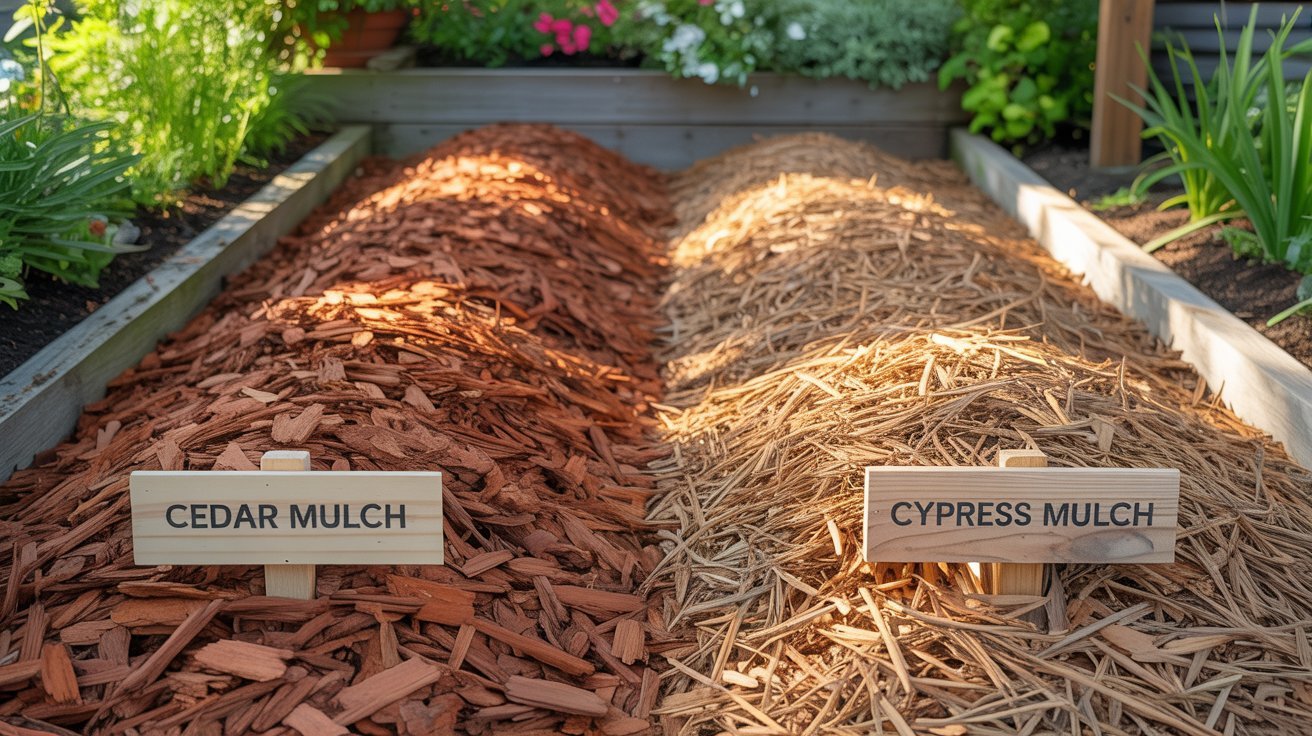
Fine wood chips hold moisture longer. Coarser options like bark chips or pine straw dry out faster and perform better in humid climates.
Avoid Overwatering
Check soil moisture before each watering session. If it's still damp a few inches down, skip that day. Overwatering is the leading cause of repeat yellow fungus on mulch in garden beds.
Increase Sunlight Exposure
Trim back branches or overgrown plants that block sunlight from reaching the mulch. More sun means faster drying and a much lower chance of slime mold taking hold.
Yellow Fungus on Mulch vs Other Mulch Fungi
Not every fungus in your mulch looks the same. Here's a simple comparison to help you tell them apart.
| Type | Appearance | Harmful? |
| Yellow fungus (slime mold) | Bright yellow blob | No |
| Artillery fungus | Black specks on nearby surfaces | No, but very messy |
| Bird's nest fungus | Tiny cups with egg-like structures | No |
| Mushrooms | Cap and stem from decomposing wood | Usually no |
If it's yellow and blob-like, it's almost certainly slime mold. The others look very different once you know what to look for.
Should You Leave Yellow Fungus on Mulch Alone?
In most cases, yes. If it's in a low-traffic or hidden area of your garden, there's no urgent reason to remove it. Yellow fungus on mulch will dry up and disappear within one to two weeks on its own.
It's part of the natural breakdown process that happens in any organic mulch. It comes, does its job, and goes.
Most gardeners only remove it when it shows up in a visible spot near the front of a bed. In tucked-away corners, it rarely causes any trouble. It causes no damage, and removal isn't always worth the effort.
Pro Tips from Gardeners
A few habits that help keep yellow fungus on mulch away over time:
- Rake your mulch every week or two to prevent moisture from building up underneath.
- Water in the morning so mulch has time to dry out before nightfall.
- Leave a small gap between mulch and plant stems to allow airflow.
- After heavy rain, turn your mulch to speed up drying.
- Refresh the top layer of mulch at the start of each season to reduce old decomposing material.
These small adjustments go a long way toward keeping fungal growth out of your garden beds.
Conclusion
Yellow fungus on mulch looks like a crisis but rarely is one.
In most cases, it's slime mold doing exactly what it's supposed to do in a decomposing organic environment.
You can remove it manually, dry it out, or simply wait for it to disappear on its own. The real solution is fixing the conditions that caused it.
Start with drainage, cut back on watering, and keep your mulch at the right depth. Those three changes alone will stop most repeat cases.
Gardens with good drainage and proper mulch management rarely deal with this problem more than once. It's a straightforward fix once you know what you're dealing with.
Have you tried any of these methods in your own garden, and which one worked best for you?
Frequently Asked Questions
Is yellow fungus on mulch the same as dog vomit slime mold?
Yes, in most cases it is. Fuligo septica, commonly called dog vomit slime mold, is the yellow blob-like growth most gardeners find in their mulch beds after wet weather.
How do I remove slime mold from mulch without spreading it?
Scoop it up early in the morning before it dries, place it in a sealed bag, and throw it in the trash. Avoid raking dry mold, as that releases spores into the air.
Is slime mold dangerous to vegetable gardens?
No, slime mold does not harm vegetables or other plants. It feeds on bacteria in the mulch and does not attack plant roots, stems, or leaves in any way.
Why does yellow fungus keep coming back in the same spot?
It usually means that area stays too wet for too long. Poor drainage, thick mulch, or overwatering creates repeat conditions. Fix the moisture problem and the fungus typically stops returning.
Can yellow fungus on mulch spread to my lawn or soil?
Slime mold stays close to its food source, which is the organic mulch. Under normal conditions, it rarely spreads to healthy lawn grass or the deeper soil beneath the mulch.