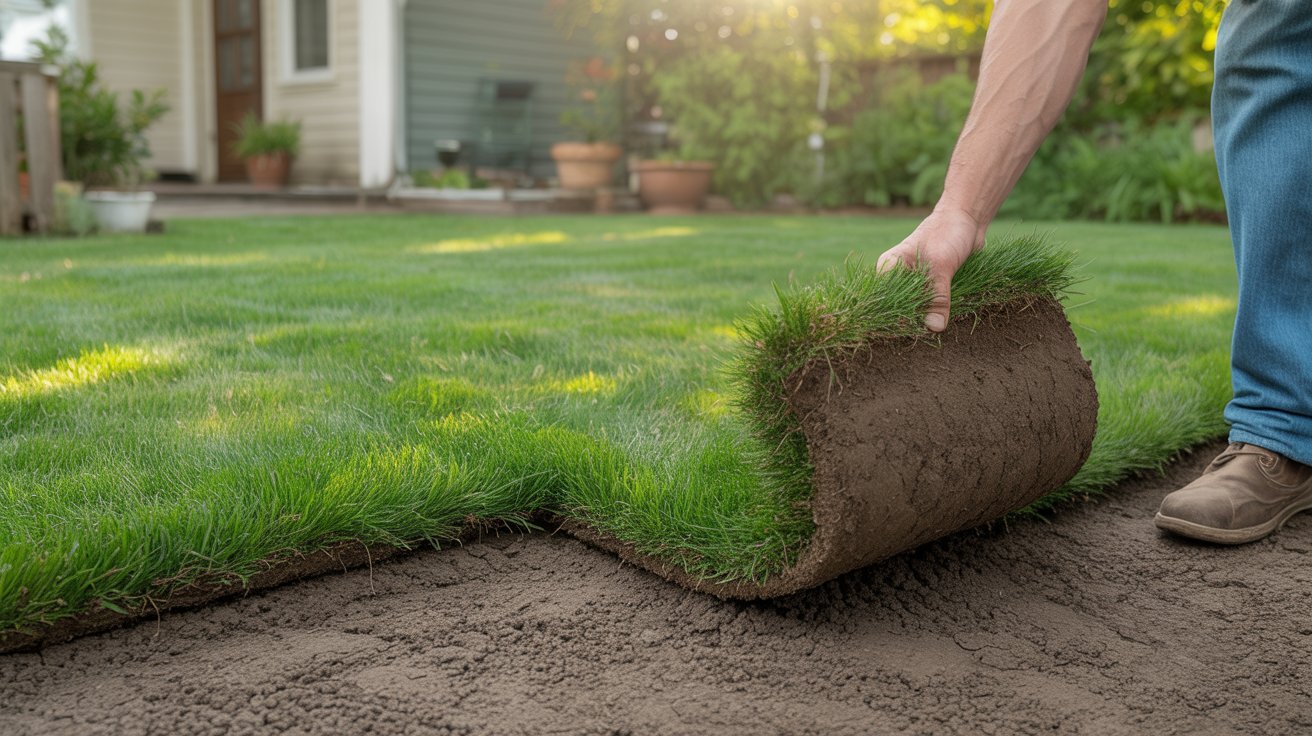

How often should you water new sod? It’s the first question most homeowners ask after laying fresh sod. Get it wrong, and the grass dries out or rots before it ever takes root. I’ve seen both happen, and neither is easy to fix.
In this guide, I’ll share a day-by-day watering schedule, the best time of day to water, common mistakes to avoid, and tips to help your sod grow strong.
With over a decade of lawn care experience, I know what works. Stick to the right routine, and a healthy lawn is absolutely within reach.
Understanding How Often Should You Water New Sod
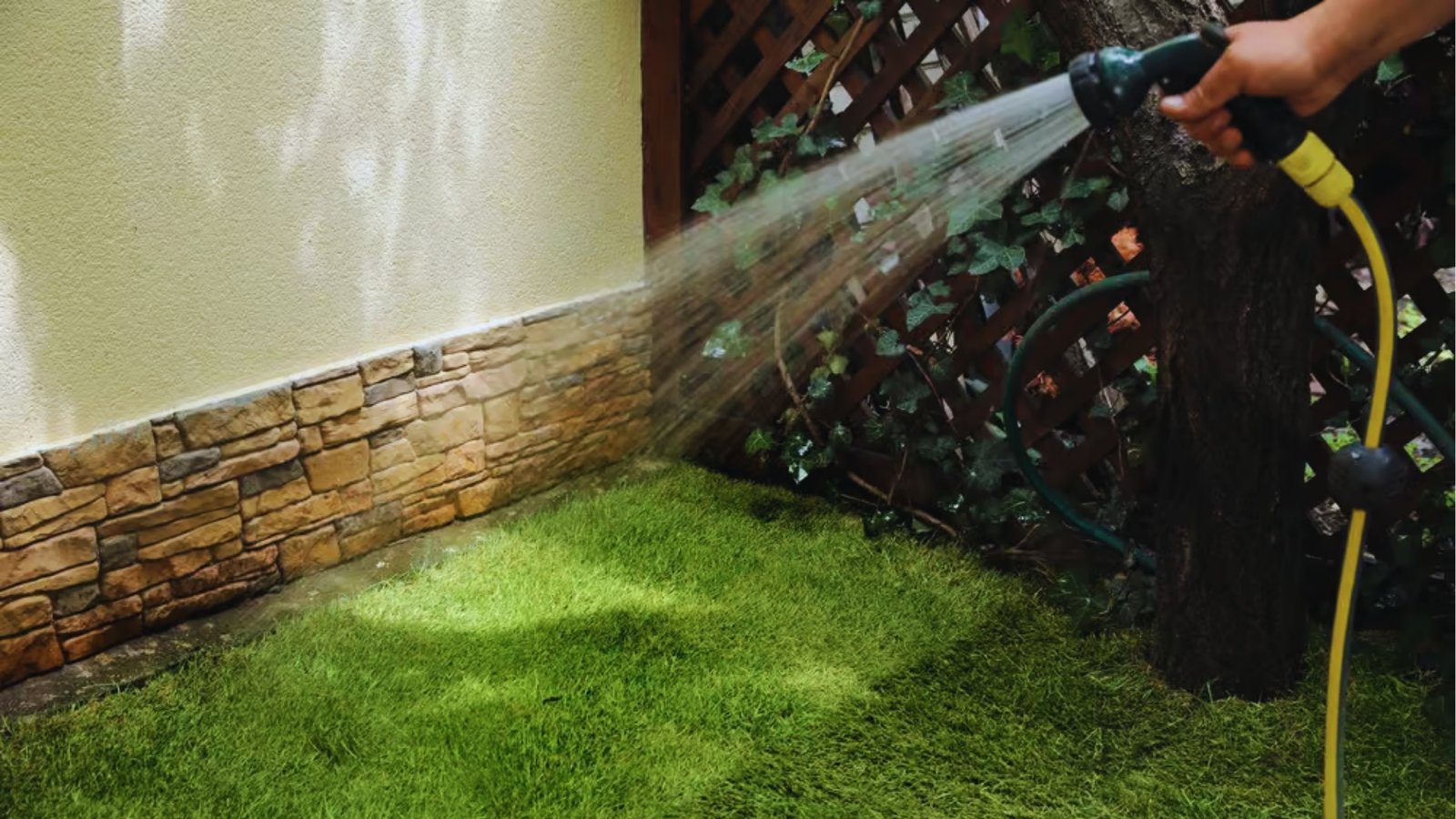
Getting the basics right from day one sets your sod up for long-term success. New sod has shallow roots that need steady moisture to grow deeper into the soil.
Too much water causes rot. Too little causes the sod to dry out and die. The goal is moist soil, not soaked. Not every lawn needs the same amount of water.
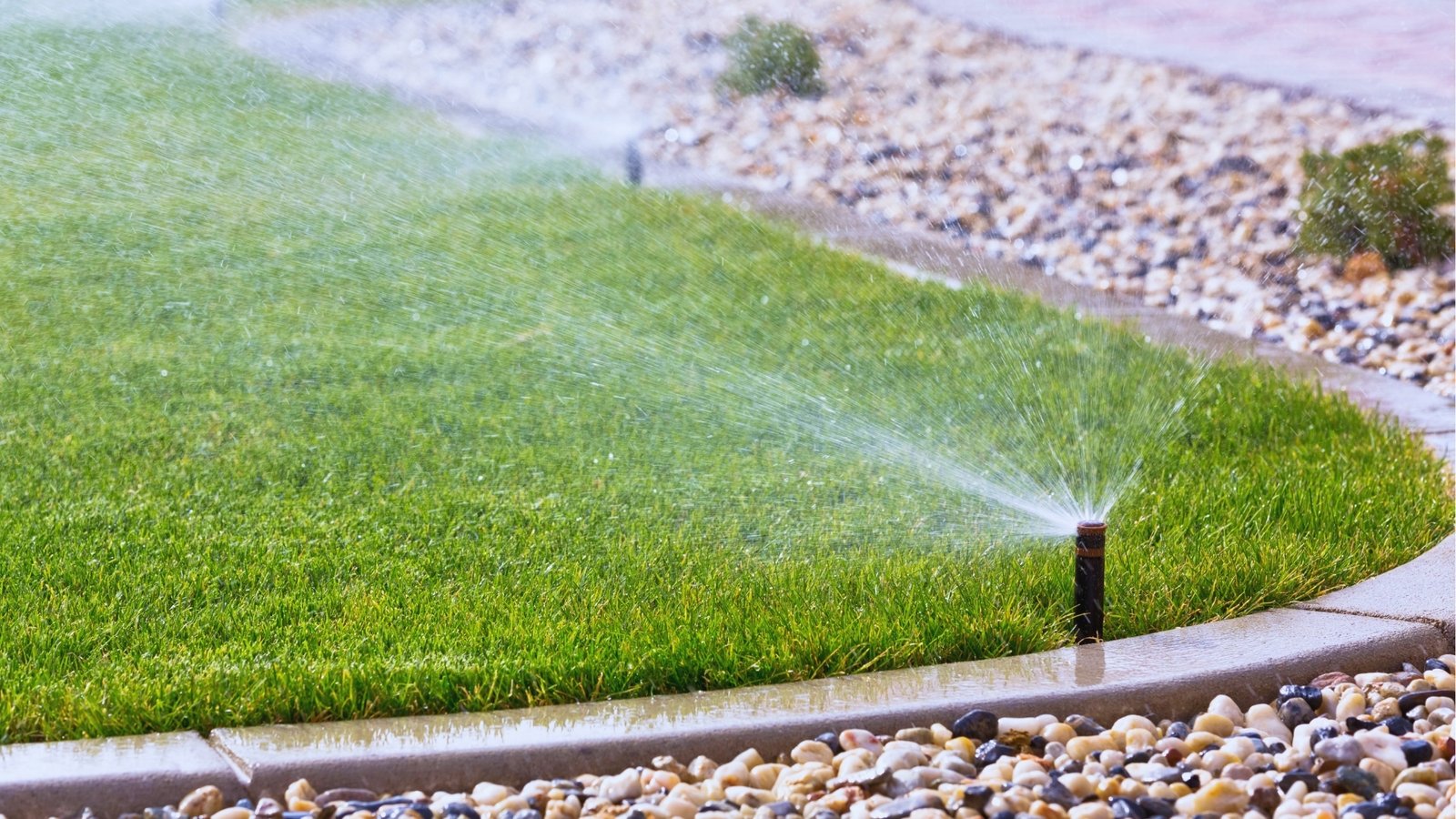
Hot, dry weather pulls moisture out faster. Sandy soil drains quickly while clay holds water longer. Spray heads and rotor heads also apply water at different rates.
Know your setup before you start so you can avoid common watering mistakes early on.
How Often Should You Water New Sod in the First 2 Weeks
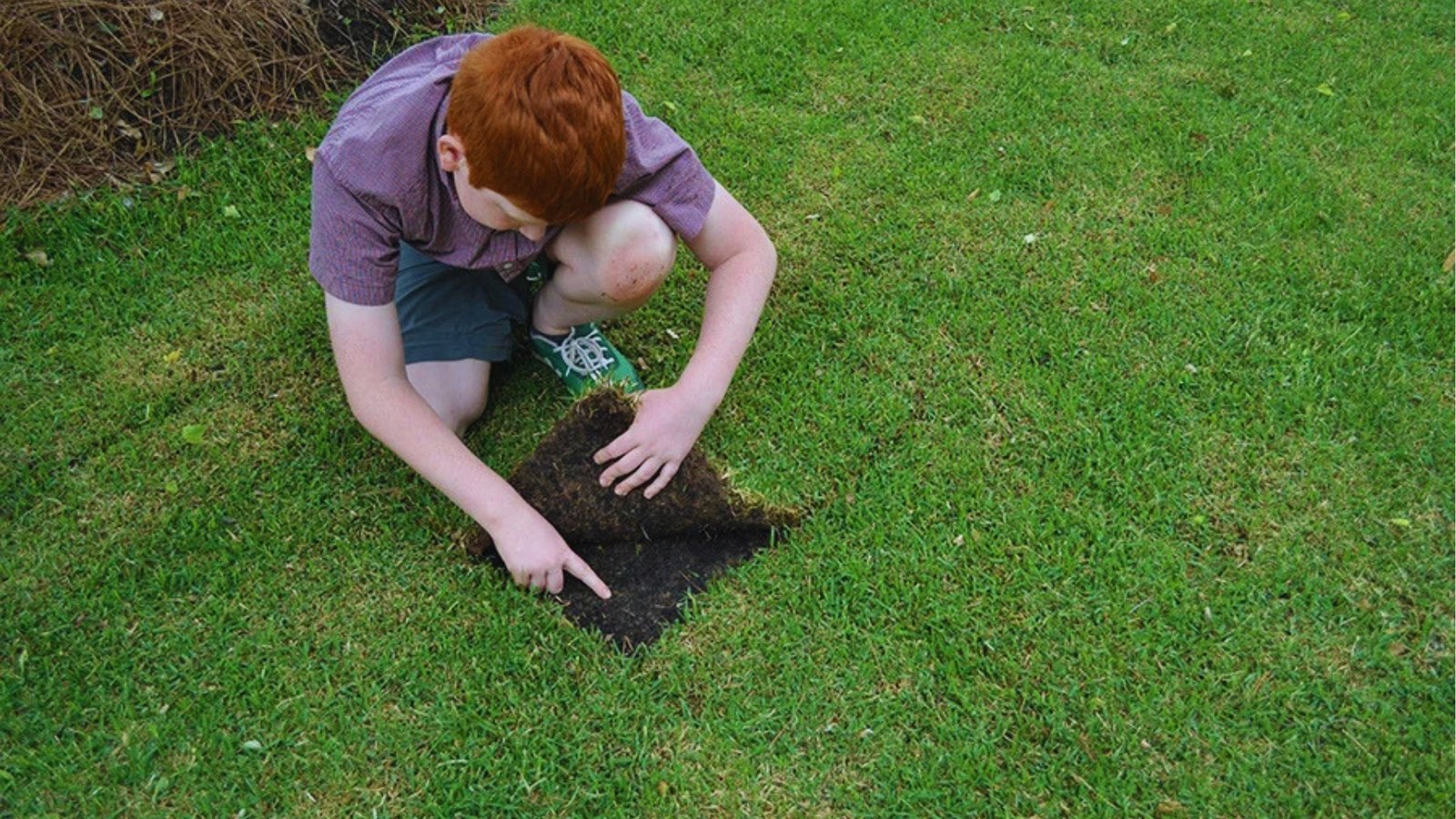
The first 14 days are critical. Your watering habits here shape the entire root system.
Daily Watering Schedule
For the first two weeks, water your new sod every single day. This is not optional.
Split the sessions into two parts:
- Morning: Water deeply to start the day
- Evening: Water again to keep moisture through the night
Each session should keep the top inch or two of soil wet. You’re not trying to flood it. You’re just making sure it never dries out completely.
Adjusting Based on Irrigation Type
The type of sprinkler system you have changes how long you need to run it.
- Spray heads: put out water faster and cover smaller areas. Run them for about 10 to 15 minutes per session.
- Rotor heads: spin and cover larger areas but apply water more slowly. Run these for 25 to 35 minutes per session.
Check the soil after each session. If it feels dry an inch down, add more time. If it’s soggy, cut back a little.
How Often Should You Water New Sod After the First 2 Weeks
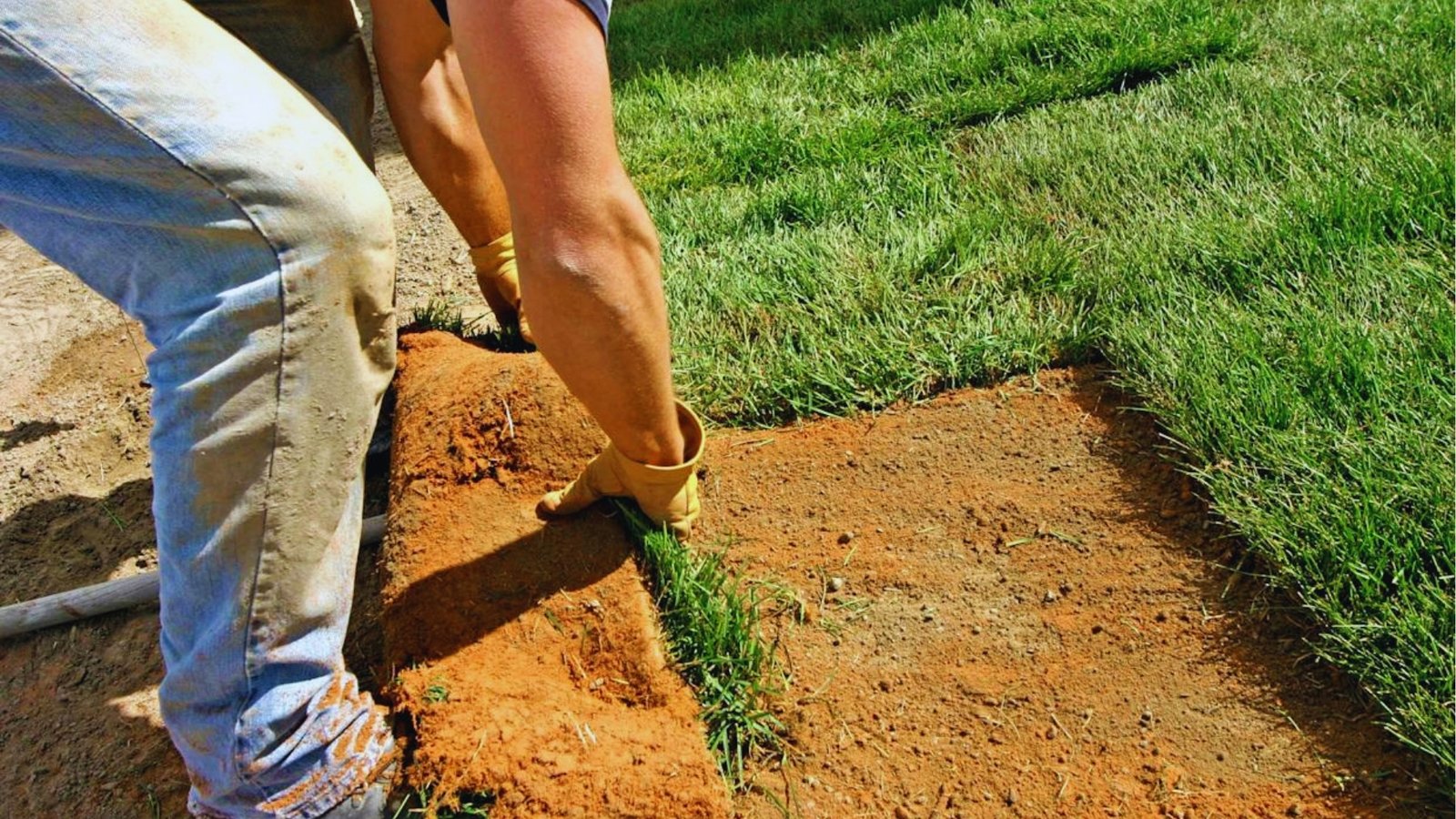
Once the roots start settling in, it’s time to slowly pull back on watering.
Reducing Frequency Gradually
After the first 14 days, you can start watering less often. Shift to 3 to 4 times per week instead of daily. This is a good sign. It means the roots are starting to hold on.
Don’t make a sudden change. Cut back one day at a time over the course of a week. Sudden changes can stress the grass.
Encouraging Deeper Root Growth
Here’s something that surprises a lot of people: watering less often actually helps roots grow deeper. When you water every day, the roots stay near the surface.
When you water less often but for longer each session, the water goes deeper. The roots follow the water down. Longer sessions, fewer times per week. That’s the shift to make after the first two weeks.
Best Time of Day to Water New Sod

Timing your watering right can make a big difference in how well the sod takes hold.
Morning Watering Benefits
Early morning is the best time to water new sod. Here’s why
- Temperatures are cooler, so less water is lost to evaporation
- The grass has moisture during the hottest part of the day
- The lawn dries out before evening, which reduces disease risk
Try to water between 5 a.m. and 9 a.m. if you can. It gives the sod the best start to the day.
Evening Watering Tips
Evening watering works fine as a second session, especially in the first two weeks. Water before sunset, not after. This gives the blades time to dry a little before full darkness sets in.
Wet grass sitting overnight can lead to mold or fungal problems. A light evening session is fine. Just don’t leave puddles sitting on the lawn.
How Much Water Does New Sod Need Weekly
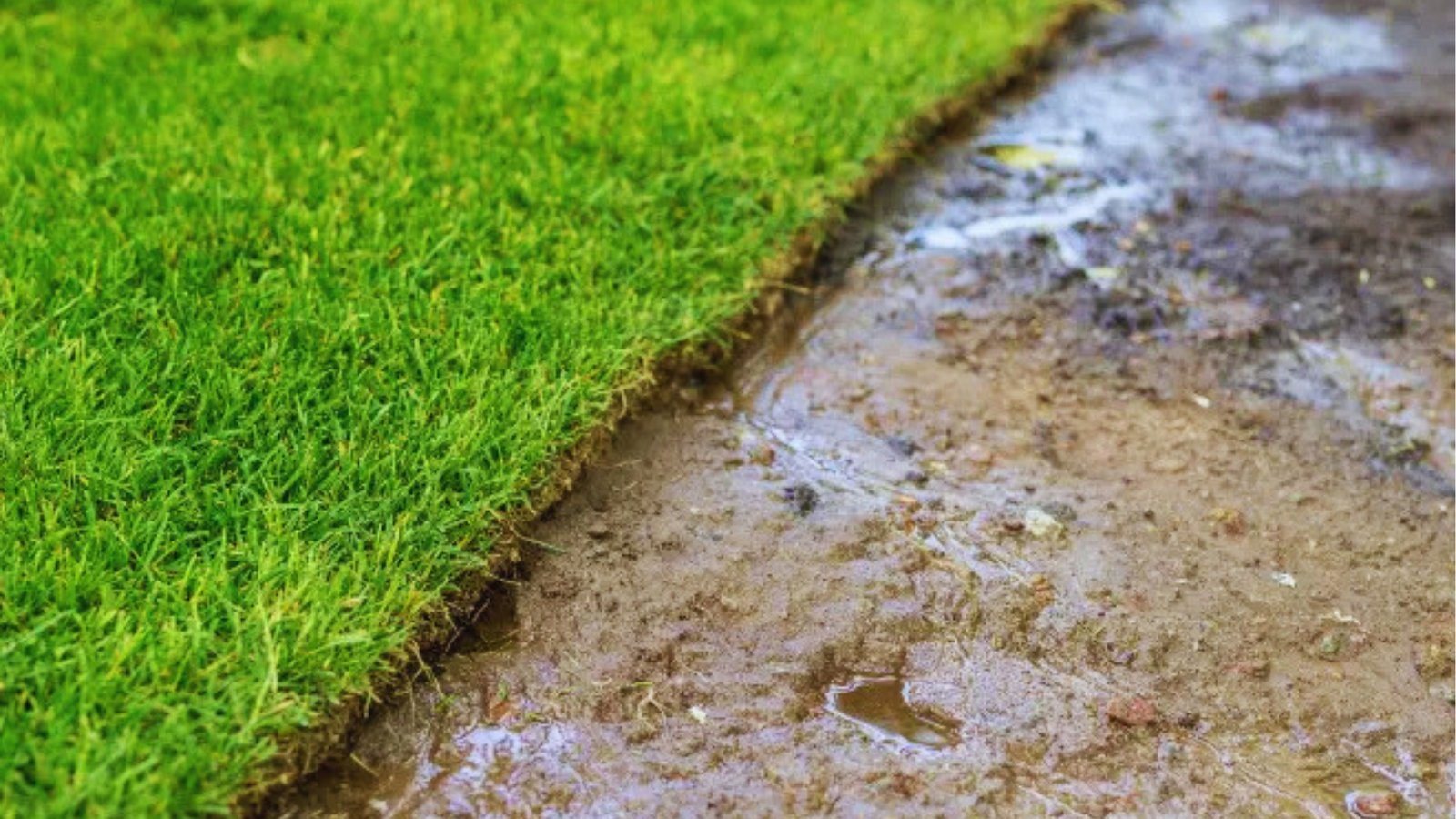
Knowing the right amount of water keeps your lawn healthy without wasting a drop.
Recommended Water Amount
New sod needs about 1 inch of water per week in total. That includes rain.
If it rains half an inch, you only need to add another half inch with your sprinklers. Keep track of rainfall so you don’t overdo it.
You can use a simple rain gauge, or even a small cup placed in the yard, to measure how much water your sprinklers are putting out.
Ensuring Even Coverage
Dry patches and soggy spots are both problems. Both come from uneven coverage.
Walk your lawn after a watering session.
Look for:
- Dry spots: Adjust sprinkler heads to reach those areas
- Puddles or soggy areas: Reduce run time in those zones
- Brown edges: Often a sign of missed coverage near borders
Even coverage keeps the whole lawn growing at the same pace.
Common Mistakes When Watering New Sod
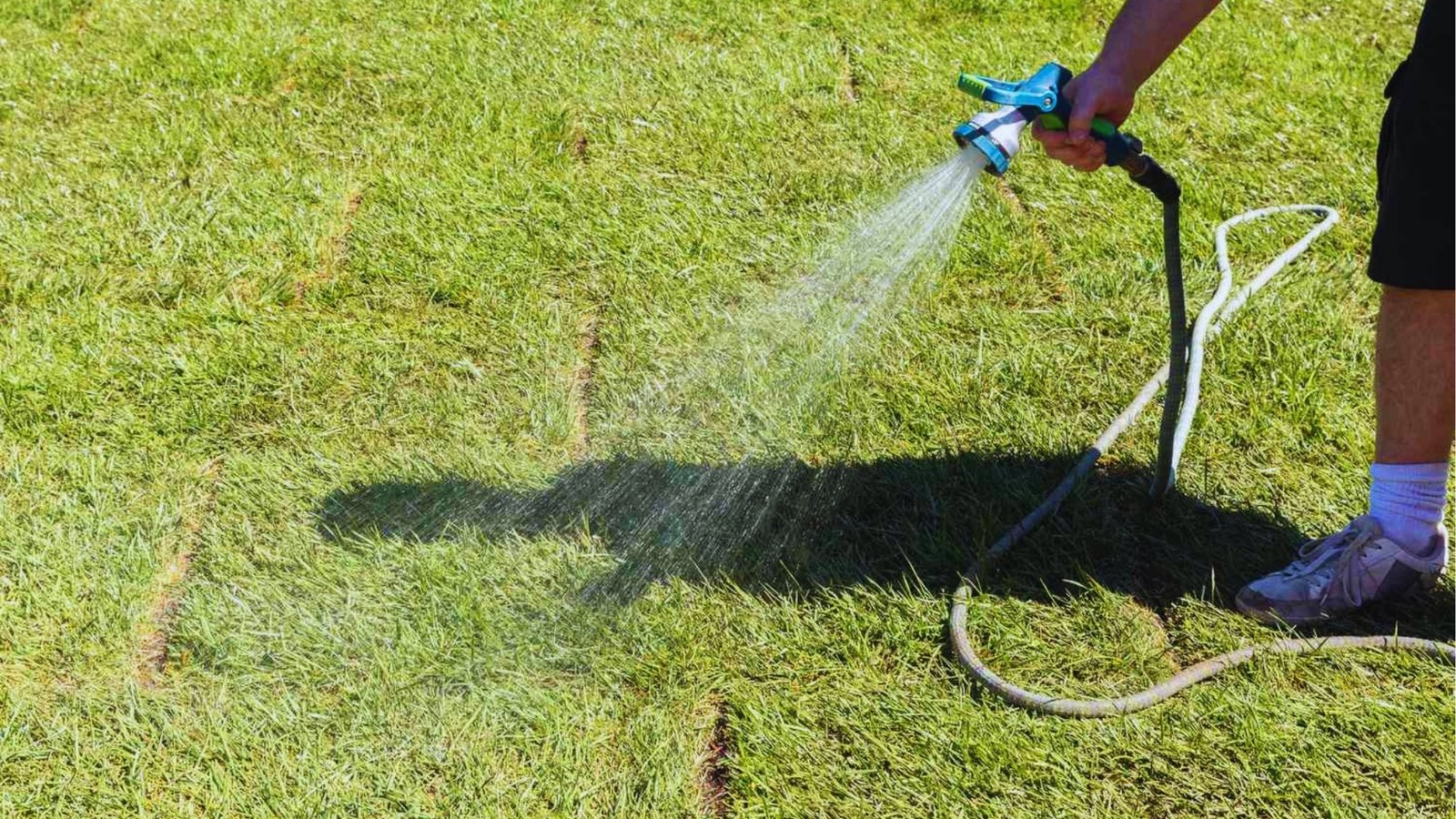
Even with good intentions, these mistakes show up all the time
Overwatering and Underwatering
Too much water keeps the soil soggy and stops roots from growing properly. Too little water causes the sod to dry out and curl at the edges.
Both extremes damage new sod fast, and recovery is hard once either sets in.
Inconsistent Schedule and Ignoring Weather
Jumping from daily watering to every few days without a plan puts stress on the grass. Hot days pull moisture out faster, so water more.
Cooler, cloudy days need less. Always check the forecast before running your sprinklers.
Poor Irrigation Coverage
Sprinkler heads that miss certain spots leave dry patches that never root properly. Walk your lawn after each session and look for areas that look dry or uneven.
Adjust your heads so every part of the sod gets equal water.
Tips for Watering New Sod for Best Growth
Follow these simple tips to keep your new sod healthy and rooted from day one.
- After 2-3 weeks, gently lift a sod corner. Resistance means roots are taking hold.
- If the sod lifts easily, keep watering daily. The roots need more time to settle.
- Hot days above 90°F dry soil faster. Add a short midday watering session on those days.
- Cooler or cloudy weather slows evaporation. Cut back slightly since the soil stays moist longer.
- The first 30 to 60 days are critical. Stay consistent or the sod may fail to root properly.
- After 60 days, shift to once or twice a week with longer, deeper watering sessions.
Conclusion
Caring for new sod doesn’t have to feel complicated. I remember the first time I laid sod, I overwatered it for a week straight thinking more was better. It wasn’t. Learning the right rhythm made all the difference.
Stick to daily watering in the first two weeks, then slowly pull back. Morning sessions work best. Keep it around 1 inch per week. Your lawn will thank you for the patience.
Got questions or tips of your own? Drop them in the comments. I’d love to hear how your sod is coming along!
Frequently Asked Questions
Can I water new sod too much in the first week?
Yes. Overwatering drowns the roots and makes the soil too soft. Keep the soil moist but never soaked, and adjust if you see standing water.
What happens if I miss a day of watering new sod?
One missed day can cause the sod to dry out and pull away from the soil. During the first two weeks, try not to skip any days, especially in warm weather.
How do I know if my new sod is getting enough water?
Press a finger about an inch into the soil. It should feel moist, not dry or muddy. You can also try gently lifting a corner to check for root resistance.
Should I water new sod after it rains?
Check the soil first. If it’s already moist an inch down, skip that session. Count the rainfall toward your weekly 1-inch goal and adjust your schedule.
When can I mow new sod for the first time?
Wait until the sod resists being lifted and the grass reaches about 3 to 4 inches tall. This usually happens around 2 to 3 weeks after installation.