
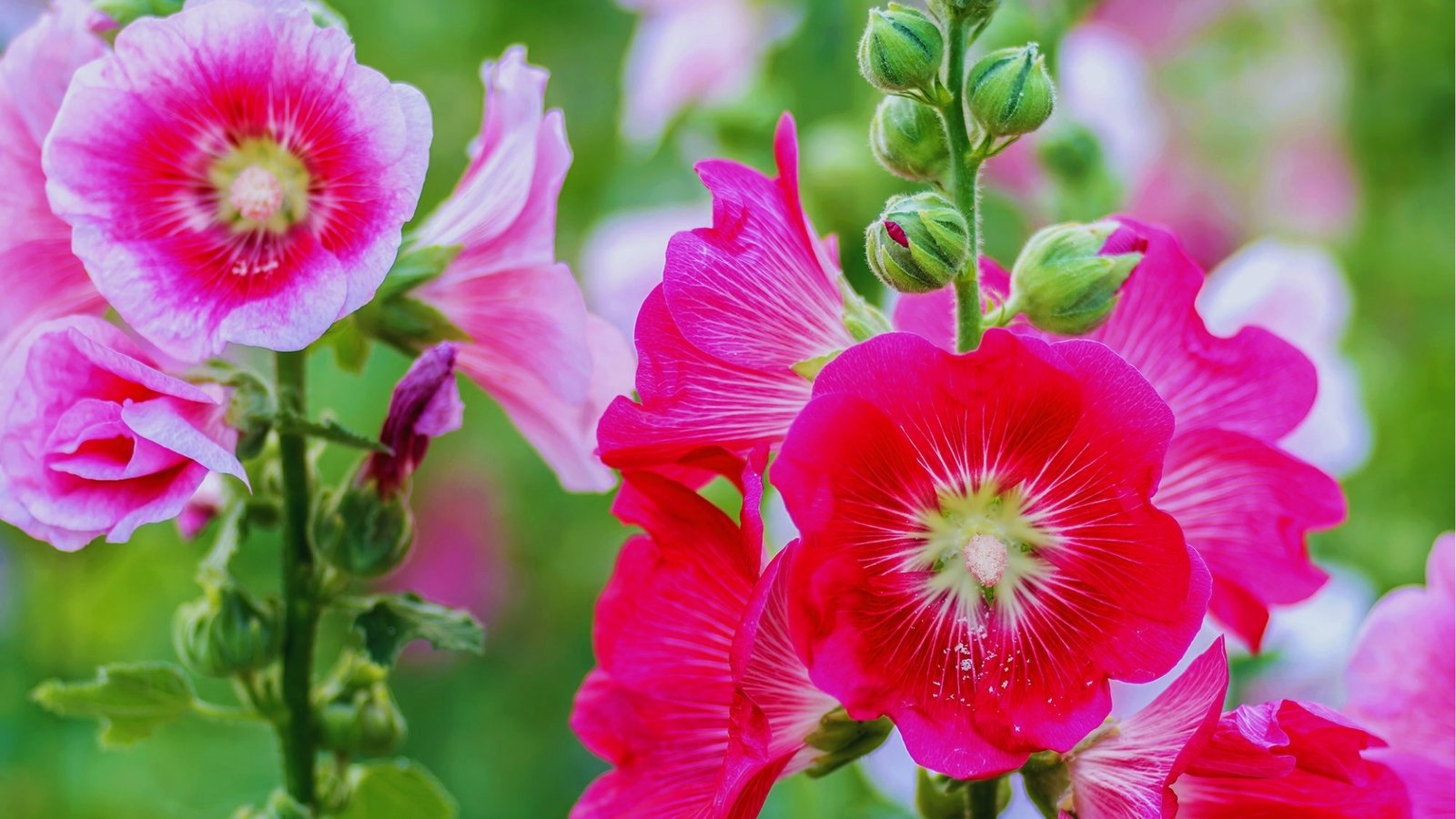
I’ve planted hollyhocks at the wrong time before, and trust me, it makes a big difference. Knowing when to plant hollyhock seeds can mean the difference between tall, blooming plants and ones that never quite take off.
In this article, I’ll walk you through the best outdoor and indoor planting times, spring vs summer sowing, and key tips for strong growth.
I’ve grown hollyhocks for years, and this guide shares what actually works. You’ll leave with a clear, simple plan.
Understanding the Best Timing for Hollyhock Seeds
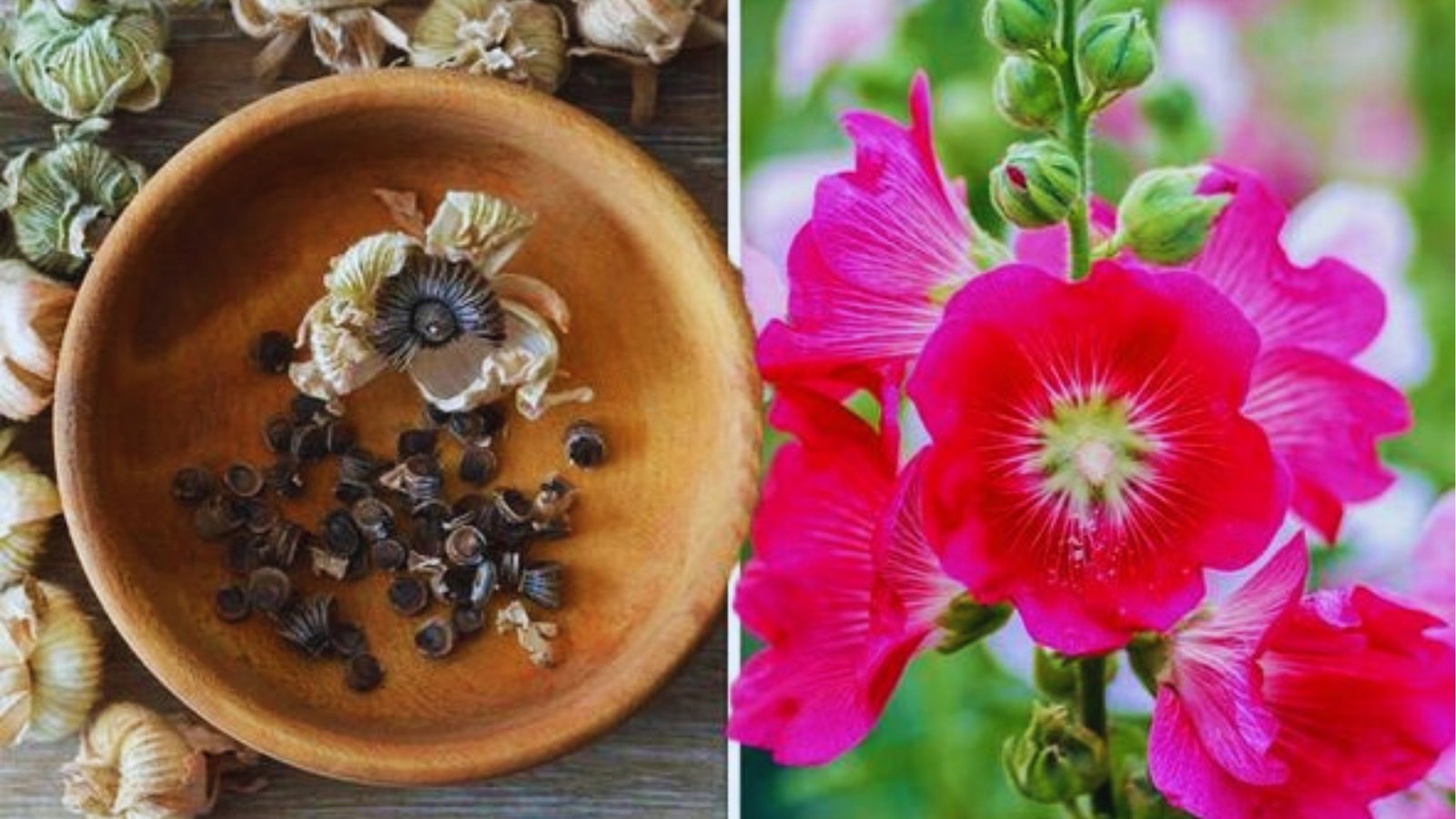
Getting the timing right sets the foundation for healthy hollyhock growth all season long. Your local frost dates matter more than the calendar.
Hollyhocks need time to settle in before cold hits. In colder zones, the window is shorter, while warmer areas give you more flexibility.
Always check your last frost date first. That one date guides almost every planting decision. In nature, hollyhocks drop seeds in late summer, sit through winter, and sprout in spring.
You can copy this natural cycle by planting in fall or late summer, or take control and start seeds indoors in early spring. Both methods work well.
Best Time to Plant Hollyhock Seeds Outdoors
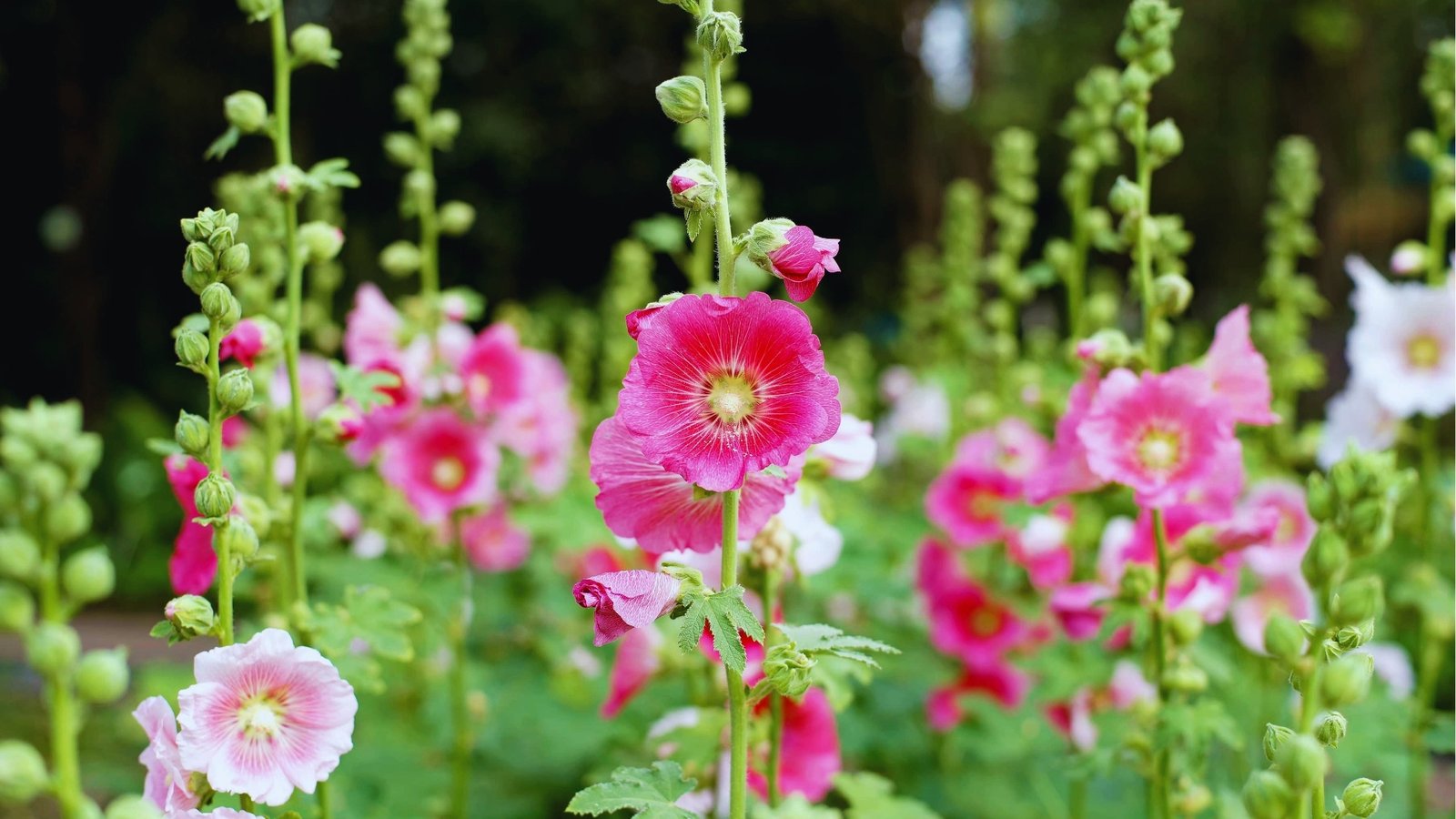
Outdoor planting timing affects how well hollyhocks establish before their first bloom season.
Sowing Before the Last Frost
You can sow hollyhock seeds directly in the ground about 2 weeks before your last frost date. The cool soil actually helps the seeds settle.
They won’t sprout right away, but they get a head start. This method works best in zones 3 through 8.
Summer Planting With Ripe Seeds
Late summer is another good window. Sow seeds in July or August after your hollyhocks have finished blooming. The seeds go in fresh, the soil is warm, and the plants have time to build roots before winter.
They won’t bloom the first year. But the second year, they came back strong.
Which Timing Leads to Better Establishment
Summer planting often leads to better root development. The plant focuses on roots, not blooms, in year one. That means stronger plants in year two.
Spring planting can work too, but summer-sown plants tend to be more sturdy long-term.
When to Start Hollyhock Seeds Indoors
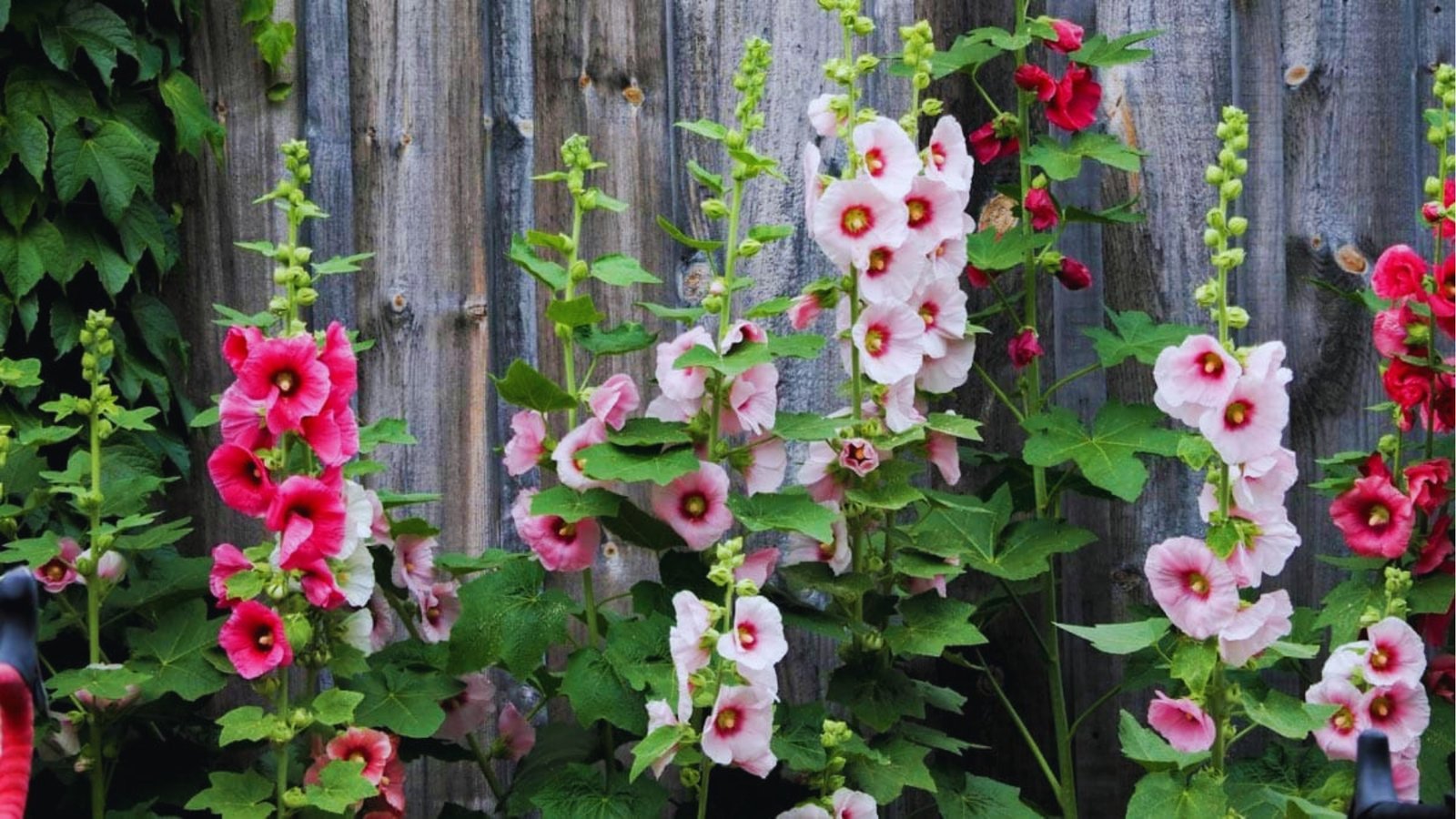
Starting indoors gives you a longer growing season and more control over early conditions.
Ideal Timeline Before the Last Frost
Start hollyhock seeds indoors 6 to 8 weeks before your last frost date. Use a seed tray with good drainage and keep the soil moist but not soaked.
Germination takes about 10 to 14 days at room temperature with steady warmth.
When to Transplant Seedlings Outdoors
Move seedlings outside only after your last frost has passed and nights stay above freezing. Seedlings should be at least 4 to 6 inches tall before the move.
Cold soil stresses young plants, so don’t rush this step at all.
Hardening Off for Better Survival
Before transplanting, set seedlings outside in a sheltered spot for a few hours each day. Do this slowly over 7 to 10 days to let them adjust.
This process helps them handle wind, direct sun, and temperature shifts without going into shock.
Spring vs Summer Planting Which is Better?
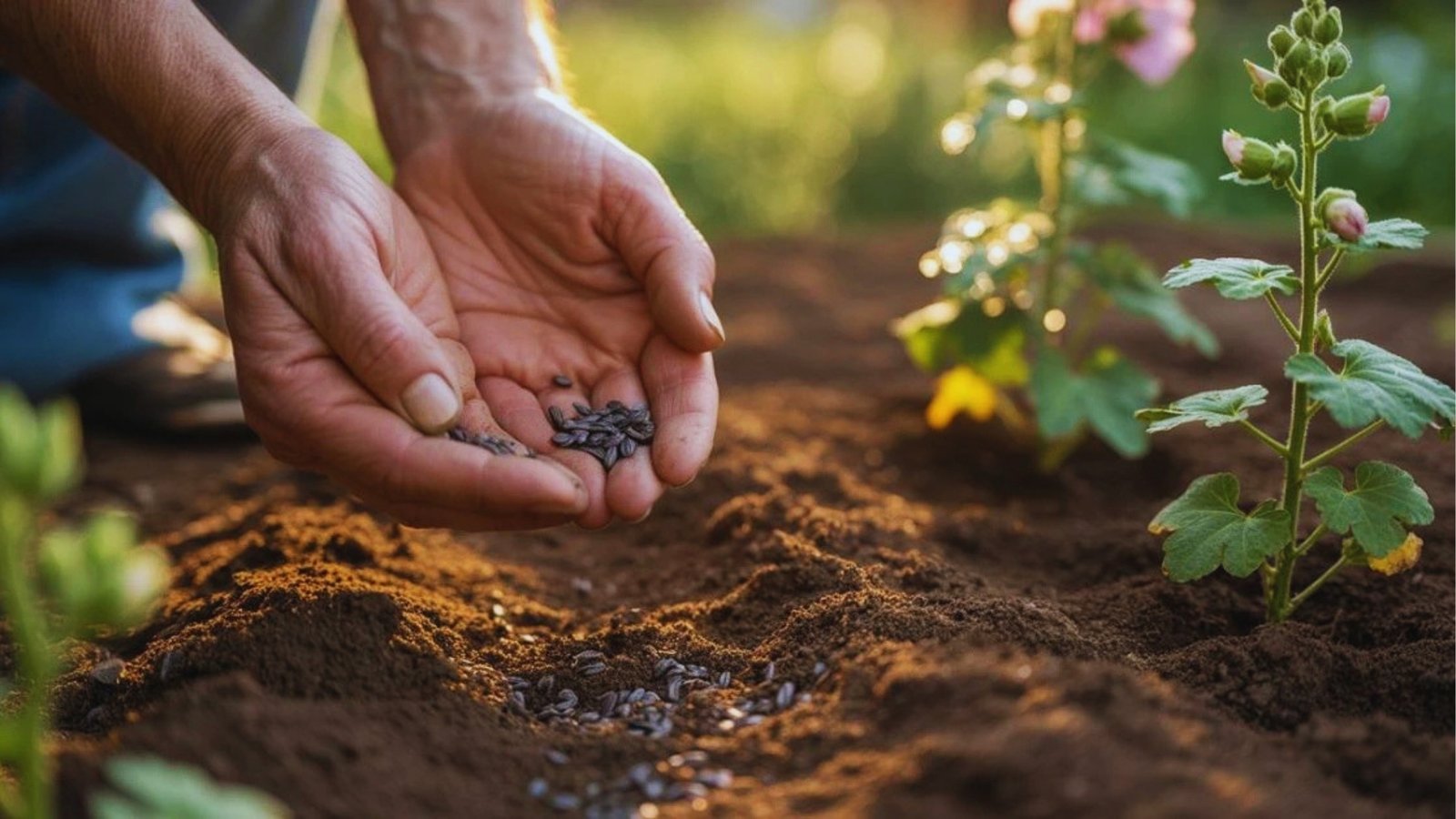
Both seasons have real advantages. The best choice depends on what you want from your plants.
Growth Differences Between Seasons
Spring-planted hollyhocks grow fast early on. They get more light and warmth right away. But they can also get stressed if temperatures jump too quickly.
Summer-planted seeds grow slower at first. They focus on building roots, which pays off the following year.
Bloom Timing Expectations
Spring planting may give you blooms in the first year if you start early enough indoors. Outdoor spring sowing usually means blooms in year two.
Summer planting almost always means blooms in year two. That’s the trade-off.
Choosing the Right Option Based on Goals
Want blooms this year? Start indoors in early spring. Want strong, long-term plants? Sow outdoors in summer. Live in a warm zone? Fall planting is also worth trying.
Pick what matches your timeline and patience level.
Key Factors That Affect Planting Success
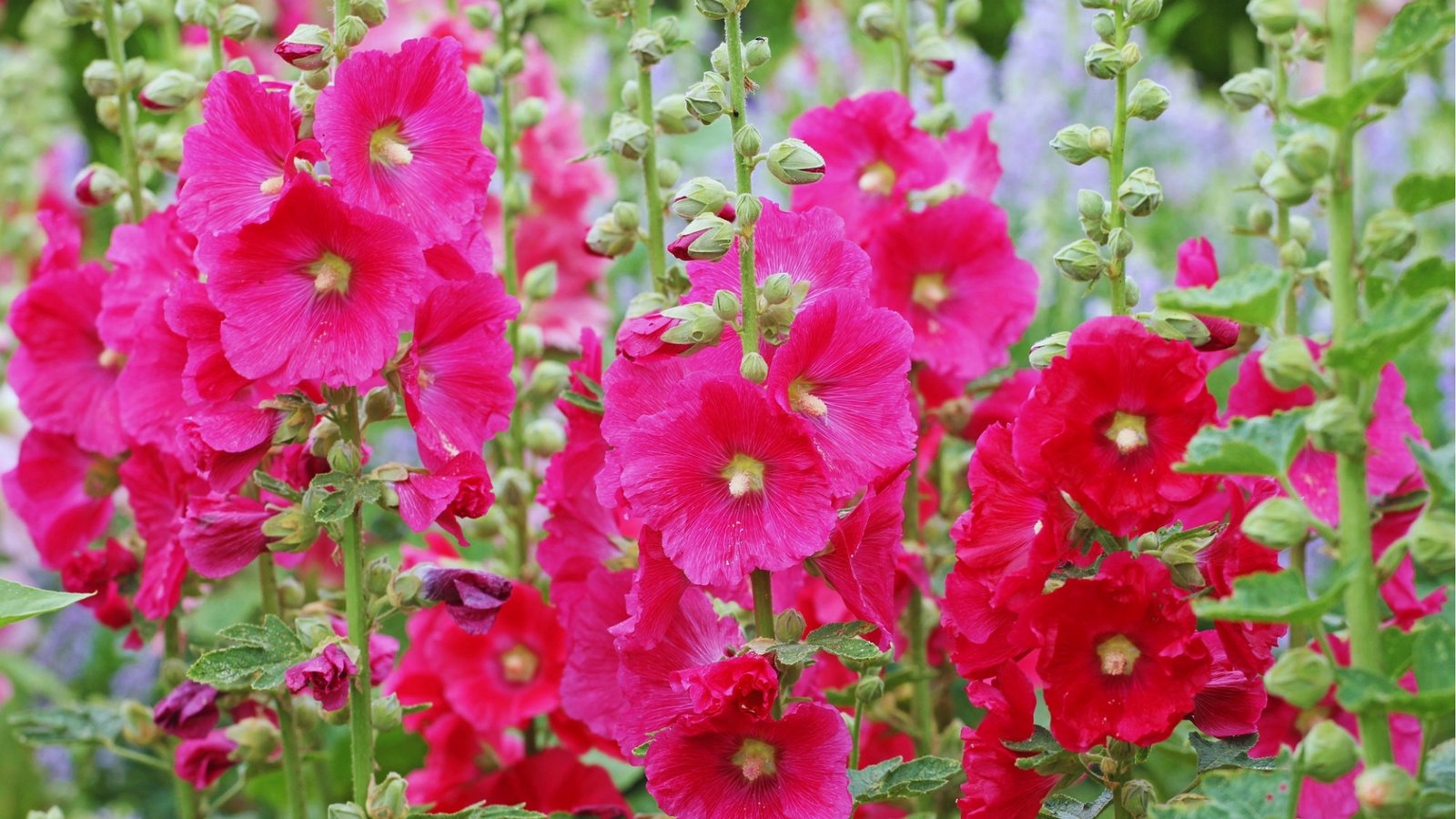
Beyond timing, a few simple conditions make a big difference in how well your seeds grow.
Sunlight and Temperature Needs
Hollyhocks need full sun, at least 6 hours of direct light each day. Too much shade leads to weak, floppy stems.
They can handle light afternoon shade in very hot climates. Soil temperature between 60°F and 70°F gives the best germination results.
Soil Quality and Drainage Importance
Hollyhocks do not grow well in waterlogged soil, so good drainage is a must. Heavy clay soil holds too much moisture and can cause root rot over time.
Mix compost into the soil before planting to improve both drainage and nutrients. A neutral to slightly alkaline pH level works best for healthy growth.
Watering and Early Care
Water young hollyhock plants regularly, but avoid soaking the soil too often. Once the plants are established, they handle dry spells fairly well on their own.
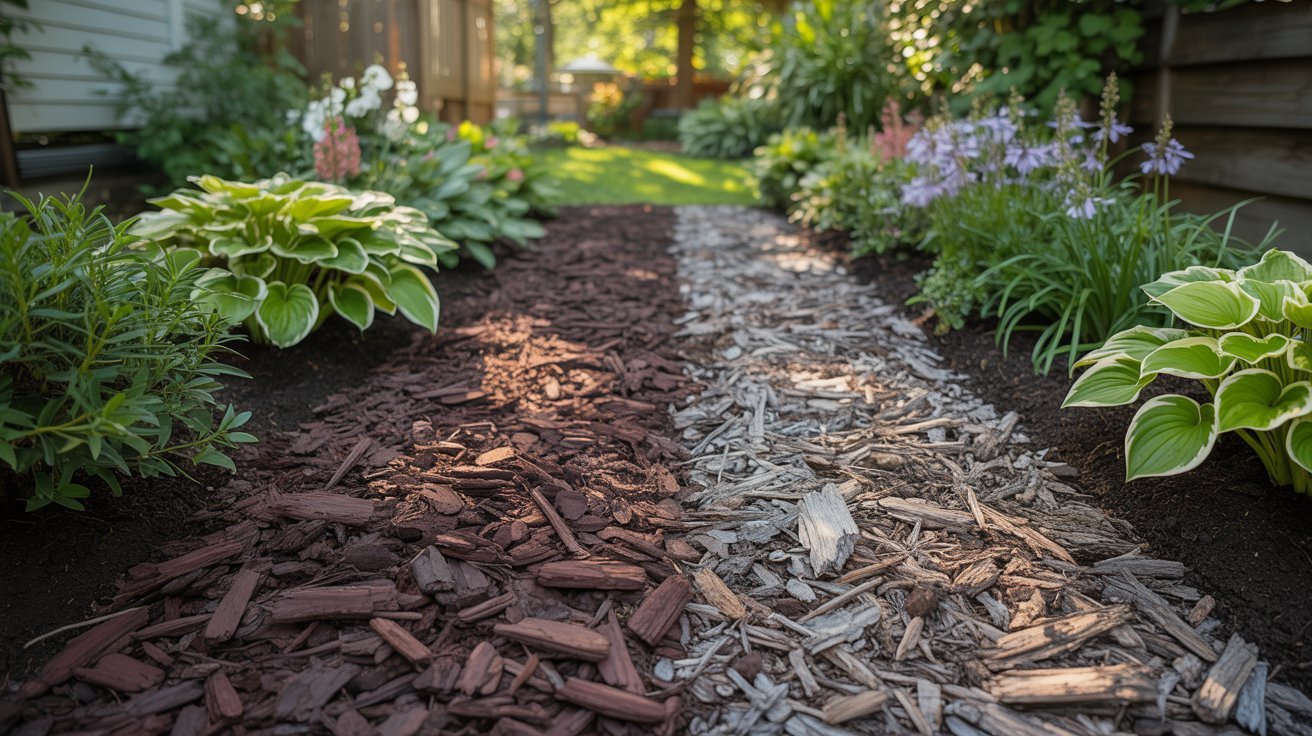
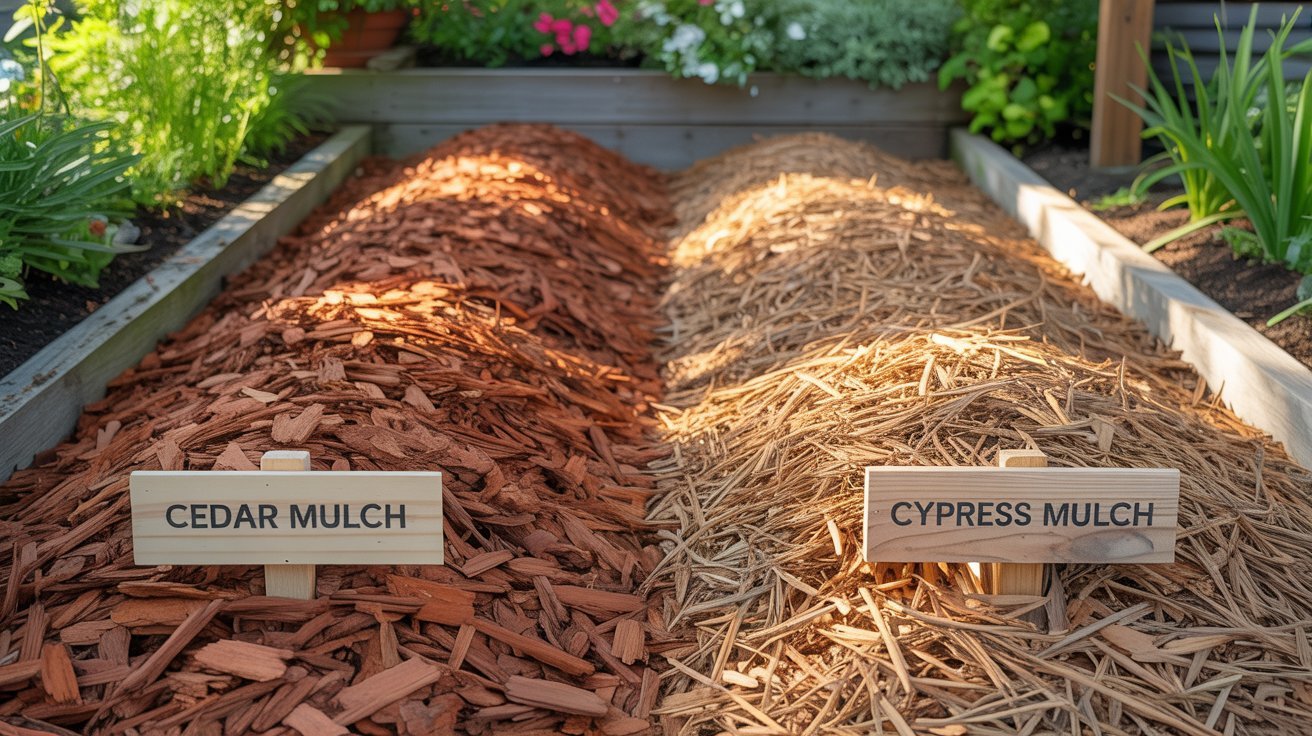
Clear weeds from around the base so they don’t compete for water and nutrients. A layer of mulch helps hold soil moisture and keeps roots cool through summer.
Tips for Planting Hollyhock Seeds Successfully
A few small habits during planting can save you a lot of trouble later.
- Do not cover hollyhock seeds; they need light to germinate, so just press them gently onto the soil surface.
- Space seeds or transplants 18 to 24 inches apart to allow good air flow and healthy growth.
- Sow 2 to 3 seeds per spot, then thin to the strongest seedling after sprouting.
- Avoid planting too deep or overwatering young seedlings, as both can slow or stop growth.
- Always harden off seedlings before moving them outdoors to prevent transplant shock.
- Plant in a sunny spot and never ignore your local frost dates both affect how well your plants establish.
Conclusion
I still remember my first hollyhock success after years of trial and error.
The trick was simple: right time, right soil, right light.
For same-year blooms, start seeds indoors 6 to 8 weeks before your last frost. For stronger, long-term plants, sow outdoors in summer.
Now I look forward to those tall spires every season. Try one method this year and see what works in your space.
Drop a comment below and let me know how your hollyhocks grow. I’d love to hear your experience!
Frequently Asked Questions
How long does it take for hollyhock seeds to germinate?
Hollyhock seeds germinate in 10 to 14 days. Keep soil moist and warm near 65°F for steady, reliable sprouting results.
Can I plant hollyhock seeds in the fall?
Yes, fall planting works well in warmer zones. Seeds stay dormant through winter and sprout on their own in spring.
Do hollyhocks come back every year?
Hollyhocks are biennials or short-lived perennials. They self-seed easily, so fresh new plants return naturally to your garden each year.
Why are my hollyhock seeds not sprouting?
Seeds may be buried too deep or soil is too cold. Hollyhocks need light and warm soil to germinate properly.
How deep should I plant hollyhock seeds?
Don’t cover them deeply. Press seeds gently onto the soil surface or add just 1/8 inch of soil on top. Hollyhocks need light to sprout well.