
I’ve spent time figuring out which plants grow best next to peas, and the difference it makes is real. Peas companion plants can change how well your garden performs each season.
In this article, I’ll walk you through the best pairings, including popular combinations like peas with carrots or strawberries, and how to choose what works for your space.
You’ll also learn simple planting methods and tips to get more from every row. With years of hands-on gardening knowledge behind this guide, you’re in the right place.
Understanding Peas Companion Plants
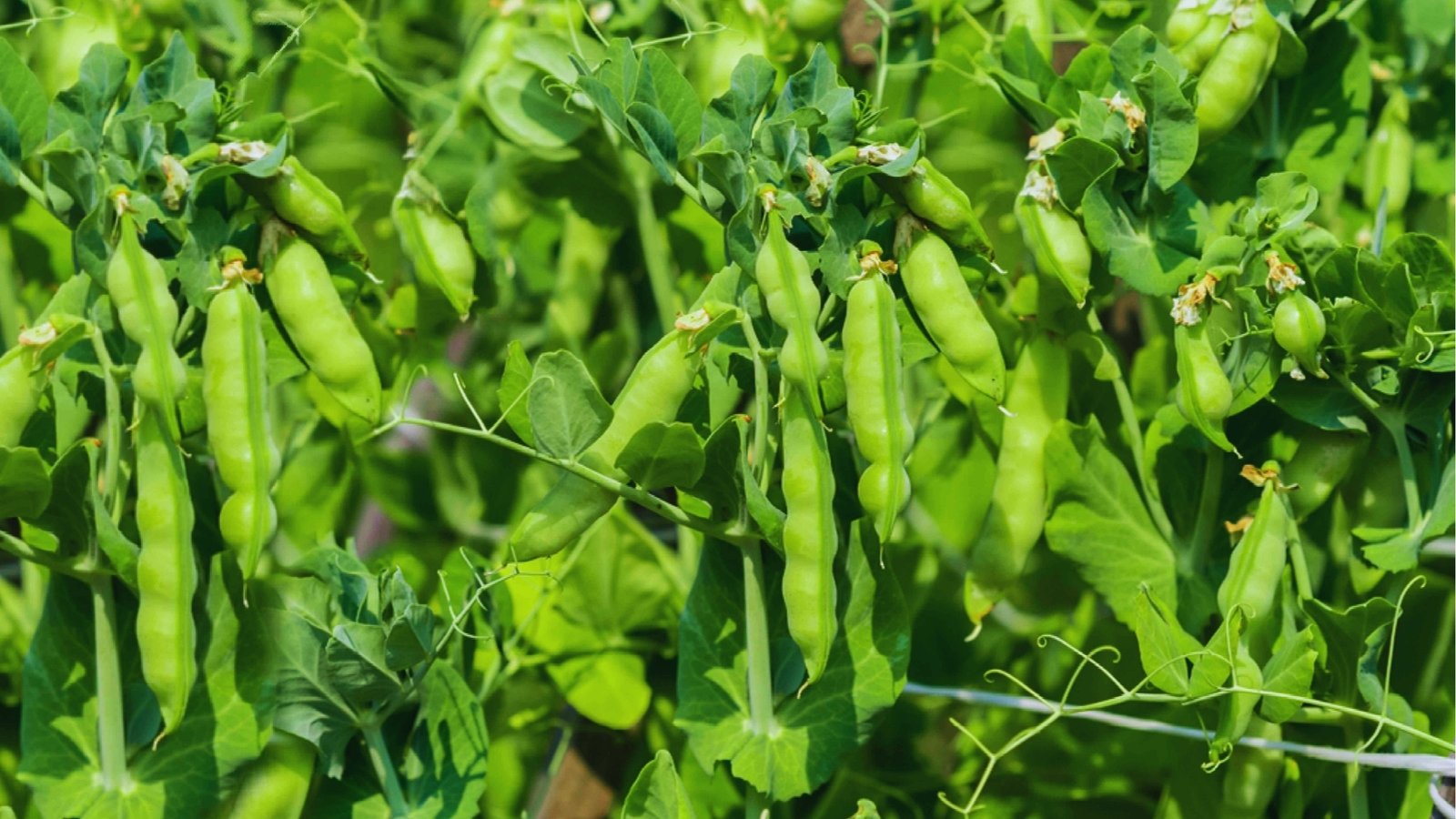
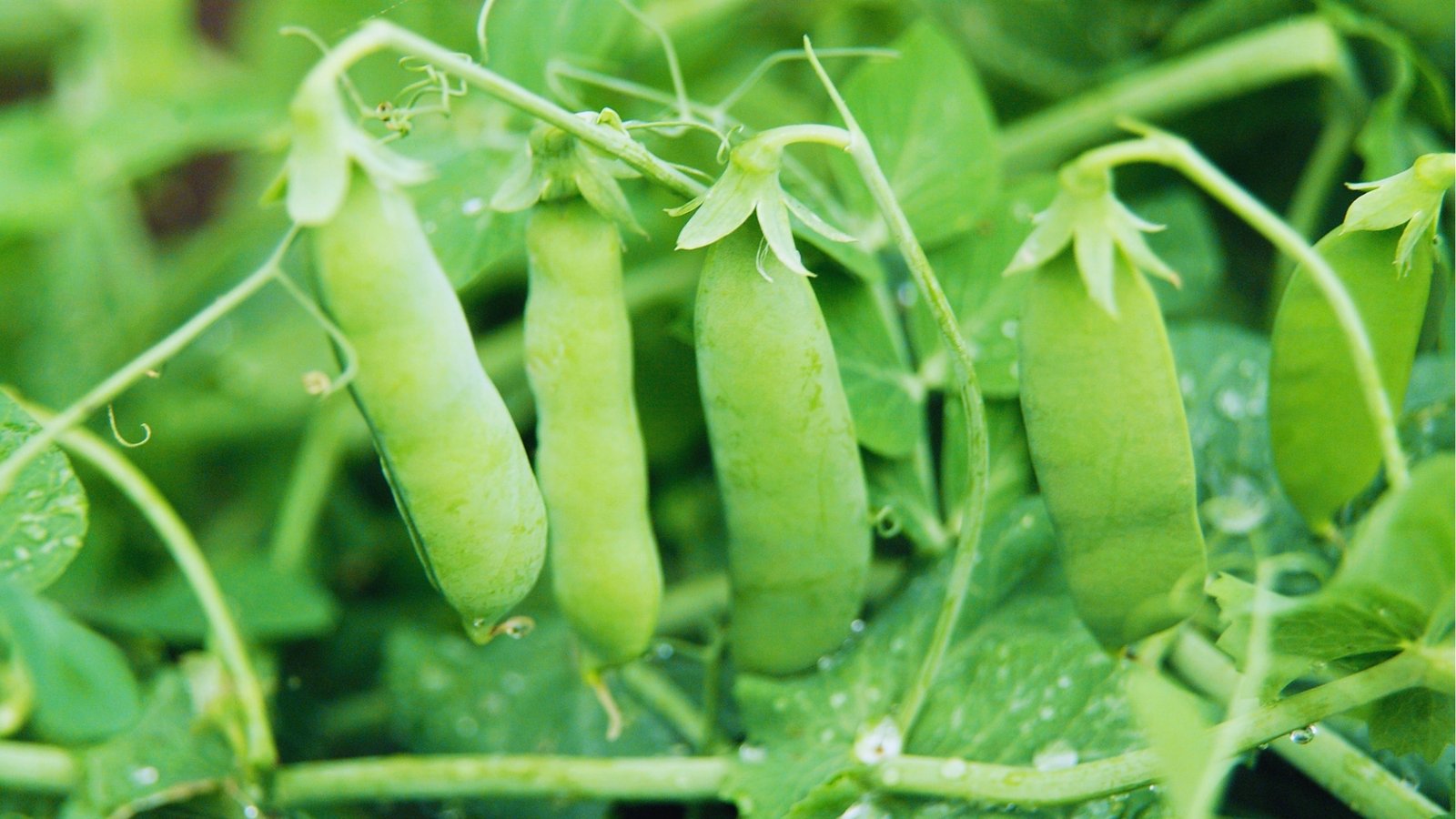
Companion planting means growing crops close together so they support each other. Peas companion plants are simply the plants you grow near peas to get these benefits.
Farmers have done this for generations. Peas work well in these setups for two main reasons. First, their roots fix nitrogen from the air into the soil, which feeds nearby plants naturally.
Second, peas grow upward instead of spreading wide. This means other crops can grow alongside them without getting crowded out.
That vertical growth habit makes peas one of the easier plants to pair with others in any garden size.
Best Peas Companion Plants for Growth
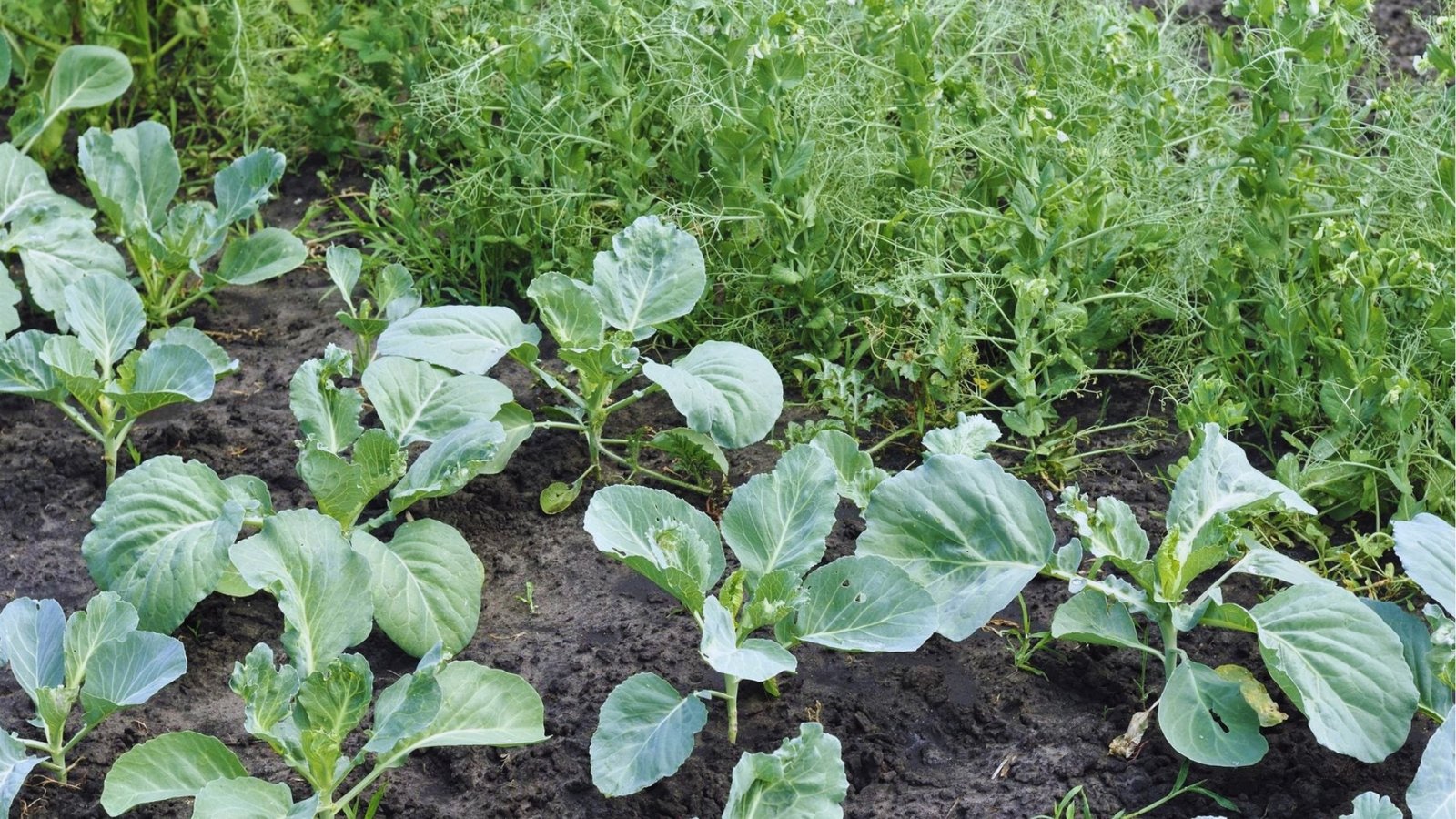
These are the most reliable plant pairings that work well with peas in real garden settings.
Carrots and Other Root Crops
Carrots and peas are one of the most popular pairings, and for good reason. They don’t compete for the same nutrients. Peas grow up. Carrots grow down. They use different parts of the soil and space.
Other root crops like radishes and turnips follow the same logic. They stay underground while peas climb above. This keeps competition low and land use high.
Grains and Intercrops Like Wheat
In larger garden plots or farm settings, peas are sometimes grown with wheat or barley. These crops have similar growth windows. They can be planted and harvested at close to the same time.
This makes field management easier. The peas add nitrogen to the soil while the grains grow tall alongside them.
Mixed Crop Systems
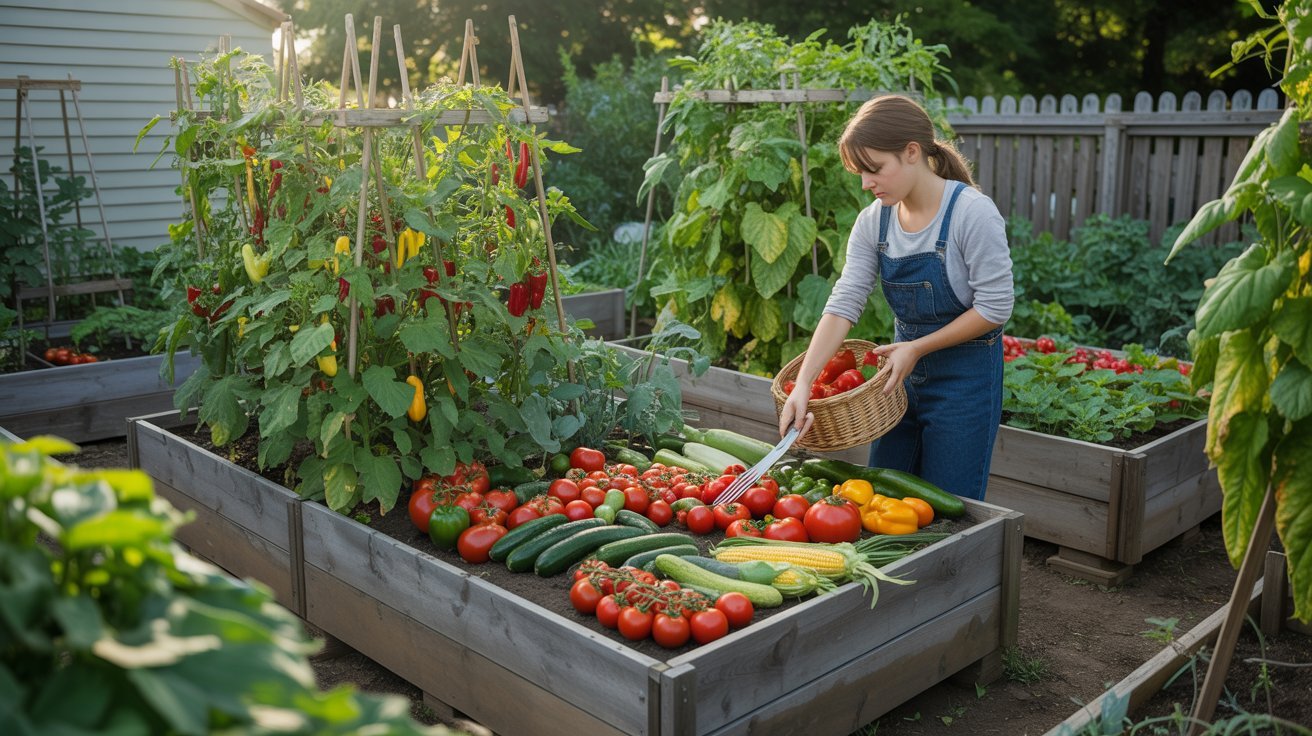
Peas also do well in diverse planting systems where several crops grow together. In these setups, peas fill a support role. They feed the soil and use vertical space while other plants spread at ground level.
The key is balance. Too many plants in one space causes problems. But a well-planned mixed bed can give strong results.
Can You Grow Peas with Specific Plants
Smart pairings start with knowing which plants actually get along with peas.
Peas and Carrots Pairing
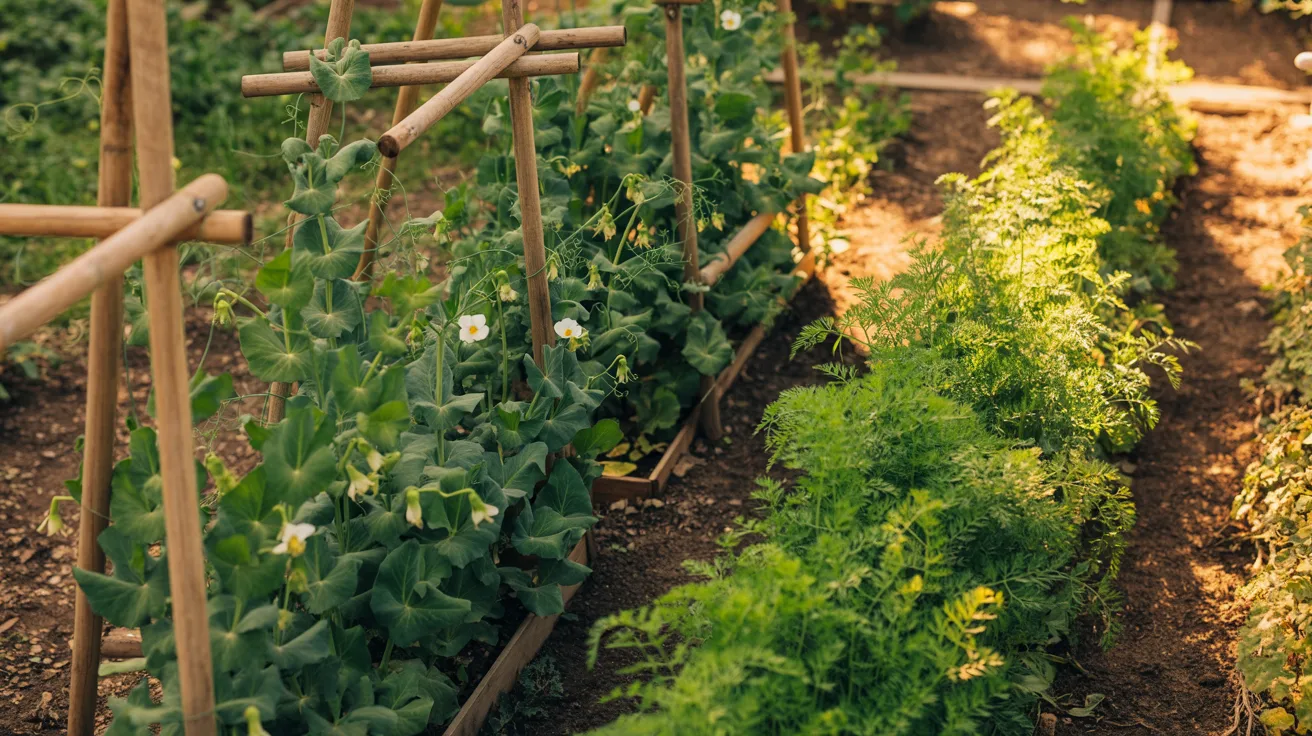
This is one of the most tested combinations in home gardening. Peas and carrots grow at different levels. Their root systems don’t clash. Carrots also benefit from the looser soil that grows around pea roots over time.
Plant them in the same row or in close rows. Give each enough space to grow without crowding. This pairing is low risk and often produces good results.
Peas with Strawberries: What to Know
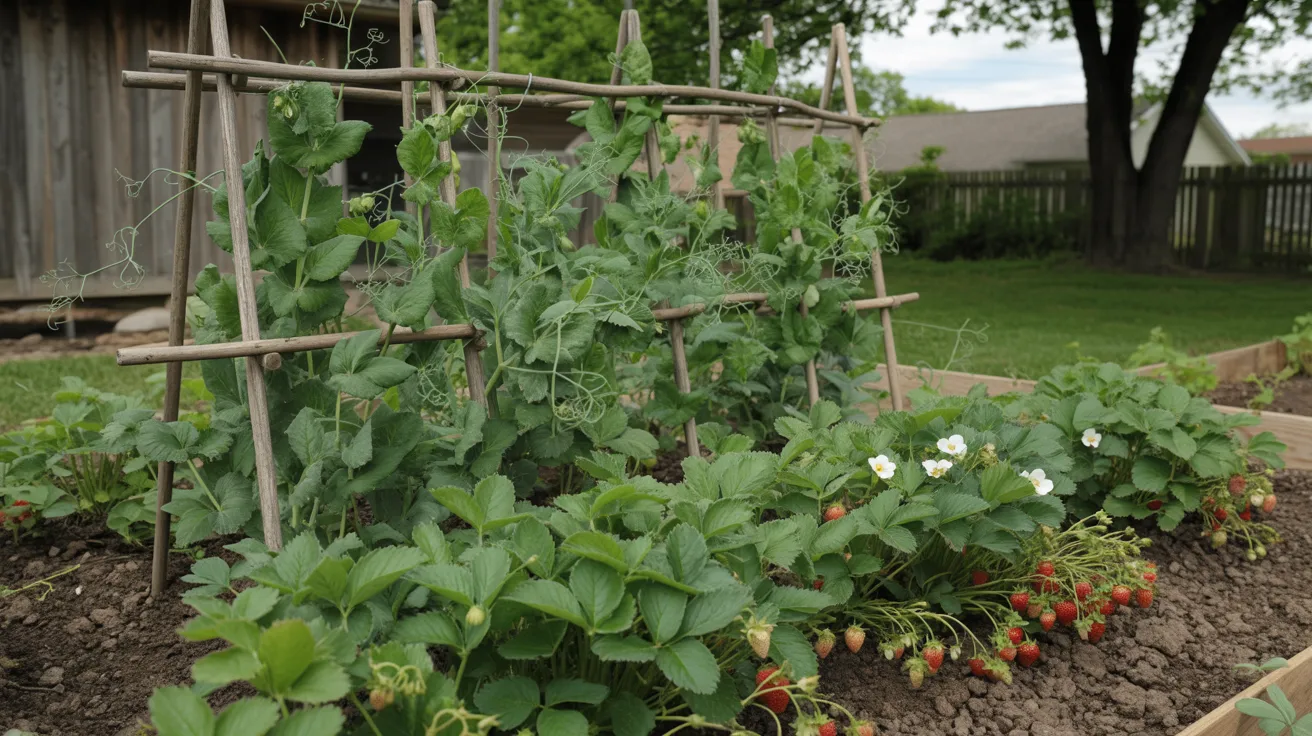
This pairing gets asked about often. It can work, but it needs more thought than peas and carrots.
Strawberries spread low and wide. Peas need vertical support and some airflow. If space is tight, the strawberry runners can crowd the pea roots.
- Light: is another factor. Both crops like full sun. If pea vines grow tall and shade the strawberries, berry production may drop.
- Timing: matters too. Strawberries are perennials. Peas are seasonal. You need to plan for what happens after the peas are done and the strawberries keep growing.
If you want to try this pairing, start small. Give each plant its own clear space and watch how they respond before expanding.
How to Evaluate Any Plant Pairing
Use these three checks before planting anything new together
- Spacing needs: Do both plants have enough room to grow without blocking each other?
- Nutrient demand: Are they pulling from the same nutrients at the same time?
- Light and height: Will one shade out the other as it grows?
If the answers work out, the pairing is worth trying. If not, keep them in separate beds.
How Peas Companion Plants Improve Growth
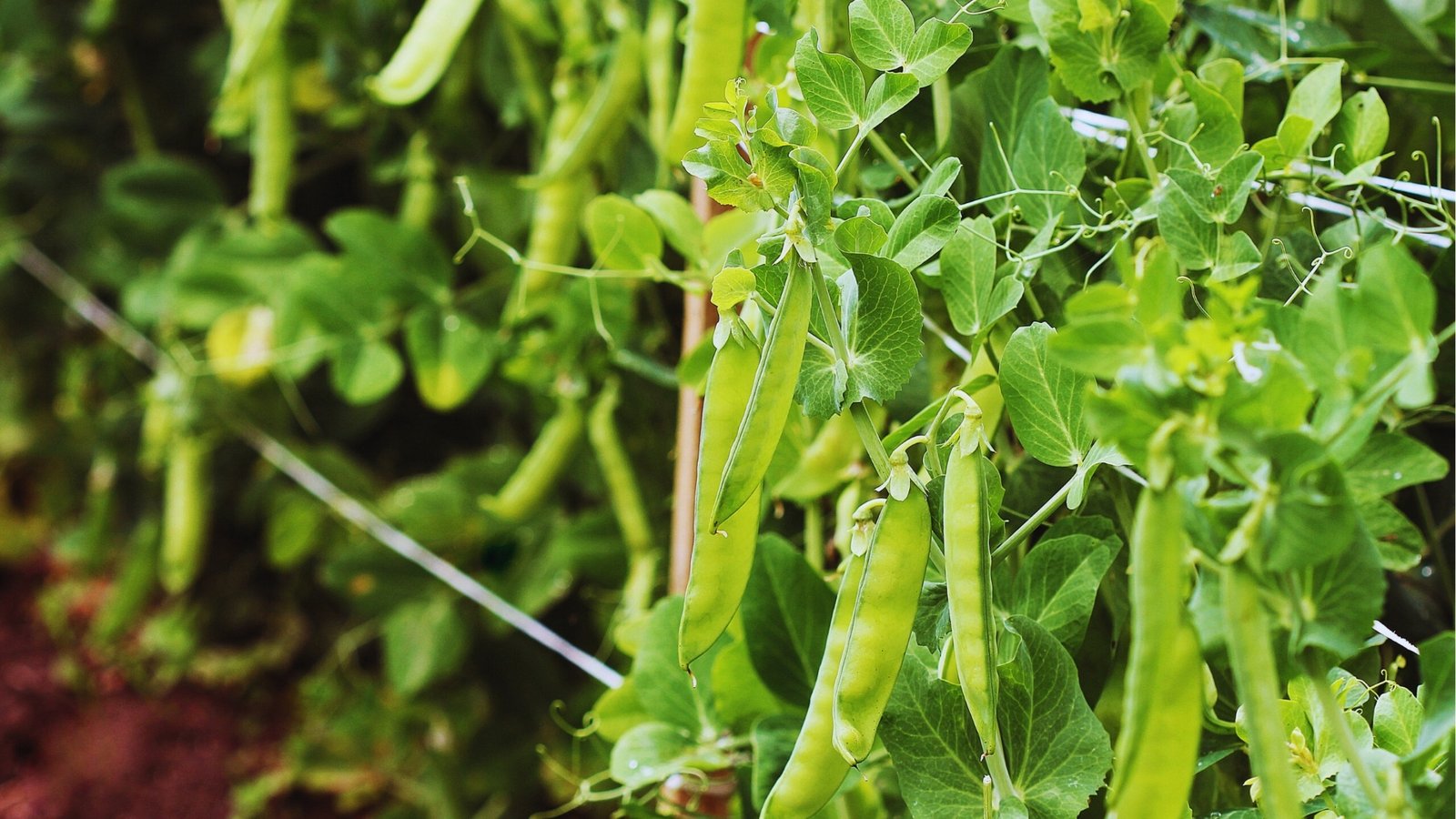
Three solid reasons why pairing peas with the right plants leads to better garden outcomes.
Natural Pest Control Through Diversity
When many types of plants grow together, pests have a harder time spreading. A single-crop bed is easy for insects to move through. A mixed bed slows them down.
Peas paired with other plants add variety. That variety acts as a soft barrier. It won’t stop every pest, but it reduces the risk of a full outbreak.
Better Yield Per Space
When plants use space at different levels, the same area produces more. Peas climb up. Root crops grow down. Ground-cover plants fill the middle layer.
This means you get more food from the same patch of soil. That’s especially useful in smaller gardens where every square foot counts.
Crop Security and Flexibility
If one crop fails due to weather, disease, or pests, the other may still produce. This gives your garden a backup. You don’t lose the whole season just because one plant struggled.
Mixed planting through peas companion plants builds this kind of safety into your garden naturally.
Planting Methods for Peas Companion Plants

Simple ways to set up your beds so peas and their companions actually grow well together.
Row Planting vs Intercropping
Row planting keeps things organized. You plant peas in one row and companions in the next. This is easier to manage and works well for beginners.
Intercropping mixes plants within the same row or bed. This uses space more fully but needs more planning. Both methods work. Choose based on your comfort level and garden size.
Proper Spacing and Density
Crowded plants compete for light, water, and nutrients. Always check the spacing needs for each plant before placing them near peas.
A good rule is to follow the seed packet or planting guide for each crop and then add a little extra room when combining them in the same space.
Timing and Growth Synchronization
Some plants grow fast. Others take longer. When pairing plants, think about when each one will be at its largest. You don’t want one crop hitting its peak size just as the other needs the most light and water.
Plan your planting dates so both crops can grow without getting in each other’s way.
Practical Tips for Choosing Peas Companion Plants
Small adjustments each season can make a big difference in how well your pairings work.
- Start with proven pairings like peas and carrots before trying something new
- Test new combinations like strawberries in a small section first
- Always check spacing, light needs, and timing before planting two crops together
- Don’t rely only on companion plants for pest control. Use other methods too.
- Watch how each pairing performs and adjust next season based on what you see
Conclusion
Picking the right peas companion plants takes a little thought, but it pays off. I’ve seen simple pairings like peas and carrots make a noticeable difference in how a bed performs.
If you’re curious about something like peas with strawberries, try it in a small spot first and see how your garden responds. Every garden is different, and that’s part of what makes it interesting. Give these ideas a go this season.
If you found this helpful, share it or leave a comment below. I’d love to hear what pairings work best for you.
Frequently Asked Questions
What are the best peas companion plants for a small garden?
Carrots, radishes, and spinach work well in small spaces. They use different soil levels and don’t compete much with peas.
Can I grow peas and strawberries together?
You can try it, but watch for crowding and shading issues. Give each plant clear space and test the pairing in a small area first.
Do peas help other plants grow better?
Yes. Peas fix nitrogen in the soil, which feeds nearby plants. This makes them a helpful neighbor for many crops.
What plants should not grow near peas?
Onions and garlic are often listed as poor companions for peas. They may slow pea growth when planted too close.
How far apart should companion plants be from peas?
This depends on the plant, but a general rule is to follow each crop’s standard spacing and add a few extra inches when mixing them in the same bed.