

Timing your fertilizer with rain can make or break your lawn care results. I’ve seen lawns go from patchy to lush just by getting this one thing right.
In this article, I’ll walk you through exactly when to fertilize before or after rain, what types of rain help or hurt, and how to avoid common mistakes.
Whether you’re a beginner or have been mowing for years, this guide gives you clear, practical steps. You’ll know exactly what to do before your next rain forecast.
Understanding Fertilizing Before or After Rain
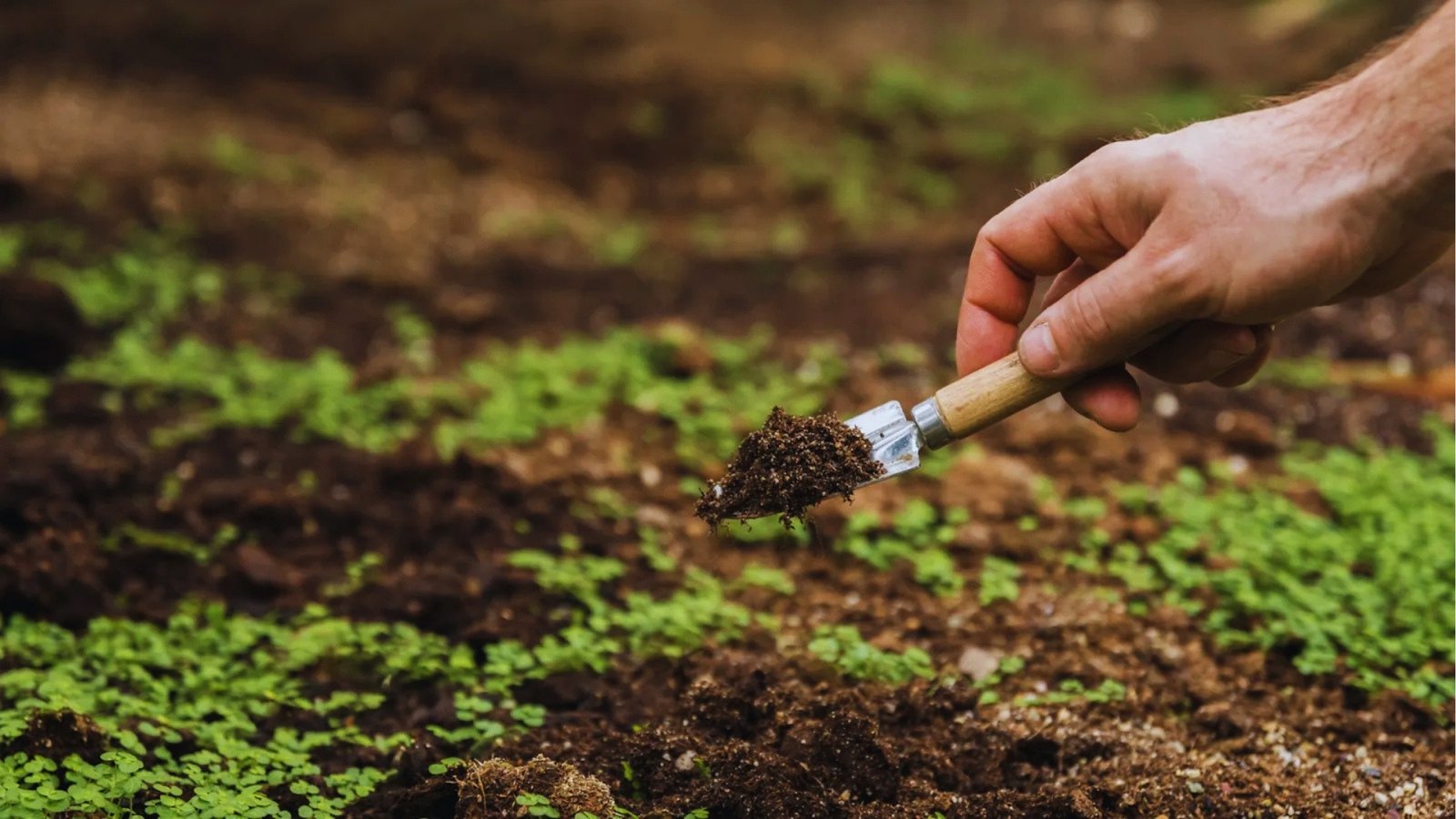
Fertilizer works best when soil has the right amount of moisture. Dry soil slows absorption and keeps nutrients from reaching the roots.
Light rain after applying fertilizer is a good thing. It gently pushes nutrients down into the soil where grass can use them. Heavy rain is a different story.
It falls too fast for the soil to absorb, so water runs off the surface and takes your fertilizer with it. Light rain stays under half an inch per hour.
Heavy rain goes over an inch. Knowing this difference helps you pick the right day to fertilize.
When to Fertilize Before or After Rain
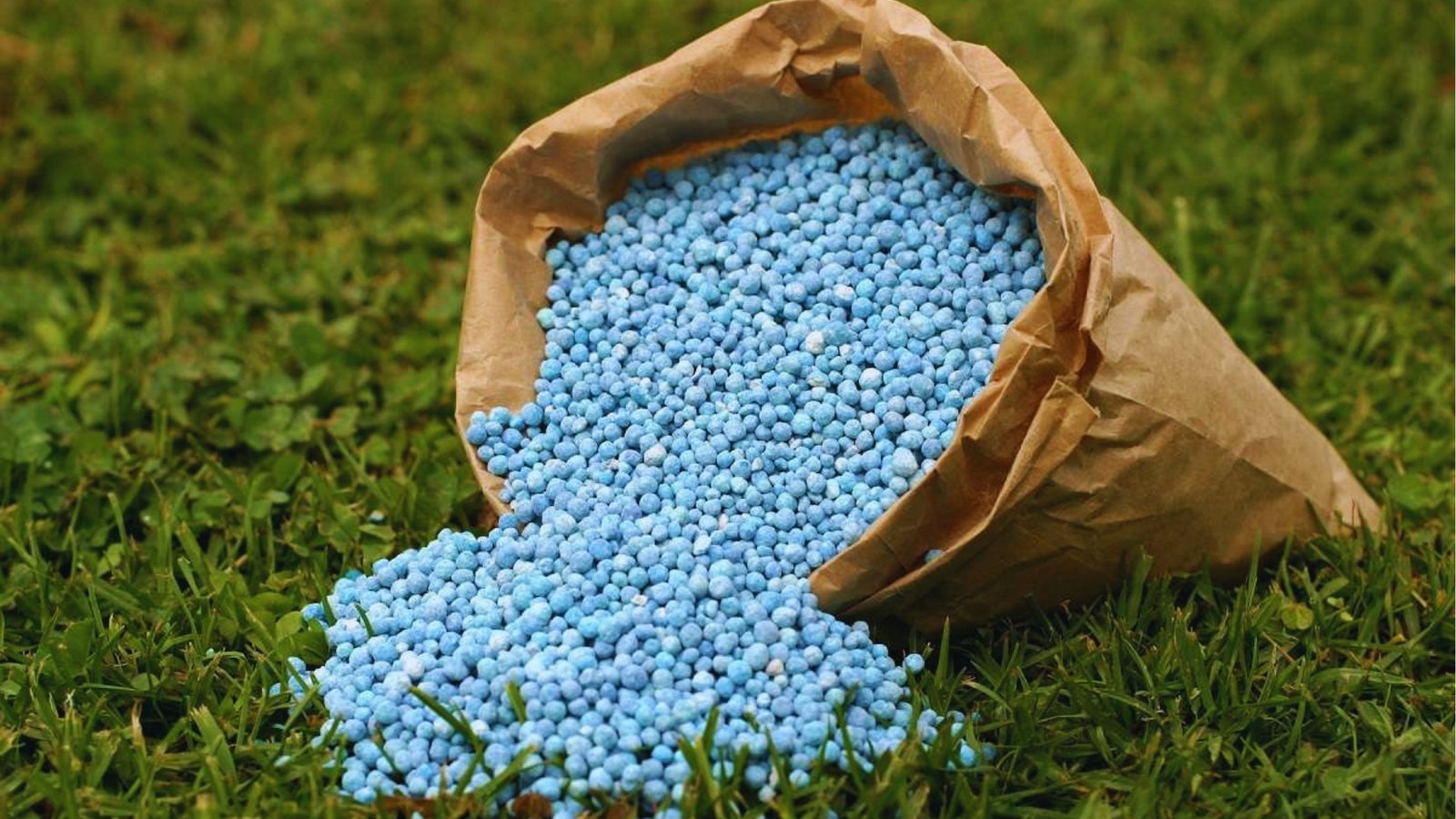
Here is the short version of the best timing strategy based on rainfall type.
Best Time to Fertilize Before Rain
Apply fertilizer 24 to 48 hours before a light rain. The rain will water it in for you. This saves time and works well with granular fertilizers. Just make sure the forecast shows light showers, not a storm.
When to Wait and Fertilize After Rain
If heavy rain is coming, wait. Apply fertilizer 1 to 2 days after the storm passes. The soil will still be moist, which helps absorption. The surface runoff risk drops once the ground settles.
Simple Rule to Avoid Fertilizer Loss
Here is a rule that works every time
- Light rain coming? Fertilize the day before.
- Heavy storm coming? Wait until after.
- No rain in the forecast? Water your lawn after applying.
Choosing the Right Timing Based on Fertilizer Type

Not all fertilizers react the same way to rain, so type matters when planning timing.
Liquid Fertilizer and Rain Timing
Liquid fertilizer absorbs fast but needs at least 2 to 4 hours before rain hits. If rain comes too soon, it rinses the product off the blades before it can soak in.
Always check the label for minimum dry time.
Granular Fertilizer and Dry vs Wet Grass
Granular fertilizer actually sticks better to slightly moist grass. It clings to the blades and falls into the soil more evenly.
Applying it to completely dry, stressed grass means it may just sit there. Light moisture before application helps it settle.
Pre-Emergent Fertilizer and Watering Needs
Pre-emergent fertilizers need water to activate. Without rain or irrigation within a day or two of applying, they won’t work properly.
Light rain is perfect for this type. Heavy rain can push it too deep or wash it away before it forms the barrier it needs.
What Type of Rain Is Best for Fertilizing
The kind of rain falling on your lawn matters just as much as the amount.
Why Light, Steady Rain Is Ideal
Light rain that falls slowly over a few hours soaks into the soil. It carries fertilizer nutrients down to the root zone without runoff. This is the best natural watering you can ask for after application.
How Heavy Rain Can Wash Fertilizer Away
Heavy rain falls faster than soil can absorb it. The water runs off across the surface, pulling dissolved fertilizer with it.
This leads to uneven results and can cause nearby water sources to get polluted with excess nitrogen.
How to Read Weather Forecasts Correctly
Look for two things in the forecast
- Rainfall amount: anything above 1 inch in a short window is risky.
- Timing: a scattered shower 24 hours after application is fine. A downpour 2 hours after is not.
Use a weather app that shows hourly rain totals. That gives you a much clearer picture than a daily summary.
What Happens If It Rains Too Soon or Too Much

Knowing what goes wrong helps you decide if you need to act after a heavy rain.
Does Fertilizer Get Washed Away
Yes, it can. Granular fertilizer that has not dissolved yet is at higher risk. Once it dissolves and soaks in, it is harder to wash out. Liquid fertilizer that has not dried is the most vulnerable to rain washout.
Should You Reapply Fertilizer or Not
Only reapply if you had heavy rainfall right after application and you saw clear runoff. If the rain was light and brief, most of the product likely stayed in place. Reapplying too soon can burn your grass with too much nitrogen.
Factors That Affect Fertilizer Absorption
These things affect how much fertilizer your lawn actually gets
- Soil type: sandy soil drains faster and loses nutrients quicker.
- Grass condition: stressed or dry grass absorbs less.
- Slope: sloped lawns lose more to runoff.
- Fertilizer form: granular vs liquid behaves differently.
Common Mistakes When Fertilizing Around Rain
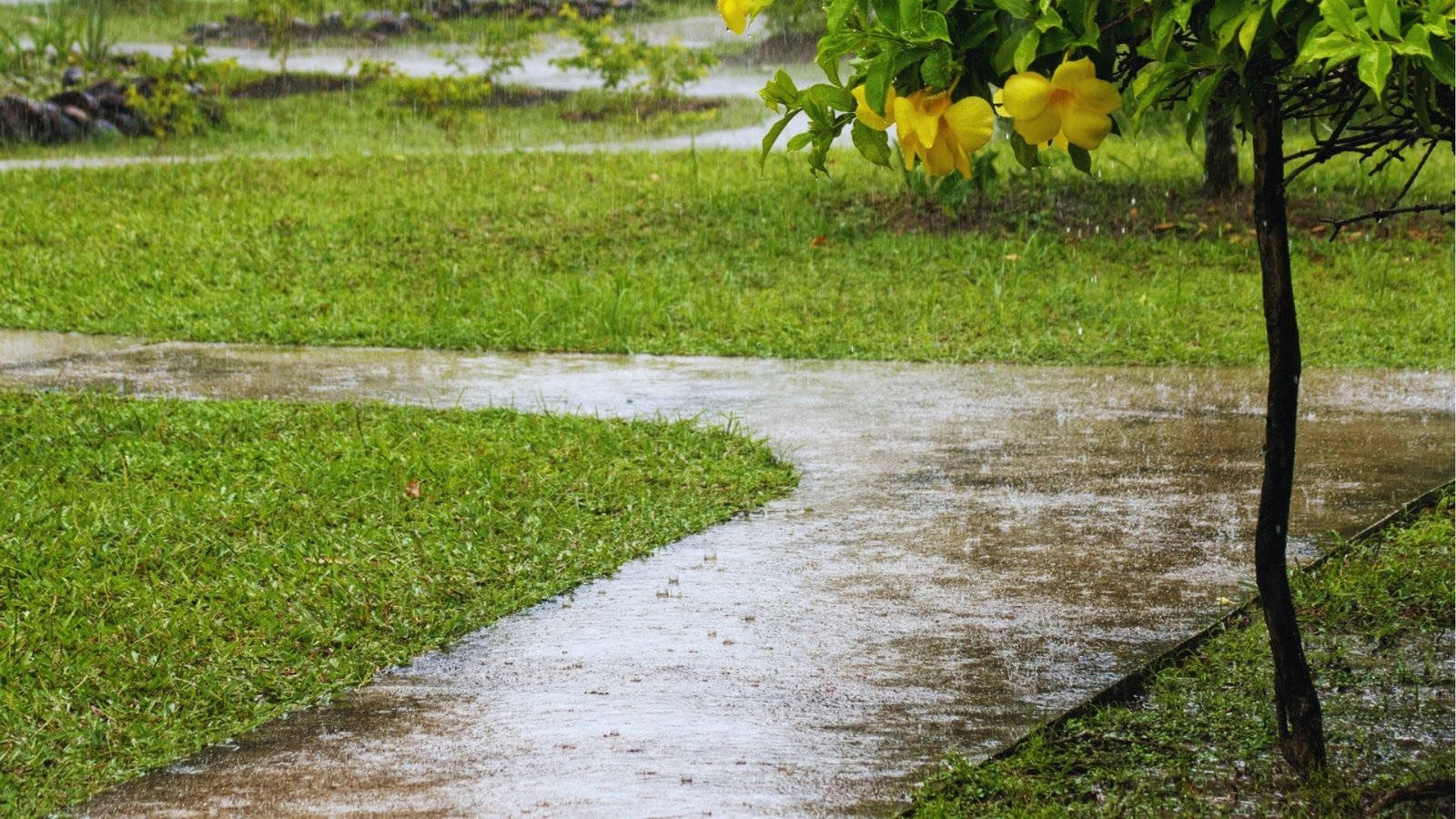
Small timing errors can waste product and stress your lawn more than help it.
Applying Before Heavy Storms
This is the most common mistake. People see rain in the forecast and think it will do the watering for them. But if that rain is heavy, the fertilizer runs off before it ever reaches the roots.
Fertilizing Dry or Stressed Lawns
Applying fertilizer to a lawn that is already dried out and stressed can cause fertilizer burn. The concentrated nutrients sit on the surface and pull moisture out of the grass blades instead of feeding the roots.
Not Watering In Properly
If there is no rain coming, you must water your fertilizer yourself. Skipping this step leaves granules sitting on the surface.
They break down slowly and unevenly. A good 15 to 20 minute soak after applying makes a real difference.
Tips for Fertilizing Before or After Rain
These habits will help you get the most out of every fertilizer application.
- Check the forecast 48 hours before fertilizing, not just the day of.
- Look at hourly rain data for a more accurate timing window.
- Run sprinklers after applying if no rain is expected within 24 to 48 hours.
- A quarter inch of water is enough to push granules into the soil.
- Always read the label since dry time varies by brand and product type.
- Stick to a schedule every 6 to 8 weeks for steady, trackable results.
Conclusion
Getting the timing right with rain has made a real difference in my own lawn. Light rain is your friend, heavy rain is not. I used to just guess, but checking the forecast first changed everything.
If I had to give one piece of advice, it would be this: plan around the rain, not against it. Try it this week and see how your grass responds.
Got a question or a tip that worked for you? Drop it in the comments. I’d love to hear what’s working in your yard.
Frequently Asked Questions
Can I fertilize if rain is expected the next day?
Yes, fertilizing a day before light rain is actually ideal. The rain helps carry nutrients into the soil, acting as a natural watering session for your lawn.
How long should fertilizer be down before it rains?
Most granular fertilizers need at least 24 hours before heavy rain. Liquid fertilizers need 2 to 4 hours of dry time to absorb properly into the grass.
Will fertilizer still work if it gets rained on immediately?
It depends on the rain. Light rain may not cause much loss. Heavy rain right after application can wash away a large portion before the nutrients reach the roots.
Is it better to fertilize before or after a storm?
Always fertilize after a storm. Once the soil settles and surface moisture calms down, nutrients absorb more effectively and runoff risk drops significantly.
Does wet grass affect fertilizer application?
Lightly moist grass is fine for granular fertilizer. Soaking wet grass can dilute liquid fertilizer and cause granules to clump, leading to uneven distribution across your lawn.