
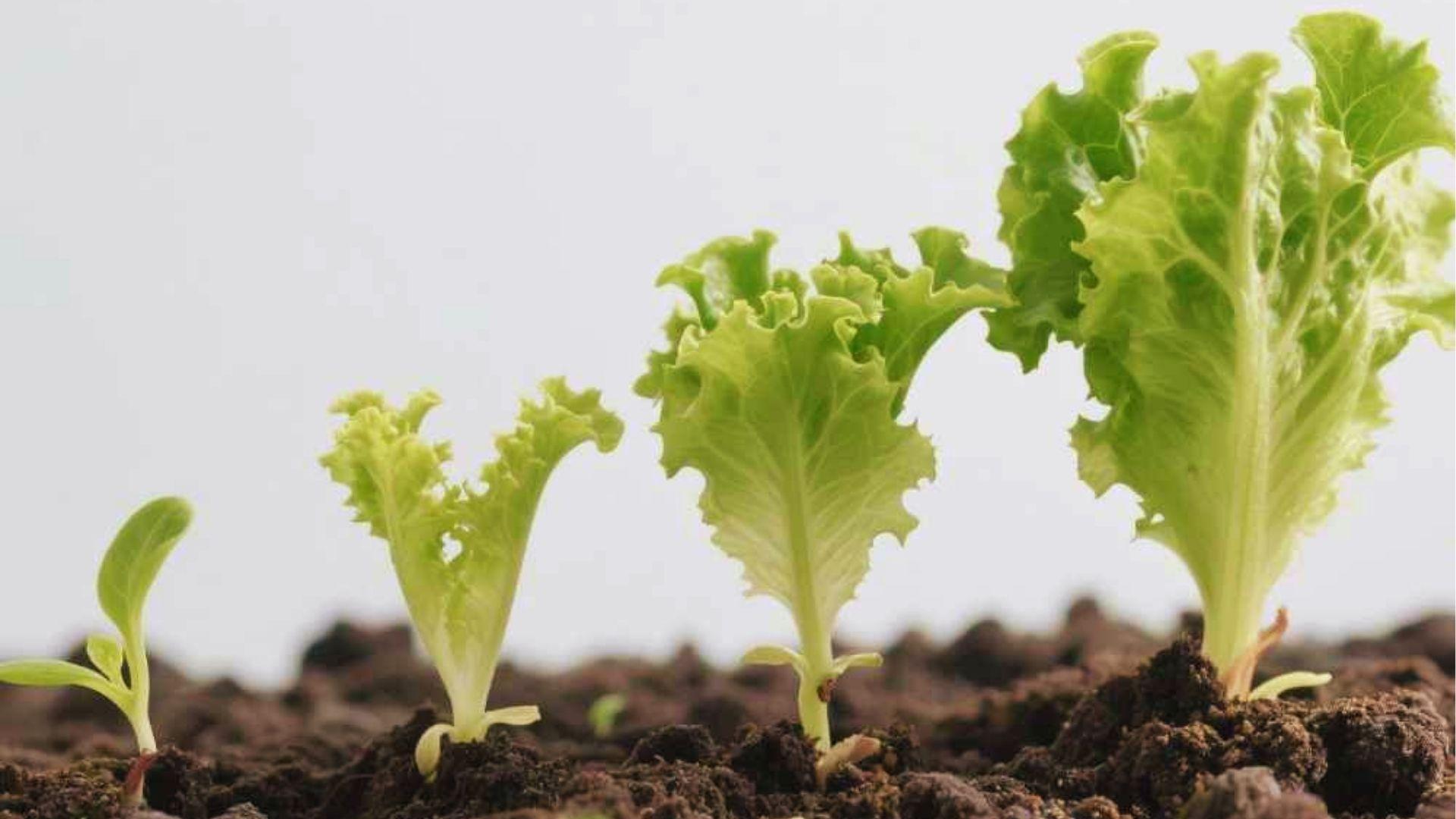
I still remember staring at my first tray of lettuce seedlings, worried they looked too small after seven days. Turns out, that's exactly how it should be.
In this post, I'll walk you through what 1 week lettuce seedlings should look like, why slow growth is nothing to worry about, and how to fix leggy or stretched seedlings if you spot them.
I'll also share the right light, temperature, and spacing setup so your seedlings grow strong from the start.
After growing lettuce indoors for a few seasons now, I've learned what's normal and what's not.
By the end of this article, you'll know exactly what to expect at the one week mark and what to do next.
What 1 Week Lettuce Seedlings Should Look Like
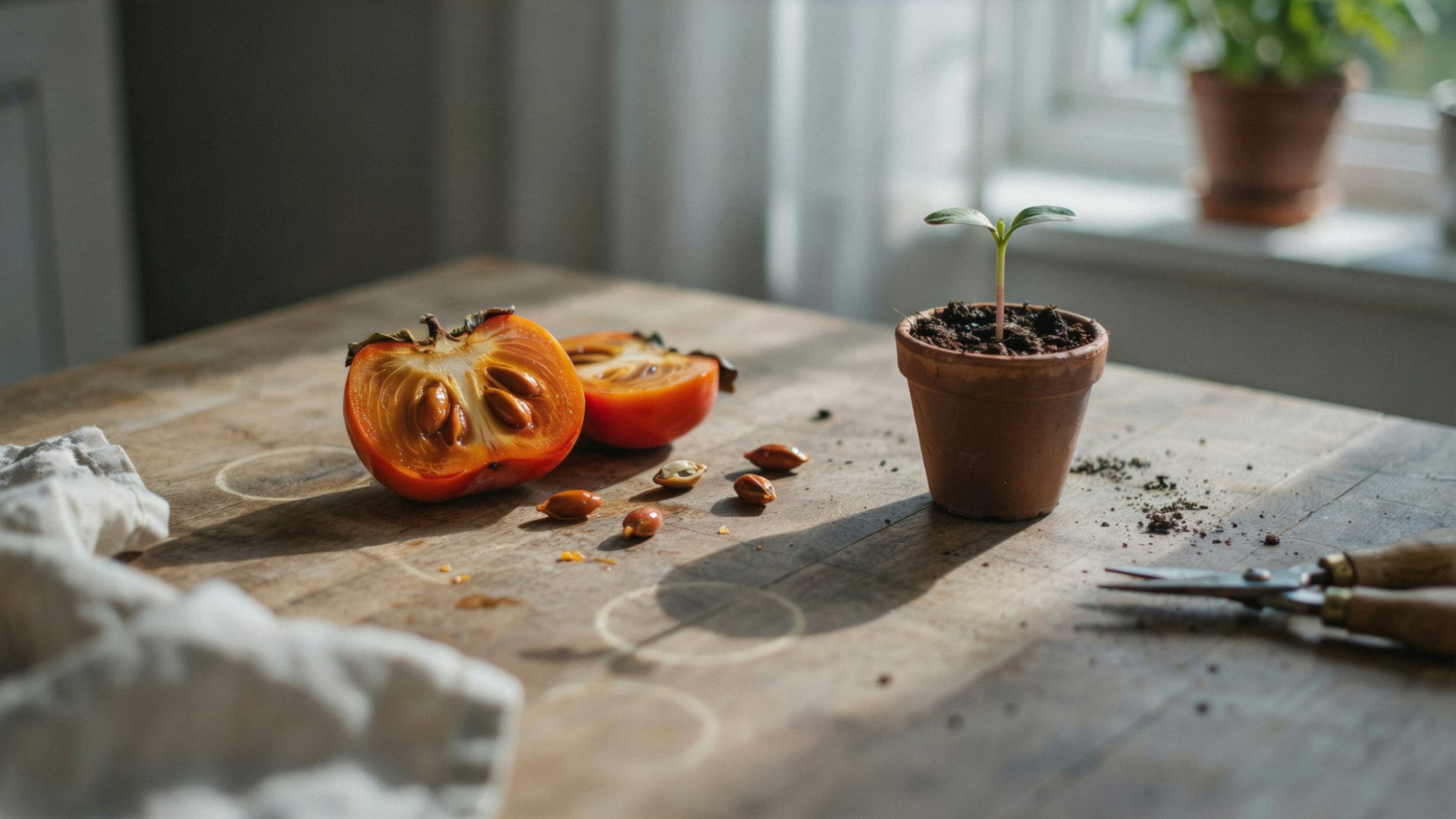
At one week, lettuce seedlings show tiny sprouts breaking through the soil, with cotyledons fully open and stems short and stable.
The look is light green and a little fragile, which is normal at this point. Growth on the surface stays slow because the plant spends its early energy on roots instead of leaves.
Germination mostly happens below the soil from day one to four, and sprouts emerge and steady out by day seven.
Light and temperature both affect the pace. Cooler conditions or limited light can slow things further, and that is nothing to worry about.
Leggy 1 Week Lettuce Seedlings: Causes and Early Signs

Let's talk about what leggy growth means and why it happens.
What Leggy 1 Week Lettuce Seedlings Means
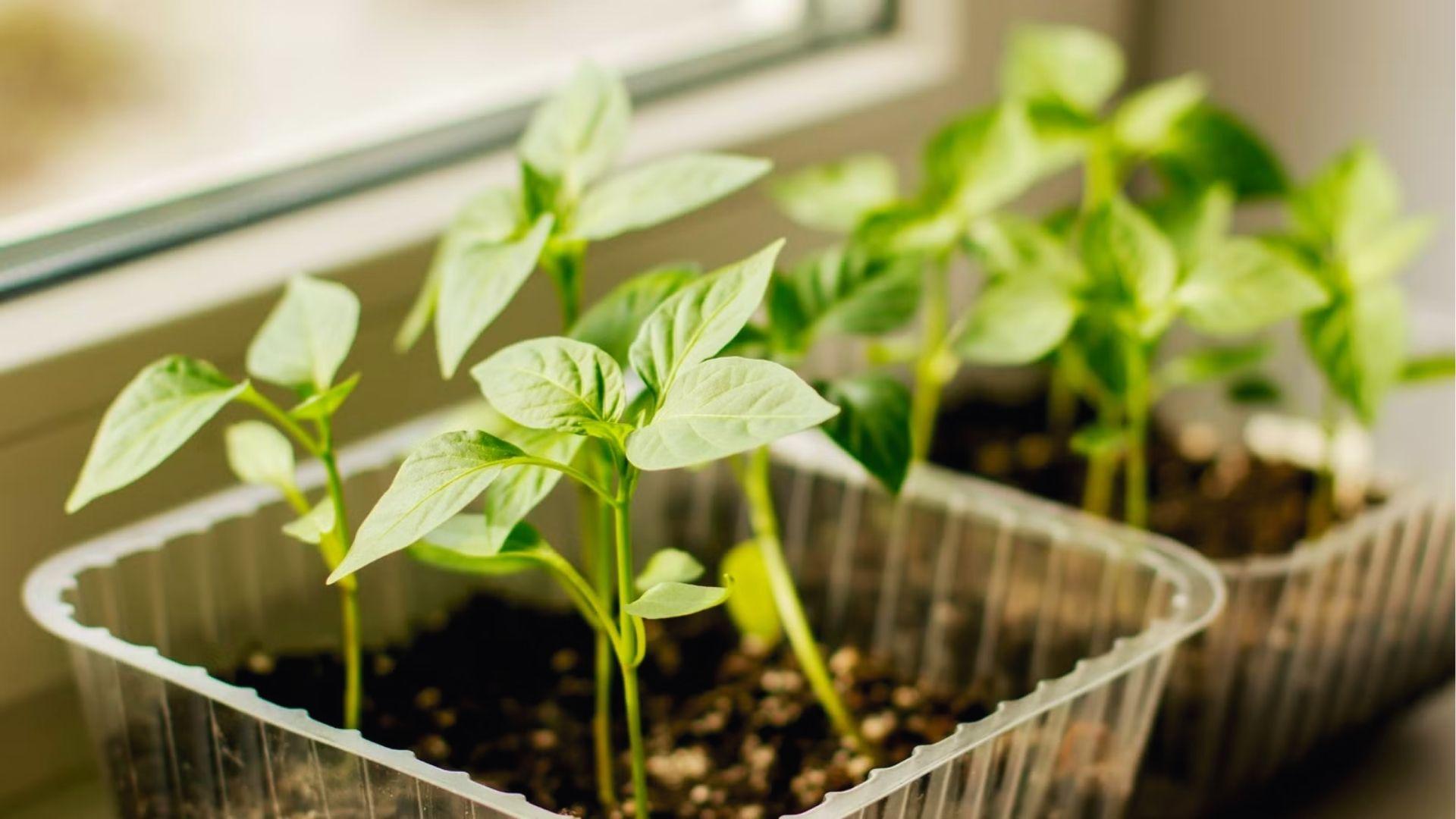
Leggy seedlings look noticeably different from healthy ones.
These seedlings appear tall, stretched out, and weak in the stem. You'll often see them leaning toward a light source instead of standing upright.
The color also tends to look pale or thin compared to sturdy, healthy sprouts.
Main Causes of Leggy Growth
A few common issues usually cause this problem:
- Not enough light intensity reaching the seedlings
- Too much indoor heat speeding up stretch
- Crowded seed trays that block light from reaching every sprout
- Inconsistent watering or a poor growing setup
How to Spot Legginess Early
Catching this early makes fixing it much easier.
Watch for rapid vertical stretching during the first week. Weak stems that can't hold the seedling upright are another red flag.
If growth looks uneven across the tray, with some seedlings shooting up faster than others, that's worth addressing right away.
How to Fix Leggy 1 Week Lettuce Seedlings Fast
These quick fixes can turn things around within days.
Improve Light Conditions Immediately
More light solves most legginess issues fast. Move your seedlings under stronger, direct light as soon as you notice stretching.
Grow lights work well here, and running them for twelve to sixteen hours a day gives seedlings the steady exposure they need.
Keep the light source close to the seedlings, but not so close that it causes heat damage.
This single change often makes the biggest difference in how quickly weak, leggy growth turns into sturdy, upright stems within just a few days.
Strengthen Weak Seedlings Naturally
A few small changes build stronger stems over time. Gentle airflow from a small fan encourages seedlings to develop thicker, more stable stems naturally.
Avoid overwatering, since soggy soil weakens growth and invites other problems.
Rotate your trays regularly so every seedling gets even light exposure instead of leaning toward one side.
These simple habits, done consistently, help seedlings build the strength they need to support healthy growth in the weeks ahead.
Correct Stretching with Simple Adjustments
Sometimes the fix is as simple as adjusting the setup. Add a bit of extra soil around stretched stems for added support and stability.
Thin out overcrowded trays so seedlings aren't competing for light or space. Move trays to a brighter spot in your home where light reaches them evenly throughout the day.
These small adjustments correct stretching quickly and give your seedlings a better chance to grow strong from this point forward.
Ideal Conditions for Healthy 1 Week Lettuce Seedlings

Getting the basics right prevents most problems before they start.
Best Light Setup for Early Growth
Light is the single biggest factor in healthy seedling growth.
Bright, consistent lighting works best for young lettuce. Dark windowsills don't provide enough light and often lead to stretching.
Try to avoid setups where light only hits seedlings from one direction, since that causes uneven growth.
Temperature and Moisture Balance
Getting the temperature and moisture right keeps seedlings sturdy.
Lettuce prefers cool temperatures rather than warm indoor rooms. Soil should stay evenly moist, never soggy or fully dry.
Overheating indoors is one of the fastest ways to weaken young seedlings, so keep them away from heat vents or direct warm air.
Airflow and Spacing for Strong Seedlings
Airflow and spacing matter more than most people expect.
Light, steady airflow helps stems grow thicker and stronger. Giving each seedling enough space prevents them from competing for light and nutrients.
Proper spacing also lowers the risk of weak, leggy growth across the whole tray.
What Happens After 1 Week Lettuce Seedlings Stage
Here's a quick look at what comes next.
Transition to True Leaves
The next stage brings visible changes.
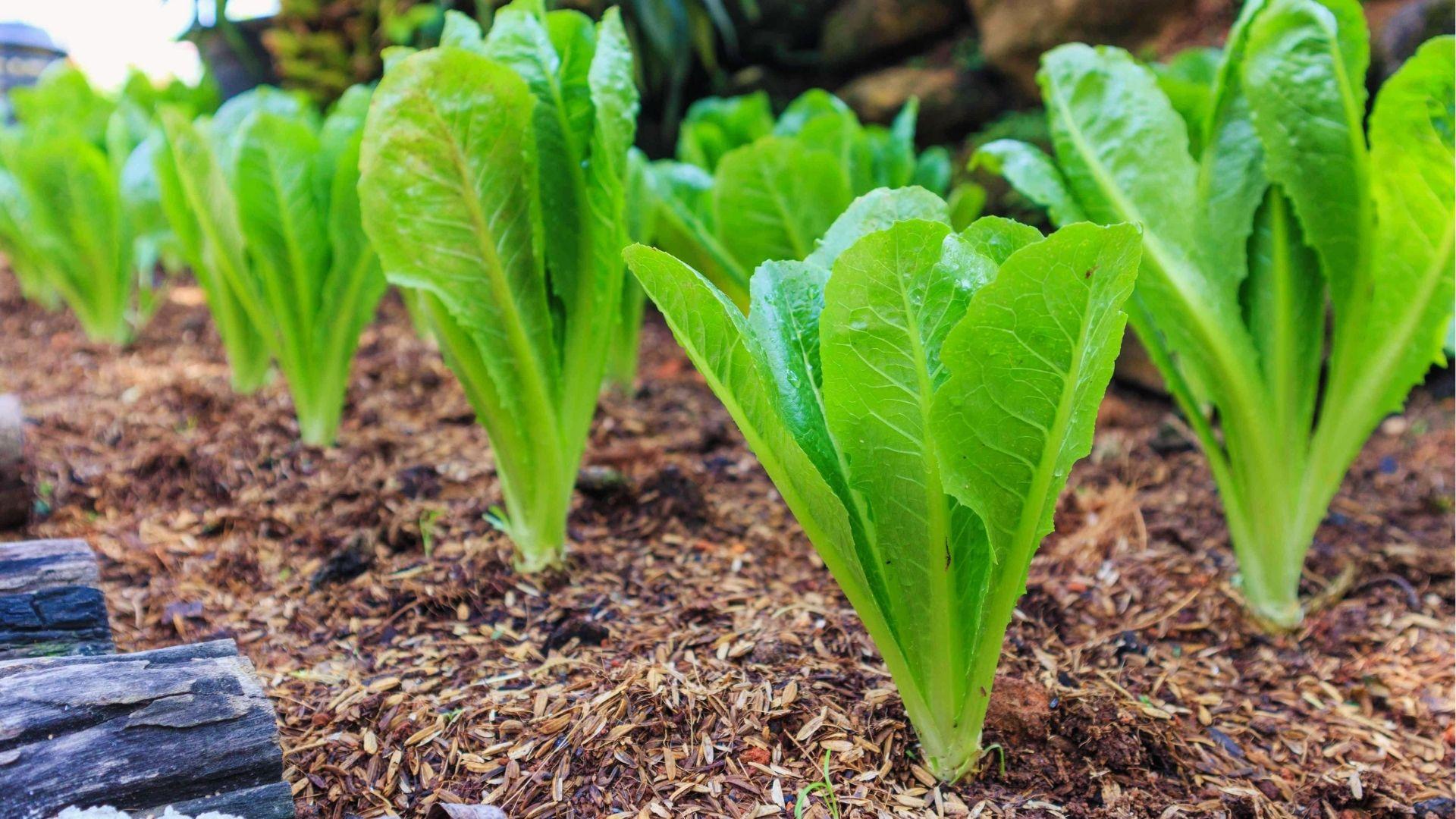
The cotyledons stay in place, but true leaves start forming soon after. Growth becomes more noticeable and stable as the seedling matures past this early phase.
Preparing for Future Transplanting
Transplanting is still a little ways off.
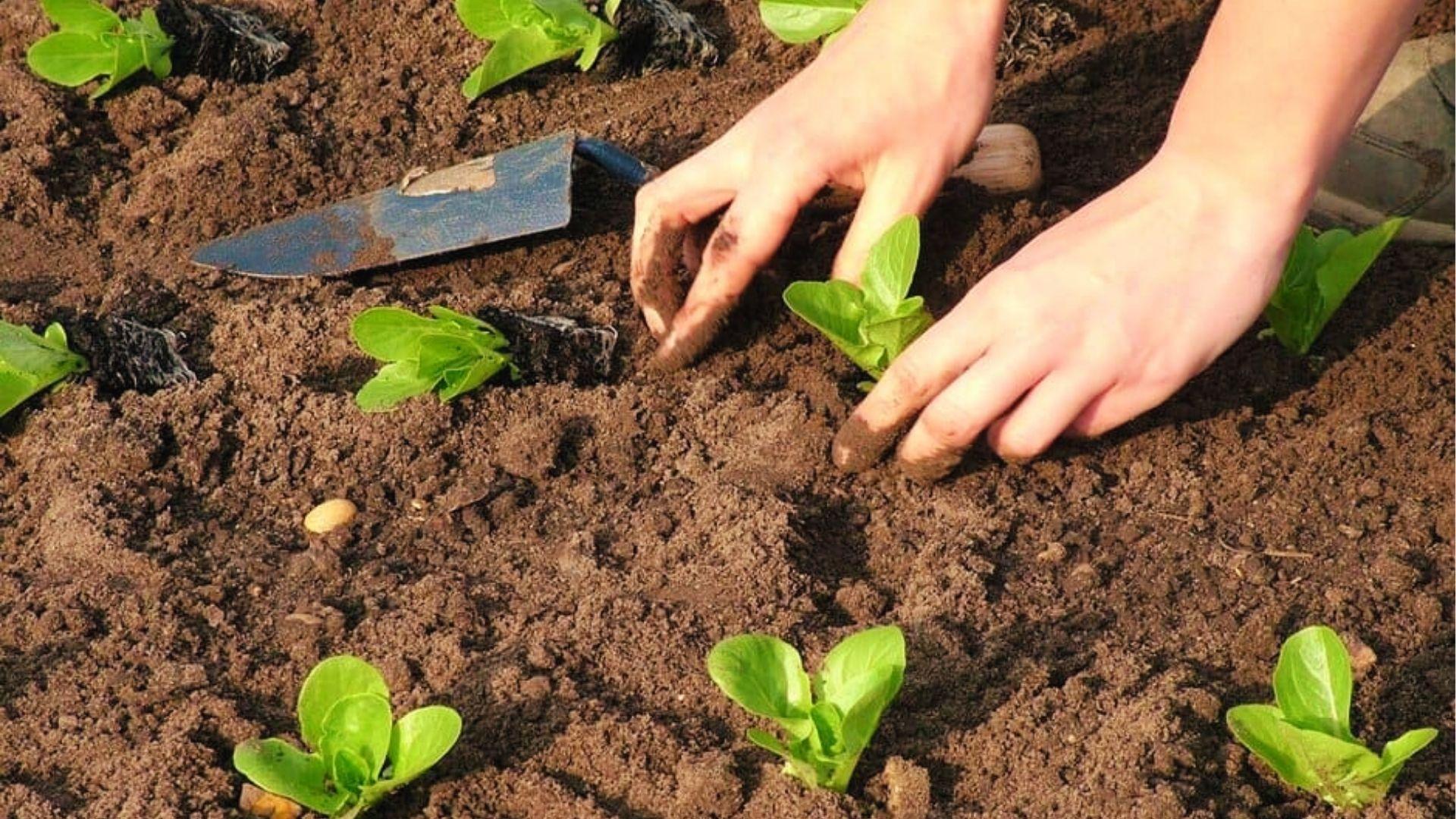
At one week, it's too early to think about transplanting. The focus right now should stay on building strong roots and stems.
Most lettuce seedlings are ready to move to a bigger space around three to four weeks, so there's no rush.
Quick Tips for Healthy 1 Week Lettuce Seedlings
A few simple habits can keep your seedlings strong and on track.
- Check soil moisture daily, watering only when the top layer feels dry
- Keep seedlings in a spot with consistent light, not shifting shade
- Avoid placing trays near drafts, vents, or sudden temperature changes
- Label trays with the start date to track growth accurately
- Check seedlings closely each day for early signs of stretching or weakness
Conclusion
Growing lettuce seedlings taught me patience more than anything else. That first week can feel slow, but it's doing exactly what it should.
If your seedlings look small or a little leggy, you now know what's normal and what needs a quick fix.
Try adjusting your light setup this week and see the difference for yourself. Got questions about your own 1 week lettuce seedlings?
Drop a comment below, share this with a fellow gardener, or check out our other growing guides to keep the progress going.
Frequently Asked Questions
Is it normal for 1 week lettuce seedlings to look this small?
Yes, this is completely normal. Most energy at this stage goes into root development, not visible top growth.
Why are my lettuce seedlings leaning to one side?
This usually means they're reaching for light. Move them closer to a stronger, more direct light source.
How often should I water 1 week lettuce seedlings?
Keep the soil evenly moist but never soggy. Check daily and water only when the top layer feels dry.
Can leggy lettuce seedlings still grow into healthy plants?
Yes, many recover well with better light and support. Add soil around the stem and improve light exposure right away.
When should I move my lettuce seedlings to a bigger container?
Most seedlings are ready for transplanting around three to four weeks. For one week, focus on root and stem strength instead.