
Want to grow a mango tree from the seed of a mango you just ate? You're in the right place. This guide covers everything from picking the right seed to watching your first sprout appear.
I've grown several mango seedlings on my windowsill, so I know what actually works and what wastes your time.
We'll go step by step selecting your seed, planting it, caring for it, and handling problems if they come up.
Mango seed germination is simpler than most people think, and you don't need any fancy equipment. By the end, you'll know exactly what to do.
What is Mango Seed Germination?
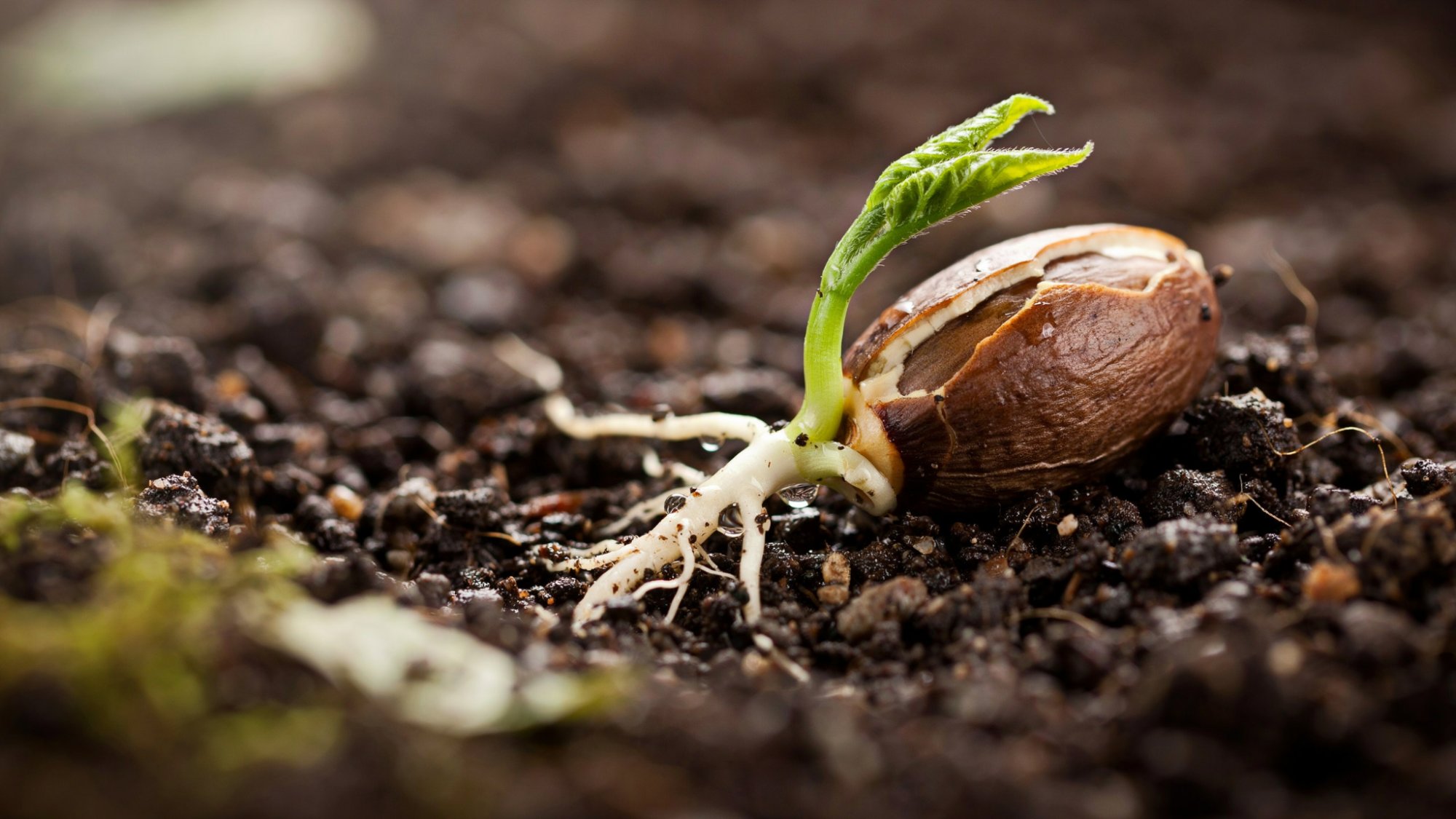
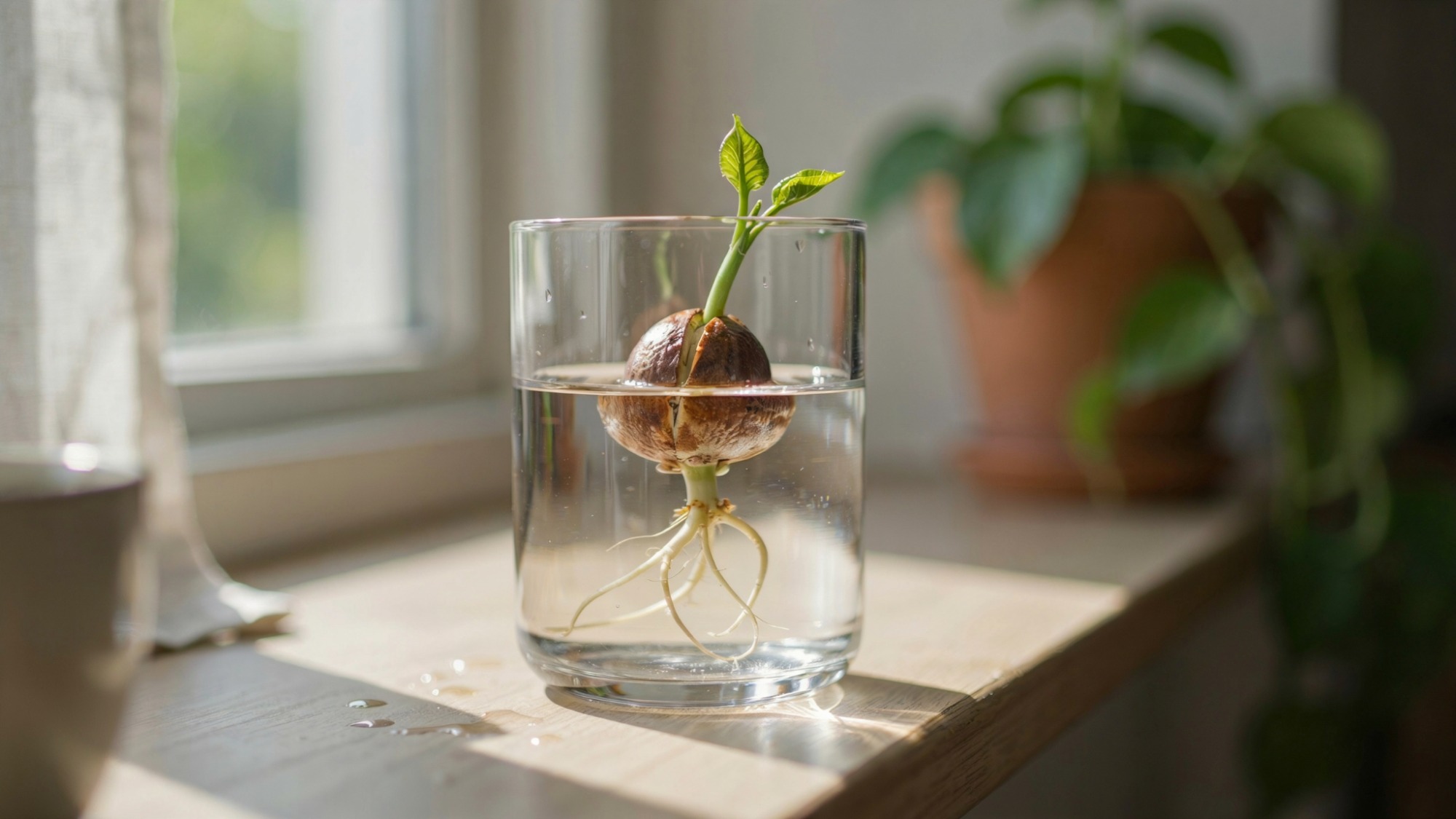
This is the process of a mango seed sprouting into a young plant. It's simple biology, but it helps to understand it first.
Germination happens when the embryo inside the seed wakes up and starts growing roots and shoots.
Mango seeds come in two types. Monoembryonic seeds produce one seedling, and the tree will be a genetic mix of its parents.
Polyembryonic seeds can produce multiple seedlings, and some of these come out identical to the parent tree.
Most mango seeds take two to four weeks to sprout once planted, though this depends on freshness and warmth.
Materials Needed for Mango Seed Germination
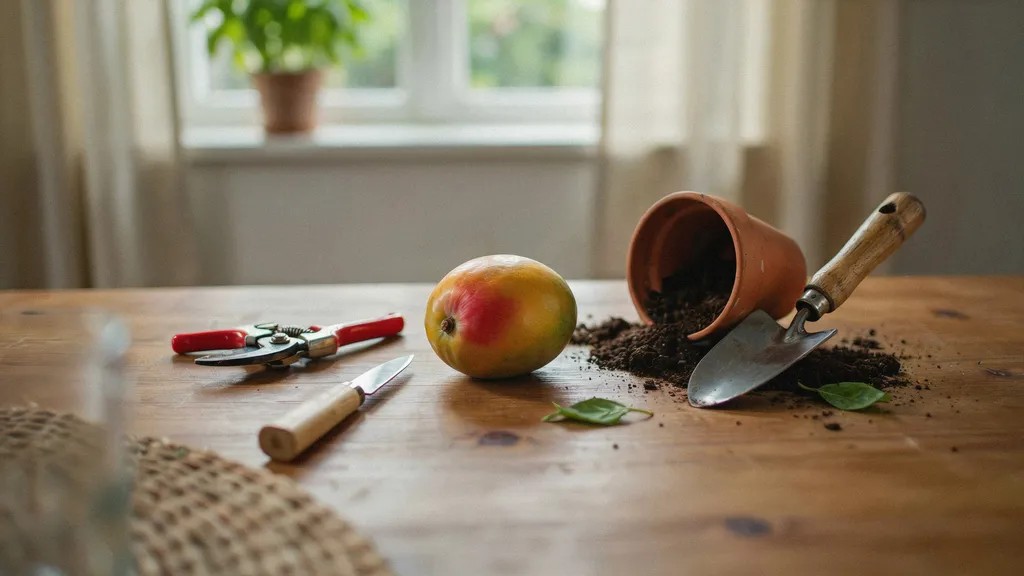
A short list of what you need before you start, so you're not scrambling halfway through.
Choosing a Ripe Mango
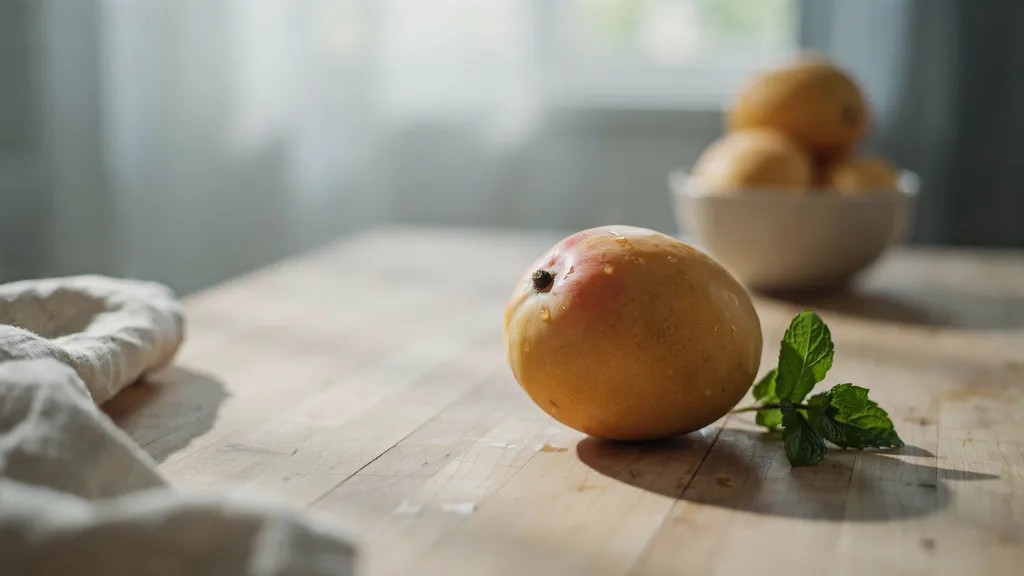
Pick a ripe mango that smells sweet and feels slightly soft to the touch. Avoid fruit that's still hard or green, since the seed inside likely isn't fully developed.
A ripe, good-tasting mango gives you the best shot at successful germination. Smell is a good clue too, a ripe mango usually has a strong, sweet scent near the stem.
Tools and Soil You'll Need
You'll need a sharp knife or sturdy scissors to cut open the husk safely. A small pot with drainage holes is a must, since soggy soil leads to rot.
For the soil, mix regular potting soil with some sand or perlite to help it drain well. Avoid heavy garden soil, as it holds too much water and can suffocate the seed.
Step-by-Step Mango Seed Germination Process
Four simple steps to get your seed in the ground and growing.
Step 1: Select and Clean the Mango Pit
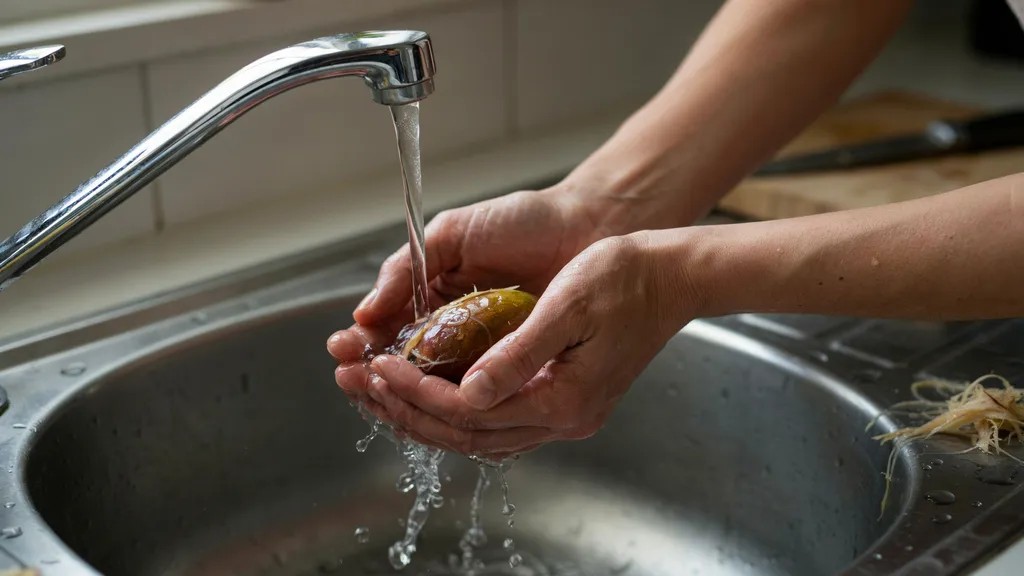
Start by picking a ripe mango that tastes good, since a healthy fruit usually means a healthy seed inside it.
Eat the fruit fully, then rinse the pit under water and scrub off every trace of pulp left on the surface.
Leftover pulp is a common cause of mold once the seed goes into soil, so this step matters more than people think.
Once it's clean, don't let the pit sit out for too long, plant it soon after for the best chance of sprouting.
Step 2: Open the Husk and Remove the Seed
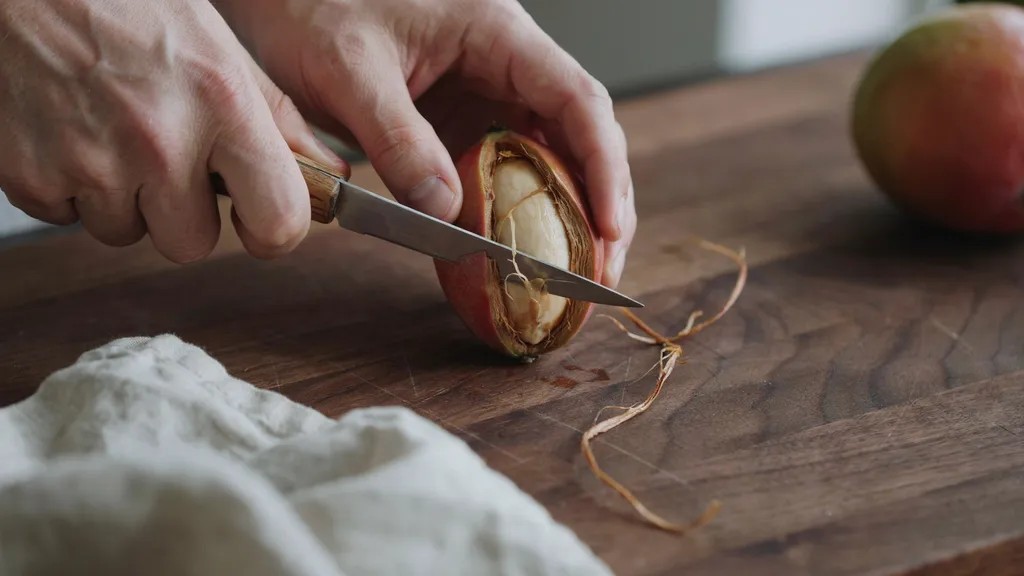
Every mango pit has a tough, fibrous husk wrapped around the actual seed, and this needs to come off before planting.
Take a sharp knife or a sturdy pair of scissors and carefully slice or snip along the curved edge of the husk.
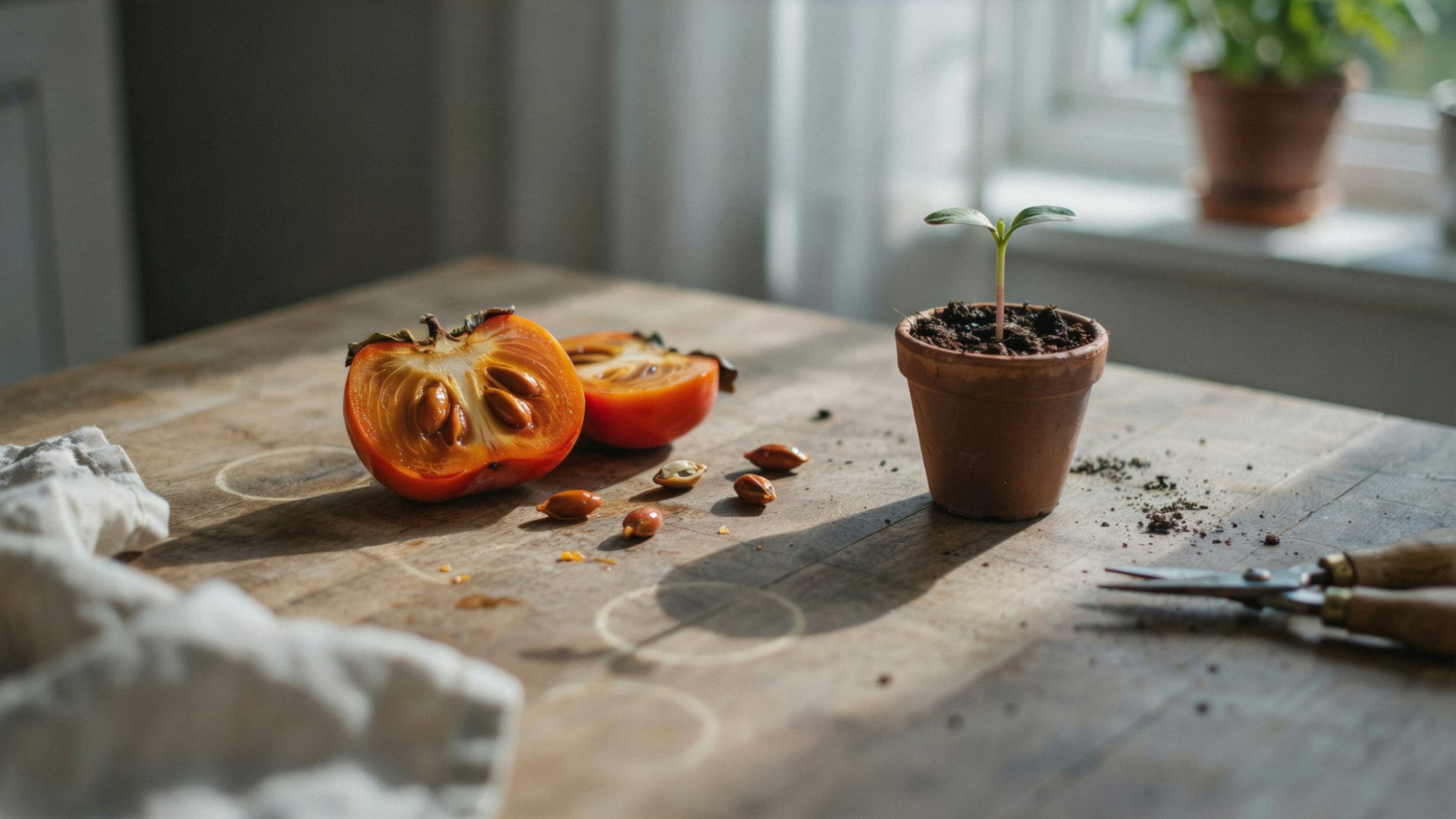
Once it's open, you'll find a smooth, bean-shaped seed sitting inside, gently lift it out without forcing it.
This inner seed is the real embryo that grows into a tree, and removing the husk helps it sprout noticeably faster.
Step 3: Plant the Mango Seed
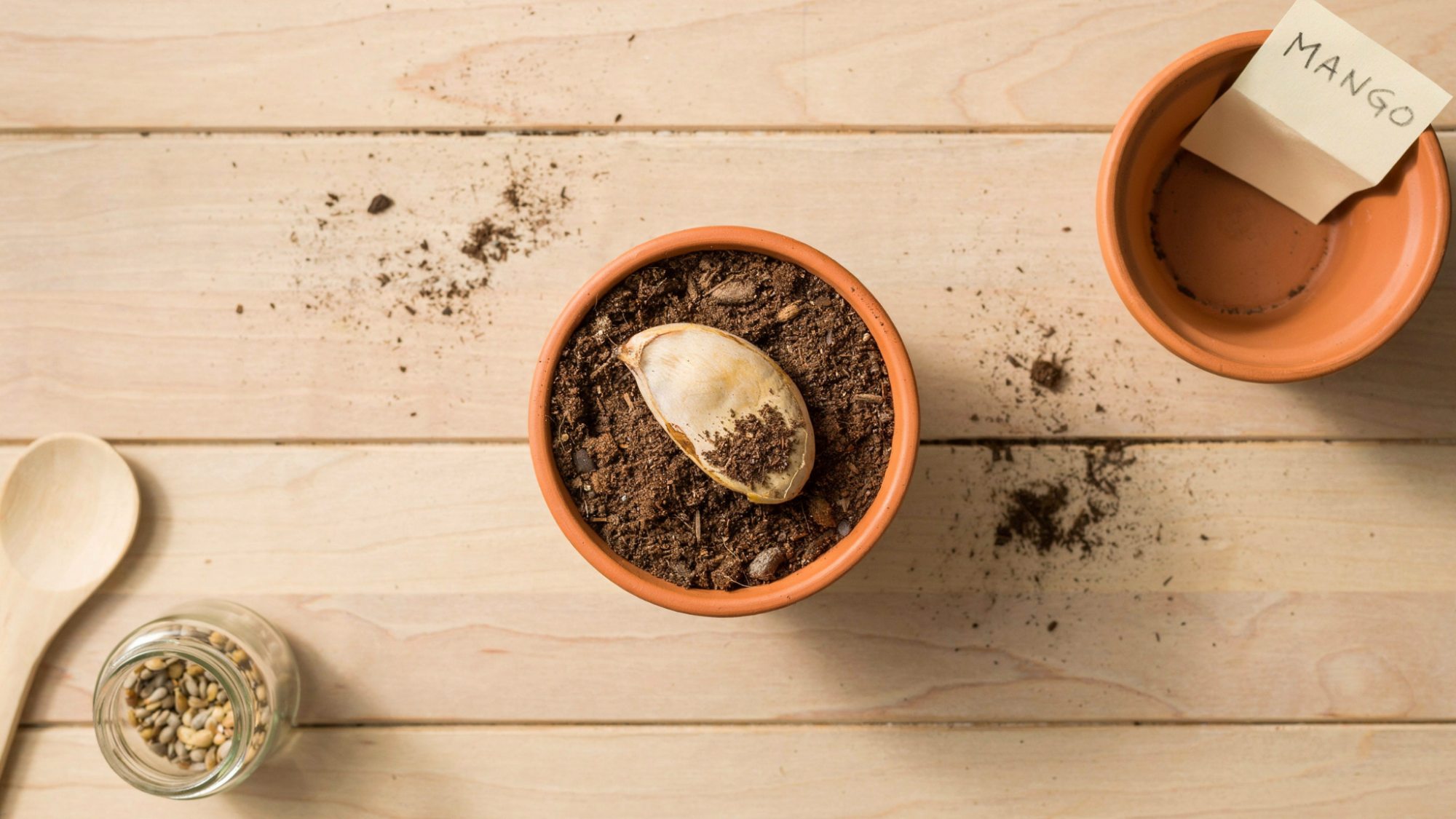
Once your seed is out and ready, bury it about one inch deep into a pot filled with well-draining potting mix.
The orientation doesn't matter all that much, so don't worry too much about which side faces up.
After placing it, cover the seed lightly with soil and pat the surface down gently to remove any air pockets.
Good, firm contact between the seed and the soil around it makes a real difference in how quickly it sprouts.
Step 4: Water and Care for Germination
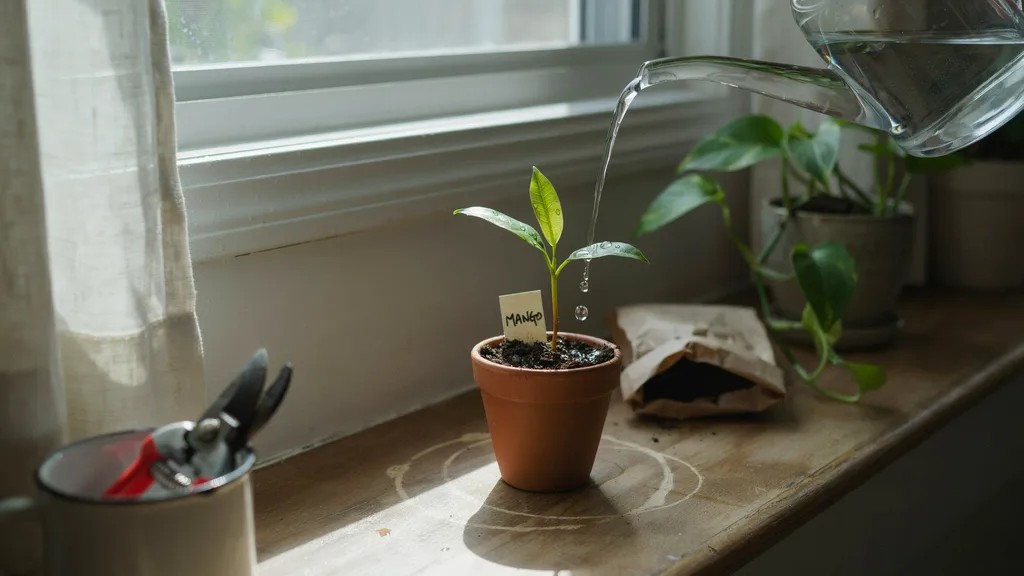
After planting, water the soil so it feels evenly moist throughout, but make sure it never sits soggy or waterlogged.
Place the pot in a warm, bright spot, a sunny windowsill or a similar location works well for most homes.
Check on it every couple of days, watering again only when the top layer of soil starts to feel dry. With steady warmth and moisture, most healthy seeds will sprout within two to four weeks.
How to Care for a Germinating Mango Seed
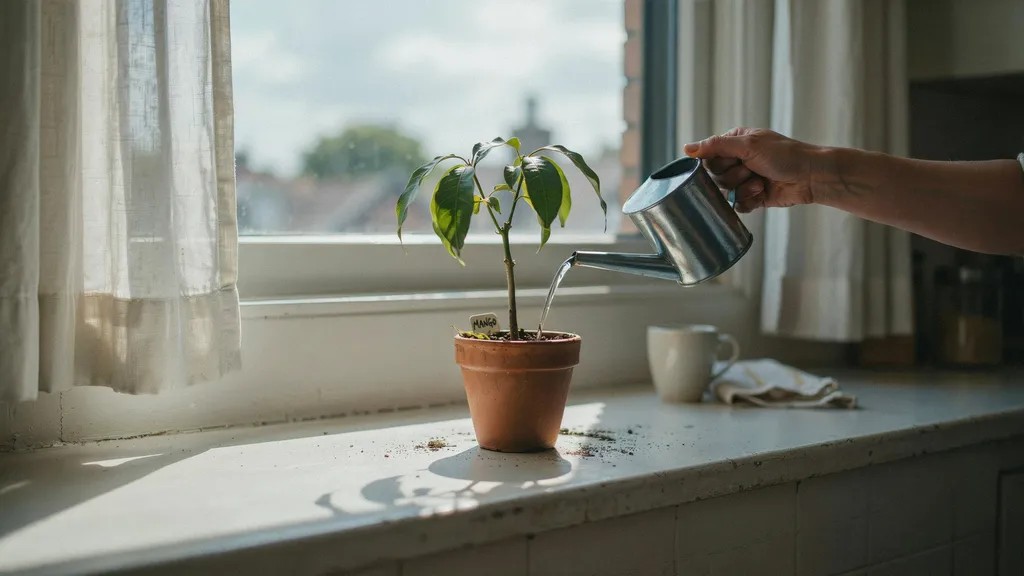
Once it's planted, here's how to keep your seed happy until it sprouts. Water lightly every two to three days, keeping the soil damp like a wrung-out sponge, never soggy or waterlogged.
Mango seeds like warmth, so aim for a temperature between 75 and 85 degrees Fahrenheit if you can manage it. A spot near a window with bright, indirect light works best for steady growth.
Don't expect anything dramatic during the first week or two, this part takes patience. A small green shoot eventually pushing its way through the soil is the sign that everything is working as it should.
What Happens After Mango Seed Germination & Growth Timeline
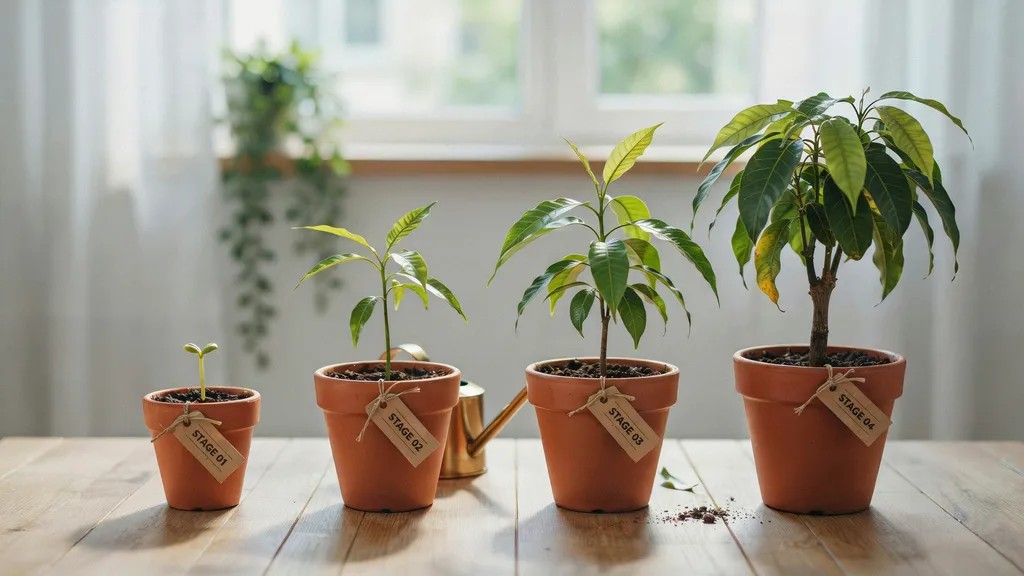
What to do once your seedling appears, and how long until you see fruit.
Post-Germination Care and Early Growth
If you planted a polyembryonic seed, you might see more than one shoot. Pick the strongest-looking one and gently separate or trim the rest.
As roots fill the pot, move your seedling into a bigger container. Give it consistent light, water, and a bit of fertilizer once it has a few leaves.
Mango Tree Growth Timeline and Fruiting
Germination takes two to four weeks. The seedling stage covers the first few months, with new leaves appearing regularly.
The young tree keeps developing for one to three years before it's sturdy. Fruiting usually starts around four to six years in.
Seed-grown trees can vary a lot in fruit quality, while grafted trees give you a more predictable result.
Common Problems and Solutions
Quick fixes for the most common issues beginners run into.
Seed Not Sprouting
If your seed isn't sprouting after a month, check that it wasn't planted upside down or buried too deep. Also make sure it's getting enough warmth, since cold soil slows everything down.
A little patience helps too, some seeds just take longer than others.
Mold or Rotting Pit
Mold or a soft, rotting pit usually means too much water or leftover pulp that wasn't cleaned off before planting.
Cut back on watering and let the soil dry out slightly between waterings. If the rot looks bad, it's worth starting fresh with a new seed.
Slow or Weak Growth
Slow or weak growth often points to low light or a soil mix that drains poorly. Move the pot to a brighter spot and check that water isn't pooling at the bottom.
A small adjustment in light or soil usually gets things back on track.
Tips to Speed Up Mango Seed Germination
A few small habits that help your seed sprout faster.
- Always use a fresh seed straight from a ripe mango rather than one that's been sitting around for days.
- Keep the growing area warm, since cooler temperatures slow down sprouting considerably.
- Add a bit of humidity around the pot, a loose plastic cover can help trap moisture near the soil.
- Never let the seed dry out before or after planting, a dry seed often won't sprout at all.
- Check on the soil regularly so it stays consistently moist instead of swinging between wet and dry.
Conclusion
So that's mango seed germination from start to finish. I still remember the first time a tiny green shoot popped out of my own kitchen scrap pit, it felt like a small win.
Give it a try with your next mango. Clean the seed, plant it, keep it warm, and be patient. You might be surprised how easy it is.
Got questions or your own results to share? Drop a comment below, and pass this along to a friend who loves mangoes too.
Frequently Asked Questions
How long does it take for a mango seed to germinate?
Most mango seeds sprout within two to four weeks. Warmth, moisture, and a fresh seed all help speed this up.
Can I grow a mango tree from a store-bought mango?
Yes, as long as the fruit is ripe and the seed inside is healthy. Clean it well before planting.
Do I need to remove the husk before planting?
It's not required, but removing the husk often leads to faster sprouting since the seed gets direct contact with soil and moisture.
Why is my mango seed not sprouting?
Common reasons include a dried-out seed, too much or too little water, or cold temperatures. Check these first.
How long until a mango tree grown from seed produces fruit?
It typically takes four to six years. Keep in mind the fruit quality may differ from the parent tree.