
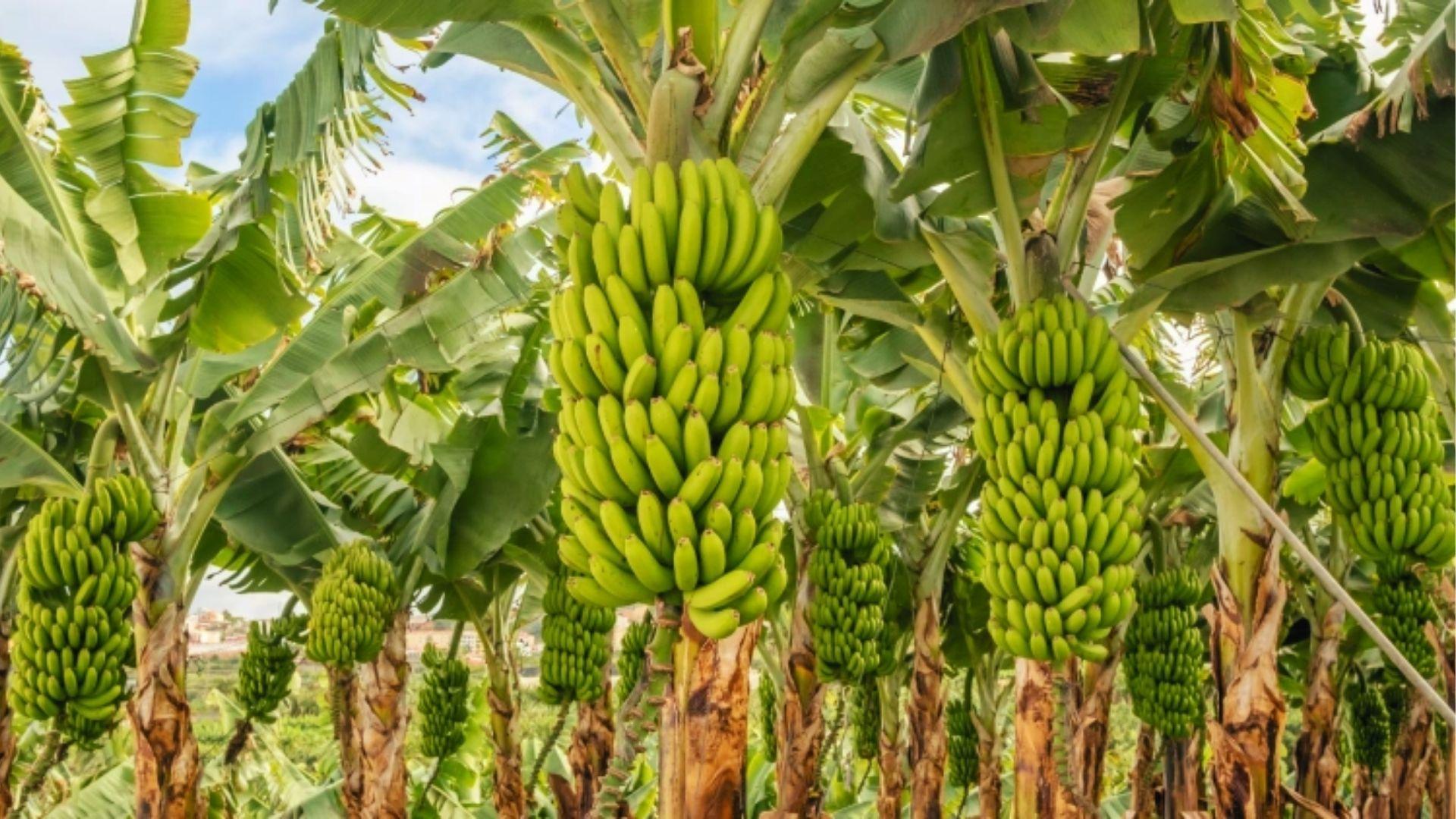
I have grown banana plants in my backyard, and the most common question I get is:how long does it take for bananas to grow?
The short answer is 12 to 18 months. But the full answer depends on your climate, the variety you plant, and how well you care for the plant.
In this blog, I will walk you through the complete growth timeline, from the day you plant to the day you harvest.
You will also learn what slows growth down and what speeds it up. I have spent time testing different methods, and I will share what actually works.
How Long Does It Take for Bananas to Grow?
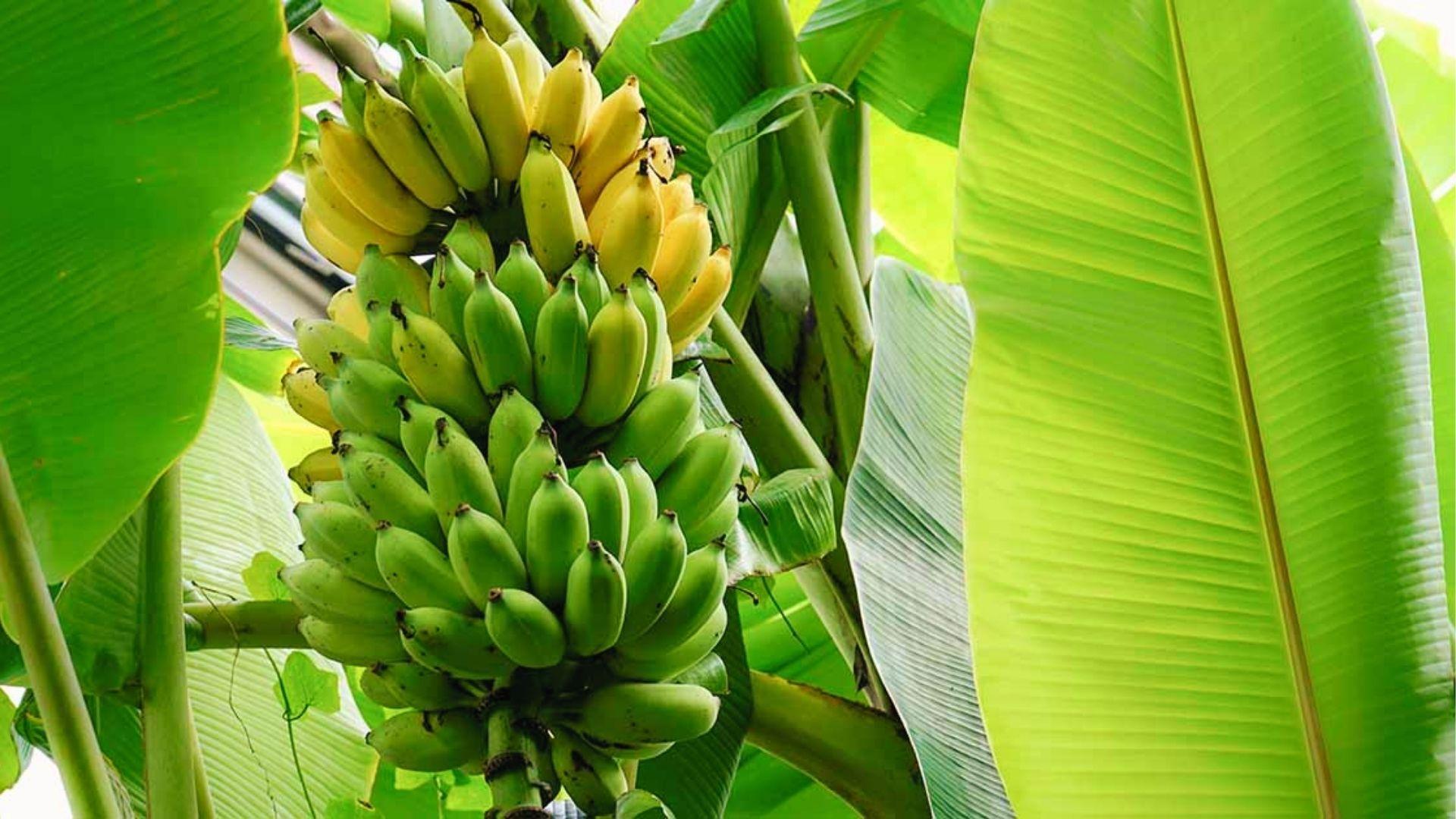
Most banana plants need 12 to 18 months to produce fruit, though this timeline shifts based on where you live and how well you care for the plant.
From planting a sucker, expect around 9 months before a flower appears, then another 3 to 6 months for fruit to develop.
Backyard plants usually fruit within 14 to 16 months with regular feeding and watering.
Dwarf varieties like the Dwarf Cavendish can fruit in as little as 9 to 12 months in warm climates.
Bananas grow best between 75°F and 85°F, and temperatures below 57°F can stop growth completely.
Banana Growth Stages Explained
Understanding each stage helps you know what to expect and when to act.
Establishment and Root Development (0 to 3 Months)
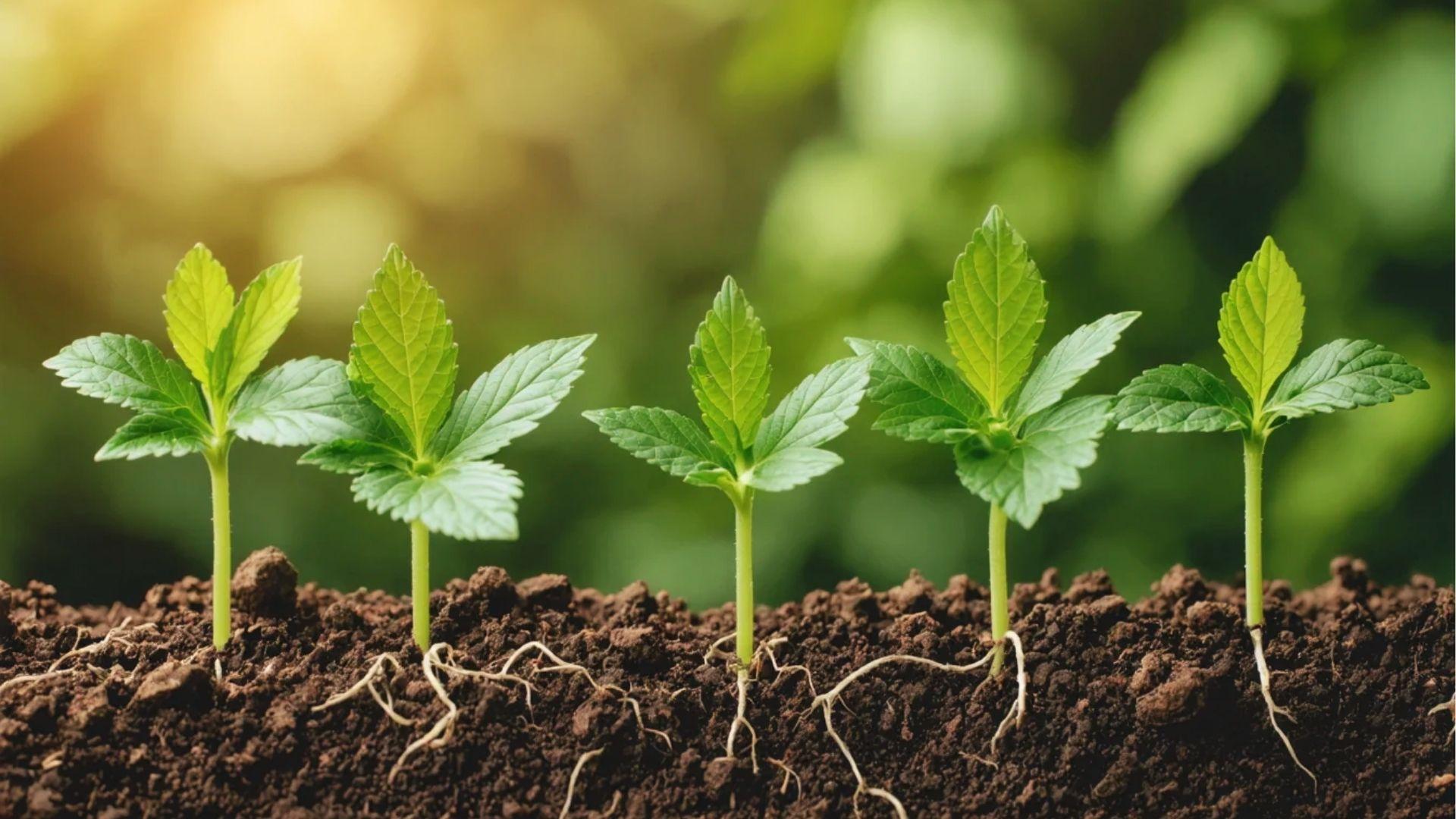
In the first three months, your banana plant focuses on building its root system.
You will not see much above-ground growth, but a lot is happening underground. Keep the soil moist and avoid disturbing the roots.
Rapid Leaf and Stem Growth (3 to 9 Months)
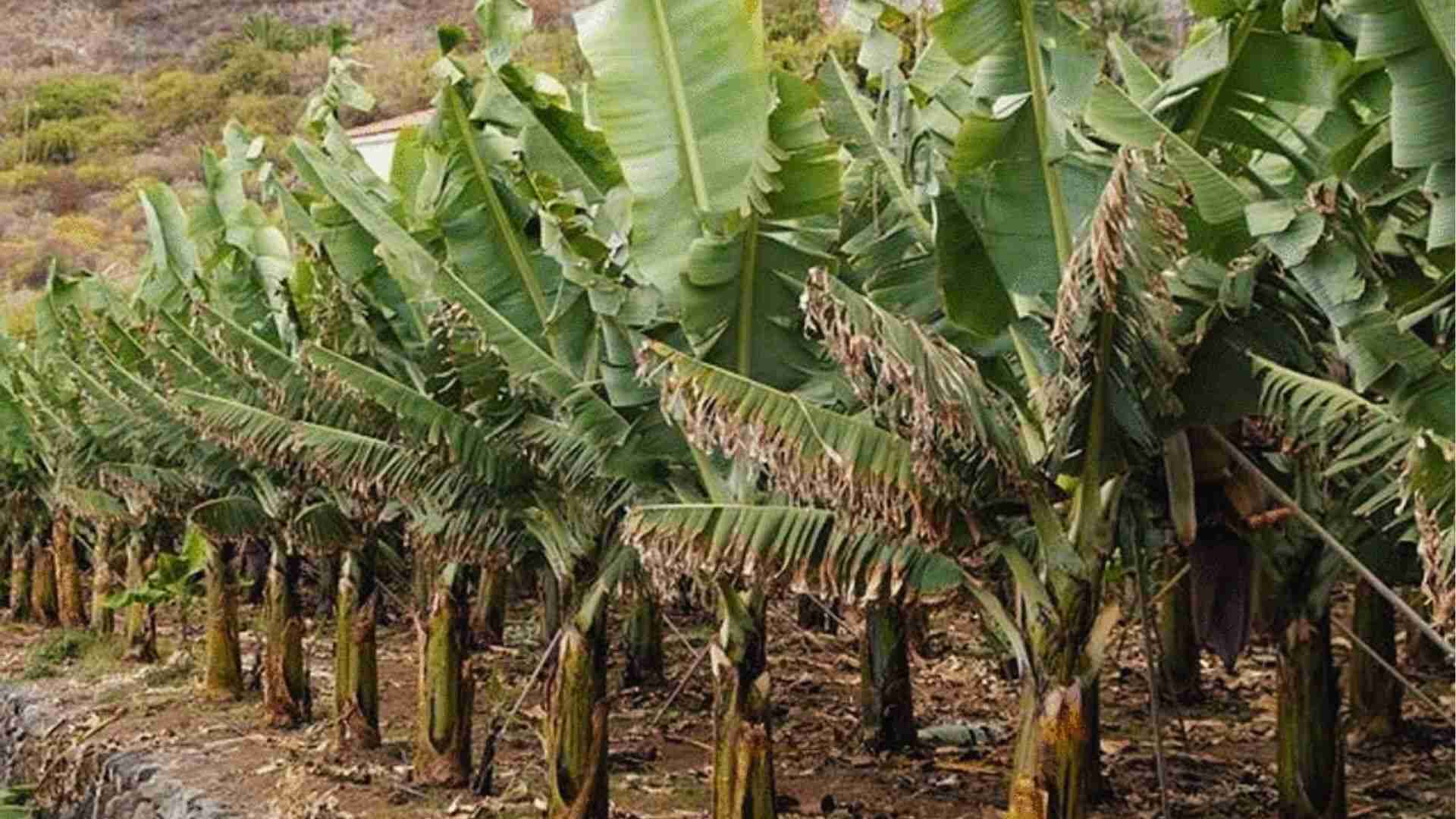
This is when the plant starts to take off. New leaves appear quickly, and the pseudostem (the trunk-like structure) grows taller.
This stage is driven by good sunlight, regular watering, and consistent feeding.
Flowering and Banana Formation (9 to 12 Months)
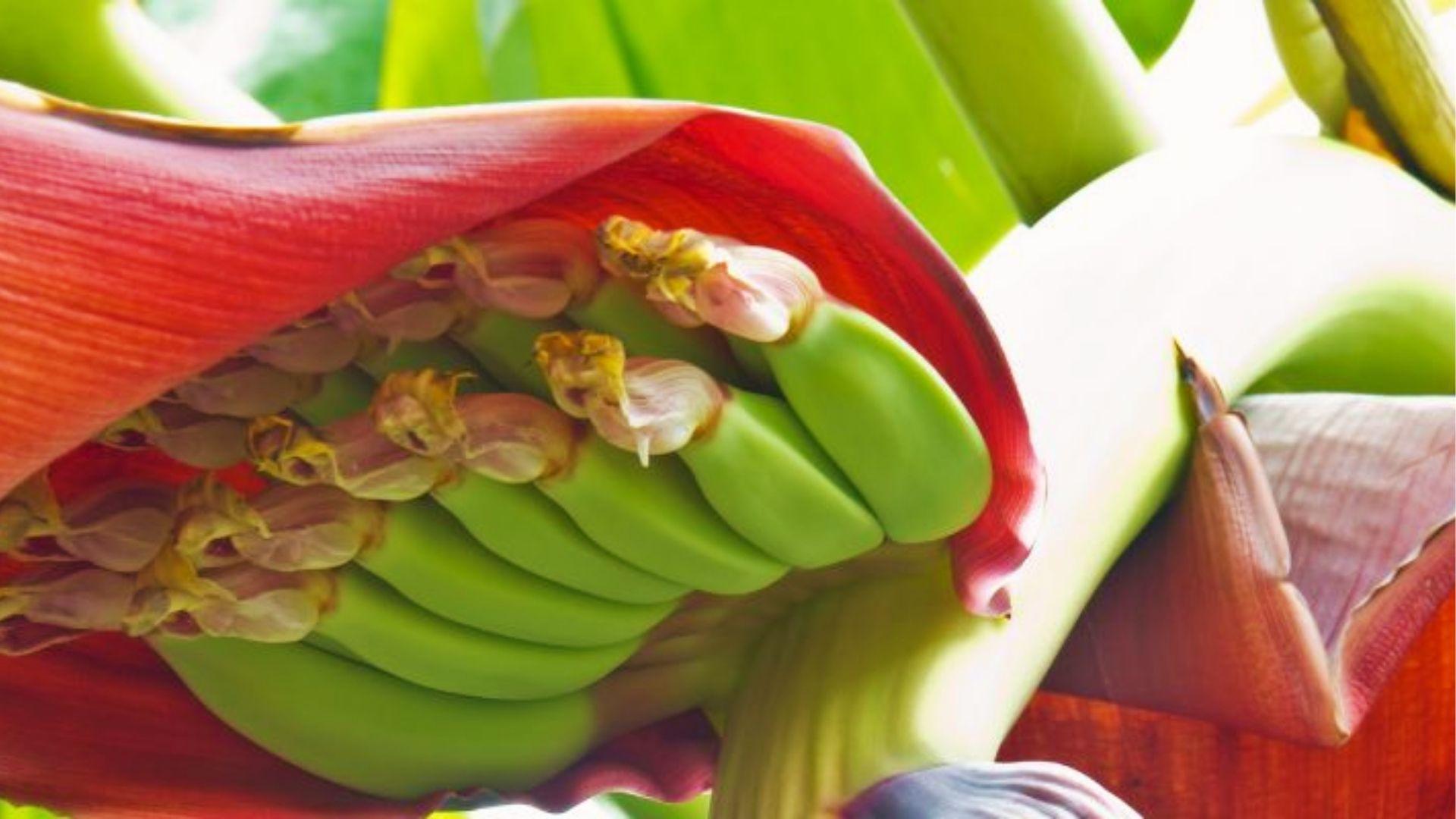
Around 9 months, a flower spike will push up through the center of the plant.
This flower eventually opens into the banana bunch. Each hand of bananas develops from this flower.
Fruit Development and Ripening (12 to 18 Months)
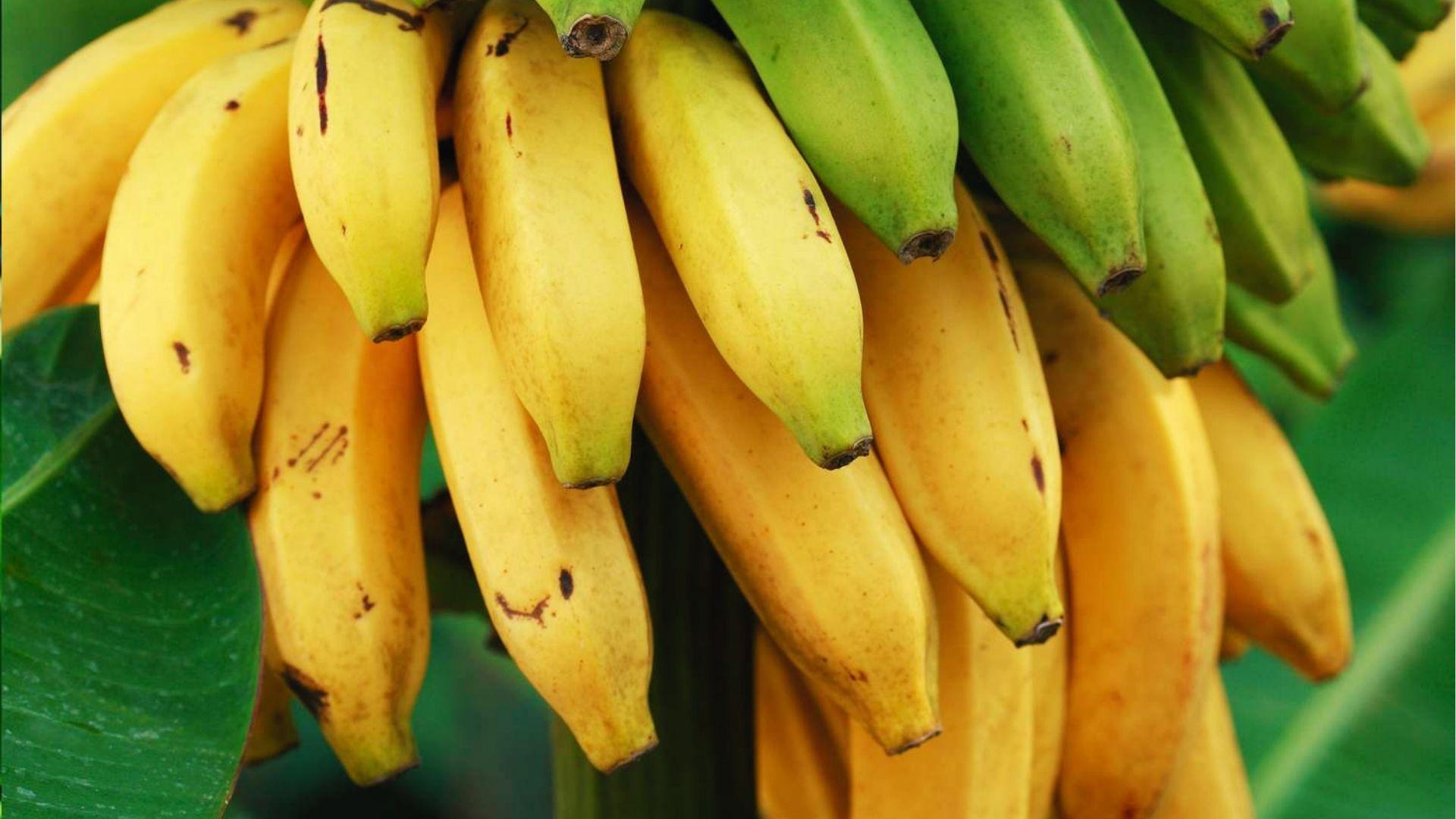
Once the bunch is fully formed, the bananas start to fill out and ripen.
This stage can take 3 to 6 months. The fruit changes from dark green to a lighter green as it matures.
What Affects How Fast Bananas Grow?
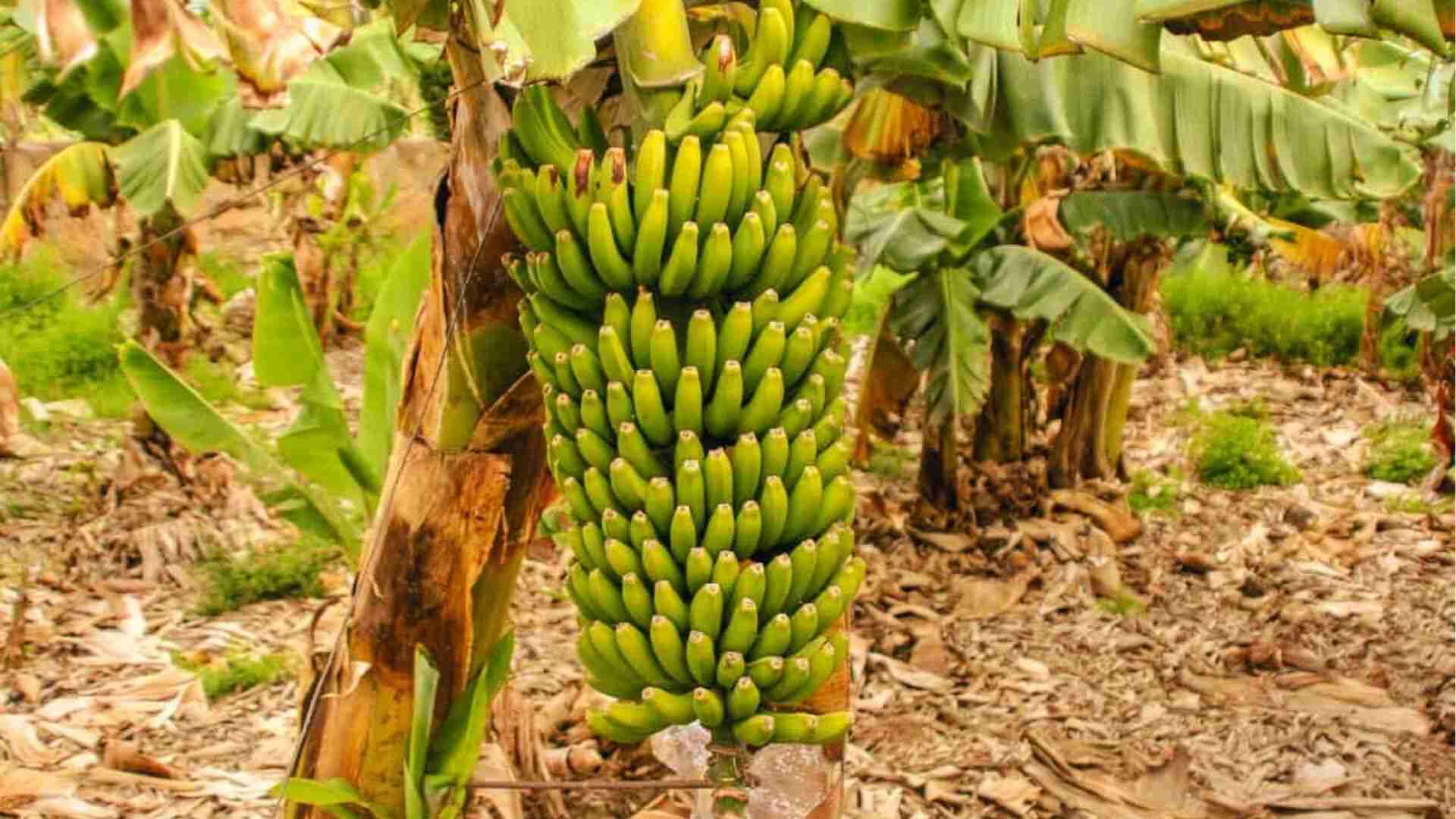
Several factors play a big role in how quickly your banana plant produces fruit.
Banana Variety and Genetics
Not all banana varieties grow at the same speed. Dwarf types tend to fruit earlier. Larger varieties like the Giant Cavendish can take longer.
Choosing the right variety for your space and climate makes a real difference.
Temperature and Sunlight Requirements
Banana plants need full sun for at least 6 hours a day. They also need consistent warmth. A plant grown in a shaded or cool spot will take much longer to fruit, if it fruits at all.
Soil Quality and Water Availability
Bananas like rich, well-draining soil. Waterlogged soil can cause root rot, which stunts growth. At the same time, dry soil slows down leaf production and delays flowering.
Nutrient Levels and Fertilisation
Bananas are heavy feeders. Low nutrient levels are one of the top reasons for slow growth.
Without enough potassium, nitrogen, and phosphorus, the plant will struggle to reach the flowering stage.
How to Help Banana Plants Grow Faster
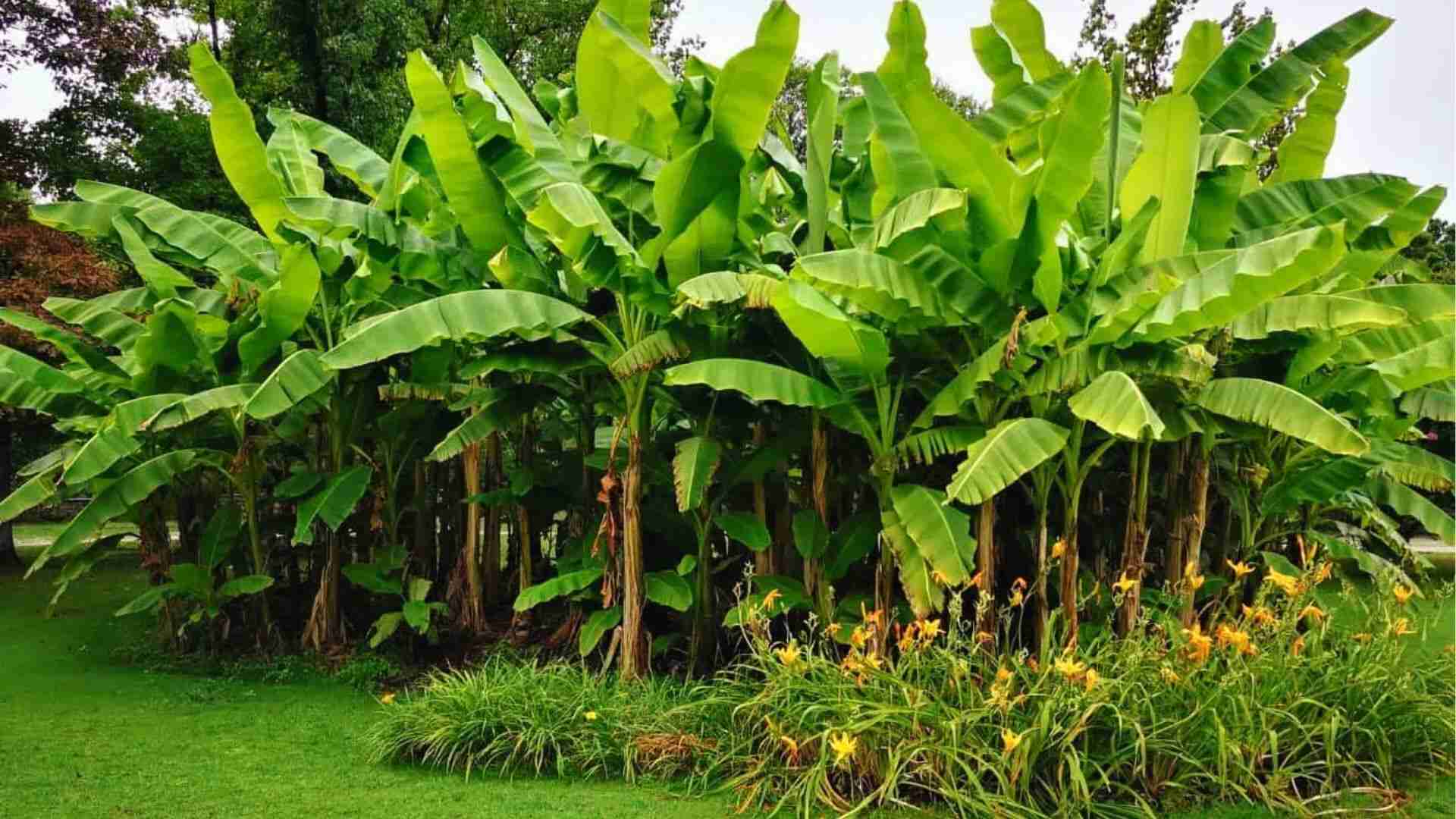
A few simple habits can shave months off your wait time.
Feed Bananas With the Right Fertiliser
Use a high-potassium fertiliser every 4 to 6 weeks. Potassium supports fruit development.
A balanced NPK fertiliser works well during the leaf-growth stage, but switches to a potassium-rich feed once the flower appears.
Water Consistently Without Overwatering
Banana plants need deep watering two to three times a week in warm weather. Let the soil dry slightly between watering sessions.
Too much water is just as harmful as too little.
Prune Excess Suckers for Better Growth
A banana plant sends up multiple suckers around its base. If you leave them all, they compete for nutrients.
Keep only one or two strong suckers and remove the rest. This directs more energy into the main plant and speeds up fruiting.
Protect Plants From Cold and Pests
Cold snaps can set your plant back by weeks. Use frost cloth or move potted plants indoors during cold spells.
Also check regularly for pests like banana weevils and spider mites, which can weaken the plant and slow growth.
How to Know When Bananas Are Ready to Harvest
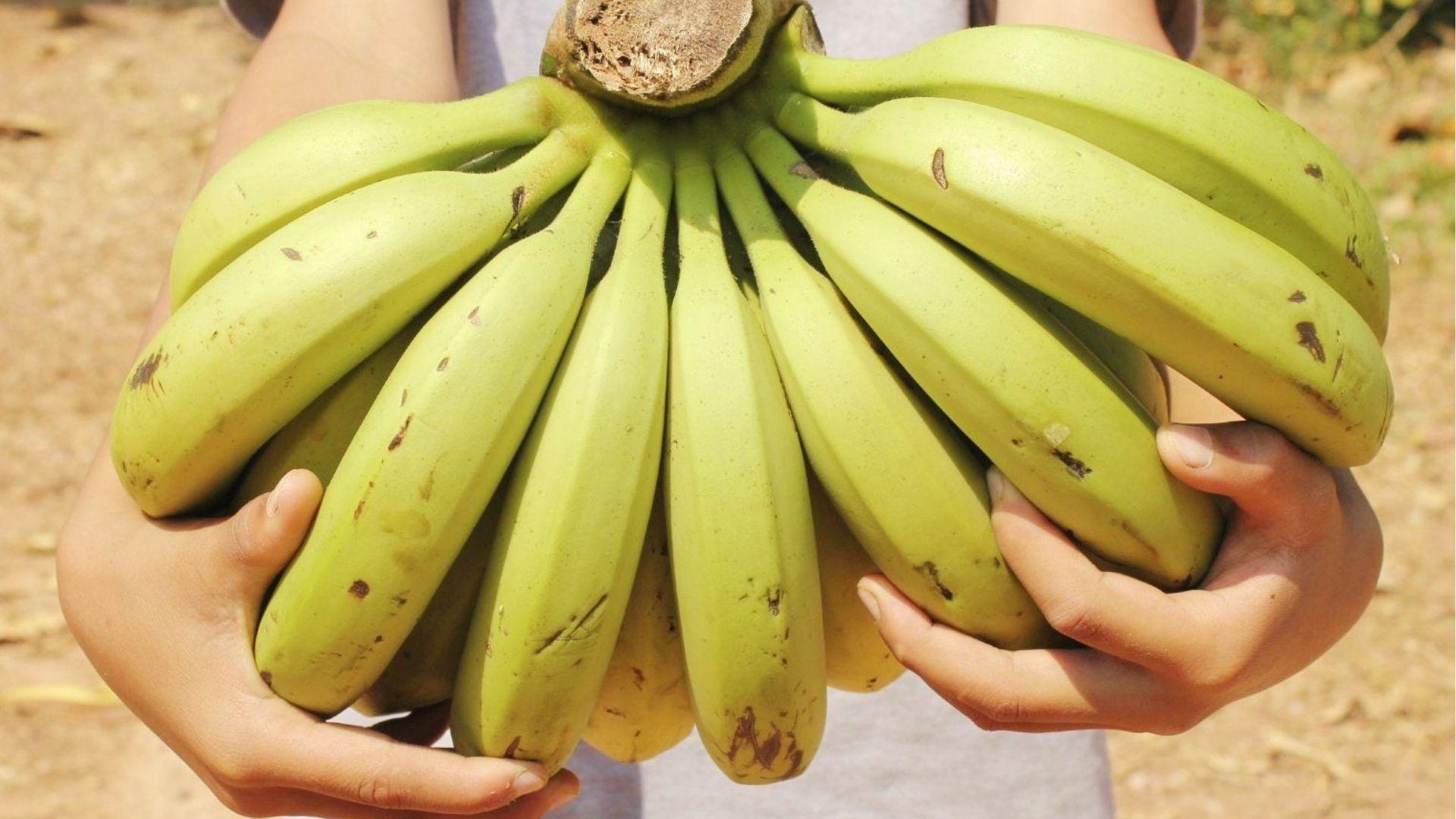
Knowing the right time to harvest makes all the difference in flavor and texture.
Signs Your Bananas Are Mature
Look for bananas that have filled out and are a light green color.
The edges of the fruit, which are angular when young, become rounder as the banana matures. This is the best time to harvest.
Harvesting a Whole Bunch vs. One Hand at a Time
You can cut the whole bunch at once or remove individual hands as needed.
Harvesting one hand at a time is practical if you do not want all your bananas ripening together.
Can Bananas Ripen on the Tree?
Bananas can ripen on the tree, but most growers harvest them green and let them ripen indoors. Bananas left on the tree too long may split or attract pests.
How to Ripen Bananas Indoors
Store green bananas at room temperature, away from direct sunlight. They will ripen naturally within 5 to 7 days.
To speed things up, place them in a paper bag with an apple or another ripe banana. The ethylene gas from the ripe fruit speeds up the process.
Tips for Growing Healthy Banana Plants and Bigger Harvests
Small changes in how you manage your plants can lead to noticeably better results.
- Keep a mother plant, one large sucker, and one small sucker growing at all times for a steady harvest cycle.
- Add compost around the base every few months and use mulch to hold moisture and keep soil temperature steady.
- Cut down the mother plant after it fruits since it will not produce again and only takes nutrients from younger plants.
- Cover developing banana bunches with a perforated bag to protect them from insects, birds, and bad weather.
- Check your suckers regularly and remove any weak ones so the strongest plants get the most nutrients and grow faster.
Conclusion
Growing bananas takes patience, but it is worth every month of waiting.
From my own experience, the day I harvested my first bunch felt genuinely rewarding. Most plants fruit in 12 to 18 months with the right care.
Focus on warmth, regular feeding, and proper pruning, and your plants will reward you.
If this guide helped you, leave a comment below and share your progress. I would love to hear how your banana plants are doing.
Share this post with a fellow gardener who might find it useful too.
Frequently Asked Questions
How long does it take for bananas to grow from planting?
Most banana plants take 12 to 18 months from planting to harvest. The exact time depends on the variety, climate, and care you provide throughout the growing season.
Why is my banana plant growing slowly?
Slow growth is usually caused by cold temperatures, poor soil, lack of sunlight, or not enough fertilizer. Check all four factors and adjust your care routine accordingly.
How often should banana plants be fertilised?
Feed your banana plant every 4 to 6 weeks with a balanced or high-potassium fertiliser. During the fruiting stage, increase potassium to support fruit development.
Can bananas grow in pots?
Yes, dwarf varieties do well in large pots. Use a pot that is at least 15 to 20 gallons, fill it with rich compost-based soil, and water and feed regularly for best results.
Do banana trees die after producing fruit?
The mother plant does die after fruiting, but it leaves behind suckers that will grow into new plants. This natural cycle keeps your banana patch producing year after year.