
I grew my first pineapple from a grocery store top, and honestly, it surprised me how simple it was.
If you have ever wondered whether you can actually grow a pineapple top at home, the answer is yes.
This guide will walk you through exactly how to do it, from picking the right crown to planting, caring, and fixing common problems along the way.
I have been growing plants for over a decade, and pineapples are one of the most rewarding low-effort projects you can start.
No special skills needed. Just a fresh pineapple and some patience, and you will be well on your way.
Why Grow a Pineapple Top at Home?
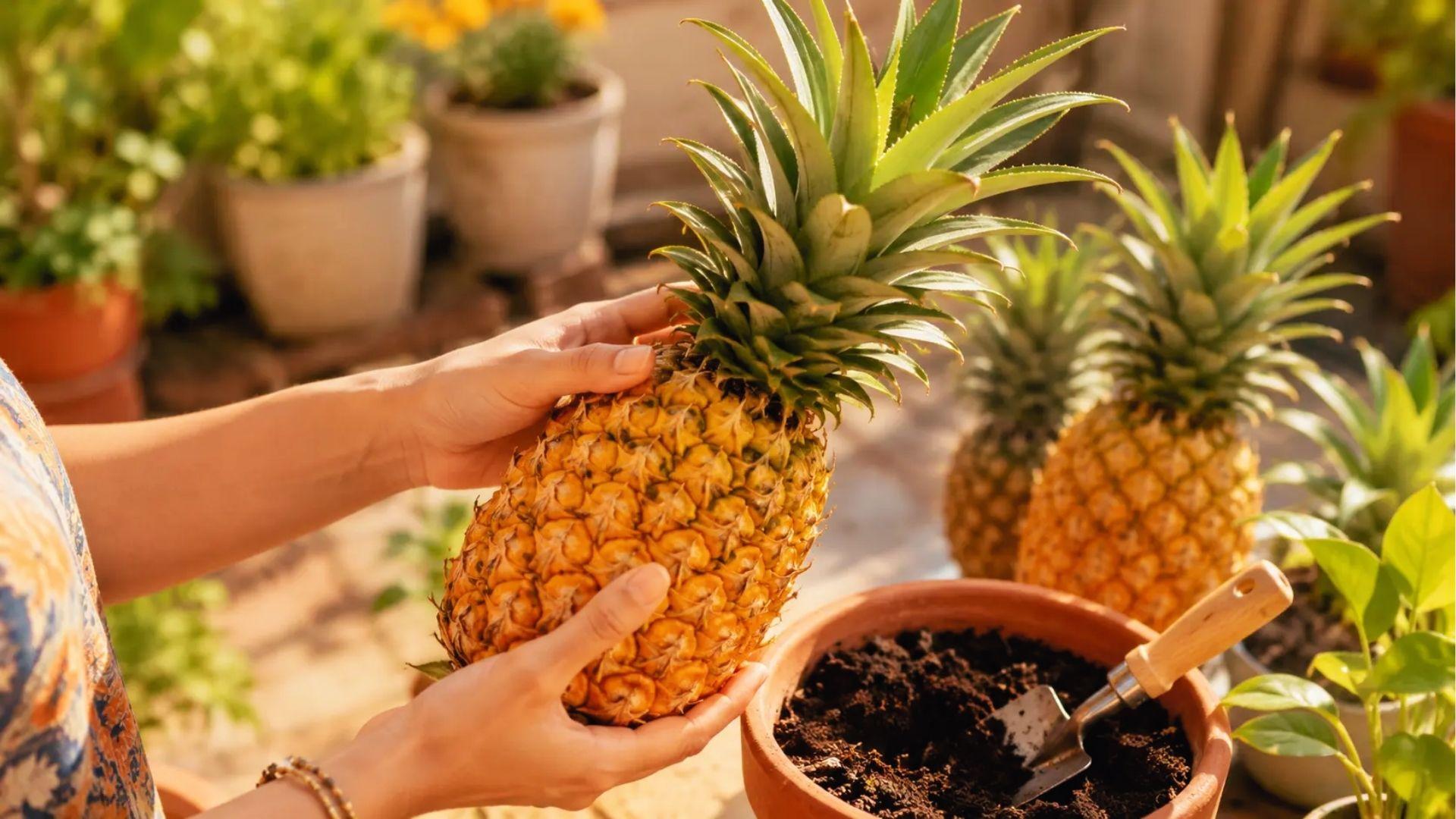
Growing a pineapple at home is easier than most people think. Most people toss the crown after eating the fruit, but that top is actually a living plant cutting.
With a little care, it roots and grows into a full plant, making it one of the best ways to cut down on kitchen waste.
Pineapple plants are forgiving and don't need daily watering or fancy equipment. They grow slowly and steadily, which makes them perfect for beginners.
Even if your plant never produces fruit, the long spiky leaves look great indoors.
They stay compact for years, so a single pot on a balcony or windowsill works perfectly. All it takes is some patience.
How to Grow a Pineapple Top: Step-by-Step
Follow these steps carefully and you'll give your pineapple crown the best chance to root and grow.
Step 1: Choose a Healthy Pineapple With a Fresh Crown
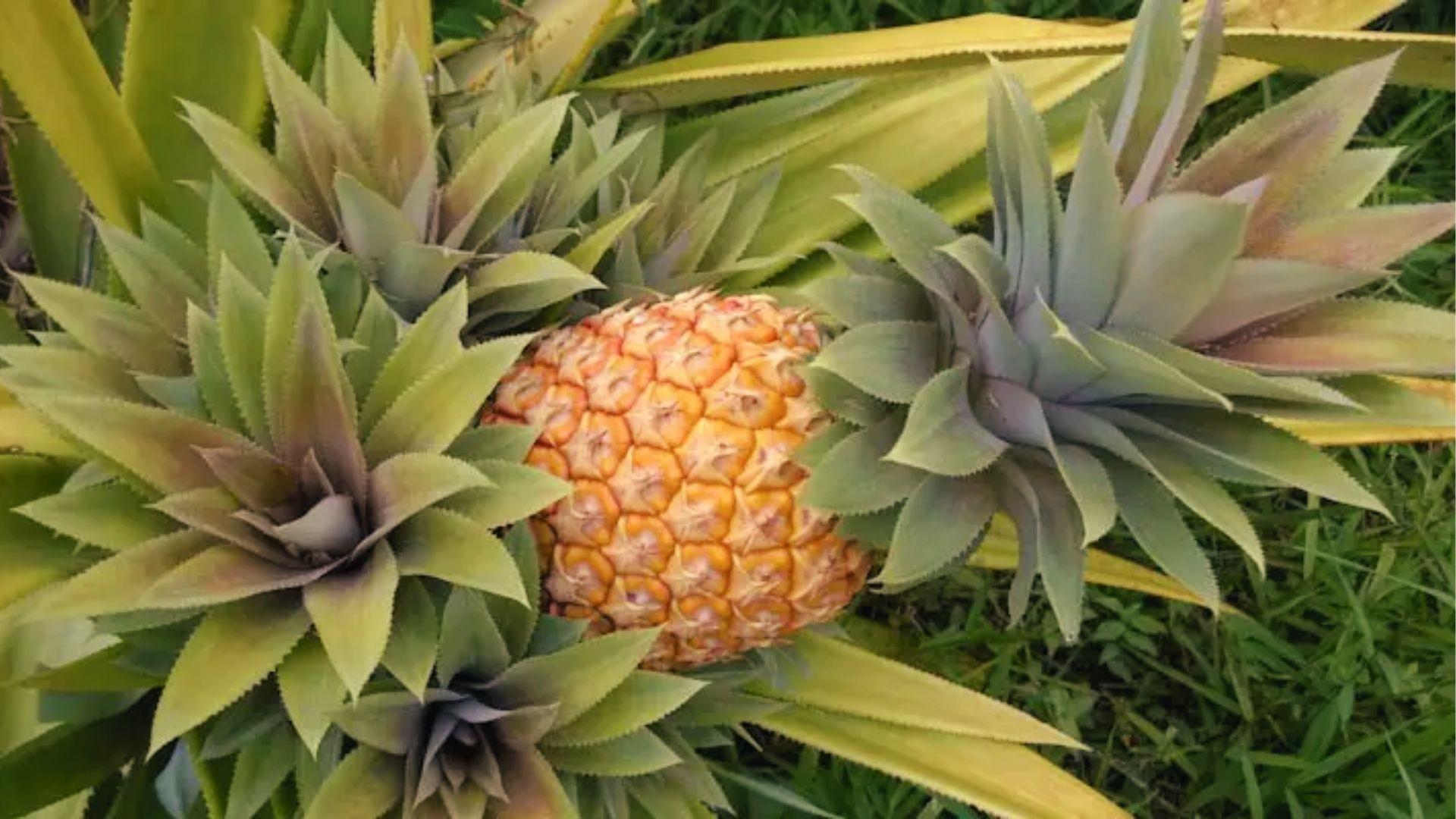
Look for a pineapple with a firm, green crown at the top. Avoid ones with brown, dried-out, or damaged leaves.
The healthier the crown looks, the better your results will be. A fresh crown from the grocery store works perfectly fine.
Step 2: Twist or Cut Off the Pineapple Top
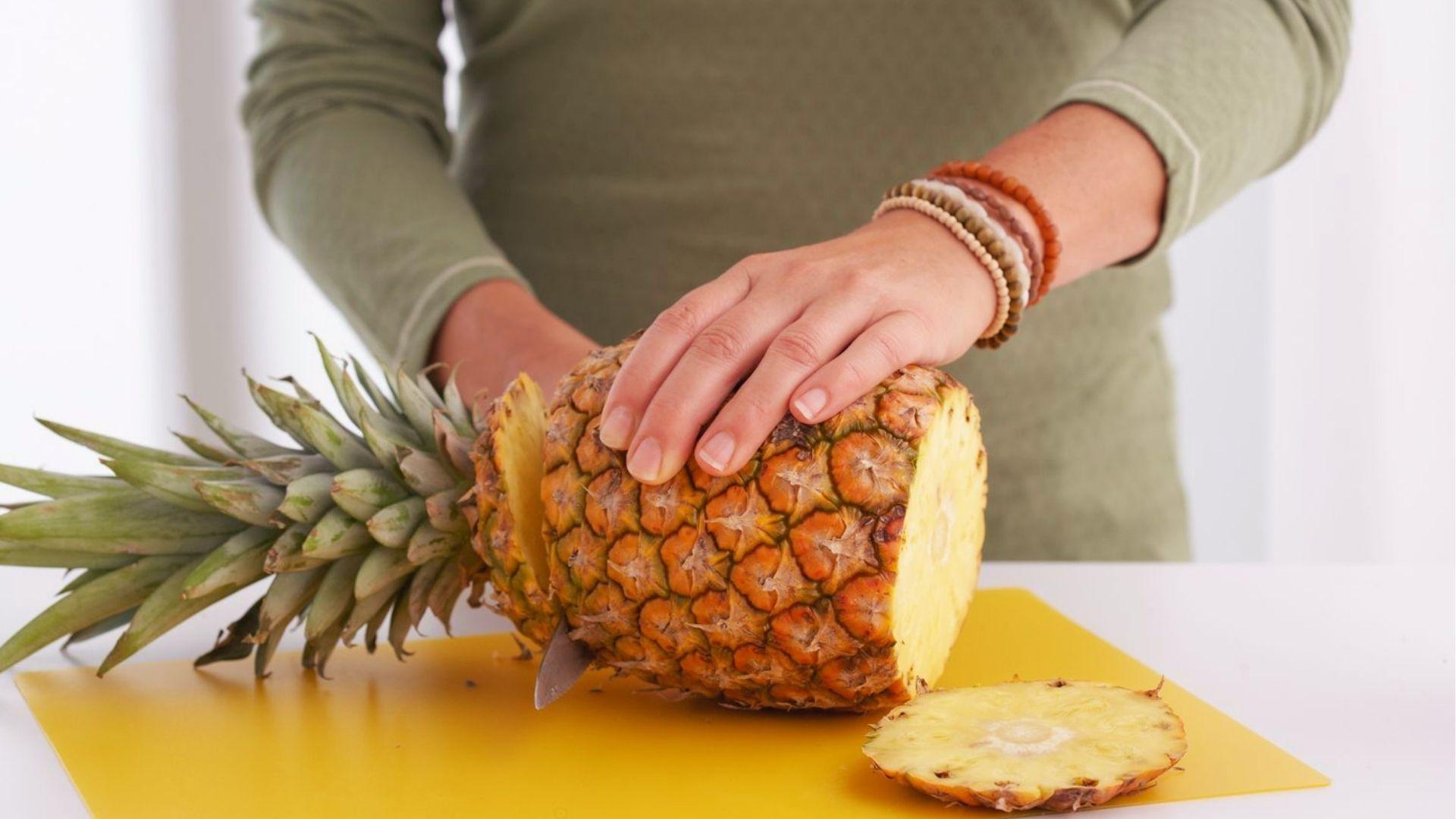
Hold the pineapple body in one hand and grip the crown firmly with the other. Twist it until it snaps off cleanly at the base.
You can also use a sharp knife if twisting feels difficult. Leave about half an inch of fruit attached when cutting.
Step 3: Remove the Lower Leaves and Excess Fruit
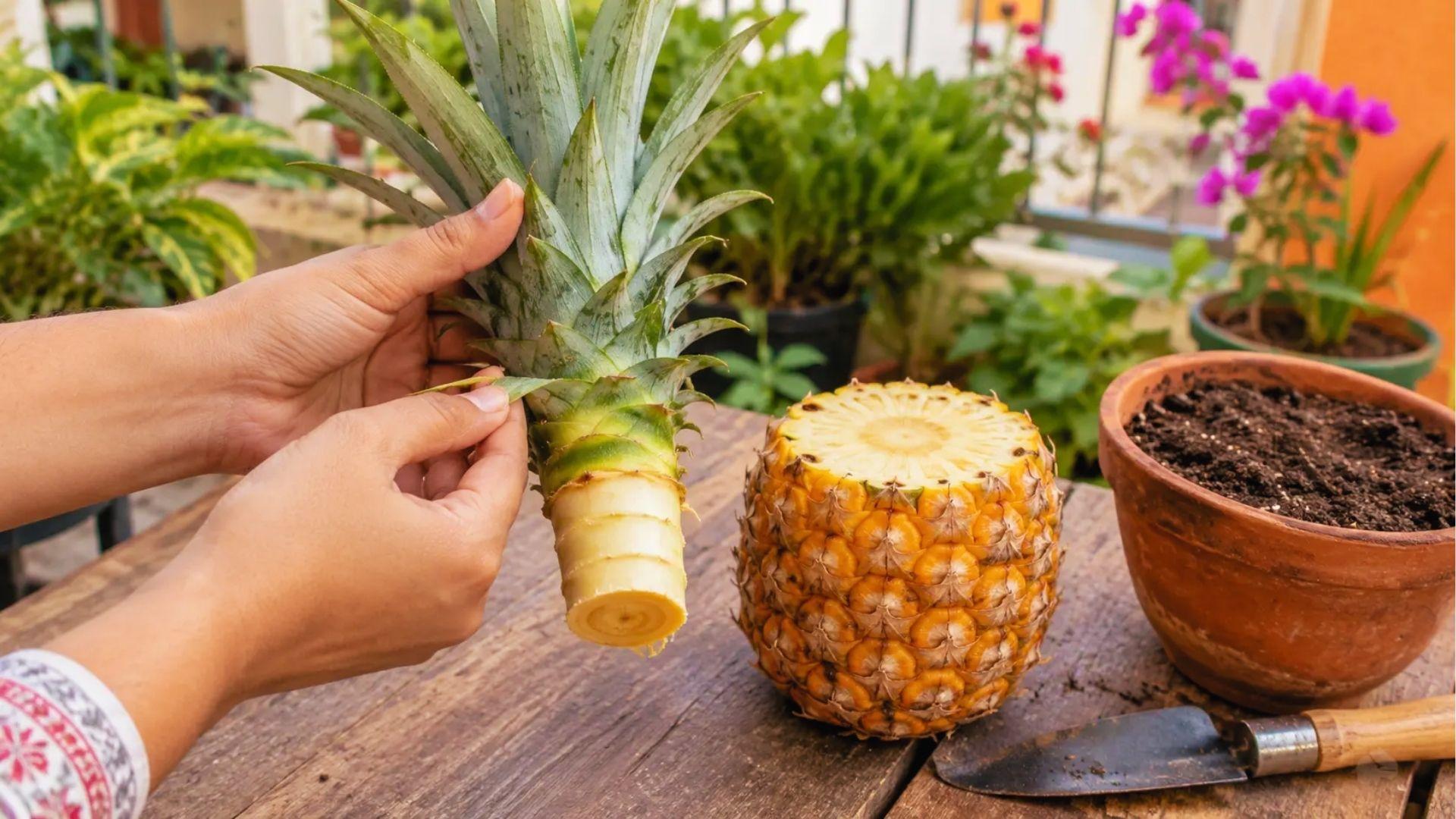
Peel away the bottom inch of leaves to expose the stem underneath. Remove any fruit flesh still attached to the base, as it will rot once planted.
This simple step helps the crown root faster and more reliably. Clean the base as thoroughly as you can before moving forward.
Step 4: Let the Pineapple Top Dry to Prevent Rot
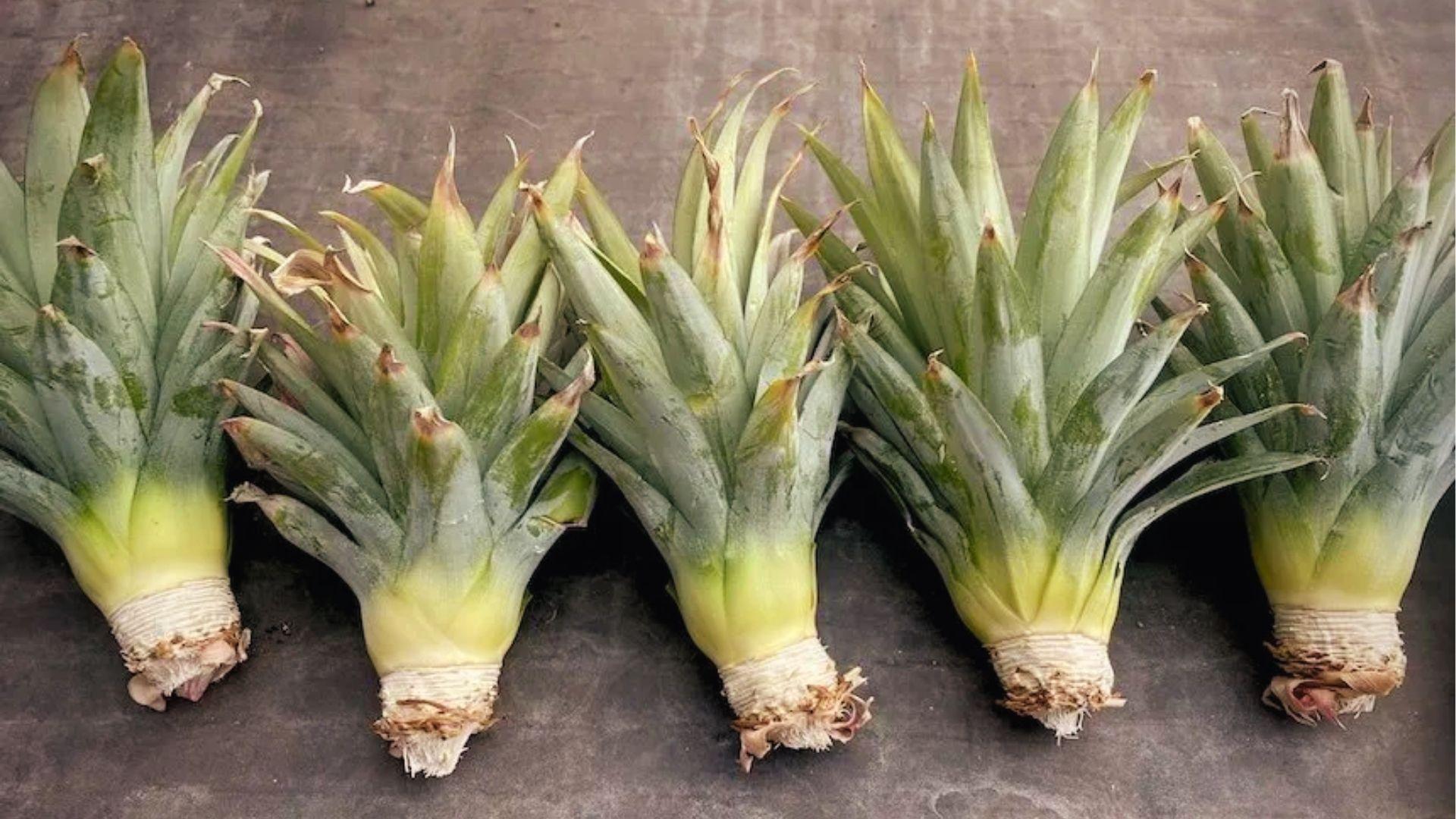
Set the crown upside down in a dry spot for two to three days. This allows the cut end to dry out and callous over properly.
Skipping this step is one of the most common reasons crowns rot before rooting. A cool, dry countertop or shelf works perfectly for this.
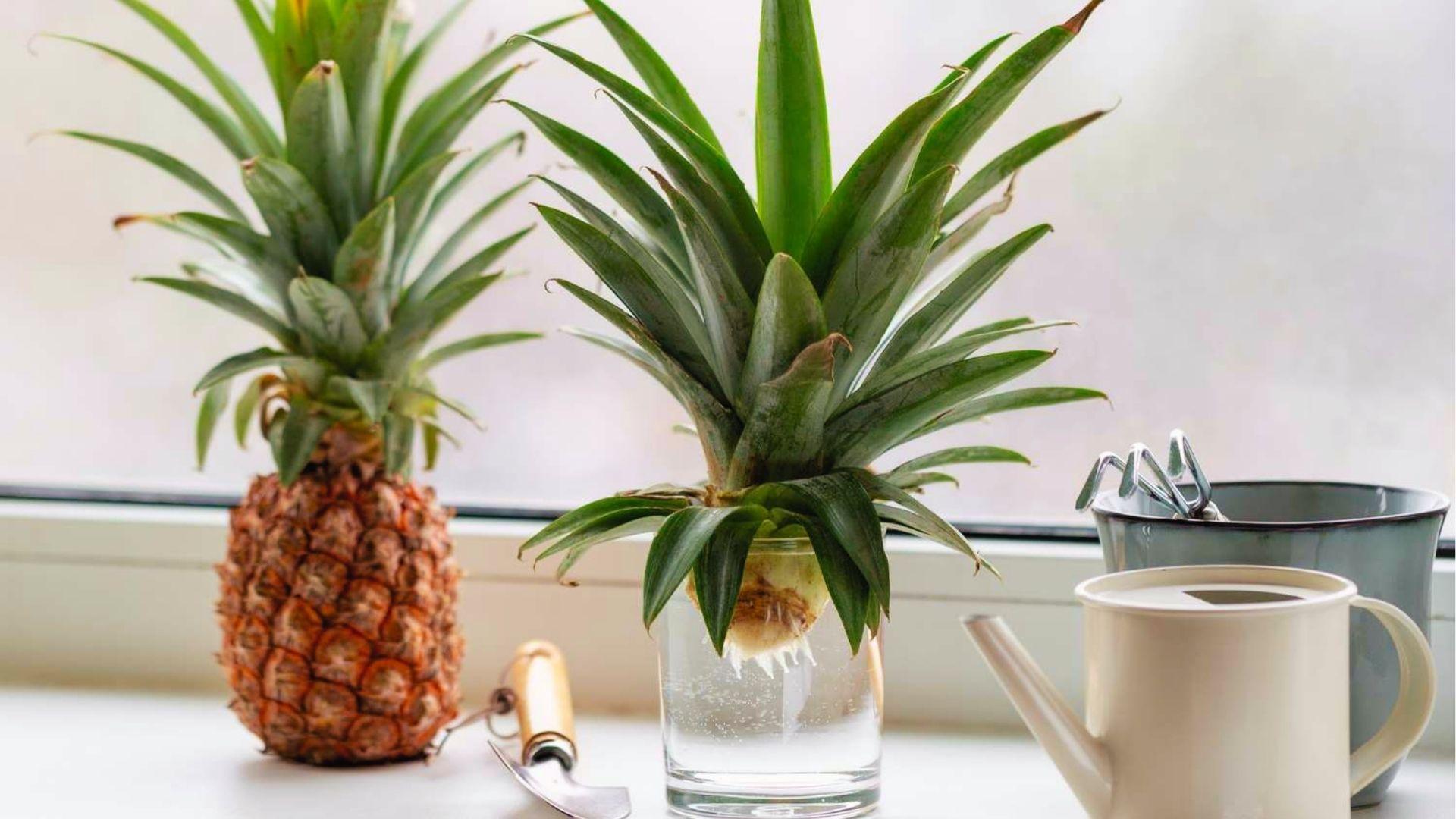
Step 5: Root the Pineapple Top in Water (Optional)
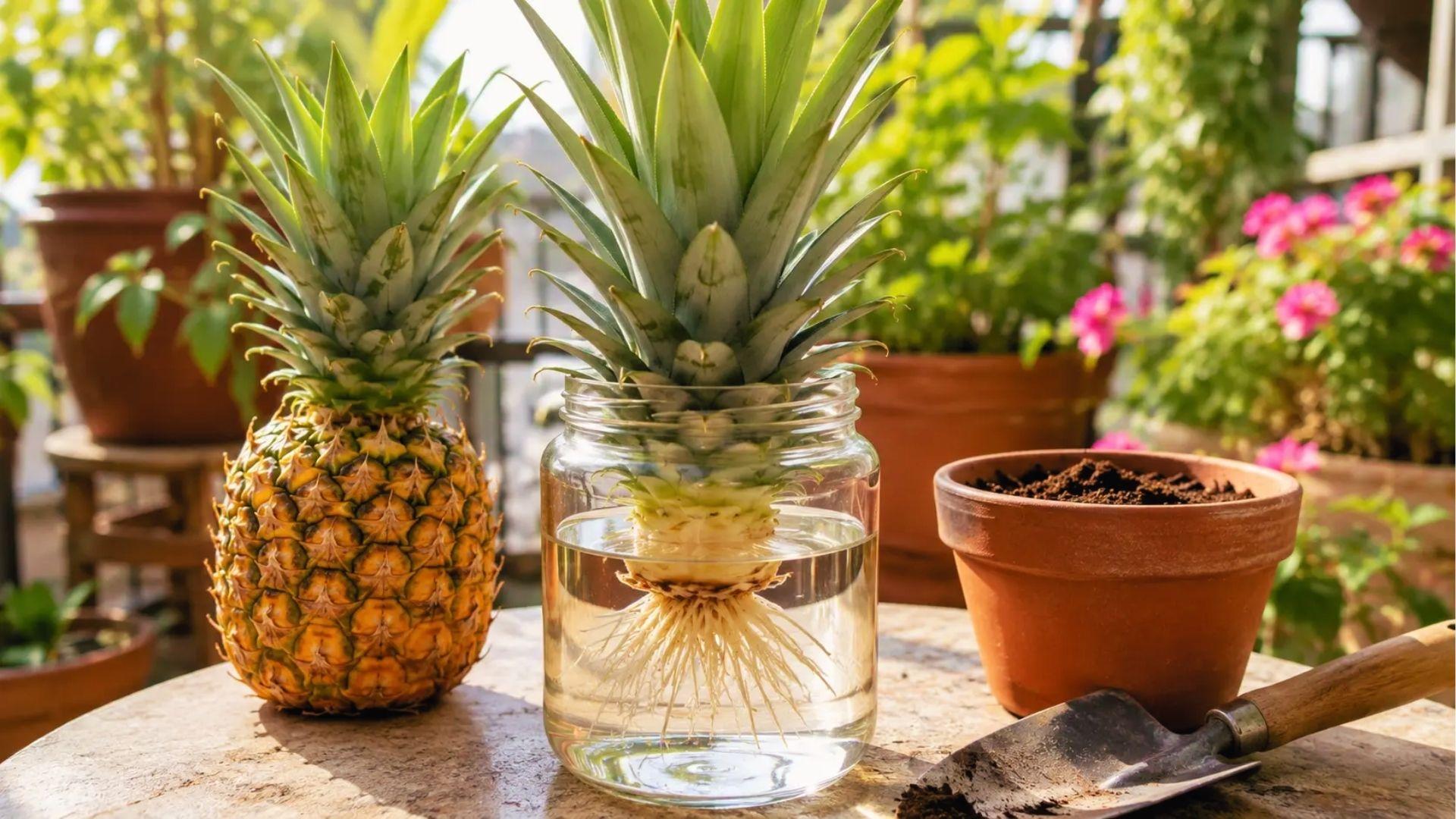
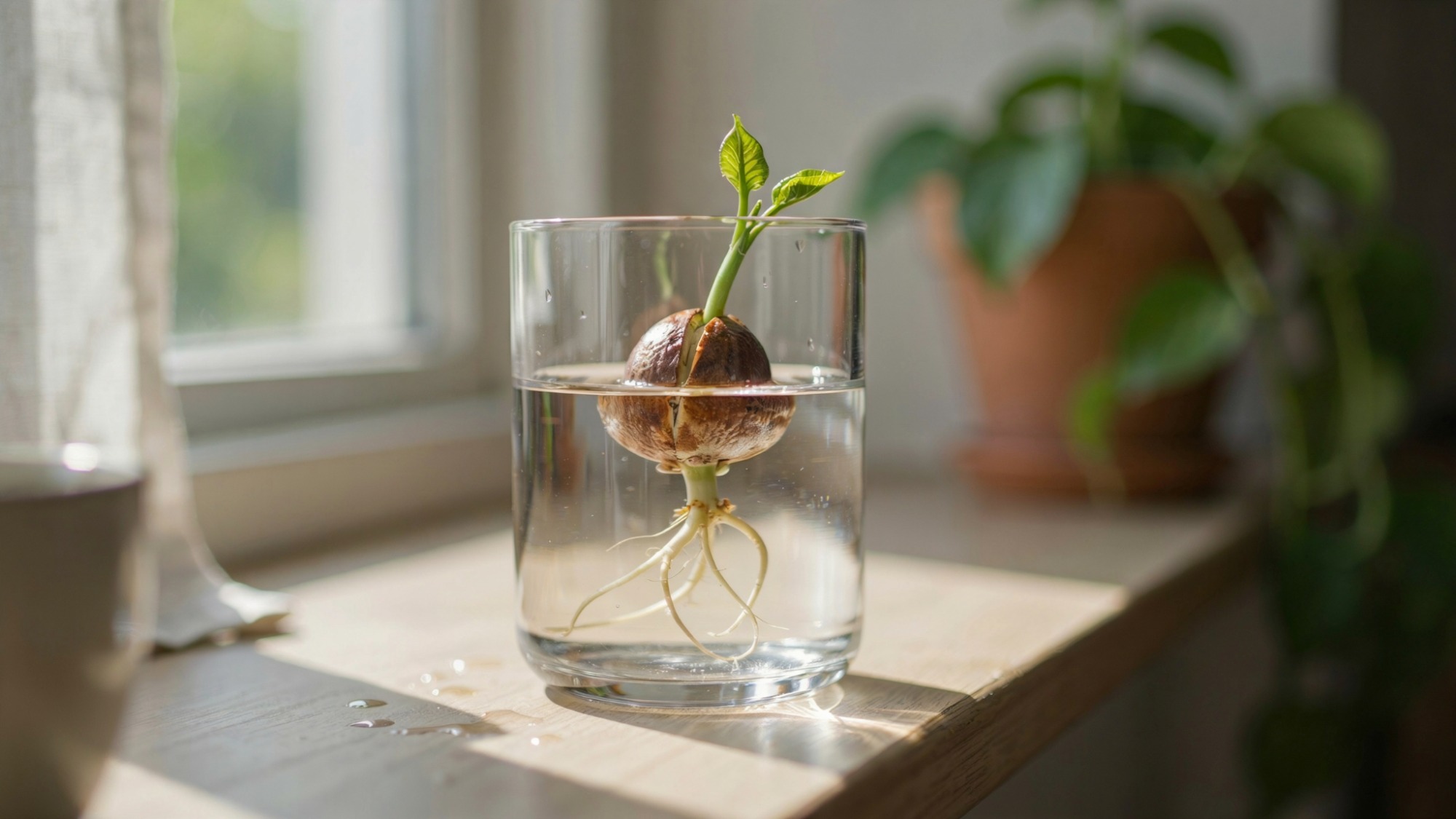
Place the crown in a glass of water so only the base touches it. Keep it in a warm, bright spot and change the water every few days.
Roots usually appear within two to three weeks. This step is optional but helps you see progress before planting.
Step 6: Prepare a Pot With Well-Draining Soil
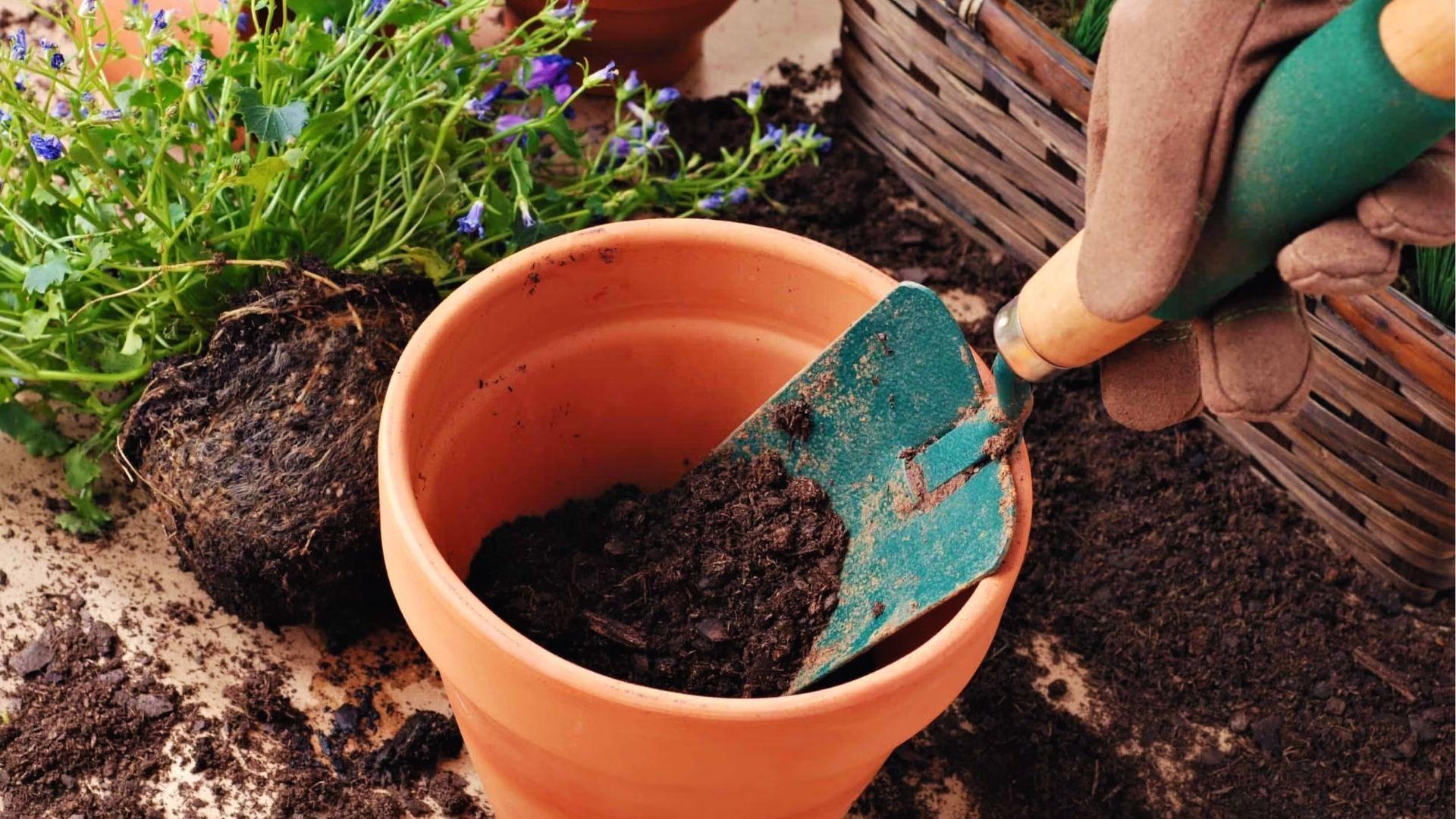
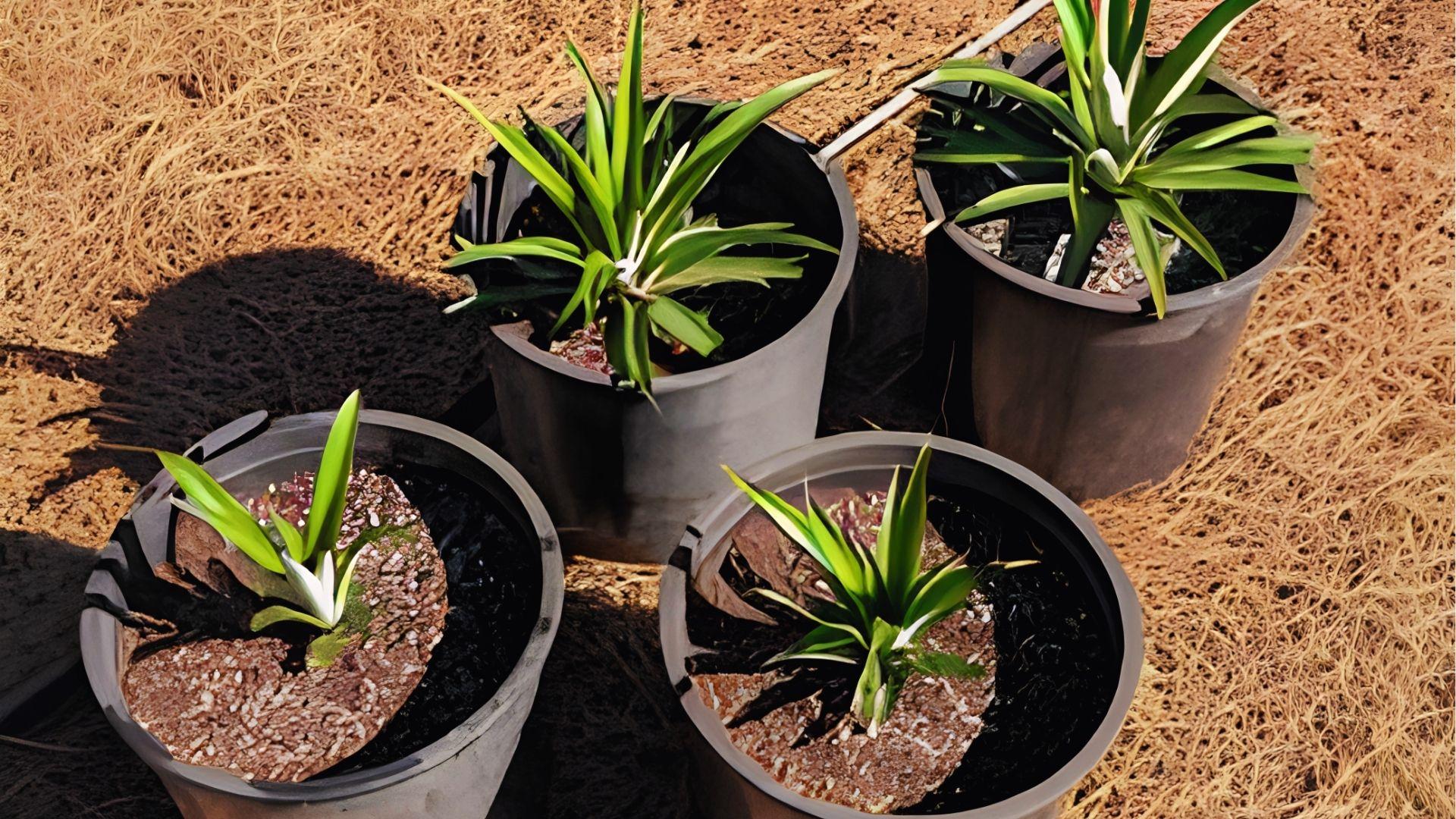
Use a six to eight inch pot that has drainage holes at the bottom. Fill it with a cactus mix or regular potting soil combined with perlite.
Pineapples do not do well in soggy or heavy soil that holds too much water. Good drainage from the start will save your plant from a lot of problems later.
Step 7: Plant the Pineapple Crown Correctly
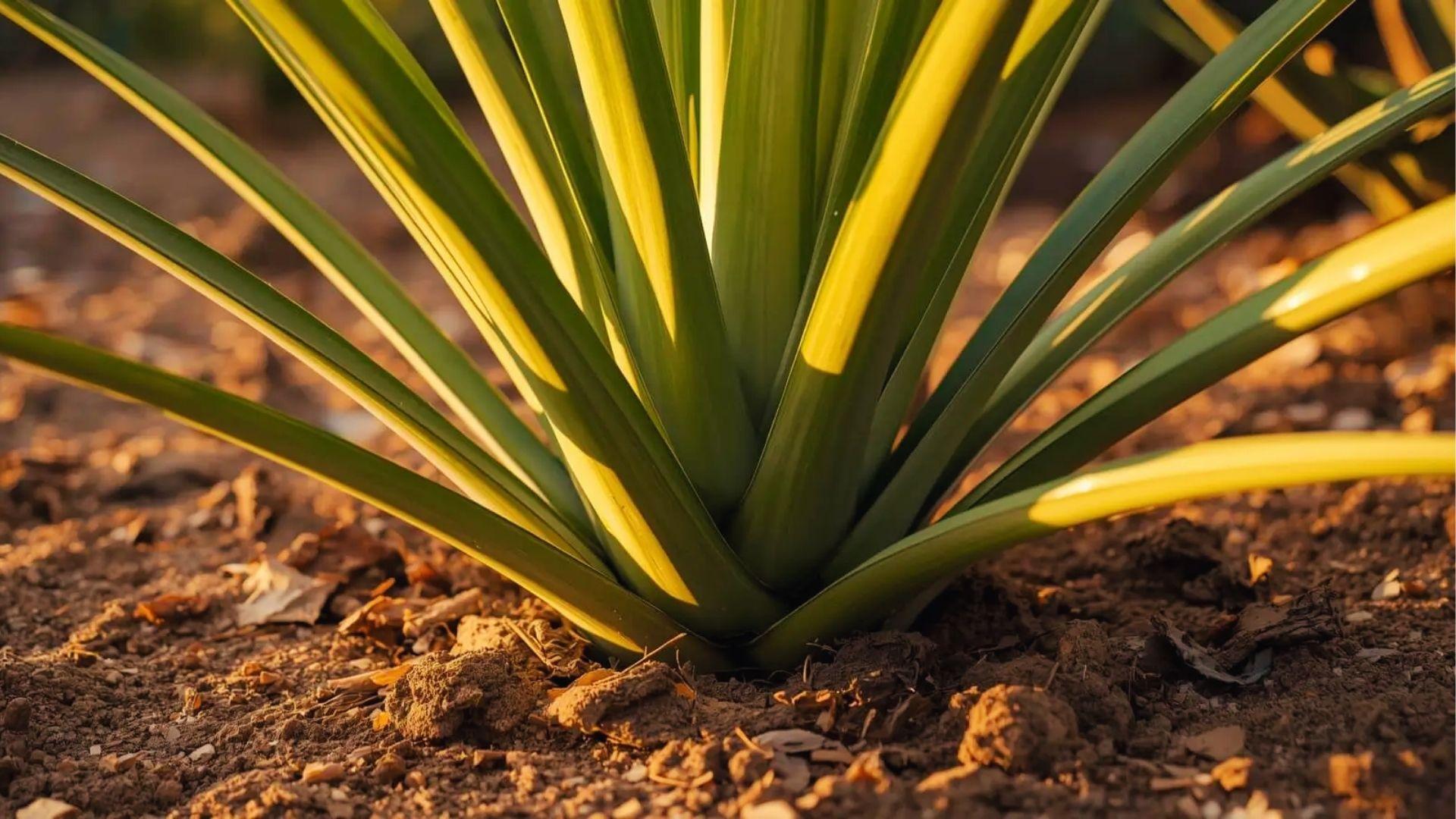
Push the base of the crown about one inch into the prepared soil. Firm the soil around it gently so the plant stands upright on its own.
Make sure the leaves stay completely above the soil line. Burying the leaves can lead to rot and slow down rooting significantly.
Step 8: Place the Pot in Bright, Indirect Light
Put your pot near a sunny window that gets good light throughout the day. Pineapples love warmth but can burn easily under direct afternoon sun indoors.
A south or east-facing window tends to work best for steady growth. Avoid dark corners or spots far from natural light sources.
Step 9: Water Properly and Monitor for New Growth
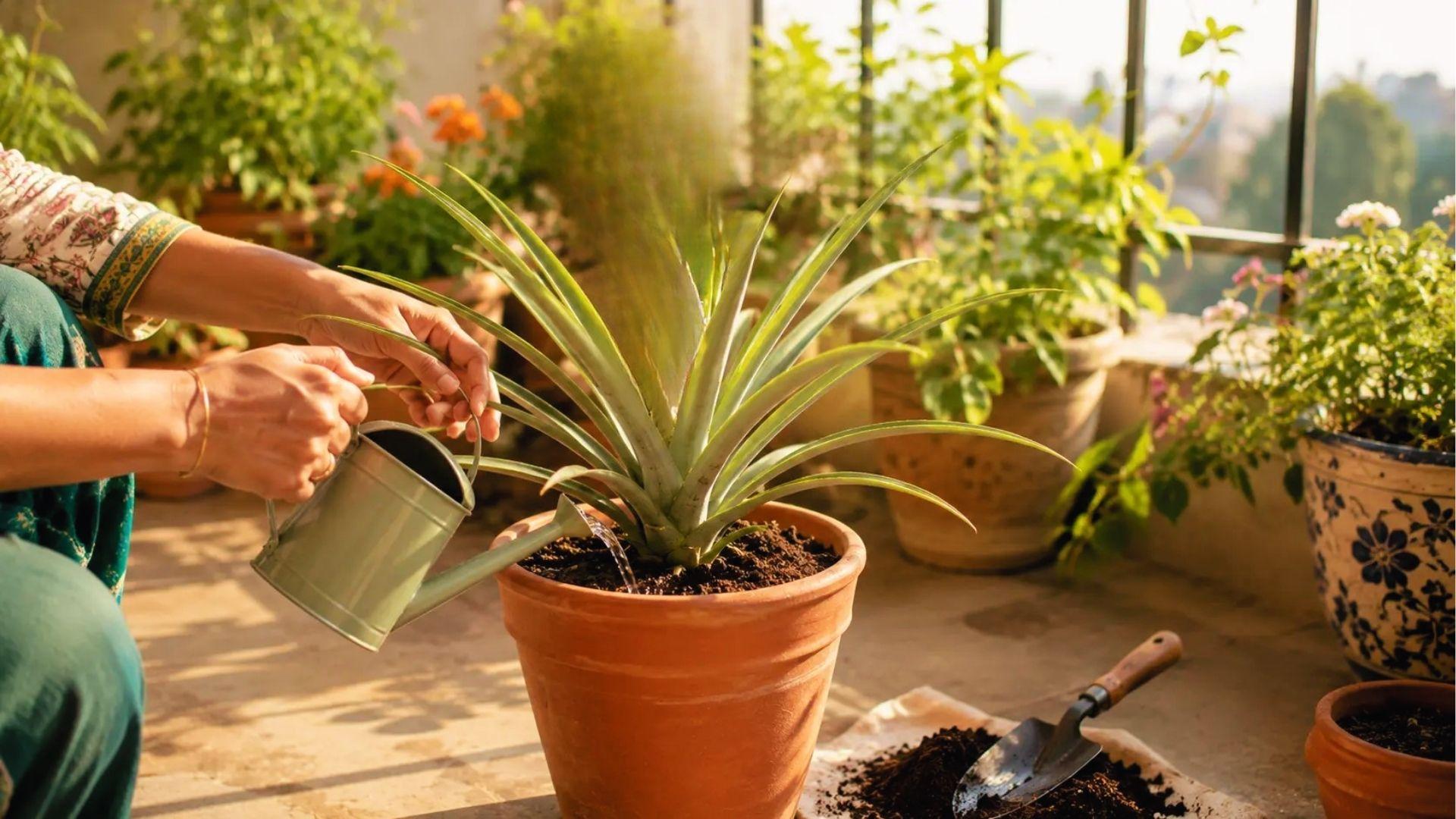
Water lightly right after planting and then let the top inch of soil dry out before watering again. Pineapples handle dry spells much better than they handle too much water.
New leaves growing from the center of the crown mean rooting was successful. This usually happens somewhere between six and eight weeks after planting.
How to Care for a Pineapple Plant After Planting
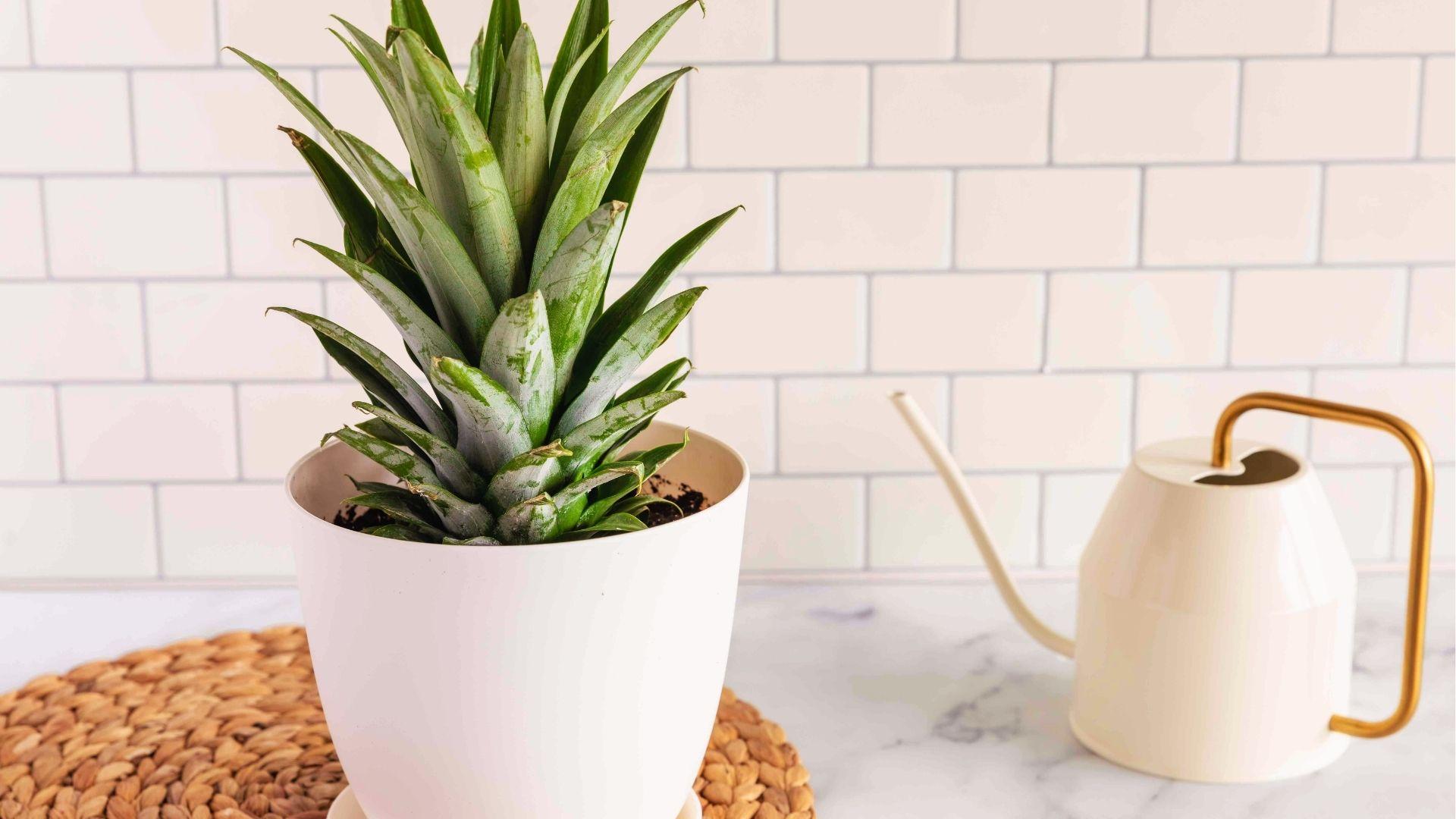
Once your pineapple is rooted, it needs the right care to grow well and stay healthy long-term.
Light Requirements for Healthy Growth
Pineapples need at least six hours of bright light each day. Indoors, place them near your brightest window. Outdoors, partial to full sun works well in warm climates.
Watering Without Causing Root Rot
Water only when the top inch of soil feels dry. Pineapple plants are drought-tolerant and handle underwatering better than overwatering. Always use a pot with good drainage.
Temperature and Humidity Preferences
Pineapples prefer temperatures between 65 and 85 degrees Fahrenheit. They can handle some humidity but don't need a humid environment.
Keep them away from cold drafts and air conditioning vents.
Fertilizing During the Growing Season
Feed your plant once a month from spring through summer using a balanced liquid fertilizer. Dilute it to half strength. Skip fertilizing in fall and winter when growth slows down.
Repotting and Overwintering Tips
Report your pineapple every two years or when roots start coming out of the drainage holes.
In colder climates, bring your plant indoors before temperatures drop below 60 degrees Fahrenheit.
Tips for Growing a Pineapple Top Successfully
These simple tips can make a big difference, especially for first-time growers.
- Start with the freshest, most vibrant crown you can find
- Always use a pot with drainage holes at the bottom
- Water less than you think you need to
- Move your plant indoors before nighttime temperatures drop
- Don't rush the process, fruit takes time and that's completely normal
Conclusion
Growing a pineapple top is one of those projects that starts small but pays off in a big way.
I still remember checking my first crown every few days, looking for new leaves. When they finally appeared, it felt genuinely exciting. If you follow these steps, you'll get there too.
Start with a fresh crown, give it light and warmth, and resist the urge to overwater. The rest takes care of itself.
If this guide helped you, leave a comment below and tell me how your pineapple is doing. I'd love to hear about it.
Frequently Asked Questions
Is it better to root a pineapple top in water or soil?
Both methods work. Water rooting lets you watch the roots grow, which is helpful for beginners. Soil rooting is more direct and skips the transfer step. Either way, results are similar.
Can you grow a pineapple top indoors year-round?
Yes, you can. As long as the plant gets plenty of bright light and stays in a warm spot, it will grow indoors throughout the year without any issues.
Should you use rooting hormone?
It is not required, but it can speed up root development. If you have it on hand, dip the base of the crown before planting. If you don't, the crown will still root on its own.
Do pineapple plants produce more than one fruit?
After the main fruit is harvested, the plant produces side shoots called ratoons. These can grow into new plants or produce additional fruit with proper care over the following year or two.
When is a pineapple ready to harvest?
A pineapple is ready when the skin turns from green to golden yellow and the fruit gives slightly when pressed. It should also smell sweet at the base. Most homegrown pineapples are ready about six months after flowering.