
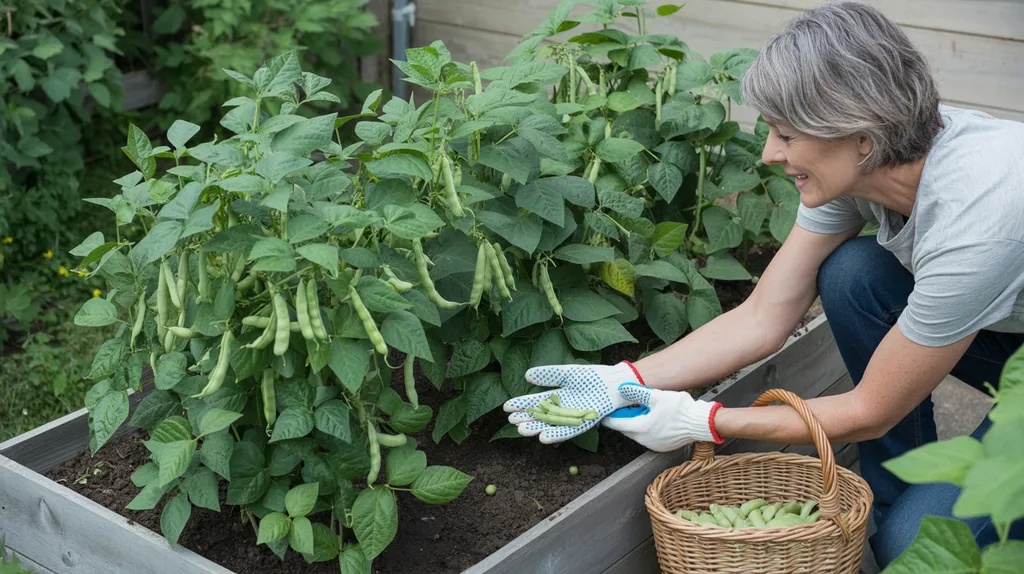
I grew my first batch of growing bush beans in a small raised bed. Honestly, I didn't expect much.
But they came in fast, full, and easy to manage.
If you want to know exactly how to do it right, you're in the right place.
In this blog, I'll cover everything. What bush beans are, how to plant them, how to care for them, when to harvest, and the mistakes to avoid.
Clear steps. Real information. No guesswork.
I've grown them myself and done the research. You can trust what's here.
What Are Bush Beans?
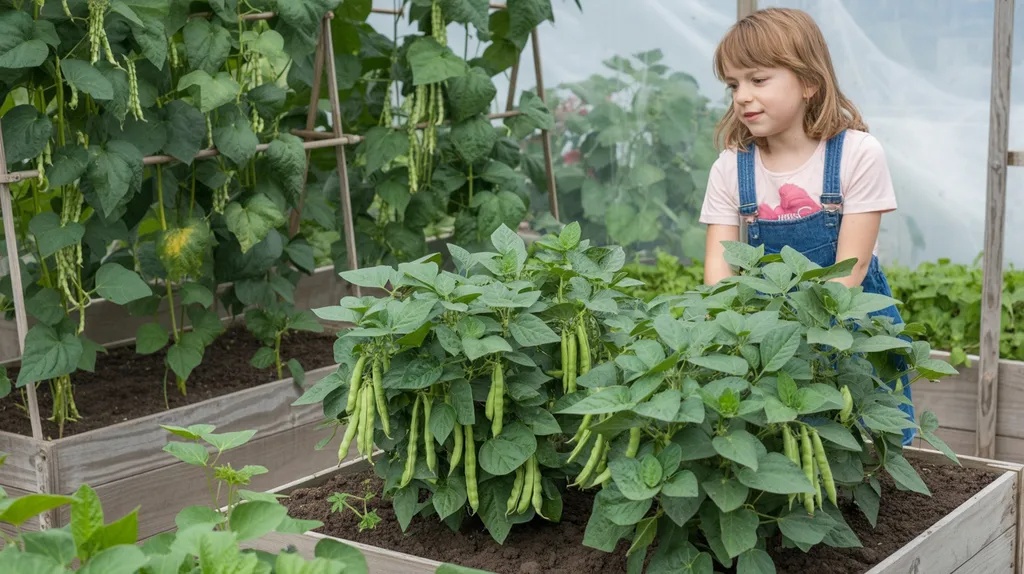
Bush beans are a compact variety of common green beans that grow without needing stakes or trellises.
Unlike pole beans, they grow low to the ground and reach their full height quickly, usually between 18 and 24 inches tall. They produce pods fast, often within 50 to 60 days of planting.
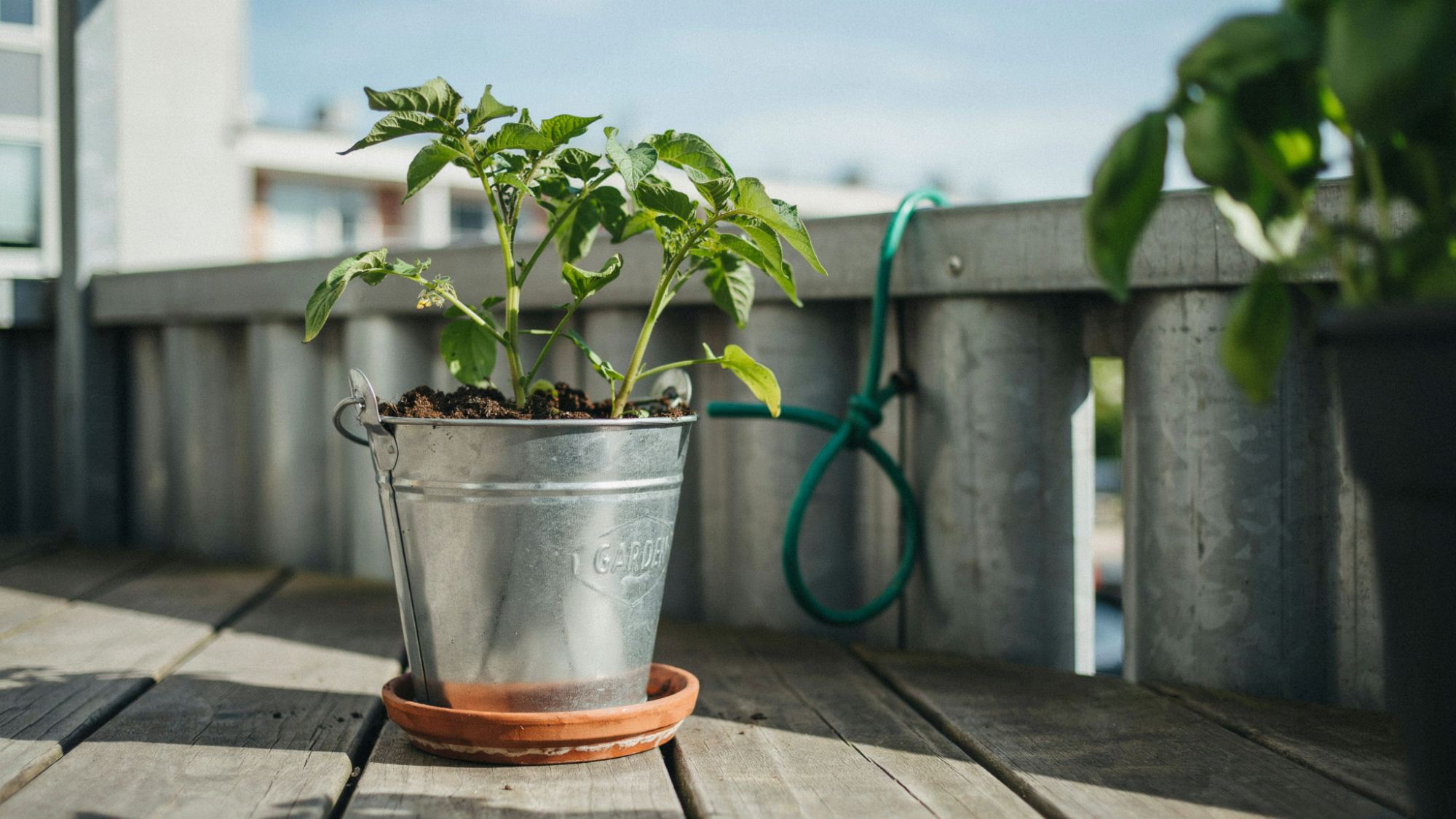
Bush beans are great for small gardens, raised beds, and even containers. They come in green, yellow, and purple varieties.
Most home gardeners love them because they're low maintenance, quick to produce, and give a good yield without taking up much space.
How to Plant Bush Beans
Getting the planting basics right sets you up for a strong, healthy crop from the start.
Choose the Right Planting Location
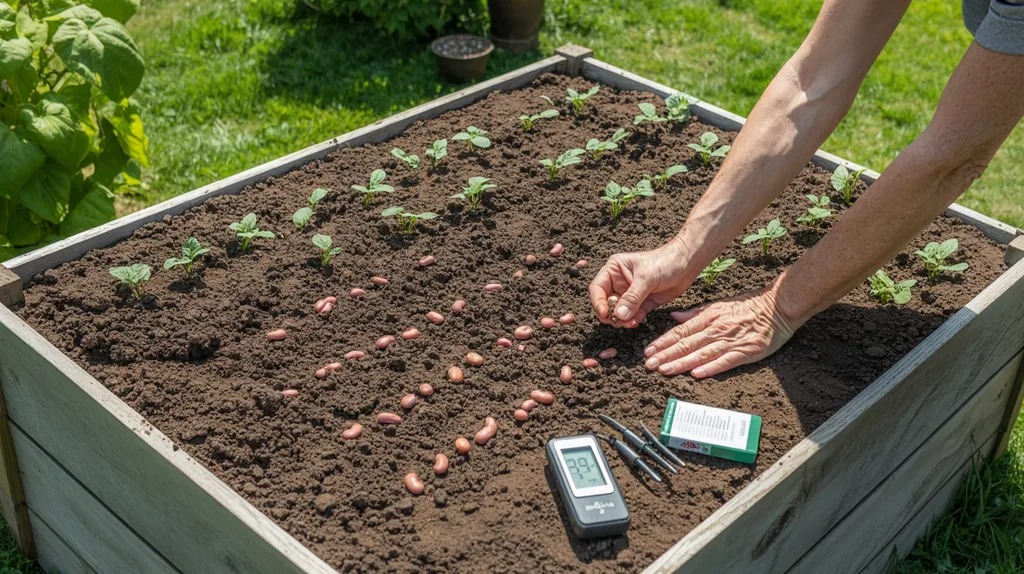
Bush beans need full sun, which means at least six to eight hours of direct sunlight each day. They grow well in garden beds, raised beds, and large containers.
The soil should be loose, well-draining, and slightly acidic with a pH between 6.0 and 6.8. Avoid low-lying spots where water tends to sit after rain.
Good drainage is one of the most important factors for healthy bush bean growth. Pick a spot that gets consistent light throughout the day.
Prepare the Soil
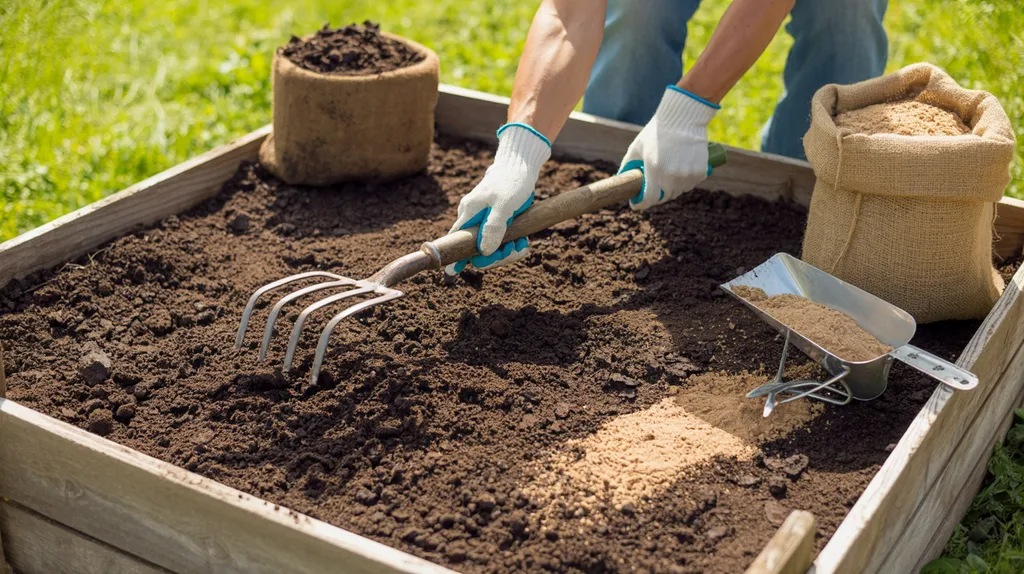
Before planting, work the soil well. Add compost to improve its quality and give your plants a nutrient-rich base to grow in.
If your soil is heavy or clay-like, mix in some sand or aged compost to help with drainage. Bush beans don't need a lot of fertilizer, but a light application of a balanced
Low-nitrogen fertilizer before planting can give them a solid start. Avoid high-nitrogen mixes, as they push leaf growth over pod production.
Plant Bush Beans
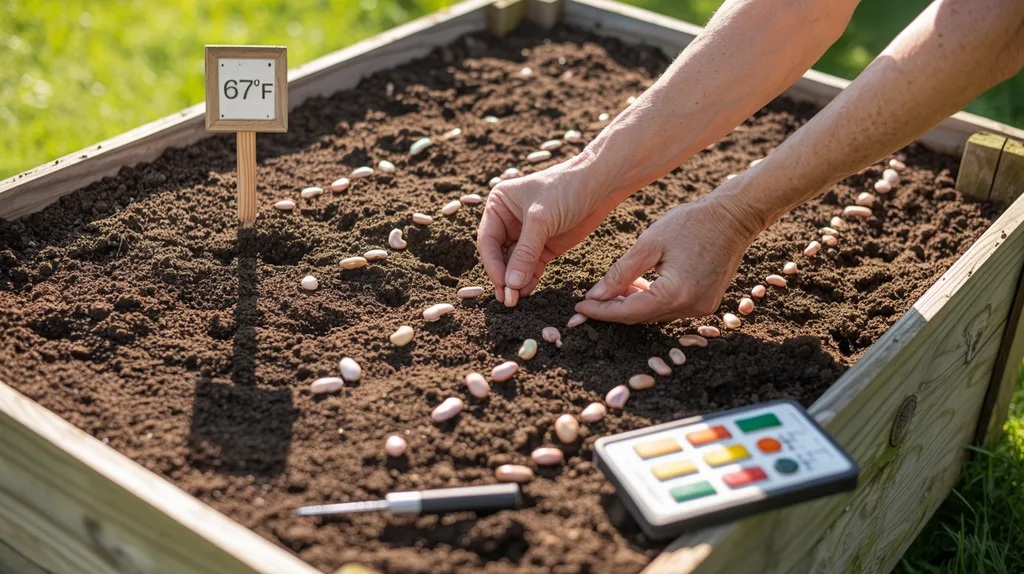
Plant bush beans after the last frost date in your area. Soil temperature should be at least 60 degrees Fahrenheit, though 65 to 70 degrees is even better for fast germination.
Cold soil slows down sprouting and can cause seeds to rot before they even get started.
Check your local frost dates and wait until the ground has warmed up properly before putting seeds in the ground.
How to Sow Bush Bean Seeds
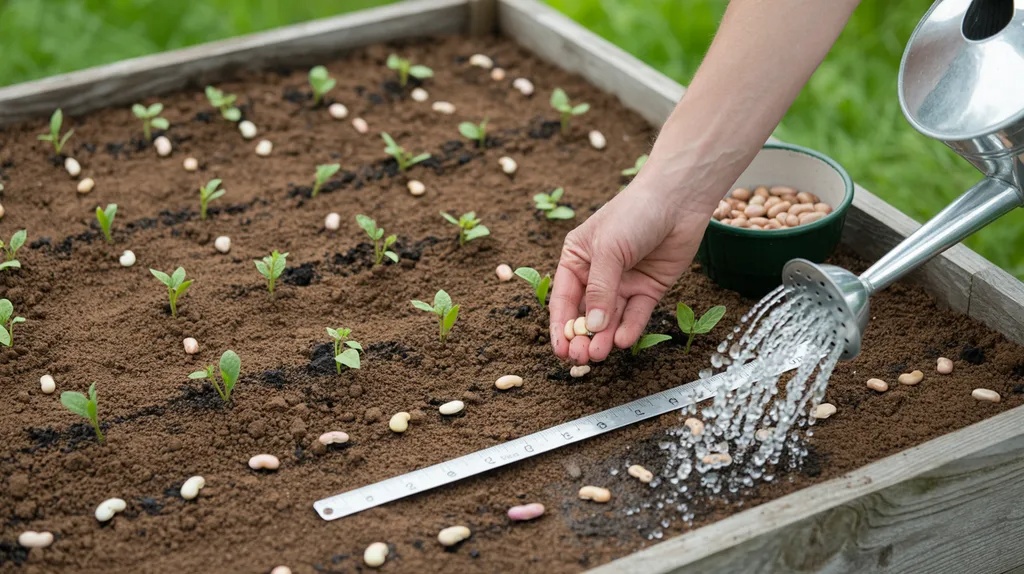
Sow seeds directly into the ground about one inch deep. Space seeds two to four inches apart in rows, with rows about 18 inches apart.
Bush beans do best when direct sown. They don't transplant well, so avoid starting them in seed trays.
Soaking seeds in water for a few hours before planting can speed up germination slightly, though it's not required. Cover seeds lightly with soil and water gently after sowing.
Succession Planting for Continuous Harvests
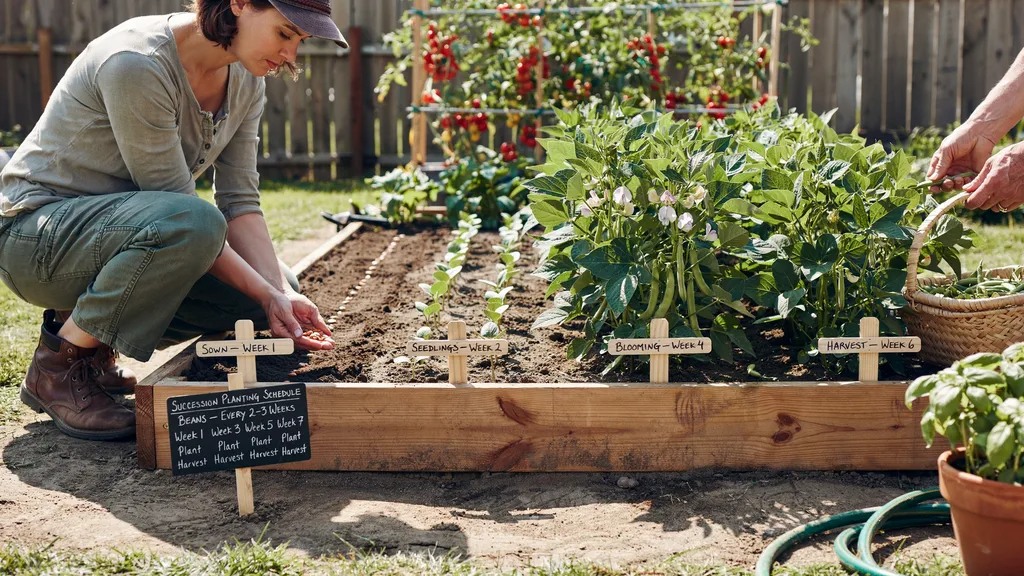
One of the smartest things you can do with bush beans is stagger your planting. Sow a new round of seeds every two to three weeks throughout the growing season.
This keeps fresh pods coming in batches rather than all at once. Bush beans produce heavily for a few weeks and then slow down.
Succession planting solves that problem and gives you a longer, more consistent harvest window from the same garden space.
How to Care for Bush Bean Plants
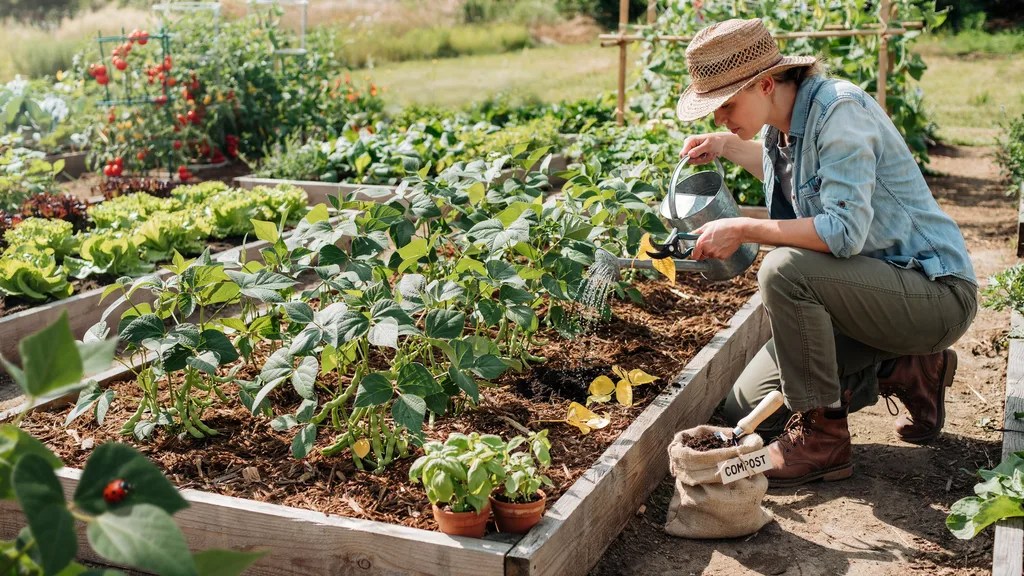
Good care after planting keeps your bush beans healthy, productive, and pest-free.
Watering Bush Beans: Bush beans need about one inch of water per week. Water at the base of the plant, not overhead, to reduce the risk of fungal issues.
Keep the soil consistently moist but never waterlogged.
Feeding and Fertilizing: Bush beans fix their own nitrogen from the soil, so they don't need heavy feeding.
A light side dressing of compost midway through the season is usually enough to keep them producing well.
Mulching Around Bush Beans:Apply a two to three inch layer of mulch around your plants.
This keeps moisture in the soil, regulates soil temperature, and cuts down on weed growth around the base of your plants.
Supporting Healthy Growth: Bush beans are self-supporting and don't need stakes or trellises.
However, if your plants are growing in a very windy spot, a simple low border or row cover can help protect them from wind damage.
Pruning and Leaf Maintenance:Remove any yellowing, damaged, or diseased leaves as soon as you spot them.
This keeps air moving through the plant and reduces the spread of disease. Don't over-prune healthy foliage, as the leaves support pod development.
Common Bush Bean Problems and Solutions
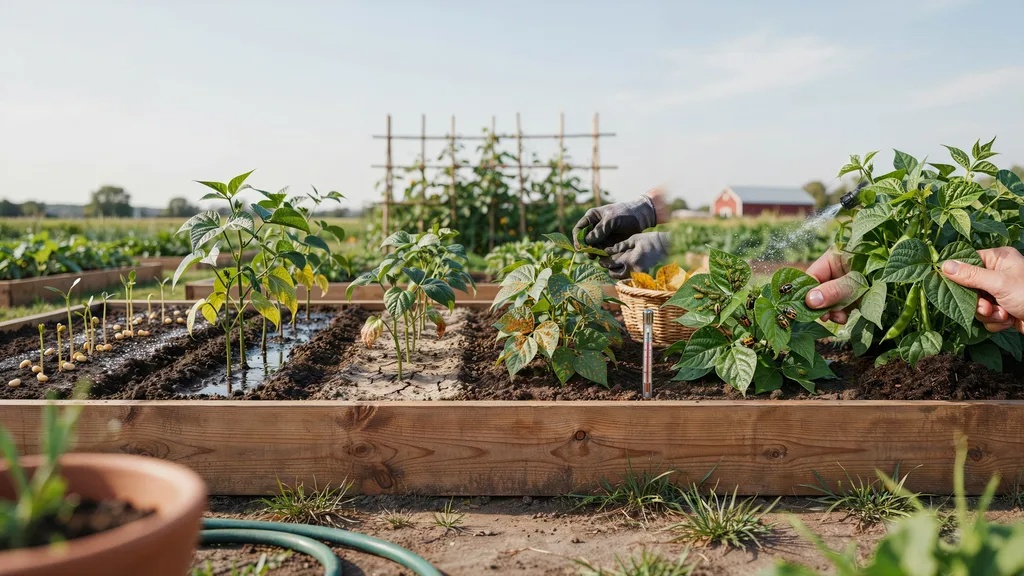
Knowing what can go wrong helps you fix issues fast before they affect your whole crop.
Poor Germination
If your seeds aren't sprouting, the most common cause is cold soil. Bush beans need soil that's at least 60 degrees Fahrenheit to germinate properly.
Planting too early in spring is the usual culprit. Other causes include overwatering, which can rot seeds before they sprout, or planting too deep.
Stick to one inch depth and make sure soil temperature is right before sowing.
Yellowing Leaves
Yellow leaves on bush beans usually point to a watering issue or a nutrient deficiency. Overwatering cuts off oxygen to the roots and causes leaves to yellow from the bottom up.
Underwatering causes similar symptoms but the soil will be dry. Check your watering schedule first.
If the soil moisture seems fine, a light feed with a balanced fertilizer can help correct a nutrient gap.
Bean Rust
Bean rust is a fungal disease that shows up as small orange or brown spots on the undersides of leaves.
It spreads quickly in warm, wet conditions. Remove affected leaves right away and avoid watering overhead.
Make sure there's good airflow between plants. Crop rotation helps prevent rust from returning in the same spot the following season.
Pest Damage
The most common pests on bush beans are aphids, bean beetles, and spider mites. Check the undersides of leaves regularly.
For aphids, a strong spray of water or a diluted neem oil solution works well. Bean beetles lay yellow eggs on leaf undersides.
Remove them by hand when spotted. Keeping the area around your plants clean and free of debris also reduces pest activity.
Low Bean Production
If your plants are leafy but producing few pods, the likely cause is too much nitrogen in the soil. High nitrogen pushes plant growth but reduces flowering and pod set.
Another common reason is inconsistent watering during the flowering stage. Keep moisture steady when plants are flowering.
Also make sure plants are getting enough sun, as shade significantly reduces yields.
How to Harvest Bush Beans
Harvesting at the right time and the right way makes a real difference in yield and taste.
When Bush Beans Are Ready to Harvest
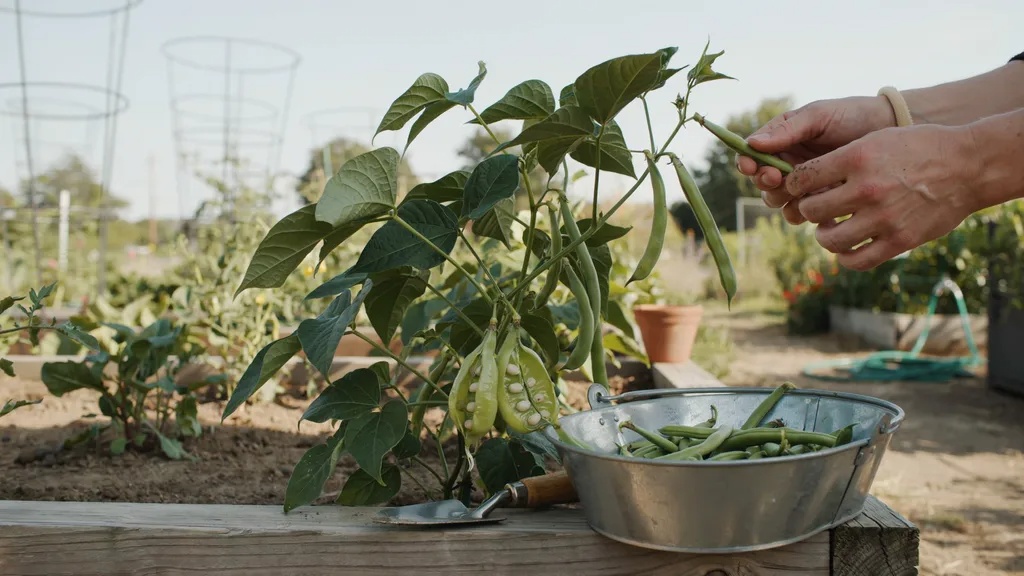
Bush beans are ready to pick when the pods are firm, smooth, and about four to six inches long. The pods should snap cleanly when bent.
If you can feel the seeds bulging through the pod, you've waited too long. Overmature pods become tough and stringy.
Check your plants every two to three days once they start producing, as pods can go from perfect to overripe quickly.
Best Harvesting Techniques
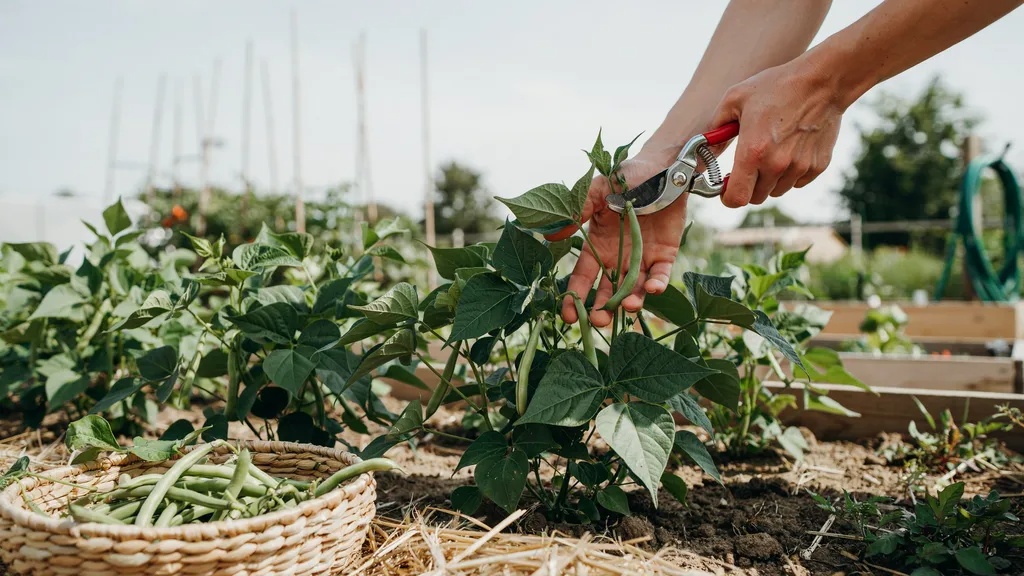
Use a pair of scissors or garden snips to cut pods from the plant. Pulling or yanking pods off by hand can damage the stem and hurt the plant's ability to keep producing.
Hold the stem steady with one hand and cut the pod cleanly at the stem end.
Work carefully through the plant so you don't miss any hidden pods tucked behind leaves.
How Often to Harvest
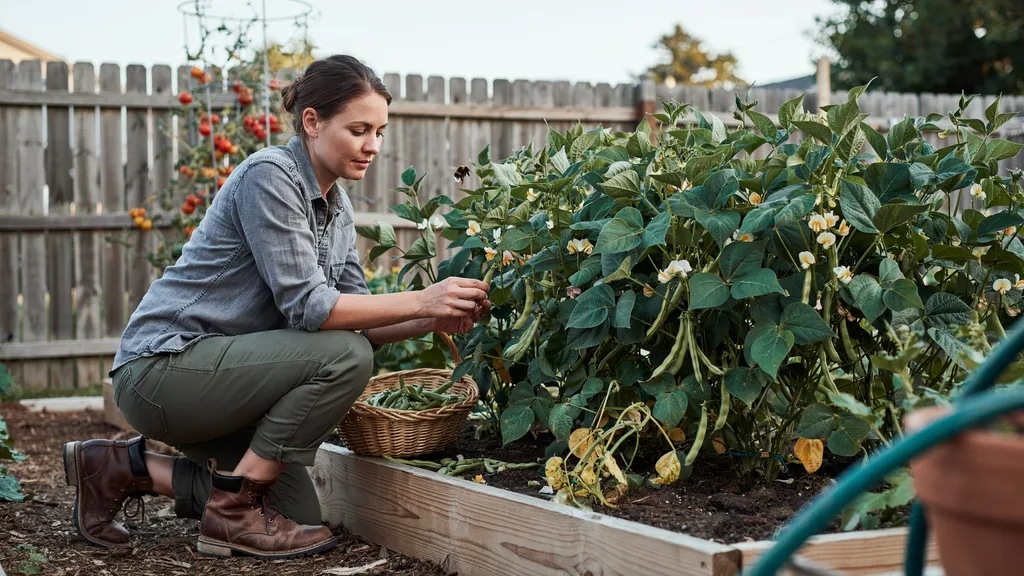
Harvest bush beans every two to three days during peak production. The more you pick, the more the plant produces.
Leaving mature pods on the plant tells it to stop flowering and focus on seed production instead.
Regular picking keeps the plant in active production mode and encourages new flowers to form throughout the season.
Extending the Harvest Season
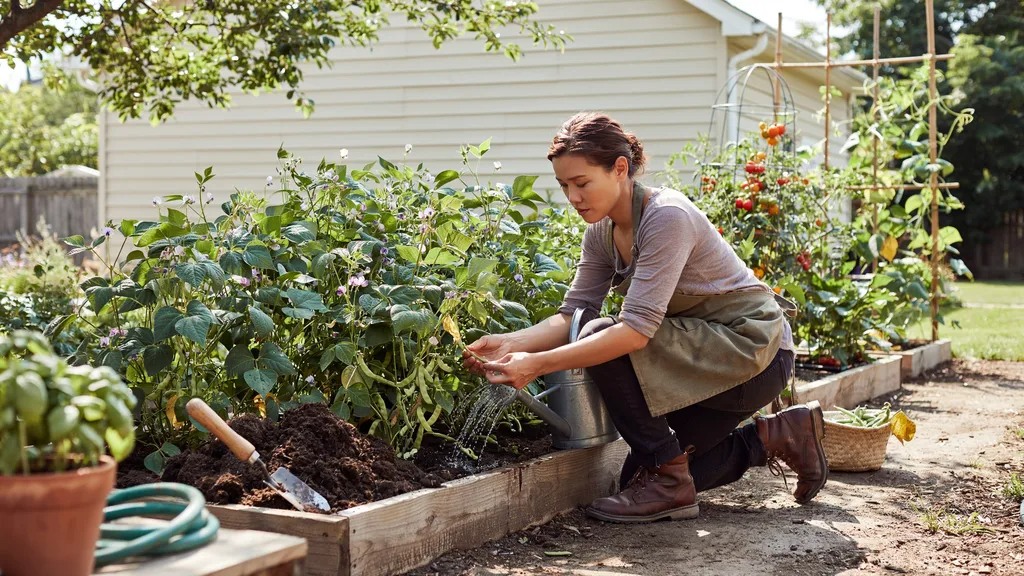
After the first big flush of pods slows down, give your plants a light feed with compost or a balanced fertilizer. Keep watering consistently.
Some plants will produce a second smaller flush of pods if they're well maintained after the first harvest peak.
Removing old, spent pods and any damaged foliage also helps redirect the plant's energy toward new growth.
Common Mistakes to Avoid
A few small errors can cost you a big chunk of your harvest. Here's what to watch out for.
- Overcrowding plants: Planting seeds too close together leads to poor airflow, increased disease risk, and smaller yields. Stick to the recommended spacing from the start.
- Inconsistent watering:Letting the soil dry out and then overwatering stresses the plant and affects pod quality. Aim for steady, even moisture throughout the season.
- Forgetting succession planting:Planting all your seeds at once gives you one short harvest window. Stagger your sowings every two to three weeks for a longer supply.
- Delaying harvests: Leaving pods on the plant too long signals the plant to stop producing. Pick regularly and pick often to keep yields coming in.
- Ignoring damaged foliage:Diseased or yellowing leaves spread problems to healthy parts of the plant. Remove them as soon as you spot them to keep the plant clean and productive.
Conclusion
Growing bush beans was one of the best gardening decisions I made. Fast, reliable, and low maintenance.
I still remember checking my plants one morning and finding way more pods than I expected. That feeling is hard to beat.
Start small. Plant in batches. Pick often.
Have you tried growing bush beans before? Drop a comment and tell me how it went. And if this helped, share it with a fellow gardener just getting started.
Frequently Asked Questions
How long do bush beans take to grow?
Bush beans are ready to harvest in about 50 to 60 days from the time you plant the seeds.
Do bush beans need a trellis or support?
No, bush beans are self-supporting and grow as compact, low plants without needing stakes or trellises.
How often should I water bush beans?
Water bush beans about once a week, giving them roughly one inch of water, and keep the soil consistently moist but not soggy.
Can I grow bush beans in containers?
Yes, bush beans grow well in large containers as long as the pot is at least 12 inches deep and has good drainage holes.
When is the best time to plant bush beans?
Plant bush beans after the last frost, when soil temperature has reached at least 60 degrees Fahrenheit for reliable germination.