
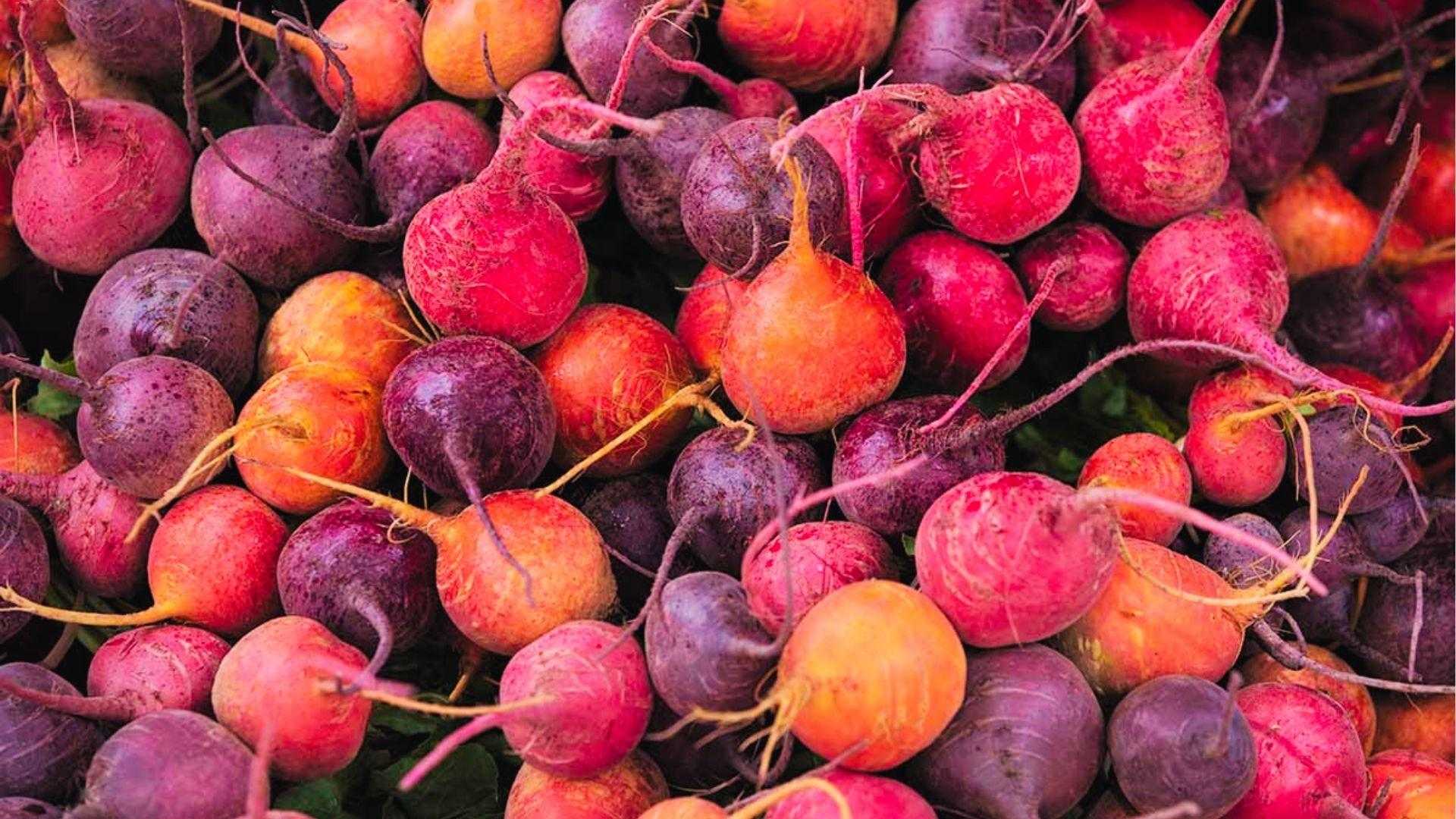
Are there different types of beets? Yes, and the variety might surprise you.
I started growing beets in my backyard a few years ago, and I had no idea how many options existed beyond the basic red ones.
This guide covers 27 types of beets you can grow at home or on a farm, from root beets to leafy varieties, and from deep red to golden and even striped.
I know picking the right beet type can feel confusing. That's why I broke this down by color, size, and growing purpose.
You'll learn how to choose beets that match your soil, climate, and taste preference.
After years of trial and error in my own garden, I can tell you that the right variety makes all the difference in yield and flavor.
How Many Types of Beets Are There and What Makes Them Different?
Beets come in several forms, each suited to different growing goals.
Root beets are grown for their bulb and work best for cooking or storage, while leafy types like mangold are grown for their greens.
Hybrid varieties offer faster growth and stronger disease resistance, and heirloom beets bring older flavors and history to the garden.
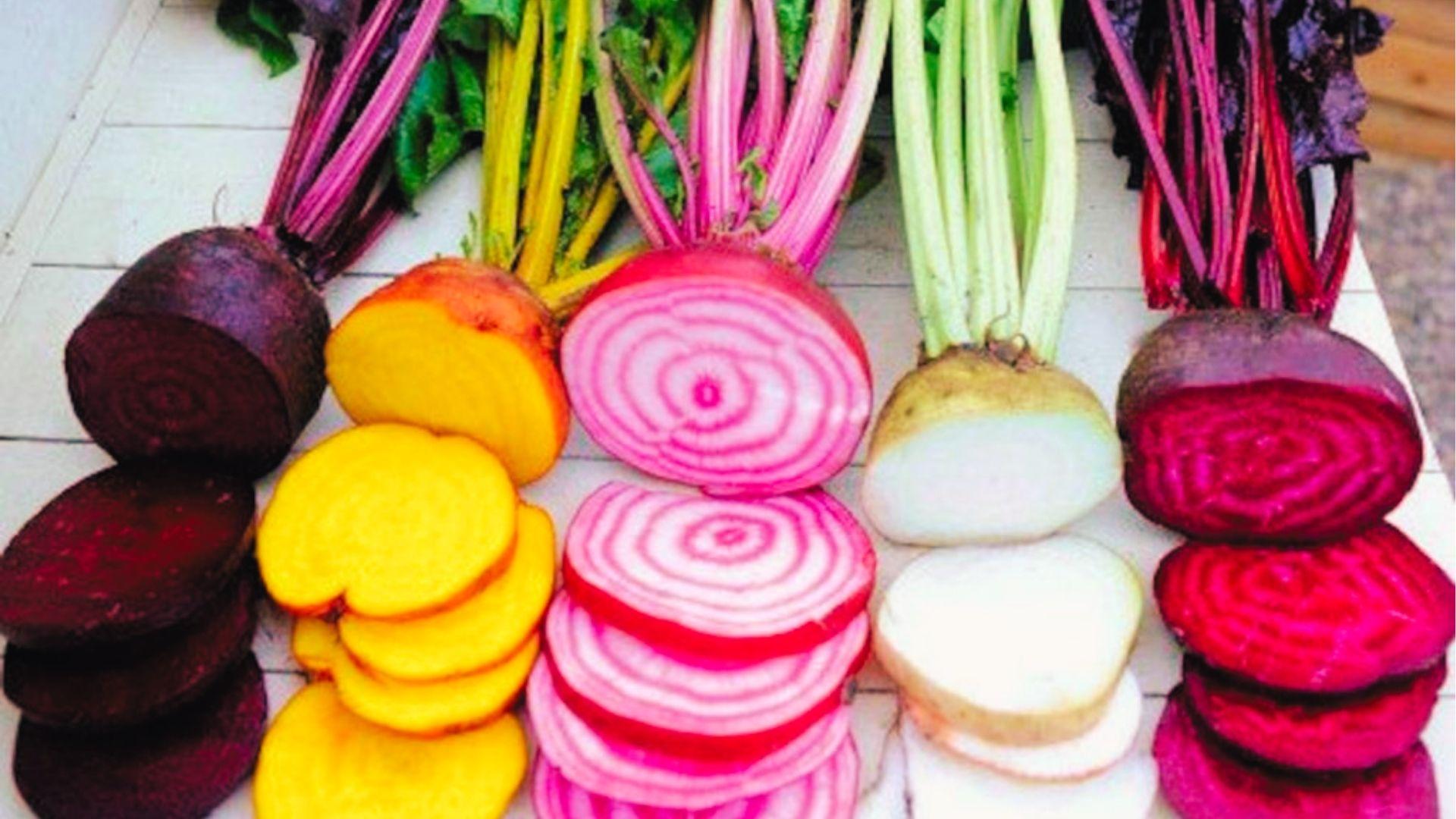
Color also tells you a lot, red beets taste earthy, golden and white beets lean sweeter, and striped types like Chioggia show pink and white rings inside.
Harvest timing matters too. Baby beets are smaller and milder, while full-grown beets develop more sugar and store longer.
Picking the right variety for your climate and goals leads to better flavor, stronger plants, and an easier harvest overall.
27 Types of Beets You Can Grow in Your Garden or Farm
Here is a full rundown of beet varieties, from classic reds to golden, white, and striped options.
1. Early Wonder
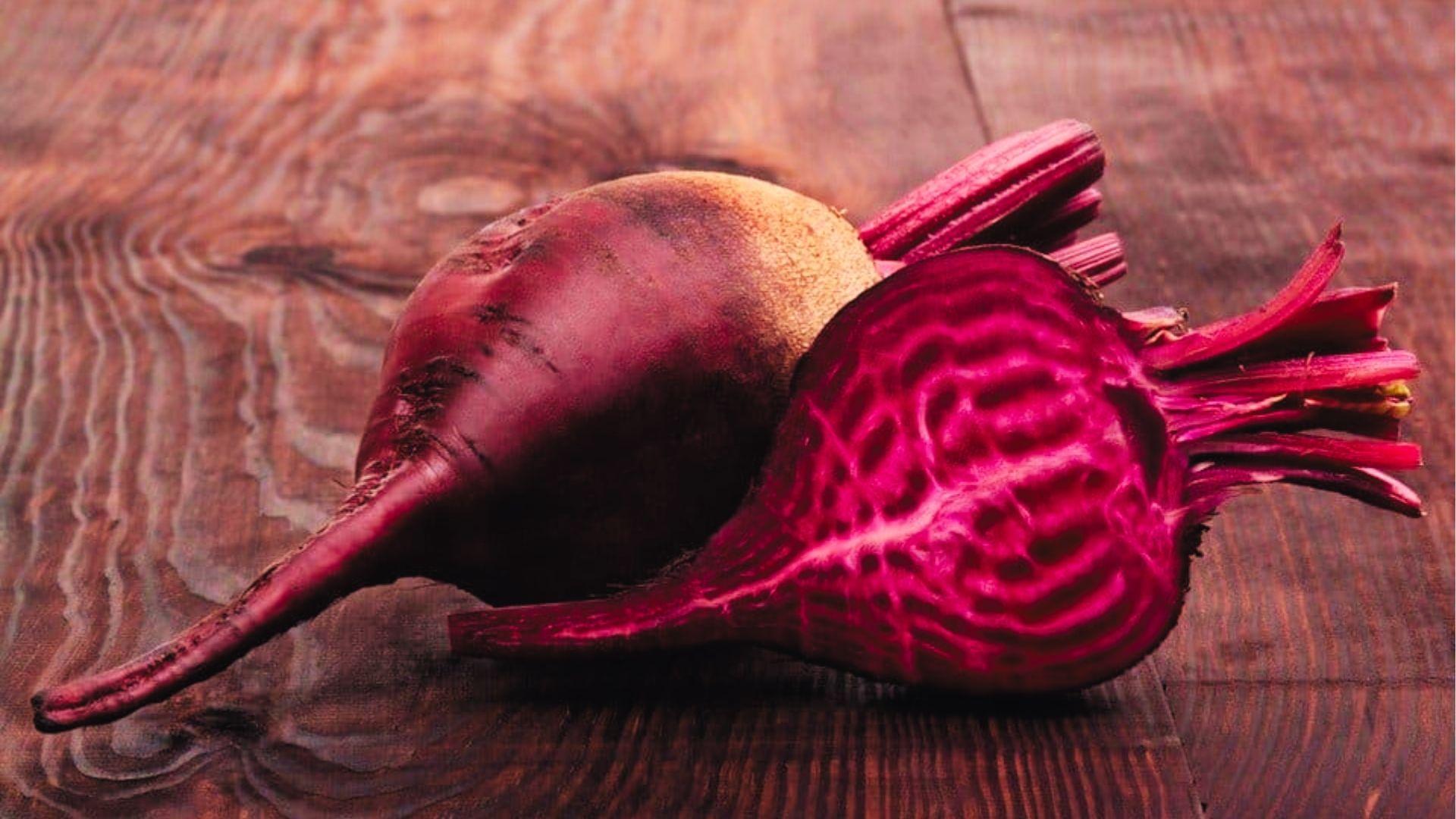
Early Wonder is a fast-growing beet ready in about 50 days. It has smooth, deep red roots and tender greens.
This variety suits gardeners who want a quick harvest early in the season. It works well for short growing windows.
2. Babybeet
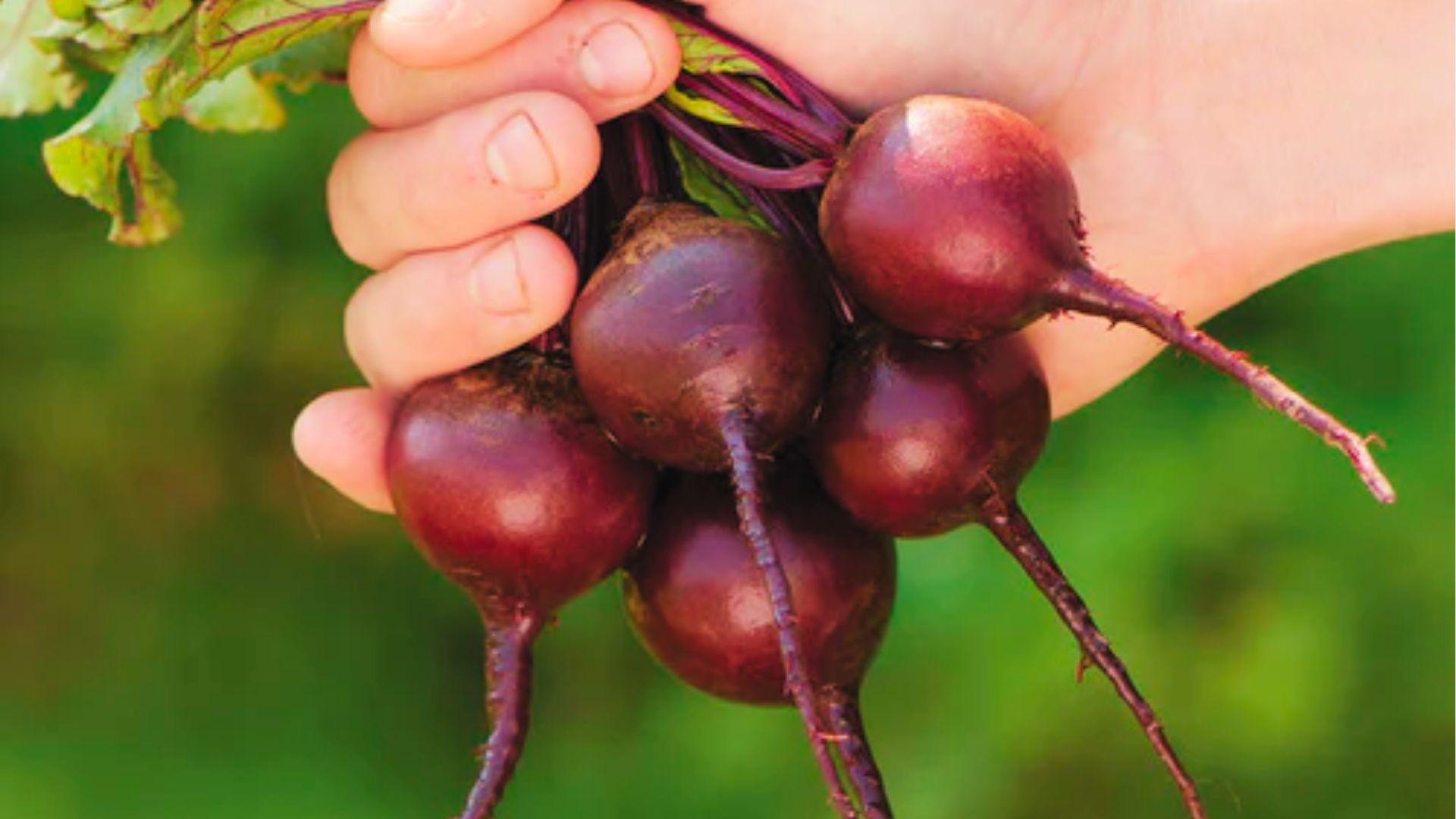
Babybeet is bred specifically to be harvested young. The roots stay small and round, with a sweet, tender texture.
It works well for container gardening or small garden beds. Gardeners with limited space often choose this type.
3. Robin
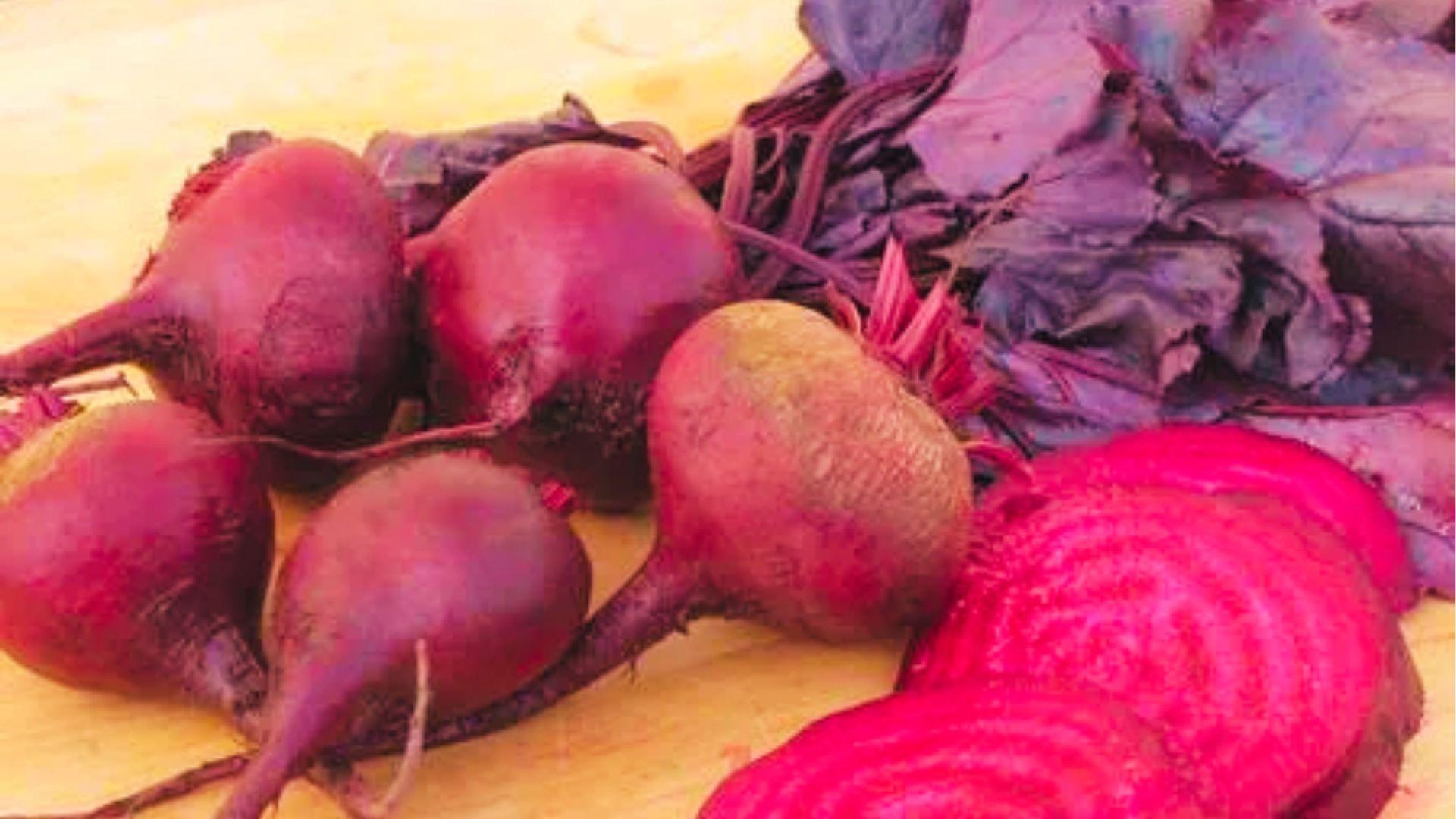
Robin produces smooth, round, deep red roots with strong disease resistance. It holds its shape well during cooking.
This variety performs reliably across different soil conditions. Many growers pick it for consistent results.
4. Subeto
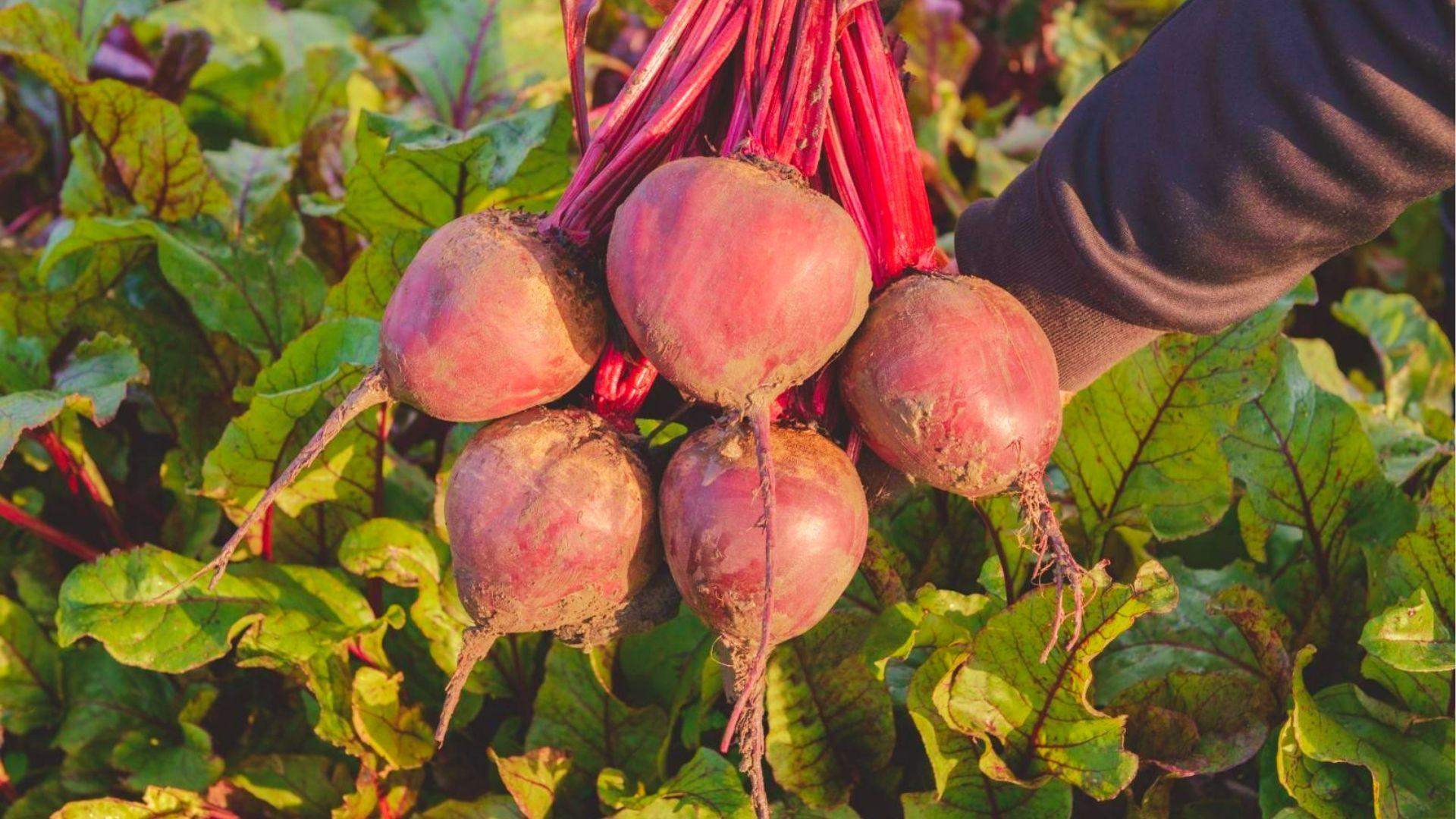
Subeto is known for its fast growth and uniform shape. The roots are round and deep red, with a mild, sweet flavor.
Farmers often choose this variety for its consistency. It suits both small plots and larger fields.
5. Detroit Dark Red
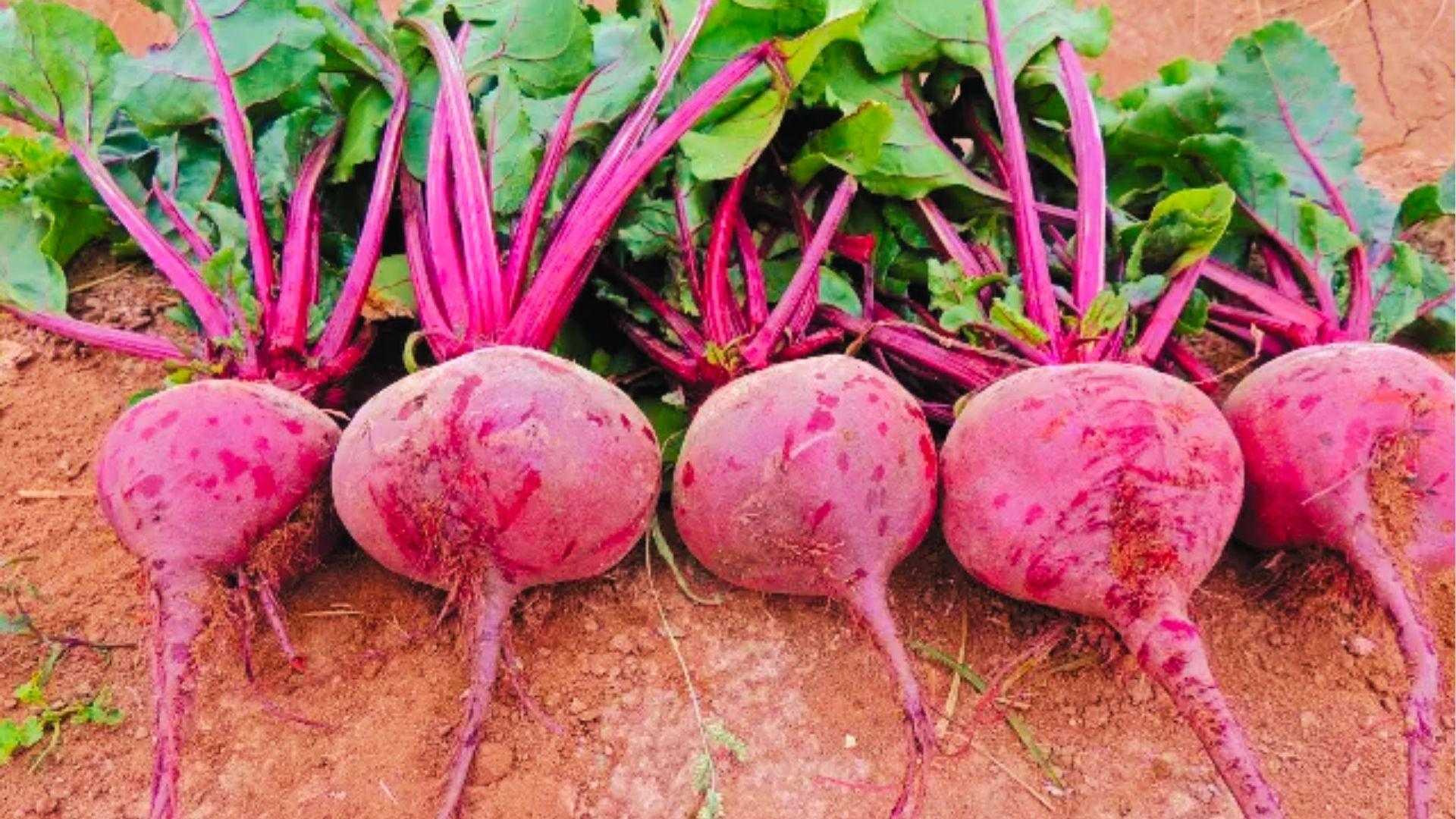
Detroit Dark Red is one of the most popular beet varieties. It has a classic round shape, dark red color, and dependable performance in most soil types.
This beet stores well after harvest. It remains a trusted choice for home gardens.
6. Boro
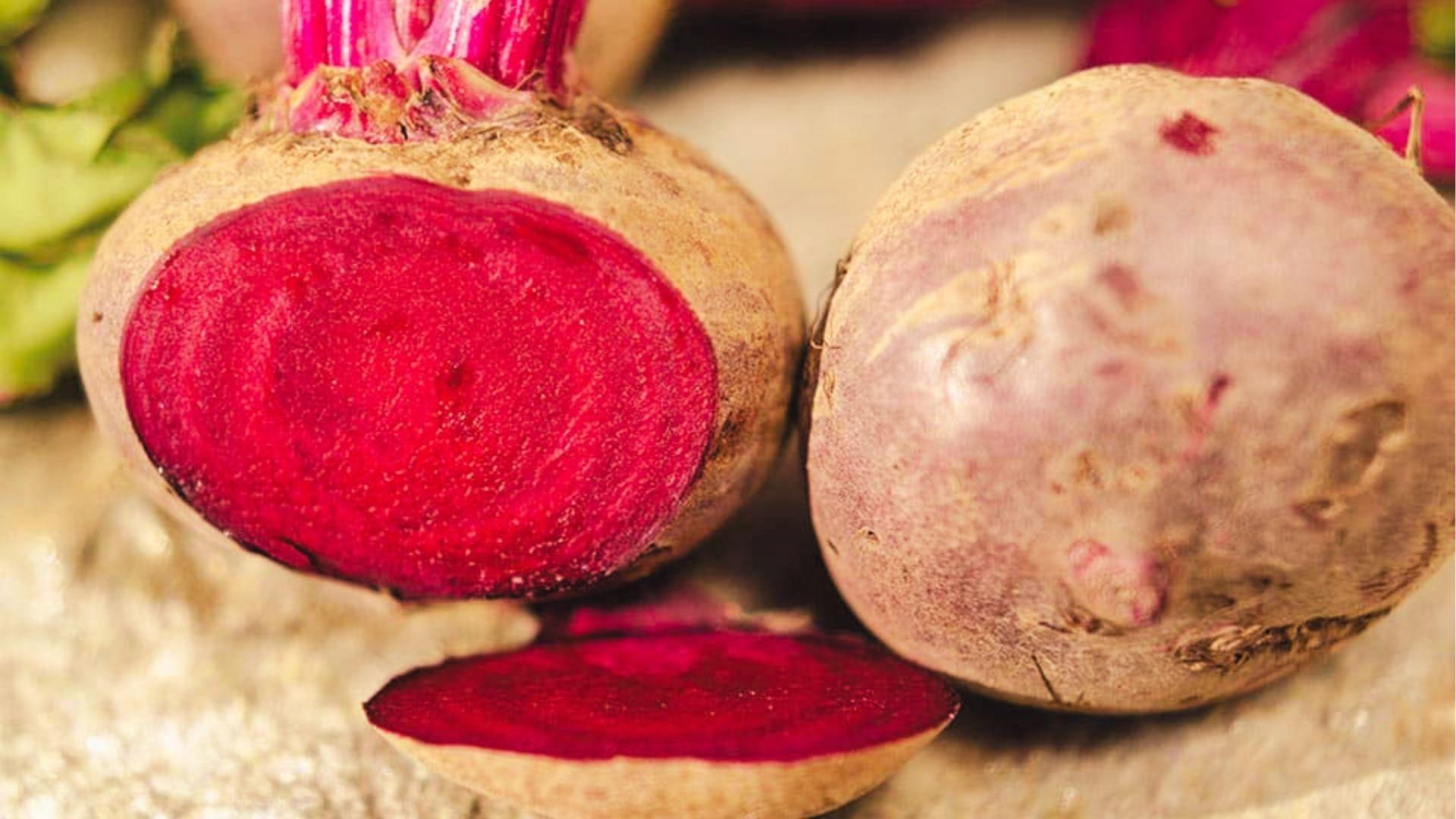
Boro is a hybrid variety bred for smooth skin and uniform roots. It grows well in a range of climates and resists common beet diseases.
This makes it a low-maintenance option. Gardeners value its steady performance.
7. Red Ace
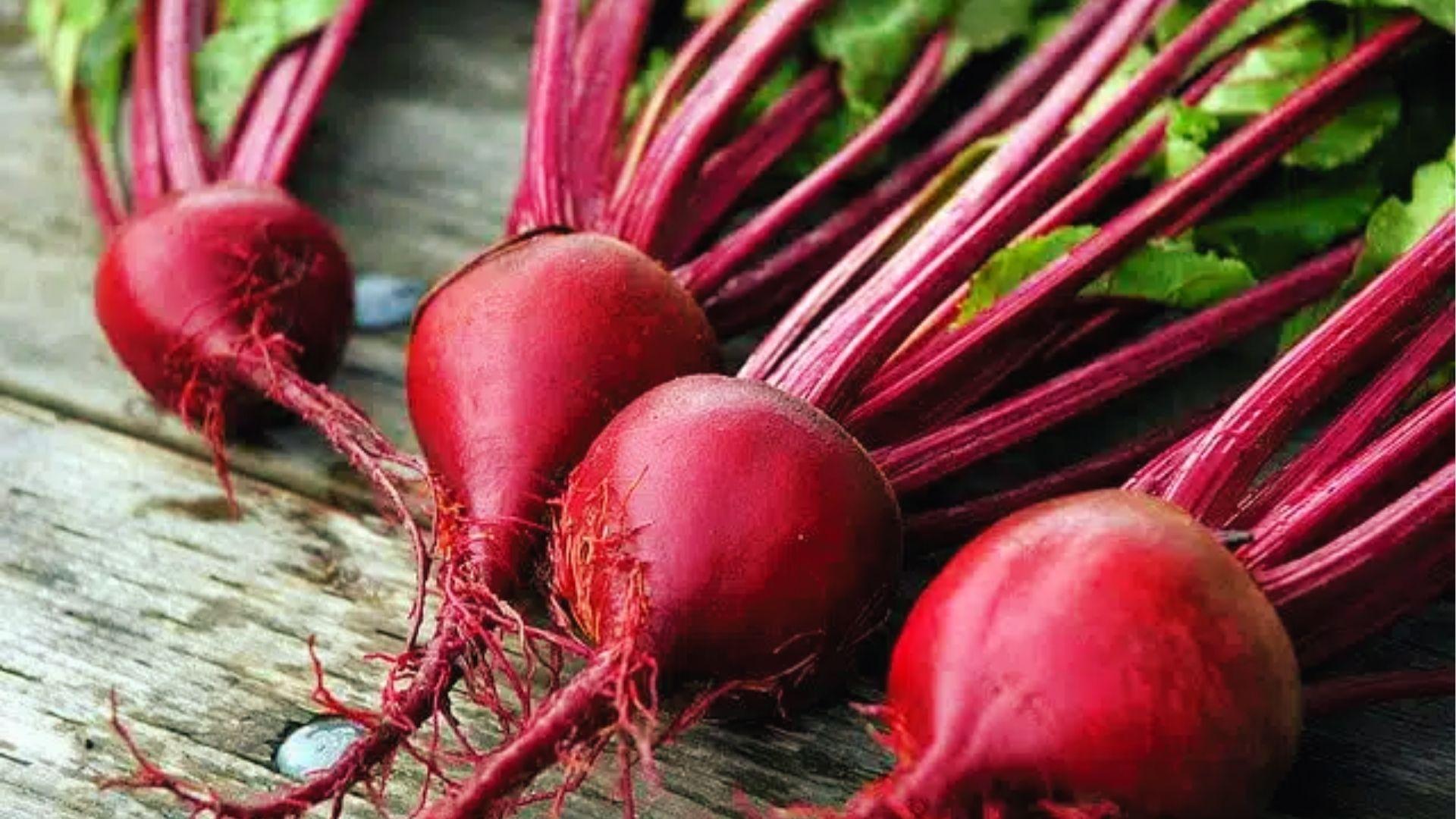
Red Ace produces large, sweet, dark red roots. It tolerates heat better than many other varieties, making it a good pick for warmer regions.
The roots grow quickly under good conditions. It suits gardeners in hotter climates.
8. Ruby Queen
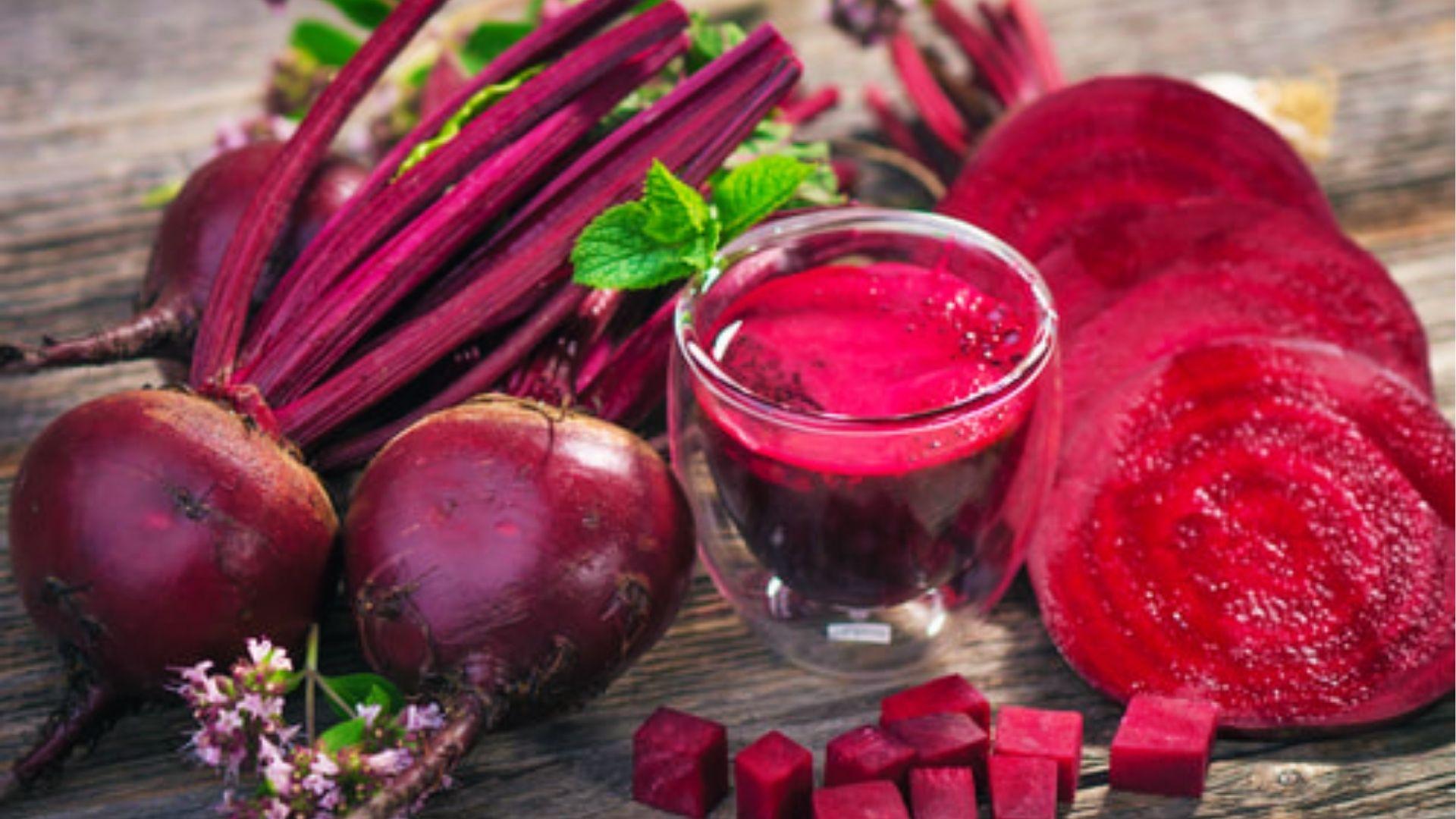
Ruby Queen has bright red flesh with very little white ring pattern inside. It grows quickly and works well for both fresh eating and canning.
The smooth texture makes it easy to prepare. Many home cooks favor this variety.
9. Moulin Rouge
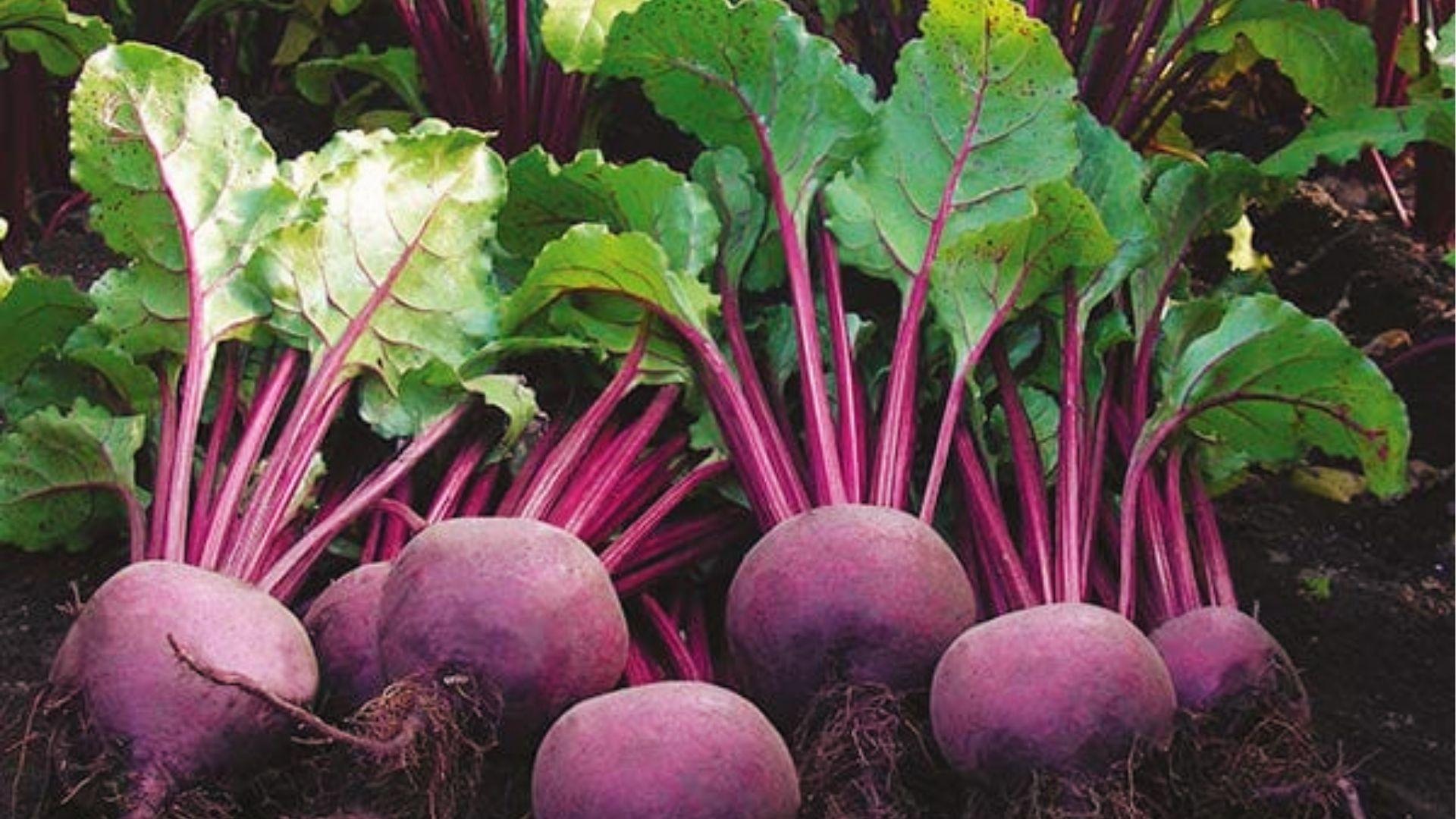
Moulin Rouge is a French heirloom variety with deep red color and rich, earthy flavor. It grows slightly slower but rewards patience with strong taste.
This beet suits gardeners who value flavor over speed. It has a loyal following among heirloom fans.
10. Warrior
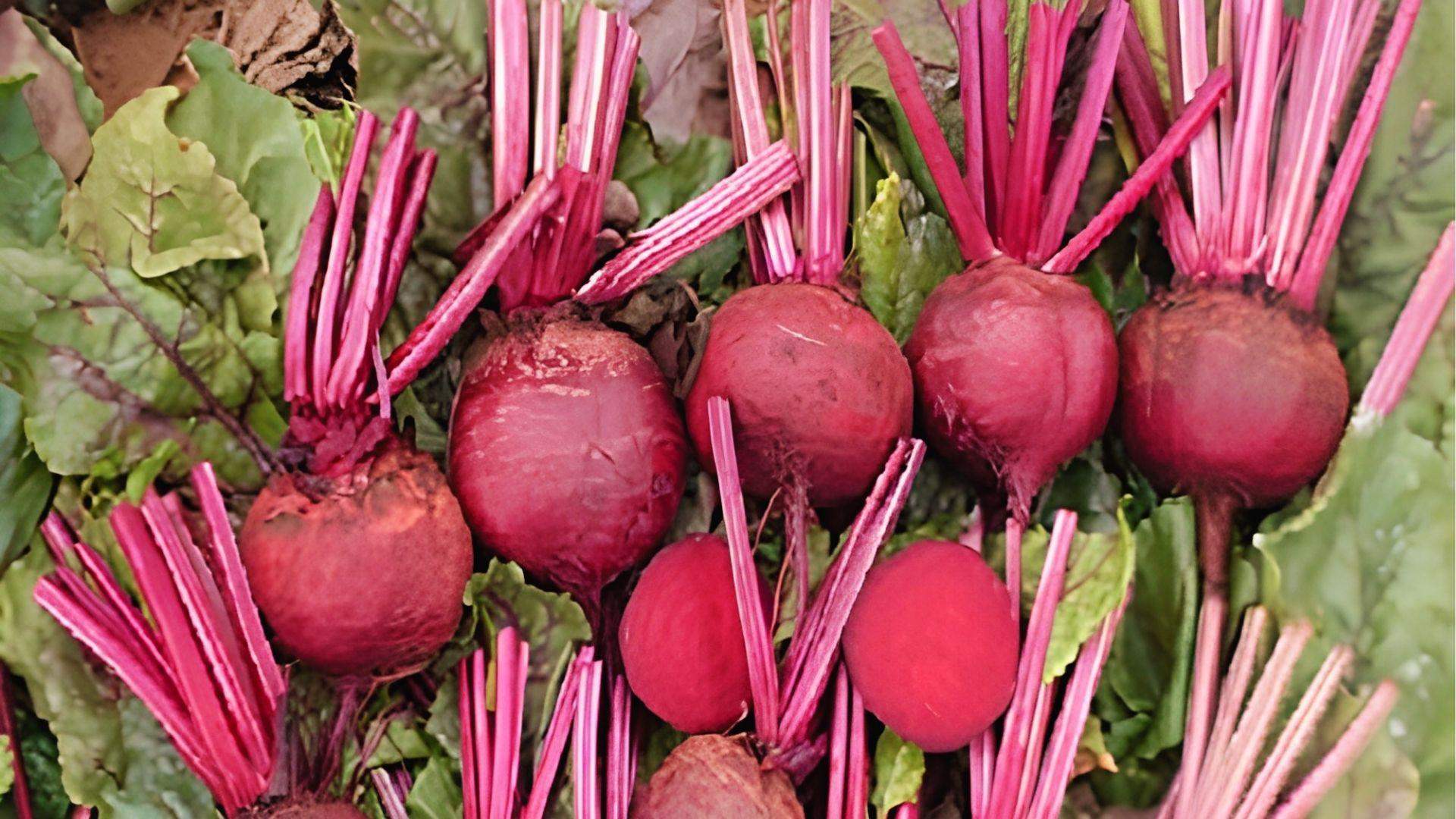
Warrior is bred for disease resistance and uniform growth. The roots are smooth and deep red, suited for both home gardens and small farms.
It handles common beet problems well. This makes it a dependable pick for beginners.
11. Moneta
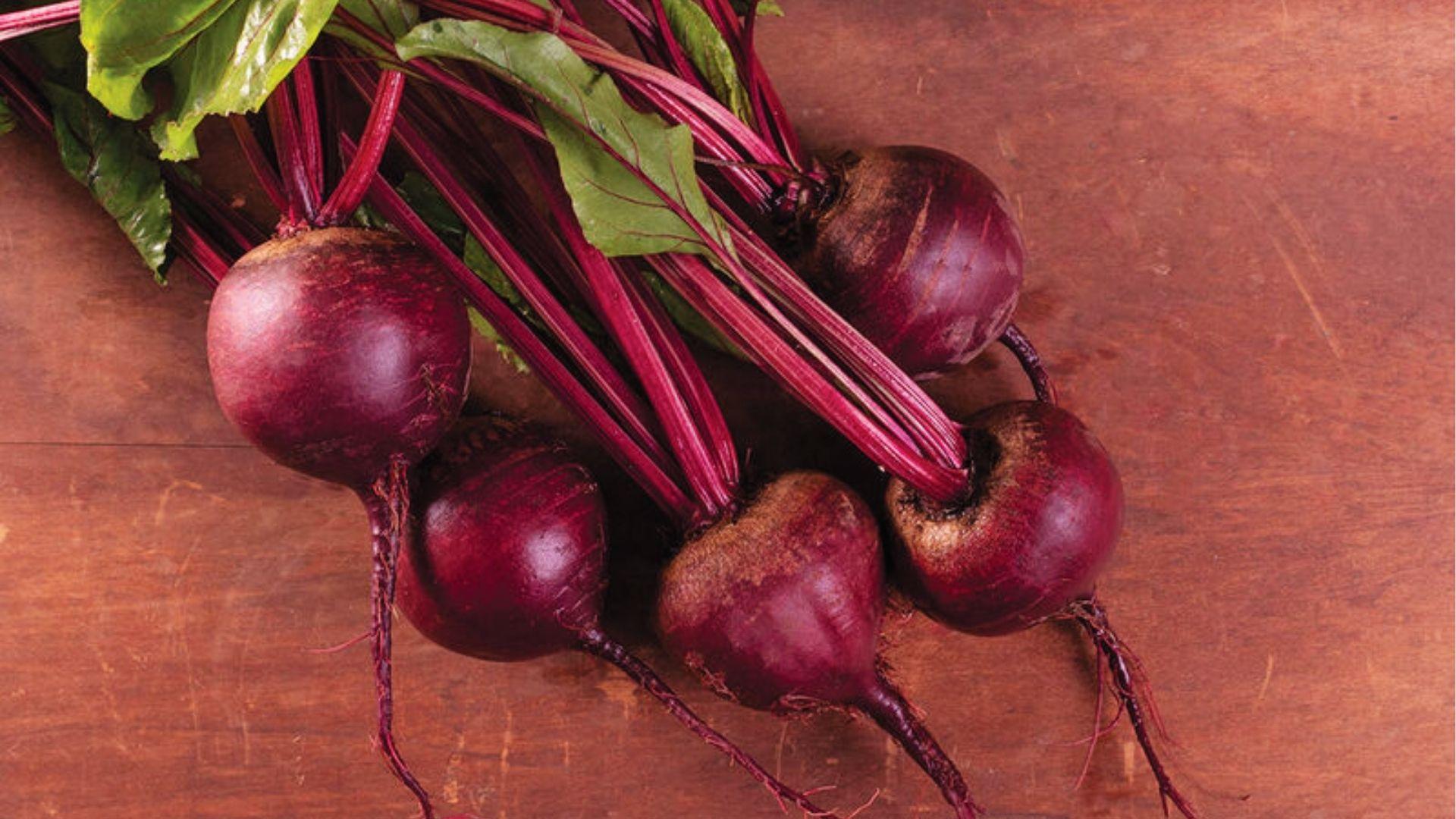
Moneta is a compact variety that grows well in tighter spaces. It produces round, red roots with a mild, sweet flavor.
This makes it suitable for small garden beds. It also grows well in containers.
12. Zeppo
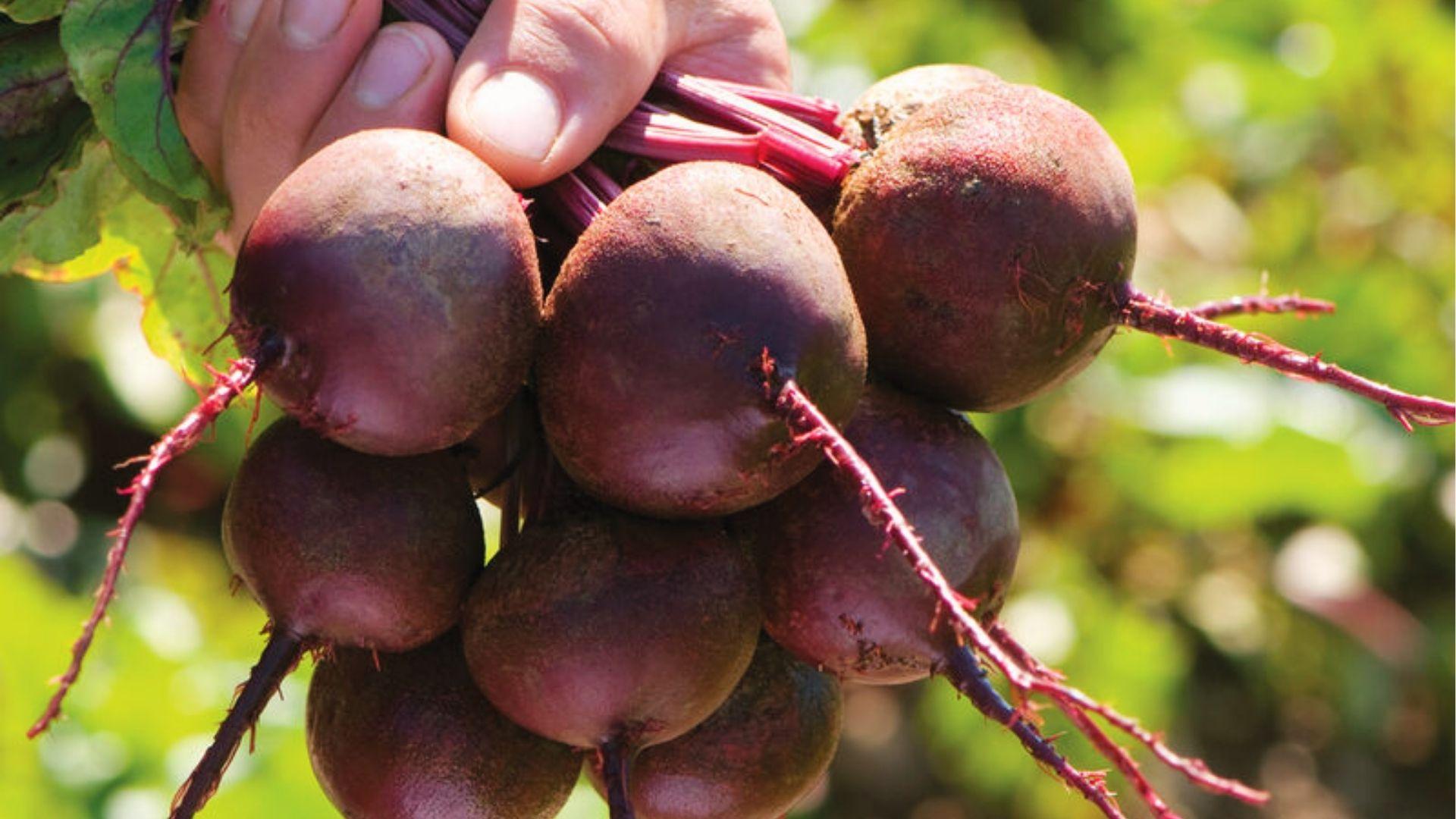
Zeppo is known for its smooth texture and resistance to bolting in warm weather. The roots are deep red and hold their shape well when cooked.
This makes it useful for warmer growing seasons. Gardeners in hot climates often rely on it.
13. Touchstone Gold
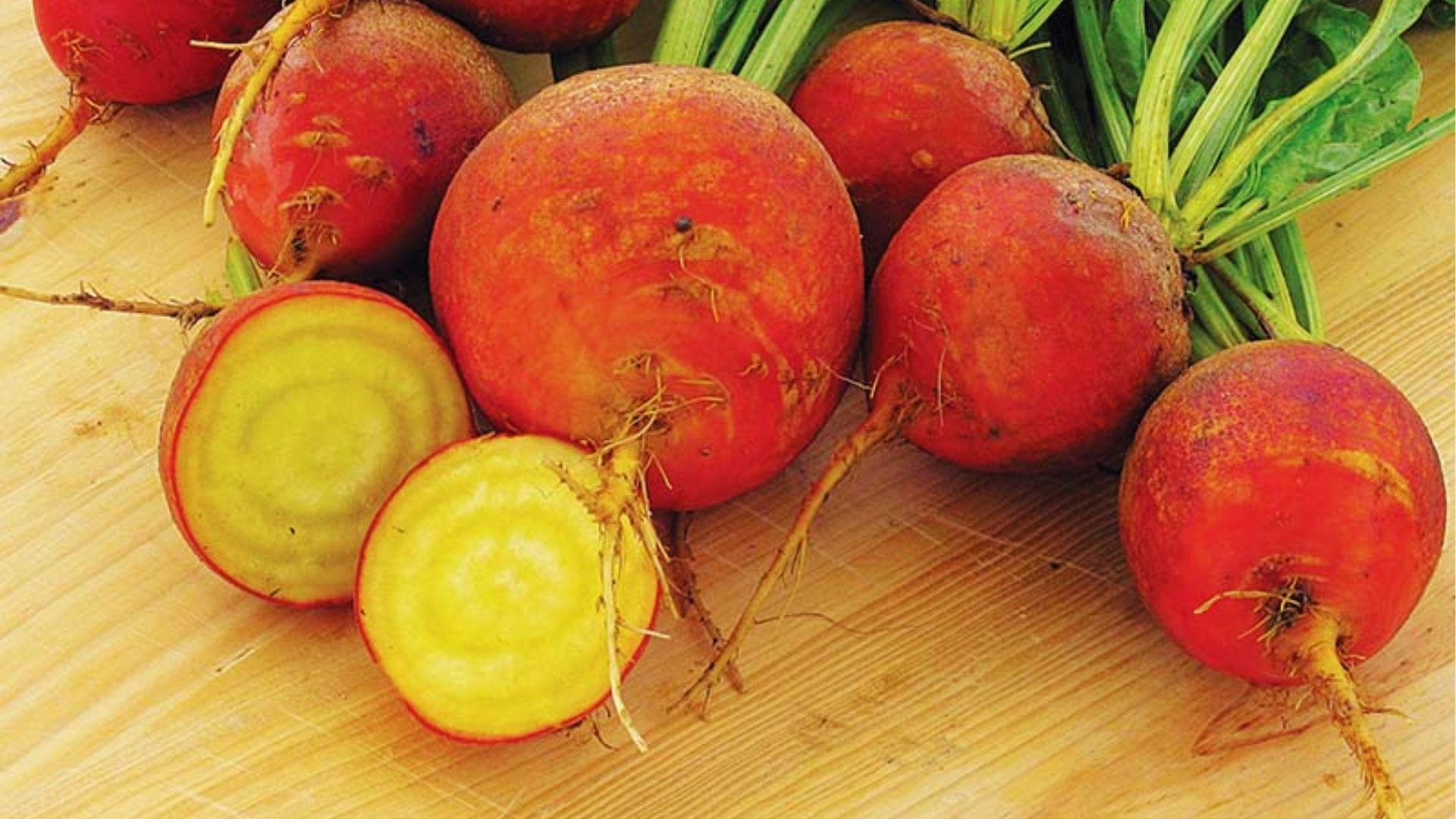
Touchstone Gold is a golden beet with bright yellow flesh and a sweet, mild taste. It does not stain hands or cutting boards like red beets do.
This makes it easy to prepare in the kitchen. Many cooks prefer it for this reason.
14. Golden Detroit
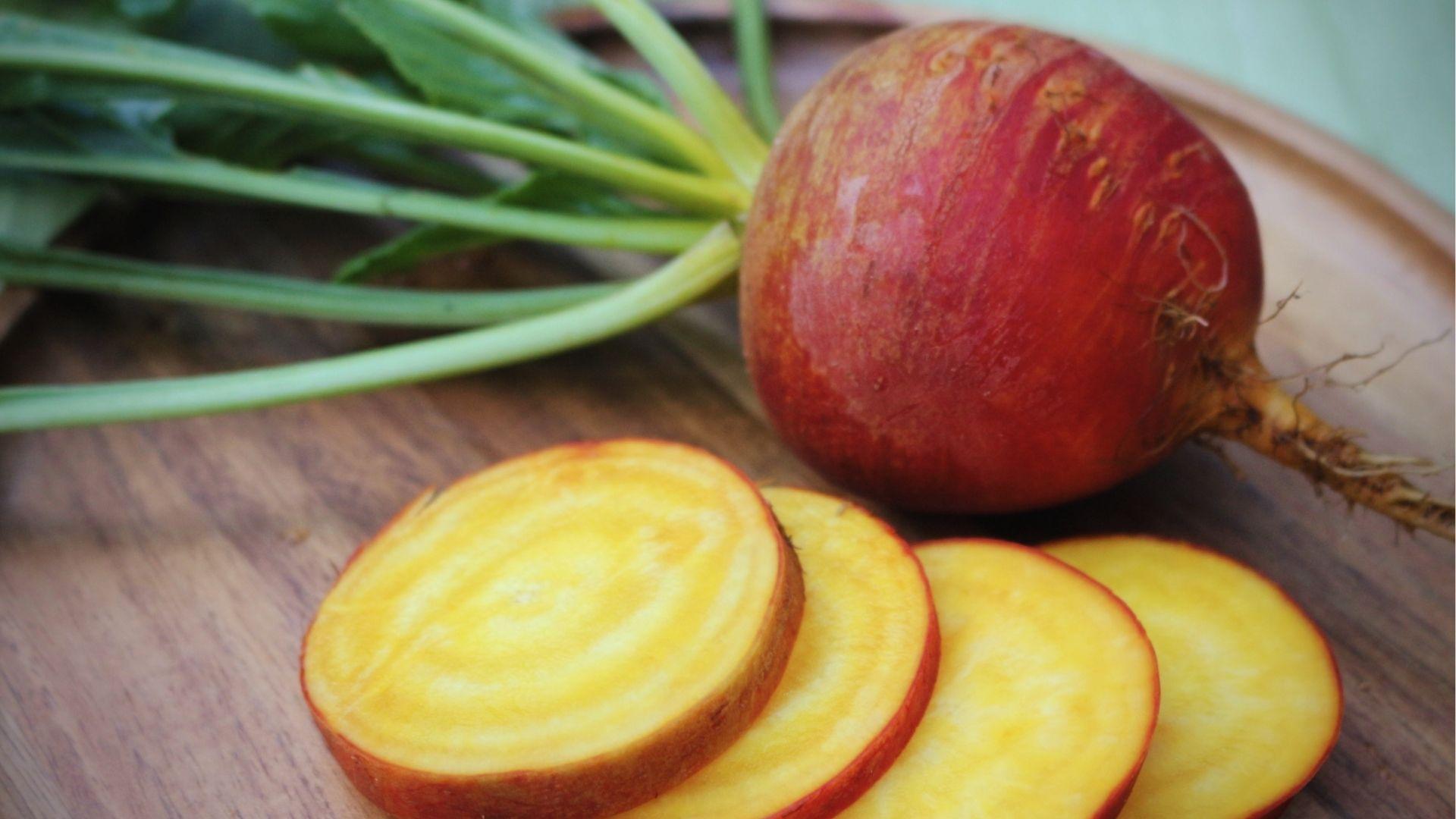
Golden Detroit is a classic yellow-orange beet with a smooth texture and sweet flavor. It pairs well with roasting and works nicely in salads.
This variety is a steady performer in most gardens. It remains popular among golden beet fans.
15. Burpee's Golden
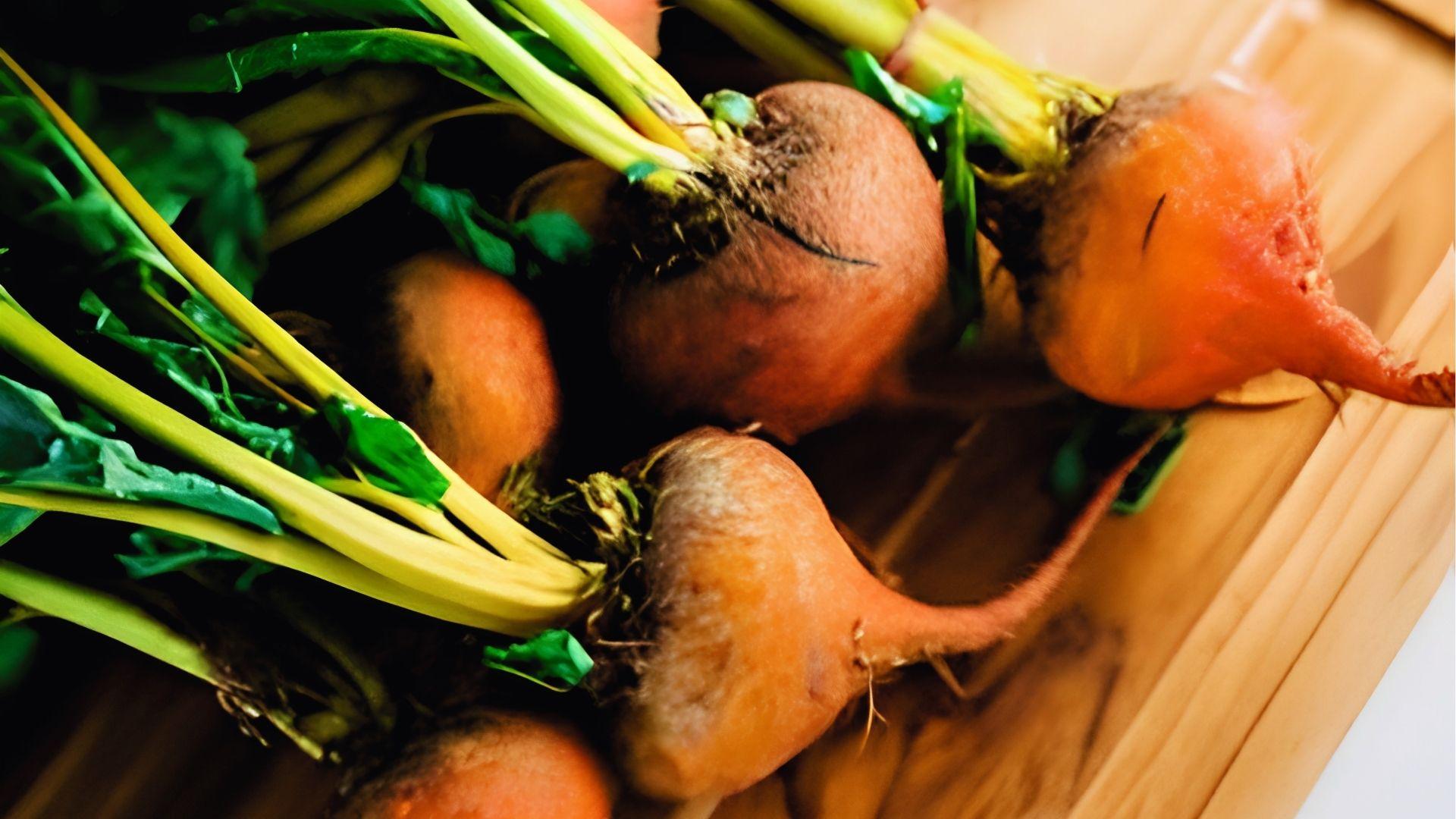
Burpee's Golden has bright orange skin and yellow flesh. It is milder than red beets and keeps its color well after cooking.
This makes it a good option for colorful dishes. Gardeners enjoy its consistent results.
16. Golden Boy
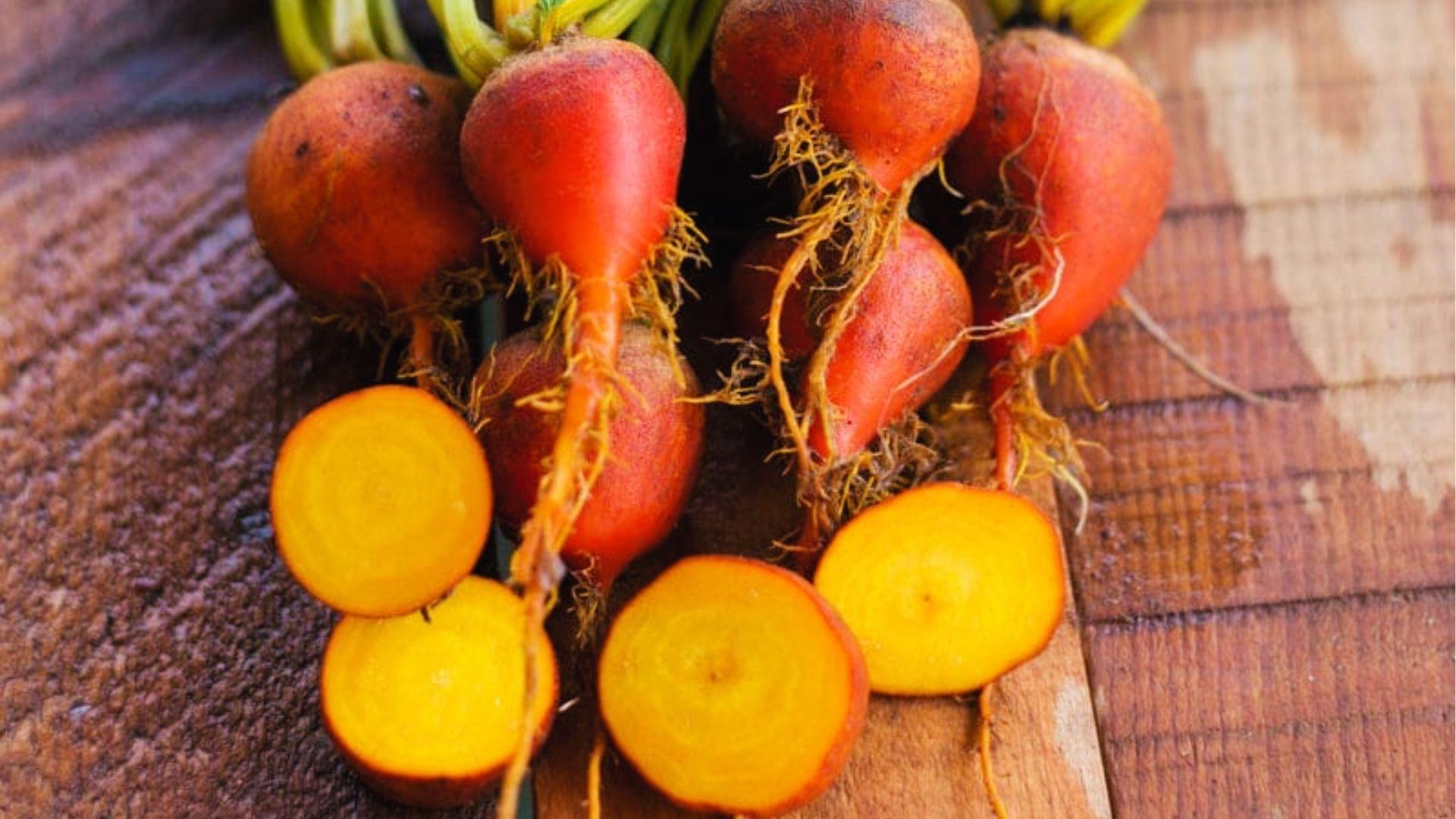
Golden Boy is a smooth, round golden beet with a sweet taste. It is a reliable choice for gardeners who want consistent results.
The roots grow evenly and store well. This variety suits both beginners and experienced growers.
17. Boldor
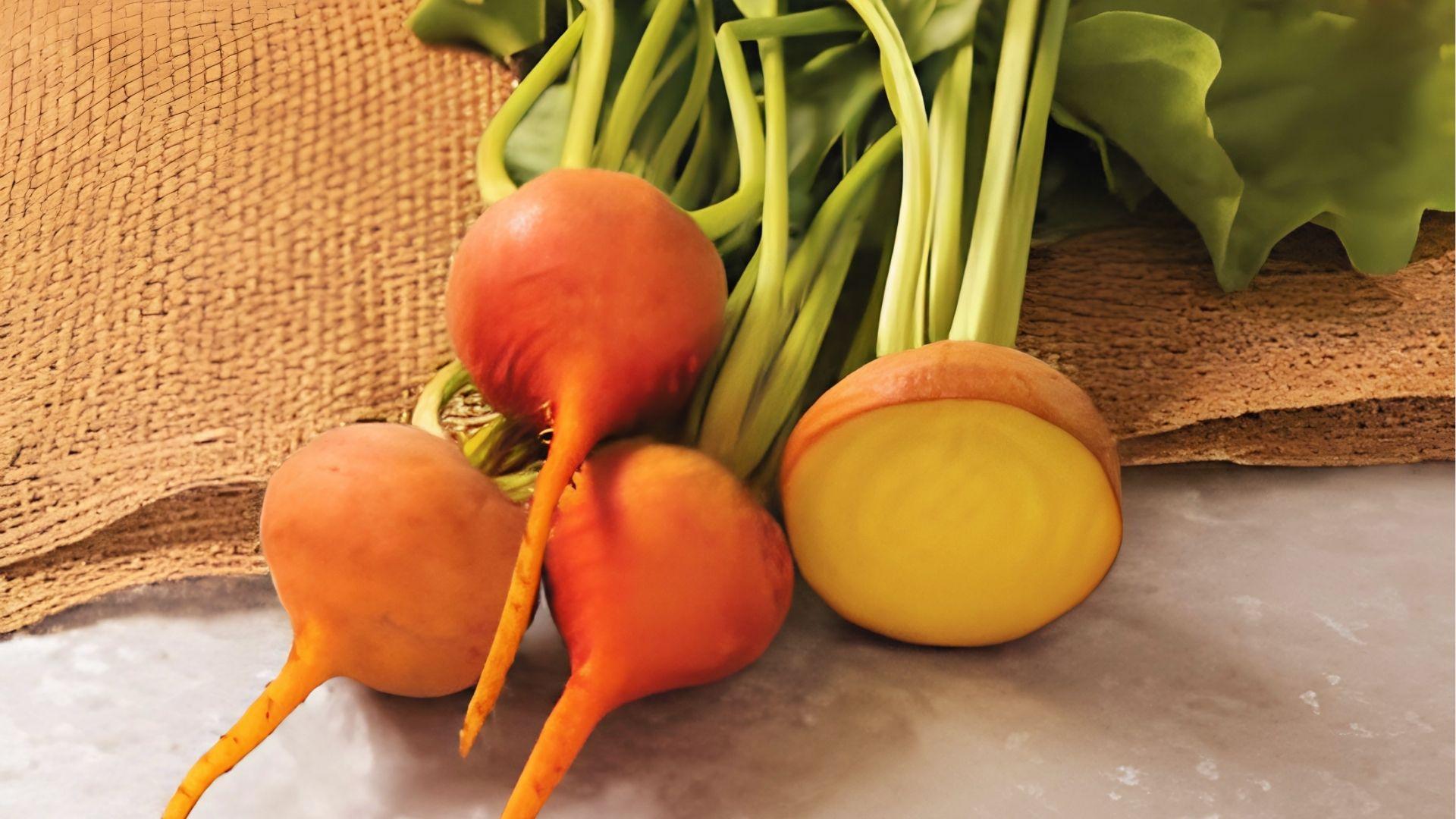
Boldor is a French golden variety with deep yellow color and a smooth, sweet flavor. It performs well in cooler climates.
This makes it a good fit for northern gardens. Many growers value its steady yield.
18. Chioggia
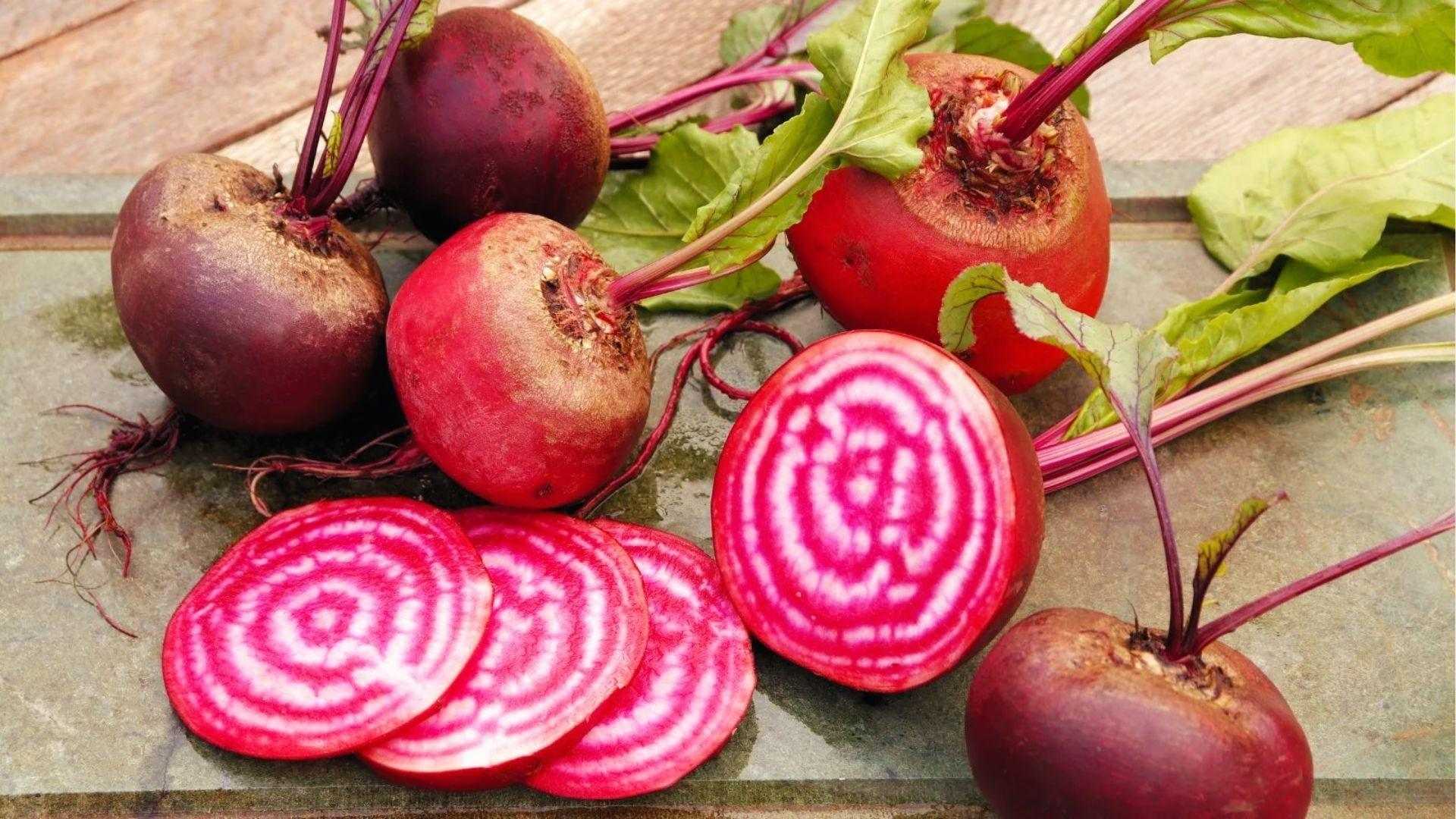
Chioggia is famous for its pink and white striped rings inside. It has a milder, sweeter taste than red beets and looks striking when sliced raw in salads.
This variety adds visual interest to dishes. It is a favorite among home cooks.
19. Avalanche
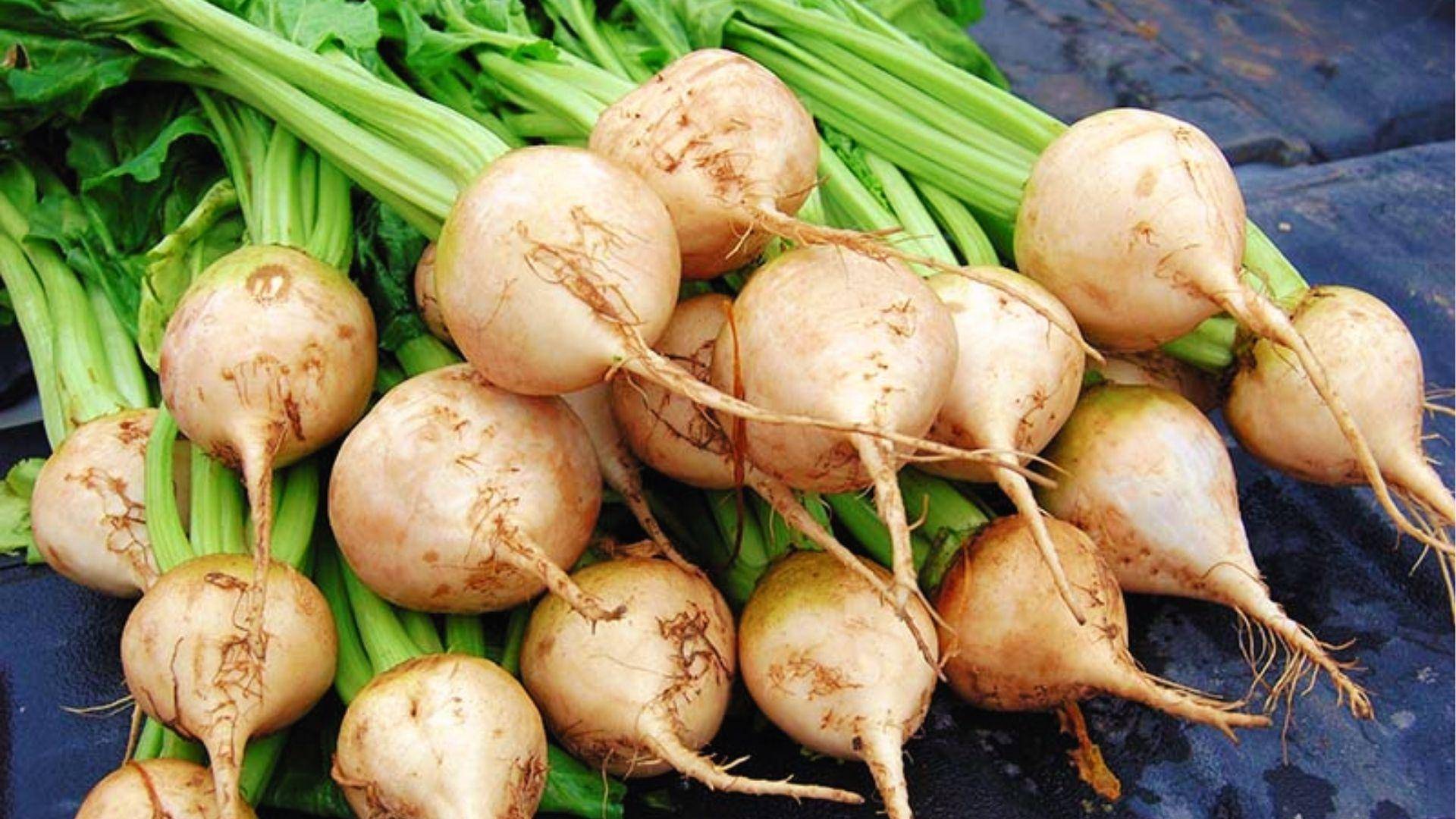
Avalanche is a white beet variety with smooth skin and a sugary, mild flavor. It does not bleed color, making it easy to cook with other vegetables.
This makes meal prep simpler. Many gardeners grow it alongside red varieties.
20. White Detroit
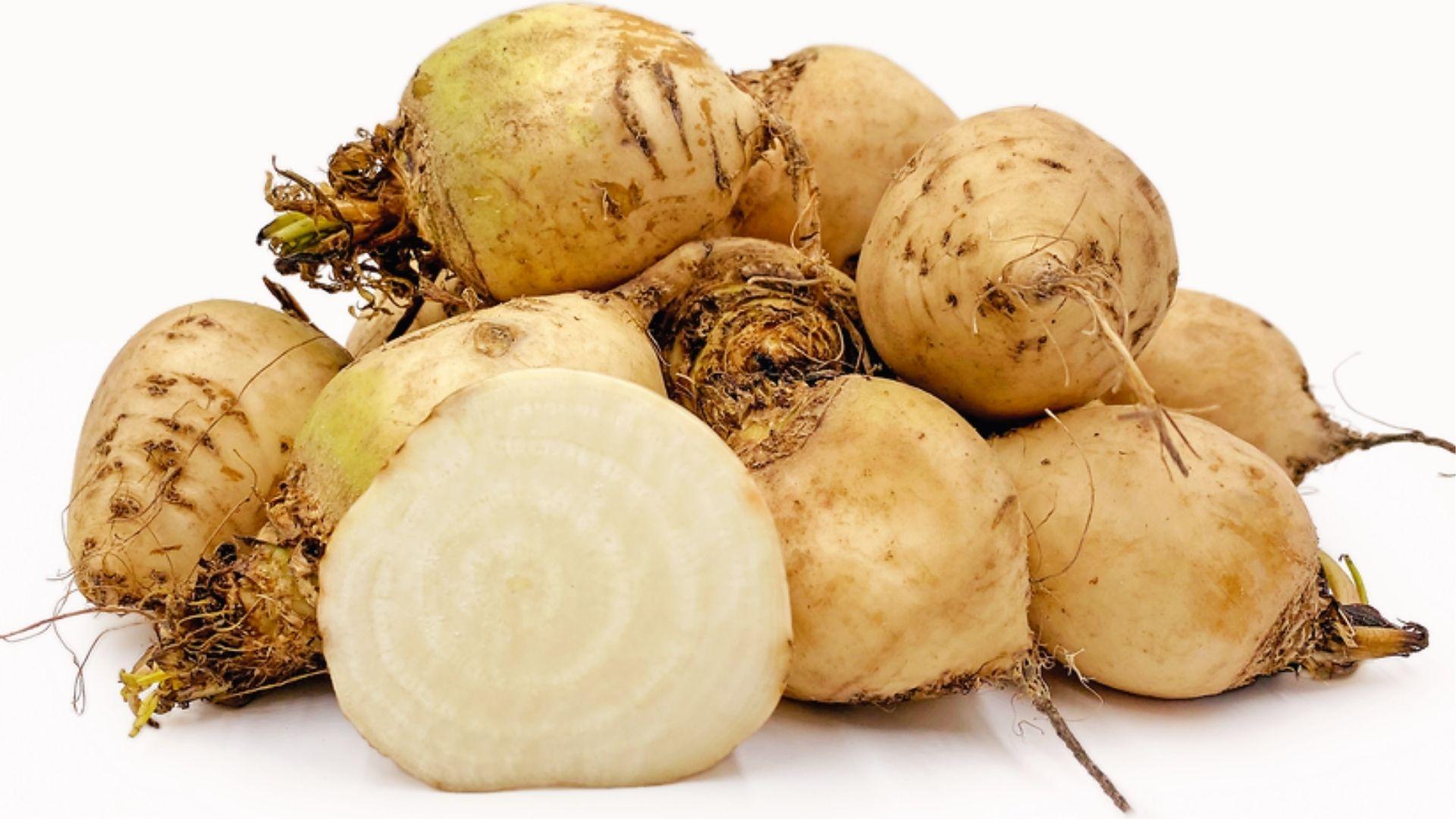
White Detroit is a classic white-fleshed beet with a sweet taste similar to sugar beets. It works well roasted or boiled.
This variety suits gardeners who want a milder flavor. It pairs nicely with other root vegetables.
21. Cylindra
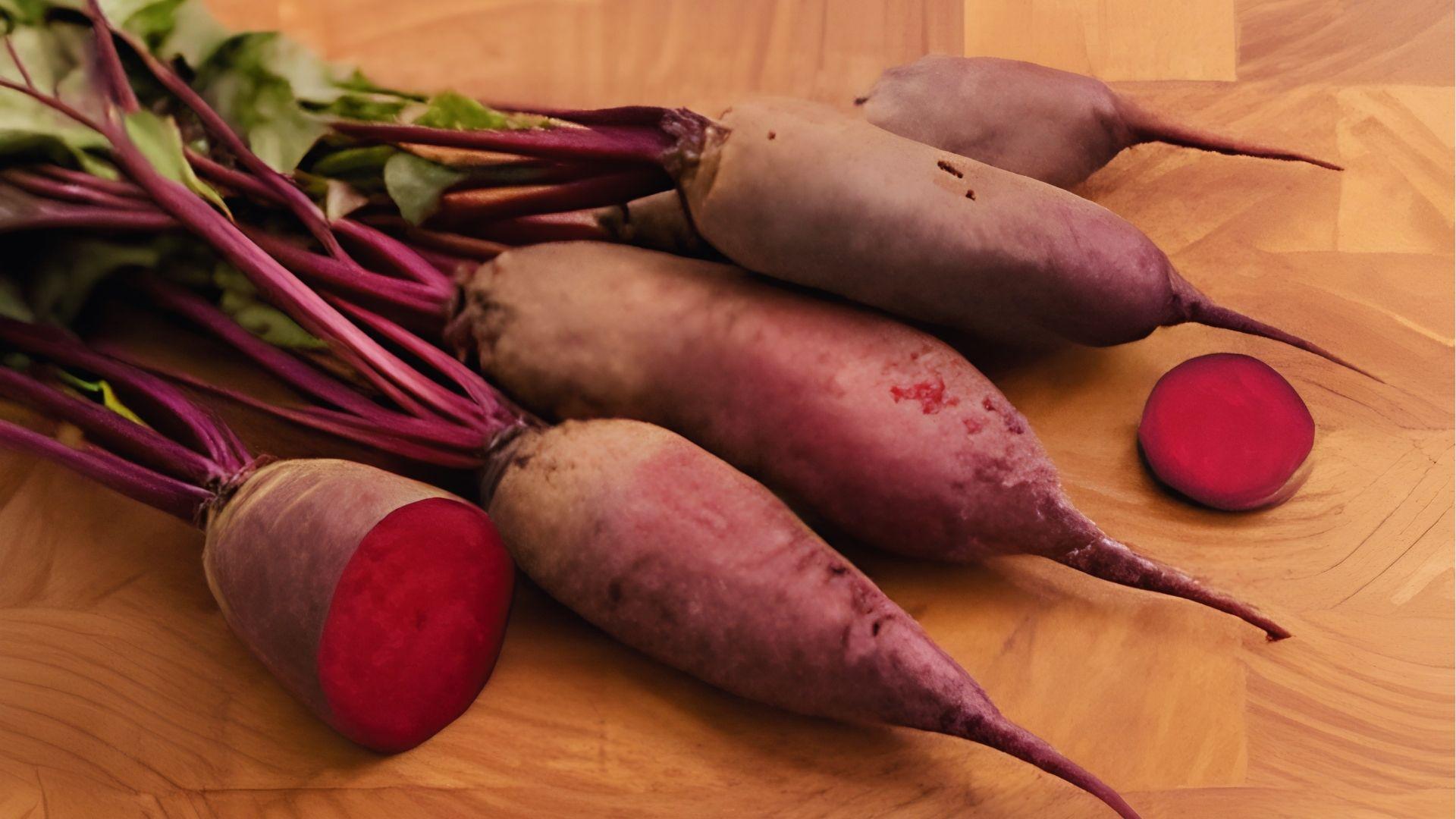
Cylindra grows in a long, narrow shape instead of round. This makes it easy to slice evenly, and it produces multiple servings from a single root.
It suits gardeners who want consistent slices. This variety works well for canning too.
22. Formanova
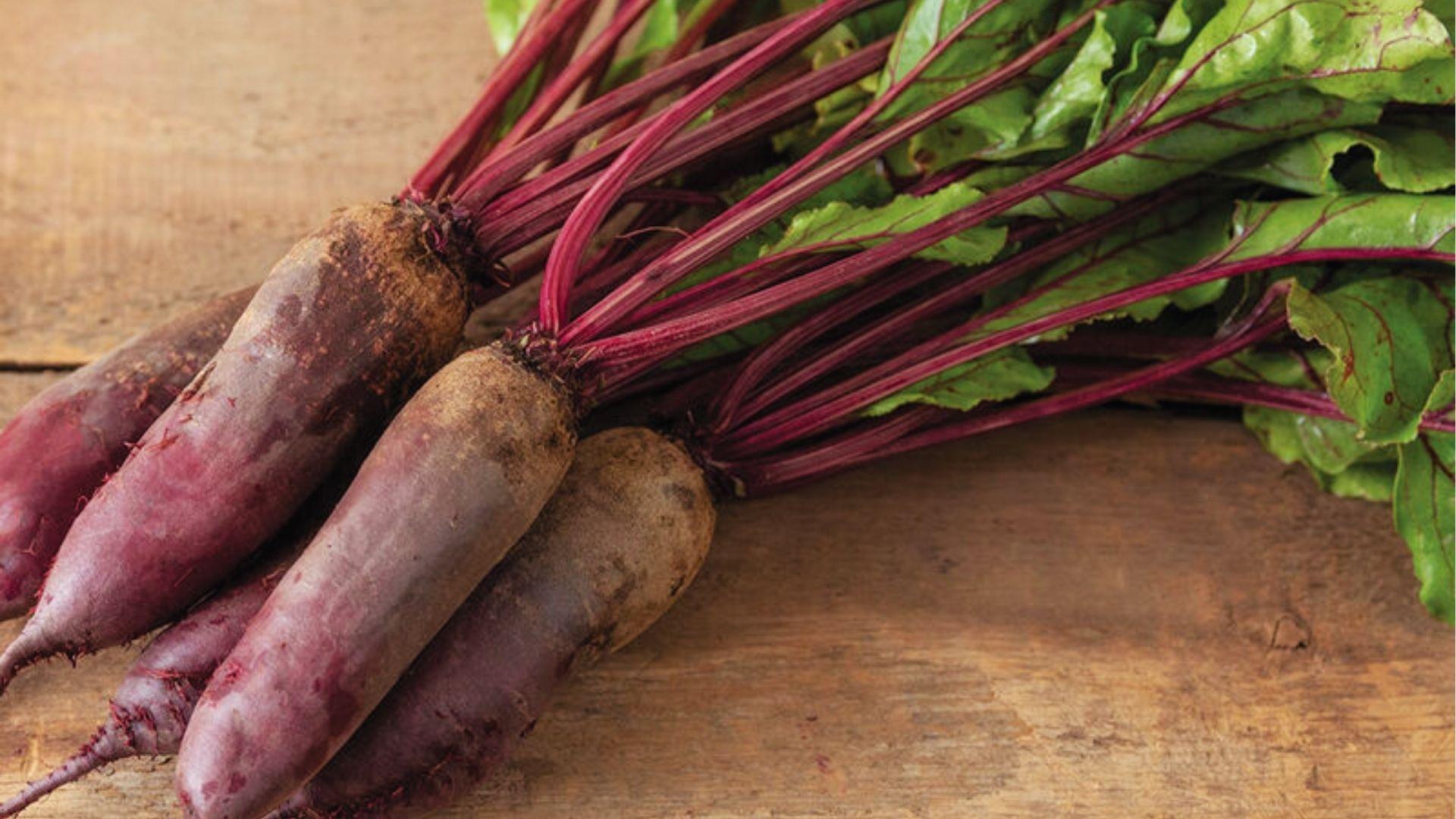
Formanova is another cylindrical variety, similar to Cylindra. It has a deep red color and a sweet, earthy flavor, ideal for slicing into uniform rounds.
This makes meal prep faster. Many cooks appreciate its even shape.
23. Lutz Green Leaf
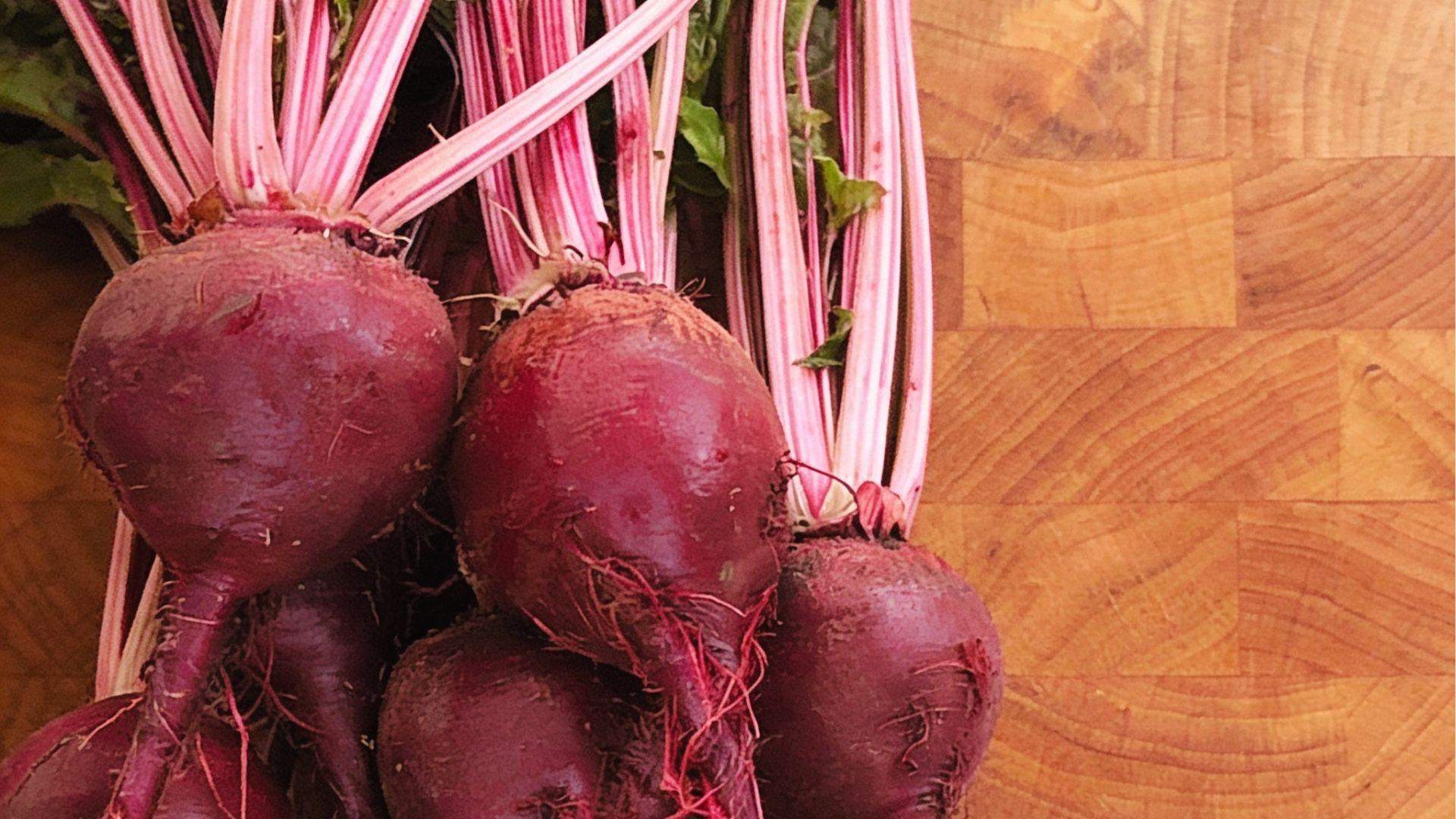
Lutz Green Leaf is known for its large size and excellent storage life. It stays tender even when grown to full size, which is rare among beets.
This makes it a strong choice for winter storage. Farmers often value this trait.
24. Bull's Blood
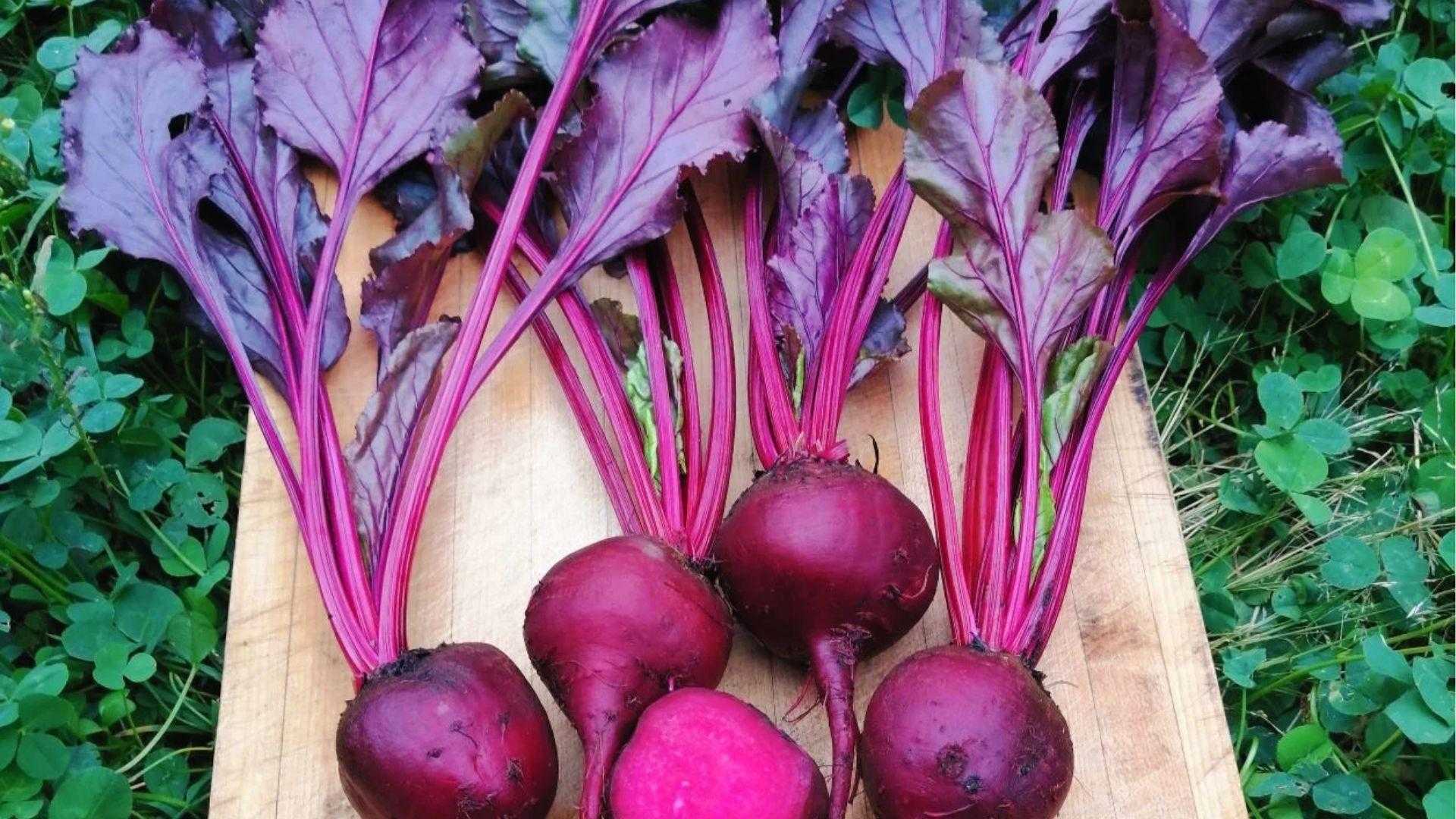
Bull's Blood is grown mainly for its dark red leaves, which add color to salads. The roots are edible too, though smaller than other varieties.
This makes it a dual-purpose plant. Many gardeners grow it for its leaves alone.
25. Mangold
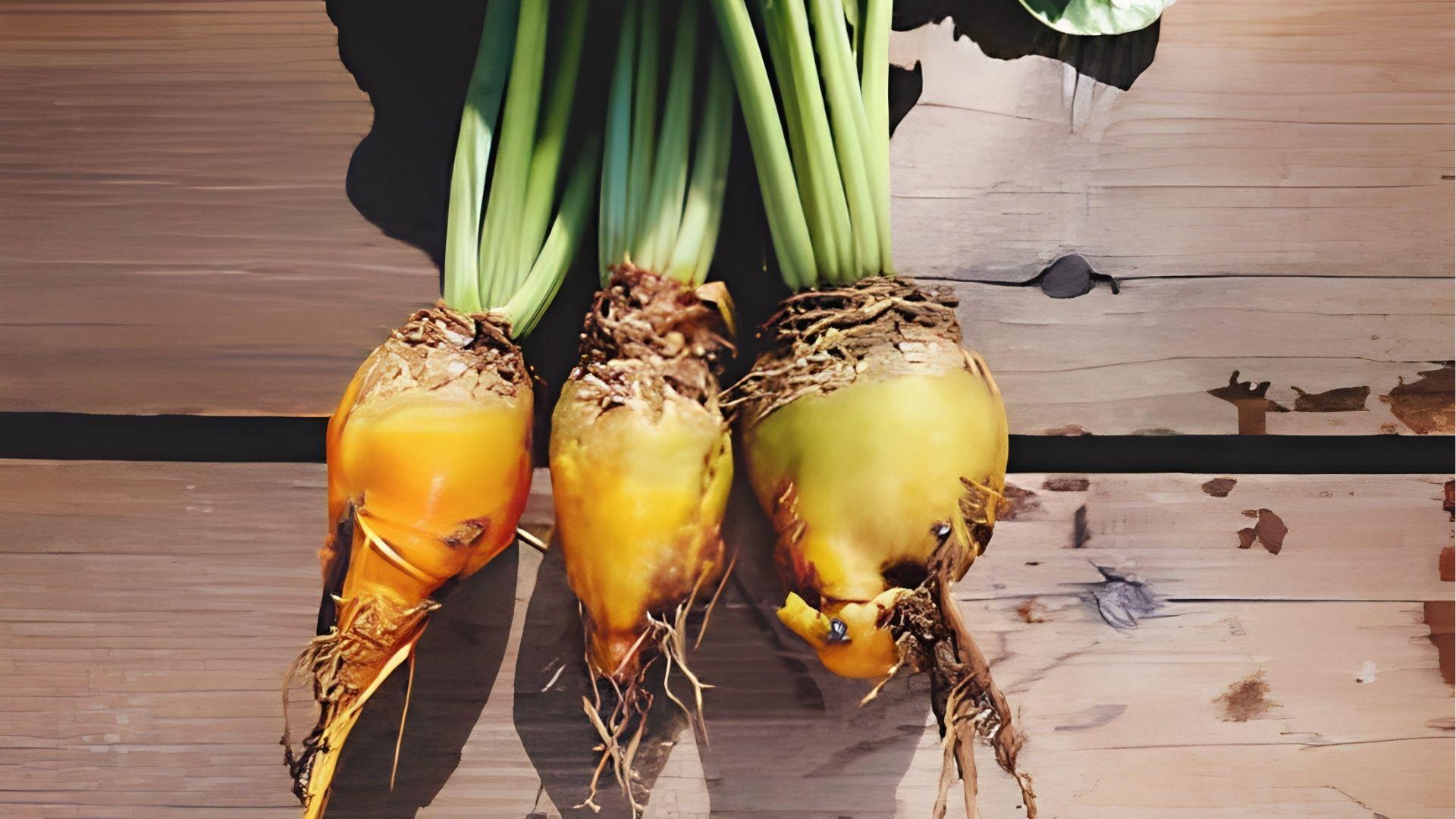
Mangold, also called Swiss chard's cousin, is a leafy beet variety grown for its large green leaves rather than its root.
It is a strong choice for leafy harvests. The leaves can be cooked similarly to spinach. This variety suits gardeners focused on greens.
26. Merlin
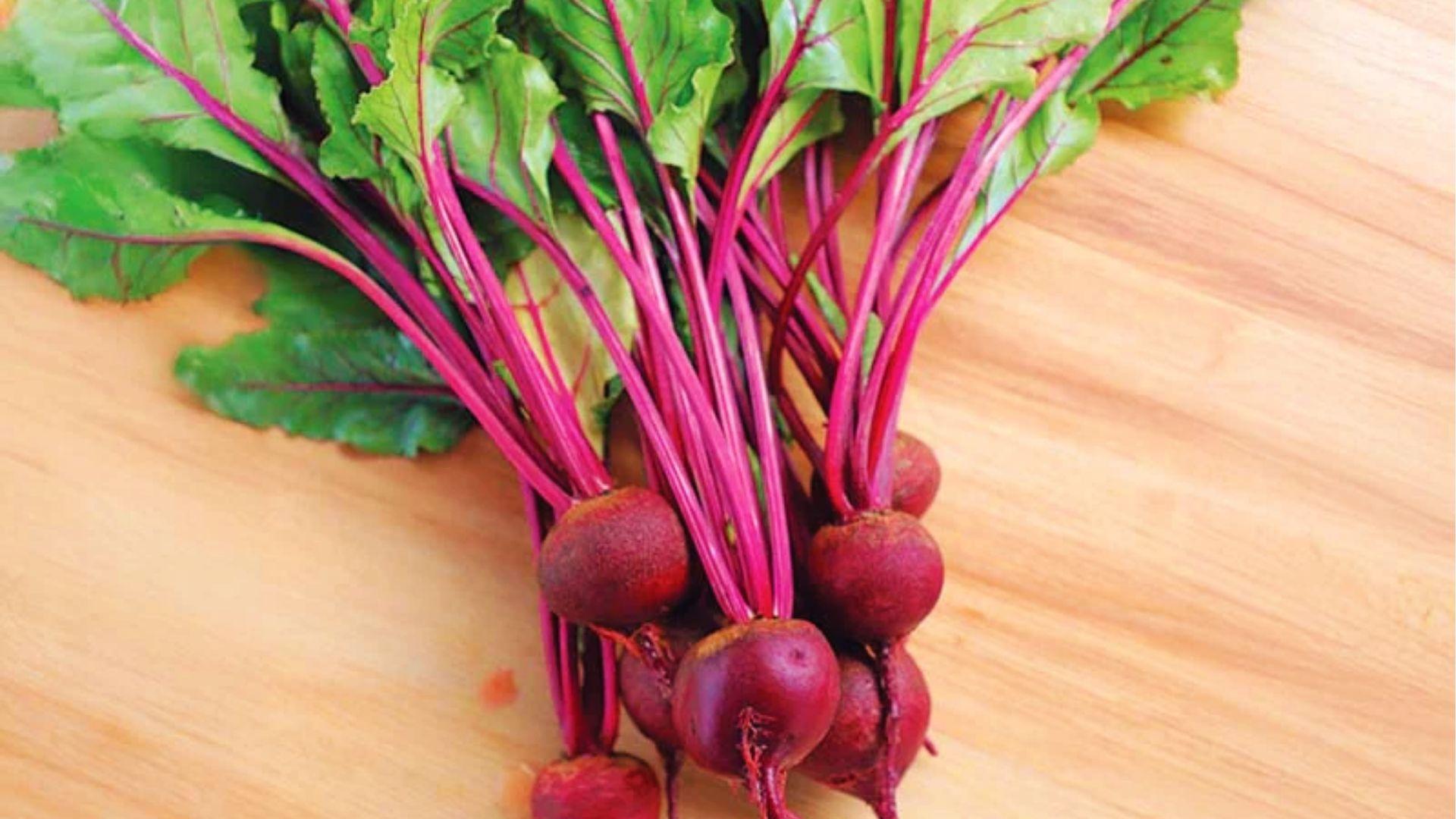
Merlin is a smooth, round red beet with strong disease resistance. It grows reliably across different soil types and climates.
This makes it a safe choice for new growers. Many gardeners trust it for steady results.
27. Sugar Beet
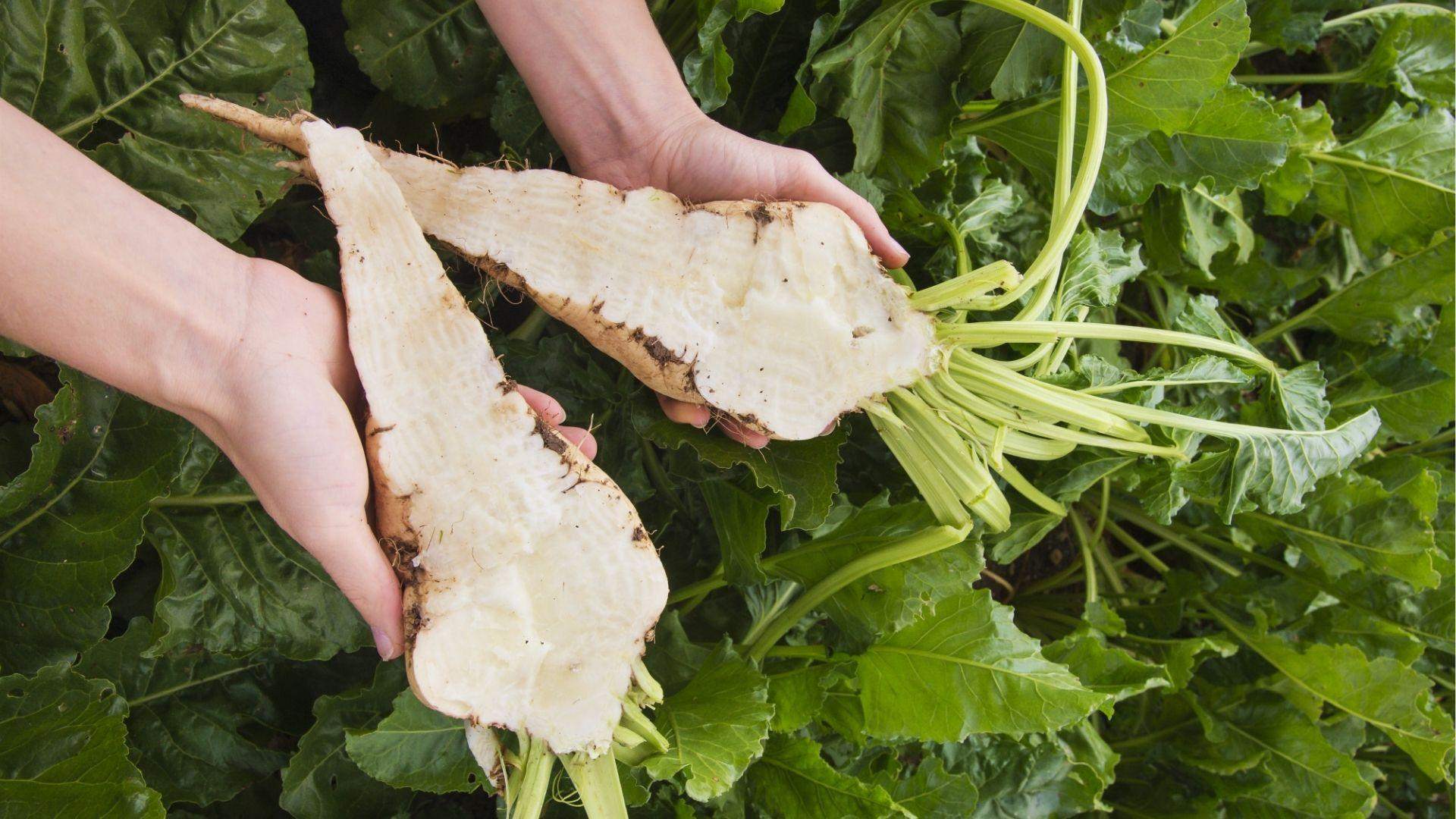
Sugar Beet is grown commercially for sugar production rather than home cooking. It has a large, pale root with a very high sugar content compared to other beet types.
This variety is rarely grown in home gardens. Farmers grow it mainly for industrial use.
How to Choose the Right Types of Beets to Grow
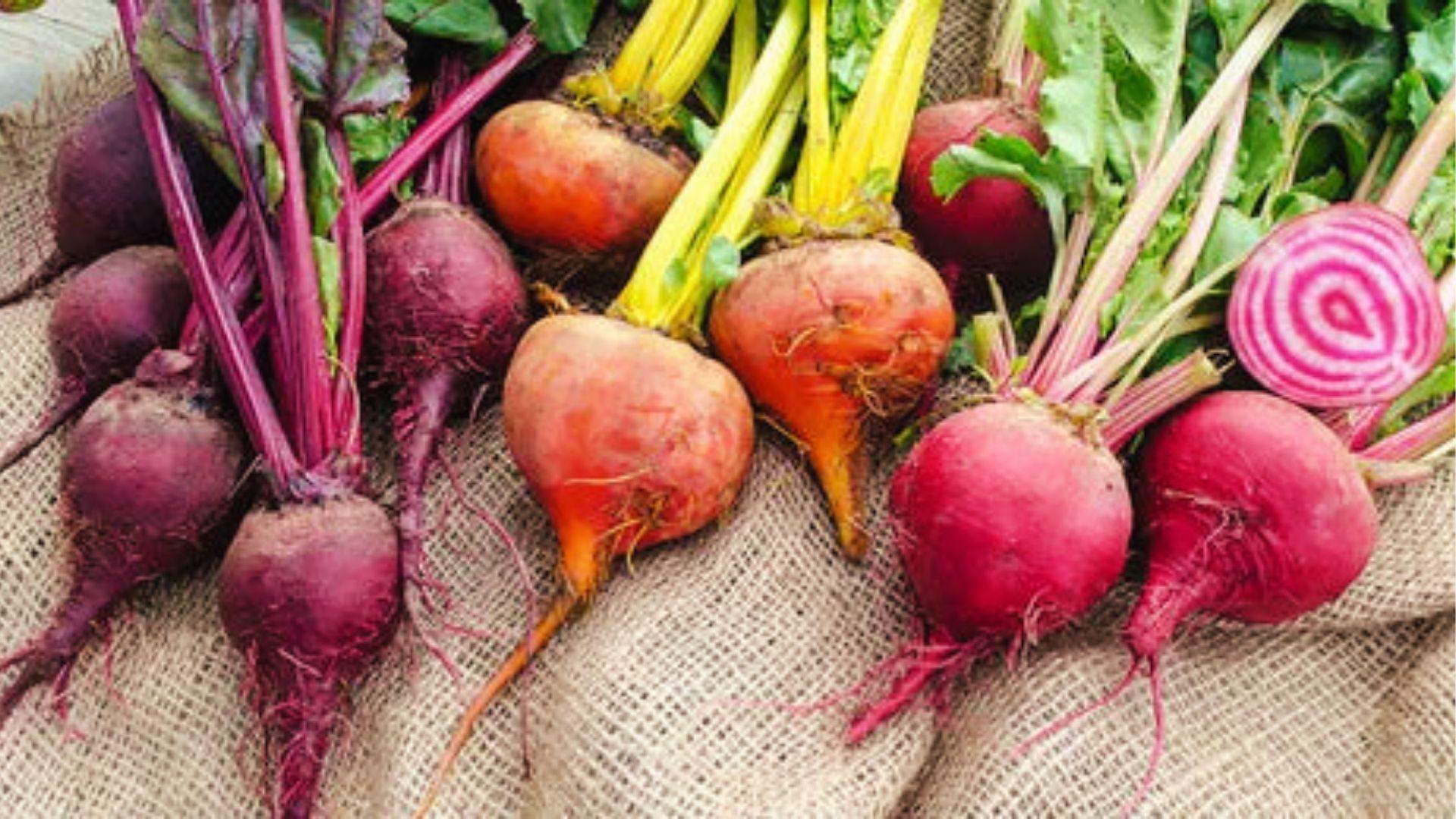
Picking the right beet depends on your climate, soil, taste, and growing goals.
Based on Climate and Growing Season Length
If your growing season is short, choose fast-maturing varieties like Early Wonder or Subeto.
For longer seasons, varieties like Lutz Green Leaf can grow to full size and store well. Hot climates pair better with heat-tolerant types like Red Ace.
Based on Soil Type and Garden Space
Loose, sandy soil suits most beet varieties, but heavier soil works better with rounder types like Detroit Dark Red.
If space is limited, compact varieties like Moneta or Babybeet make better use of small garden beds.
Based on Flavor Preference (Sweet, Earthy, Mild)
If you want a sweeter taste, golden and white beets like Golden Detroit or Avalanche are good picks.
For a more earthy, traditional flavor, red varieties like Detroit Dark Red or Moulin Rouge are better suited.
Based on Purpose (Home Cooking vs Commercial Farming)
Home gardeners often prefer flavor and variety, so heirlooms and colorful types work well.
Commercial farms usually prioritize yield, disease resistance, and storage life, making hybrids like Boro or Warrior more practical choices.
Growing Tips for All Types of Beets (Better Yield Guide)
Good soil, spacing, and care make a noticeable difference in beet size and taste.
- Loosen soil 12 inches deep, mix in compost, and keep pH between 6.0 and 7.0
- Sow seeds 1 inch apart, then thin to 3-4 inches with 12-18 inches between rows
- Water about 1 inch weekly and give beets at least 6 hours of sun daily
- Plant in cool weather, ideally 50-75°F, and don't let soil dry out completely
- Avoid crowding, skipping compost, or harvesting too late, as these hurt root quality
Conclusion
If you're short on time, start with Early Wonder or Subeto for a fast harvest. For better flavor, try Detroit Dark Red or Chioggia.
I started with just two varieties in my first season, and now I plant five different types of beets every year because each one brings something different to the table.
Don't be afraid to mix colors and shapes in your garden. Try a few types this season and see which ones work best for your soil and taste.
Drop a comment below with your favorite variety, or share this guide with a fellow gardener who needs it.
Frequently Asked Questions
What is the most common type of beet to grow?
Detroit Dark Red is one of the most common and reliable beet varieties. It grows well in most soils and stores easily after harvest.
Are golden beets sweeter than red beets?
Yes, golden beets like Golden Detroit and Boldor tend to be sweeter and milder. Red beets usually have a stronger, earthier flavor.
Can I grow baby beets and full-grown beets from the same seed?
Yes, baby beets are simply harvested earlier than full-grown beets. The seed and plant are the same, only the harvest timing differs.
Why do Chioggia beet have stripes inside?
Chioggia beets develop pink and white rings due to their genetics. This pattern is natural and does not affect the taste much.
What is the best beet variety for small gardens?
Compact varieties like Moneta and Babybeet work well in small spaces. They grow well in containers and tight garden beds.