
I've grown turnips in my own backyard for years, and I can tell you the timing matters more than almost anything else.
Turnips are fast growing, cool season root vegetables that respond directly to when you put them in the ground.
Plant at the right time and you get sweet, tender roots. Get the timing wrong and you end up with woody, bitter ones.
In this article, I'll walk you through exactly when to plant turnips, whether you prefer a spring or fall harvest.
You'll learn how soil, temperature, and spacing affect your results too. By the end, you'll know how to time your planting for the best yield possible.
Best Time: When to Plant Turnips for Maximum Yield
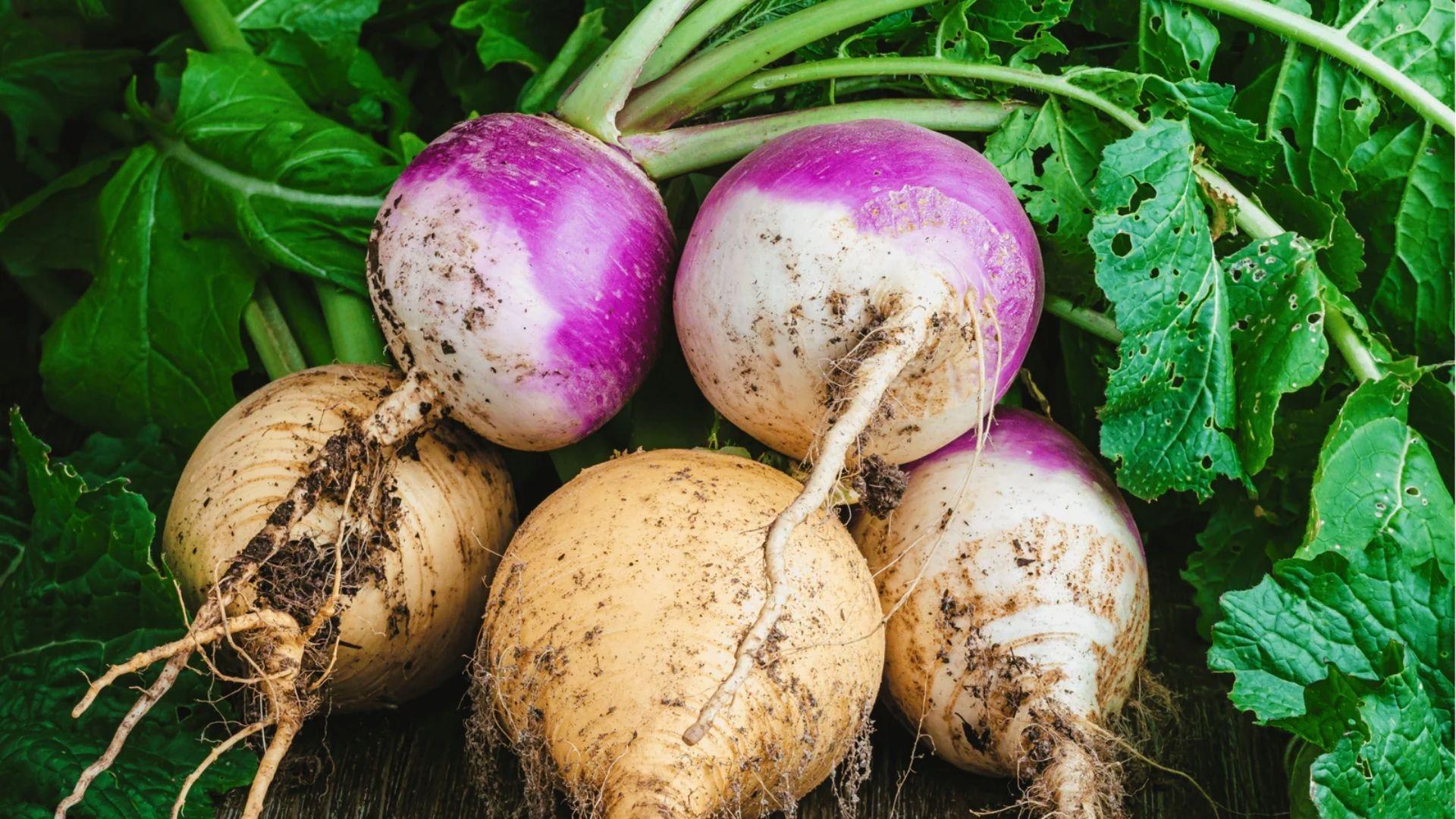
Knowing your planting window is the single biggest factor in a good turnip harvest. For spring, sow seeds two to three weeks before the last frost.
This timing leads to an early summer harvest and gives young roots a strong start before warm weather sets in.
Fall planting works once summer crops are cleared. Plant in late summer so turnips mature as temperatures drop, since this season usually brings sweeter, better quality roots.
Just harvest before a hard freeze hits. Fall has an edge for another reason too.
A light frost sweetens the flavor naturally, cooler weather keeps pests away, and roots grow more evenly when temperatures stay steady throughout the season.
Ideal Soil and Climate Conditions for Planting Turnips
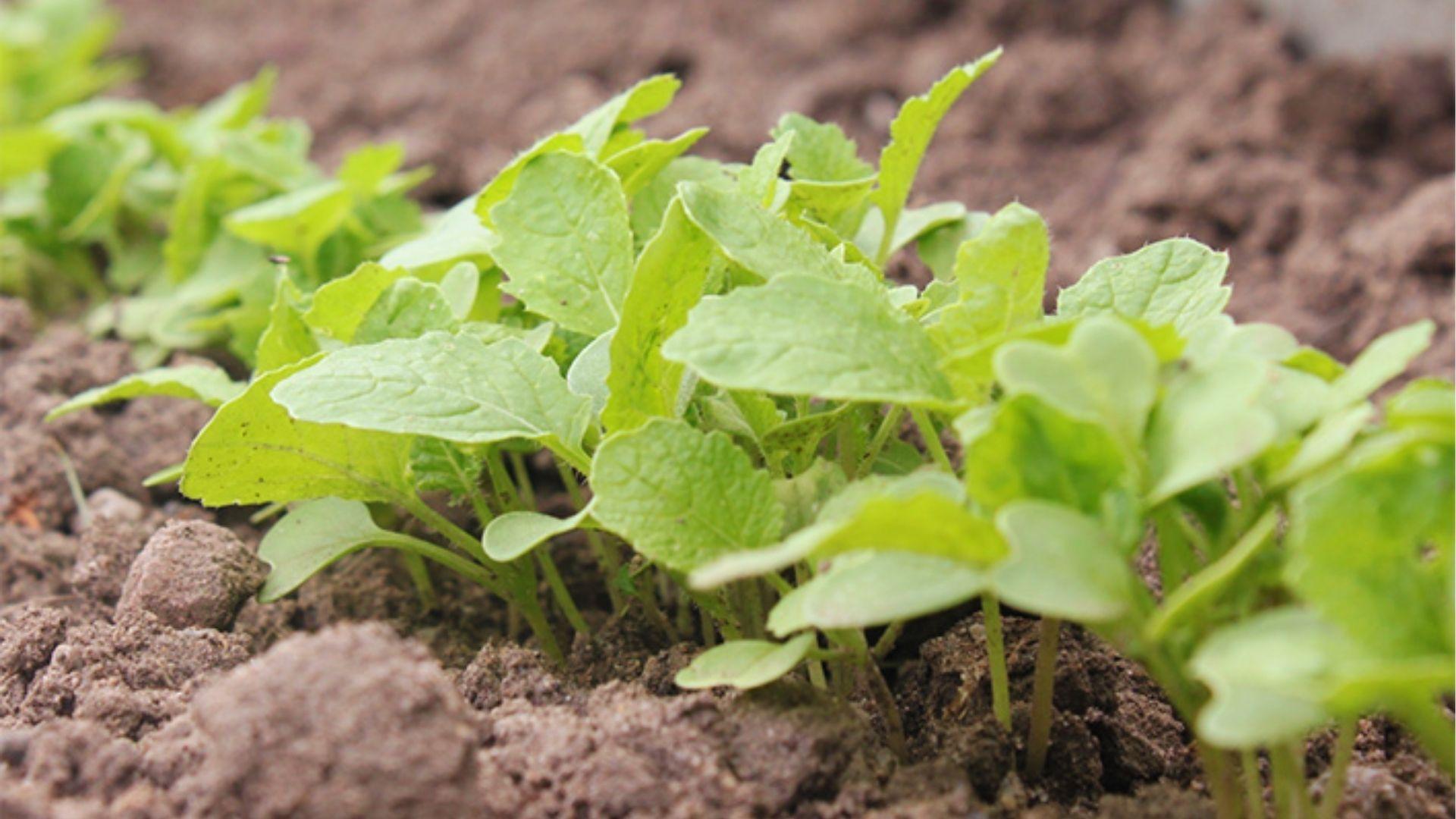
Getting the soil and climate right sets the foundation for healthy turnip growth.
Best Temperature Range For Turnips
Turnips grow best when temperatures stay between 40°F and 75°F.
Anything hotter causes the roots to turn bitter and pushes the plant to bolt, meaning it flowers early instead of forming a good root.
Sunlight Needs
Full sun gives you the best root formation overall. If you live somewhere with intense summer heat, partial shade can help during the hottest hours.
This protects the plants without limiting growth too much. A balance of light and shade works well in warmer regions.
Soil Preparation Before Planting
Loosen your soil to a depth of 12 to 15 inches before planting. Mix in compost or aged manure to add nutrients.
Avoid compacted soil or heavy clay, since both make it harder for roots to expand properly.
How to Plant Turnips for Strong Germination
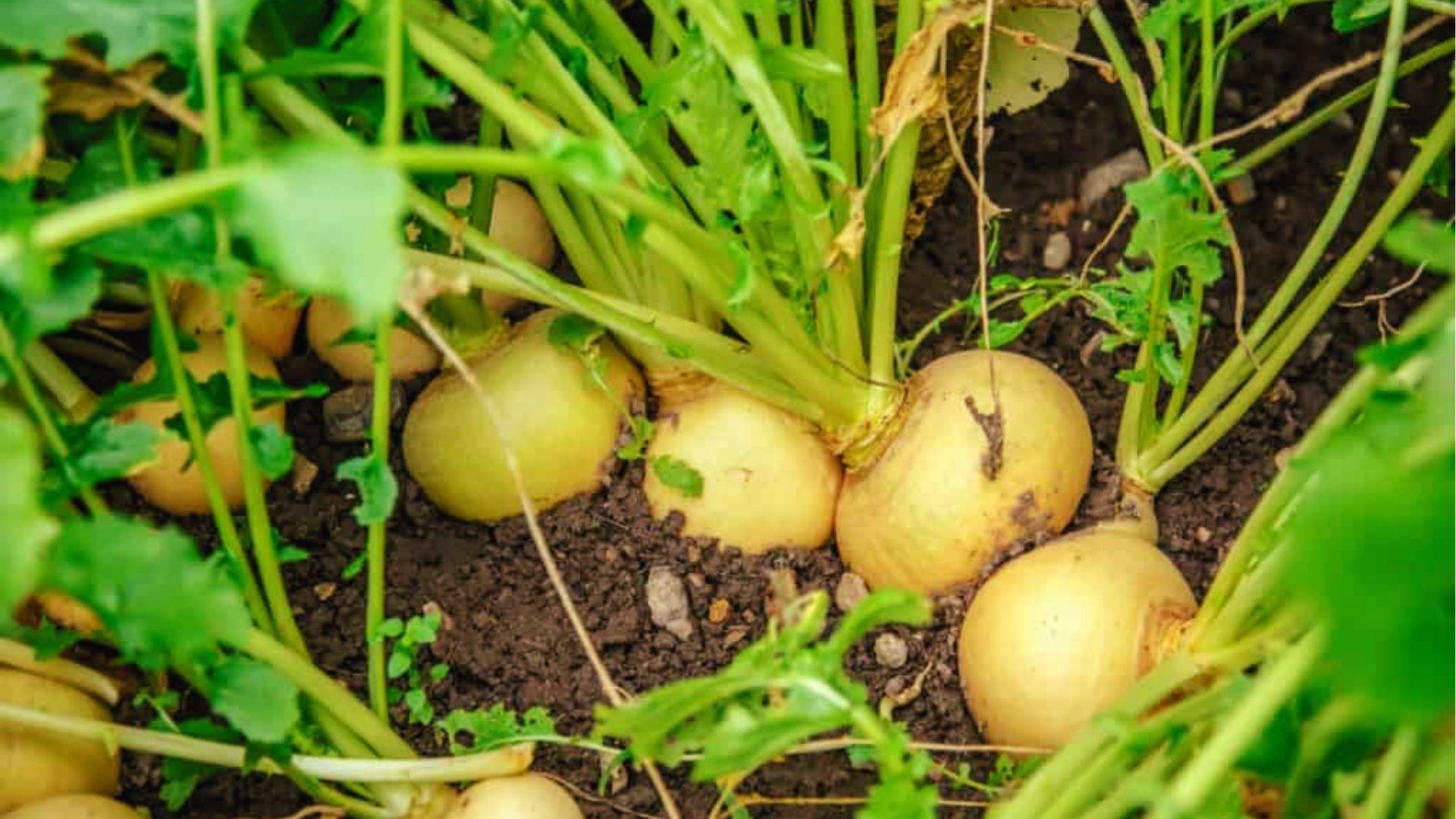
A good start in the soil leads to stronger plants down the line.
Direct Sowing Method
Turnips need to go straight into the soil where they will grow. They don't transplant well, so skip starting them indoors.
Trays and seedling transfers tend to damage the developing root. Sow seeds directly in the bed from day one.
Seed Depth And Spacing
Sow your seeds about a quarter to half an inch deep. Space them roughly one inch apart at first.
This spacing gives seedlings room to establish early on. You will thin them out later once they sprout.
Row Spacing And Bed Setup
Leave 12 to 24 inches between rows when planting. This gives each root enough space underground to expand.
It also keeps neighboring plants from competing for nutrients. Good spacing makes weeding and harvesting easier too.
Watering After Planting
Keep the soil consistently moist right after planting. Germination usually takes one to two weeks to complete.
Don't let the soil dry out during this stretch. Steady moisture is key to even, reliable sprouting.
Turnip Care Guide for Healthy Roots
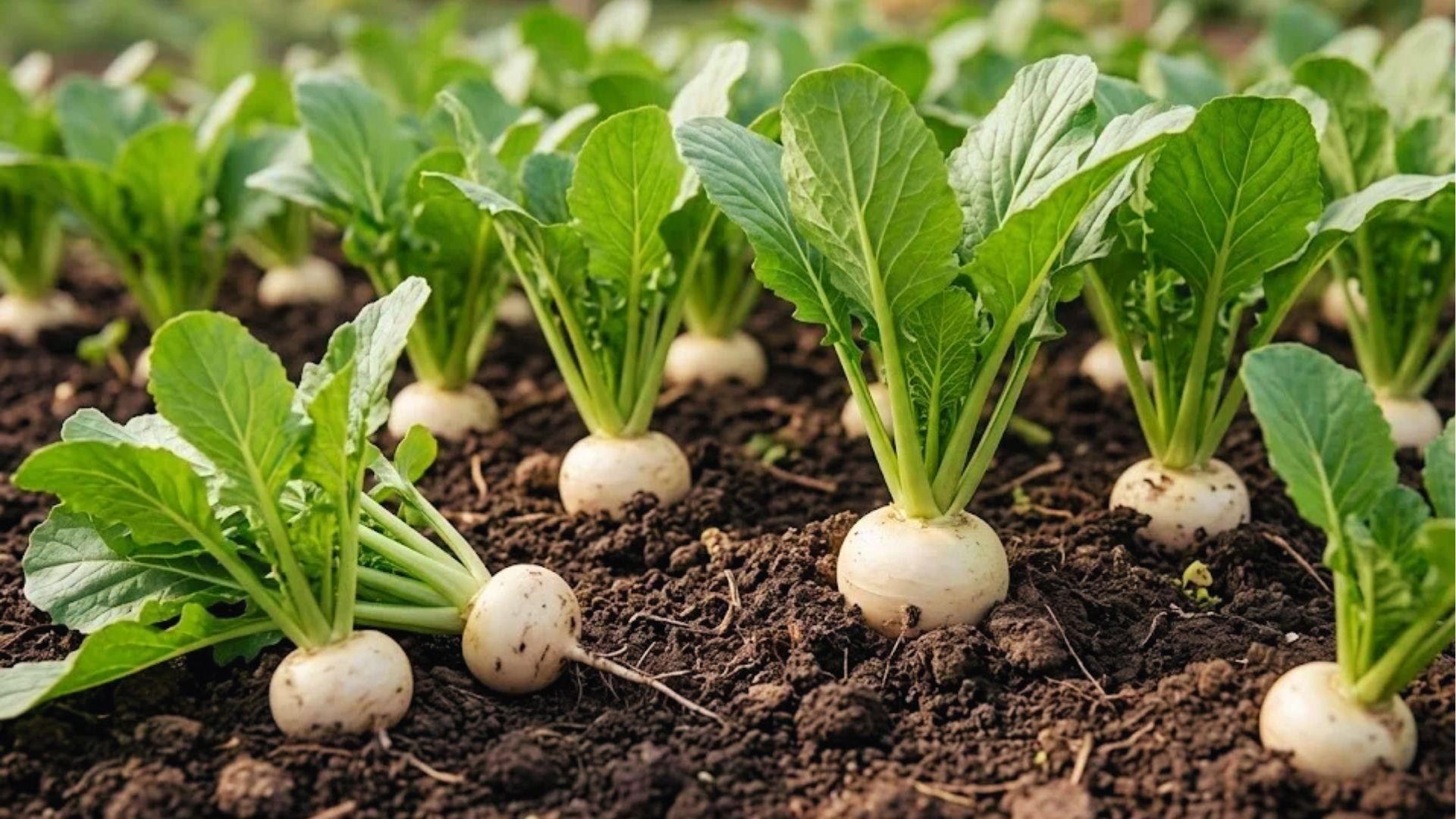
Once your turnips are growing, a little consistent care keeps them healthy.
Thinning Seedlings Properly
Thin your seedlings so they stand four to six inches apart. This prevents small or oddly shaped roots from forming.
Crowded seedlings compete for space and nutrients underground. Proper thinning gives each plant room to develop fully.
Watering Schedule
Aim for about one inch of water per week. Steady moisture helps prevent bitterness in the roots.
It also stops the roots from cracking as they grow. Inconsistent watering is one of the most common turnip problems.
Weeding And Soil Care
Keep your beds free of weeds so turnips are not competing for nutrients. Use shallow cultivation when weeding around the plants.
Digging too deep can disturb the developing roots below. Light, regular weeding keeps the bed healthy overall.
Avoiding Bolting
Heat and drought stress are the main triggers for bolting. Once a plant bolts, root quality drops sharply.
Sticking to the right planting window helps avoid this problem. Consistent moisture also reduces the risk of early flowering.
Common Problems in Turnip Growth and How to Prevent Them
A few pests and diseases tend to show up most often with turnips, but they're manageable.
- Aphids, flea beetles, and root maggots are the most common pests, damaging leaves and roots if left untreated
- Clubroot, black rot, and mildew are the main diseases, often linked to poor soil health
- Crop rotation each season helps keep both pests and diseases from building up
- Row covers protect young plants from insects without the need for sprays
- Proper spacing improves airflow, which lowers the risk of disease taking hold
Harvesting and Storing Turnips the Right Way
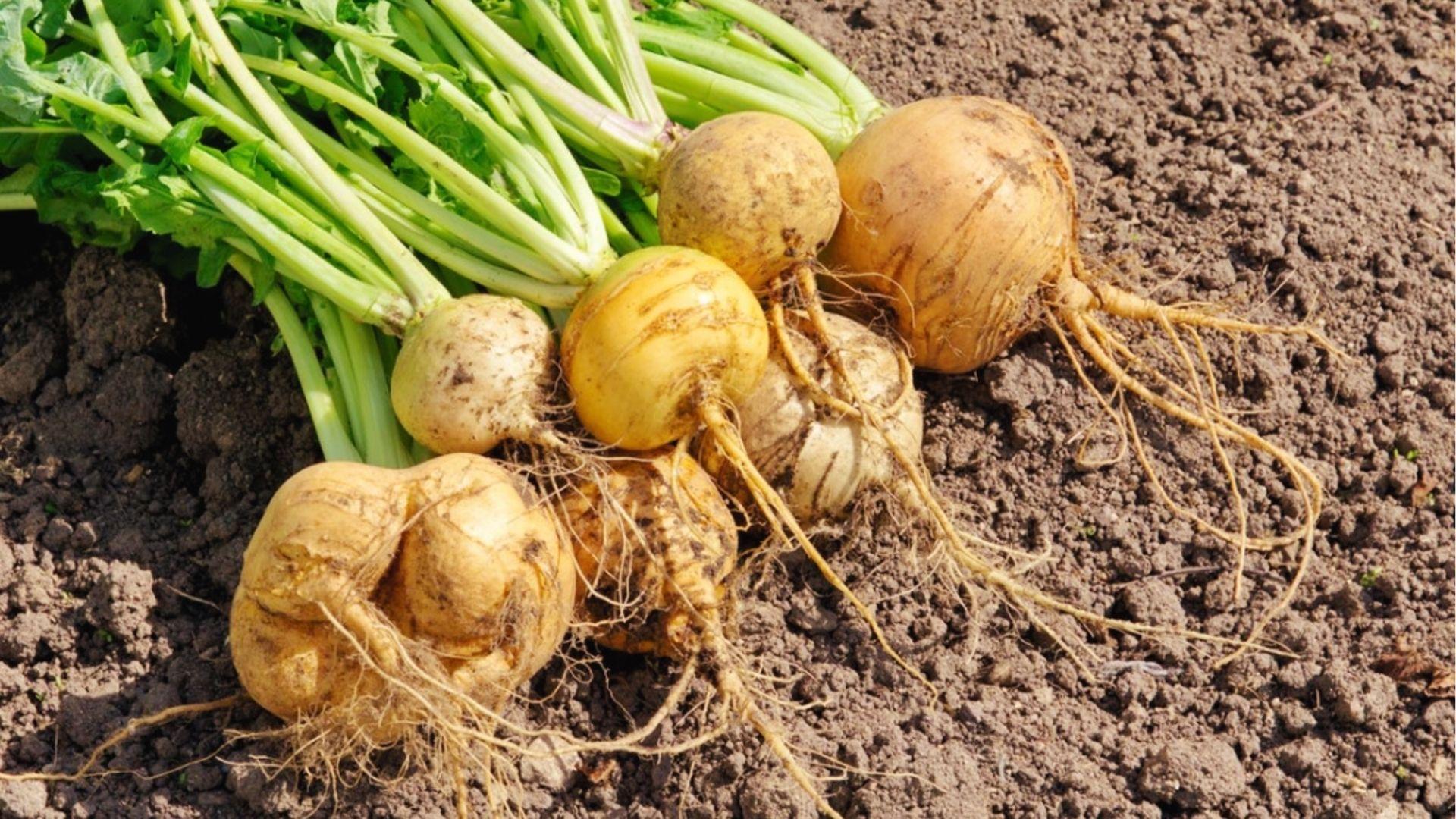
Knowing when and how to harvest makes all your effort pay off.
When To Harvest Turnips
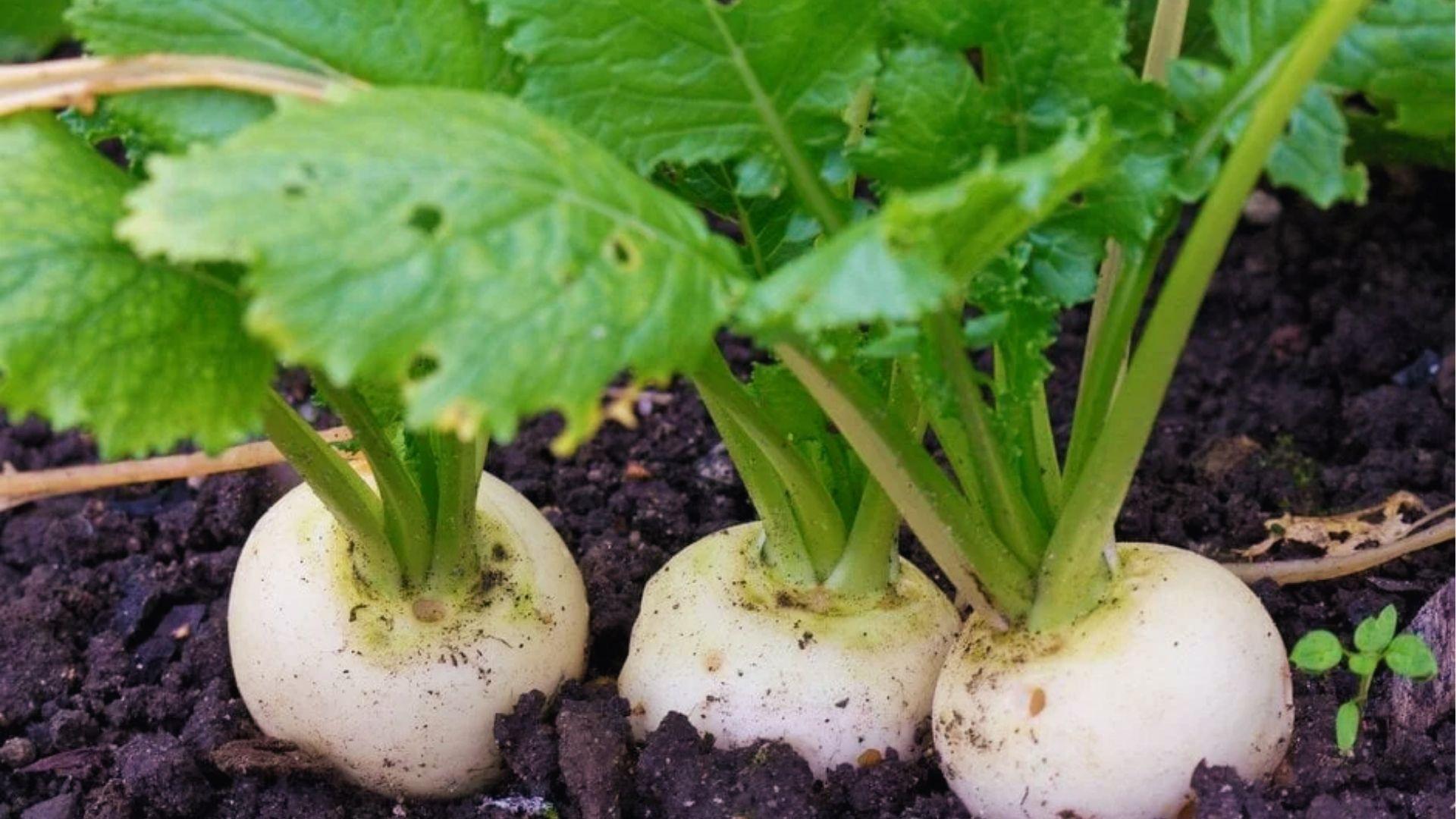
Turnips are usually ready five to ten weeks after planting. Aim to harvest when the roots reach about two to three inches in diameter for the best texture and flavor.
Harvesting Turnip Greens
You can pick young turnip greens any time during growth. Cut the leaves above the base, and the plant will keep producing more for you.
Storage Methods
Refrigeration is the easiest option, keeping turnips fresh for up to two weeks in a crisper drawer or sealed bag.
For longer storage, a root cellar works well, holding turnips for three to four months in cool, dark, humid conditions.
If you want to store your harvest long term, freezing is the way to go. Just blanch the turnips first to preserve texture and flavor before freezing.
Each method fits a different need, so pick based on how soon you plan to use them.
Quick Tips for Successful Turnip Growing
A few small habits make a big difference in how your turnips turn out.
- Plant in cool weather, never in summer heat
- Keep soil loose, fertile, and well drained
- Water consistently for tender roots
- Thin seedlings early so roots have room to grow
- Harvest at medium size for the best flavor
Conclusion
After years of trial and error in my own garden, I can say timing really is everything with turnips.
Spring gives you a quick harvest, while fall rewards you with sweeter, more flavorful roots.
Pair the right timing with good soil and proper spacing, and you'll have a reliable crop season after season.
I'd love to hear how your turnips turn out this year.
Drop a comment below with your planting plans, share this guide with a fellow gardener, and check out our other growing guides for more down to earth advice.
Frequently Asked Questions
What is the best month to plant turnips?
Late summer, usually August, is ideal for a fall harvest. For spring planting, aim for late March or early April depending on your frost date.
Can turnips be planted in both spring and fall?
Yes, turnips grow well in both seasons. Spring planting gives a faster harvest, while fall planting usually produces sweeter, better tasting roots.
How long do turnips take to grow?
Most turnip varieties are ready to harvest within five to ten weeks after planting, depending on the variety and growing conditions.
Do turnips need full sun to grow well?
Yes, full sun gives the best results for root development. In hotter climates, a little afternoon shade can help prevent stress on the plants.
Why are my turnips bitter or woody?
This usually happens when temperatures get too hot or the plant doesn't get enough consistent water. Sticking to proper timing helps avoid this issue.