
I still remember the first time I cut open a cantaloupe from my own garden. The smell alone was different from anything I'd bought at a store.
That sweet, musky scent told me everything I needed to know. Homegrown cantaloupe simply tastes better, and there's a good reason for that.
Store-bought melons get picked early so they survive shipping, but yours can ripen fully on the vine.
In this guide, I'll walk you through exactly how to grow cantaloupe from seed to harvest.
You'll learn about timing, soil, watering, pests, and how to tell when your melon is ready to pick.
I've grown cantaloupe in raised beds, in containers, and on trellises, so I'm sharing what actually works.
By the end, you'll know how to grow cantaloupe with confidence, even if this is your first attempt at growing it.
How to Grow Cantaloupe Successfully (Complete Beginner Overview)

Growing cantaloupe starts with a seed and ends with a sweet, ripe fruit, usually within 70 to 90 days.
The plant grows into a sprawling vine, produces flowers, then small green fruits that slowly swell and ripen on the vine.
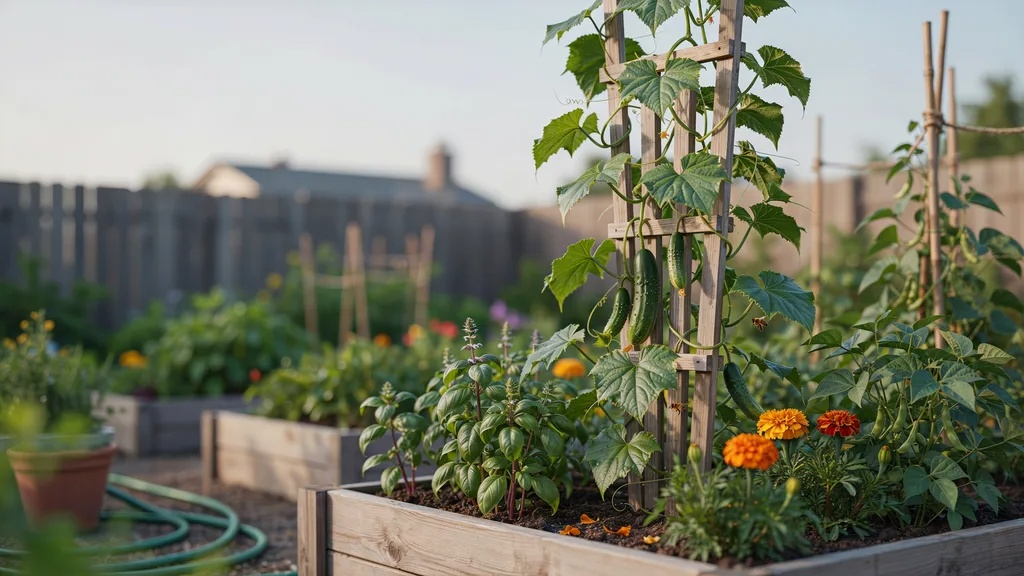
Success depends on a few basics: full sun most of the day, warm soil, steady moisture, and enough room for the vines to spread (or a support to grow them upward).
Beginners often run into trouble by planting too early in cold soil, watering too much and causing root rot, spacing plants too close, missing early pest signs, or picking fruit before it's ready.
Best Time, Climate, and Soil for Growing Cantaloupe

Timing, temperature, and soil quality all play a role in healthy cantaloupe growth.
When To Plant Cantaloupe After Frost Danger Passes
Wait until all frost danger has passed before planting your cantaloupe seeds outdoors. Soil temperature should reach at least 65°F for healthy germination.
Planting too early in cold soil stunts growth and weakens young seedlings right from the start. A simple soil thermometer can help you check this before you plant.
Ideal Temperature And Sunlight Requirements
Cantaloupe loves heat and grows best in warm, sunny conditions all season long. Daytime temperatures between 75°F and 95°F work best for steady, healthy growth.
Plants need six to eight hours of direct sunlight daily to produce sweet, flavorful fruit. Without enough sun, vines grow weak and fruit takes longer to ripen.
Best Soil Type, pH Level, And Drainage Needs
Loose, sandy loam soil works best for cantaloupe roots to spread freely. Aim for a soil pH between 6.0 and 6.8 for best nutrient uptake.
Good drainage matters a lot, since soggy soil leads to root problems and disease. Raised beds or sloped rows can help water drain away properly.
Step-by-Step Guide on How to Grow Cantaloupe from Seed
Practical steps for preparing soil, sowing seeds, and spacing your plants correctly.
Preparing Soil With Compost And Organic Matter

Mix compost or well-rotted manure into your soil a few weeks before planting. This adds nutrients and improves the soil's ability to hold moisture and drain well.
Aim for loose, crumbly soil that roots can move through easily as they grow. Healthy soil now means stronger vines and better fruit later.
Direct Sowing Vs Starting Seeds Indoors
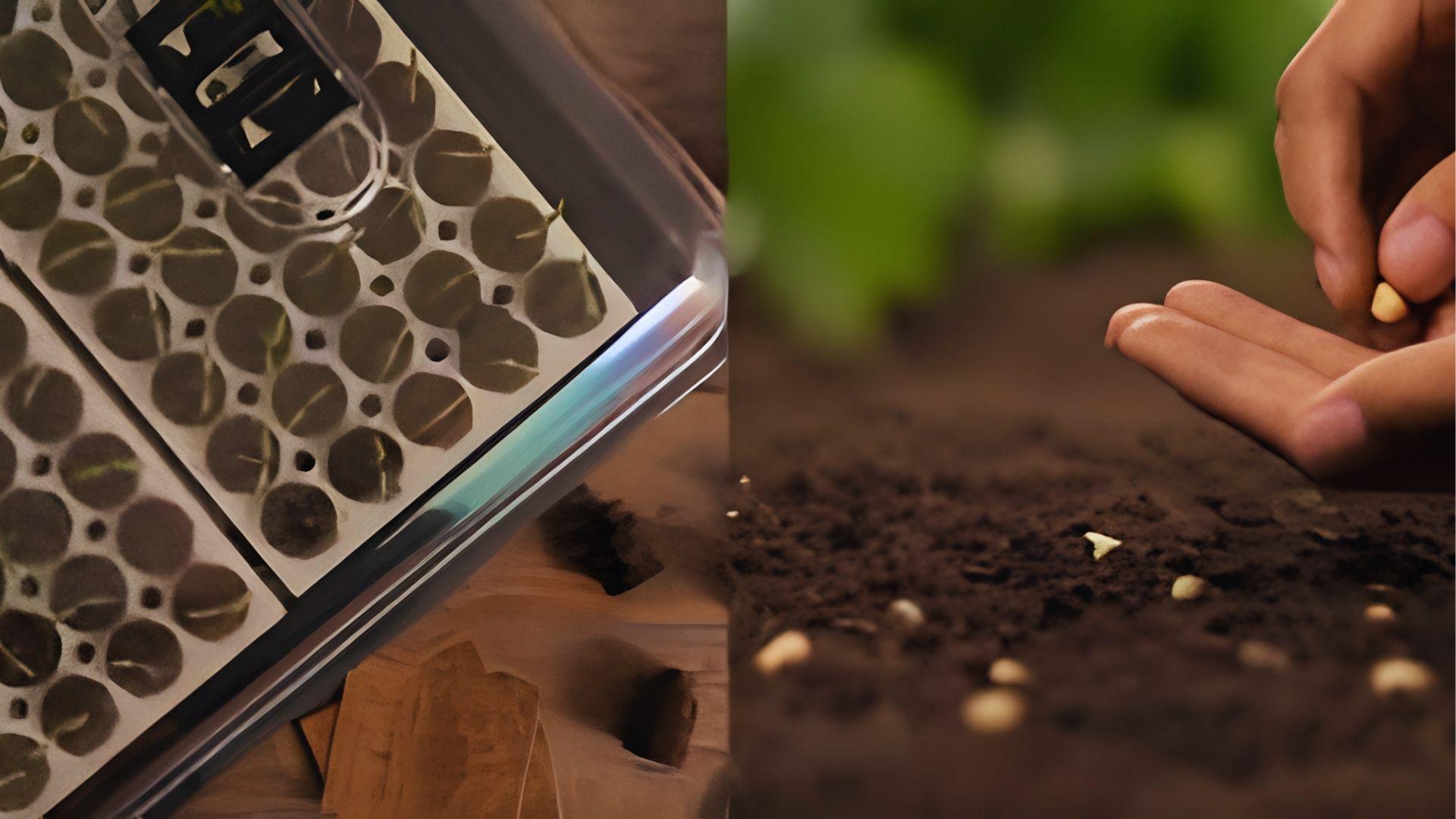
You can sow seeds directly in the ground once the soil is warm enough. If your growing season is short, start seeds indoors three to four weeks before the last frost date instead.
Indoor starts give your plants a head start in cooler climates. Transplant carefully once the danger of frost has fully passed.
Proper Spacing And Planting Depth For Strong Vines
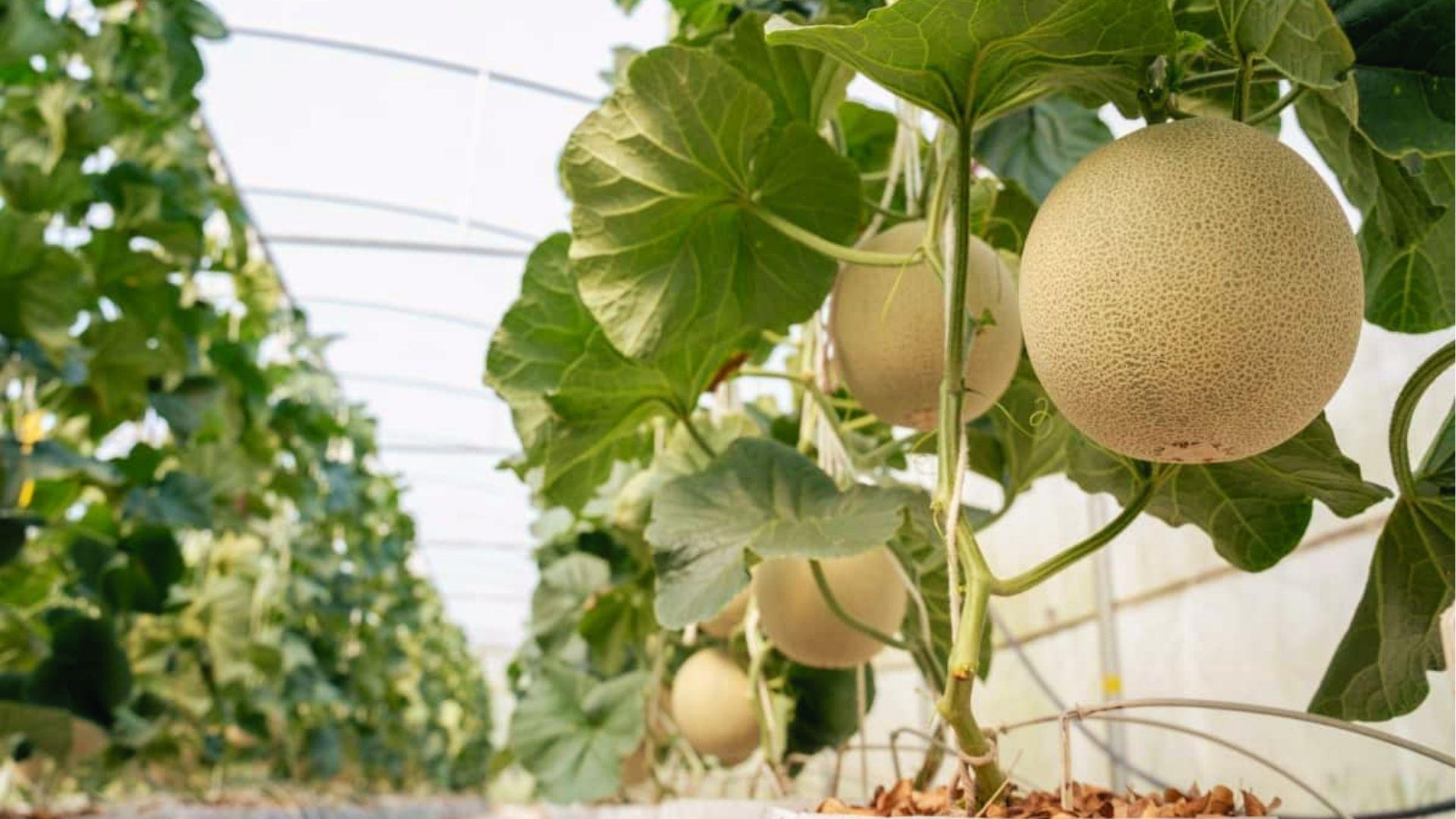
Plant seeds about half an inch deep into loose, prepared soil. Space plants three to four feet apart to give vines room to spread without competing for nutrients.
Crowded plants struggle to get enough light, water, and airflow. Proper spacing also makes it easier to spot pests and diseases early.
How to Care for Cantaloupe Plants (Watering, Feeding & Mulching)

Watering, feeding, and mulching routines that keep vines healthy and fruit sweet.
How Much Water Cantaloupe Needs Weekly
Cantaloupe needs about one to two inches of water per week for healthy growth. Water deeply at the base instead of overhead, since wet leaves invite disease.
Deep watering encourages strong root growth instead of shallow, weak roots. Cut back slightly on water once fruits start to ripen for better flavor.
Best Fertilizer Schedule For Healthy Vines And Fruit
Feed plants with a balanced fertilizer at planting time to support early growth. Switch to a fertilizer higher in potassium once flowering starts, since this supports fruit development.
Avoid over-fertilizing with nitrogen, as it encourages leafy growth over fruit. A steady feeding schedule keeps vines productive throughout the season.
How to Know When Cantaloupe Is Ready to Harvest
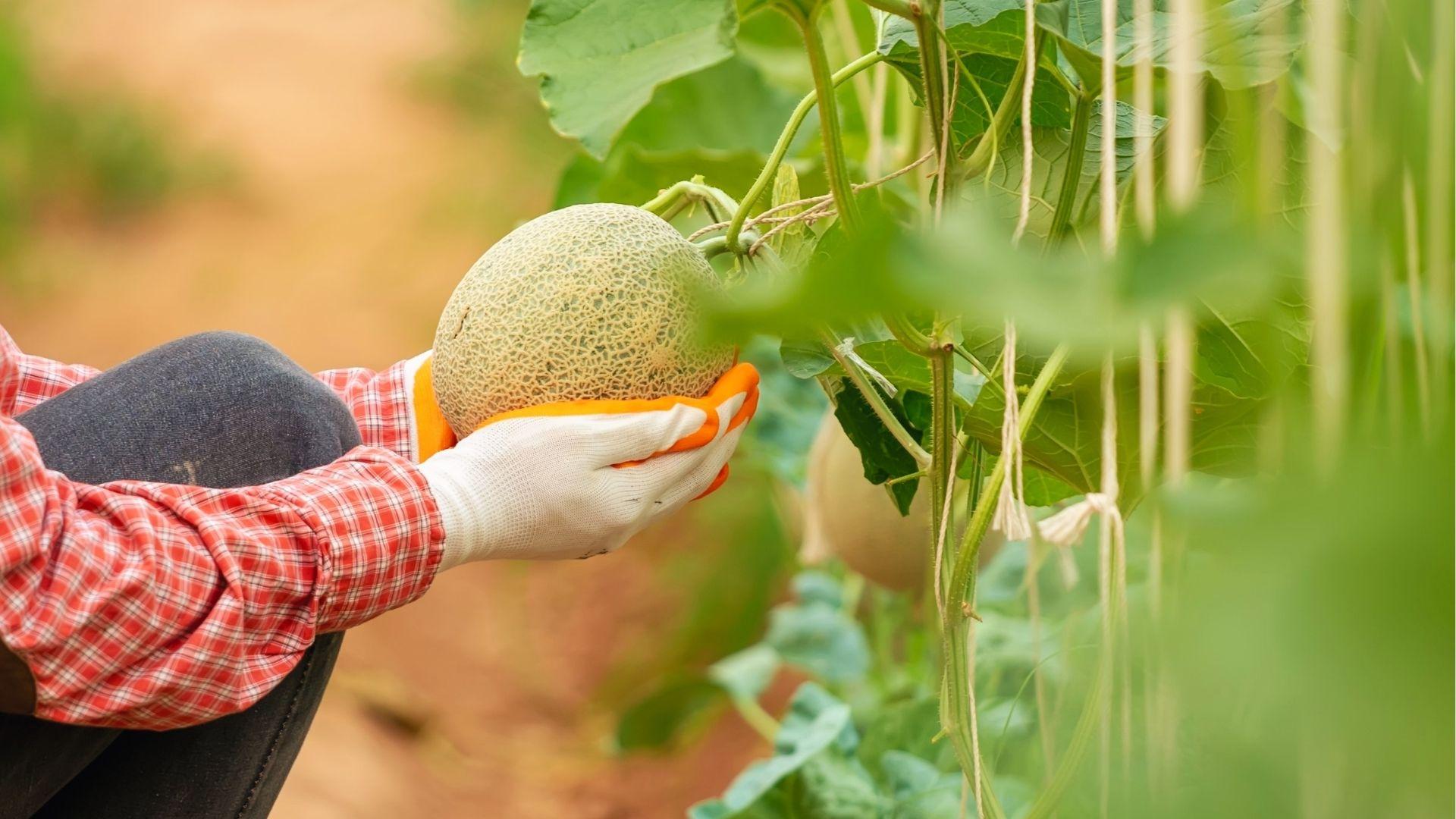
The right signs to look for so you pick your melon at peak sweetness.
Color, Aroma, And Texture Changes
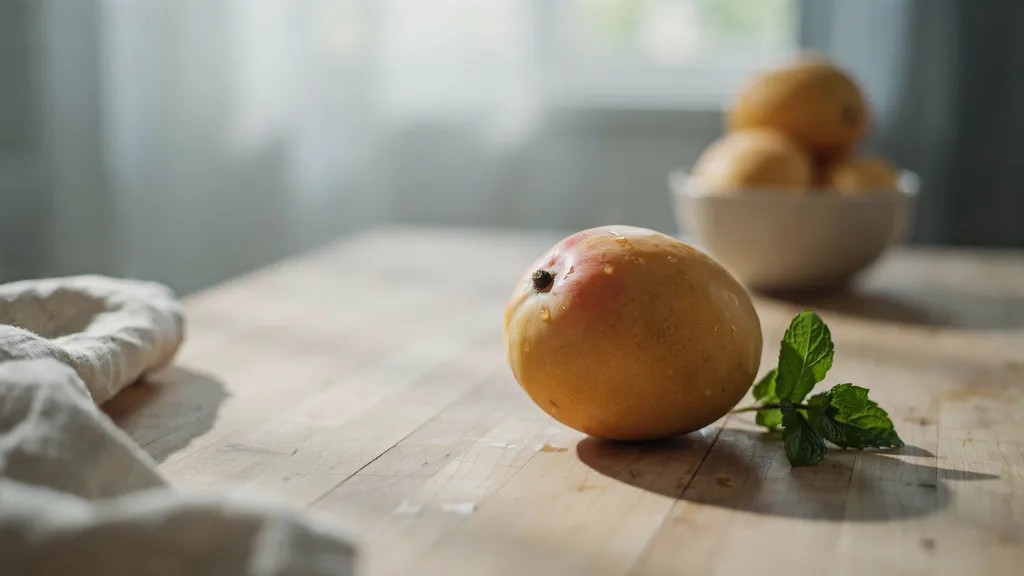
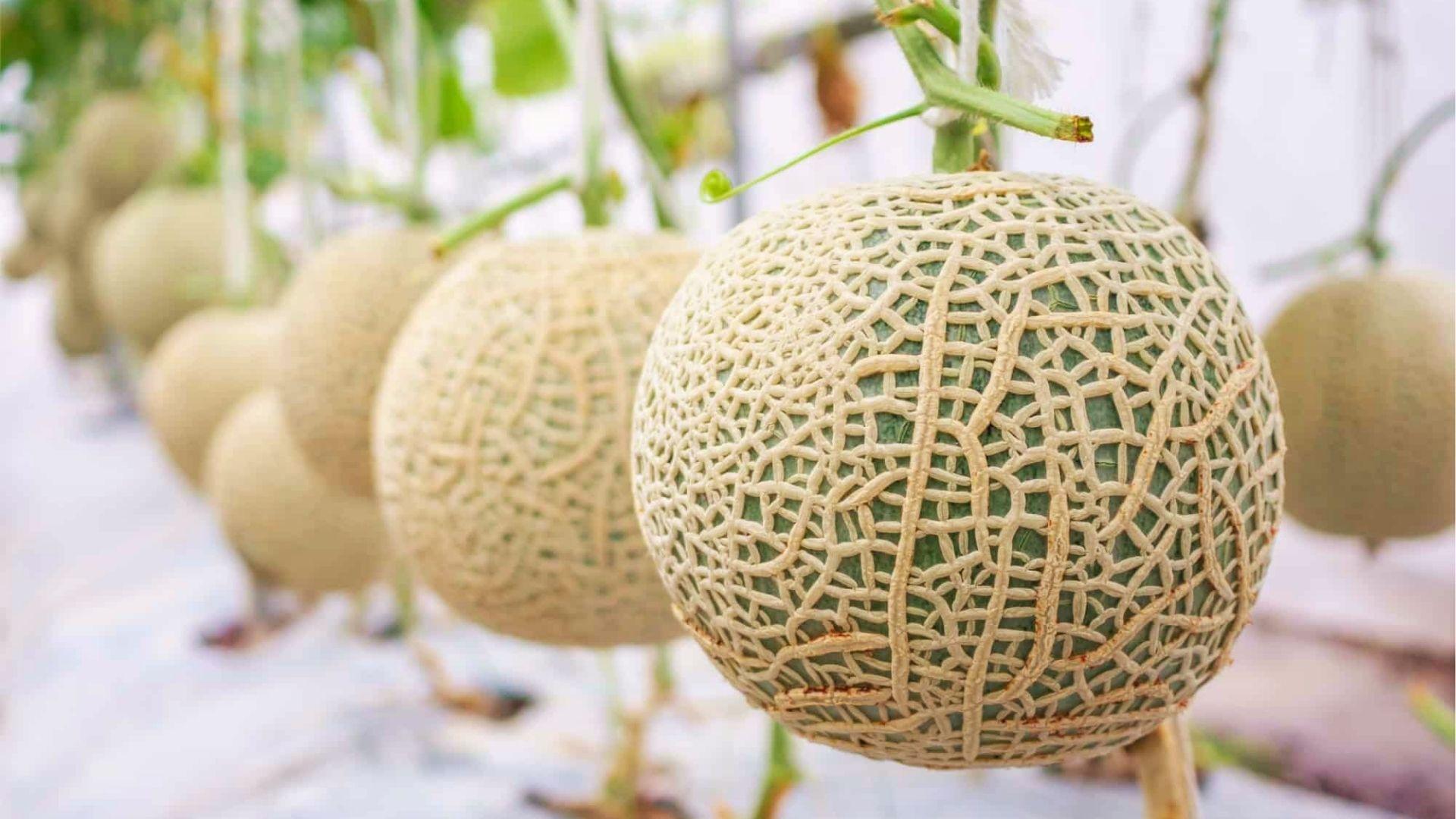
Ripe cantaloupe turns a creamy yellow color underneath instead of green. The skin texture becomes more netted and rough as the fruit matures.
A sweet, fragrant smell develops near the stem end when fruit is ready. These signs together give you a reliable way to judge ripeness.
Stem Slip Test For Perfect Ripeness
Gently press the stem where it meets the fruit to test for ripeness. If it separates easily with a little pressure, the melon is ready to pick.
This is often called the slip test by experienced gardeners. Avoid forcing the stem, as this usually means the fruit needs more time.
Why Timing Is Critical For Sweetness And Flavor
Cantaloupe doesn't get sweeter after picking, unlike some other fruits. Harvesting at the right moment is the only way to get that full, rich flavor you're hoping for.
Picking too early leaves you with bland, underripe fruit. Patience at this final stage truly makes all the difference in taste.
Quick Tips for Growing Sweeter, Healthier Cantaloupe
Simple extra tips to boost your harvest and avoid common growing problems.
- Rotate cantaloupe to a new spot each year to keep soil healthy
- Avoid wetting leaves when watering to lower the risk of disease
- Place a flat stone or board under fruit to keep it off damp soil
- Pinch off extra flowers late in the season so the plant focuses on existing fruit
- Check plants daily during fruiting to catch pest or ripeness changes early
Conclusion
Growing your own cantaloupe is simpler than it seems once you understand what the plant needs.
Sun, warm soil, and steady watering really do most of the work. I've made mistakes along the way too, like picking fruit too early, but each season taught me something new.
If you're ready to grow cantaloupe this year, start small and watch closely.
Drop a comment below and tell me how your plants are doing, or share this guide with a friend who loves gardening. You've got this.
Frequently Asked Questions
How long does cantaloupe take to grow?
Cantaloupe typically takes 70 to 90 days from planting to harvest. The exact time depends on the variety and your local climate.
Can I grow cantaloupe in containers?
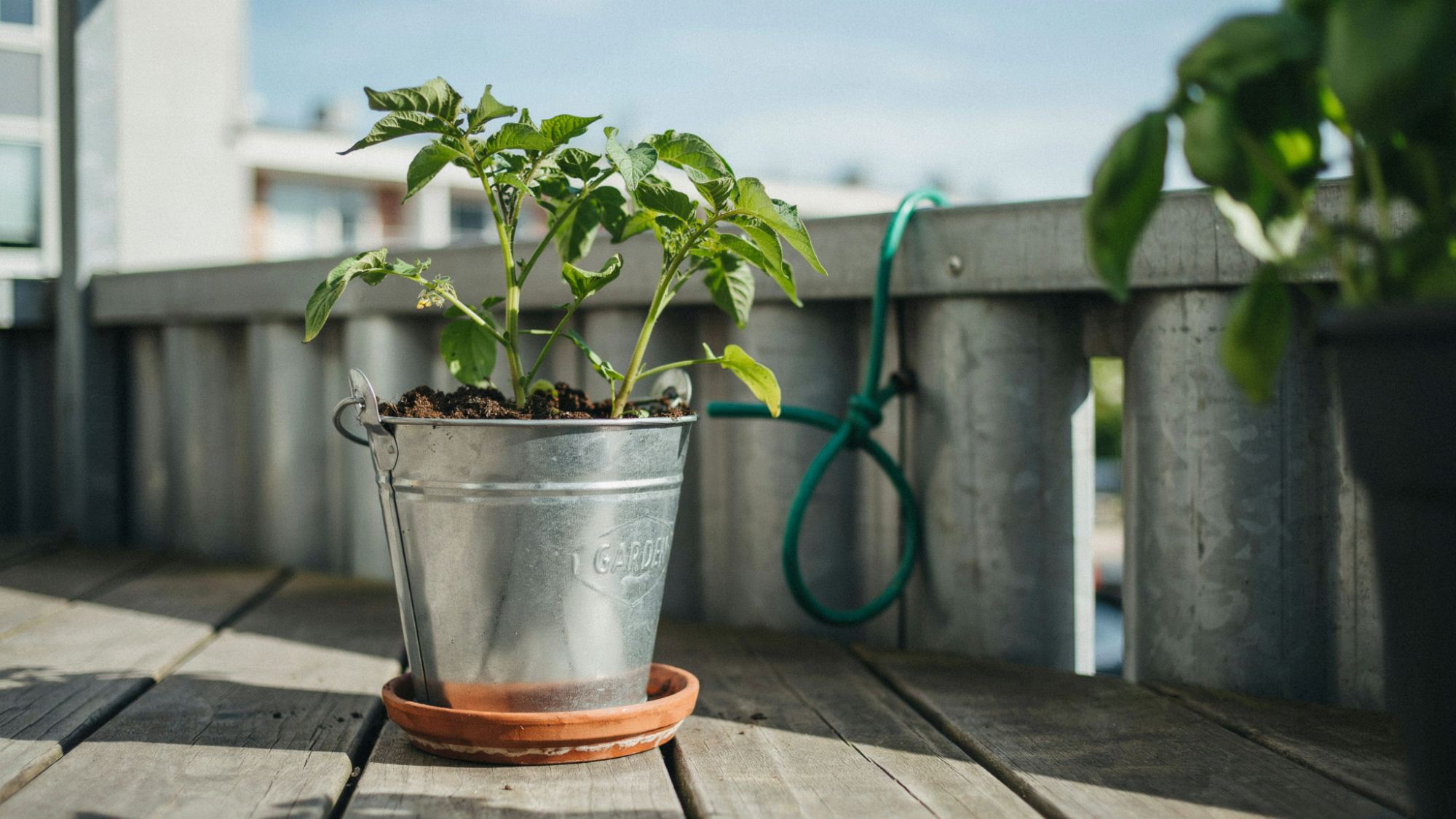
Yes, compact varieties grow well in large containers. Make sure the container has good drainage and gets full sun.
Why are my cantaloupe leaves turning yellow?
Yellow leaves often signal overwatering, nutrient deficiency, or disease. Check soil moisture and leaf patterns to figure out the exact cause.
How often should I water cantaloupe plants?
Water deeply once or twice a week, providing about one to two inches total. Adjust based on rainfall and heat levels.
How do I know if my cantaloupe is overripe?
An overripe cantaloupe smells overly sweet or fermented and feels soft all over. The flesh may also turn mushy near the center.