
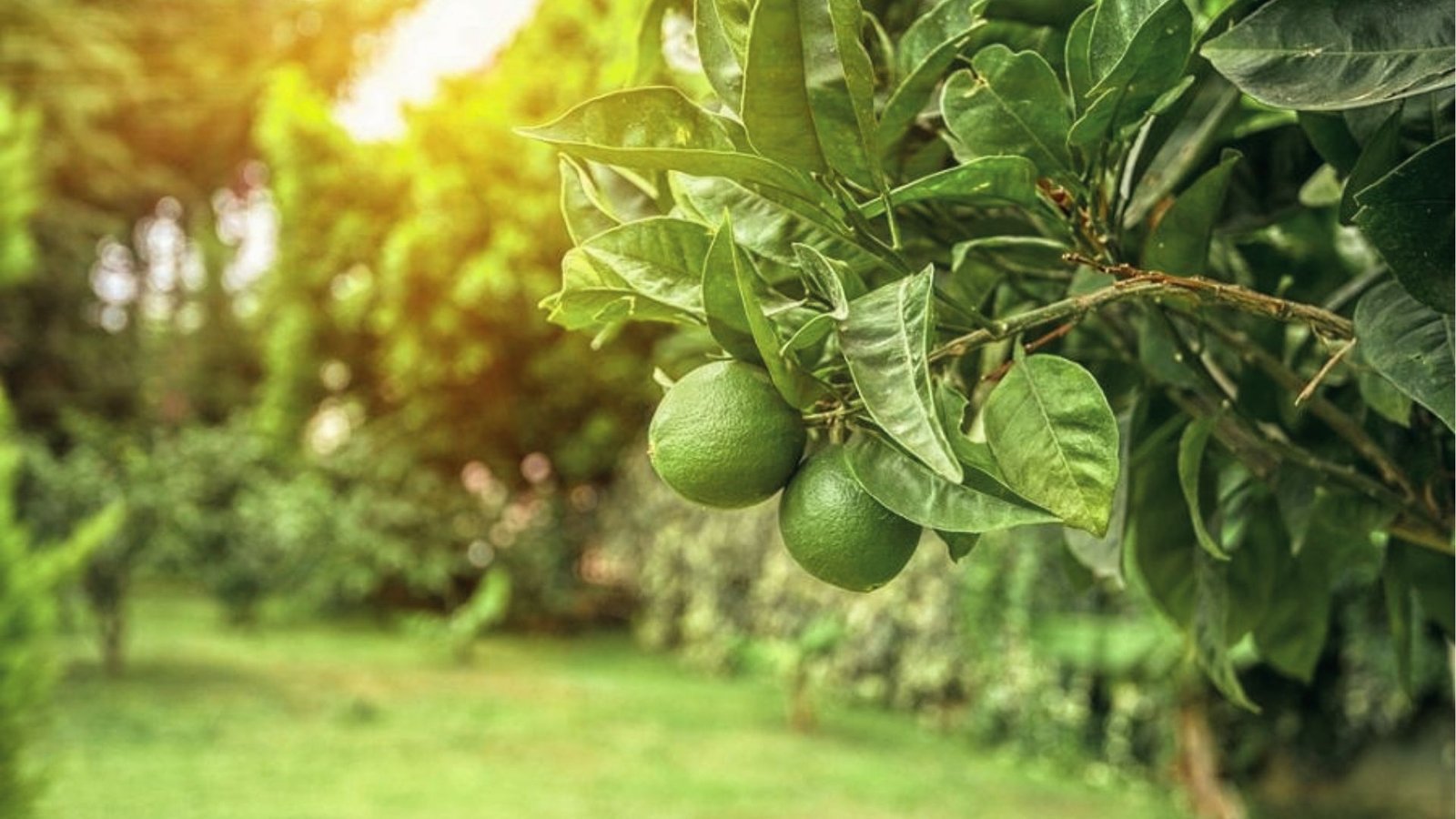
Do limes grow on trees? Yes, they do and growing one at home is simpler than most people think.
I’ve spent time learning what actually works for lime trees, and I want to share that with you here.
In this guide, you’ll find everything from planting basics to fixing common problems.
We’ll cover how lime trees grow, the best conditions and planting tips, and how to handle care, pests, and harvesting.
If you’re new to gardening or just starting with citrus, this guide will help you grow healthy limes with confidence.
Understanding Lime Trees and How They Grow
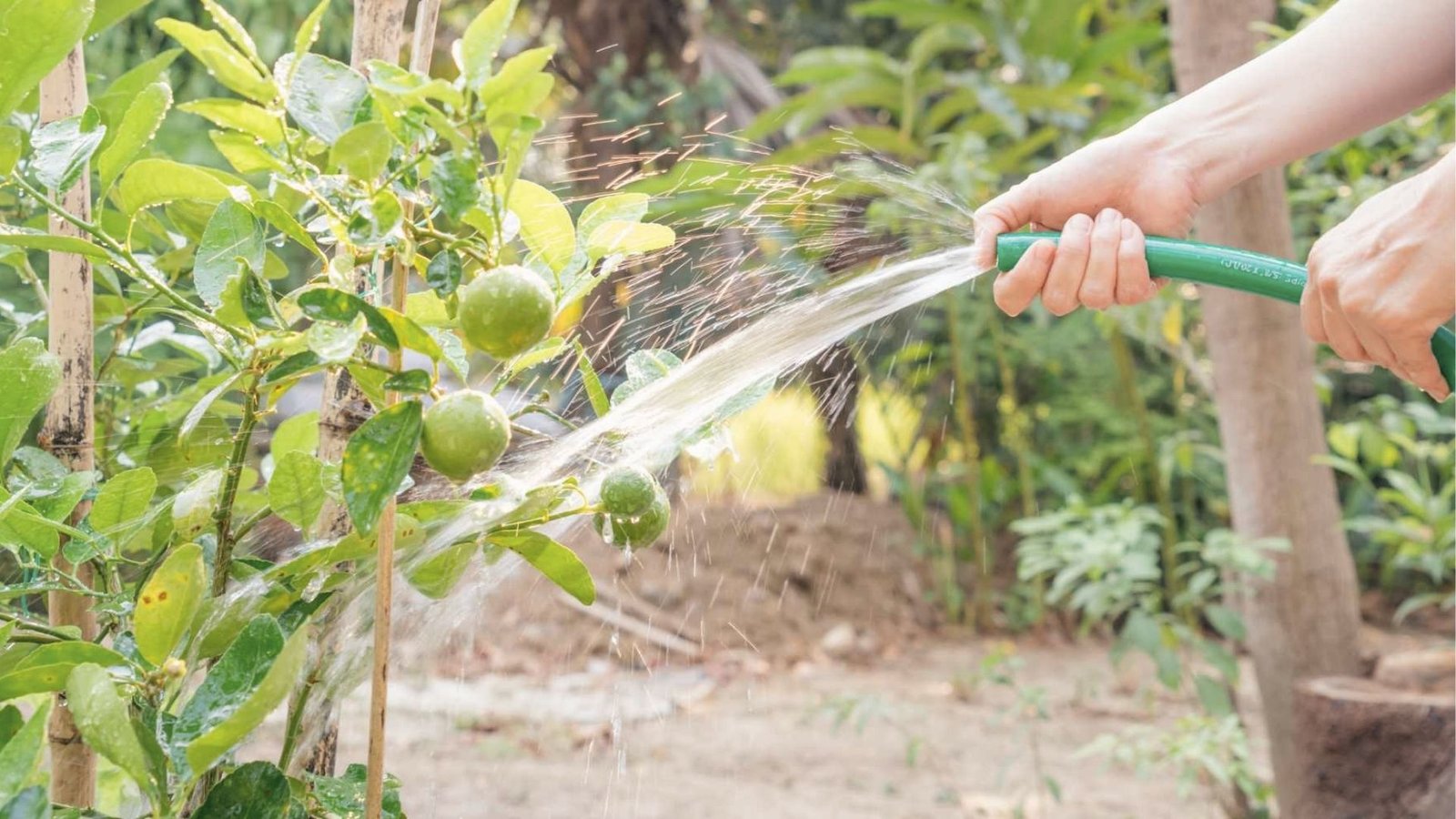
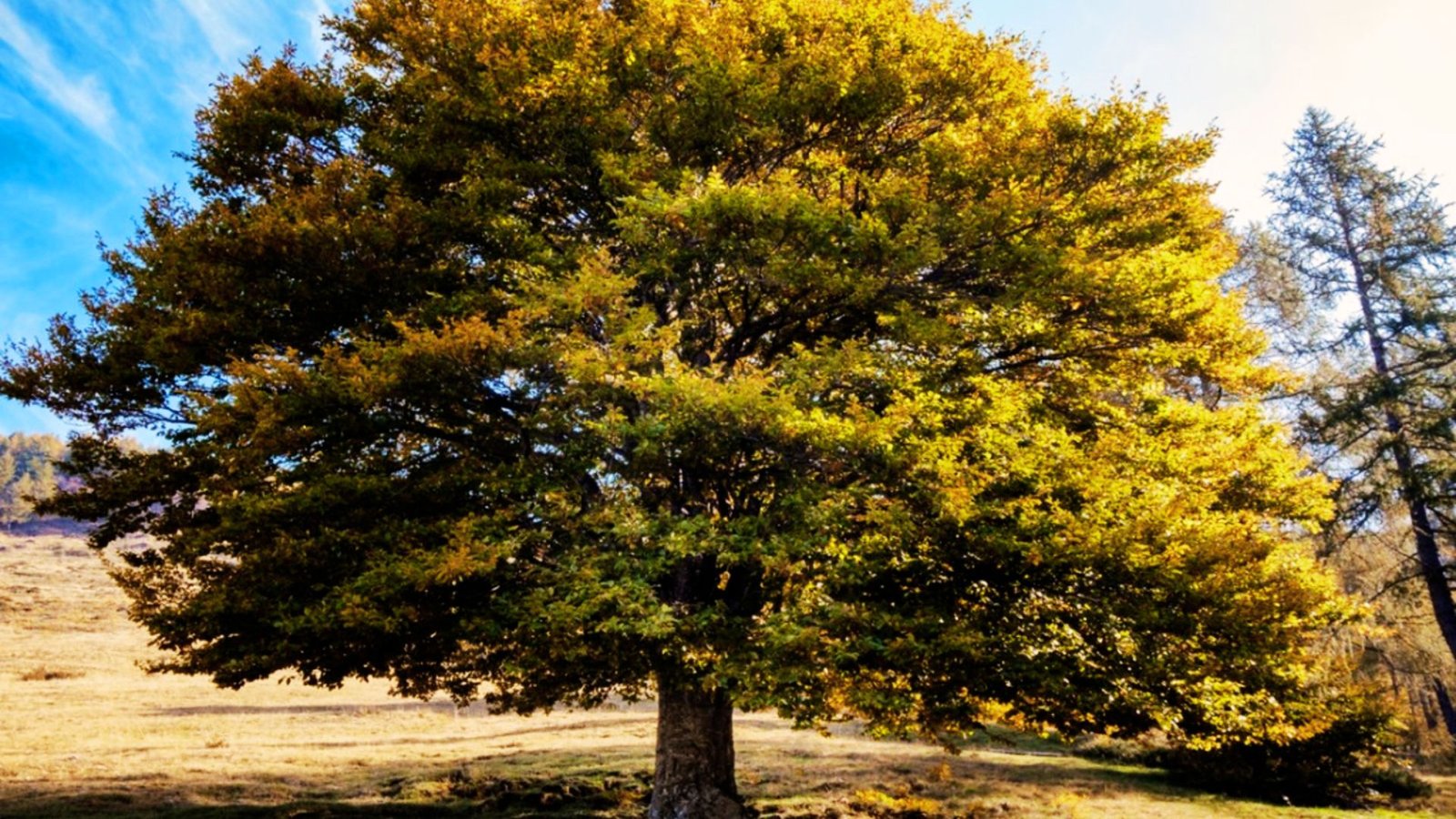
Limes grow on trees, not bushes, and most stay between 6 and 13 feet tall. They bloom in spring, with fruit developing through summer and ready to pick by late summer or early fall.
A seed-grown tree takes 5 to 7 years to fruit, but a grafted nursery tree produces in just 2 to 3 years.
Popular choices for home gardens include Persian Lime, Key Lime, Kaffir Lime, and Tahitian Lime.
Each variety has something different to offer, so pick one that fits your space and cooking needs.
Best Growing Conditions for Healthy Lime Trees
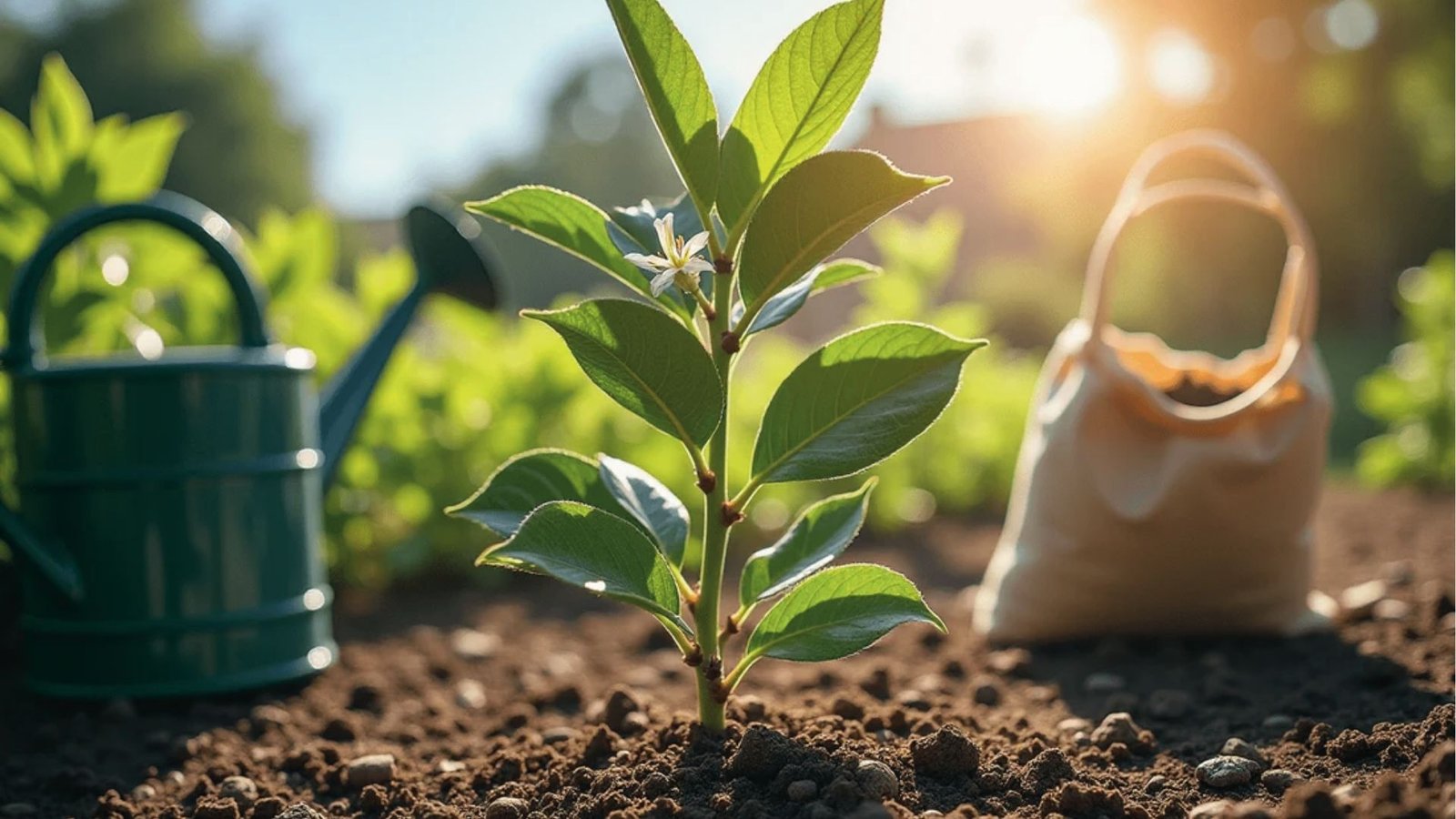
Give your lime tree the right environment from the start to avoid problems later.
How Much Sunlight Lime Trees Need
Lime trees need full sun. Aim for at least 6 to 8 hours of direct sunlight each day. More sunlight means more fruit.
If you’re growing indoors or on a balcony, place the tree near a south-facing window or in the sunniest spot available.
Best Soil and Drainage to Prevent Root Rot
Good drainage is one of the most important things for lime trees. They do not like sitting in wet soil.
Use well-draining soil with a slightly acidic pH between 6.0 and 7.0. Sandy loam works well. If your soil is heavy clay, mix in compost or sand to improve drainage.
Ideal Temperature and Climate for Lime Trees
Lime trees love warm weather. They grow best in temperatures between 60°F and 100°F (15°C to 38°C). They do not handle frost well.
If you live in a cold region, grow your lime tree in a pot so you can bring it indoors during winter.
Choosing the Right Location for Planting
Pick a sunny, sheltered spot. Avoid areas with strong winds, which can damage branches. Keep the tree away from walls that block light.
If planting in a pot, choose a spot on a patio or deck where it gets good sun all day.
How to Plant a Lime Tree Successfully

Planting the right way from the start saves you a lot of trouble down the road.
Growing Lime Trees in the Ground
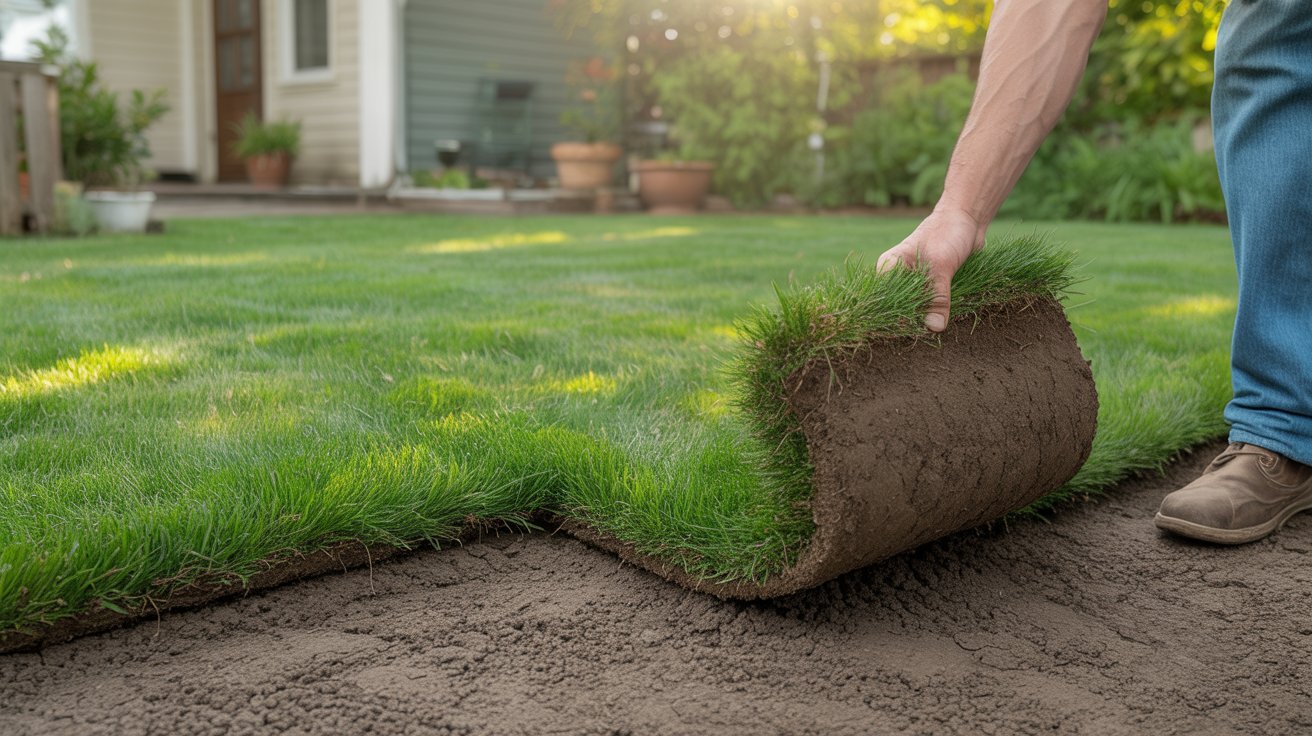
Dig a hole twice as wide as the root ball and just as deep. Place the tree in the hole. Fill it back in with soil. Press down gently to remove air pockets. Water it well right after planting.
How to Grow Lime Trees in Pots
Choose a pot that is at least 15 to 20 inches wide. Make sure it has drainage holes at the bottom. Use a citrus potting mix or a well-draining mix.
Place one layer of gravel at the bottom to help water flow out. Repot every 2 to 3 years as the tree grows.
Proper Planting Depth and Spacing
Do not plant the tree too deep. The top of the root ball should sit level with the ground or just slightly above it.
If planting more than one tree, space them at least 10 to 12 feet apart. This gives roots enough room and allows good airflow.
Best Time of Year to Plant Lime Trees
Spring is the best time to plant. The soil is warm and the growing season is just starting. Avoid planting during frost or extreme heat.
In tropical climates, you can plant almost any time of year as long as there is no drought.
Proven Techniques to Grow Lime Trees Better
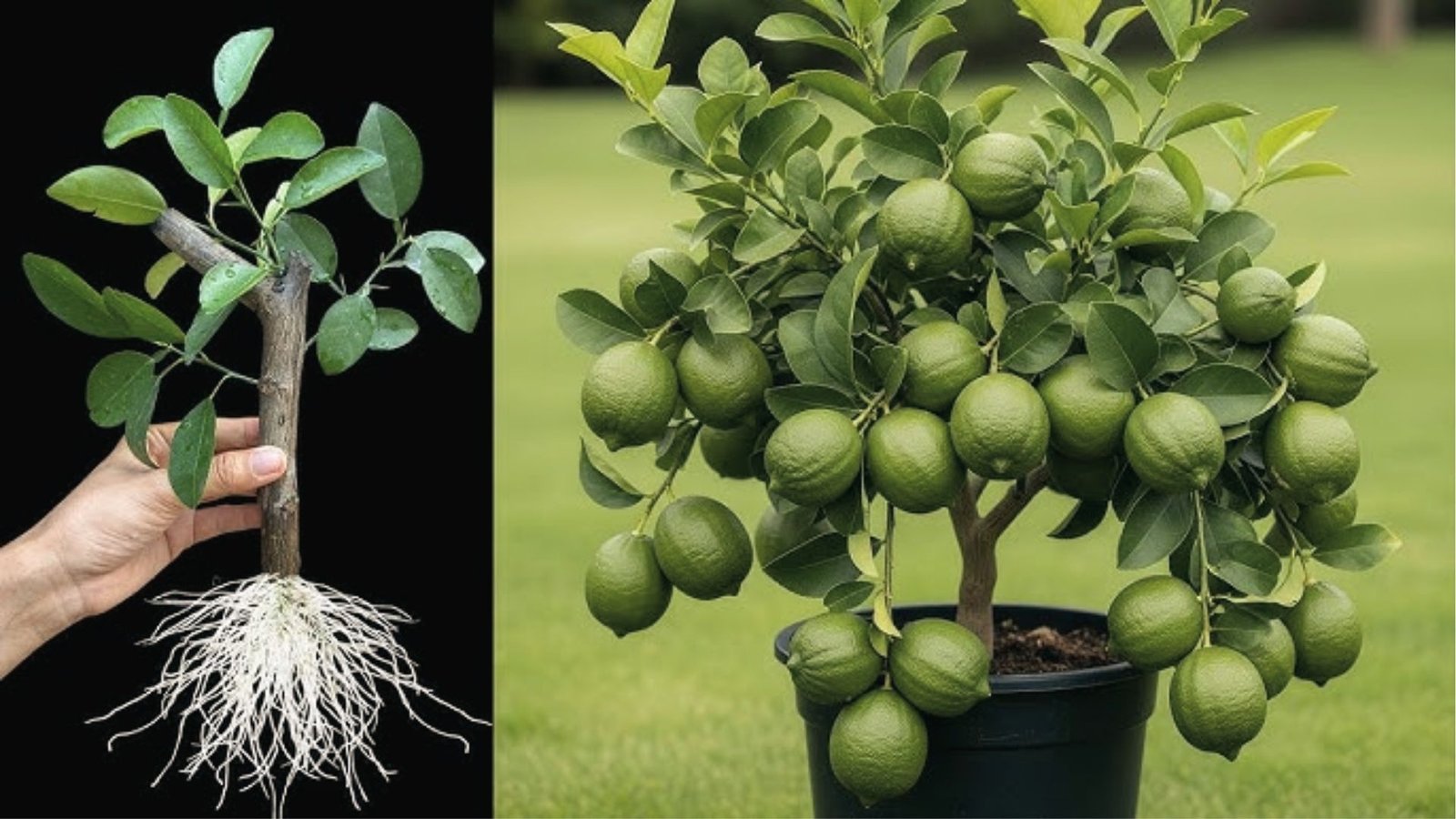
Simple methods that make a real difference in how your lime tree grows and produces fruit.
Use the Right Watering Method
Water deeply but less often. This helps roots grow strong and reach deeper into the soil. Shallow watering leads to weak roots and a less productive tree.
Feed and Prune at the Right Time
Fertilize during the growing season and prune in late winter. This keeps your tree healthy and focused on producing fruit. Skipping either one can slow growth and reduce your harvest.
Crucial Lime Tree Care for Faster Growth
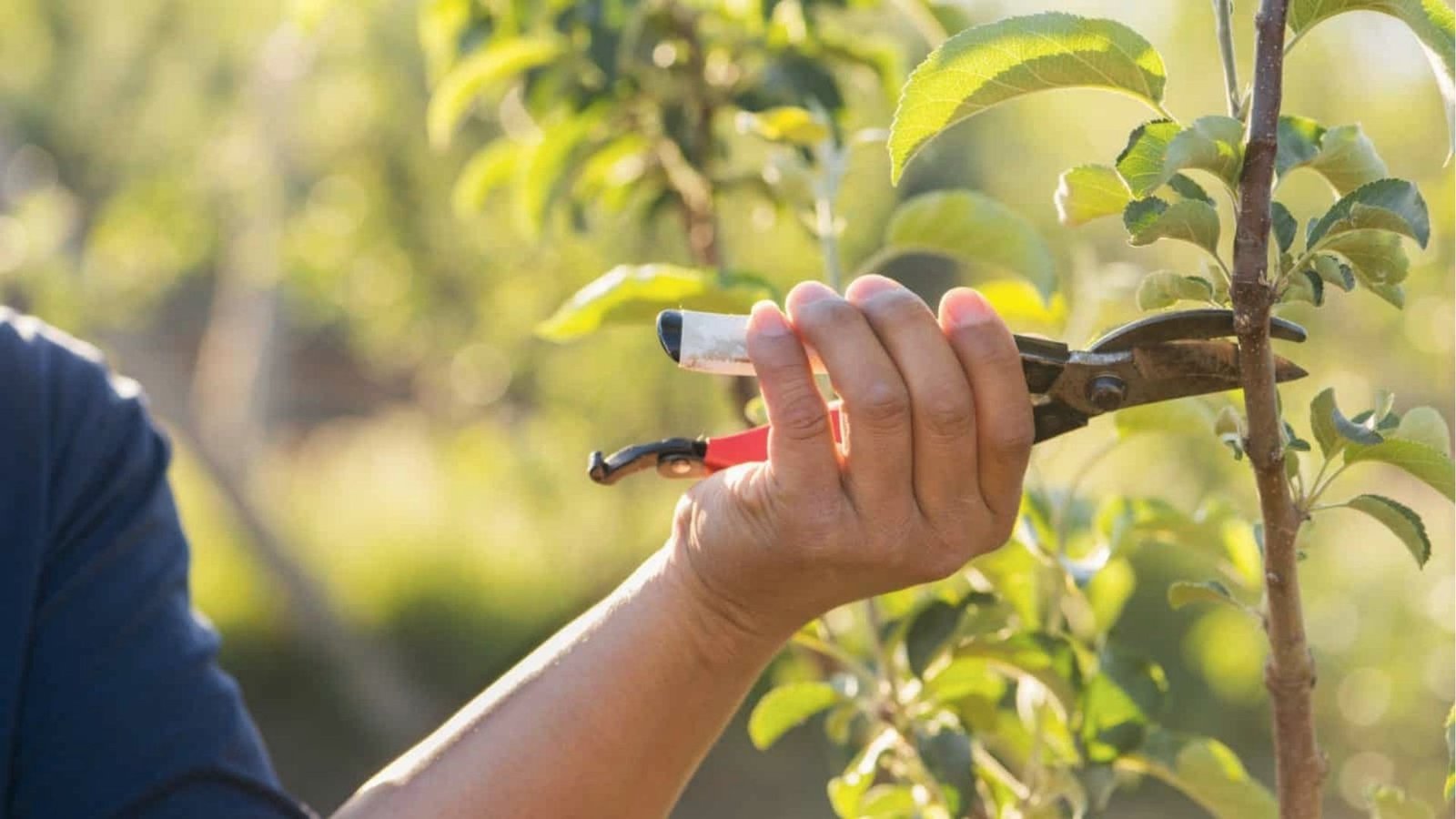
Simple, consistent care makes the biggest difference in how fast and healthy your lime tree grows.
How Often to Water Lime Trees
Water deeply once or twice a week during the growing season. Let the top inch of soil dry out between waterings. Do not water if the soil still feels wet.
In winter, cut back watering. Overwatering in cold months is one of the most common mistakes.
Best Fertilizer for Lime Trees
Use a citrus-specific fertilizer or one high in nitrogen. Feed your tree every 6 to 8 weeks during spring and summer. Stop feeding in fall and winter.
Look for fertilizers labeled for citrus trees. They have the right balance of nutrients including iron, zinc, and manganese.
Pruning Tips for Healthy Growth
Prune in late winter or early spring. Remove dead, crossing, or weak branches. This helps the tree focus energy on healthy growth and fruit production.
Do not over-prune. Removing too many branches at once can stress the tree.
How to Support Heavy Fruit Branches
When the tree is loaded with fruit, branches can bend or break. Use a small stake or tie the heavy branch to a nearby support.
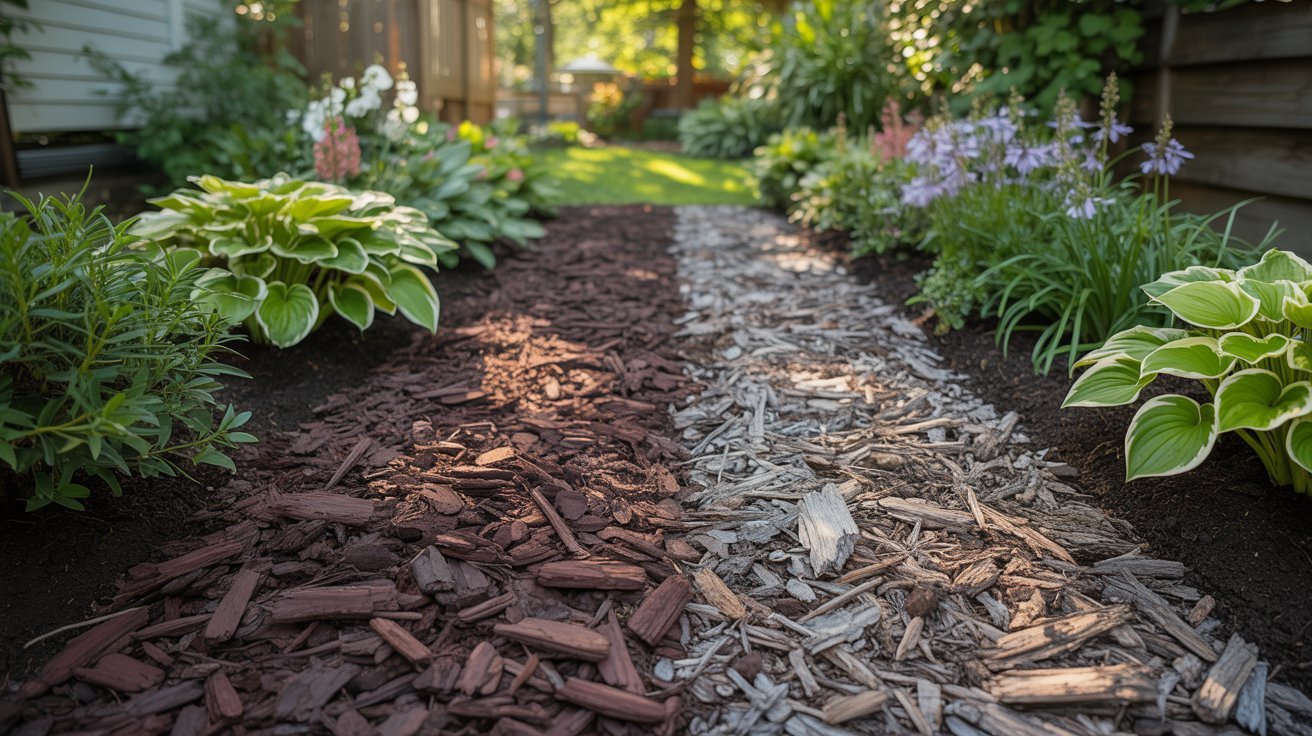
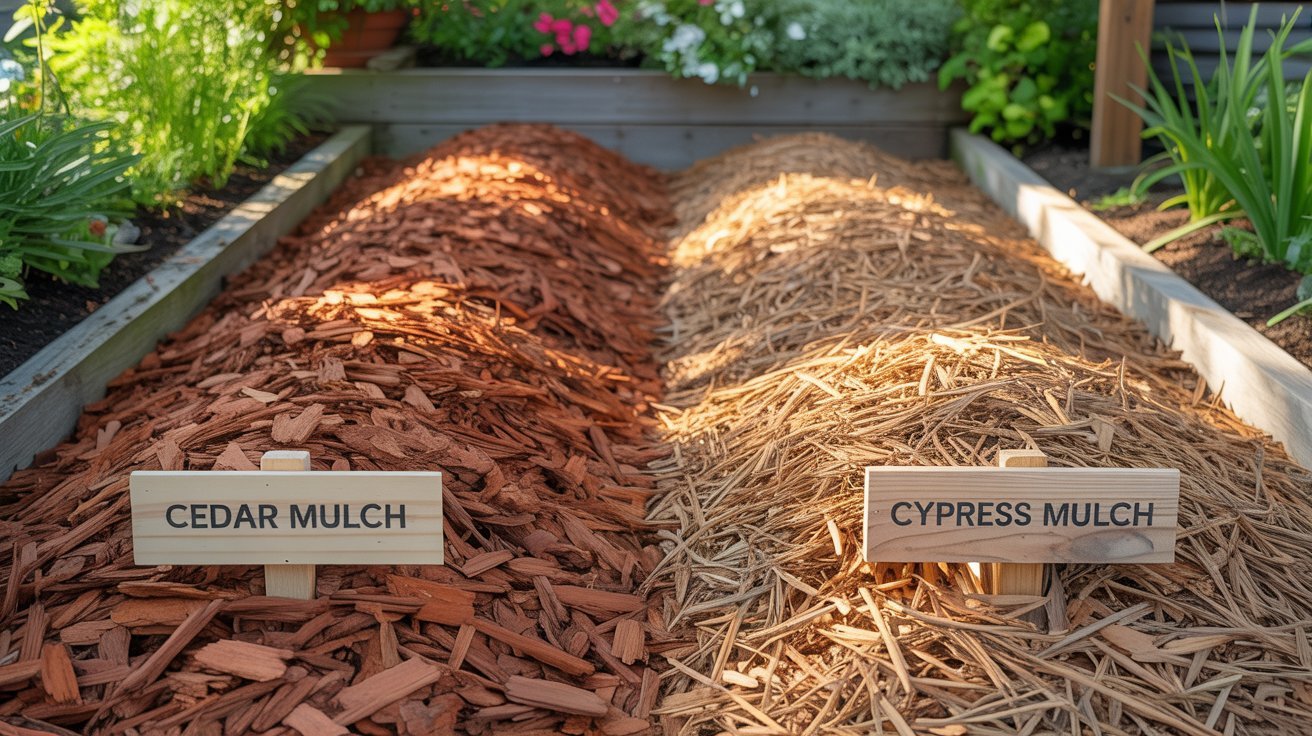
Spread mulch around the base of the tree to retain moisture and protect roots during heavy fruit seasons.
Tips for Growing More Limes Successfully
Small habits done consistently lead to bigger harvests and a healthier tree year after year.
- Bring potted lime trees indoors before frost and cover in-ground trees with frost cloth on cold nights.
- Mulch around the base to protect roots, since even a light frost can damage flowers and reduce harvest.
- Water only when the soil feels dry a couple of inches deep during winter and cut back on fertilizing.
- Reduce watering slightly in late winter to encourage blooming, then hand-pollinate flowers with a small paintbrush.
- Use a pot with drainage holes, pick a dwarf variety, feed with citrus fertilizer, and repot every two to three years.
Conclusion
Do limes grow on trees? Absolutely and now you have everything you need to grow one yourself.
I started with one small lime tree in a container, and it changed how I think about growing food at home.
The key is simple: good sun, proper drainage, and steady care.
Start small. Be consistent. Your tree will reward you.
If this guide helped you, drop a comment below and let me know how your lime tree is doing. I’d love to hear about your progress!
Frequently Asked Questions
Can lime trees grow in cold climates?
Lime trees prefer warm weather but can survive in cold climates if grown in pots. Bring them indoors before temperatures drop below 50°F to protect them from frost damage.
How tall do lime trees get?
Most lime trees grow between 6 and 13 feet tall. Dwarf varieties stay smaller, usually around 4 to 6 feet, making them ideal for containers or small gardens.
Do lime trees need a lot of water?
Lime trees need regular watering, but not too much. Water deeply once or twice a week in summer and reduce watering in winter to avoid root rot.
Can I grow a lime tree from a seed?
Yes, you can grow a lime tree from seed, but it takes 5 to 7 years to fruit. Buying a grafted nursery tree is a faster option if you want fruit sooner.
Why is my lime tree not producing fruit?
Common reasons include not enough sunlight, overwatering, lack of fertilizer, or the tree being too young. Check your care routine and make sure the tree gets at least 6 hours of direct sun daily.