
I’ve stood in my yard many times, unsure whether to mulch or bag my grass clippings. It’s a small decision that actually matters a lot for your lawn’s health.
In this article, I’ll walk you through the disadvantages of mulching grass vs bagging so you can make the right call.
We’ll cover what each method means, the pros and cons of both, when to use each one, and practical tips for better mowing.
With years of hands-on lawn care experience, I’ll keep this simple and useful.
Understanding Mulching

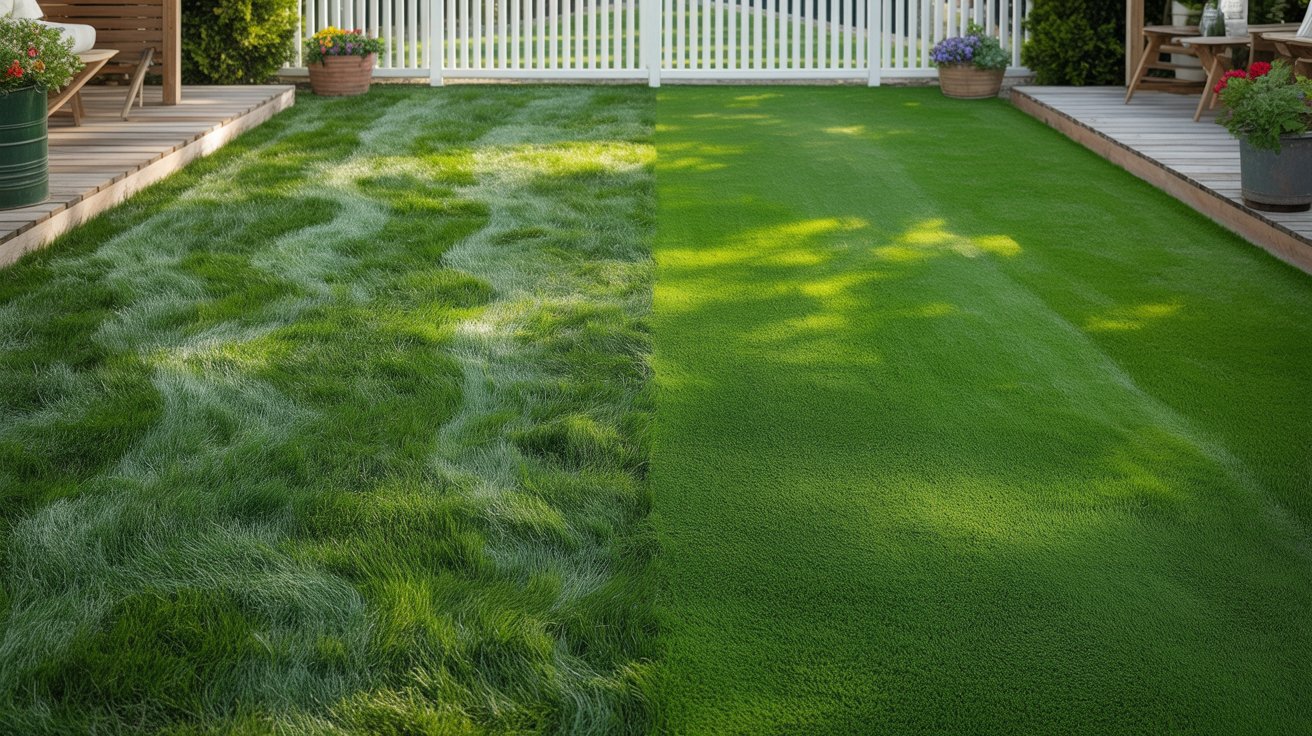
Mulching means cutting grass into fine pieces and leaving them right on the lawn. The mower chops the clippings small, and they fall back into the grass.
Over time, they break down into the soil with no bag and no cleanup needed. As clippings break down, they return nitrogen and other nutrients naturally, which can reduce your need for fertilizer.
But mulching only works well when done right. Wet or long grass can cause real problems, and we’ll get into that shortly.
Mulching Grass Clippings: Advantages vs Disadvantages
Mulching has real benefits, but it also comes with problems worth knowing before you skip the bag.
| Aspect | Advantage | Disadvantage |
| Clippings | Fall back into grass naturally | Can smother lawn if too thick |
| Nutrients | Returns nitrogen to soil for free | Wet clippings clump and break down slowly |
| Lawn Health | Feeds soil microbes over time | Can spread weeds and lawn disease |
| Lawn Condition | Works great on short, dry grass | Overwhelms mower on overgrown lawns |
| Cleanup | No bags or disposal needed | Clippings can blow onto paths and beds |
| Time | Speeds up mowing on larger lawns | Not ideal when disease or weeds are active |
Both methods have their place. Mulch when your lawn is healthy and dry, and bag when conditions call for extra care.
Understanding Bagging Grass Clippings

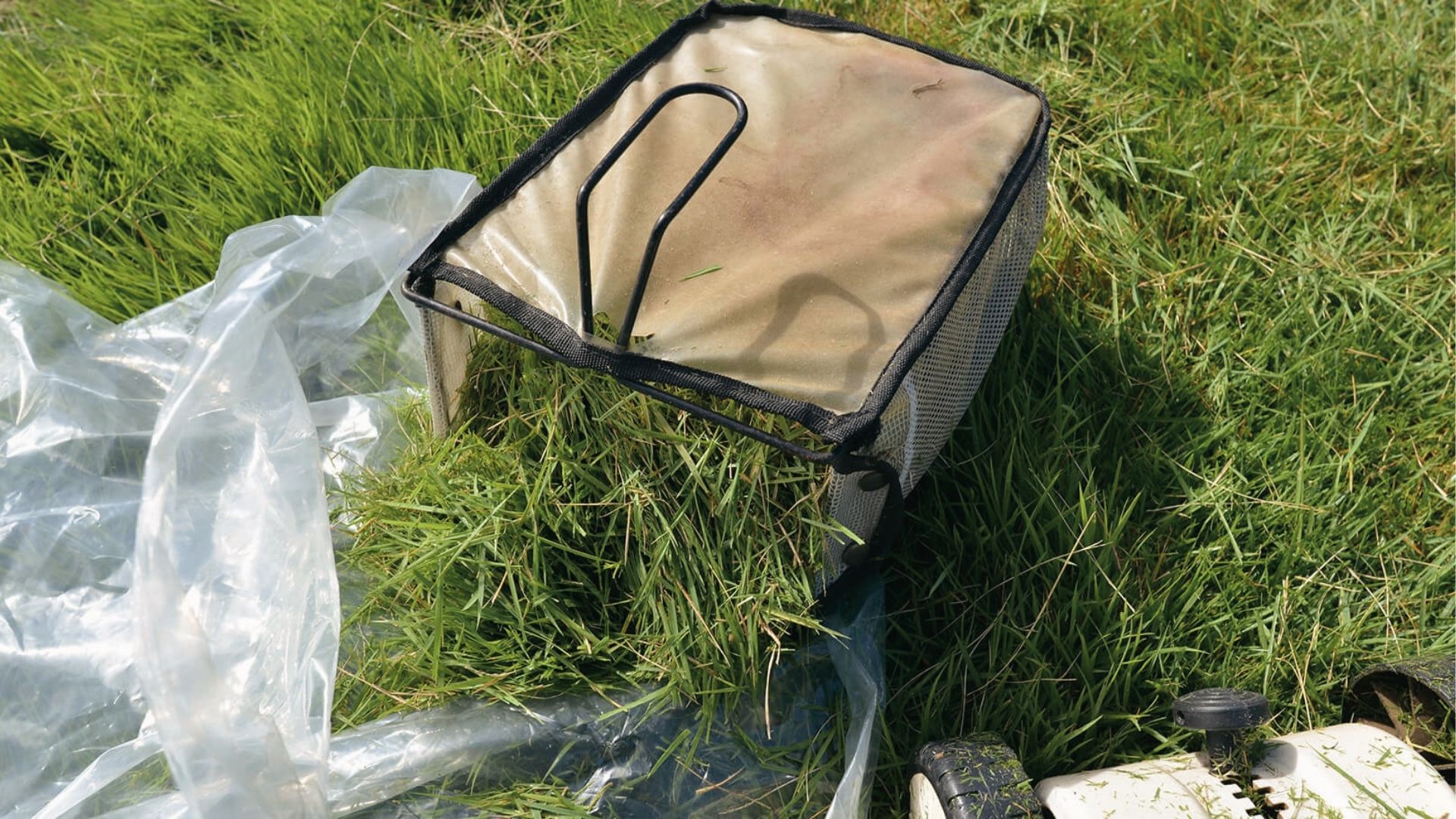
Bagging collects grass clippings in an attached bag as you mow. Once the bag fills up, you empty it, and the clippings go into a compost bin, yard waste bag, or trash.
Nothing is left on the lawn. Bagging keeps things looking clean and removes weeds and diseased grass before they can spread.
But it also removes nutrients that could have gone back into the soil. It keeps things neat, but it does come with real trade-offs worth thinking about.
Bagging Grass Clippings: Advantages vs Disadvantages
Bagging isn’t perfect, but it shines in specific situations where cleanliness and control matter.
| Aspect | Advantage | Disadvantage |
| Clippings | Lawn looks clean and neat after every mow | Removes nutrients that could feed the soil naturally |
| Nutrients | Removes diseased or weed-filled clippings safely | Nitrogen and minerals leave with every full bag |
| Lawn Health | Stops weed and disease spread effectively | May require more fertilizer to replace lost nutrients |
| Lawn Condition | Handles tall and wet grass much better than mulching | Adds more time and physical effort to every mowing session |
| Cleanup | Fewer clippings on paths, patios, and flower beds | Full bags need disposal through trash or yard waste pickup |
| Environment | Great for lawns with active disease or weed problems | Less eco-friendly due to increased waste and fertilizer use |
Both methods have their place. Bag when your lawn needs a clean finish or has active weed and disease issues.
Mulching vs Bagging Grass: Which Should You Choose?

The right choice depends on your lawn’s condition, your schedule, and what results you want.
Best Option for Lawn Health
For most healthy lawns, mulching is better long-term. It feeds the soil and supports grass growth. If your lawn is in good shape and you mow regularly, mulching wins here.
Best Option for Convenience and Cleanliness
Bagging is better when you need a clean result fast. It’s also better for lawns with active weed or disease problems.
If appearances matter more right now, bag it.
Factors That Affect Your Decision
Your decision comes down to a few key factors. How often you mow, your current lawn health, and the grass length at the time of mowing all play a role.
The time you have available also matters, and so does knowing if weeds or disease are already present in your lawn.
Think through each of these before picking a method, and you’ll make a much better call for your specific situation.
When to Mulch Grass Instead of Bagging

Mulching works best under specific conditions. Knowing when to use it makes a big difference.
Ideal Lawn Conditions for Mulching
Mulch when your lawn is healthy and free of disease. Short, dry grass is ideal. The mower can chop it finely and spread it evenly.
Regular mowing makes mulching far more effective.
Importance of Regular Mowing
Mowing on a regular schedule keeps grass short enough for mulching to work well. Letting it go too long ruins the results.
Stick to a mowing routine if you plan to mulch consistently.
Why Dry Grass Works Best
Dry grass chops cleanly. It spreads evenly across the lawn. It breaks down faster too. Always try to mow when the grass is dry.
When Bagging Grass Clippings Is the Better Choice

There are clear moments when bagging is simply the smarter move for your lawn.
After Long Gaps Between Mowing
If you’ve skipped a few mowing sessions, the grass may be too long for mulching. Bag it first. Once the lawn is shorter again, switch back to mulching.
During Weed or Disease Problems
Bagging stops the spread. If you see signs of fungal disease or heavy weeds, bag every time until the problem is under control.
When Grass Is Overgrown or Too Thick
Thick, overgrown grass won’t mulch well. Bag it to get things back to a manageable length.
Before Events or Landscaping Work
If you have guests coming or yard work planned, bagging gives you a cleaner result. The lawn looks sharp and there’s no mess to deal with.
Tips for Proper Lawn Mowing and Grass Clipping Management
These simple habits make both mulching and bagging work better and protect your lawn over time.
- Never cut more than one-third of the grass blade at once to avoid stressing the lawn or creating too many clippings.
- Keep mower blades sharp so they cut cleanly every time and reduce the risk of disease on torn grass.
- Always mow dry grass to prevent clumping, uneven spreading, and mower clogging during the session.
- Use the correct mulching or bagging setting on your mower since mulching blades work differently from standard ones.
- Check your mower’s manual if you are unsure about settings so you always get the best results from either method.
Conclusion
I know how easy it is to just pick one method and stick with it without thinking twice. I used to bag everything until I realized I was hauling away free nutrients every single week.
The disadvantages of mulching grass vs bagging are real, but so are the benefits on both sides. My honest advice? Mulch when conditions are right, and bag when they’re not.
Try both. See what works for your lawn. Drop a comment and let me know which method you prefer!
Frequently Asked Questions
Is mulching grass better than bagging for lawn health?
Mulching returns nutrients to the soil, which is great for lawn health. Bagging is better when disease or weeds are present.
Can mulching cause thatch buildup in my lawn?
Mulching rarely causes thatch on its own. Thatch comes from roots and stems, not clippings. Regular mowing keeps clippings small enough to break down quickly.
How often should I mow if I plan to mulch?
Mow every five to seven days during the growing season. This keeps grass short enough for mulching to work effectively without clumping.
When should I bag my grass clippings instead of mulching?
Bag when grass is long, wet, or diseased. Also bag before events when you want a clean, tidy lawn appearance.
Does bagging grass increase fertilizer costs?
Yes, bagging removes nitrogen and other nutrients from the lawn. Over time, this can mean you need to add more fertilizer to keep grass healthy.