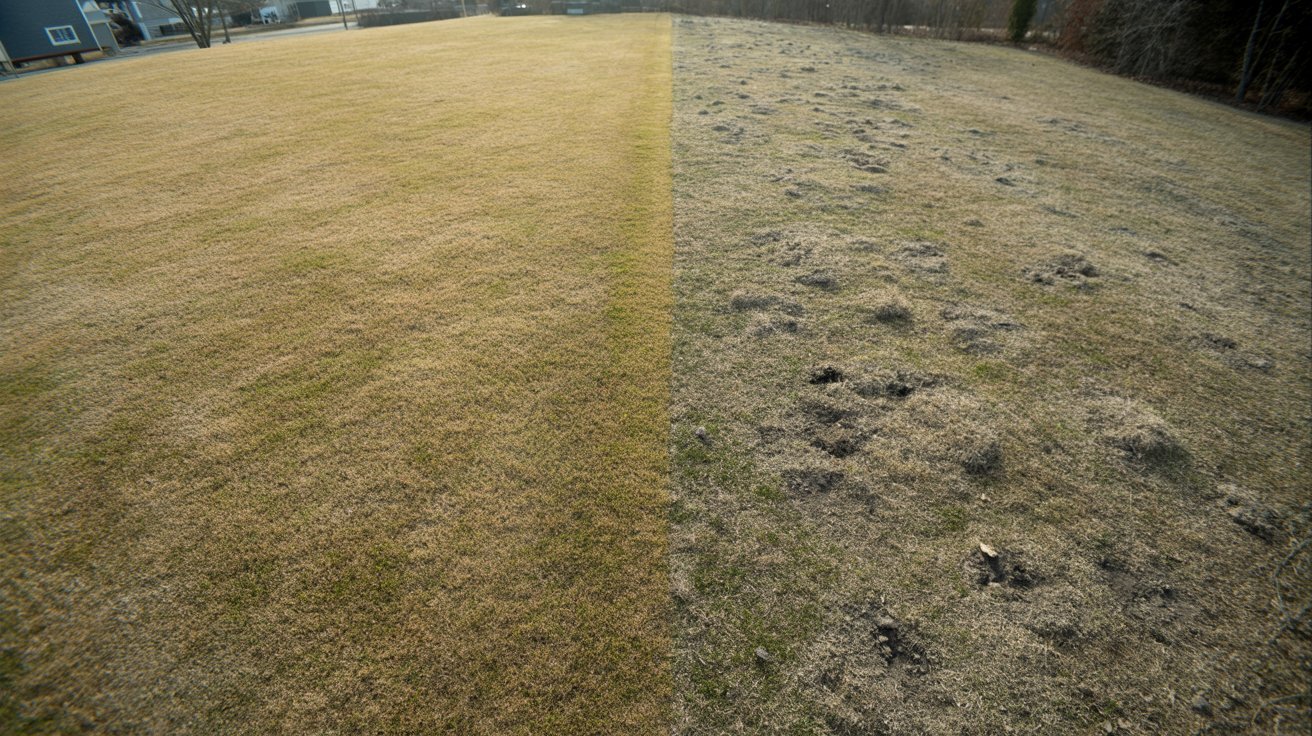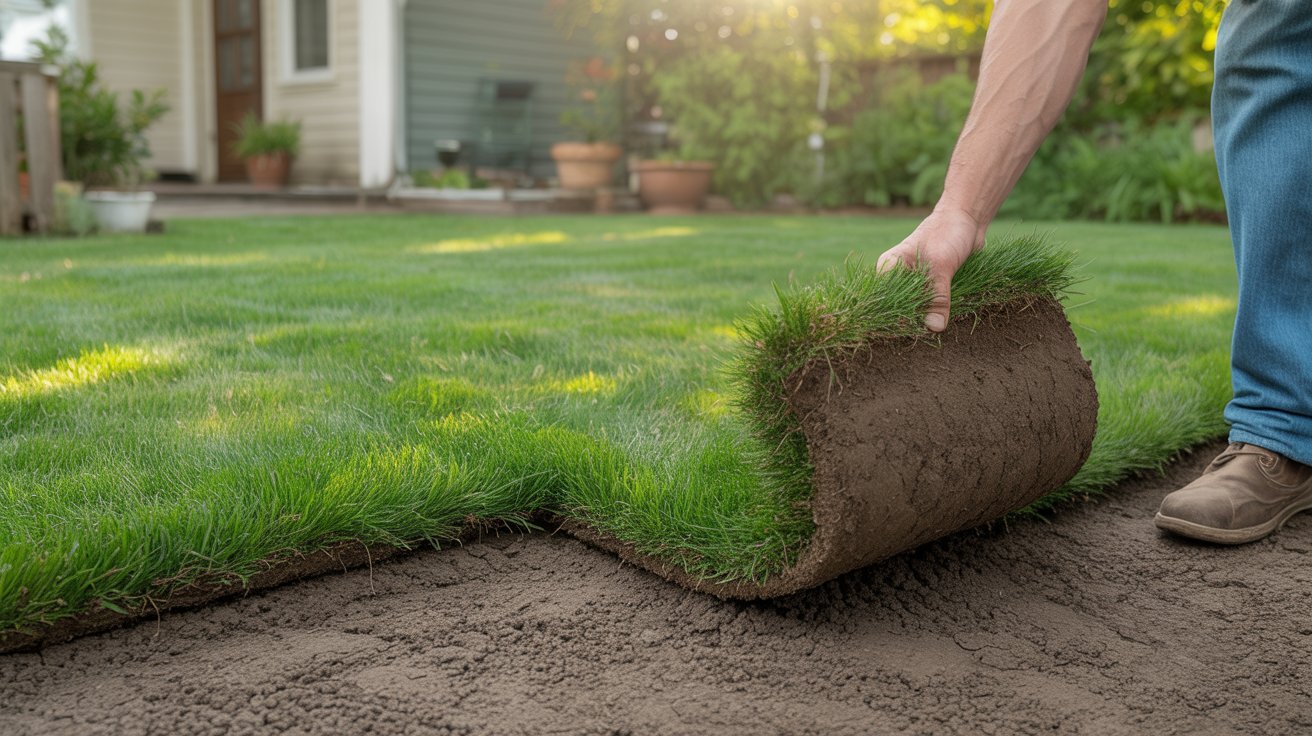

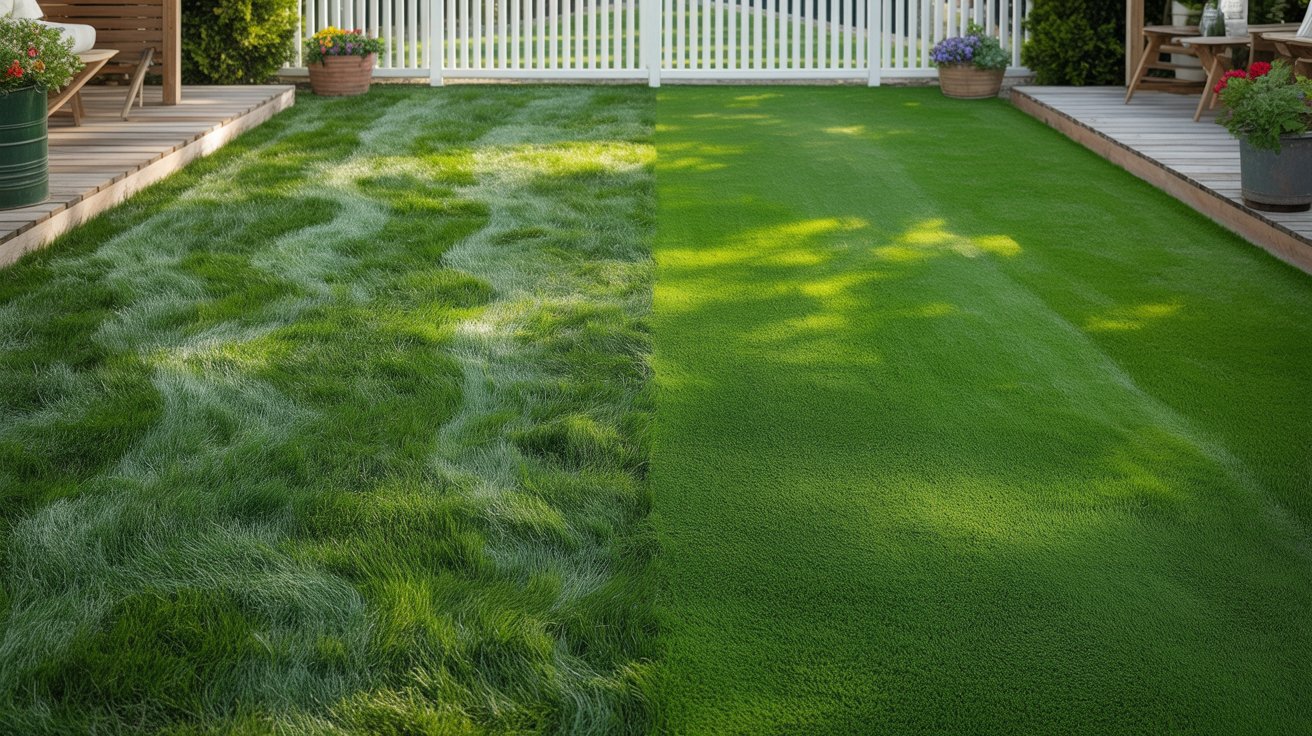
The main difference between sod vs turf is simple.
Sod is living natural grass, while artificial turf is made from synthetic plastic fibers. Sod gives you a cooler, more natural lawn. Turf requires far less maintenance and water.
I've spent time researching both options across different climates and budgets.
In this guide, I'll cover costs, drainage, home value, climate fit, and hidden expenses most buyers miss.
If you've been searching fake grass vs sod or synthetic grass vs natural grass, you'll find clear answers here.
Let’s get started.
What Is the Difference Between Sod and Turf?
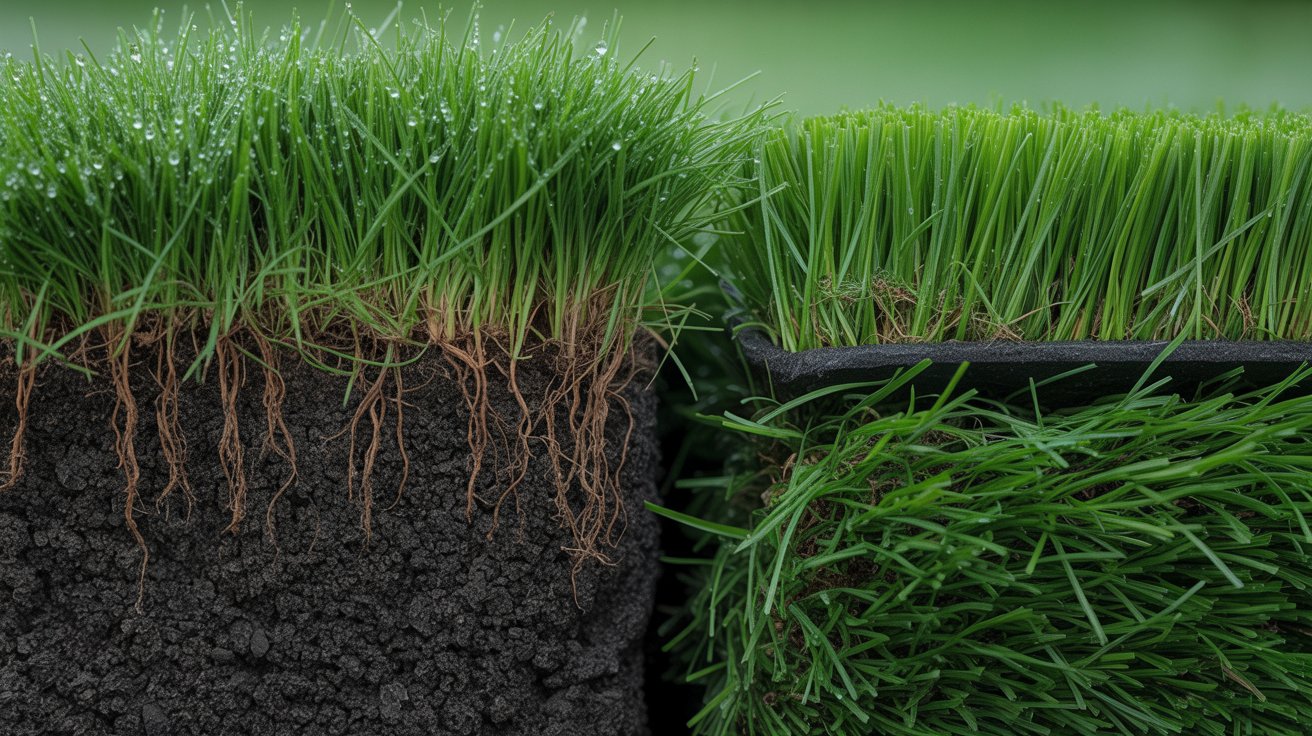
Sod is a living system. It grows, self-repairs, absorbs rain, and cools the air around it.
Turf is a product. It stays green without care, holds up under heavy use, and never needs water.
The biggest gap comes down to this. Sod rewards consistent care. Turf rewards a bigger upfront budget.
What Is Sod?
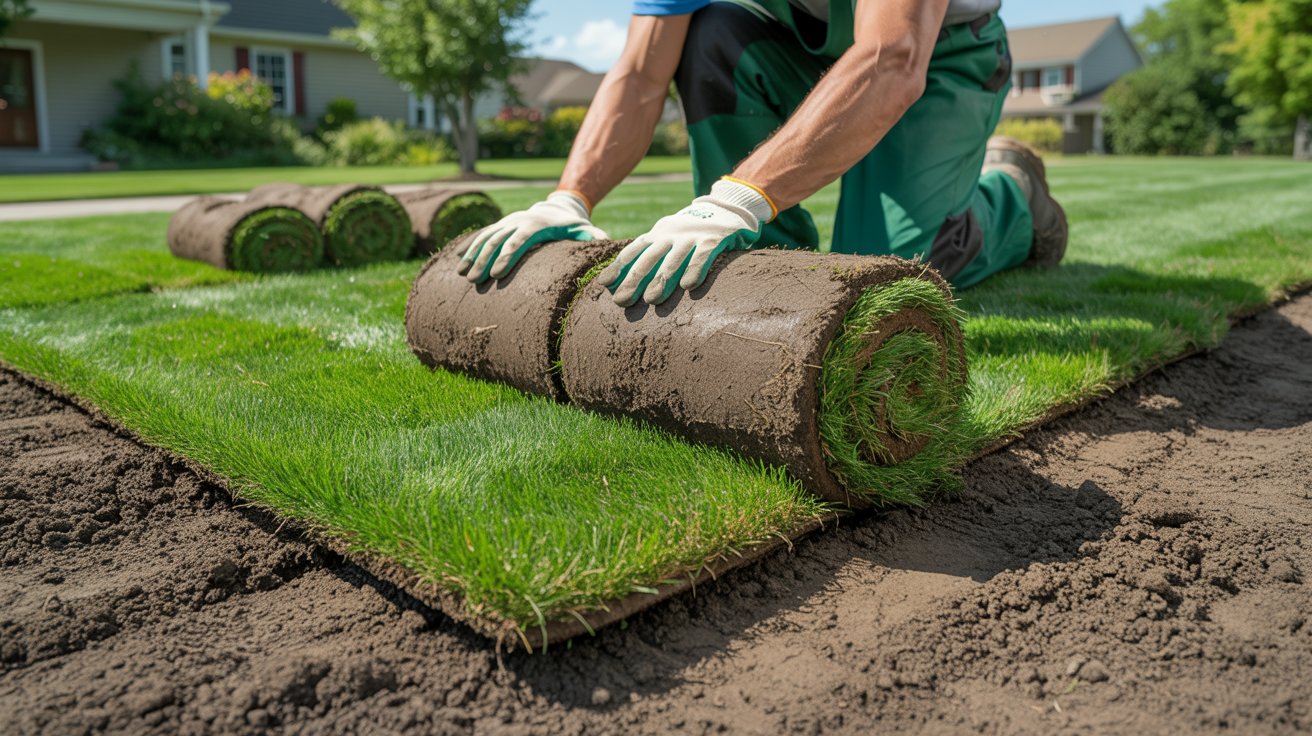
Sod, also called natural grass or turfgrass, is pre-grown grass cut into rolls with roots and a thin soil layer attached. You lay it on prepared ground, water it, and it roots in two to four weeks.
Cool-season grasses like fescue and Kentucky Bluegrass work well in northern and shaded regions. Warm-season varieties like Bermuda and Zoysia perform better in hot southern climates. Zoysia handles transition zones between hot and cold weather well.
Pros of Sod
- Feels and smells like a real lawn
- Absorbs rainwater naturally without any engineering
- Supports soil health, pollinators, and local insects
- Self-repairing with consistent seasonal care
Cons of Sod
- Needs regular irrigation, mowing, and fertilizing
- Can die from drought, disease, or neglect
- Foot traffic during the rooting period causes damage
- Higher upfront cost compared to seeding
What Is Artificial Turf?
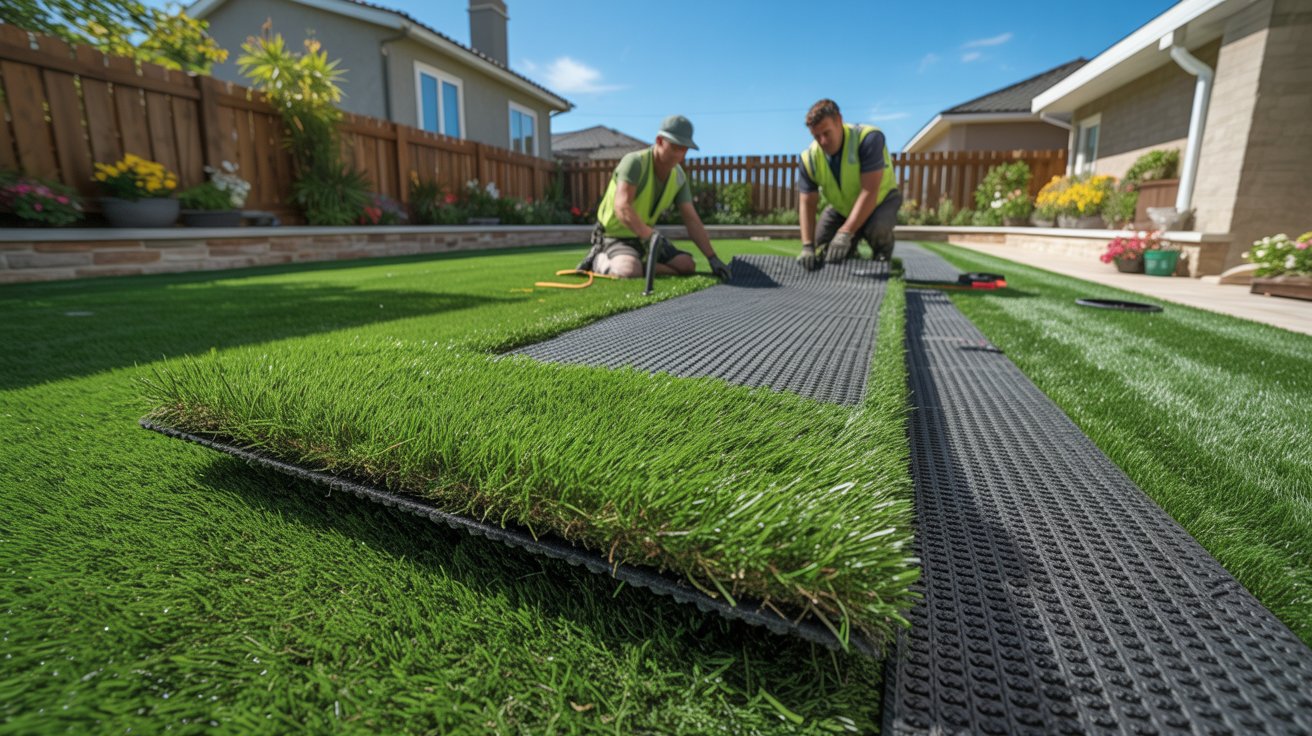
Artificial turf, also called fake grass or artificial grass, is a manufactured surface using polyethylene or polypropylene fibers with rubber or sand infill to hold blades upright.
You'll find it on sports fields, playgrounds, and low-maintenance residential yards.
Pros of Turf
- Stays green year-round without irrigation
- Handles heavy foot traffic consistently well
- Works in drought regions with strict water restrictions
- No mowing, fertilizing, or seasonal prep needed
Cons of Turf
- Surfaces can run 20 to 50 degrees hotter than natural grass in direct summer sun
- Requires full replacement every 10 to 20 years
- High upfront installation cost
- Limited ecological benefits compared to natural grass
Sod vs Turf: Quick Comparison Table
Before committing to either option, here is a full side-by-side look at the factors that matter most.
| Feature | Sod | Artificial Turf |
| Type | Natural grass | Synthetic plastic fibers |
| Upfront Cost | $1 to $2 per sq ft installed | $5 to $20 per sq ft installed |
| Yearly Maintenance Cost | $500 to $1,500+ | $100 to $300 |
| Lifespan | Ongoing with proper care | 10 to 20 years |
| Water Needs | High | None |
| Heat Retention | Stays cool | 20 to 50 degrees hotter than grass |
| Drainage | Natural absorption | Requires perforated backing and gravel base |
| Pet Friendliness | Good, can be dug up | Good, stays mud-free |
| Repairability | Yes, patch bare spots | Full replacement only |
| Installation Time | 2 to 4 weeks to root | 1 to 2 days |
| Home Value Impact | Strong in traditional neighborhoods | Better in drought states |
| Eco Impact | Positive | Limited compared to natural grass |
Use this table as your starting point, then read the full sections below before making your final call.
Which Costs More?
Sod costs $0.30 to $0.80 per square foot. With professional installation, expect $1 to $2 per square foot total.
DIY sod installation saves on labor but requires proper grading tools and soil prep time.
Annual costs add up fast. Water bills can run $300 to $800 per year. Fertilizing costs $50 to $150 per season. Professional mowing runs $30 to $80 per visit.
Artificial grass installation costs $5 to $20 per square foot. A 500-square-foot lawn runs $2,500 to $10,000 depending on quality and region.
According to industry estimates, annual upkeep for a turf system drops to $100 to $300 for rinsing, brushing, and basic care.
Budget for replacement too. Most residential artificial turf lasts around 10 to 20 years depending on quality, sun exposure, and foot traffic. When that time comes, you pay full installation costs again.
Over 20 years, artificial grass can come out ahead financially. But the upfront number is significantly larger.
Hidden Costs Most Homeowners Miss
This is where a lot of buyers get caught off guard.
With sod, expect costs for irrigation system repairs, reseeding worn patches each fall, and seasonal disease treatments if fungal issues develop.
With artificial turf, the hidden costs include cooling infill upgrades for hot climates, odor treatment products for pet households, drainage corrections if the base was poorly installed, and infill replenishment every three to five years.
Neither option is truly set-and-forget. Build these into your long-term budget from the start.
Which Option Needs Less Maintenance?
Artificial grass needs far less day-to-day work. But it is not fully hands-off.
Many installers report that a turf system still needs regular deodorizing for pet households, infill replenishment every few years, weed prevention around edges, and occasional disinfecting after heavy use.
Sod needs mowing every one to two weeks during the growing season. Irrigation runs several times per week in summer. Fertilizing two to four times per year is standard.
If weekends are not for yard work, artificial grass is the easier path.
Drainage and Rain Performance
This is one of the most practical differences between the two options, and it gets skipped in too many buying conversations.
Sod handles rain naturally. The soil and root system absorb water. Runoff stays minimal on a healthy lawn.
Last spring, I looked at a landscaping project where sod absorbed nearly an inch of rainfall overnight without any puddling or standing water. The base soil was well-prepared, and the results showed immediately.
Artificial turf needs an engineered drainage system to perform correctly. A perforated backing layer and compacted gravel base are both required.
Without them, rainwater and pet urine pool on the surface. Poor drainage leads to odor, bacterial buildup, and a soggy mess underneath the turf layer.
If you have pets, drainage is non-negotiable. Ask your installer exactly how they handle pet urine flow before signing anything.
Does Sod or Turf Increase Home Value?
This depends heavily on where you live and who your potential buyers are.
Sod generally feels more premium in traditional suburban neighborhoods. Buyers in rainy or temperate regions expect a living lawn. A well-maintained natural grass lawn adds clear curb appeal and a sense of care.
Artificial grass performs better in drought states like California, Arizona, and Nevada. In those markets, a low-water grass alternative is a genuine selling point.
HOA rules also matter. Some neighborhoods restrict or prohibit artificial grass entirely. Always check before you install anything permanent.
I looked into several resale cases where fake grass installations in Southern California improved sale timelines noticeably. In the Pacific Northwest, buyers consistently preferred natural grass lawns.
Know your market before you decide.
Best Sod Types by Region
Picking the wrong grass type is one of the most common mistakes with sod.
Bermuda grass works best in the South. It handles heat, drought, and heavy foot traffic well.
Kentucky Bluegrass performs in the North. It stays dense and green through cool-season weather but needs consistent moisture.
Zoysia handles transition zones between hot and cold climates. It is slower to establish but very durable once rooted.
Tall Fescue works well in shade-heavy lawns and adapts to a range of climates better than most grass alternatives.
Which Is Better for Pets and Kids?
Both work. The trade-offs are what matter.
Sod stays cooler and feels more natural underfoot. Dogs may dig into it, causing patches over time. Heavy play areas can get muddy after rain.
When I compared turf and sod during a July landscaping project, the artificial turf became too hot for barefoot walking by early afternoon. The natural grass nearby stayed noticeably cooler throughout the day.
Turf stays mud-free and holds up under constant daily use. For pet households, always choose a version with strong perforated drainage and UV-resistant fibers. Dark-colored turf holds more heat in direct sun, so avoid it in hot climates.
Environmental Impact
Sod provides clear ecological benefits. It absorbs carbon dioxide, filters rainwater, supports pollinators, and cools surrounding air temperatures.
That said, natural grass uses significant water. Fertilizers can also create chemical runoff into nearby waterways.
Artificial grass conserves water, reduces fertilizer use, and cuts mowing emissions. But it is made from plastic that does not break down easily, and it holds heat in ways natural grass never does.
Sod provides ecological benefits like cooling and carbon absorption, while artificial turf conserves water in drought-prone regions. Your climate decides which trade-off matters more.
Which Lasts Longer?
Sod, cared for properly, can last a lifetime. Bare patches can be replaced. Overseeding refreshes worn areas each fall.
Most residential artificial turf lasts around 10 to 20 years depending on quality, sun exposure, and foot traffic. After that, the full surface requires replacement.
For pure longevity, a living lawn maintained well is hard to beat.
Sod vs Turf by Climate
Lets quickly understand the difference between sod and turf when climate comes into play:
Hot, dry climates:Artificial grass is often the smarter pick. Water restrictions and drought conditions make keeping natural grass alive very expensive.
Cool, rainy climates:Sod performs well. Rainfall handles most irrigation, and cool-season grasses stay healthy with minimal extra effort.
Humid regions:It depends. Natural grass can develop fungal disease risk in high humidity. Fake grass avoids that but heats up on sunny days.
Desert regions:A low-maintenance turf system is often cheaper long-term because water costs for natural grass are extremely high year-round.
Questions to Ask Before Choosing
Before you commit, work through these:
- Do you have pets or kids who use the lawn daily?
- Is water expensive or restricted in your area?
- How much direct sun does your lawn get each day?
- Are you willing to mow and fertilize through the growing season?
- What does your HOA allow?
- What is your budget both short-term and over the next 15 years?
Your answers will point you to the right call faster than any article can.
Common Mistakes to Avoid
Buying the cheapest sod without checking the right grass type for your climate. That leads to a dead lawn within one season.
Choosing artificial grass without checking summer heat levels in your region. Low-quality fake grass in a hot climate becomes uncomfortable fast and can be unsafe for pets and children.
Skipping proper drainage planning for turf. Poor drainage causes odor, bacterial buildup, and surface puddling.
Not budgeting long-term. Natural grass has ongoing yearly expenses. Artificial turf has full replacement costs down the road. Plan for both from day one.
Which Should You Choose?
Here is my clear take after going through all of this.
Choose sod if you want a living lawn, live in a cooler or rainy climate, care about environmental impact, and are ready to commit to regular maintenance. Natural grass holds strong resale value in most traditional markets.
Choose artificial grass if low maintenance is your top priority, you live in a hot or drought-prone region, your lawn faces constant heavy use, or your local market favors water-saving options.
- For budget: natural grass costs less upfront. Artificial turf can cost less over 20 years.
- For pets:both work, but drainage and heat levels in your area decide the winner.
- For resale:know your neighborhood before installing anything permanent.
Conclusion
Sod suits you if you want a living lawn, live somewhere with regular rainfall, and are ready for seasonal care.
Artificial grass suits you if maintenance is not your priority, water is expensive, or your yard takes constant heavy use.
For pets, check heat and drainage first. For resale value, know your local market before committing. For budget, think 15 years ahead rather than just today.
Both are solid options. The right one depends entirely on your yard, your lifestyle, and where you live.
Which one fits your situation better?
Frequently Asked Questions
Is sod the same as artificial grass?
No. Sod is real, living grass grown from soil with roots attached. Artificial grass is a synthetic product made from plastic fibers designed to replicate the look of a natural lawn.
How much does turf replacement cost after 15 years?
Replacement costs match the original installation price, typically $5 to $20 per square foot. Budget for this from the start so the expense does not catch you off guard when the time comes.
Which is better for dogs, sod or artificial turf?
Both are workable for dogs. Sod stays cooler but can be dug up over time. Artificial grass stays mud-free but heats up in summer. Choose a version with strong perforated drainage and UV-resistant fibers for pet households.
Can sod survive a drought?
Not without consistent irrigation. During drought conditions, natural grass needs regular watering to survive. Without it, grass goes dormant or dies completely. Artificial grass is the more practical pick in drought-prone regions.
Does artificial turf actually need zero maintenance?
Not entirely. Many installers report that a turf system still needs periodic deodorizing, infill replenishment, edge weed control, and disinfecting for pet households. Annual upkeep is much lower than natural grass, but it is not completely hands-off.