
What bugs eat grass? Learn to identify lawn pests, spot damage fast, and use the best treatments to save your lawn.
What Bugs Eat Grass? 17 Lawn Pests + How to Stop Them Fast
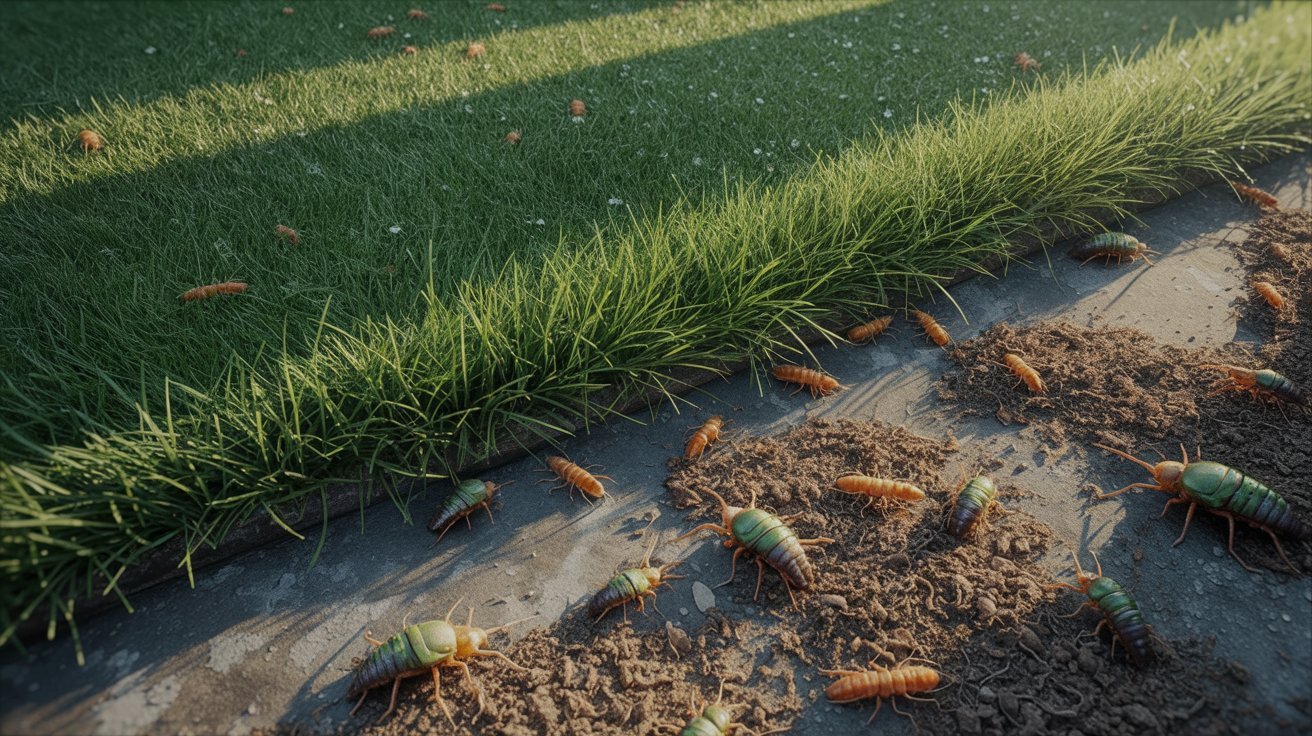
Brown patches, thinning grass, and dying turf are common signs of lawn pests hiding above or below the soil.
If you are wondering what bugs eat grass, identifying the exact insect is the key to saving your lawn before damage spreads.
From white grubs and chinch bugs to armyworms and mole crickets, some pests destroy roots while others chew blades overnight.
I have spent years diagnosing lawn pests across warm-season and cool-season grasses, and I know how fast a small infestation becomes serious turf damage.
In this blog, I cover 17 grass-eating insects, how to read damage type, the best treatments, organic fixes, long-term prevention, and when to call a pro.
What Bugs Eat Grass?
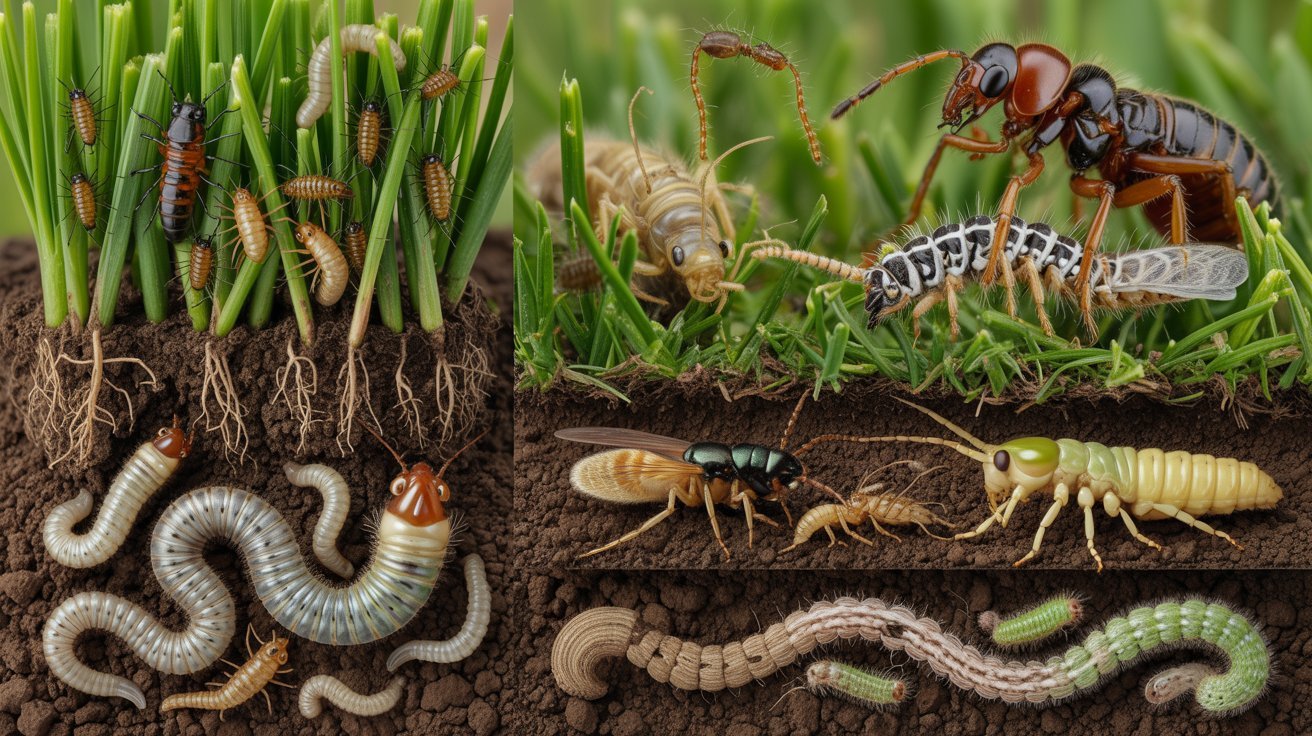
Lawn insects fall into two groups.
Some feed underground as developing grubs, destroying roots before you ever see the damage. Others feed above soil, cutting blades or sucking sap until the grass yellows and thins.
Here is something most homeowners get wrong.
They mistake chinch bug damage for drought stress and spend weeks watering dead grass while the infestation spreads right below the surface.
Knowing the difference saves your lawn and your time.
3 Signs Bugs Are Destroying Your Lawn
Watch for these before spending anything on treatments.
- Brown or yellow patches that do not respond to watering.
- Grass that lifts off the ground like a loose carpet because roots have been eaten away.
- Birds, moles, or skunks repeatedly digging into the same spots, which almost always signals grubs underground.
Two or more together usually confirm a pest problem.
Bugs That Damage Grass Roots vs Grass Blades
Not all lawn pests attack the same way. Knowing where the damage starts helps you treat the right zone.
Root feeders work underground as immature grubs. By the time you see dead patches, the root system is already gone. I check by pulling gently on brown patches in late summer. If the grass lifts with no resistance, the roots are destroyed.
Root Feeders: White grubs, wireworms, billbug larvae, mole crickets, leatherjackets, green June beetle grubs.
Blade Feeders:Armyworms, sod webworms, grasshoppers, cutworms, chinch bugs, aphids, thrips, leafhoppers.
Knowing which group you are dealing with tells you whether to treat the soil or the surface.
17 Bugs That Eat Grass (Identification + Damage + Fixes)
Use this list to match your grass damage to the right pest before you treat anything.
1. White Grubs
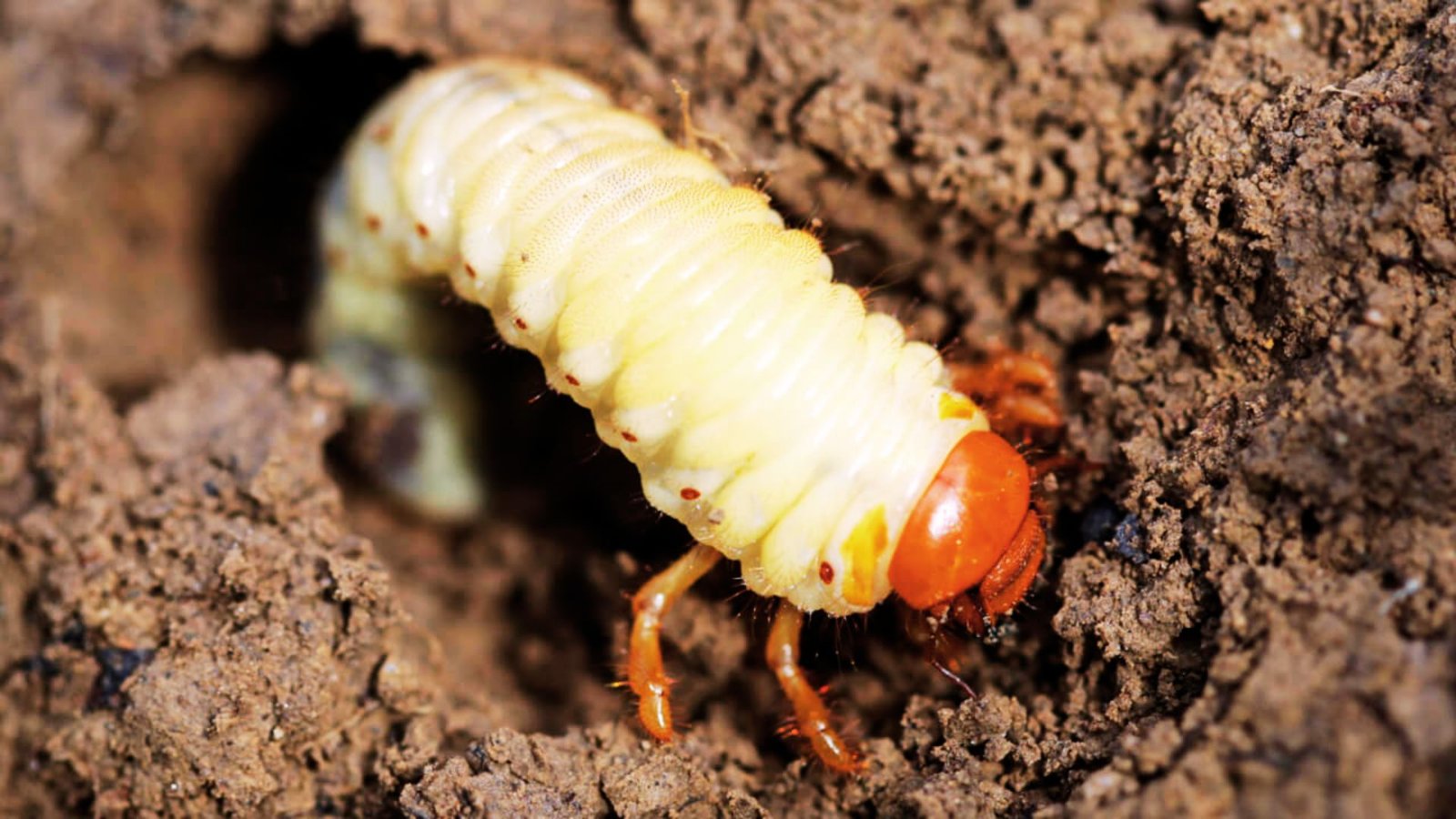
- Identification: C-shaped, creamy white larvae with brown heads. Found 2 to 4 inches underground.
- Damage Signs:Grass lifts easily because root systems have been eaten through completely.
- Best Treatment:Milky spore or imidacloprid in late spring. Avoid applying near flowering plants due to pollinator risk. Follow label directions carefully.
2. Chinch Bugs
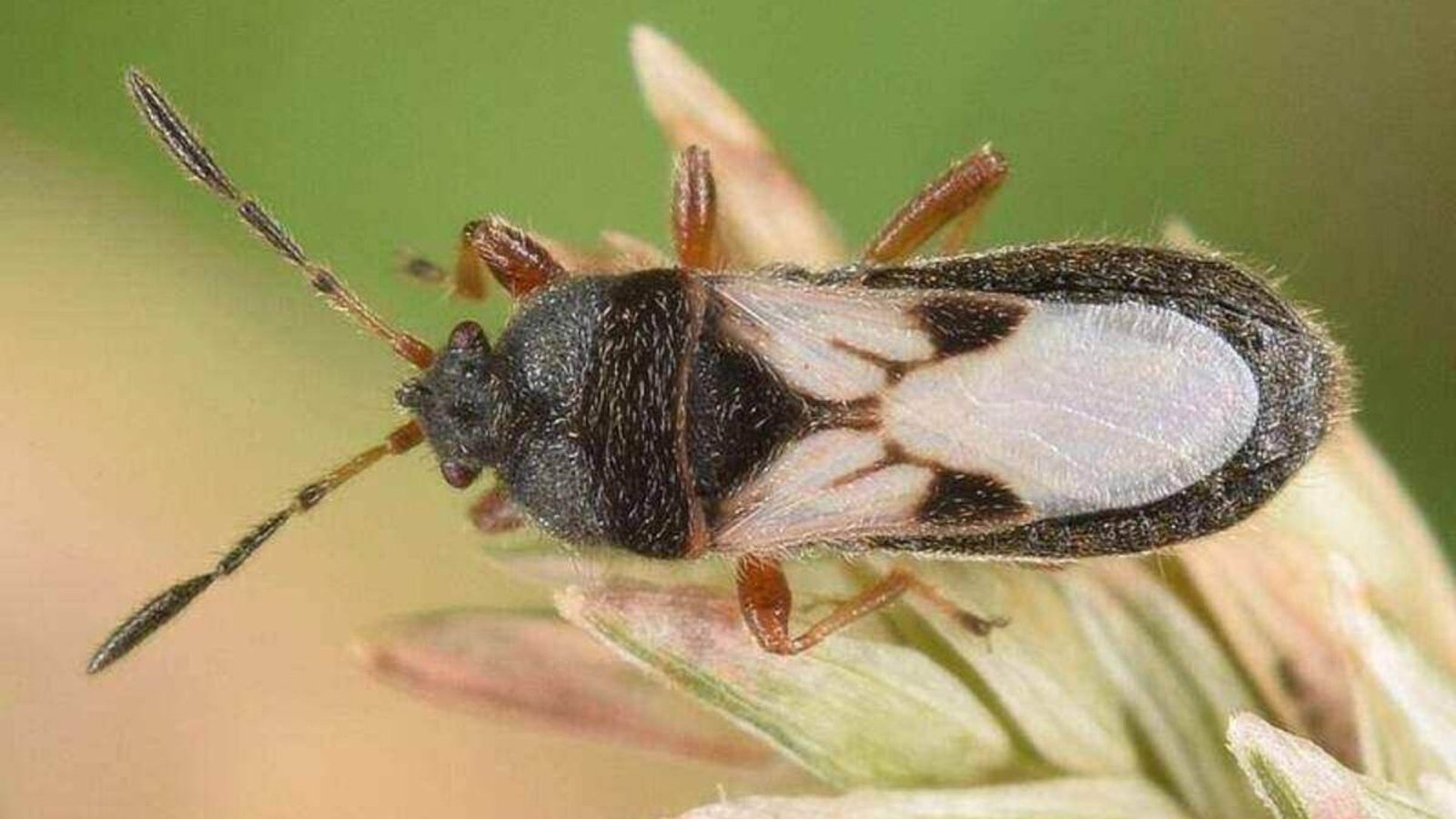
- Identification:Tiny black bugs with white wings, about 1/6 inch long.
- Damage Signs:Straw-colored patches in hot, sunny areas. Commonly confused with drought stress on warm-season lawns.
- Best Treatment:Bifenthrin insecticide or pest-resistant grass varieties.
3. Sod Webworms
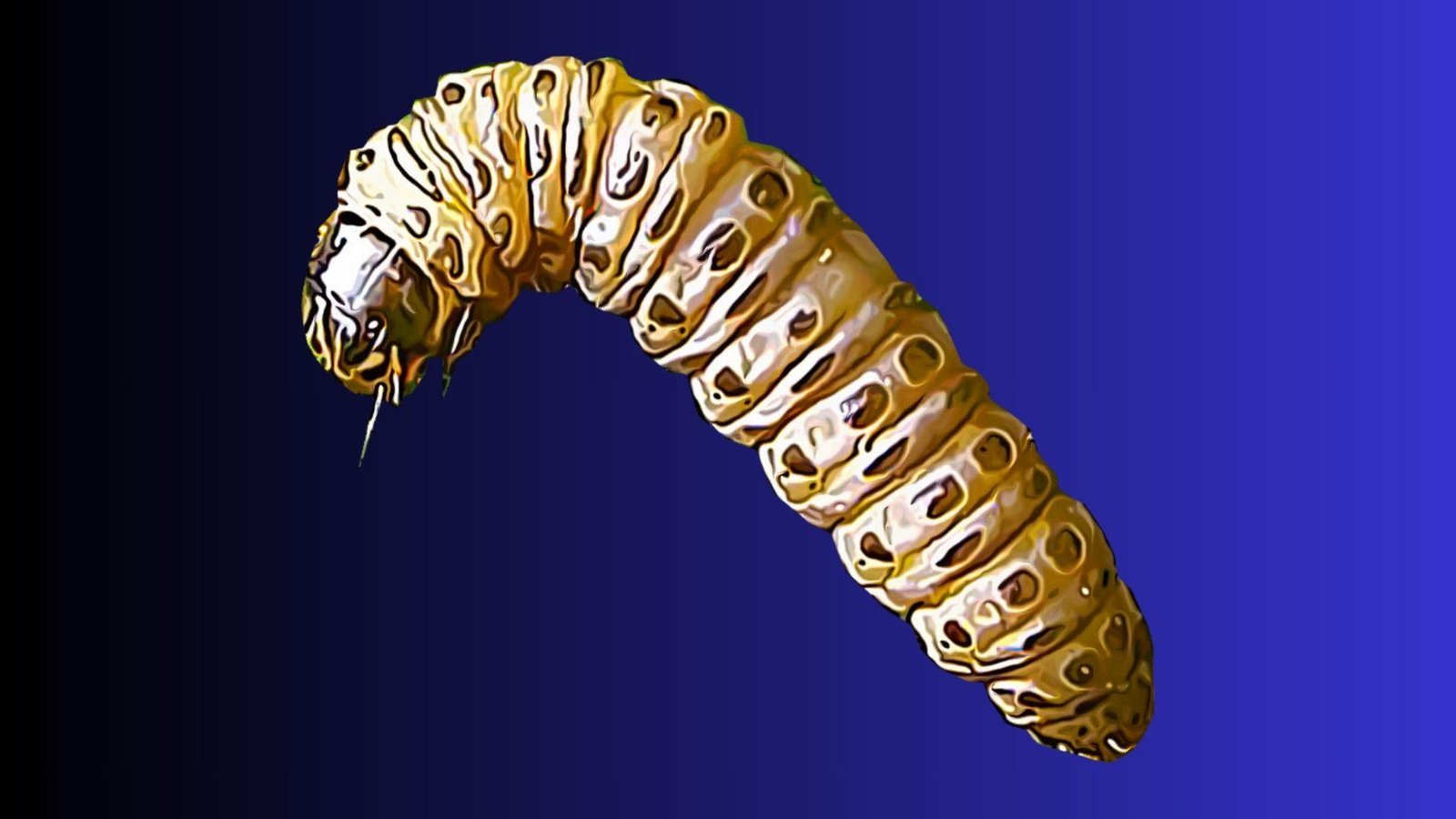
- Identification:Beige moths hover at dusk. Larvae are small, grayish caterpillars at soil level.
- Damage Signs:Ragged, chewed blades and irregular brown spots near the soil surface.
- Best Treatment:Bacillus thuringiensis (Bt) spray. Works well on cool-season lawns in early fall.
4. Armyworms
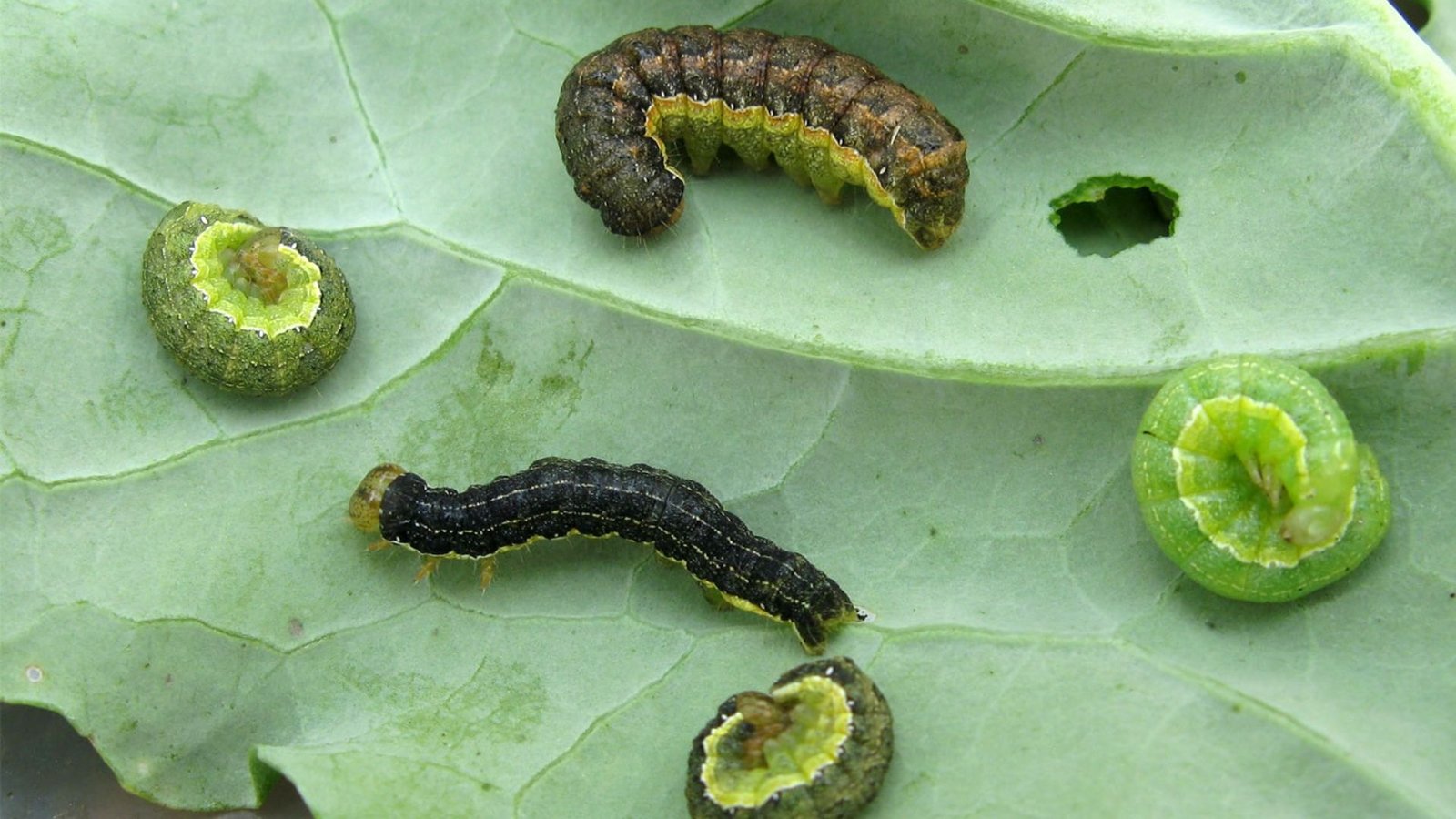
- Identification:Striped caterpillars, about 1.5 inches long, with an inverted Y on the head.
- Damage Signs:Grass stripped overnight. Large areas go bare very fast.
- Best Treatment:Spinosad or pyrethroid insecticide applied in the evening when feeding is most active.
5. Cutworms
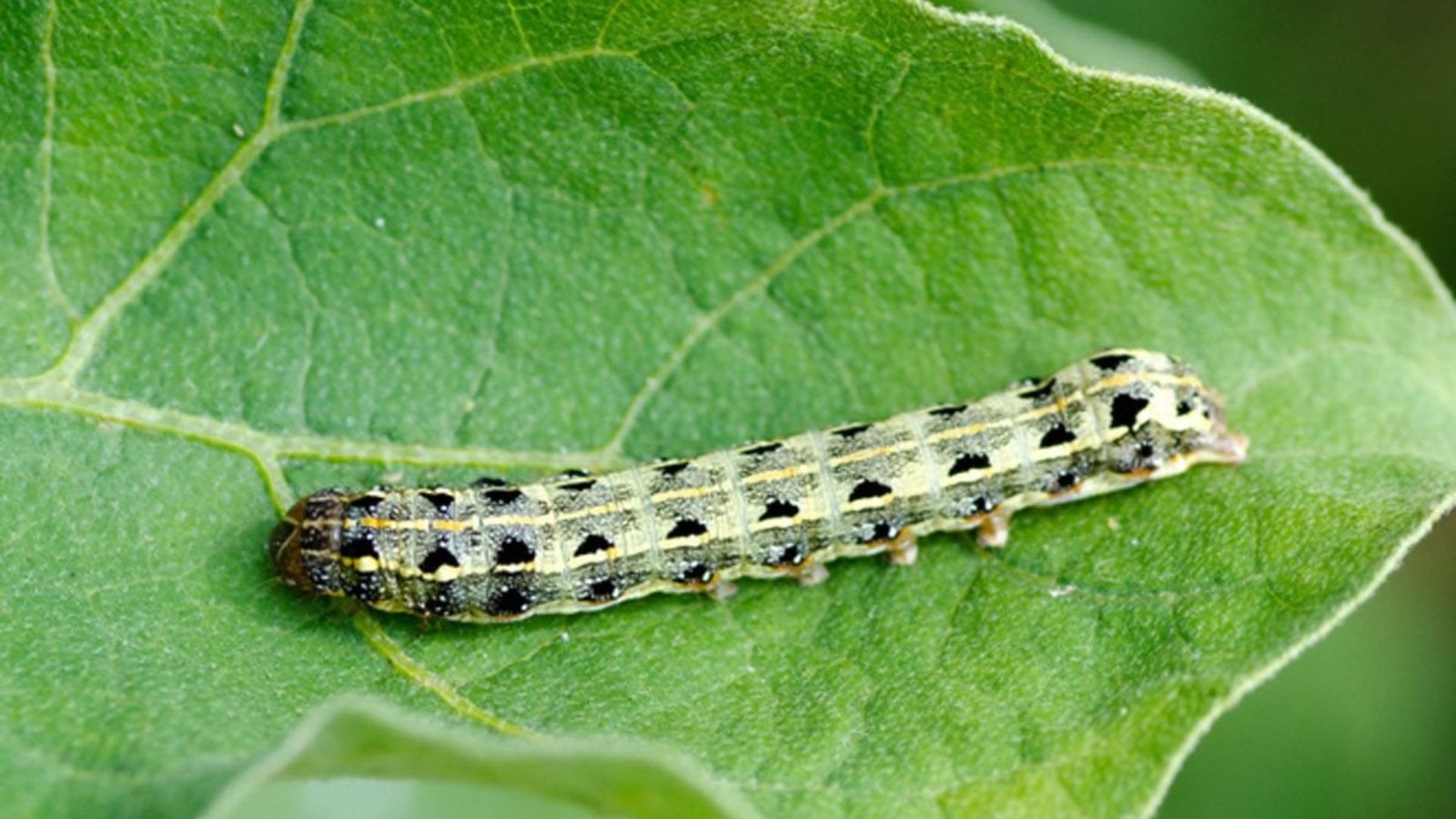
- Identification:Plump, gray or brown caterpillars that curl tight when touched.
- Damage Signs:Grass cut off at soil level. Looks like random, circular mowing damage.
- Best Treatment:Beneficial nematodes or carbaryl granules at dusk. Check regional restrictions before using carbaryl.
6. Billbugs
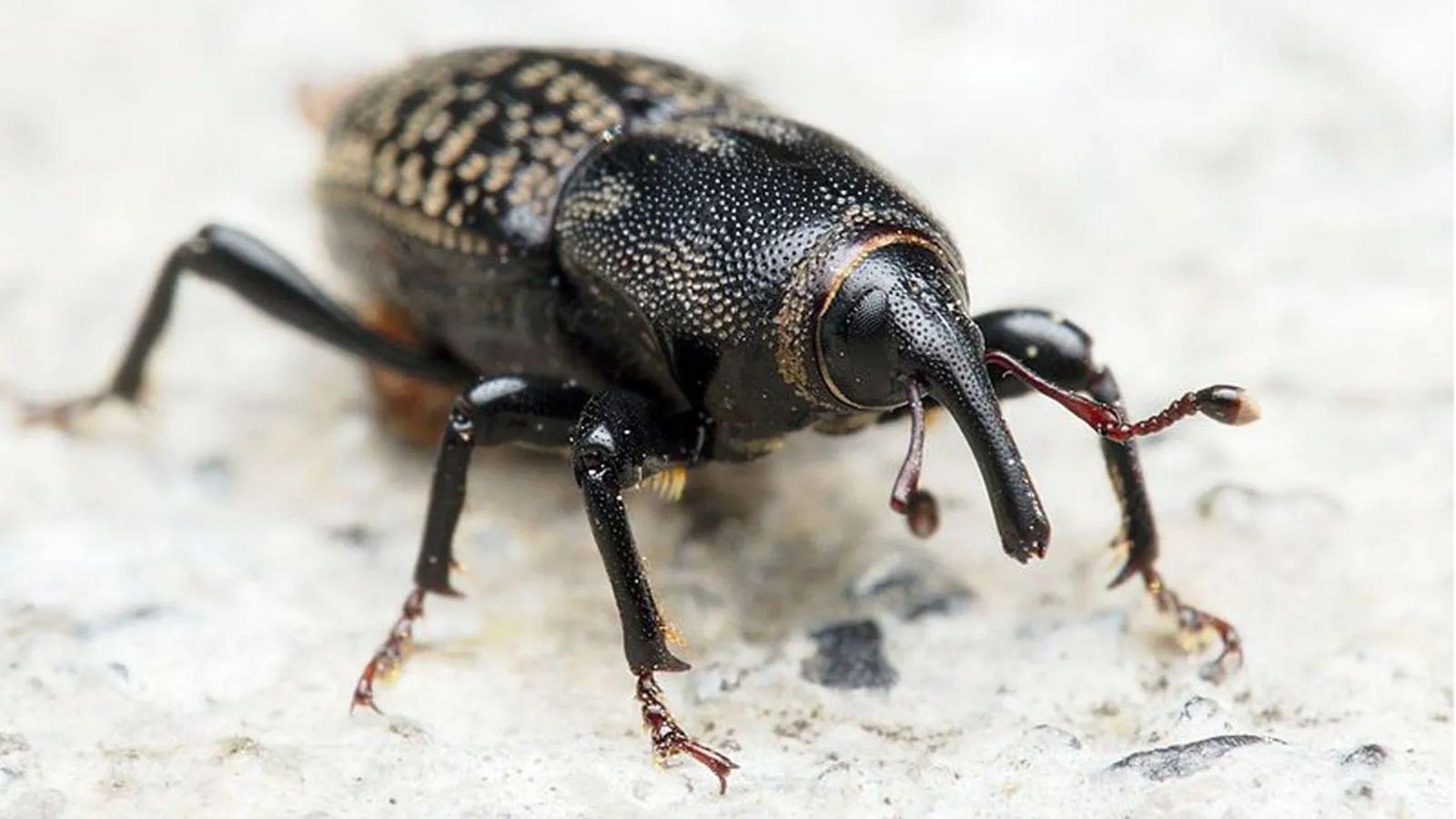
- Identification:Black weevils with a snout. Underground grubs are white and legless.
- Damage Signs:Grass snaps at the stem. Fine sawdust-like material appears near roots.
- Best Treatment:Clothianidin in spring when adult billbugs start moving through the lawn.
7. Grasshoppers
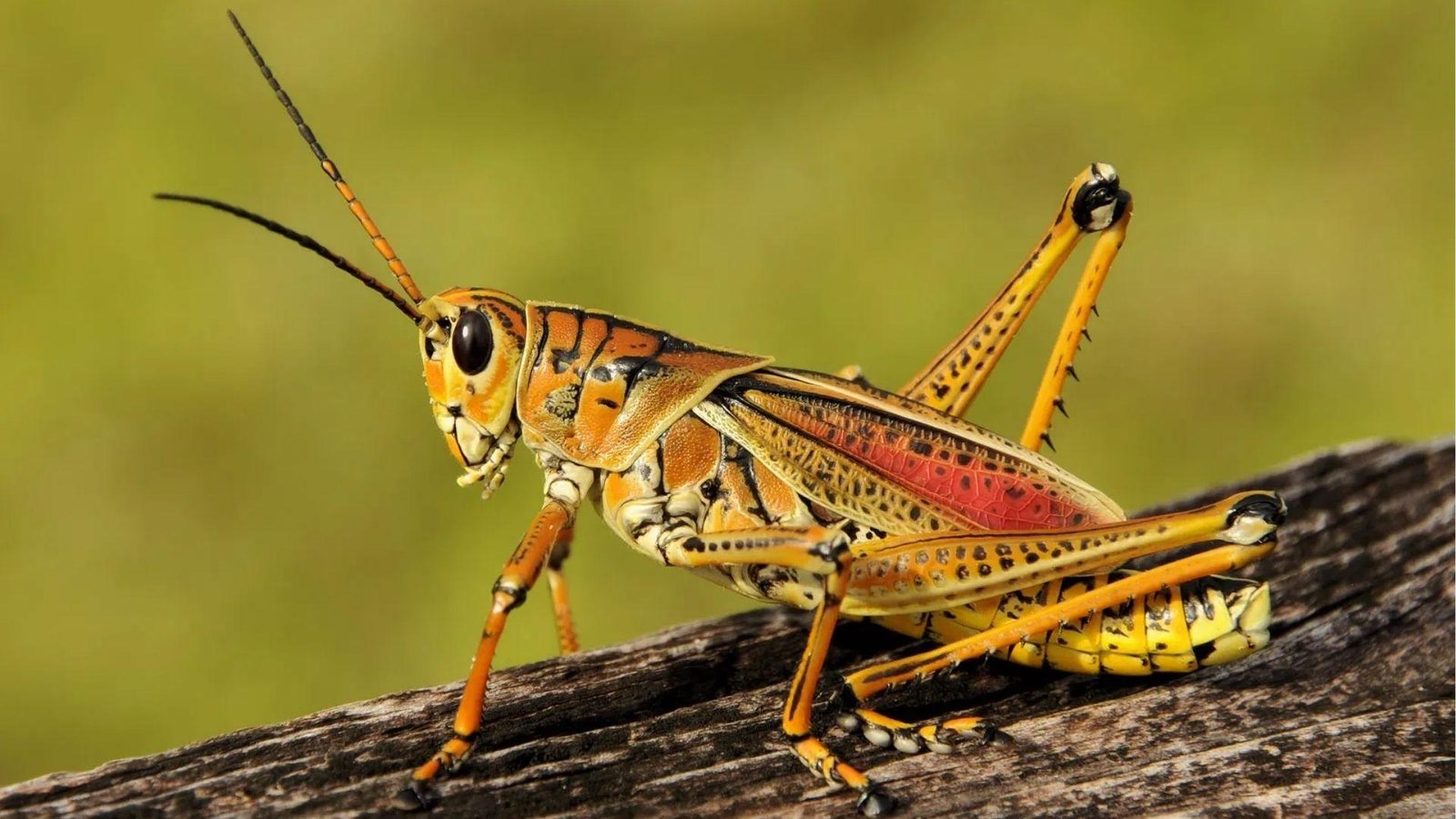
- Identification:Large, jumping insects in brown or green tones. Up to 2 inches long.
- Damage Signs: Irregular chewing along grass blades, mostly near lawn edges bordering open fields.
- Best Treatment:Nosema locustae biological bait. A solid low-impact option for large populations.
8. Mole Crickets
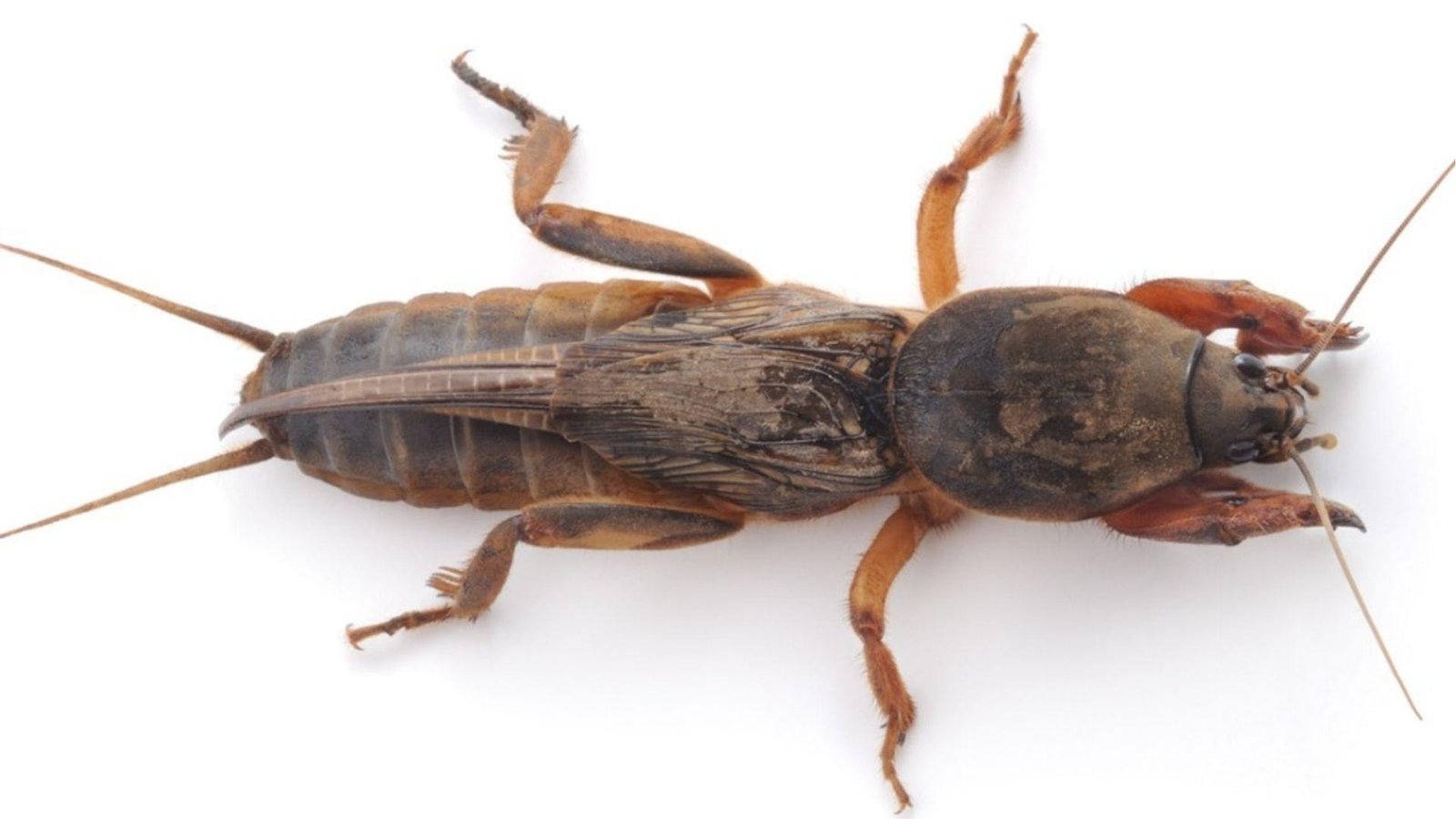
- Identification:Brown insects with shovel-like front legs, about 1.5 inches long.
- Damage Signs:Near-surface tunneling loosens roots and leaves the ground feeling spongy underfoot.
- Best Treatment:Beneficial nematodes or bifenthrin applied right after rain. Most common in warm, humid southern lawns.
9. Lawn Mites
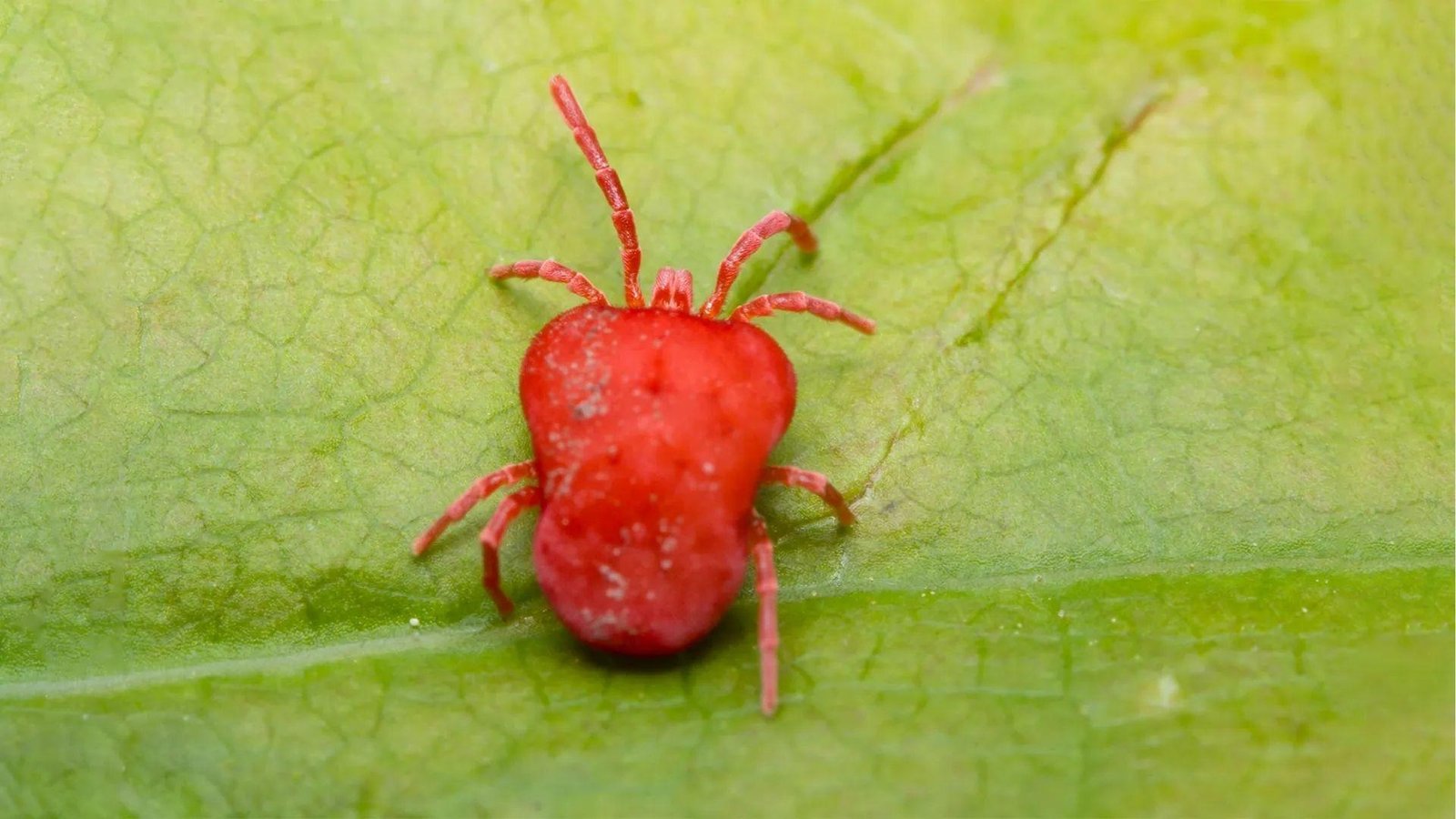
- Identification:Microscopic reddish or brown dots on grass blades, visible only up close.
- Damage Signs:Silver or bronze streaking on blades. Grass looks dry even with regular watering.
- Best Treatment:Insecticidal soap or a strong water rinse. Cut back on heavy nitrogen fertilizer.
10. Flea Beetles
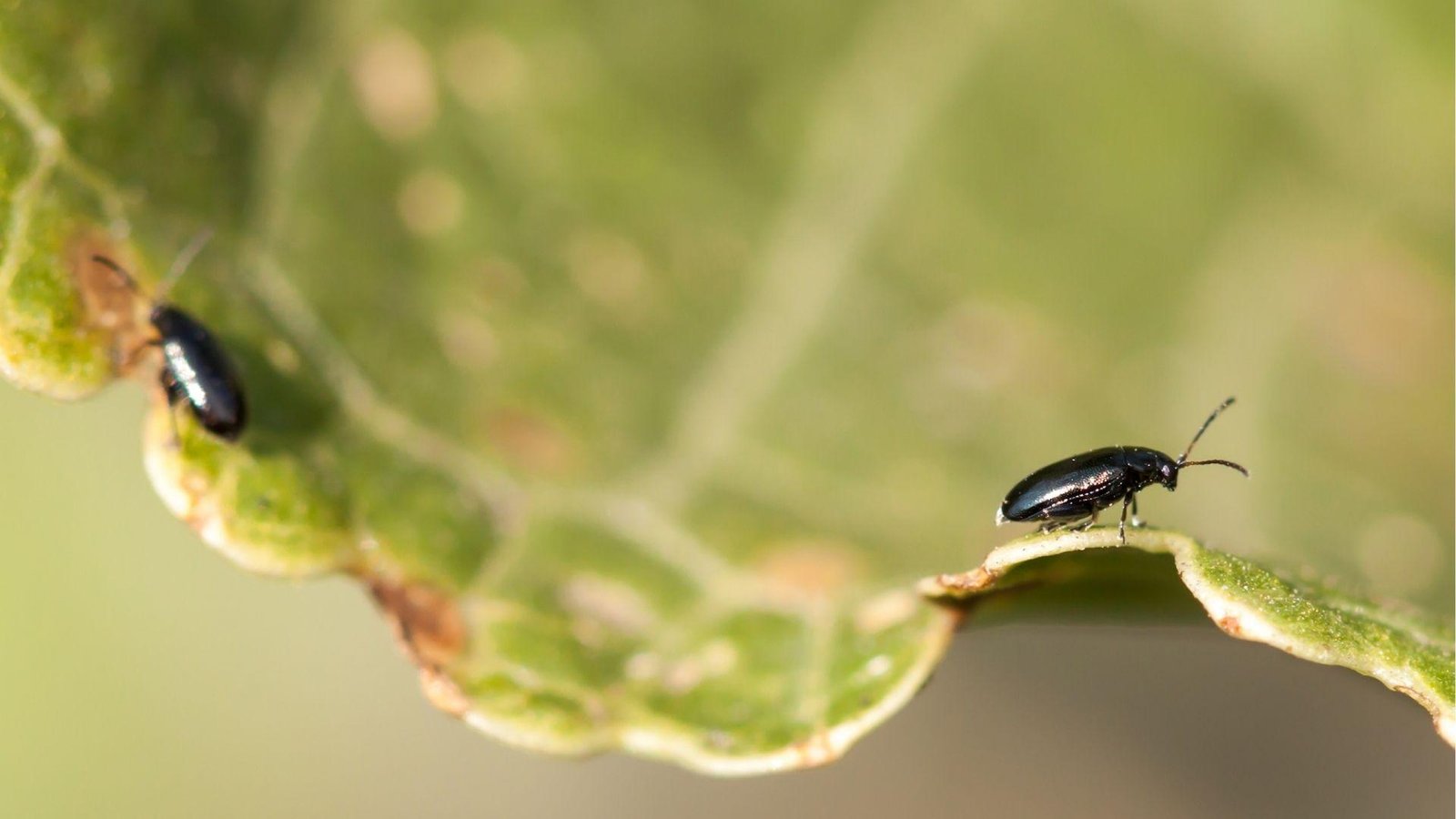
- Identification:Tiny shiny black beetles that jump when touched.
- Damage Signs:Small round holes in grass blades. Young or freshly seeded grass suffers most.
- Best Treatment:Neem oil or pyrethrin spray in the early morning.
11. Leatherjackets (Crane Fly Larvae)
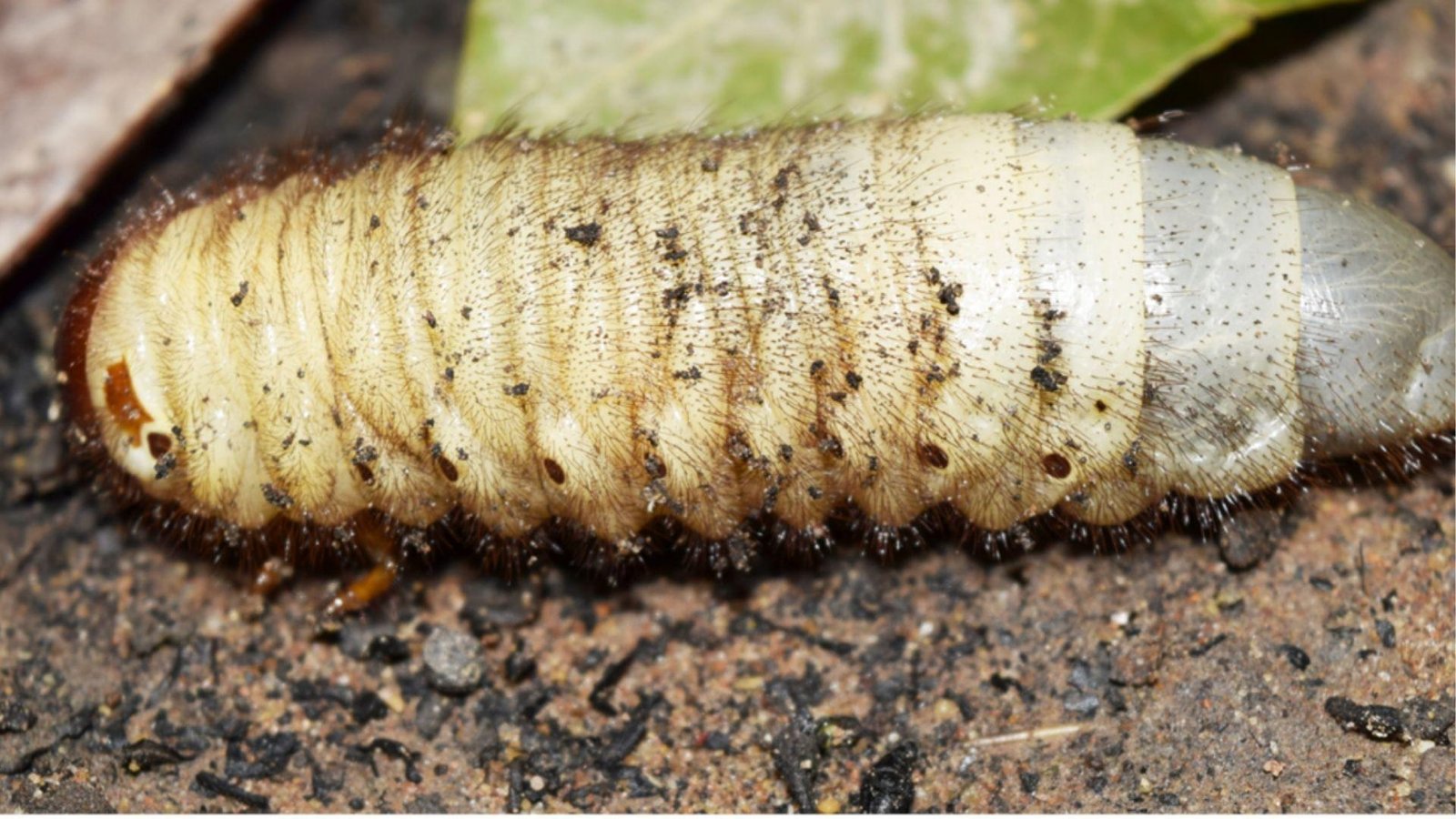
- Identification:Gray-brown, legless grubs living just below the soil surface.
- Damage Signs:Patchy thinning in early spring as overwintering grubs become active.
- Best Treatment:Beneficial nematodes applied in fall before grubs move deeper into the soil.
12. Fire Ants
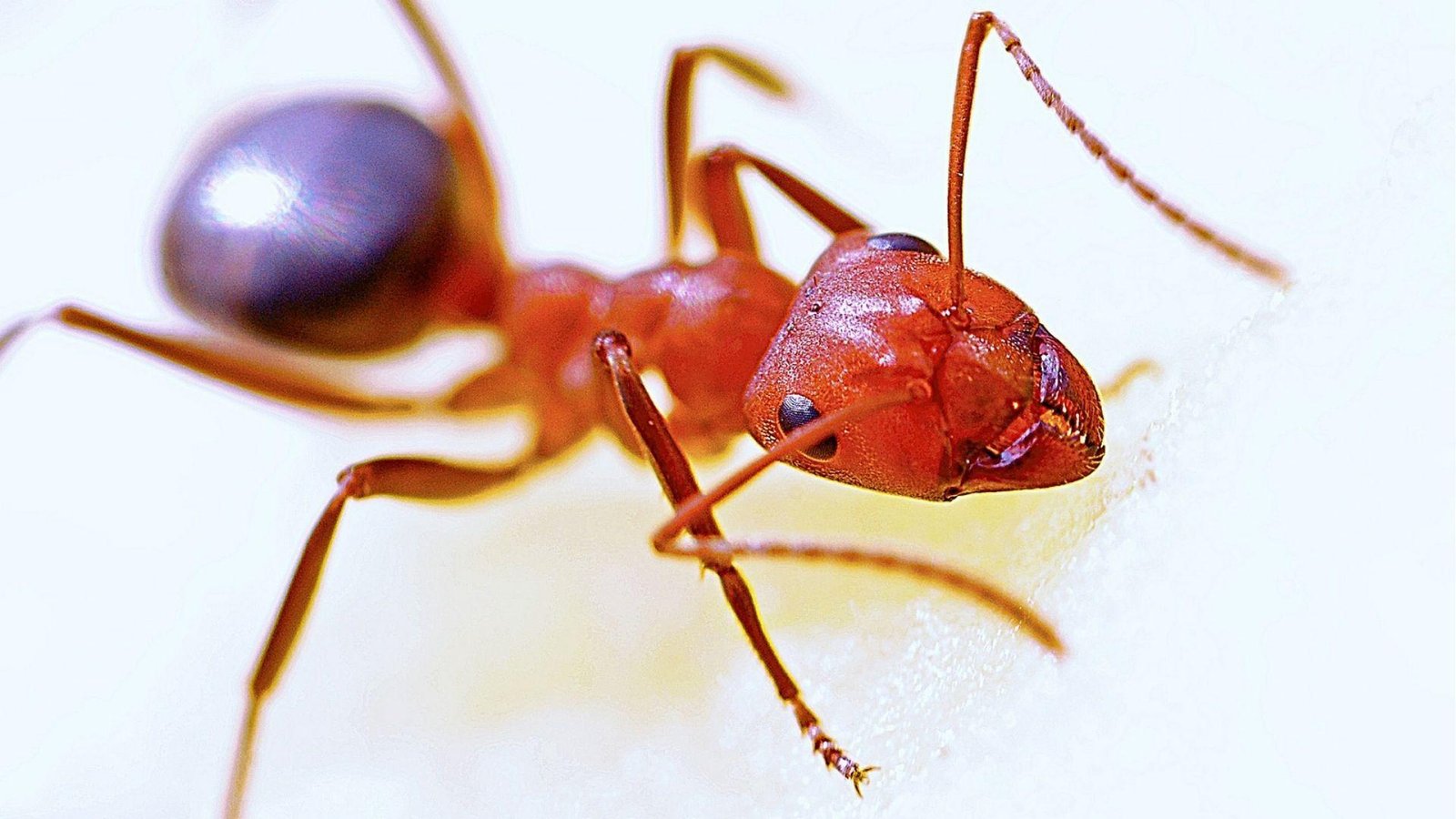
- Identification:Reddish-brown ants with visible dome-shaped mounds across the lawn.
- Damage Signs:Mounds kill surrounding grass. Underground tunnels disrupt nearby root zones.
- Best Treatment:Spinosad bait or fipronil granules placed directly around active mounds.
13. Aphids (Grass Types)
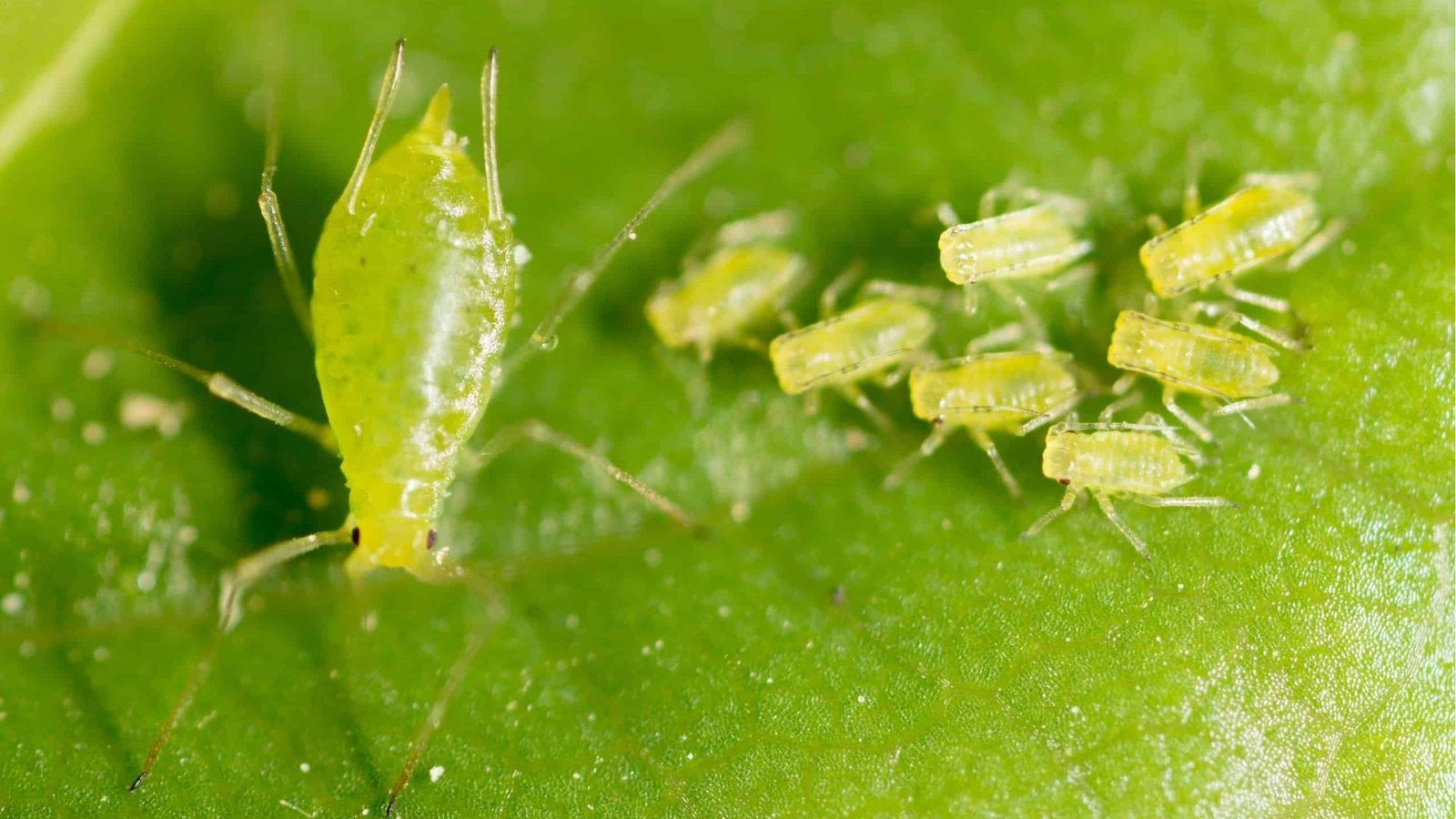
- Identification:Tiny pear-shaped insects in green, yellow, or brown. Clustered on individual blades.
- Damage Signs:Yellowing grass and sticky residue on blades. Ant activity nearby is a reliable warning sign.
- Best Treatment:Strong water spray or neem oil. Introduce ladybugs for ongoing natural control.
14. Wireworms
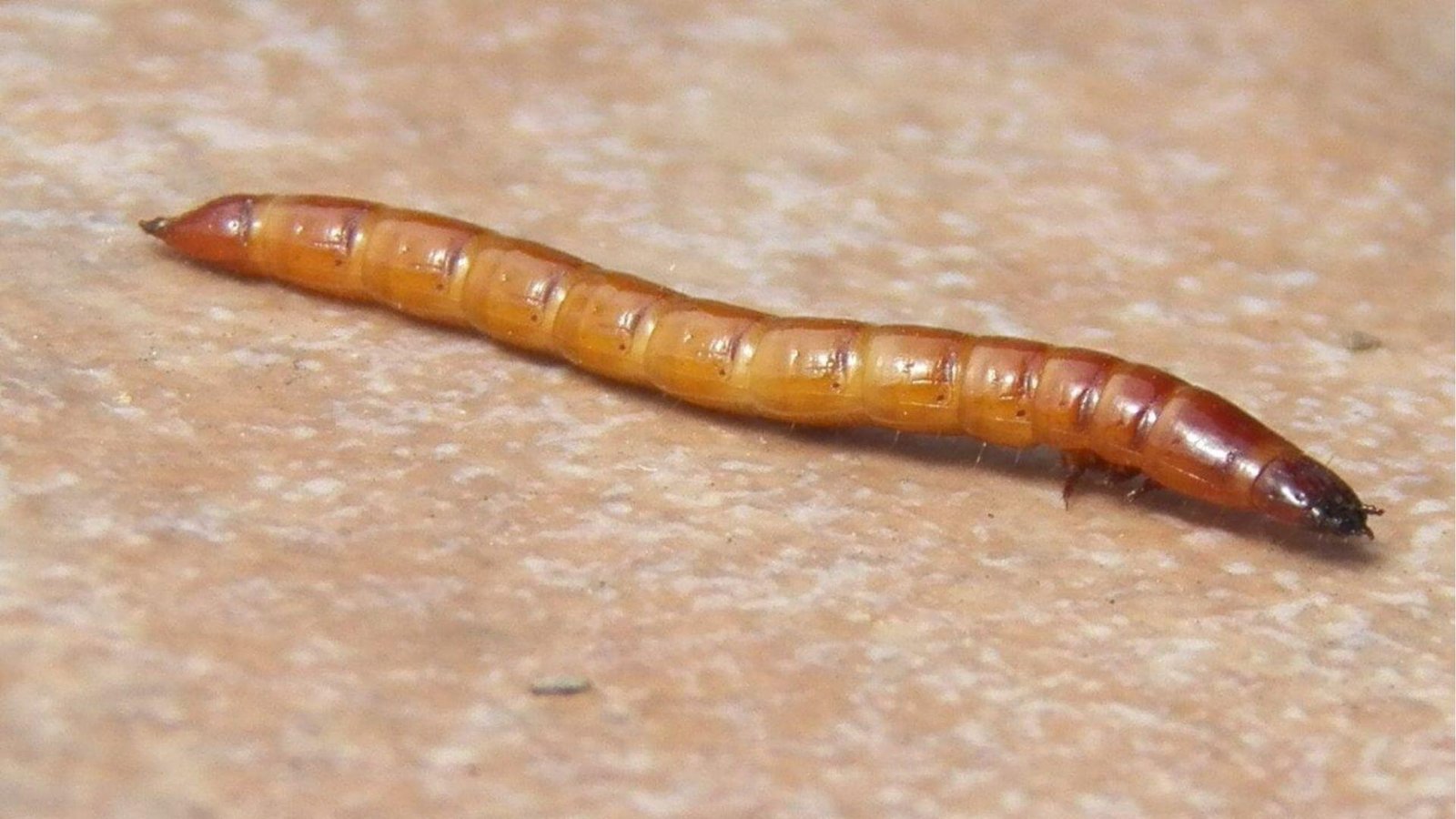
- Identification:Slender yellow-orange larvae with a hard shell. Found in compacted, moist soil.
- Damage Signs:Seeds and roots eaten underground. Bare patches form where grass cannot grow back.
- Best Treatment:Beneficial nematodes or pyrethrin-based soil drench applied in spring.
15. Green June Beetle Grubs
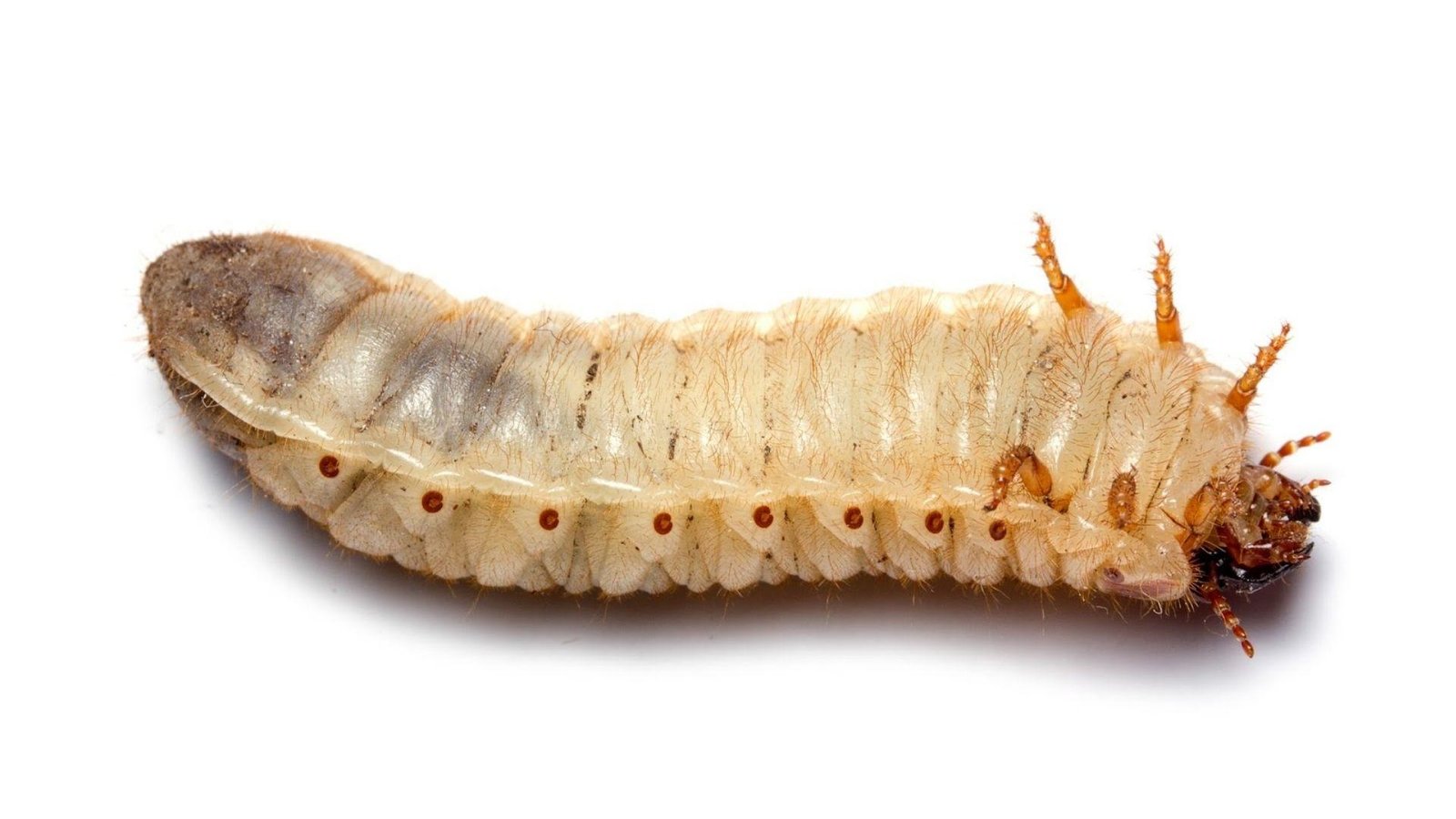
- Identification:Larger grubs that crawl on their backs. Found in the top inch of soil.
- Damage Signs:Grass pulls up easily. Visible surface trails run across the lawn.
- Best Treatment:Milky spore disease or contact insecticide in mid-summer.
16. Leafhoppers
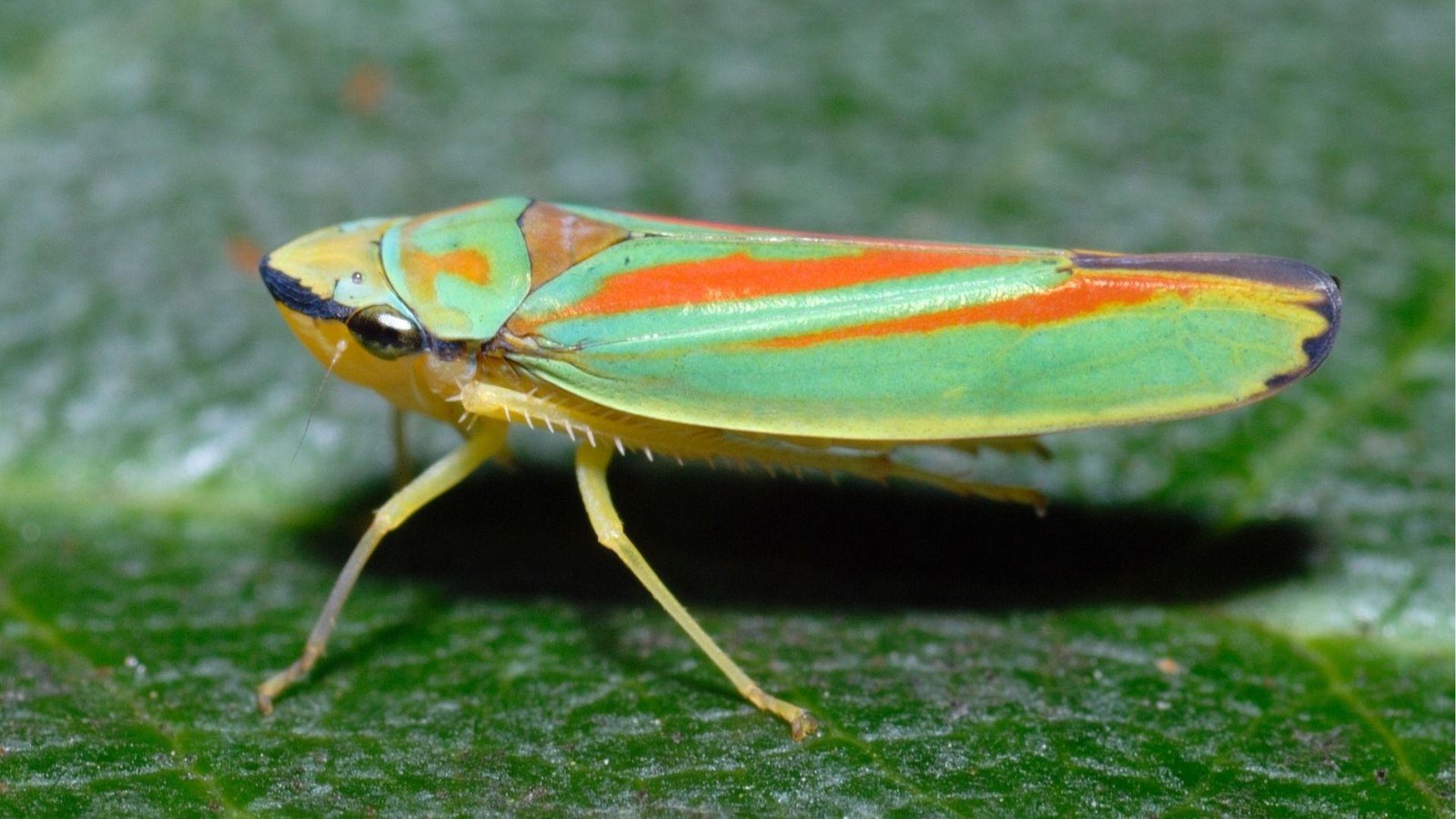
- Identification:Wedge-shaped, pale green or brown insects that hop sideways when disturbed.
- Damage Signs:White stippling across blades. Tips look bleached and dried out.
- Best Treatment:Insecticidal soap or pyrethrin spray in the early morning hours.
17. Thrips
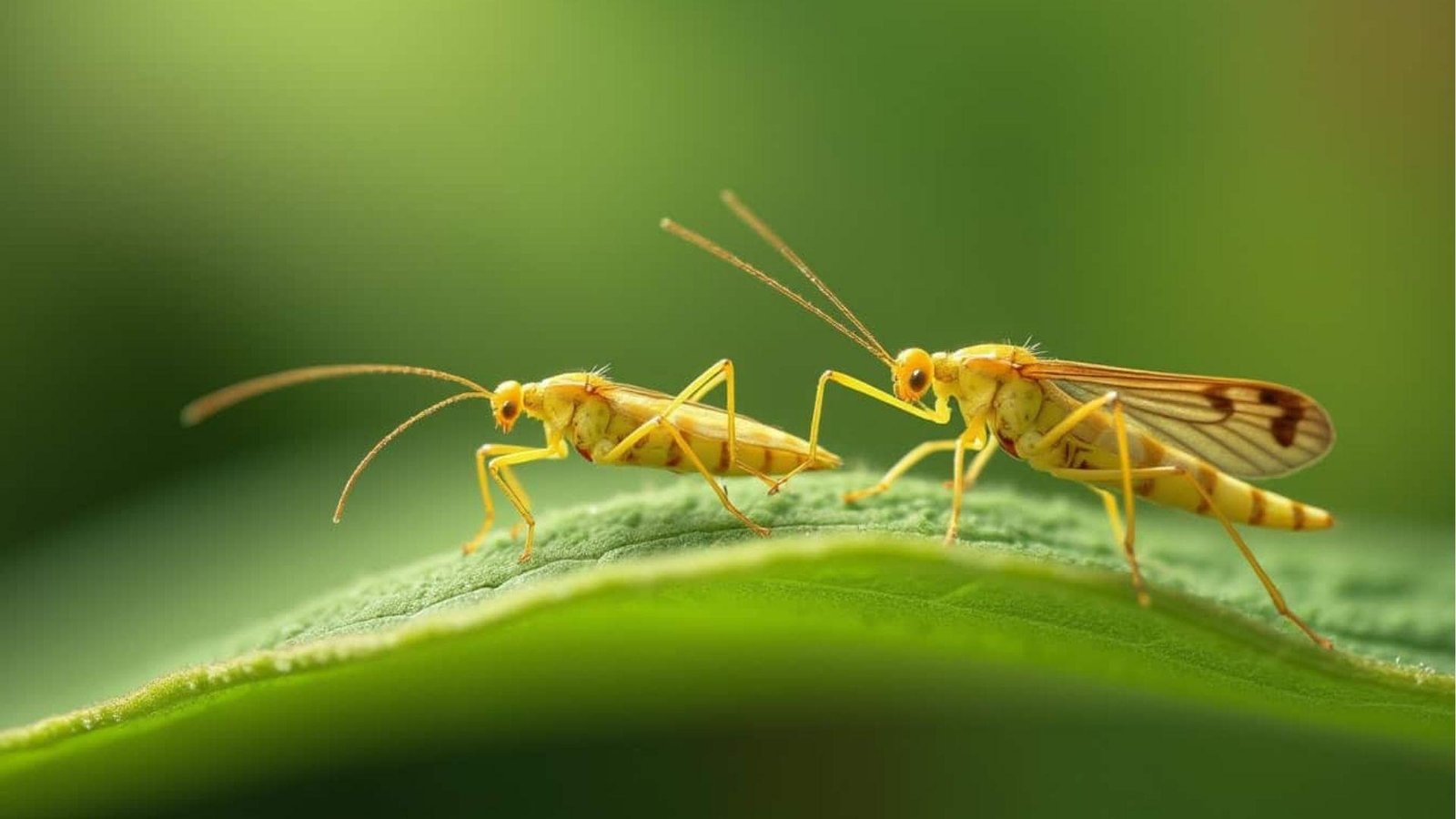
- Identification:Barely visible, slender insects in yellowish or brown tones.
- Damage Signs: Blades turn silver or bronze. Growth slows and spreads across patches.
- Best Treatment:Spinosad spray. Reduce nearby weeds and pull back on excess nitrogen fertilizer.
Lawn Pest Damage vs Lawn Disease
This is where most people lose time. Pest damage and lawn disease look almost identical from the surface.
Brown patch fungus shows up as circular rings after warm, wet nights. Drought stress causes uniform browning across the whole lawn, not just patchy spots.
Pet urine damage creates small, bright yellow circles with green edges. Fungal problems often leave a white or gray coating on the blades.
Pest damage spreads in irregular patches. Blades show chewing marks or stippling. Grass lifts off the ground with little effort.
If the lawn keeps browning despite regular watering, check below the surface before assuming disease.
What Causes Lawn Pest Infestations?
Most problems come down to the same few causes.
- Overwatering creates moist soil that underground pests love.
- Thick thatch gives insects a place to hide and lay eggs.
- Soil compaction weakens root systems and makes grass far easier to damage.
- If pests were active last season and the soil was not treated, eggs often survive winter and hatch again the following year.
How to Get Rid of Bugs Eating Grass (Step-by-Step Plan)
Let’s quickly understand how can you get rid of bugs:
- Identify the pest correctly. Treating the wrong bug wastes time and money.
- Use the soap flush test. Mix 2 tablespoons of dish soap in one gallon of water. Pour over one square foot. Watch what surfaces in 10 minutes.
- Choose your treatment. Go organic for minor damage. Use chemical options for heavy infestations.
- Apply at the right time. Most lawn insects feed after dark. Treating in the evening improves contact.
- Monitor and repeat. Check back in 7 to 10 days. Reapply if pest activity continues.
Organic Lawn Pest Solutions That Actually Work
I always try natural methods first. They protect soil health without harming nearby plants or pollinators.
Beneficial nematodes attack soil-dwelling pests in their underground grub phase with no chemical risk. Neem oil works on soft-bodied surface feeders.
Bacillus thuringiensis targets caterpillar-type pests only and leaves everything else alone. Diatomaceous earth applied around active areas slows surface feeders fast.
Birds eat large numbers of lawn insects every day. Encouraging them near your yard with feeders helps more than most people expect.
Best Preventive Lawn Care Tips (Long-Term Protection)
Healthy grass is harder for pests to break through. Here is what I do every season.
Mow at the right height for your grass type. Avoid overwatering. Dethatch every year or two to remove pest hiding spots.
Aerate compacted soil so roots grow deeper and stronger. Use slow-release fertilizer for steady growth. Overseed thin areas so pests have fewer weak spots to work with.
In warm, humid climates, I check for mole crickets and chinch bugs starting in late spring.
In cooler regions, look for underground grubs and leatherjackets when temperatures drop in early fall.
When to Call a Professional
Call a pro if damage spreads after two full treatment rounds.
Also reach out if you cannot identify the pest or if you are dealing with a wide-scale fire ant or mole cricket problem across a large area.
Professionals carry stronger products and cover large lawns more effectively than most DIY options allow.
Conclusion
Most lawn pest problems are fixable when you catch them early. Now that you know what bugs eat grass and how to read the damage, you can act before things get worse.
Use the root versus blade breakdown to narrow it down fast. Check for disease before you treat for bugs. Start with organic options and step up if needed.
A healthy, well-maintained lawn is your best long-term protection. Inspect your lawn this week before small patches turn into expensive turf damage.
The sooner you spot the pest, the easier it is to stop.
What damage are you seeing in your yard right now?
Frequently Asked Questions
What bugs eat grass roots underground?
White grubs, wireworms, billbug larvae, leatherjackets, and mole crickets all feed underground as developing grubs. They destroy root systems before visible damage appears above soil.
How do I know if bugs are eating my lawn and not disease?
Pest damage usually shows chewing marks, stippling on blades, or grass that lifts easily with no roots attached. Lawn disease tends to leave circular rings, coating on blades, or uniform browning across the whole lawn.
What organic treatments actually kill lawn bugs?
Beneficial nematodes, neem oil, Bacillus thuringiensis, and diatomaceous earth are all effective. They target specific insects without disrupting soil health or harming pollinators nearby.
When is the best time to treat lawn pests?
Late spring through early fall covers most active pest periods. Treating in the evening gives better results since most insects feed after dark.
Can chinch bugs really look like drought damage?
Yes, and it happens all the time. Chinch bug damage turns grass straw-colored in sunny patches, which is exactly how drought stress appears. The difference is that watering does not help at all when chinch bugs are the cause.