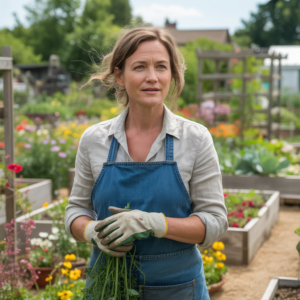

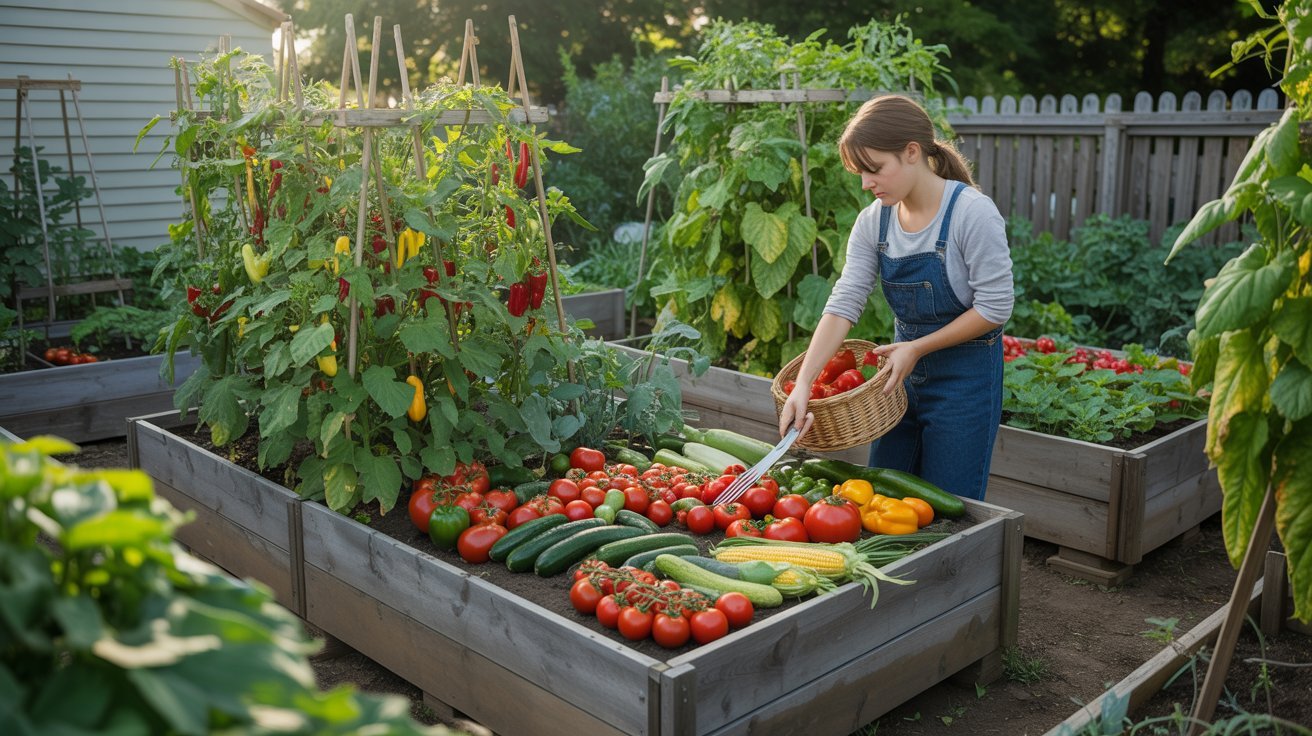
I have spent years growing food in my backyard, and summer is when the garden really delivers.
If you want to know which summer vegetables to grow this year, you are in the right place.
This guide covers 21 top picks for US gardens, planting times, growing zones, regional tips, beginner-friendly choices, and the most common mistakes to avoid.
I have grown every crop on this list, so what you read here comes from real experience, not guesswork.
By the end, you will know what to plant, when to plant it, and how to get real results from your summer garden.
Let's get into it.
Understanding US Growing Zones for Summer Vegetables
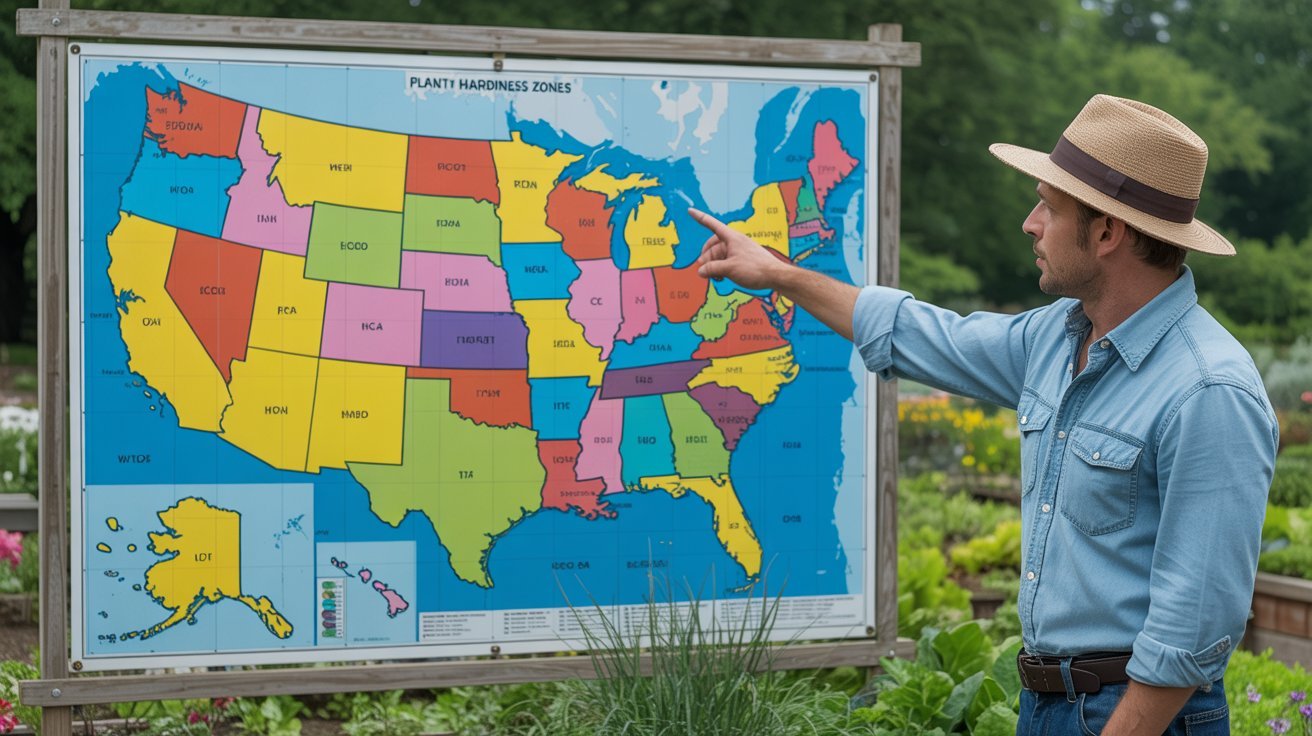
The USDA divides the US into 13 plant hardiness zones based on average winter temperatures.
Most summer vegetables grow best in zones 5 through 10. Knowing your zone helps you pick crops that actually fit your climate.
You can find your zone in seconds using the USDA Plant Hardiness Zone Map. It is free, accurate, and the most trusted tool for US gardeners.
If you live in the South, warm-season crops can go in as early as February. In the Midwest, May is the norm. In the North, June is usually the earliest safe window.
When to Plant Summer Vegetables in the US
Timing is everything in summer gardening.
Most warm-season crops go in the ground after your last frost date. Soil temperature matters just as much as the calendar. Tomatoes and peppers need soil above 60°F to grow properly.
According to USDA gardening guidelines, most warm-season vegetables need 60 to 90 frost-free days to complete their growing cycle.
Most vegetables also need 6 to 8 hours of direct sunlight daily, according to common horticultural guidelines. Start seeds indoors 6 to 8 weeks before your outdoor planting date for the best head start.
21 Best Summer Vegetables to Grow in the US
Here are 21 of the best picks, covering every skill level and garden size.
1. Tomatoes
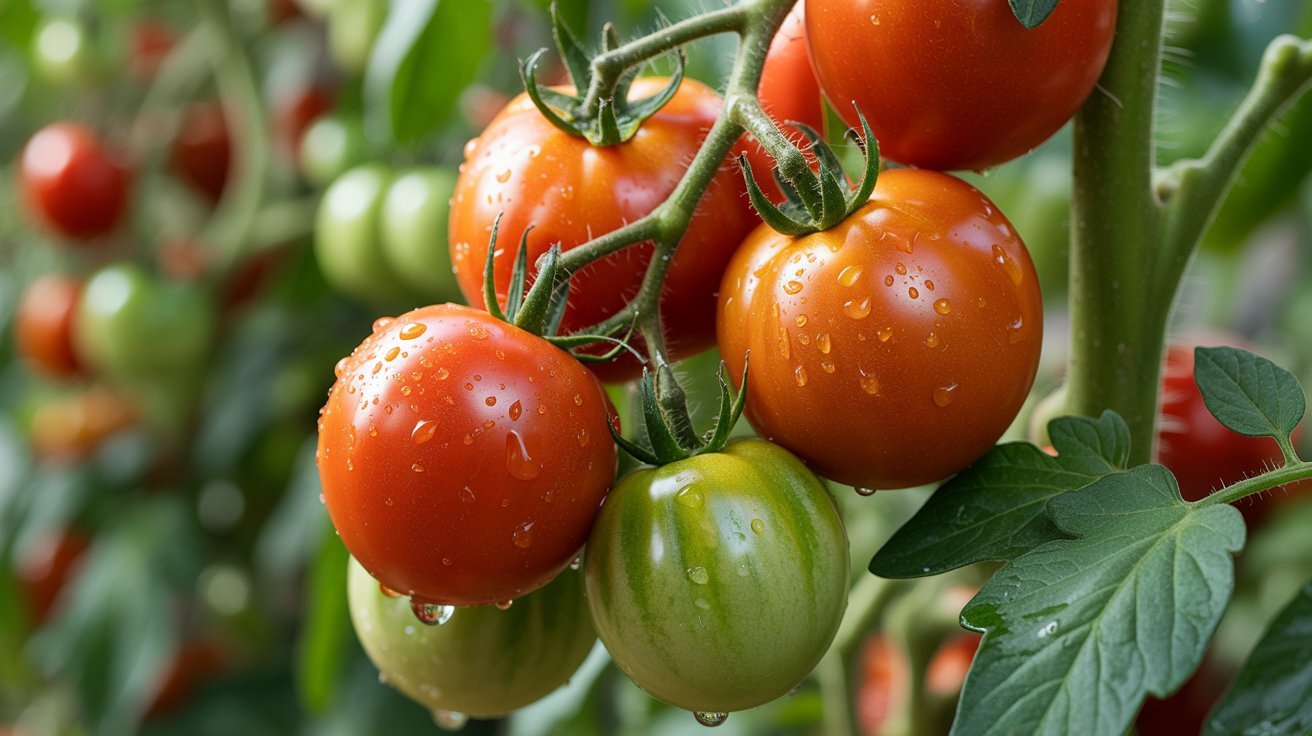
Tomatoes are the top home garden crop in the US. Plant in full sun, water at the base, and stake early. Best in zones 5 to 10.
2. Cucumbers
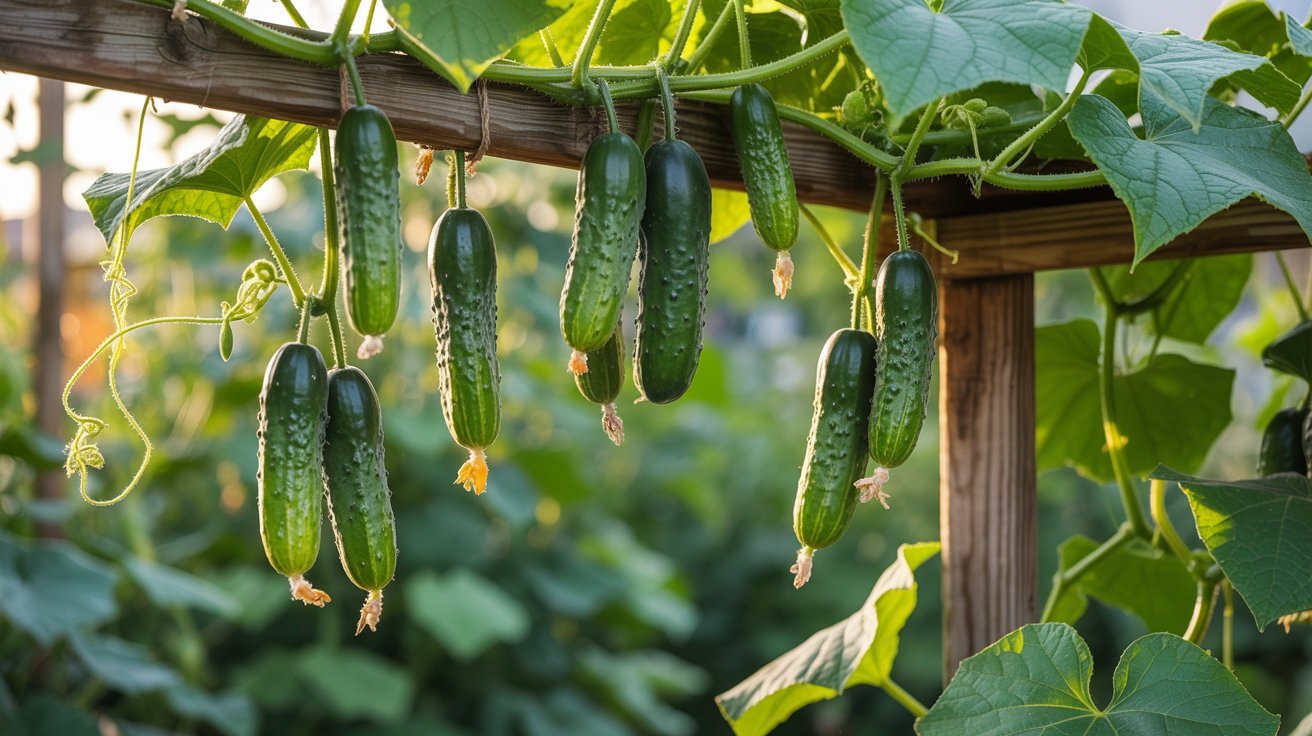
Cucumbers grow fast and love heat. They are one of the easiest summer vegetables to grow and produce a lot in a short window.
3. Zucchini
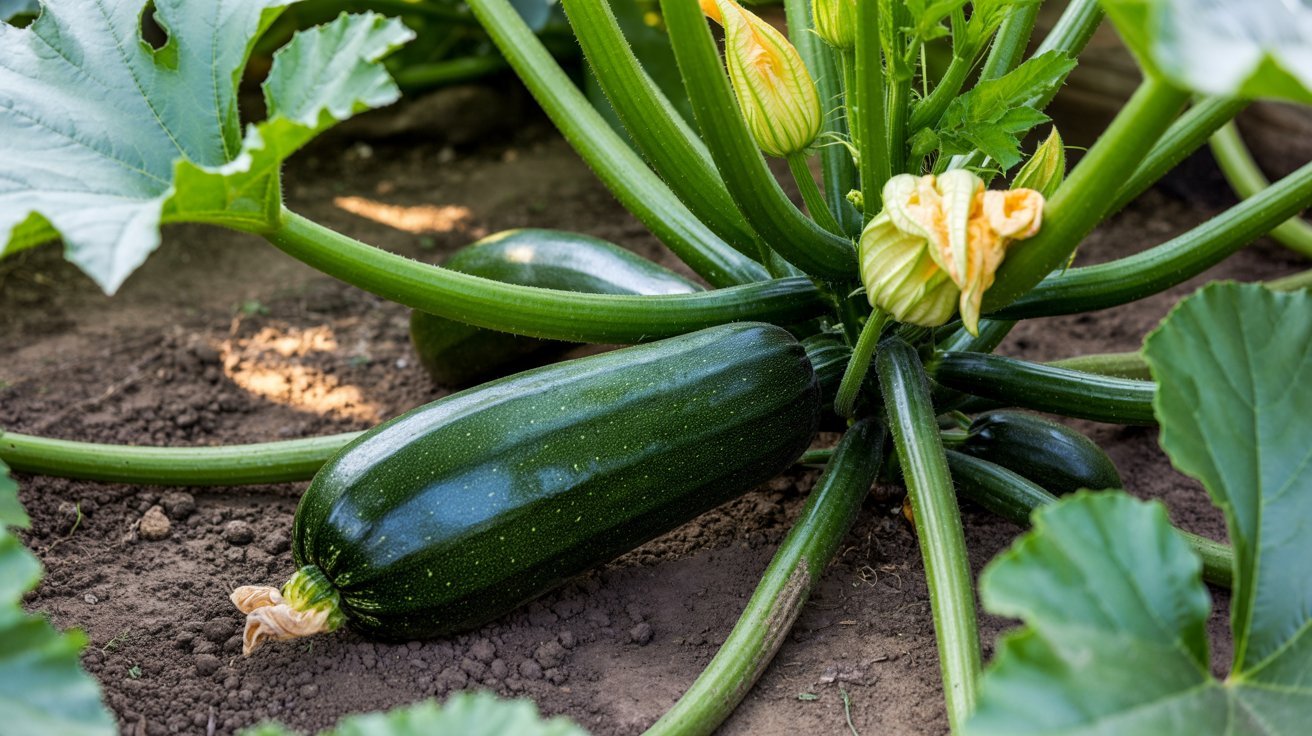
Zucchini produces fast and heavily. One or two plants easily feed a family. Harvest often to keep production going.
4. Summer Squash
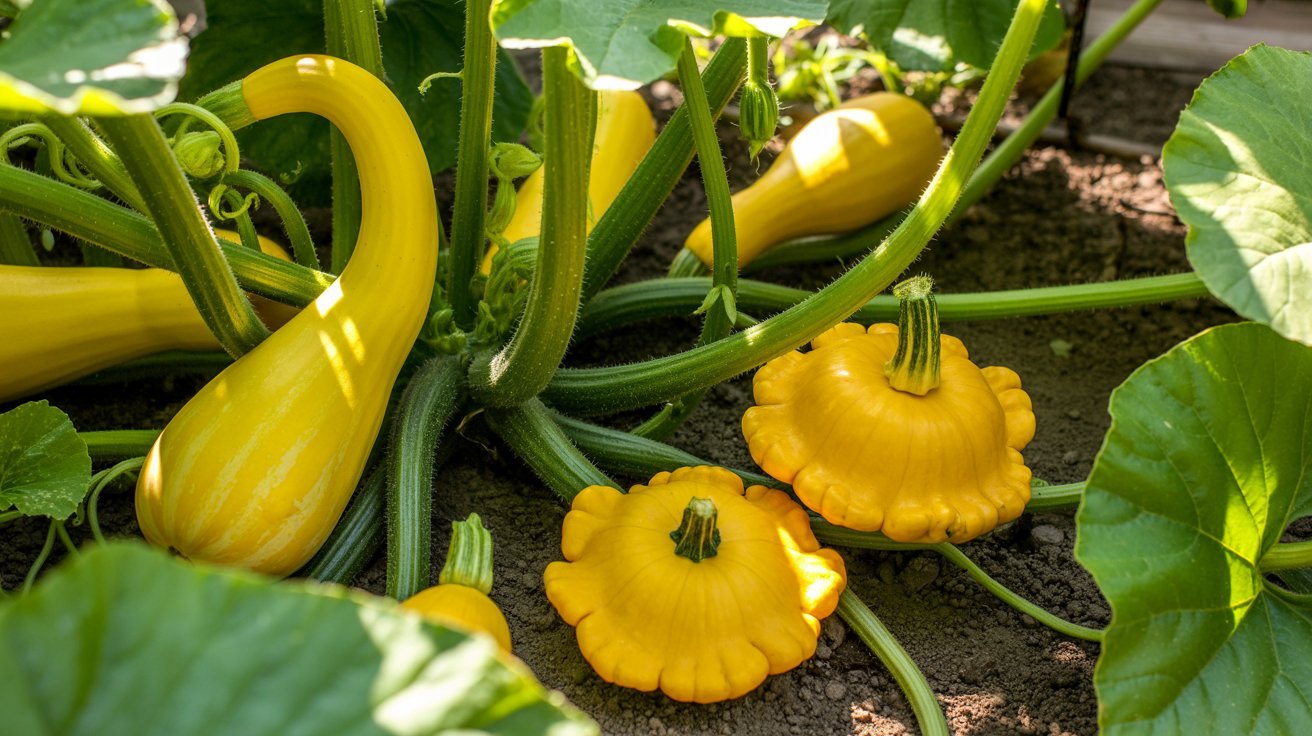
Yellow crookneck and pattypan hold texture better in cooked dishes than zucchini does. Zucchini wins on speed, summer squash wins on firmness in the pan. Grow both if you have the space.
5. Bell Peppers
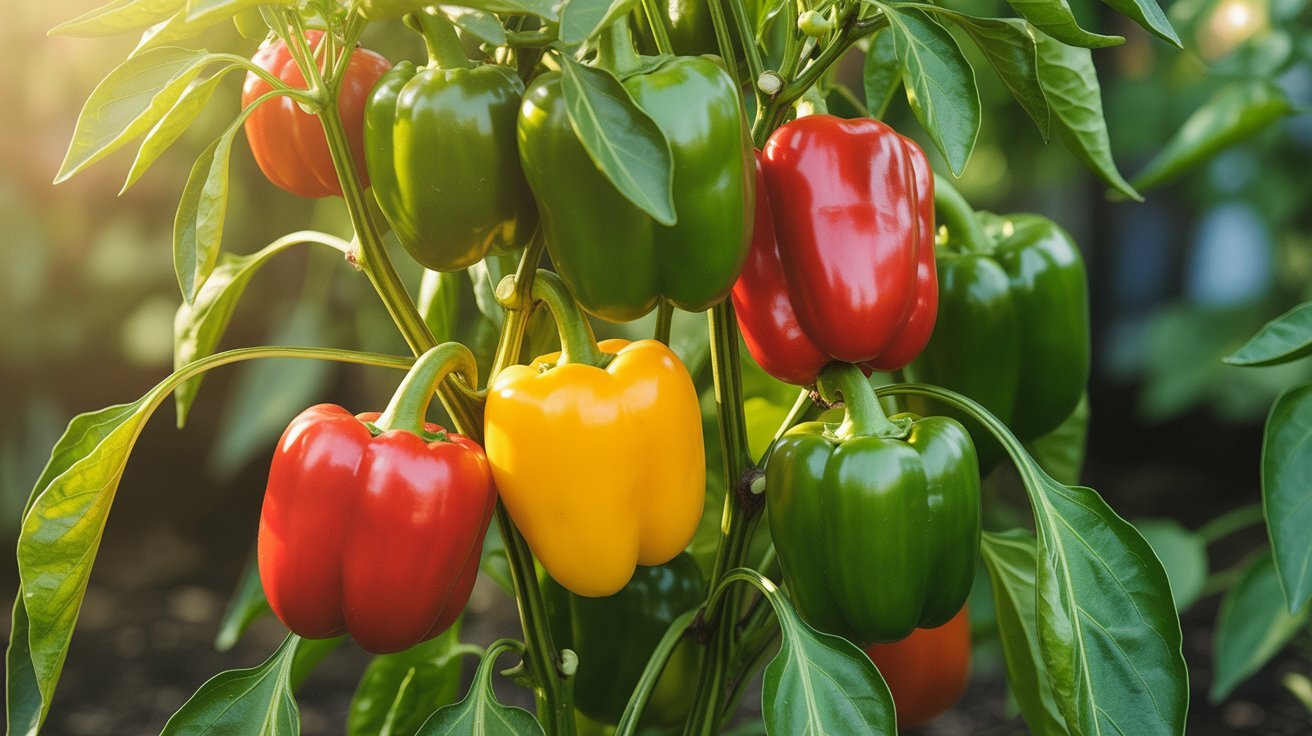
Bell peppers are slow starters but very productive once the heat kicks in. Pick green for a milder taste or leave them to ripen to red, orange, or yellow.
6. Hot Peppers
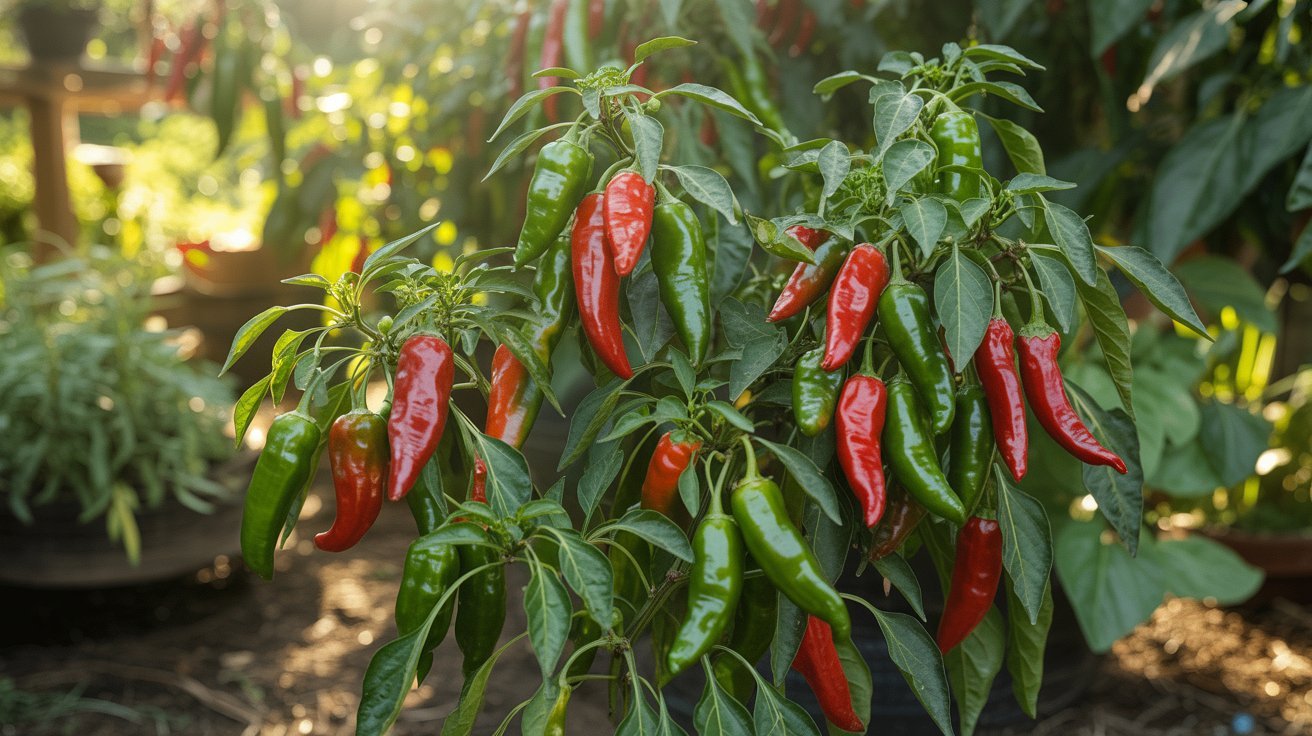
Hot peppers handle intense heat far better than bell peppers and stay productive into fall. If you want a crop that keeps going through the hottest months, hot peppers are the better pick. Jalapeños and cayennes are my top choices every year.
7. Eggplant
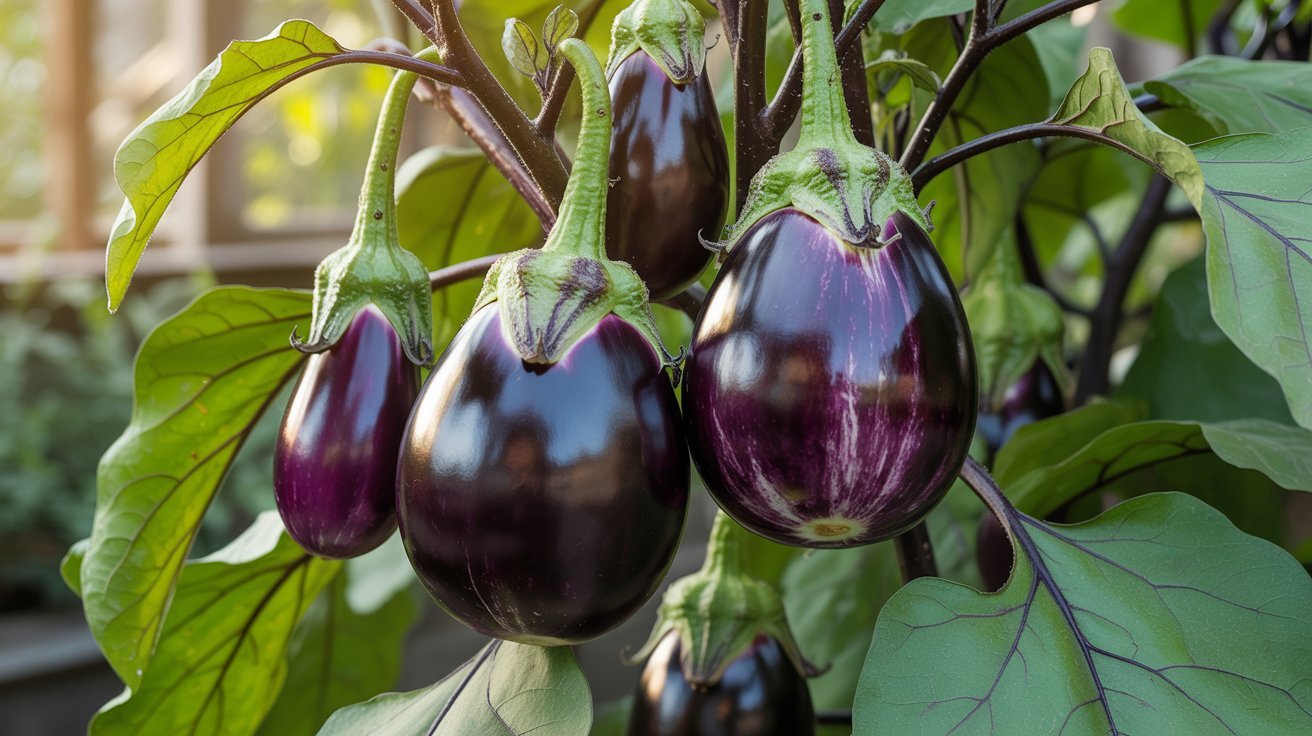
Eggplant thrives in long, hot summers. It takes more time to produce but works well in zones 5 to 12. Give it full sun and consistent water.
8. Green Beans
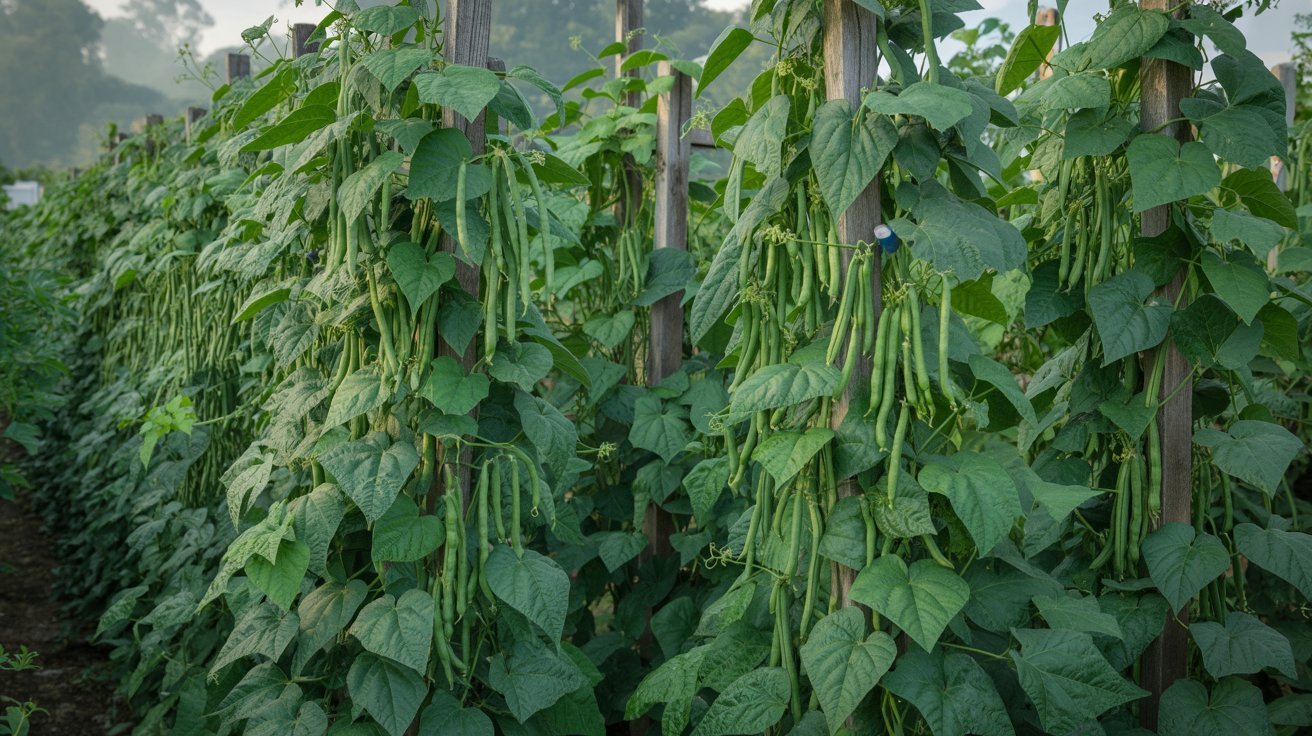
Green beans are ready in about 50 days. Bush varieties need less space and are easier to manage than pole beans, which makes them a great option for smaller gardens.
9. Sweet Corn
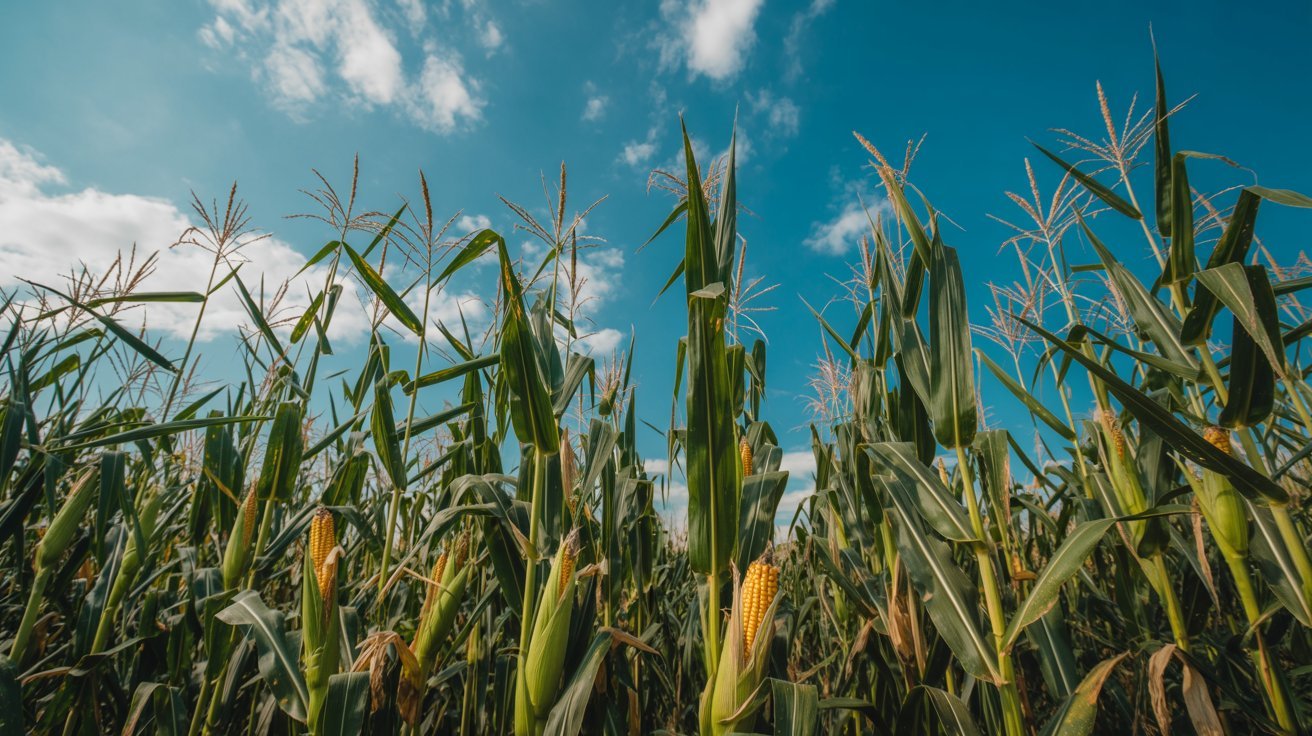
Corn needs full sun and room. Plant in blocks of at least 4 rows for proper pollination. Around 16 plants gives a reliable harvest.
10. Okra
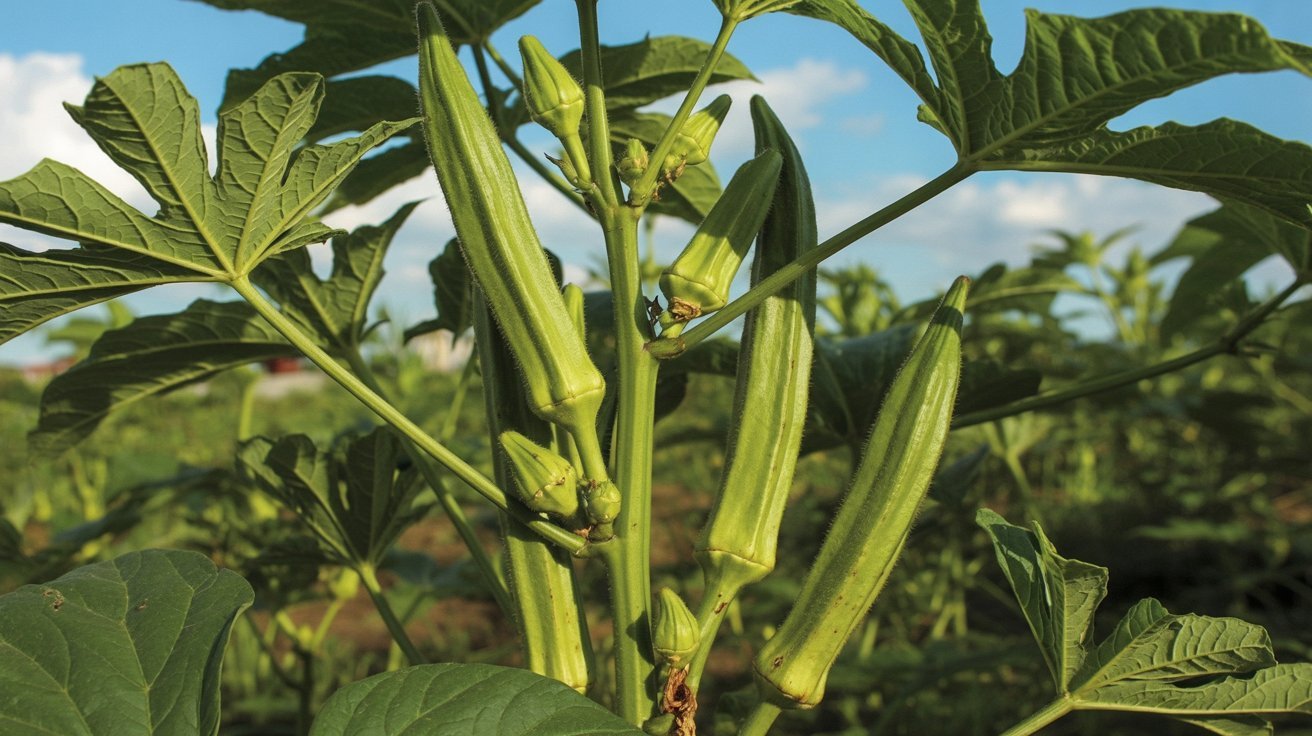
Okra is built for heat and drought. Plants grow tall, sometimes up to 6 feet, so give them space. Harvest pods small for the best texture.
11. Lettuce (Heat-Tolerant Varieties)
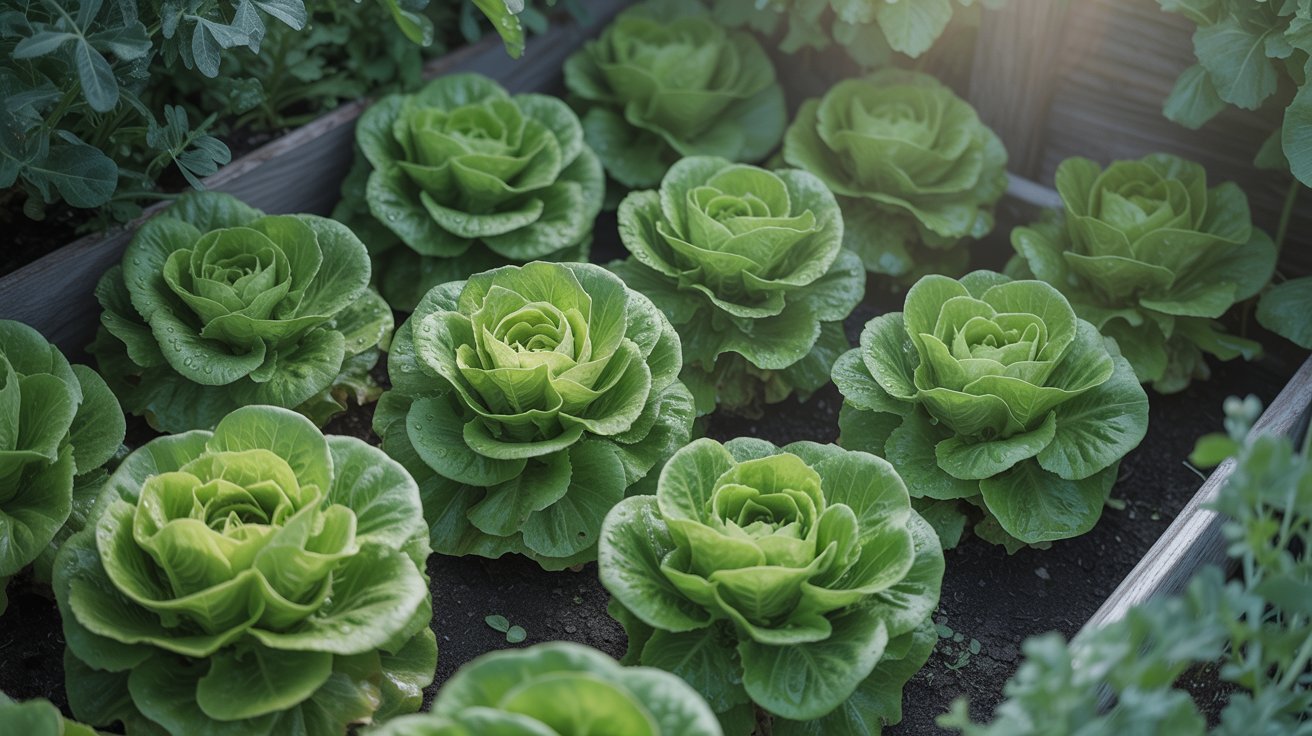
Most lettuce bolts fast in heat. Stick to heat-tolerant types like Jericho or Nevada. Partial shade and moist soil extend the harvest window significantly.
12. Spinach (Summer Varieties)
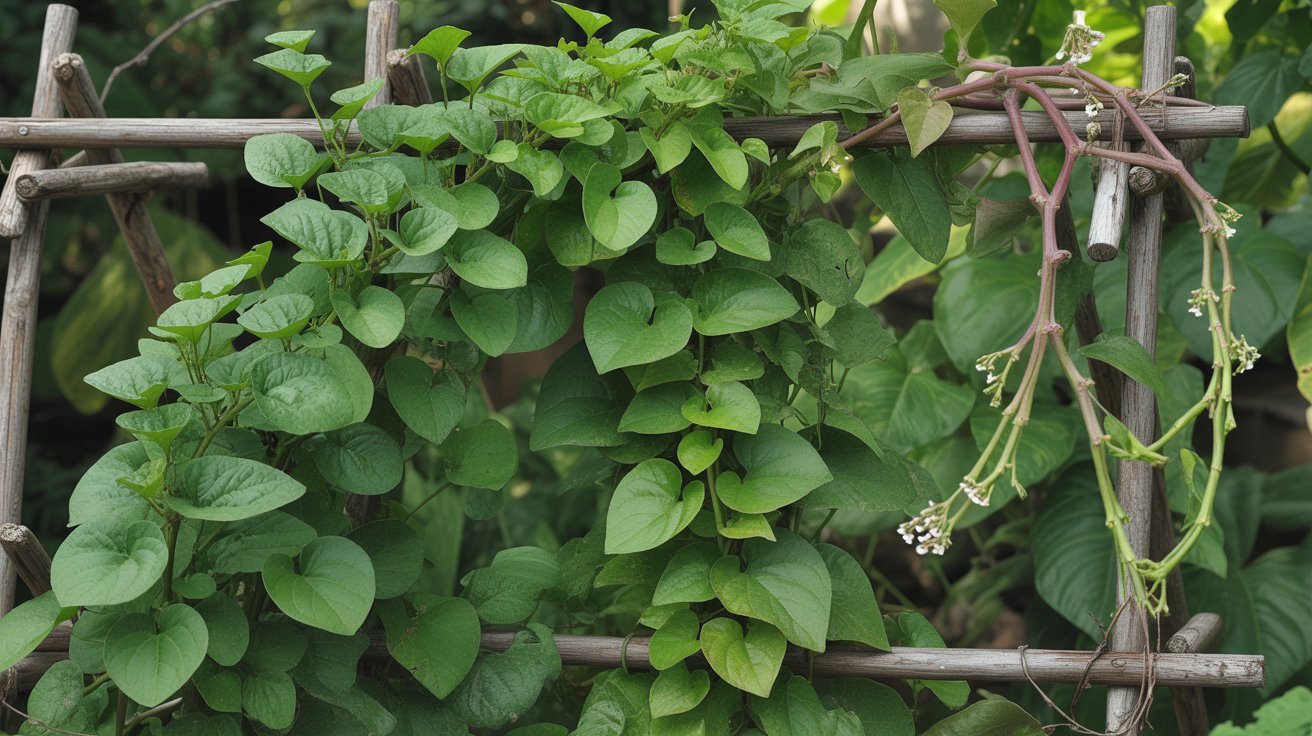
Regular spinach quits when temperatures rise. Malabar spinach takes over and climbs all summer. It works well in salads and cooked dishes.
13. Swiss Chard
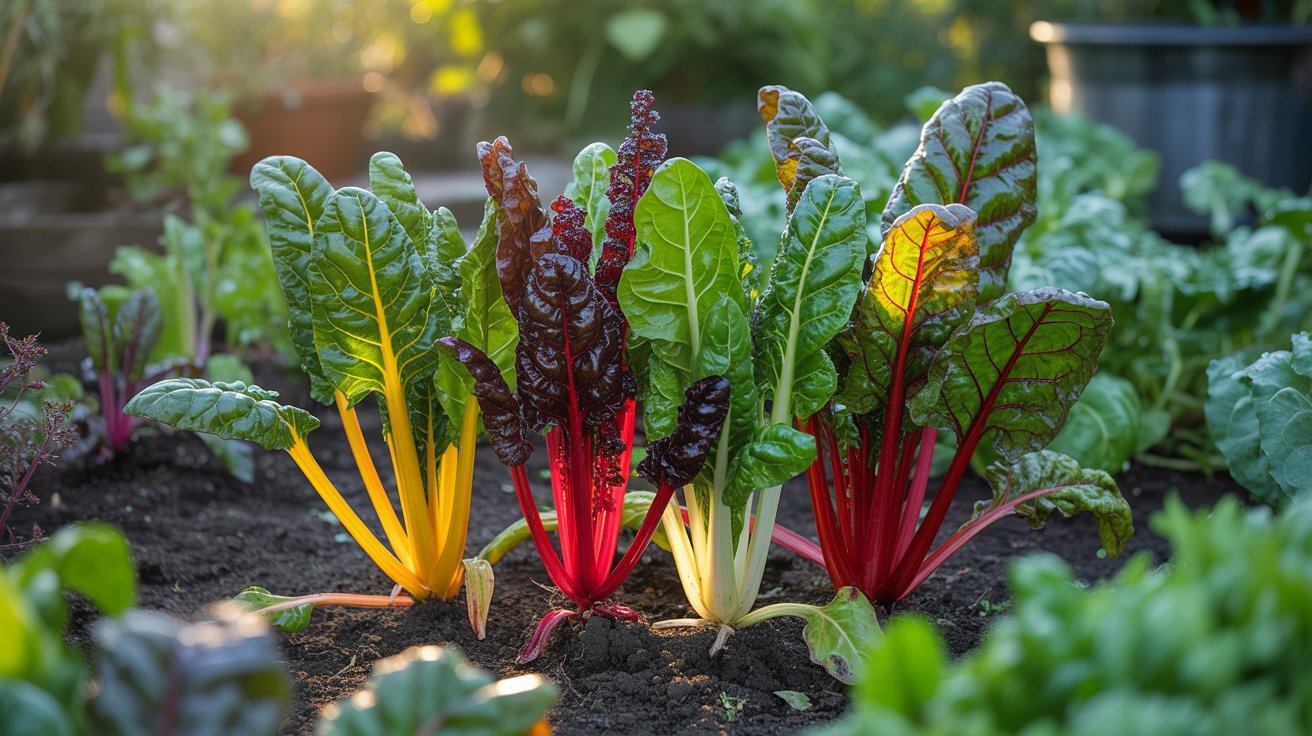
Swiss chard is one of the most dependable summer greens I grow. It handles heat, keeps producing for months, and almost never fails beginners.
14. Carrots
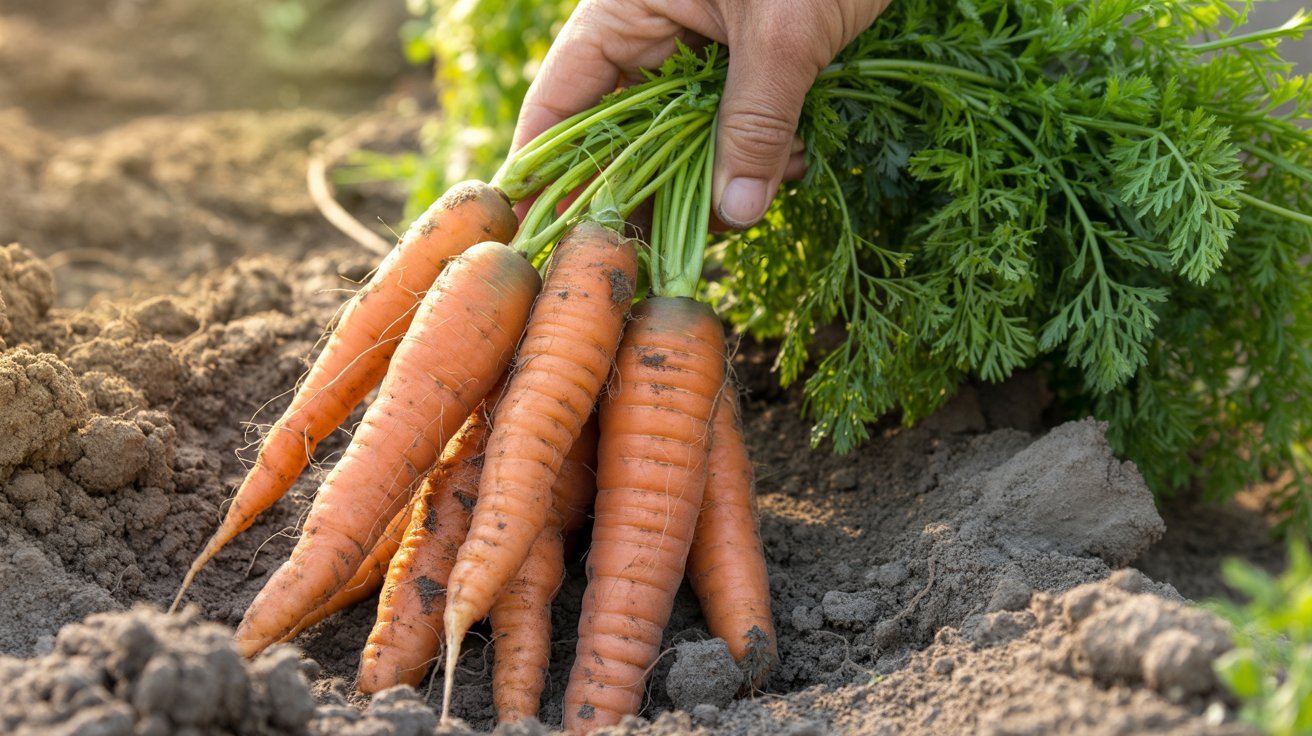
Loose, deep soil produces the best carrots. In clay or heavy soil, shorter varieties like Chantenay perform much better. Thin seedlings early.
15. Radishes
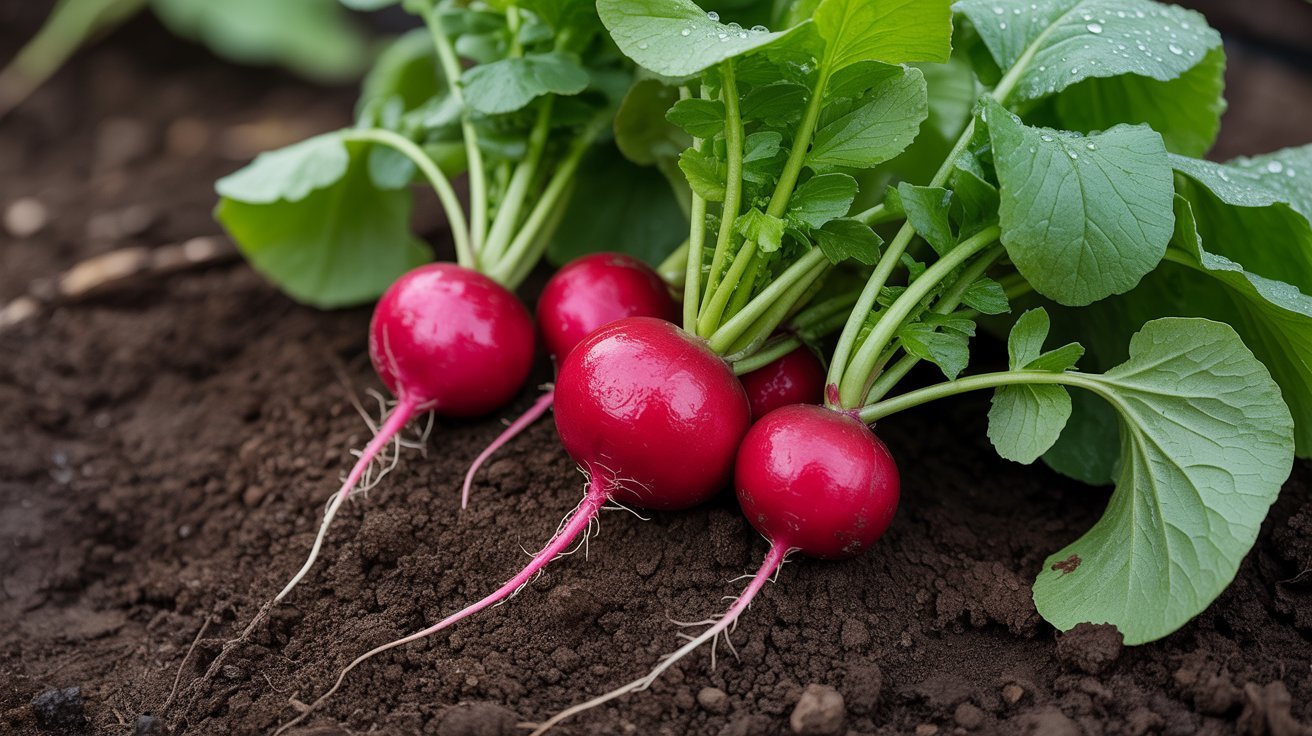
Radishes mature in 25 to 30 days, making them the fastest crop on this list. I plant them between slower crops to fill space and keep the garden productive.
16. Beets
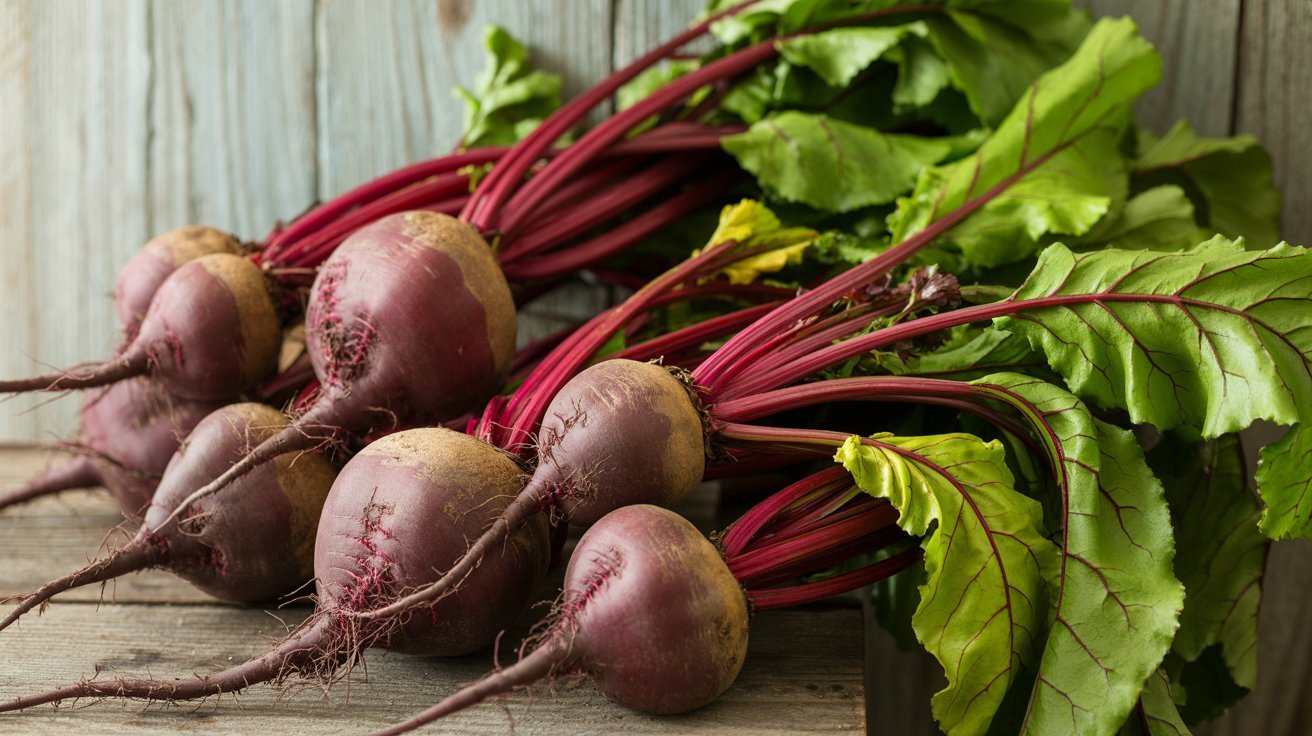
Beets grow well in mild summer heat. Both the roots and leaves are edible. Thin plants to 3 to 4 inches apart for the best root development.
17. Pumpkins
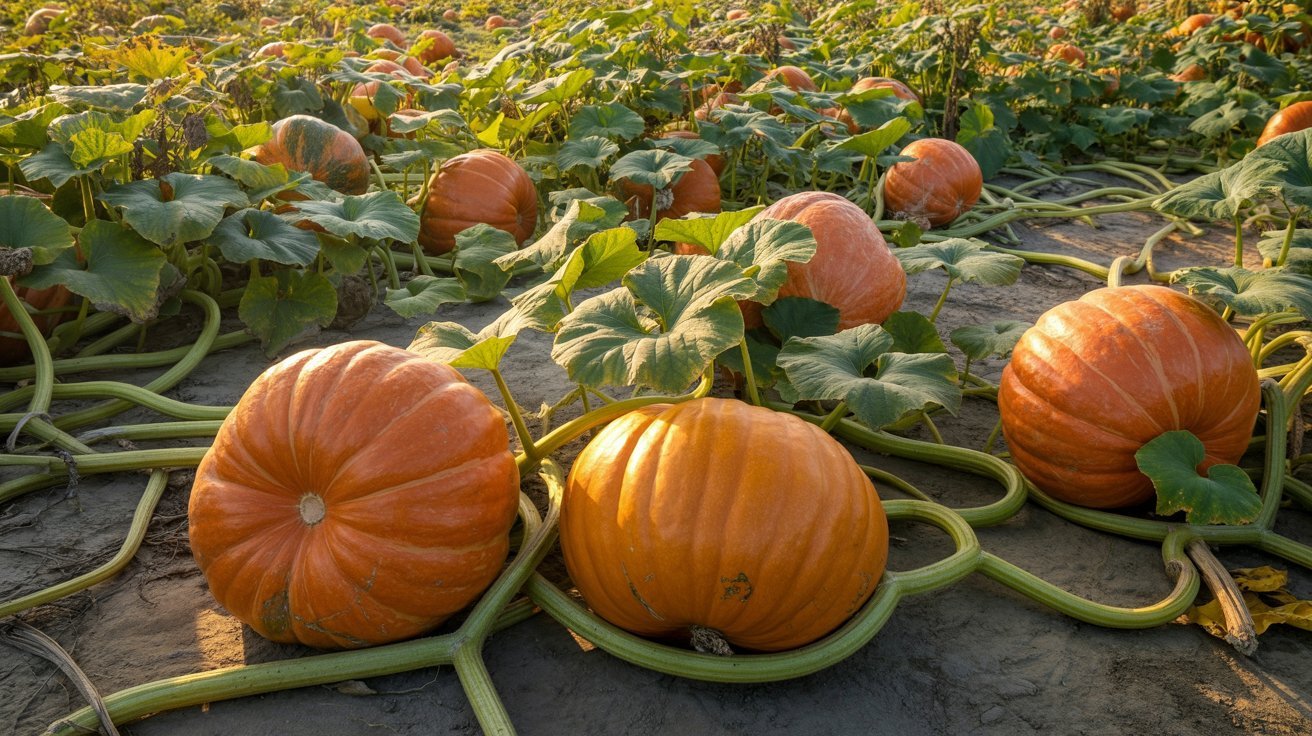
Pumpkins need 75 to 100 frost-free days. Plant in early summer so they are ready by fall. Give each plant at least 6 feet of room to spread.
18. Sweet Potatoes
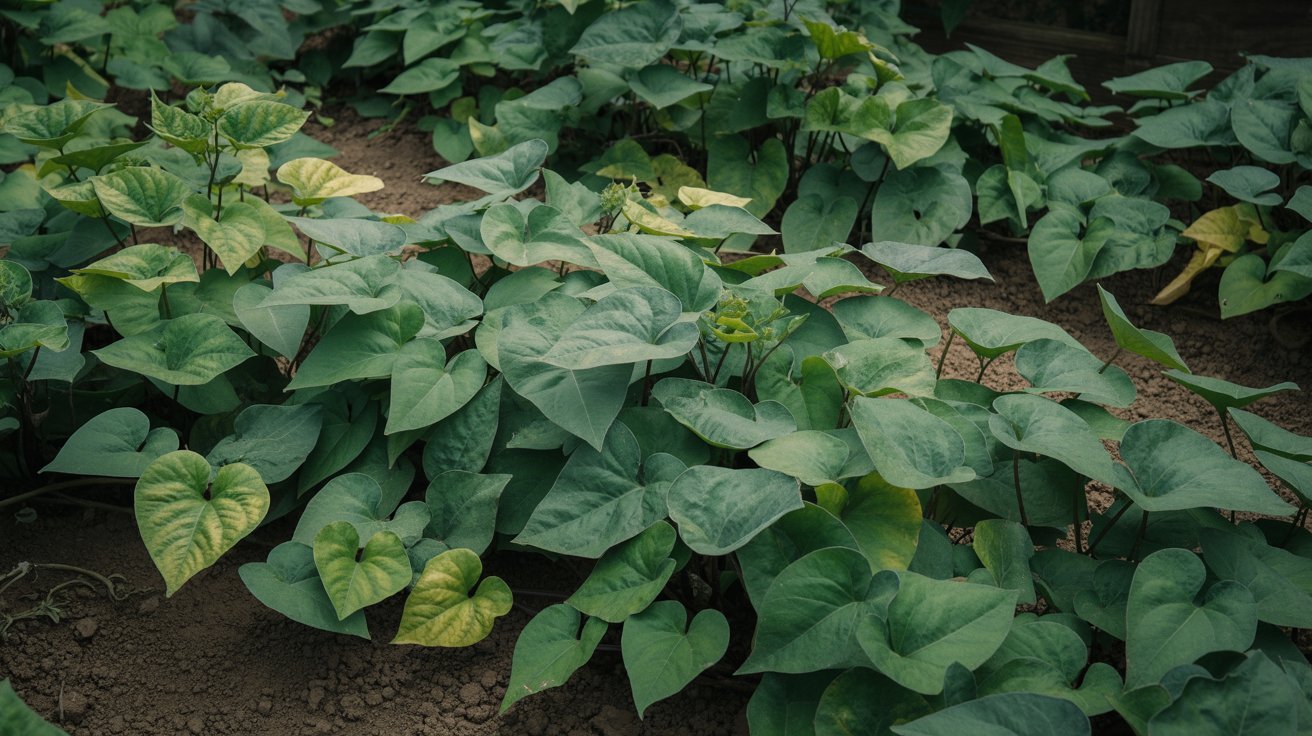
Sweet potatoes are one of the simplest crops I grow. Plant slips after the last frost and harvest in 90 to 120 days with very little ongoing attention.
19. Kale (Heat-Tolerant Types)
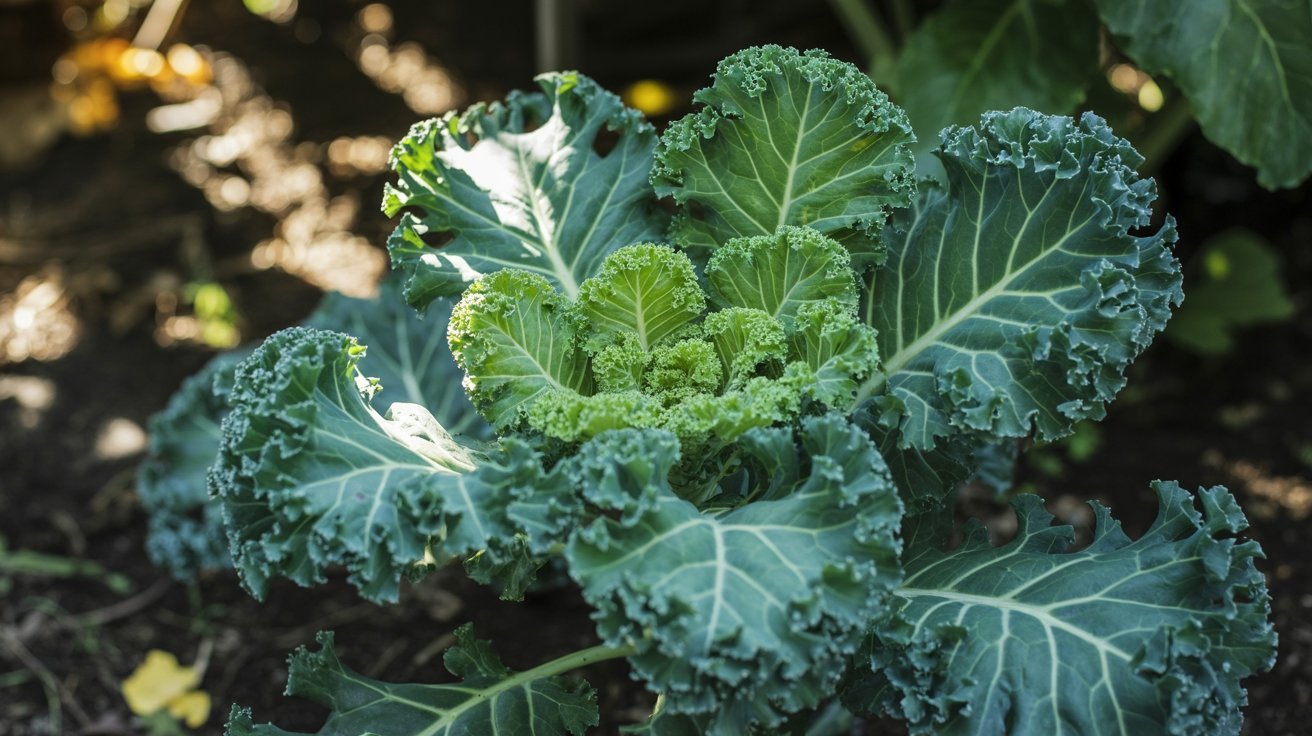
Red Russian kale handles summer better than most kale varieties. Grow it in partial shade and water a bit more often than you would in cooler months.
20. Green Onions (Scallions)
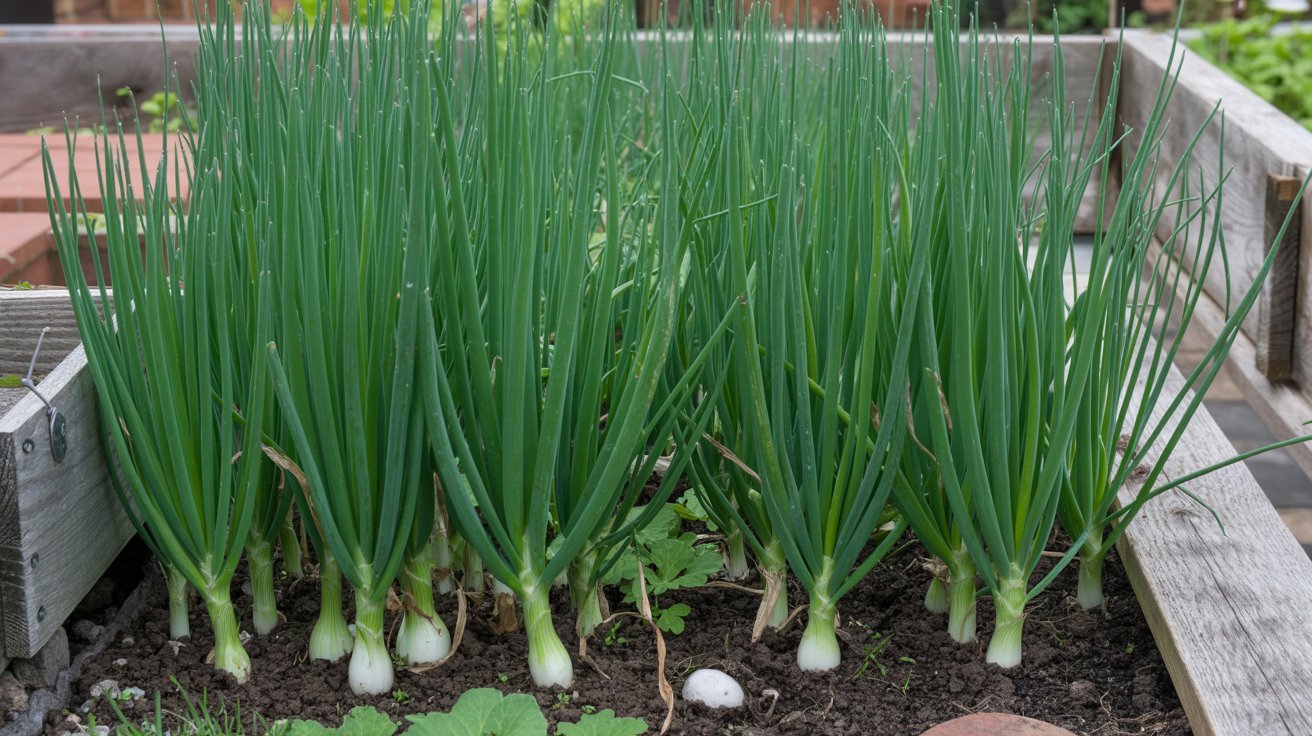
Scallions take almost no space and regrow after cutting. I tuck them into gaps between other plants. They are ready in about 60 days.
21. Watermelon
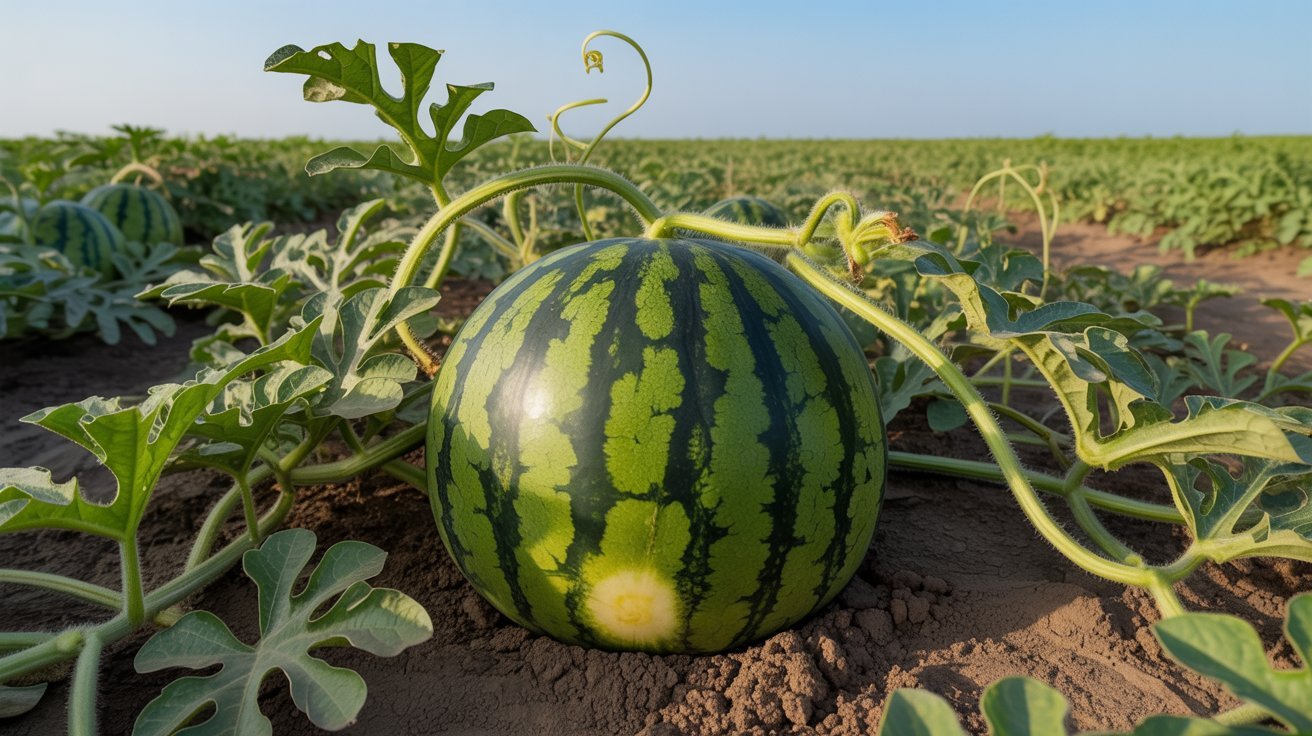
Watermelon needs heat, space, and time. Give each plant 6 feet of room. Water deeply but not too often. One of the most satisfying crops to grow when conditions are right.
Use this quick-reference table to plan your planting season before you read the full details below.
| Vegetable | Days to Harvest | Difficulty |
| Tomatoes | 60–80 days | Medium |
| Cucumbers | 50–70 days | Easy |
| Zucchini | 45–55 days | Easy |
| Summer Squash | 45–60 days | Easy |
| Bell Peppers | 70–90 days | Medium |
| Hot Peppers | 70–85 days | Easy |
| Eggplant | 70–80 days | Medium |
| Green Beans | 50–60 days | Easy |
| Sweet Corn | 70–100 days | Medium |
| Okra | 50–65 days | Easy |
| Lettuce | 45–60 days | Easy |
| Malabar Spinach | 70–85 days | Easy |
| Swiss Chard | 50–60 days | Easy |
| Carrots | 70–80 days | Medium |
| Radishes | 25–30 days | Easy |
| Beets | 55–70 days | Easy |
| Pumpkins | 75–100 days | Medium |
| Sweet Potatoes | 90–120 days | Easy |
| Kale | 55–75 days | Easy |
| Scallions | 60–70 days | Easy |
| Watermelon | 70–90 days | Medium |
Save this table as a quick reference when you are at the garden center or planning your beds for the season.
Best Summer Vegetables to Grow by US Region
Picking the right crop for your region matters more than most gardeners realize.
South and Southwest (Zones 8 to 11):Okra, sweet potatoes, hot peppers, eggplant, and watermelon all thrive here. These crops are built for intense heat and dry spells. Focus entirely on heat lovers in summer and skip cool-season crops. Water deeply twice a week instead of daily shallow watering.
Midwest (Zones 5 to 7):Tomatoes, green beans, sweet corn, cucumbers, and beets are reliable here. Summers are warm and humid, which suits most of these crops well. Space plants generously for good airflow and watch for fungal issues in wet years.
Northeast (Zones 4 to 6):Cucumbers, lettuce, carrots, Swiss chard, and radishes perform well in shorter, cooler summers. Focus on fast-maturing varieties to fit the limited growing window. Row covers help extend the season at both ends.
Pacific Northwest (Zones 7 to 9 coastal): Kale, chard, scallions, and peas love the cooler, wetter summers here. Tomatoes can struggle without extra warmth, so try growing them against a south-facing wall to capture more heat.
Best Summer Vegetables to Grow for Beginners
If you are just starting out, keep it simple.
The best summer vegetables to grow as a beginner are radishes, green beans, zucchini, cucumbers, and Swiss chard. They all germinate fast, need little maintenance, and give you a harvest quickly.
That early success keeps you motivated. Start with three crops, grow them well, and add more next season.
Easy Summer Vegetables to Grow in Small Spaces (Containers and Balconies)
You do not need a big yard to grow food. Tomatoes, peppers, cucumbers, radishes, and scallions all grow well in containers.
Use at least a 5-gallon pot for larger plants and place them in full sun. Pots dry out faster than garden beds, so check moisture daily.
These are the easiest summer vegetables to grow in small spaces like balconies, patios, and compact yards where in-ground planting is not an option.
Summer Gardening Tips for US Climates
Water deeply and less often. This builds stronger roots than shallow, frequent watering.
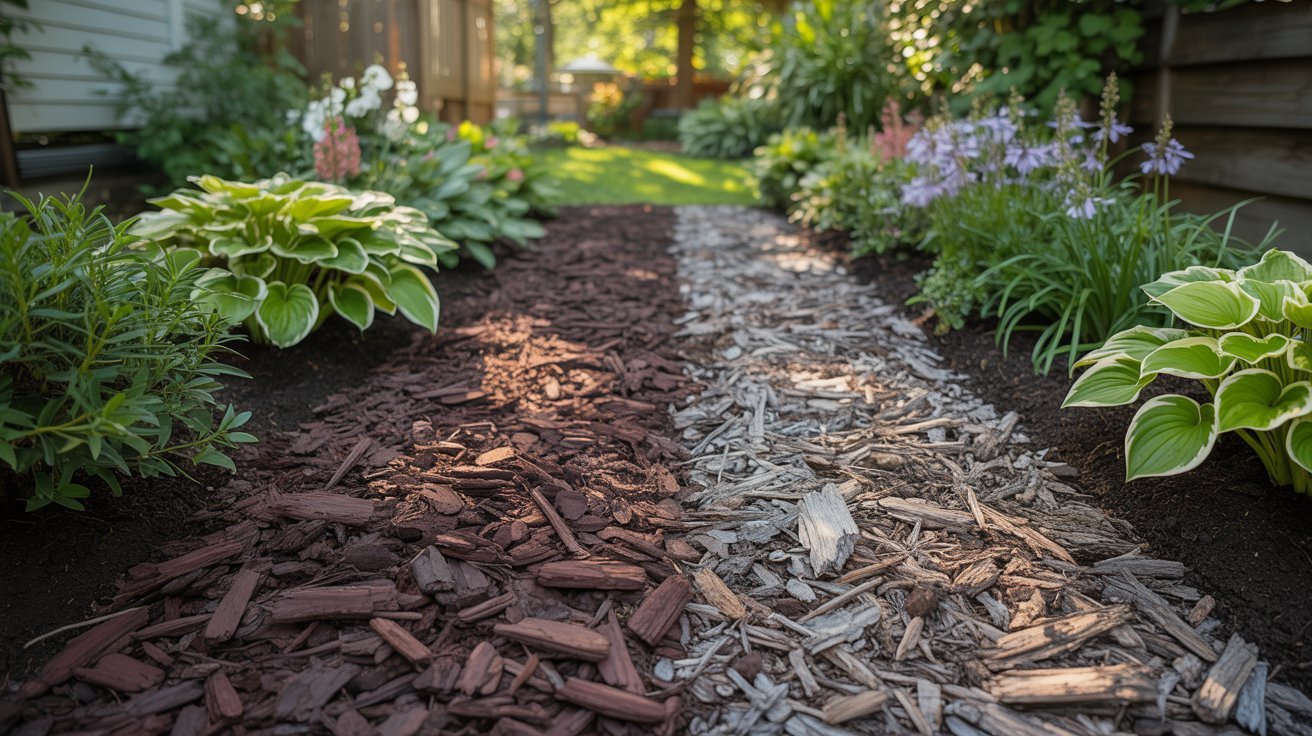
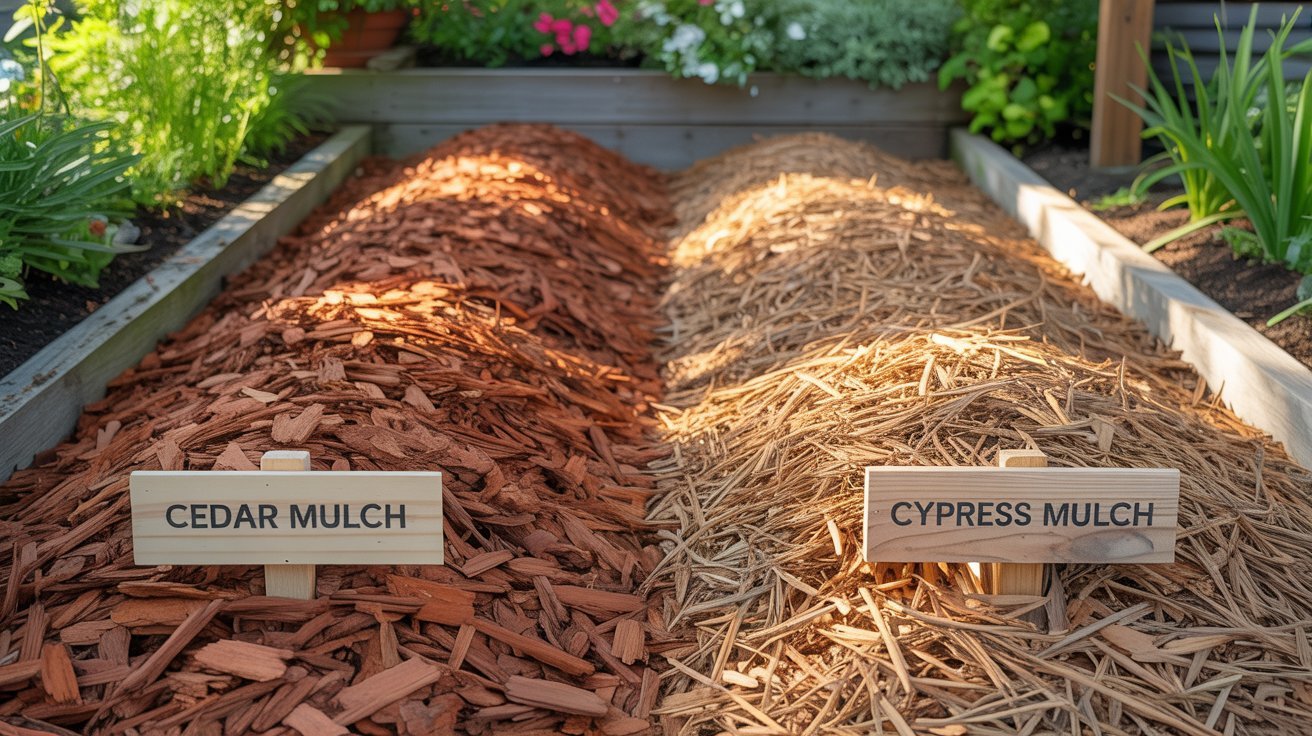
Mulch around plants with straw or wood chips to hold moisture and keep soil temperature down.
Plant tall crops on the north side so they do not shade shorter ones.
Check your garden daily during peak heat weeks.
Catching problems early is far easier than fixing them later.
Common Mistakes US Gardeners Make in Summer
Overwatering is the number one mistake. Wet soil in high heat causes root rot fast. Not mulching lets moisture escape between waterings.
Planting at the wrong time shortens your harvest by weeks. Skipping daily checks gives pests time to take hold.
Keep your routine simple, stay consistent, and you will avoid most of these issues entirely.
Avoid these 3 summer gardening mistakes:
- Overwatering in heat:water deeply but less often, not a little every single day
- Skipping mulch: bare soil dries out fast and stresses plants during hot spells
- Planting too early: cold soil slows germination and makes young plants vulnerable to setbacks
Conclusion
Growing summer vegetables is one of the most satisfying things I do all year. I started with three plants in a raised bed and now grow over 20 crops every season.
The key is matching your crops to your zone, planting at the right time, watering deeply, and checking your garden every day. Mulch saves water. Consistency saves crops.
The 21 vegetables in this guide cover every skill level and garden size. You do not need perfect conditions.
You just need to start. Pick two or three crops from this list and get them in the ground this season. A small homegrown harvest beats anything from a store shelf.
Which vegetable are you planting first this summer?
Frequently Asked Questions
What are the easiest summer vegetables to grow for beginners?
Radishes, green beans, and zucchini are the best starting points. They grow fast, need minimal care, and produce reliably even in small garden spaces.
How do I know which growing zone I am in?
Use the free USDA Plant Hardiness Zone Map at planthardiness.ars.usda.gov. Enter your zip code and it tells you your zone instantly.
What is the difference between zucchini and summer squash?
Zucchini matures faster and produces more volume. Summer squash like yellow crookneck holds its texture better in cooked dishes. Both are easy to grow and worth planting together.
Which summer vegetables grow best in hot southern US climates?
Okra, sweet potatoes, hot peppers, and eggplant handle intense heat very well. These are the most dependable picks for zones 8 through 11.
When is it too late to plant summer vegetables in the US?
Most warm-season crops need 60 to 90 frost-free days to mature. Check your first fall frost date and count backward to find your last safe planting window for the season.