
I get asked this a lot, and honestly, I used to mix up elm trees with other trees all the time.
So I decided to really study them up close, on urban streets and along riverbanks, and now I can spot one from across a street.
If you've ever wondered what does an elm tree look like, this blog covers everything you need.
I'll walk you through the shape, leaves, bark, seeds, and seasonal changes. I'll also show you how to tell elms apart from similar trees, plus the common mistakes most people make.
I've spent real time observing these trees in different settings, so you're getting practical, field-tested information here.
By the end, you'll identify an elm with confidence.
What Does an Elm Tree Look Like at a Glance
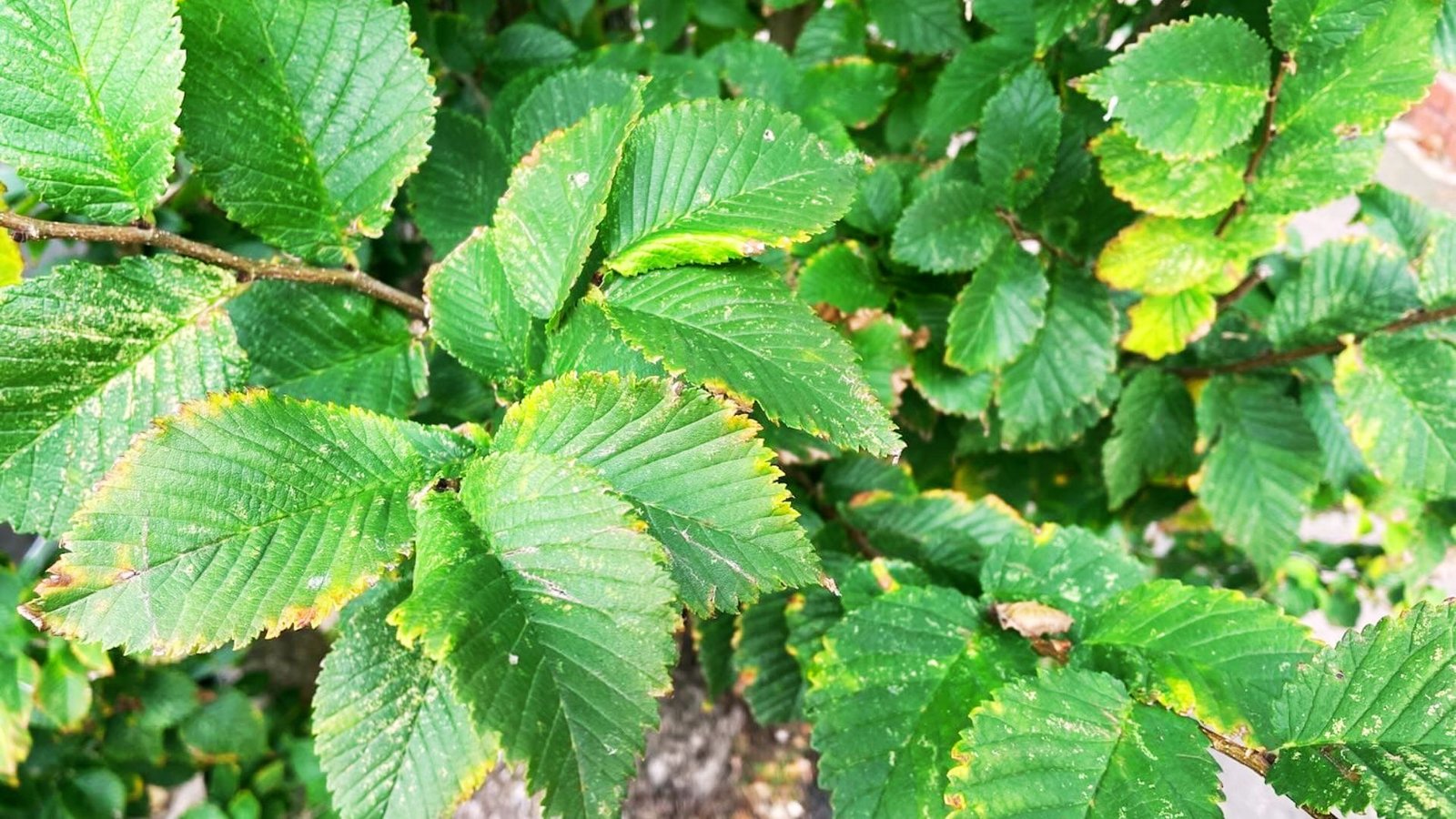
Elm trees belong to the genus Ulmus, a group of deciduous trees found across North America, Europe, and Asia. They're known for their arching canopy, rough-textured leaves, and lopsided leaf base that sets them apart from most other trees.
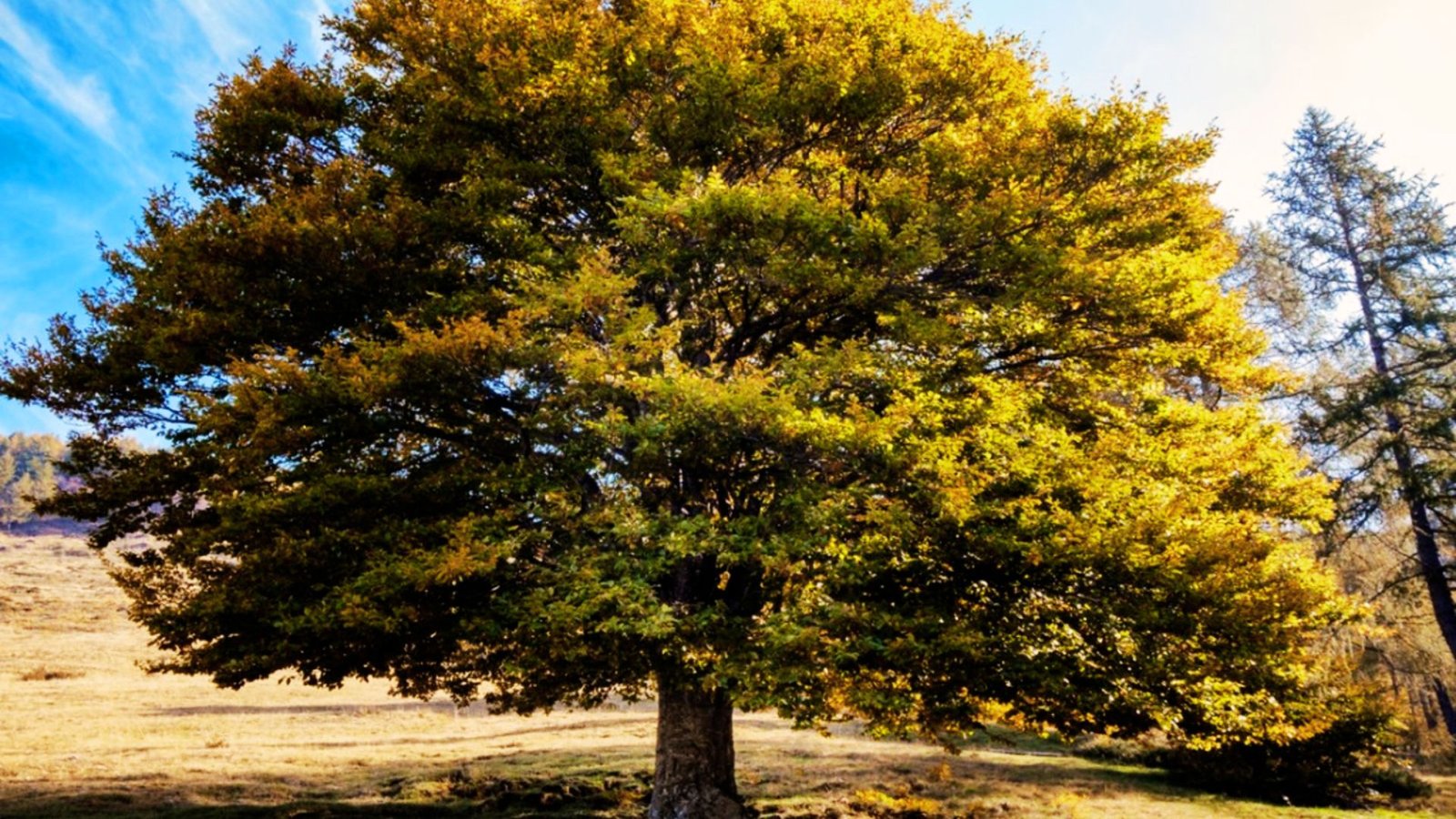
At first look, the trunk goes straight up, then the branches spread wide and arch outward in a vase-like or umbrella shape.
Most mature elms grow between 60 and 100 feet tall. The canopy creates heavy shade underneath. The bark looks rough and gray with deep ridges.
The leaves are small to medium, oval-shaped, with tiny serrated edges. One side of the leaf base sits slightly higher than the other. That lopsided leaf base is one of the most reliable signs you're looking at an elm.
Key Characteristics of an Elm Tree (Detailed Breakdown)
Once you know these five features, you'll never confuse an elm with another tree again.
Elm Tree Shape and Size
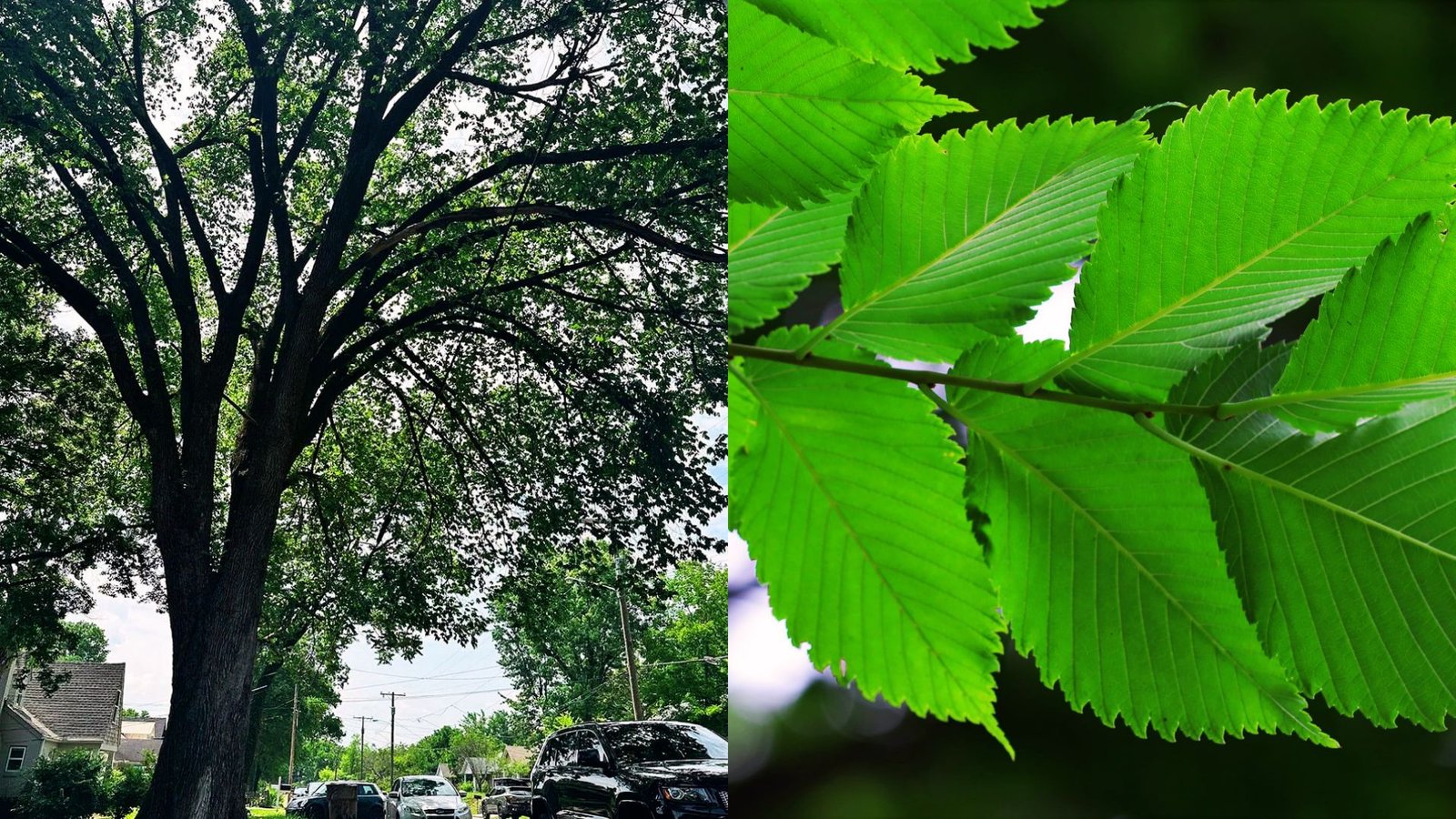
An elm tree grows in a wide, arching shape, like a fountain. The branches start near the middle of the trunk and fan out in every direction.
Mature trees can reach 80 to 100 feet in height. The canopy can spread up to 75 feet wide. Young elms look more upright and narrow. As they age, the spread gets wider and more dramatic.
Elm Tree Leaves (Most Recognizable Feature)
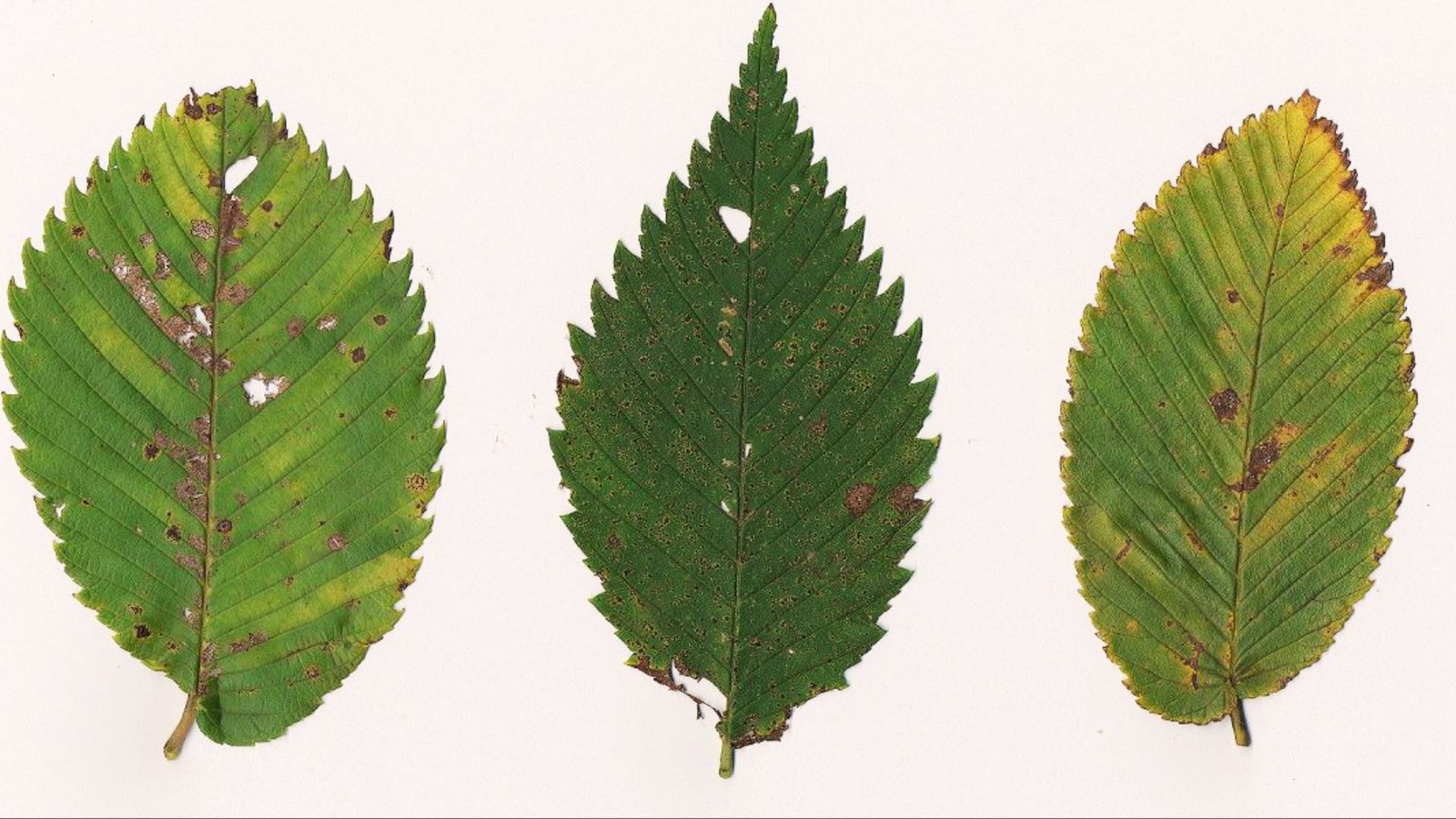
The leaves are what I always check first. They're oval and pointed at the tip. The edges have double-toothed serrations, meaning there are small teeth between bigger teeth.
The most telling feature is the asymmetrical base. One side of the leaf starts lower on the stem than the other. This lopsided look is a key identifier. The top surface feels rough, almost like sandpaper.
Leaves are usually 3 to 6 inches long and dark green in summer.
Elm Tree Bark Appearance
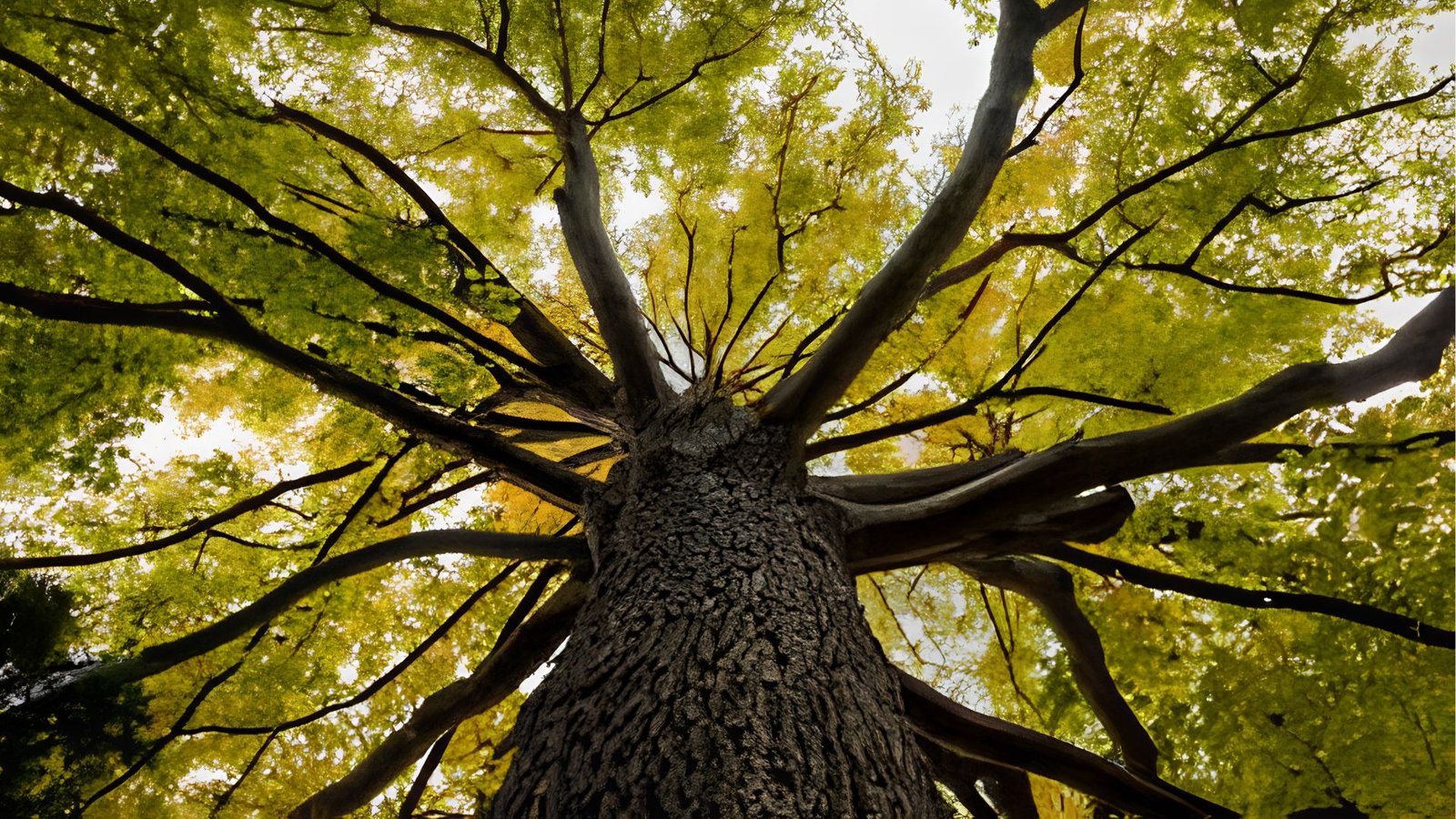
On young elms, the bark is fairly smooth and light gray. As the tree matures, it becomes rougher and more furrowed. You'll see intersecting ridges that form a diamond-like pattern.
The inner bark, if you scratch it slightly, has a faint smell and a slightly slippery texture. This is especially true for the Slippery Elm variety.
Elm Tree Seeds (Samara)
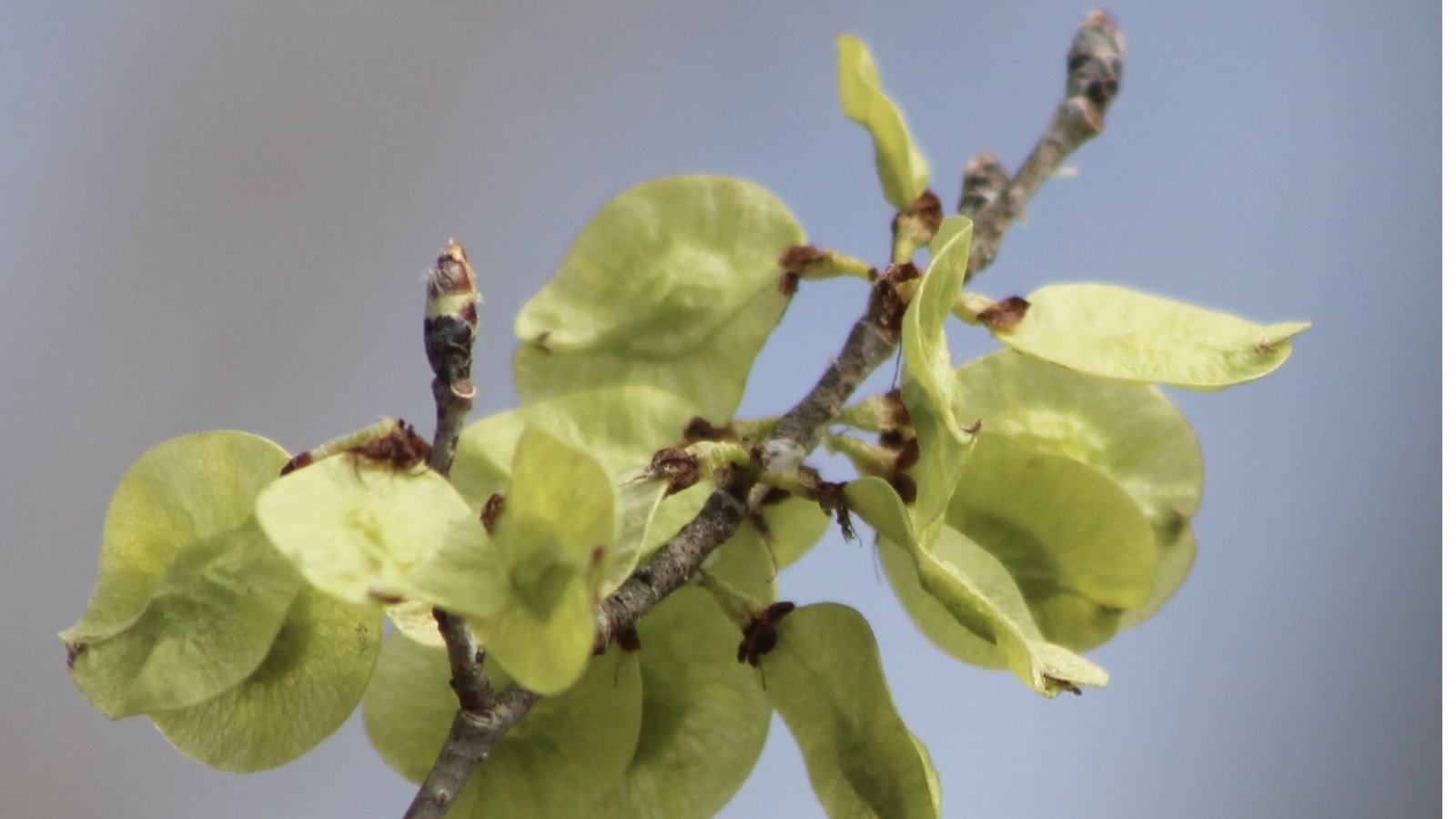
Elm seeds are called samaras. They look like tiny round discs with a flat wing around them. The seed sits right in the center, surrounded by a papery border.
They appear in early spring, before the leaves fully open. They're small, light, and fall in clusters. Seeing seeds drop before the tree leafs out is one of my go-to early identification tricks.
How to Identify an Elm Tree in Different Seasons
Elms look noticeably different depending on the time of year, and knowing what to look for in each season makes identification much easier.
Spring Appearance
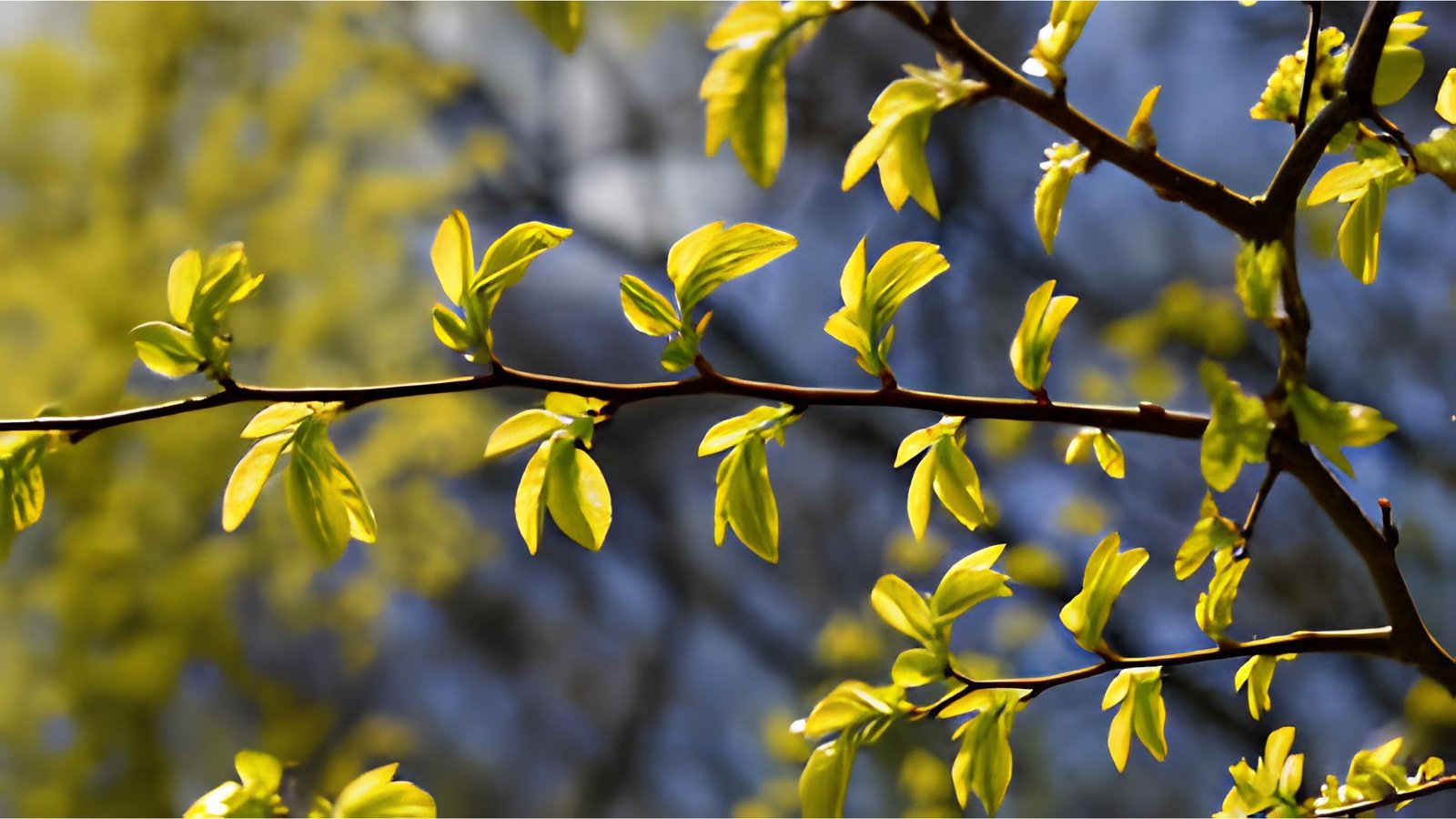
Spring is the best time to spot an elm. The seeds appear before the leaves do. You'll see clusters of small, round, winged seeds hanging from bare branches. The leaves come out shortly after as tiny, pale green buds.
Summer Appearance
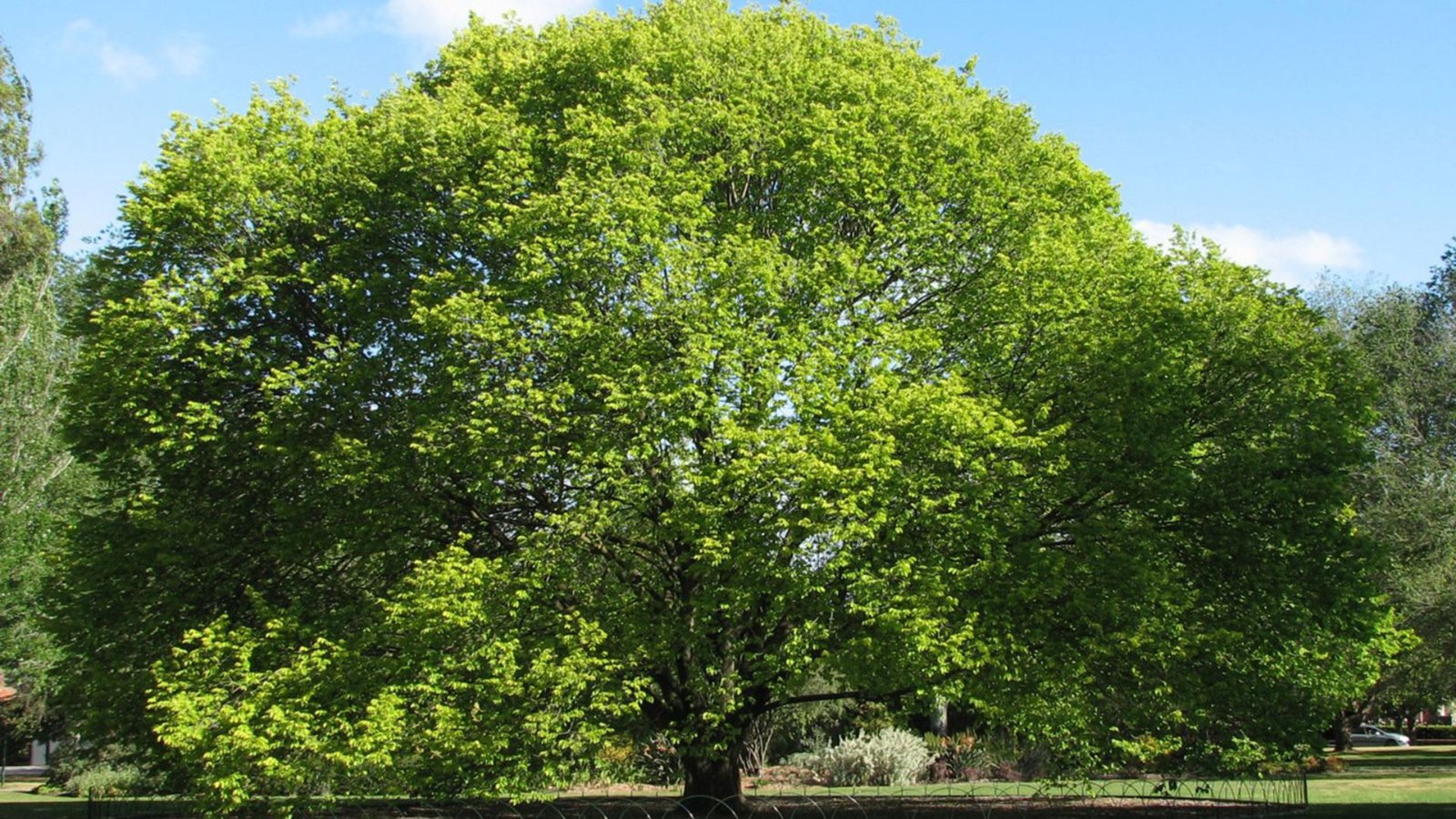
In summer, the elm is at its fullest. The canopy fills out completely and creates a wide, dense shade. The leaves are deep green, rough to the touch, and slightly droopy on the tips. The arching vase shape is easy to see from a distance.
Fall Appearance
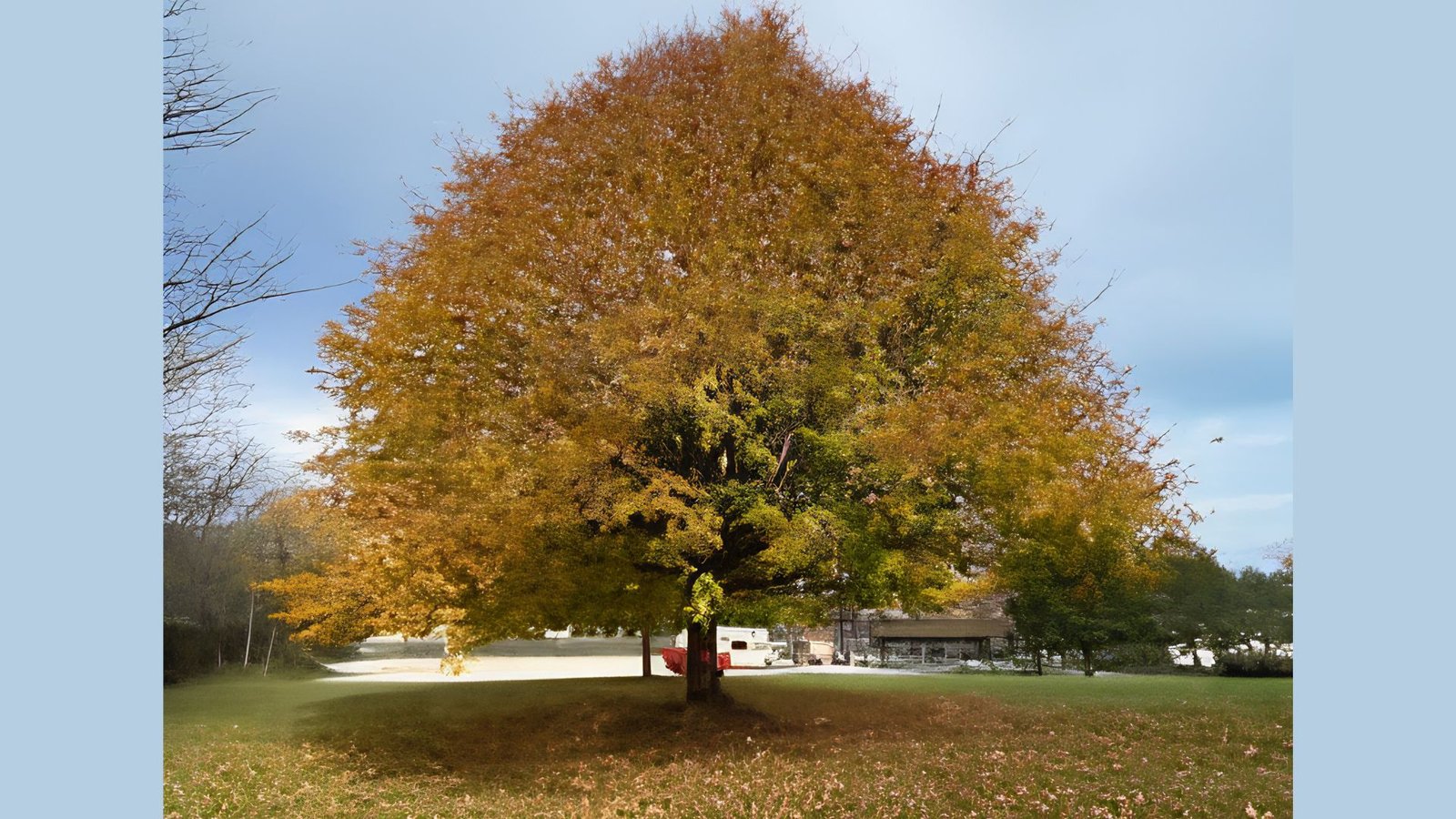
The leaves turn yellow in fall. Not the bright orange-red of maples, just a softer, golden yellow. They drop fairly early compared to other trees, and the canopy looks patchy toward late fall.
Winter Appearance
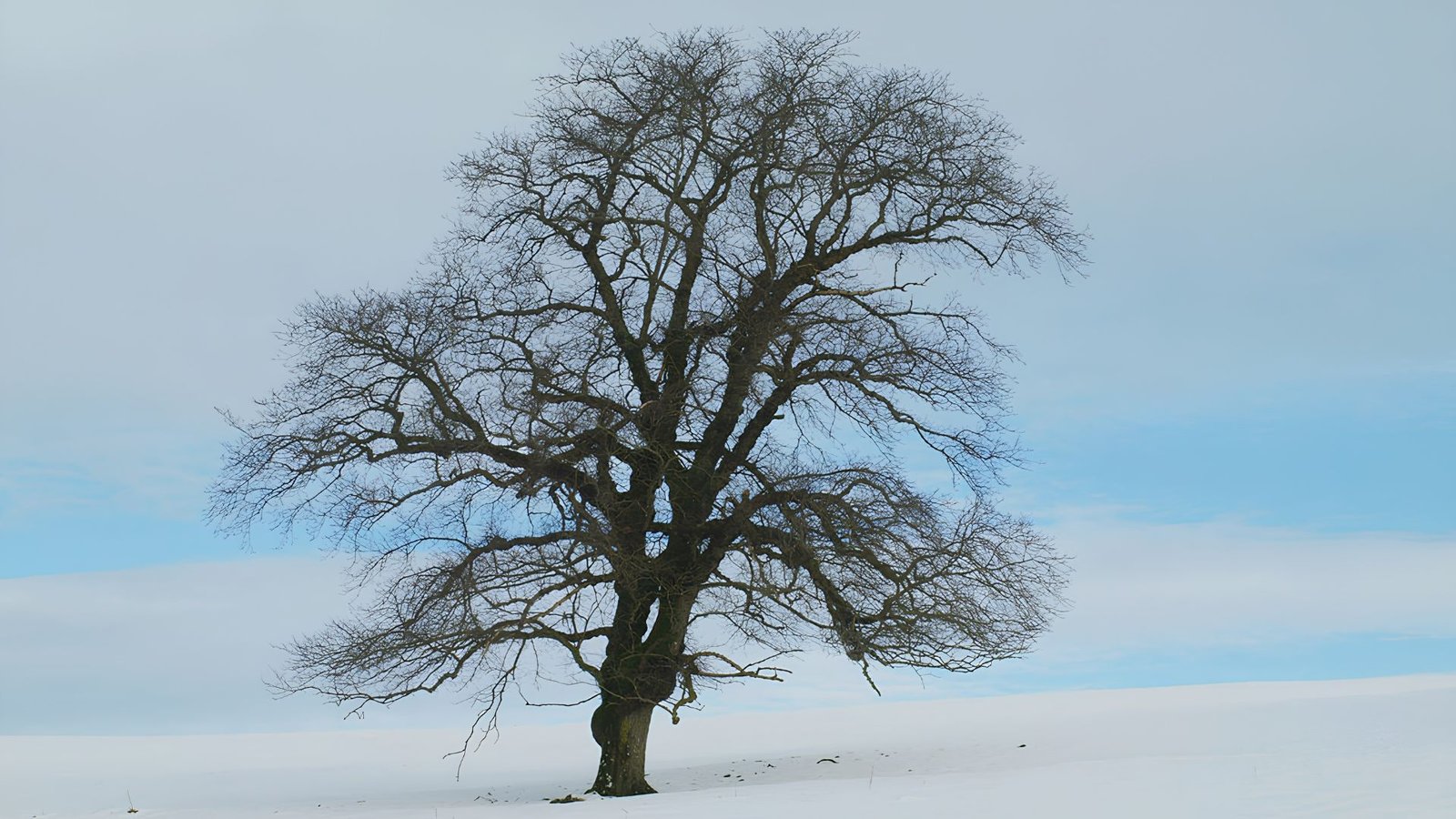
Without leaves, the structure of the elm really stands out. The arching branches and vase-like form are very clear. The rough, ridged bark is easier to study in winter. I find winter the best time to compare bark textures between species.
Common Mistakes When Identifying Elm Trees
I made most of these mistakes before I knew better.
Confusing elm with zelkova is probably the most common one. The leaves look almost identical. The difference is in the leaf base. Zelkova leaves are mostly symmetrical. Elm leaves are not.
Ignoring the leaf base asymmetry is another big one. People look at the leaf shape and stop there. That lopsided base is the detail that confirms it's an elm.
Looking only at bark is also a mistake. Bark varies a lot between young and old trees, and between species. Bark alone won't give you a confident ID. Always check the leaves too.
Common Types of Elm Trees and How They Look
Each elm species has its own character, and knowing the differences helps you name the tree, not just identify it.
American Elm Tree
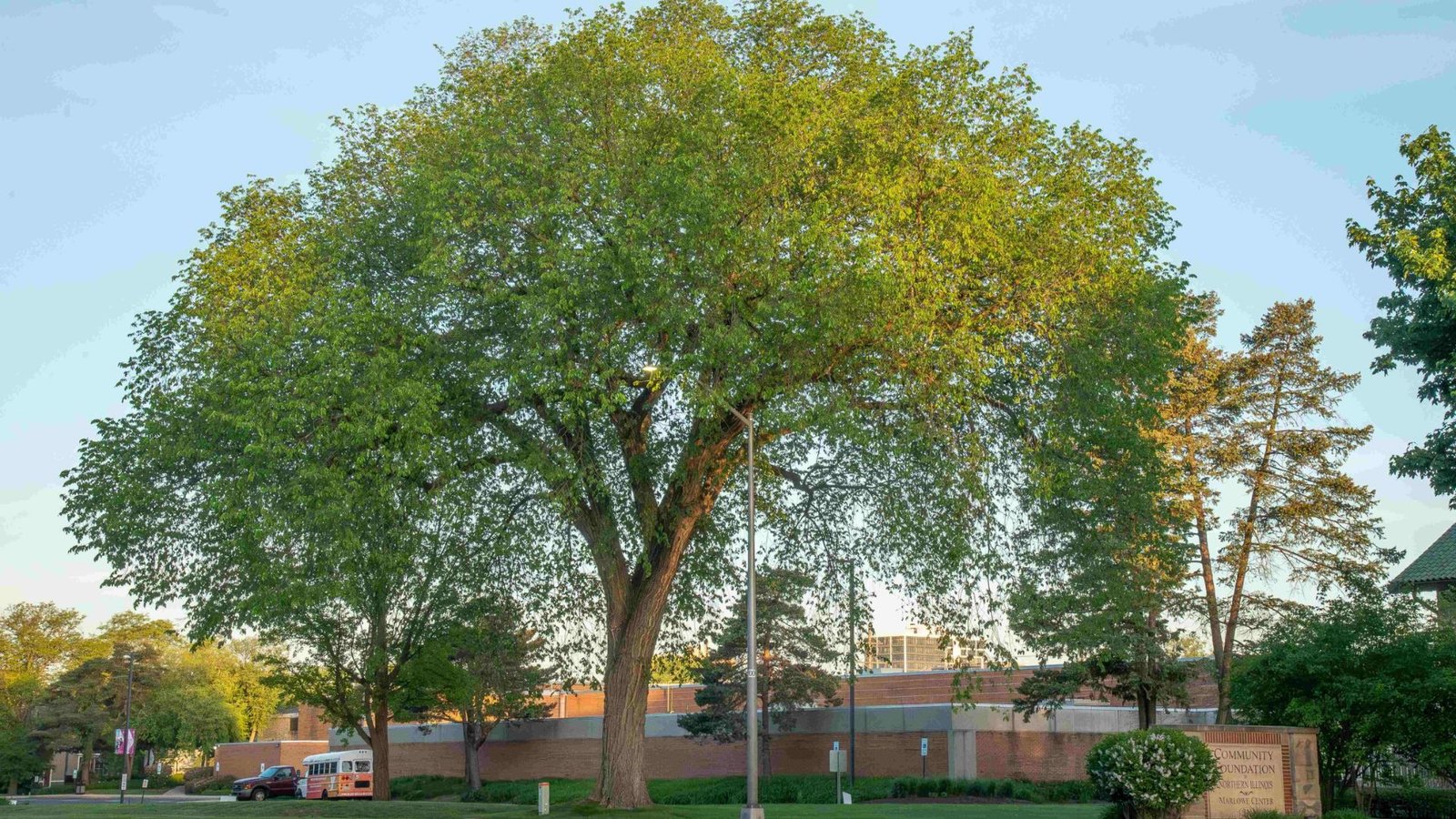
This is the classic elm most people in North America recognize. It grows very tall, up to 100 feet, with a wide arching canopy. The shape is distinctly vase-like. American elms once lined streets across the United States but Dutch Elm Disease, a fungal infection spread by bark beetles, wiped out millions of them starting in the early 1900s.
Chinese Elm Tree
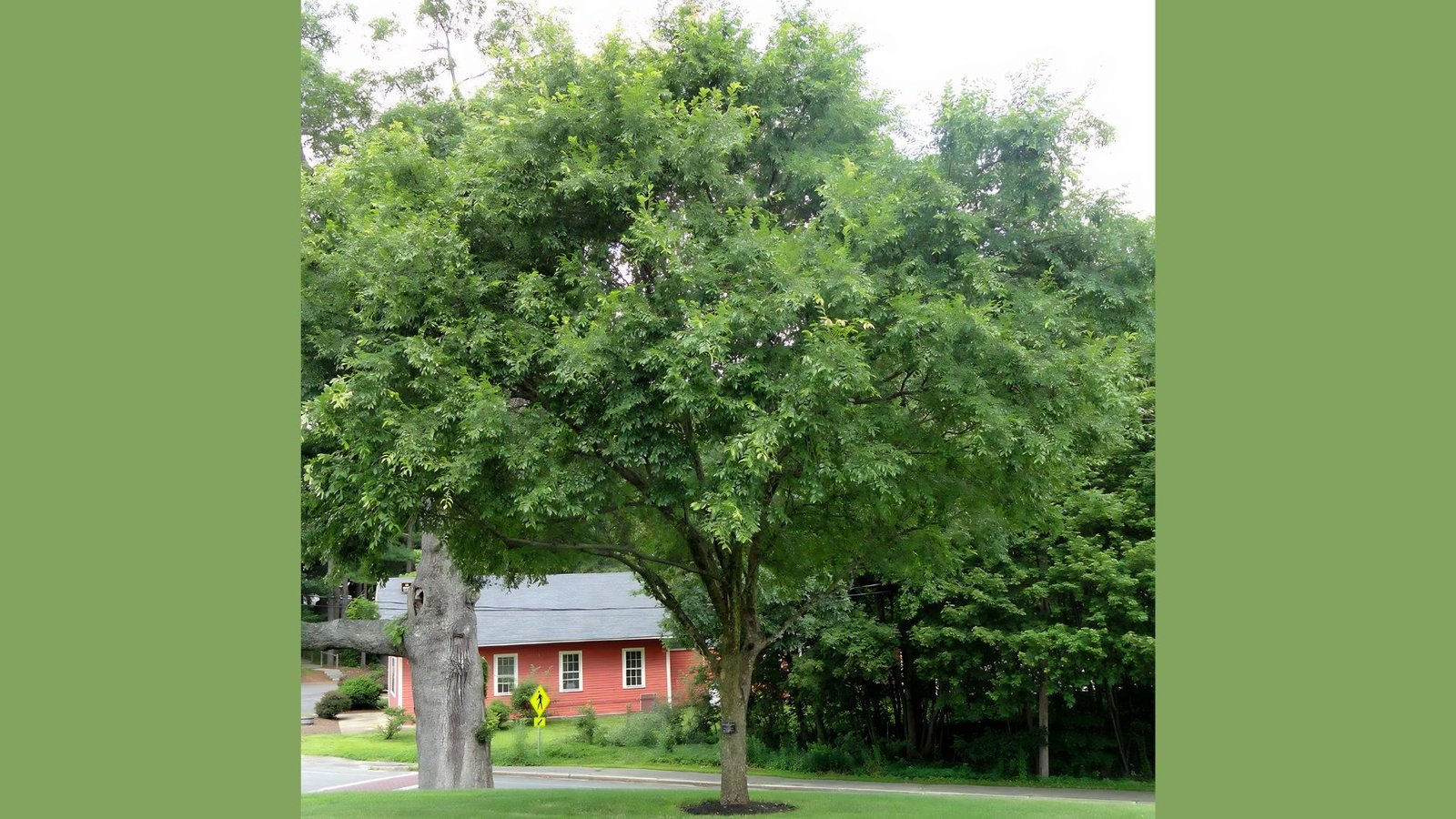
The Chinese Elm is smaller, around 40 to 60 feet, with a rounded, spreading canopy. It's widely used as an ornamental tree in urban areas across the US and Asia. The bark peels in patches revealing orange, green, and gray underneath. The leaves are smaller and glossier.
Siberian Elm Tree
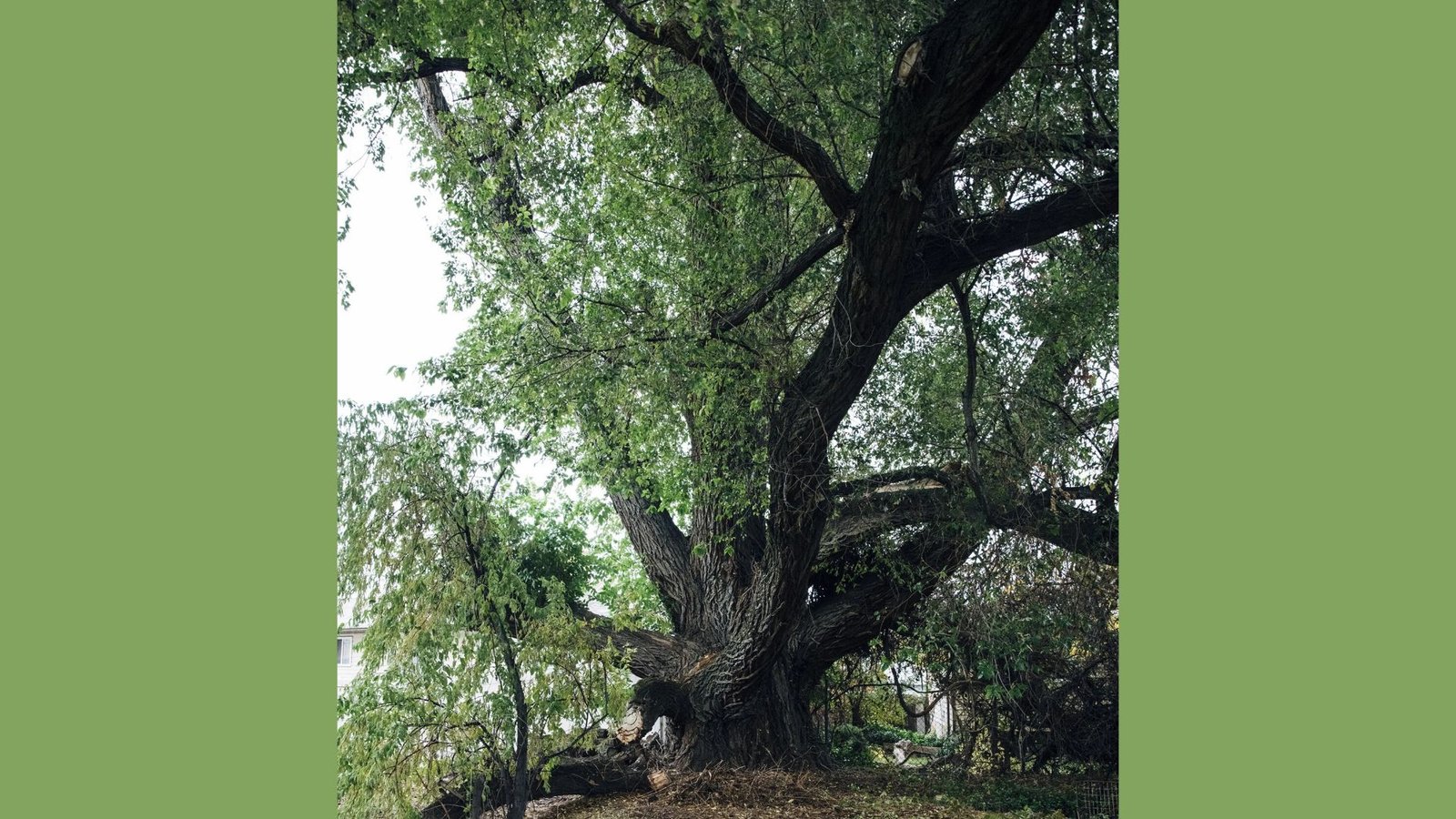
The Siberian Elm is fast-growing and tough. It's commonly used as a windbreak tree across the North American plains and western regions. The shape is less graceful, with irregular branching. Leaves are smaller and smoother.
Slippery Elm Tree
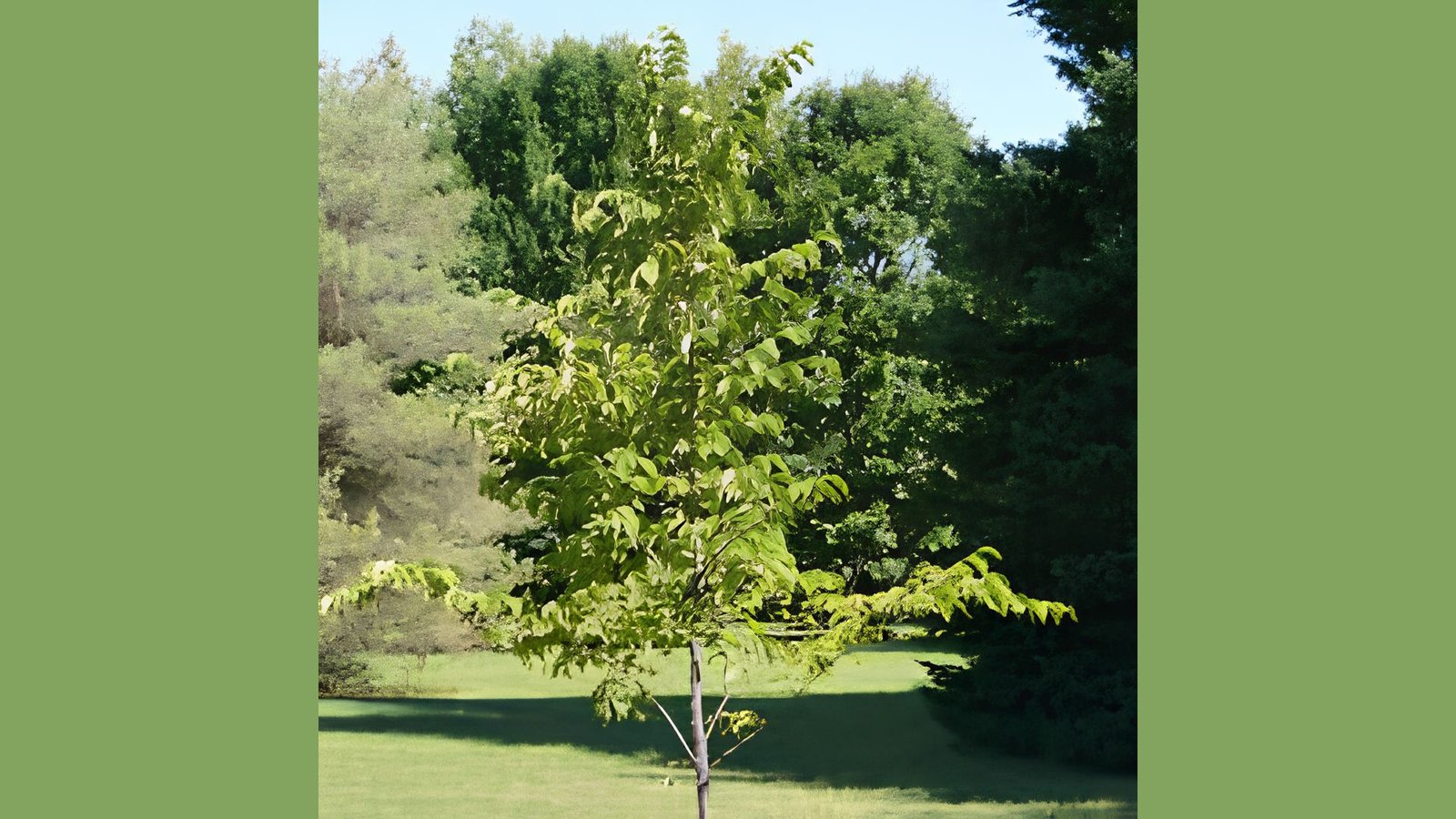
Common in the eastern United States, the Slippery Elm grows 40 to 60 feet tall. It gets its name from the mucilaginous texture of its inner bark when wet. The leaves are noticeably rougher and larger than other elms, and the underside feels almost fuzzy.
Elm Tree vs Similar Trees (Avoid Misidentification)
These three comparisons trip up even experienced tree watchers, so I'll keep it direct.
| Feature | Elm | Oak | Ash |
| Leaf shape | Oval, serrated | Lobed | Compound |
| Seed type | Samara (round, flat) | Acorn | Paddle-shaped |
| Tree shape | Vase | Wide, rounded | Upright |
| Leaf base | Asymmetrical | Symmetrical | Symmetrical |
Study this table before your next tree walk. It'll save you a lot of second-guessing.
Elm vs Oak Tree
Oak leaves are lobed with rounded or pointed notches cut into the sides. Elm leaves are oval with serrated edges, no lobes. Oak bark is blockier. Acorns are the biggest giveaway for oaks.
Elm vs Ash Tree
Ash trees have compound leaves where multiple small leaflets grow from one stem. Elm leaves are single, not divided. Ash grows more upright. Ash seeds are long and paddle-shaped.
Elm vs Zelkova Tree
Zelkova leaves look very similar to elm leaves. The key difference is the leaf base. Zelkova leaves are more symmetrical. Zelkova bark also becomes patchy on older trees, similar to Chinese Elm.
Where Elm Trees Are Commonly Found
Elms grow naturally across North America, Europe, and parts of Asia. In the United States, you'll find them along riverbanks, in forests, and on old city streets.
I've spotted large American Elms in parks and on college campuses in the eastern US.
They prefer moist, well-drained soil and full sun. Siberian Elms are more common in the drier, windier regions of the Midwest and West. Chinese Elms are widely planted in urban areas on both US coasts and across Asian cities.
Why Elm Trees Look Different (Historical and Ecological Context)
Dutch Elm Disease remains one of the most significant tree diseases in North American history. The fungus, spread by bark beetles, killed tens of millions of American Elms throughout the 20th century.
Surviving trees today are often younger or disease-resistant hybrid varieties bred specifically to carry resistance. These newer elms sometimes look slightly different in shape or leaf texture compared to the classic old-growth elms you might see in old photographs of US city streets.
Climate also plays a role. An elm growing near a river in the eastern United States looks fuller and taller than one in a dry or wind-exposed area.
Conclusion
So, what does an elm tree look like? It's a tall, arching tree with a vase-like canopy, rough gray bark, and oval leaves with a lopsided base.
The round, winged seeds in early spring are another dead giveaway.
I've studied elms on city streets, in parks, and along riverbanks, and the leaf base asymmetry is always the fastest confirmation.
Each species, American, Chinese, Siberian, or Slippery, has small differences in size, bark, and texture.
Knowing the genus Ulmus, understanding Dutch Elm Disease history, and studying the seasonal clues all help you go beyond a basic ID. You're not just spotting a tree. You're reading it.
Next time you pass a big shade tree, flip over a leaf and check the base. Could it be an elm? What other trees in your area do you find hardest to tell apart?
Frequently Asked Questions
How tall does an elm tree grow?
Most elm trees grow between 60 and 100 feet tall at full maturity. The canopy spread can reach up to 75 feet wide in favorable conditions.
What is the genus name for elm trees?
Elm trees belong to the genus Ulmus. This group includes over 30 species of deciduous trees found across North America, Europe, and Asia.
How do I tell a young elm from a mature one?
Young elms are narrow and more upright with smoother bark. Mature elms have a wide, arching, vase-like canopy and deeply furrowed, ridged bark.
Are elm tree leaves rough or smooth?
Elm leaves feel rough, almost like sandpaper, on the top surface. Slippery Elm leaves feel even coarser, with a fuzzy texture on the underside.
Can elm trees grow in small gardens?
Most elm species grow very large and are not ideal for small spaces. Chinese Elm is the most manageable option, staying around 40 to 50 feet with regular pruning.