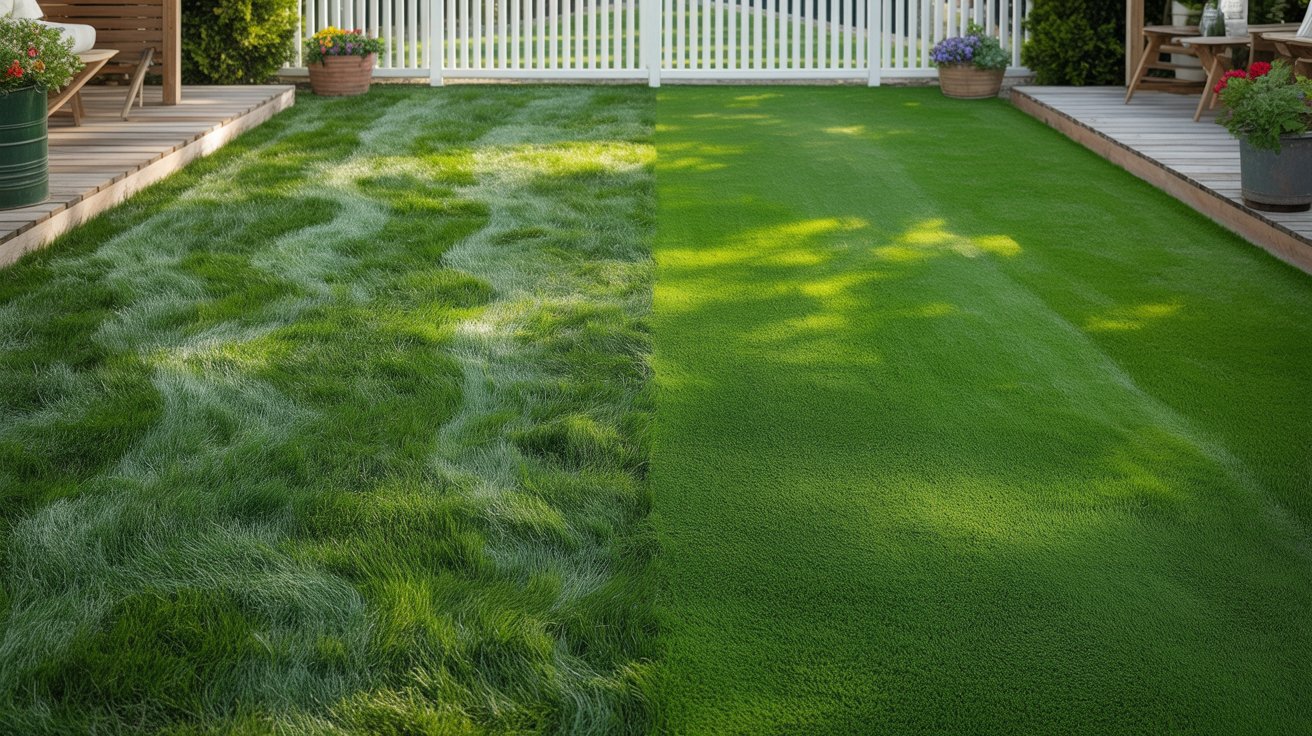

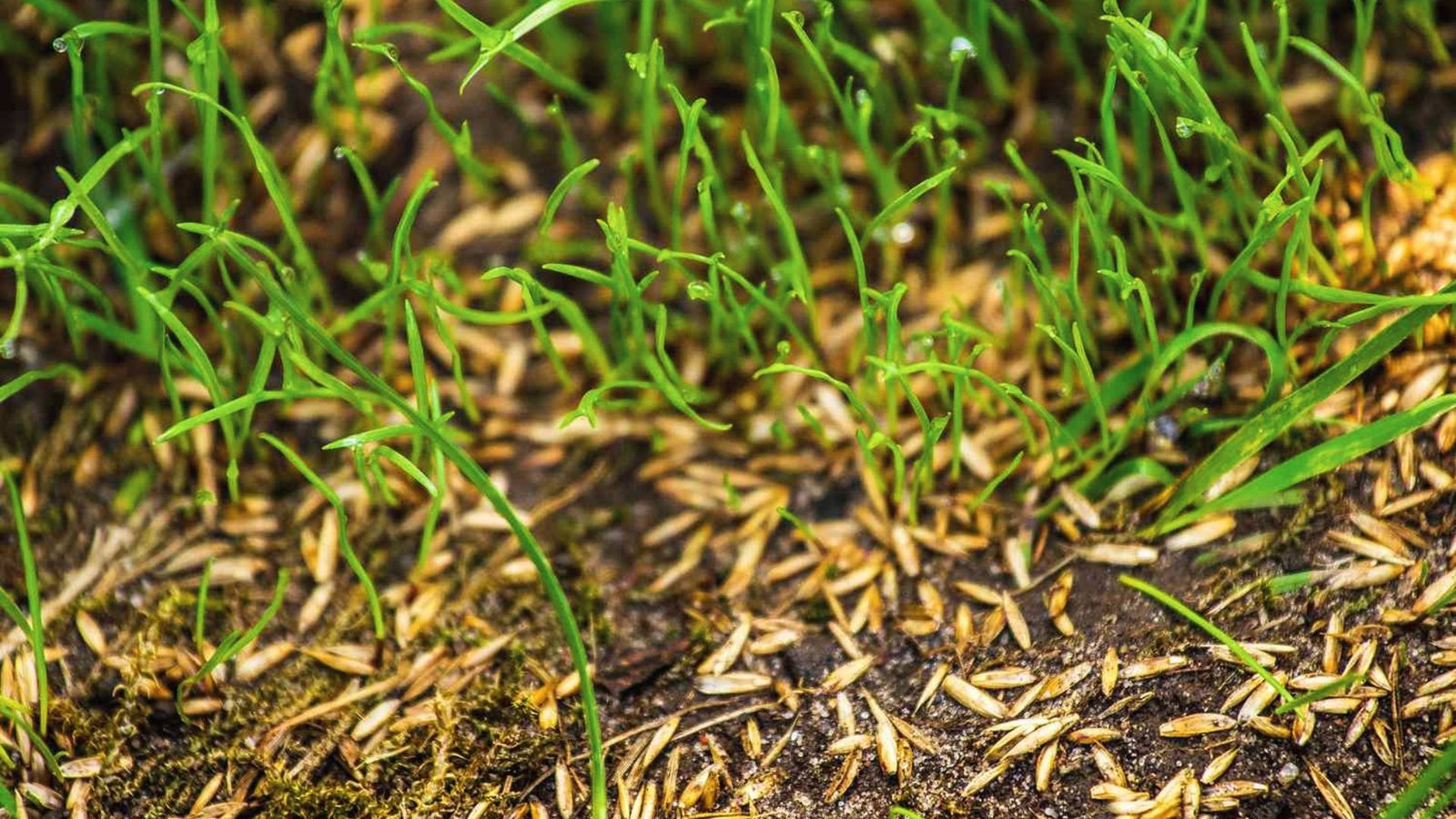
Getting the seed amount right makes all the difference between a patchy lawn and a thick, green one.
Too little seed leaves gaps. Too much wastes money and crowds out seedlings. The right rate depends on your grass type, lawn size, and current condition.
In this guide, you will find standard seed rates by grass type, a simple formula to calculate how much you need, prep steps that actually work, and mistakes to avoid before you spread a single seed.
How Much Seed for Overseeding Per 1,000 Sq Ft?
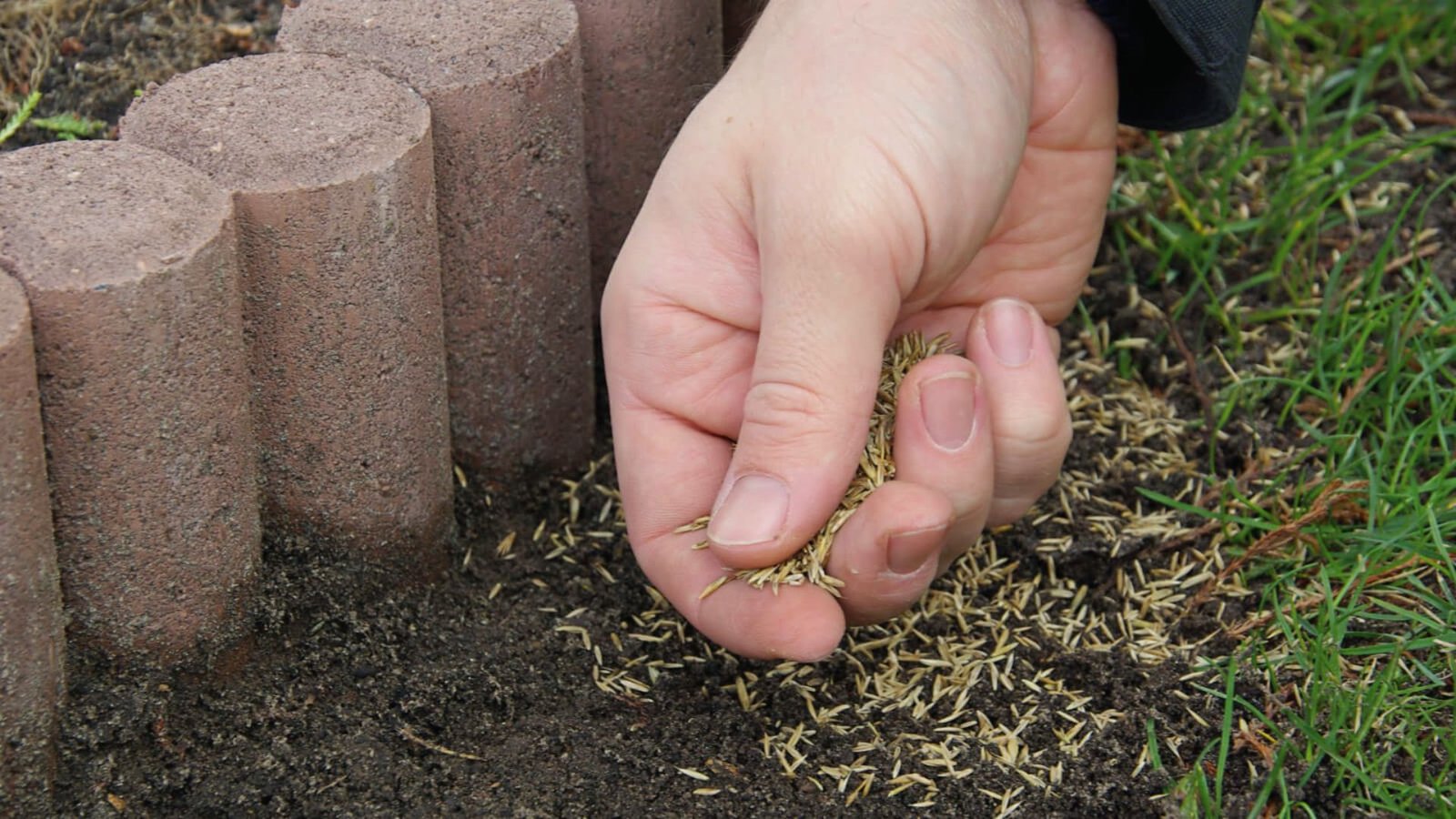
The right seed rate per 1,000 sq ft depends on your grass type and current lawn condition.
Tall fescue needs 6 to 8 lbs, perennial ryegrass needs 5 to 9 lbs, and Kentucky bluegrass needs just 1 to 2 lbs.
Warm-season grasses like bermuda and zoysia need even less, around 1 to 2 lbs. Always check your lawn condition before deciding on a rate. Thin or bare areas need more seed. Lightly worn lawns can stay at the lower end of the range.
How to Calculate How Much Seed for Overseeding
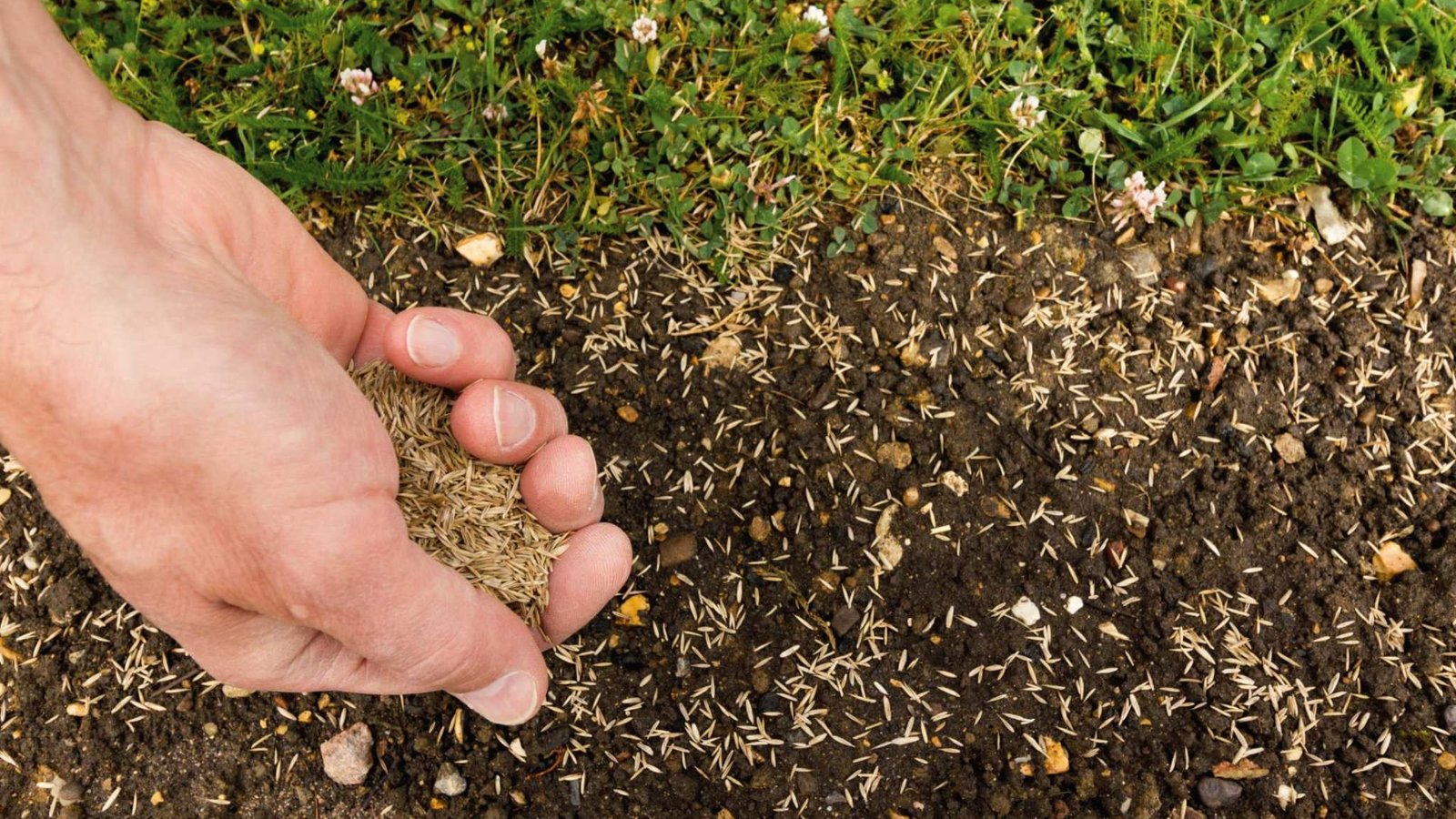
Simple math and the right formula take the confusion out of buying grass seed.
Measure Your Lawn Size Correctly
Walk off the length and width of your lawn and multiply the two numbers to get square footage. For irregular shapes, break the area into smaller rectangles and add them together.
A phone app with satellite view can also help you get a close estimate.
Simple Grass Seed Formula to Use
Use this formula: (Total sq ft divided by 1,000) multiplied by seed rate per 1,000 sq ft. For a 5,000 sq ft lawn with tall fescue at 7 lbs per 1,000 sq ft, that equals 35 lbs.
Keep the math simple and you will always buy the right amount.
Example Overseeding Calculation for a Lawn
For a 4,500 sq ft lawn with perennial ryegrass at 6 lbs per 1,000 sq ft, the math gives you 27 lbs. Always buy a little extra to cover thin spots.
Having 2 to 3 lbs in reserve saves a second trip to the store.
How Much Seed for Overseeding Tall Fescue
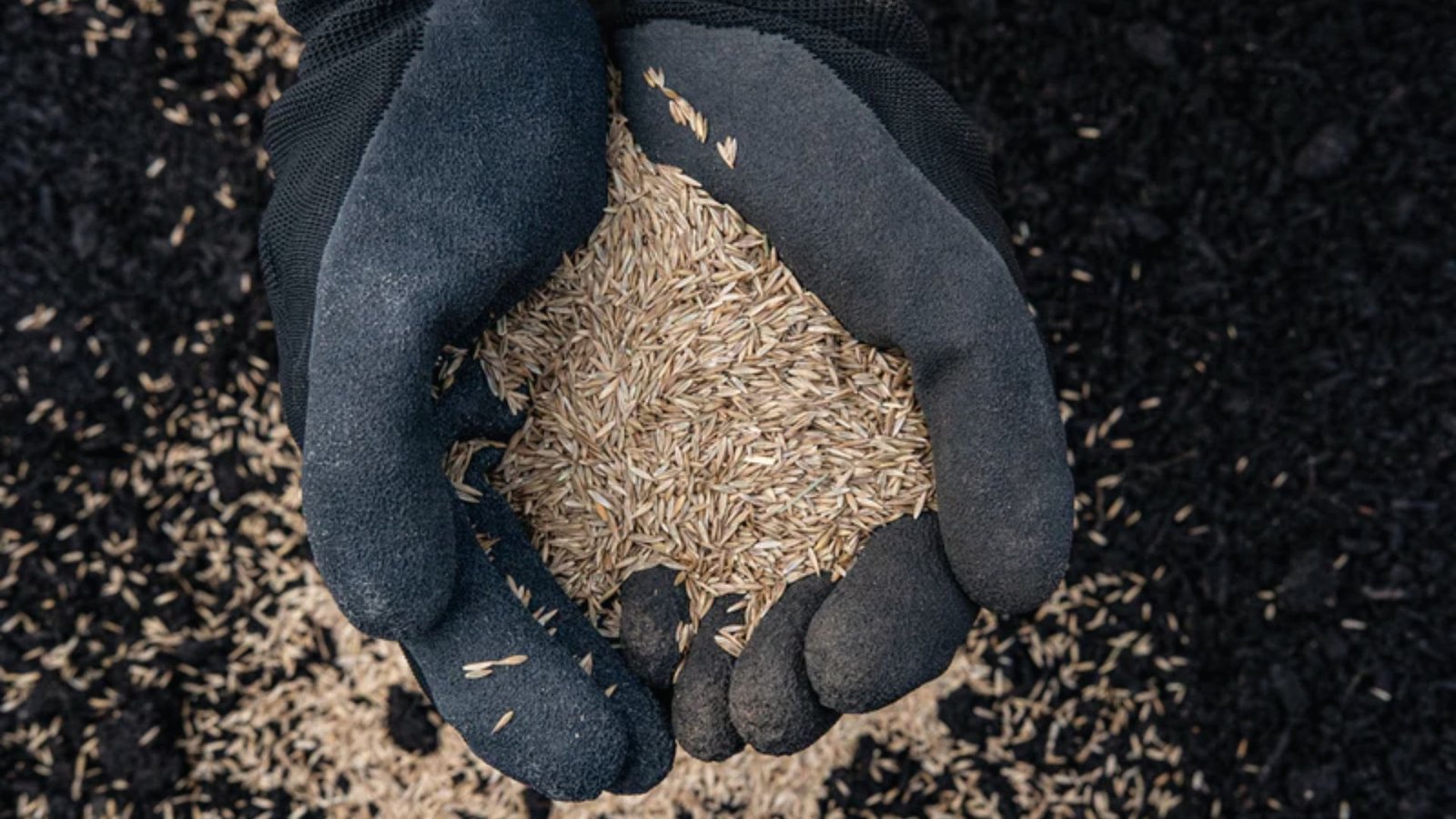
Tall fescue overseeding needs more seed than most grasses because of its wide leaf blades and clumping growth habit.
Recommended Tall Fescue Overseeding Rate
The standard rate is 6 to 8 lbs per 1,000 sq ft for overseeding. Use 8 lbs for heavily worn or bare areas. Lightly thin lawns can get solid results at 6 lbs.
Why Tall Fescue Needs More Seed
Tall fescue grows in clumps and does not spread by runners or rhizomes. Empty spaces will not fill in on their own. You need enough seed to cover every thin area from the start.
Best Conditions for Tall Fescue Overseeding
Early fall is the best time, with soil temperatures between 50 and 65 degrees F. Avoid seeding in summer heat or late fall when soil turns cold. Spring works but brings more weed competition.
How Much Seed for Overseeding Different Grass Types
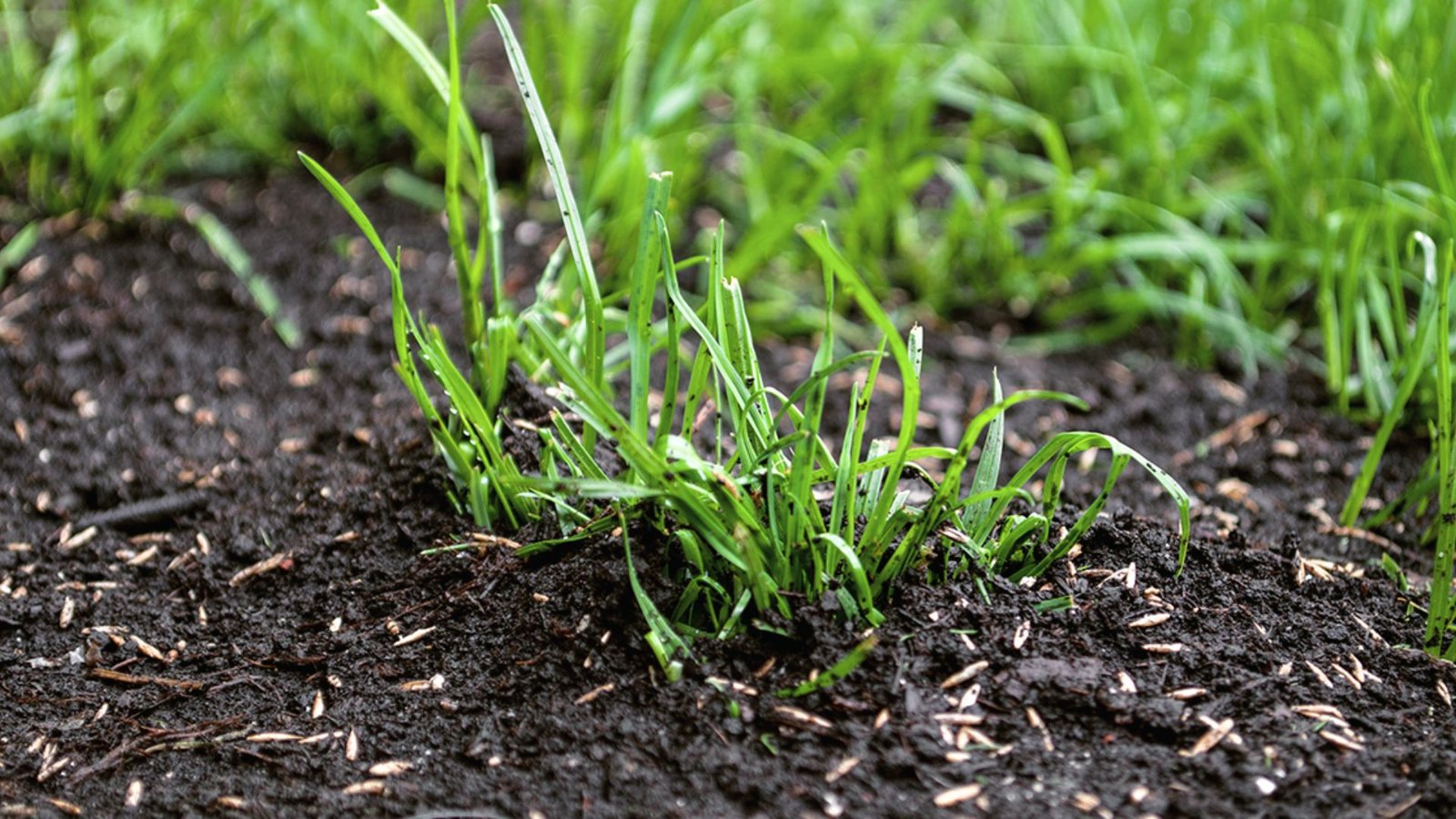
Every grass type has its own seeding rate, and using the wrong amount leads to poor results.
Perennial Ryegrass Overseeding Rates
Perennial ryegrass needs 5 to 9 lbs per 1,000 sq ft and germinates in just 5 to 10 days. It is a go-to choice for fast repair of thin cool-season lawns.
Results show up quicker than most other grass types.
Warm-Season Grass Overseeding Rates
Bermuda grass needs 1 to 1.5 lbs per 1,000 sq ft and zoysia needs 1 to 2 lbs. Both are overseeded in late spring when soil stays above 65 degrees F.
Lower seed rates still give good coverage with warm-season varieties.
Choosing the Right Grass Seed Blend
Blends mix two or more grass types and tend to be more reliable than single-variety seed. A tall fescue and ryegrass blend works well for cool-season lawns.
Always check the label for the recommended seeding rate when using blends.
Factors That Affect How Much Grass Seed You Need
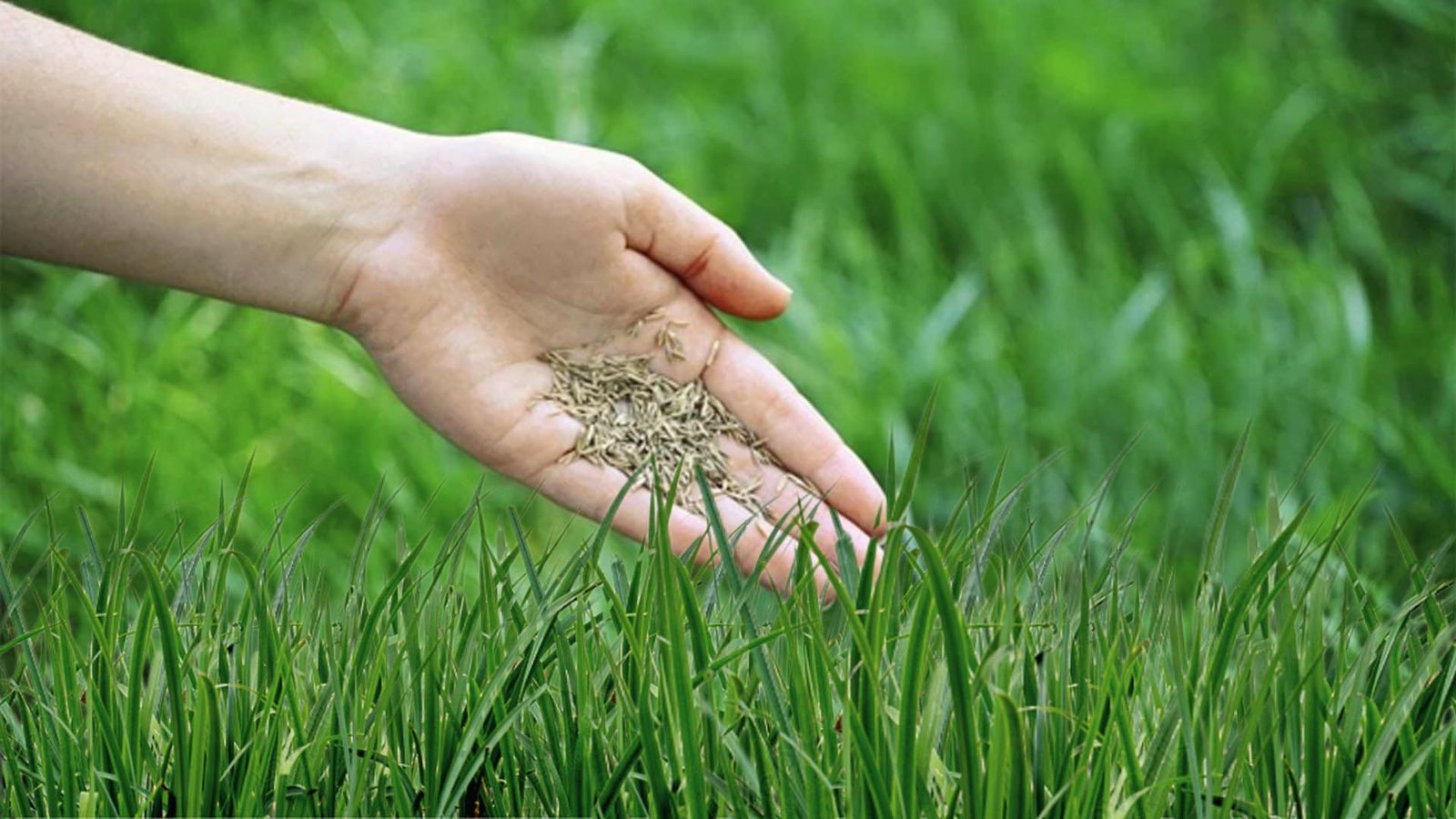
Your lawn’s condition, seed quality, and local climate all change how much seed you actually need.
Lawn Thickness and Bare Spots
Bare areas over 50% of your lawn need to be treated more like a new seeding. Use the higher end of the seed rate range in those spots. Lightly thin lawns can stay at the standard rate.
Seed Quality and Germination Rates
Cheap seed has lower germination rates, so you end up needing more of it. Look for seeds with 85% or higher germination rate listed on the label. Better seed costs more but covers more ground reliably.
Existing Grass Competition
Thick existing grass competes with new seedlings for light, water, and nutrients. Mowing short and aerating before seeding reduces that competition. Giving new seed less competition means stronger and faster growth.
Climate and Soil Conditions
Cold soil slows germination and hot soil dries out seed before it sprouts. Sandy soil drains fast and needs more frequent watering. Clay soil holds moisture but can crust over and block new growth.
How to Prepare Your Lawn Before Overseeding
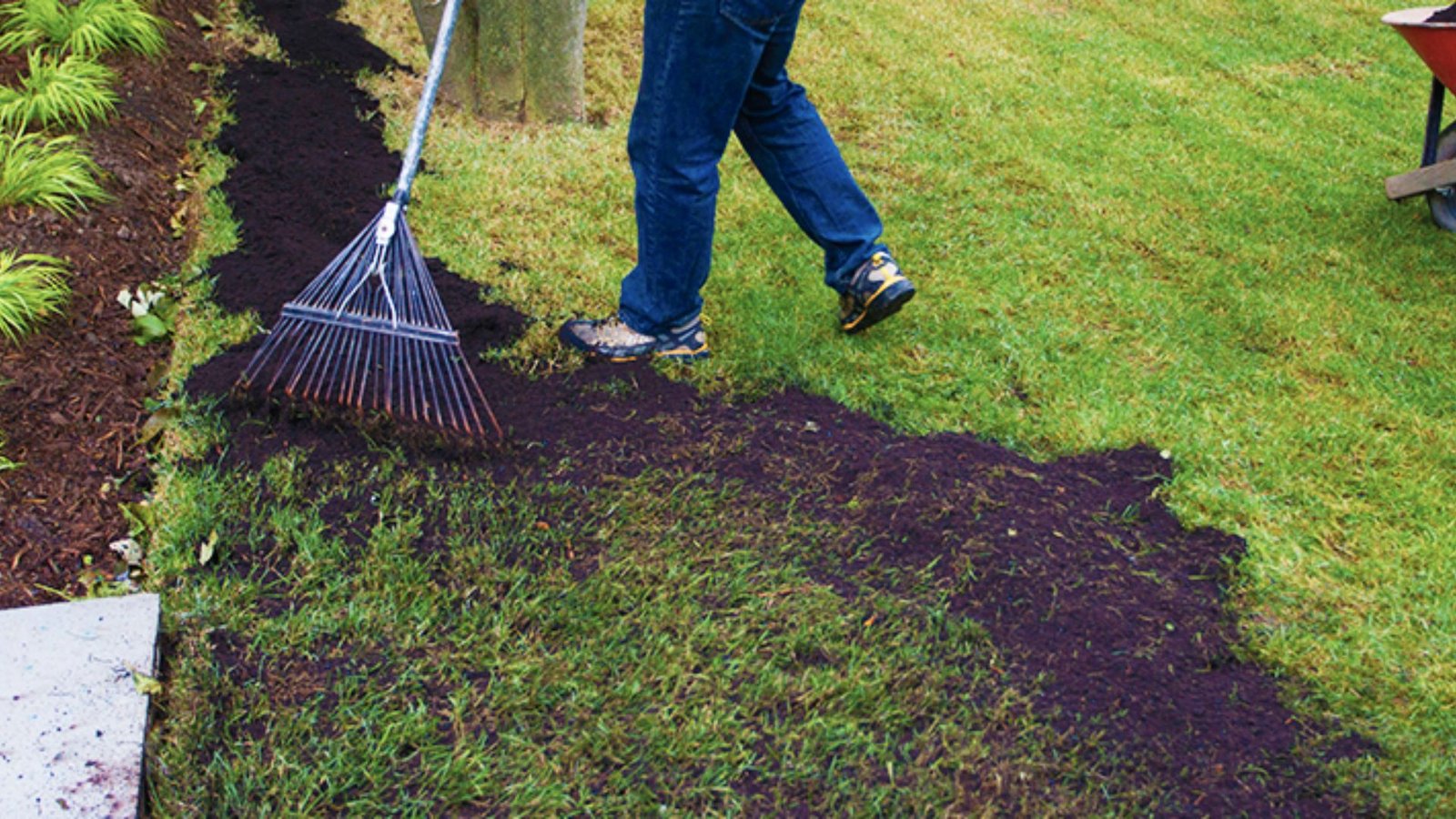
Good prep is the step most people skip, and it is the reason their seed does not take hold.
Mow the Lawn Short
Cut your grass down to 1.5 to 2 inches before overseeding. Shorter grass lets sunlight reach the soil directly. It also gives new seeds better contact with the ground below.
Dethatch or Core Aerate
Thatch thicker than half an inch blocks seed from reaching the soil. Dethatch first, or better yet, core aerate to open channels for seed, water, and air. Aeration gives the new seed the best possible start.
Improve Seed-to-Soil Contact
After aerating, rake lightly to loosen the surface layer. This helps seed fall into open soil instead of sitting on top of dry clippings. Good contact with soil is what makes seed sprout reliably.
Apply Starter Fertilizer
Starter fertilizer is high in phosphorus and supports strong early root development. Apply it at the same time as your seed or right after spreading. Skipping this step slows down germination and early growth.
Tips for Successful Overseeding
Following a few smart habits gives your lawn a much better chance at thick, even growth.
- Water new seed lightly two to three times a day until sprouts appear
- Overseed cool-season grasses in fall and warm-season grasses in late spring
- Stay off the seeded area to avoid compacting soil and displacing seed
- Choose seed with 85% or higher germination rate for better coverage
- Wait until new grass reaches 3 to 4 inches before mowing
Conclusion
Getting the seed amount right does not have to be complicated. Measure your lawn, match the seed rate to your grass type, and prep the soil before you spread anything.
I have seen simple steps like aerating and using starter fertilizer make a huge difference in how fast a lawn fills in.
Take it one step at a time and you will see results. If this helped you, drop a comment below and share it with someone fixing their lawn this season.
Frequently Asked Questions
How much seed for overseeding lawn areas with thin grass?
For thin lawns, use the higher end of the recommended rate for your grass type. Thin areas need more seed to fill in properly, similar to bare spots.
Can you put too much grass seed down when overseeding?
Yes, too much seed causes overcrowding and seedlings end up competing for space and nutrients. Most of them die before they mature, so stick to the recommended rates.
How much seed for overseeding tall fescue lawns?
Tall fescue needs 6 to 8 lbs per 1,000 sq ft for overseeding. Use the full 8 lbs if your lawn has noticeable bare patches or heavy thinning.
How much seed for overseeding bluegrass lawns?
Kentucky bluegrass needs only 1 to 2 lbs per 1,000 sq ft. It spreads through rhizomes and fills in thin spots on its own after a light overseeding.
How much grass seed does a 50 lb bag cover?
A 50 lb bag of tall fescue covers about 6,250 to 8,000 sq ft. A 50 lb bag of Kentucky bluegrass can cover up to 25,000 to 50,000 sq ft depending on the seeding rate.