
Choosing the wrong soil can slow plant growth, cause poor drainage, and waste your money.
I have seen it happen, and it is an easy fix once you know what to look for.
This article covers what top soil and garden soil actually are, how they differ, and which one fits your project best.
From lawns and raised beds to vegetables and flowers, we cover it all. With years of hands-on gardening experience behind me, I will help you make the right call every time.
What Is Top Soil?

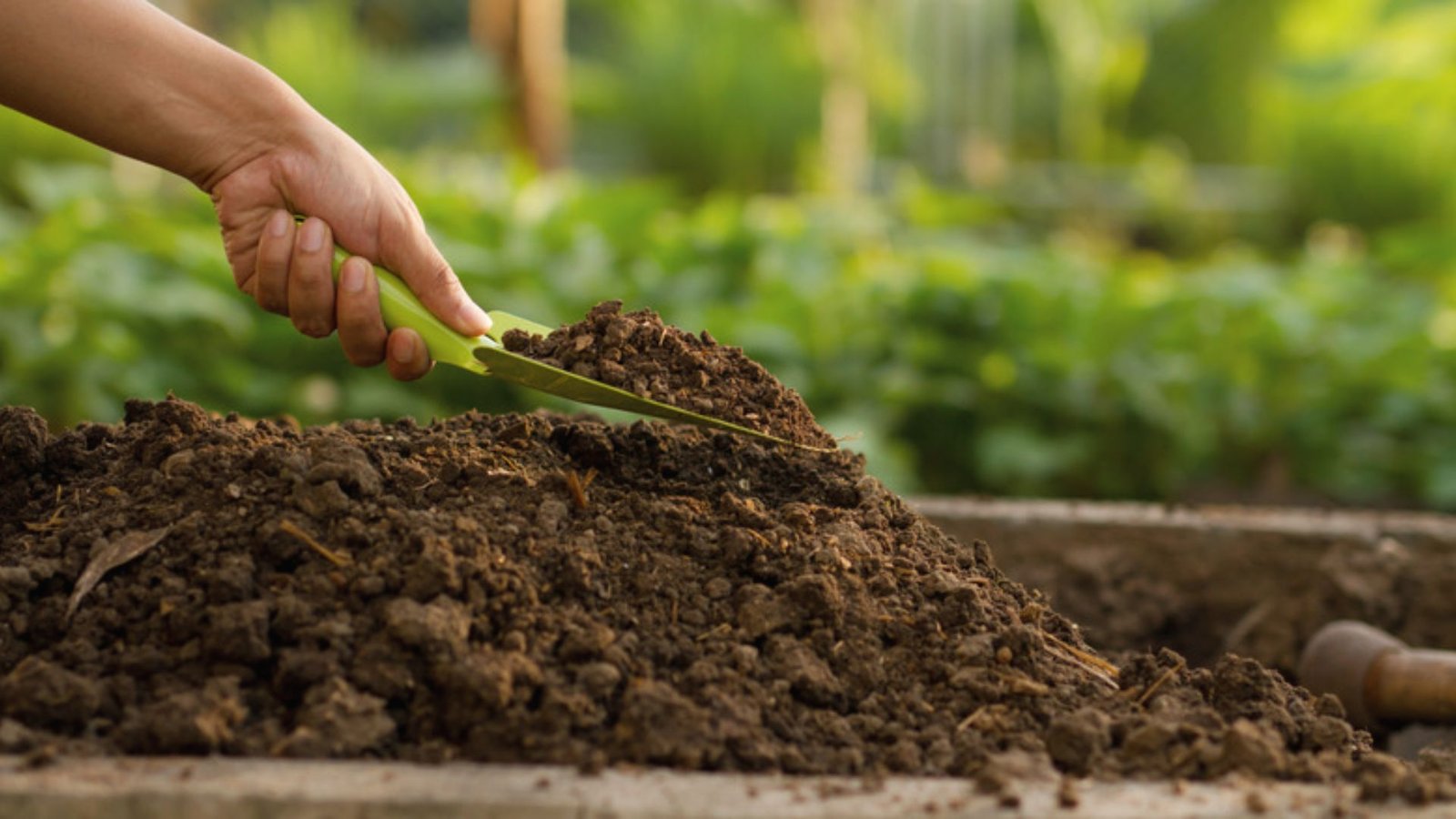
Top soil is the uppermost layer of natural ground, usually sitting 2 to 8 inches deep.
It forms over many years from weathered rock, minerals, and broken-down organic matter.
The makeup includes sand, silt, clay, and a small amount of organic material. Bagged top soil from stores is typically screened to remove rocks and debris.
It does not contain added fertilizers or compost. It is simply collected and packaged natural ground material.
Top soil is affordable, widely available, and best used for filling, leveling, and grading land before bigger landscaping projects begin.
What Is Garden Soil?
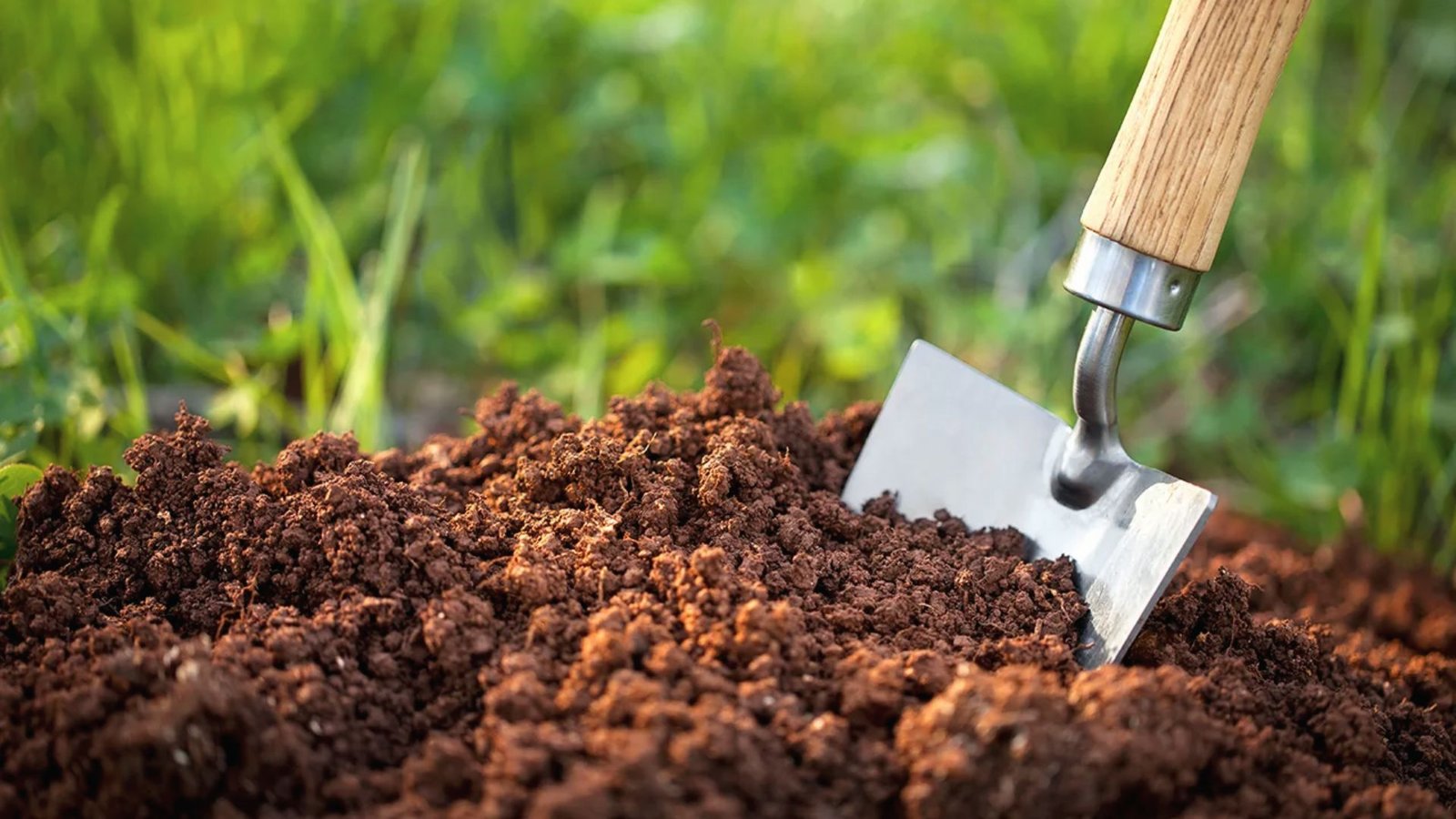
Garden soil is a specially prepared mix made to support plant growth. Unlike top soil, it is not just natural ground material.
It is blended with compost, aged bark, peat moss, and sometimes sand or perlite to create a loose, nutrient-rich growing environment.
The texture is softer and more open, which helps roots spread and water drain properly.
Garden soil feeds plants from the moment they go in the ground. It costs more than top soil but gives much better results when growing vegetables, flowers, herbs, or anything you want to see thrive.
Top Soil vs Garden Soil: Key Differences

Here is a simple side-by-side look at how these two soils compare on every major factor.
|
Feature |
Top Soil |
Garden Soil |
|
Nutrients |
Lower |
Higher |
|
Texture |
Dense |
Loose |
|
Drainage |
Basic |
Better |
|
Organic Matter |
Limited |
Rich |
|
Best Use |
Filling and leveling |
Plant growth |
|
Ideal For |
Lawns and landscaping |
Gardens and raised beds |
|
Cost |
Cheaper |
More expensive |
Top soil is for building and shaping the land. Garden soil is for growing things in it. Knowing which one fits your project saves time and money.
Top Soil vs Garden Soil vs Potting Soil
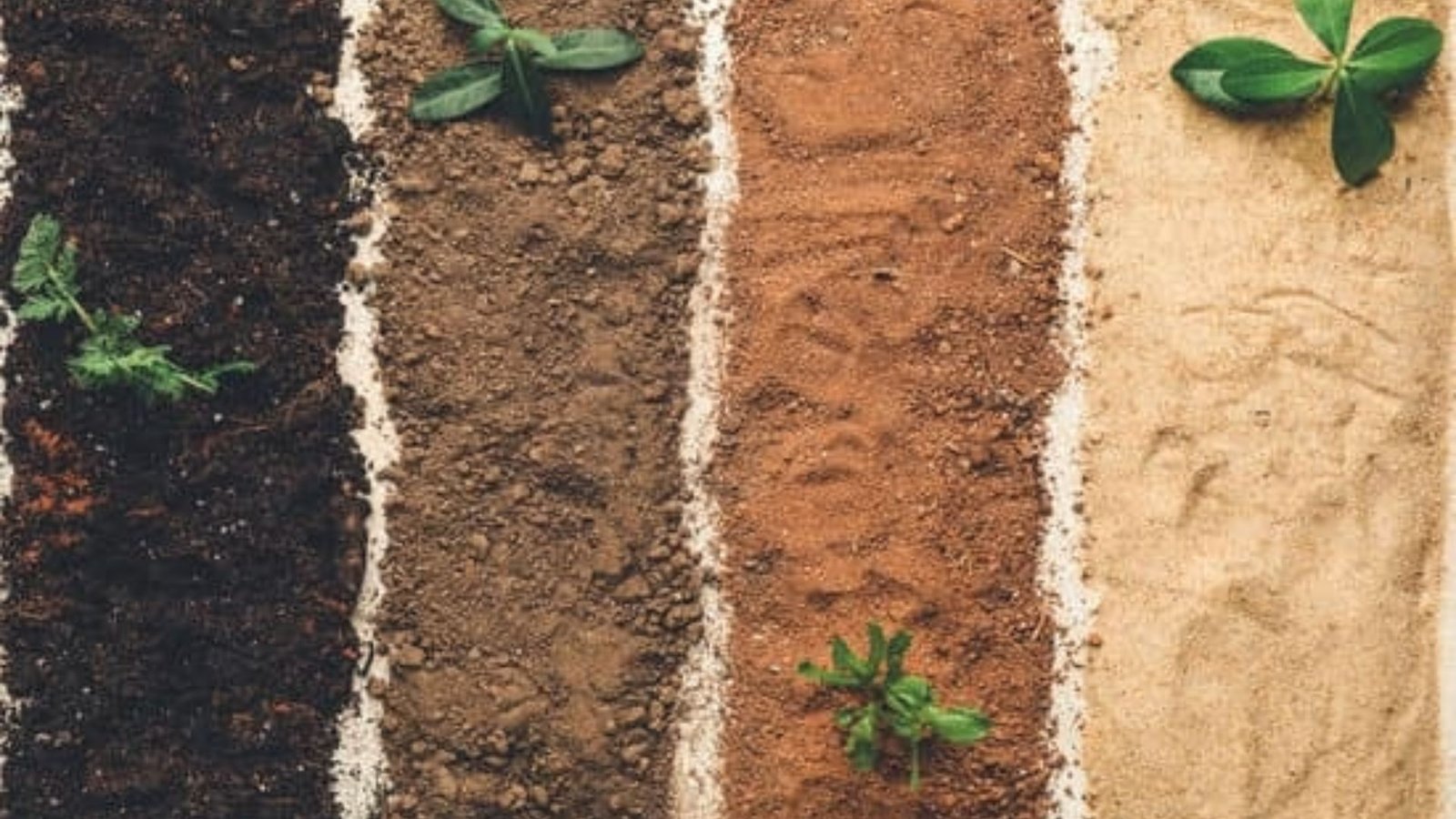
All three soils serve different purposes-here is how they compare and when to use each one.
What Is Potting Soil?
Potting soil is a lightweight mix made for containers, not the ground. It contains perlite, peat moss, and sometimes bark or compost. It drains fast and holds air around roots which plants in pots really need.
Main Differences Between the Three
Top soil is dense, basic, and best for large outdoor filling jobs. Garden soil is enriched with compost and made for in-ground planting. Potting soil is the lightest of the three and meant only for containers.
Best Soil for Containers and Raised Beds
Always use potting soil in containers, garden soil and top soil compact too easily in pots. For raised beds, garden soil mixed with compost works best. Adding some top soil at the base helps cut costs without hurting results.
Top Soil vs Garden Soil for Lawn Projects
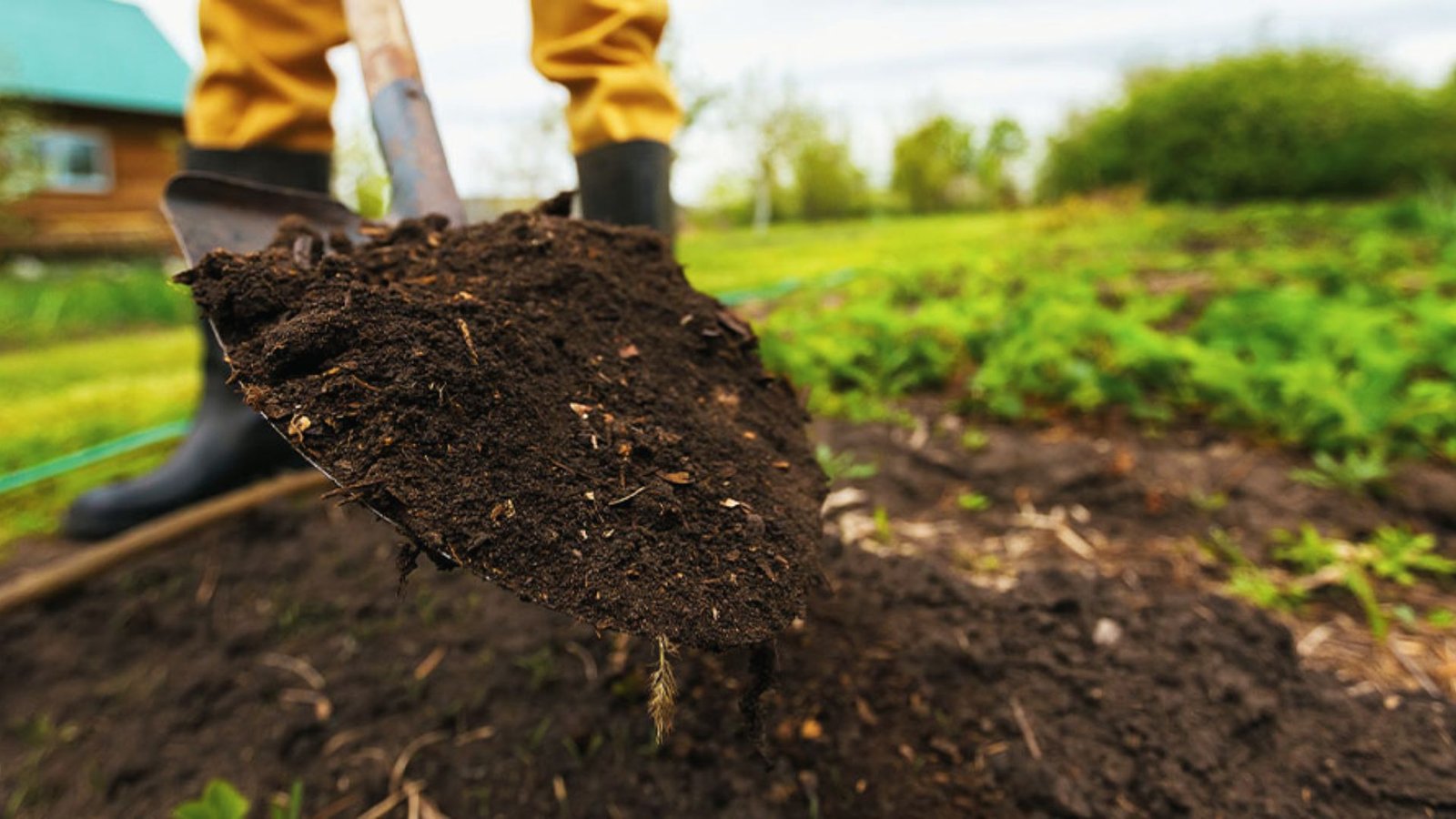
The right soil for your lawn depends on the type of project you are working on.
When Top Soil Is Best for Lawns
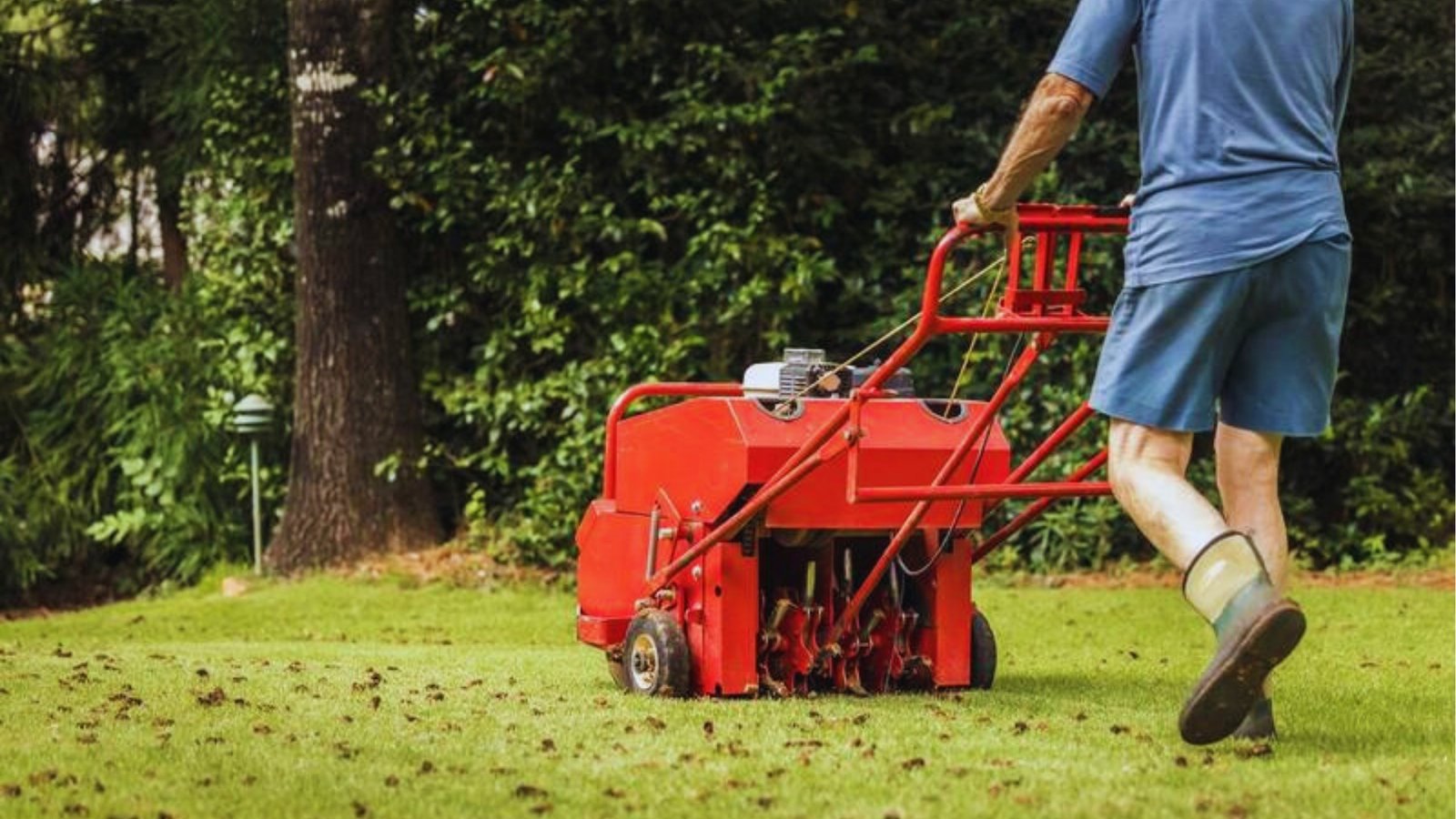
Top soil is the most practical choice for most lawn jobs. It is affordable, easy to spread, and pairs well with grass seed and sod. Use it to fill bare patches, level uneven spots, or prep the ground before laying sod.
Can You Use Garden Soil on Grass?
You can, but it is not the best option for lawns. Garden soil has more nutrients than grass needs and can cause thatch buildup. It also costs more, which adds up quickly across large lawn areas.
Best Soil for Sod and Lawn Repair
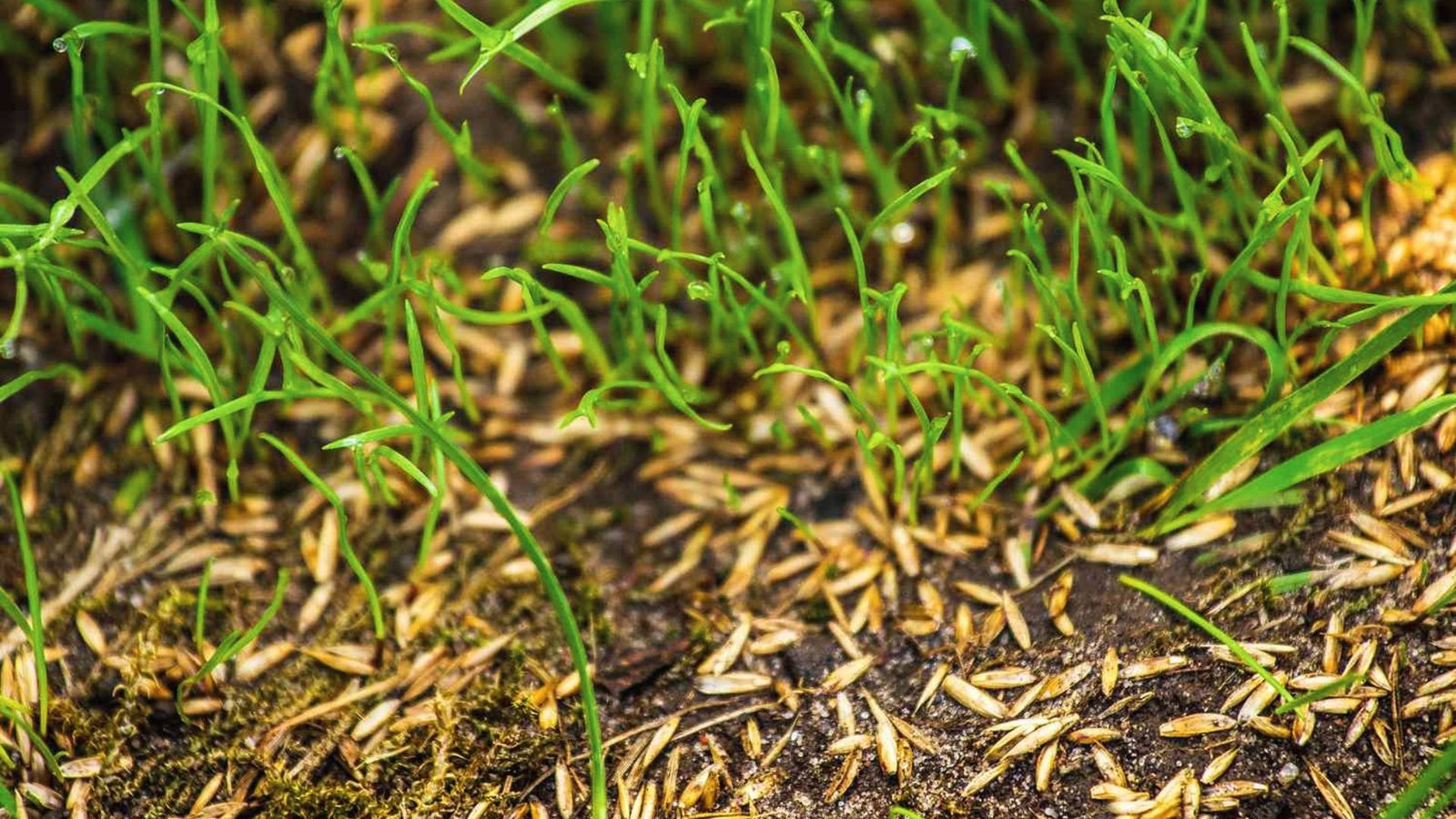
For sod, spread 2 to 4 inches of top soil and lay the sod directly on top. For bare or patchy spots, a thin layer of top soil helps grass seed contact the ground better. It also speeds up germination noticeably.
Which Soil Is Better for Gardens and Raised Beds?

When it comes to growing plants, the soil you choose makes the biggest difference in your results.
Best Soil for Vegetable Gardens
Vegetables need rich, well-draining soil to grow and produce well. Garden soil with listed compost and organic matter on the label is the right pick.
For raised beds, mixing garden soil with compost gives even better results.
Soil for Flowers, Herbs, and Shrubs
Flowers and herbs do best in garden soil because of its loose texture and nutrients. Shrubs have deeper roots and can manage with top soil mixed with compost.
For flowering annuals, stick with garden soil for more consistent blooms.
Mixing Top Soil and Garden Soil
Mixing both is a budget-friendly option that still gives good growing results. A common ratio is two parts top soil to one part garden soil, plus added compost.
Always test the mix for drainage before you start planting.
How to Choose Between Top Soil and Garden Soil
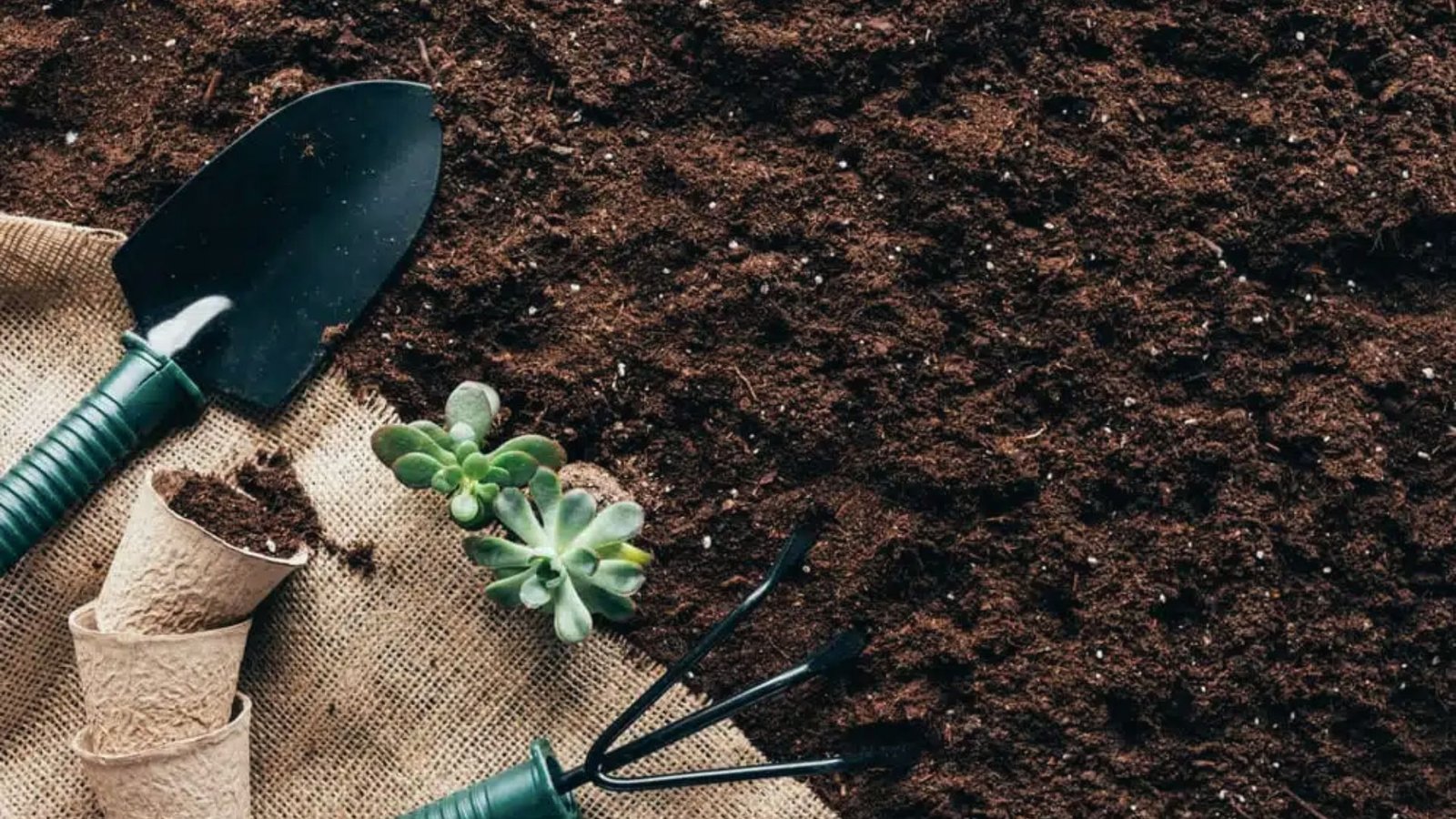
The right choice comes down to your goal, your budget, and what you plan to grow.
Consider Your Gardening Goal
For filling, leveling, or grading land, top soil is the practical and affordable choice. For growing vegetables, flowers, or herbs, garden soil gives plants what they need.
For raised beds, mixing both with compost often gives the best results.
Check Soil Quality Before Buying
Always read the label before buying any bagged soil. Good garden soil lists compost, bark, and organic matter clearly. Good top soil should be screened and free of large debris or clumps.
Bagged vs Bulk Soil
Bagged soil is convenient for small projects and easy to manage. For larger jobs like filling raised beds or landscaping a yard, bulk soil saves money.
You can order bulk top soil or compost by the cubic yard from most landscaping suppliers.
Tips for Using Top Soil and Garden Soil Effectively
A few simple habits can help you get better results from whichever soil you choose.
- Mix compost into top soil before use to improve nutrients and drainage
- Always use potting mix in containers top soil and garden soil compact too easily in pots
- Add perlite or coarse sand to heavy soil to open up drainage
- Test your soil pH before planting most vegetables prefer between 6.0 and 7.0
- For raised beds, mix two parts top soil with one part garden soil and add compost for best results
Conclusion
Choosing between top soil and garden soil is simpler than it seems. Top soil fills and levels. Garden soil feeds and grows.
I learned this the hard way after planting vegetables in plain top soil and wondering why nothing thrived.
Once I switched to the right mix, the difference was clear within weeks. Start with the right soil for your project and your plants will show you the results.
Got a soil question or a gardening win to share? Drop a comment below. I would love to hear from you.
Frequently Asked Questions
What is top soil vs garden soil?
Top soil is natural ground material used for filling and leveling land. Garden soil is an enriched mix with compost and organic matter made to support plant growth.
Can I use top soil instead of garden soil?
Top soil works for filling or as a base layer but lacks the nutrients plants need. For growing vegetables, flowers, or herbs, garden soil is always the better choice.
Is garden soil better for vegetables?
Yes, garden soil has compost and organic matter that vegetables need to grow and produce well. Top soil alone does not provide enough nutrition for a productive vegetable garden.
Can top soil be used for lawns?
Yes, top soil is the most common choice for lawn projects. It works well for leveling yards, laying sod, and repairing bare or patchy areas in grass.
What is the difference between top soil and potting soil?
Top soil is natural ground material used for large outdoor projects. Potting soil is a lightweight blend made for containers that drains faster and is not suitable for ground use.
Can you mix top soil and garden soil together?
Yes, mixing both is a practical option for raised beds and large garden projects. Add compost to the mix for better nutrition and drainage results.