
Growing your own food does not have to be complicated. This guide covers easy vegetables that grow in the ground, perfect for beginners who want real results without too much effort.
You will learn which crops are low-maintenance, which soils work best, and how to get a healthy harvest.
I have grown many of these myself, and starting in the ground is far simpler than it looks. No grow lights. No constant repotting. Just good soil and the right seeds.
Why These Vegetables Are Easy to Grow for Beginners
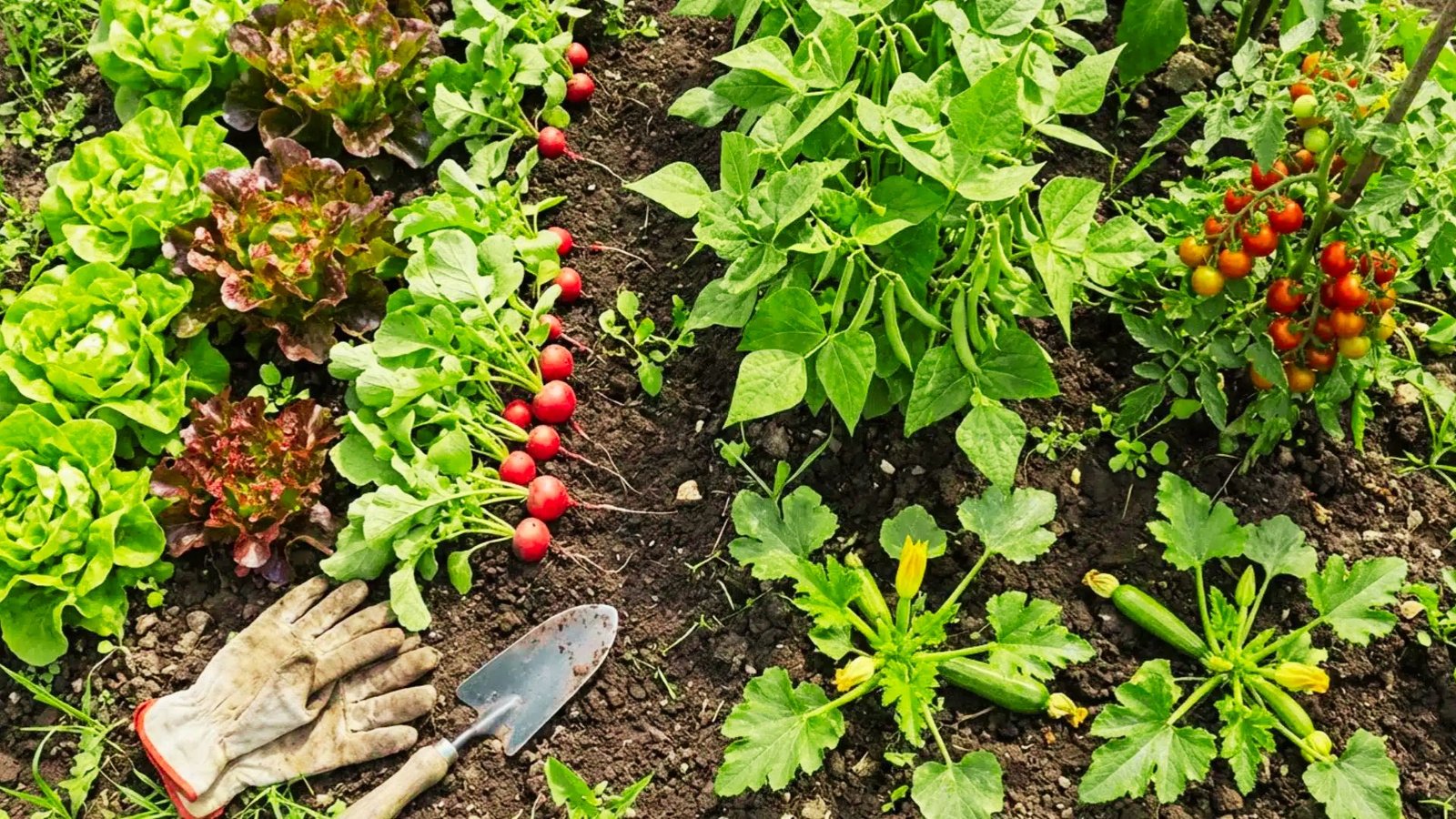
In-ground vegetables are a great starting point for any beginner gardener.
They need less maintenance than indoor seed starting because there is no repotting or growing light setup involved.
Natural soil gives roots room to grow deeper and access nutrients more easily. Many of these crops also handle changing weather and different climates without much trouble.
Whether you have a small backyard or a large garden plot, underground vegetables fit into almost any space and still produce a solid, reliable harvest with very little effort.
17 Low-Maintenance Vegetables That Grow in the Ground
These 17 underground crops are beginner-friendly, reliable, and need very little extra care to grow well.
1. Carrots

Carrots grow well in cool weather and loose, rock-free soil. They need very little attention after planting. Thin the seedlings early and keep the soil moist for a solid harvest.
2. Radishes
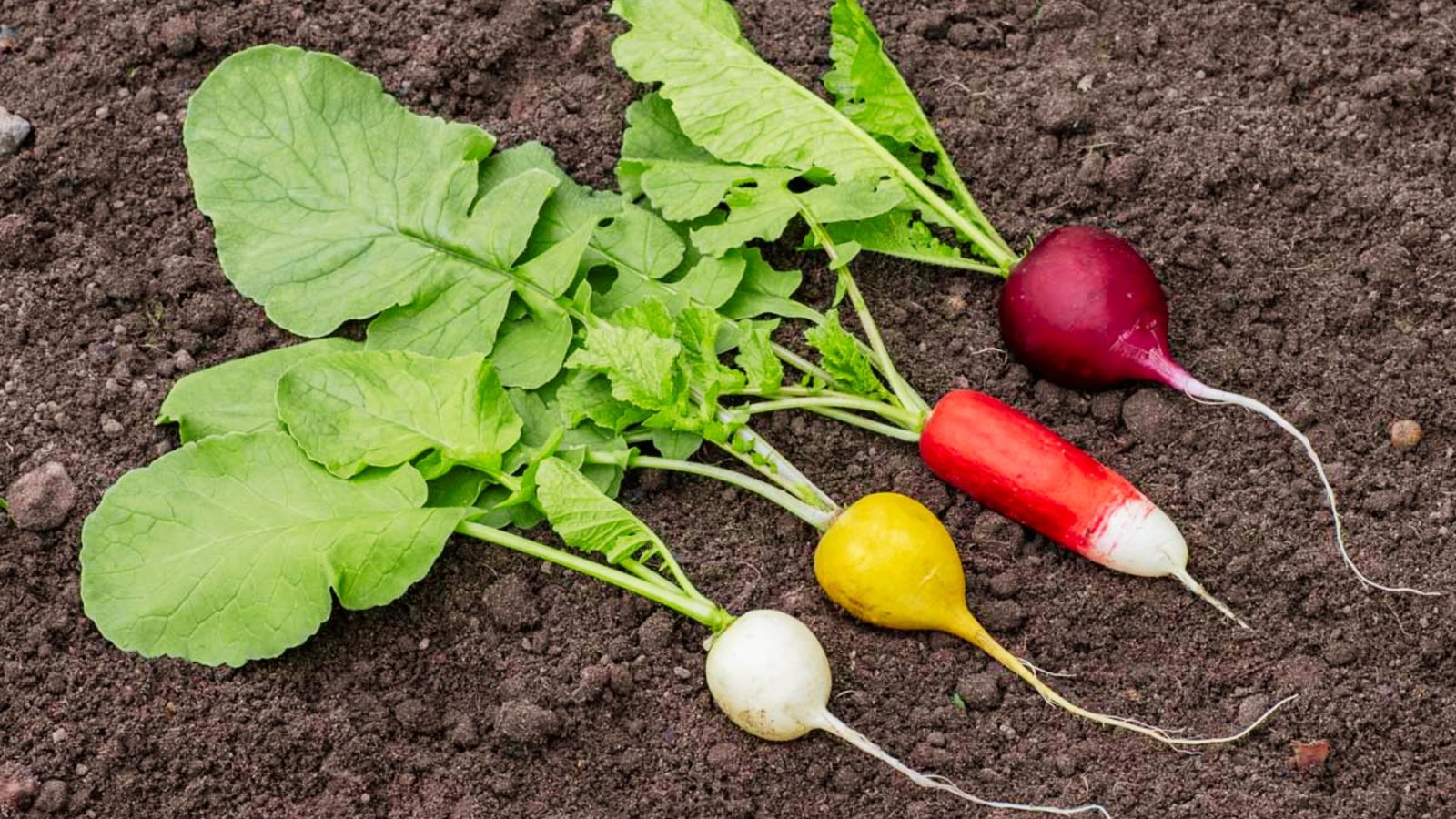
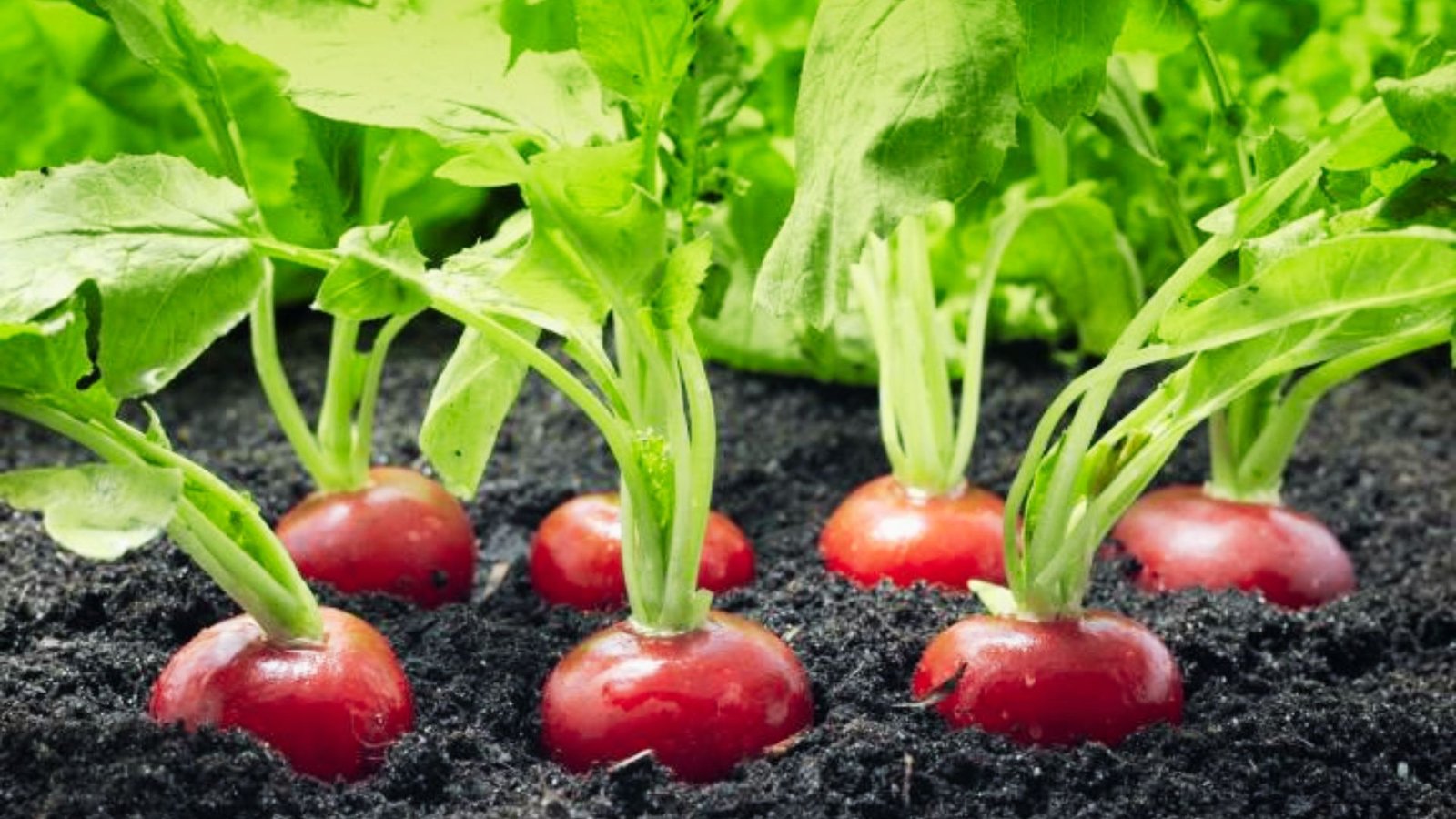
Radishes are one of the fastest vegetables you can grow, ready in just 20 to 30 days. They need very little care after planting. Great for beginners who want quick results.
3. Beets
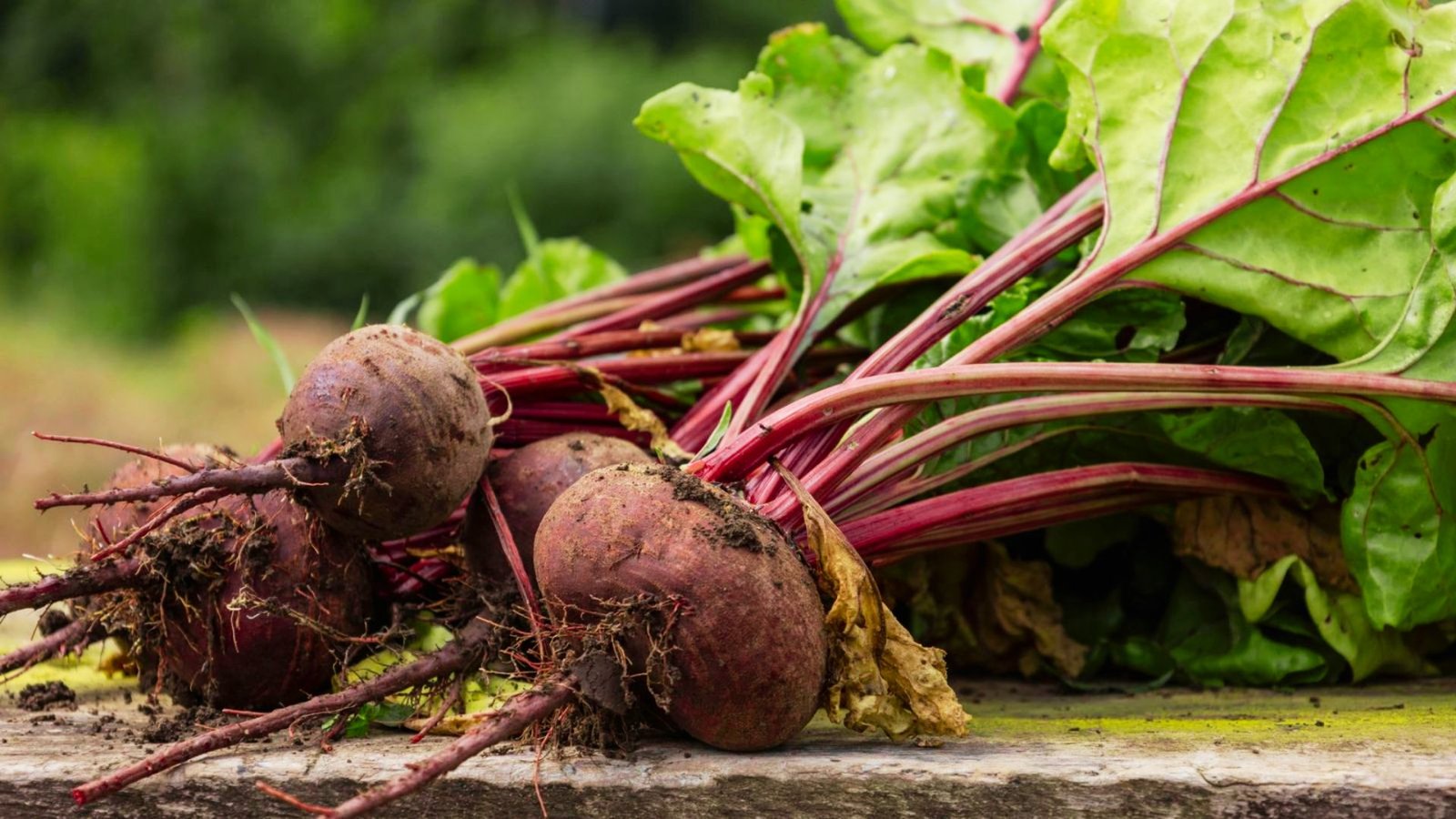
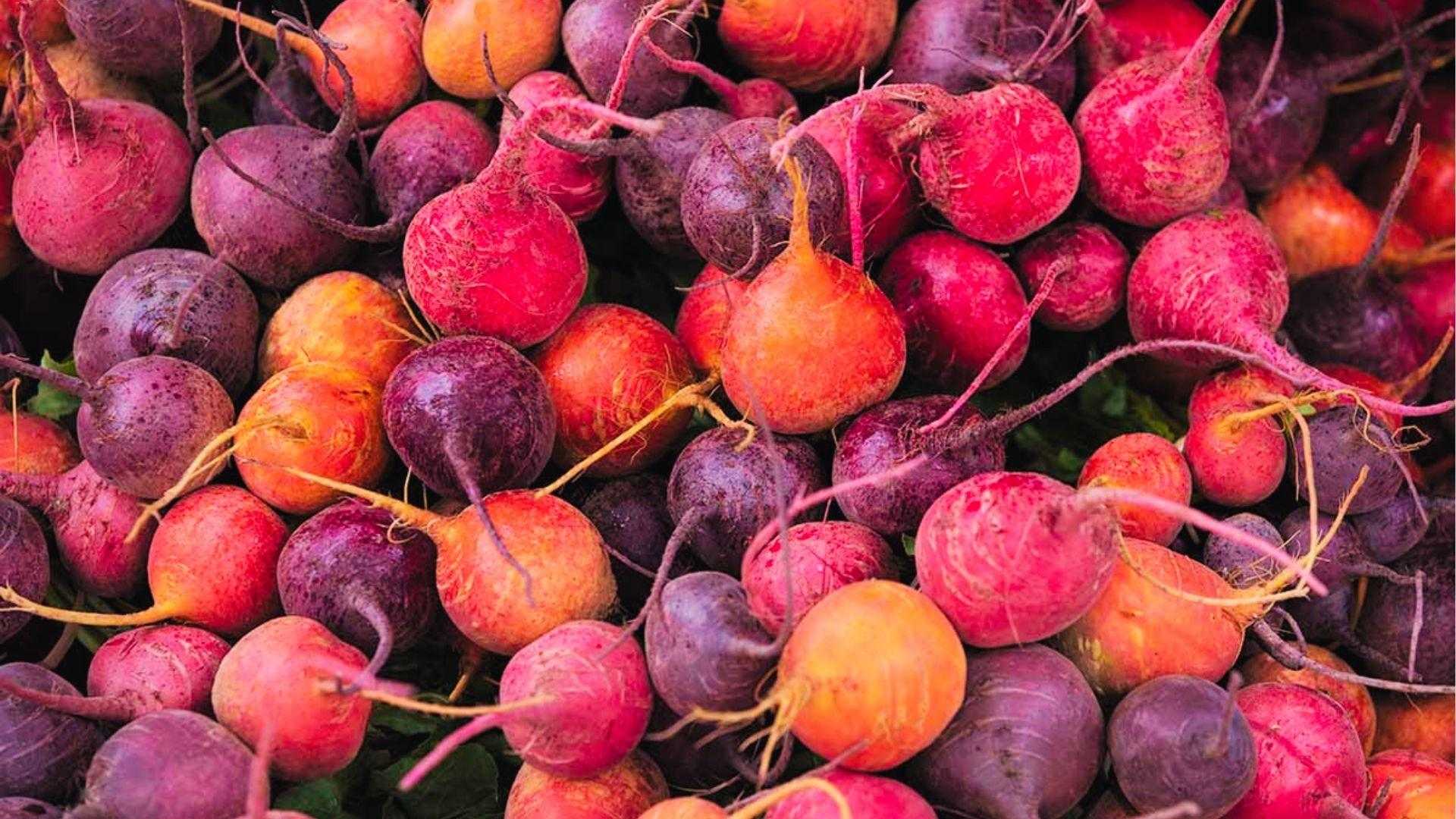
Beets give you two harvests in one, the root underground and edible greens above. They grow well in many climates and are very forgiving for beginners. Plant in well-draining soil and let them grow.
4. Potatoes
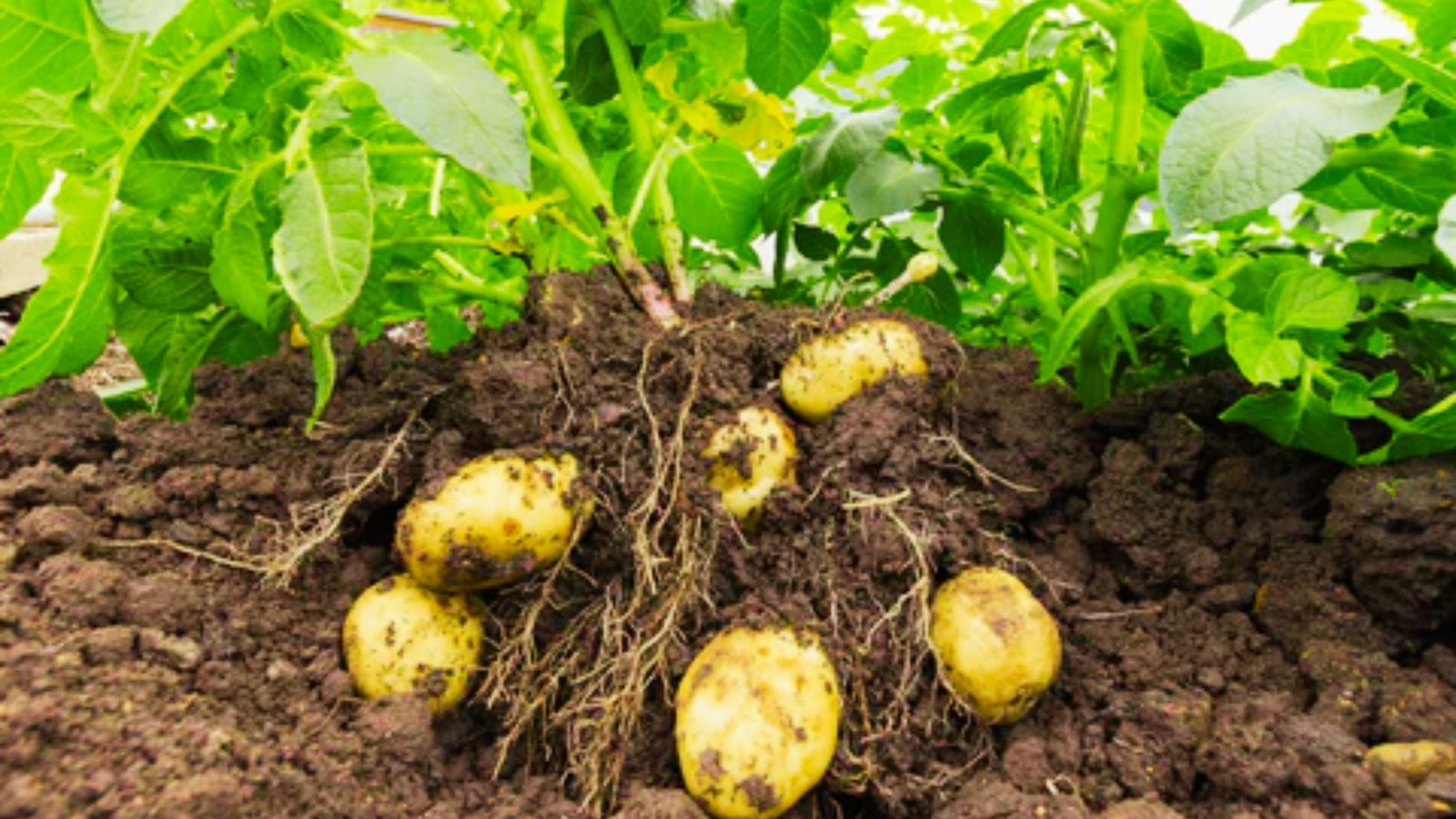
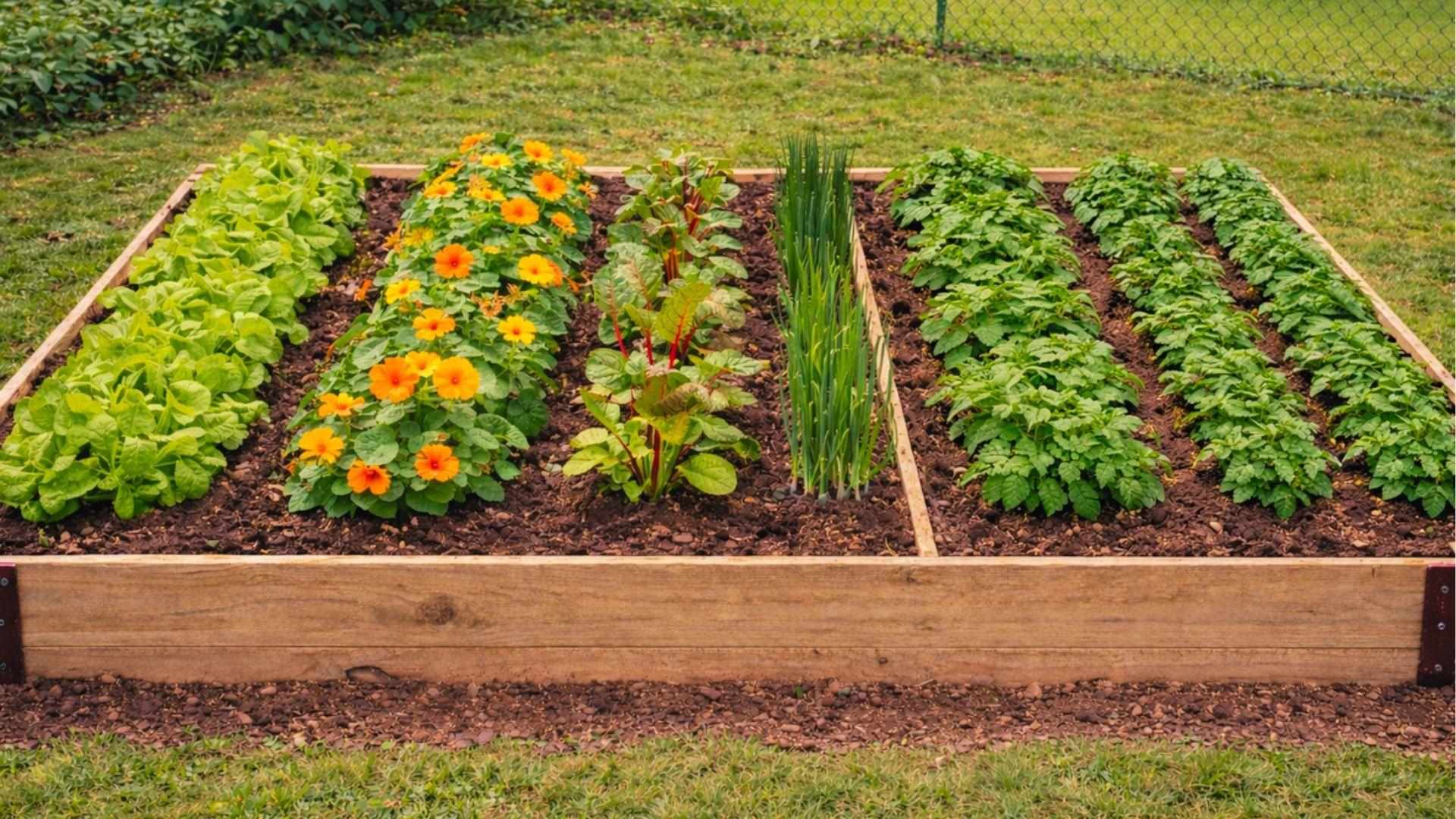
Potatoes produce a high yield with simple care needs. They grow best in loose, well-draining soil in rows or raised beds. One seed potato can give you a generous harvest at the end of the season.
5. Sweet Potatoes
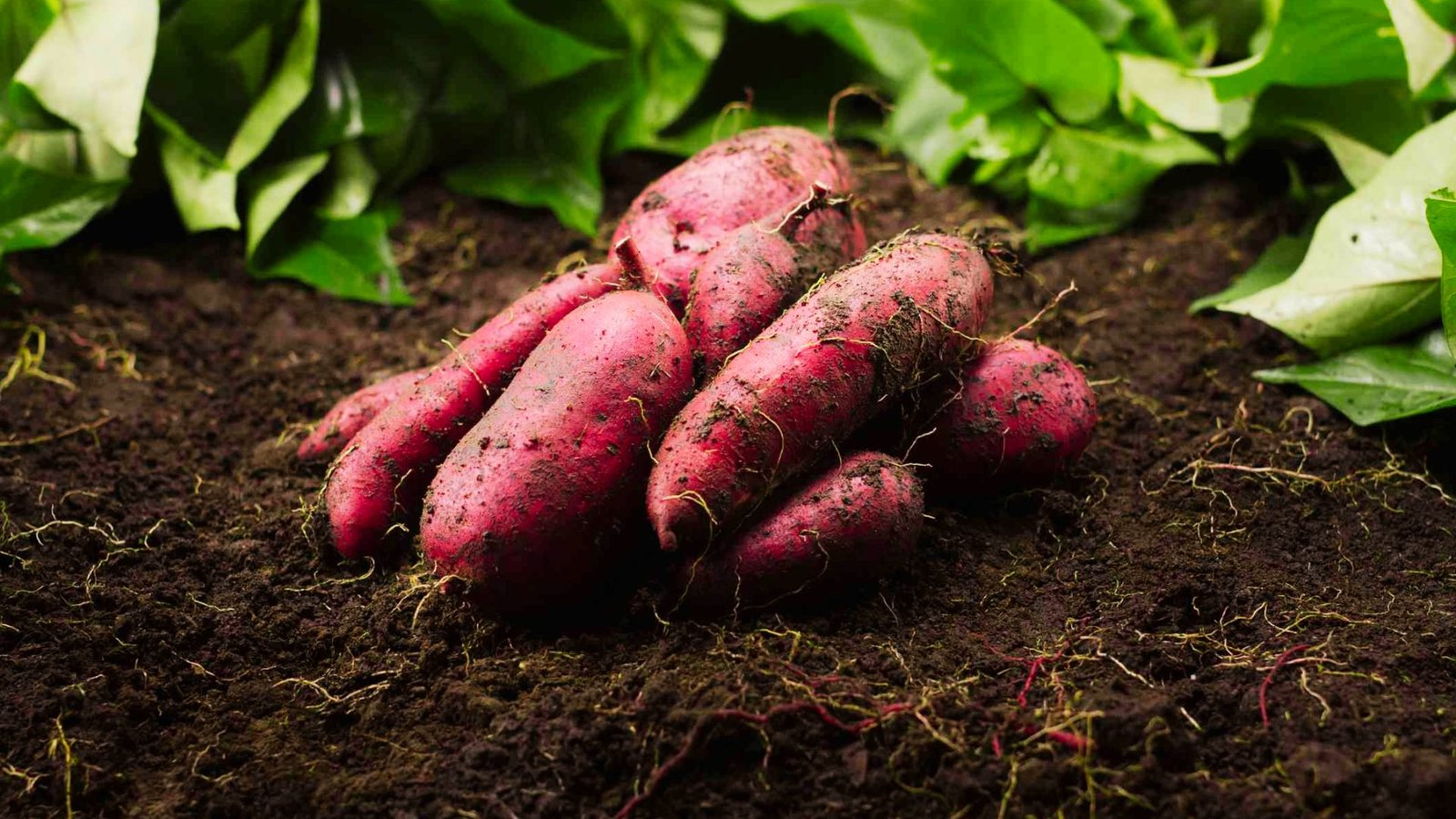
Sweet potatoes love warm weather and grow vigorously once settled in the soil. They are low-maintenance after the first few weeks. Best suited for warm climates with a long growing season.
6. Onions

Onions are straightforward to grow from sets or seeds and need very little attention. They adapt well to most garden types and soil conditions. Once planted, they mostly take care of themselves.
7. Garlic
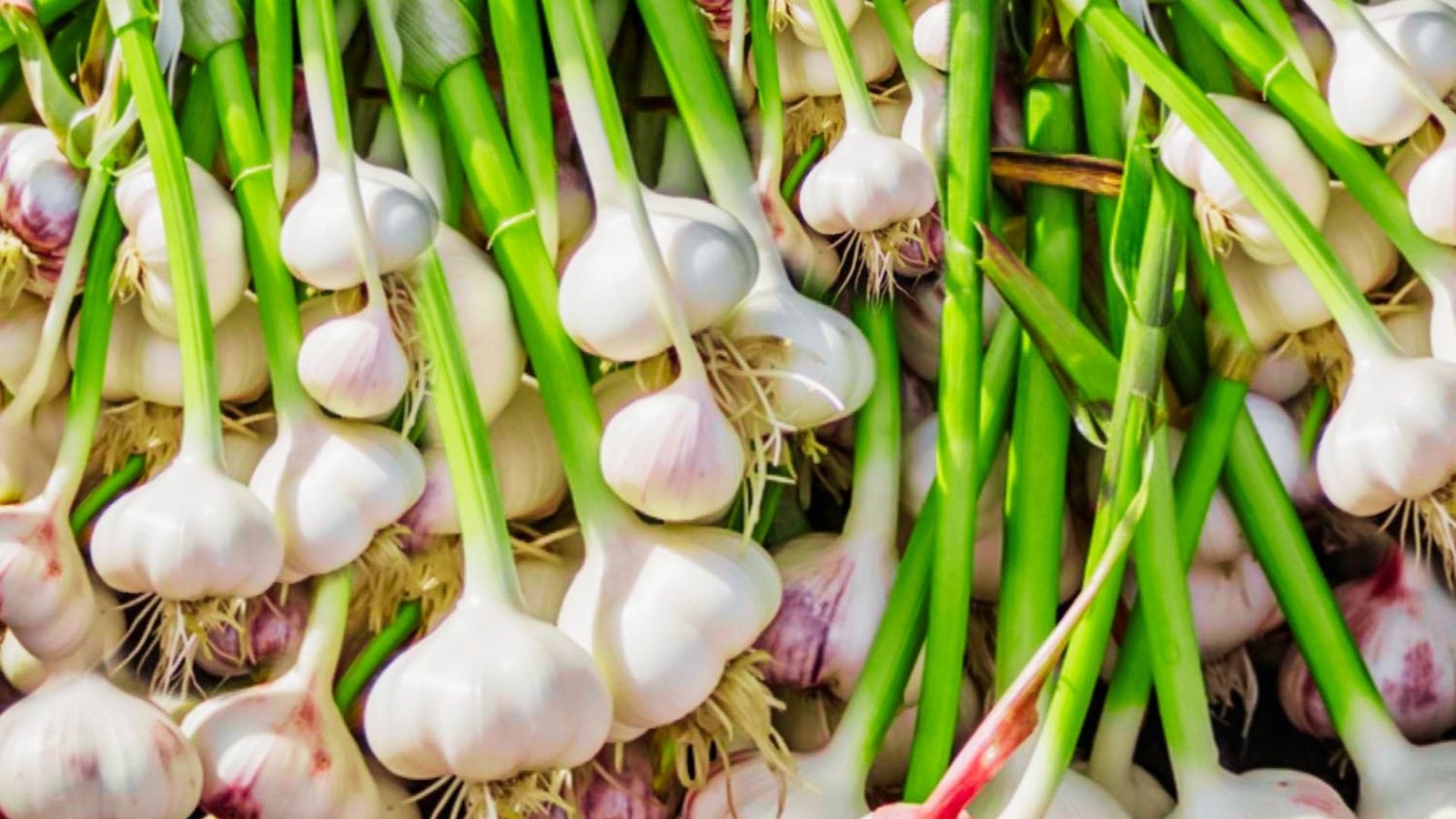
Garlic is one of the easiest crops to plant and naturally keeps many pests away. Plant it in fall and it will be ready by early summer. It needs very little watering after the first few weeks.
8. Turnips
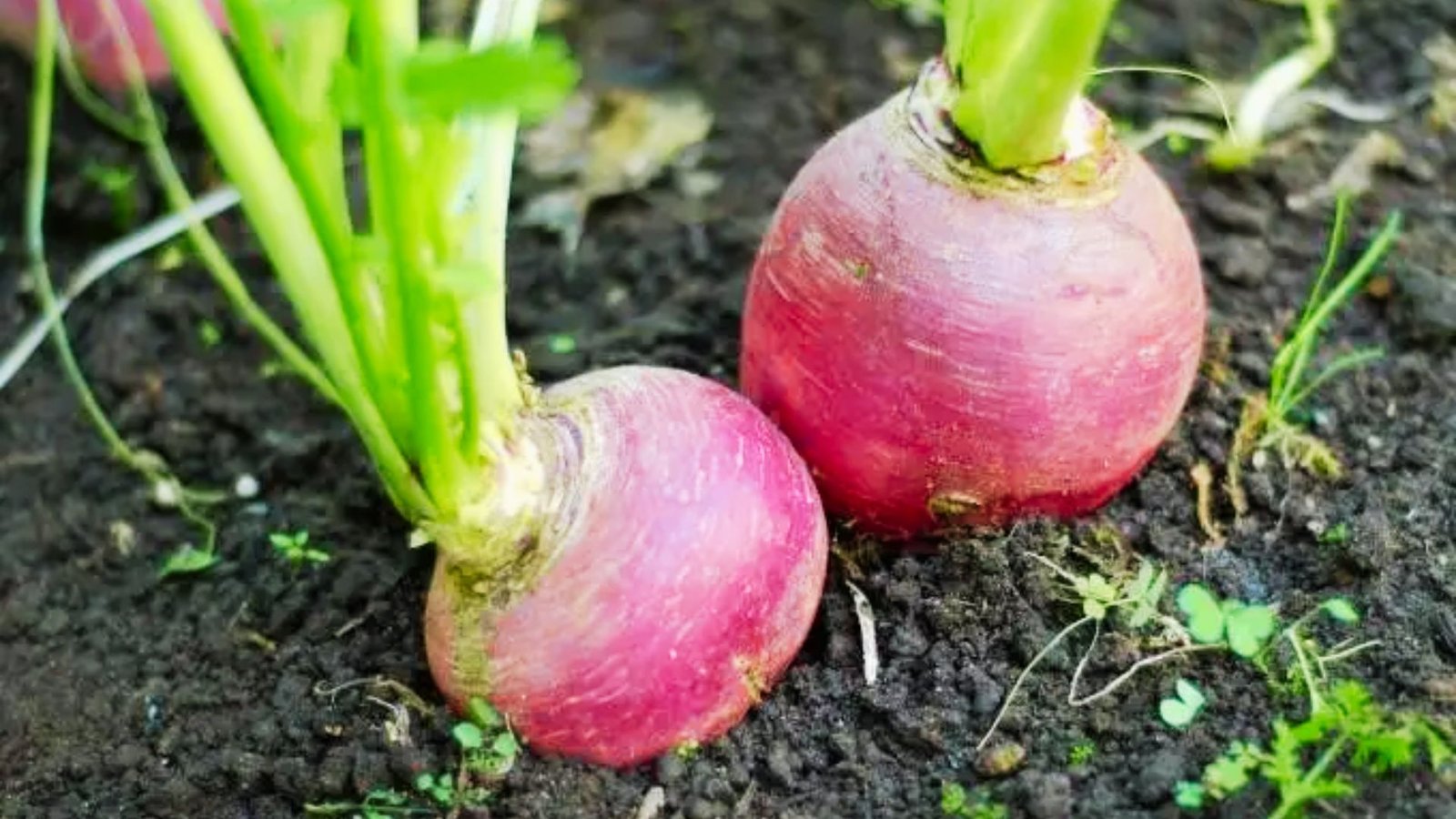
Turnips are fast-growing cool-season vegetables ready to harvest in 40 to 60 days. They grow in most soil types and need minimal care. Easy to store after harvest, making them a practical garden crop.
9. Parsnips

Parsnips are hardy vegetables that handle cold weather well and get sweeter after frost. They grow best in deep, loose soil where roots can develop fully. Low-maintenance during the growing season with a rewarding harvest.
10. Daikon Radish
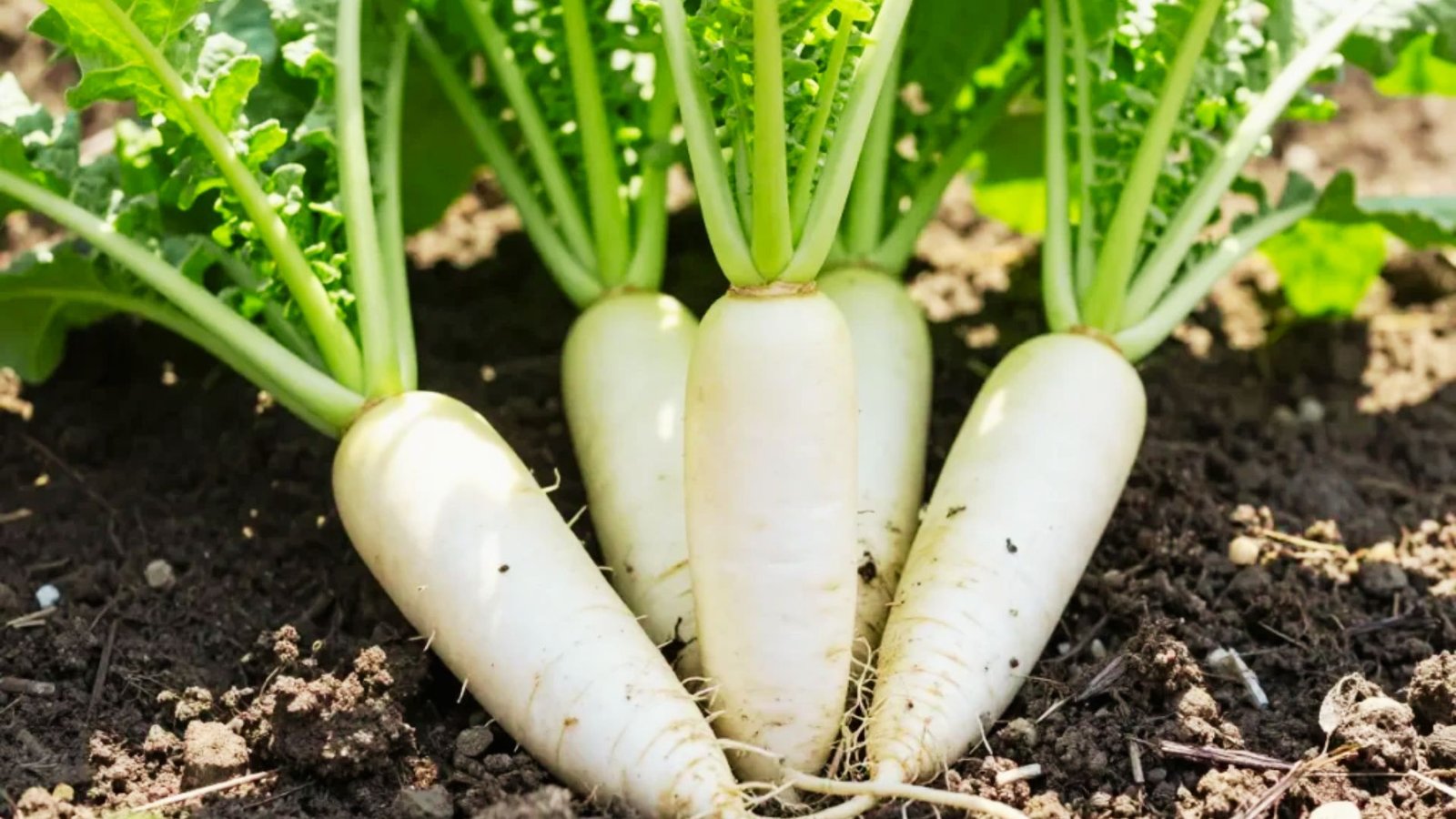
Daikon radish is a large root vegetable that breaks up compact soil as it grows. It is great for fall planting and needs very little care. A smart choice if you have heavy or clay-heavy soil.
11. Rutabagas
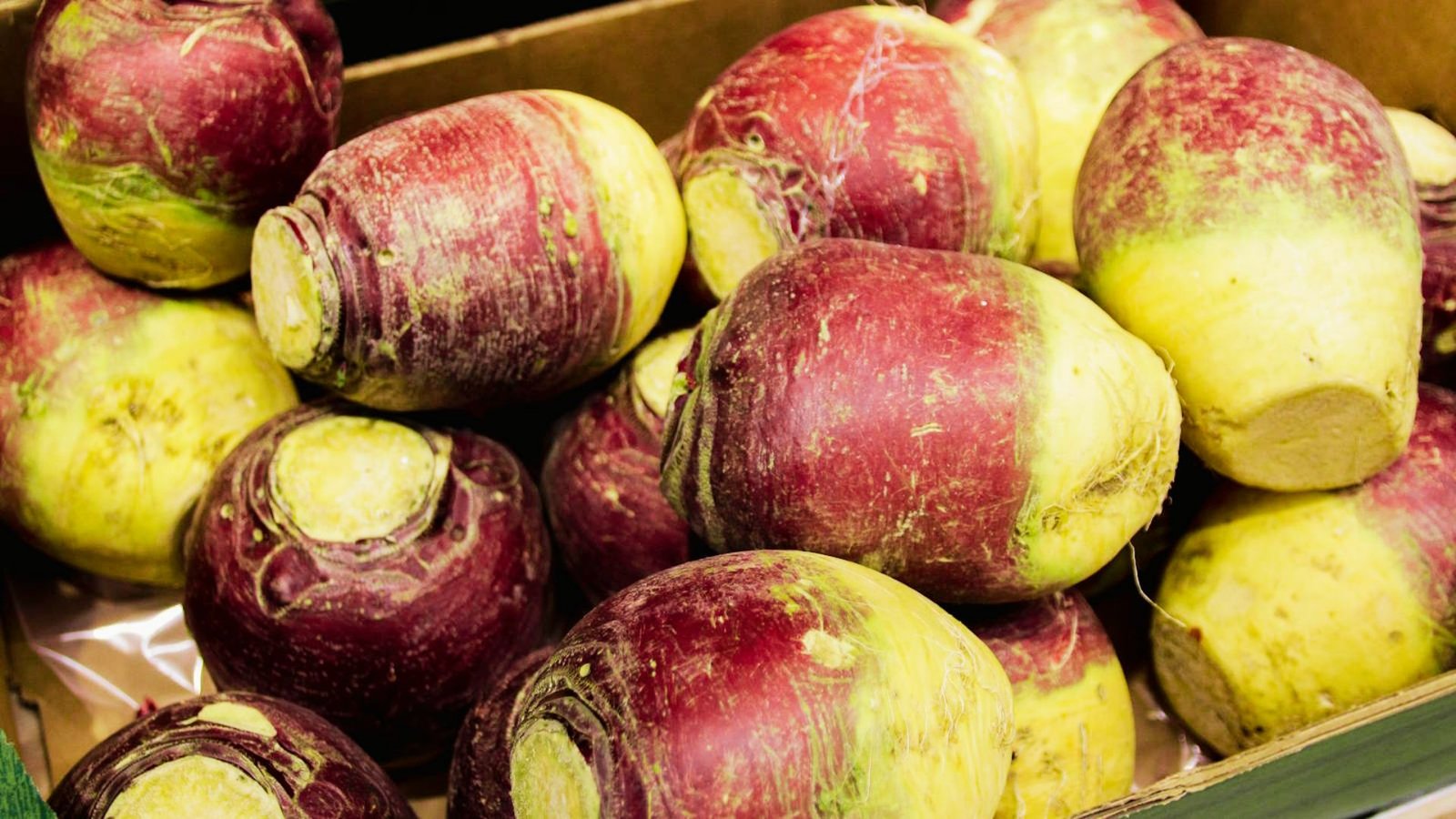
Rutabagas are productive underground vegetables that do well in cooler climates. They store well after harvest and need minimal attention during the season. A reliable, low-effort crop for gardeners who want long-lasting results.
12. Ginger
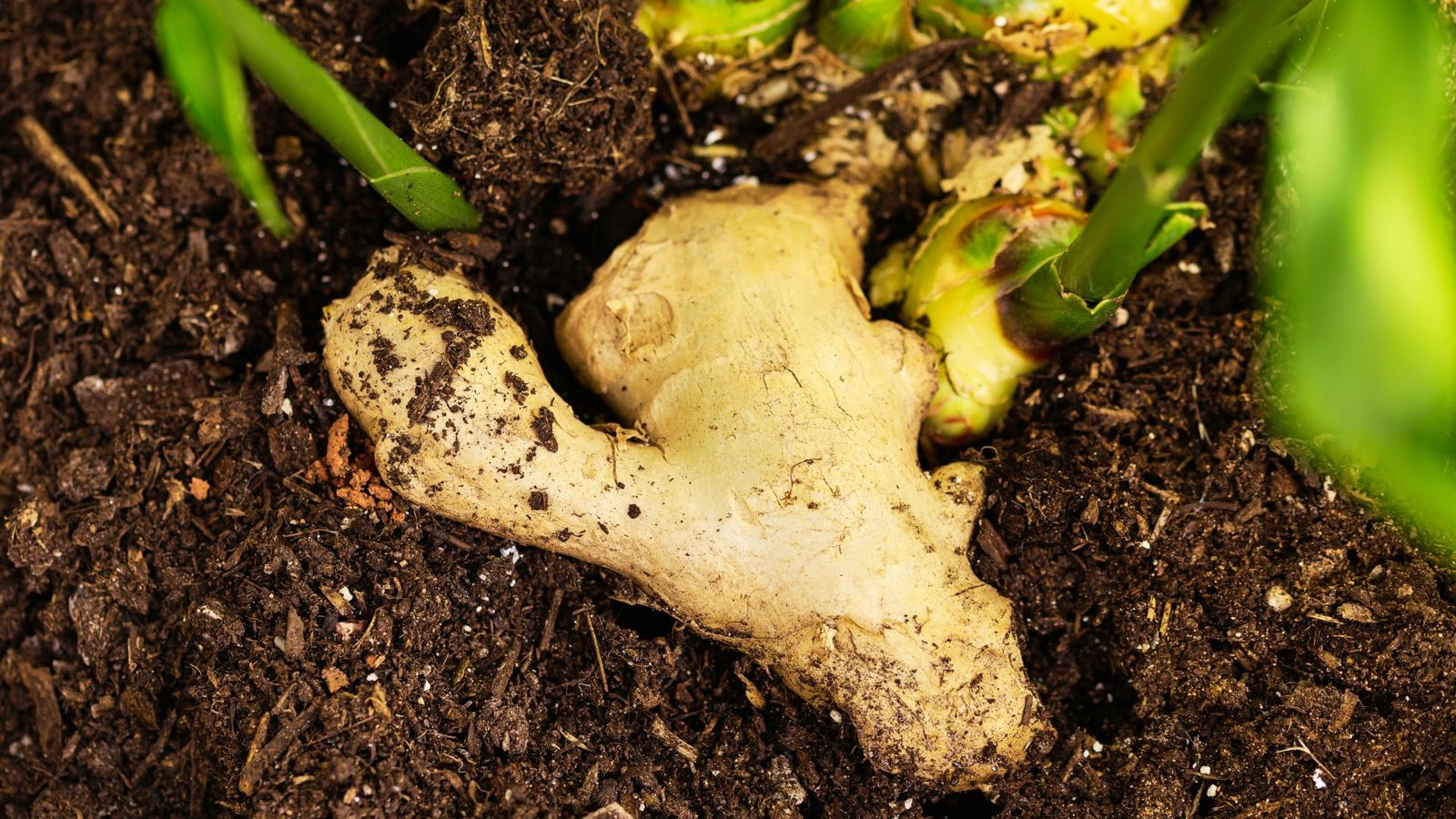
Ginger grows from underground rhizomes and thrives in warm, humid conditions. Plant it in loose soil with some shade and it grows with little ongoing effort. A great option for home gardeners in warm regions.
13. Turmeric
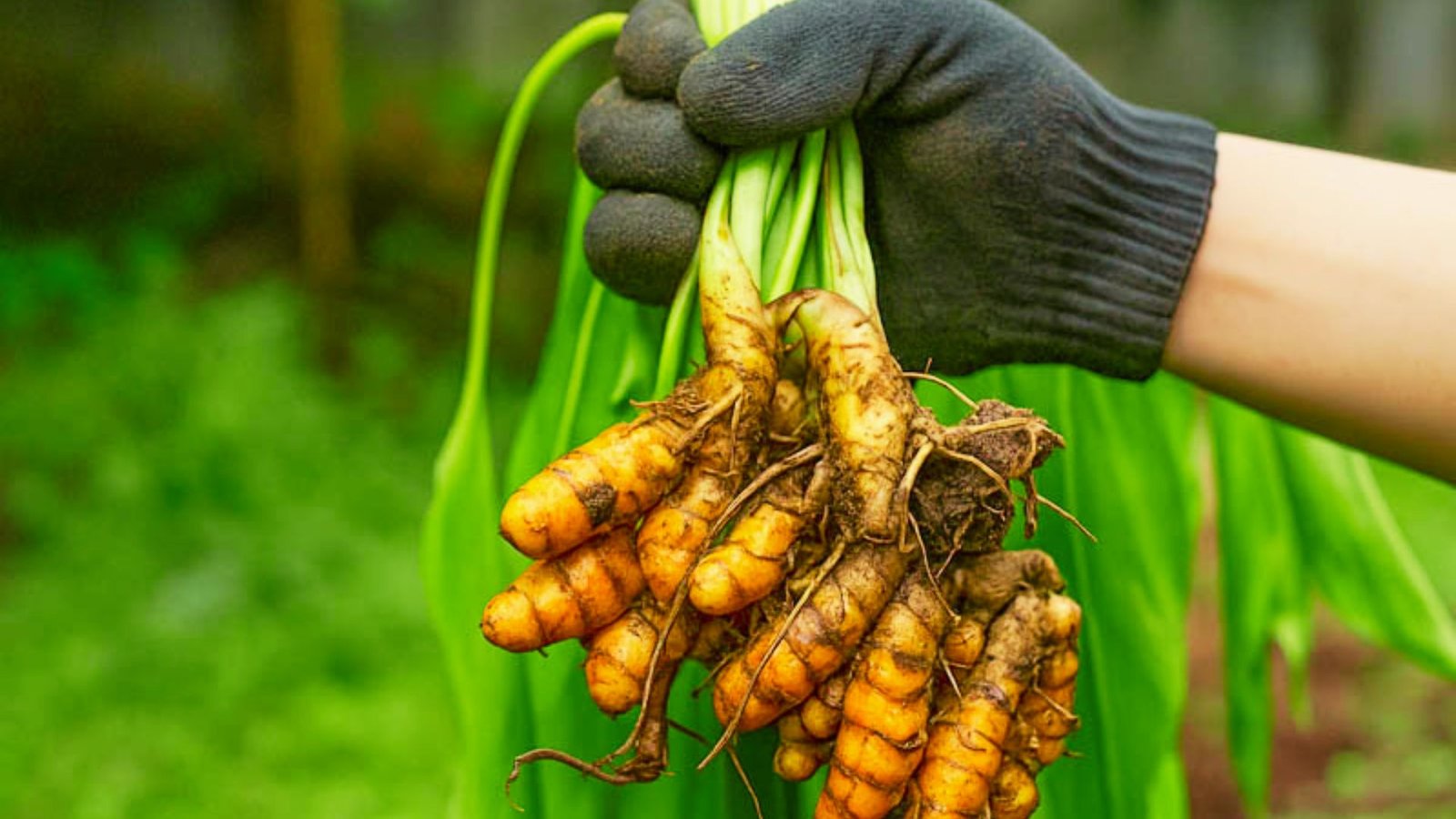
Turmeric is a tropical root crop that grows well in warm, humid climates with good sunlight. It has simple care needs and fits easily into backyard gardens. Beginner-friendly and produces a useful fresh or dried harvest.
14. Peanuts
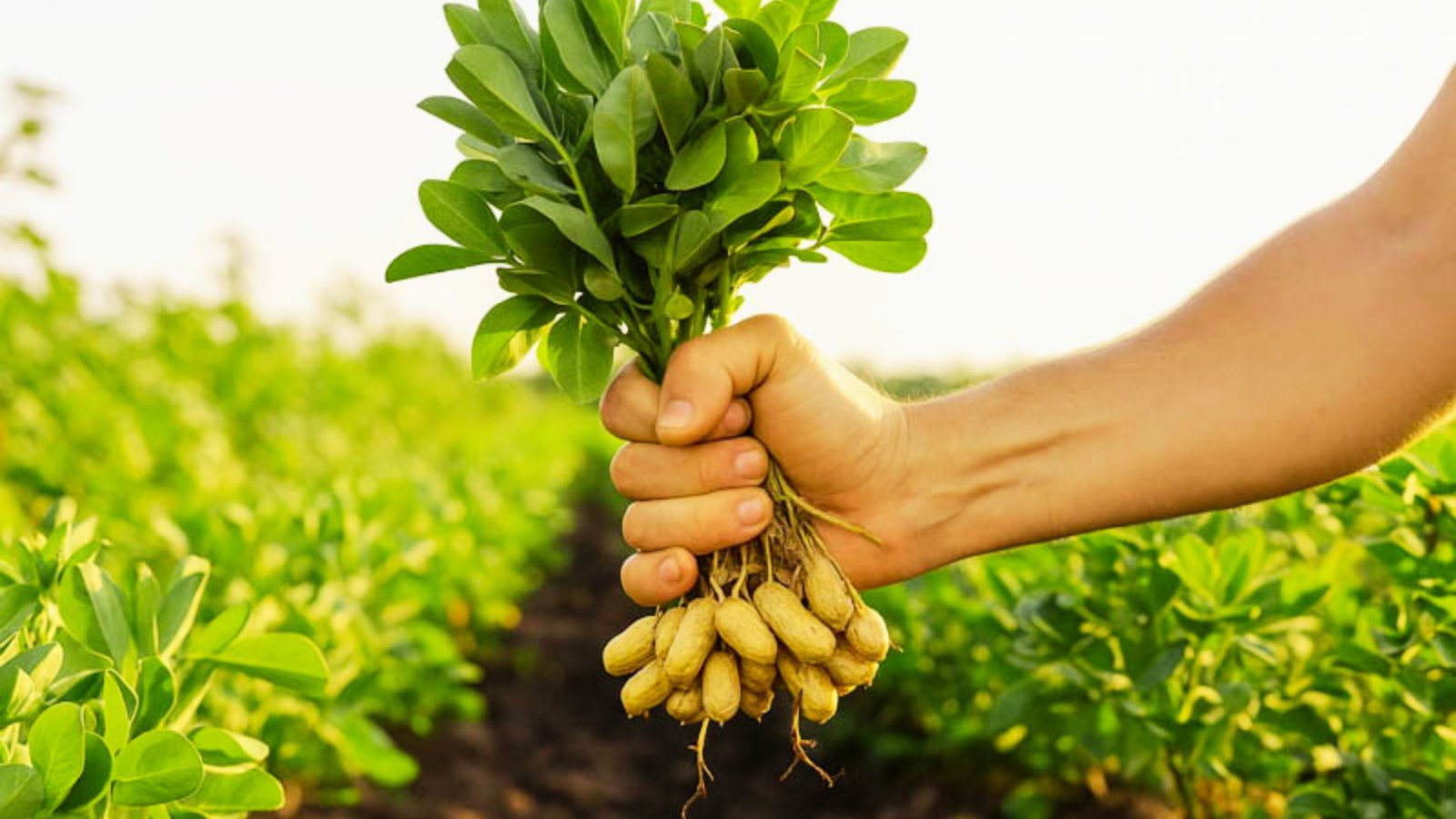
Peanuts develop their pods underground after flowers form above the soil. They grow best in sandy, well-draining soil and warm temperatures. A fun and easy crop for home gardeners who want something a little different.
15. Yams
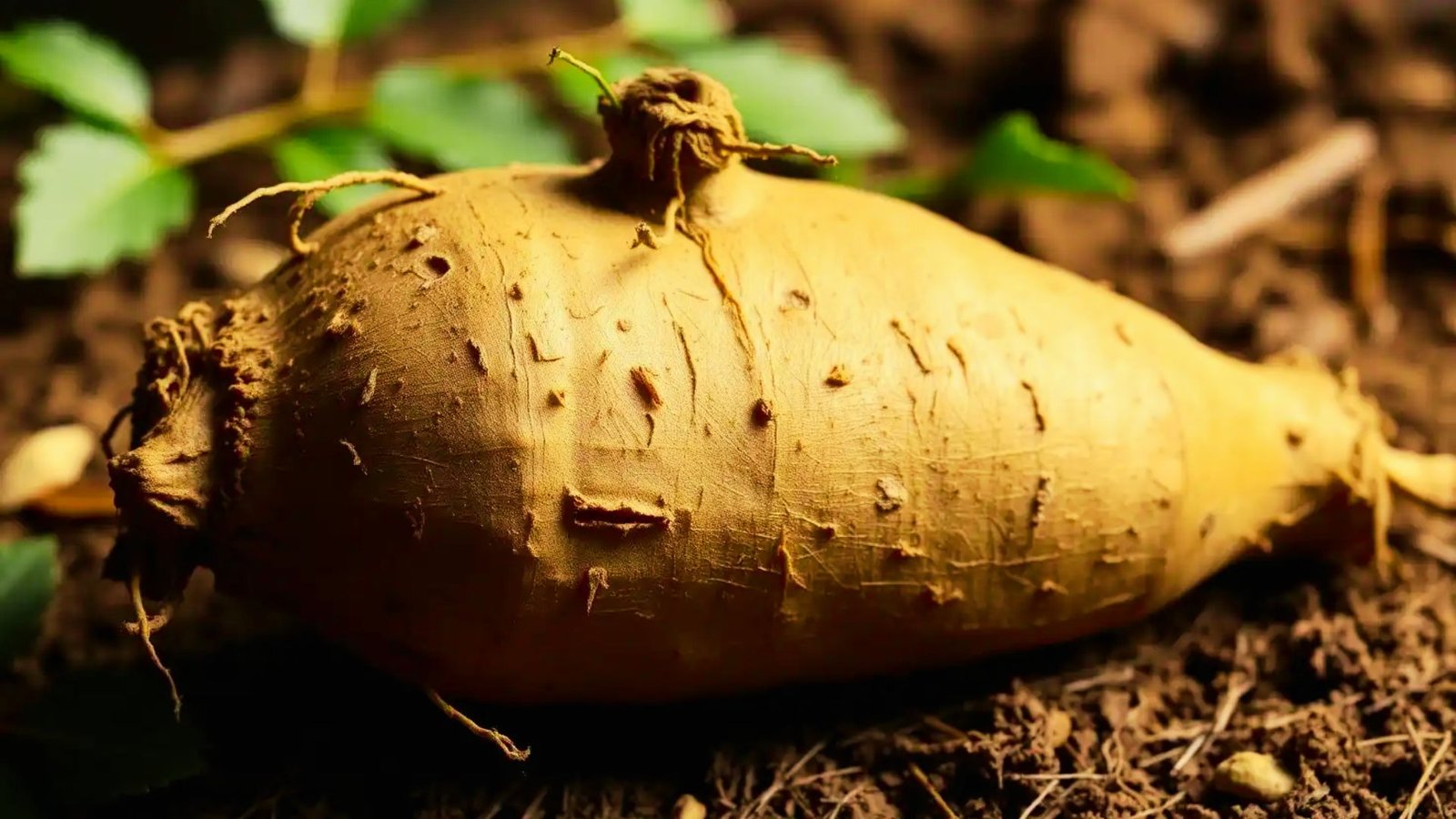
Yams are vigorous growers that produce large edible tubers with very little work. They thrive in long, warm growing seasons and do not need constant attention. A productive and beginner-friendly crop for warm climates.
16. Taro
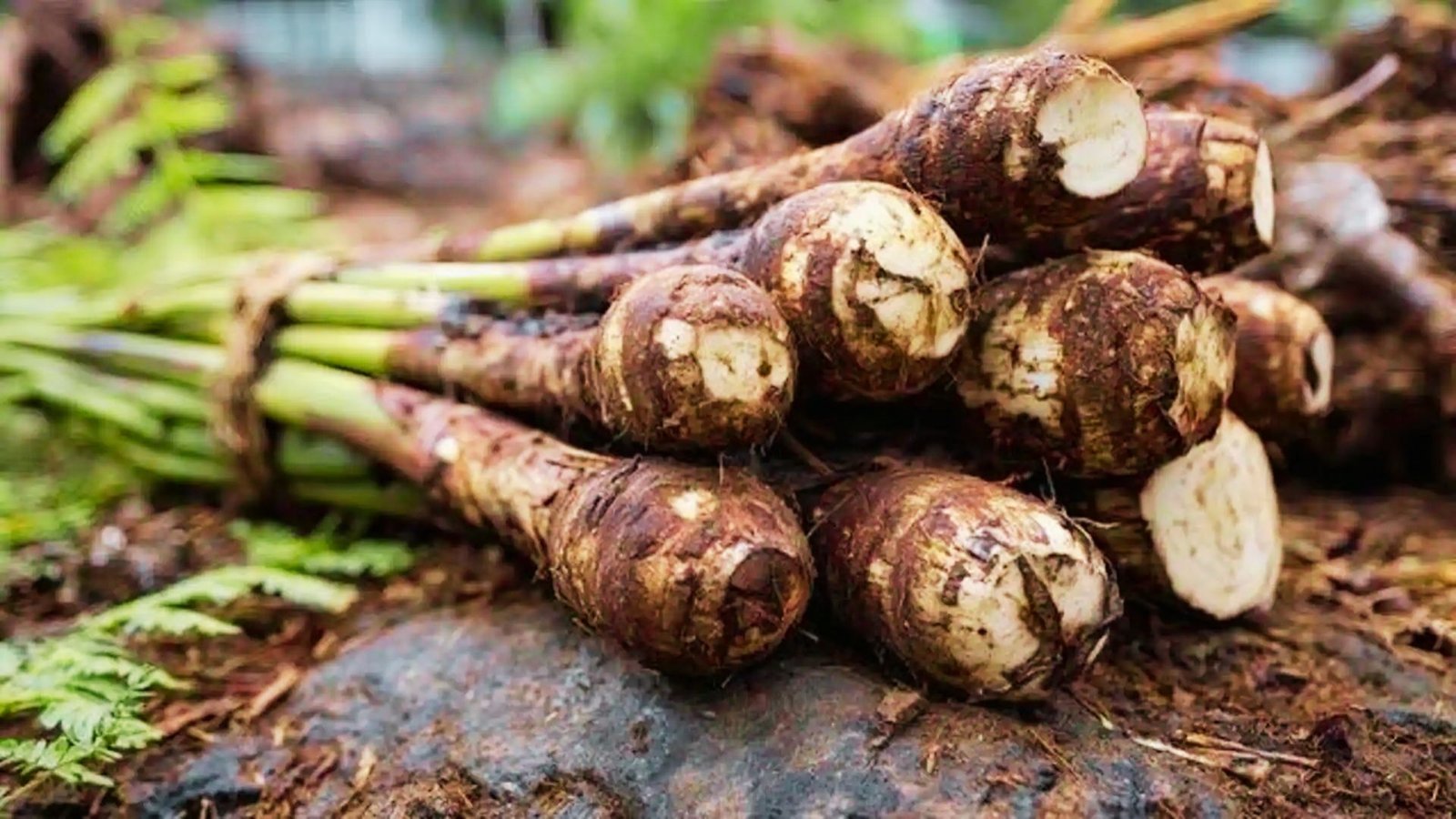
Taro loves moisture and grows best in humid climates with consistently moist soil. It needs very little maintenance beyond regular watering and basic soil care. Produces starchy edible roots used widely in many cuisines.
17. Cassava
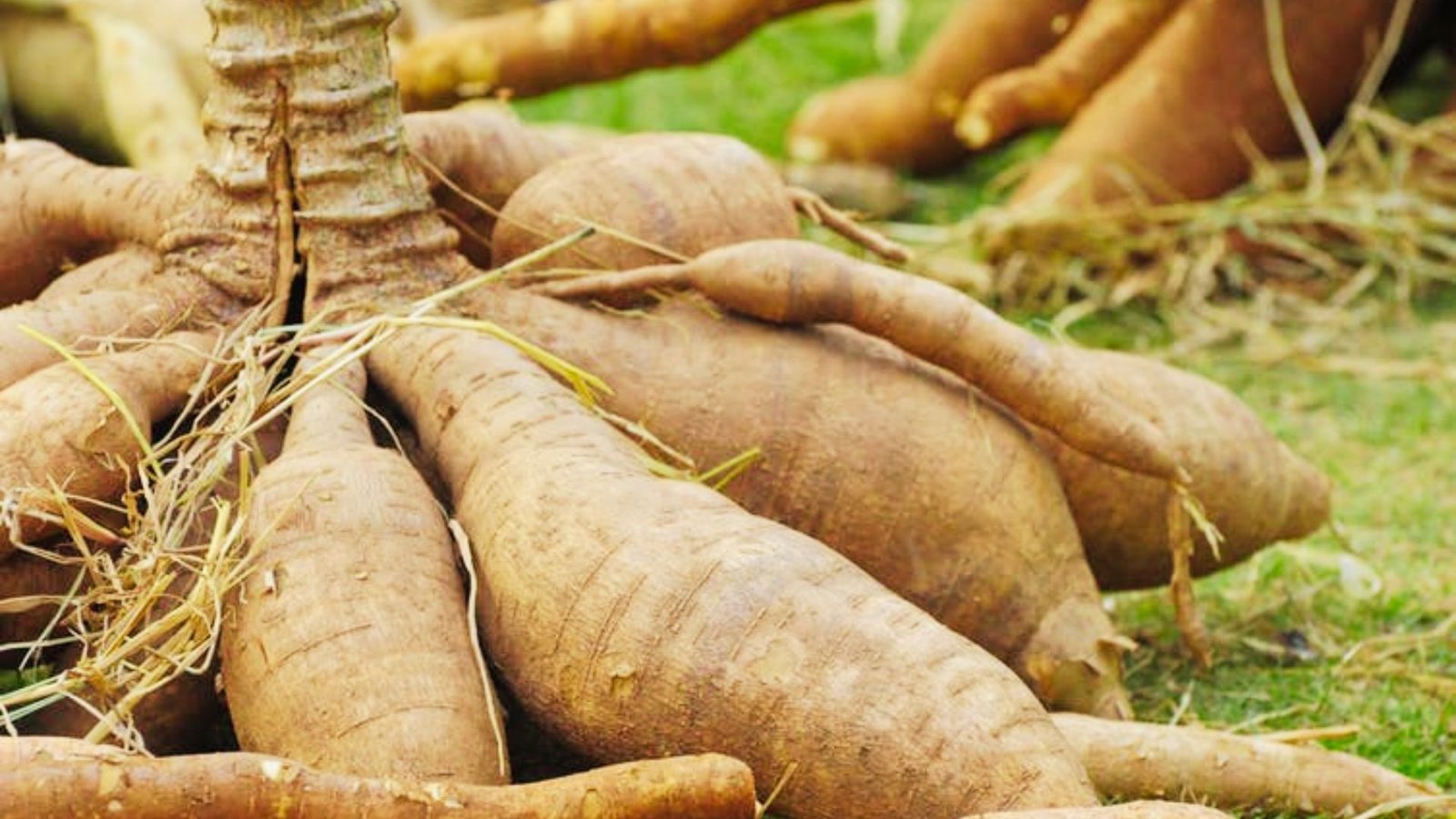
Cassava is a tough, drought-tolerant crop that grows well in warm regions with minimal rainfall. It needs very little maintenance once established in the soil. One of the easiest underground vegetables for low-effort gardening in warm climates.
Best Soil for Vegetables That Grow in the Ground
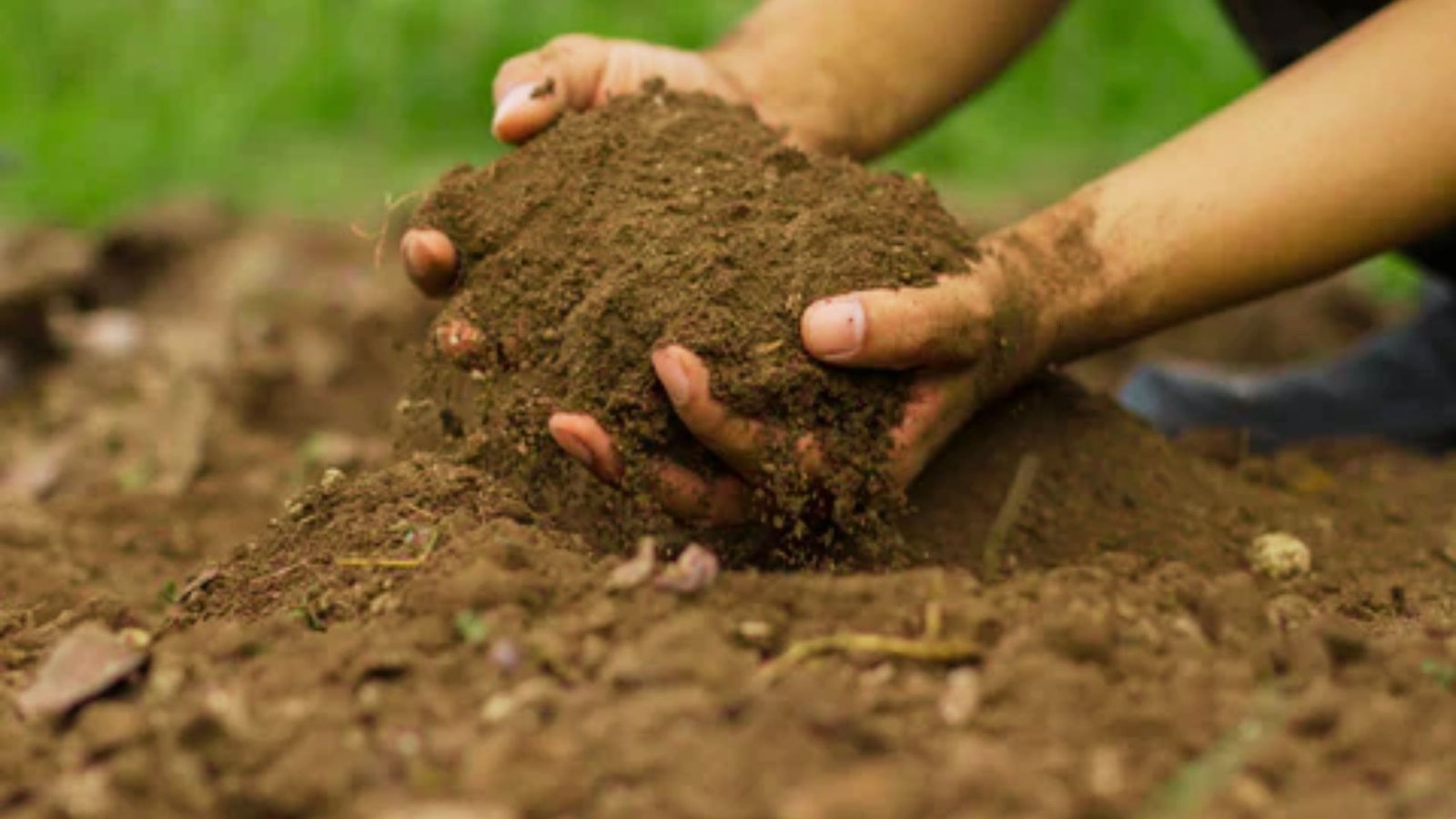
Good soil is the foundation for a strong harvest when growing underground vegetables.
Use Loose and Well-Draining Soil
Root vegetables need room to grow down and outward without hitting resistance. Loose soil allows roots to grow larger, longer, and straighter without any obstacles.
Well-draining soil also prevents water from sitting around the roots and causing rot.
Add Compost for Better Growth
Mixing compost into your garden soil improves both the nutrient content and the texture. It makes soil softer, easier for roots to move through, and better at holding the right amount of moisture.
Even a thin layer worked into the top few inches can make a noticeable difference.
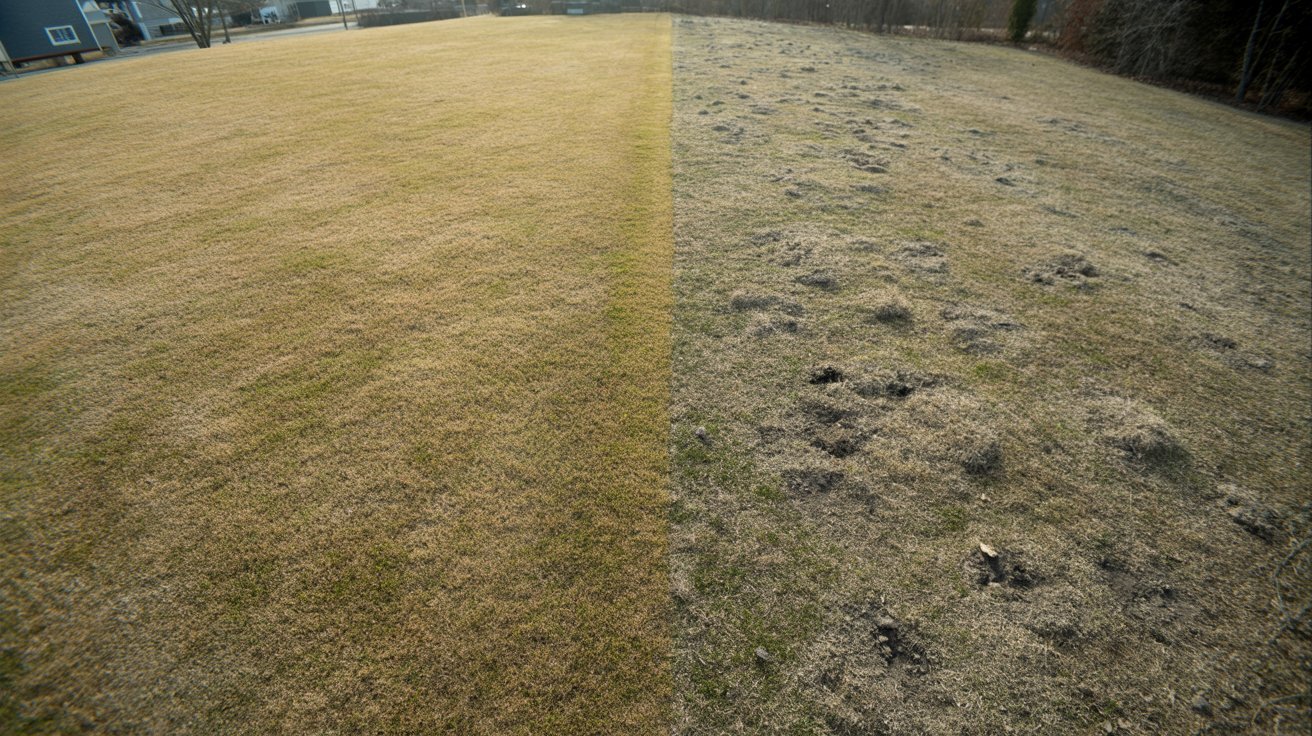
Avoid Rocky or Compact Soil
Rocks in the soil cause root vegetables to grow in strange, deformed shapes and slow down root development. Compact soil has the same effect, limiting growth and reducing harvest size.
Before planting, loosen the soil and remove any rocks to give your vegetables the best chance.
Tips for Growing Vegetables That Grow in the Ground
Small and consistent habits make a big difference in how well your underground vegetables turn out.
- Water deeply so moisture reaches the root zone and helps roots grow strong
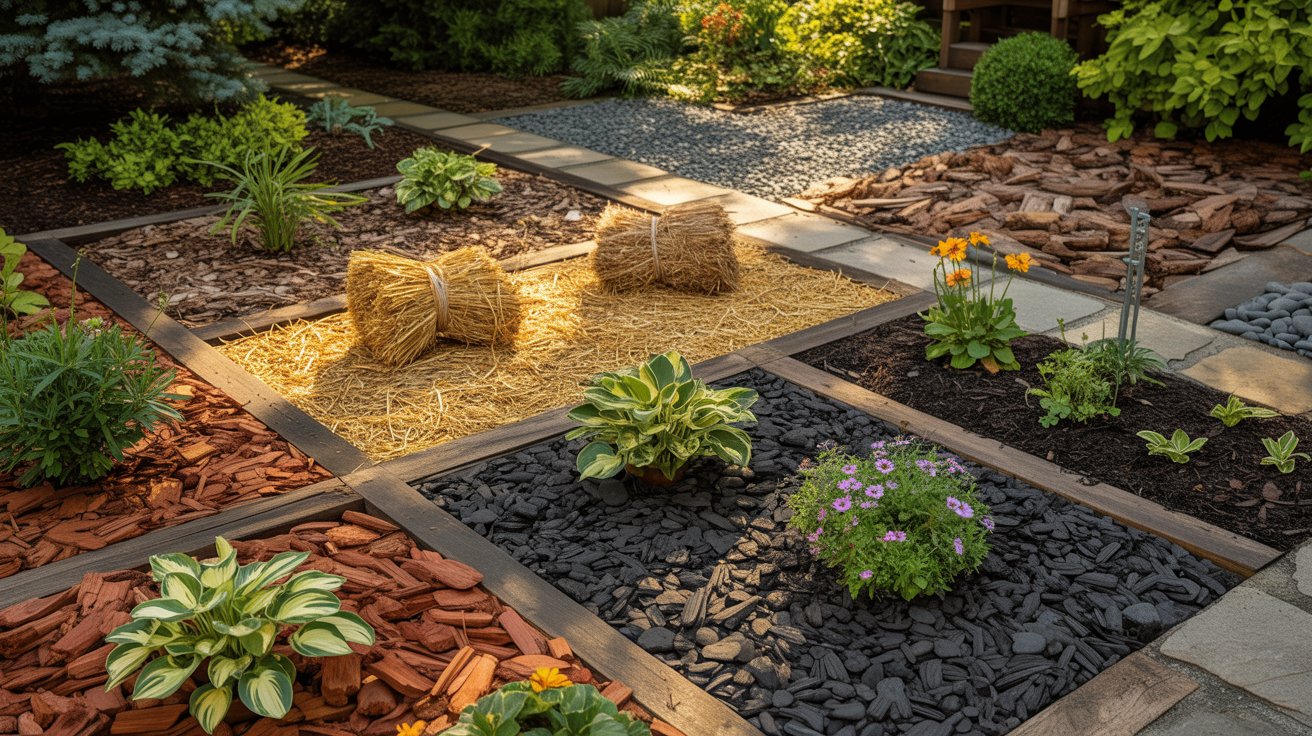
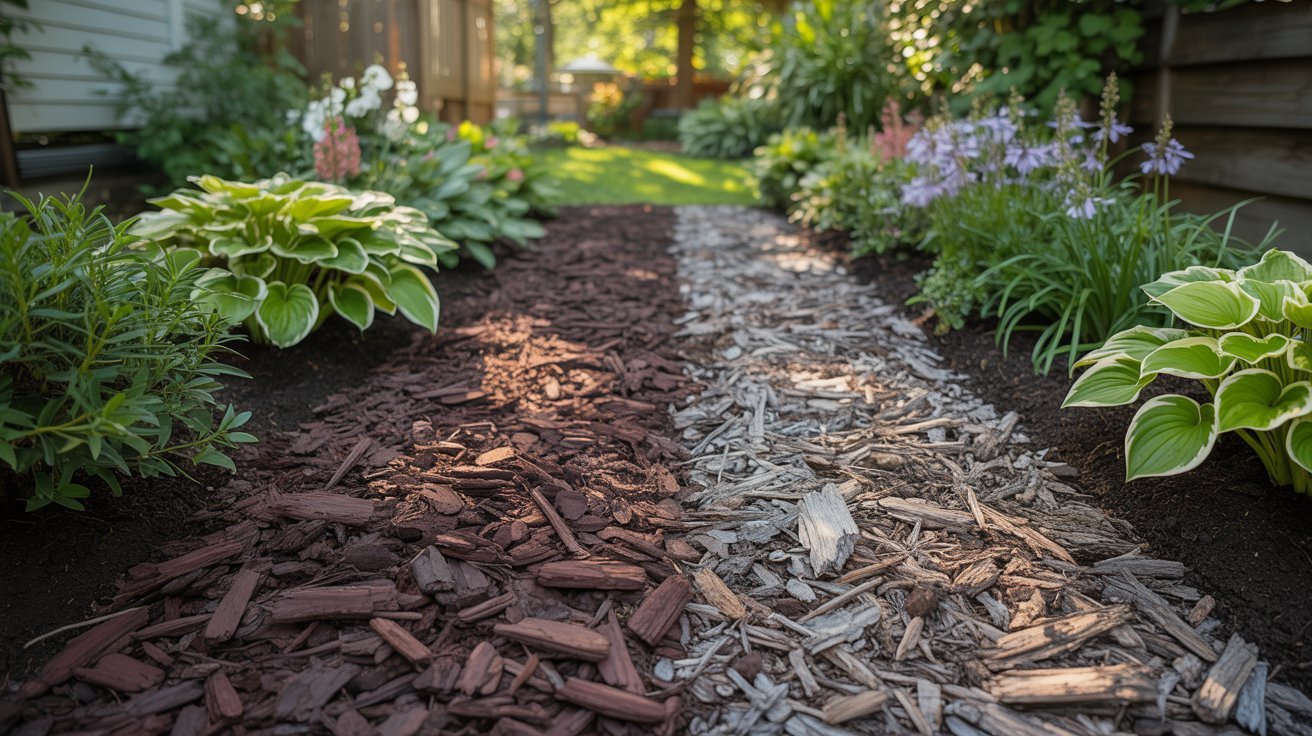
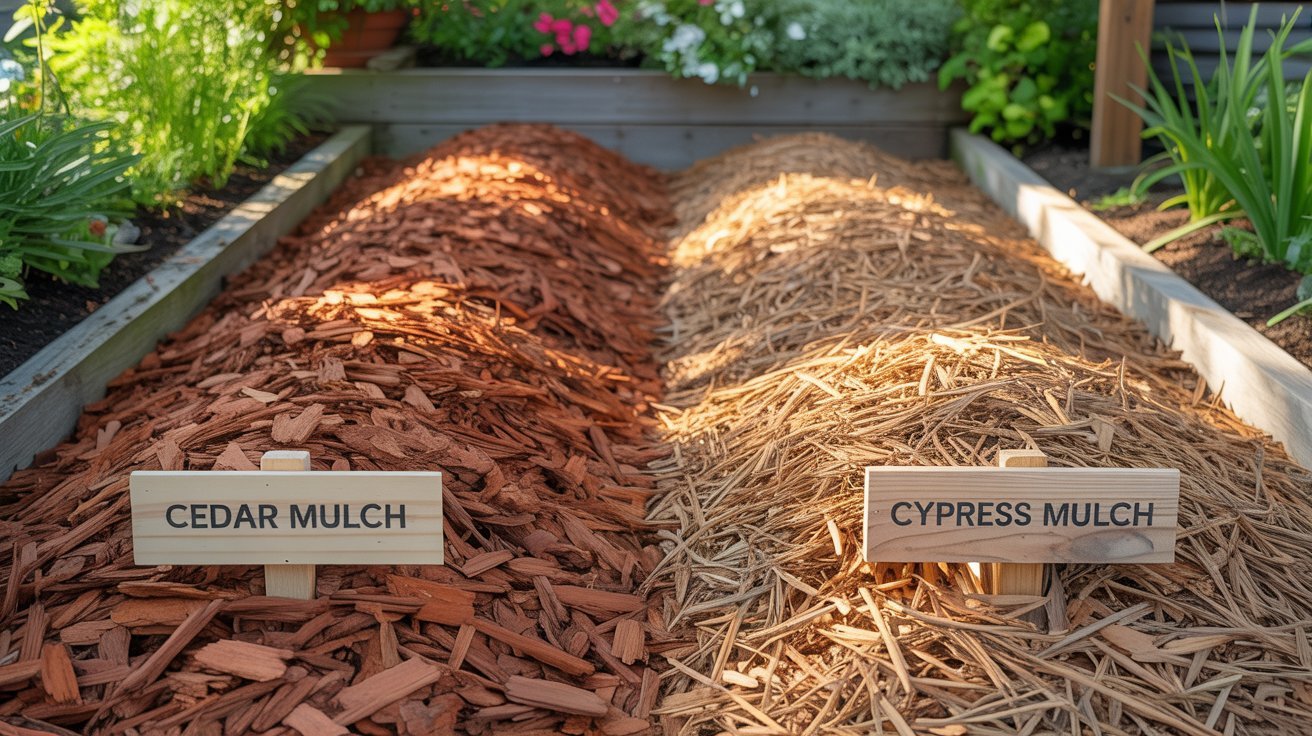
- Add mulch around plants to keep soil cool and hold moisture longer
- Thin seedlings early to give each root enough room to fully develop
- Rotate crops each season to reduce pests and keep your soil healthy
- Harvest on time to improve flavor and avoid woody, overgrown vegetables
Conclusion
I started with just a row of carrots and a few radishes, and it honestly changed the way I think about gardening.
Growing vegetables that grow in the ground is simple, low-maintenance, and the results are very real.
Start small, pick one or two crops, and build from there. You will surprise yourself with how much you can grow.
If this guide helped you, drop a comment below and let me know which vegetable you are planting first. Share this post with a fellow gardening lover.
Frequently Asked Questions
What are vegetables that grow in the ground?
Vegetables that grow in the ground are crops that develop their edible parts underground. Common examples include carrots, potatoes, beets, onions, and garlic.
Which vegetables are easiest for beginners to grow?
Radishes, carrots, and onions are among the easiest for beginners to grow. They need minimal care and produce reliable results even in average soil conditions.
Can vegetables that grow in the ground grow in raised beds?
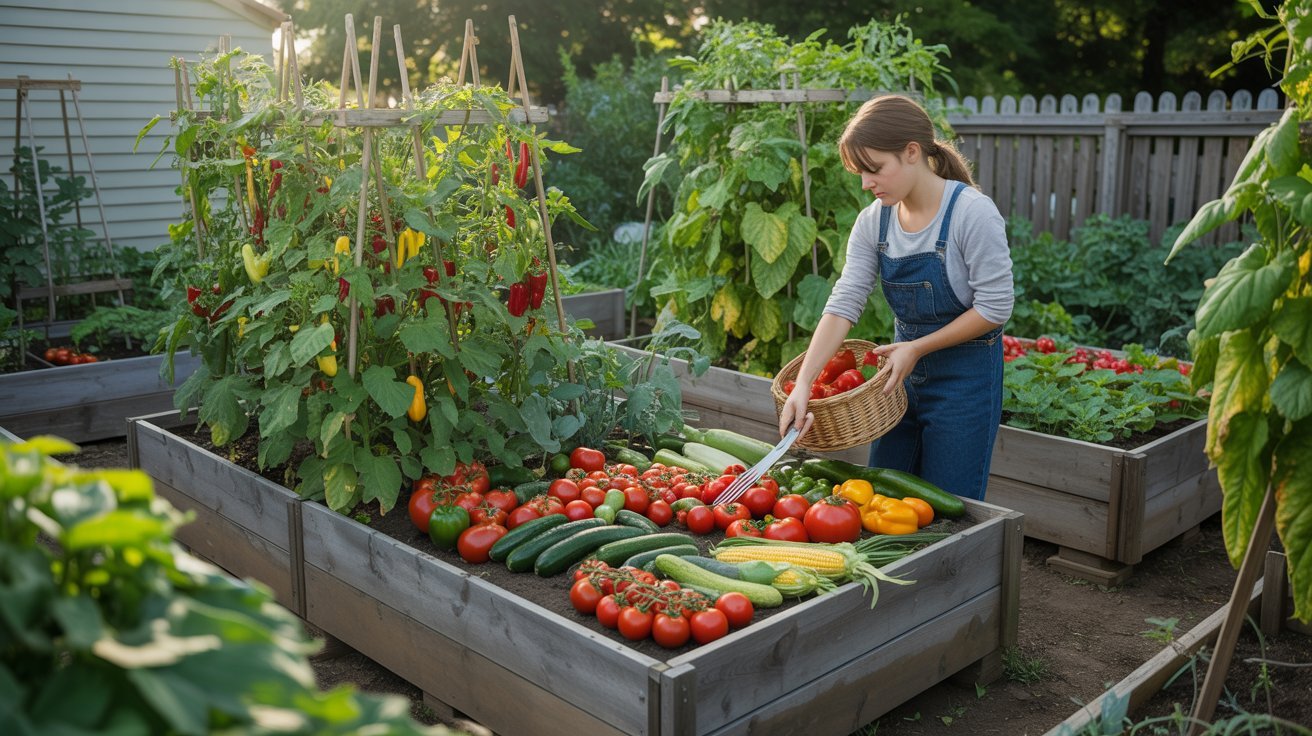
Yes, most underground vegetables grow very well in raised beds. Raised beds often have looser, well-draining soil that supports strong root development and easy harvesting.
What green vegetables grow in the ground?
Green onions and certain garlic varieties have underground edible parts while their tops grow above the surface. Both are easy to grow and widely used in everyday cooking.
Which underground vegetables grow the fastest?
Radishes are the fastest-growing underground vegetables, ready to harvest in as little as 20 days. Turnips and beets are also quick, maturing in around 40 to 60 days.