
Not all berries grow on bushes. Some of the best ones grow right on trees.
This article covers berries that grow on trees, what they look like, how to use them, and which ones are safe to eat.
I have spent years growing fruit trees and testing what actually works in a home garden, so everything here comes from real experience.
You will learn which trees are easy to grow, great for wildlife, and worth planting in your own space.
Benefits of Growing Berry Trees
Berry trees give you more than just fruit. They feed birds, support pollinators, and look great through every season.
Most are low-maintenance once established, far less work than a vegetable garden.
Spring brings flowers, summer fills branches with fruit, fall adds color, and winter berries feed birds when food is scarce.
Whether you have a large yard or a small garden, a berry-producing tree pulls its weight all year long and gives back far more than it asks for in return.
15 Berries That Grow on Trees You Should Know
Each of these trees offers something worth growing fruit, beauty, or a little of both.
1. Mulberries
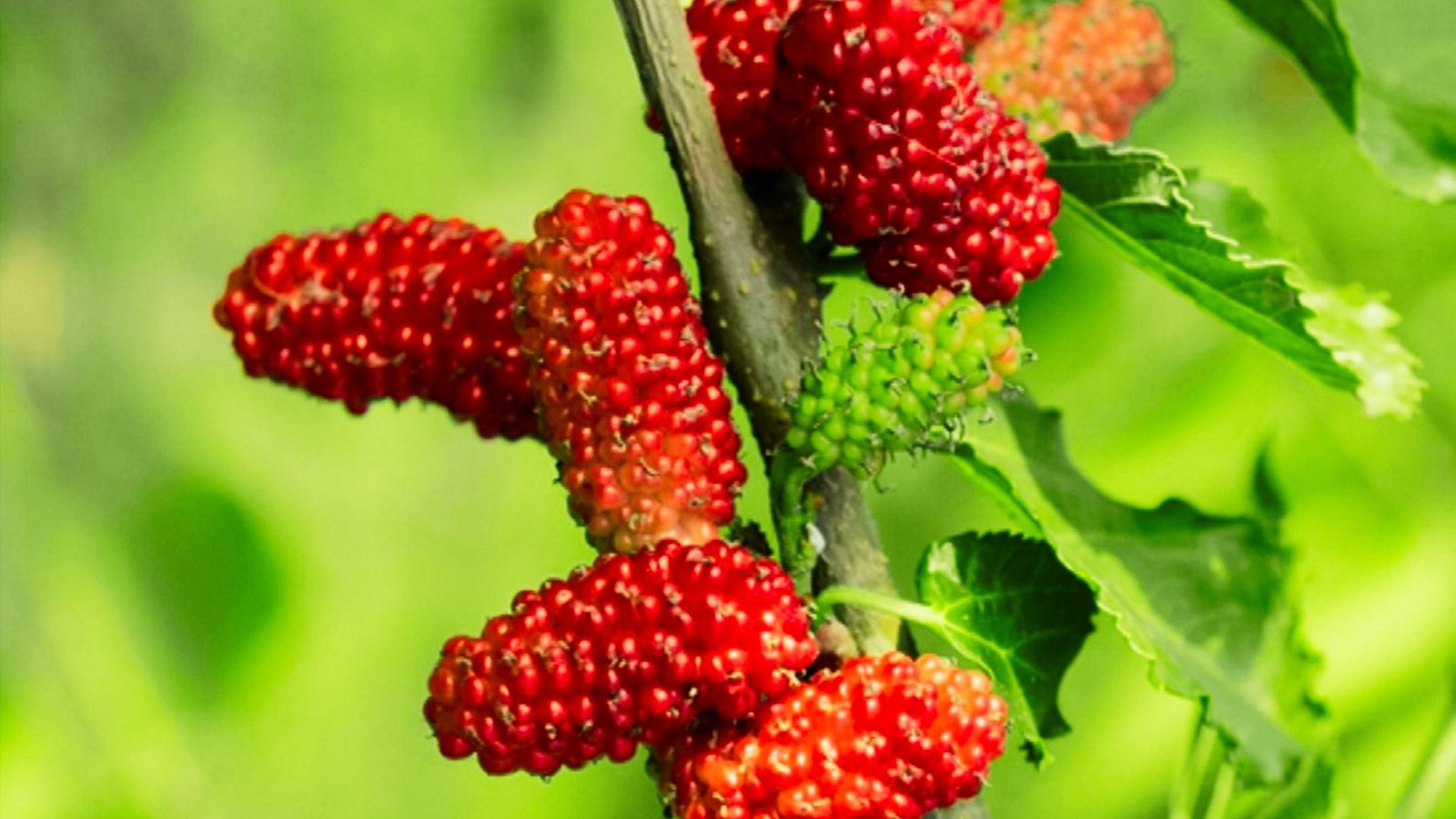
Mulberry trees grow fast and start producing sweet, mildly tart fruit within a few years of planting. Red and black mulberries have the best flavor and work well for fresh eating, jams, and pies.
Because they are soft and do not ship well, growing your own is the only real way to enjoy them at their best.
2. Serviceberries

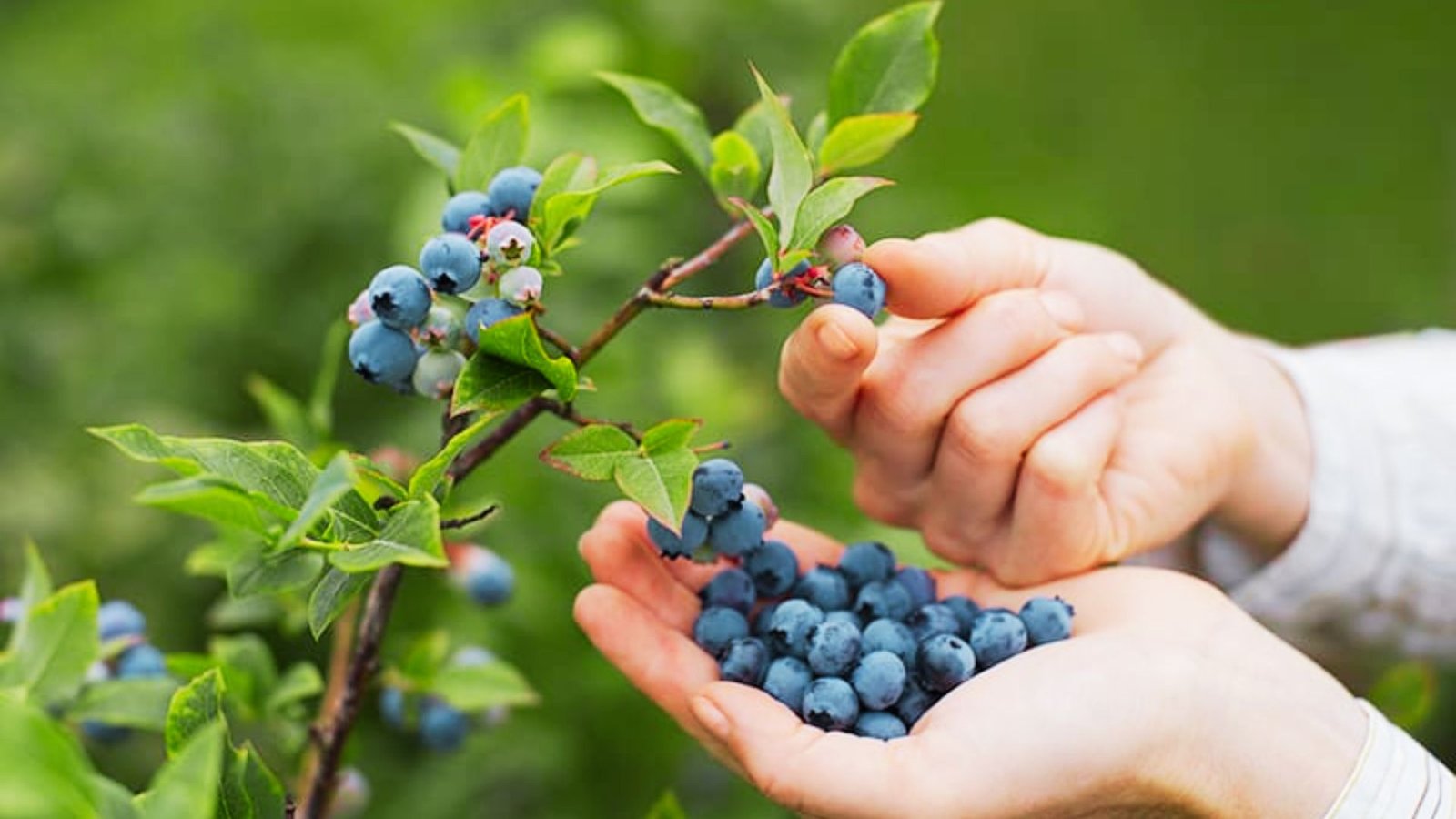
Serviceberries ripen in early summer and turn dark purple-blue with a mild, sweet flavor similar to blueberries. Birds find them hard to resist, so pick early if you want the fruit for yourself.
They also offer white spring flowers, summer fruit, and bright fall color all from one tree.
3. Elderberries
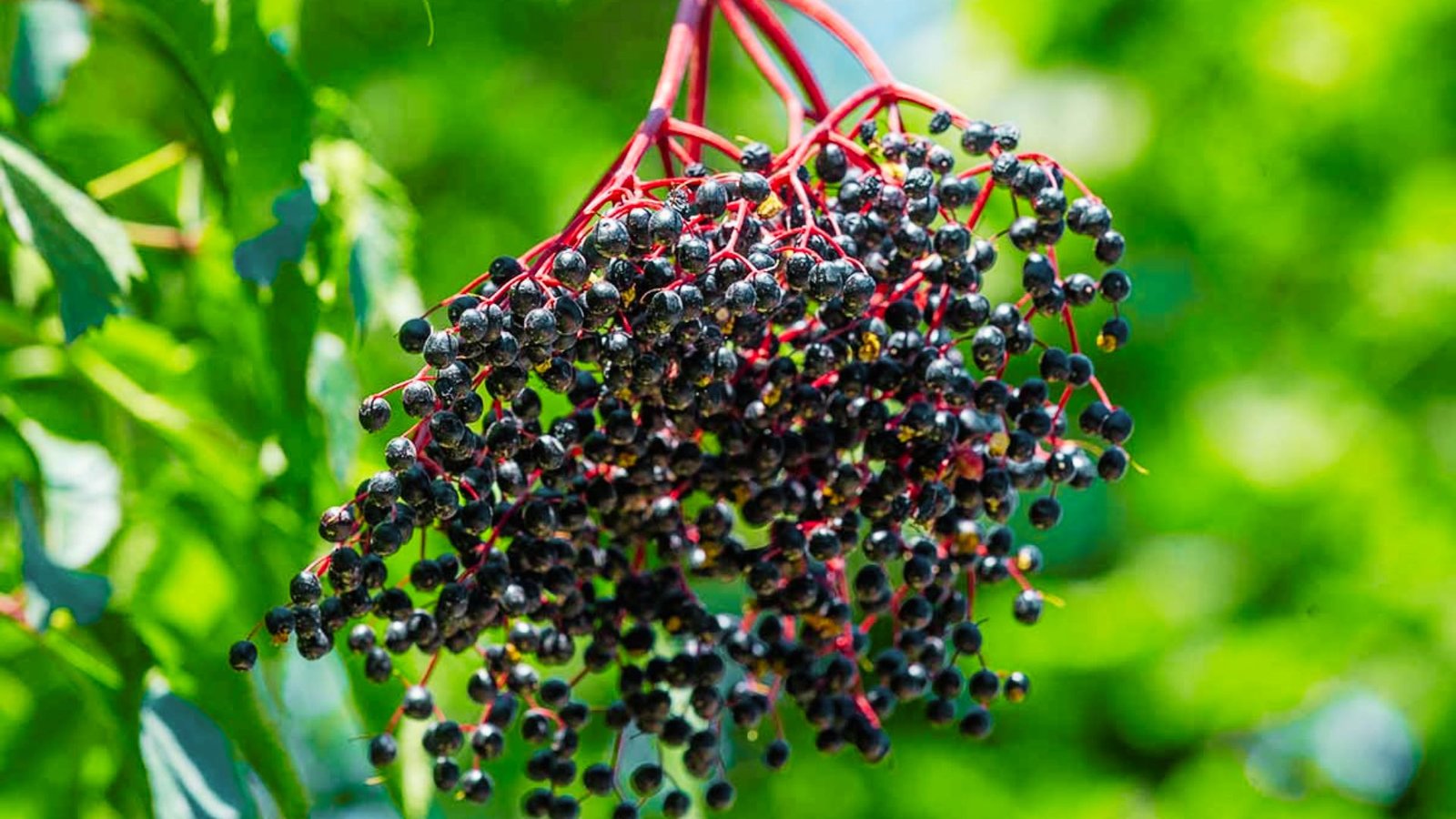
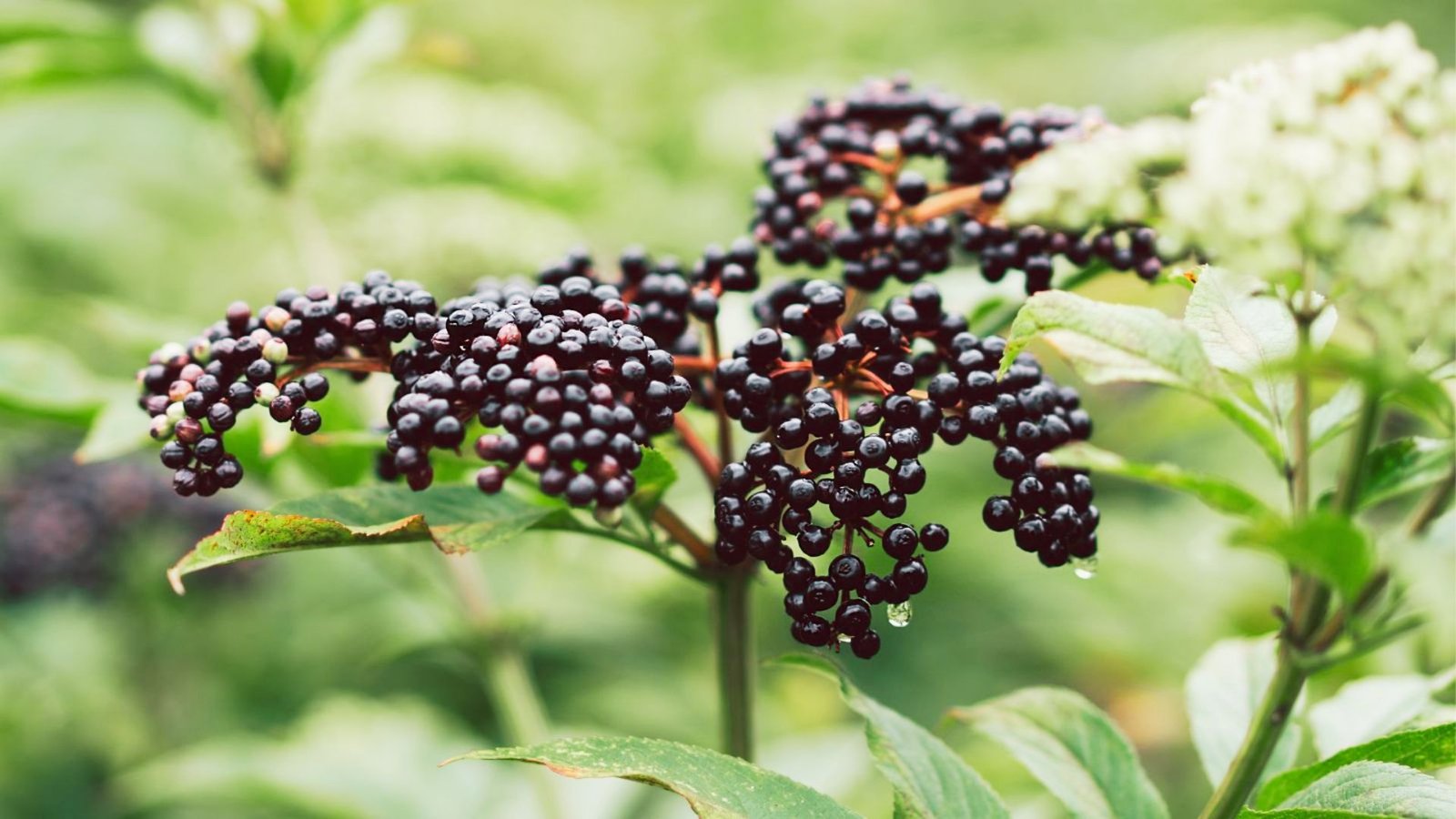
Raw elderberries can cause nausea so always cook them before eating or using them in any recipe. Once cooked, they make excellent syrups, jams, wine, and baked goods with a deep, earthy flavor.
Elderberry syrup has become one of the most popular homemade wellness products around.
4. Hawthorn Berries

Hawthorn berries are small, red, and mealy with a long history in herbal medicine mainly for heart health support.
They appear in jellies and fruit pastes across Europe and have been used in traditional kitchens for centuries.
Never eat the seeds and avoid large amounts of raw berries as they contain harmful compounds.
5. Chokeberries
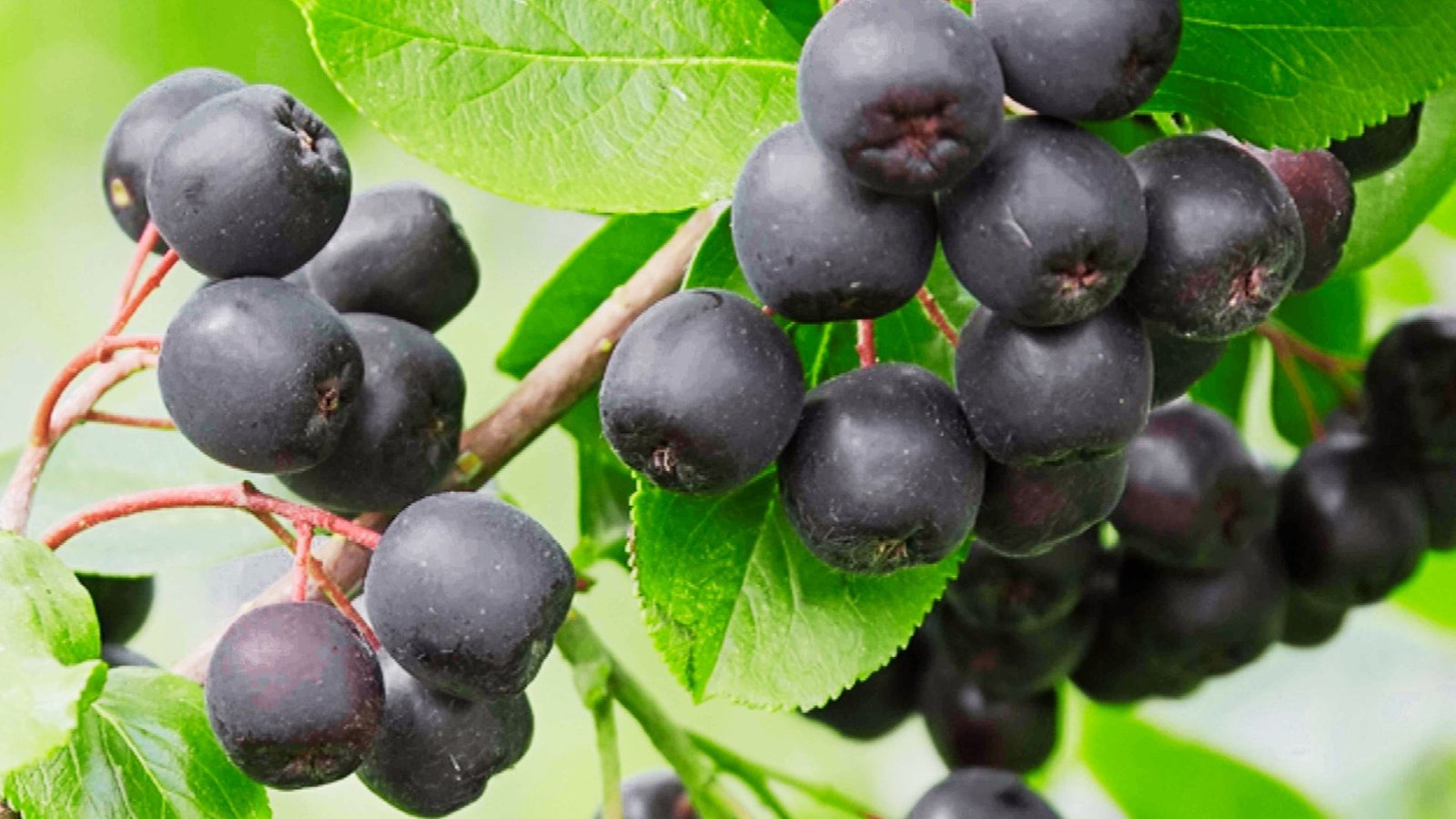
Chokeberries come in red and black varieties with black chokeberries having some of the highest antioxidant levels of any fruit.
Both grow on small shrubby trees, produce fruit in late summer, and handle poor soil and cold winters very well. They are too tart raw but work well in juices, jams, and supplements.
6. Juniper Berries
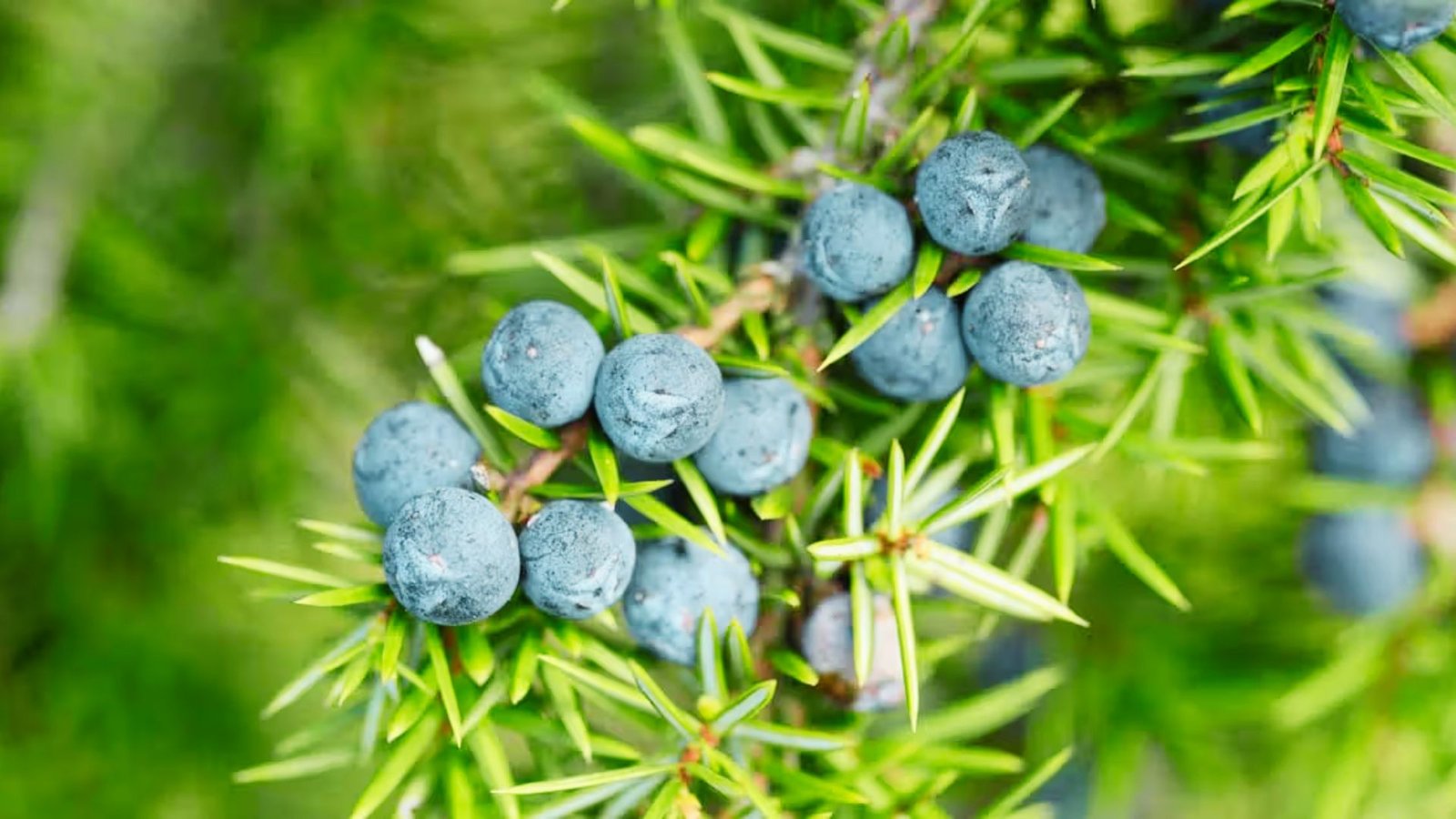
Juniper berries are technically seed cones but look round and blue-purple with a strong resinous flavor that gives gin its well-known taste.
Common juniper berries are safe and widely used in cooking with game meats, sauces, and marinades. Some juniper species are toxic so always confirm the species before using them.
7. Rowan Berries
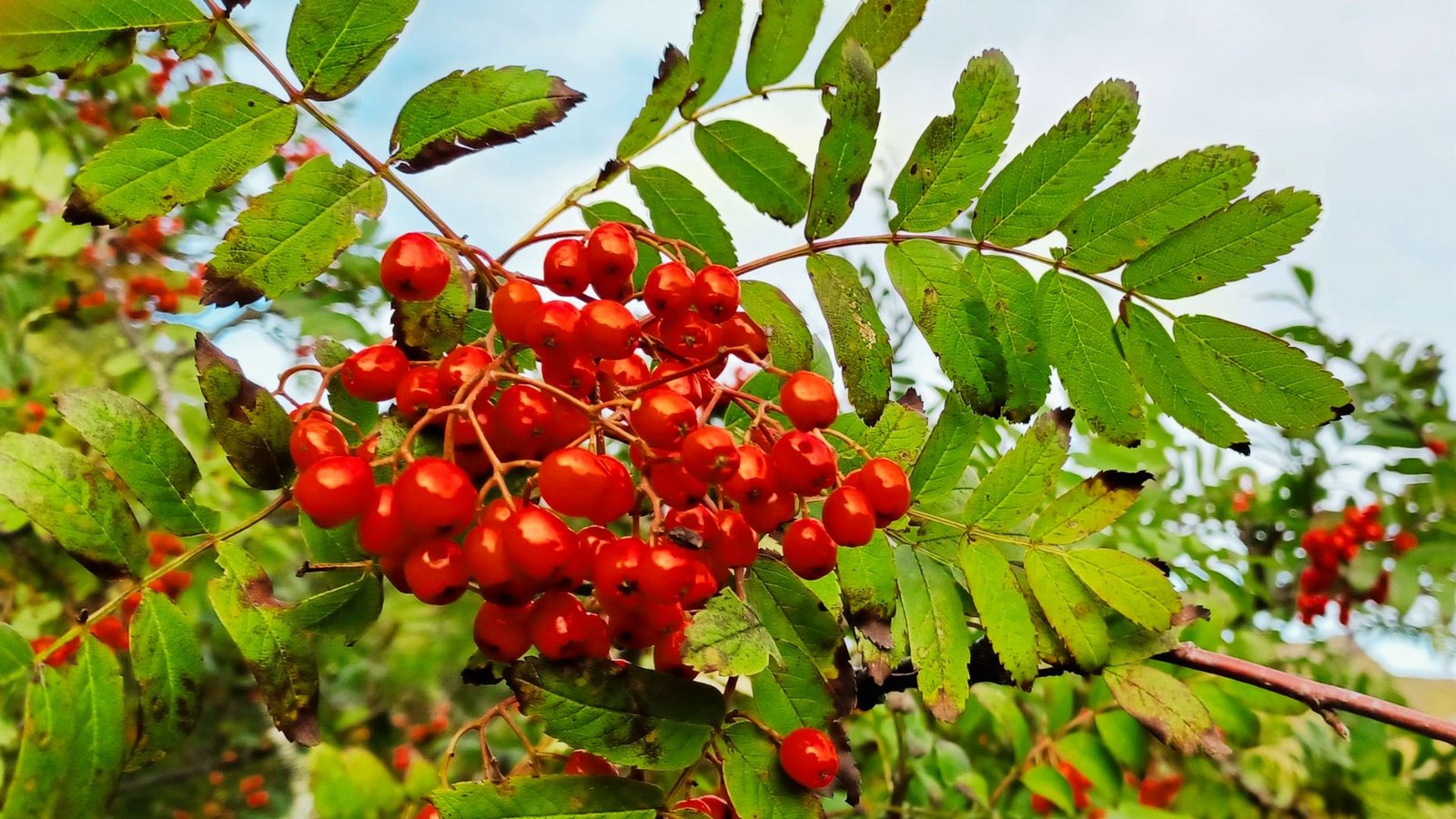
Rowan berries are bright red-orange clusters that appear on trees in fall and are among the most commonly spotted red berries in parks and yards.
Raw rowan berries are bitter and mildly toxic so they must always be cooked before eating. Once cooked they make excellent jellies, sauces, and wine.
8. Cornelian Cherries
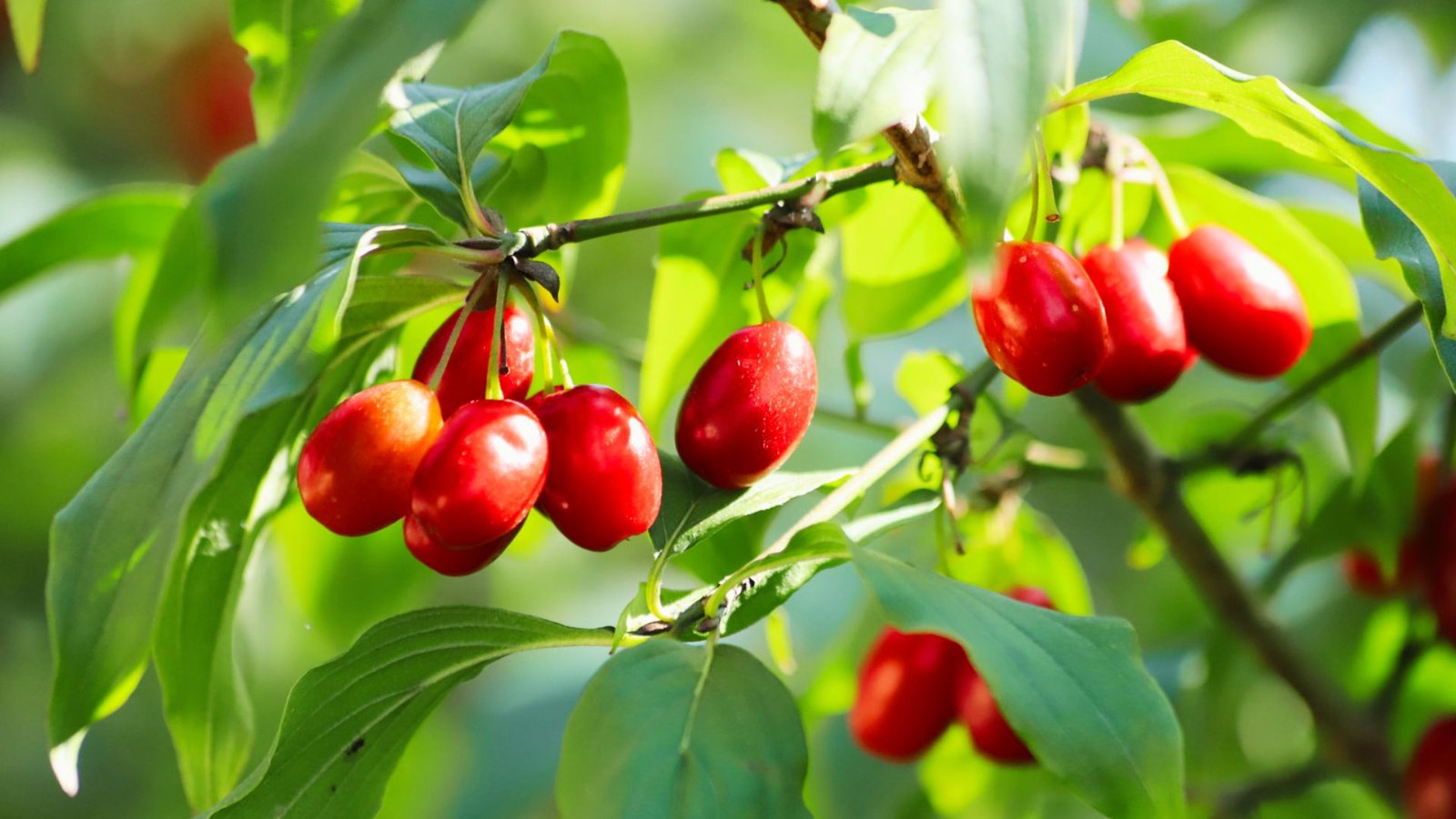
Cornelian cherries are tart and too sour for most people raw but become rich and flavorful when cooked with sugar.
They make excellent preserves, sauces, and fruit leathers popular in Eastern European and Middle Eastern cooking.
The trees are cold-hardy, drought-tolerant, and bloom early in spring which is great for pollinators.
9. Sea Buckthorn Berries
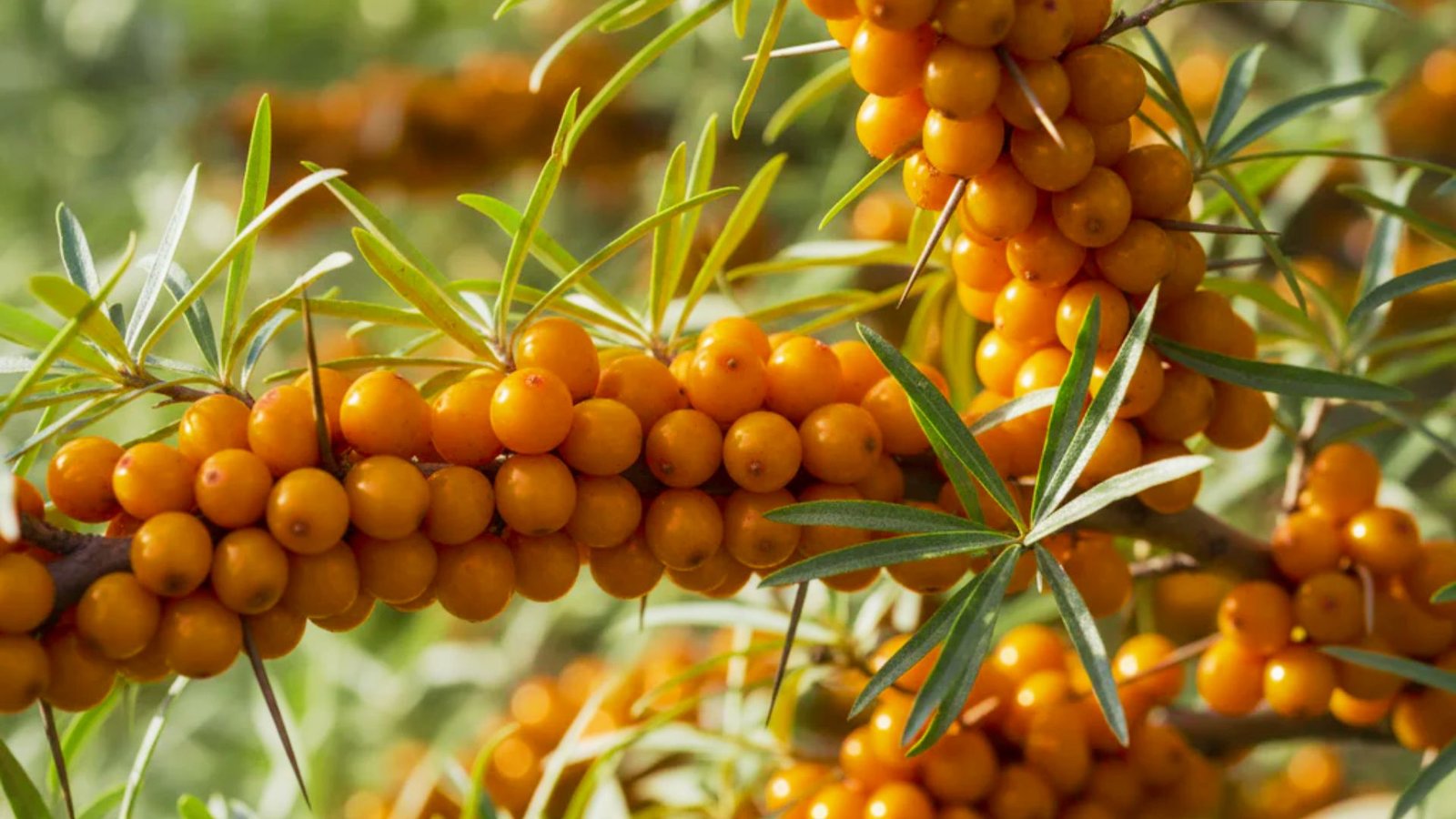
Sea buckthorn produces dense clusters of small bright orange berries in fall that are extremely tart when eaten raw.
They are exceptionally high in vitamin C and also contain omega fatty acids which is rare for a fruit.
The berries are widely used in juices, oils, and skin care products for their strong nutritional value.
10. Strawberry Tree Berries
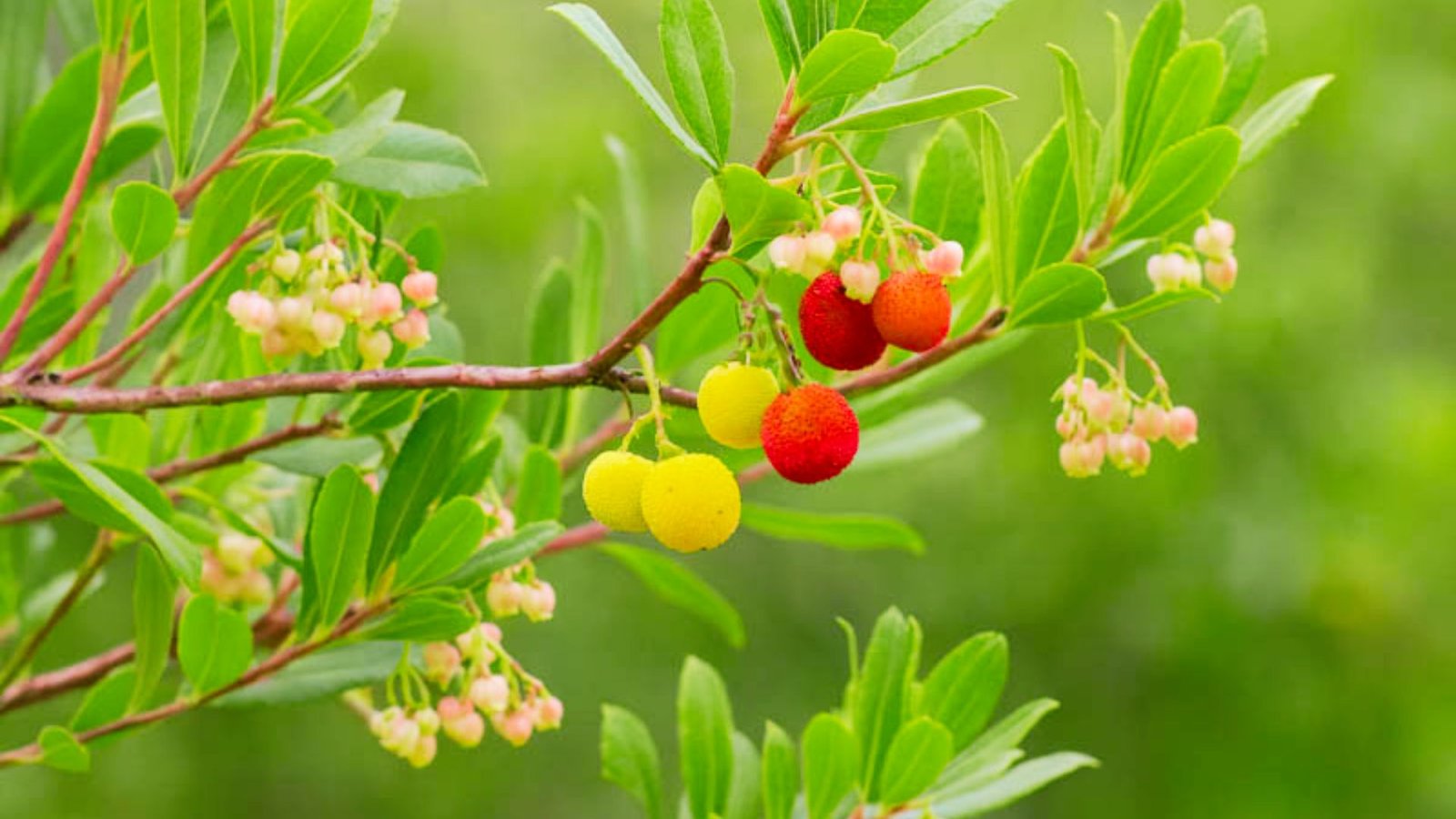
Strawberry tree fruit is round, bumpy, and red, ripening slowly through winter while flowers and ripe fruit often appear on the tree at the same time.
The berries are edible but bland and slightly grainy when eaten raw making them more ornamental than culinary.
These trees thrive in mild climates and also grow well in containers in cooler regions.
11. Hackberries
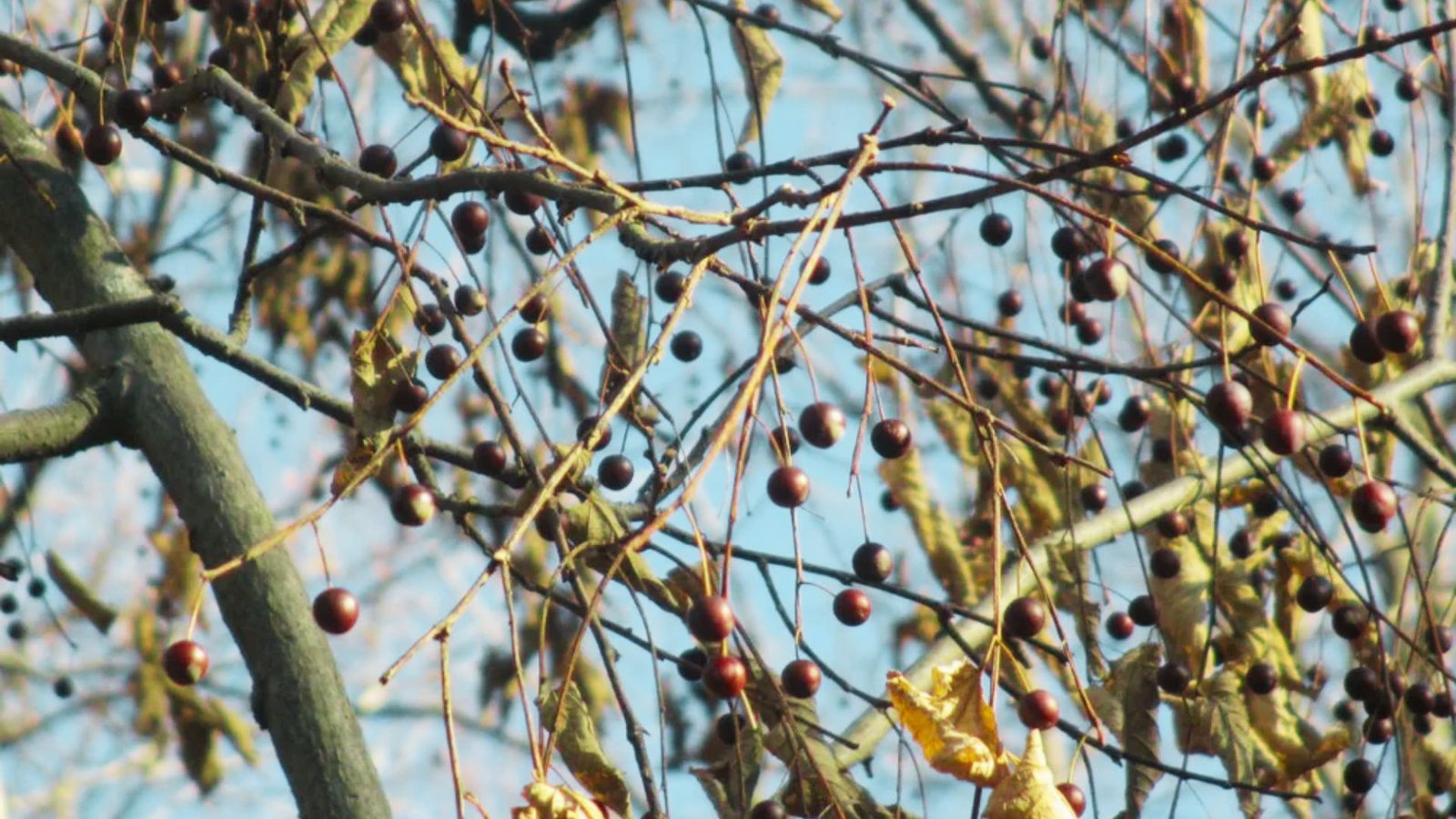
Hackberries are tiny, pea-sized fruits that turn dark purple when ripe and taste sweet with a slightly nutty, date-like flavor.
These native trees support over 40 species of butterflies and moths and feed dozens of bird species through fall and winter.
For wildlife gardening, hackberries are one of the most valuable trees you can plant.
12. Beautyberries
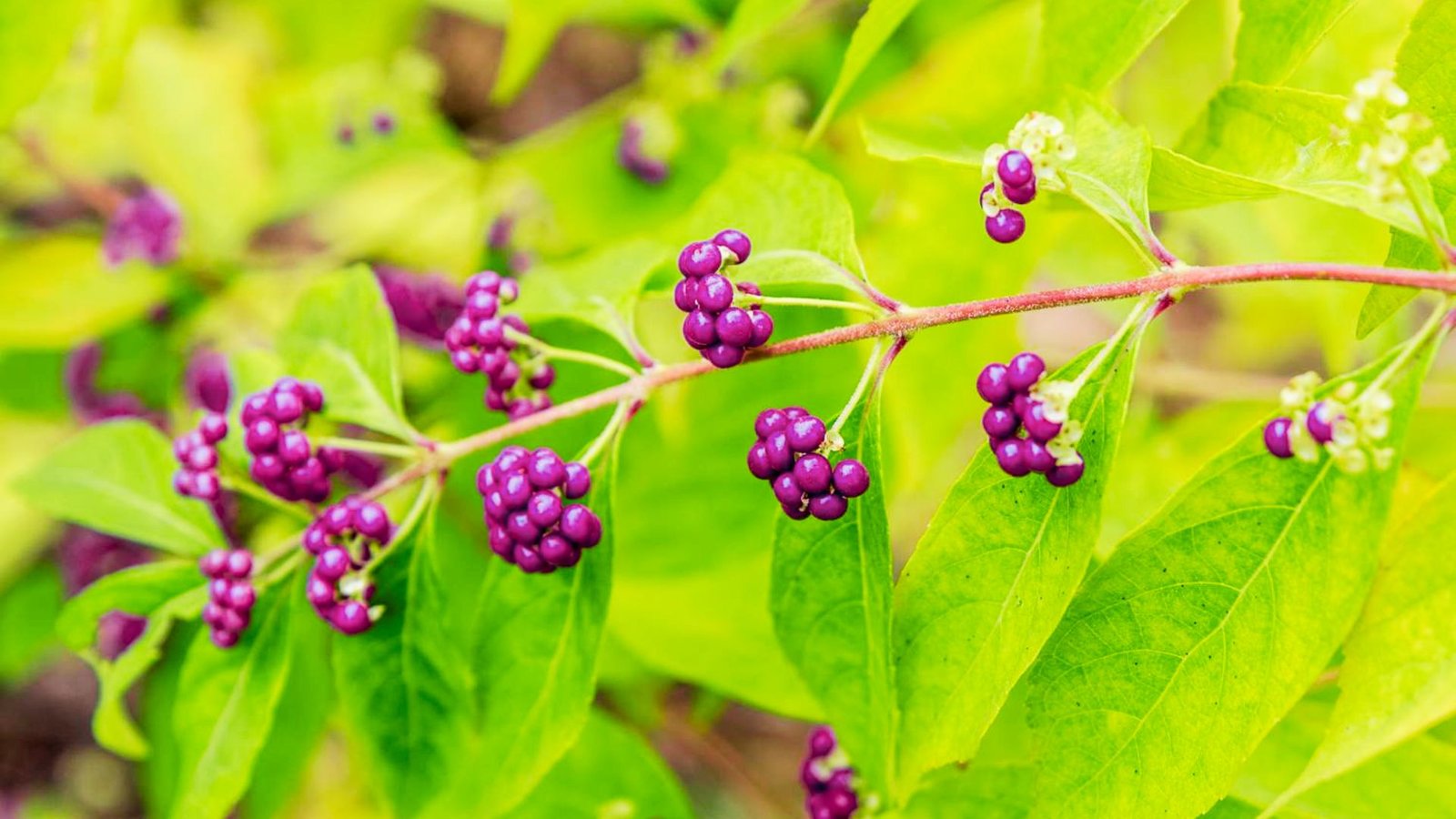
Beautyberries produce tight clusters of vivid purple berries along the branches in fall making them one of the few plants with naturally purple fruit.
They are edible but astringent and bland when raw though they can be used for jellies with added sugar.
Most gardeners grow them primarily for wildlife as many bird species rely on them through winter.
13. Crabapples
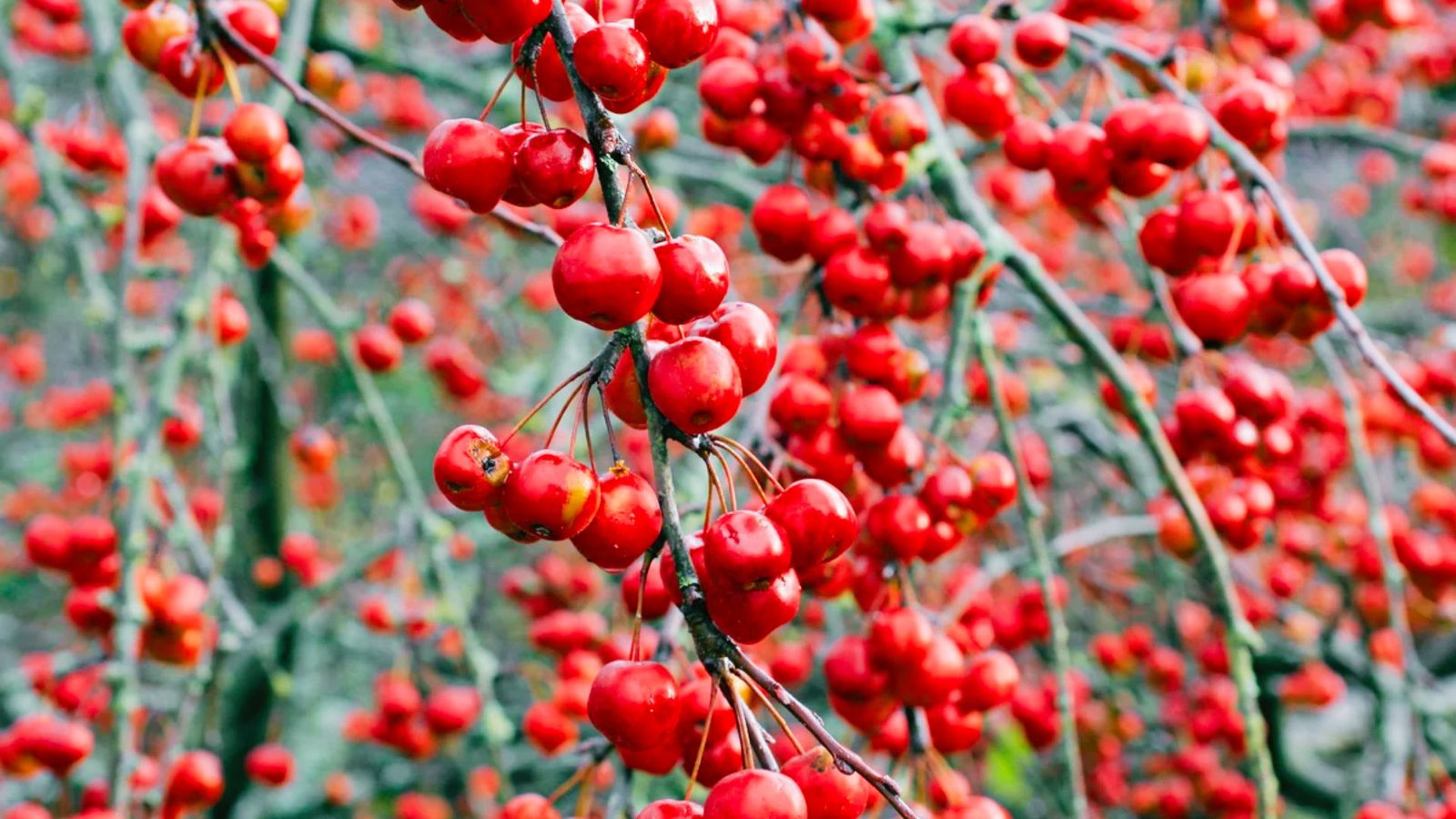
Crabapple fruits are small and stay on the tree through winter feeding birds like waxwings, robins, and thrushes during the cold months.
Varieties like Red Sentinel, Evereste, and Profusion hold fruit well and also offer strong pink or white spring flowers.
You get two full seasons of visual interest and solid wildlife value from a single tree.
14. Firethorn Berries
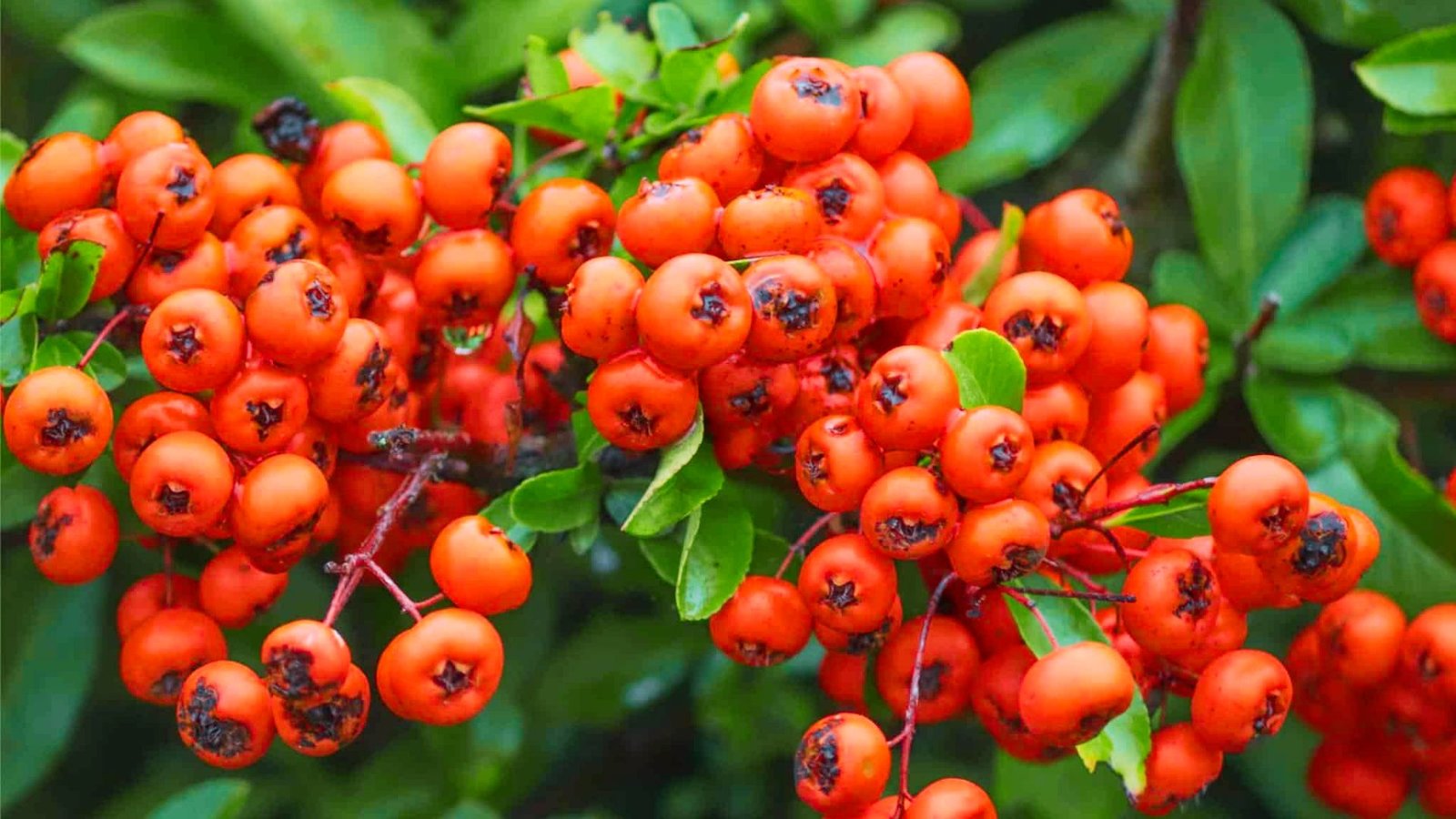
Firethorn produces masses of small bright red or orange berries in dense clusters that cover the plant through fall and winter.
The berries are edible once cooked but mainly grown for ornamental value and to feed birds through the cold season.
Planted along a fence it also makes a practical bird-friendly privacy hedge thanks to its dense thorny growth.
15. Mountain Ash Berries
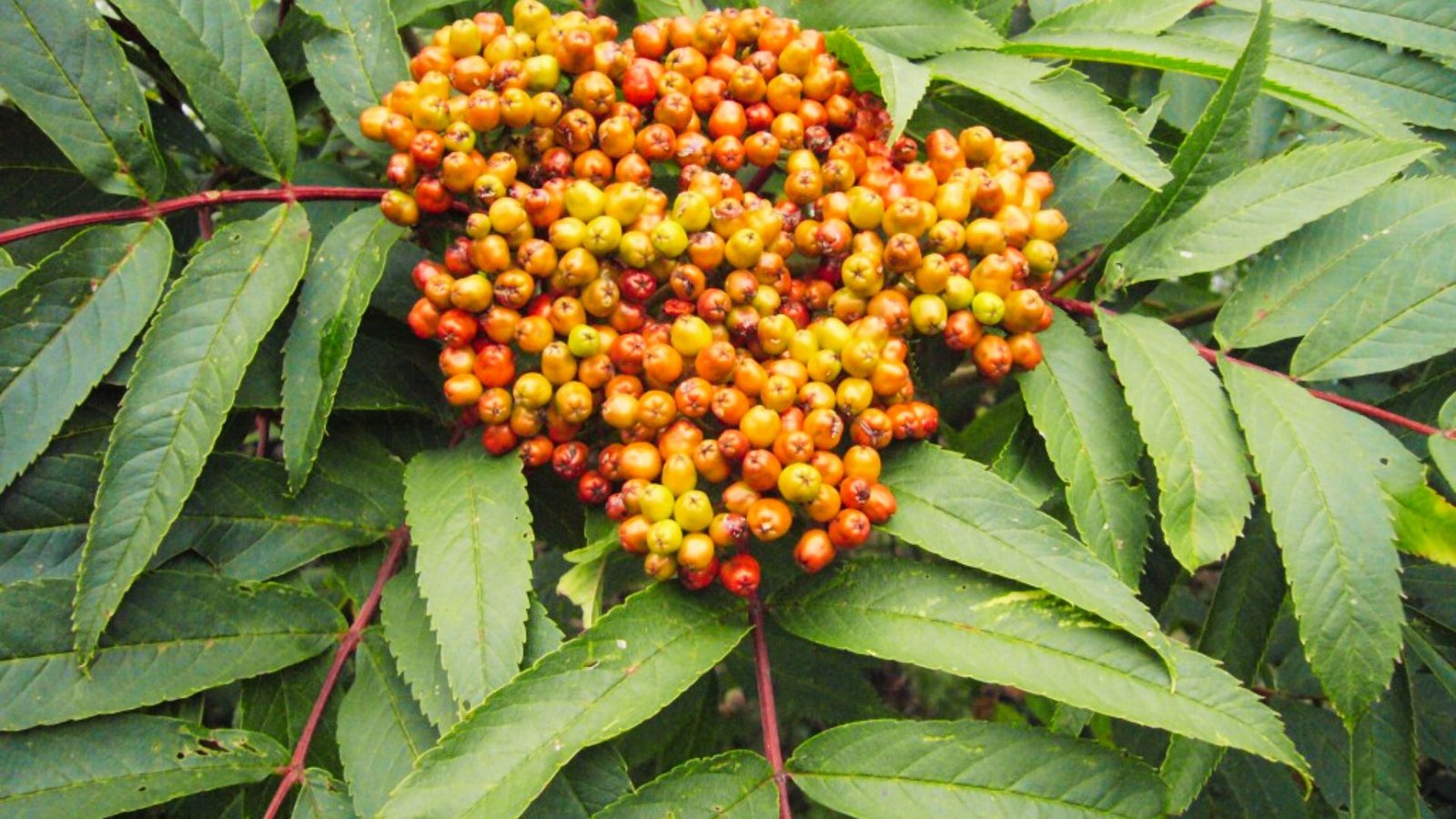
Mountain ash trees produce bright orange-red berry clusters that ripen in late summer and often persist on the tree well into winter.
Waxwings are especially drawn to these berries and can strip an entire tree in a matter of hours.
These trees prefer cool temperate climates and are commonly planted across northern Europe and cooler parts of North America.
Tips for Growing Berry-Producing Trees
A few simple habits make a big difference when growing trees that produce berries.
- Plant in a spot that gets at least six hours of direct sun each day for the best fruit production.
- Most berry trees prefer well-drained soil, so avoid low spots where water tends to pool after rain.
- Water young trees deeply once a week during dry weather and mulch around the base to hold moisture.
- Prune in late winter before new growth starts, removing dead branches and any crossing limbs.
- Use netting over smaller trees if you want to protect berries from birds and common pests.
Conclusion
Growing berries that grow on trees is one of the most rewarding things you can do in a garden.
I started with a single mulberry tree years ago and have kept adding more ever since.
There is something genuinely satisfying about walking outside and picking fruit straight from a branch.
Start small, pick a tree that suits your climate, and see what grows. If this helped you, leave a comment below and tell me which berry tree you are planning to grow. Share this post with someone who loves gardening.
Frequently Asked Questions
What are the most common edible berries that grow on trees?
Mulberries, serviceberries, and elderberries are among the most common edible options. Each suits a different climate and garden size.
What are the purple berries that grow on trees?
Beautyberries are the most well-known purple berries on trees. Elderberries also turn dark purple when ripe and are widely grown for culinary use.
What are the red berries that grow on trees?
Hawthorn berries, rowan berries, and firethorn berries are the most common red berries found on trees. Most need to be cooked before eating and should be identified carefully.
Are there poisonous berries that grow on trees?
Yes, some juniper species, raw elderberries in large amounts, and raw rowan berries can all cause harm. Always confirm what you are eating before consuming any unfamiliar berry.
Which berries that grow on trees look like blueberries?
Serviceberries are the closest lookalike to blueberries, turning dark blue-purple when ripe. They have a sweet flavor that many people say tastes very similar to blueberries.