
Can you over fertilize your lawn? Yes, and it happens more often than most people think. I made this mistake in my second year of lawn care, and the brown patches showed up within days.
This article covers everything you need to know warning signs, causes, how to fix the damage, and how to stop it from happening again.
You will learn how to spot fertilizer burn early and bring your lawn back to life. With years of hands-on lawn care experience, I’ll walk you through every step clearly and simply.
Can You Over Fertilize Your Lawn?
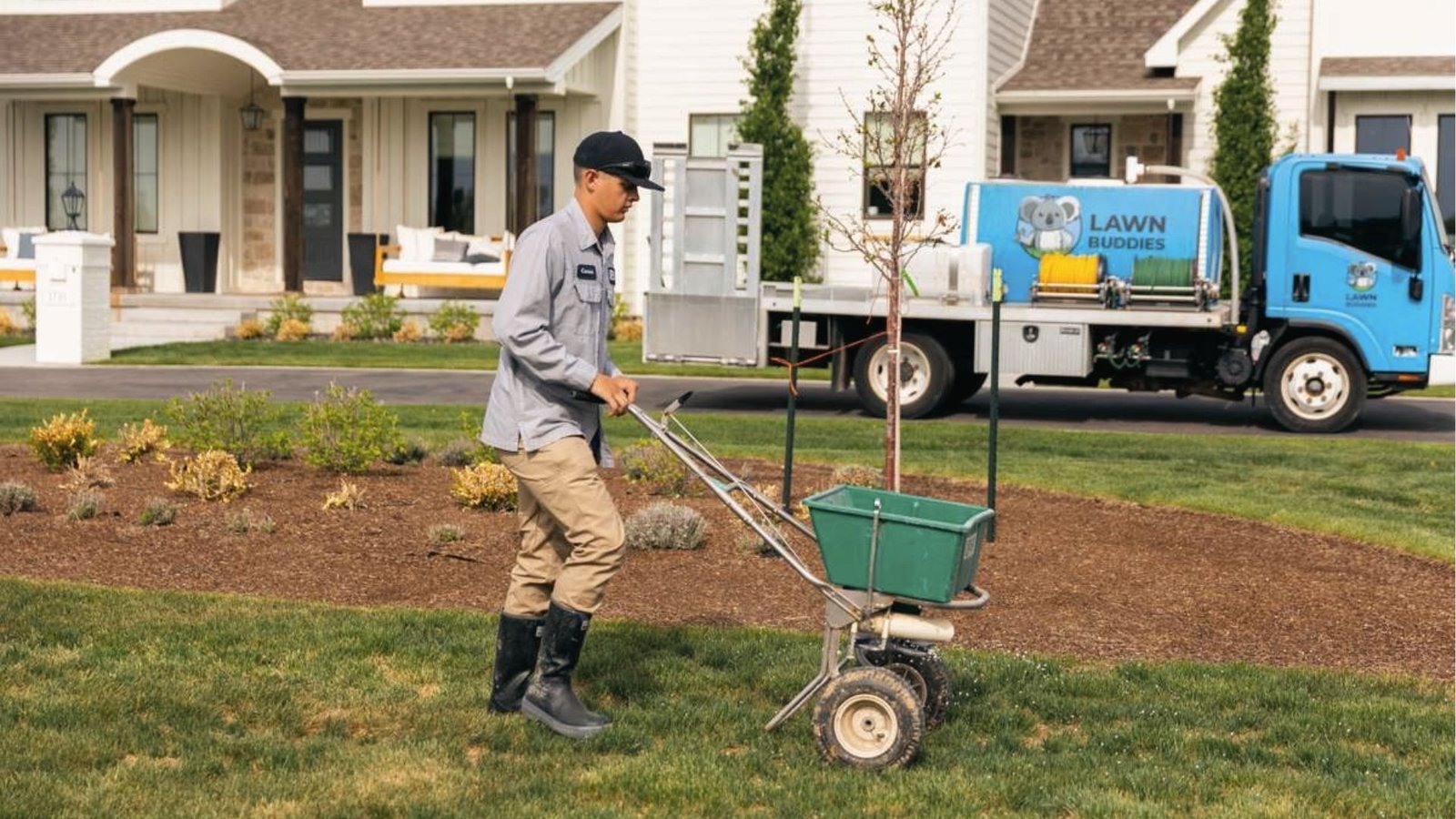
Yes, you can over-fertilize your lawn, and it causes real damage. Over-fertilizing means applying more fertilizer than your grass can absorb.
The extra nutrients build up in the soil and work against your lawn instead of helping it.
High nitrogen and salt levels pull moisture away from the roots, drying out the grass from the inside.
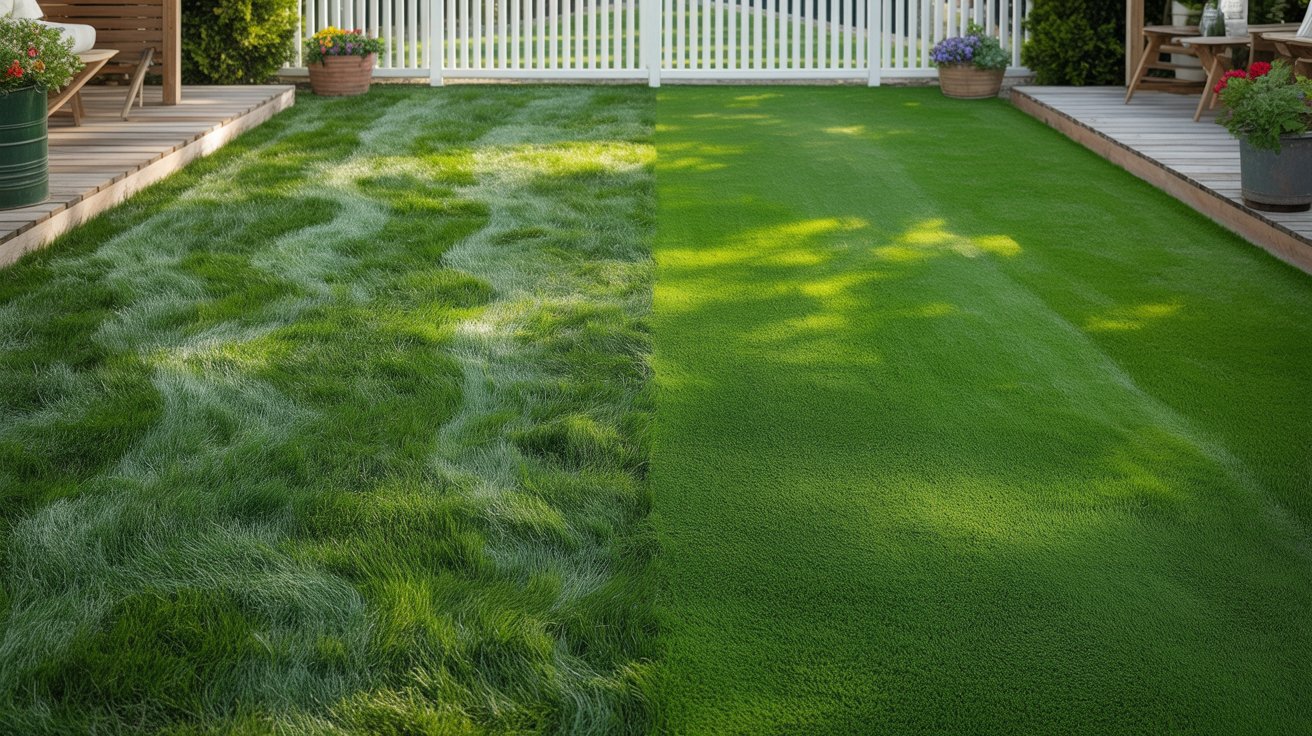
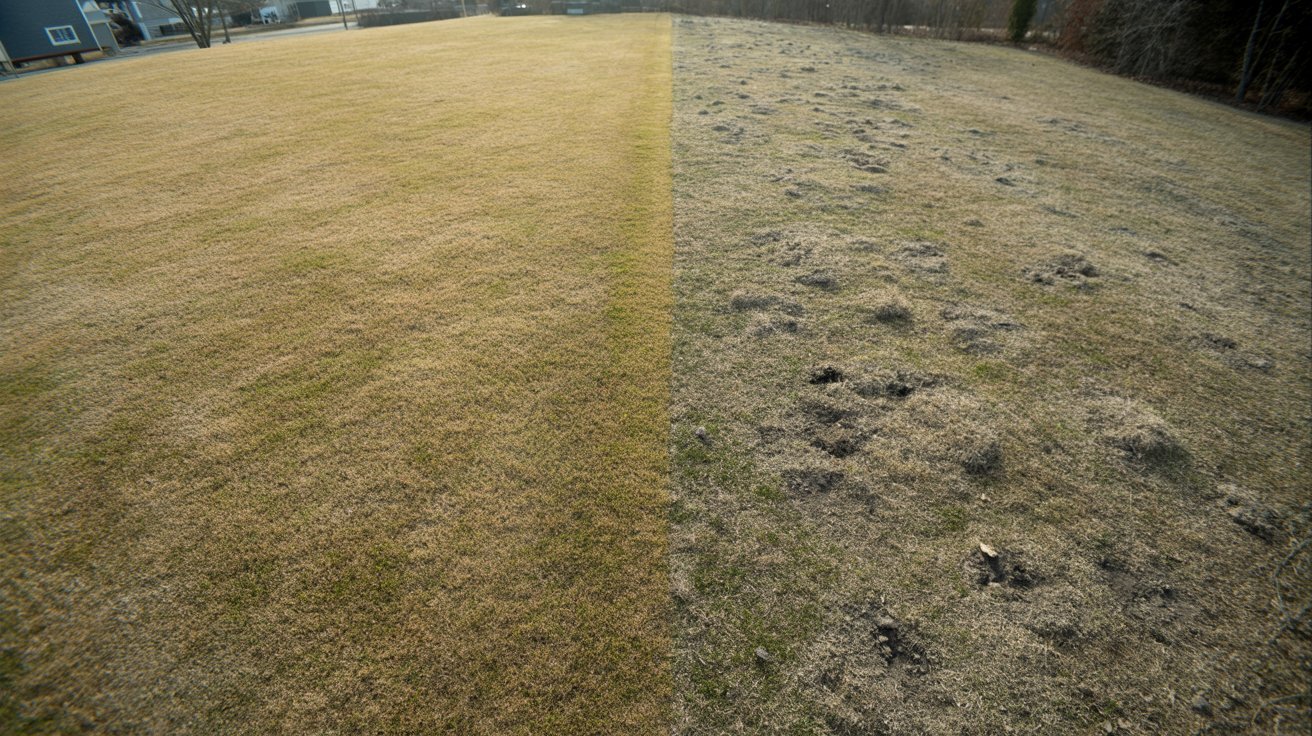
This leads to brown, weak, or dead patches appearing across your lawn. The worst part is how fast it happens. A lawn can go from green to brown within just a few days.
Warning Signs Your Lawn Is Over-Fertilized
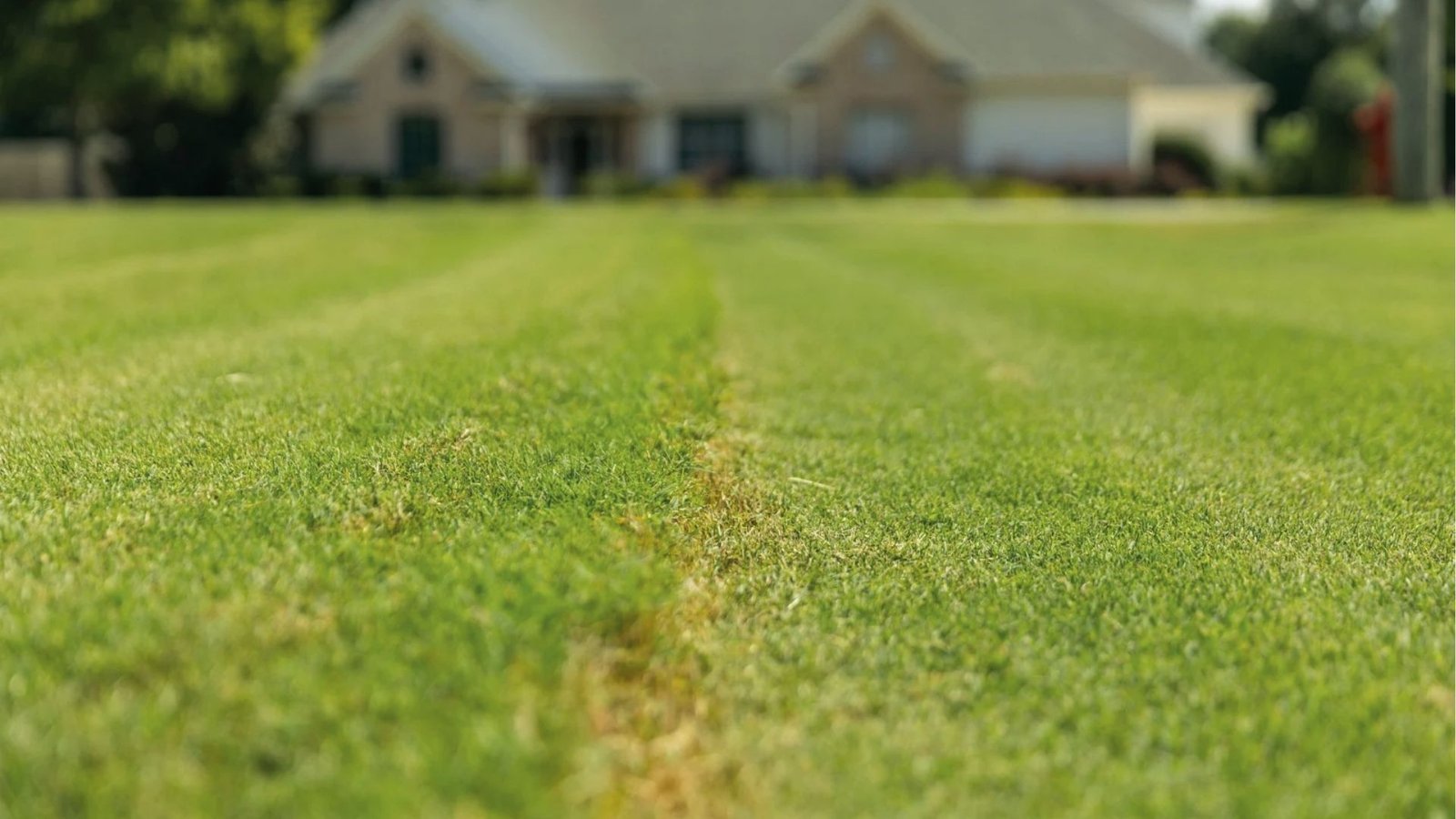
Knowing the signs early gives your lawn the best chance of a full recovery.
Yellow or Brown Patches Appearing Quickly
If you see yellow or brown spots showing up just days after fertilizing, that is a clear sign of over-fertilization. Healthy lawns do not change color this fast without a reason.
Burnt or Crispy Grass Blades
Run your hand over the grass. If the blades feel dry, brittle, or snap easily, the grass is burnt. This is one of the most common signs of fertilizer burn.
White Crust or Salt Buildup on Soil
Look closely at the soil surface. A white crust or powder is a sign of salt buildup from too much fertilizer. This layer blocks water and air from reaching the roots.
Grass Growing Too Fast or Turning Weak
Too much nitrogen can push grass to grow very fast. But that fast growth is weak. The blades go soft and fall over. The lawn looks lush at first but starts looking thin and uneven quickly.
Increased Lawn Disease and Fungus Problems
Over-fertilized lawns become easy targets for fungus and disease. Weak grass has less ability to fight off infections.
If you see unusual spots, rings, or mold, over-fertilization may be part of the problem.
How to Fix an Over-Fertilized Lawn
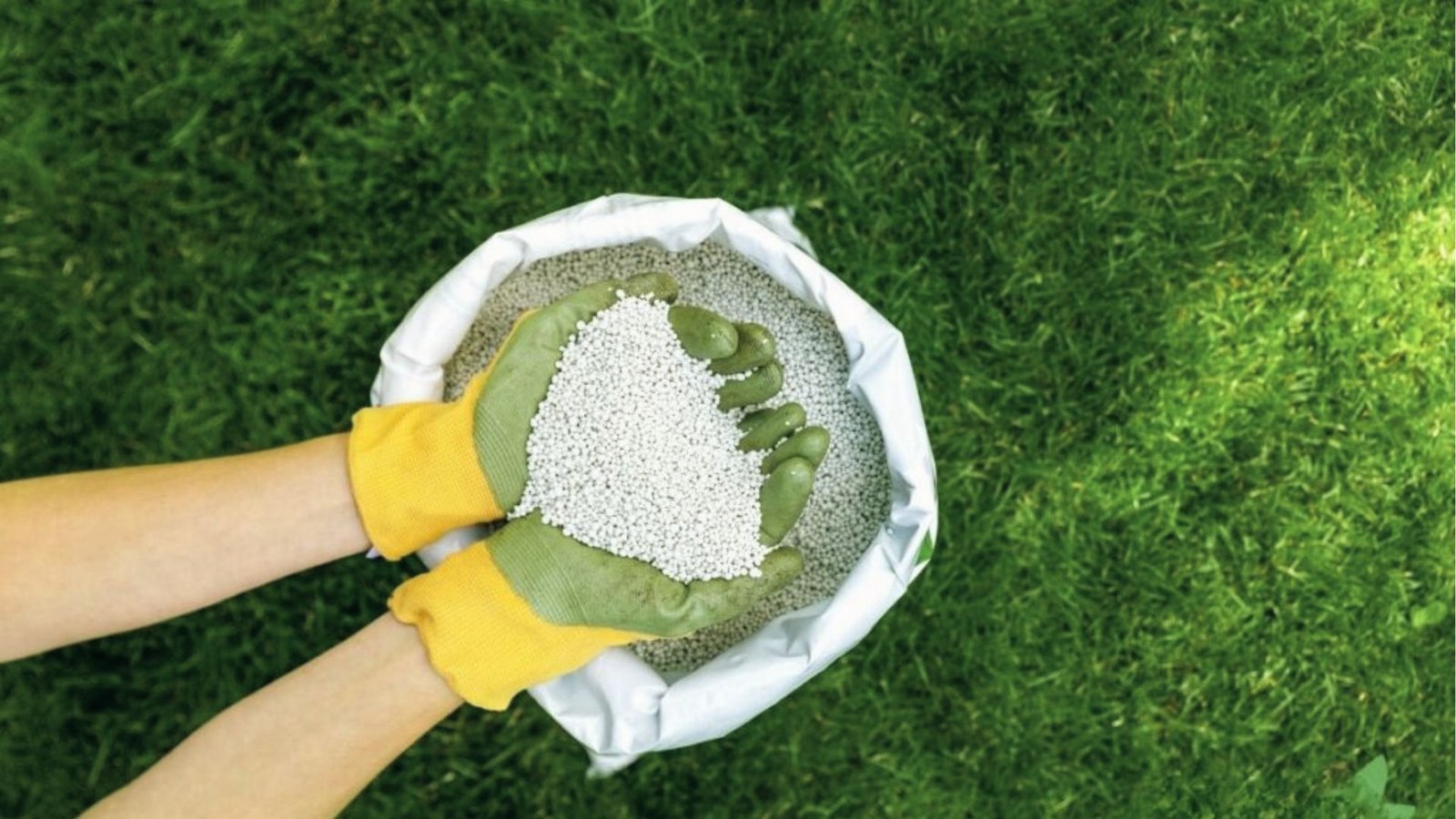
Acting fast is the most important step. The sooner you respond, the better your lawn can recover.
Stop Fertilizing Immediately
The first thing to do is stop. Do not add more fertilizer hoping to balance things out. That will make the damage worse. Give your lawn time to process what is already in the soil.
Water Deeply to Flush Excess Fertilizer
Water your lawn deeply for several days. This helps push the extra fertilizer down through the soil and away from the root zone. Use long, slow watering sessions rather than short bursts.
Remove Visible Fertilizer Granules
If you can still see granules sitting on the grass or soil, remove them by hand or use a rake. The faster you get them off, the less damage they cause.
Raise Your Mowing Height During Recovery
Set your mower blade higher than normal. Longer grass blades help the lawn hold moisture and recover faster. Avoid cutting more than one-third of the blade at a time.
Reseed or Repair Dead Lawn Areas
If some areas do not come back after a few weeks, reseed them. Loosen the soil first, spread fresh seed, and keep the area moist until the new grass grows in.
What Causes Fertilizer Burn in Lawns?
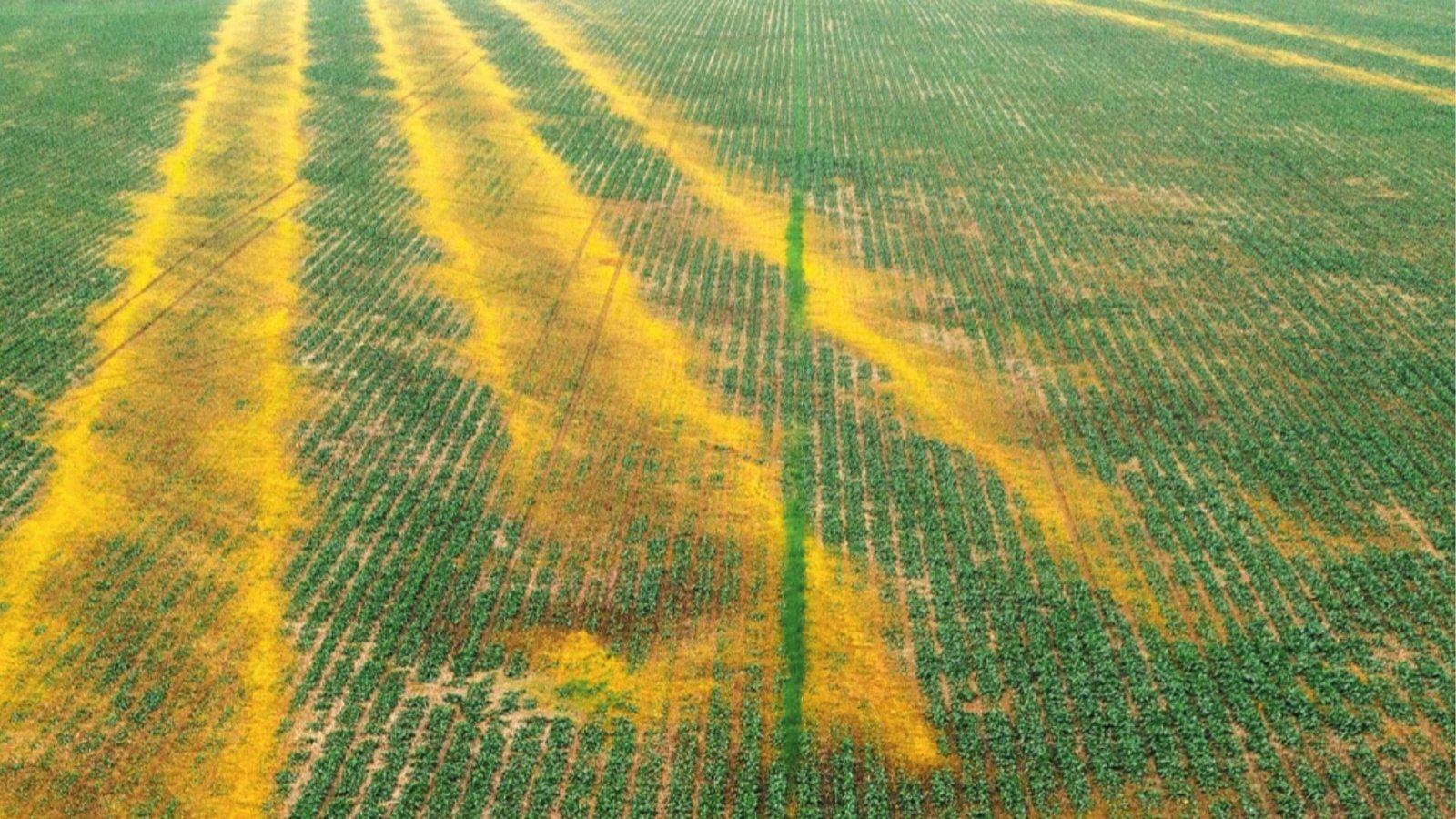
Understanding what went wrong helps you avoid the same problem in the future.
Applying Too Much Nitrogen
Nitrogen is the most common cause of fertilizer burn. Most lawn fertilizers are high in nitrogen. Using more than the recommended amount puts the soil under serious stress.
Incorrect Fertilizer Spreader Settings
A spreader set too high or not calibrated correctly can drop way more fertilizer than intended. Always check the spreader settings against the fertilizer label before you start.
Fertilizing During Hot or Dry Weather
Heat speeds up the damage from over-fertilization. When the lawn is already stressed by dry or hot conditions, any extra fertilizer makes things much worse. Avoid fertilizing during summer heat waves.
Overlapping Fertilizer Applications
Walking in overlapping paths with your spreader doubles the amount of fertilizer in those areas. This is a very common mistake. Use markers or flags to keep your rows straight and even.
Poor Soil Drainage and Compacted Soil
When soil does not drain well, fertilizer builds up instead of moving through. Compacted soil makes this worse. Aerating your lawn helps water and nutrients move more freely.
How to Prevent Over-Fertilizing Your Lawn
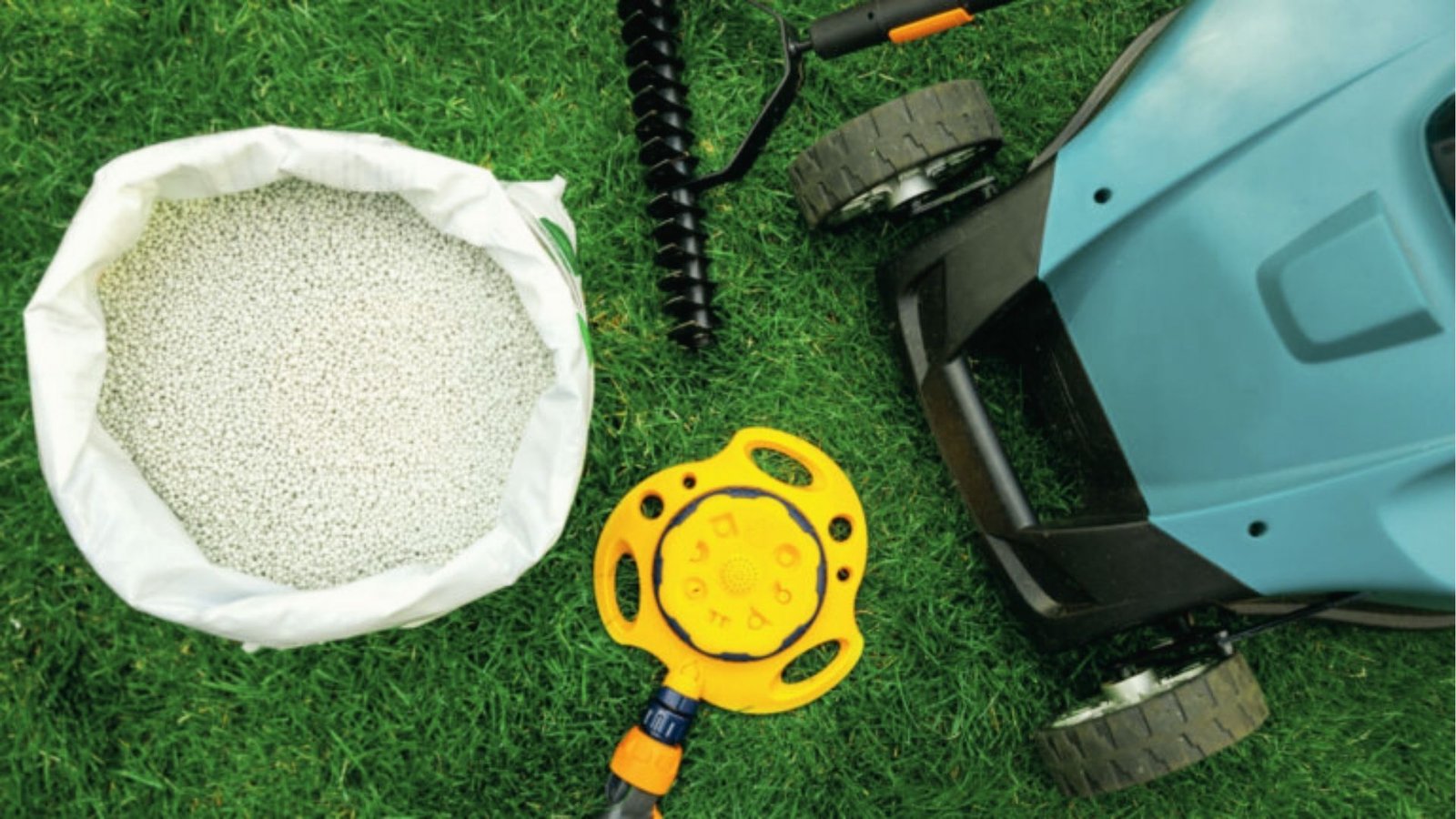
A few simple habits go a long way in keeping your lawn safe from fertilizer damage.
Follow Fertilizer Label Instructions Carefully
The label on the bag tells you exactly how much to use. Do not guess. Do not think more is better. The instructions are based on real testing, so follow them closely every time.
Measure Your Lawn Before Applying Fertilizer
Know the size of your lawn in square feet before you buy or apply fertilizer. Most products are rated per 1,000 square feet. Applying the right amount starts with knowing your lawn’s area.
Use Slow-Release Fertilizer Products
Slow-release fertilizers feed your lawn gradually over weeks or months. They lower the risk of fertilizer burn because the nutrients are not all released at once.
Test Your Soil Before Fertilizing
A soil test tells you what nutrients your lawn already has. You might not need to add as much as you think. Testing takes the guesswork out of fertilizing and protects your lawn at the same time.
Apply Fertilizer at the Right Time of Year
Cool-season grasses do best with fertilizer in fall and spring. Warm-season grasses prefer late spring and summer. Fertilizing at the wrong time stresses the grass and increases the chance of burn.
Tips for Maintaining a Healthy Lawn After Fertilizing
Good habits after fertilizing help your lawn stay strong and reduce the risk of any future damage.
- Water your lawn within 24 to 48 hours after fertilizing and aim for about one inch of water per week going forward.
- Never fertilize stressed, dry, or diseased grass. Wait until your lawn looks healthy and strong before feeding it again.
- Keep cool-season grasses at 3 to 4 inches and warm-season grasses at 1.5 to 2.5 inches to avoid weakening the blades.
- Walk your lawn once a week and check for changes in color, texture, or growth rate to catch problems early.
- Build a simple seasonal schedule for watering, mowing, and fertilizing so your lawn stays easy to manage all year.
Conclusion
So, can you over fertilize your lawn? Absolutely and I learned that the hard way. But the good news is, recovery is very possible when you act early.
Start by watching for the warning signs. Fix the damage with deep watering and a break from feeding. Then build smart habits going forward.
Your lawn can come back stronger than before. If this helped you, drop a comment below or share it with a friend who is dealing with the same problem. You’ve got this.
Frequently Asked Questions
Can too much fertilizer kill grass?
Yes, too much fertilizer can kill grass by drawing moisture out of the roots. Severe fertilizer burn can destroy entire sections of a lawn if not treated quickly.
How do I know if my lawn has fertilizer burn?
Look for yellow or brown patches, crispy blades, or white crust on the soil shortly after fertilizing. These signs usually appear within one to three days of over-application.
Will over-fertilized grass grow back?
In most cases, yes. Mild to moderate fertilizer burn recovers well with deep watering and proper care. Severely burnt areas may need reseeding to fully fill in.
How long does it take grass to recover from fertilizer burn?
Recovery usually takes two to four weeks with consistent watering and no additional fertilizer. Severely damaged areas may take up to two months to fully recover.
How often should you fertilize your lawn?
Most lawns do well with two to four fertilizer applications per year. The right timing depends on your grass type and your local climate conditions.