
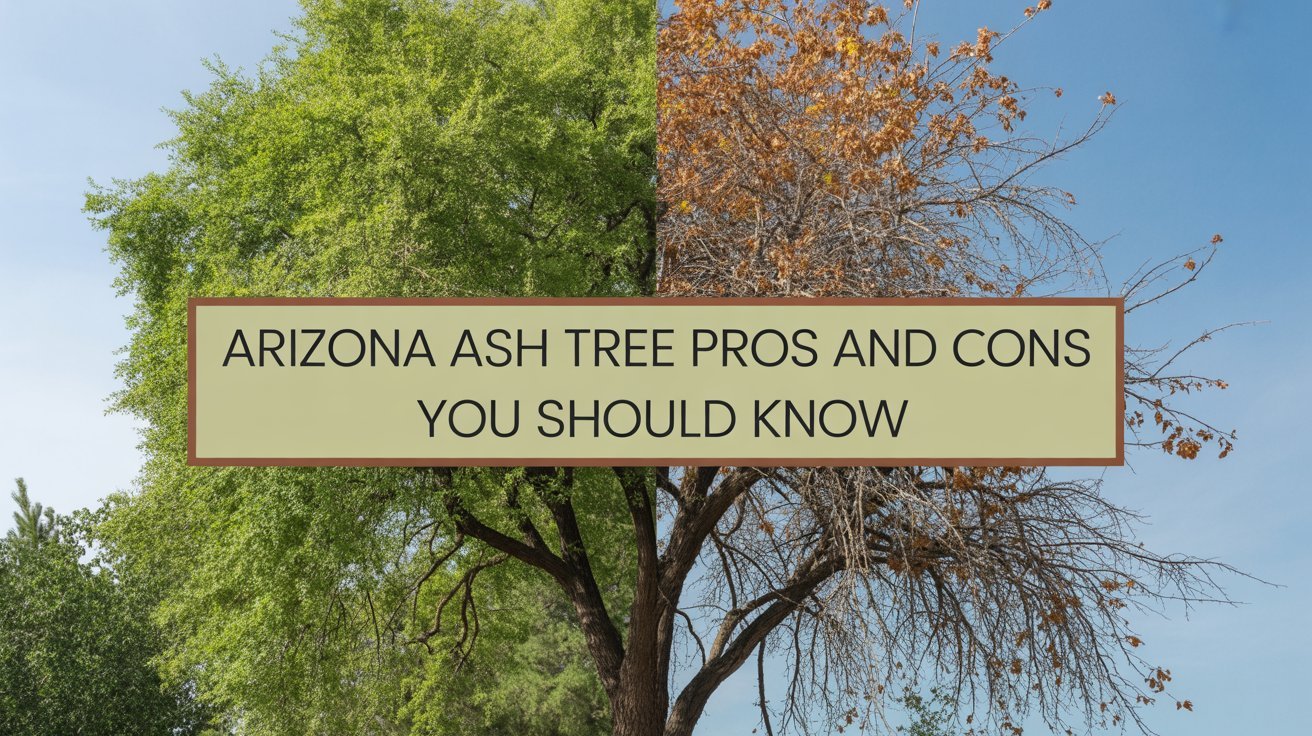
I’ve watched too many homeowners regret their Arizona Ash choice after a few years. This fast-growing shade tree looks perfect for desert yards, but the problems add up quickly.
In this guide, I’ll break down the Arizona ash tree pros and cons so you avoid costly mistakes. You’ll learn about its quick growth and drought tolerance, but also its weak wood and invasive roots.
I’ll cover what makes this tree popular, the challenges you’ll face, and how to care for it right. By the end, you’ll know if the Arizona Ash fits your yard or if better options exist.
Understanding the Arizona Ash Tree
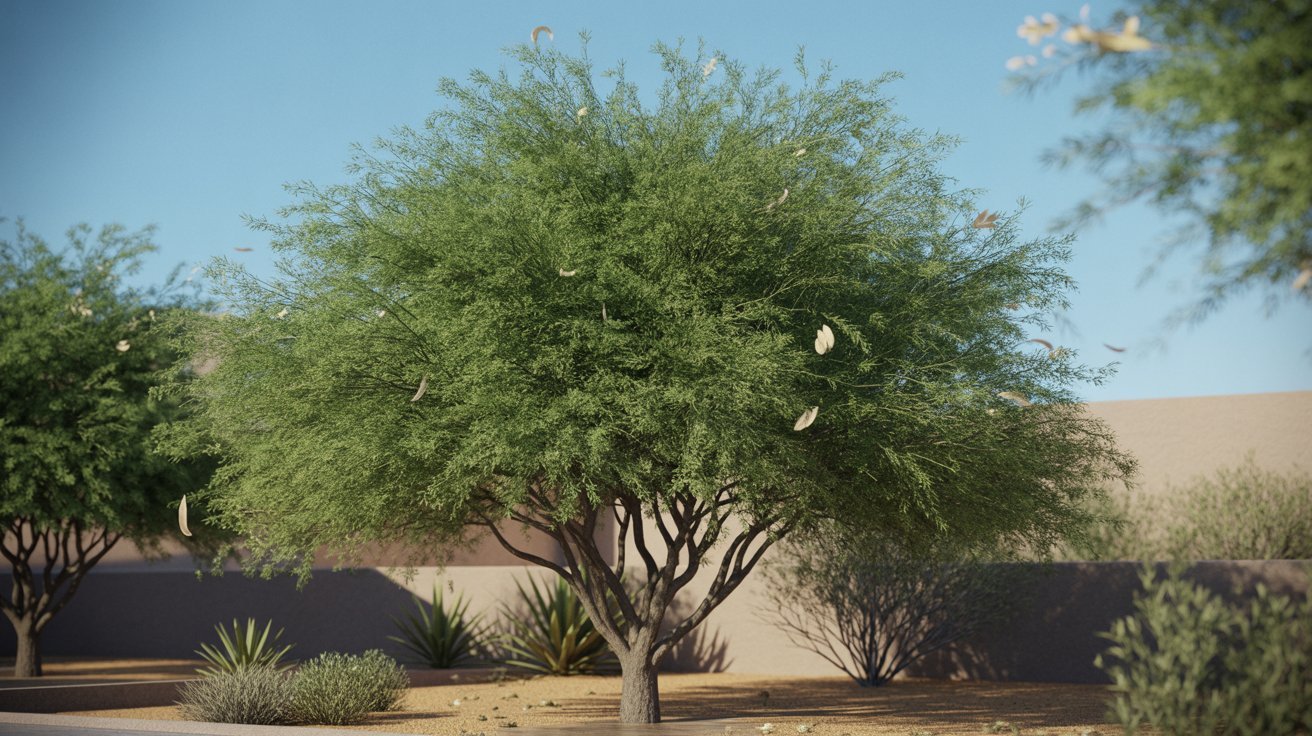
The Arizona Ash (Fraxinus velutina) comes from the Southwestern United States and Northern Mexico. It grows naturally near streams and in desert areas.
Homeowners plant it in yards, parks, and along streets because it handles tough conditions well. Many people choose it when they need fast shade in hot, dry places.
This tree grows fast and can shoot up 3 feet or more each year when young. Most reach 30 to 50 feet tall with a wide, rounded canopy that provides good shade. The leaves grow in a bright green color during spring and summer, then turn golden yellow in fall before dropping.
The bark looks gray brown with shallow grooves. Female trees produce seeds with papery wings that spin as they fall and can create new seedlings in your yard.
Pros of the Arizona Ash Tree
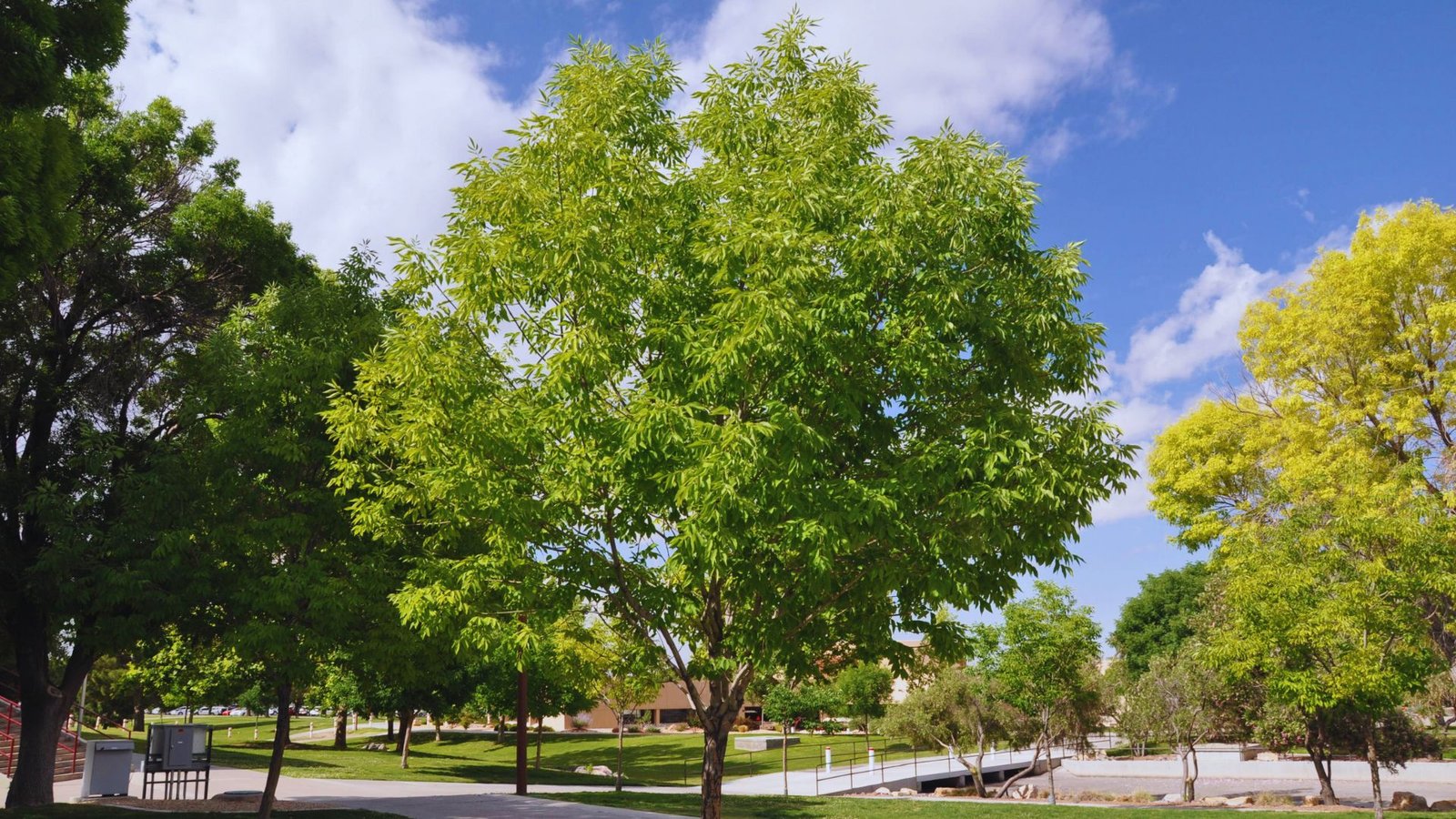
Here’s what makes this tree a popular choice for desert landscapes.
1. Fast Growth and Early Shade
The Arizona Ash grows faster than most other desert trees. You can see real progress in just one or two years.
Within 5 to 7 years, you’ll have a full-sized tree giving you plenty of shade. This matters a lot in hot climates where summer temperatures hit 100 degrees or higher. The shade can cool your home and reduce energy bills.
If you just moved into a new home with little landscaping, this tree fills in the space quickly. You won’t wait decades to enjoy your yard.
2. Drought and Heat Tolerance
Once the roots establish, this tree handles dry conditions well. It adapts to Arizona’s low rainfall and intense heat.
The Arizona Ash prefers well-drained soil but isn’t picky about soil type. It tolerates clay, loam, or sandy ground. During the first year or two, you’ll need to water regularly. After that, you can cut back significantly. A deep watering every few weeks during summer usually works fine.
This makes it easier on your water bill and maintenance time.
3. Wildlife Value
Birds love Arizona Ash trees. The branches provide good nesting spots and shelter from predators.
The seeds feed many bird species. Small mammals also benefit from the tree’s presence. If you enjoy watching wildlife in your yard, this tree brings more activity.
In desert areas where green space is limited, every tree helps support the local ecosystem. Pollinators use the tree for shade and resting spots too.
4. Low Maintenance Once Established
After the first few years, Arizona Ash trees don’t demand much attention. They handle moderate stress without constant care.
You won’t need to fertilize often. Basic pruning keeps the shape nice, but the tree grows fine without heavy intervention. Compared to fruit trees or ornamental plants that need weekly attention, this tree gives you a break.
For busy homeowners, that simplicity matters.
5. Attractive Seasonal Appeal
The bright green leaves look fresh and healthy during the growing season. They create a lush feeling even in desert settings.
When fall comes, the golden yellow color adds warmth to your landscape. Not many desert trees offer this kind of seasonal change. The color improves your home’s curb appeal and makes the yard feel more alive.
Neighbors and visitors often comment on how nice mature Arizona Ash trees look.
Cons of the Arizona Ash Tree
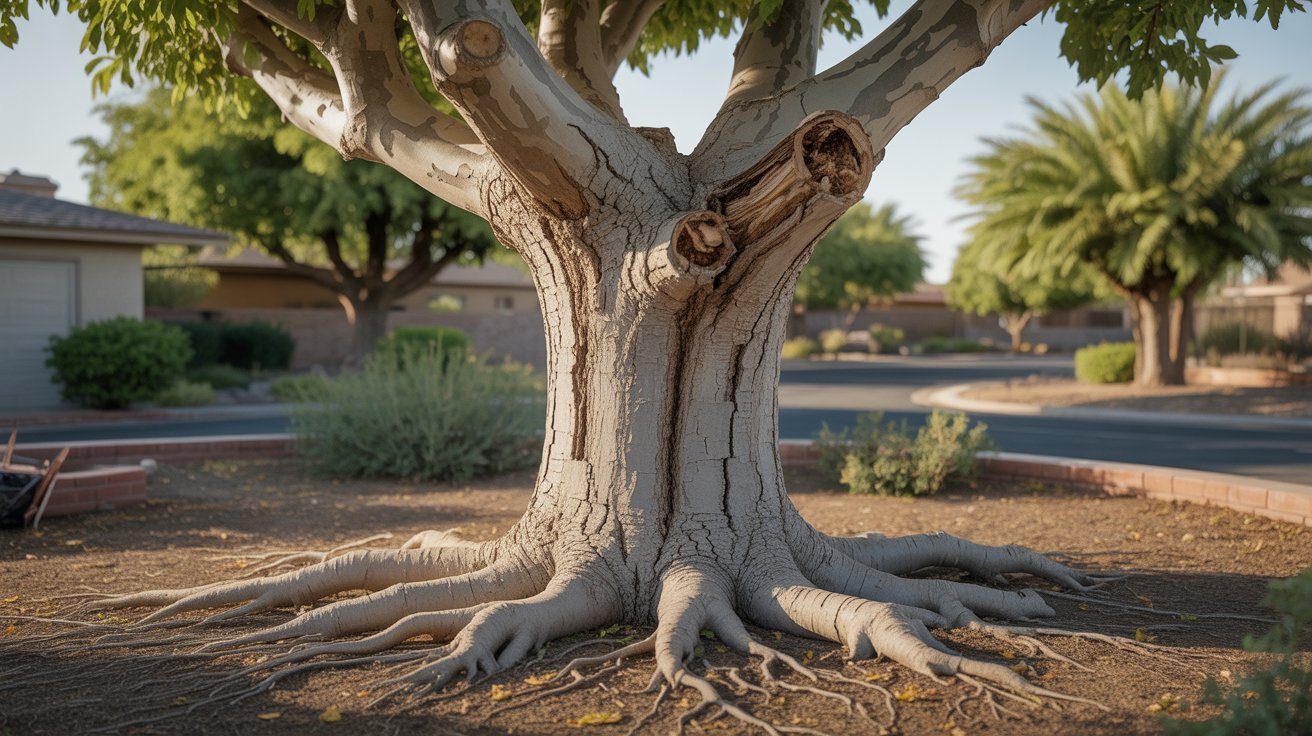
Now let’s look at the challenges you’ll face with this tree.
1. Short Lifespan
Here’s the big downside. Arizona Ash trees typically live only 20 to 30 years.
Compare that to oak or pine trees that can live for centuries. After two decades, your tree might start declining. The trunk weakens, branches die back, and the overall health drops.
This means you’ll likely need to remove and replace the tree at some point. That costs money and time. If you want a tree that your grandchildren will enjoy, this isn’t the one.
2. Weak or Brittle Wood
The wood in Arizona Ash trees breaks easily. Strong winds, heavy rain, or even the weight of the branches can cause limbs to snap.
I’ve seen large branches fall without warning. This creates a safety hazard, especially if you park under the tree or have kids playing nearby. Fallen limbs damage roofs, cars, and fences.
Regular pruning helps, but it doesn’t solve the problem completely. You’ll always need to watch for weak spots and dead wood. This adds to your maintenance workload.
3. Vulnerability to Pests and Diseases
Arizona Ash trees attract several problems:
Anthracnose is a fungal disease that causes brown spots on leaves. Severe cases lead to early leaf drop.
Ash borers tunnel into the trunk and branches. They weaken the tree from the inside. Signs include small holes in the bark and sawdust-like material around the base.
Ash flower gall mites create odd growths on flowers and seeds. While not fatal, they look unsightly.
When you notice yellowing leaves, dying branches, or unusual growths, the tree might be sick. Prevention includes proper watering, avoiding stress, and treating problems early. But even with good care, these trees still get sick more often than tougher species.
4. Invasive Root System
The roots of Arizona Ash trees grow near the surface. They spread wide looking for water and nutrients.
These shallow roots crack sidewalks, lift pavement, and damage lawn irrigation systems. They can even threaten your home’s foundation if planted too close.
I recommend planting at least 20 feet away from structures. Keep the tree away from driveways, walkways, and underground pipes. Even with careful placement, you might still deal with root problems as the tree ages.
5. High Maintenance in Later Years
Young Arizona Ash trees are easy. Older ones become a headache.
As the tree matures, you’ll need more frequent trimming to remove dead or dangerous branches. The weak wood means constant monitoring. Cleanup from fallen limbs and seeds adds to the work.
When the tree reaches the end of its life, removal becomes necessary. Tree removal costs several hundred to several thousand dollars depending on size and location. Add that to the initial planting cost, and the total investment grows.
Best Care Practices for Arizona Ash Trees
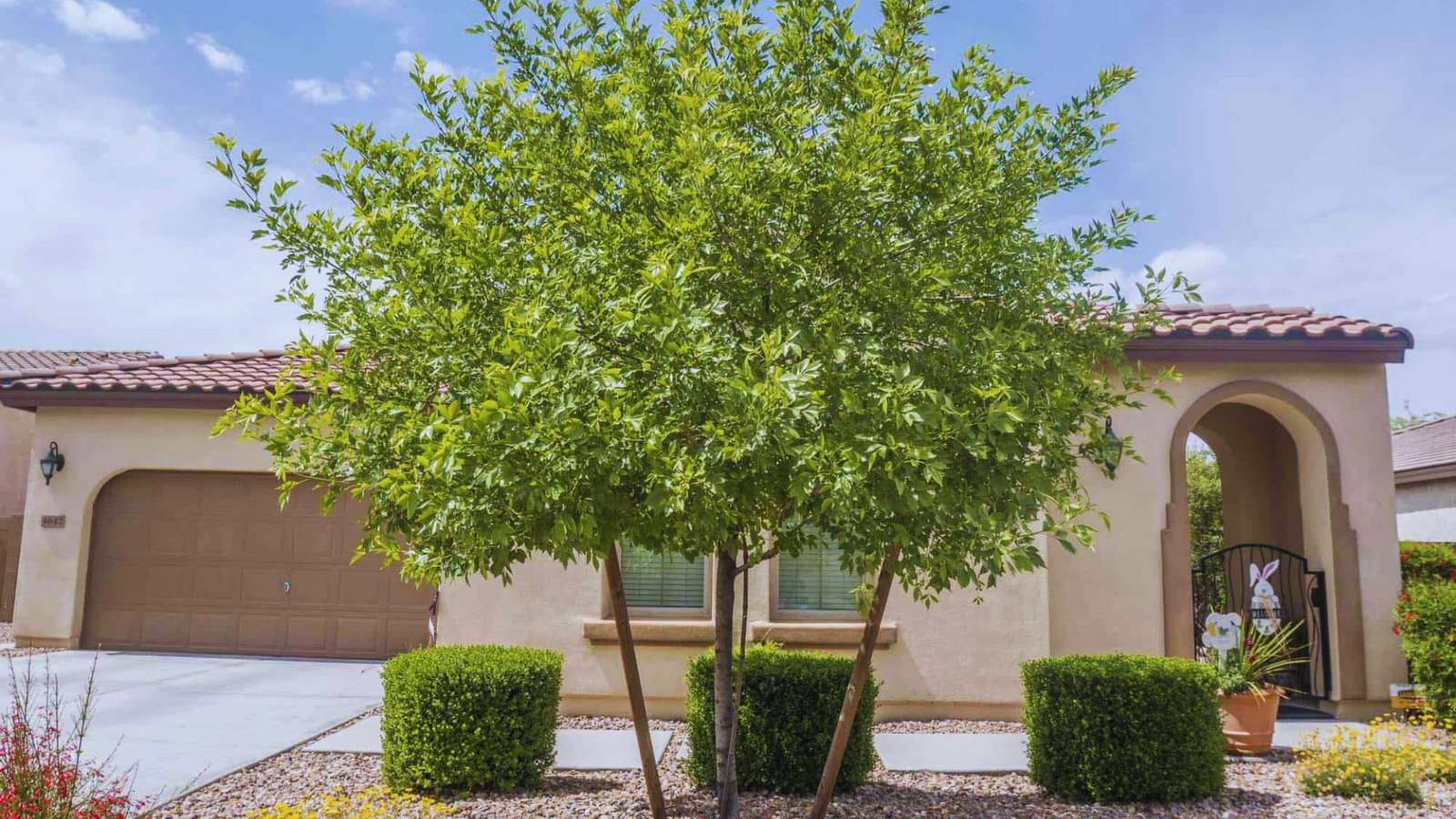
Follow these tips to keep your Arizona Ash healthy and strong.
Planting Tips: Plant your Arizona Ash in well-drained soil at least 20 to 30 feet from buildings and structures. Give it full sun exposure.
Dig a hole twice as wide as the root ball but no deeper. Place the tree level with the ground, fill with native soil, and water deeply.
Watering and Fertilization: New trees need water every 3 to 4 days during hot months. Water deeply so moisture reaches 2 feet down. After the first year, water every week or two.
Mature trees need deep watering once or twice a month in summer. Use a balanced 10-10-10 fertilizer in early spring. One application per year is enough.
Pruning and Maintenance: Prune in late winter or early spring. Remove dead, damaged, or crossing branches first.
Don’t remove more than 25% of the canopy in one year. Hire a certified arborist for major pruning or if the tree shows signs of disease.
Conclusion
I’ve watched my Arizona Ash grow from a sapling to a problem tree, so I understand the Arizona ash tree pros and cons firsthand.
It gave great shade but weak wood caused headaches later. If you need shade now, plant it carefully. Want something that lasts? Consider Palo Verde or Chinese Pistache.
What challenges have you faced with your Arizona Ash? Share your thoughts below.
Frequently Asked Questions
How long does an Arizona Ash tree live?
Most Arizona Ash trees live 20 to 30 years. Plan for eventual removal and replacement if you choose this species.
Do Arizona Ash trees have invasive roots?
Yes, the roots grow shallow and spread wide. They can damage sidewalks and driveways. Plant at least 20 feet away from structures.
How much water does an Arizona Ash need?
Young trees need deep watering every 3 to 4 days. Mature trees need watering once or twice a month during summer.
What pests attack Arizona Ash trees?
Common pests include ash borers, ash flower gall mites, and anthracnose fungus. Watch for yellowing leaves or unusual growths and treat problems early.
Should I prune my Arizona Ash tree regularly?
Yes, regular pruning helps manage weak branches and reduces the risk of limb breakage. Prune in late winter or early spring.