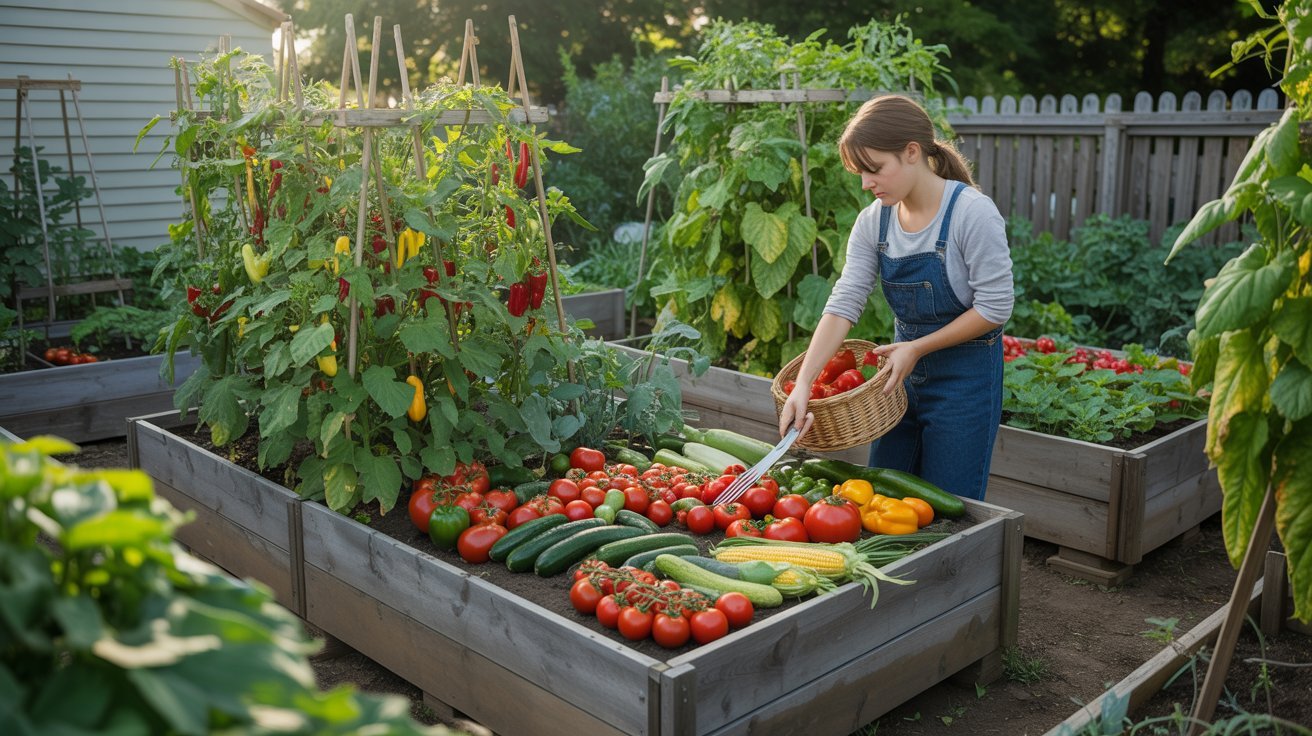

Planning your garden before you start planting makes all the difference. I learned this the hard way after my first chaotic season left me with crowded plants and barely any harvest.
A vegetable garden layout drawing helps you use every inch of space wisely, grow more food, and keep your plants healthy.
In this guide, I’ll share easy layout ideas for any skill level. You’ll learn grid-based plans, crop organization, companion planting, and seasonal rotations.
Let me show you how simple sketches turn garden dreams into reality.
Why Create a Vegetable Garden Layout Drawing?
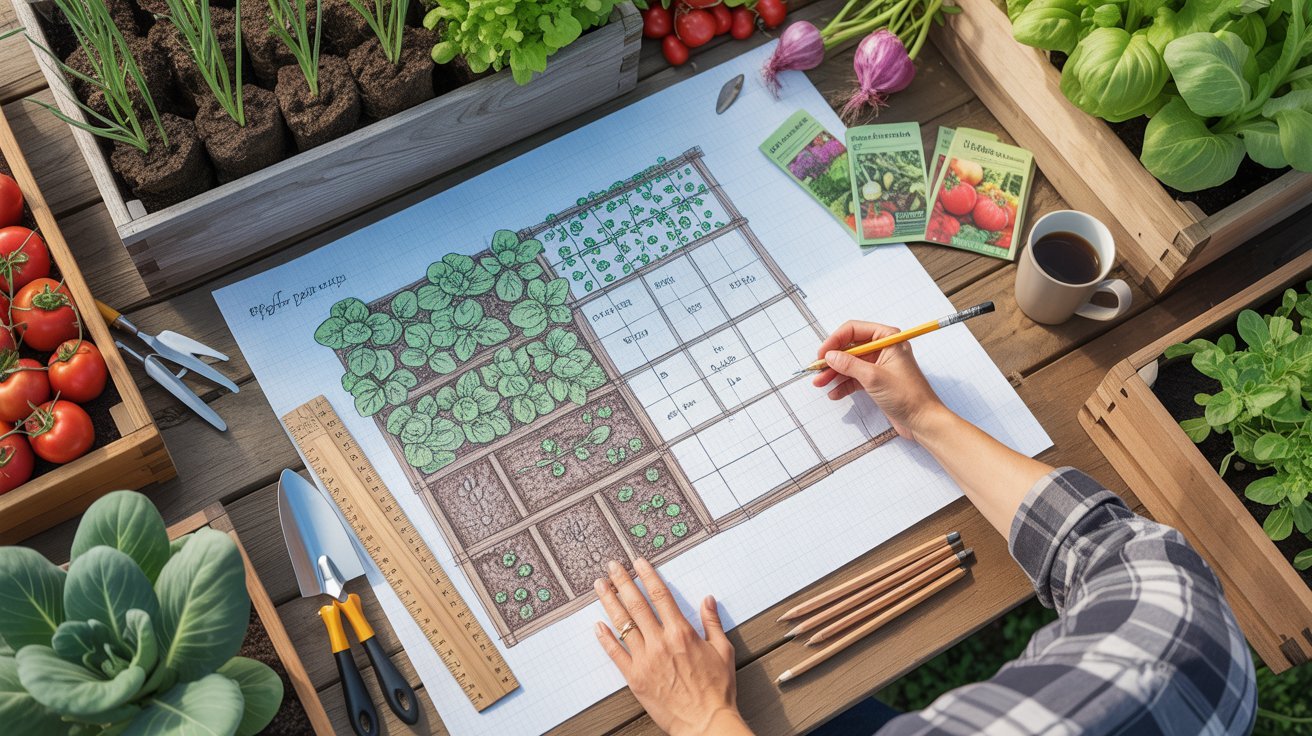
Drawing your garden layout before planting saves time and prevents common mistakes. A good plan shows exactly where each crop goes so you can fit more plants without wasting space.
Proper spacing keeps plants healthy, reduces weeds, and makes maintenance easier. Layout drawings also help you track what you planted where, making crop rotation simple each year.
You can plan companion planting pairs, design clear pathways, and access every plant without crawling through mud. Small gardens especially benefit from careful planning since every square foot counts.
23 Simple Vegetable Garden Layout Drawing Ideas
Here are 23 practical layout designs to help you plan a productive garden that fits your space and growing goals.
Beginner-Friendly Garden Layout Drawings
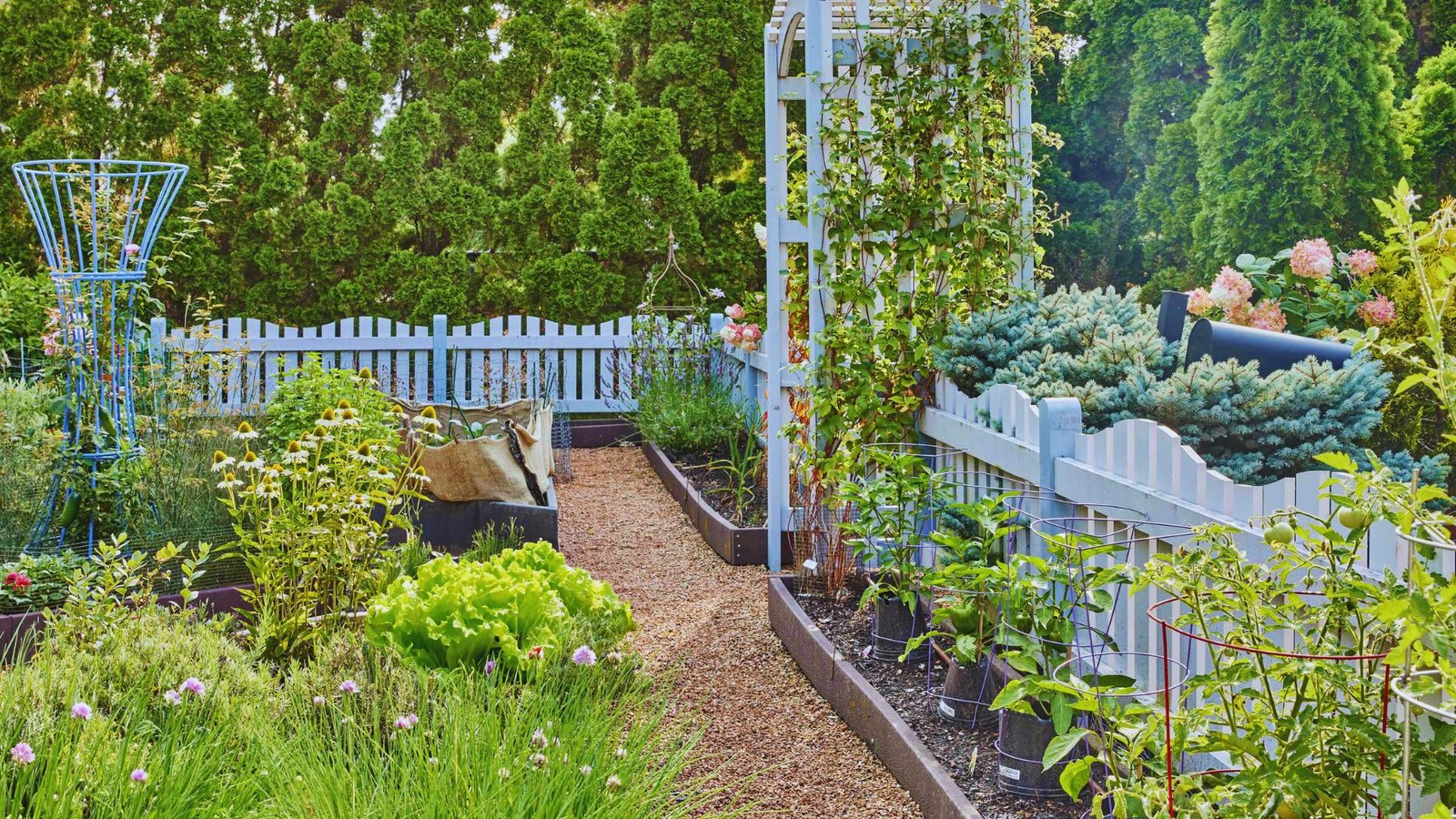
These simple designs work perfectly for first-time gardeners. They’re easy to draw and even easier to maintain.
- Classic Grid Layout: Draw a simple square grid with evenly spaced sections. This creates perfect symmetry and makes measuring easy.
- 4×10 Raised Bed Layout: This compact design fits most small gardens. A 4-foot by 10-foot bed gives you 40 square feet of growing space.
- Small Backyard Garden Plan: Perfect for tiny yards, patios, or even balconies. Use a mix of small beds and containers.
- Square Foot Garden Drawing: Divide your bed into 12-inch by 12-inch squares. Each square holds a specific number of plants based on their size.
- Sunlight-Based Layout: Draw your garden with north at the top. Place tall crops like corn and trellised beans on the north side.
- Container Vegetable Layout: Sketch out where each pot will sit. Show container sizes and which crops go in them.
- Companion Planting Layout: Draw groups of plants that help each other grow. Tomatoes grow well next to basil. Carrots pair nicely with onions.
- Rotational Bed Layout: Divide your garden into four separate plots. Each year, move plant families to a different plot. This prevents soil diseases and nutrient depletion.
- Herb and Veggie Combo Plan: Add herbs like parsley, cilantro, and mint around your vegetable beds. Herbs attract beneficial insects and can improve vegetable flavor.
- Family-Friendly Large Plot Layout: Create a bigger garden divided into manageable sections. Each section can focus on one plant family.
- Pollinator-Friendly Garden Drawing: Include flowering plants throughout your vegetable layout. Add marigolds, nasturtiums, and zinnias between crop rows.
- Tomato Patch Drawing: Plan rows for different tomato types. Group cherry tomatoes together since they need similar support. Put slicers in another row.
- Pepper and Tomato Combo Layout: Both crops love heat and need similar care. Group them together but keep hot peppers separate from sweet ones to prevent cross-pollination.
- Pea and Bean Trellis Plan: Draw double rows with a trellis running down the middle. Plant peas on both sides so they climb up together.
- Cabbage Patch Design: Create zones for succession planting. Start some cabbages early, then add more two weeks later.
- Potato Mini-Field Layout: Design a 4-foot-wide bed just for potatoes. Plant them in rows 12 inches apart. Add marigolds along the edges to control pests naturally.
- Sweet Corn Block Layout: Draw a block that’s roughly 3 feet by 24 feet. Plant corn in this block pattern rather than long rows.
- Pumpkin and Corn Combo Drawing: Use the traditional Three Sisters planting method. Draw corn in the center, beans climbing the stalks, and pumpkins spreading around the base.
- Raised Bed Salad Garden Plan: Place this bed near your kitchen for easy access. Fill it with quick-growing salad crops like lettuce, radishes, arugula, and spinach.
- Shady Corner Vegetable Layout: Make use of areas that only get 3 to 5 hours of sun. Plant shade-tolerant crops like kale, Swiss chard, beets, and carrots here.
- Vertical Garden Layout Drawing: Show trellises, wall planters, and hanging baskets in your design. Cucumbers, beans, and small melons can all climb.
- Seasonal Crop Layout: Create three separate plans for spring, summer, and fall. Spring gets peas, lettuce, and radishes. Summer features tomatoes, peppers, and squash.
- Melon & Cucumber Bed Design: Draw a large bed or area for heat-loving vine crops. Melons and cucumbers need room to spread. Space plants 3 to 4 feet apart.
Each square can hold one type of crop. The uniform spacing looks neat and helps you count how many plants fit in your space.
Divide it into sections for different crops. You can fit tomatoes, peppers, herbs, and greens all in one bed.
Focus on compact varieties that produce well in limited space. Cherry tomatoes, bush beans, and lettuce all work great here.
You might plant one tomato per square but 16 radishes. This method maximizes yields in small spaces.
This prevents them from shading shorter plants. Put low-growing crops like lettuce and carrots on the south side where they get full light.
This helps you see if you have enough space before buying planters. Mark which containers need full sun and which can handle partial shade.
Companion & Crop Rotation Layouts
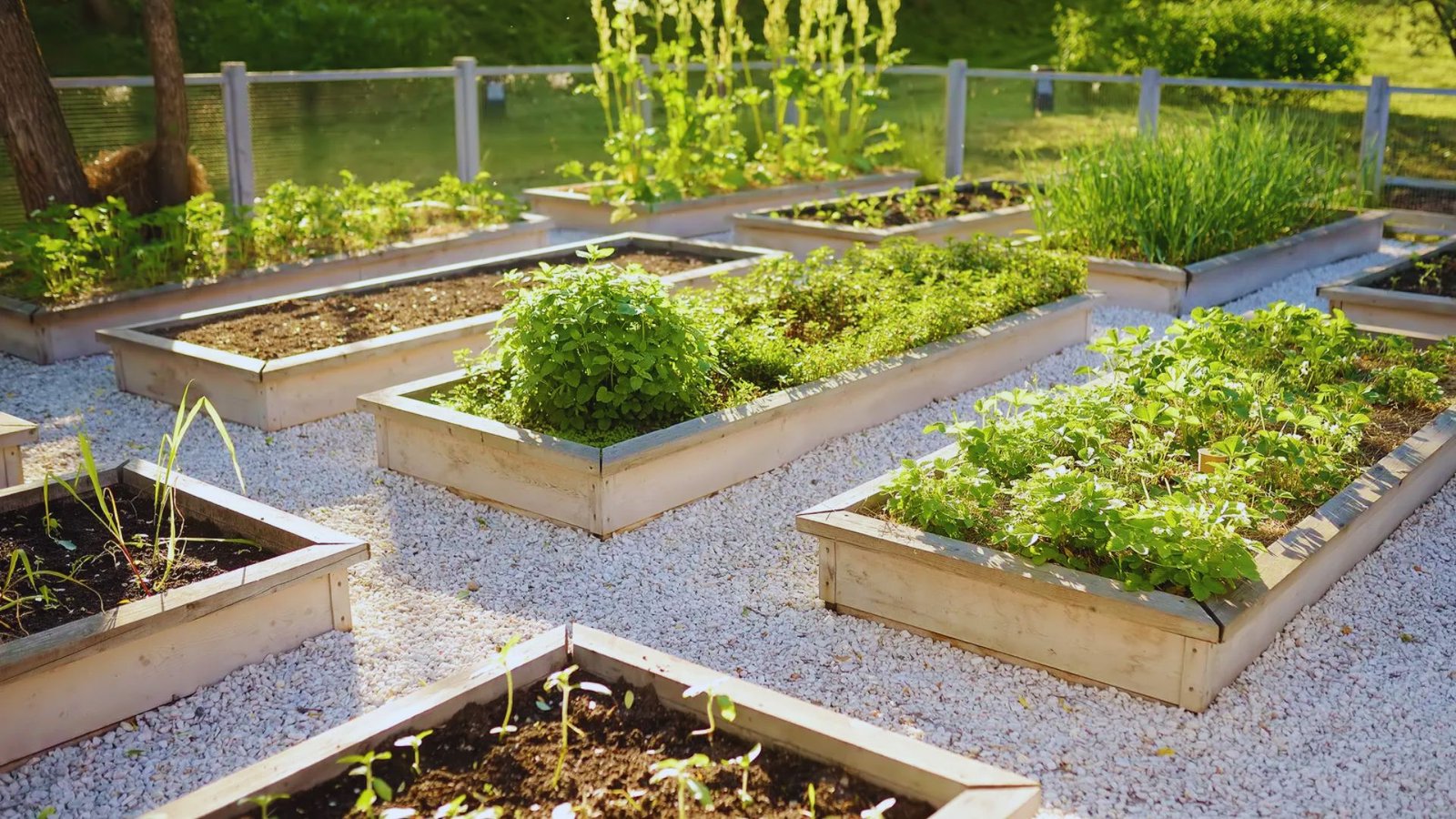
Smart planting pairs and rotation plans keep your soil healthy and pests away.
Marigolds planted near vegetables repel harmful insects. Show these partnerships in your layout with circles or groupings.
Label plots as leafy greens, fruiting crops, root vegetables, and legumes.
Show where herb clusters will go in your main layout. Keep aggressive spreaders like mint in their own containers.
This makes rotation simple and gives you space to try different varieties. Leave wide paths so kids can help without stepping on plants.
These flowers bring bees and butterflies that pollinate your vegetables. Show flower clusters in corners and along edges.
Crop-Specific Garden Layouts
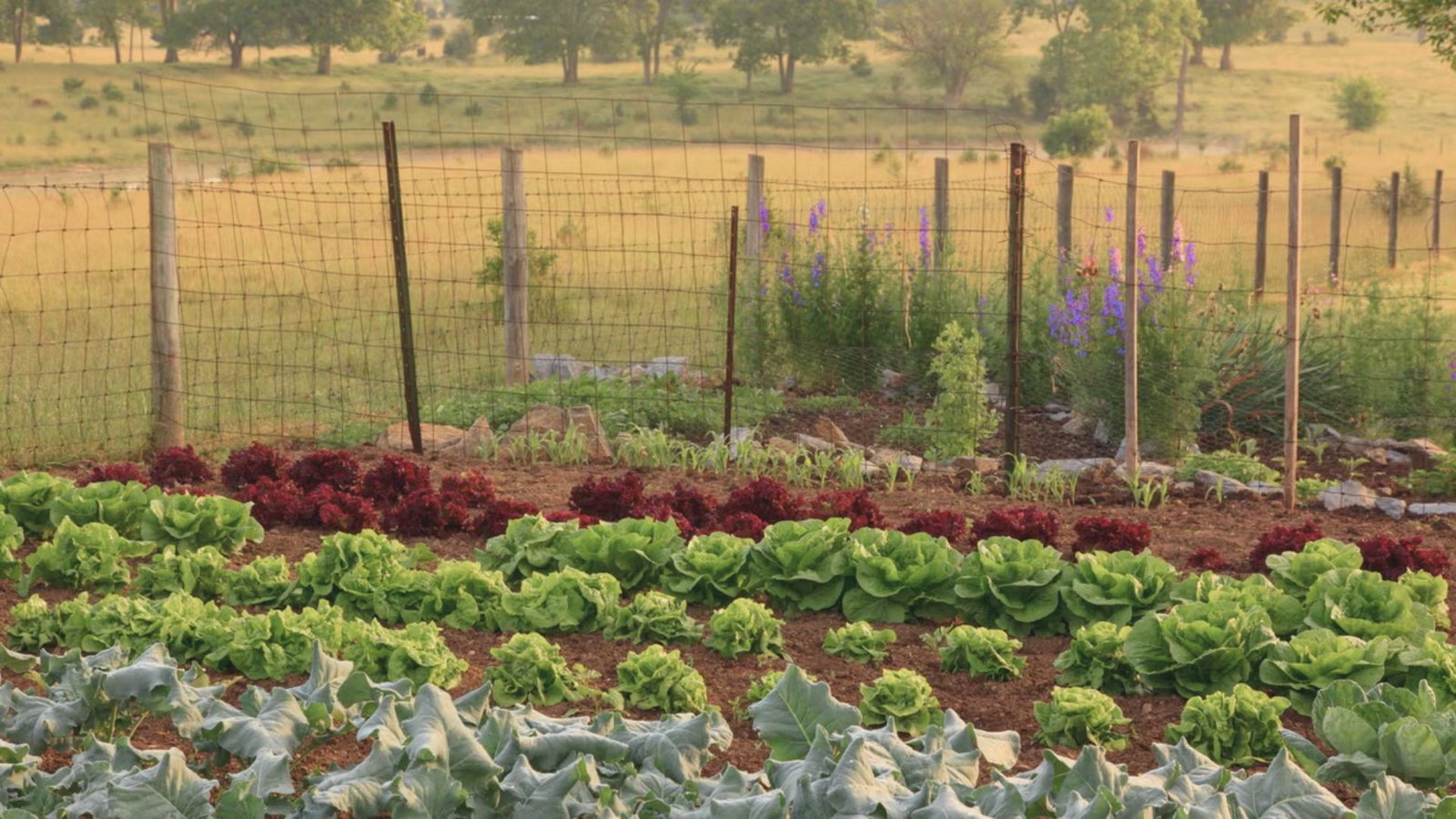
These focused designs help you grow specific vegetables with the best results.
Roma tomatoes can share space with determinate varieties. Space plants 24 to 36 inches apart and mark where stakes or cages will go.
Leave 18 to 24 inches between pepper plants. This layout works well in the warmest part of your garden.
The same setup works for pole beans later in summer. This vertical growth saves space and makes harvesting easier.
Include space for broccoli and cauliflower which need similar conditions. Space these large plants 18 to 24 inches apart.
Mark where you’ll hill up soil as plants grow. This keeps your potato harvest organized and healthy.
Blocks improve pollination because wind carries pollen between nearby plants. Good pollination means fuller ears of corn.
Themed and Seasonal Garden Layouts
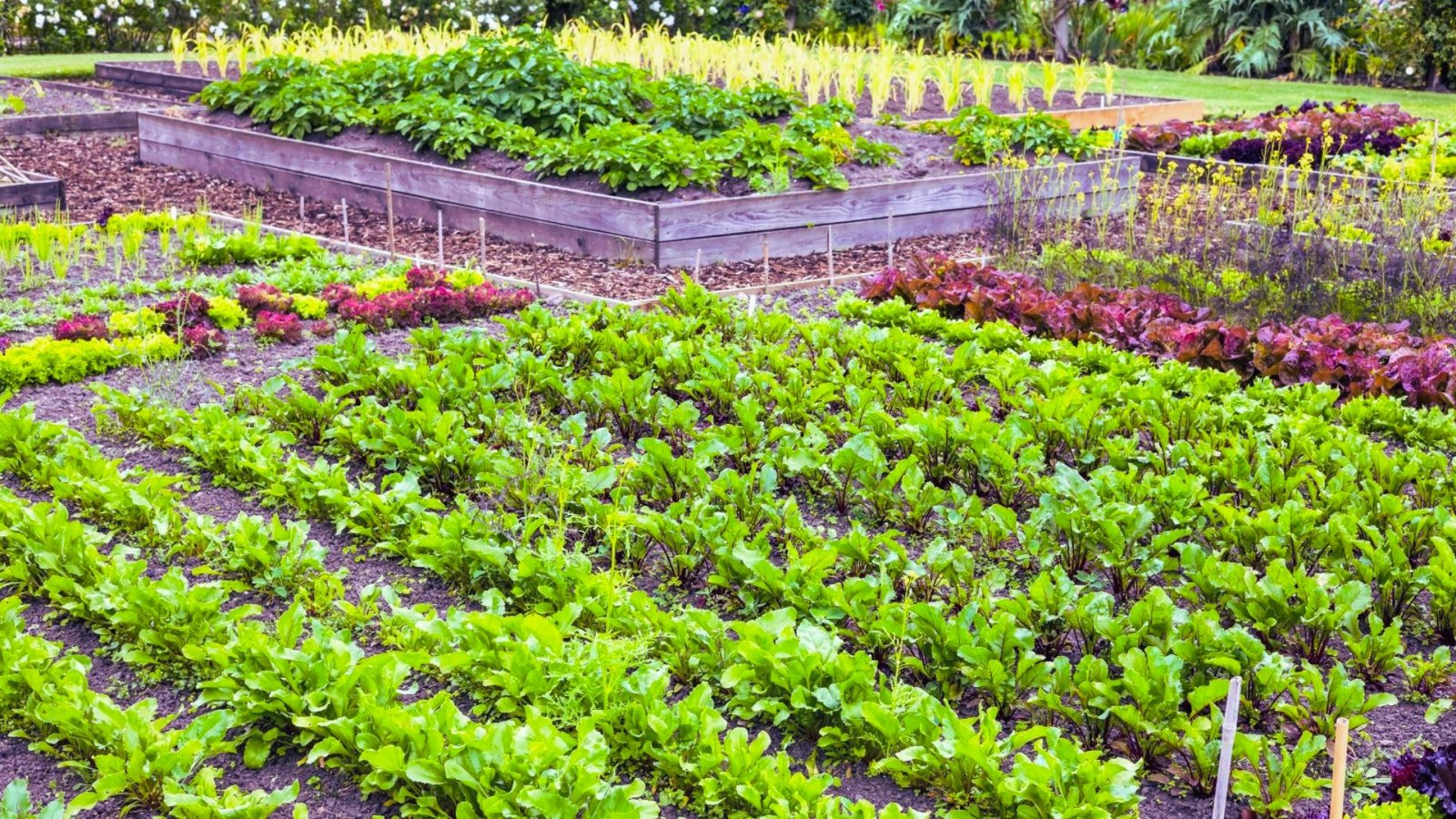
Get creative with these adaptable designs for different growing styles and seasons.
This Native American technique uses vertical space and creates natural support. The large pumpkin leaves also shade out weeds.
Add herbs along the edges. You can harvest fresh salads all season from this one convenient bed.
Leafy greens actually prefer some afternoon shade in hot climates. Don’t let shady spots go to waste.
This style works perfectly for patios or small yards. Vertical growing gives you more harvest without using extra ground space.
Fall brings broccoli, kale, and carrots. Mark planting dates on each layout so you know when to start seeds.
Mark where you’ll add mulch to prevent weeds and keep soil moist. These crops produce heavily when given enough space.
Tips for Perfecting Your Garden Layout Drawing
Small adjustments make your planning process smoother and more effective.
Conclusion
I still use a vegetable garden layout drawing every spring, even after years of growing food. It helps me remember what worked and try new ideas without losing track of my space.
You don’t need perfect sketches or expensive software, just a pencil and paper to map out your vision.
Pick a layout that matches your garden size and skill level, then grab some seeds and get started. Your best harvest begins with a good plan.
I’d love to hear which layout you try first, so drop a comment below and share your garden plans with me.
Frequently Asked Questions
What is the easiest vegetable garden layout for beginners?
The classic grid layout or square foot garden works best for new gardeners. Both use simple spacing and are easy to follow.
How do I draw a vegetable garden layout without special tools?
Use graph paper and a pencil. Each square represents one foot of garden space. Measure your garden and scale it down to fit your paper.
What size should raised bed gardens be in my layout?
Most raised beds work well at 4 feet wide and 8 to 10 feet long. This width lets you reach the center from both sides.
How far apart should I space vegetables in my layout drawing?
Check seed packets for spacing requirements. Tomatoes need 24 to 36 inches while lettuce only needs 6 to 8 inches between plants.
Can I reuse the same vegetable garden layout every year?
You should rotate crops to different spots each year. This prevents soil diseases and keeps nutrients balanced in your garden beds.