

Pears are tricky. Unlike most fruits, they don't ripen well on the tree. I learned this the hard way after losing a whole batch to mushy, grainy centers a few years back.
That mistake taught me what most guides skip: timing matters more than color.
This article will show you when to harvest pears, how to spot the real signs of maturity, and how to handle different varieties like Bartlett, Bosc, and D'Anjou.
I'll also walk you through proper picking technique and how to store your harvest so it lasts for months.
By the end, you'll know exactly what to look for, so you never guess again.
When to Harvest Pears (Best Time & Seasonal Window)

Most pear varieties mature between August and October, though the exact window shifts based on your region and the type you grow.
Cooler climates often push harvest later into fall, while warmer areas may see ripening start earlier.
Timing matters because pears ripen from the inside out. If you leave them on the tree until they feel soft, the core turns mushy and grainy long before the skin gives any hint.
That's why picking at the right stage, then letting them finish indoors, works so much better.
Indoor ripening allows the fruit to soften evenly from the outside in, giving you that smooth, buttery bite instead of a disappointing, broken-down center.
Signs Pears Are Ready to Pick (Maturity Indicators)

Look for these physical clues on the fruit itself rather than relying on a calendar date.
Skin Color Change (Dark Green to Light Green/Yellow-Green)
As pears mature, the background skin color starts to lighten. A shift from deep green to a softer yellow-green tone appears.
This change is one of the clearest signals that picking time is near.
Brown Lenticels and Smooth, Waxy Skin Texture
Check the small dots scattered across the skin, called lenticels. When these dots turn brown, the fruit is getting close to ready.
The skin also feels smoother and slightly waxy at this stage.
Firmness Test: How Hard Should Pears Be?
Mature pears should still feel firm when you hold them. A gentle squeeze should show slight give only near the stem.
The rest of the fruit should still feel solid and unyielding.
Stem Twist Test (Easy Detachment Indicator)
Lift the pear gently in your hand and twist it upward. If it separates from the branch with little effort, it's ready to pick.
If it resists and holds tight, give it a few more days.
Seed Color Change (Brown Seeds = Maturity Signal)
Cut one test pear open to check the seeds inside. White or pale seeds mean the fruit is still too early to pick.
Brown seeds confirm that the pear has reached proper maturity.
When to Harvest Pears by Variety (Bartlett, Bosc & More)
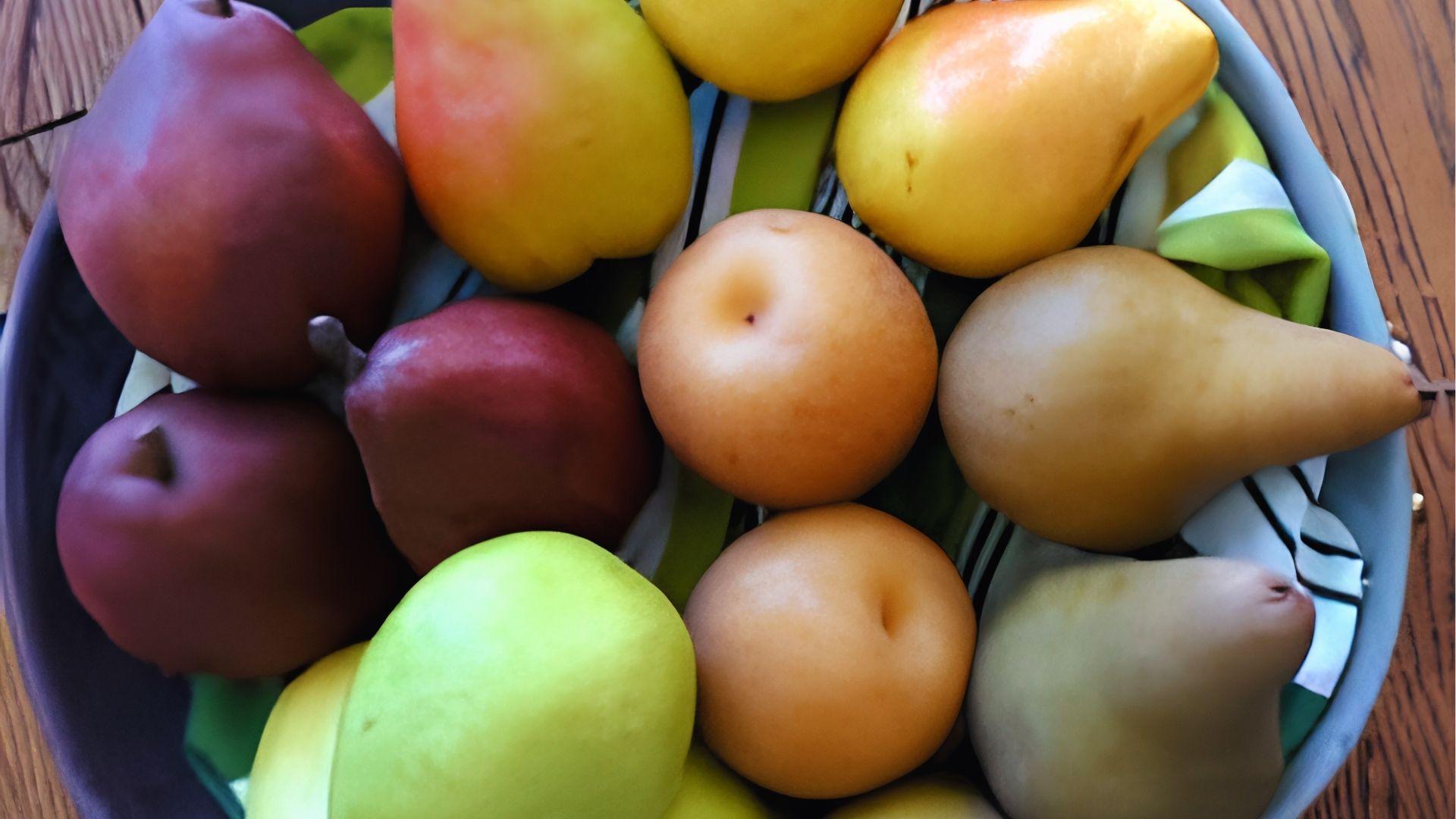
Each variety has its own timing and firmness cues, so it helps to know what you're growing.
Bartlett Pear Harvest Timing & Firmness Stage
Bartletts are usually picked once the skin starts changing color. The shift goes from a deep green to a pale yellow-green tone.
At this point, the fruit should still feel firm to the touch.
Bosc Pear Harvest Signs (Pruning May Be Needed)
Bosc pears keep a brownish skin color even once fully mature. Color alone won't tell you much with this particular variety.
Firmness and the twist test matter far more here than appearance.
D'Anjou Pear Harvest Window & Storage Behavior
D'Anjou pears stay green in color even when fully ready to pick. They rely heavily on firmness and seed color instead of skin tone.
This variety also stores exceptionally well for long periods after picking.
Asian Pears: Why They Are Harvested Near-Ripe
Unlike European varieties, Asian pears ripen fully right on the tree. They are picked much closer to full ripeness than other types.
This later timing gives the fruit its best crunch and sweetness.
How to Harvest Pears Correctly

Good technique protects the fruit from bruising and helps it store longer.
Best Picking Technique to Avoid Damage
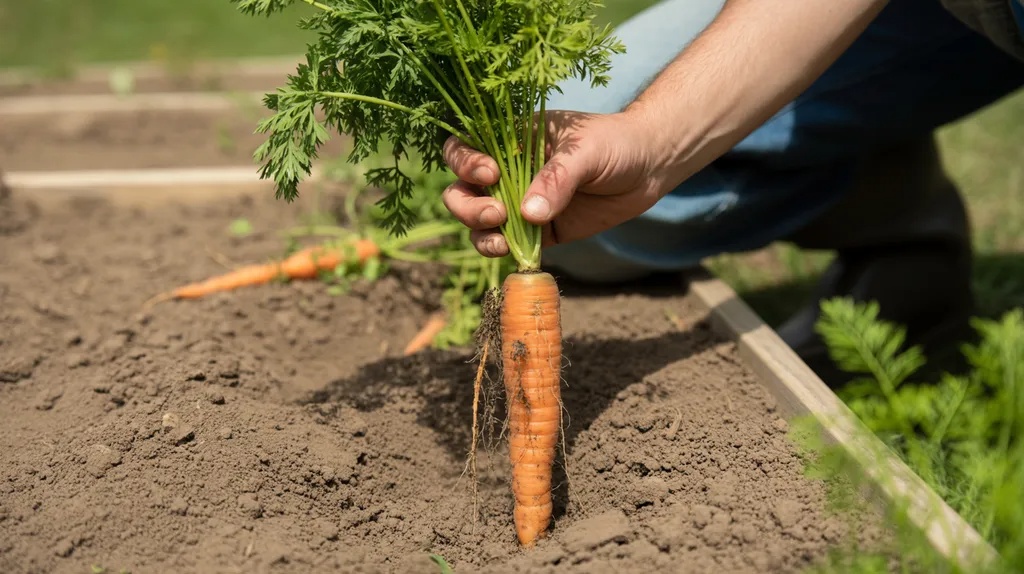
Hold the pear gently in the palm of your hand first. Lift it up and twist rather than pulling straight down on it.
Pulling down can tear the stem or damage the surrounding branch.
When to Use Pruners vs Hand Twisting
If a pear doesn't release easily after a gentle twist, stop pulling. Use small pruners to snip the stem cleanly instead.
Never force a stubborn pear off the branch by hand.
How to Prevent Bruising During Harvest
Place each pear gently into a padded basket or box. Avoid letting them drop in during the picking process.
Don't stack heavy layers of fruit on top of softer pears.
What Happens If You Harvest Pears at the Wrong Time

Bad timing affects taste, texture, and how long the fruit will last in storage.
Problems with Picking Too Early (Poor Flavor & Storage Issues)
Pears picked too soon often stay hard even after time passes. They never fully develop the sweetness they're known for.
Weeks of indoor ripening won't fix a pear picked too early.
Problems with Picking Too Late (Mealy Texture & Internal Breakdown)
Pears left too long on the tree start breaking down internally. They turn soft and grainy at the core well before the skin shows it.
The outside may still look perfectly fine during this entire process.
Why Tree-Ripened Pears Don't Store Well
Once a pear starts ripening while still on the branch, it's risky. Its shelf life drops fast from that point onward.
These fruits often spoil within days rather than lasting for weeks.
Ripening & Storing Pears After Harvest
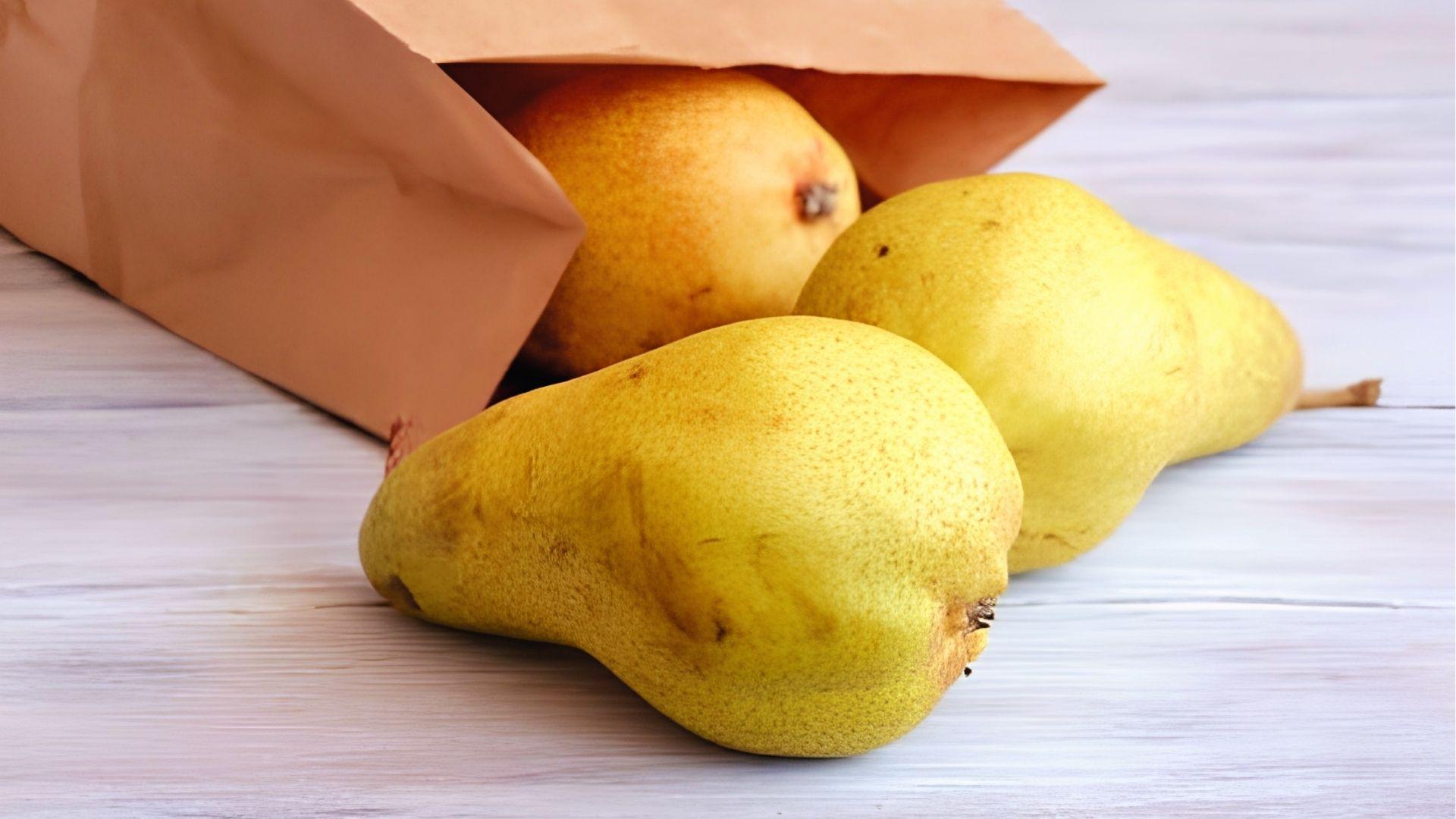
Proper cold storage followed by controlled ripening gives you the best texture and flavor.
Why Pears Need Cold Storage Before Ripening
Cold storage right after picking helps pears in a couple of ways. It allows natural sugars to build while starches slowly break down.
This slow process leads to much better flavor once ripened.
Ideal Ripening Temperature (60-65°F Explained Simply)
Once you're ready to ripen pears, bring them indoors. Room temperature, ideally between 60 and 65°F, works best for this.
Keep them there until they soften slightly near the stem.
How to Store Pears for Long Shelf Life (Up to Months)
Store pears properly in a cold, humid spot for best results. A refrigerator crisper drawer works especially well for this purpose.
Many varieties can last for months this way without ripening early.
Ethylene Sensitivity: What Fruits to Keep Away From Pears
Pears are quite sensitive to ethylene gas during storage. Keep them away from apples, bananas, and other similar fruits.
This simple step prevents the pears from ripening earlier than planned.
Tips for Perfect Pear Harvest Every Time
A few simple habits make the difference between an average harvest and a great one.
- Test one pear before picking the whole tree
- Handle fruit gently to avoid bruising
- Store pears cold before ripening them at room temperature
- Check firmness near the stem, not the whole fruit
- Keep pears away from apples and bananas in storage
Conclusion
I still remember the first time I got this right, soft, buttery pears that actually tasted like something.
That small win changed how I approach harvest every year. You don't need to overthink when to harvest pears.
Just check the signs, trust the process, and pick with confidence. Try it this season and see the difference for yourself.
Drop a comment below and tell me how your harvest turned out, I'd love to hear it.
Frequently Asked Questions
How do I know if a pear is ready to pick?
Check for lighter skin color, brown lenticels, and firmness near the stem. A gentle twist should release the fruit easily.
Should pears ripen on the tree or after picking?
Most pears should be picked while firm and ripened indoors. Tree ripening often leads to a mushy, grainy texture inside.
What temperature is best for ripening pears?
Room temperature between 60 and 65°F works well. Check daily by pressing gently near the stem for slight softness.
How long can pears be stored before ripening?
Stored cold and properly, many varieties last for weeks or even months before you need to ripen them.
Why are my pears hard even after a week?
They may have been picked too early, or stored at the wrong temperature. Try moving them to a warmer spot to ripen.