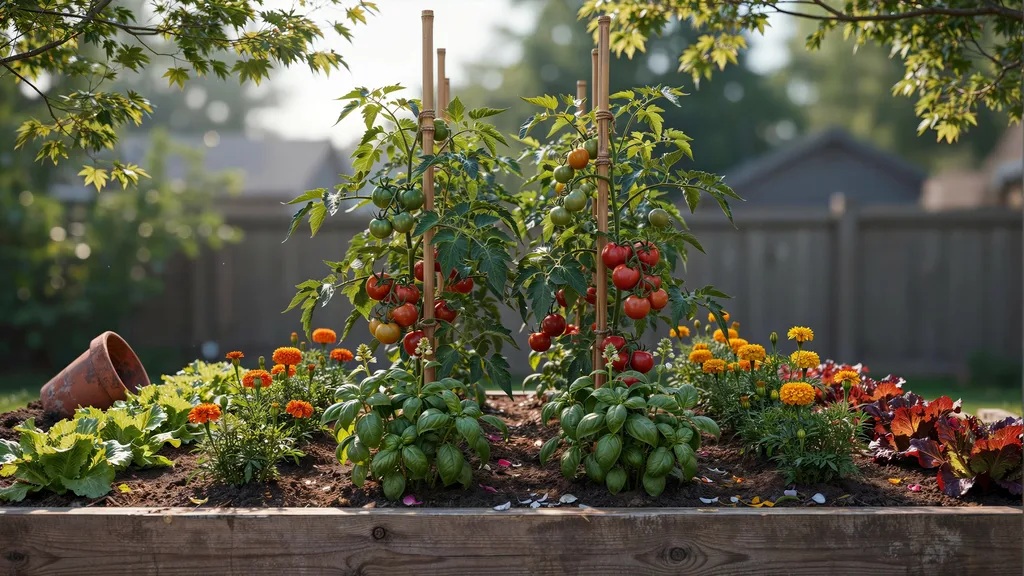


I've been gardening long enough to make every mistake in the book. And one of the biggest? Planting tomatoes in the same spot year after year.
If your yields are dropping or your plants keep getting sick, the soil is most likely the problem. I've been there, and I know how frustrating it gets.
The good news is that knowing what to plant after tomatoes makes a bigger difference than most gardeners realize.
In this blog, I'll cover the best crops for rotation, a simple 4-year plan, what to never plant after tomatoes, and how to prep your soil for the next season.
Let's fix this together.
Why Crop Rotation Matters After Tomatoes
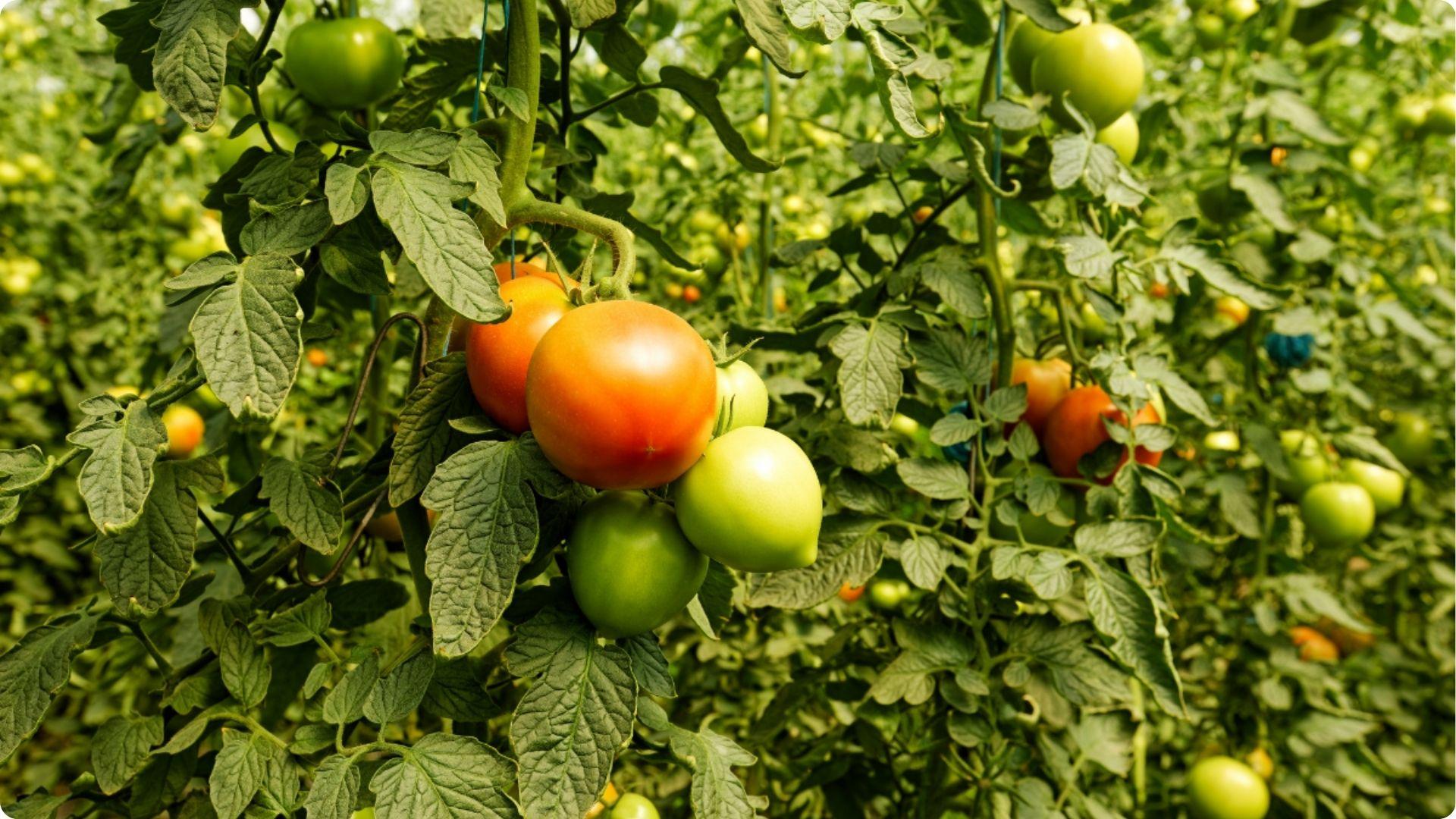
Tomatoes are heavy feeders. They pull large amounts of nitrogen, phosphorus, and potassium from the soil every season.
By the time harvest is over, your soil is already running low. On top of that, tomatoes leave behind pests and diseases that stay in the ground through winter.
Blight spores, fungal infections, and harmful nematodes all build up when you keep planting in the same spot. Rotating crops breaks that cycle.
It gives your soil time to recover, reduces disease pressure naturally, and sets up the next crop for better growth. The long-term benefits are real.
What Happens If You Plant Tomatoes in the Same Spot Every Year?
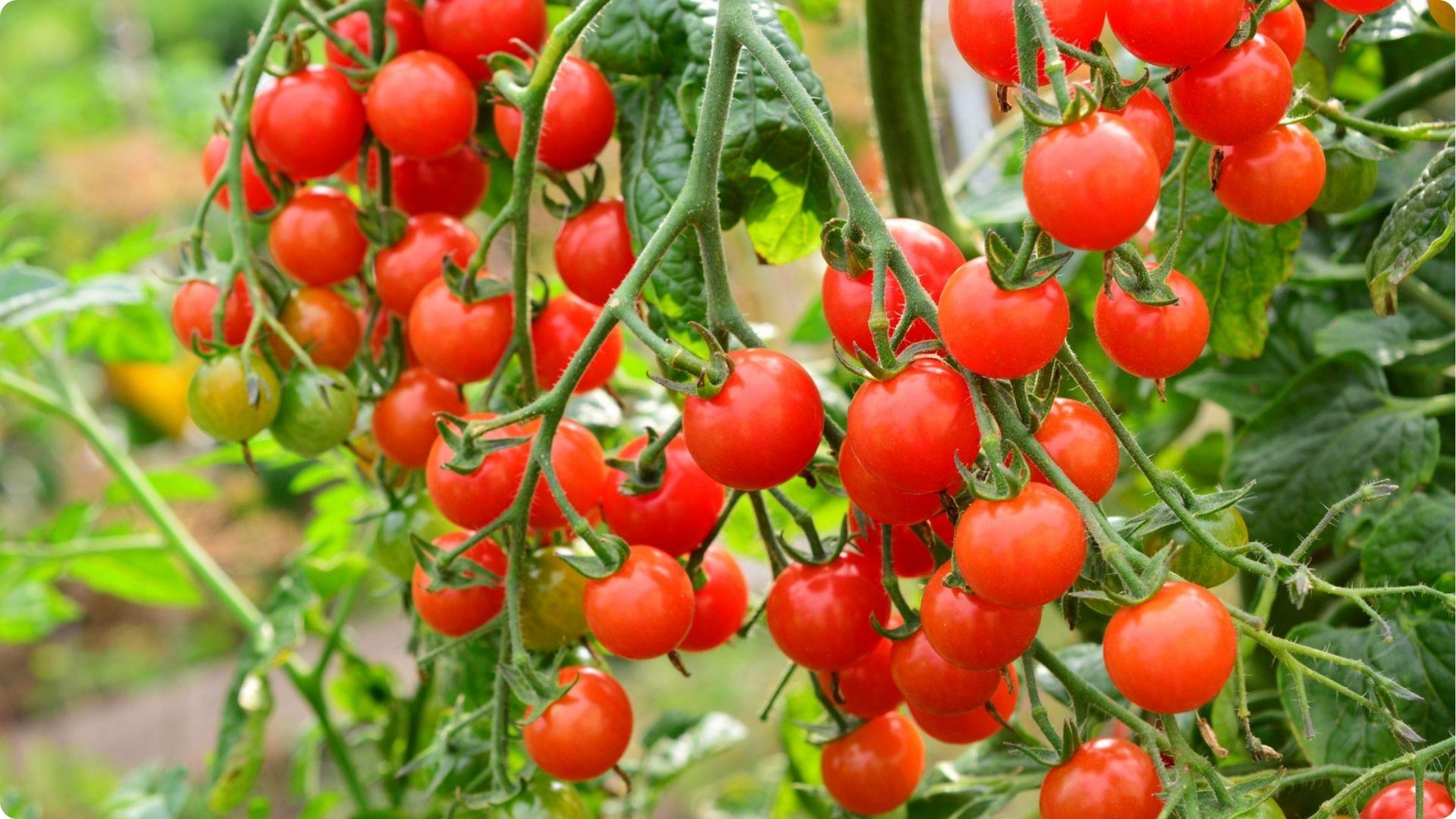
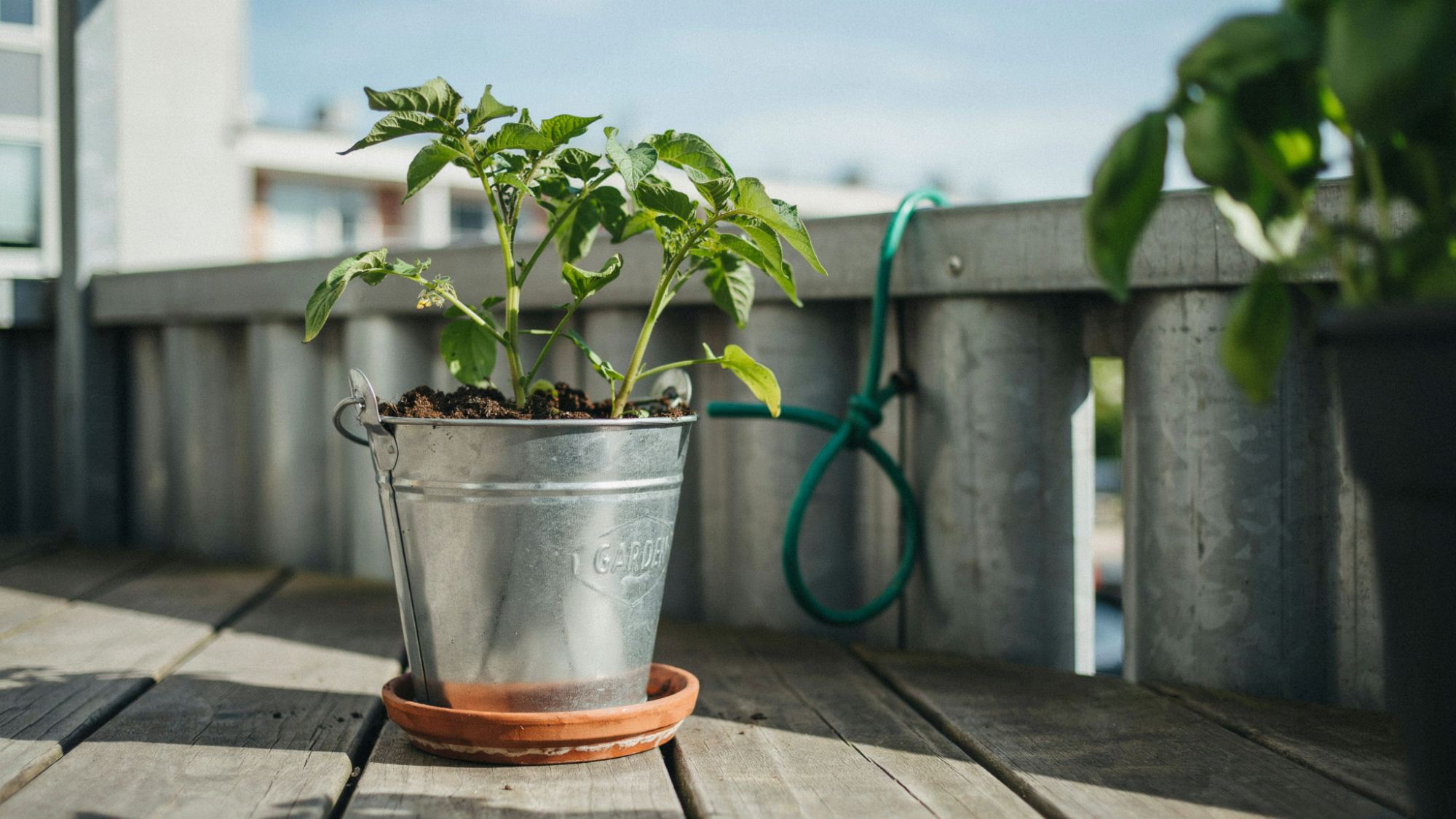
Planting tomatoes in the same bed season after season causes serious problems over time. Nutrients get depleted faster than they can recover, and yields drop noticeably.
Pests like root-knot nematodes build up in the soil and attack roots. Diseases like early blight, fusarium wilt, and verticillium wilt survive in the ground and come back stronger each year.
The soil structure also breaks down with repeated heavy feeding. What was once a productive bed slowly becomes a problem bed.
Avoiding back-to-back tomato crops is one of the simplest ways to protect your garden long term.
What to Plant After Tomatoes for Healthy Crop Rotation
The right follow-up crop does more than fill space. It actively repairs what tomatoes left behind.
Legumes (Best First Choice)

Legumes are the best crops to plant right after tomatoes. Beans and peas pull nitrogen from the air and store it in the soil through their roots. This directly replaces what tomatoes used up.
They're light feeders, easy to grow, and work fast. Plant bush beans or peas as soon as your tomato bed is cleared. Within one season, your soil nitrogen levels will start to recover noticeably.
Leafy Greens
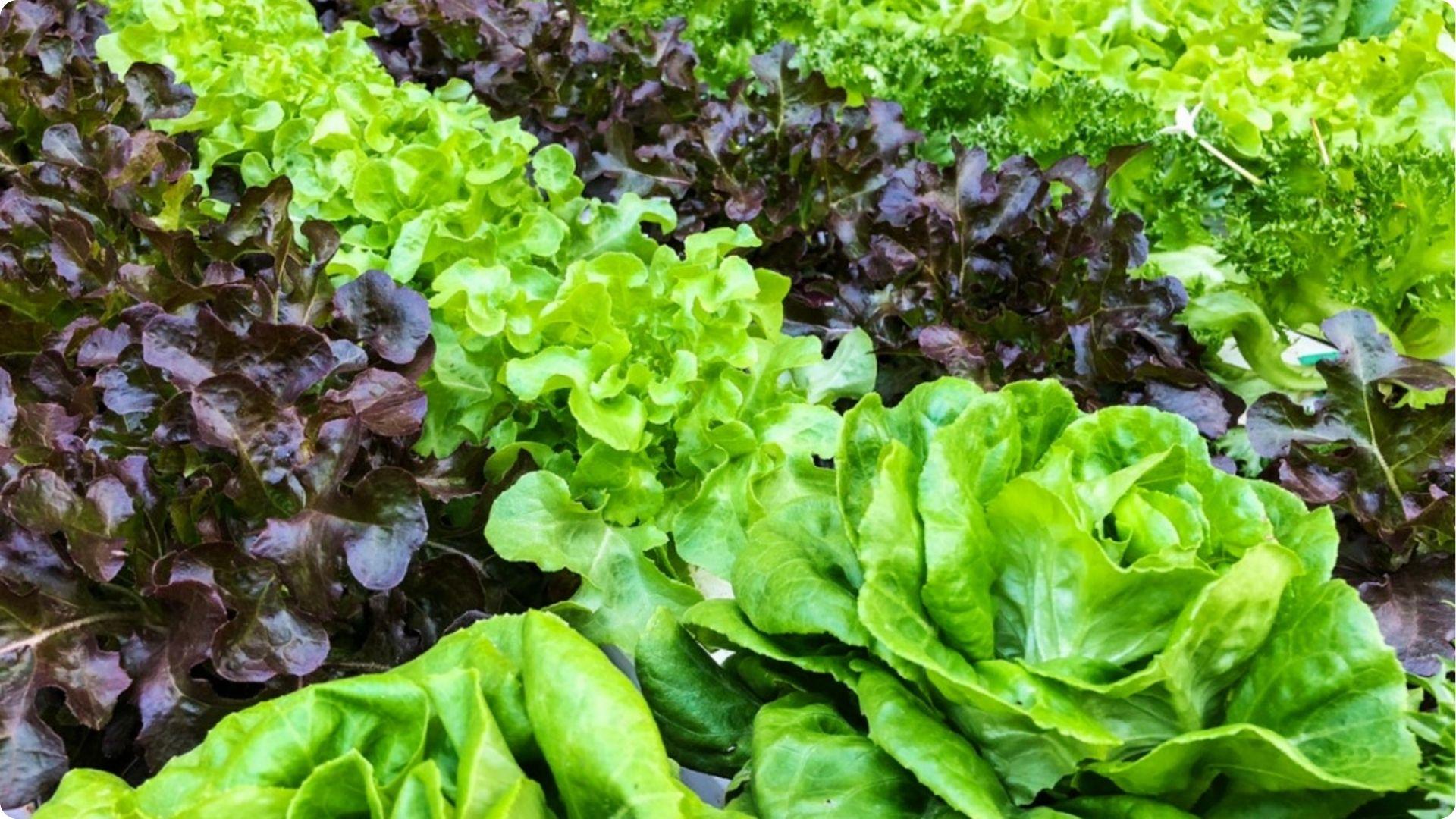
Lettuce, spinach, and Swiss chard are all solid choices after tomatoes. They're light feeders that don't stress the soil further.
They also grow quickly, so you can fit them into a late-season slot before frost hits. These crops don't share pests or diseases with tomatoes, which makes them a clean and safe rotation pick for any garden bed.
Root Crops
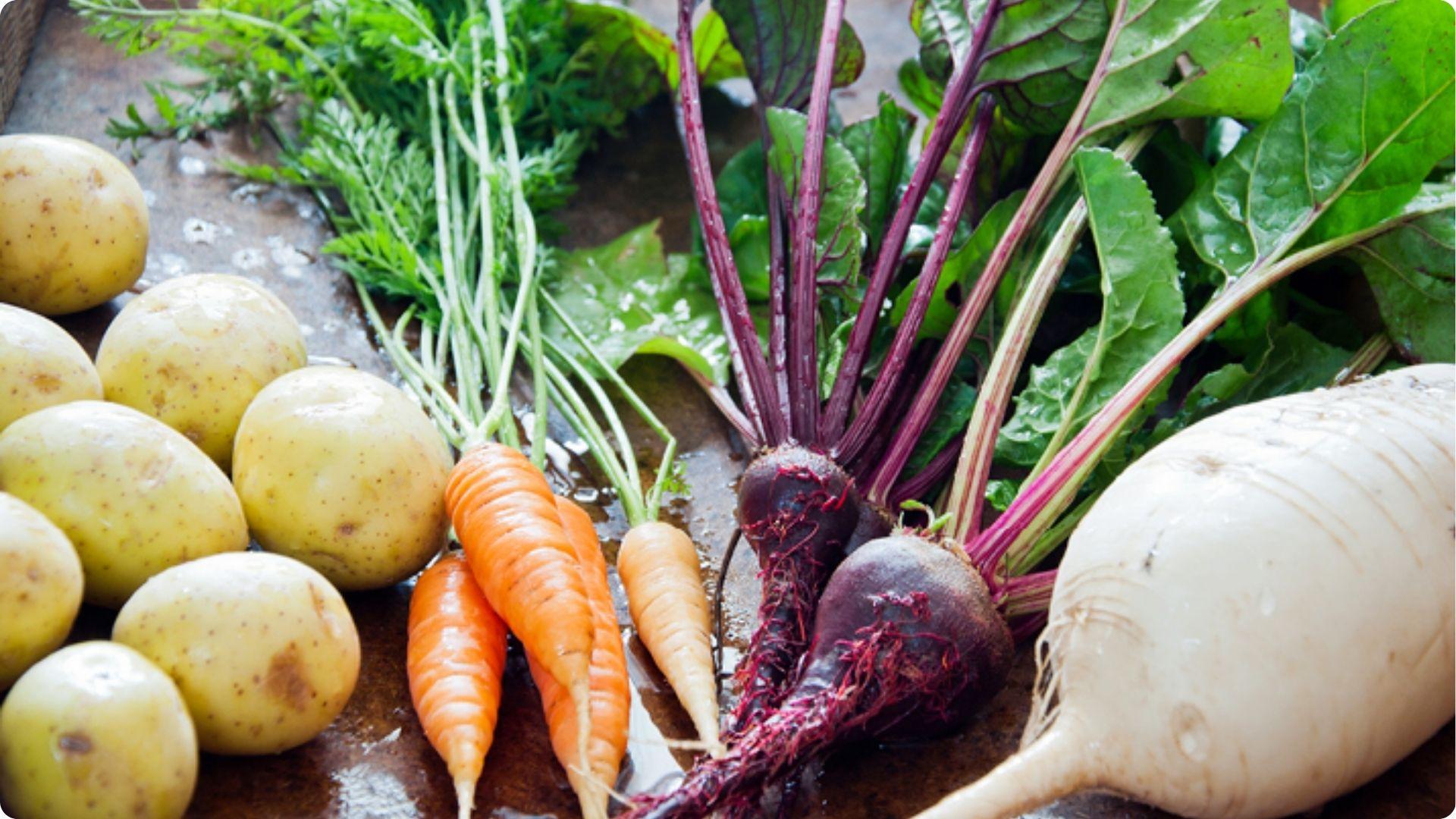
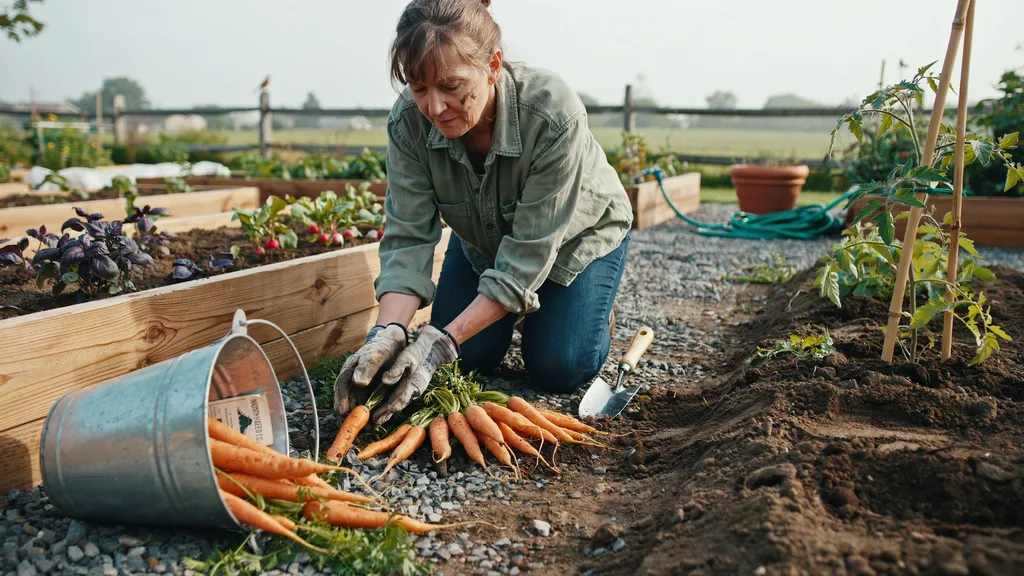
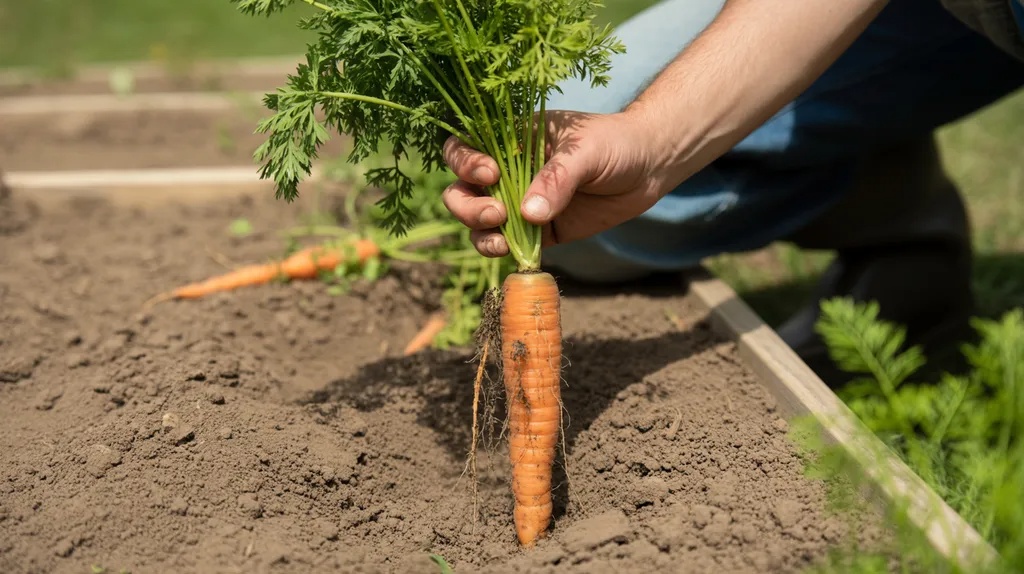
Carrots, beets, turnips, and radishes work well after tomatoes because they grow deep into the soil. Their roots break up compacted ground left behind by heavy tomato plants.
They don't need high nitrogen levels to thrive, so they do fine in soil that tomatoes have already fed on. Radishes in particular grow fast and help loosen soil structure naturally between seasons.
Brassicas
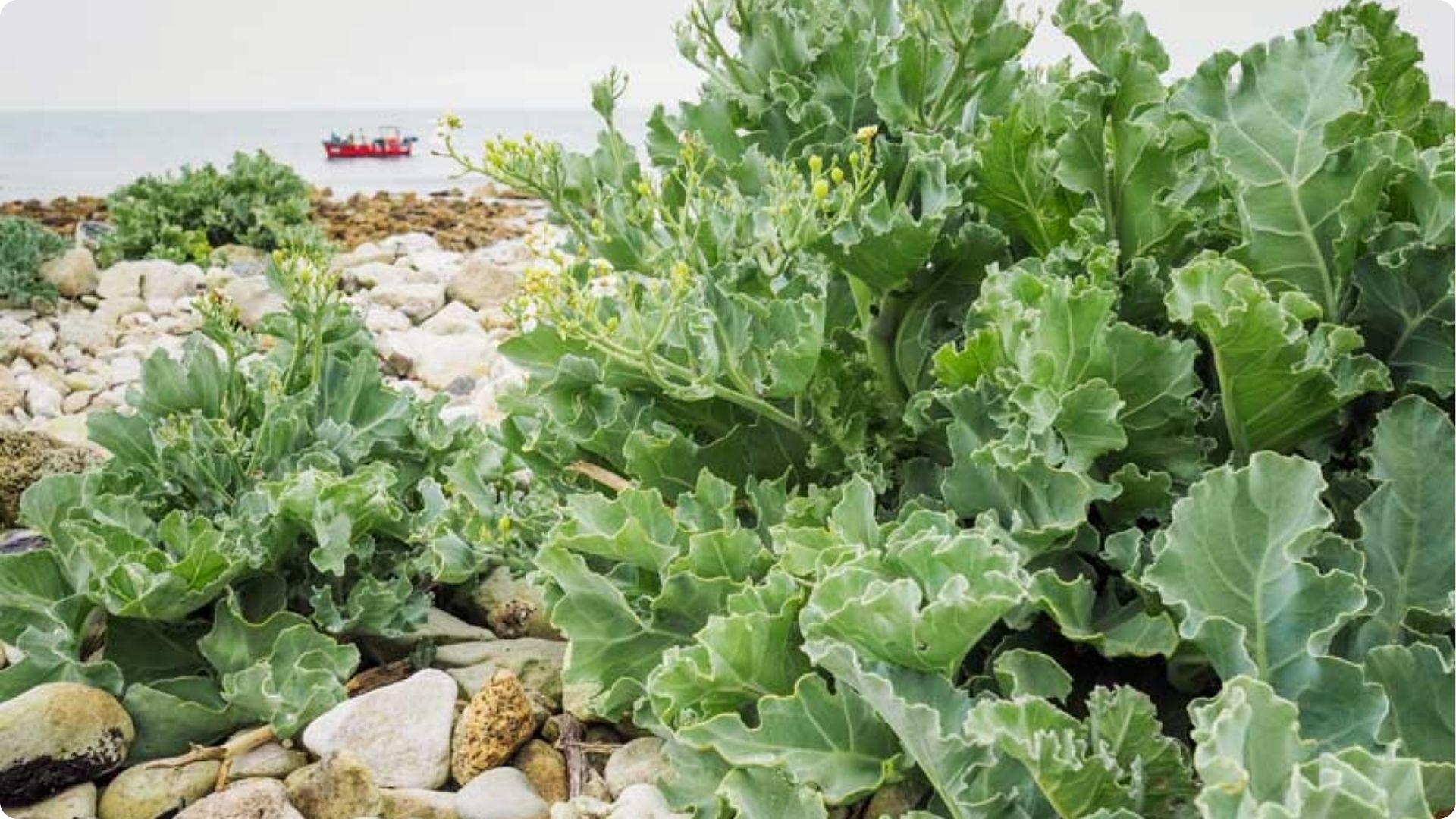
Broccoli, cabbage, kale, and cauliflower are all good rotation crops after tomatoes. They use different nutrients and don't share the same disease profile.
Brassicas do best when planted after legumes have already rebuilt nitrogen levels, making them a great third-year crop in a longer rotation plan. They're also cold-hardy, so you can plant them in early fall after tomatoes come out.
A Simple 4-Year Crop Rotation Plan After Tomatoes
You don't need a complicated system. This simple four-year plan keeps your soil healthy and your yields steady.
- Year 1: Tomatoes and other heavy feeders. Grow tomatoes, peppers, or eggplant to start the rotation cycle.
- Year 2: Legumes to rebuild soil fertility. Plant beans or peas to fix nitrogen back into the soil.
- Year 3: Brassicas to use available nutrients. Broccoli, cabbage, and kale thrive on the nitrogen legumes left behind.
- Year 4: Root crops to complete the cycle. Carrots, beets, and turnips loosen the soil and prep it for tomatoes again.
How Succession Planting Fits Into Crop Rotation
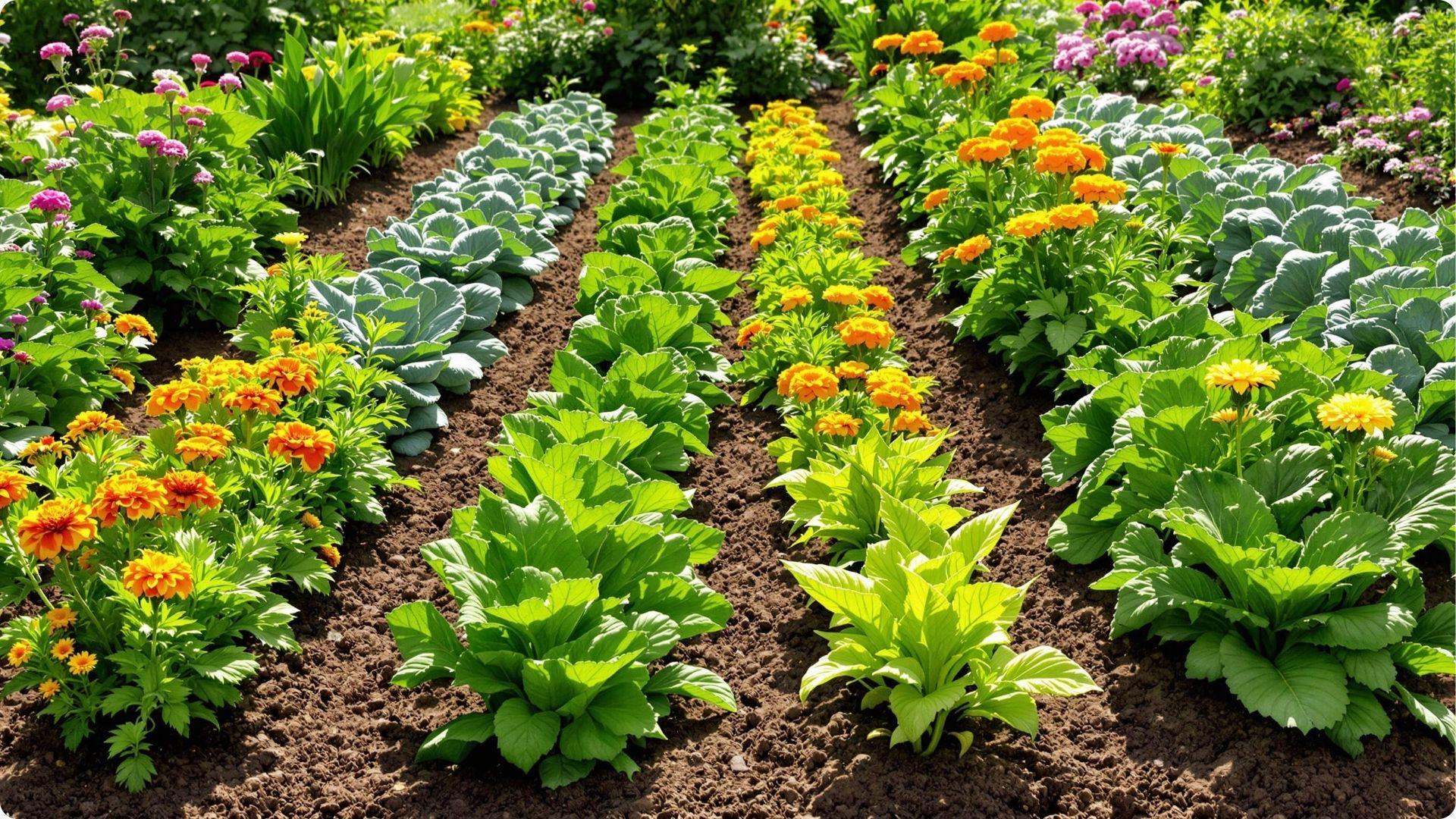
Succession planting and crop rotation are not the same thing, but they work well together. Crop rotation means moving plant families to different beds each season.
Succession planting means staggering planting dates so you always have something growing. After tomatoes come out in late summer, fast-growing crops like radishes, spinach, and lettuce can fill the bed before frost.
The key is matching crop maturity dates with your first frost date. If you have six weeks left in the season, a 30-day crop fits perfectly.
Planning both together helps you get the most from every inch of your garden space all year long.
Crops You Should Never Plant After Tomatoes
Some crops look like fine replacements but will make your soil problems worse.
- Potatoes:They belong to the same plant family as tomatoes and share the same diseases, especially blight.
- Peppers:Another nightshade crop that carries over the same pest and disease risks from the previous season.
- Eggplants:Like tomatoes, eggplants are heavy feeders and attract the same soil-borne problems.
- Other nightshade family crops:Any plant in the Solanaceae family shares the same vulnerabilities. Rotating within the same family gives zero benefit.
How to Prepare Soil Before Planting the Next Crop
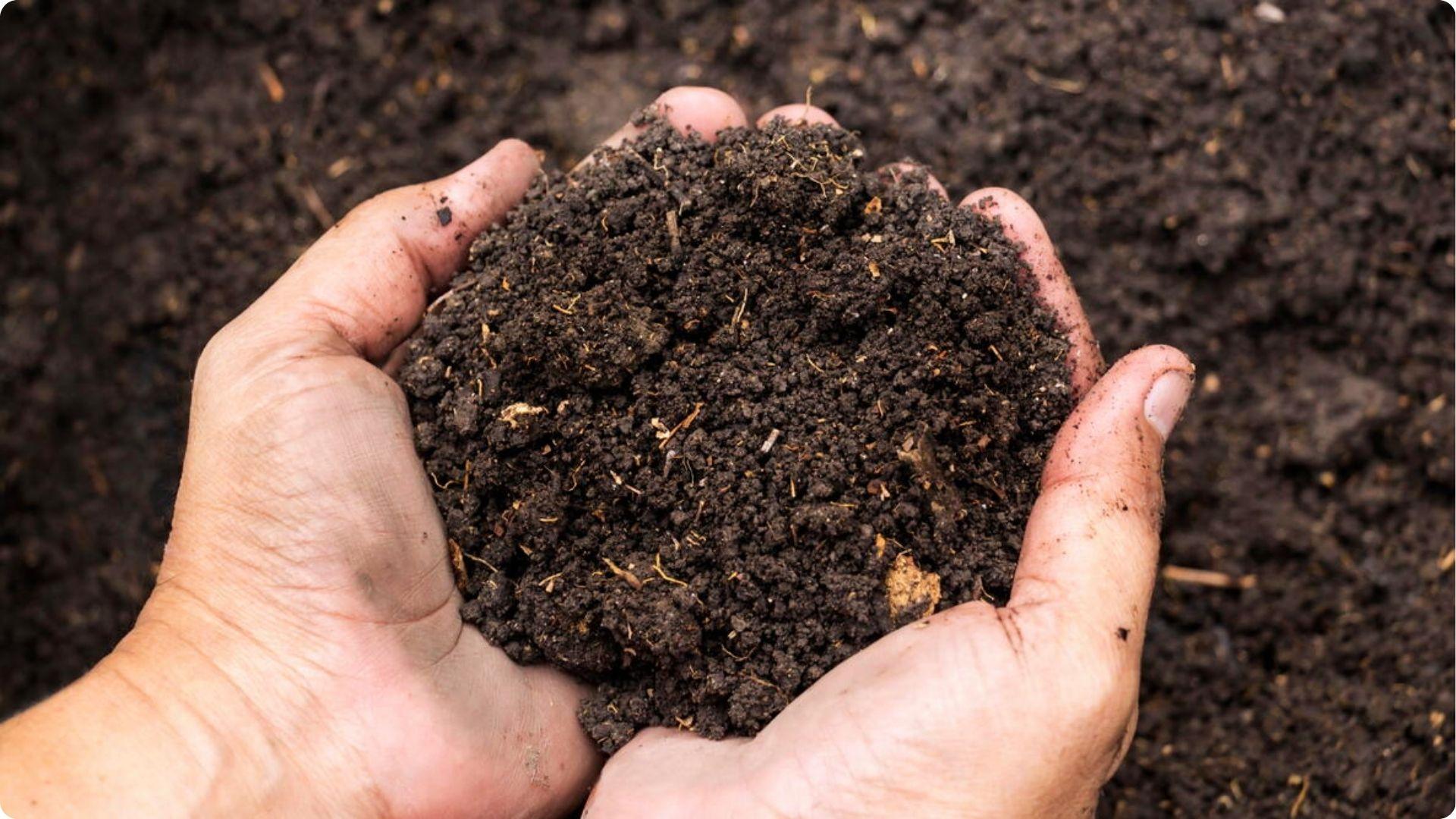
Once tomatoes are out, don't just drop new plants in and hope for the best. Start by pulling out all old tomato plants, including the roots.
Leaving roots behind lets disease linger in the soil. Next, add a few inches of compost and work it in well.
This replaces organic matter and feeds the soil before the next crop goes in. If your tomatoes struggled badly during the season, it's worth doing a simple soil test to check nutrient levels and pH.
Finish by adding a layer of mulch to protect the soil surface and hold in moisture until planting time.
Common Crop Rotation Mistakes to Avoid
Rotation only works when you do it right. These are the mistakes that cancel out all your effort.
- Rotating only tomatoes while ignoring other plant families is not real rotation.
- Planting another nightshade crop too soon brings the same problems right back.
- Leaving beds empty after harvest causes nutrients and soil structure to break down.
- Skipping cover crops wastes valuable soil recovery time between seasons.
- Not planning rotations in advance turns the whole process into guesswork.
Conclusion
I replanted tomatoes in the same spot for years. Every season, the yields got worse and the problems got bigger.
Once I started paying attention to what to plant after tomatoes, everything changed.
Your soil is worth protecting. Give it a break, feed it right, and it will come back stronger.
Try one of these rotation crops this season. Got a crop rotation tip that works for you? Drop it in the comments. I'd love to hear it.
Frequently Asked Questions
What is the best crop to plant after tomatoes?
Legumes like beans and peas are the best first choice because they rebuild nitrogen in the soil.
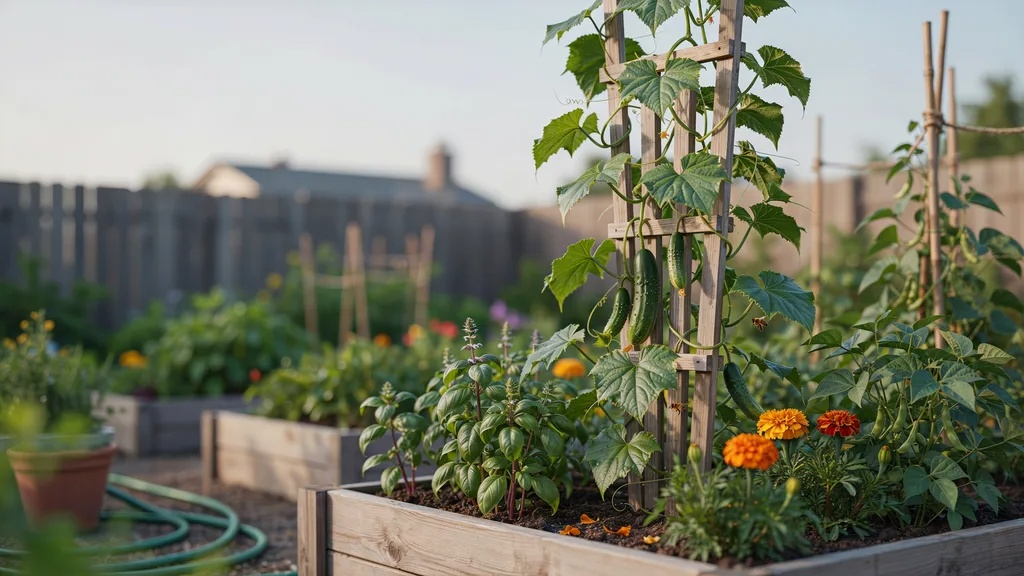
Can I plant cucumbers after tomatoes?
Yes, cucumbers are a safe follow-up crop since they don't share the same pests or diseases as tomatoes.
How long should I wait before planting tomatoes in the same spot again?
Wait at least three to four years before returning tomatoes to the same garden bed.
Do I need to add fertilizer before planting the next crop after tomatoes?
Adding compost is a good start, but a soil test will tell you exactly what nutrients need to be replaced.
Can I plant garlic after tomatoes?
Yes, garlic is a great follow-up crop. It helps repel pests and does not share diseases with tomatoes.