

If you've spotted a white, powdery coating on your zucchini leaves, you're not alone.
Powdery mildew zucchini is a common problem, especially in warm, humid weather. The good news is that it's treatable.
This guide covers how to spot it early, simple home remedies like baking soda and neem oil, and easy ways to prevent it from coming back.
I've dealt with this in my own garden, so these tips come from real experience.
By the end, you'll know exactly what to do.
What Is Powdery Mildew on Zucchini?
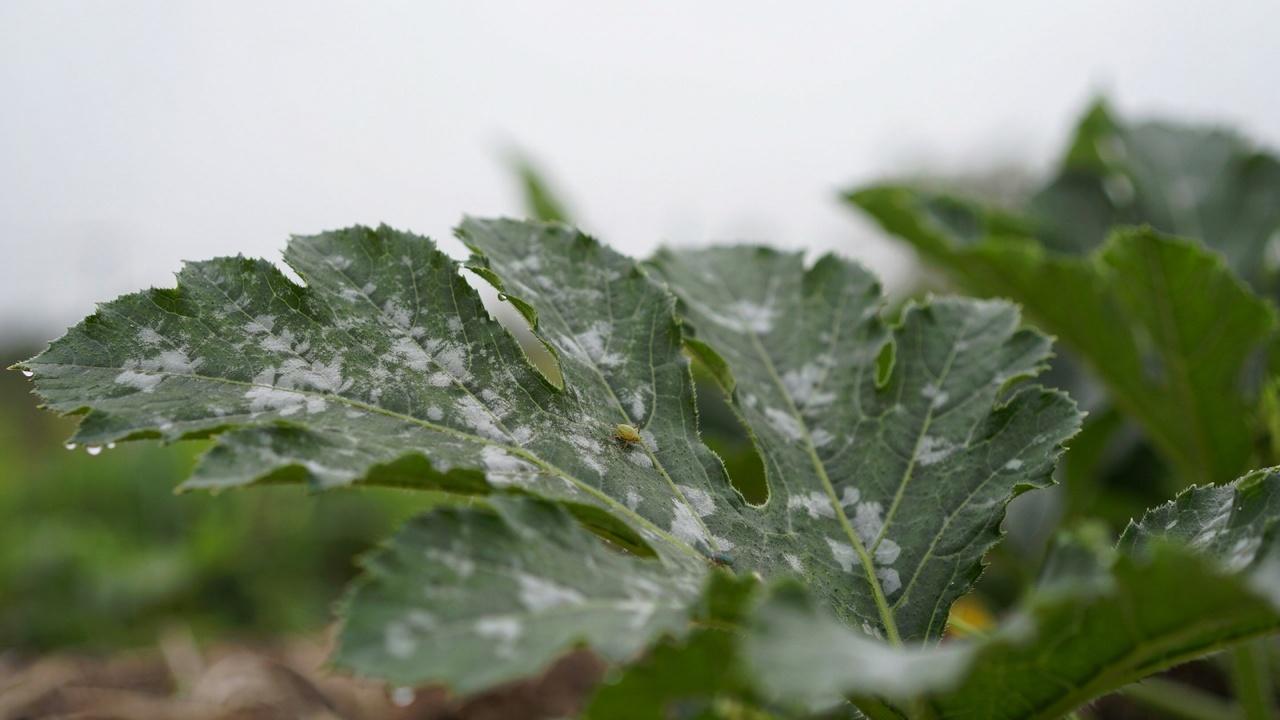
A fungal disease that covers zucchini leaves with a white, powdery coating and slowly weakens plant health.
Powdery mildew is a fungal disease that shows up as a white or grayish powder on zucchini leaves, stems, and sometimes the fruit. It can look like flour was dusted over the plant.
The fungus stays on the leaf surface but still causes damage. It blocks sunlight, which interferes with photosynthesis and weakens the plant over time.
Zucchini leaves are large and grow close together, creating a shaded, humid space where fungal spores thrive. Lower, older leaves are usually affected first before it spreads upward.
If left untreated, leaves turn yellow, dry out, and die. Fruit production often drops too. The disease rarely kills the plant outright, but it can seriously reduce yield if ignored.
How to Treat Powdery Mildew Zucchini
Powdery mildew on zucchini can be treated with home remedies like baking soda, neem oil, or milk sprays, plus a few smart growing habits.
Remove Infected Leaves Before Treatment
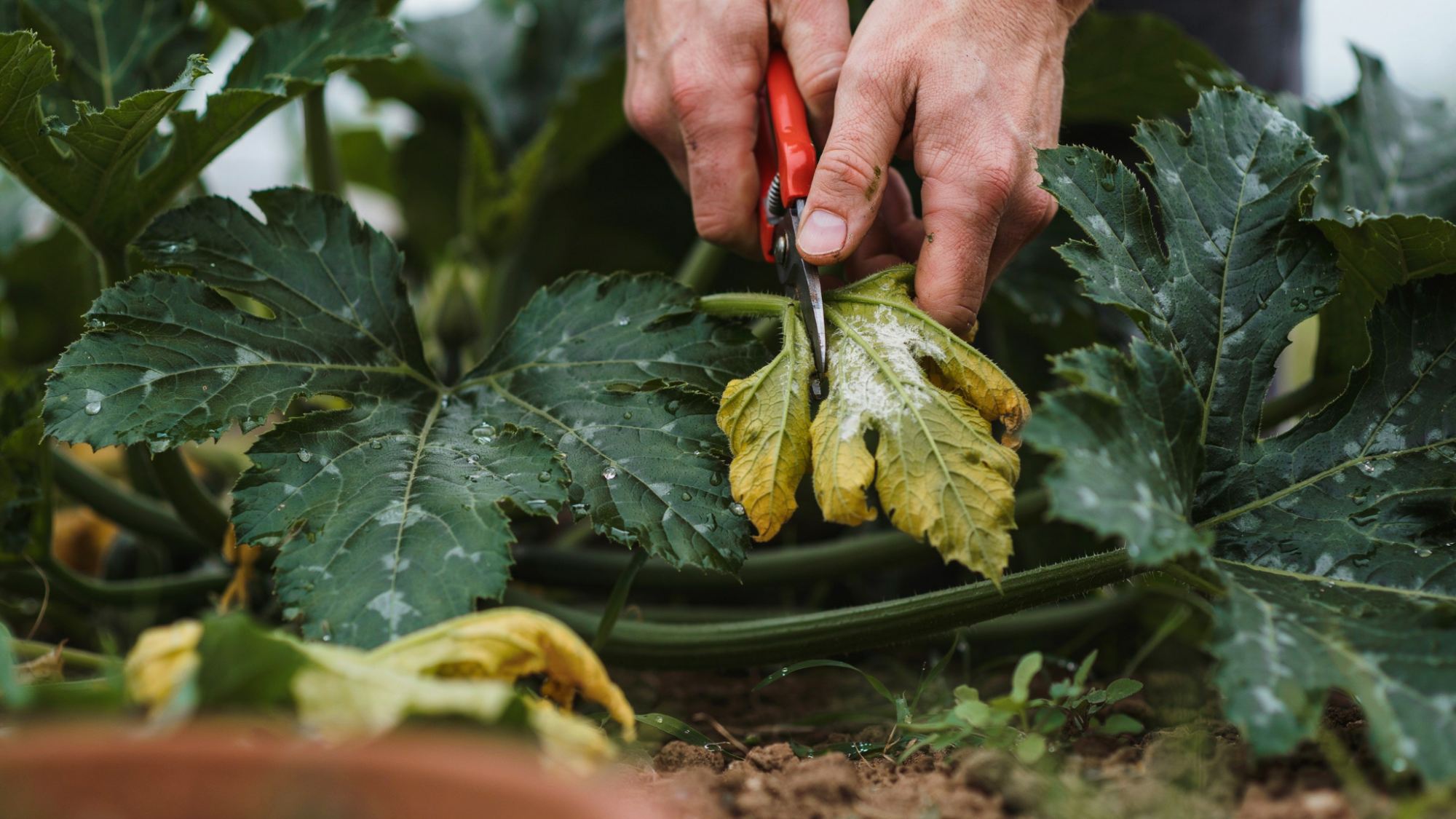
Before you spray anything, pick off the leaves that show white spots. This stops the fungus from spreading to healthy parts of the plant.
Use clean scissors or your hands, and throw the leaves in the trash. Don't leave them on the ground near the plant.
Powdery Mildew Zucchini Treatment With Baking Soda
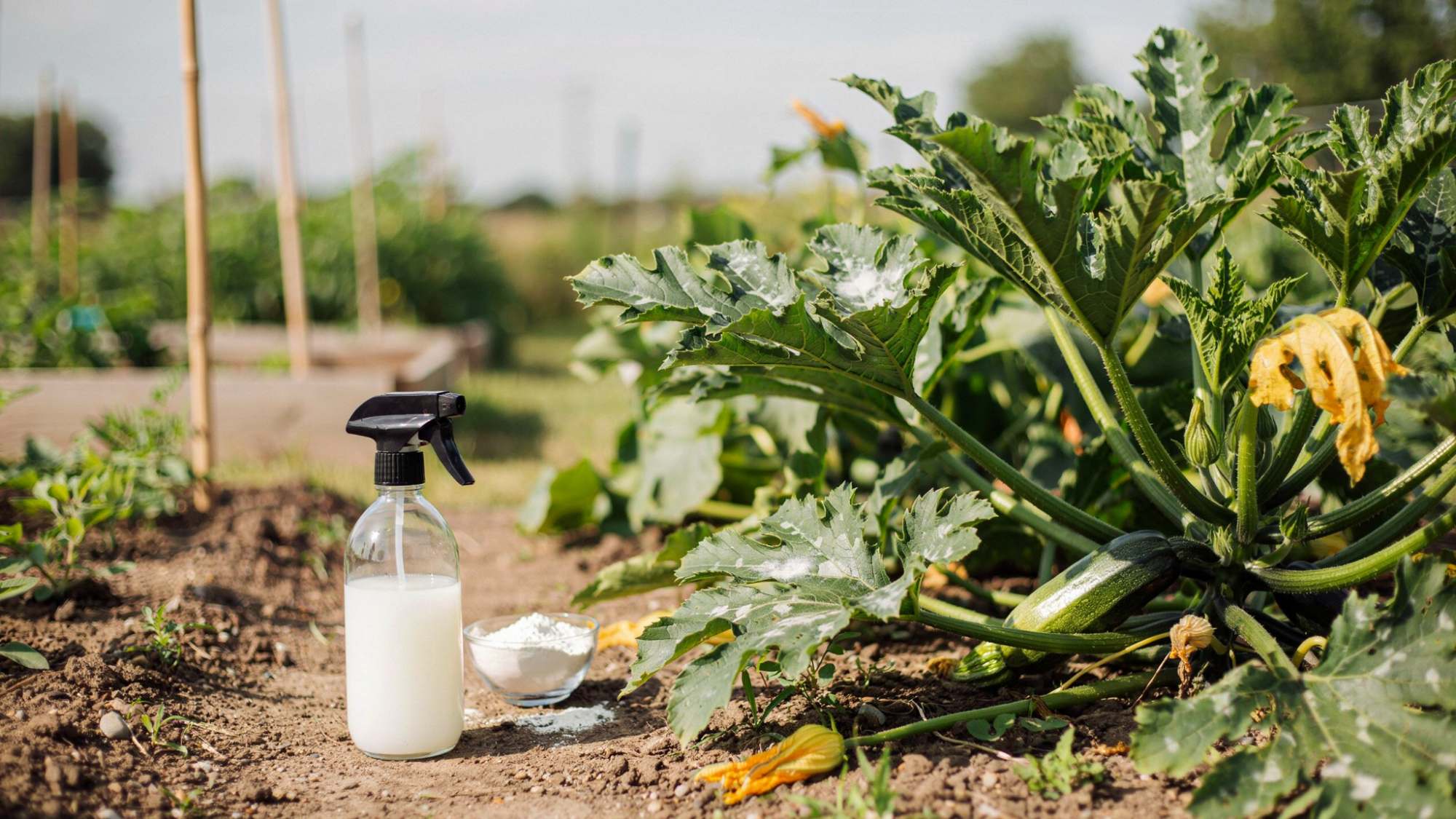
Baking soda is a simple home remedy many gardeners trust. Mix one tablespoon of baking soda with a gallon of water.
Add a few drops of liquid soap so the mixture sticks to the leaves. Spray it on the affected areas in the early morning or evening.
Powdery Mildew Zucchini Neem Oil Treatment
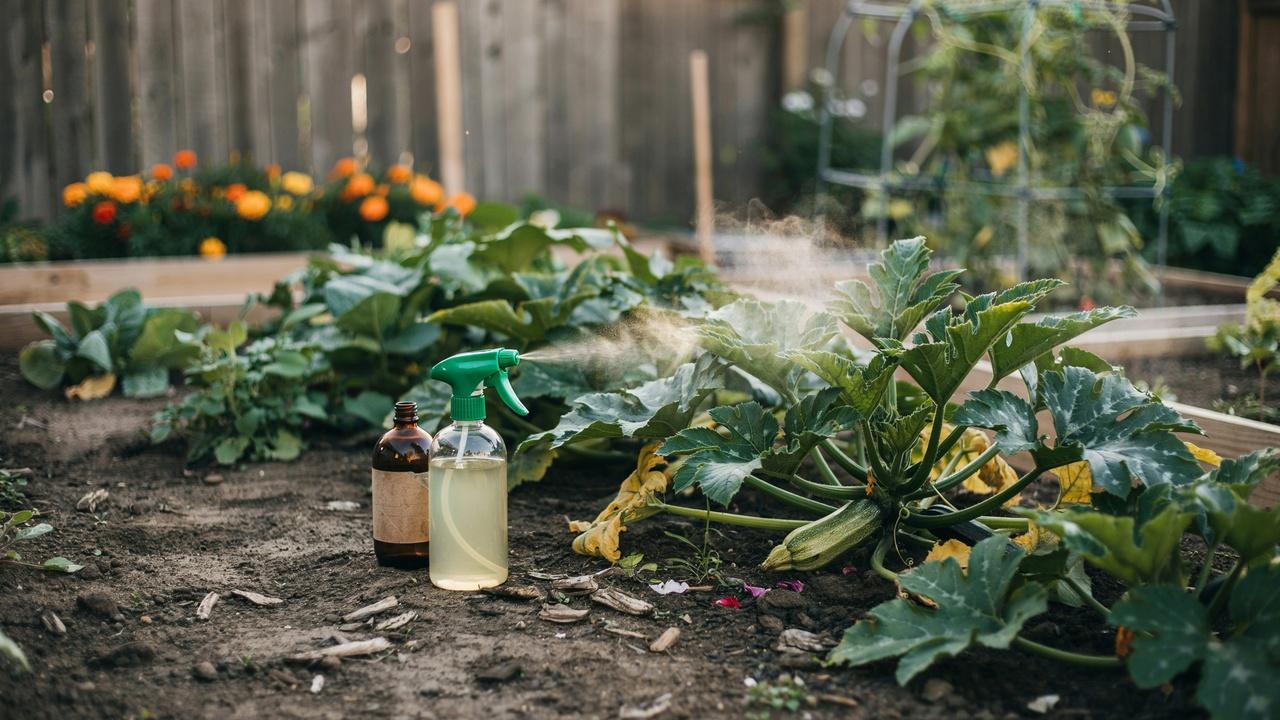
Neem oil is a natural option that works well against fungal problems. It also helps keep pests away from your plants.
Mix neem oil with water according to the label, then spray it on both sides of the leaves. Repeat every seven to fourteen days as needed.
Milk and Buttermilk Spray for Powdery Mildew
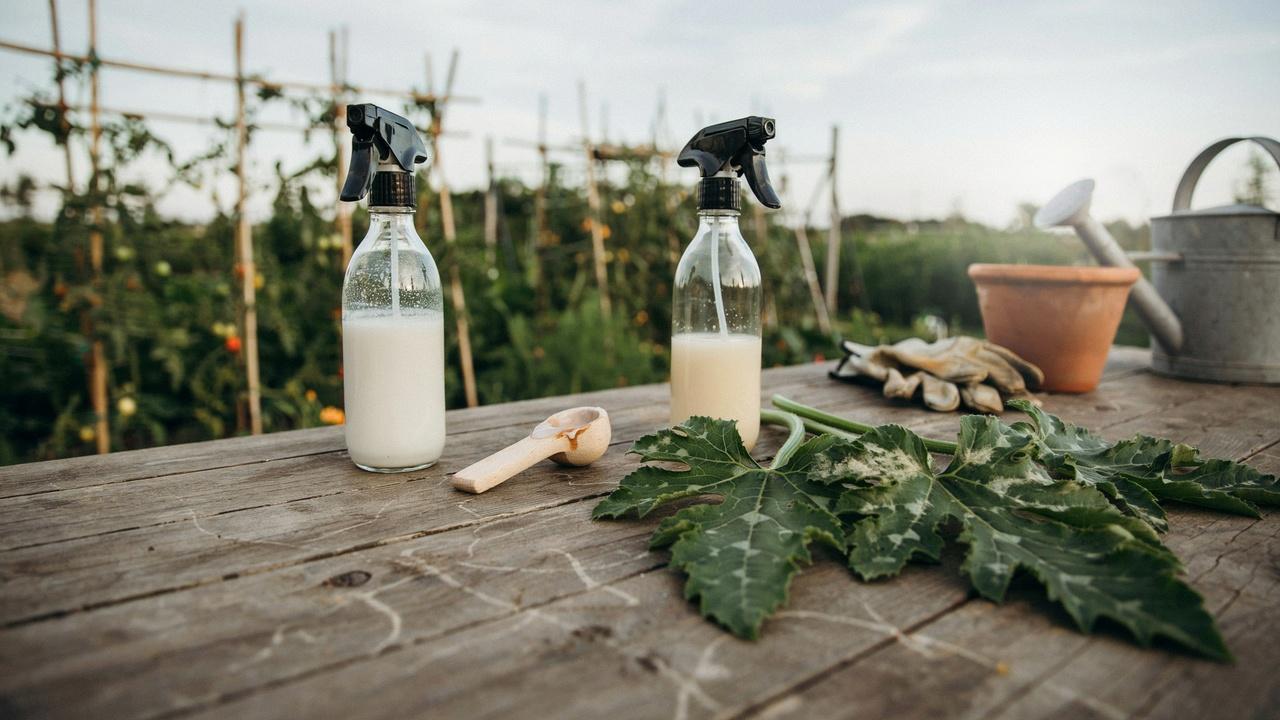
Milk has natural properties that fight fungus when exposed to sunlight. Mix one part milk with two or three parts water.
Spray this on the leaves once or twice a week. Buttermilk works the same way and can be used as a substitute.
Vinegar Spray for Powdery Mildew
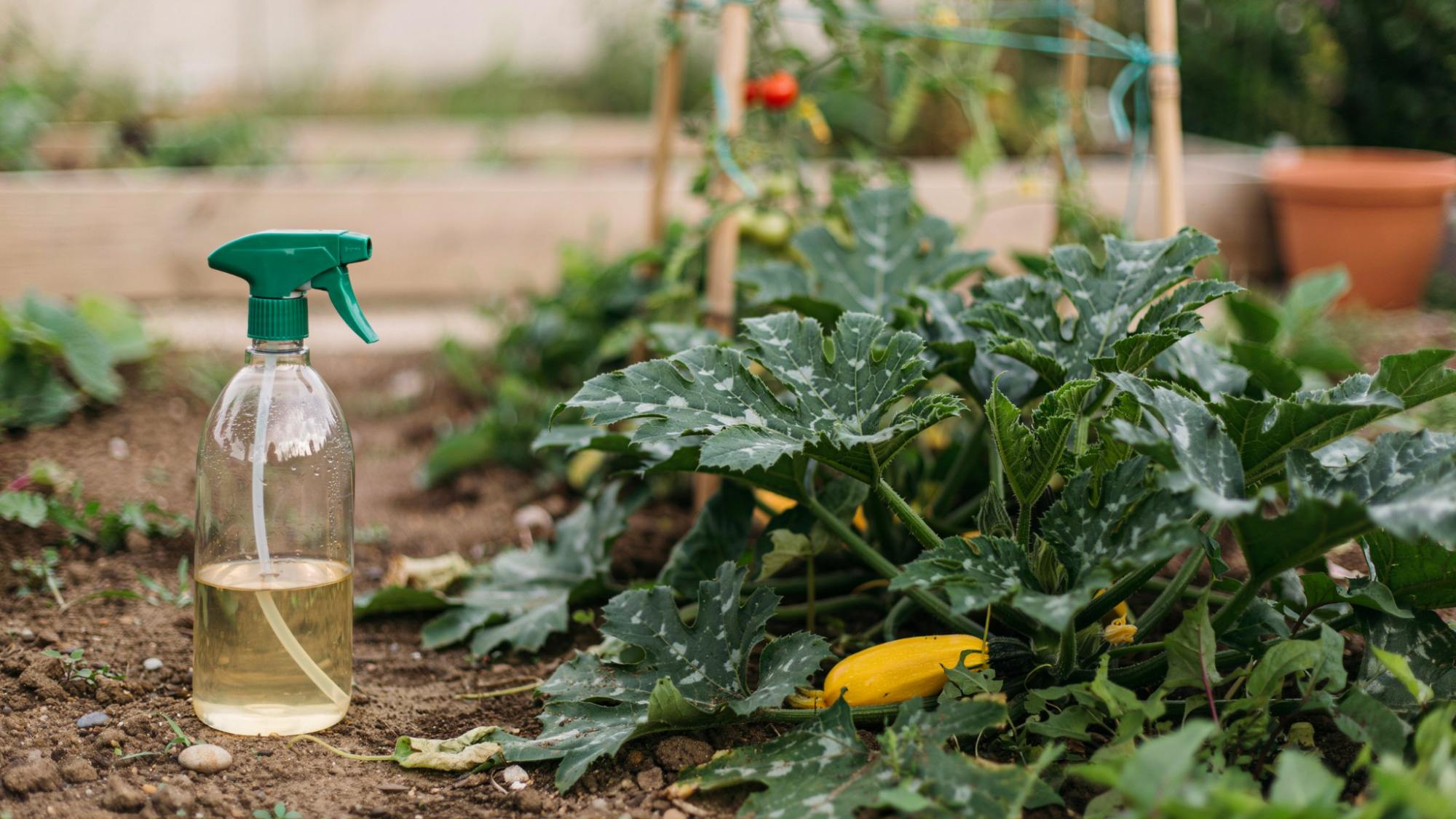
Vinegar is acidic, which makes it hard for fungus to survive. Mix two to three tablespoons of vinegar with a gallon of water.
Spray it directly on the white patches. Be careful not to use too much, since strong vinegar can burn the leaves.
How Often Should You Spray Zucchini Plants?

Most homemade sprays work best when applied once a week. If the mildew is spreading fast, you can spray every three to four days.
Always check the plant first to see how it responds. Stop spraying once the mildew clears up.
How to Get Rid of Powdery Mildew Zucchini Step by Step
This section breaks down treatment by severity, from mild spots to advanced infections that may require removing the plant entirely.
Step 1-Treating Mild Powdery Mildew
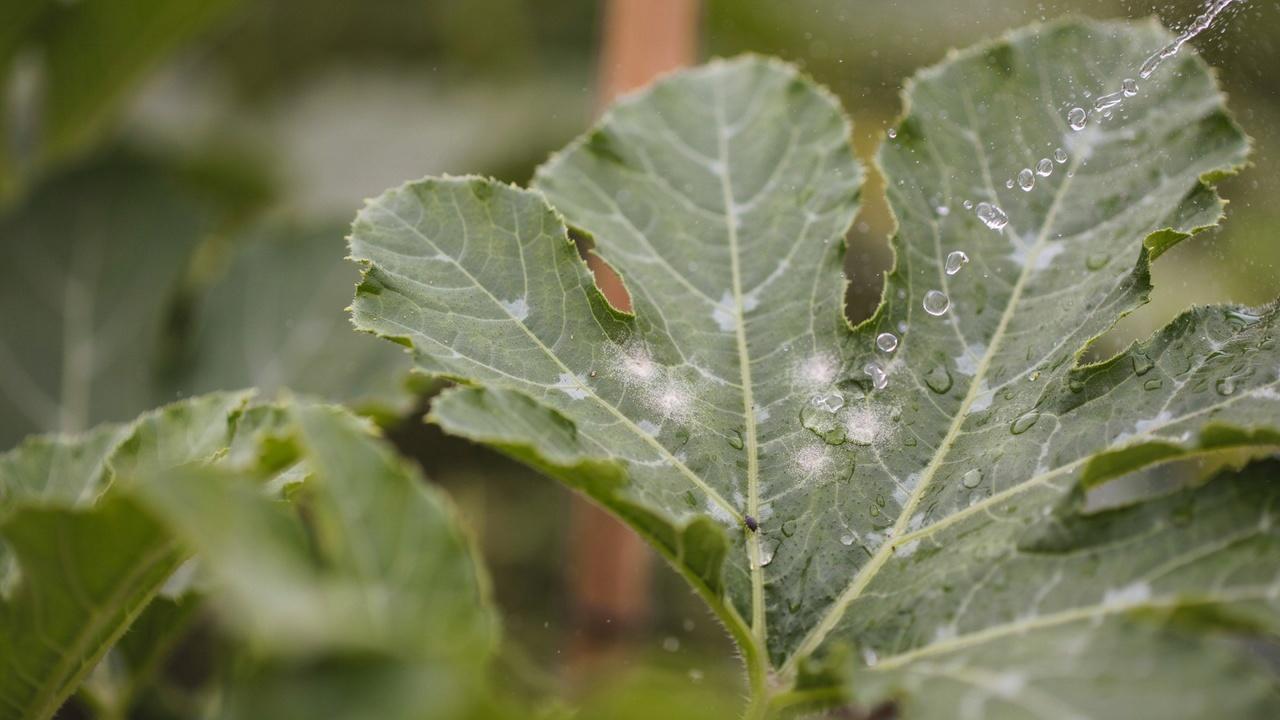
If you only see a few small spots, act fast. Remove the spotted leaves right away. Spray the plant with a baking soda or milk solution. Check back in a few days to see if it's working.
Step 2-Treating Moderate Powdery Mildew
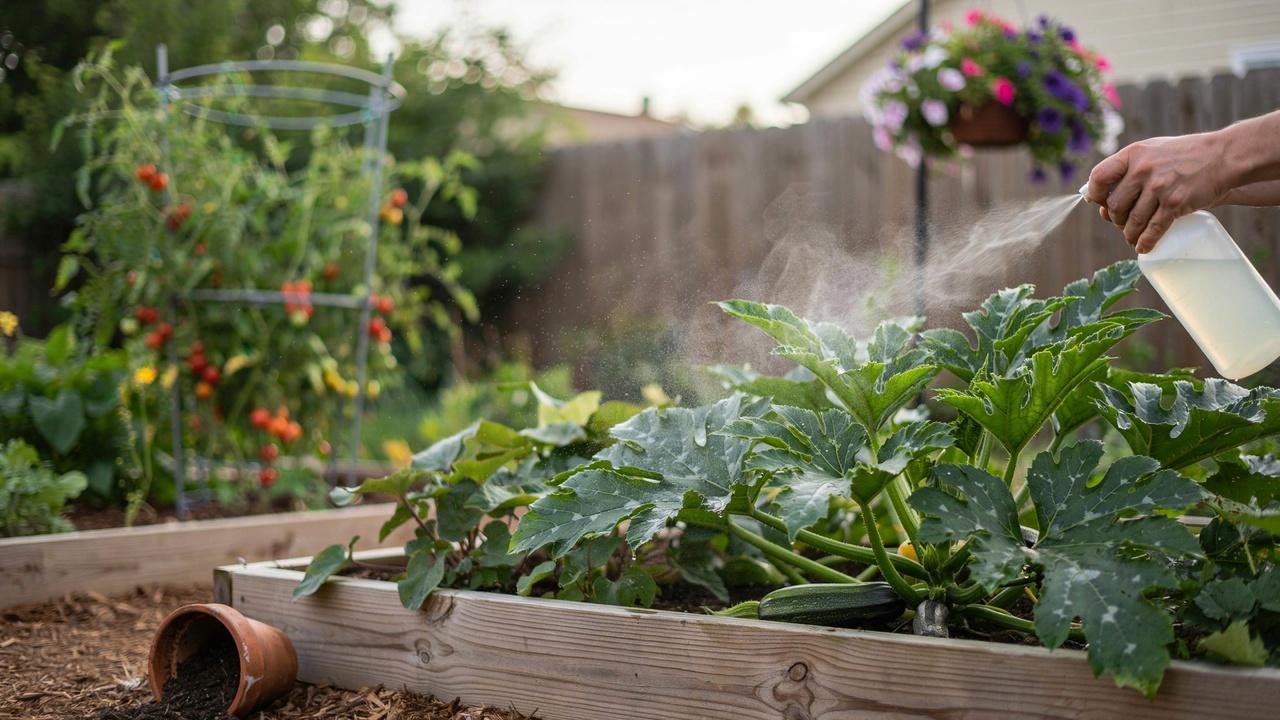
When the mildew covers several leaves, increase your treatment frequency. Use neem oil or vinegar spray every few days. Trim back any leaves that are mostly white. Make sure the plant gets good airflow.
Step 3-Treating Severe Powdery Mildew
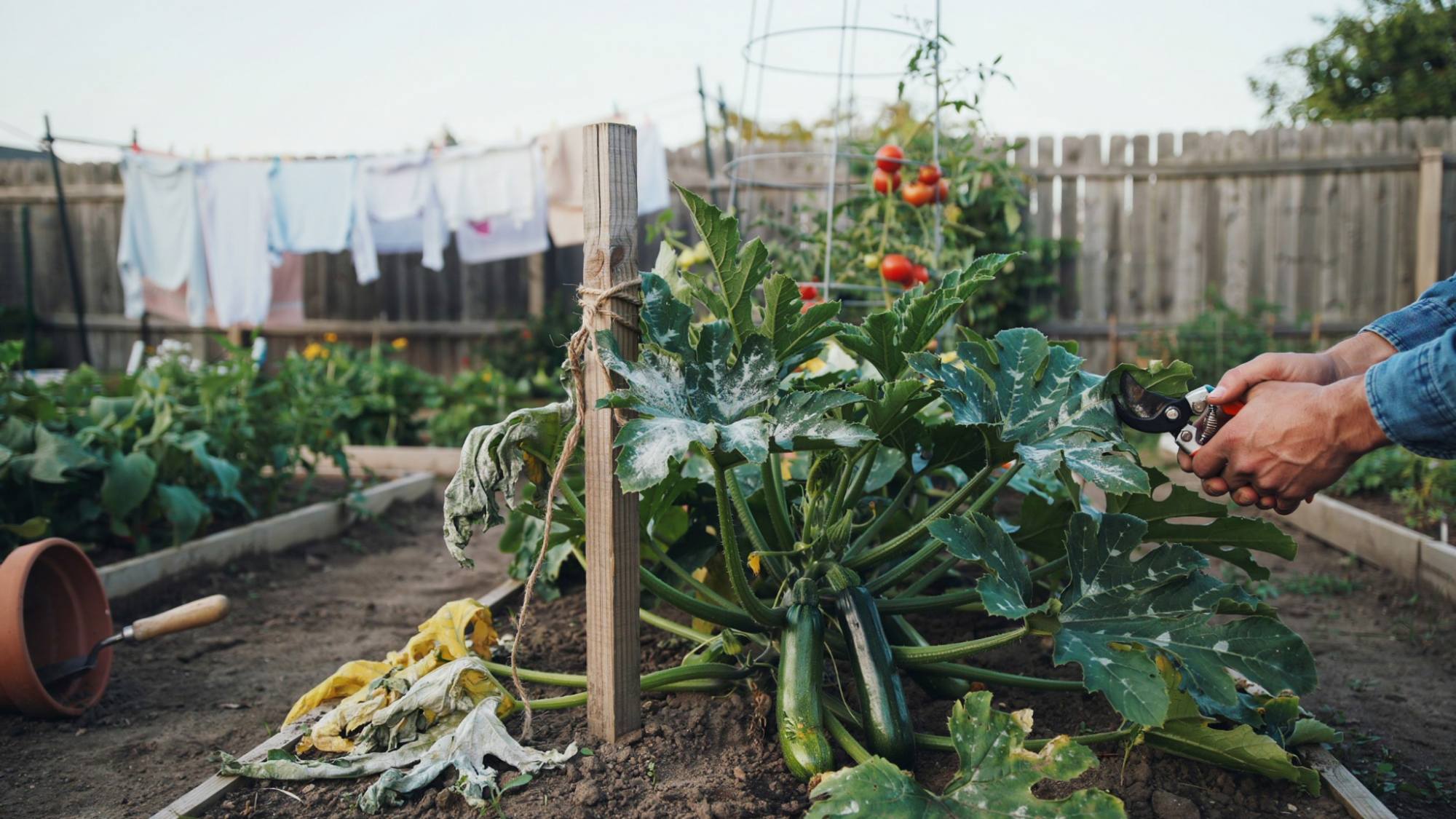
Severe cases cover most of the plant in white powder. At this point, remove all infected leaves you can without killing the plant. Spray the remaining healthy parts daily for a few days. Watch closely to see if the plant can recover.
Step 4-When to Remove the Entire Zucchini Plant

Sometimes the infection is too far gone to fix. If most of the plant is covered and it's no longer producing zucchini, it may be time to pull it. This protects nearby healthy plants from catching the fungus too.
What Causes Powdery Mildew on Zucchini?

Powdery mildew develops from a mix of environmental conditions and plant spacing issues that create the perfect breeding ground for fungal spores.
Warm, Humid Conditions and Poor Air Flow
Powdery mildew thrives on warm days and humid nights, especially in late summer. Poor air flow around crowded leaves traps moisture, giving spores a place to settle.
Overcrowded Plants and Shady Spots
Large zucchini leaves often overlap, blocking airflow and trapping humidity. Shady spots make it worse, since plants stay damp longer without enough sunlight to dry them out.
Spores Hiding in Soil and Plant Debris
Fungal spores survive winter in soil and old plant matter, then infect new plants in spring. Clearing garden debris helps keep this in check.
How to Prevent Powdery Mildew on Zucchini Plants
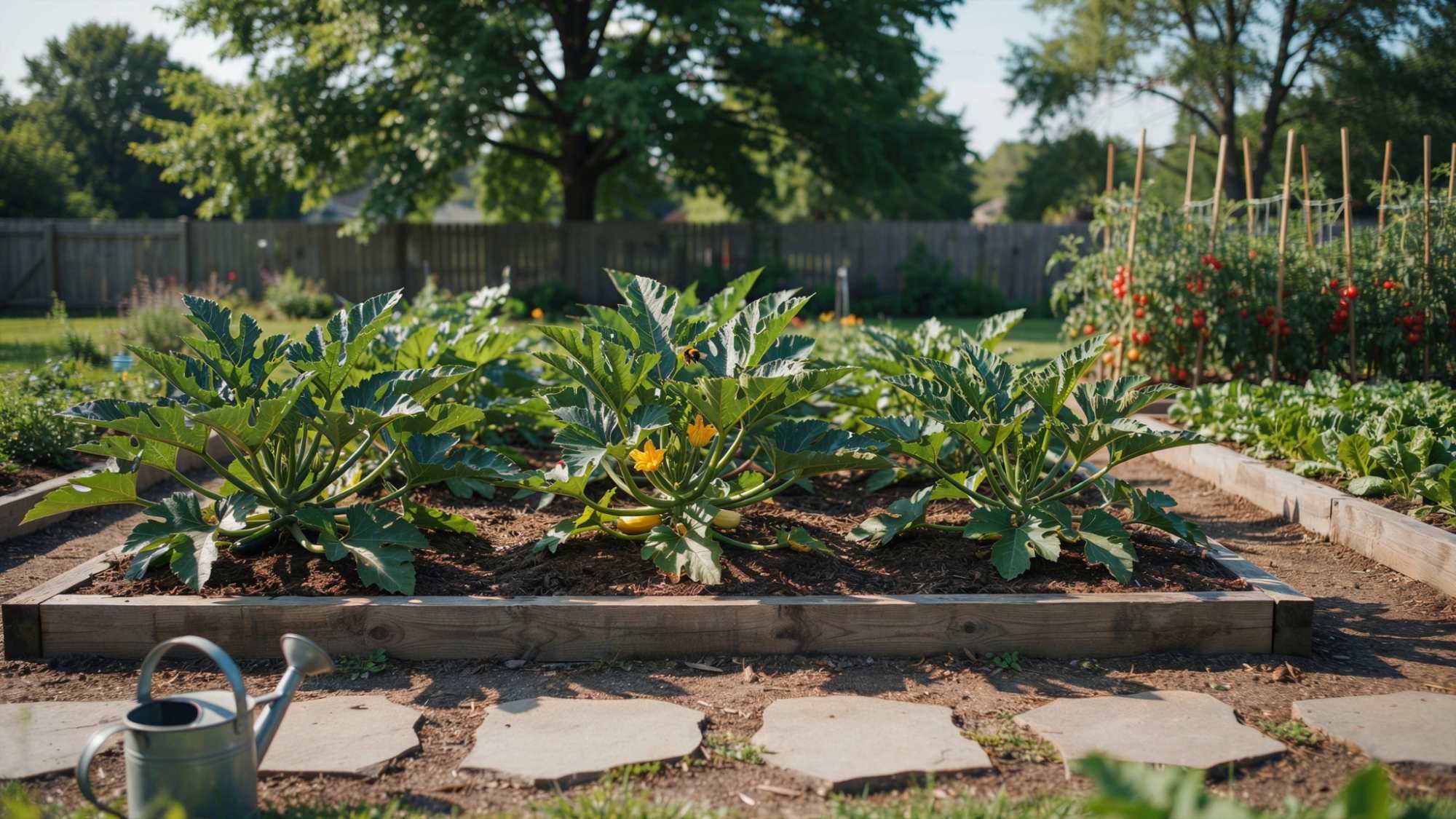
Prevention focuses on plant spacing, sunlight, watering habits, and garden cleanliness to stop powdery mildew before it starts.
Choose the Right Variety and Give It Space
Some zucchini varieties are bred to resist powdery mildew better than others, so look for seed packets or plant tags that mention this.
Beyond that, give each plant room to breathe. Most varieties need at least two to three feet between them, which allows air to flow and keeps leaves drier.
Maximize Airflow and Sunlight
Trim away lower or overlapping leaves during the growing season to open up the plant and improve air movement, but avoid removing too many at once.
Pick a planting spot that gets at least six hours of direct sun each day, since sunlight dries out moisture and makes it harder for fungus to take hold.
Water Smart and Clean Up Debris
Water the soil directly instead of spraying the leaves, and stick to mornings so plants have time to dry before evening.
At the end of the season, clear out old leaves and stems instead of leaving them in the garden, since this cuts down on spores surviving through winter.
Is Powdery Mildew Zucchini Safe to Eat?
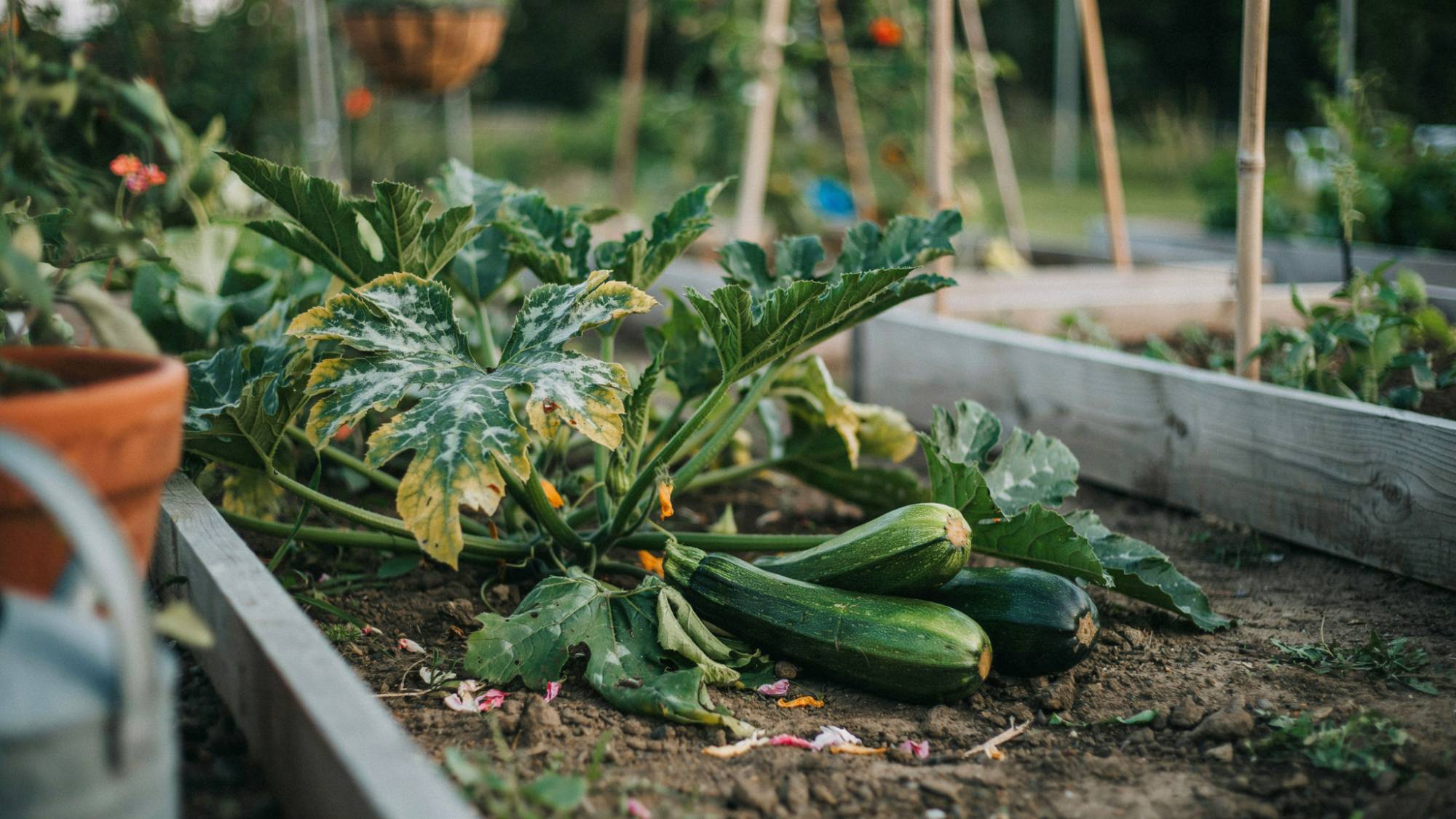
In most cases, yes, you can still eat zucchini from a plant with powdery mildew.
The fungus mainly affects leaves and stems, not the fruit itself, so a normal, firm zucchini is generally safe.
Powdery mildew is not known to harm humans either, since it's a plant disease rather than something that affects people directly.
Still, it's a good idea to wash your vegetables before eating them.
The one time you should throw zucchini away is if the fruit itself shows mold, soft spots, or an odd smell, since that means it has started to break down and is no longer safe to eat.
Common Mistakes When Treating Powdery Mildew Zucchini
Many gardeners unknowingly make their powdery mildew problem worse.
- Waiting too long to treat the plant lets the fungus spread further.
- Using sprays that are too strong, like concentrated baking soda or vinegar, can burn the leaves instead of helping them.
- Planting zucchini too close together traps moisture and blocks airflow, making mildew more likely.
- Tossing infected leaves into a compost pile can spread spores right back into the garden.
- Spraying during peak sun or heat often does more harm than good, since the mixture evaporates too fast or scorches the leaves.
Avoiding these mistakes makes treatment far more effective.
Tips for Growing Healthy Zucchini Without Powdery Mildew
Healthy zucchini plants come from weekly leaf checks, good airflow, crop rotation, strong soil, and clean tools.
- Inspect leaves weekly, checking both the top and bottom, so you catch mildew early and make treatment easier
- Stake zucchini plants to keep leaves off the ground, which improves airflow, reduces moisture, and makes harvesting easier
- Rotate crops every year instead of planting zucchini in the same spot, to stop spores from building up in the soil
- Improve soil health naturally by adding compost or organic matter each season, since strong, well-fed plants resist disease better
- Clean garden tools regularly, since dirty pruning shears can carry fungal spores from one plant to another
Conclusion
Powdery mildew zucchini can feel frustrating when you spot it on a plant you've cared for all season.
I've dealt with it myself, and a little baking soda spray plus better spacing made all the difference.
Your garden doesn't need to be perfect, just attended to with care and a watchful eye. Try one of these treatments this week and see how your plants respond.
Got a tip of your own? Drop it in the comments, and pass this along to a fellow gardener who could use it.
Frequently Asked Questions
Can powdery mildew kill my zucchini plant?
Yes, if left untreated for too long. Severe cases can stop the plant from producing fruit and eventually cause it to die.
Will powdery mildew spread to my other vegetables?
It can spread to related plants like squash, pumpkins, and cucumbers nearby. Keep an eye on neighboring plants and treat early if you see white spots.
Can I prevent powdery mildew without using chemicals?
Yes, simple steps like proper spacing, good airflow, and full sun help a lot. Home remedies like baking soda or milk spray also work well without harsh chemicals.
How long does it take to get rid of powdery mildew?
With regular treatment, you may see improvement within one to two weeks. Severe cases can take longer and may need daily attention for a few days.
Does powdery mildew come back after treatment?
It can return if the same conditions, like high humidity or poor airflow, are still present. Keep up with prevention steps even after the plant looks healthy again.