

I grew kohlrabi for two seasons before I figured out why it kept attracting pests. The fix was simpler than I expected. It came down to what I planted nearby.
In this blog, I'll walk you through the best kohlrabi companion plants that actually work.
You'll see which vegetables, herbs, and flowers to pair with kohlrabi, which ones to avoid, and why the right combinations make a real difference.
I've put together everything you need in one place. No guesswork. No complicated gardening advice.
If you want healthier kohlrabi with fewer pest problems, you're in the right place.
Let's get into it.
What Makes a Good Companion Plant for Kohlrabi?
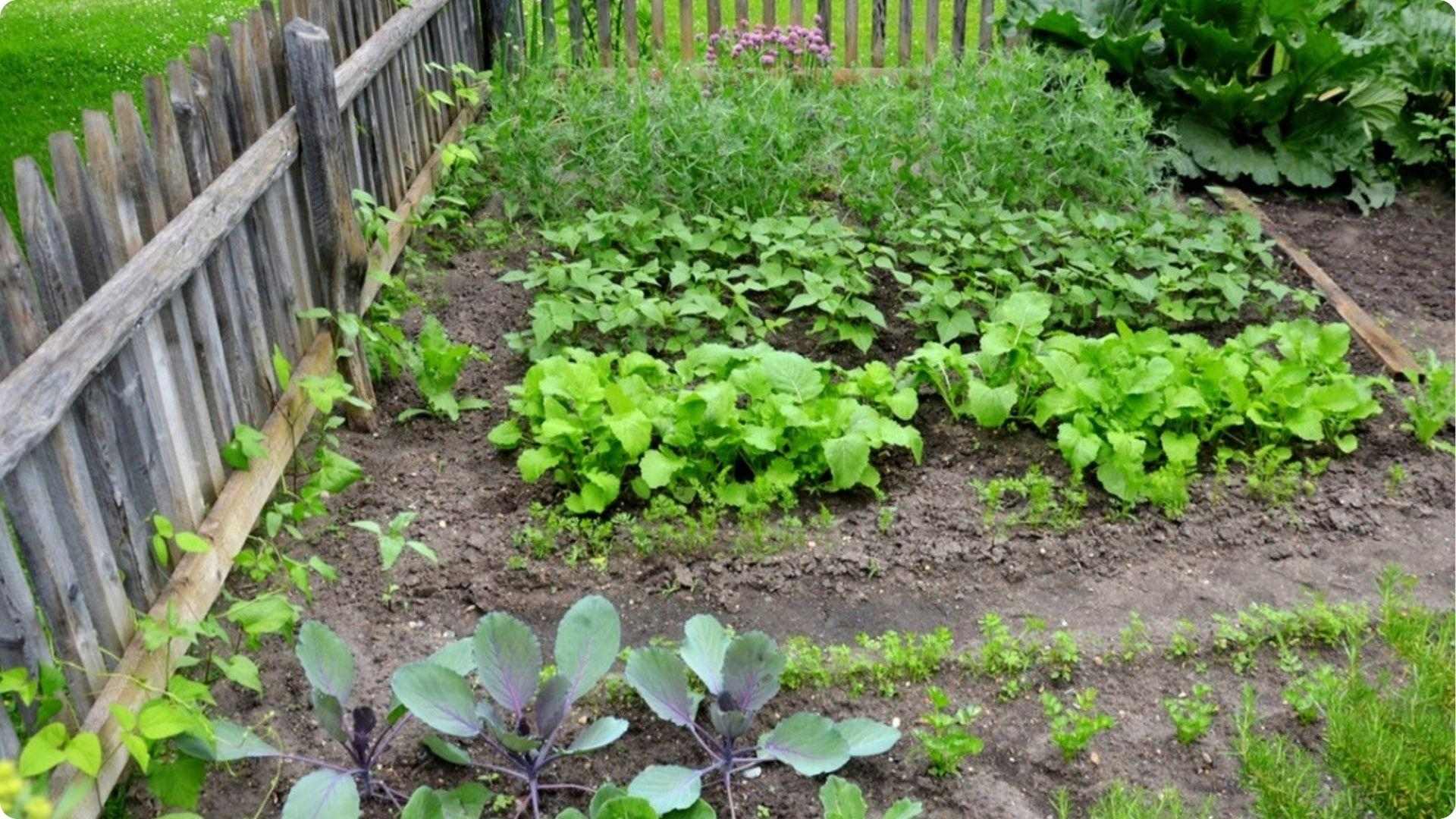
Not every plant belongs next to kohlrabi. A good companion plant shares similar growing conditions, like soil type, sun exposure, and watering needs.
It also pulls its weight in the garden. Some plants repel pests naturally. Others fix nitrogen in the soil, which feeds your kohlrabi without extra fertilizer.
A smart pairing also uses vertical or ground space wisely, so nothing goes to waste.
When you mix the right plants together, you get fewer pest problems, richer soil, and a more productive garden overall.
11 Best Kohlrabi Companion Plants
There are more good options than you might think. Here are the top plants that grow well alongside kohlrabi.
1. Beans

Beans are a great pairing for kohlrabi. They fix nitrogen in the soil, which kohlrabi needs to grow strong stems and leaves. Bush beans work especially well since they don't shade out kohlrabi.
Plant them nearby and let them do their job. Your kohlrabi will thank you with healthier, fuller growth through the season.
2. Beets

Beets and kohlrabi are low-drama neighbors in the garden. They don't compete much for nutrients and share similar watering needs.
Beets also grow underground, so they use a different layer of soil than kohlrabi. That means you get two crops from the same bed. Plant them in rows next to each other and make the most of your space.
3. Celery
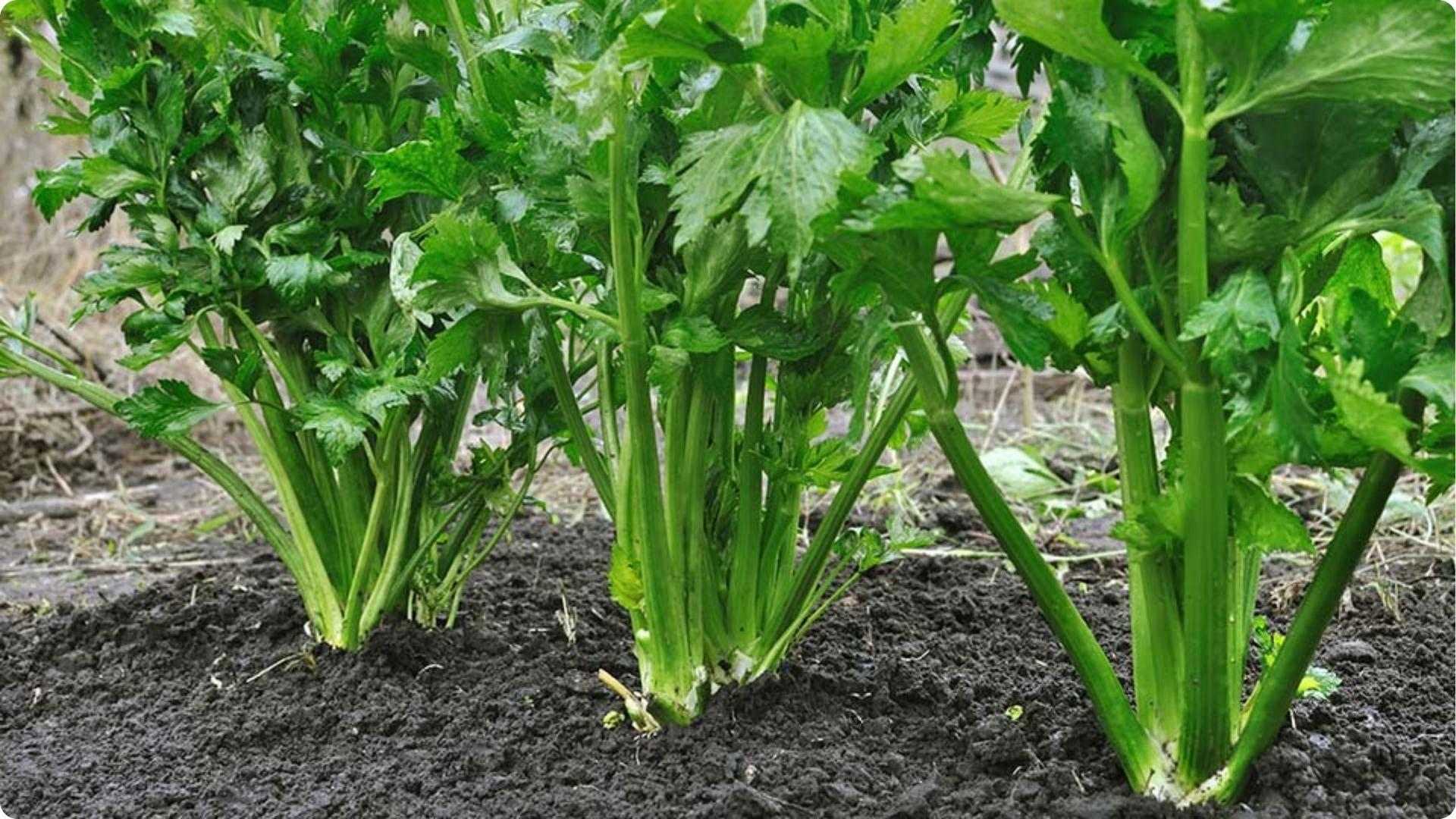
Celery works well near kohlrabi because it helps repel the white cabbage butterfly. That pest is one of kohlrabi's biggest problems. The strong scent of celery confuses and deters it.
You also get two productive crops growing side by side without crowding. Just make sure both get enough water, since celery is thirsty and so is kohlrabi during dry spells.
4. Lettuce

Lettuce is a smart ground cover to plant near kohlrabi. It grows low and fast, filling in gaps where weeds would otherwise pop up. It also keeps the soil cool and moist, which kohlrabi prefers.
Since lettuce matures quickly, you can harvest it before kohlrabi needs more room. It's one of the easiest pairings to manage in a small garden bed.
5. Onions
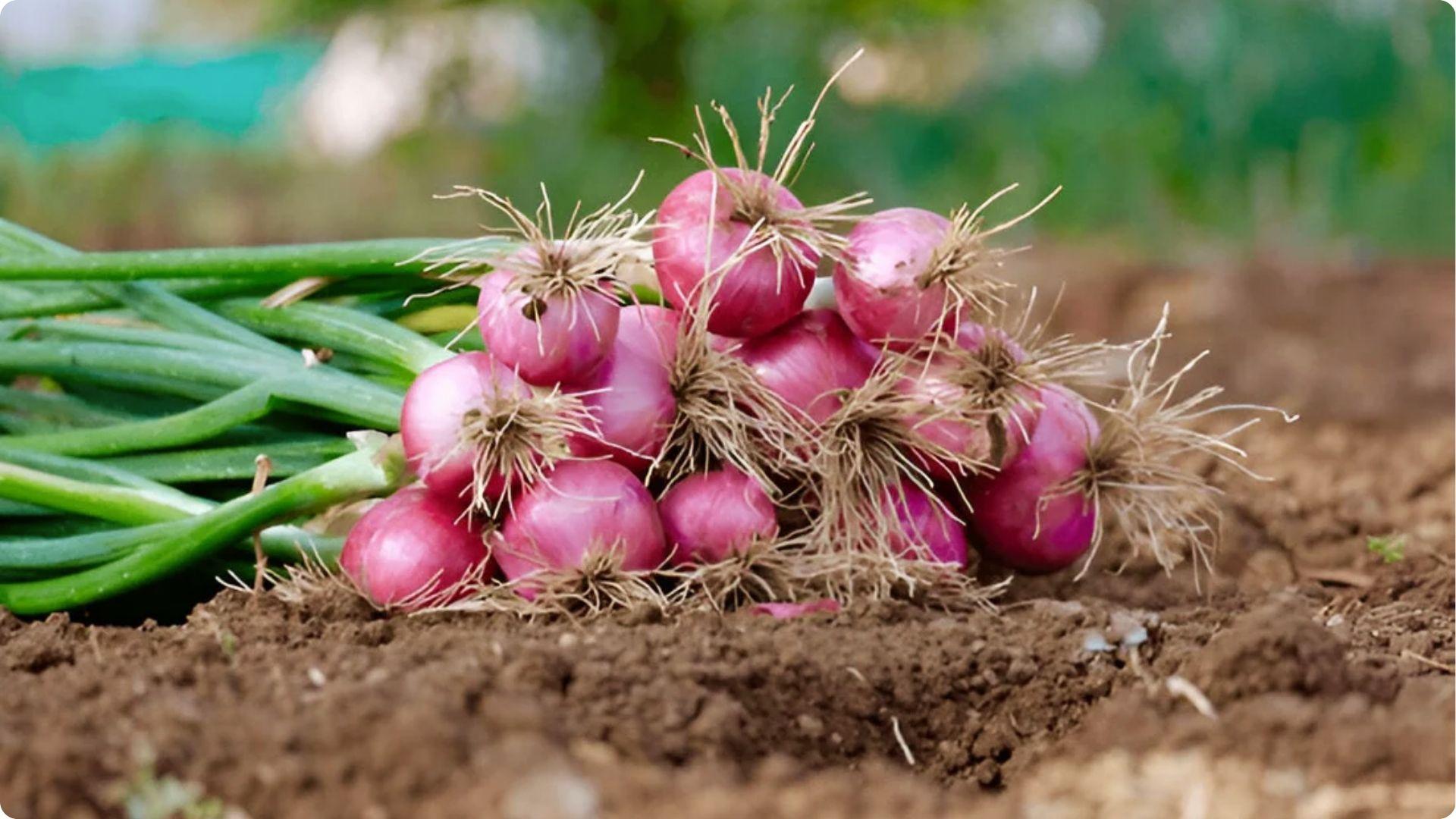
Onions are one of the best pest-deterring companions for kohlrabi. Their sharp scent keeps aphids, slugs, and beetles at bay. They're also compact, so they don't take up much room.
Plant them as a border around your kohlrabi patch. This simple trick keeps harmful insects confused and away from your crop without any sprays or chemicals.
6. Chives
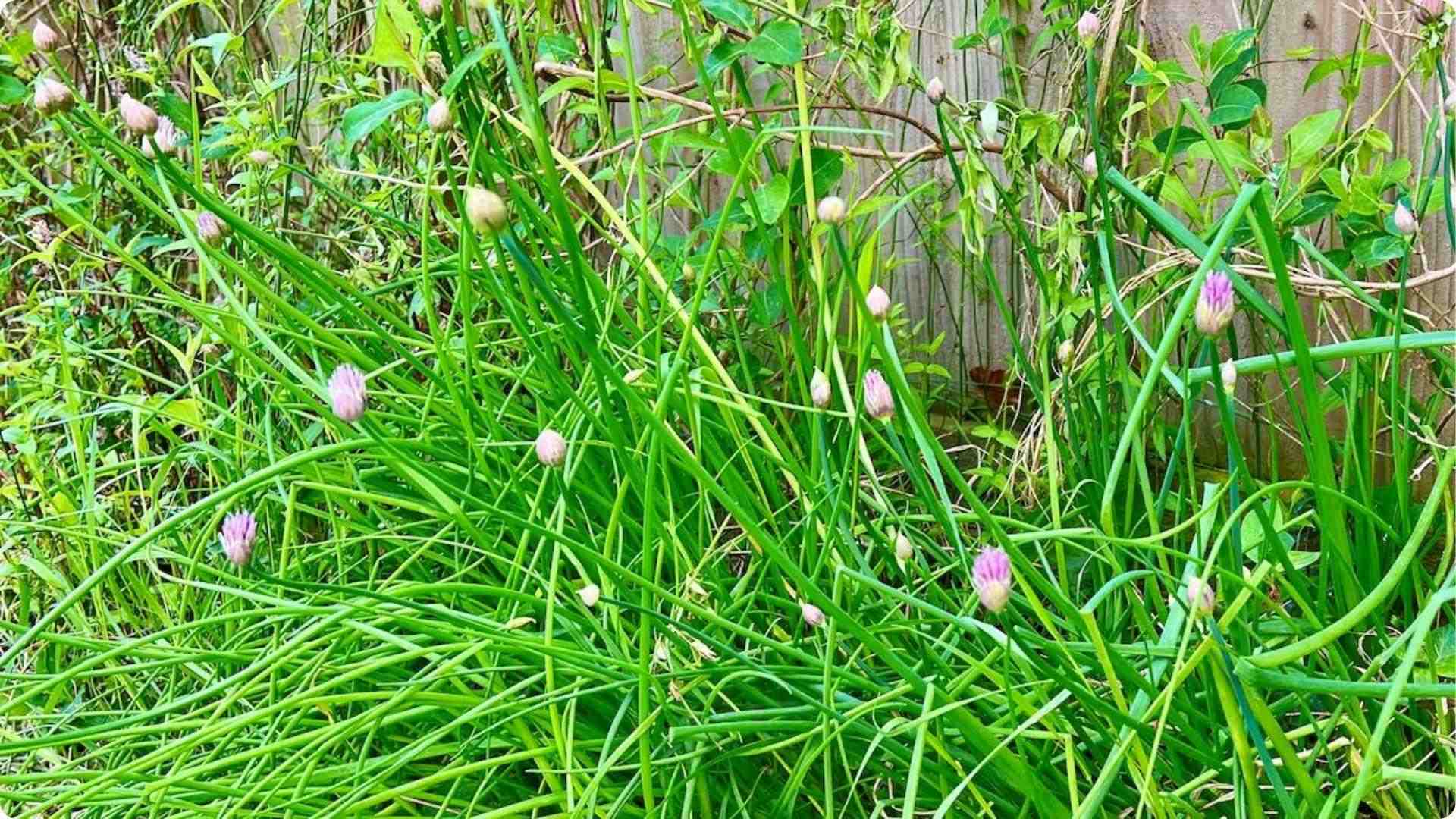
Chives are small but mighty in the garden. Their strong smell confuses aphids and other soft-bodied insects that target kohlrabi.
They also attract pollinators when they flower, which keeps your whole garden more active. Chives are easy to grow and come back every year. Once you plant them, they're just there, doing good work with almost no attention needed.
7. Dill
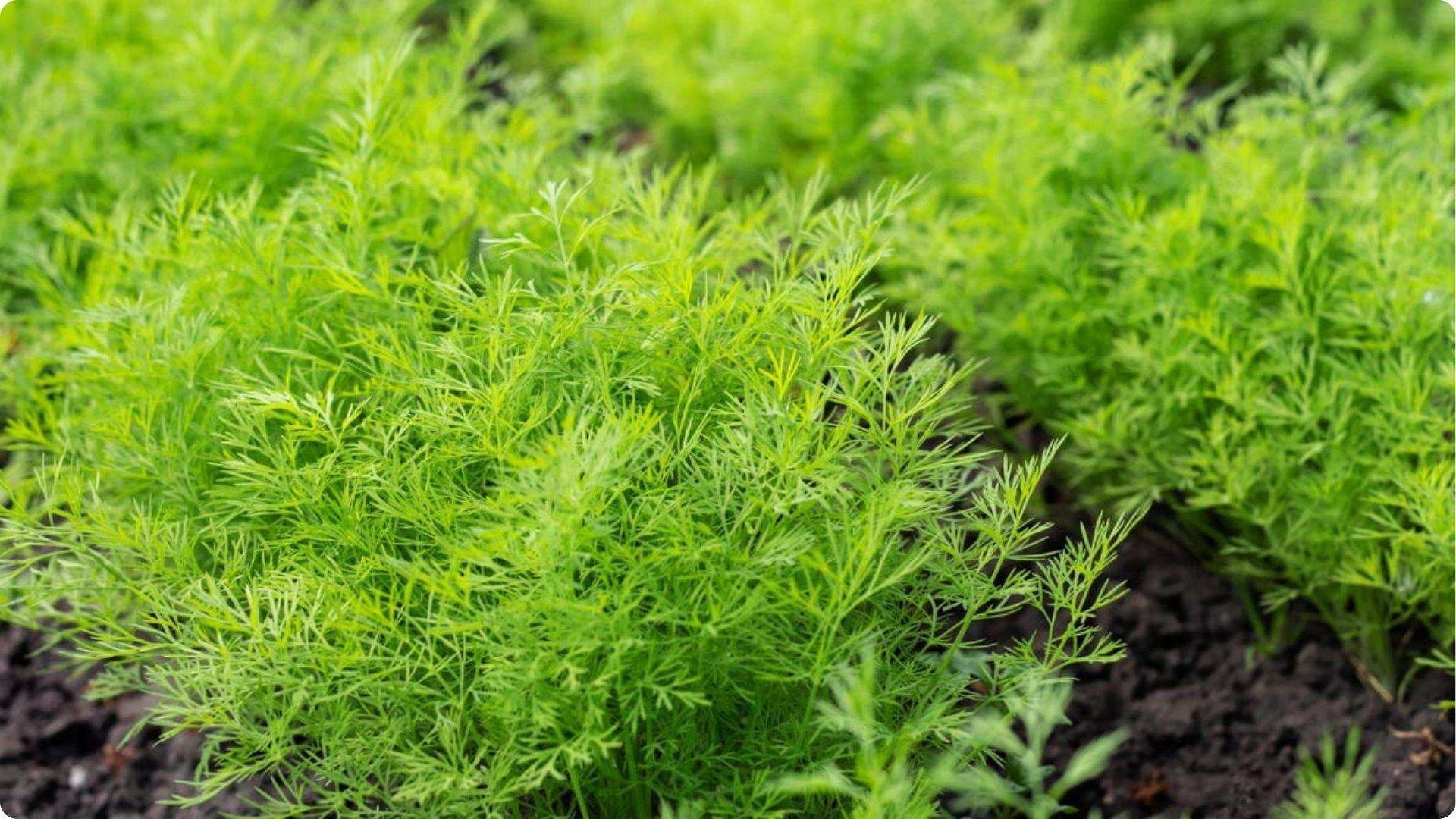
Dill attracts wasps and other helpful insects that prey on caterpillars and aphids. Since kohlrabi is often targeted by cabbage worms, having dill nearby is a smart move.
The two plants don't compete much, and dill is light enough that it won't shade kohlrabi. Let it grow tall in a nearby spot and let the beneficial insects it brings do the pest control for you.
8. Chamomile
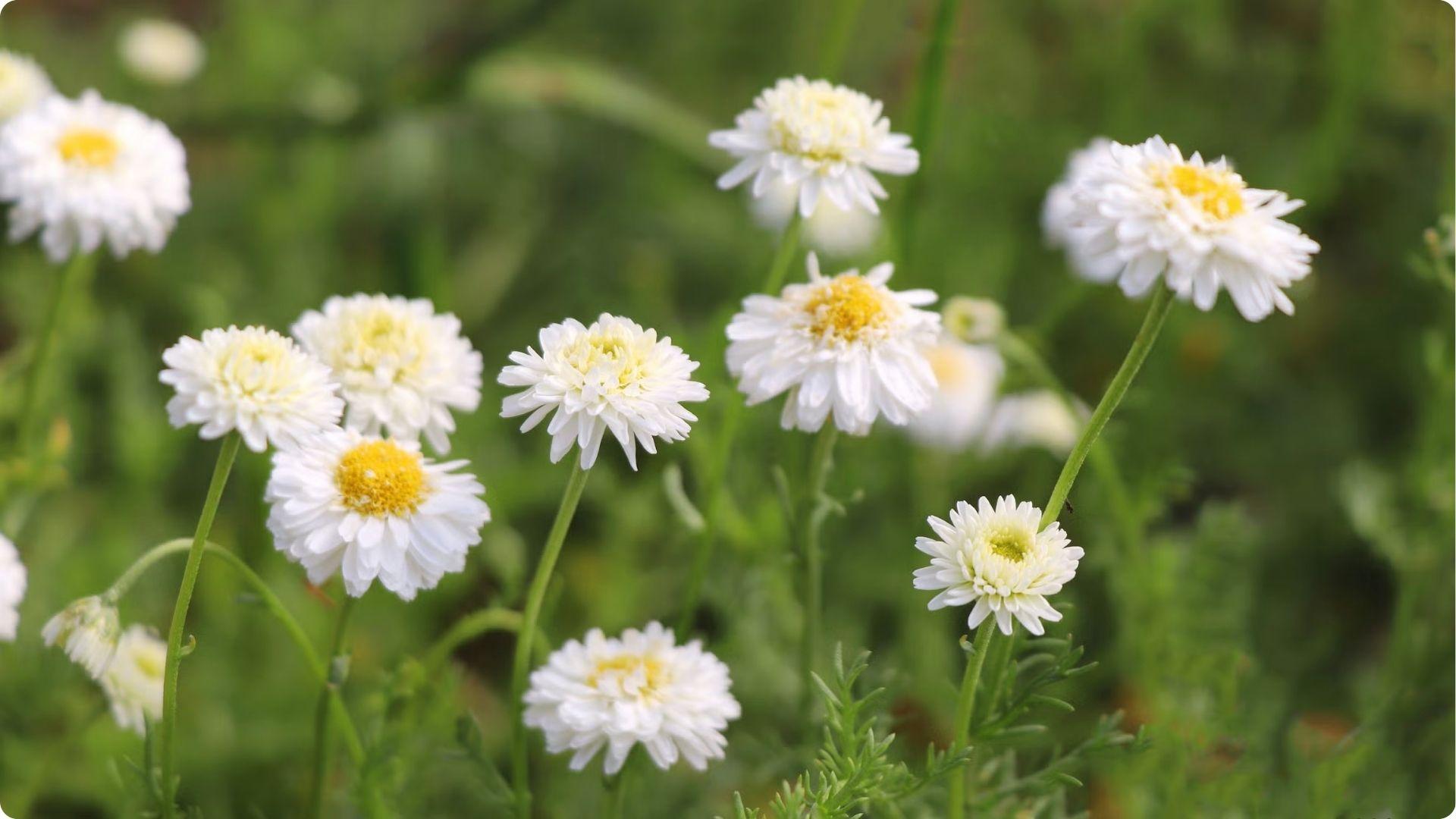
Chamomile is a gentle but useful companion. It draws in beneficial insects like hoverflies and parasitic wasps, both of which feed on common kohlrabi pests.
It also reportedly helps nearby plants absorb nutrients more effectively. Chamomile is easy to grow from seed and doesn't take up much space.
9. Rosemary
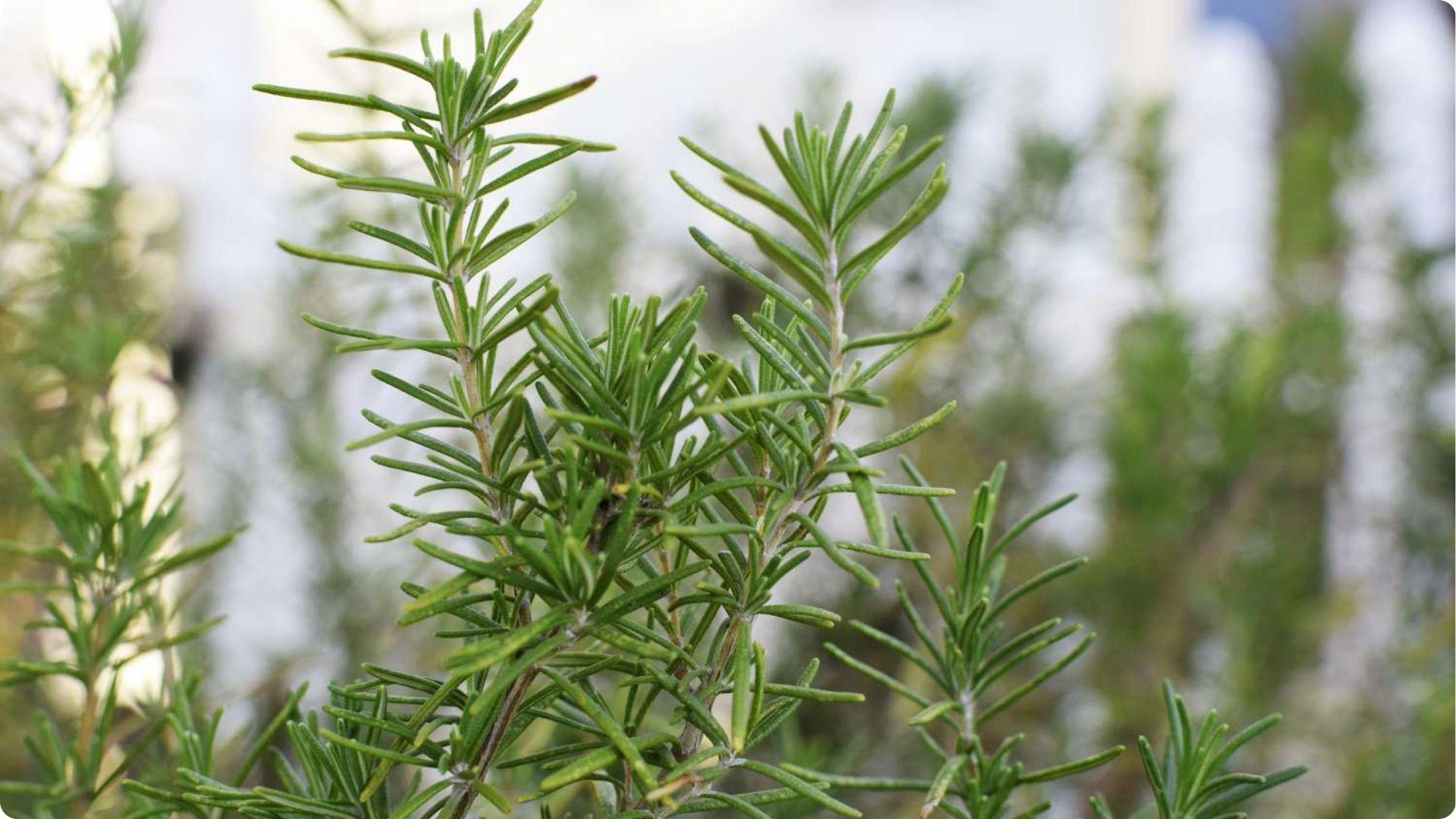
Rosemary has a strong scent that keeps a range of pests away, including moths and flies that target brassicas. It's a hardy plant that doesn't need much water once it's established.
So make sure you don't plant it too close to thirsty kohlrabi. Keep it nearby as a border plant. Its pest-repelling oils stay active all season long, making it a low-effort, high-payoff companion.
10. Nasturtiums
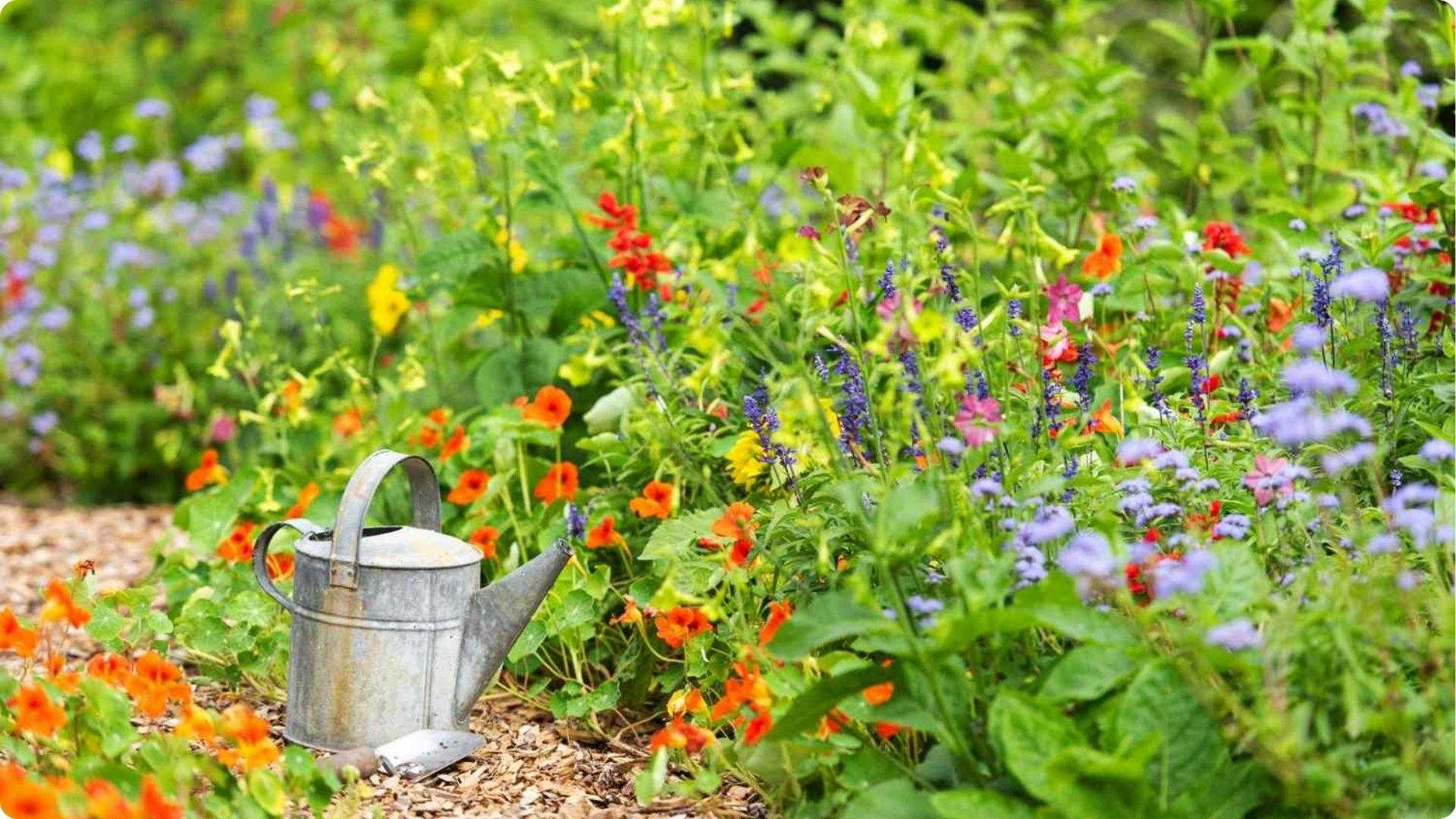
Nasturtiums are a gardener's best friend. They act as a trap crop, drawing aphids and caterpillars away from kohlrabi. Pests go for the nasturtiums first, leaving your kohlrabi alone.
They also attract pollinators and are completely edible. You can toss the flowers in a salad. Plant them at the edges of your kohlrabi bed and let them do double duty.
11. Sweet Alyssum
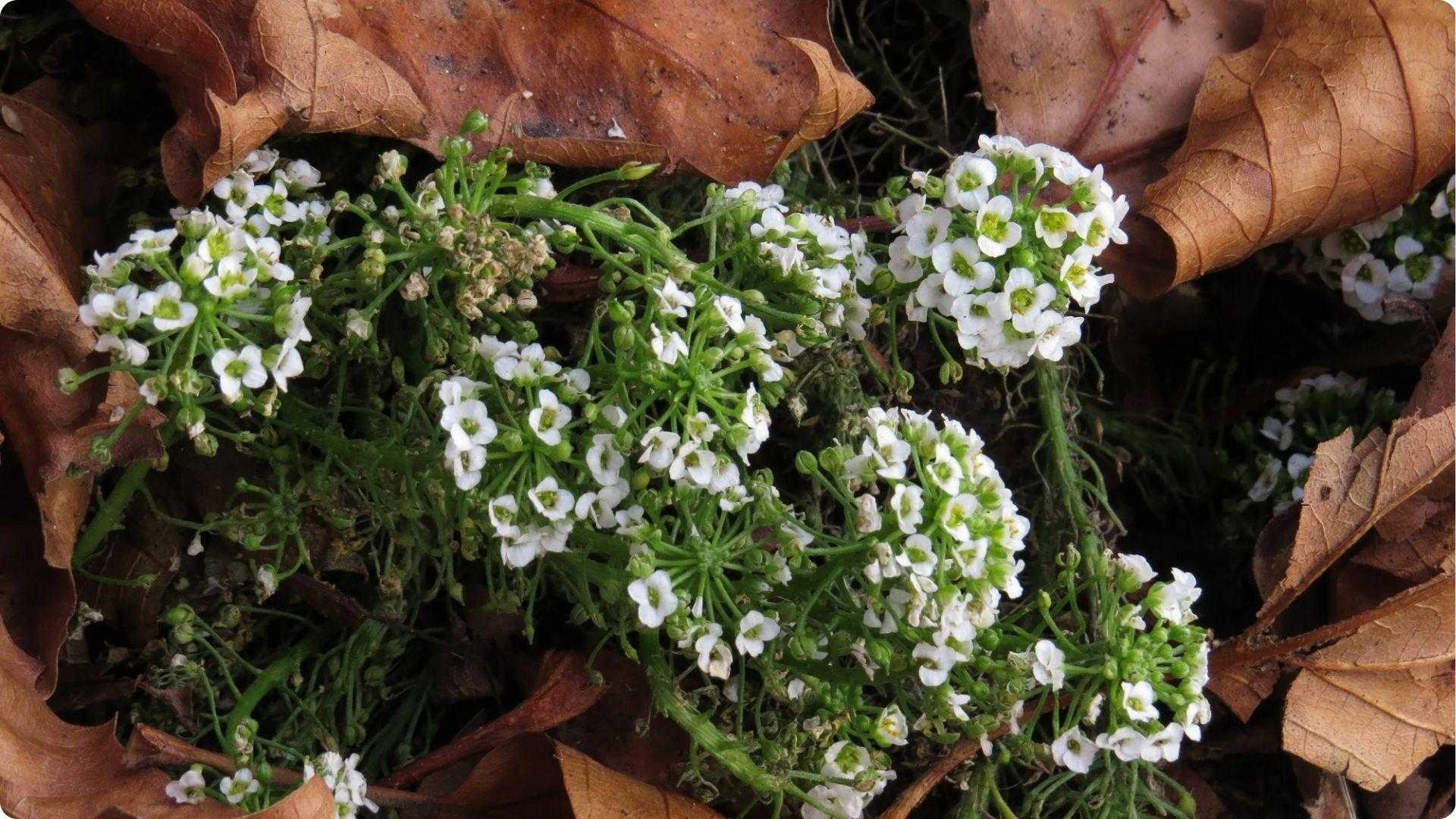
Sweet alyssum is a low-growing flower that covers the ground between plants and attracts hoverflies. Hoverflies are excellent at controlling aphid populations.
The plant also adds a light fragrance to the garden and stays compact, so it doesn't crowd anything out. It's a simple flower with a big job.
Why Certain Vegetables Make Excellent Kohlrabi Companion Plants
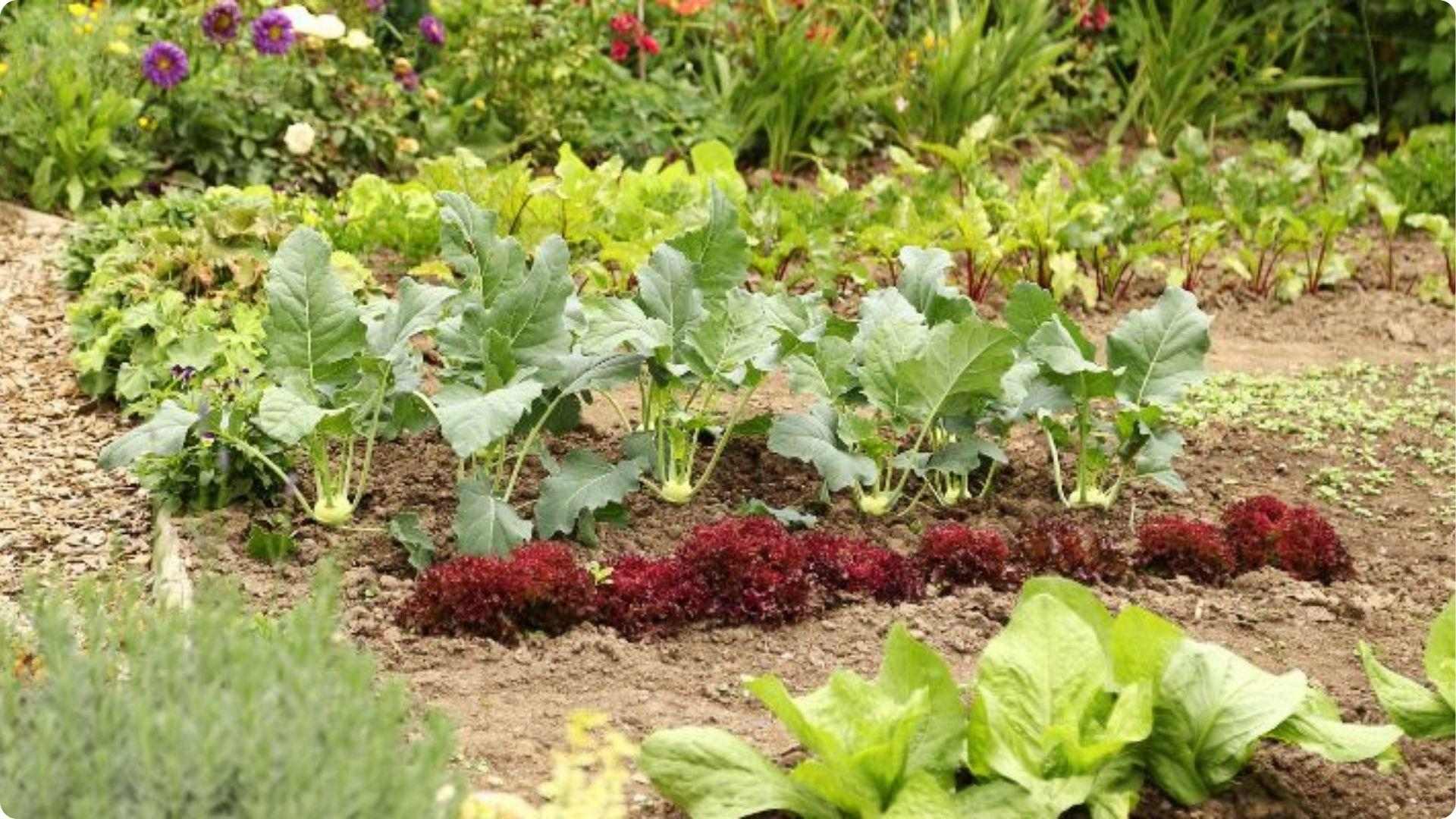
Vegetables that grow well with kohlrabi usually have two things going for them. They don't compete for the same nutrients, and they bring something useful to the pairing.
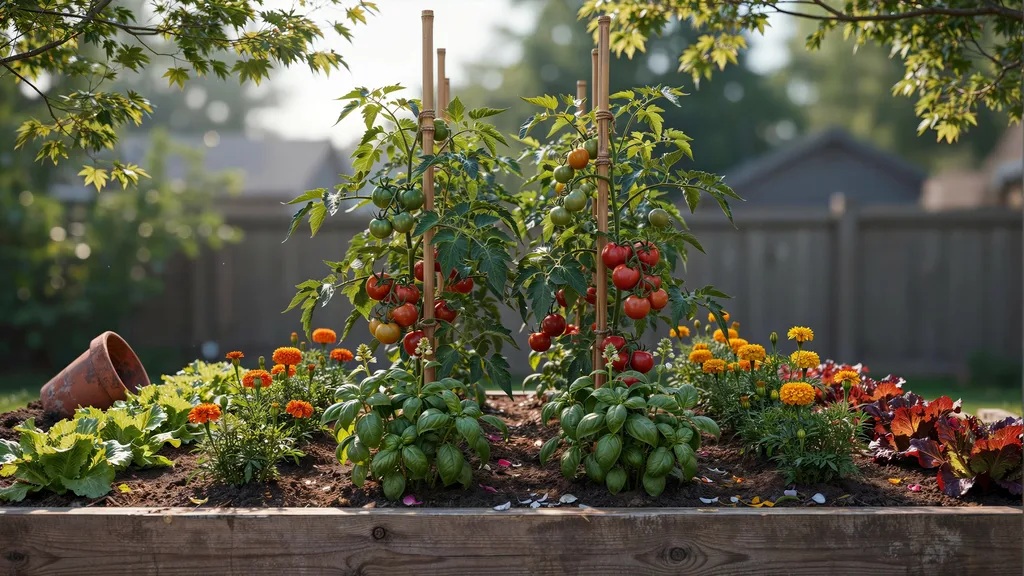
Beans add nitrogen. Beets use underground space. Lettuce shades the soil and keeps weeds down. Onions repel pests with their scent.
When you choose companion vegetables carefully, you create a garden where every plant supports the others. The result is less work for you and better growth across the board.
Best Herbs to Grow With Kohlrabi

Herbs are some of the most useful companions in the garden. Their strong scents and flowering patterns do a lot of the pest management work for you.
Chives
Chives keep soft-bodied pests like aphids away from kohlrabi with their sharp onion scent. They grow in small clumps, so they don't crowd anything out.
Plant them as a border along your kohlrabi bed. They're perennials too, which means once you plant them, they'll keep coming back without any extra effort from you each season.
Dill
Dill is a tall, feathery herb that draws in helpful predatory insects. These insects go after the caterpillars and aphids that love kohlrabi. It's a natural way to manage pests without chemicals.
Just be careful not to plant dill too close since it can inhibit some plants if overcrowded. A short distance away works perfectly well and still brings all the benefits.
Chamomile
Chamomile attracts hoverflies and parasitic wasps, both of which prey on common garden pests. It's easy to grow and doesn't need much care. Plant it near your kohlrabi to keep a steady population of beneficial insects around.
Some gardeners say it helps neighboring plants grow more vigorously, though the exact reason isn't fully understood. Either way, it's a low-risk, high-reward addition.
Rosemary
Rosemary is a strong-scented herb that deters moths, beetles, and flies that commonly attack brassica crops. It grows as a shrub and works best as a border plant.
Since it prefers drier soil, plant it a bit away from kohlrabi rather than right next to it. Its pest-repelling oils work all season without any effort on your part, making it one of the most convenient companions.
Best Flowers to Grow With Kohlrabi
Flowers aren't just for looks. The right ones attract helpful insects and act as decoys for pests that would otherwise target your kohlrabi.
Nasturtiums

Nasturtiums pull aphids and caterpillars away from kohlrabi. They act like a magnet for pests, keeping damage focused on the flower rather than your crop.
They're also edible, which is a bonus. Plant them at the edges of your beds so pests hit the nasturtiums first.
They're fast-growing and low-maintenance, making them one of the most practical flowers you can add to your vegetable garden.
Sweet Alyssum
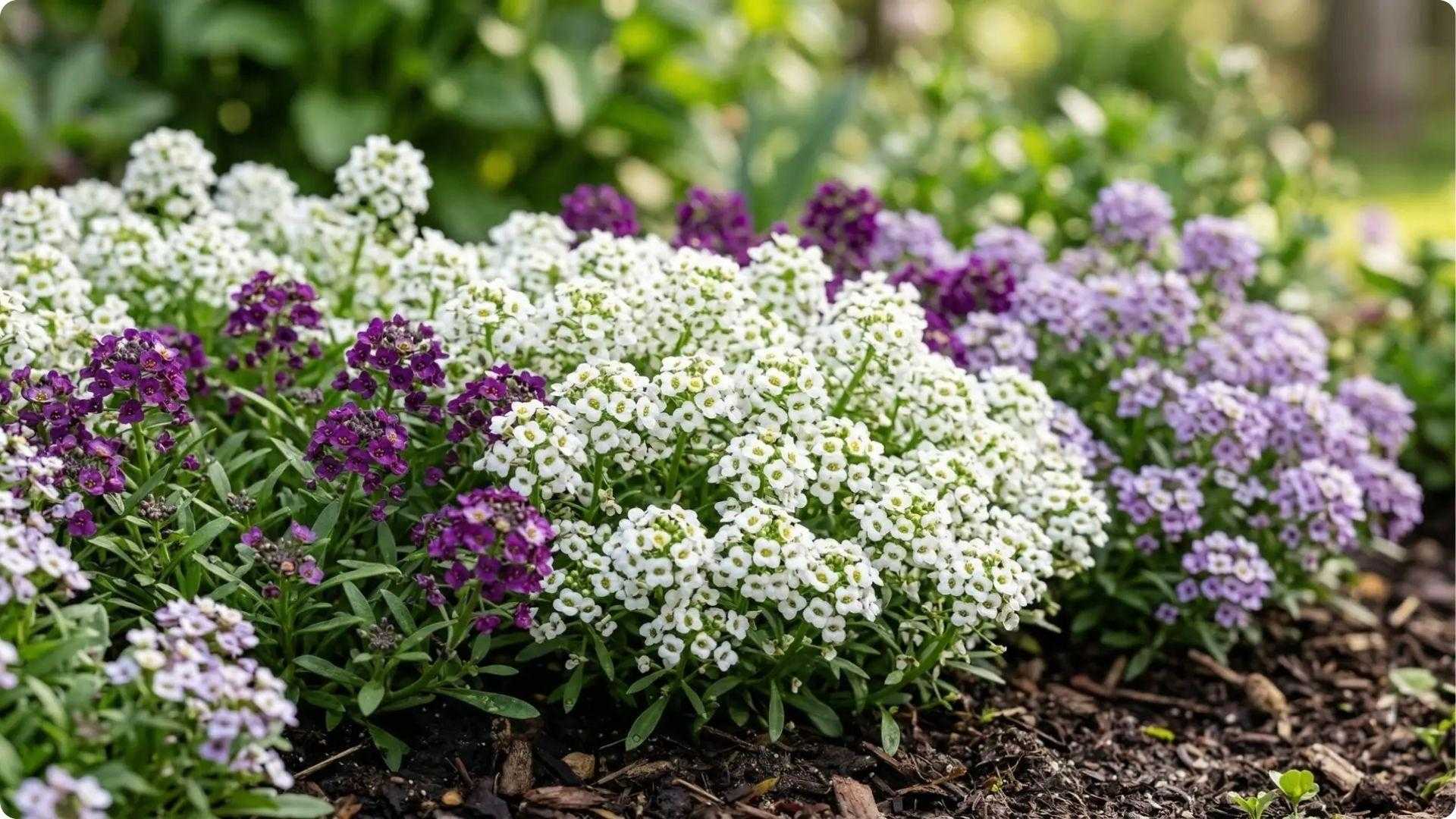
Sweet alyssum grows low and spreads quickly between plants. It draws in hoverflies, which are natural predators of aphids.
Once they're in your garden, they keep the aphid population under control all season. Sweet alyssum also helps suppress weeds by covering bare soil.
It needs very little care and keeps producing flowers steadily. Tuck it between kohlrabi plants or along the row edges for the best results.
How Companion Plants Help Kohlrabi Grow Better

Companion plants do more than just fill space in your garden. The right ones actively support kohlrabi in multiple ways.
Nitrogen-fixing plants like beans feed the soil naturally, which pushes kohlrabi to grow stronger and fuller.
Strong-scented herbs like onions and chives keep common pests away without any sprays. Flowering plants like dill and sweet alyssum bring in helpful insects that target aphids and caterpillars.
Deep-rooted companions loosen compacted soil and improve water flow. Low-growing plants fill empty gaps, suppress weeds, and make full use of every inch of your garden bed.
Plants to Avoid Growing Near Kohlrabi
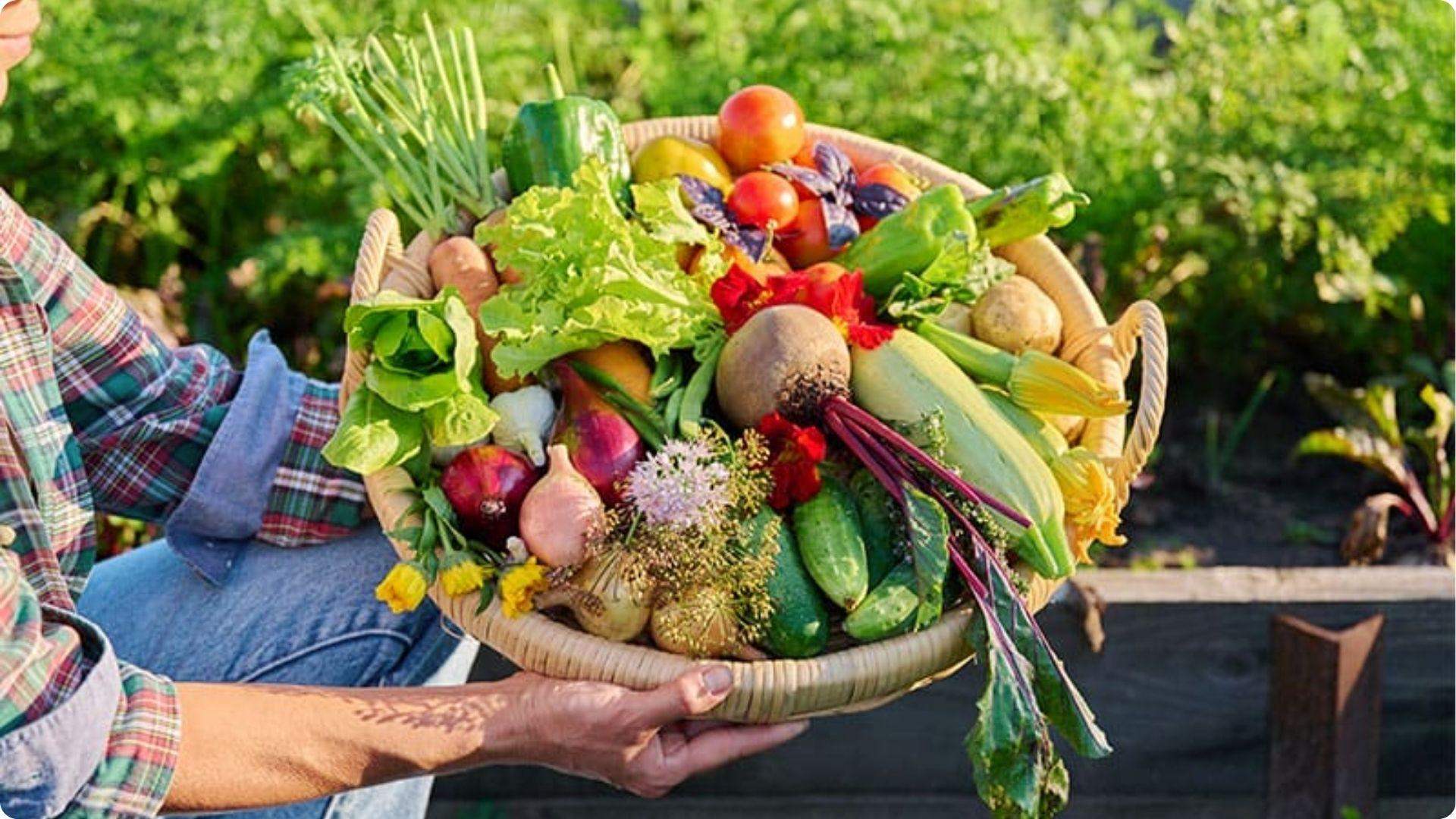
Some plants cause real problems when grown next to kohlrabi. Knowing what to keep away is just as important as knowing what to plant nearby.
Cabbage: Cabbage and kohlrabi are in the same plant family, so they compete for the same nutrients and attract the same pests.
Broccoli: Broccoli pulls heavily from the soil and attracts the same insects that damage kohlrabi.
Cauliflower: Cauliflower shares the same pest vulnerabilities, making it easy for caterpillars and aphids to spread between both plants.
Kale: Kale competes with kohlrabi for nitrogen and water while drawing in the same pests.
Brussels Sprouts: Brussels sprouts and kohlrabi share diseases and pests, which increases the risk of a full crop failure.
Tomatoes: Tomatoes have very different soil and nutrient needs, and their roots can release compounds that slow kohlrabi's growth.
Corn: Corn grows tall and blocks the full sun that kohlrabi needs to produce well.
Peppers: Peppers prefer warmer and drier conditions, so pairing them with kohlrabi causes one or both plants to underperform.
Strawberries: Strawberries attract pests and diseases that spread easily to brassicas and compete in the same soil layers.
Companion Planting Tips for a Healthier Kohlrabi Harvest
Good companion planting takes a little planning, but the results are worth it. Here are simple tips to get the most out of your garden.
- Match kohlrabi with plants that share the same sun, water, and soil needs.
- Give every plant enough room so air can move freely between them.
- Rotate brassica crops each season to break pest and disease cycles in the soil.
- Mix vegetables, herbs, and flowers together for the best companion planting results.
- Check your kohlrabi regularly for pests and adjust your planting if something isn't working.
Conclusion
I started small with companion planting. Just onions around my kohlrabi and a patch of nasturtiums nearby.
The difference was noticeable by mid-season. Fewer pests, better growth, and a more productive bed overall. You don't need a big garden to make it work.
Pick two or three of these kohlrabi companion plants, try them out this season, and see what happens.
Got a combination that worked well for you? Drop it in the comments. I'd love to hear what's working in your garden.
Frequently Asked Questions
What are the best companion plants for kohlrabi?
Beans, lettuce, onions, chives, dill, and nasturtiums are among the most effective companions for kohlrabi.
Can I plant kohlrabi near tomatoes?
No. Tomatoes have different growing needs and may release root compounds that slow kohlrabi's growth, so keep them apart.
Do herbs actually help kohlrabi grow better?
Yes. Herbs like chives, dill, and rosemary repel pests and attract beneficial insects that protect kohlrabi naturally.
Why should I avoid planting kohlrabi near other brassicas?
Other brassicas compete for the same nutrients and attract the same pests, which increases disease risk and reduces yields for both crops.
How far apart should companion plants be from kohlrabi?
Most companions do well within one to two feet of kohlrabi, but check individual spacing needs to avoid overcrowding and root competition.