
My first batch of saved watermelon seeds grew into sad, bitter fruit that tasted nothing like the parent plant.
That small mistake taught me there is a right way and a wrong way to do this.
If you are searching for how to save watermelon seeds, you are in the right place.
This blog walks you through picking the right fruit, cleaning seeds the proper way, drying them fully, and storing them so they grow well next season.
I have tested every step in my own garden, so you are getting real results here, not guesses.
By the end, you will know exactly how to save seeds that grow into healthy, strong plants every time.
Understanding Watermelon Seeds Before You Save Them

Before you save any seeds, you need to know what kind of watermelon you are growing.
Heirloom and open-pollinated varieties grow true to type, meaning the seeds produce plants just like the parent. Hybrid watermelons do not work this way.
Their seeds often grow into weak or unpredictable plants, so they are a poor choice for seed saving. You also need to wait until seeds inside the fruit are fully mature, not just the flesh.
Seed quality matters more than people think, since weak or underdeveloped seeds lead to poor germination and unhealthy plants down the line.
How to Save Watermelon Seeds: Step by Step
A simple walkthrough from picking the right fruit to storing seeds that actually grow.
Step 1: Choose a Fully Ripe Watermelon
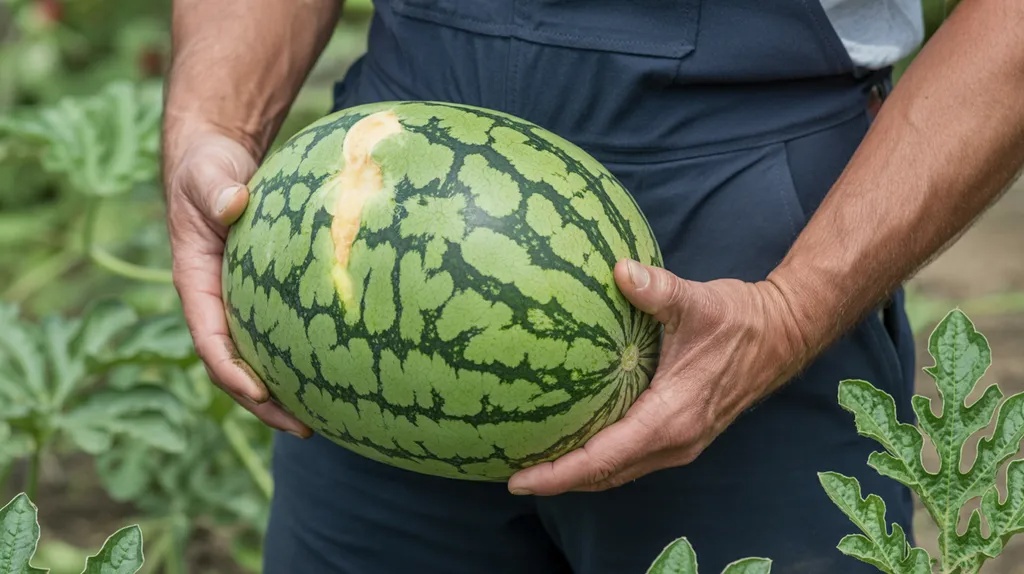
Look for a watermelon that feels heavy for its size and sounds hollow when you tap it. A fully ripe fruit means the seeds inside have had enough time to mature properly.
Seed maturity depends directly on how ripe the fruit gets before you cut it open.
Pick a watermelon too early, and the seeds inside will likely be pale, soft, and unable to grow into healthy plants later.
Step 2: Cut Open the Watermelon and Sort the Seeds
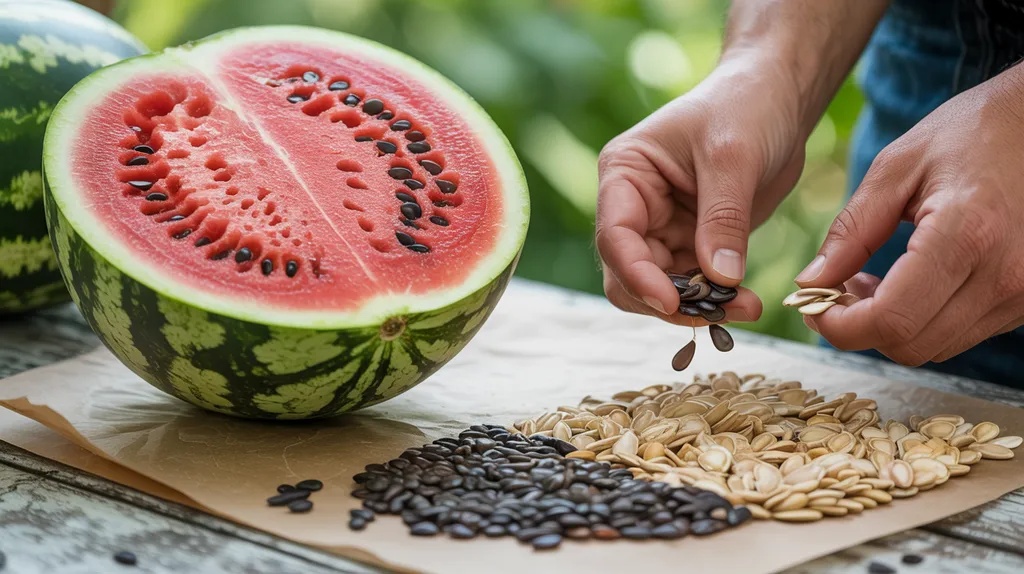
Cut the watermelon slowly with a sharp knife, keeping the blade away from the center where most seeds sit.
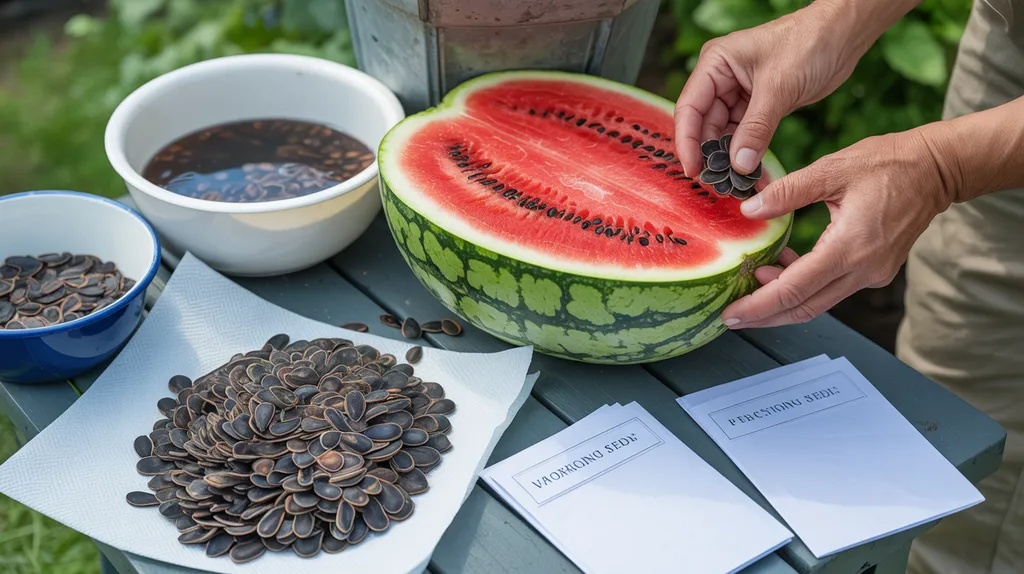
Scoop out sections of flesh that hold the seeds, then gently separate them from the pulp with your fingers.Once separated, spread the seeds out and look closely at each one.
Keep the seeds that feel plump, firm, and fully formed, and set aside any that look flat, pale, or oddly shaped, since these usually will not grow well.
Step 3: Clean and Ferment the Seeds

Your sorted seeds still carry sticky pulp on their surface, so rinse and gently rub them clean under water.
For better results, place the seeds in a container of water for one to two days, stirring occasionally.
Fermentation breaks down the outer coating and separates strong seeds from weak ones, since healthy seeds sink while weak ones float. Rinse thoroughly under clean water once fermentation finishes.
Step 4: Dry the Seeds Completely
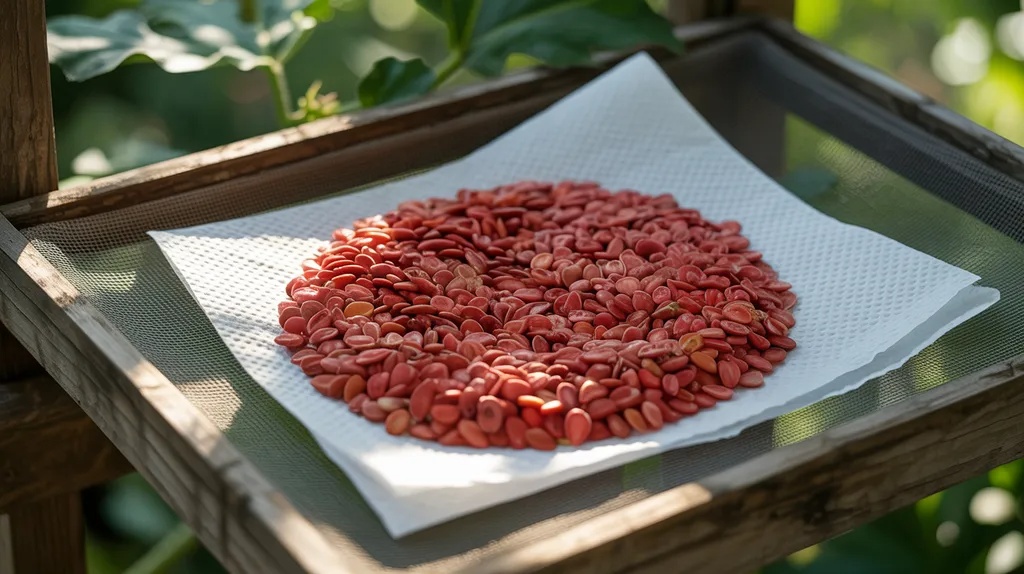
Spread your cleaned seeds in a single layer so air reaches every side evenly. A paper towel, mesh screen, or flat tray all work well.
Choose a shaded, well ventilated spot, away from direct sunlight and heat. Most seeds take one to two weeks to dry fully.
A fully dried seed should feel hard and snap cleanly instead of bending. If it still feels soft, give it more time before storing.
Step 5: Store Watermelon Seeds Properly

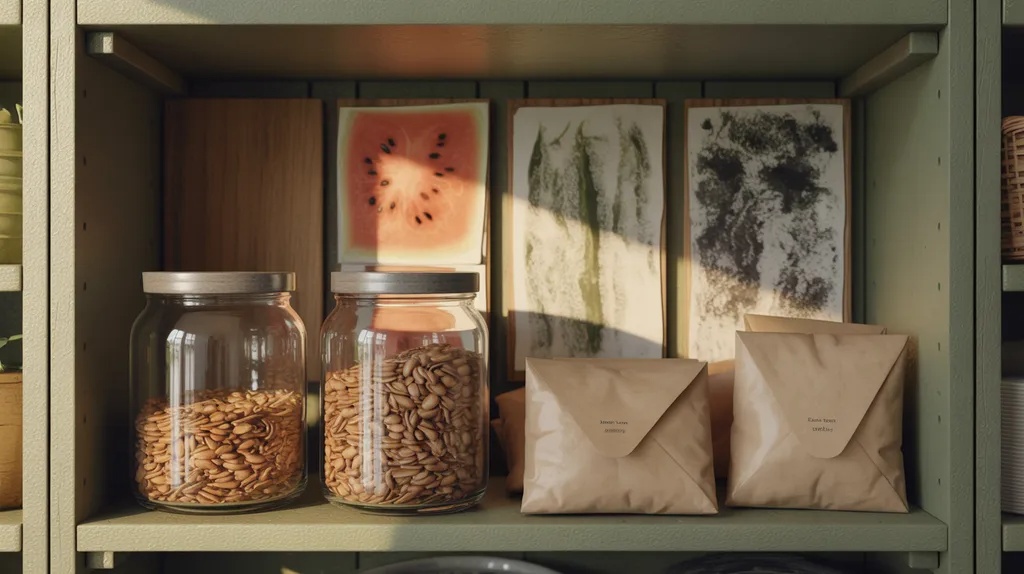
Once your seeds pass the dryness check, move them into an airtight container, like a glass jar or sealed bag.
Store them somewhere cool, dark, and dry, since heat, light, and humidity all shorten their shelf life.
Label each container with the watermelon variety and the date you saved them, so you do not lose track when planting season arrives.
Step 6: Test Seed Viability Before Planting

Before you commit a full season to your saved seeds, run a quick test. Place a few seeds inside a damp paper towel, seal it in a plastic bag, and keep it somewhere warm for about a week.
If most seeds sprout, your batch has strong germination and is ready for planting.
A low sprout rate means your seeds may need fresher replacements.
How Long Do Saved Watermelon Seeds Last?
Saved watermelon seeds typically stay viable for three to five years when stored the right way. That number is not fixed, though.
Several factors can shorten or stretch that window. Heat and humidity are the biggest threats, since both speed up the seeds losing their ability to sprout.
Light exposure causes similar damage over time, even in small amounts. Seeds that were not dried fully before storage also tend to fail faster, since trapped moisture invites mold.
On the other hand, seeds kept cool, dark, and dry in a sealed container often hold their germination rate well past the average mark.
Expert Tips for Better Seed Saving Success
A few small habits that make seed saving easier and more reliable over time.
- Save seeds from several fruits to keep genetic diversity
- Pick your strongest plants each season for next year's seeds
- Label and track every seed batch by variety and date
- Keep different varieties apart to avoid cross-pollination
- Test old seed batches yearly to check germination rates
Conclusion
The first season I saved seeds, half of them never sprouted. I had skipped drying them properly, and I learned that lesson the hard way.
Now I always run the snap test before storing anything.
If you have been wondering how to save watermelon seeds the right way, you now have every step laid out in front of you.
Try saving seeds from your next harvest. Tell me how your germination test goes, or share this with a fellow gardener who saves seeds every year too.
Frequently Asked Questions
Can I save seeds from a hybrid watermelon?
You can, but the plants they grow will likely be unpredictable.
Do watermelon seeds need to dry completely before storage?
Yes, fully dried seeds prevent mold and spoilage in storage.
How do I know if a seed is still good?
Run a germination test before planting season starts.
Can I skip the fermentation step entirely?
Yes, the quick rinse method works fine for small batches.
Where is the best place to store saved seeds?
A cool, dark, dry spot works best for long term storage.