

Zucchini plants grow fast. Sometimes too fast. If your plant looks like a jungle of leaves with no fruit in sight, this guide is for you.
I have grown zucchini for years and learned what actually works through real trial and error in my own garden.
In this article, you will learn when to prune, how to do it step by step, and what mistakes to avoid.
We will also cover the right tools, the best time to cut, and how to care for your plant afterward.
No confusing advice. Just simple, proven steps that help your zucchini stay healthy and productive all season long.
Understanding Zucchini Growth Habits
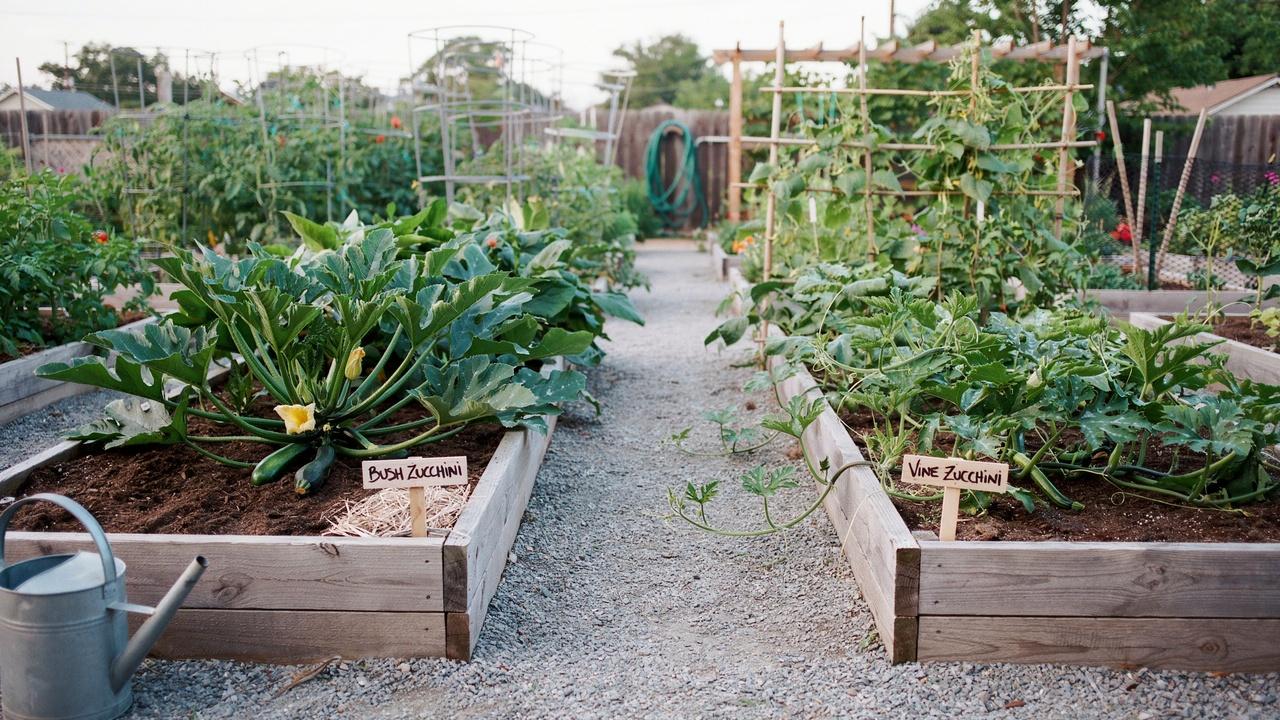
Learn how bush and vining zucchini grow differently and why that shapes your entire pruning approach. Not all zucchini plants grow the same way.
Before you pick up your pruning shears, it helps to know what type you are working with.
Bush Zucchini vs. Vining Zucchini
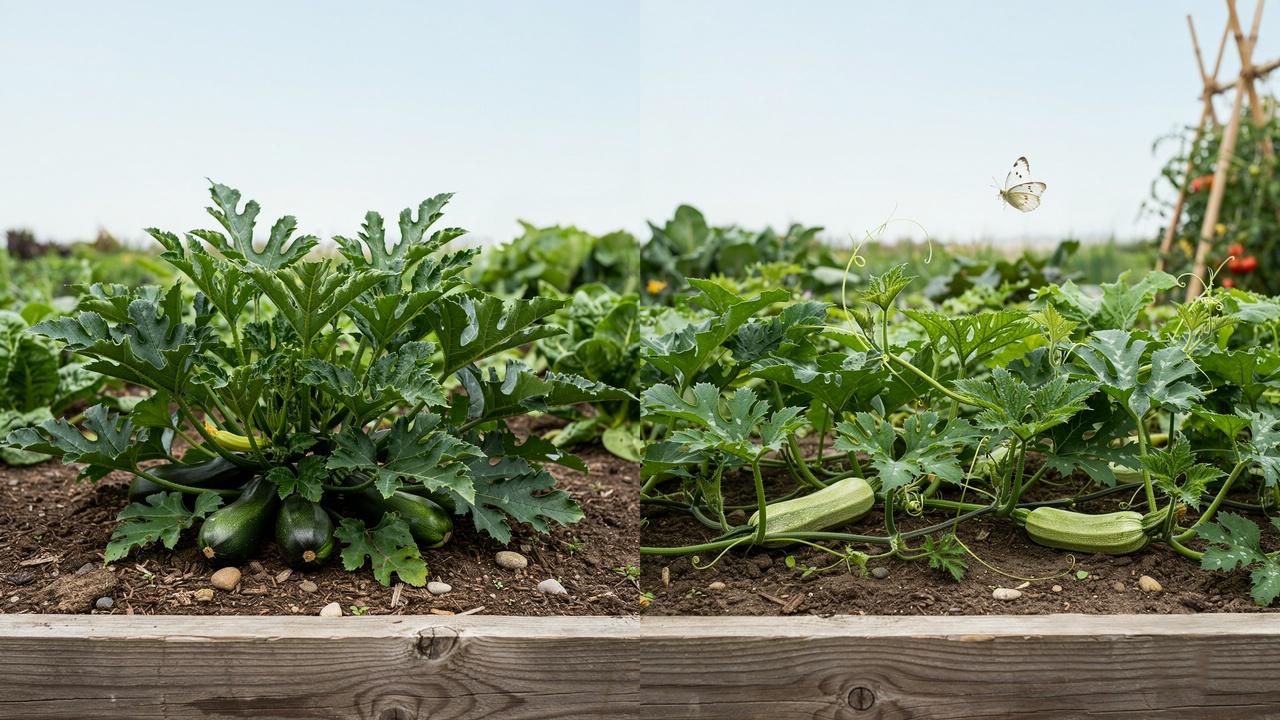
Bush zucchini stays compact. It grows upright and does not spread far. Most home gardeners grow this type because it fits well in smaller spaces.
Vining zucchini spreads out across the ground. It sends out long stems called runners. These can cover a lot of space if left unchecked.
Key Differences in Growth Patterns
Bush types produce leaves and fruit close to the center of the plant. Vining types push energy outward through long stems. This affects where fruit forms and how much airflow the plant gets.
How Pruning Needs Vary Between Types
Bush zucchini needs light pruning. You mainly remove damaged or crowded leaves. Vining zucchini may need more attention. The runners can get out of control and take over your garden beds.
Knowing your plant type helps you decide how much to cut and where to start.
Is Pruning Necessary for Zucchini?
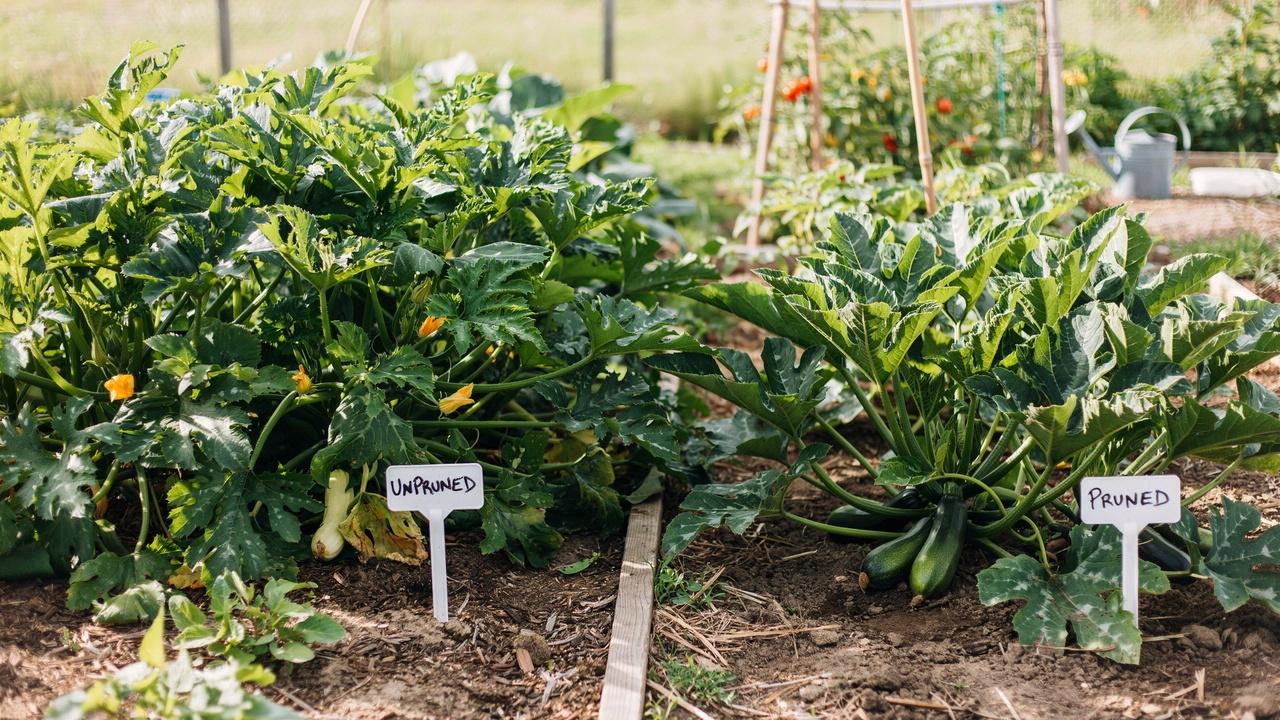
Find out when trimming your zucchini actually helps and when leaving it alone is the smarter choice.
Pruning is not always required. Some zucchini plants do just fine without it. But in certain situations, skipping it can cause real problems.
Situations Where Pruning Helps
Pruning makes a big difference when:
- Leaves are blocking sunlight from reaching the fruit
- The plant looks crowded and airflow is poor
- You notice yellowing, damaged, or diseased leaves
- Your garden bed is small and other crops are being shaded out
In these cases, a few careful cuts can make a noticeable difference in plant health.
When It Is Better to Leave Plants Alone
Young plants do not need pruning. Let them grow freely for the first few weeks. If your plant looks healthy, has good airflow, and is producing fruit well, leave it alone.
Over-pruning a healthy plant does more harm than good. The goal is to help the plant, not stress it.
Benefits of Pruning Zucchini Plants

A few clean cuts can improve airflow, reduce disease, and make harvesting far less frustrating.
When done right, pruning helps your zucchini in several practical ways.
Improves Air Circulation
Dense leaf growth traps moisture. Moist, still air is a perfect setting for fungal diseases. Removing some leaves opens up the plant so air can move through freely.
Reduces Disease Risk
Powdery mildew is one of the most common problems in zucchini. It spreads quickly in crowded plants. Pruning infected or crowded leaves slows the spread and gives healthy growth a better chance.
Makes Harvesting Easier
A well-pruned plant is easier to work with. You can actually see the fruit. This means fewer zucchinis hiding under leaves and growing too large before you spot them.
Prevents Plants from Crowding Nearby Crops
Zucchini leaves are large. A single plant can shade out smaller vegetables growing nearby. Pruning keeps your zucchini in its own space.
Encourages Healthy Plant Growth
When a plant is not using energy to support dead or damaged leaves, it can focus on producing fruit. Pruning guides the plant toward what matters most.
When to Prune Zucchini Plants
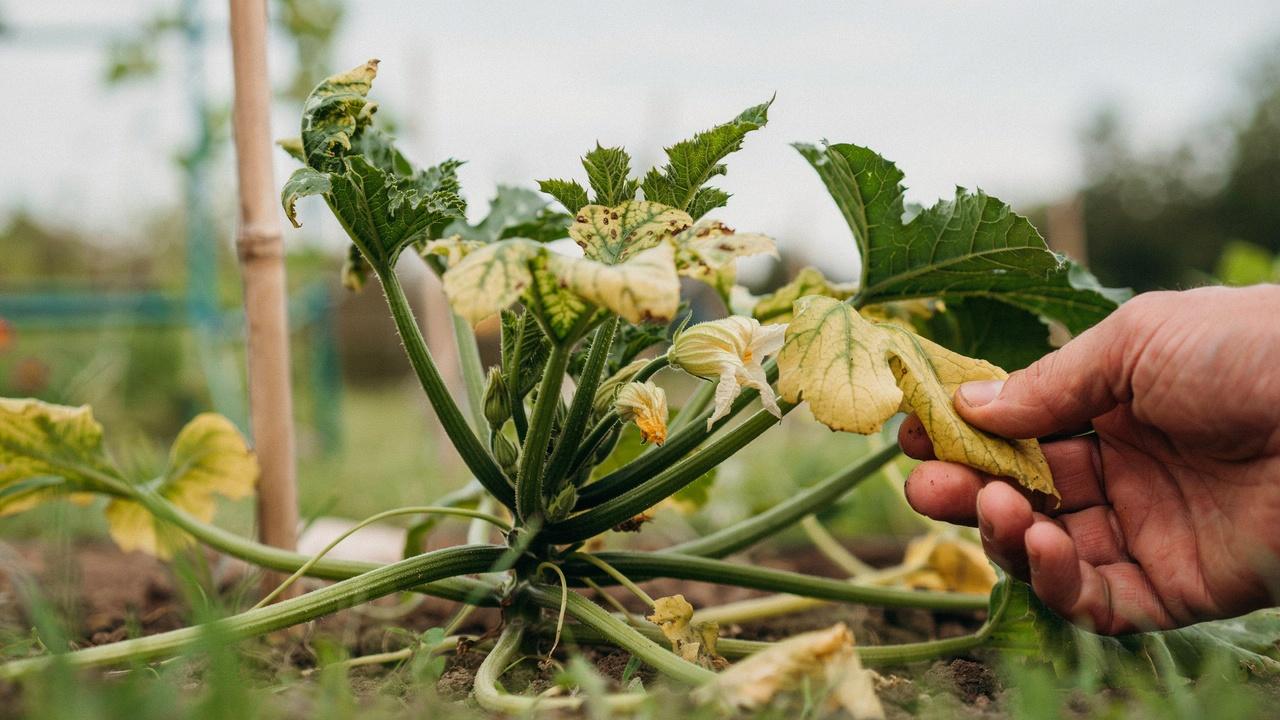
Know the right time of day, the right growth stage, and the exact signs that tell you your plant needs attention.
Timing matters when it comes to pruning. Cut at the wrong time, and you risk stressing the plant or slowing its recovery.
Signs Your Zucchini Plant Needs Pruning
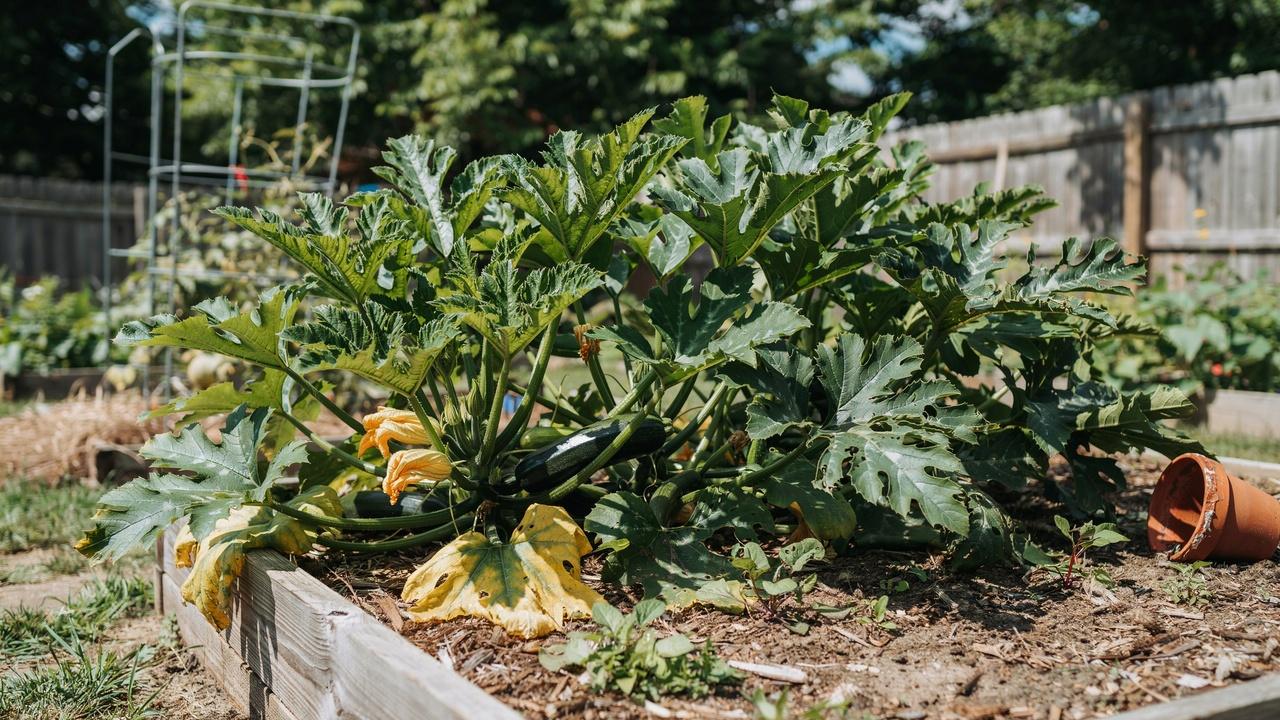
Watch for these clear signals:
- Yellowing leaves that are not recovering
- Damaged or torn foliage from insects or weather
- Leaves growing so thick that the center is packed tight
- Fruits hidden deep in shade with no direct light reaching them
If you see two or more of these signs at once, it is time to prune.
Best Time of Day to Prune
Prune in the morning. This gives the cut stems time to dry out before evening. Wet cuts left overnight can invite bacteria or mold.
Avoid pruning in the middle of a hot afternoon. The plant is already dealing with heat stress, and fresh cuts make that worse.
Best Growth Stage for Pruning
Wait until your plant is established. It should have several healthy leaves and have started flowering or setting fruit. Pruning a young seedling can set it back significantly.
Once the plant is mature, light pruning every one to two weeks works well.
Tools and Supplies Needed
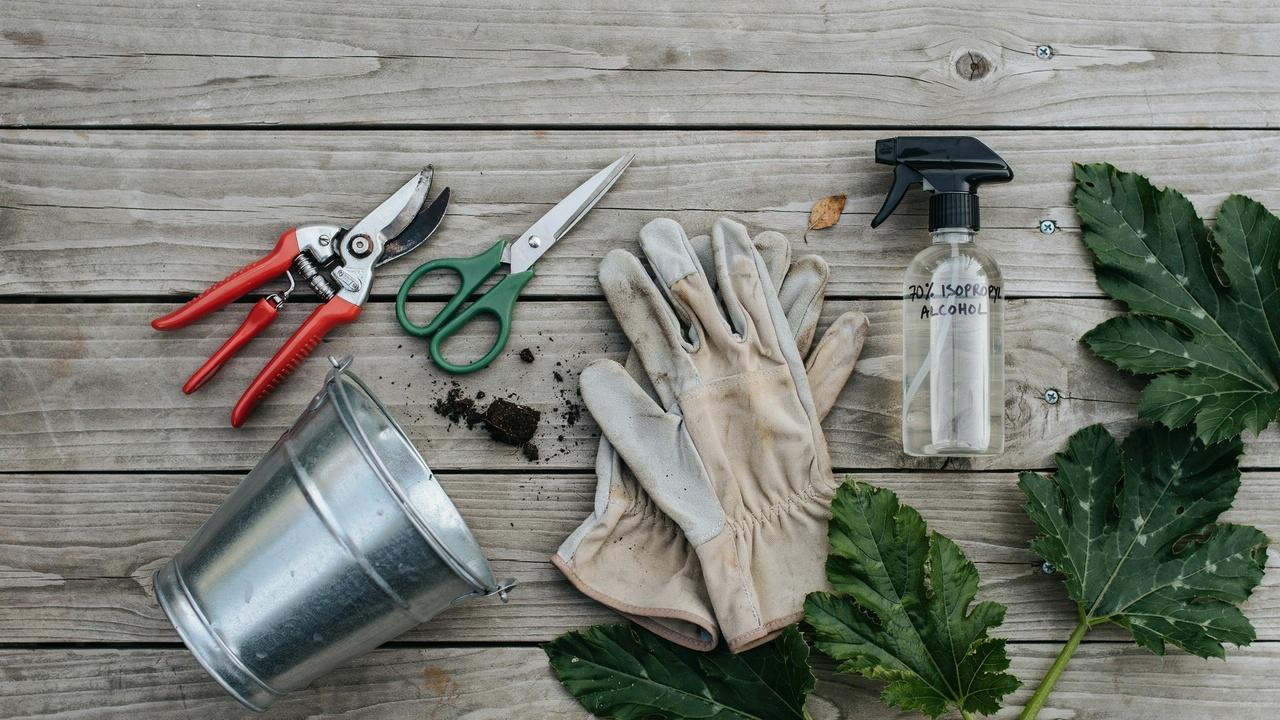
A short list of what you need before you start, including how to keep your tools clean and safe.
You do not need a lot of equipment to prune zucchini. A few basic tools done right make all the difference.
Pruning Tools
- Pruning shears or garden scissors for clean cuts on stems and leaves
- Gardening gloves to protect your hands from rough stems and prickles
- A small bucket or bag to collect removed leaves and dispose of them properly
Avoid using your fingers to snap or pull leaves off. This tears the plant tissue and creates rough wounds that are harder to heal.
Cleaning and Sanitizing Tools Before Use
This step gets skipped often, but it matters. Dirty tools spread disease from one plant to another.
Before you start, wipe your blades with rubbing alcohol or a diluted bleach solution. Let them dry before use. If you move between plants, clean the blades again in between.
Safety Tips While Pruning
- Wear gloves. Zucchini stems have fine hairs that can irritate skin.
- Work slowly and look before each cut.
- Never prune more than one third of the plant in a single session.
- Wash your hands after handling diseased plant material.
How to Prune Zucchini Plants Step by Step
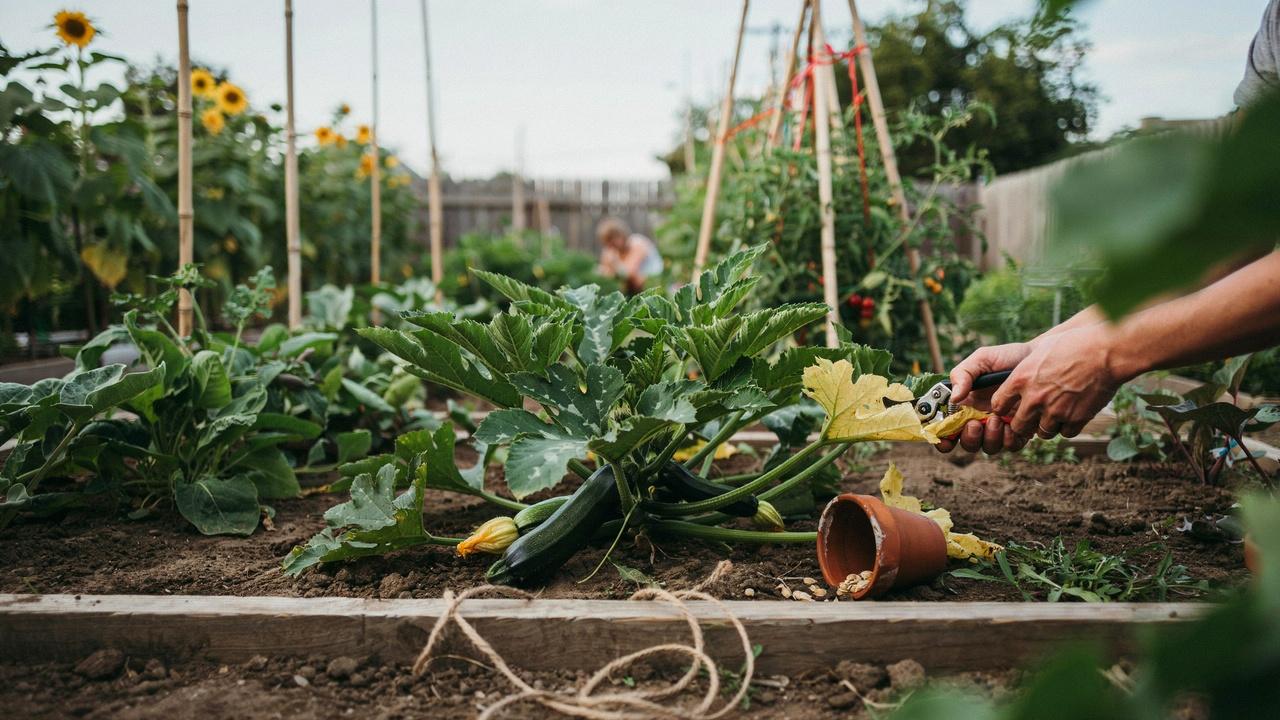
Follow a clear six-step process to prune your zucchini without harming the plant or reducing your harvest.
Here is a simple process you can follow every time you prune.
Step 1: Inspect the Plant Carefully

Walk around the plant. Look at it from different angles. Identify which leaves are yellow, damaged, diseased, or blocking light. Do not start cutting until you have a clear idea of what needs to go.
Step 2: Remove Dead, Yellow, or Damaged Leaves
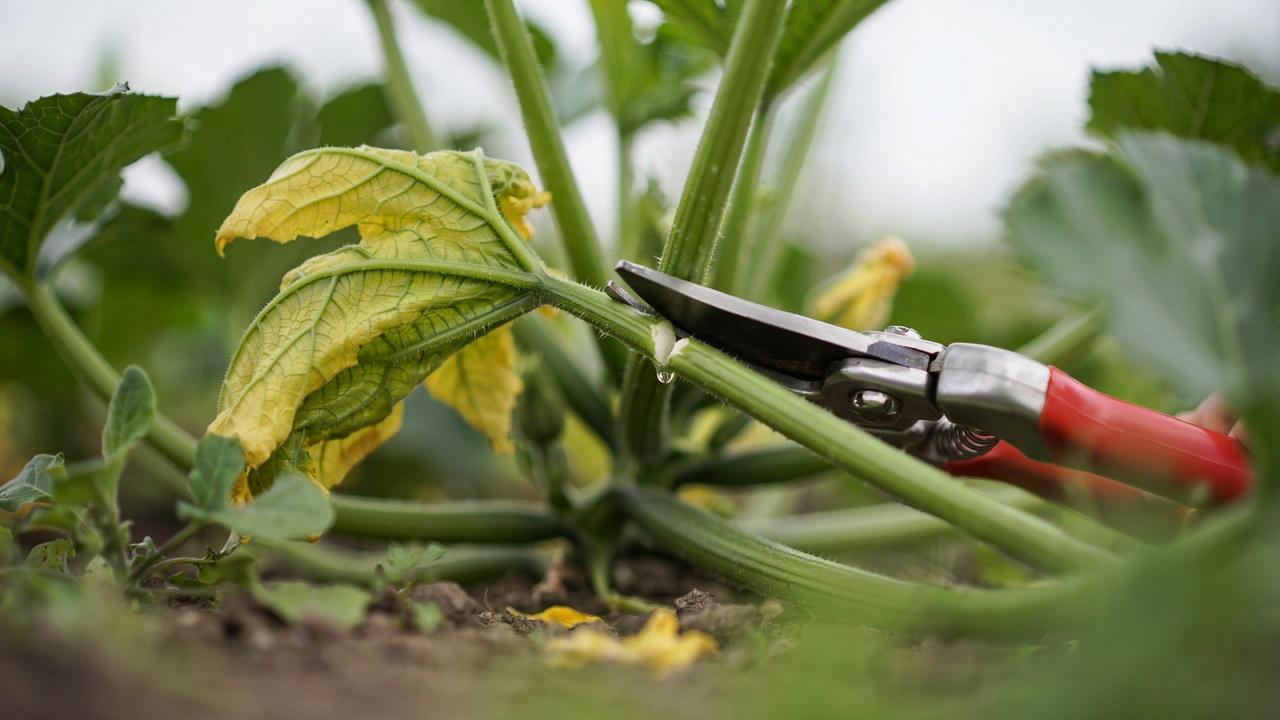
Start with the obvious ones. Cut each leaf at the base of its stem. Make a clean, straight cut. Do not leave a long stub behind.
Step 3: Cut Away Diseased Foliage
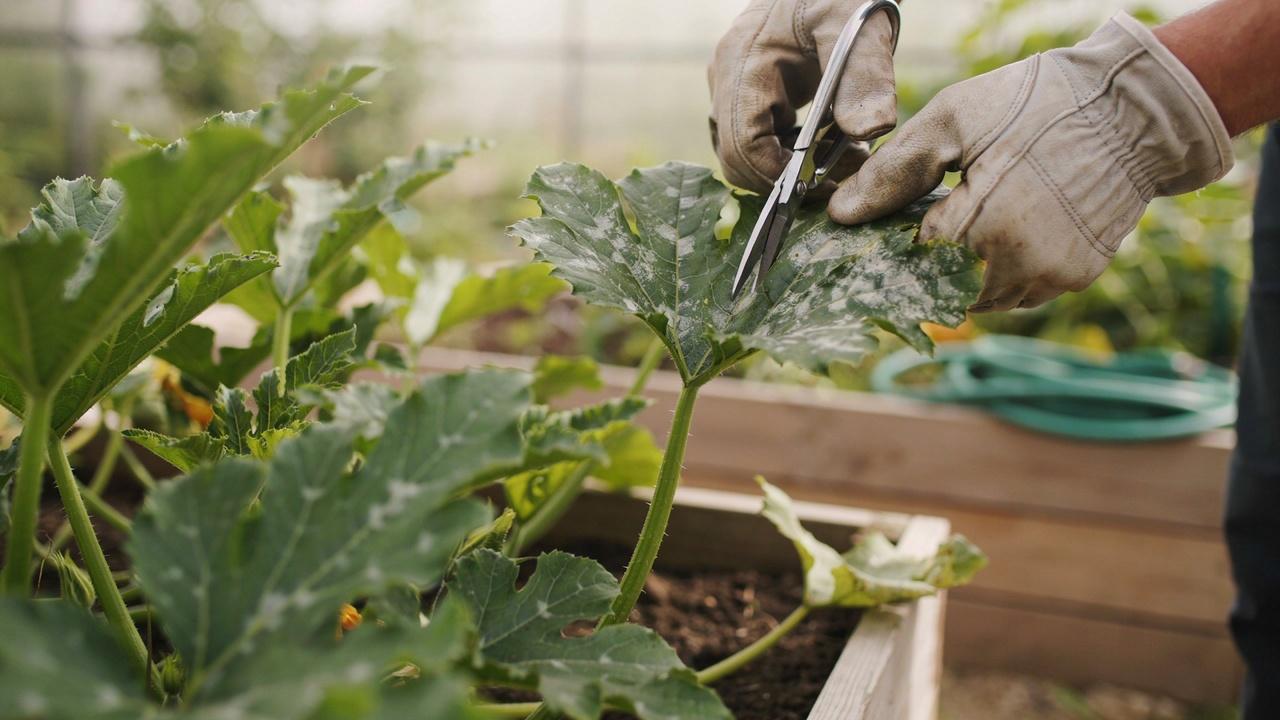
If you see powdery mildew, dark spots, or rotting tissue, remove those leaves right away. Cut them off and put them directly into a bag. Do not leave them on the ground near the plant.
Step 4: Thin Overcrowded Outer Leaves

If the plant looks too dense, remove a few outer leaves that are not contributing much. Focus on leaves that are old, small, or blocking light from reaching the center.
Step 5: Maintain Adequate Leaf Coverage
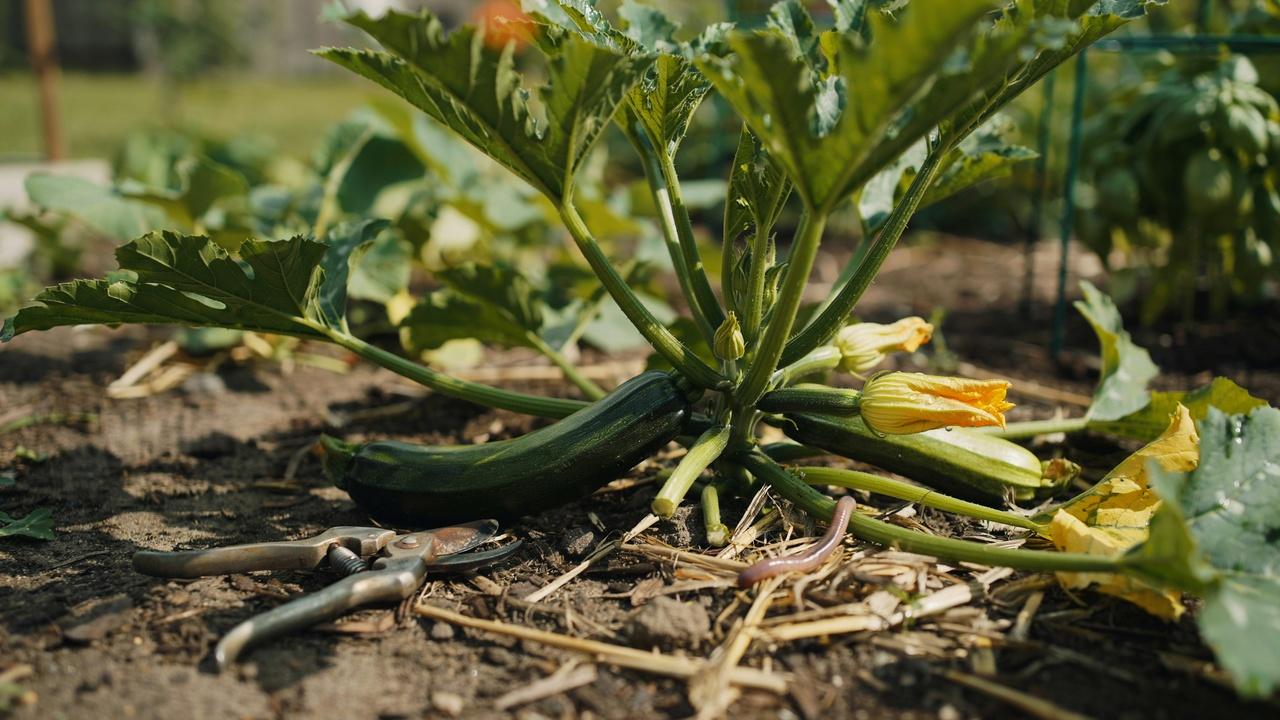
Do not go too far. Your plant still needs leaves to make energy through sunlight. As a simple rule, never remove more than one third of the total leaves at once.
Step 6: Dispose of Diseased Plant Material Properly

Bag up anything that looked diseased. Do not compost it. Diseased material in a compost pile can spread problems back into your garden later.
How to Prune Bush Zucchini Plants
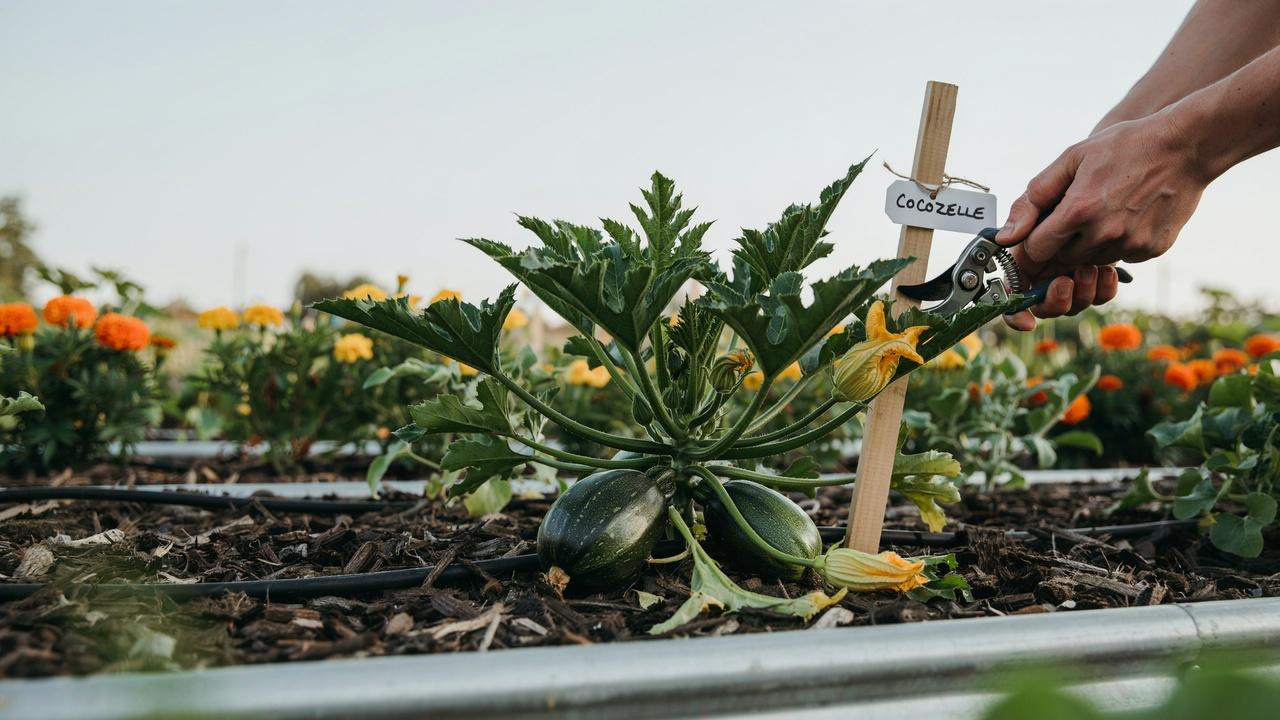
Simple methods to open up airflow and remove problem leaves without taking too much off at once.
Bush zucchini is compact by nature, so pruning is lighter and less frequent compared to vining types.
Removing Problematic Leaves
Start with the lowest leaves. These are usually the oldest and the first to show signs of yellowing or disease. Removing them improves airflow at the base of the plant where moisture tends to collect.
Work your way up only if you notice crowding further in.
Creating Better Airflow Around the Plant
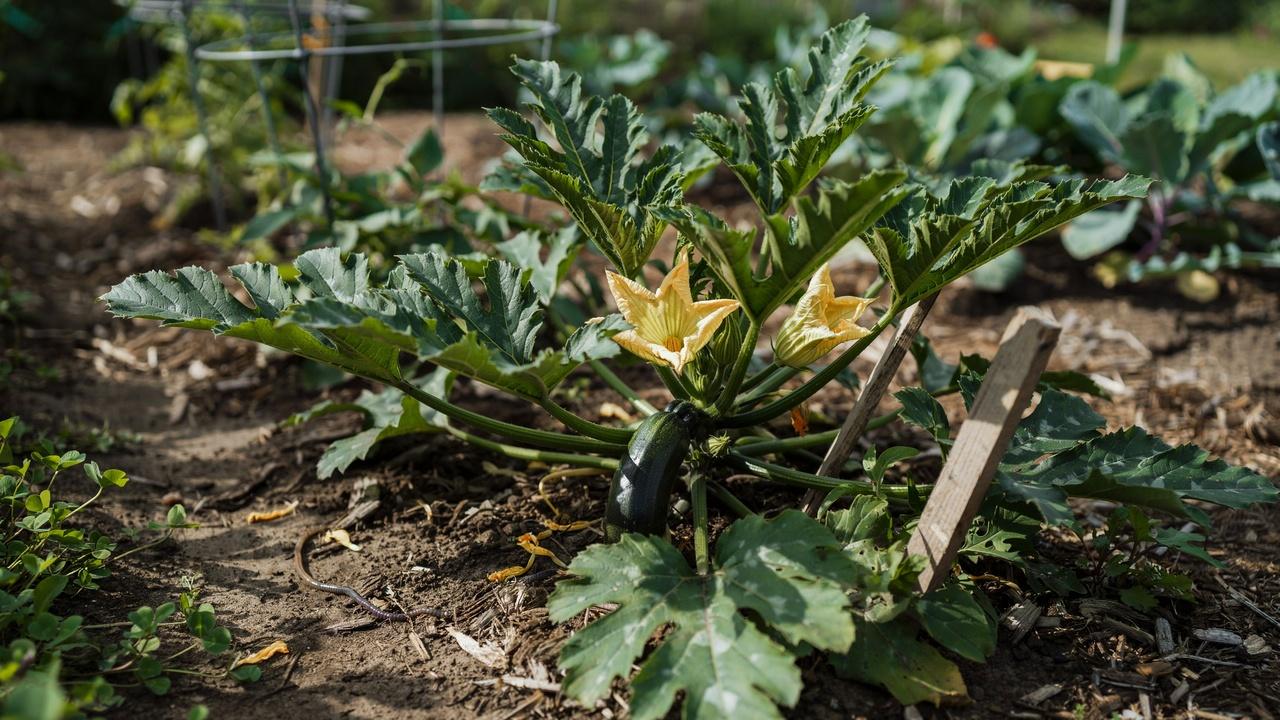
The goal is to open up the center slightly. You are not trying to make the plant look tidy. You are making space for air to move through. Remove leaves that cross over each other or press tightly against other stems.
Avoiding Over-Pruning
Bush types do not have a lot of extra growth to spare. Be conservative. Take only what is clearly necessary. If you are unsure about a leaf, leave it for now and check again next week.
How to Prune Vining Zucchini Plants
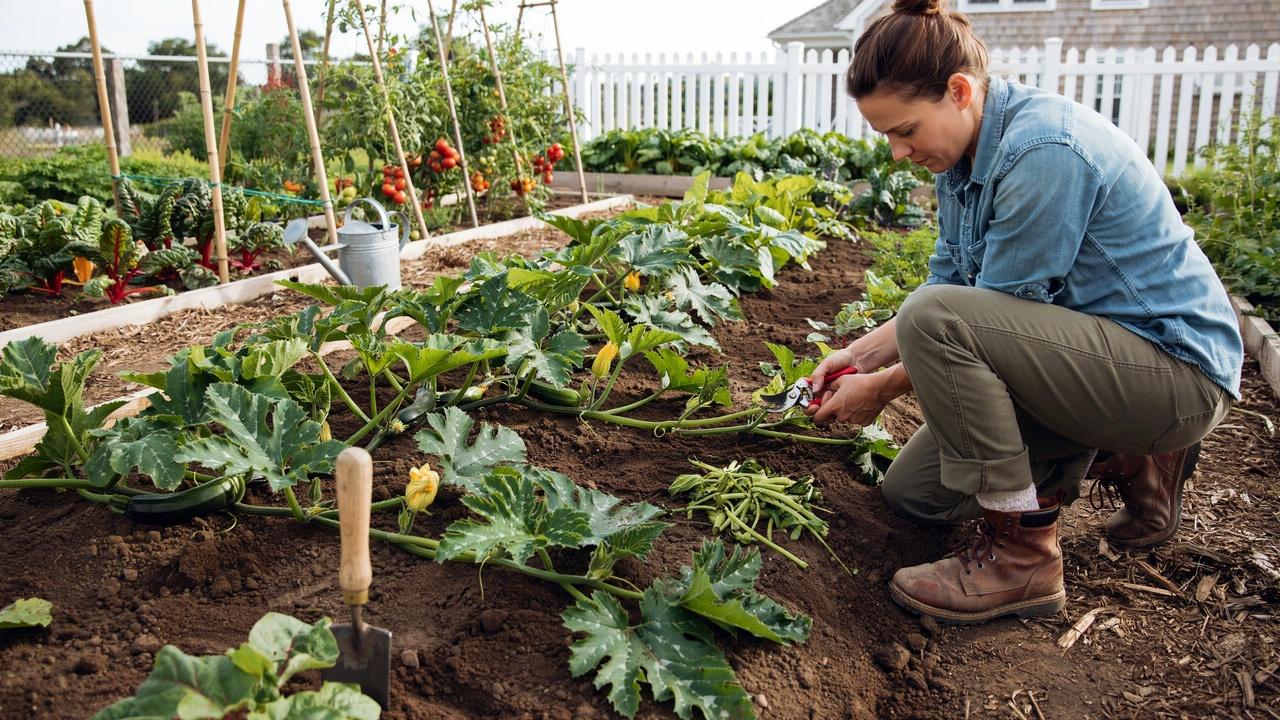
Control long runners and side shoots while keeping fruit production strong throughout the season.
Vining zucchini needs a firmer hand. Left unchecked, it can take over a large area of your garden.
Managing Long Runners and Side Shoots
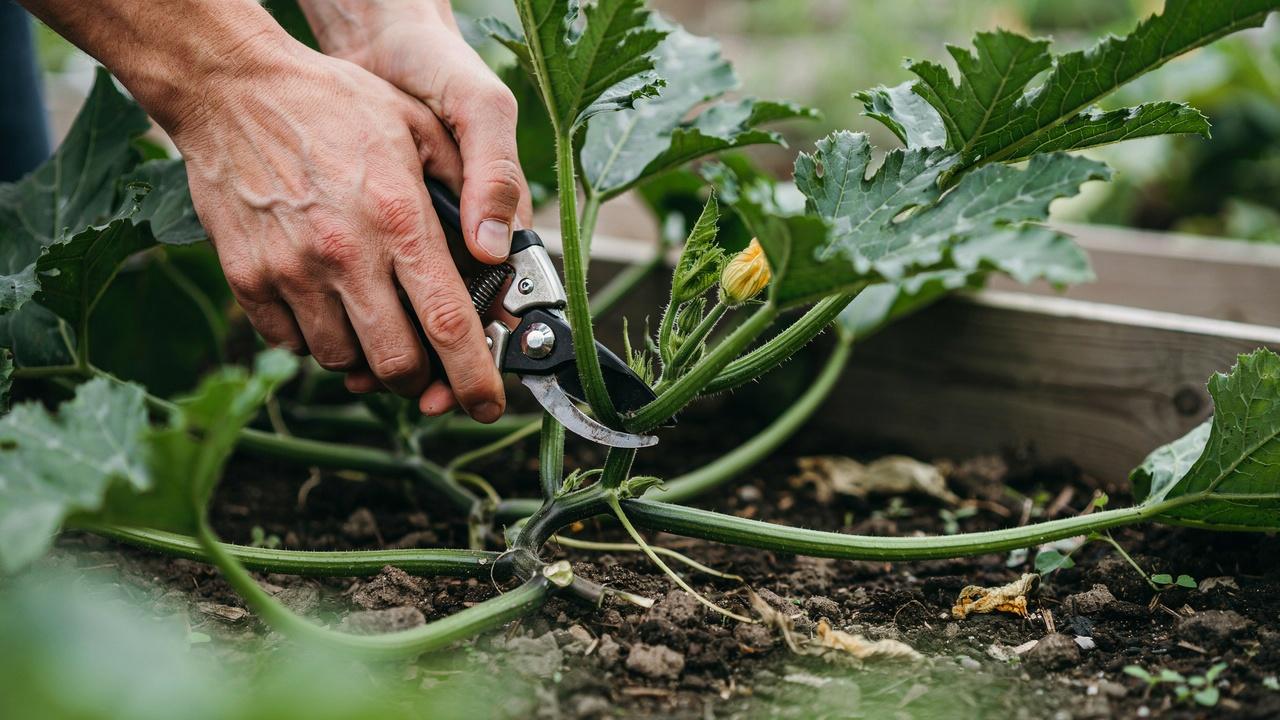
Runners are the long stems that grow outward from the main plant. Side shoots grow off those runners. Both can be trimmed back when they are growing into unwanted areas or shading out other crops.
Cut side shoots back to the nearest healthy leaf node. This keeps the energy focused on fruit production rather than endless stem growth.
Controlling Plant Size
If space is limited, trim the tips of runners once they reach your desired length. This slows outward growth and redirects energy back toward the main plant and developing fruit.
Understanding the Impact on Fruit Production
Fruit on vining zucchini forms along the main runners. Do not remove the runners entirely. Trim selectively to manage size while keeping the fruit-bearing sections intact.
Common Pruning Mistakes to Avoid
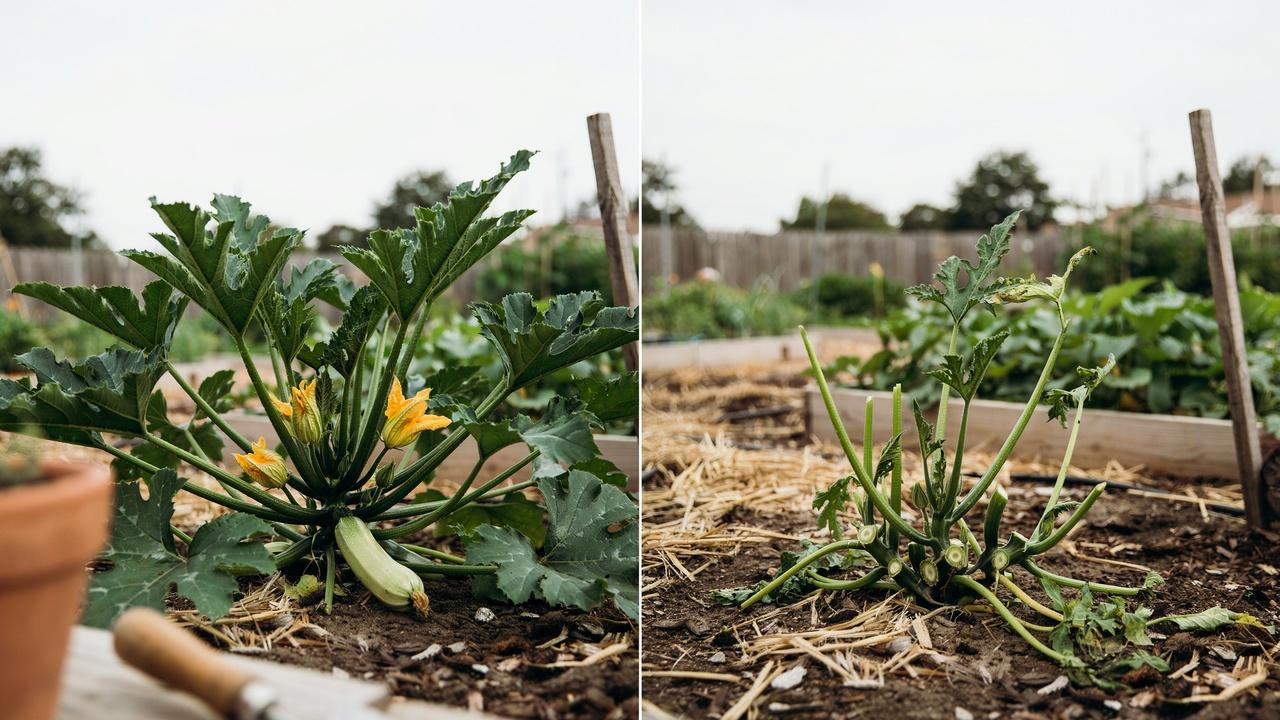
These are the errors most gardeners make, and knowing them now saves your plants later. Even experienced gardeners make these mistakes. Here is what to watch out for.
Removing Too Many Leaves at Once
This is the most common mistake. Taking off too many leaves at once shocks the plant. It has fewer leaves to collect sunlight, so growth slows and fruit production drops. Stick to no more than one third at a time.
Exposing Fruits to Excessive Sunlight
Fruits need some leaf cover. When you remove leaves near developing zucchinis, those fruits can get sunburned. Leave at least a couple of healthy leaves nearby to give them shade.
Pulling Leaves Instead of Cutting Them
Pulling tears the stem and creates ragged wounds. These take longer to heal and are more likely to get infected. Always cut with clean, sharp shears.
Using Dirty Pruning Tools
Unwashed blades carry spores and bacteria. If your last plant had mildew and you skip cleaning your shears, you carry that problem to the next plant. Clean your tools before each pruning session.
Tips to Reduce the Need for Pruning
Good gardening habits early in the season mean less corrective work later. Here is what helps:
- Give plants enough space. Most zucchini need at least two to three feet of room on all sides. Crowded plants compete for light and airflow, which leads to more pruning down the line.
- Pick compact varieties. If your garden space is limited, go with bush-type zucchini. These stay smaller and are much easier to manage throughout the season.
- Check plants every few days. Spotting a yellow leaf or a diseased patch early keeps the fix small and simple. Waiting too long turns a minor issue into a bigger one.
- Water at the base, not the leaves. Wet foliage invites disease. Keeping water at the roots means your leaves stay drier and healthier for longer.
- Add mulch around the base. A simple layer of mulch keeps soil moisture steady and stops soil from splashing up onto the lower leaves when you water.
What to Do After Pruning
Post-pruning care matters. Learn how to monitor your plants and support healthy recovery.
Monitor Plants for Stress
After pruning, watch the plant for a few days. Slight wilting is normal. If the plant does not perk back up within a day or two, check your watering and soil conditions.
Continue Regular Watering
Keep your normal watering schedule. Do not overwater in an attempt to help the plant recover. Consistent moisture at the roots is what the plant needs.
Watch for New Growth and Flowers
New growth after pruning is a good sign. It means the plant is recovering well. New flower buds appearing a week or two after pruning show that fruit production is back on track.
Check for Disease Recovery
If you pruned due to disease, keep a close eye on the remaining leaves. If new spots appear or the problem spreads, you may need to remove more affected material.
Conclusion
The first time I pruned my zucchini, I was nervous about cutting too much. But once I saw new growth appear just days later, I was hooked.
Pruning zucchini plants does not have to be complicated. A few careful cuts at the right time can make a real difference in how your garden performs.
Start small. Be consistent. Watch how your plant responds.
Have you tried pruning your zucchini this season? Drop a comment below and tell me how it went. I would love to hear from you!
Frequently Asked Questions
Can Pruning Increase Zucchini Yield?
Yes, in certain situations. When overcrowding or disease is limiting the plant, pruning can improve fruit production. But pruning a healthy, productive plant does not automatically increase yield.
How Many Leaves Can I Remove at One Time?
No more than one third of the total leaves. Going beyond that stresses the plant and can reduce fruit production.
Should I Remove Large Leaves Covering Fruits?
Only if they are completely blocking light and airflow from the fruit. You can gently move a large leaf aside rather than removing it if it is still healthy.
Can You Prune Zucchini Plants in Containers?
Yes. Container-grown zucchini can be pruned the same way. In fact, because space is more limited in containers, light and regular pruning helps keep the plant manageable and productive.