
Growing broccoli in a container is simpler than most people expect. I have grown it on a small patio with just a few pots and basic tools.
This guide walks you through every step. You will learn how to pick the right pot, prepare good soil, water correctly, feed your plant, and harvest at the right time.
If you have struggled with container vegetables before, this guide will help you fix that. Every section solves a real problem beginners face.
Why Choose Growing Broccoli in Containers?
Container growing gives you more control and better results, even in a small space with no garden bed.
Is Broccoli Suitable for Small Spaces?
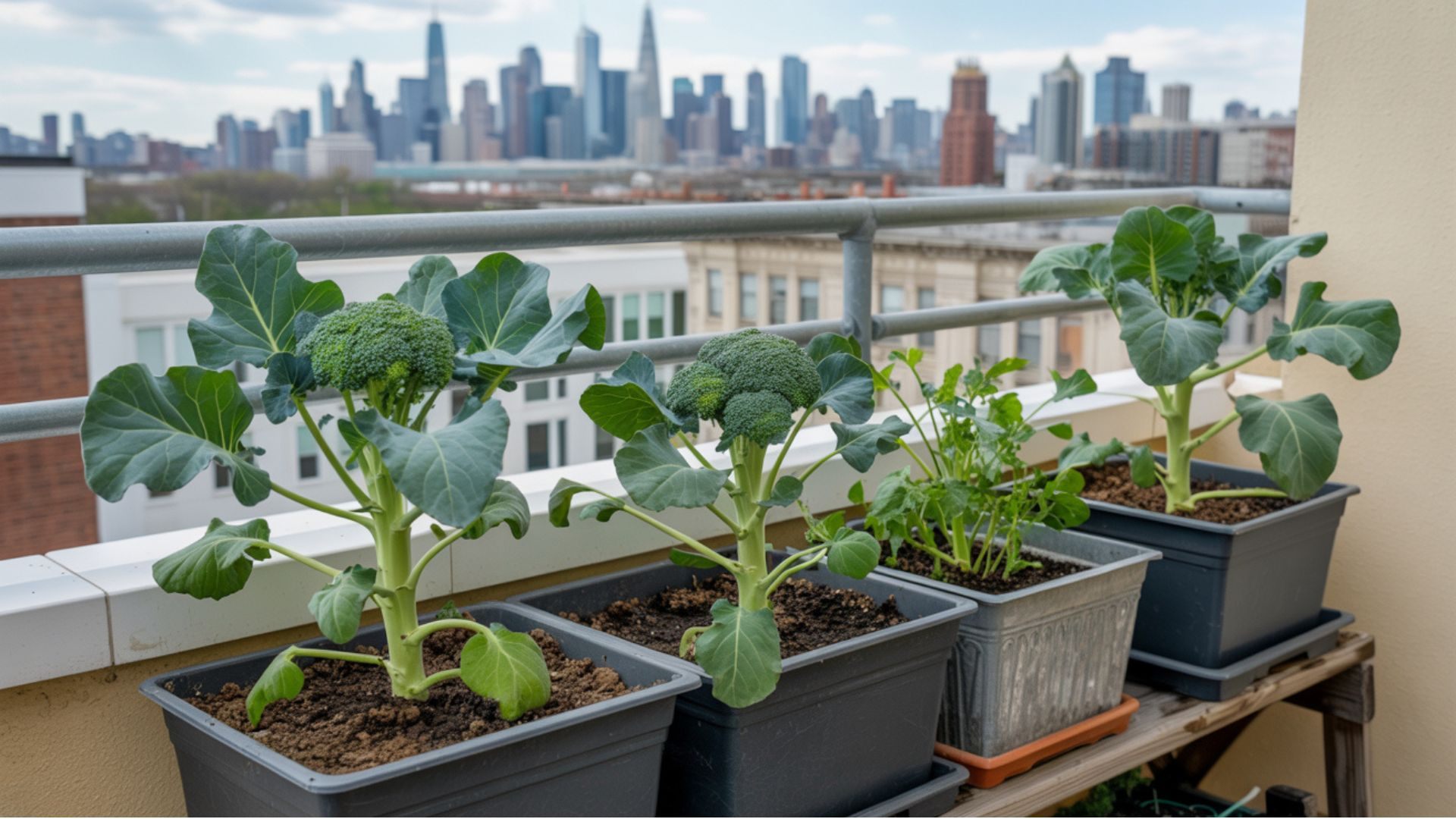
Absolutely. One broccoli plant needs a pot that is about 12 to 16 inches wide. That fits easily on a balcony, patio, or even a large windowsill.
You do not need rows of space or a large outdoor area. A sunny corner works fine. Compact broccoli varieties were bred specifically for tight growing spaces.
If you have access to even a few hours of daily sun and a pot big enough, you have what it takes.
Choosing the Right Container for Broccoli
Your container choice directly affects root health, moisture levels, and how well your broccoli grows.
Recommended Pot Size and Depth
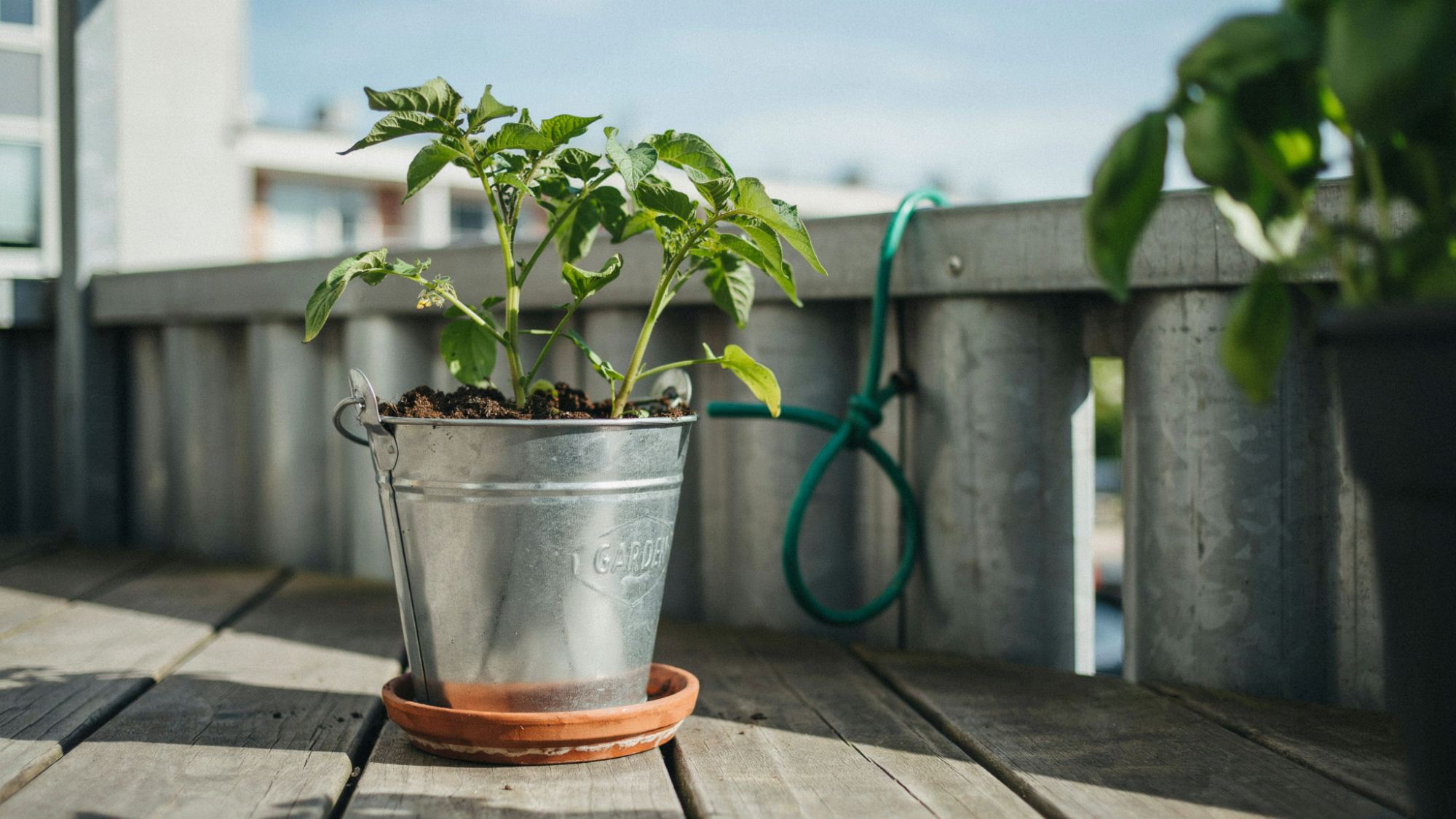
Broccoli roots grow deep. The pot needs to be at least 12 inches deep. The width should be 12 to 16 inches per plant.
A standard 5-gallon pot works well for a single plant. If you want two plants, a 10-gallon container with proper spacing is a better fit.
Best Container Materials

Plastic containers are practical for beginners. They are affordable, light, and hold moisture well between watering sessions.
Fabric grow bags are another solid option. They allow air to reach the roots and naturally prevent overwatering. Plants in fabric bags tend to develop stronger root systems.
Terracotta looks attractive but dries out fast. If you use terracotta, plan on watering more often. In hot weather, this can mean checking the soil daily or even twice a day.
Ensuring Proper Drainage
Without good drainage, broccoli roots rot. Every container must have holes at the bottom. If your pot only has one small hole, add more with a drill.
Place a thin layer of gravel or small stones at the base before adding soil. This stops the drainage holes from getting blocked by compacted mix.
Never leave a saucer full of standing water under your pot. Drain it after every watering session to keep the roots healthy.
Selecting the Best Soil for Container Broccoli
The right soil gives your broccoli steady nutrition, good drainage, and the moisture balance it needs.
Soil Requirements for Healthy Growth
Use a high-quality potting mix instead of garden soil, which becomes compacted and drains poorly in containers.
Choose a mix with perlite or vermiculite to keep it light and well-draining. Broccoli grows best in slightly acidic to neutral soil with a pH of 6.0–7.0, which most commercial potting mixes already provide.
Creating a Nutrient-Rich Potting Mix
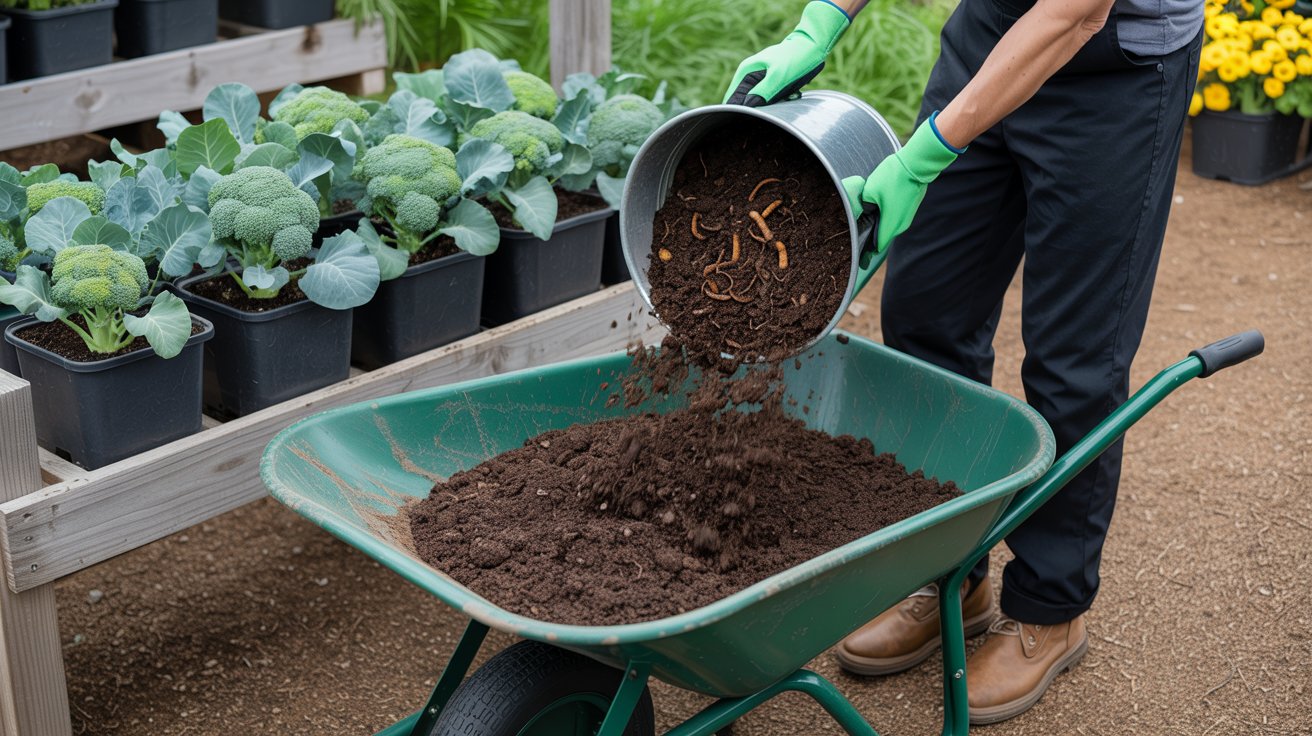
You can make a good mix at home with a few additions. Combine 70 percent potting mix with 30 percent compost. This adds organic matter and slow-release nutrients from the start.
Worm castings are worth adding too. They improve soil health and feed the plant gently over time without burning roots.
If you want to keep it simple, look for a premium potting mix labeled for vegetables. Many already contain fertilizer and compost blended in.
When to Plant Broccoli in Containers
Timing your planting to match your local climate gives your broccoli the best possible start.
Best Planting Time by Climate

Broccoli does best in cool weather. The sweet spot is temperatures between 60 and 70 degrees Fahrenheit.
In most places, that means planting in early spring or late summer. Spring planting catches cool mornings before summer heat arrives. Late summer planting lets the crop mature in the cooler fall months.
In warm climates, skip summer entirely for broccoli. Plan for fall or winter growing when temperatures drop to a comfortable range.
How to Plant Broccoli in Containers
Getting the planting steps right from the beginning makes the rest of the growing process much smoother.
Growing Broccoli from Seeds
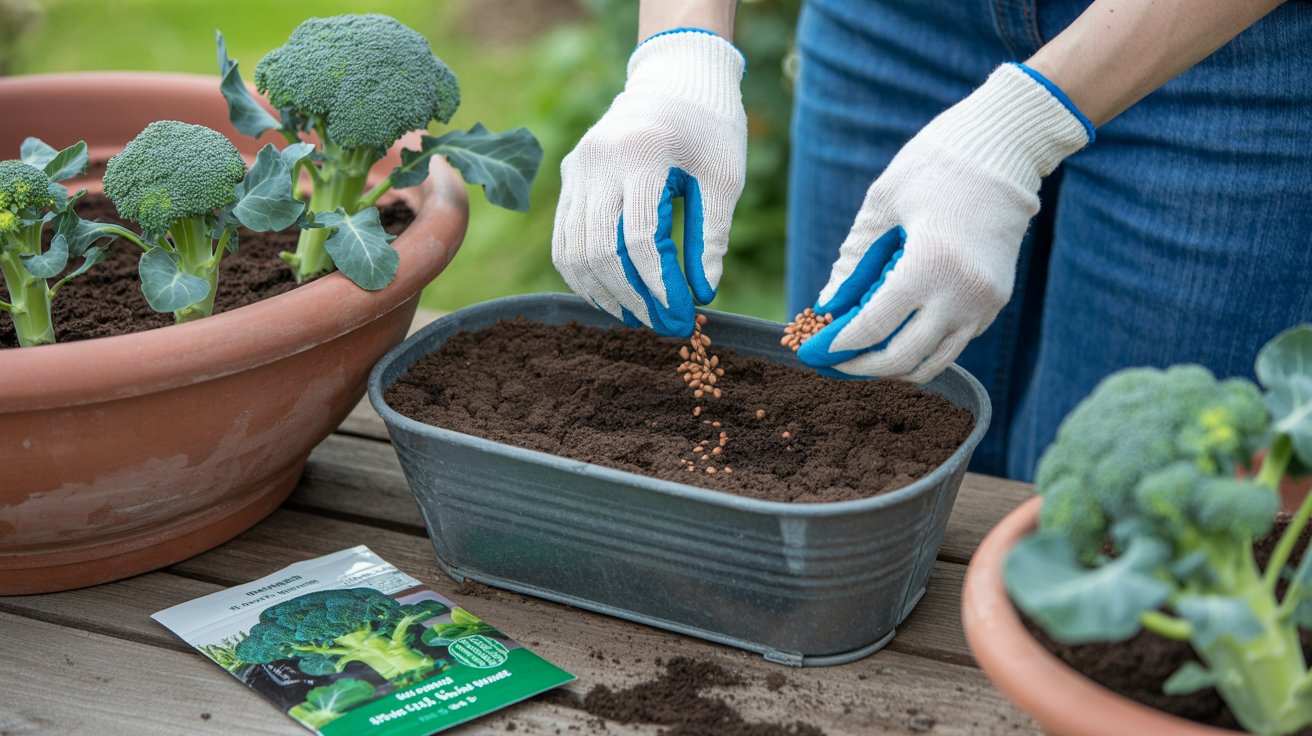
Fill your container with prepared potting mix. Leave about an inch of space at the top. Press two or three seeds about half an inch into the soil and cover lightly.
Water gently after planting. Keep the soil consistently moist until seeds sprout, which takes five to ten days in most conditions.
Once seedlings develop two sets of true leaves, thin down to the strongest plant per pot. Clip the others at soil level instead of pulling them out to avoid disturbing the roots.
Transplanting Seedlings Successfully
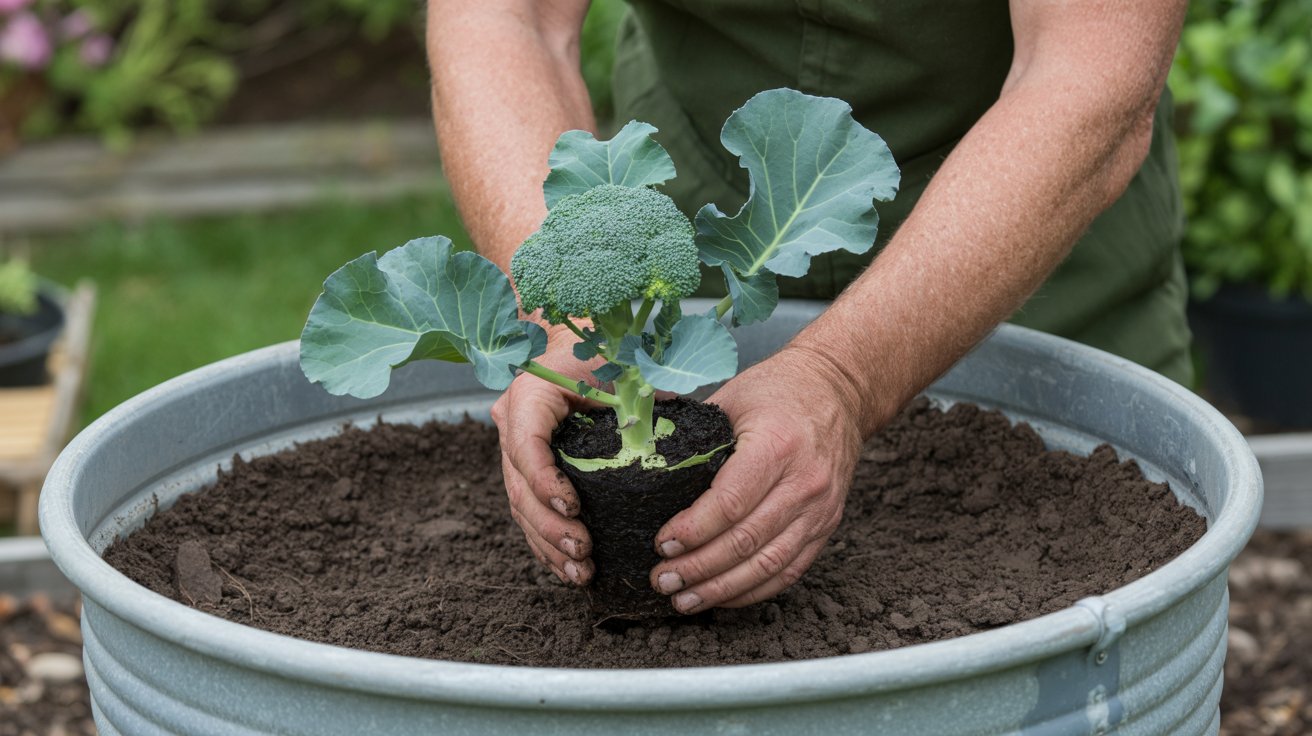
Water seedlings thoroughly a few hours before transplanting. This reduces stress on the roots during the move.
Dig a hole slightly larger than the root ball. Set the plant so the base of the stem sits level with the soil surface. Press the soil gently around the roots and water again after planting.
Choose a cloudy day or evening for transplanting. Direct sun right after moving a plant adds unnecessary stress and can cause wilting.
Proper Plant Spacing in Containers

One plant per 12 to 16 inch container is the right rule. Do not squeeze two plants into a pot that is too small hoping they will both produce well.
In a large planter or raised container box, space plants at least 18 inches apart. This gives each plant enough light, air, and soil nutrition to develop properly.
Sunlight Requirements for Broccoli
Broccoli needs consistent daily sunlight to form tight, healthy heads and grow at a steady pace.
How Much Sun Broccoli Needs
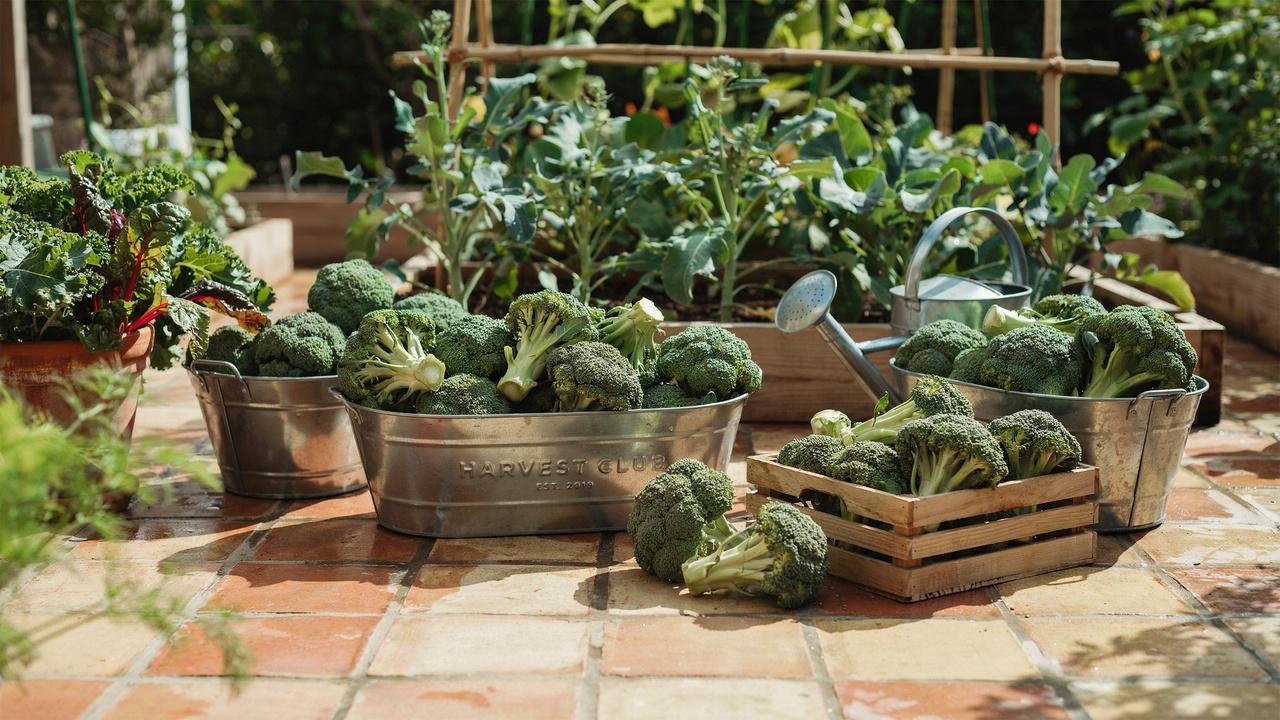
Broccoli grows best with six to eight hours of direct sun each day. More sun means faster growth and larger heads.
Place your container in the brightest spot you have. A south-facing patio or balcony is ideal in the Northern Hemisphere. If morning sun and afternoon shade is the best you can offer, that still works reasonably well.
Watering Broccoli in Containers
Getting the watering right is one of the most important parts of keeping container broccoli healthy.
How Often to Water
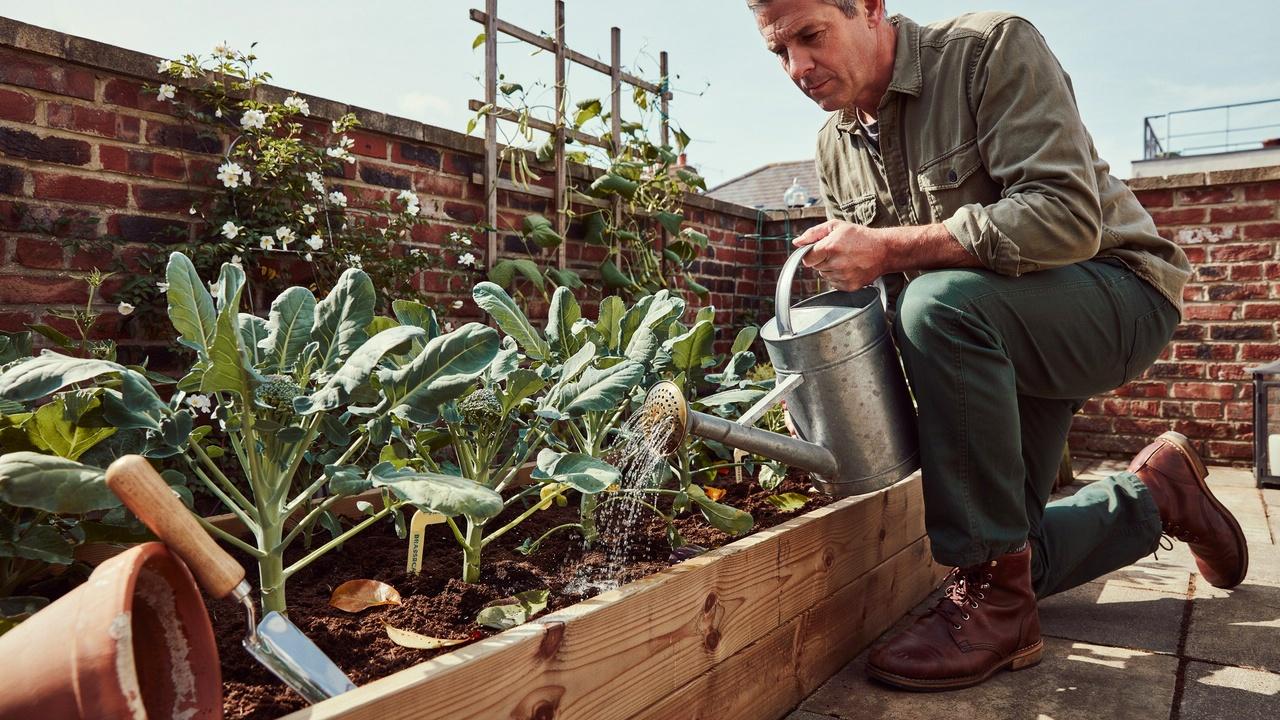
Container soil dries out faster than ground soil, especially during warm weather. In summer, you may need to water every day. In cooler months, every two to three days is usually enough.
Fertilizing Broccoli for Better Growth
Regular feeding gives your broccoli the nutrients it needs to grow strong and produce healthy heads.
Nutrients Broccoli Needs

Broccoli is a heavy feeder. It needs nitrogen for strong leaf and stem growth. It needs phosphorus for healthy roots. Potassium supports the overall health of the plant.
Calcium and boron are also important. Low calcium can cause hollow stem, where gaps form inside the main stalk. Boron deficiency shows up as brown, distorted heads.
A fertilizer that includes micronutrients covers most of these needs in one product without requiring multiple supplements.
Fertilizing Schedule for Container Plants
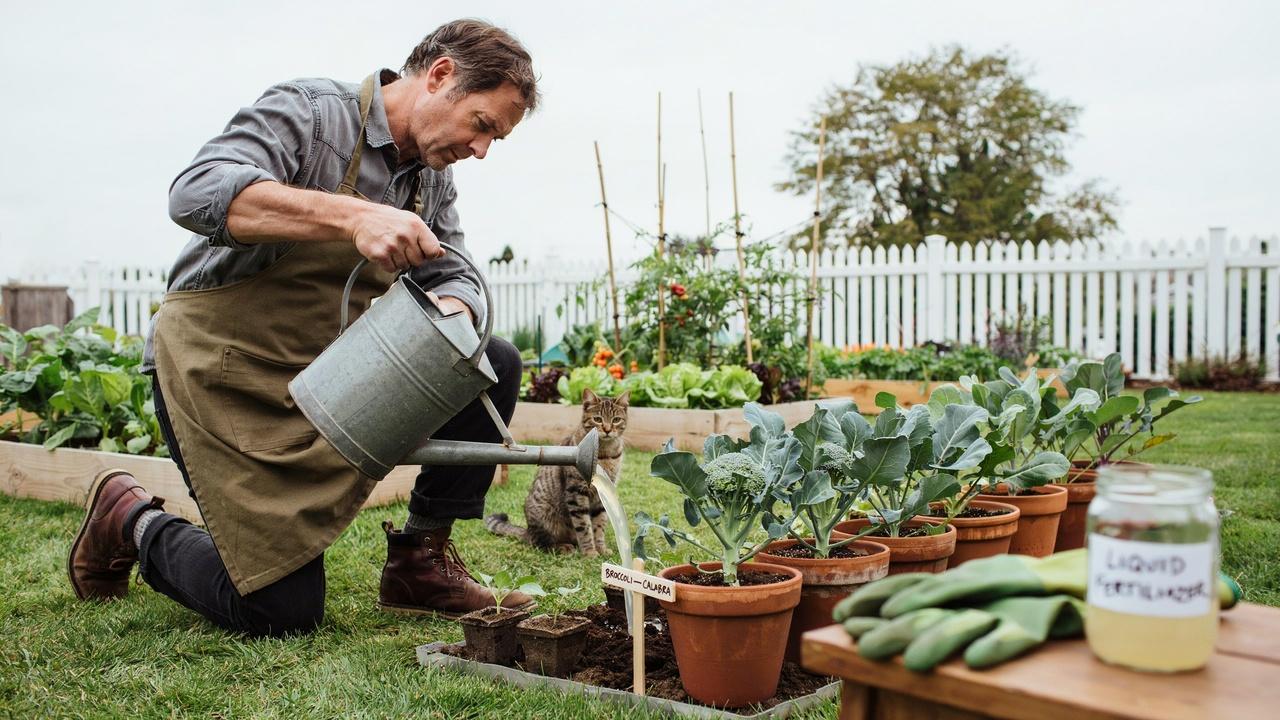
Mix a slow-release fertilizer into the potting soil before planting. This feeds the plant steadily for the first four to six weeks without any extra effort.
After that, apply liquid fertilizer every two weeks throughout the growing season. Follow the dosage instructions on the label. More fertilizer does not mean faster growth. It can burn roots and cause more harm than good.
Stop fertilizing once the head is nearly full and close to harvest. The plant does not need additional feeding at that point.
Ongoing Care and Maintenance
Staying on top of basic plant care keeps your broccoli strong and productive all season long.
Mulching for Moisture Retention
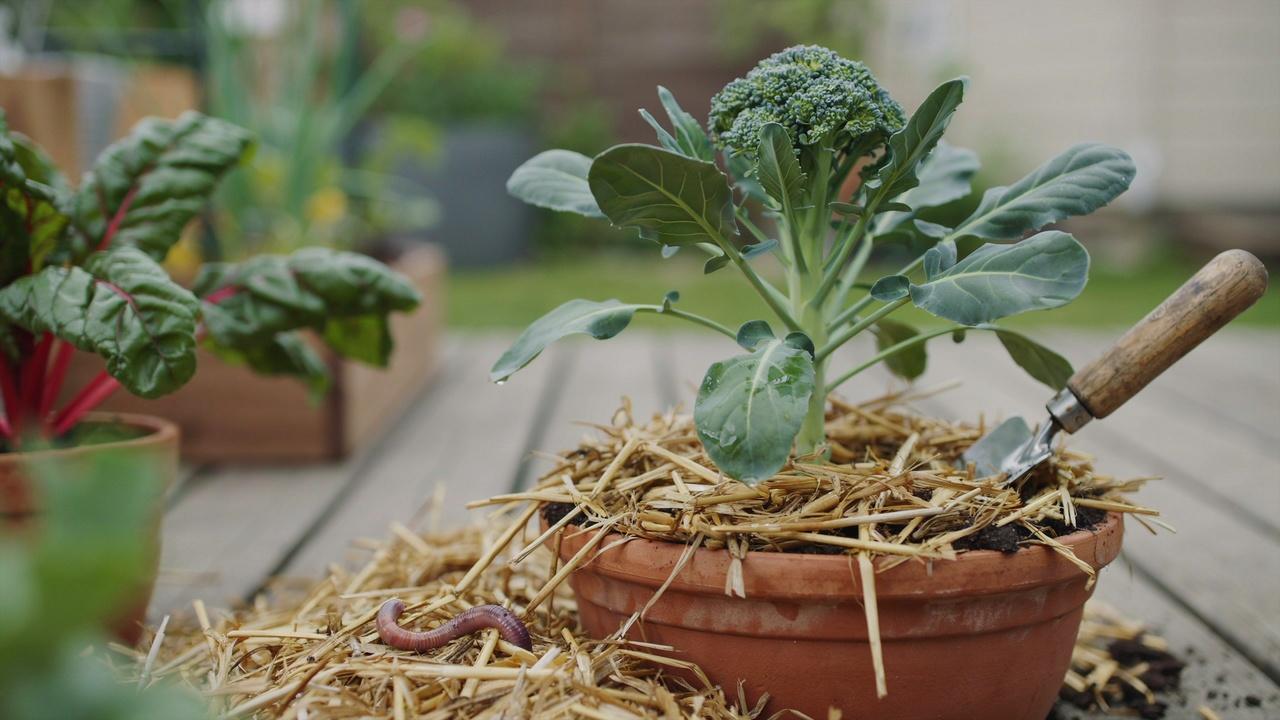
Mulching is one of the easiest maintenance habits you can build. Spread a one to two inch layer of organic material on top of the soil around the base of your plant.
Straw, wood chips, and shredded dry leaves all work well. They slow down water evaporation, keep root temperatures stable, and reduce surface weeds.
Top up the mulch layer every few weeks as it breaks down. As it decomposes, it also adds a small amount of organic matter back into the potting mix.
Common Problems When Growing Broccoli in Containers
Spotting problems early and knowing how to respond keeps your plants healthy and productive.
Broccoli Bolting Too Early
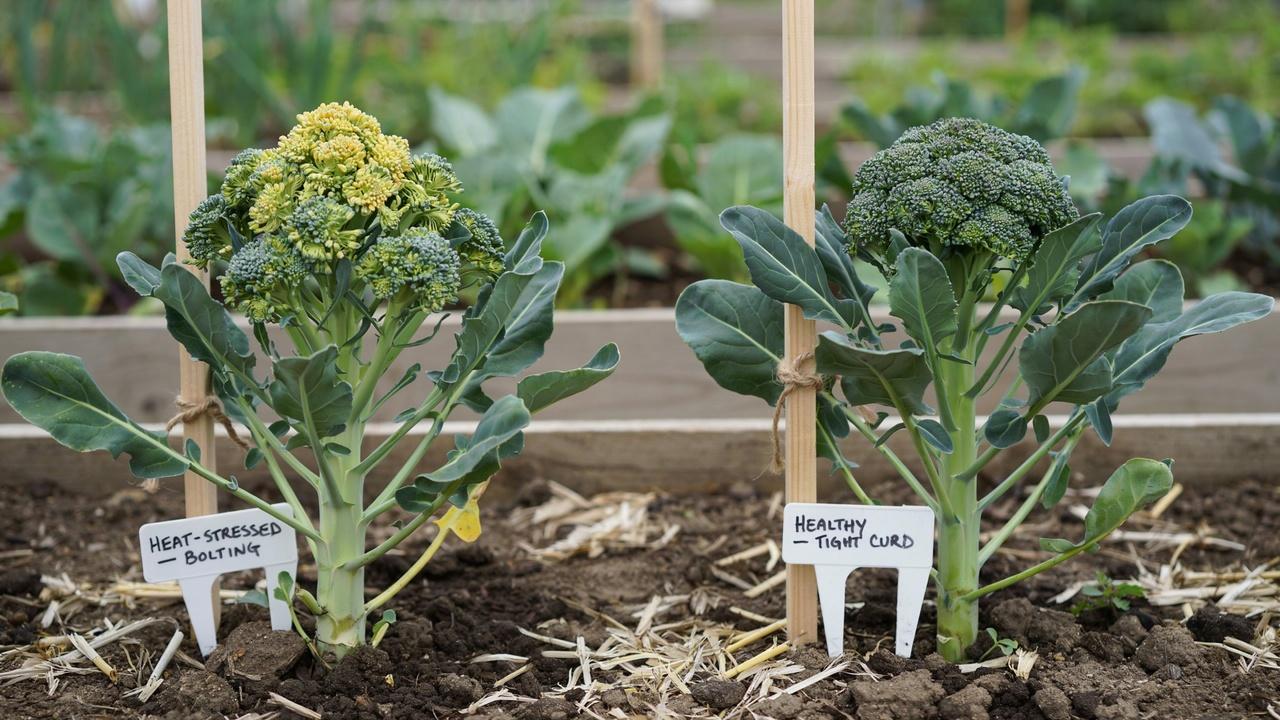
Bolting happens when the plant shifts from forming a head to producing flowers. Heat is the main trigger. Once bolting starts, the head becomes loose and tastes bitter.
To prevent it, avoid placing containers in full afternoon sun during warm months. Water consistently to reduce heat stress on the plant. Choosing a heat-tolerant variety also gives you more time before bolting becomes a risk.
If your plant starts bolting, harvest the head immediately even if it seems small. Waiting makes it worse. The flavor drops quickly once the florets start opening.
Pest Issues and Prevention

The three most common pests on container broccoli are cabbage worms, aphids, and flea beetles.
Cabbage worms are green caterpillars that chew irregular holes in leaves. Aphids cluster on the undersides of leaves and drain the plant. Flea beetles leave tiny scattered holes across the foliage.
Check plants every few days. Hand-pick caterpillars when you see them. Spray aphids off with a firm stream of water or use insecticidal soap. Row cover fabric placed over the container keeps most insects away without any chemicals.
How to Harvest Broccoli
Harvesting broccoli at the right time gives you the best flavor and keeps the plant producing longer.
When Broccoli Heads Are Ready to Pick
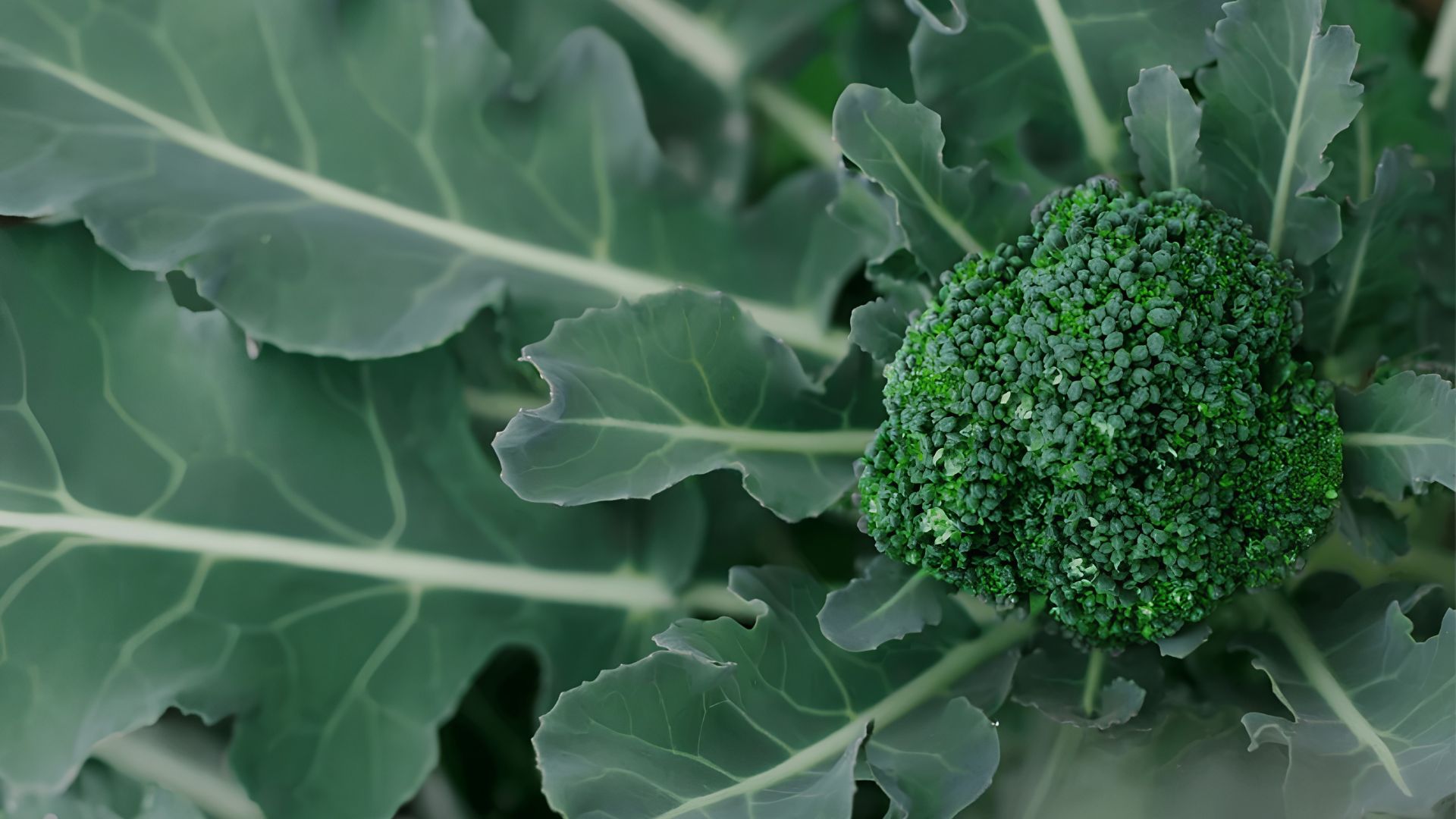
The head is ready when the florets are tight, dark green, and firm. Do not wait for any of the florets to open into yellow flowers. That means the head has passed its best point.
Check the plant daily once the head starts forming. Broccoli can shift from ready to overripe in just two or three warm days.
Harvesting the Main Head Correctly
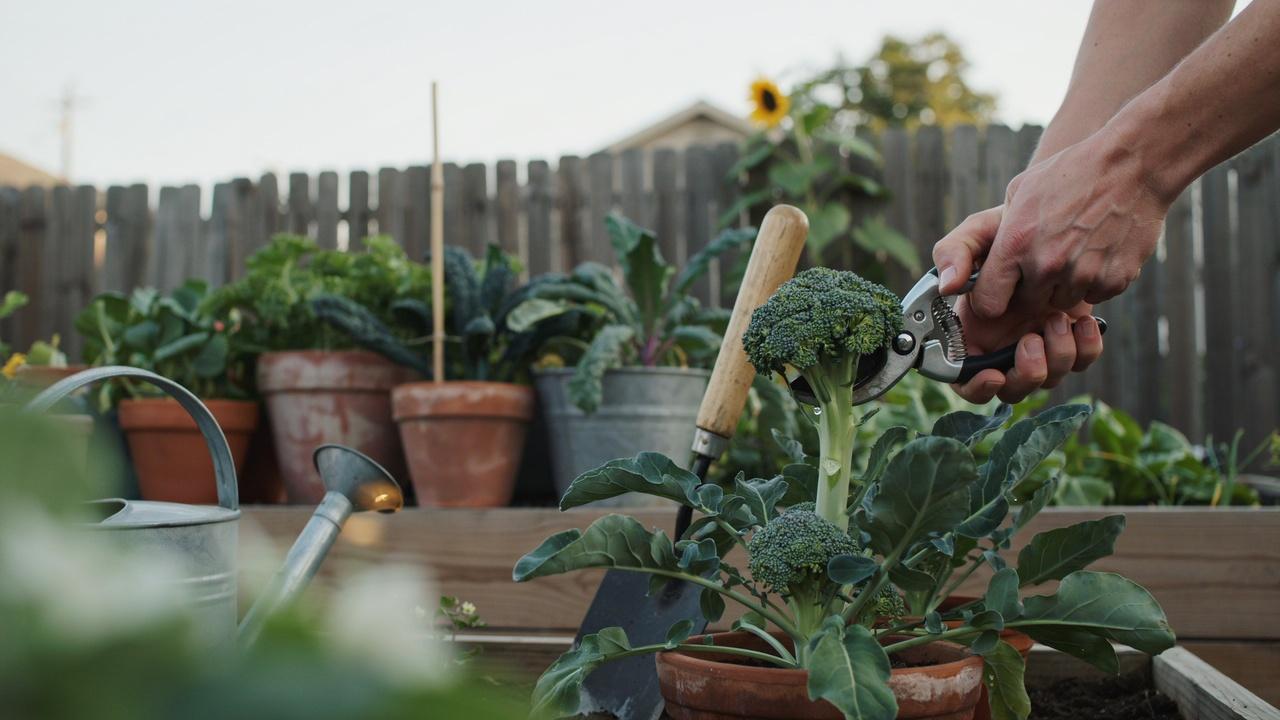
Use a sharp knife or garden shears. Cut the main stem about five to six inches below the head. A clean cut heals faster and lowers the chance of disease entering the plant.
Make the cut at a slight angle. This allows water to run off the cut surface rather than sitting on it, which can cause rot.
Harvest in the morning when the temperature is cooler. Broccoli cut during the heat of the day wilts faster and does not store as long in the refrigerator.
Can You Regrow Broccoli After Harvest?
Your broccoli plant can keep producing for weeks after the main harvest if you care for it properly.
Tips for Growing Broccoli in Containers Successfully
A few consistent habits make a real difference in how your container broccoli grows and produces.
- Always use a pot that is at least 12 inches deep and wide. A small pot limits root growth from day one and leads to weak plants that bolt early.
- Plant during the right cool season for your climate. Timing your planting correctly is the single biggest factor in getting a good head before heat sets in.
- Check your soil moisture every single day. Most watering problems, pest issues, and disease build up quietly over several days. Catching them early makes fixing them simple.
- Choose varieties with good side shoot production and try succession planting. Starting a new container every three to four weeks keeps fresh broccoli coming all season long.
- Harvest the head as soon as it looks ready and start fresh each season. Waiting too long causes bolting. Old potting mix carries disease, so always begin a new crop with fresh soil.
Conclusion
Growing broccoli in containers changed how I think about small space gardening. You do not need a big yard or years of experience. You just need a good pot, fresh soil, and a little patience.
Start with one plant this season. Watch it grow. You will be surprised how rewarding that first harvest feels.
If this guide helped you, share it with a friend who loves gardening. Got questions or want to share your progress? Drop a comment below. I would love to hear how your container broccoli turns out.
Frequently Asked Questions
How Many Broccoli Plants Can Grow in One Container?
One plant per 12 to 16 inch container is the standard guideline. In a very large container like a half barrel, two plants spaced at least 18 inches apart can work. Crowding them in a smaller space reduces airflow, limits root growth, and leads to smaller heads.
Can Broccoli Grow Indoors Year-Round?
Yes, but only with a proper grow light setup. Broccoli needs fourteen to sixteen hours of full-spectrum light each day when grown indoors. Keep the room temperature between 60 and 70 degrees Fahrenheit.
Why Are My Broccoli Heads Small?
Small heads are almost always caused by one or more of three things: not enough sunlight, inconsistent watering, or low nutrient levels. Make sure your plant gets at least six hours of direct sun. Fertilize every two weeks. Also check that the container is large enough. Root-bound plants cannot produce well regardless of how much you water or feed them.
How Long Does Broccoli Take to Grow in Containers?
Most varieties take 60 to 100 days from transplant to harvest. Starting from seed adds another three to four weeks before transplanting. Cooler temperatures slow growth slightly while temperatures in the ideal range of 60 to 70 degrees Fahrenheit speed things along. Tracking your planting date helps you know roughly when to expect the head to form.