
Growing artichokes might sound tricky. It's not. I've grown them for years, and I'll show you exactly how to do it too.
In this guide, you'll learn what artichokes need to thrive, how to start them from seed, and why timing matters more than you think.
I'll also cover planting, care, common problems, and harvesting. By the end, you'll know how to store and even overwinter your plants for next year.
I'm sharing what works in real gardens, not just theory. So if you've wanted to try artichokes but felt unsure where to start, you're in the right place.
Let's get into it.
What are artichokes?
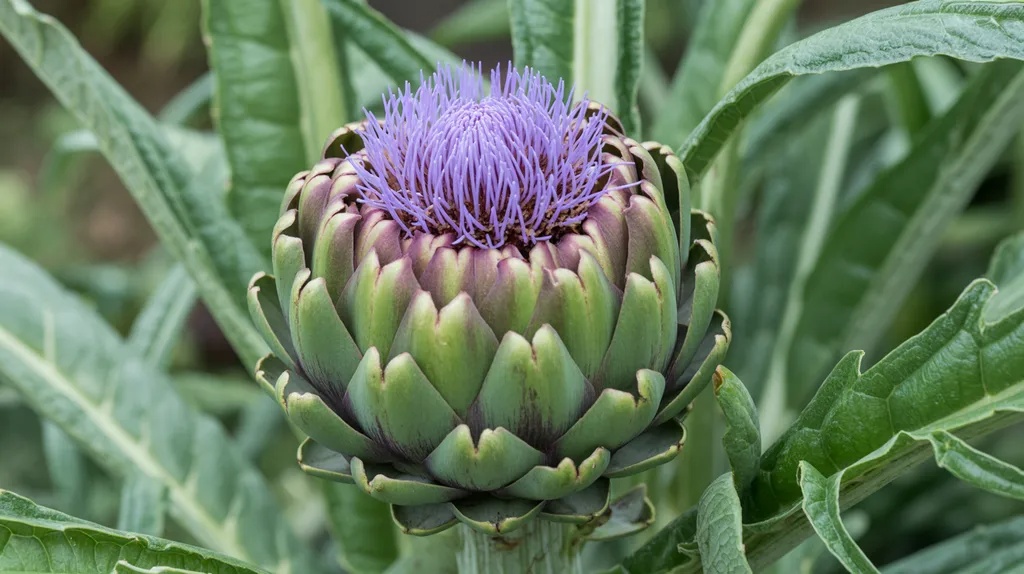
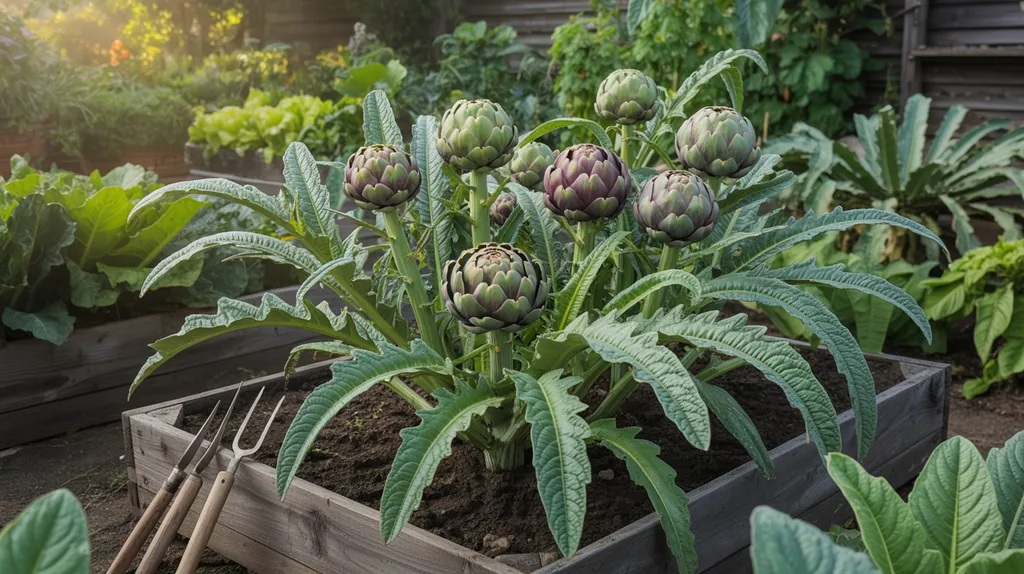
Artichokes are perennial thistles that you grow for their edible flower buds. Yes, that spiky bud on your plate is actually a flower waiting to bloom.
They're native to the Mediterranean. That means they love mild winters and cool summers. If you live somewhere with harsh frost, don't worry. I'll show you how to work around that later.
Each plant can live for years if you treat it right. One artichoke plant can give you several buds per season once it's established.
Choosing the Best Location for Growing Artichokes
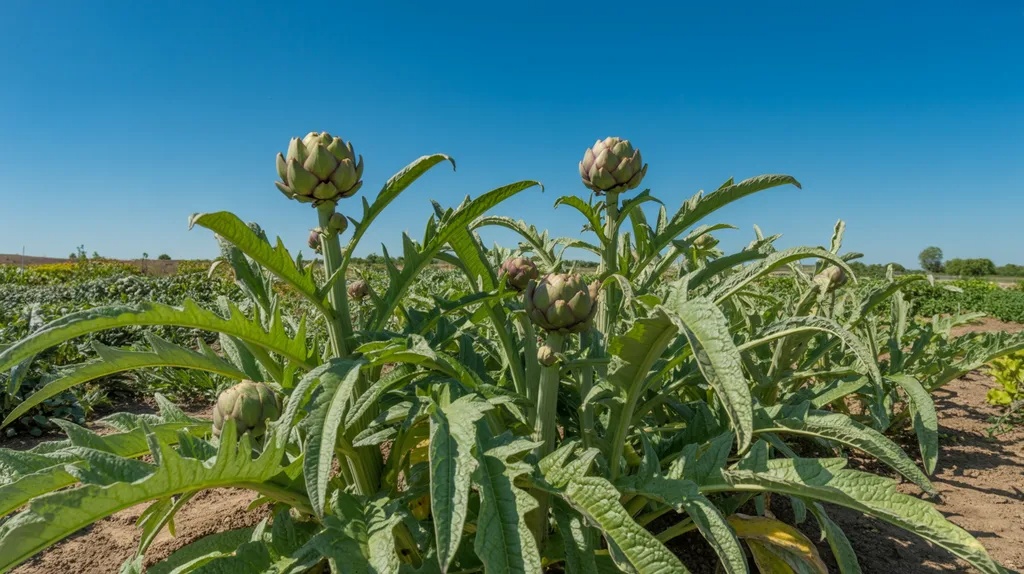
Location makes or breaks your artichoke harvest. I learned this the hard way after planting mine in a shady corner. Big mistake.
Here's what your plants need:
- Full sun, at least 6 to 8 hours a day
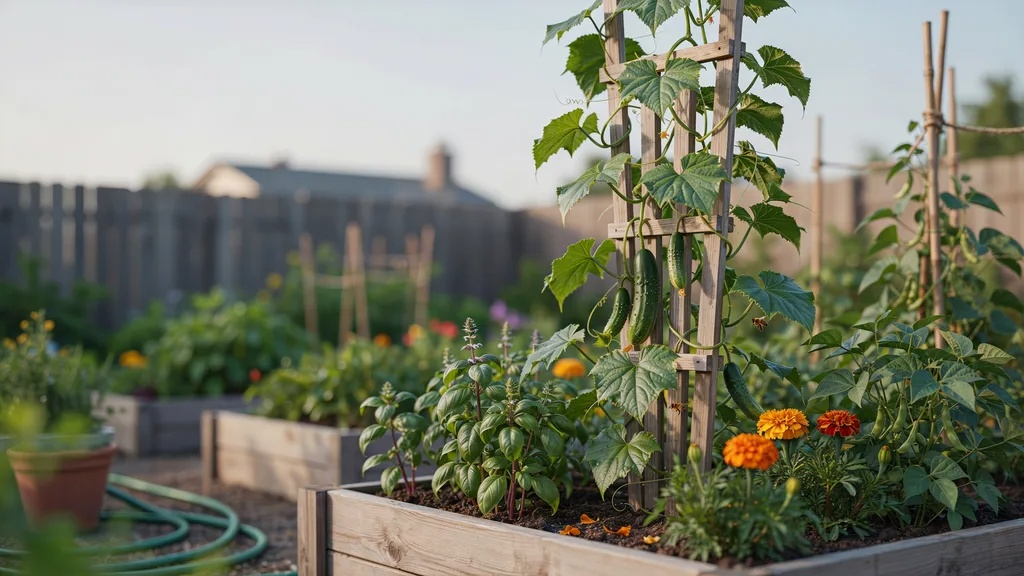
- Loose, well-draining soil with compost mixed in
- Soil pH between 6.5 and 7.5
- Space to grow wide, since one plant can spread 3 to 4 feet
Avoid low spots where water pools after rain. Artichoke roots rot fast in soggy soil. Raised beds work great if your yard tends to stay wet.
How to Grow Artichokes from Seed

Starting from seed takes patience, but it's not hard. I start mine indoors about 8 to 10 weeks before the last frost date.
Here's my simple process:
- Soak seeds overnight to help them sprout faster
- Plant them a quarter inch deep in seed trays
- Keep soil moist and the room around 70 degrees
- Watch for sprouts in 10 to 14 days
- Move seedlings to bigger pots once they grow true leaves
Use a sunny window or grow light. Weak light gives you leggy, weak seedlings. Trust me, strong light makes a real difference here.
Vernalization: The Key to First-Year Artichoke Production

This step trips up a lot of new growers. Vernalization means exposing young plants to cold temperatures on purpose. It tricks the plant into thinking it survived winter, so it flowers in its first year instead of waiting.
Here's how I do it. Once seedlings have 4 to 5 true leaves, I move them somewhere that stays between 40 and 50 degrees for two weeks. A cool garage or covered porch works well.
Skip this step, and you might not see buds until year two. That's the honest truth. Vernalization is the difference between waiting one year or two.
Planting Artichokes in the Garden
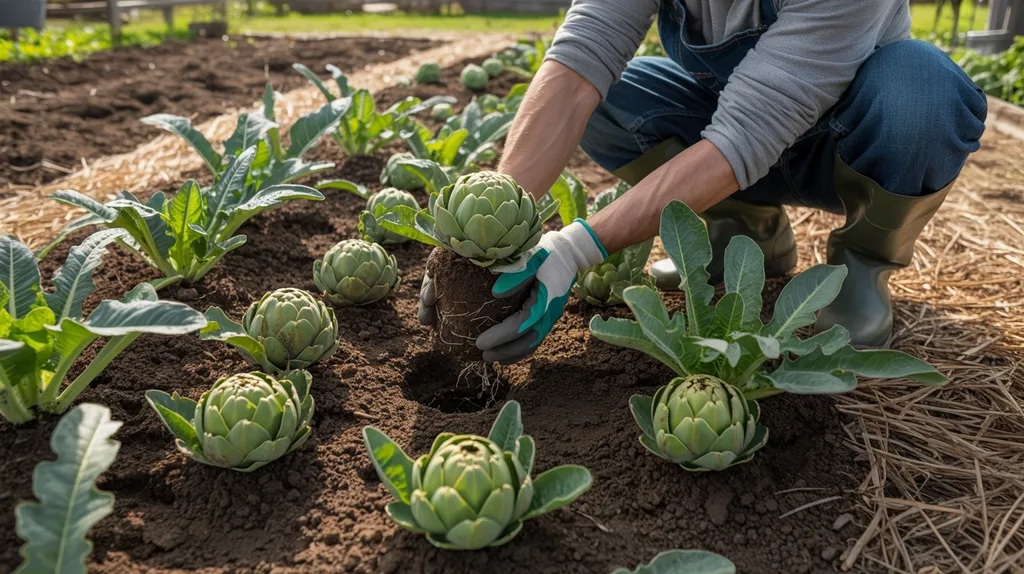
Once the cold danger has passed, it's time to move your plants outside. I always wait until nighttime temps stay above 45 degrees.
Space plants 3 to 4 feet apart. They need room to grow big leaves and strong roots. Dig a hole twice the size of the root ball, then mix in compost before planting.
Water deeply right after planting. Then add mulch around the base. This keeps moisture in and weeds out. Simple step, big payoff.
Artichoke Plant Care Throughout the Season

Once your plants settle in, care becomes pretty routine. I check on mine every few days, especially during hot stretches.
Watering matters most. Artichokes need consistent moisture, about 1 to 2 inches per week. Inconsistent watering leads to small, tough buds.
Feed your plants every 4 to 6 weeks with compost or a balanced fertilizer. They're heavy feeders, so don't skip this part.
Keep weeds away from the base. Weeds steal water and nutrients your plants need. A thick mulch layer handles most of this for you.
Watch leaves for early signs of stress. Drooping or yellowing often means a watering problem, not a disease.
Common Problems When Growing Artichokes
Even with good care, you might run into a few issues.
Here are the ones I see most often:
- Aphids clustering on new growth, easy to spot and treat with soapy water
- Slugs and snails chewing young leaves overnight
- Powdery mildew showing up in humid, crowded conditions
- Root rot from soil that stays too wet
- Small or no buds from skipping vernalization
- Slow growth from not enough sun
Most problems trace back to soil moisture or light. Fix those two, and you'll avoid most issues before they start.
How Long Does It Take Artichokes to Grow?
Artichokes are not a quick crop. From seed to harvest, expect around 100 to 120 days if your plant was properly vernalized.
Without vernalization, your plant may take a full second year to produce buds. That's why I always recommend the cold treatment step. It saves you a year of waiting.
Established plants tend to produce earlier each season since the roots are already strong.
When and How to Harvest Artichokes

You'll know it's harvest time when buds feel firm and reach 3 to 5 inches across. Don't wait too long. Buds that open turn tough and bitter fast.
Here's how I harvest mine. I cut the stem about 1 to 2 inches below the bud using clean, sharp shears. A clean cut helps the plant heal quickly.
Pick the central bud first. Side buds will follow over the next few weeks, usually smaller but just as tasty.
Check plants every few days once buds start forming. Things move quickly in warm weather.
Storing and Using Freshly Harvested Artichokes

Fresh artichokes don't last long, so I use or store mine within a few days. Wrap them loosely in a damp paper towel, then place them in a plastic bag in the fridge. They'll stay good for about a week this way.
Want to keep them longer? Steam and freeze the hearts for later use. They work great in pasta, dips, or simple side dishes.
I usually steam mine fresh with garlic and lemon. Simple, but it never gets old.
Overwintering Artichoke Plants for Future Harvests
If you live somewhere with mild winters, your plants might survive outside with a thick layer of mulch over the crown. I add at least 6 inches in late fall.
In colder regions, I cut the plant back and dig up the root ball. Store it in a cool, dark spot like a basement, then replant in spring.
Either method gives your plant a head start next season instead of starting from scratch.
Conclusion
Growing artichokes takes a bit of patience, but the process is simpler than most people expect. Once you understand vernalization, good soil, and steady watering, the rest falls into place naturally.
I've grown these plants myself, and every season teaches me something new about timing and care.
Start with healthy seedlings, give them the cold treatment they need, and watch how quickly they reward you with thick, tasty buds.
Whether this is your first try or your fifth, small adjustments each year make a real difference.
So, are you ready to grow your own artichokes this season?
Frequently Asked Questions
Can I grow artichokes in containers?
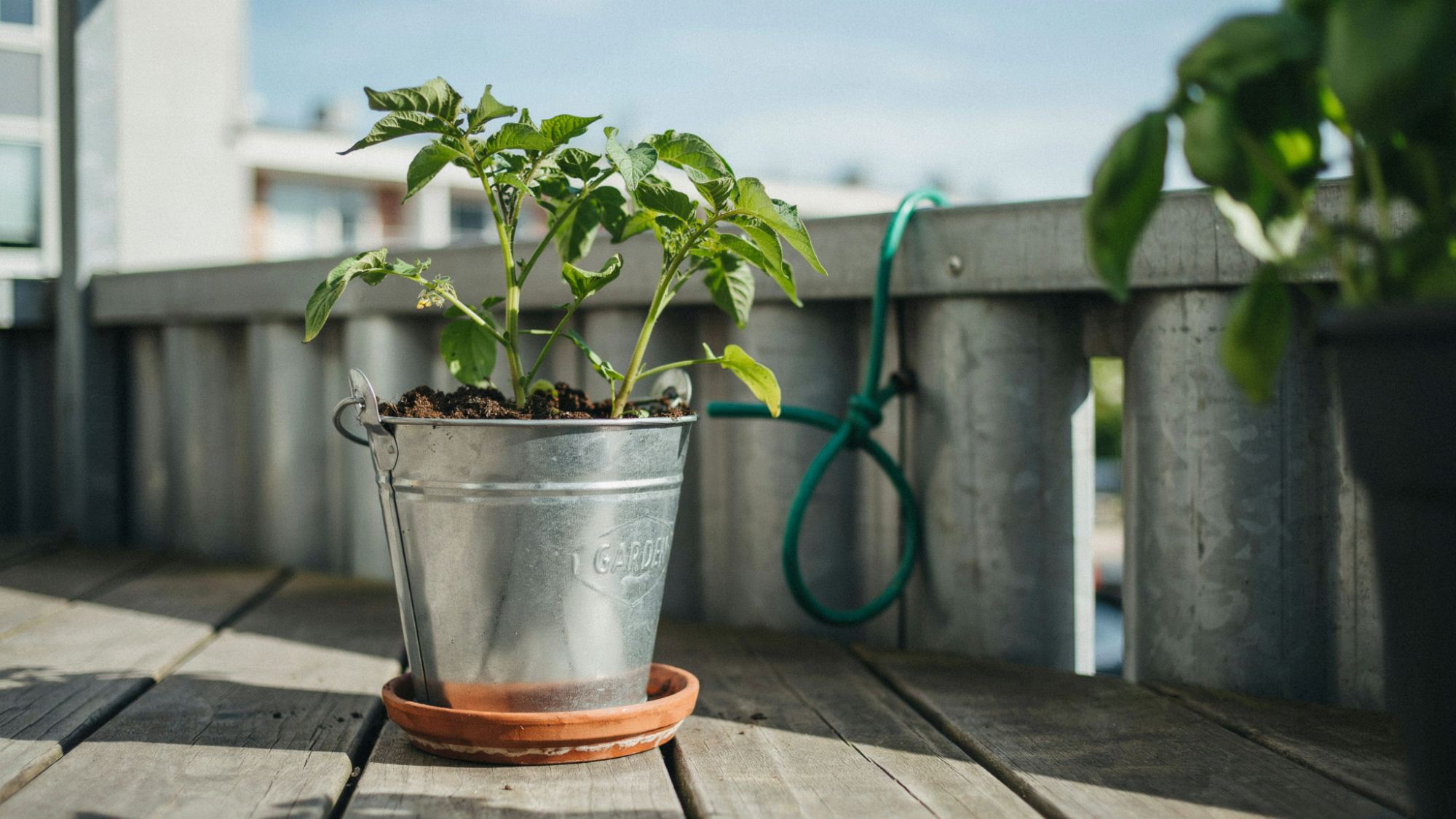
Yes, you can grow artichokes in large containers at least 18 to 24 inches wide. Just make sure the pot has good drainage holes.
Why didn't my artichoke plant produce any buds?
This usually happens when the plant skipped vernalization or didn't get enough sun. Cold treatment and full sunlight fix most bud problems.
Are artichokes hard to grow from seed?
Not really, but they do need patience and the right cold exposure. Once you understand the steps, the process becomes pretty simple.
How many artichokes will one plant produce?
A healthy, established plant can give you 6 to 9 buds per season. Production usually increases as the plant matures over the years.
Can I eat artichoke leaves raw?
No, raw artichoke leaves are tough and bitter. You should always cook them by steaming, boiling, or roasting before eating.