
Starting a vegetable garden can feel confusing when you don't know where to put anything.
I remember staring at my own backyard, unsure how to fit everything into one small plot.
This article will walk you through the best 20×20 vegetable garden layout ideas so you can stop guessing and start growing.
You'll learn how to plan zones, pick the right planting style, and avoid the mistakes most beginners make.
I've grown vegetables in small spaces for years, and I'm sharing what actually works, not just theory.
What Is the Best Layout for a Beginner 20×20 Vegetable Garden?
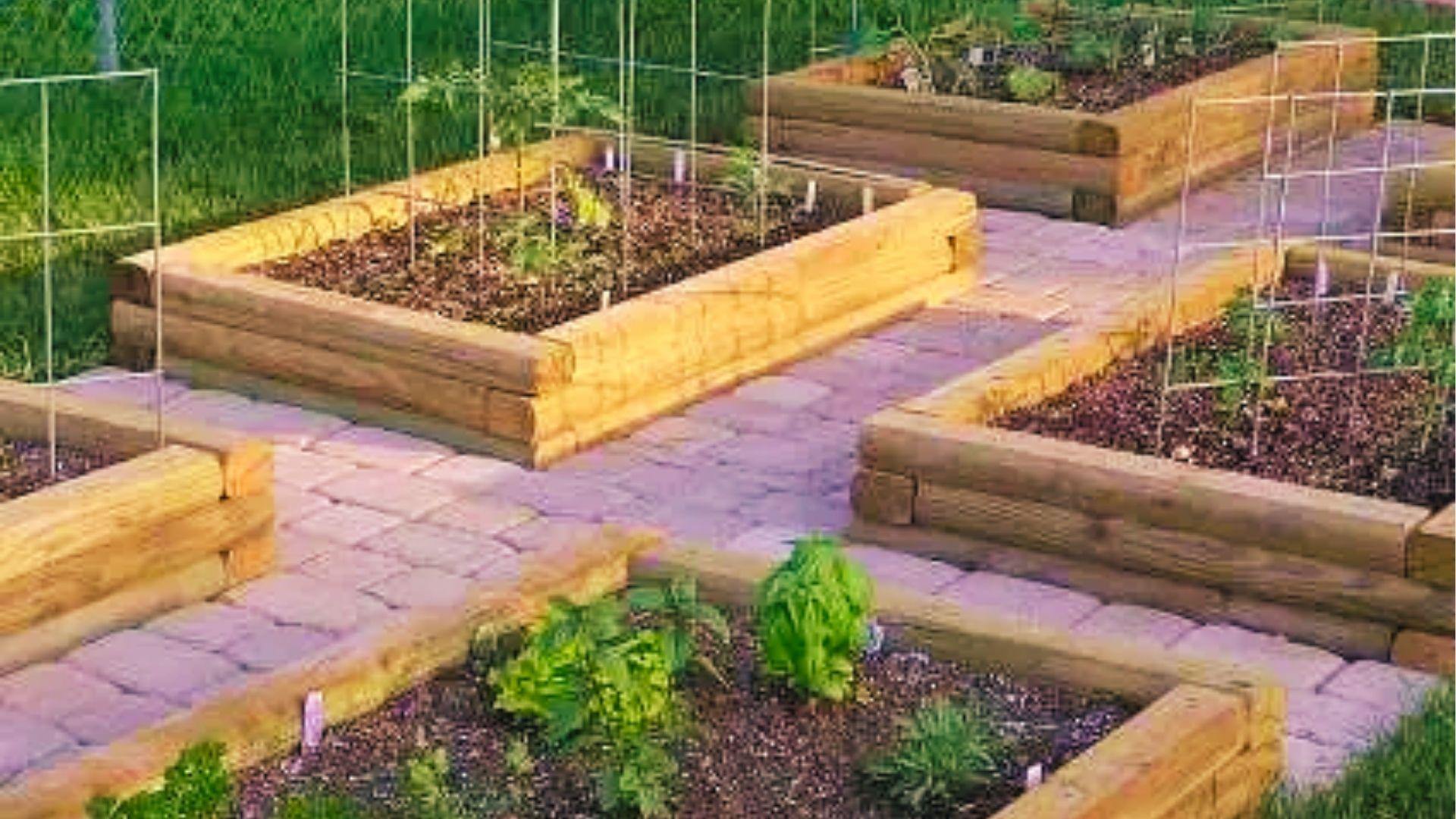
A 20×20 garden gives you about 400 square feet to grow a good amount of food without feeling like too much work.
The best beginner layouts mix raised beds, block planting, and a few trellises for climbing plants.
Start by splitting the space into zones for tall crops, medium crops, and low growers. Place tall plants like corn or trellised beans on the north side so they don't block sun from shorter crops.
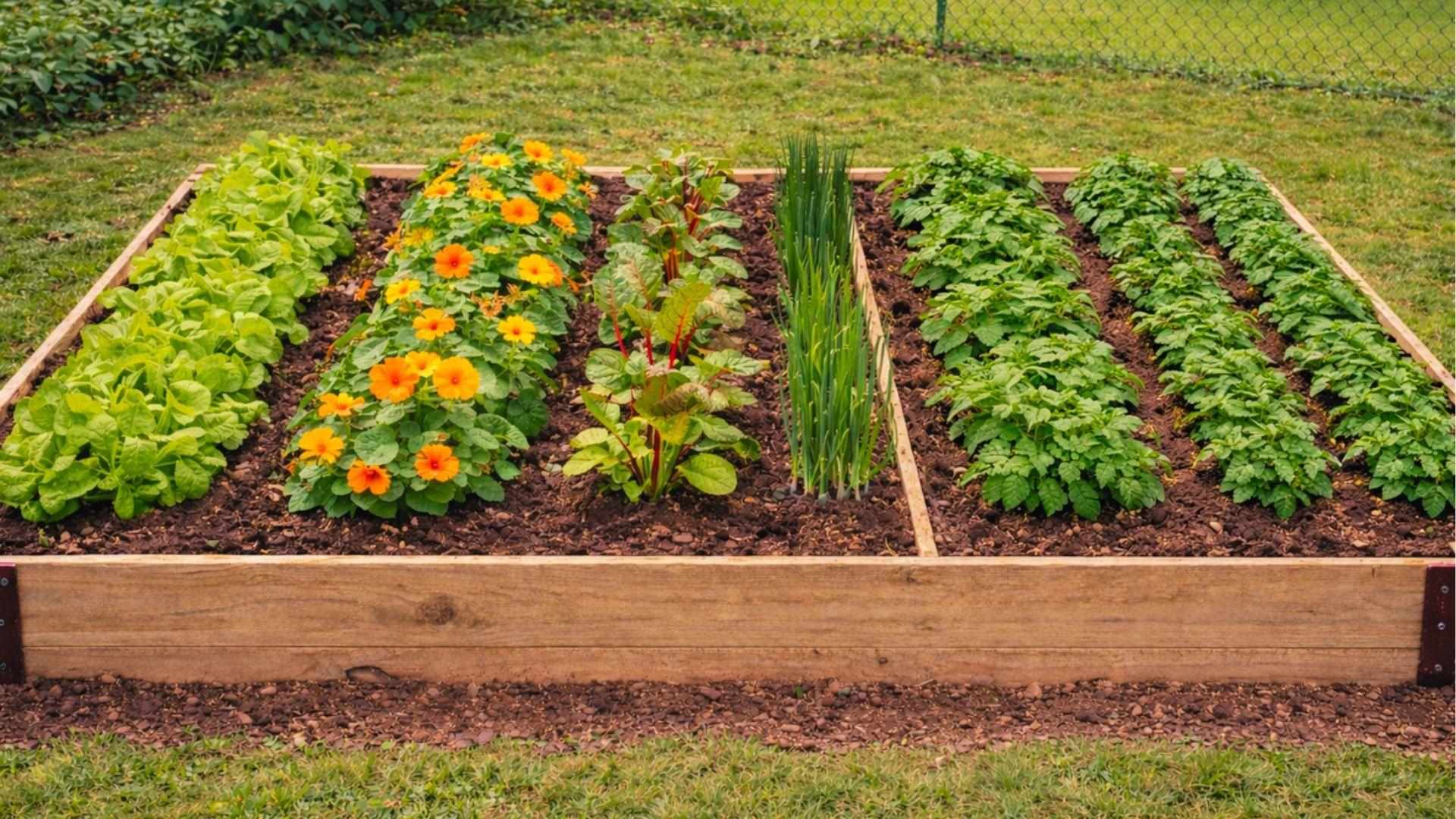
Raised beds work well for beginners because they improve drainage and keep weeds down.
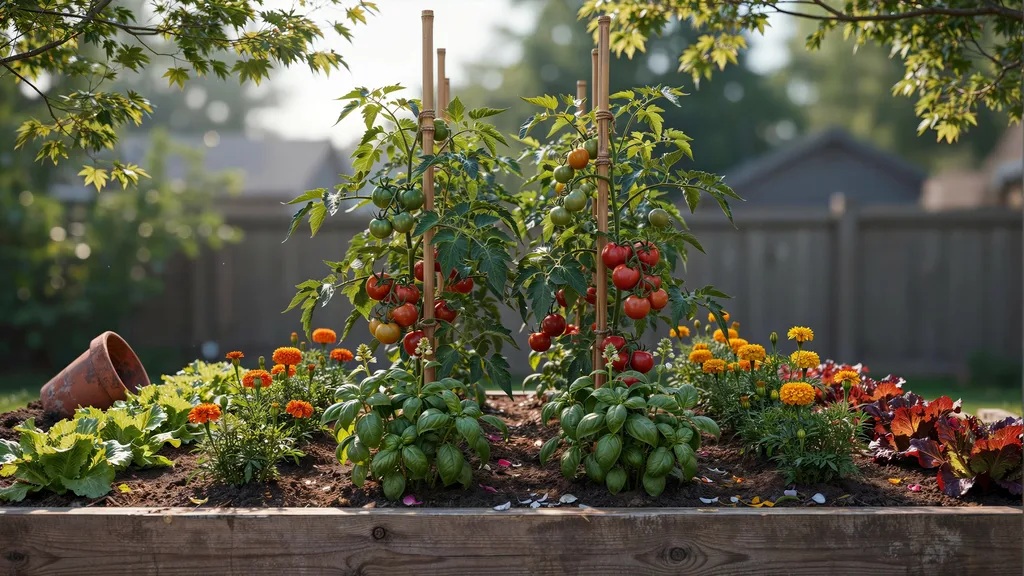
Combine block planting with companion crops like tomatoes and basil for higher yields. Keep paths narrow to leave more room for growing.
Succession Planting & Seasonal Layout Strategy for Continuous Harvest
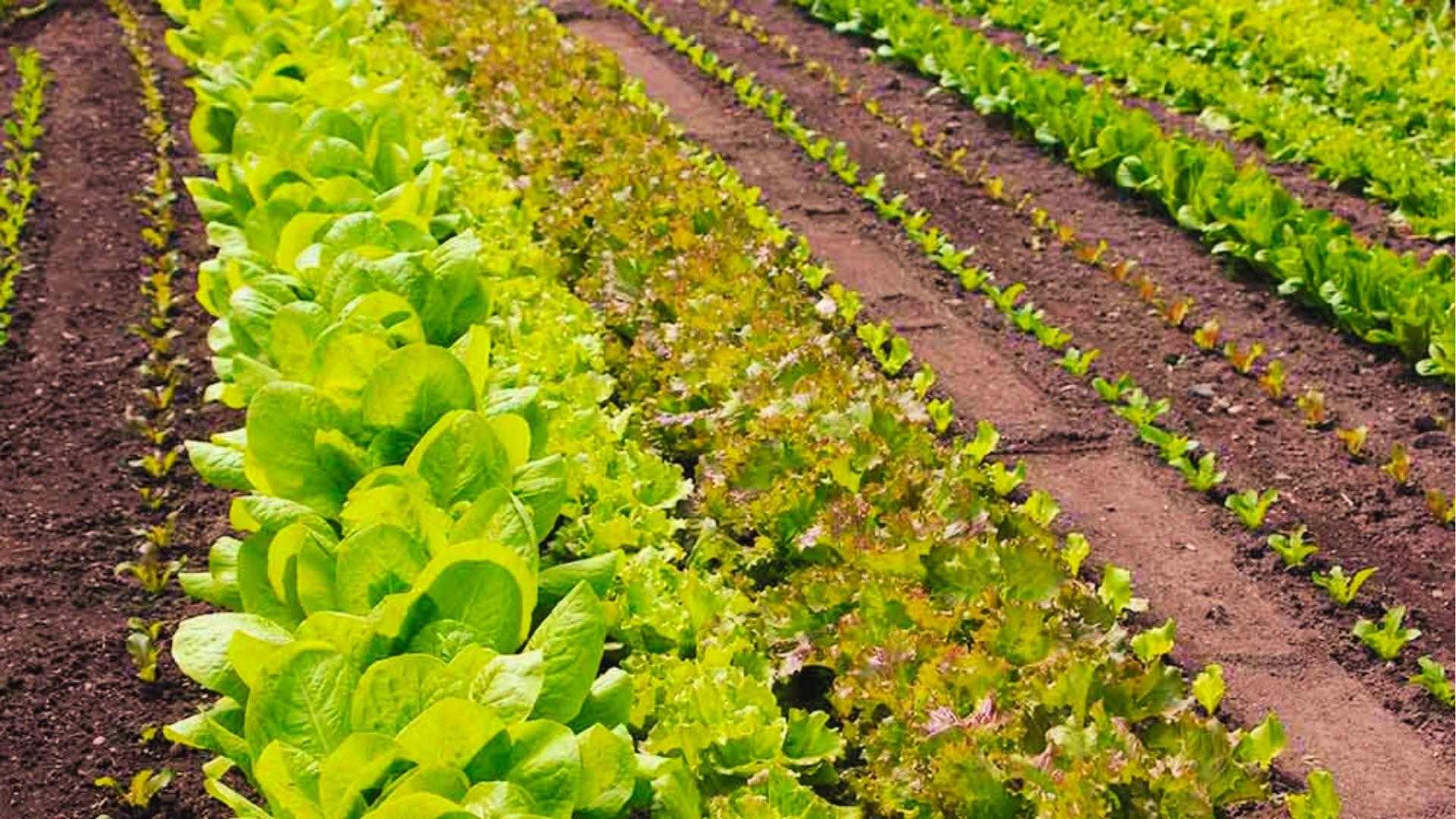
Planning your planting schedule keeps your garden productive all season long.
How to Replant Fast Crops for Year-Round Production
Once you harvest a fast growing crop like lettuce or radishes, replant the same spot right away.
This keeps your garden producing instead of sitting empty after each harvest.
Cool-Season vs Warm-Season Crop Rotation in a 20×20 Garden
Cool season crops like spinach and peas grow best in spring and fall, while warm season crops like tomatoes and peppers thrive in summer heat.
Rotating between these keeps your garden active year round.
Simple Planting Calendar Strategy for Beginners
Keep a basic list of what you planted and when. This helps you know exactly when to expect harvest and when to plant the next round of crops.
9 Beginner 20×20 Vegetable Garden Layout Ideas You Can Copy
These nine tested layouts give you a starting point you can adjust to fit your needs.
Layout 1: Classic Block Garden Layout (High Yield Basics)
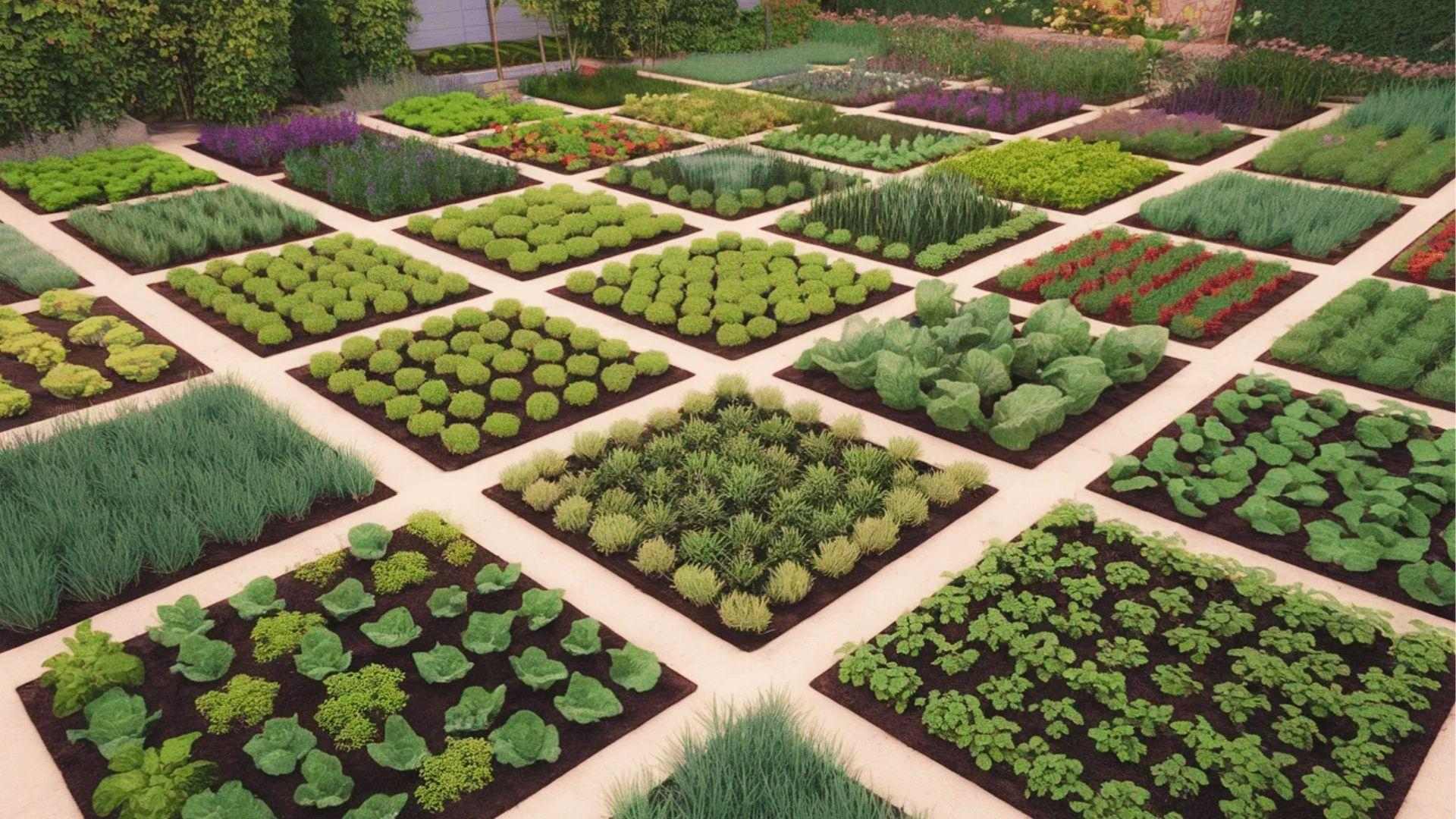
This layout groups each crop into its own square block instead of long rows.
It keeps things simple and easy to follow for first time gardeners. You always know where each plant is, which makes care and harvest much easier.
Layout 2: Raised Bed Intensive Garden (Low Maintenance)
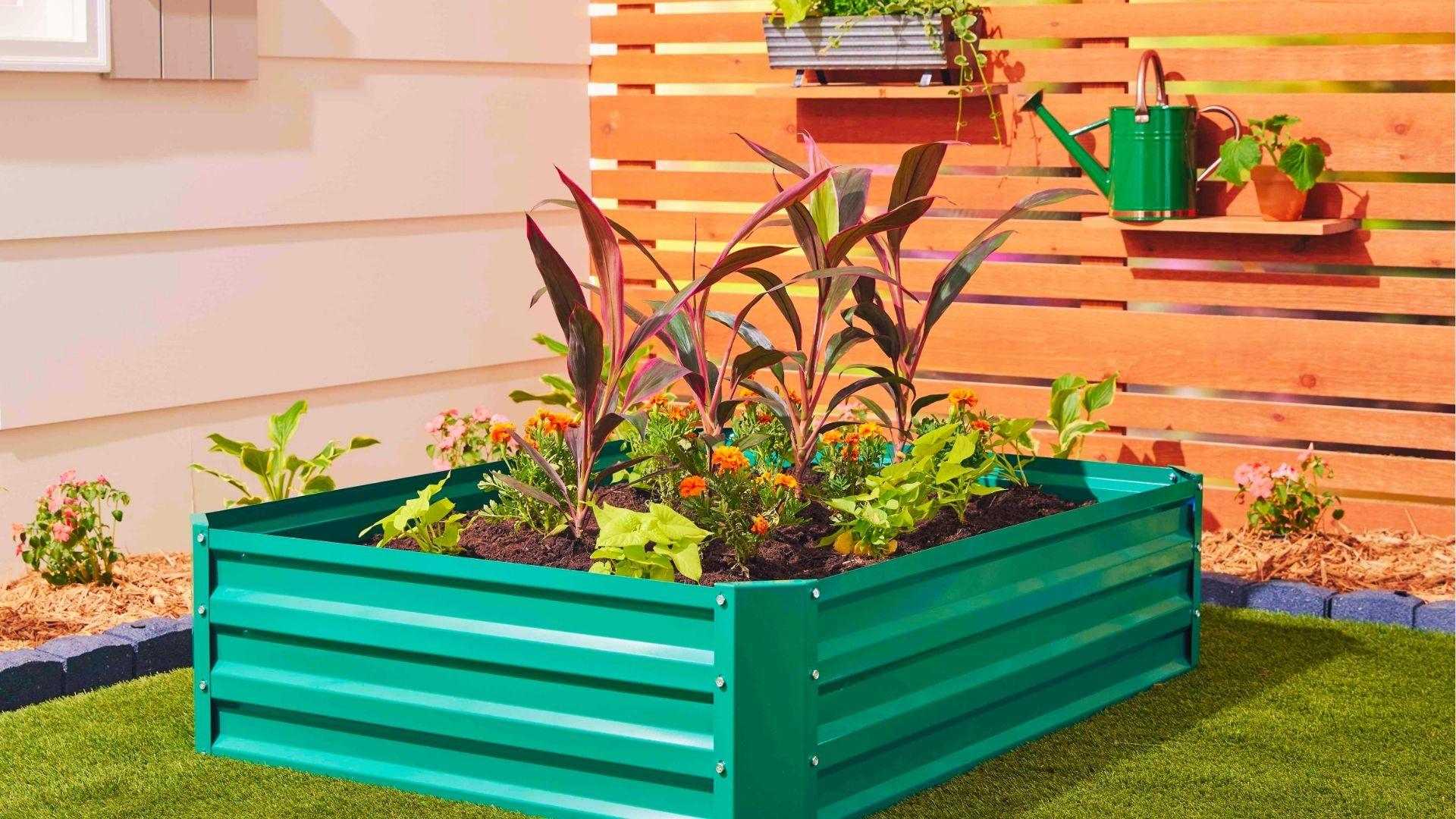
Several raised beds are placed across the space to hold each crop. They cut down on weeding since the soil stays loose and separate from the ground.
You also get full control over soil quality, which means healthier plants with less daily upkeep.
Layout 3: Three Sisters Companion Garden (Corn, Beans, Squash)
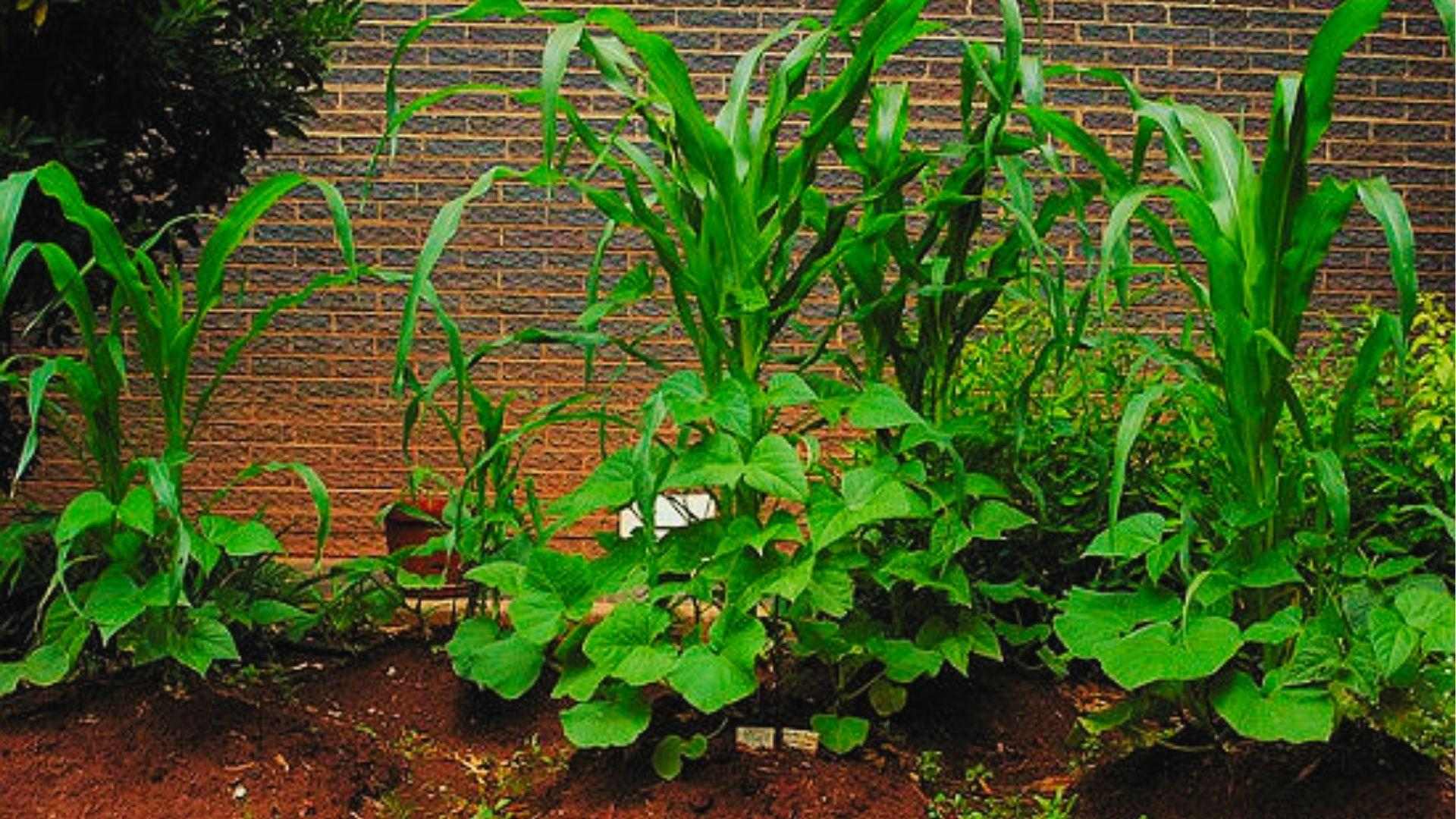
This method comes from an old farming tradition that pairs three crops together.
Corn gives beans a pole to climb, while squash spreads below to block weeds and hold moisture.
Each plant helps the other two grow better without extra work from you.
Layout 4: Vertical Trellis Garden (Space-Saving Design)
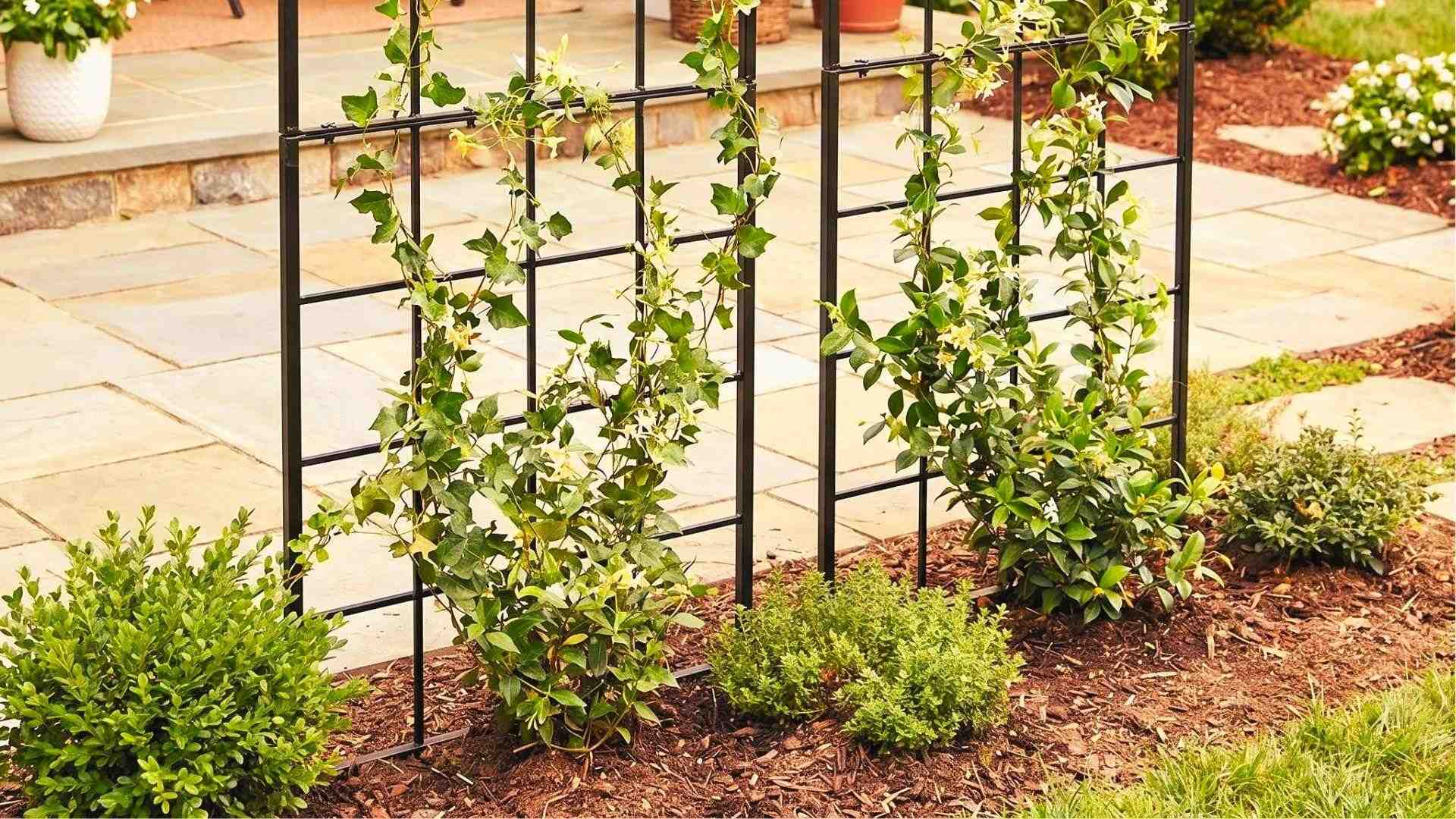
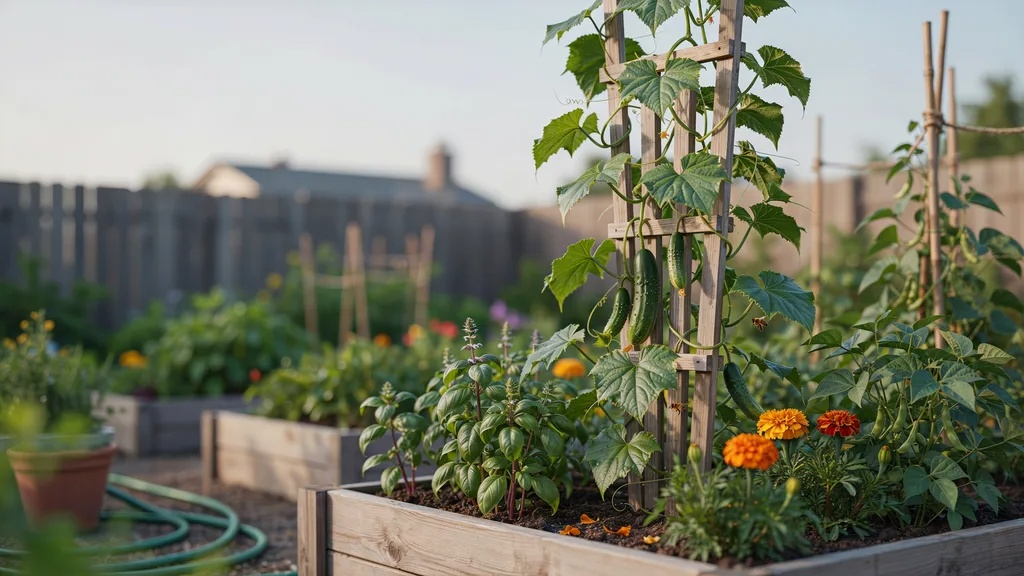
Trellises are the main feature in this layout, built to support climbing plants like beans and cucumbers.
Growing upward saves ground space for smaller crops planted below. This works well if your 20×20 area needs to do more with less room.
Layout 5: Square-Foot Intensive Garden (Maximum Productivity)
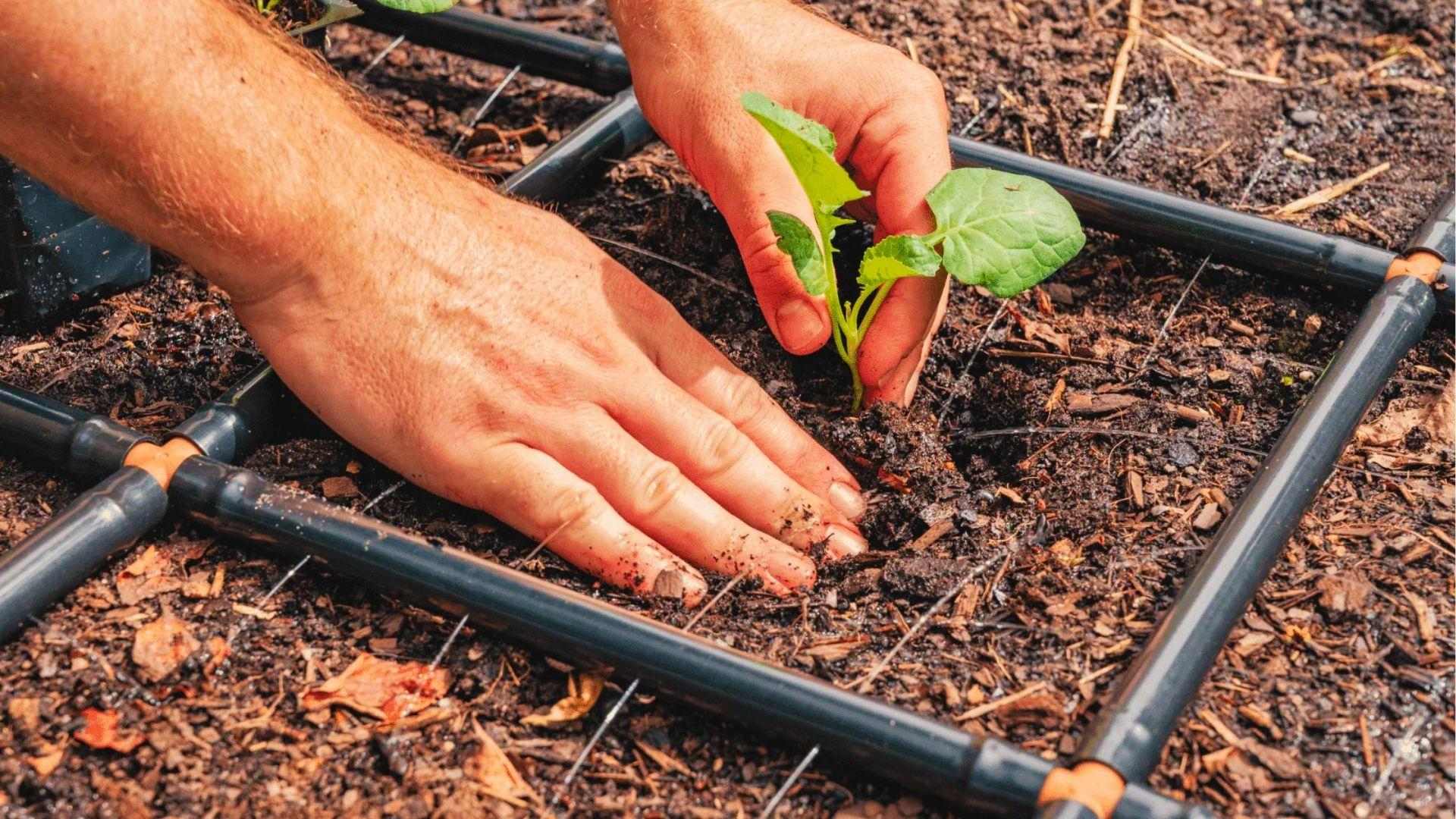
This layout splits the garden into small one foot sections using a grid. Each square holds a set number of plants based on their size and spacing needs.
Packing plants this closely raises your total harvest within the same 400 square feet.
Layout 6: Pest-Resistant Companion Garden (Natural Protection)
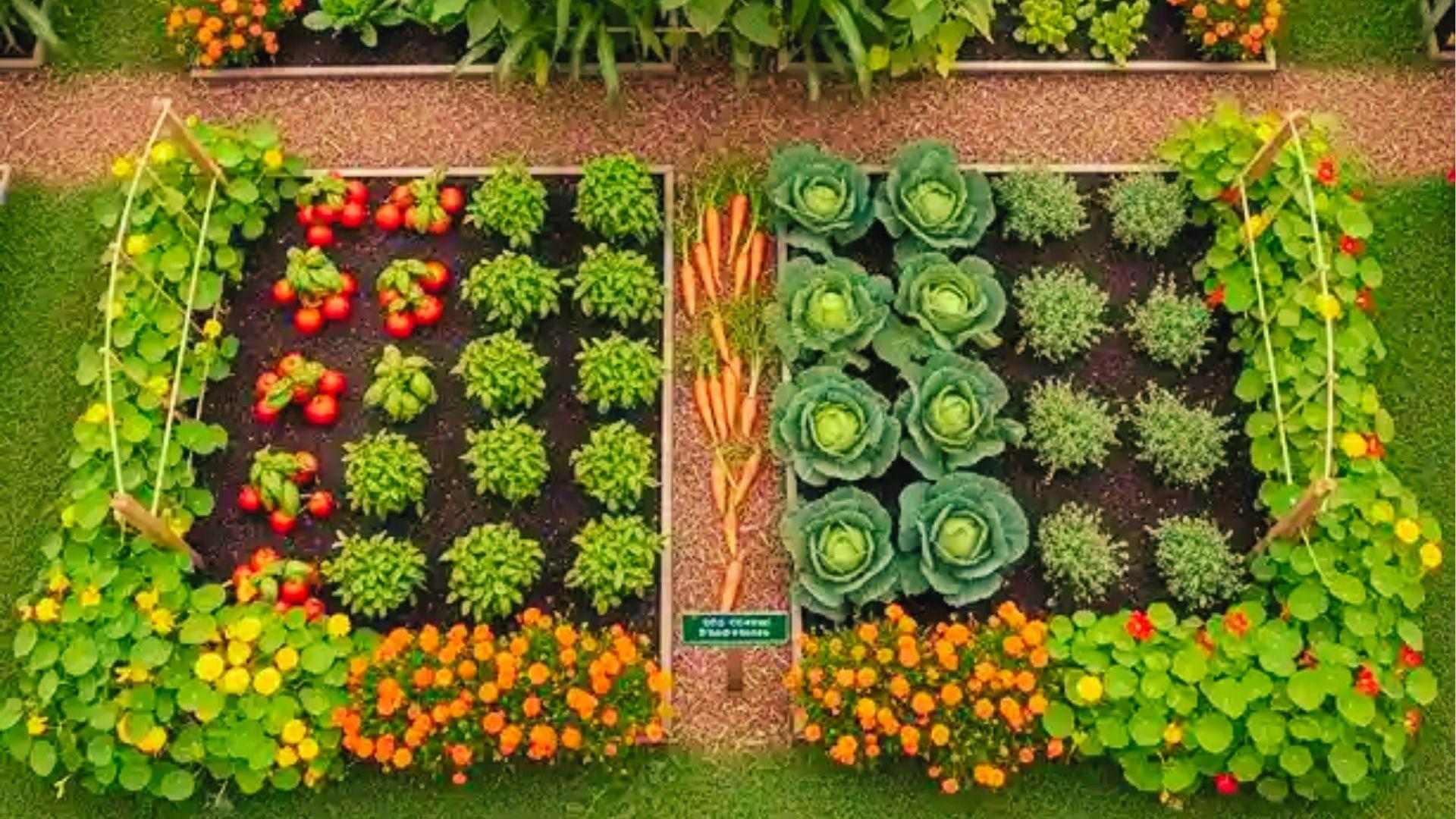
Herbs and flowers that naturally repel pests are mixed in between vegetable rows. Marigolds, basil, and similar plants help keep insects away without chemical sprays.
This keeps your garden healthier while cutting down on pest damage over the growing season.
Layout 7: South Asian Kitchen Garden Layout (Cultural Crops)
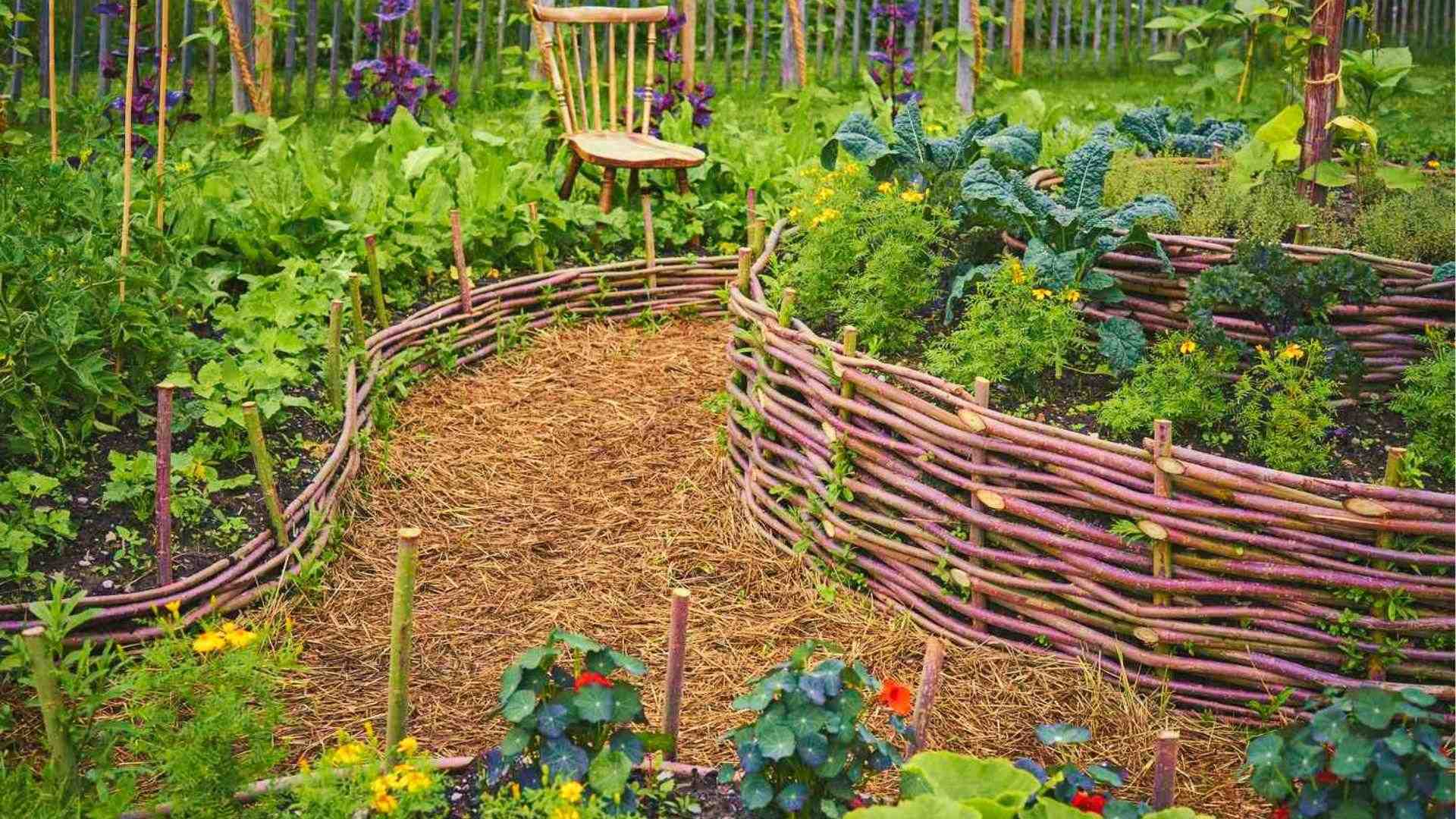
This layout makes room for crops common in South Asian cooking, like okra, eggplant, and chilies.
These plants are arranged to suit warm weather and longer growing seasons. It gives home cooks fresh ingredients for everyday meals straight from their own backyard.
Layout 8: Succession Planting Garden (Continuous Harvest)
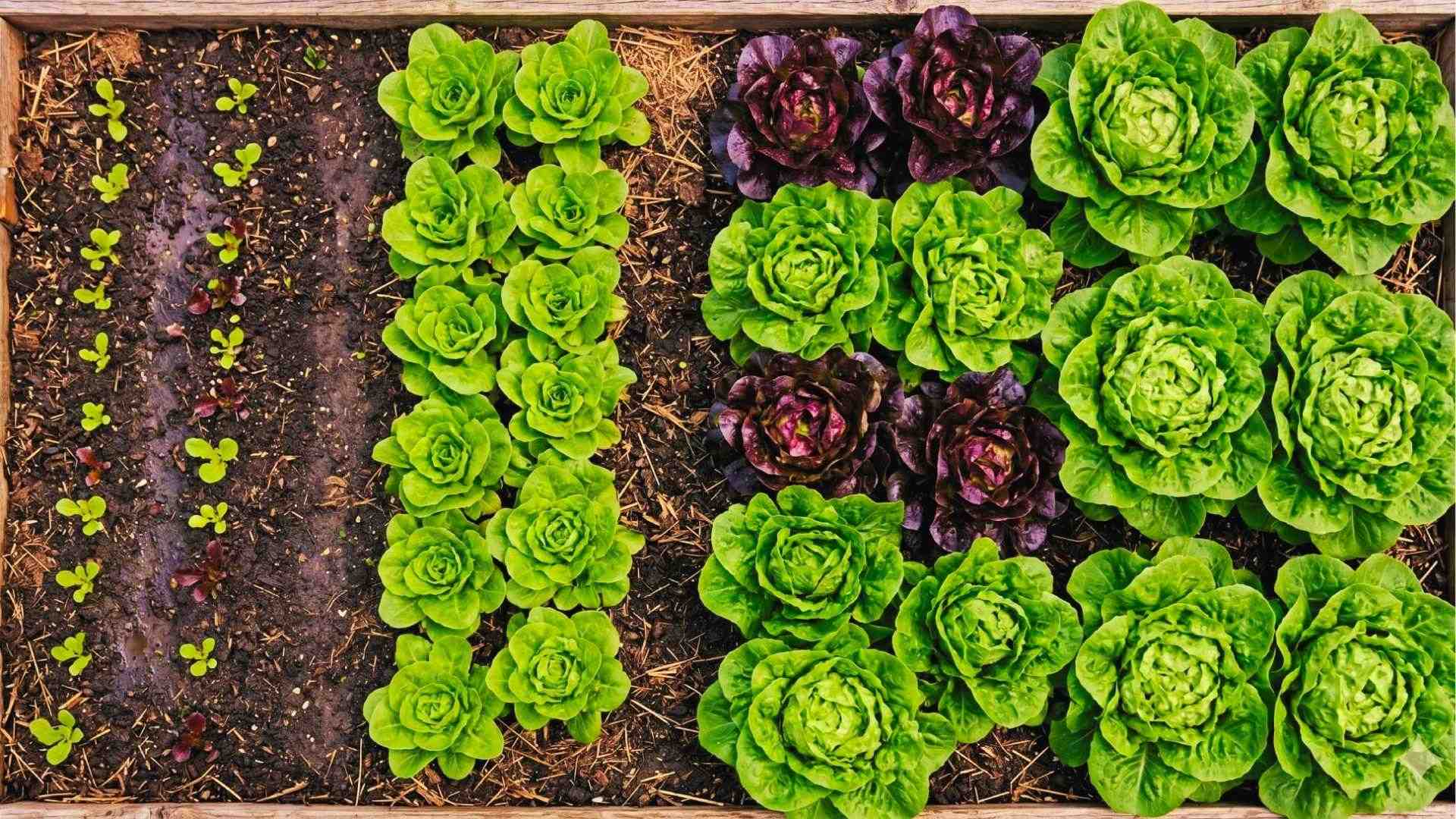
Fast growing crops like lettuce and radishes are planted in small batches over time. As one batch finishes, a new one is already growing to take its place.
This keeps your garden producing food across most of the growing season instead of just one harvest.
Layout 9: Beginner Low-Maintenance Garden (Easy Starter Plan)
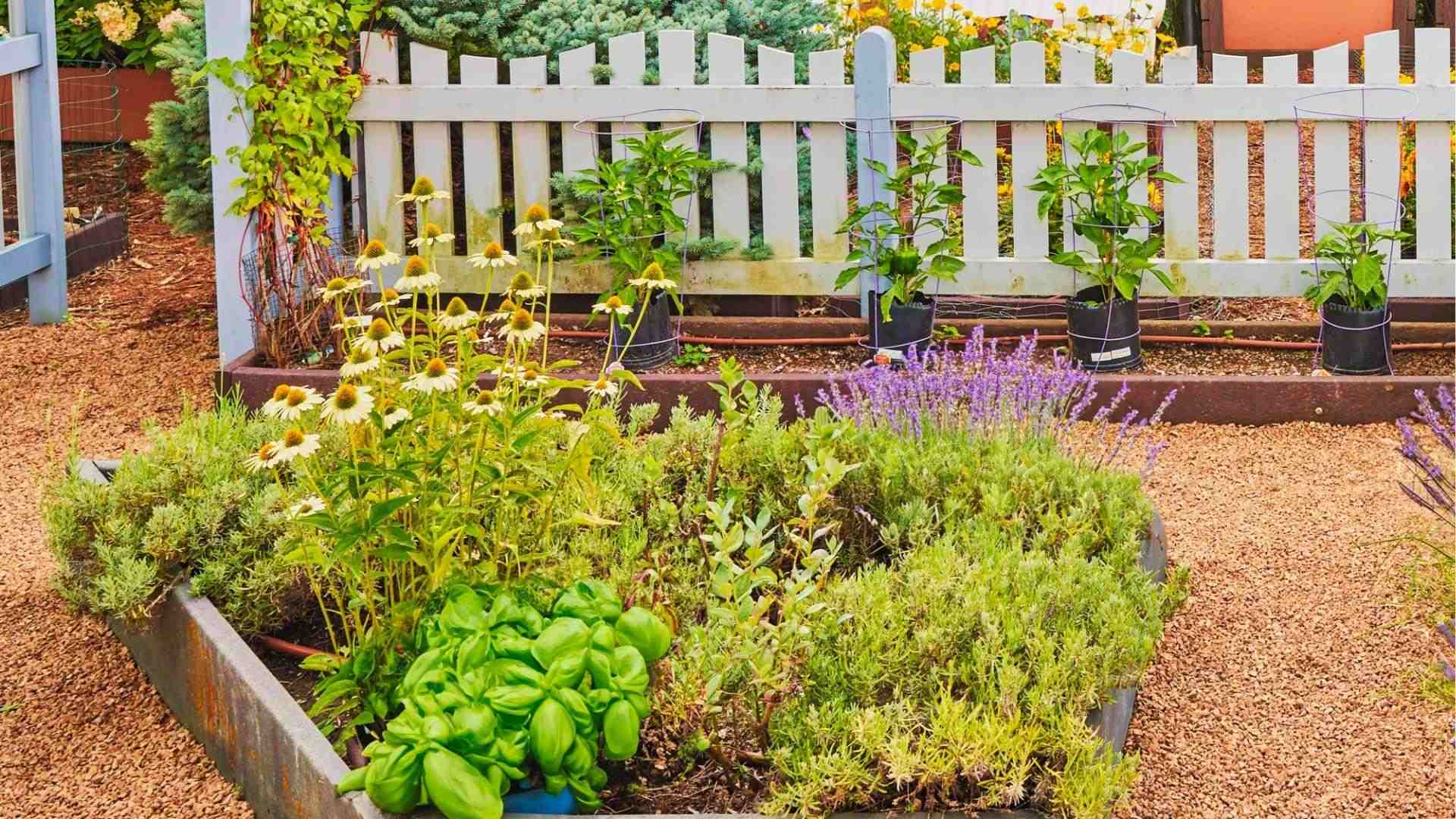
This layout sticks to easy crops like beans, tomatoes, and herbs with generous spacing between them.
Wider spacing means less competition for water and nutrients, so plants need less attention. It is a solid starting point for anyone growing their first vegetable garden.
Tips to Improve Any 20×20 Vegetable Garden Layout
Small changes to spacing, watering, and habits can boost output from the same 400 square feet.
- Cutting back on wide pathways gives you more room to actually plant crops. Narrow paths that fit one person are usually enough for a home garden.
- Planting seeds closer together and then thinning out weak seedlings leads to stronger, healthier plants. This method also makes better use of your growing space than wide spacing alone.
- Watering deeply but less often helps roots grow stronger and deeper into the soil. Frequent shallow watering only wets the top layer and can leave plants struggling in dry spells.
- Picking vegetables as soon as they are ready keeps plants producing more over time. Crops left too long on the vine often slow down new growth.
- Writing down what worked and what didn't each season makes planning easier next time. Simple notes on planting dates, yields, and problems can save you time and guesswork later on.
Conclusion
Planning your own 20×20 vegetable garden layout doesn't have to feel overwhelming.
I started small too, and a little planning made all the difference in how much food I actually grew.
Try mixing a few of these layouts based on what fits your space and your goals. Picture your own backyard full of fresh vegetables this season.
If this helped you, drop a comment below with your garden plans, share it with a friend who's starting their own garden, and check out our other growing guides for more ideas.
Frequently Asked Questions
What is the best layout for a 20×20 vegetable garden?
Block planting combined with raised beds works well for most beginners. It keeps maintenance low while producing a strong yield.
How many raised beds fit in a 20×20 garden?
You can typically fit six to eight raised beds, depending on size, while still leaving room for pathways.
Can I grow vegetables vertically in a small garden?
Yes. Trellises for cucumbers, beans, and squash help you grow more food without using extra ground space.
What vegetables grow best together in a small garden?
Tomatoes with basil and carrots with radishes are reliable combinations that support healthy growth and good use of space.
How do I keep my garden productive all season?
Use succession planting by replanting fast growing crops as soon as you harvest. This keeps your garden active from spring through fall.