

I planted one blueberry bush and got almost nothing. No disease. No bad soil. Just a lonely plant that had no partner to cross-pollinate with.
That one mistake cost me a whole season.
So, are blueberries self pollinating? The short answer is yes, but the full answer is what actually changes your harvest.
In this blog, I'll cover how blueberry pollination works, which varieties need a second plant, how spacing affects fruit production, and simple tips to get more berries this season.
I've been through trial and error so you don't have to. If you want real answers, keep reading.
Are Blueberries Self Pollinating?
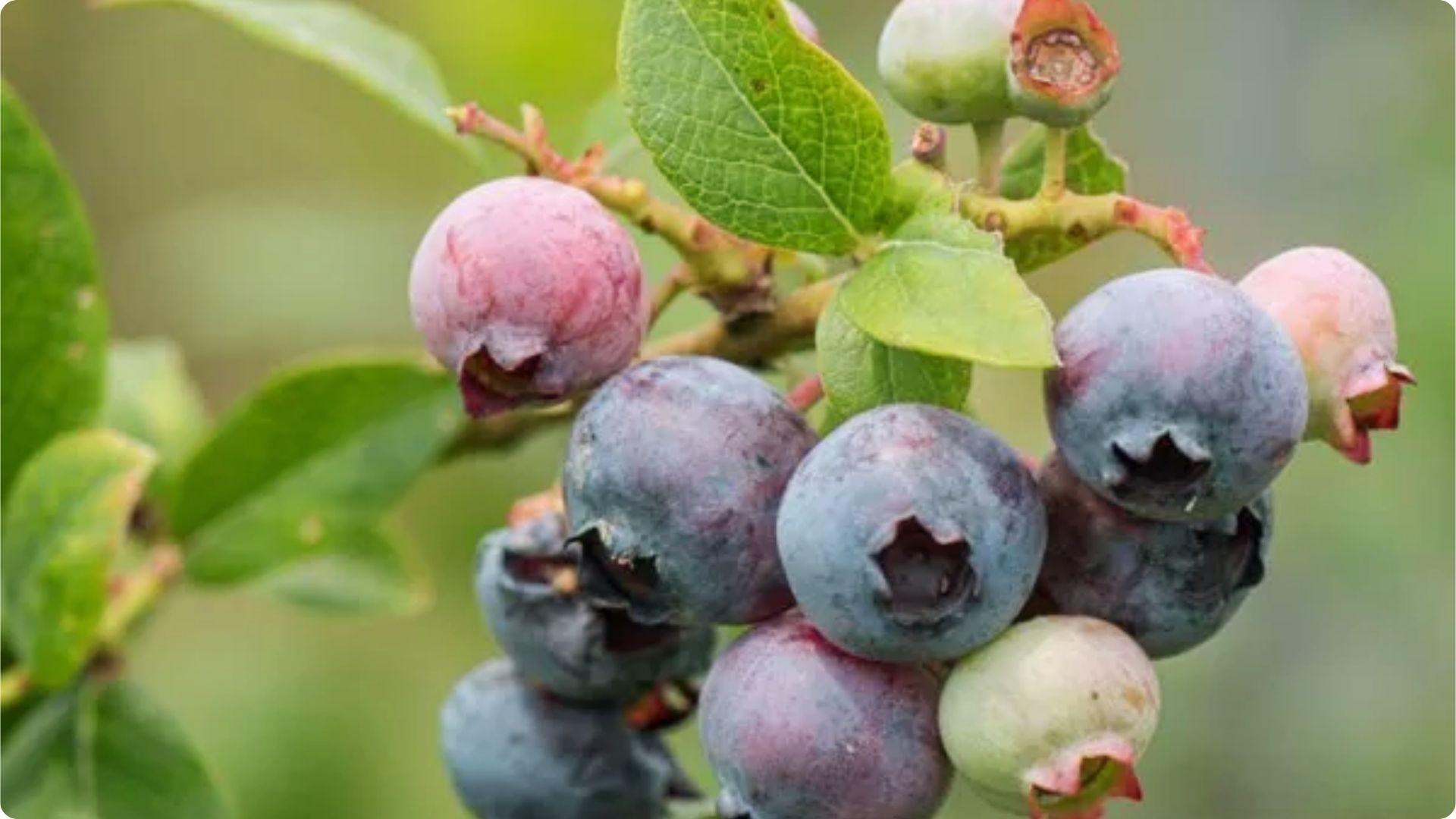
Most blueberry varieties are technically self-pollinating, meaning one plant can produce fruit on its own. But self-pollination doesn't mean you'll get the best results from a single bush.
The fruit tends to be smaller, the yield is lower, and the ripening can be uneven. Blueberries produce far better when they have a second compatible variety nearby for cross-pollination.
Bees and other insects carry pollen between plants, which leads to larger berries, higher fruit set, and more consistent harvests.
So yes, one plant can survive on its own, but two or more compatible varieties growing together will always outperform a solo bush by a noticeable margin.
Self-Pollination vs. Cross-Pollination
Here's a quick side-by-side look at how self-pollination and cross-pollination compare for blueberries.
| Feature | Self-Pollination | Cross-Pollination |
| Plants Needed | 1 plant | 2+ compatible plants |
| Fruit Production | Good | Better |
| Berry Size | Smaller to average | Larger |
| Yield | Moderate | Higher |
| Best Choice | Basic harvests | Maximum harvests |
Cross-pollination wins every time if bigger berries and higher yields are what you're after.
Do You Need One or Multiple Blueberry Plants?
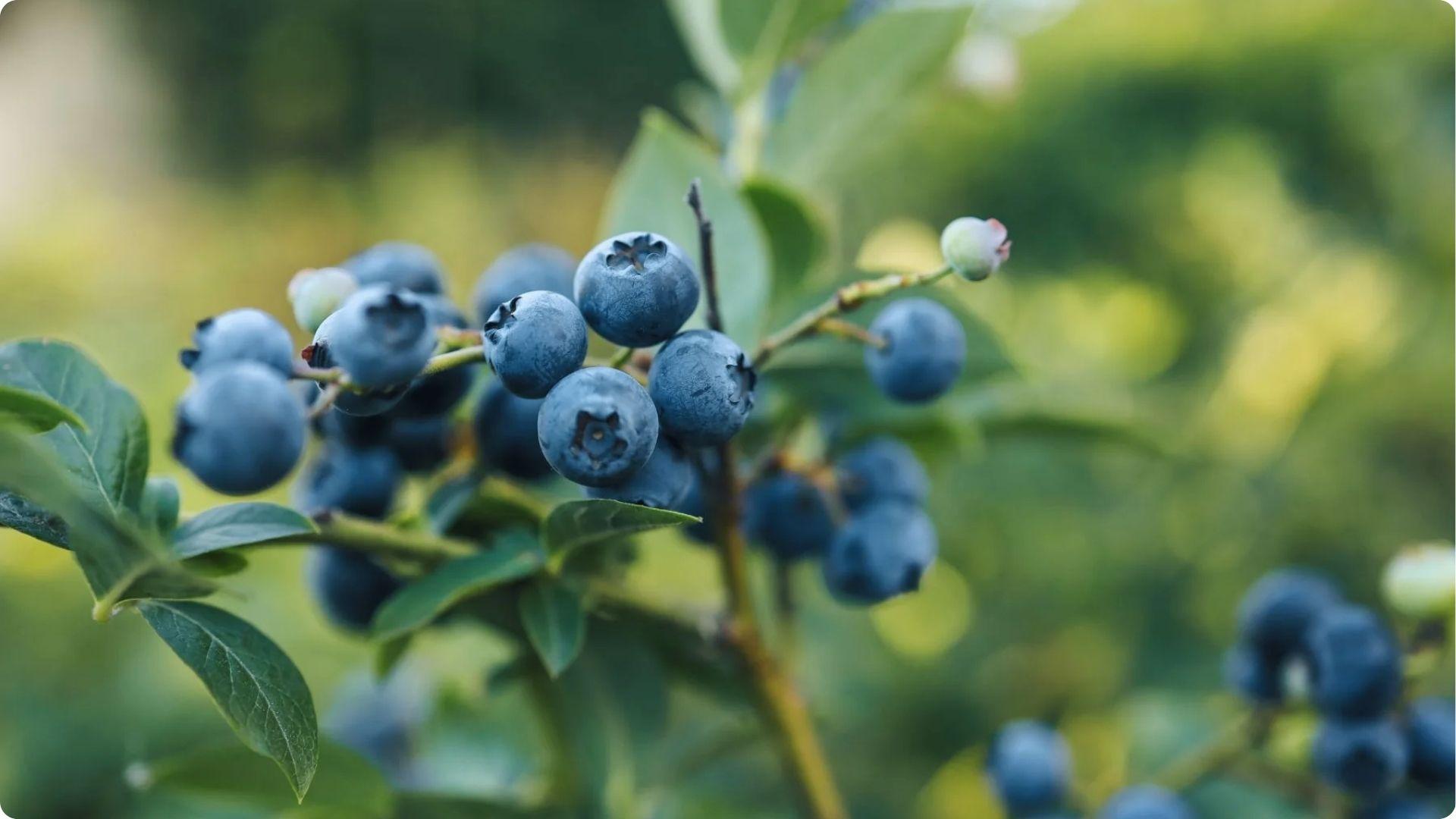
A single blueberry bush can set fruit on its own through self-pollination. The flowers are designed to allow this.
However, the berries you get from a solo plant are often smaller and fewer in number than what you'd get with a second variety nearby.
One plant is enough if you have very limited space or just want a small, occasional harvest. But if you want a real crop, growing two or more compatible blueberry varieties is the smarter move.
The difference in yield, berry size, and ripening speed is significant. More plants mean more pollen transfer, which means more fruit for you to harvest.
Which Blueberry Types Need Multiple Plants?
Not all blueberry varieties behave the same way when it comes to pollination. Here's a breakdown by type.
Northern Highbush Blueberries
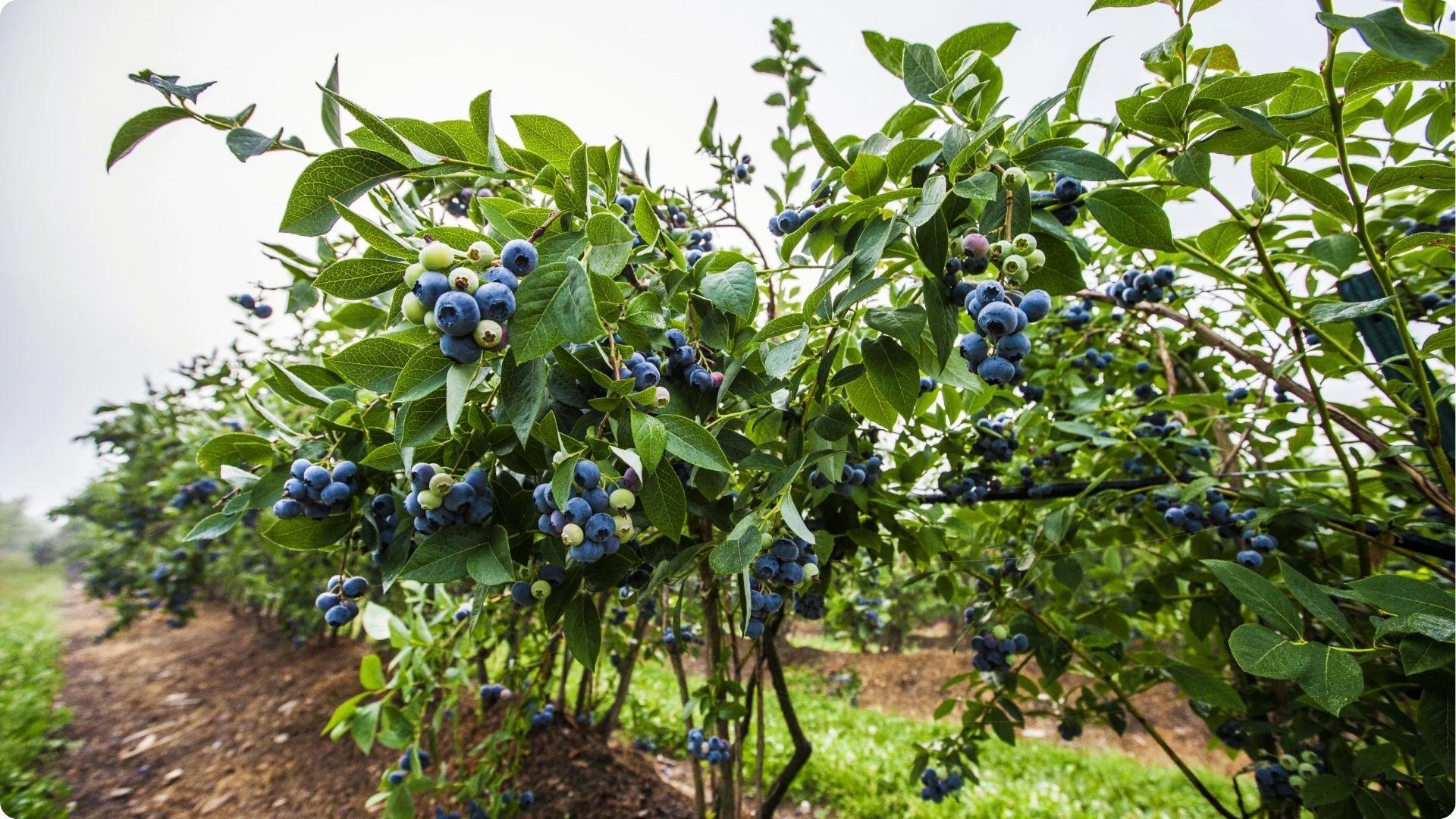
Northern highbush blueberries are partially self-pollinating but produce much better with a second compatible variety nearby.
They grow best in cooler climates and are one of the most common types found in home gardens. Pairing two different northern highbush varieties improves berry size and overall yield noticeably.
Southern Highbush Blueberries
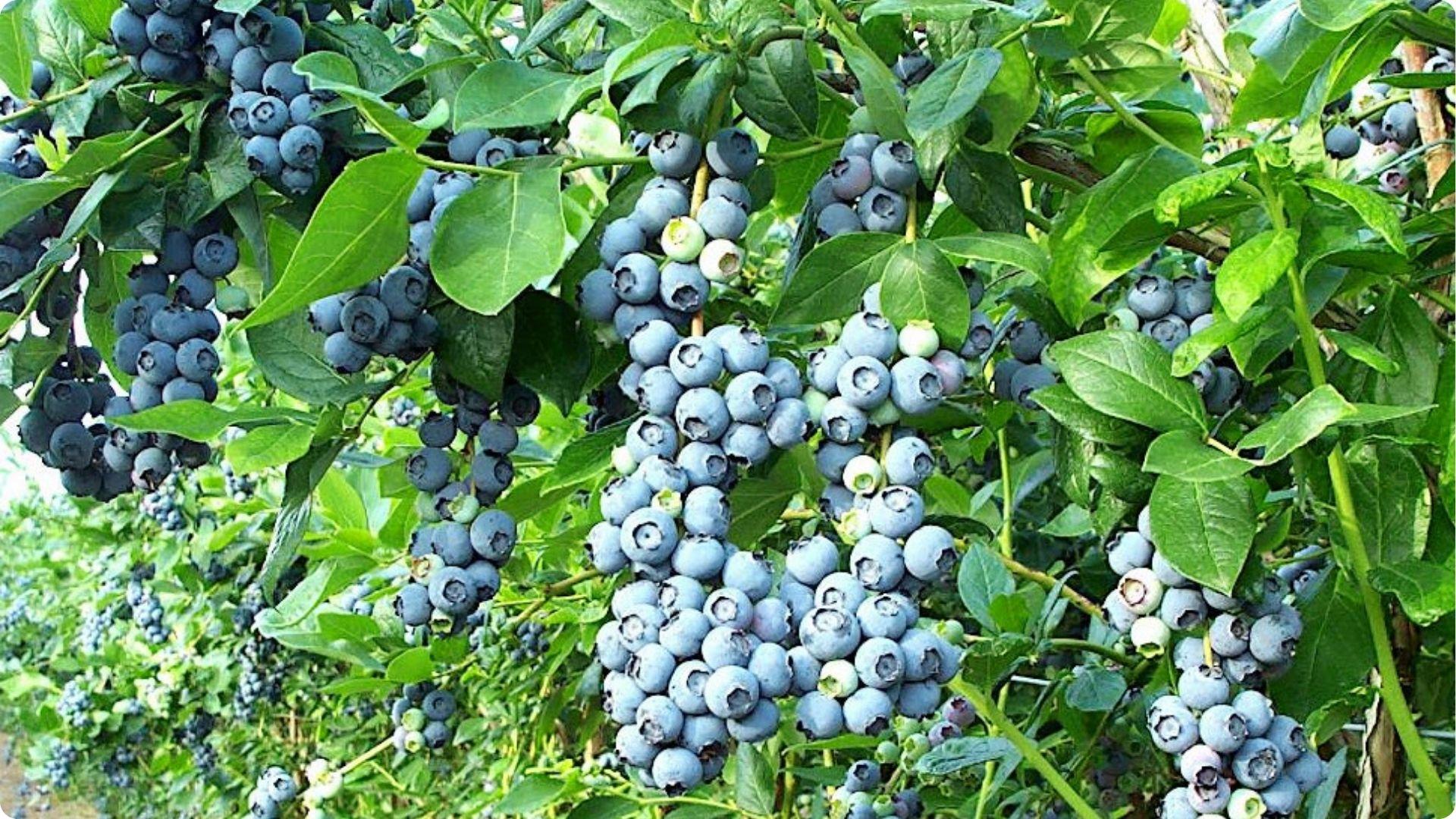
Southern highbush blueberries are bred for warmer climates and can self-pollinate, but cross-pollination still gives better results.
They bloom early in the season, so pairing them with another early-blooming southern highbush variety helps ensure bees can transfer pollen between plants at the right time.
Rabbiteye Blueberries
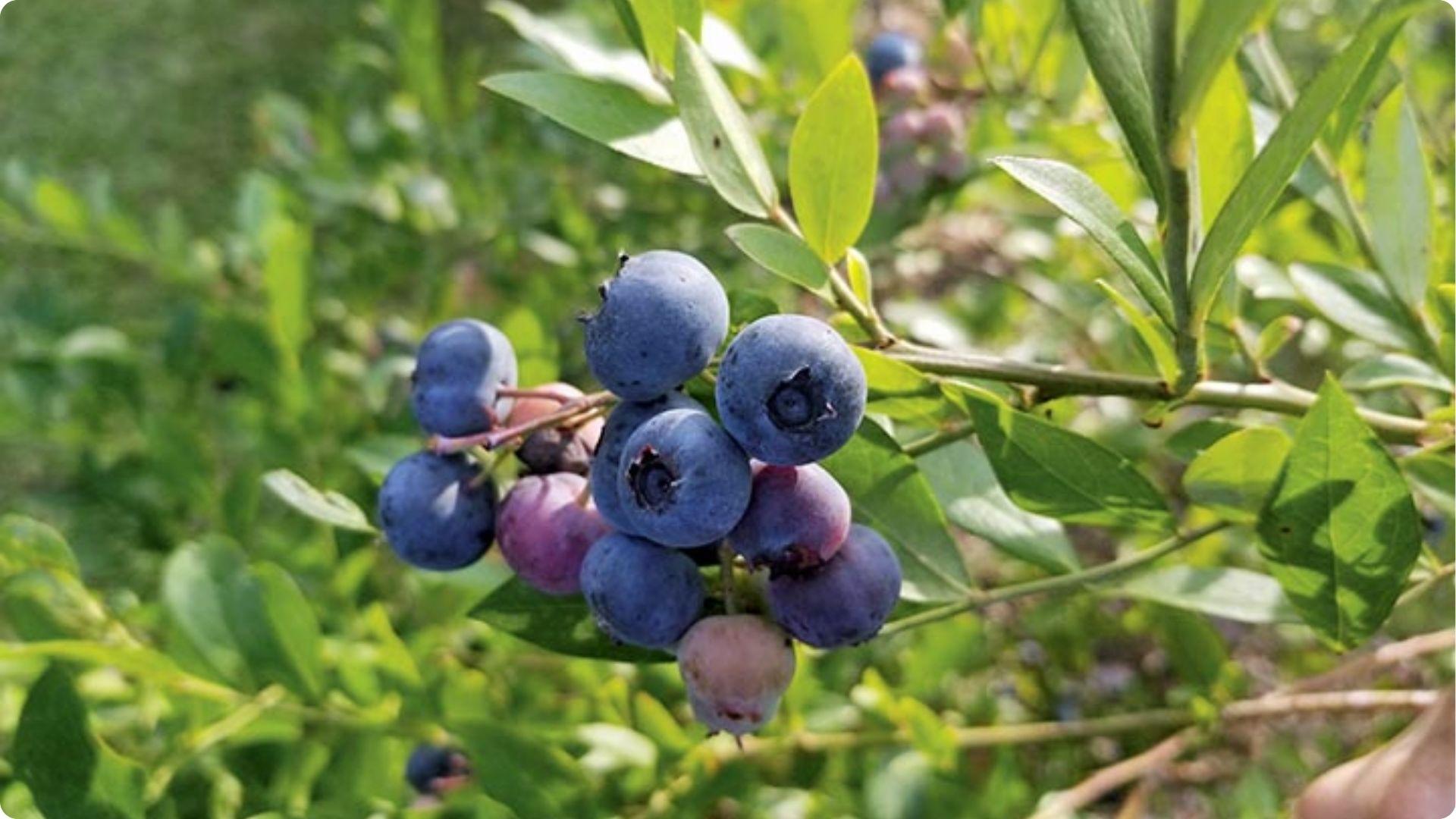
Rabbiteye blueberries are one of the types that really need a second plant. They are not reliably self-fertile, and planting just one bush will give you very poor fruit set.
Always grow at least two different rabbiteye varieties together to get a proper harvest from these plants.
Half-High Blueberries

Half-high blueberries are a cross between northern highbush and lowbush varieties. They're compact and cold-hardy, making them popular for small gardens.
They can self-pollinate but produce more fruit with a compatible partner nearby. Two plants of different half-high varieties work well together in a small space.
Lowbush Blueberries
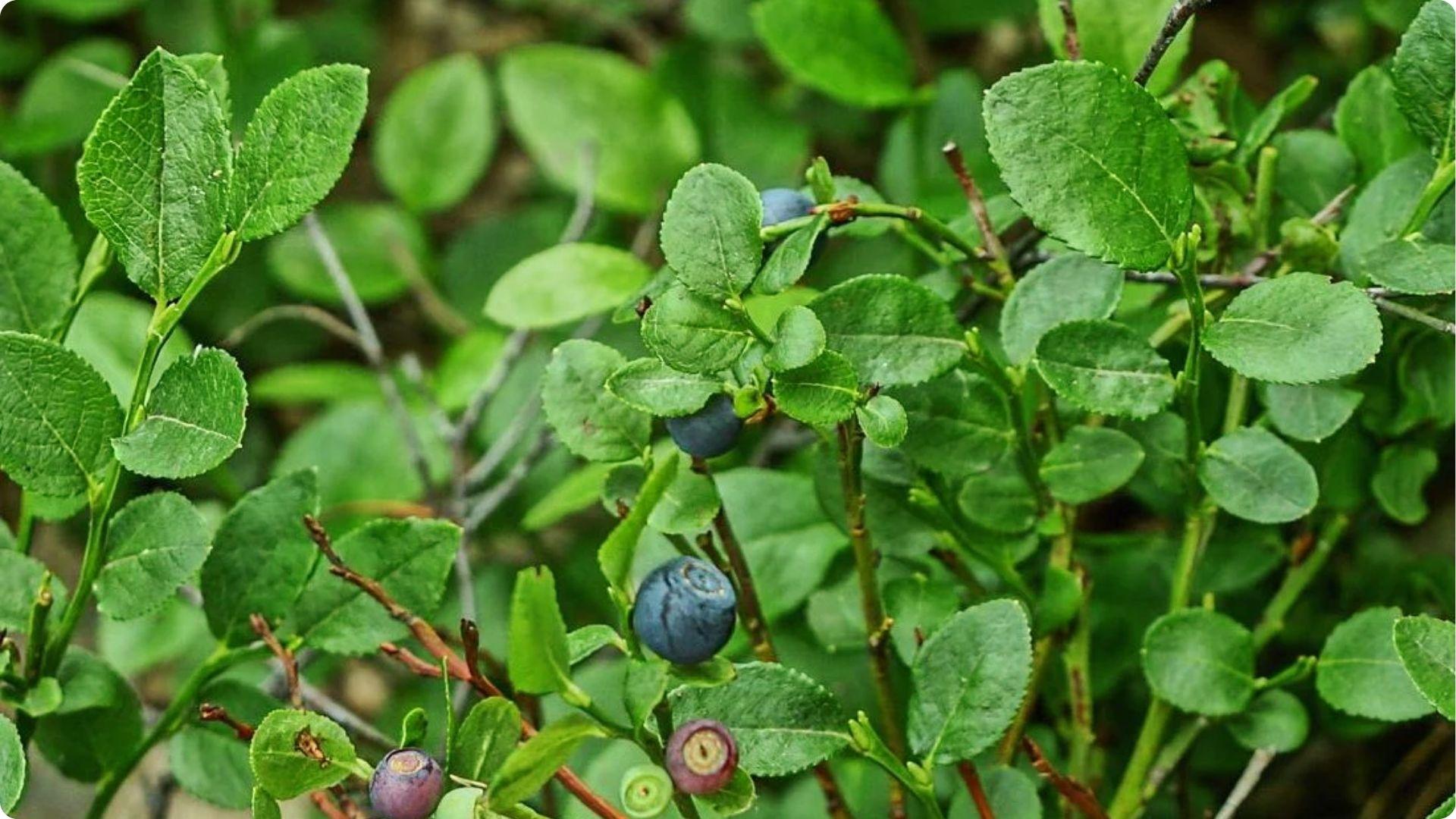
Lowbush blueberries spread naturally by sending out underground stems. They're found in the wild across northern regions and can self-pollinate reasonably well.
That said, planting multiple varieties still improves the harvest. They tend to grow in patches, so cross-pollination happens naturally when different varieties are planted close together.
How Multiple Blueberry Plants Improve Fruit Production
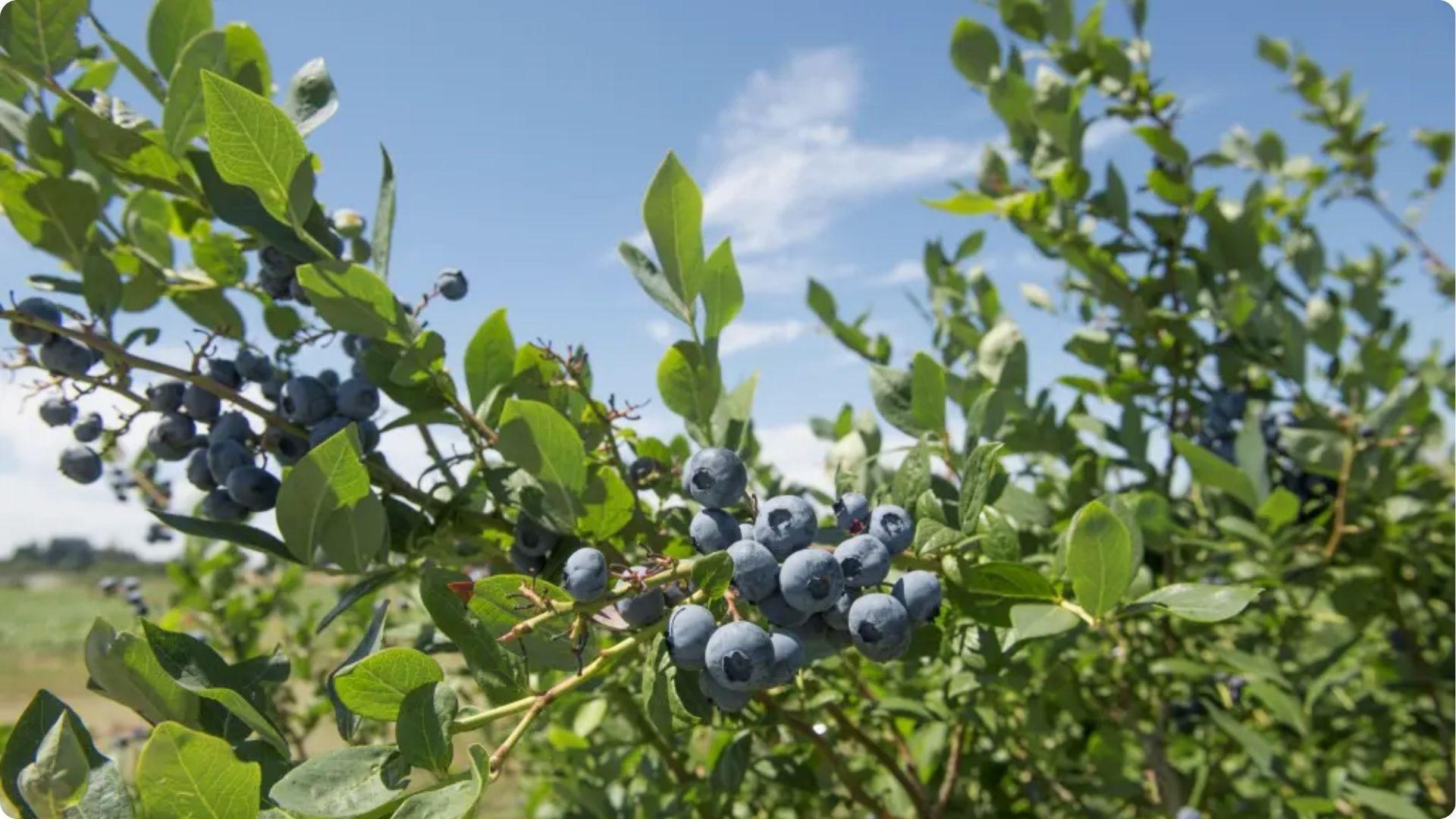
Planting more than one blueberry variety doesn't just give you more fruit. It makes the whole plant perform better in several ways.
When two compatible blueberry varieties are planted near each other, bees move pollen between them during bloom.
This cross-pollination leads to larger berries because the seeds develop more fully when fertilized with pollen from a different plant.
Fruit set also improves, meaning more flowers actually turn into berries instead of dropping off. The ripening process becomes more even across the plant, so you're not waiting weeks for scattered fruit to catch up.
Harvests also become more consistent from year to year. Overall, adding just one more compatible variety to your garden is one of the simplest ways to get significantly more fruit from the same growing season.
How Far Apart Should Blueberry Plants Be for Pollination?
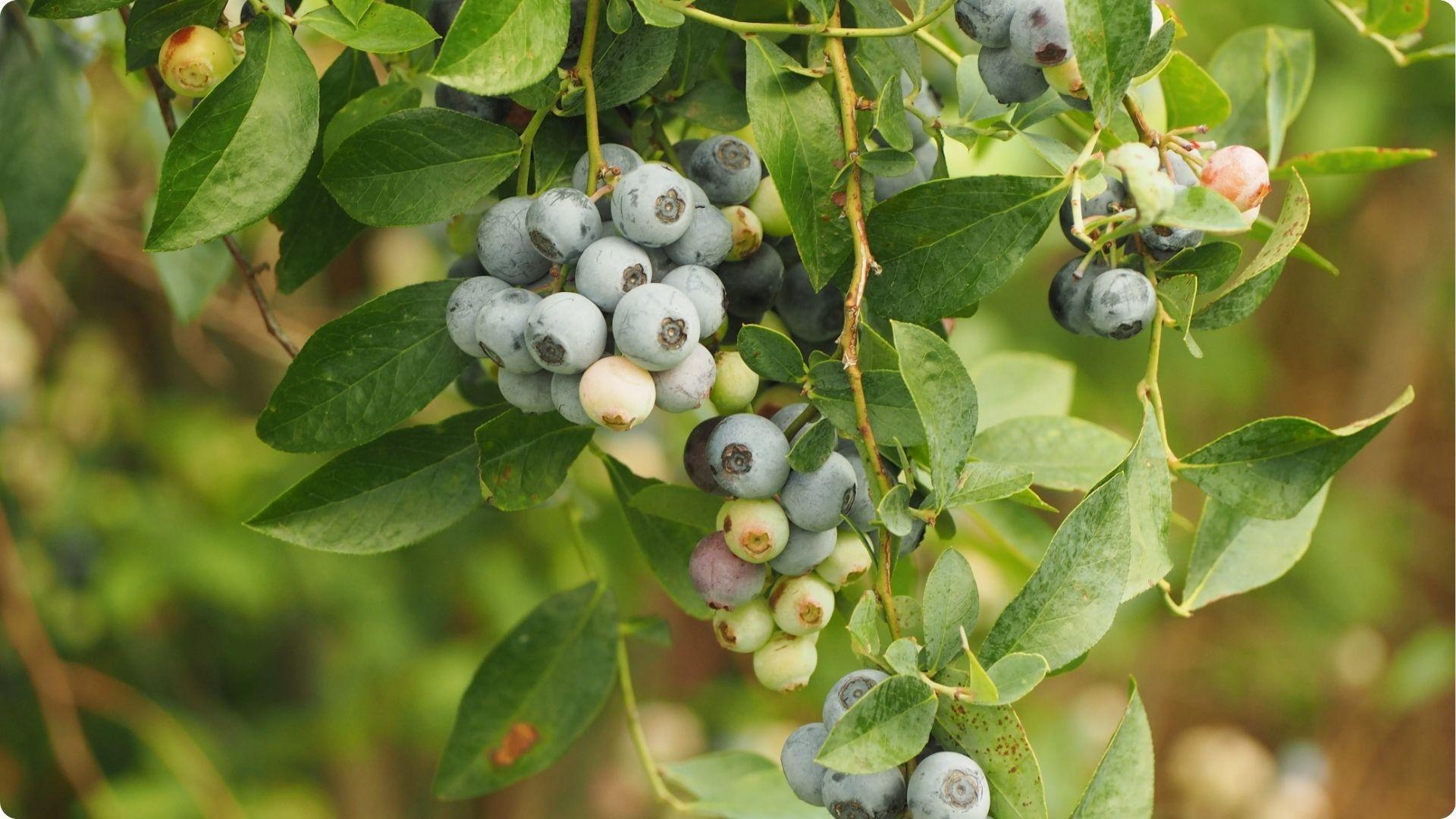
Spacing your plants correctly plays a big role in how well pollination happens throughout the season.
For cross-pollination to work, blueberry plants need to be close enough for bees to move between them easily.
Most growers recommend planting compatible varieties within 6 to 10 feet of each other. Bees can travel farther, but shorter distances mean more frequent pollen transfer between flowers.
In small gardens or containers, place pots within a few feet of each other during bloom time to give bees easy access.
Avoid placing plants in areas with heavy wind or low bee activity during flowering.
Signs Your Blueberries Have Pollination Problems
If your blueberry plants are flowering but not producing well, pollination may be the issue. Watch for these signs.
Poor Fruit Set: Flowers open and fall off without turning into berries. This usually means pollen isn't reaching the right place, often due to a lack of pollinators or an incompatible variety nearby.
Small or Misshapen Berries: Berries that develop but stay tiny or grow unevenly are often a sign of incomplete pollination. Fully pollinated berries develop more seeds, which drives normal, round fruit growth.
Flower Drop Before Fruiting: If flowers drop early and no fruit forms at all, this can point to poor bee activity during bloom, bad weather during flowering, or a plant that needs a compatible partner variety.
Uneven Ripening:Some berries ripen weeks ahead of others on the same plant. While some variation is normal, very uneven ripening can signal inconsistent pollination across different parts of the bush.
How Many Blueberry Plants Should You Grow?
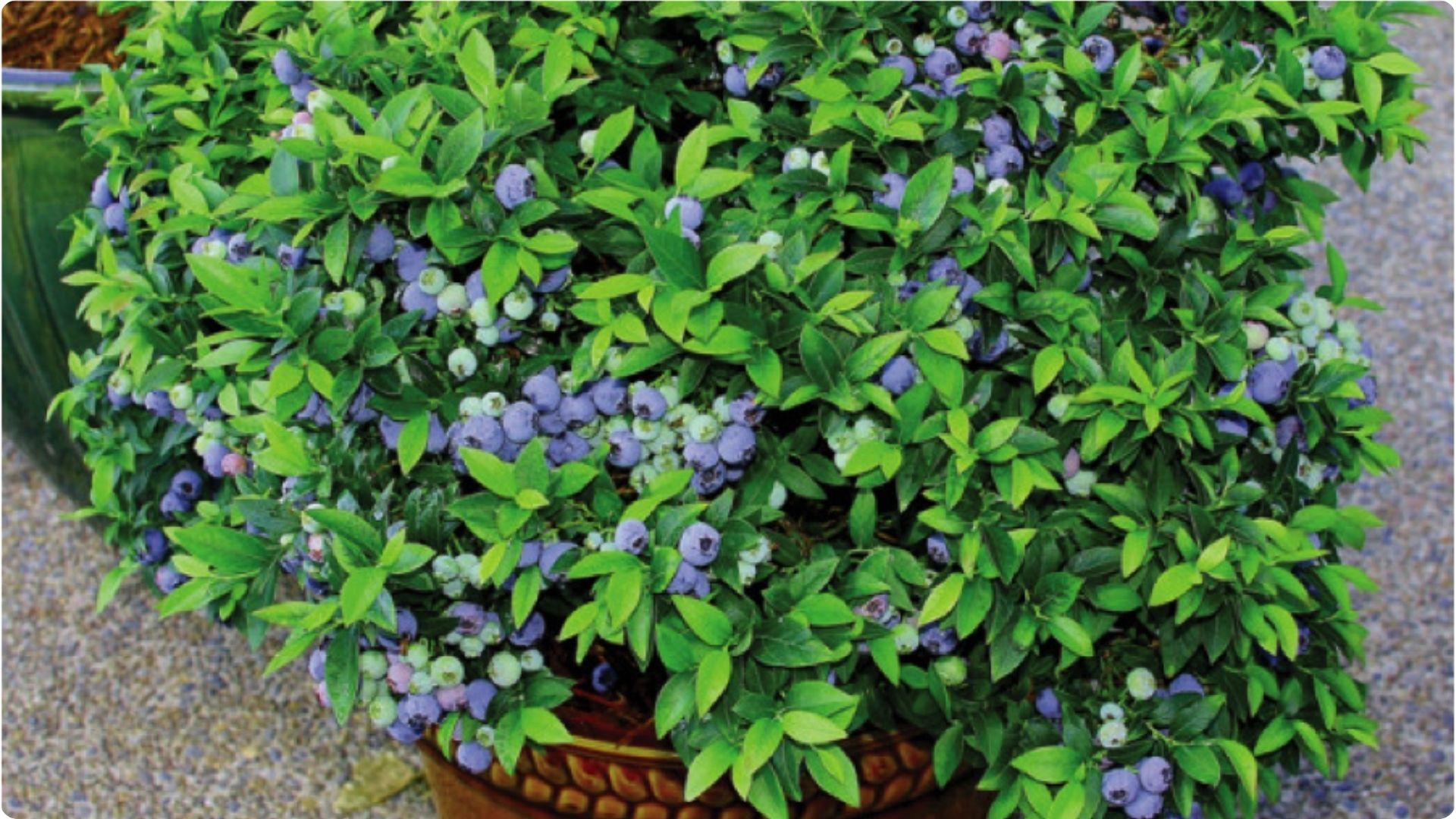
For casual home gardeners, two plants of different compatible varieties is a solid starting point. You'll get a real harvest without needing much space.
For larger harvests, aim for four to six plants in two or three different varieties so bloom times overlap well.
For container growing, two pots placed close together during bloom season works well. Choose compact varieties bred for containers and move them close to each other when flowers open.
For the best pollination results overall, plant at least two varieties that bloom at the same time, space them within 6 to 10 feet of each other, and make sure your garden has regular bee activity during the flowering period.
Tips to Increase Pollination Naturally
Small changes in your garden setup can lead to much better pollination results across your blueberry plants.
- Plant two compatible varieties within 6 to 10 feet of each other so bees can move pollen between them easily.
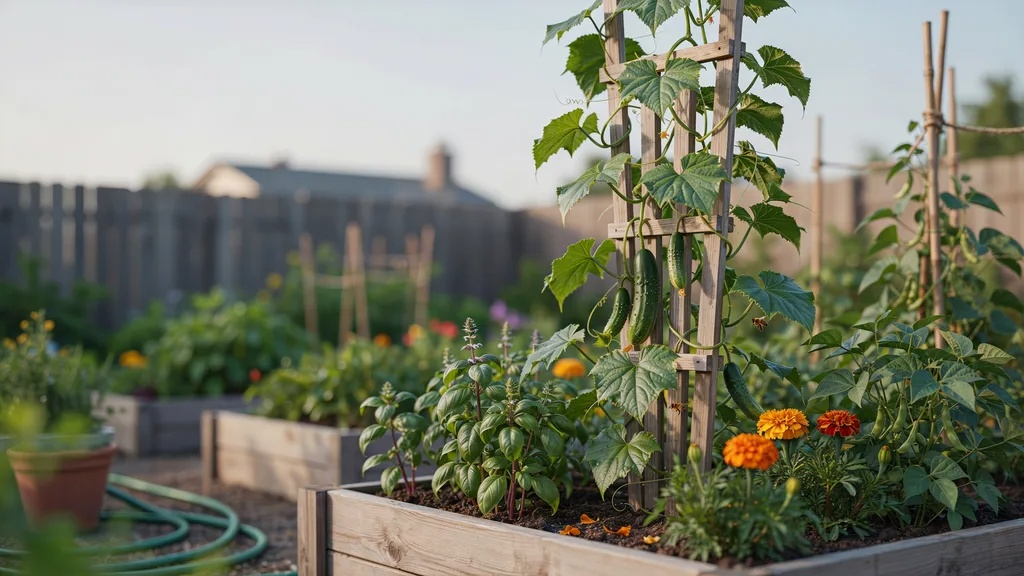
- Add flowers like lavender, borage, and marigolds nearby to bring more bees in during bloom time.
- Skip pesticides while plants are flowering as they can harm bees and hurt pollination.
- Hand-pollinate with a soft paintbrush during cold or rainy weather when bees are less active.
- Keep the area around your plants sunny and open so pollinators can find the flowers fast.
Conclusion
I used to think one blueberry bush was plenty. Then I added a second variety, and the difference was impossible to ignore. More berries. Bigger fruit. A harvest that actually felt worth the wait.
If you've been struggling with a poor fruit set or tiny berries, the answer is probably simpler than you think. Add a compatible plant nearby and let the bees do the rest.
Drop a comment and let me know: are blueberries self pollinating in your garden, or are you planting a second variety this season? I'd love to hear how it goes.
Frequently Asked Questions
Are blueberries self pollinating without a second plant?
Yes, most varieties can self-pollinate, but fruit size and yield are much better with a second compatible variety nearby.
Which blueberry variety needs a pollinator the most?
Rabbiteye blueberries rely most heavily on cross-pollination and produce very little fruit when grown as a single plant.
How close do blueberry plants need to be for cross-pollination?
Plant compatible varieties within 6 to 10 feet of each other so bees can easily move pollen between them.
Can I grow blueberries in containers and still get cross-pollination?
Yes. Place two containers with different compatible varieties close together during bloom time for bees to transfer pollen between them.
What is the best way to improve blueberry pollination naturally?
Plant pollinator-friendly flowers nearby, avoid spraying during bloom, and make sure at least two compatible varieties are growing close together.