

Can you plant onions and potatoes together? Yes, and it can work really well with the right setup.
I've tried this myself. With proper spacing and healthy soil, one bed can handle both crops without much trouble.
But there are real limits to this pairing. Root competition, disease risk, and harvest timing all matter more than most people expect.
In this guide, I'll walk you through when this combo works and when it doesn't, how to space and prep your bed, and the common mistakes worth avoiding.
I've researched this thoroughly and tested it hands-on. You'll get straight, honest advice here.
Can You Plant Onions and Potatoes Together?
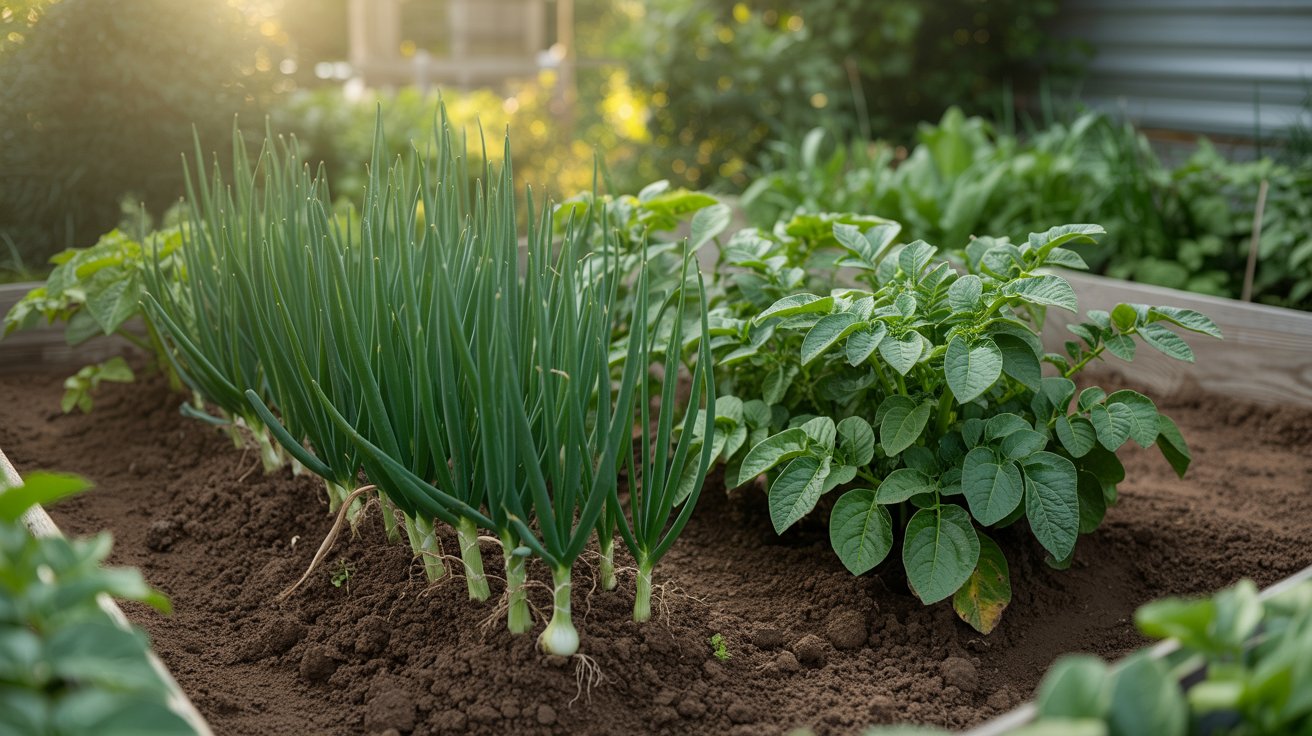
Based on real garden setups, here's what actually works and what doesn't.
Yes, onions and potatoes can grow in the same bed successfully. They do not actively harm one another, which makes them a practical option for gardeners with limited space.
However, they can compete for water and nutrients if planted too closely together.
Success depends largely on proper spacing, healthy soil, and consistent watering.
When given enough room to grow, both crops can produce a good harvest without causing significant issues for each other.
This planting combination works best in loose, well-draining soil enriched with organic matter. It is also important to have enough space to prevent overcrowding and maintain even soil moisture throughout the growing season.
For small gardens, growing onions and potatoes together can be an efficient way to maximize available space.
Are Onions and Potatoes Good Companion Plants?
Companion planting isn't magic. Here's the honest picture for this pairing.
How Companion Planting Works
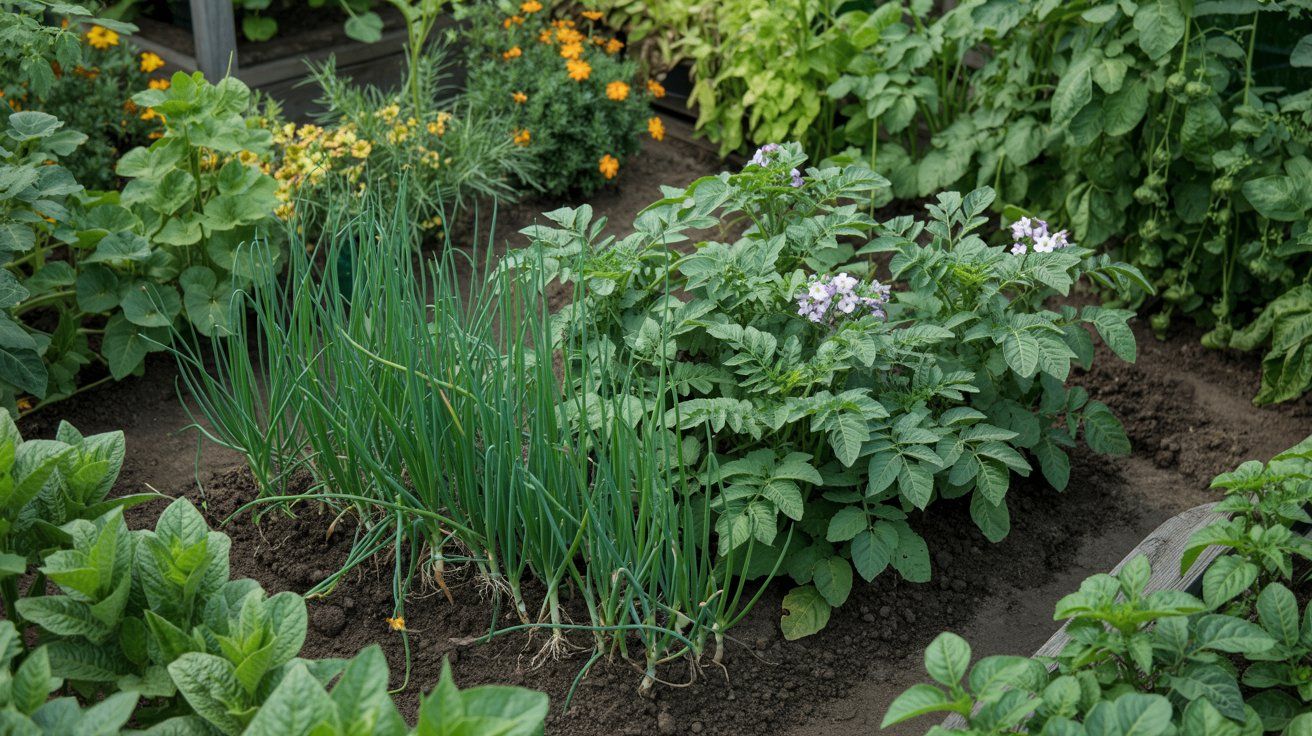
Companion planting means growing two crops near each other so one or both benefit. Some plants repel pests. Some fix nitrogen. Some improve soil structure.
Onions and potatoes don't have a strong companion relationship. But they don't fight each other badly either. They're more neutral neighbors than true companions.
Benefits of Growing Onions and Potatoes Near Each Other
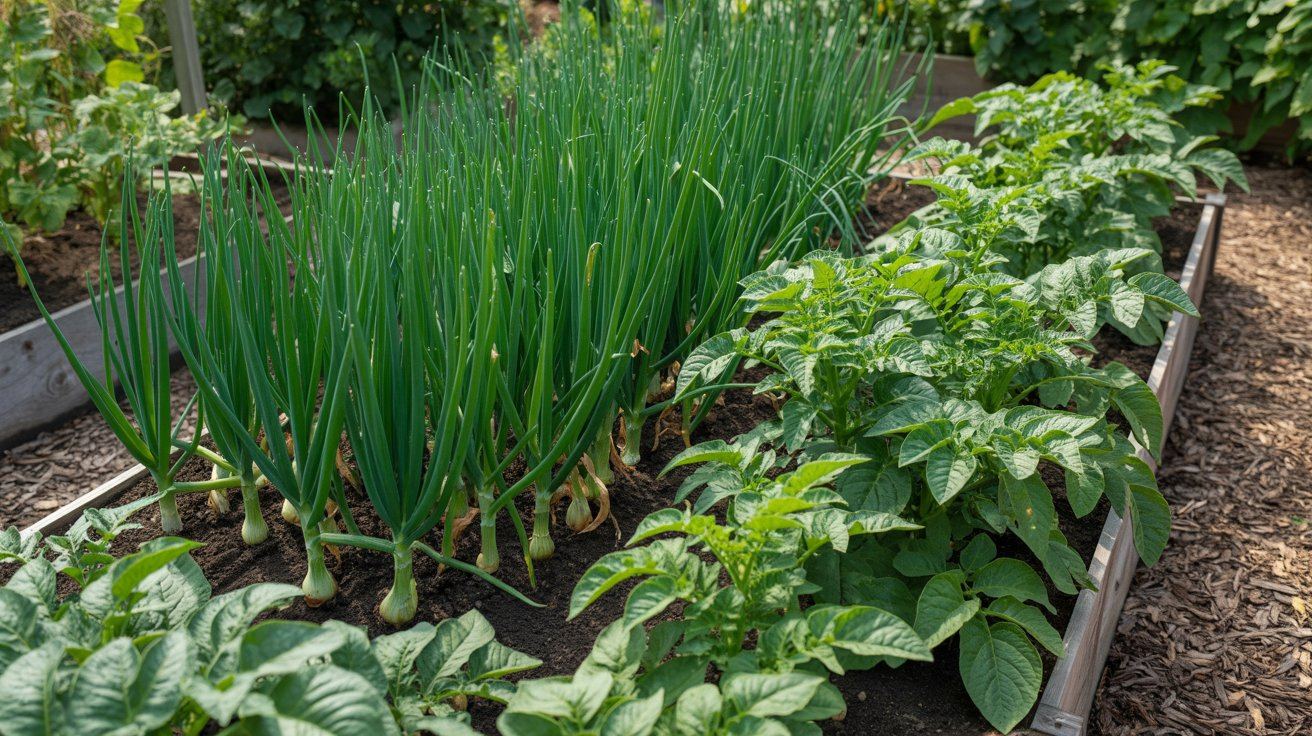
- Onions may help mask the smell of potatoes from some pests
- Both crops have similar sunlight needs
- You can manage both in one watering session
- They mature at roughly similar times in many climates
- One bed handles two food crops, saving space
Limitations of This Planting Combination
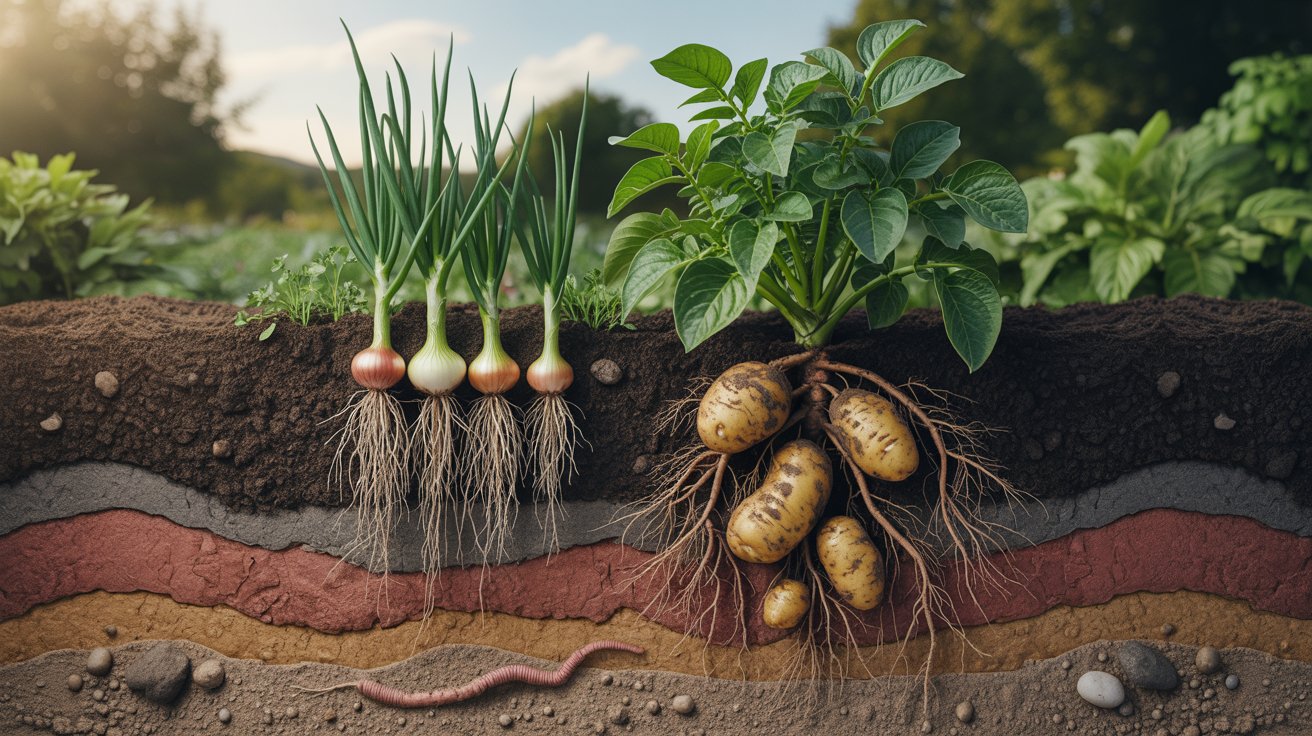
- No strong scientific proof that onions repel potato pests
- Both crops pull the same nutrients from soil
- Harvesting potatoes can disturb onion roots nearby
- Disease can spread quickly if one crop gets infected
Advantages of Planting Onions and Potatoes Together
Practical benefits that make this pairing worth trying in the right setup.
Efficient Use of Garden Space
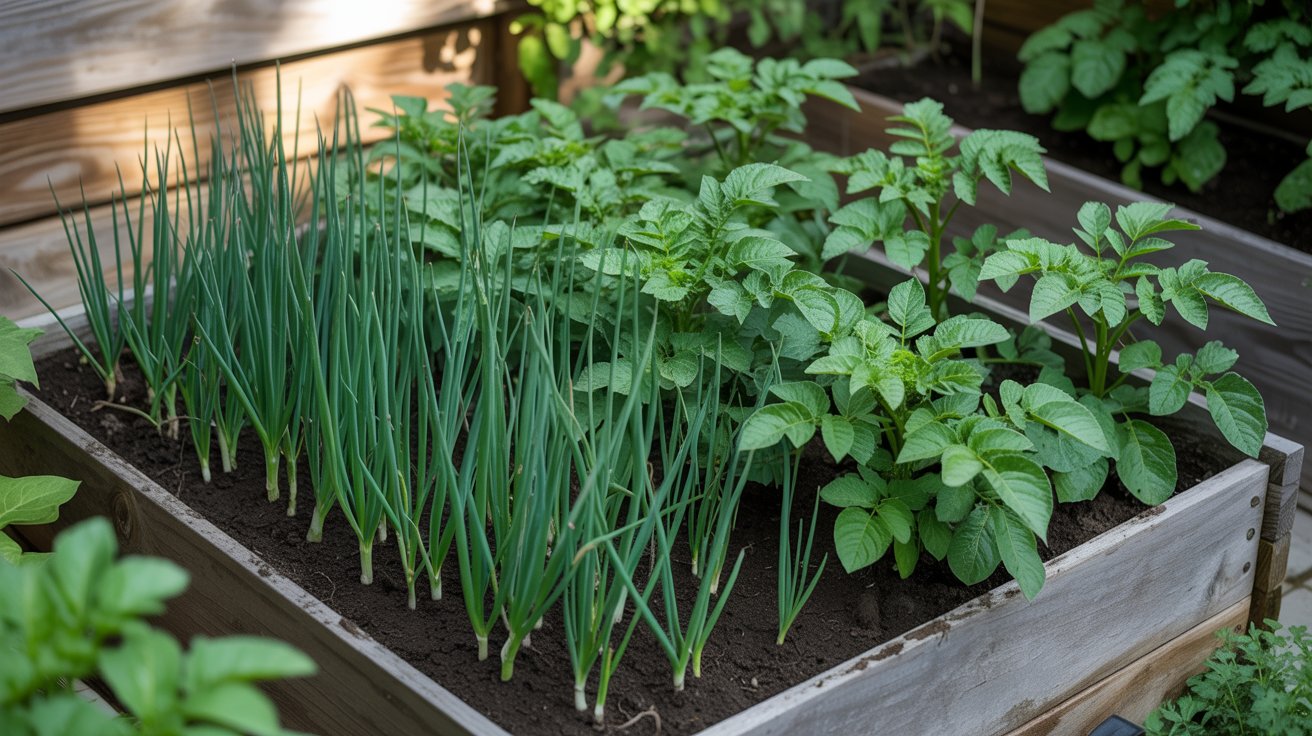
Small gardens need every inch. Planting onions between potato rows uses gaps that would otherwise sit empty. Onions grow vertically. Potatoes spread underground. They don't compete much above soil level.
This is one of the strongest reasons to try this pairing.
Potential Pest Management Benefits
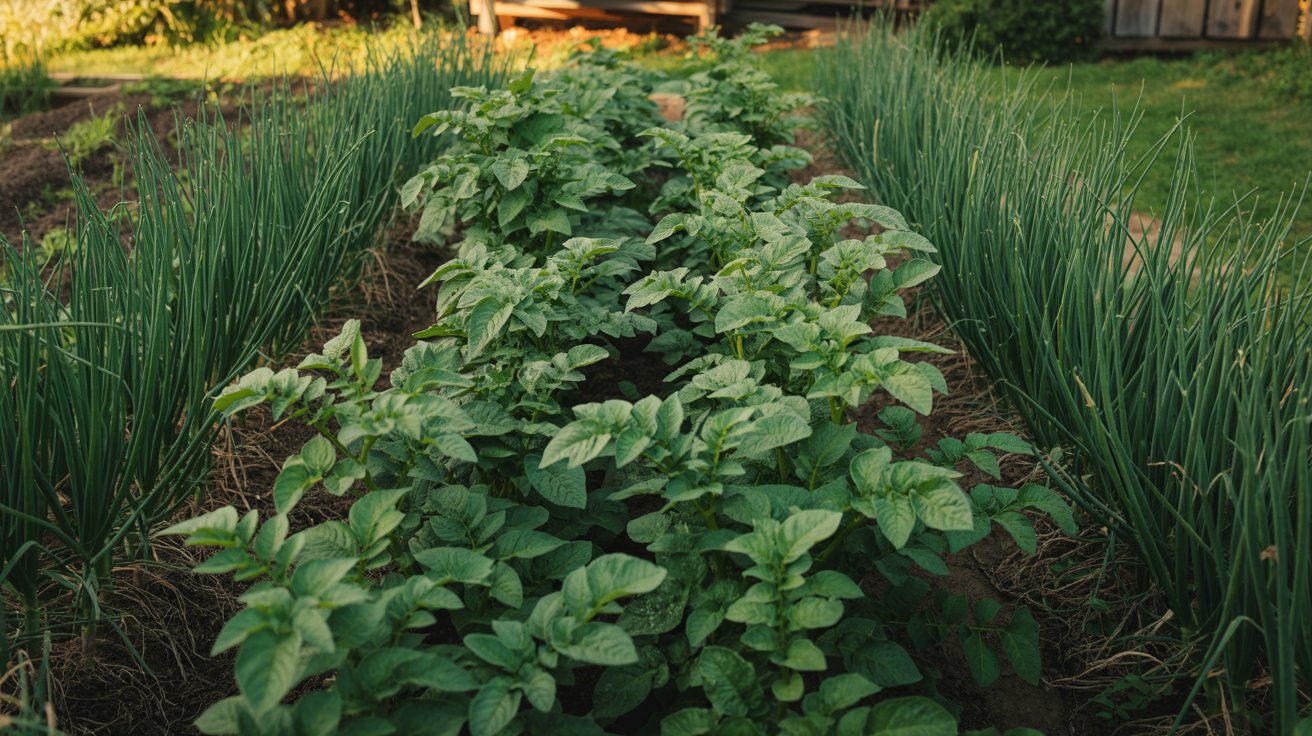
Onions have a strong smell. Some gardeners report fewer aphids and beetles near their potato plants when onions grow close by. This isn't guaranteed. But it's a low-cost benefit that might help.
Don't rely on this as your only pest control. Use it as a small bonus.
Easier Bed Organization for Small Gardens
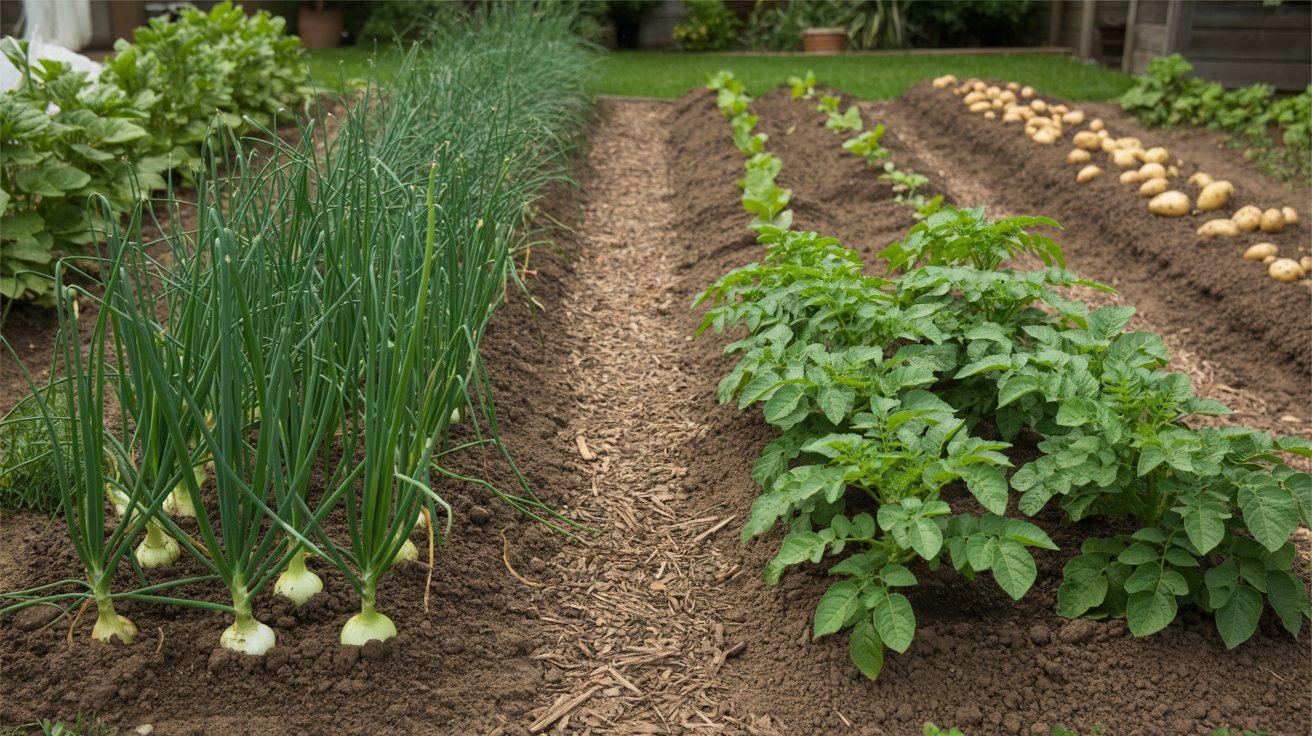
One bed. Two crops. Less planning, less watering effort, less time managing separate plots.
For beginner gardeners or those with limited space, this setup keeps things simple.
Potential Problems of Growing Onions and Potatoes Together
Knowing the risks helps you plan better and avoid common setbacks.
Competition for Water and Nutrients
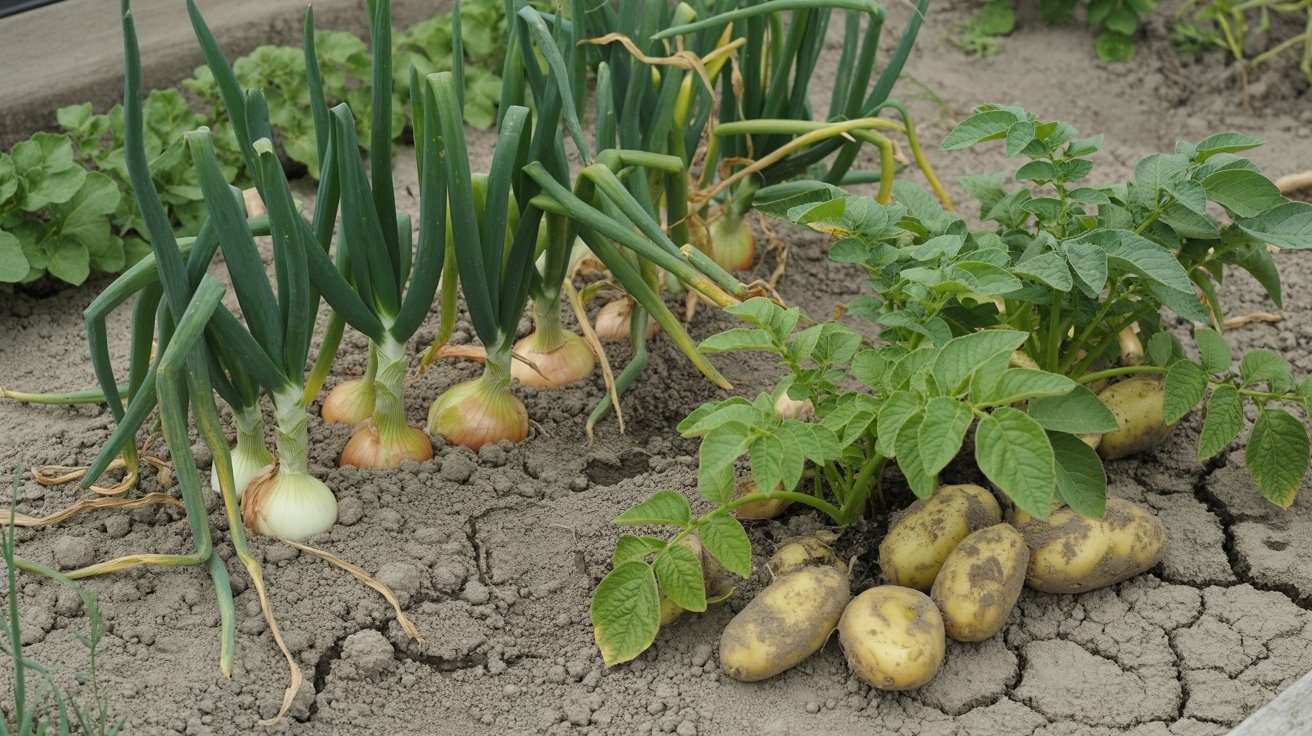
Both crops are hungry feeders. They want similar nutrients, mainly nitrogen, phosphorus, and potassium. In a shared bed, they compete for the same resources.
If your soil isn't rich enough, one or both crops will suffer. Feed your soil before planting.
Disease and Pest Concerns

Fungal diseases spread fast in dense plantings. If one crop gets blight or rot, the other is at risk too.
Keep good airflow between plants. Don't overcrowd. Remove infected leaves quickly.
Harvesting Difficulties
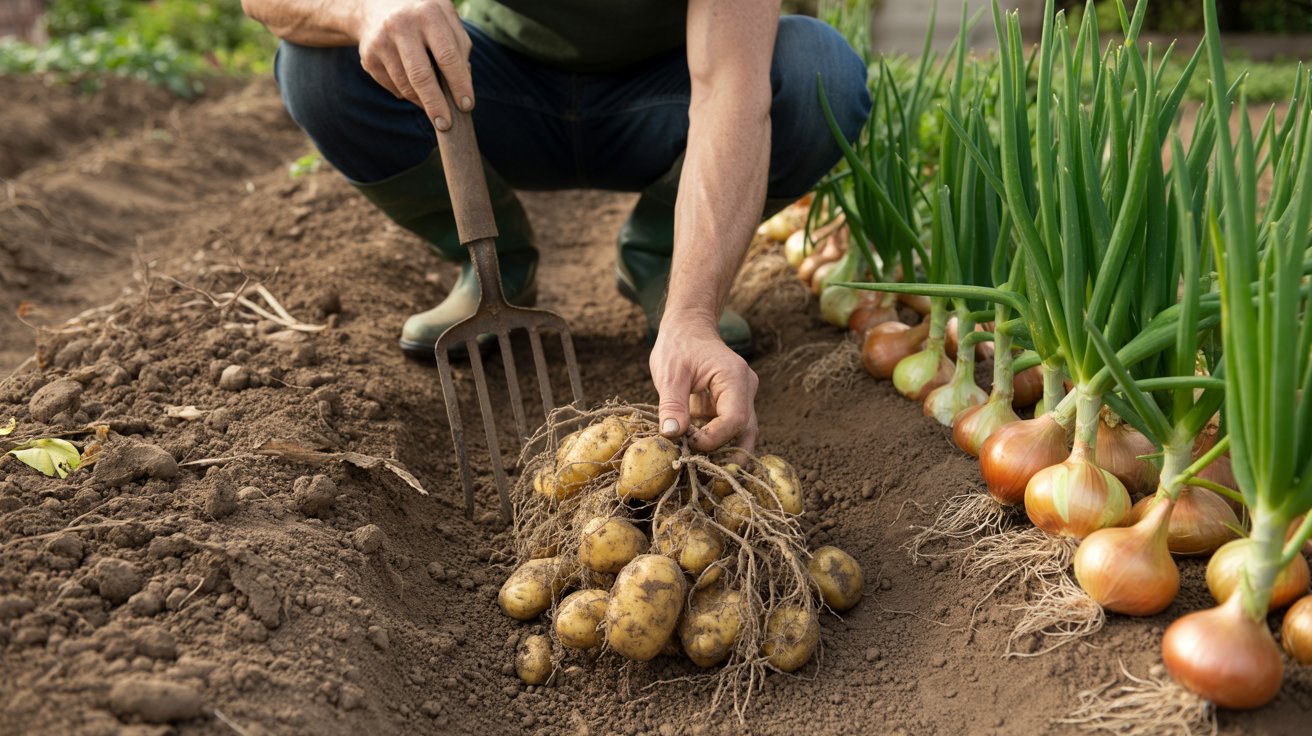
Digging up potatoes disturbs the soil. Onion roots sit nearby. You can accidentally damage onions while harvesting potatoes.
Plan your layout so you can reach potatoes without stepping over or through onion rows.
Soil Fertility Challenges
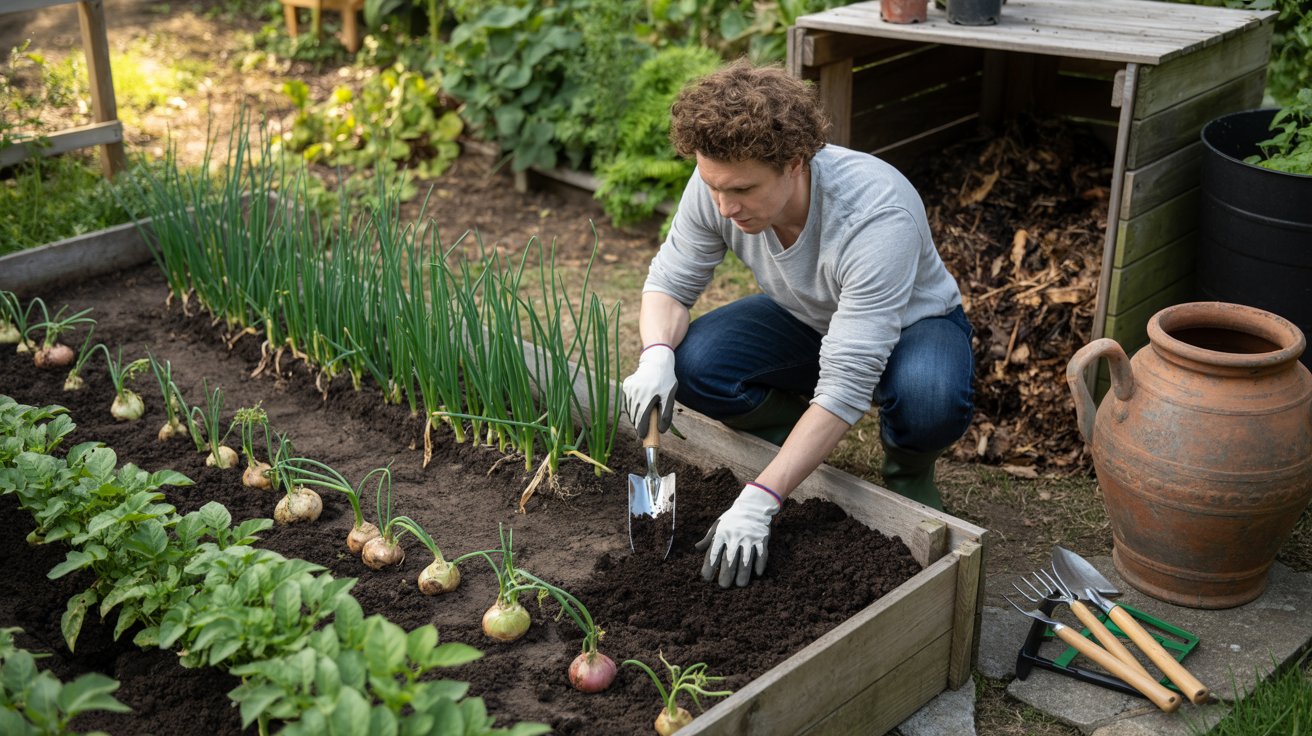
Two crops sharing one bed drain soil faster than one crop alone. You'll need to add compost or fertilizer more often.
Test your soil before planting. Know what you're working with.
How to Plant Onions and Potatoes Together
A step-by-step setup that works for most home gardens.
Choose the Right Garden Site
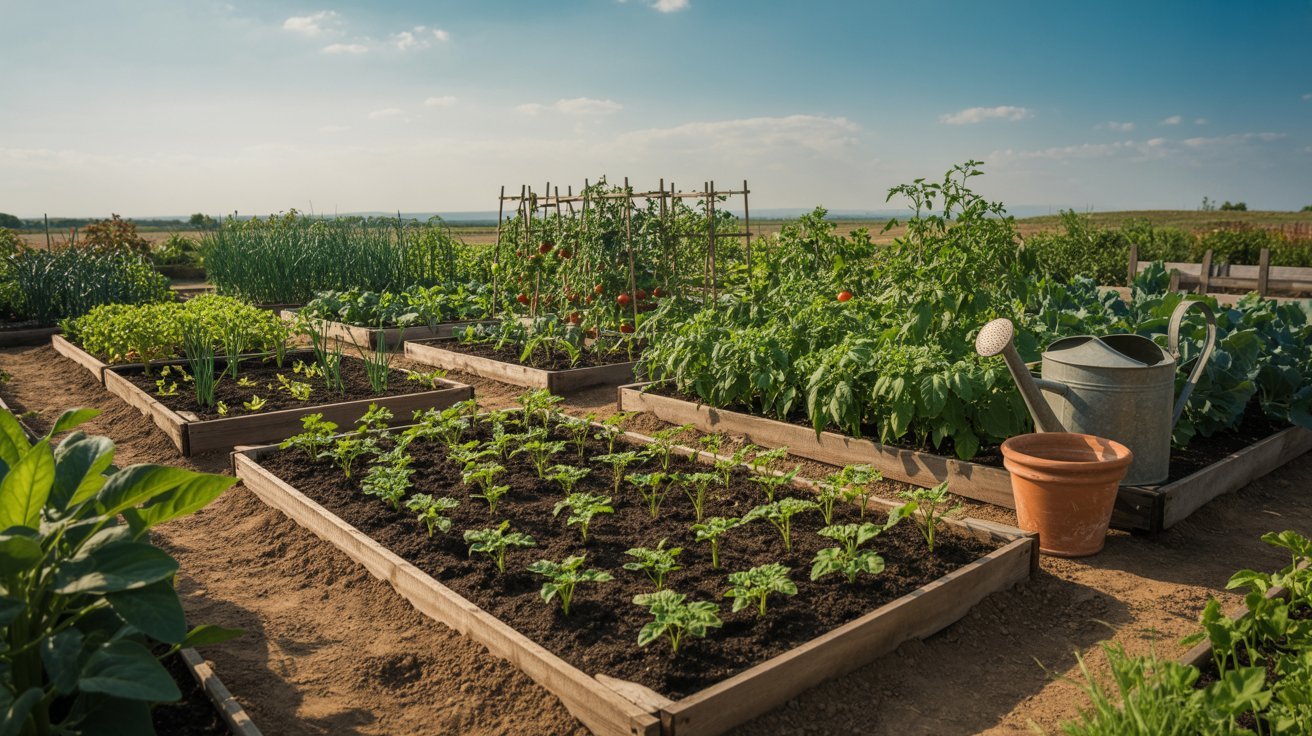
Pick a spot with full sun. Both crops need at least 6 to 8 hours of direct sunlight daily. Avoid low spots where water pools after rain.
Prepare Well-Draining Soil
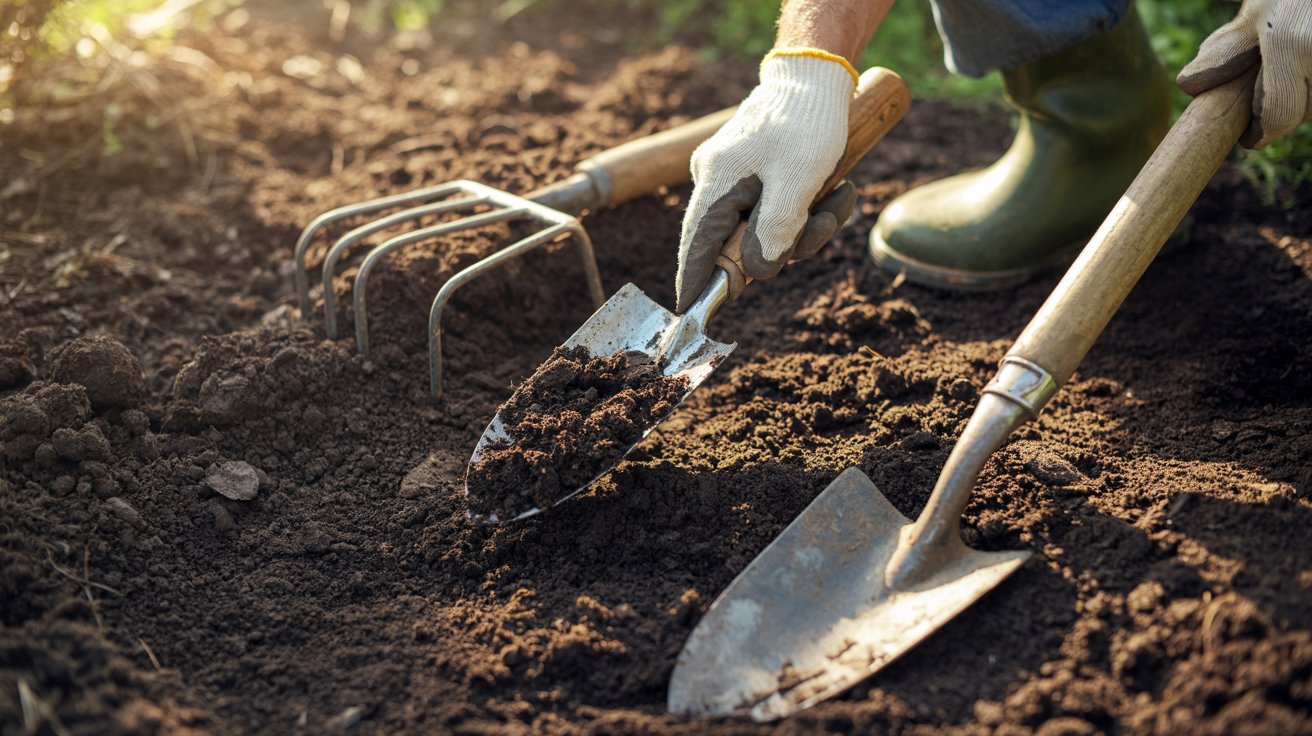
Dig in compost before planting. Aim for loose, crumbly soil. Onions and potatoes both struggle in compacted or waterlogged ground.
If your soil is heavy clay, mix in sand or aged compost to improve drainage.
Plan Proper Spacing
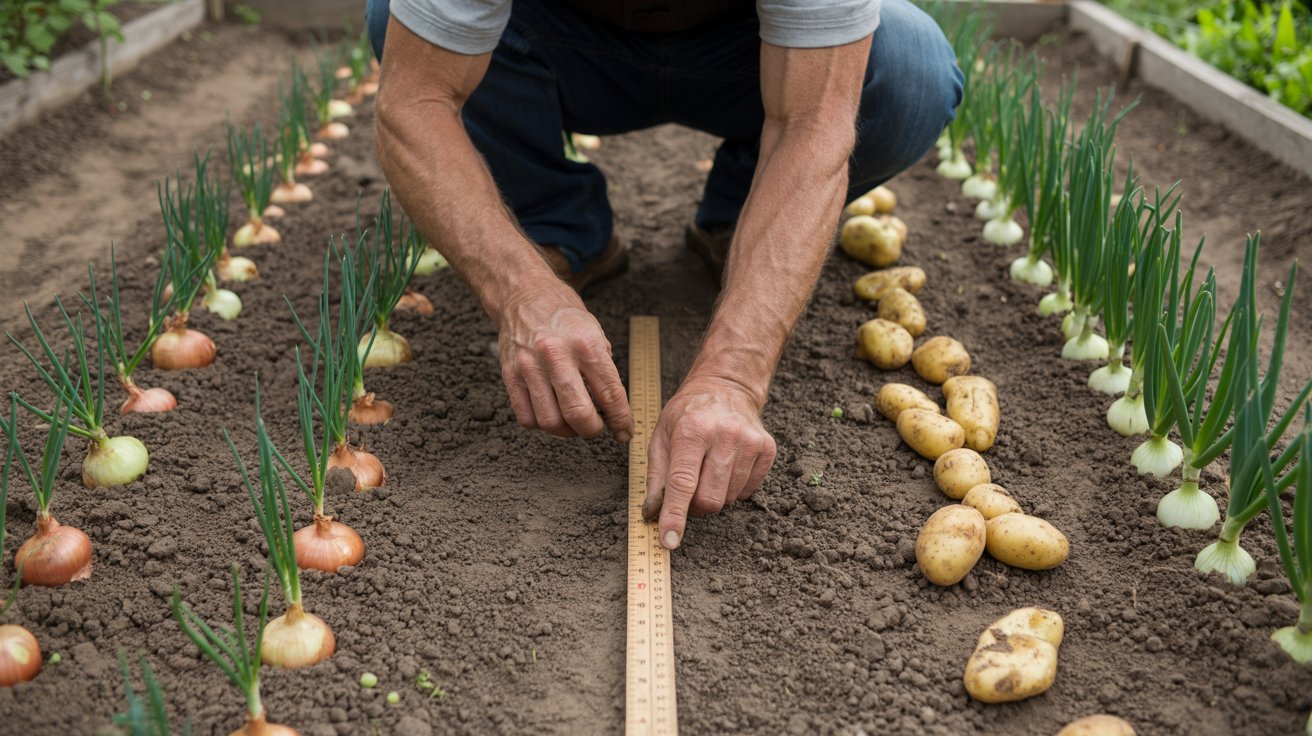
- Potatoes:12 inches apart in rows 30 inches wide
- Onions:4 to 6 inches apart
Plant onions in the gaps between potato rows. Don't crowd them. Tight spacing causes more problems than it solves.
Use a Practical Planting Layout
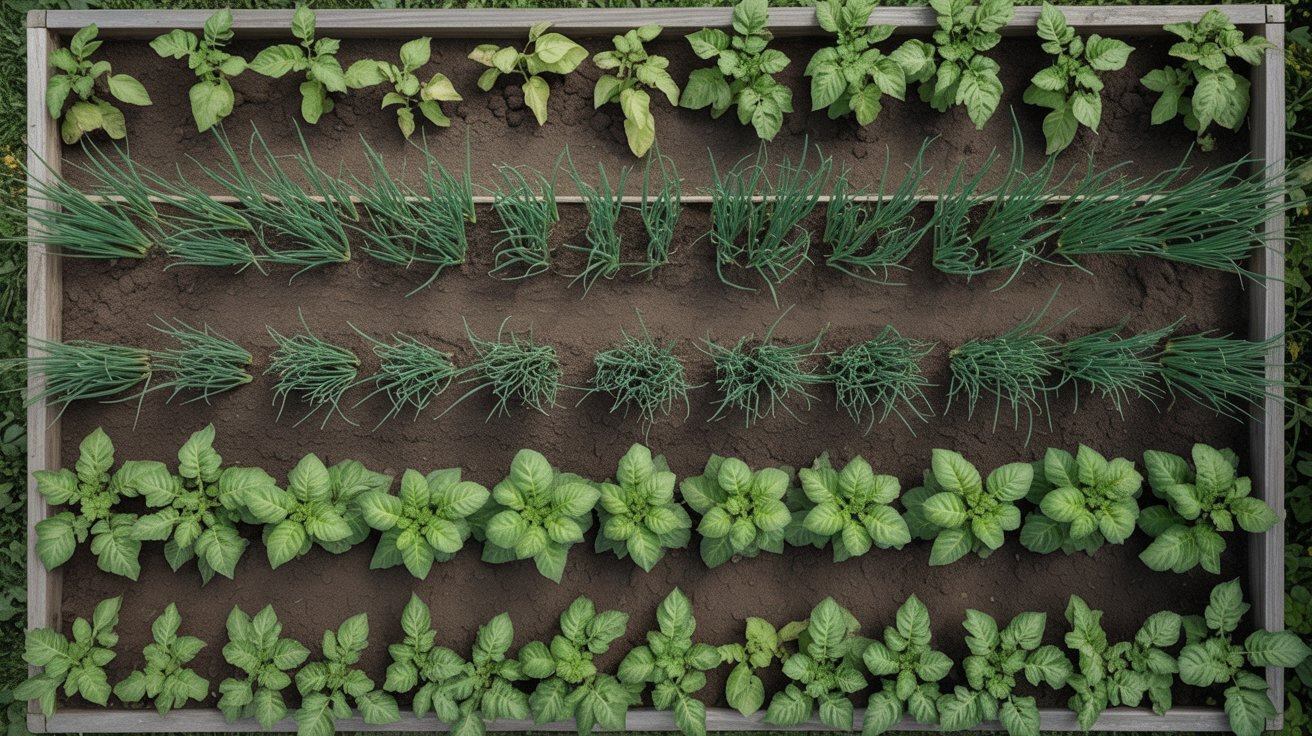
Alternate rows work best. One row of potatoes, one row of onions, repeat. This gives each crop enough room and makes harvesting easier.
Best Garden Layouts for Onions and Potatoes
Layout matters more than most gardeners realize. Here's what works.
Alternate Row Method
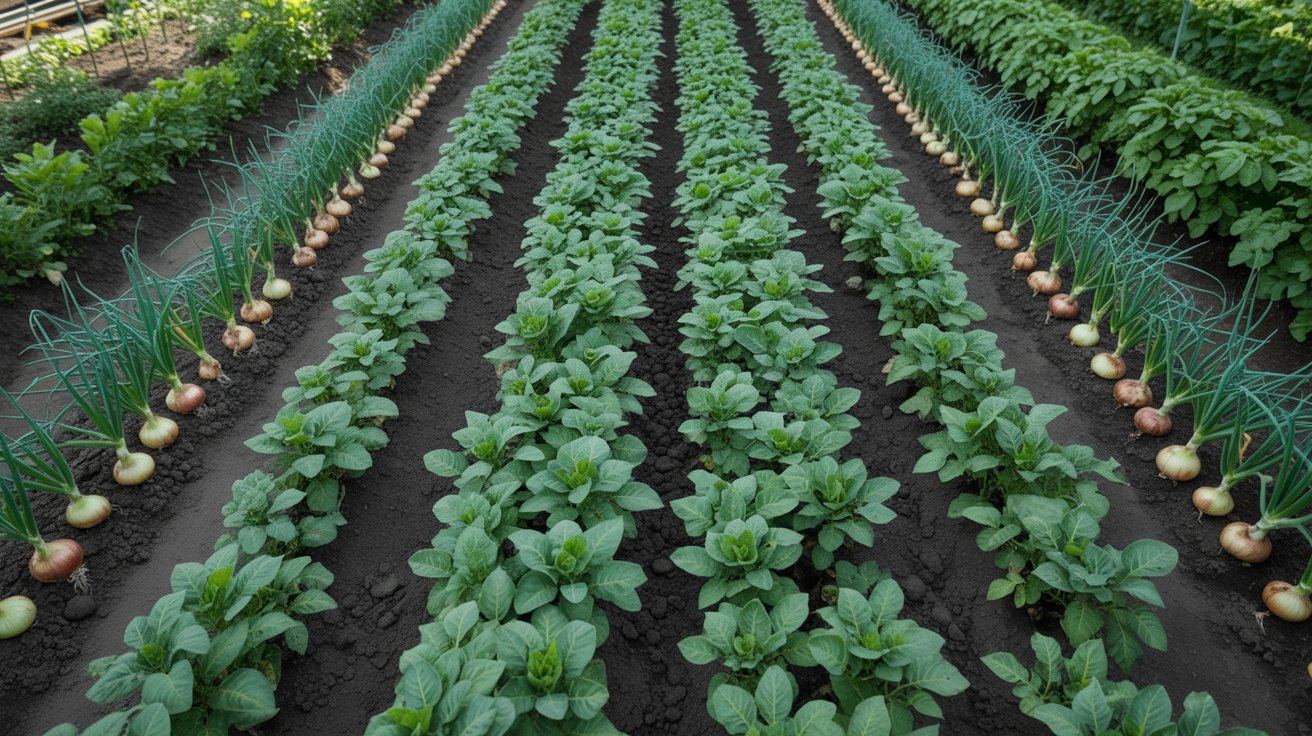
Plant a row of potatoes, then a row of onions. Keep rows 12 inches apart. This is the simplest layout and works in most garden beds.
Easy to water. Easy to weed. Easy to harvest without disturbing neighboring plants.
Side-by-Side Bed Method
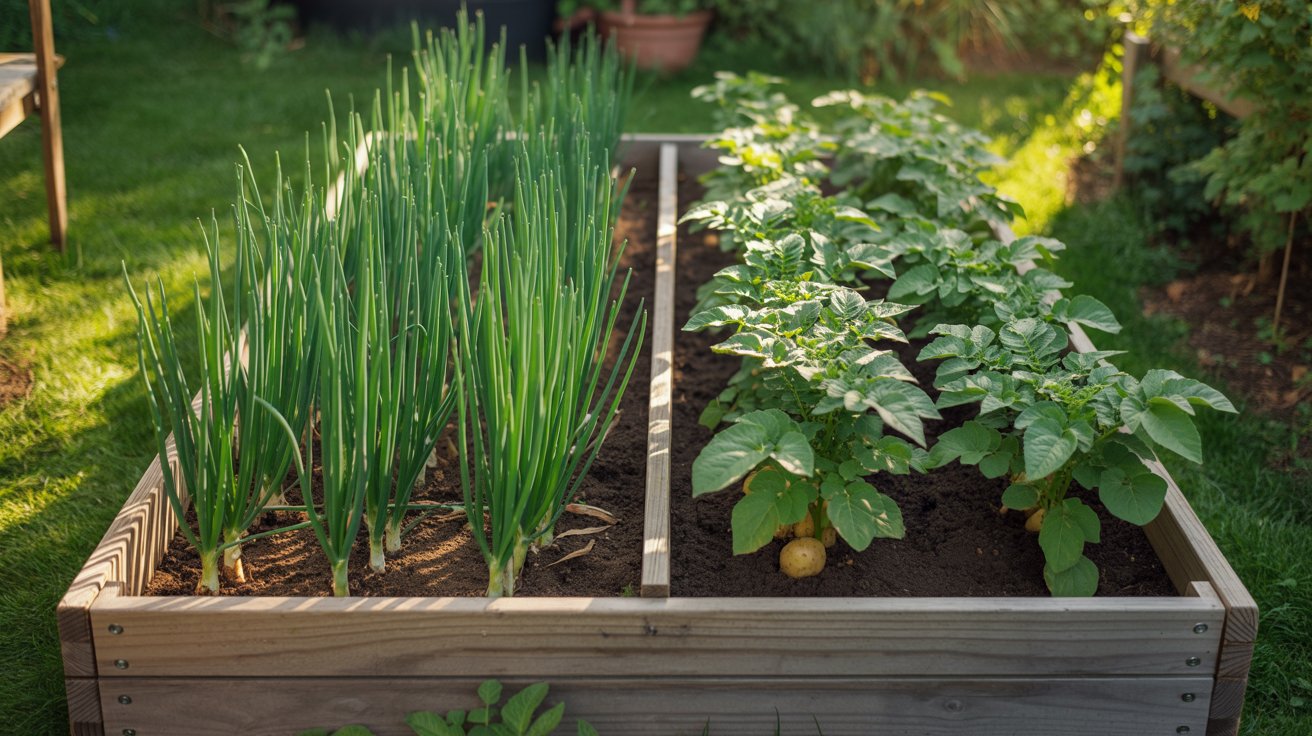
Divide one bed in half. Potatoes on one side. Onions on the other. This reduces root competition and makes harvesting potatoes much easier.
Good option if you're unsure about full integration.
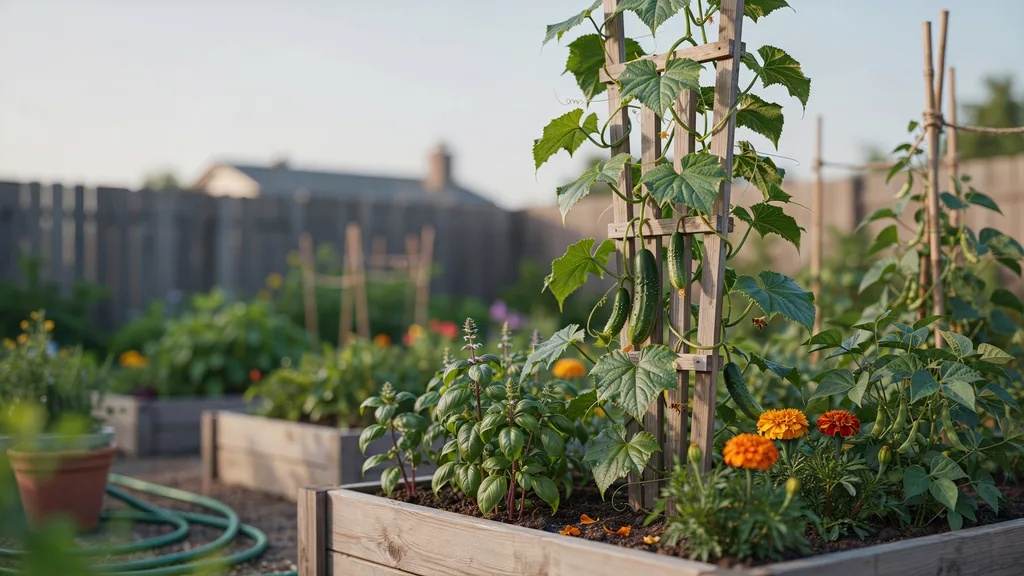
Raised Bed Arrangement
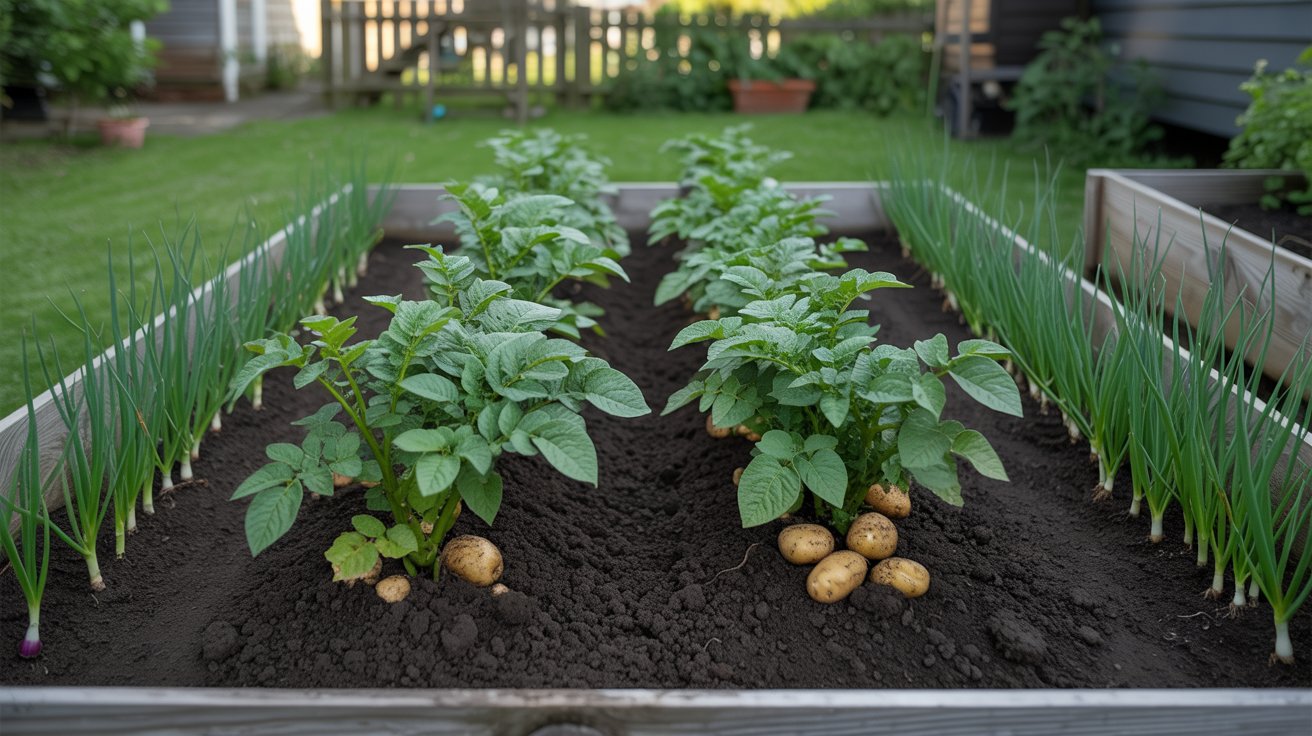
Raised beds give you more control over soil quality. Plant potatoes in the center. Ring the edges with onions.
The center gets more depth for potato tubers. Onions stay near the edges where you can harvest them without disturbing potatoes.
Container Gardening Considerations
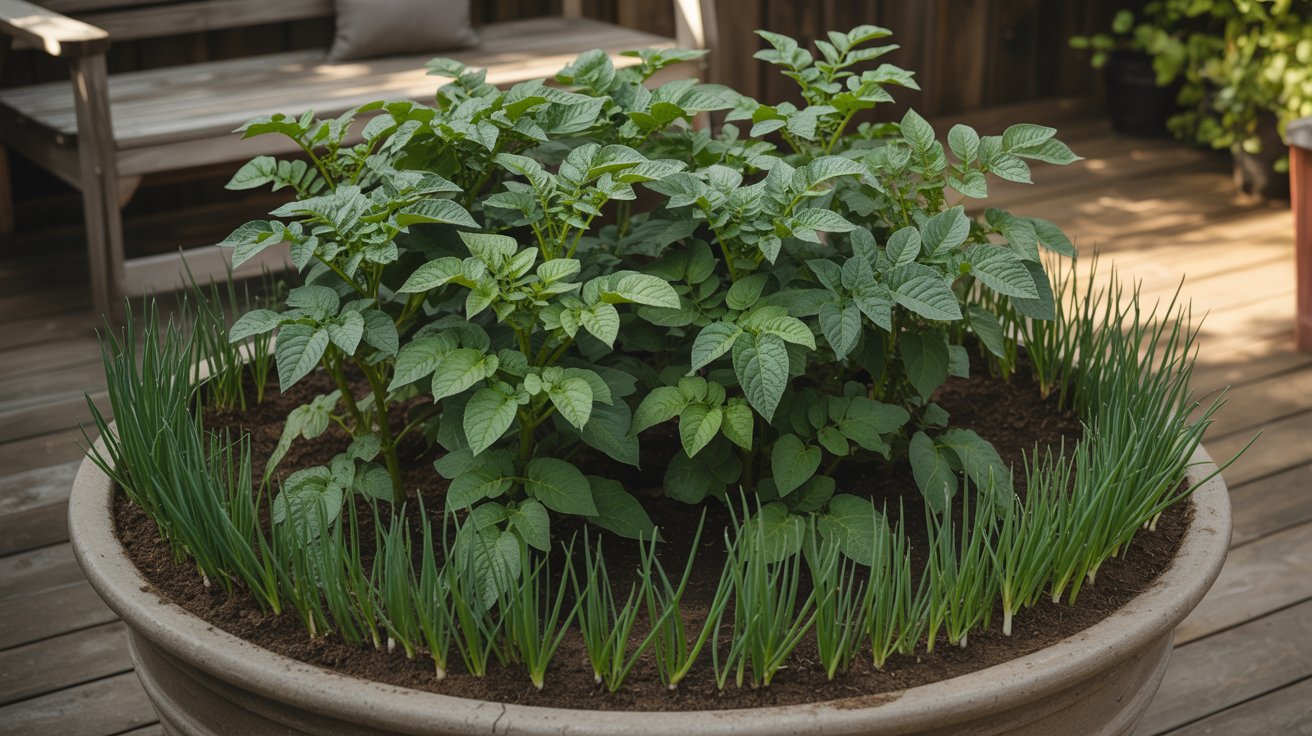
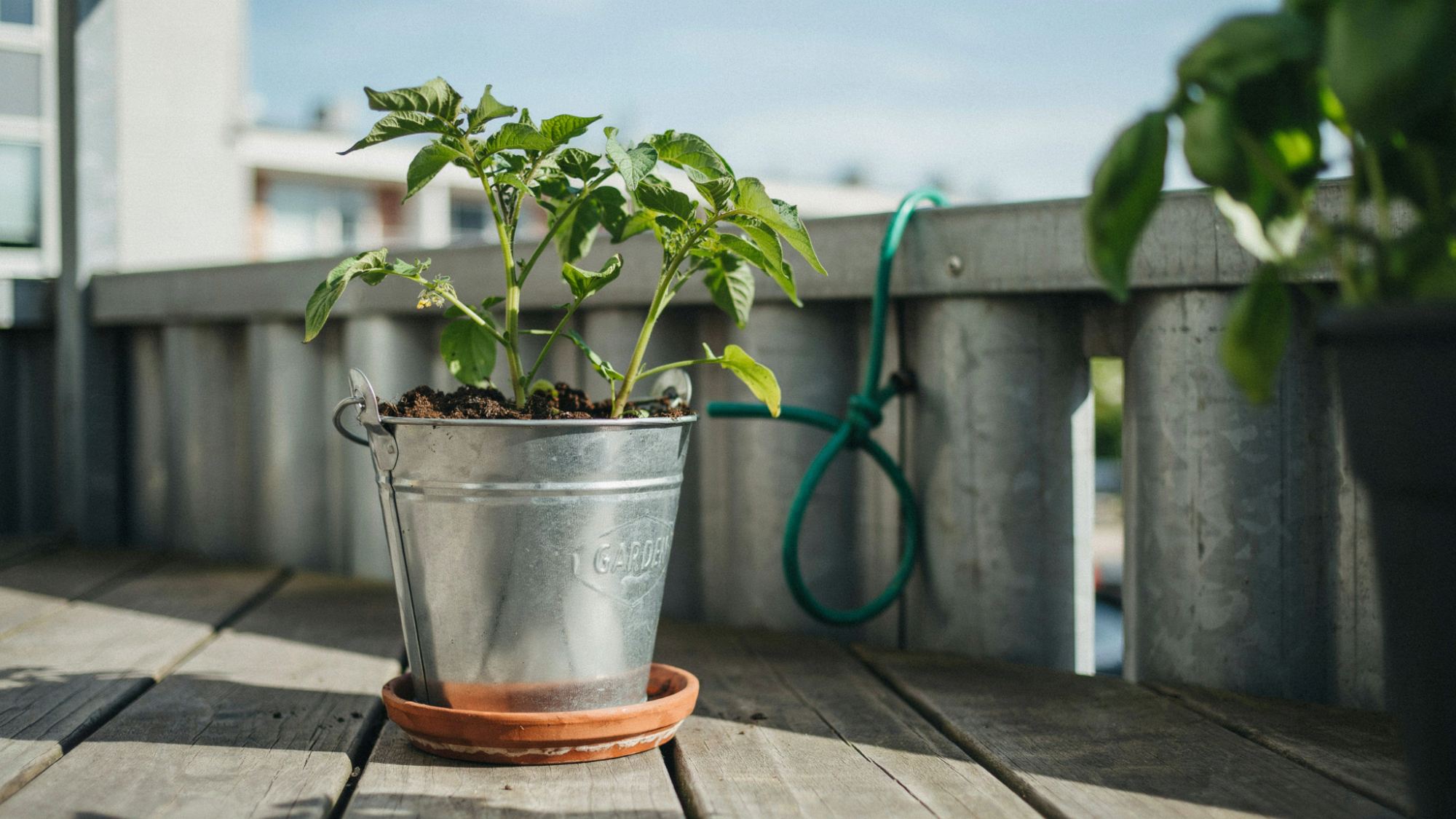
Containers work, but space is tight. Use large containers, at least 15 gallons, for potatoes. Plant onions around the outer edge.
Water containers more often. They dry out faster than ground beds.
Growing Requirements for Both Crops
Getting the basics right makes the biggest difference in your harvest.
Sunlight Needs
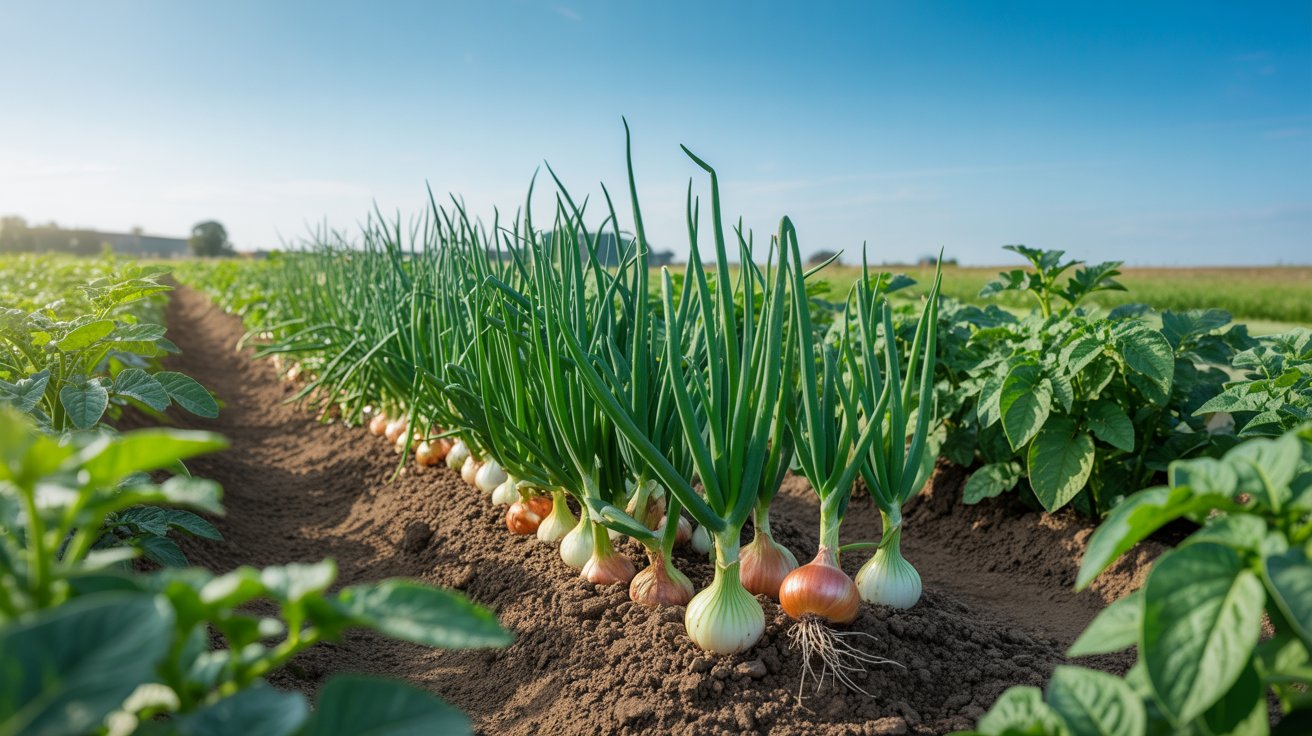
Both crops want full sun. Six to eight hours minimum. Less sun means smaller yields for both.
Don't plant in partial shade expecting good results.
Watering Requirements

Keep soil consistently moist. Not wet, not dry. About 1 to 2 inches of water per week works for both crops.
Check soil moisture by pressing a finger 2 inches deep. If it feels dry, water. If it feels damp, wait.
Fertilizing Recommendations
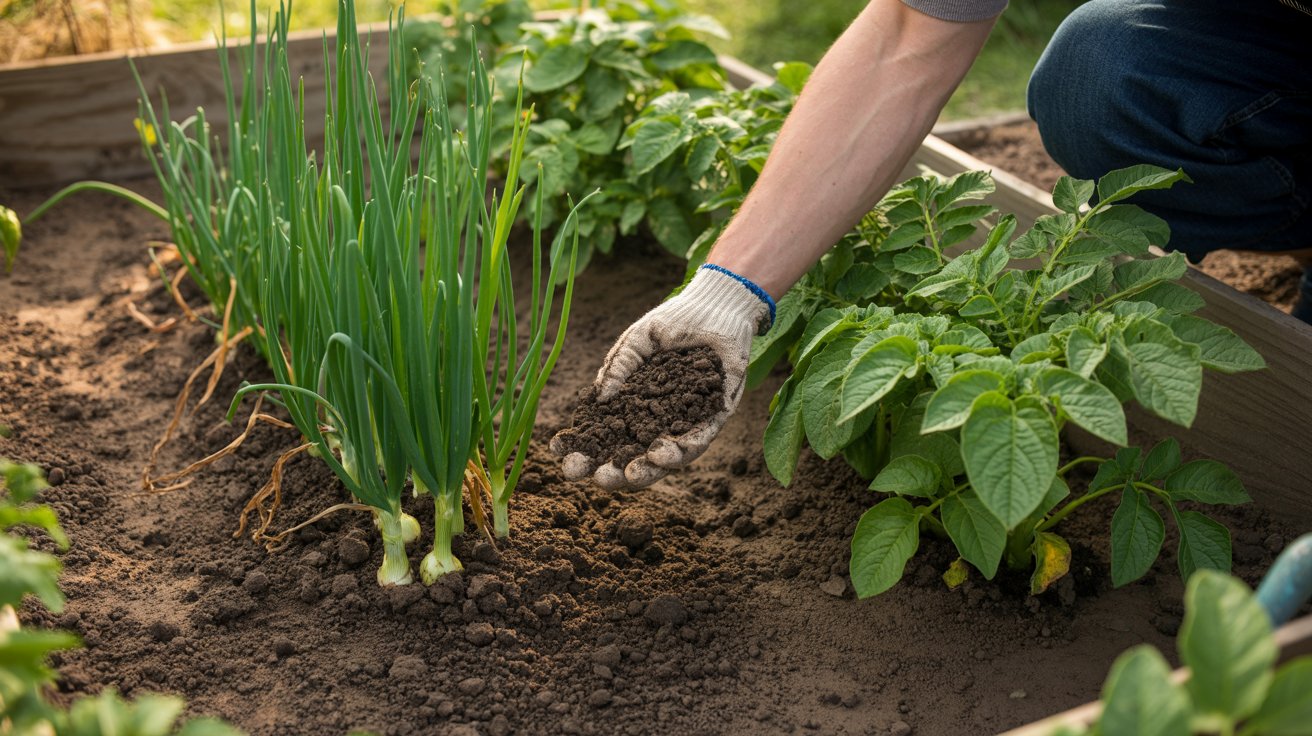
At planting, add a balanced fertilizer or compost. Once potatoes start forming tubers, switch to a low-nitrogen fertilizer. Too much nitrogen at that stage makes leafy growth instead of tubers.
Onions need nitrogen early. Reduce it once bulbs start forming.
Mulching Benefits

Mulch keeps soil moist, reduces weeds, and regulates soil temperature. Use straw or wood chips around both crops.
Keep mulch a few inches away from plant stems to prevent rot.
Tips for Growing Onions and Potatoes Together Successfully
Small habits make a big difference when growing two crops in one space.
- Water evenly and consistently. Uneven moisture causes cracked potatoes and split onion bulbs. A drip line or soaker hose helps keep things steady.
- Give plants room to breathe. Crowded plants compete more and get sick faster. Stick to the spacing guidelines and resist the urge to squeeze in extra plants.
- Check plants weekly for pests and disease. Catching problems early saves the whole bed. Look under leaves and at soil level for signs of trouble.
- Rotate crops every season. Don't plant onions or potatoes in the same spot two years in a row. Rotation breaks pest and disease cycles naturally.
- Harvest carefully to avoid root damage. Dig potatoes slowly and by hand near onion rows. A fork works better than a spade in tight spaces.
Common Mistakes to Avoid
These are the mistakes that cause the most problems in shared beds.
Planting Too Closely
The most common mistake. It leads to nutrient competition, poor airflow, and disease. Follow spacing guidelines even when the bed looks empty at planting time.
Overwatering the Bed
Both crops can develop rot in soggy soil. Water when the soil needs it, not on a fixed schedule. Check soil moisture before you water.
Ignoring Soil Health
Depleted soil means weak plants. Add compost before planting. Test your soil if you keep getting poor results.
Delaying Harvest Time
Leaving crops in the ground too long causes quality problems. Potatoes left too long develop thick skins or rot. Onions left past maturity split or go soft.
Harvest on time.
Growing in Poorly Drained Soil
Wet soil causes rot in both crops. If your garden bed holds water, fix drainage before planting. Raised beds are a good fix for poor-draining areas.
Alternatives to Planting Onions and Potatoes Together
Sometimes separate is better. Here are stronger companion options for each crop.
Better Companion Plants for Onions
- Carrots grow well with onions. Their scents may confuse pests.
- Chamomile is said to improve onion flavor when planted nearby.
- Beets share similar growing needs and don't compete heavily.
- Lettuce fills space between onion rows without competing much.
Avoid planting onions near beans or peas. They don't get along well.
Better Companion Plants for Potatoes
- Horseradish planted at the corners of a potato bed may help with beetle control.
- Marigolds are one of the most recommended companions for potatoes. They help deter nematodes.
- Basil may help repel some insects.
- Spinach grows well as a low ground cover between potato plants.
Avoid tomatoes near potatoes. They share diseases.
When Separate Growing Areas Make More Sense
If your garden is large enough, separate beds are almost always better. You get full control over soil, watering, and harvest timing for each crop.
Shared beds are a practical solution for small spaces, not necessarily the best solution overall.
Conclusion
Planting onions and potatoes together can work well if you plan it right. Space them properly, feed the soil, and watch for disease. Small gardens benefit most from this setup.
It's not a perfect companion pairing, but it's a practical one. For most home gardeners, it's worth trying at least once.
Start with a small bed. See how your soil and climate handle it. Adjust from there.
Frequently Asked Questions
Can onions help repel pests from potatoes?
Maybe. Onions have a strong smell that may confuse some insects. But there's no solid proof they reliably protect potatoes. Use them as a possible bonus, not a pest control plan.
How far apart should onions and potatoes be planted?
Plant potatoes 12 inches apart. Plant onions 4 to 6 inches apart. Keep rows about 12 inches from each other.
Can onions and potatoes grow together in raised beds?
Yes. Raised beds are actually a good option. They give you better control over soil quality, drainage, and spacing.
Do onions and potatoes require the same soil conditions?
Mostly yes. Both prefer loose, well-draining soil with a slightly acidic to neutral pH. Both benefit from added compost. Potatoes prefer slightly more acidic soil around pH 5.0 to 6.0. Onions do fine between 6.0 and 7.0.
Which crop should be harvested first?
Onions usually mature first. Green onions can be pulled in 60 to 80 days. Bulb onions take 100 to 120 days. Potatoes take 70 to 120 days depending on the variety. Watch each crop separately for harvest signs.
Can onions and potatoes be planted in containers together?
Yes, but use a large container. At least 15 gallons for potatoes. Plant onions around the edges. Water more often than you would in the ground.