
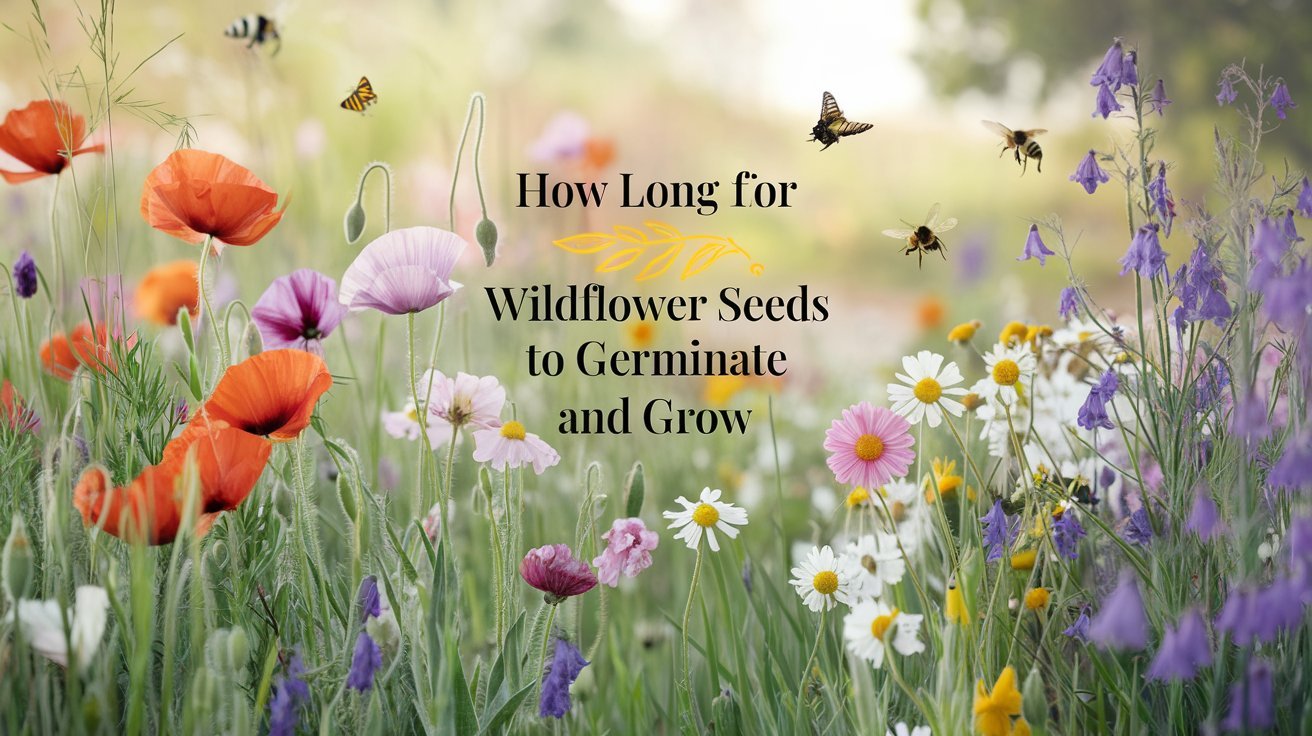
Are you curious about the growth and sprouting time of wildflower seeds? I’ve been there, looking at exposed dirt and wondering what might happen.
Blooms typically appear 6–11 weeks after planting, with the majority of wildflower seeds sprouting in 1–3 weeks. When it comes to managing expectations and designing a garden, timing is crucial.
I’ll go over growth stages, germination schedules, and variables that can speed up or slow down the process in this guide.
You’ll find how to support the success of your seeds and what to anticipate at each step. Together, let’s plant your wildflower garden.
What Are Wildflower Seeds?
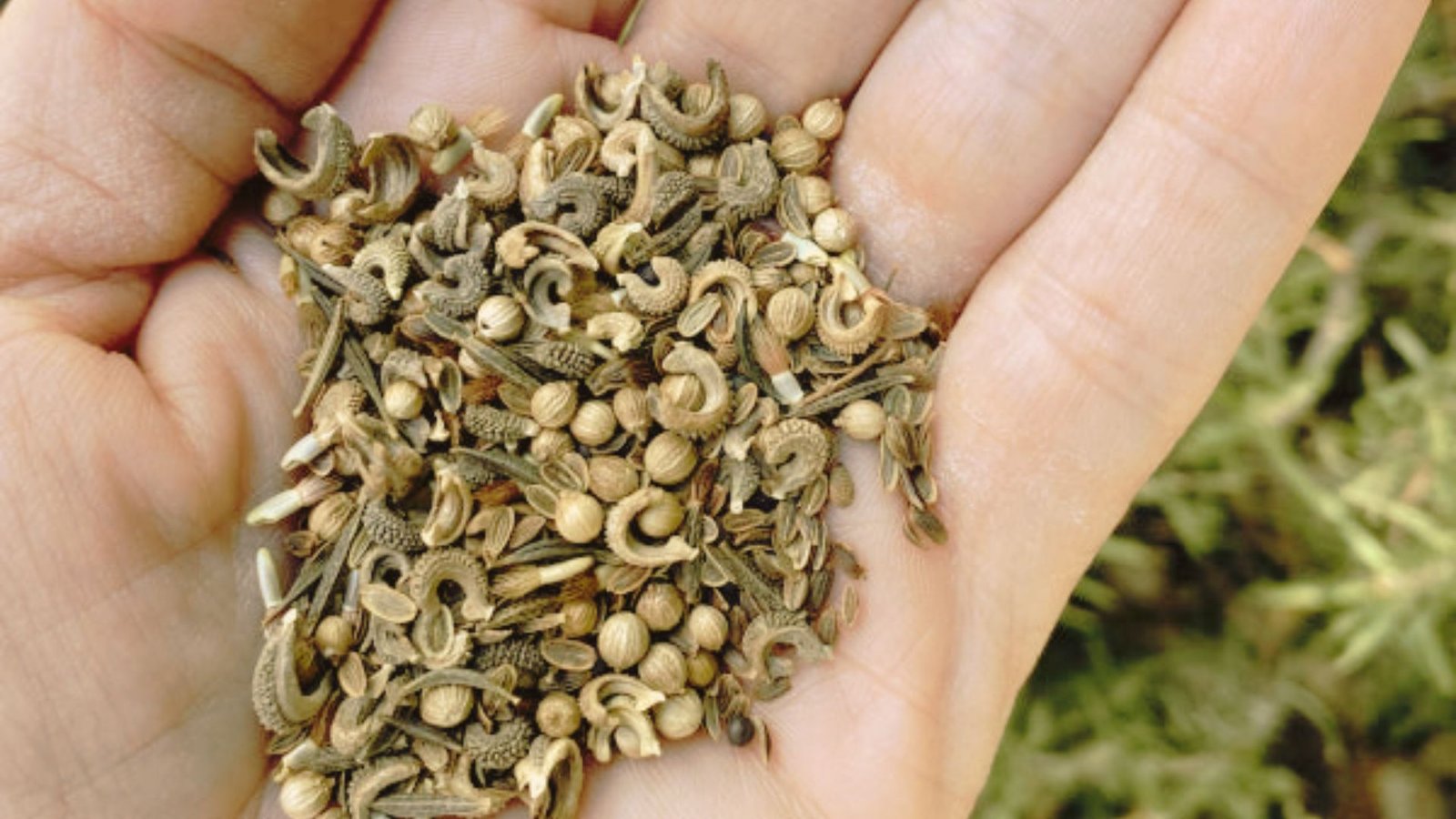
Simple seeds that grow into native flowering plants without much fuss or special care needed.
Wildflower seeds come from plants that grow naturally in specific regions. They’re adapted to local conditions and need less care than typical garden varieties.
The main types include annuals, perennials, and biennials. Annuals complete their life cycle in one season.
Perennials return year after year. Biennials take two years, growing leaves the first year and flowering the second.
These seeds support local ecosystems by feeding bees, butterflies, and hummingbirds throughout the growing season.
Their root systems improve soil health and prevent erosion. Once established, they need minimal watering and no fertilizer.
Factors That Influence Germination Time
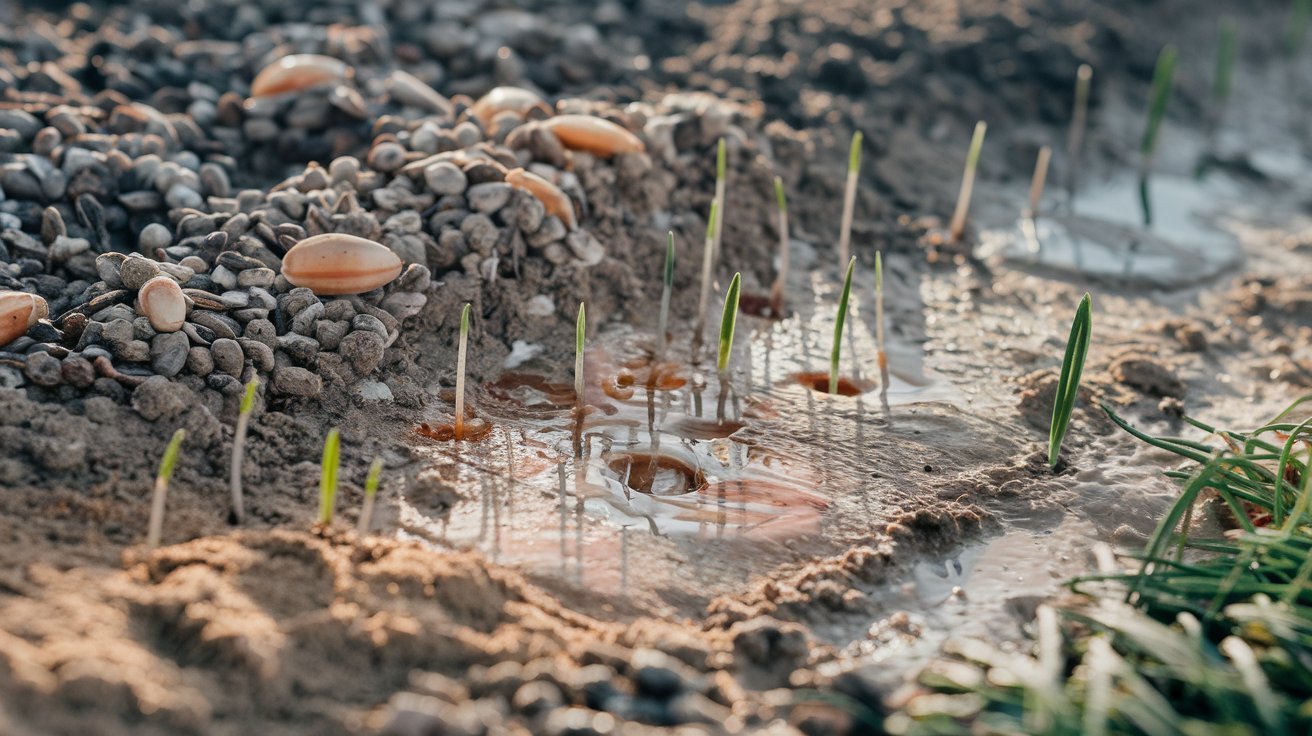
Seed type, soil quality, temperature, moisture levels, and sunlight all affect how quickly seeds sprout.
Seed Type
Different wildflowers germinate at different speeds based on their life cycle. Annuals typically sprout faster than perennials because they’re programmed to complete their growth quickly.
Some varieties pop up in just a few days. California poppies and bachelor’s buttons often germinate within 5 to 7 days under good conditions. Other species like lupines or coneflowers can take 2 to 3 weeks or longer.
Perennials generally take more time because they’re building root systems meant to last years. Their slower start pays off with stronger plants later.
Soil Conditions
Good soil makes seeds happy. Well-draining, loamy soil gives seeds the best chance at quick germination. Heavy clay or sandy soil can slow things down.
The texture matters too. Fine, loose soil lets tiny roots penetrate easily. Compacted or clumpy soil makes roots work harder to establish.
Soil pH between 6.0 and 7.0 works best for most wildflowers. Too acidic or too alkaline can prevent seeds from absorbing nutrients properly. I test my soil every spring to stay in this range.
Temperature
Most wildflower seeds germinate best when soil temperatures stay between 65°F and 70°F (18°C to 21°C). This warmth triggers the biological processes that wake seeds up.
Cooler temperatures slow everything down. Seeds planted in cold soil may sit dormant for weeks until conditions improve. Hot temperatures above 80°F can also delay germination or cause poor sprouting rates.
Some native species actually need cold periods to germinate. These seeds won’t sprout until they’ve experienced winter conditions first.
Moisture
Seeds need consistent moisture to germinate. The outer coating must absorb water and soften before the embryo inside can start growing.
Keep soil moist but not soaked. Waterlogged conditions suffocate seeds and encourage rot. Dry soil stops the germination process entirely.
I water my newly planted seeds lightly every day or every other day. Once sprouts appear, I can back off a bit. The goal is damp soil that feels like a wrung-out sponge.
Sunlight
Most wildflower species need full sun to thrive. That means at least 6 to 8 hours of direct sunlight daily.
Seeds planted in shade or partial shade germinate more slowly if they sprout at all. Insufficient light also produces weak, leggy seedlings that struggle to survive.
Some seeds need light exposure to germinate. These should stay on the soil surface rather than being buried. Others germinate better in darkness and need a thin soil covering.
Germination Timeline
Seeds typically sprout in 1 to 3 weeks and bloom within 6 to 11 weeks from planting.
The germination process starts when seeds absorb water. The seed coat softens within 24 hours, and the first root pushes out within a few days below the surface.
The first visible sign appears within 14 to 21 days after planting. Initial leaves emerge, followed by true leaves when seedlings start growing independently.
Most wildflowers need 40 to 60 days from sprouting to bloom. From planting to flowering, expect 6 to 11 weeks total. Some mixes like Rapid Colour can bloom in just 6 to 8 weeks.
Techniques to Speed Up Germination
Pre-treating seeds and starting them indoors can reduce germination time by several weeks.
Cold, Moist Stratification
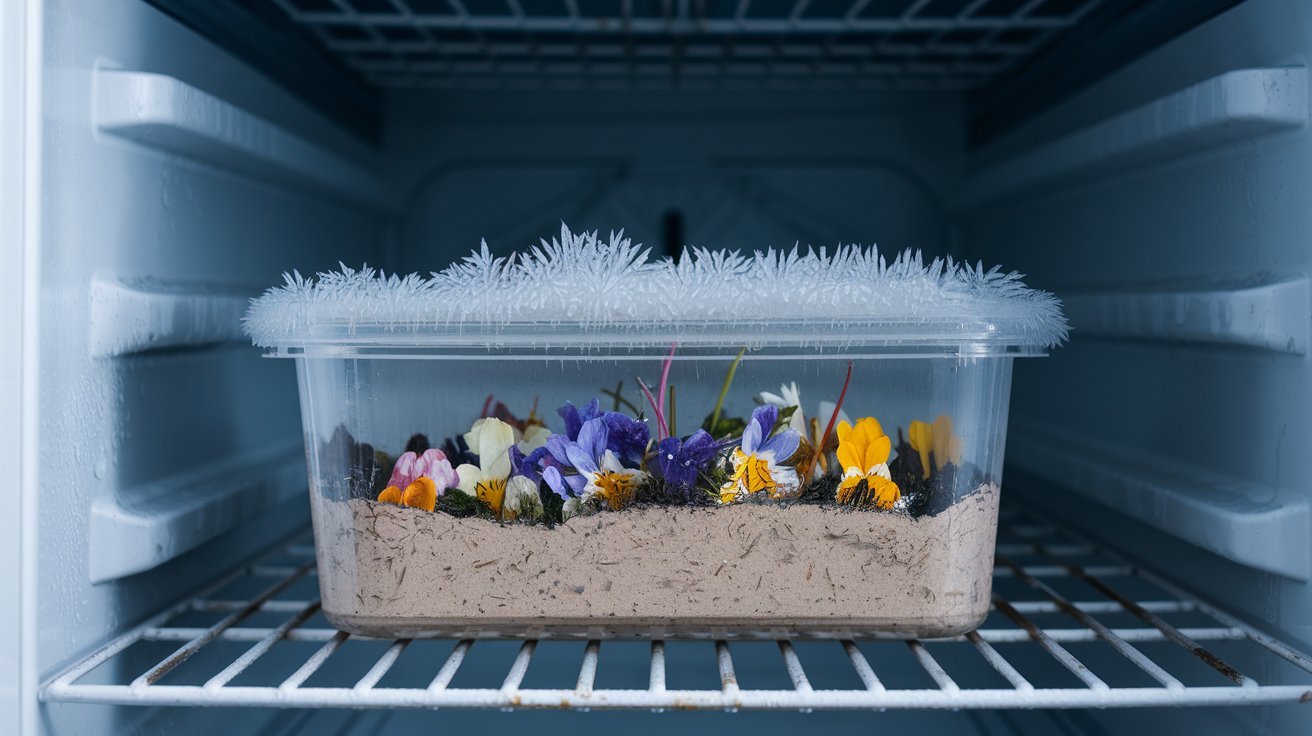
Some wildflower seeds have built-in dormancy mechanisms. They won’t germinate until they’ve experienced cold, moist conditions that simulate winter.
This process is called stratification. You can do it artificially by placing seeds in damp sand or paper towels inside your refrigerator for 4 to 6 weeks.
The cold period tricks seeds into thinking winter has passed. When you plant them afterward, they germinate much faster than untreated seeds.
Some gardeners use freezer stratification for even faster results. This involves brief freezing cycles that can shorten the required cold period. I’ve had good luck with this method for stubborn perennials.
Indoor Sowing
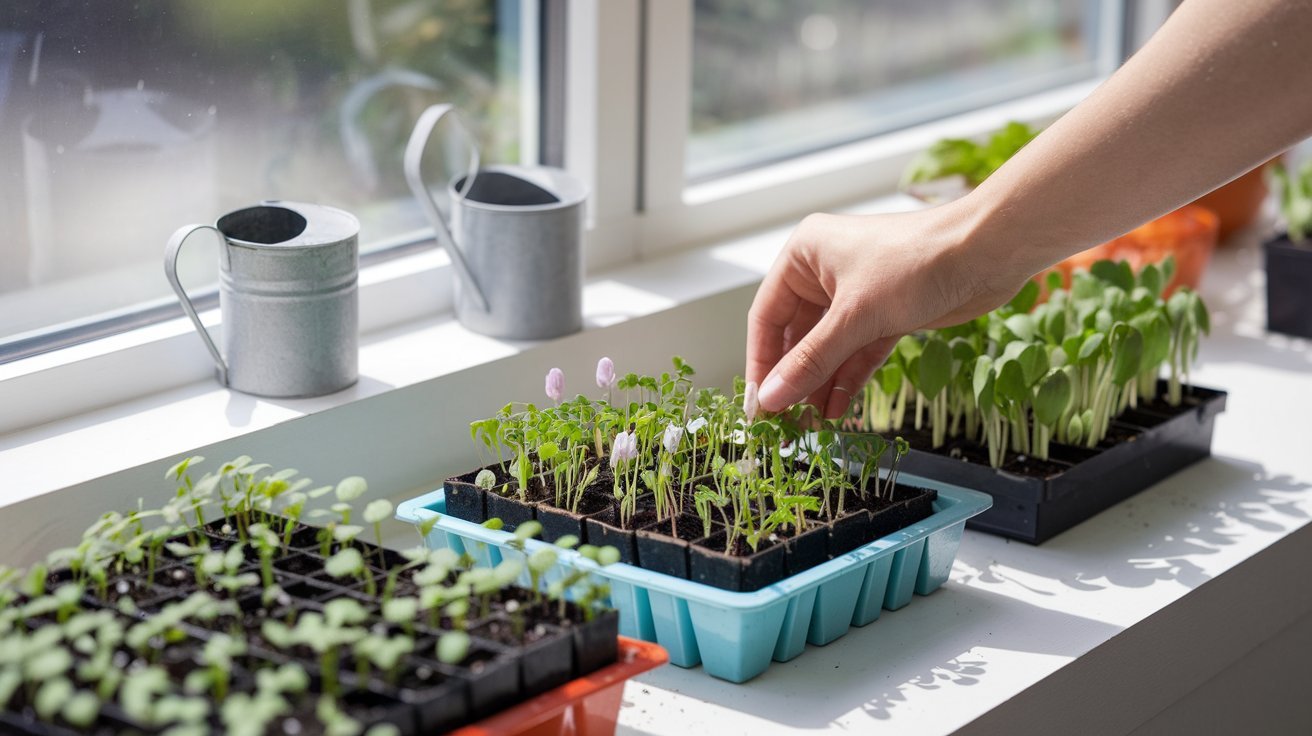
Starting seeds indoors gives you complete control over growing conditions. You can maintain ideal temperature, moisture, and light levels that outdoor planting can’t match.
Use seed-starting trays filled with soil-less seed starting mix. This lightweight medium drains well and resists disease. Place trays in a sunny window or under grow lights.
Indoor sowing protects young seedlings from harsh weather, weeds, and pests. Seeds often germinate several weeks earlier than they would outdoors.
Once seedlings develop true leaves and outdoor conditions are right, transplant them to their final location. This head start means earlier blooms and stronger plants.
Additional Tips for Healthy Growth
Proper containers, seed covering techniques, and pollinator planning help wildflowers thrive after germination.
- Choose pots at least 12 inches deep with drainage holes and fill with quality potting mix for container planting.
- Cover most seeds with a thin soil layer about twice the seed’s thickness, but leave light-dependent varieties exposed on the surface.
- Plant different species that bloom at various times to provide continuous food for pollinators from spring through fall.
- Skip pesticides entirely in wildflower areas as they harm beneficial insects, even organic options.
- Leave some spent flowers in place through fall and winter to feed birds and shelter overwintering insects.
- Skip pesticides entirely in wildflower areas as even organic options can harm beneficial insects.
- Leave some spent flowers in place through fall and winter to feed birds and shelter overwintering insects.
Troubleshooting Delayed Germination
Poor soil contact, incorrect watering, and low temperatures are common reasons seeds fail to sprout on time.
Sometimes seeds take longer than expected. The most common issue is watering problems. Too much water drowns seeds while too little leaves them dormant. Check soil moisture daily. It should feel damp but not muddy.
Poor seed-to-soil contact prevents proper moisture absorption. Rake the soil lightly before planting to create a fine surface.
Cold soil keeps seeds dormant. Wait until soil warms to at least 60°F before planting warm-season wildflowers.
Some species need stratification before they’ll germinate. Without pre-treatment, they might not sprout until the following spring.
Give seeds adequate time. While most germinate within 3 weeks, some perennials can take 4 to 6 weeks or longer.
Conclusion
I recall my very first patch of wildflowers. In April, I sowed seeds and looked every day for life. Around day 16, the first green shoots emerged, and eight weeks later, blooms appeared.
I now know that it will take 1 to 3 weeks for sprouting and 6 to 11 weeks for flowers to appear. Make a plan, keep the soil moist, and don’t freak out if nothing happens right away.
Your patience will be rewarded with vibrant blooms that enliven your area and provide food for pollinators.
Which wildflowers do you intend to cultivate? Leave a comment below with your experience.
Frequently Asked Questions
How long does it take for wildflower seeds to sprout?
Most wildflower seeds sprout within 1 to 3 weeks after planting. Annuals tend to germinate faster than perennials. Temperature, moisture, and soil quality all affect sprouting time.
Can I plant wildflower seeds directly in the ground?
Yes, direct sowing works great for wildflowers. Prepare the soil by removing weeds and creating a fine surface. Plant in spring after the last frost or in fall for cold-hardy species.
Why haven’t my wildflower seeds germinated yet?
Common reasons include cold soil, inadequate watering, seeds planted too deep, or varieties that need stratification. Check soil temperature (should be above 60°F) and moisture levels. Some perennials naturally take 4 to 6 weeks.
Do wildflowers come back every year?
Perennial wildflowers return each year and often spread over time. Annual wildflowers complete their life cycle in one season but may self-seed for the following year. Check seed packets to identify plant types.
How often should I water newly planted wildflower seeds?
Water lightly every day or every other day until seeds germinate and seedlings establish roots. Keep soil consistently moist but not waterlogged. Reduce watering frequency once plants develop several sets of true leaves.