
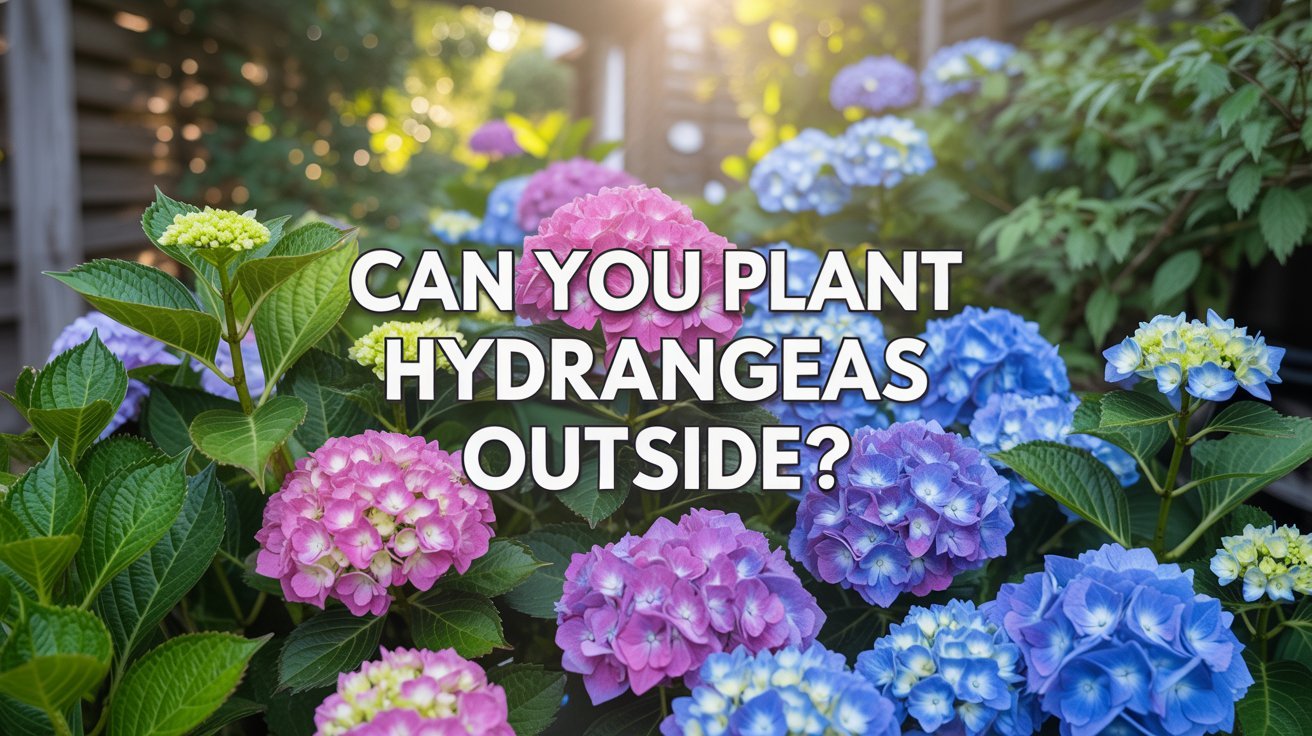
Hydrangeas make wonderful gifts. Their colorful blooms brighten up any room and bring instant joy to your space. But here’s the thing: these beautiful plants often struggle indoors after a while.
So what do you do next? Can you actually move your hydrangea outside and help it thrive?
Good news! Yes, you can. And I’m here to show you exactly how to do it.
We’ll cover the best time to plant, where to put your hydrangea, and simple steps to make the transition smooth.
Let’s get your plant happy and healthy in its new outdoor home.
Understanding the Difference: Gift Hydrangeas vs. Garden Hydrangeas
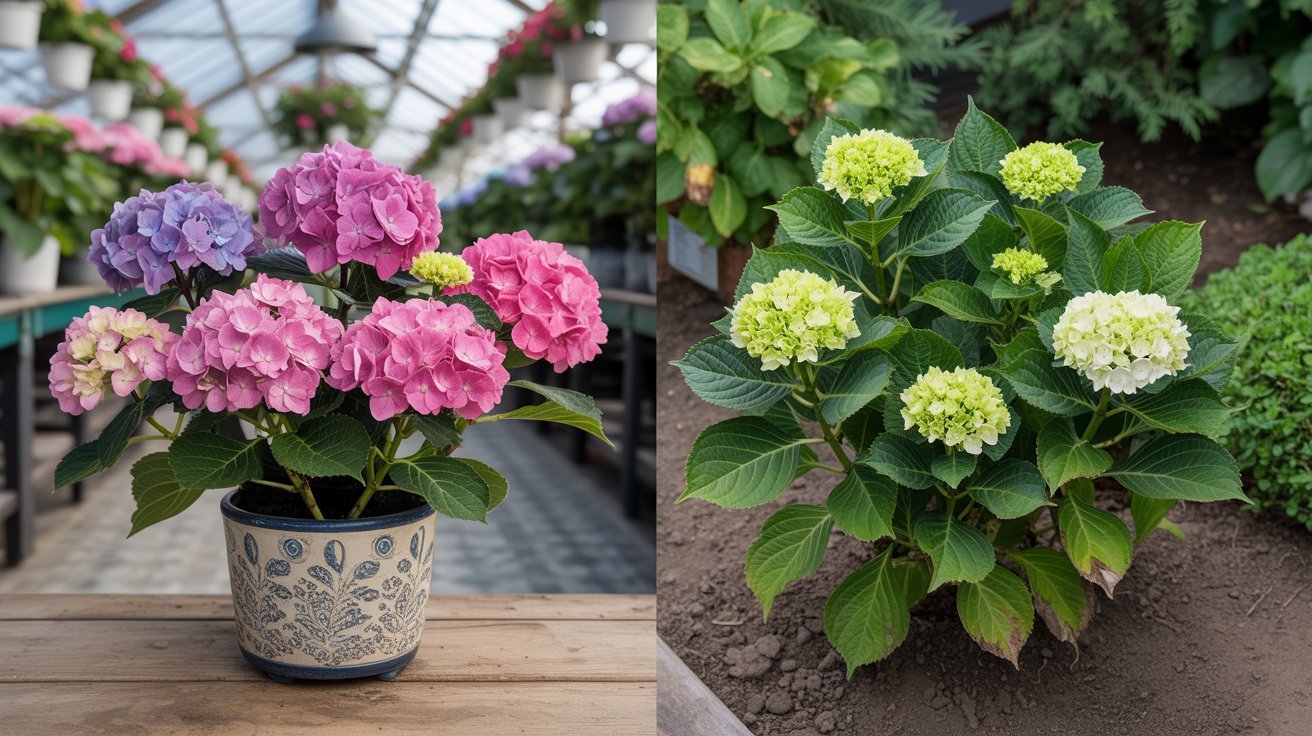
Not all hydrangeas are the same. Gift plants differ from garden varieties in how they’re grown and their ability to survive outdoors.
What Are Gift Hydrangeas?
Gift hydrangeas are grown in greenhouses. Growers push them to bloom quickly so they look perfect for special occasions. Think Mother’s Day, Easter, or birthdays.
These plants are forced to flower early. They’re meant to look beautiful right now, not necessarily to last for years.
The catch? Many aren’t bred to handle outdoor conditions long-term. They show plants first, garden plants second.
What Makes Garden Hydrangeas Different
Garden hydrangeas are a different story. Nurseries grow them specifically for outdoor life.
These plants are tough. They can handle seasonal changes and adapt to your local climate.
They’re built to last through hot summers, cold winters, and everything in between. That’s the key difference.
Can You Plant a Gift Hydrangea Outside?
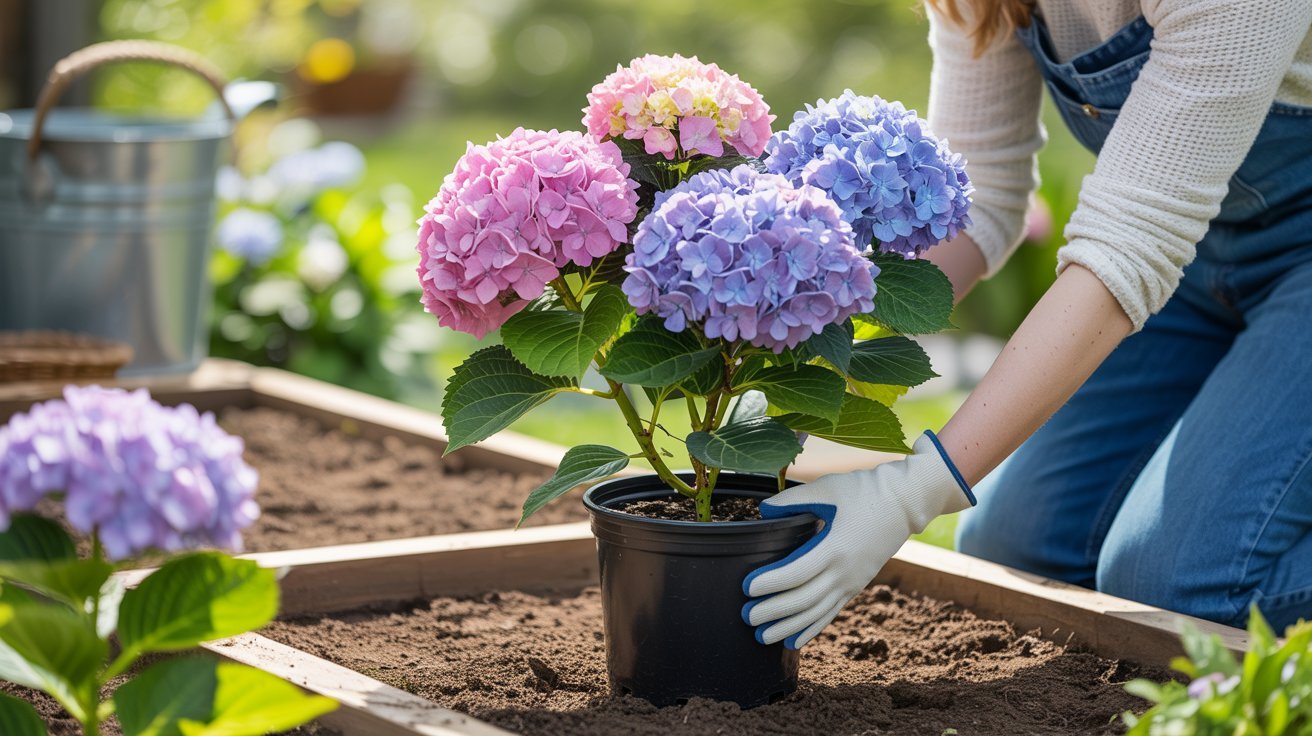
Yes, gift hydrangeas can go outside, but their survival depends on your climate, proper preparation, and the plant’s current health condition.
Short Answer
Yes, you can plant your gift hydrangea outside. But here’s the truth: success isn’t guaranteed.
It depends on three main things. The timing matters. Your plant’s variety matters. And your local climate matters too.
Factors That Affect Success
Your hardiness zone plays a big role. Most hydrangeas do well in USDA zones 5 through 9. Check your zone before planting.
Has your plant been hardened off? This means slowly getting it used to outdoor conditions. Skip this step, and your plant might struggle.
Look at the roots too. After blooming indoors, the root system might be stressed. Healthy roots mean better chances of survival outside.
When and How to Move Hydrangeas Outdoors
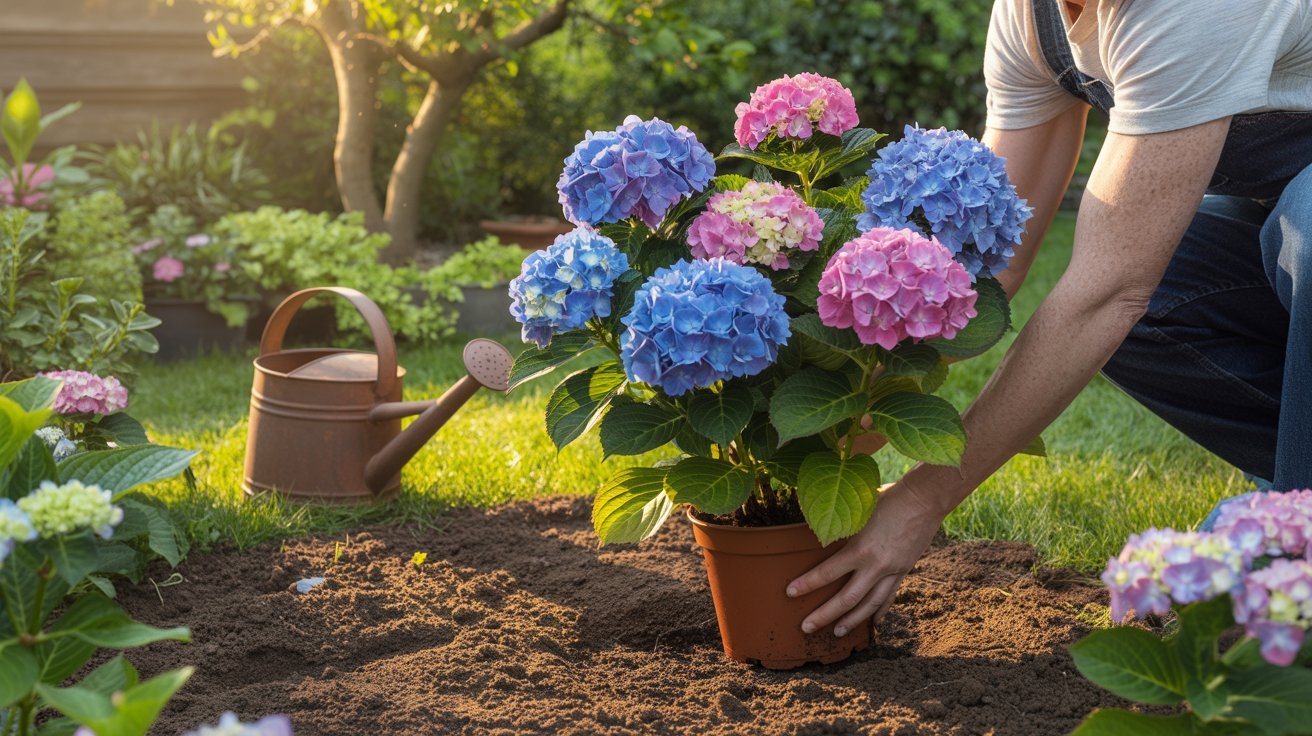
Plant hydrangeas after the last frost. Slowly introduce them to outdoor conditions, choose a good spot, and provide proper care.
Best Time to Plant Hydrangeas Outside
Timing is everything. Wait until after the last frost in spring. Your plant needs warm, stable weather.
Late spring works great. Early fall is another good option. Both seasons give your hydrangea time to establish strong roots before extreme weather hits.
Steps to Transition a Potted Hydrangea Outdoors
1. Harden Off Gradually
Don’t rush this. Move your plant to a shaded porch or covered area. Start with just a few hours outside each day.
Add more time gradually over one to two weeks. This helps your hydrangea adjust without shock.
2. Choose the Right Location
Look for a spot with part shade. Morning sun is perfect. Afternoon shade protects from harsh heat.
Good drainage is a must. Hydrangeas hate sitting in waterlogged soil.
3. Prepare the Soil
Your hydrangea loves rich, moist soil. Slightly acidic works best.
Mix in compost if your soil is poor. This gives your plant the nutrients it needs.
4. Plant Carefully
Gently loosen the roots before planting. This encourages them to spread out.
Dig a hole twice as wide as the root ball. Plant at the same depth as it was in the pot.
5. Water and Mulch
Keep the soil consistently moist, especially in the first few weeks. Don’t let it dry out completely.
Add a layer of mulch around the base. This keeps the soil temperature steady and holds in moisture.
Caring for Hydrangeas After Planting
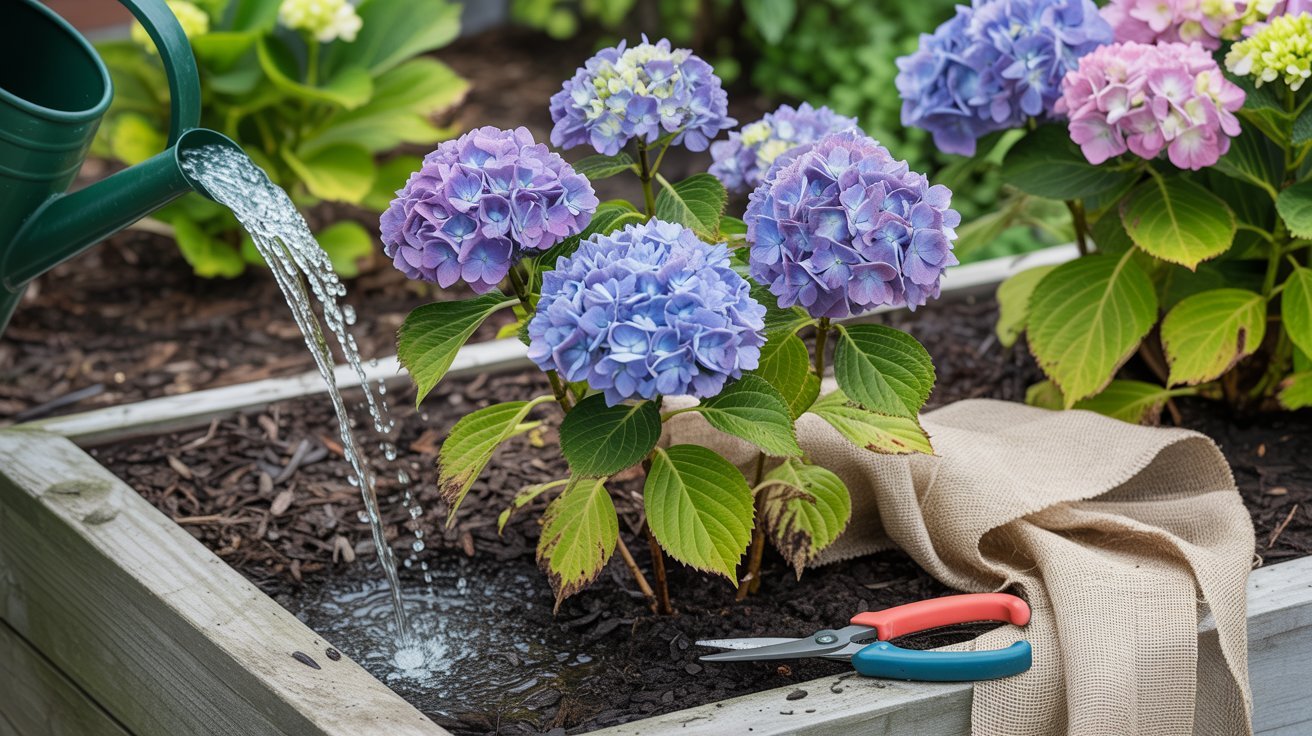
After planting, hydrangeas need regular watering, proper fertilizing, seasonal pruning, and winter protection to stay healthy and bloom beautifully each year.
Watering and Fertilizing
Your hydrangea needs about 1 inch of water each week during the growing season. More if it’s really hot or dry outside.
Feed it with a balanced fertilizer. Slow-release options work well too. Just match the fertilizer to your hydrangea type for best results.
Pruning Tips
Pruning can feel tricky, but it’s simple once you know your plant. Some hydrangeas bloom on old wood, others on new growth.
Figure out which type you have first. Then prune accordingly.
Early spring is the best time to clean things up. Remove any dead or damaged stems. This keeps your plant healthy and looking good.
Winter Protection
Cold weather can harm your hydrangea. Add a thick layer of mulch around the base before winter arrives. This protects the roots from freezing.
Live in a colder zone? You might need extra help. Wrap the plant with burlap or cover it during harsh frosts. A little protection goes a long way.
Common Mistakes to Avoid
- Planting Too Early: Don’t put your hydrangea outside before the last frost passes. Cold temperatures can damage or kill a plant that isn’t ready for outdoor conditions.
- Choosing the Wrong Spot: Avoid planting in full sun all day long. Your hydrangea will struggle and may wilt in intense afternoon heat.
- Poor Drainage Issues: Never plant in soil that stays waterlogged or doesn’t drain well. Sitting in wet soil causes root rot and kills the plant over time.
- Over-Fertilizing After Transplanting: Skip heavy feeding right after you plant. Your hydrangea needs time to settle in before you add fertilizer.
- Expecting Immediate Blooms: Don’t count on flowers the first year after replanting. Your plant is focused on building strong roots, not producing blooms.
- Skipping the Hardening Process: Never move your plant straight from indoors to full outdoor exposure. The sudden change in conditions will shock the plant and hurt its chances of survival.
Conclusion
So yes, you absolutely can plant your gift hydrangea outside. With the right timing and proper care, it can thrive in your garden for years to come.
Take your time with this. Let your plant enjoy its indoor blooms first. Then follow the steps we covered to make the move smooth and stress-free.
Your hydrangea deserves a good home, and you can give it one.
Ready to get started? Check your hardiness zone first. Then prep your garden soil. Your hydrangea is counting on you, and trust me, the beautiful blooms will be worth the effort.
Frequently Asked Questions
Can I plant my potted hydrangea directly outside?
Yes, but don’t rush it. You need to harden off the plant first by slowly introducing it to outdoor conditions over one to two weeks.
What happens if I plant hydrangeas too early?
Frost can damage or kill your plant if you plant before the last frost date. Wait until temperatures are consistently warm and stable.
Do hydrangeas need full sun or shade?
Hydrangeas prefer part shade with morning sun and afternoon protection. Too much direct sun can cause wilting and burned leaves.
Why isn’t my transplanted hydrangea blooming?
First-year hydrangeas focus on root development, not flowers. Give it time and proper care, and blooms should appear in the second year.
How often should I water a newly planted hydrangea?
Water deeply about once a week, providing around 1 inch of water. Keep the soil consistently moist but not waterlogged, especially during hot weather.