
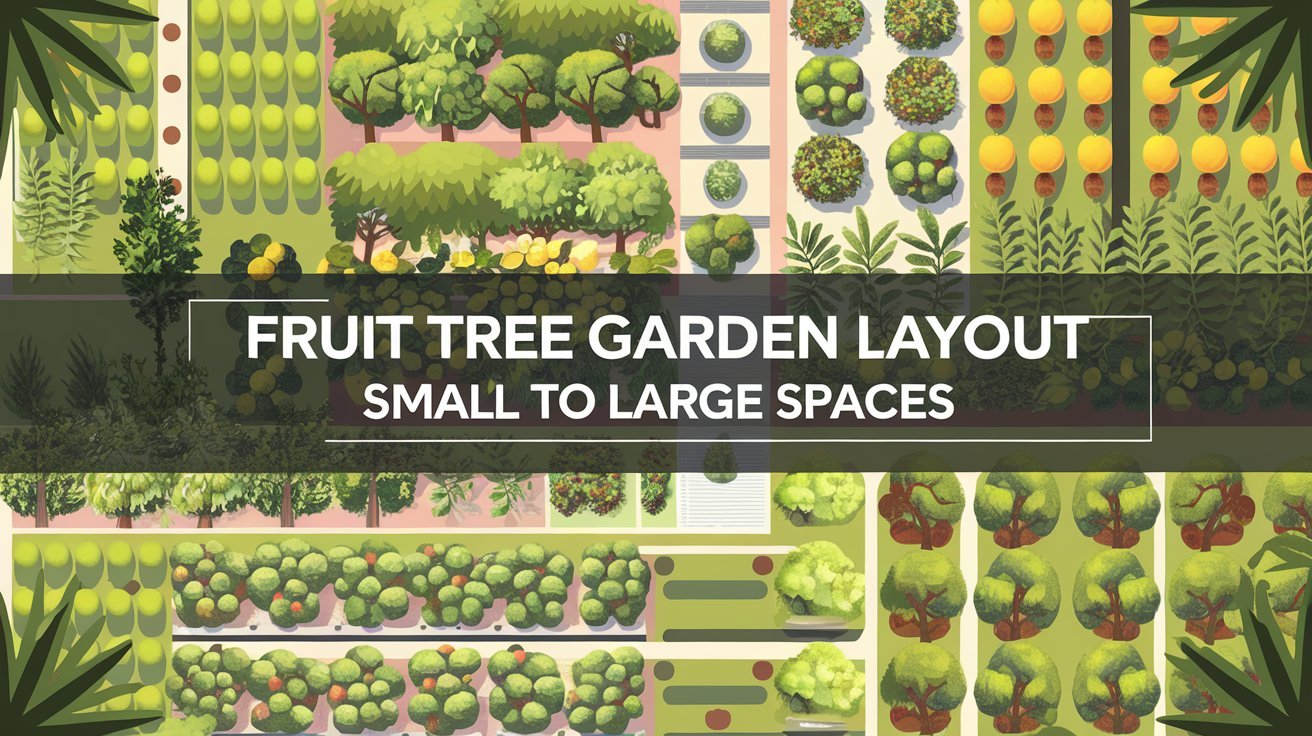
At first, designing a layout for a fruit tree garden may seem overwhelming. But believe me, it makes a huge difference.
A clever arrangement makes it much easier to pick fruit, allows your trees to flourish, and helps keep disease at bay.
I’ll go over the fundamentals of spacing, picking the best trees, and creating designs for yards of any size in this guide.
Step-by-step planning techniques, seven distinct layout concepts, and garden maintenance advice will all be covered.
By the end, you’ll understand how to design a fruit garden that works well for your area.
What Is a Fruit Tree Garden Layout and Why It Matters
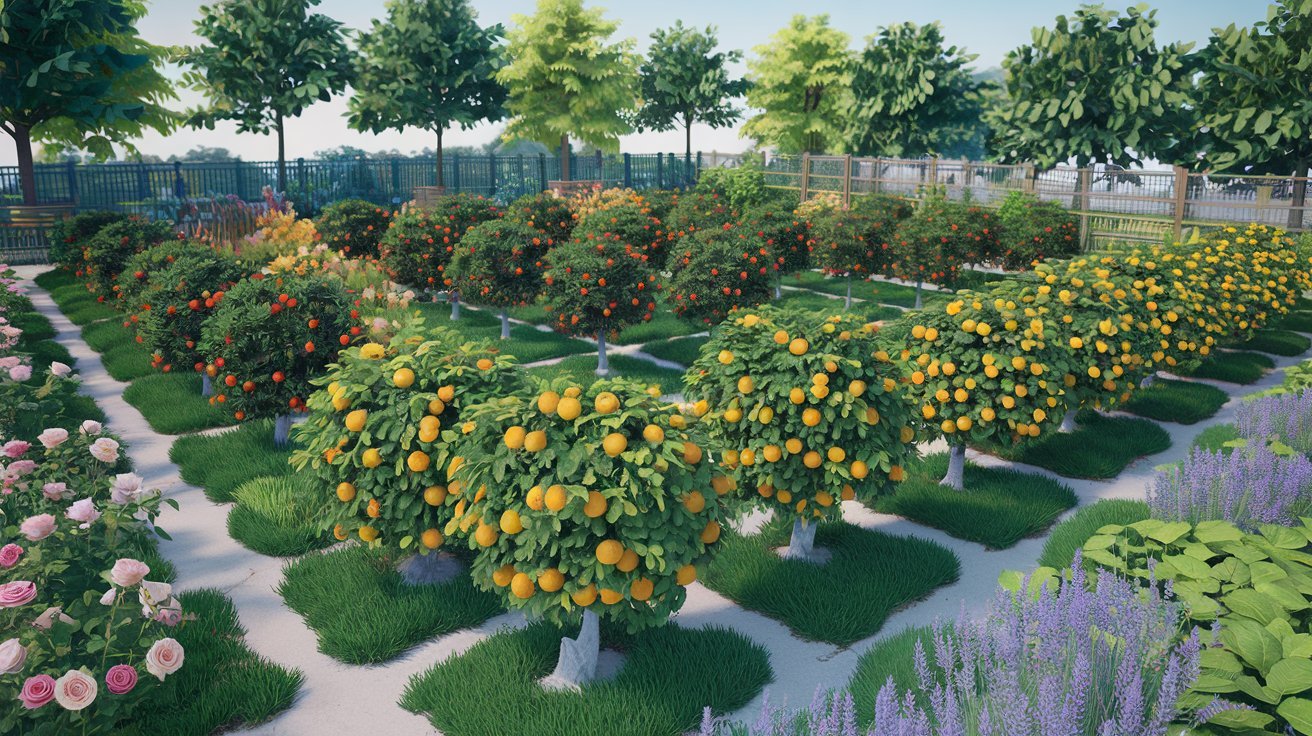
A fruit tree garden layout is your plan for where and how to plant trees in your yard. It includes spacing, orientation, and companion planting.
Good planning maximizes sunlight and improves air circulation between branches. This keeps leaves dry and reduces fungal problems. When trees aren’t crammed together, pests have fewer places to hide.
A clear layout makes harvesting and maintenance easier. You can reach every tree and walk between them to prune, water, and check for problems.
Understanding Fruit Tree Garden Layout
A fruit tree garden layout is your blueprint for organizing trees in your yard. It covers where to place each tree, how far apart they should sit, and which direction they face.
Core principles include matching tree size to available space, ensuring good sun exposure, and planning for mature growth.
The layout should also account for root spread, canopy width, and access paths.A well-planned layout keeps your trees healthier year after year.
Trees get proper sunlight and airflow, which means fewer disease issues. You’ll see higher yields because trees aren’t competing for resources.
Harvesting becomes easier when you can reach every tree. Plus, maintenance tasks like pruning and spraying take less time and effort.
Key Factors to Consider Before Designing Your Layout
Check these important details before you start planting to avoid problems later.
Available Space: Small vs Large Gardens
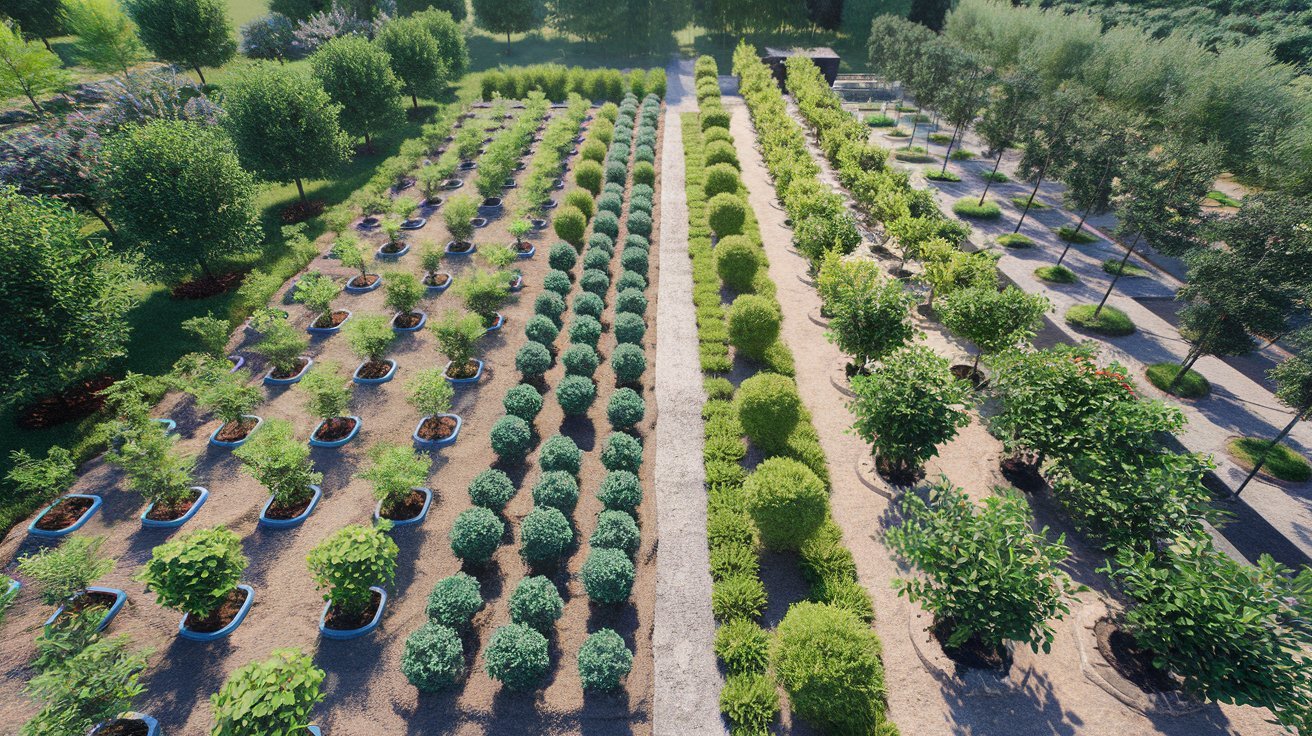
Your yard size determines which trees and layouts will work. Small gardens need compact trees and vertical solutions. Large gardens can handle standard-sized trees and traditional rows.
Measure your space carefully and be realistic about how many trees will fit. Remember to include room for pathways and future growth.
Climate and Sunlight Exposure
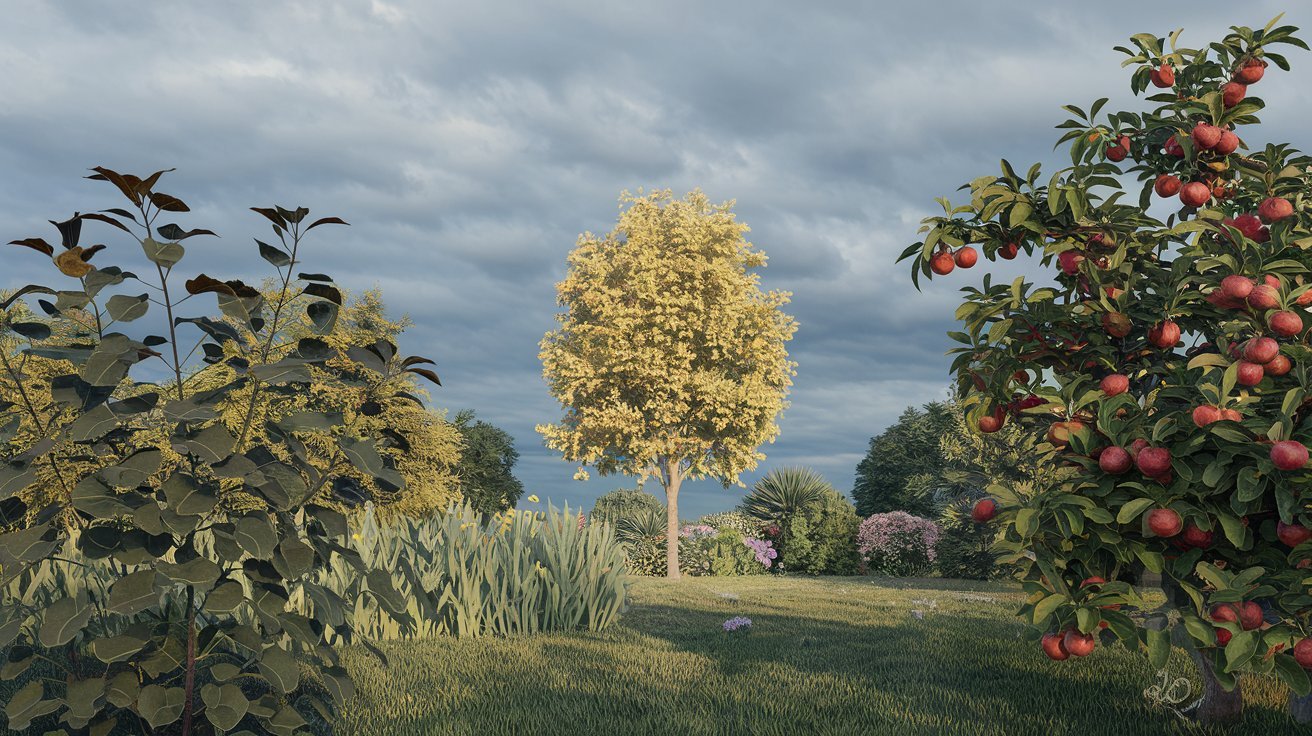
Fruit trees need at least six to eight hours of direct sun daily. Watch how sunlight moves across your yard throughout the day. Note any buildings, fences, or large trees that create shade.
Southern exposures typically get the most sun in northern climates. Your climate zone affects which fruit varieties will survive and produce well.
Soil Type and Drainage
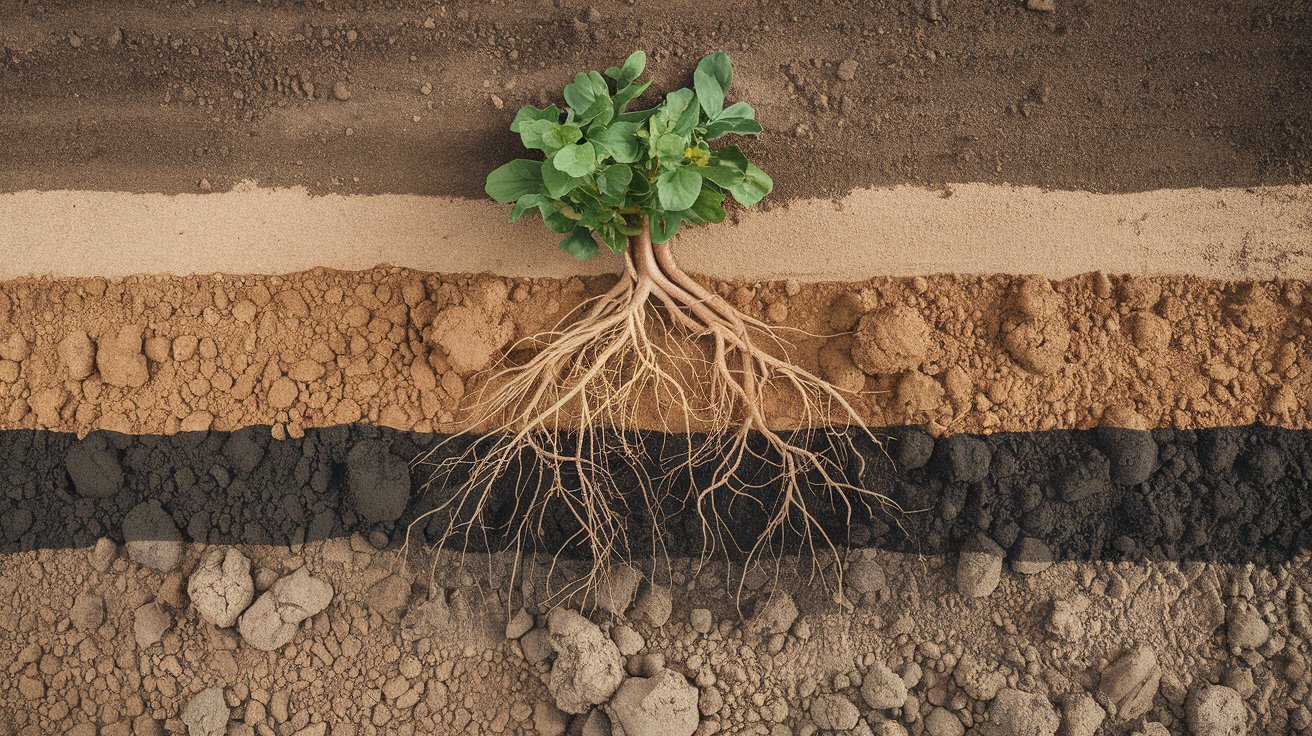
Most fruit trees need well-draining soil. Test your soil to check pH levels and nutrient content. Clay soils hold too much water while sandy soils drain too fast.
Poor drainage can be fixed with raised beds or amended soil. Know your soil type before choosing trees and planting locations.
Fruit Tree Varieties and Growth Habits
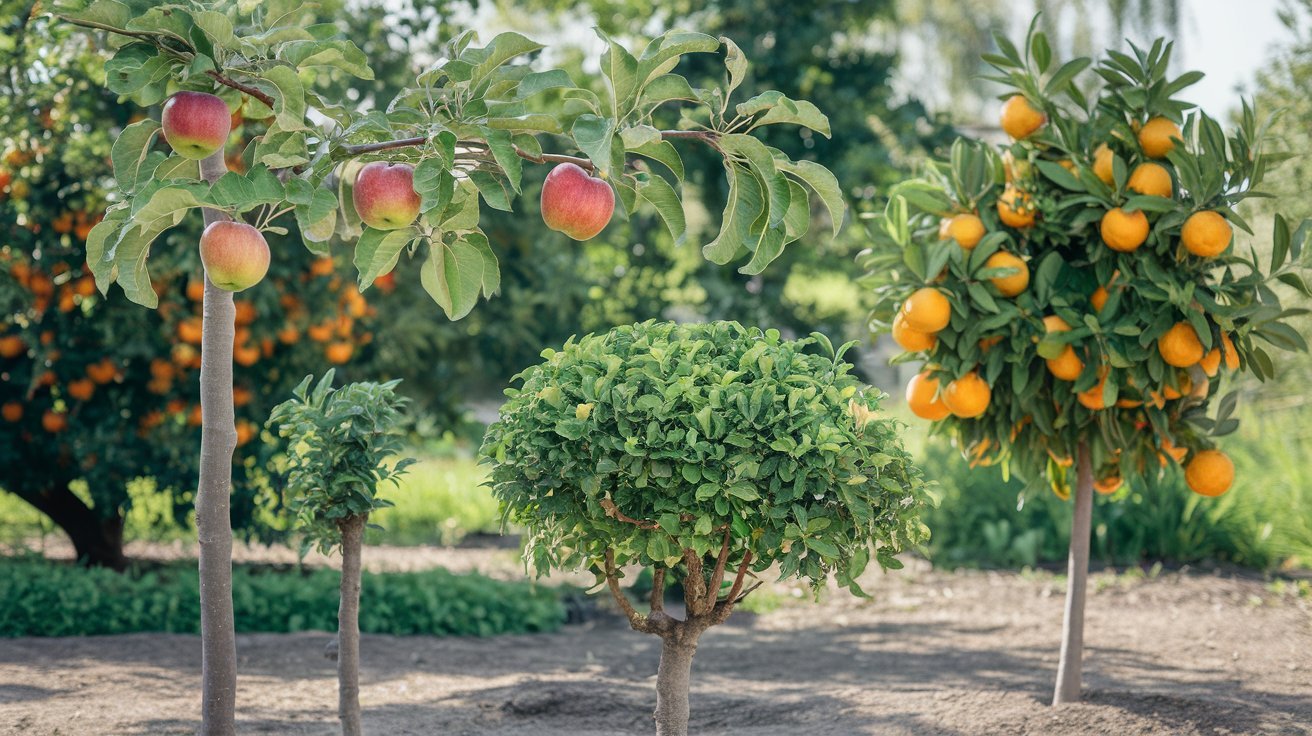
Trees come in three main sizes: dwarf, semi-dwarf, and standard. Dwarf trees grow 8-10 feet tall and work great for small spaces. Semi-dwarf trees reach 12-15 feet and offer a good size-to-yield balance.
Standard trees can grow over 20 feet and need lots of room. Each type needs different spacing and fits different garden sizes.
Companion Plants and Pollination Requirements
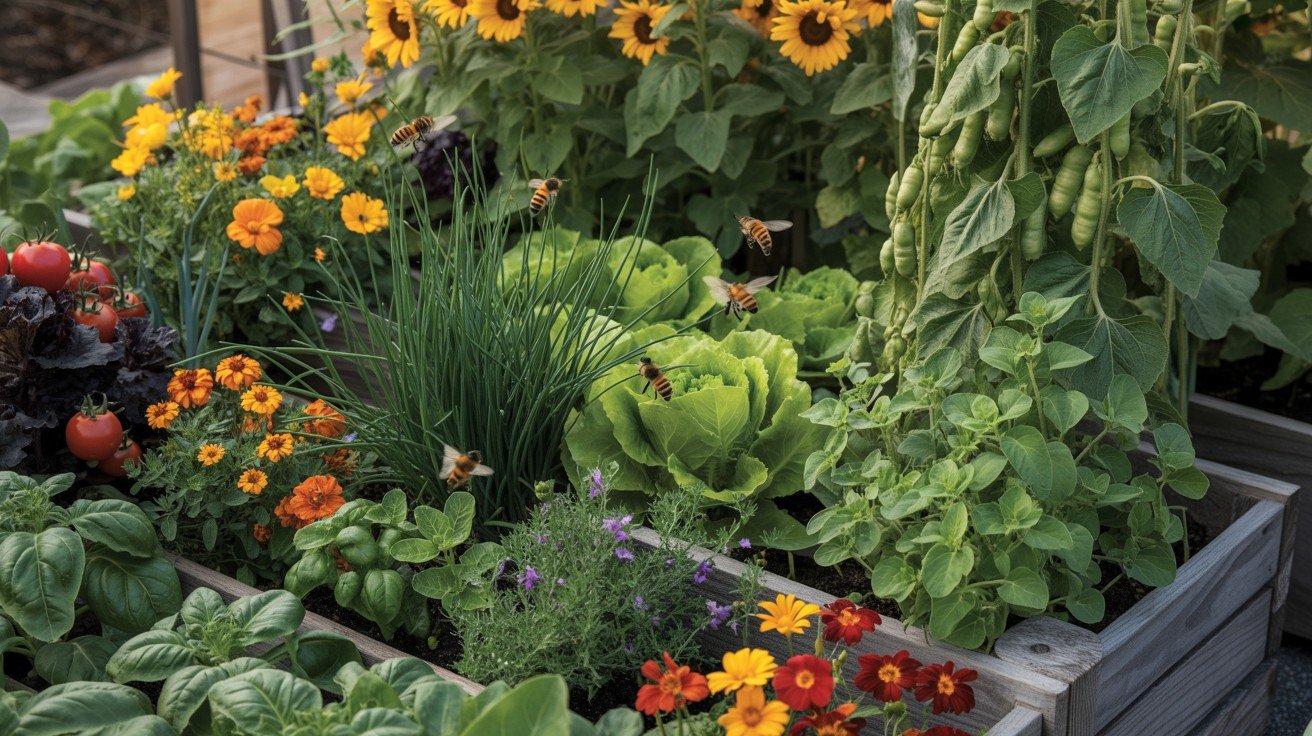
Many fruit trees need another variety nearby for pollination. Apples, pears, and some cherries won’t fruit without a pollination partner. Plant flowers and herbs nearby to attract bees and beneficial insects.
Good companions include clover, comfrey, and wildflowers under the canopy. Check pollination requirements before buying trees to ensure a good fruit set.
Strategies for Small and Large Fruit Tree Garden Spaces
Different yard sizes need different approaches to make the most of your space.
Strategies for Small Gardens
Choose dwarf or semi-dwarf varieties to keep trees manageable in tight spaces. Vertical growing techniques like espaliers train trees flat against walls or fences.
Square-foot layouts pack trees into a grid with minimal wasted space. Raised beds give you control over soil quality and make tending trees easier.
Strategies for Large Gardens
Row or grid layouts work best when you have room to spread out. Straight rows make walking, mowing, and equipment use much simpler.
Mixed orchards combine different fruit types for longer harvest seasons. Terraced or contour planting solves problems on sloped land and prevents erosion.
Step-by-Step Guide to Planning Your Fruit Tree Garden Layout
Follow these six steps to design a layout that works for your yard.
Step 1 – Measure Your Space and Create a Sketch
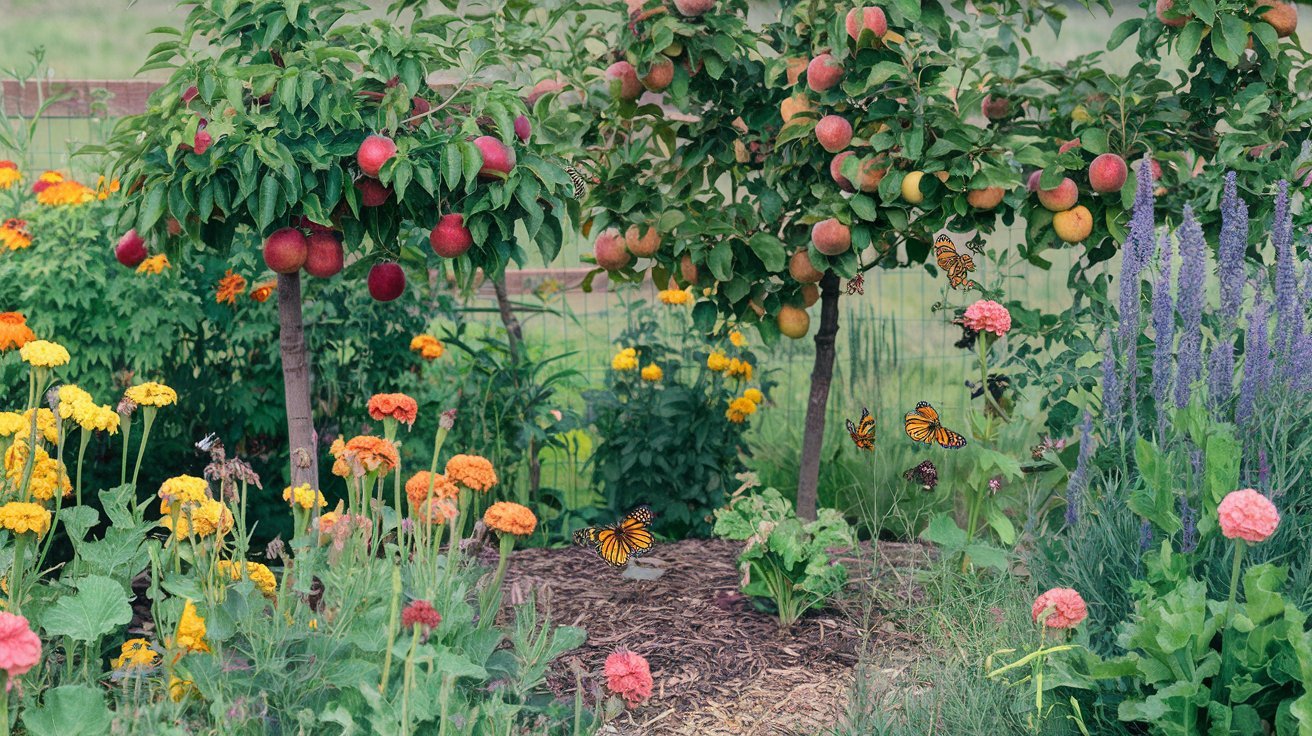
Start by measuring your planting area in feet or meters.
Note the dimensions and mark any obstacles like buildings, fences, or existing plants. Draw a simple sketch on graph paper or use a free online garden planner.
Step 2 – Select Suitable Fruit Trees
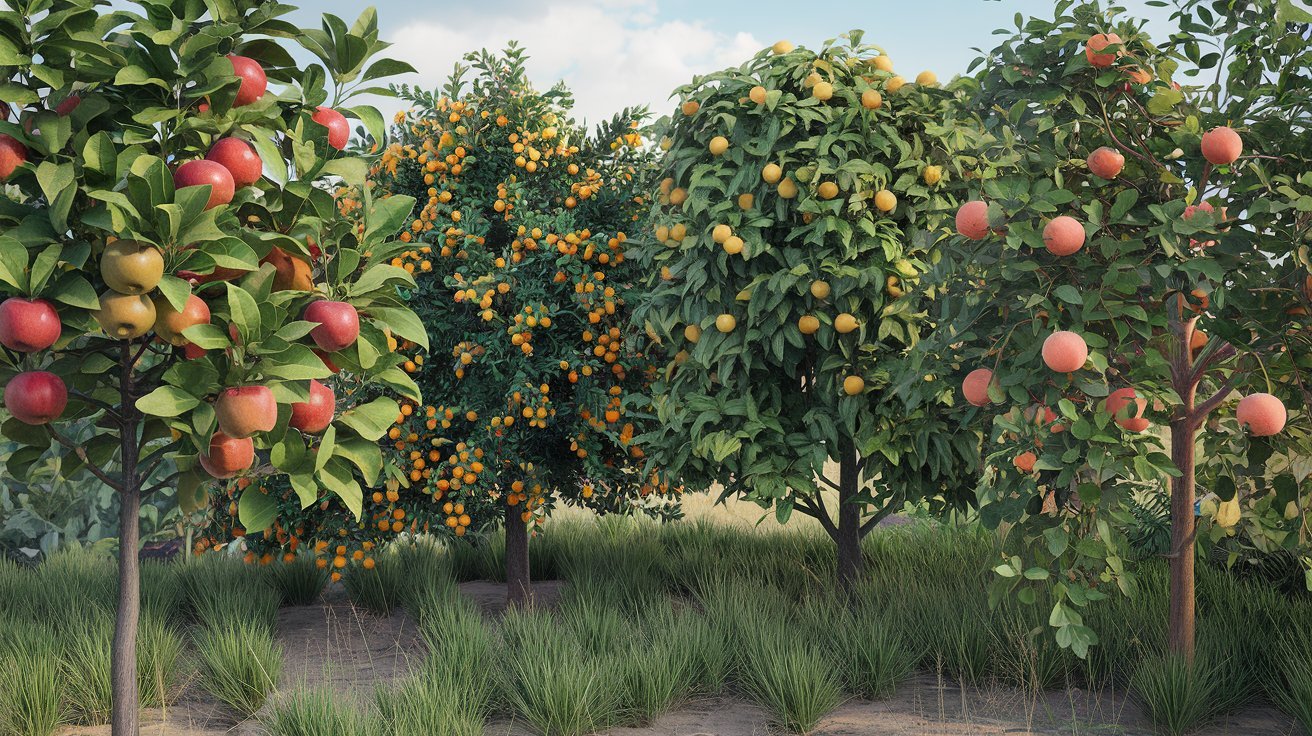
Pick trees that match your climate zone and available space.
Consider how tall and wide each variety grows at maturity. Choose varieties that ripen at different times to extend your harvest season.
Step 3 – Choose the Right Planting Pattern
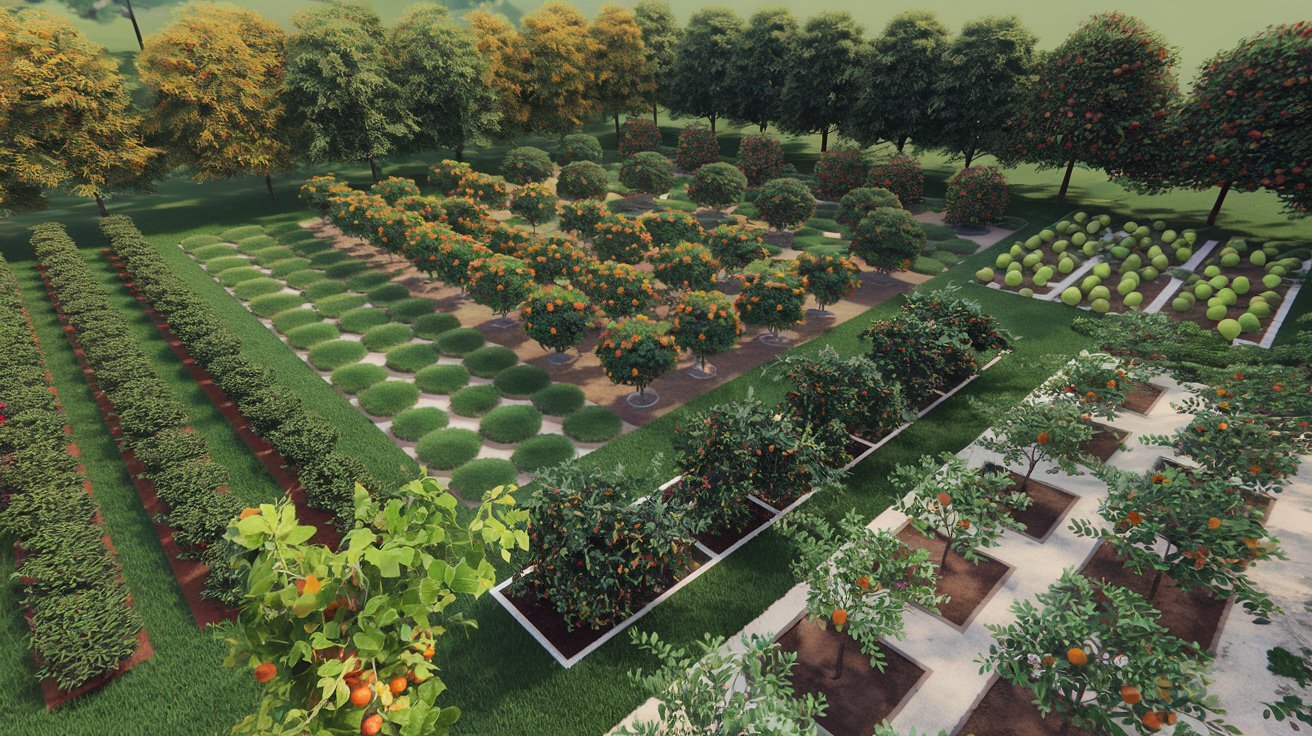
Row layouts work well for large gardens and create clean lines.
Grid layouts fit more trees in less space. Raised beds suit small yards and areas with poor soil drainage.
Step 4 – Optimize Spacing and Sunlight
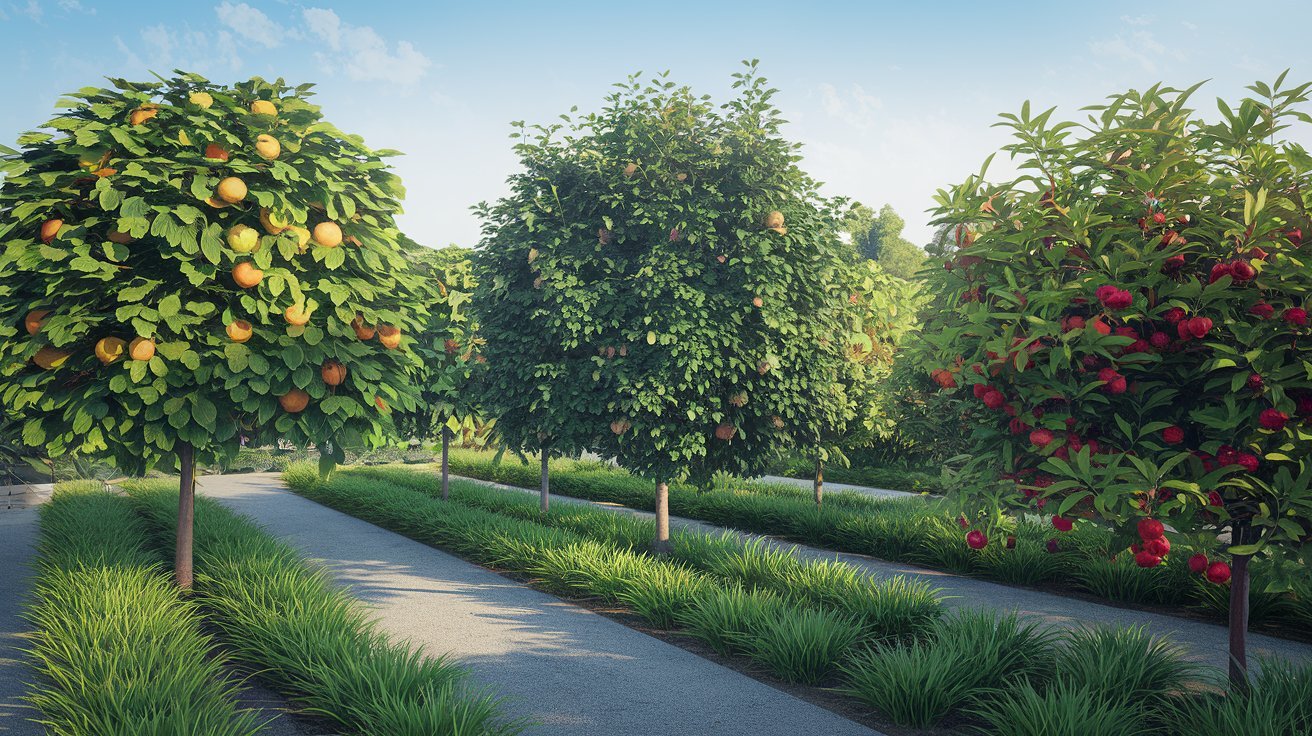
Space dwarf trees 8-10 feet apart, semi-dwarfs 12-15 feet apart, and standards 18-25 feet apart.
Place taller trees on the north side so they don’t shade shorter ones. Position trees to catch morning sun.
Step 5 – Plan for Companion Plants and Ground Cover
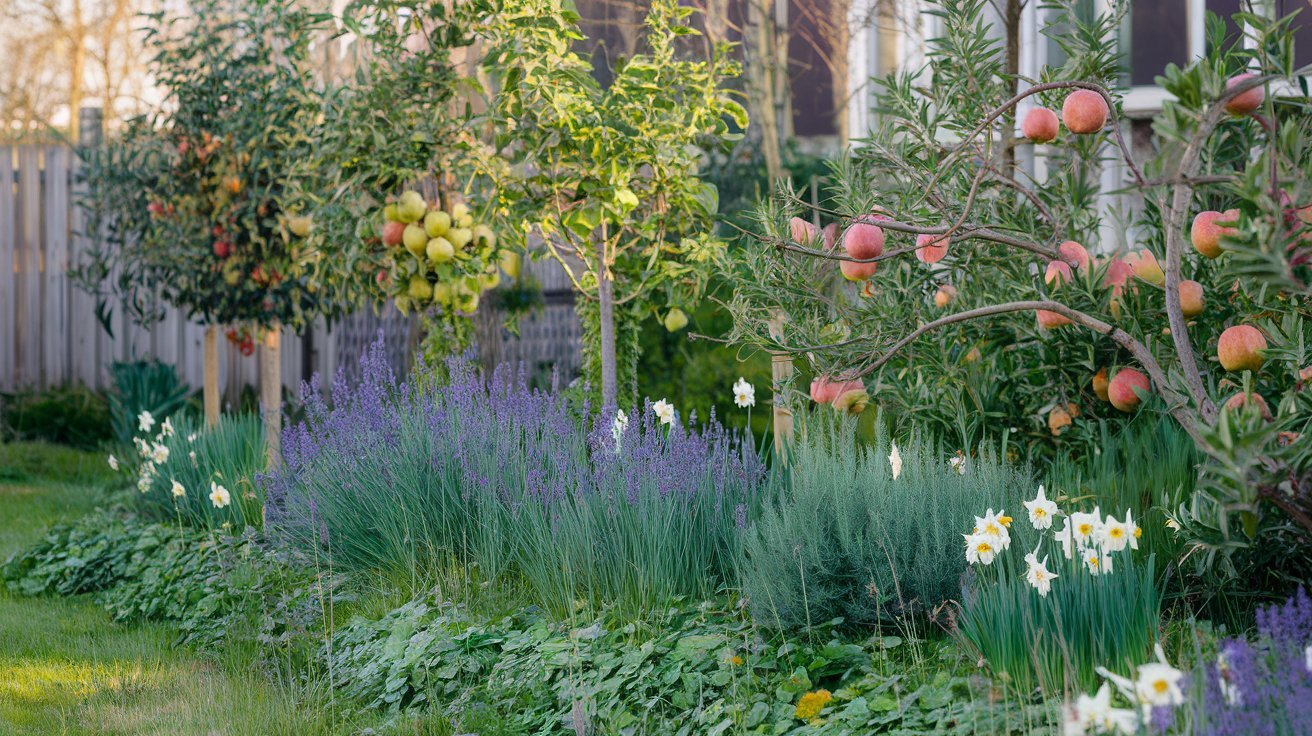
Add flowers, herbs, and ground covers between fruit trees.
Clover, thyme, and low-growing flowers suppress weeds and feed pollinators. Keep a clear circle around each trunk for easier watering and mulching.
Step 6 – Incorporate Pathways for Accessibility
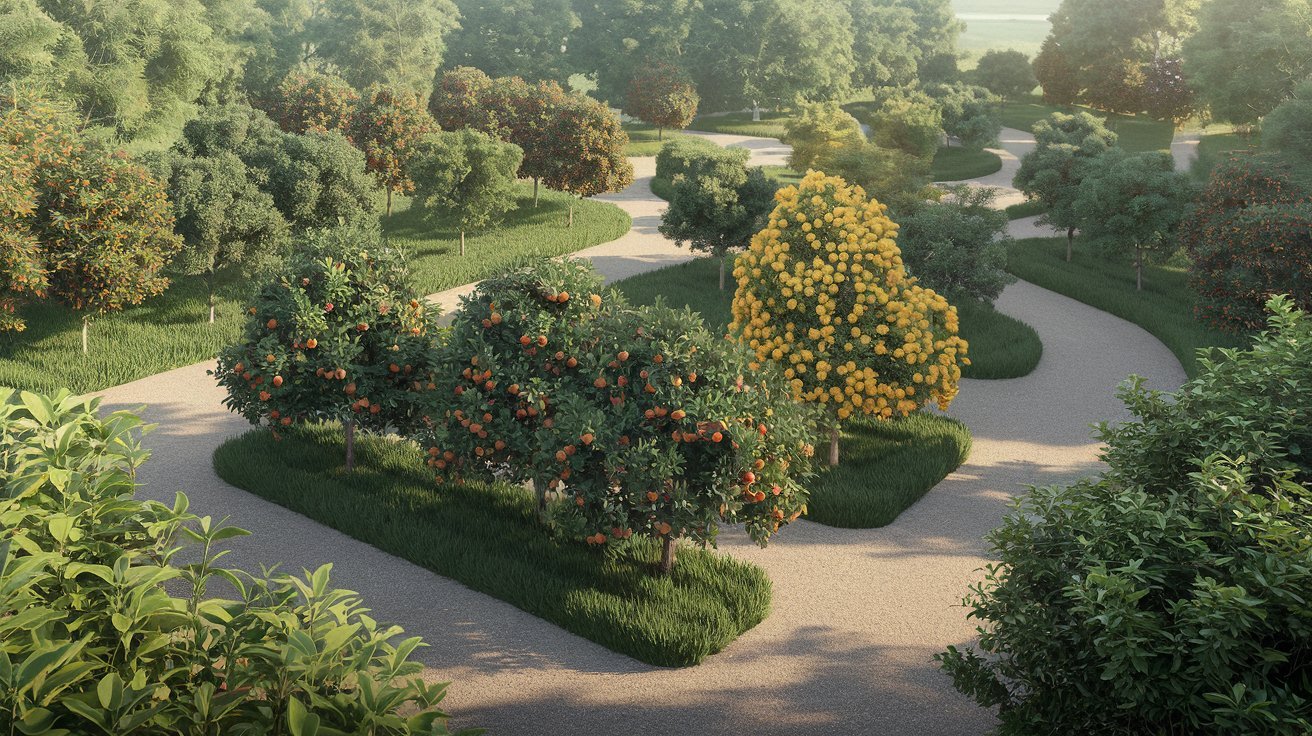
Design walking paths at least 3 feet wide between tree rows.
Use wood chips, gravel, or grass for pathway surfaces. Good access makes every task from pruning to picking much simpler.
7 Fruit Tree Garden Layout Ideas for Every Space
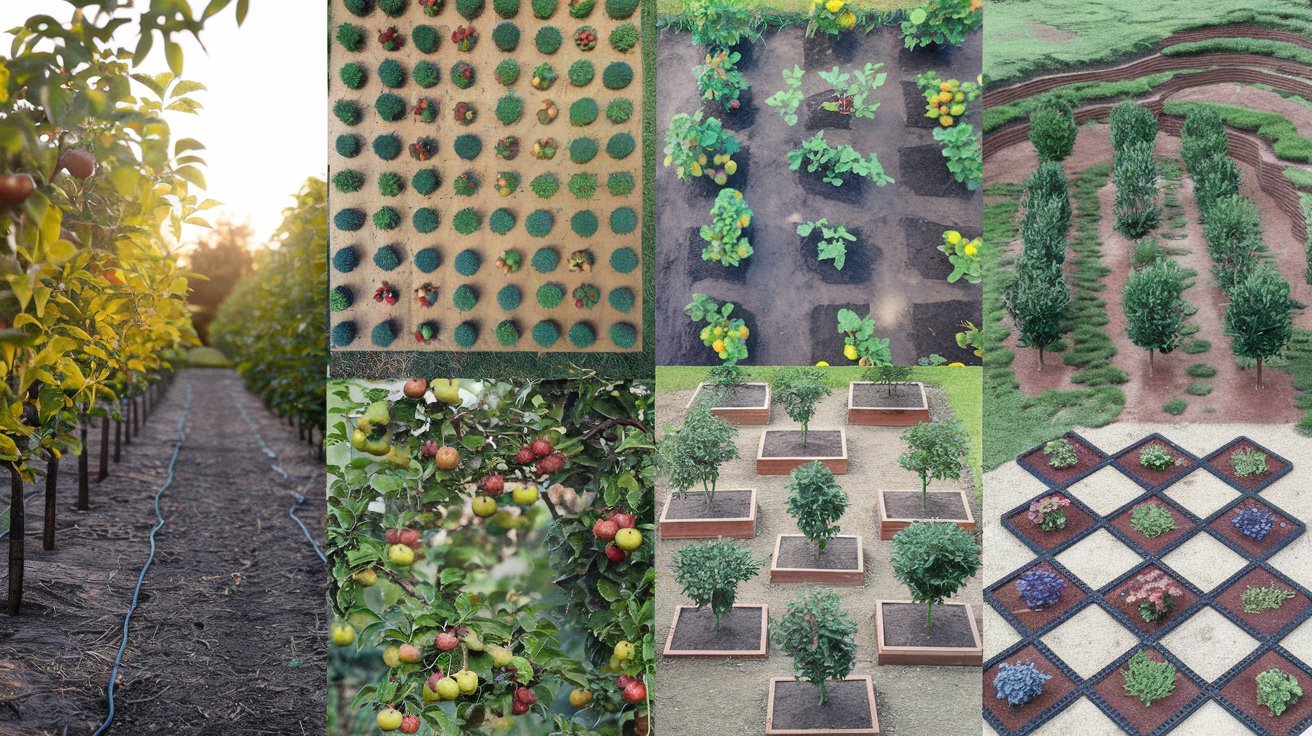
Choose a layout style that fits your yard size and growing goals.
- Row Layout Efficient and Easy for Large Spaces: Plant trees in straight, parallel rows with consistent spacing. This classic orchard style works great for yards over half an acre and makes mowing, spraying, and harvesting straightforward.
- Grid Layout Ideal for Compact Gardens: Arrange trees in a square or rectangular grid pattern. This design fits more trees in less space and works well for yards between 1,000 and 5,000 square feet.
- Mixed Orchard Biodiversity-Friendly Approach: Combine different fruit types like apples, pears, plums, and cherries. This variety supports more pollinators and gives you fresh fruit ripening throughout the growing season.
- Raised Beds Layout Great for Small Gardens and Poor Soil: Build raised beds 2-3 feet high filled with quality soil mix. Perfect for yards with clay, sand, or contaminated soil. Each bed holds one to three dwarf trees.
- Terraced Layout Perfect for Slopes and Hillsides: Create level platforms that step down a hillside. Each terrace holds a row of trees and prevents soil erosion while gravity helps with irrigation.
- Square Foot Orchard Layout Compact Yet Productive: Plant dwarf trees just 6-8 feet apart in a tight grid. Ideal for urban yards smaller than 1,000 square feet. You can fit 4-6 trees in a space that normally holds one.
- Permaculture Layout Sustainable and Eco-Friendly: Design a food forest with fruit trees, berry bushes, herbs, and ground covers. Layer plants by height to use vertical space efficiently while creating a self-sustaining system.
Maintenance Tips for a Well-Laid-Out Fruit Garden
Keep your trees healthy and productive with regular care throughout the year.
- Prune dead, damaged, or crossing branches every winter while trees are dormant to maintain shape and airflow
- Spread 3-4 inches of wood chips or straw around the base to keep soil moist and suppress weeds
- Water young trees consistently while they establish roots, and give mature trees deep watering once weekly during dry spells
- Check trees weekly for signs of insects, fungus, or other problems and prune out diseased branches immediately
- Attract beneficial insects with companion plants that eat common pests and support natural pest control
Common Mistakes to Avoid
Watch out for these planning errors that can cause problems for years.
- Overcrowding trees is the most common mistake. Always space trees based on their full-grown size, not current height, to avoid tangled branches and poor air circulation
- Planting incompatible trees together creates pollination problems. Research compatibility before buying to avoid fruitless trees later
- Poor sunlight planning leaves some trees in shade most of the day. Map sun patterns before planting and put tall trees where they won’t block others
- Inadequate drainage planning drowns tree roots and causes rot. Check how water moves through your yard and fix drainage issues before planting
- Skipping maintenance paths makes hauling ladders and harvest baskets difficult. Build paths into your initial layout instead of squeezing between crowded trees
Planning for Future Growth and Expansion
Design your layout with tomorrow in mind, not just today’s needs.
Mark mature canopy sizes on your layout sketch to avoid planting trees too close together. A dwarf apple that’s 4 feet tall today will reach 10 feet in three years.
Keep some areas open for expansion as you might want to add new varieties later. Grafting lets you add fruit varieties to existing trees without planting new ones.
Run main water lines where future tree sections might go. Build primary paths wide enough for equipment even if you don’t need it yet.
Conclusion
Too many people have crammed themselves into trees and come to regret it. Allowing your trees space to grow and breathe is essential to a fantastic fruit tree garden design.
Measure your area first, then select climate-appropriate trees and a design that fits the size of your yard.
Don’t forget to account for the size of mature trees, not just their current appearance. Knowing that I planned my orchard from the start, I enjoy watching it grow every year.
Are you prepared to create your own? This weekend, get some graph paper and make your first layout sketch.
Frequently Asked Questions
How far apart should I space fruit trees in my layout?
Dwarf trees need 8-10 feet of space between them. Semi-dwarf varieties require 12-15 feet, and standard trees should sit 18-25 feet apart. Always base spacing on mature tree size, not current height.
Can I grow fruit trees in a small backyard?
Absolutely. Use dwarf varieties and vertical growing methods like espaliers. Raised beds and square-foot layouts help you fit multiple trees in tight spaces while keeping them productive and healthy.
What’s the best layout for beginners?
Start with a simple row or grid layout using 3-5 dwarf trees. This approach is easy to manage, makes maintenance straightforward, and lets you learn fruit growing basics before expanding to more complex designs.
Do all fruit trees need a pollination partner?
Many do, but not all. Apples, pears, and sweet cherries typically need another variety nearby for pollination. Peaches, nectarines, and sour cherries are usually self-pollinating. Check variety requirements before buying.
How long before my fruit tree garden produces fruit?
Dwarf trees often fruit within 2-3 years after planting. Semi-dwarf varieties take 3-4 years, and standard trees need 4-6 years to produce their first harvest. Proper layout and care speed up production.