
I still remember the first time I planted carrots in my garden. I waited eagerly for weeks, checking the soil every day.
When tiny green shoots finally appeared, I panicked. Were these my carrots or just weeds taking over?
I made the rookie mistake of pulling some out, only to realize later they were actually my carrot seedlings. I felt terrible.
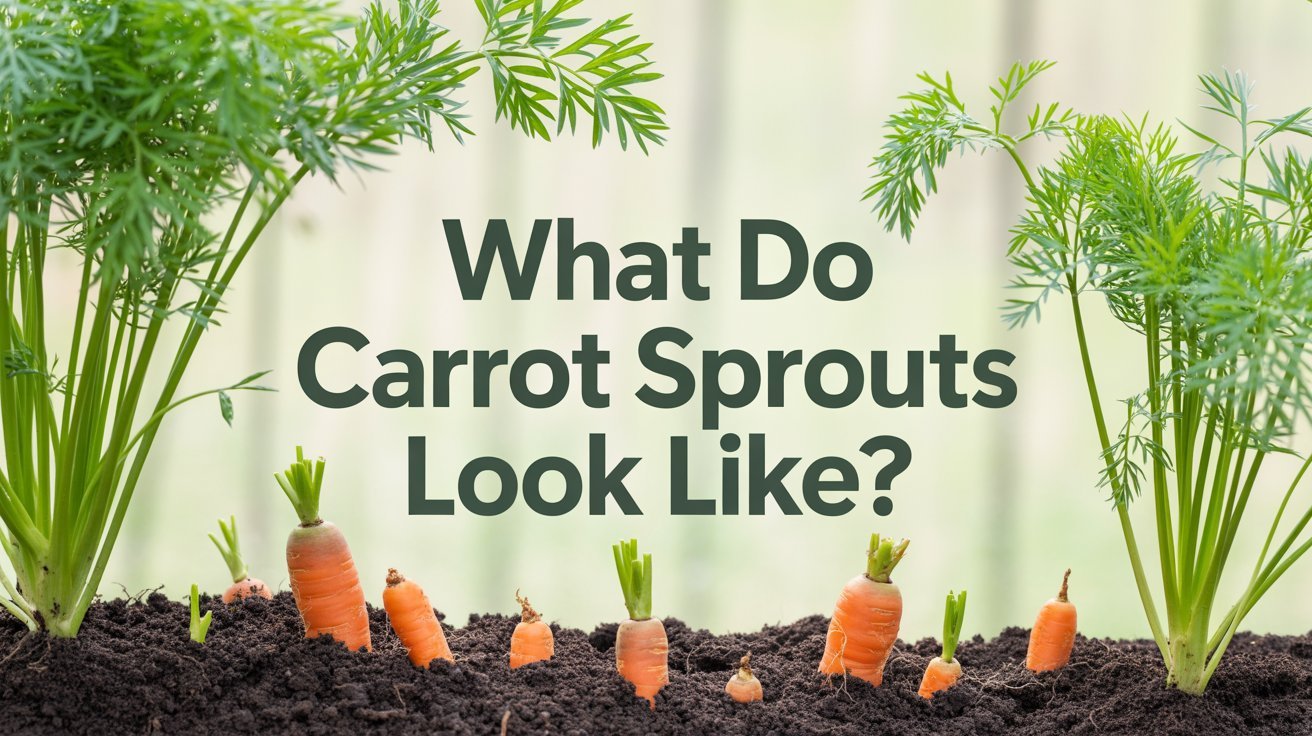
If you’re wondering what carrot sprouts look like, I’m here to help you avoid my mistakes. Carrot seedlings really do look like common weeds at first, which makes them super confusing for new gardeners.
In this guide, I’ll share simple visual tips and clear differences between carrot sprouts and their look-alikes.
You’ll learn to spot your carrots right away.
When Do Carrot Sprouts Appear?
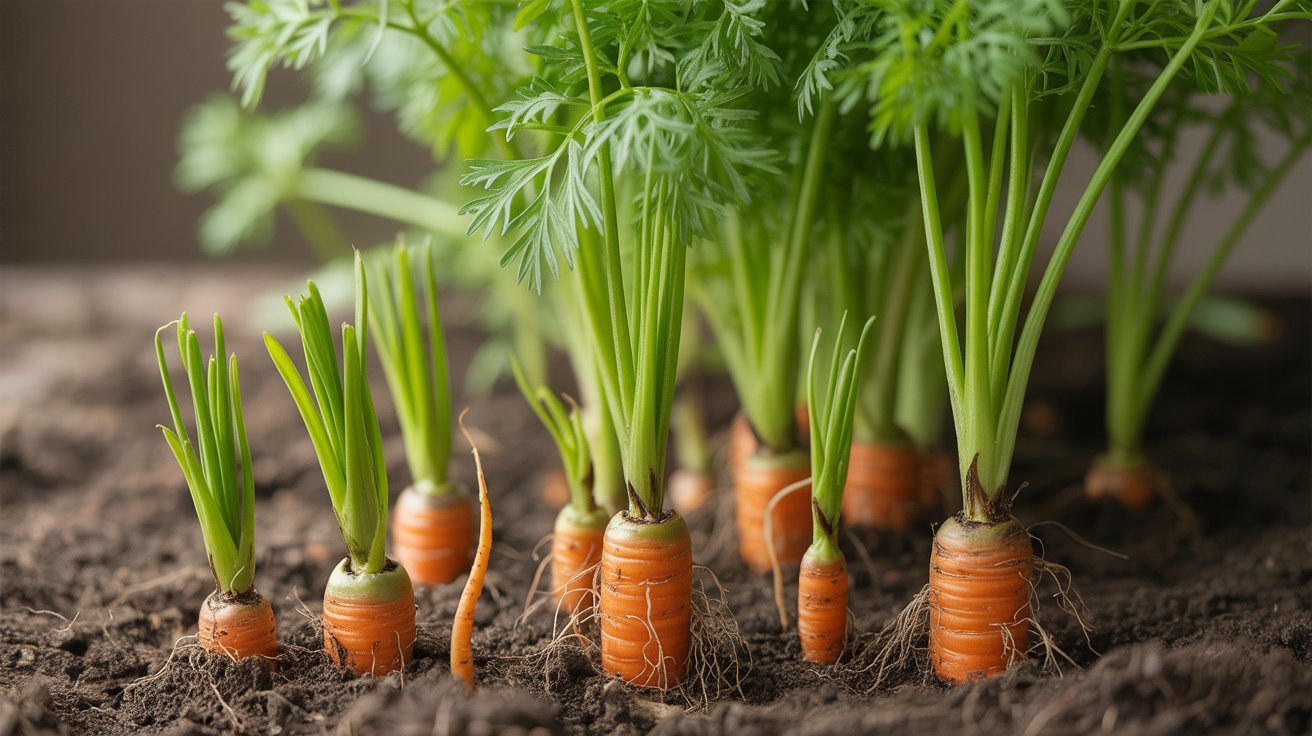
Growing carrots requires patience. Unlike other vegetables that pop up quickly, carrots take their sweet time to show any signs of life.
Average Germination Timeline
Carrot seeds are notoriously slow germinators. You’ll typically see your first sprouts between 10 to 21 days after planting. Sometimes it can take even longer.
Several factors affect how fast your carrot seeds germinate:
- Soil temperature: plays a huge role. Carrots prefer soil that’s between 55°F and 75°F. If it’s too cold, germination slows down dramatically.
- Moisture levels: matter too. The soil needs to stay consistently moist during the germination period. If it dries out, your seeds won’t sprout.
- Planting depth: also affects timing. Carrot seeds should be planted about 1/4 inch deep. Plant them too deep, and they’ll struggle to break through the surface.
Early Growth Stages
The first thing you’ll see is a tiny green shoot pushing up through the soil. It looks like a thin, delicate thread.
These first shoots are called seed leaves or cotyledons. They’re usually grass-like and very thin. At this stage, they’re incredibly fragile.
After a few more days, the true leaves start to appear. These look different from the seed leaves and have that feathery, fern-like appearance carrots are known for.
What Do Carrot Sprouts Look Like?
Let me walk you through what you’ll actually see when your carrot seeds start growing.
The First Leaves (Cotyledons)
When carrot sprouts first break through the soil, they look nothing like what you’d expect.
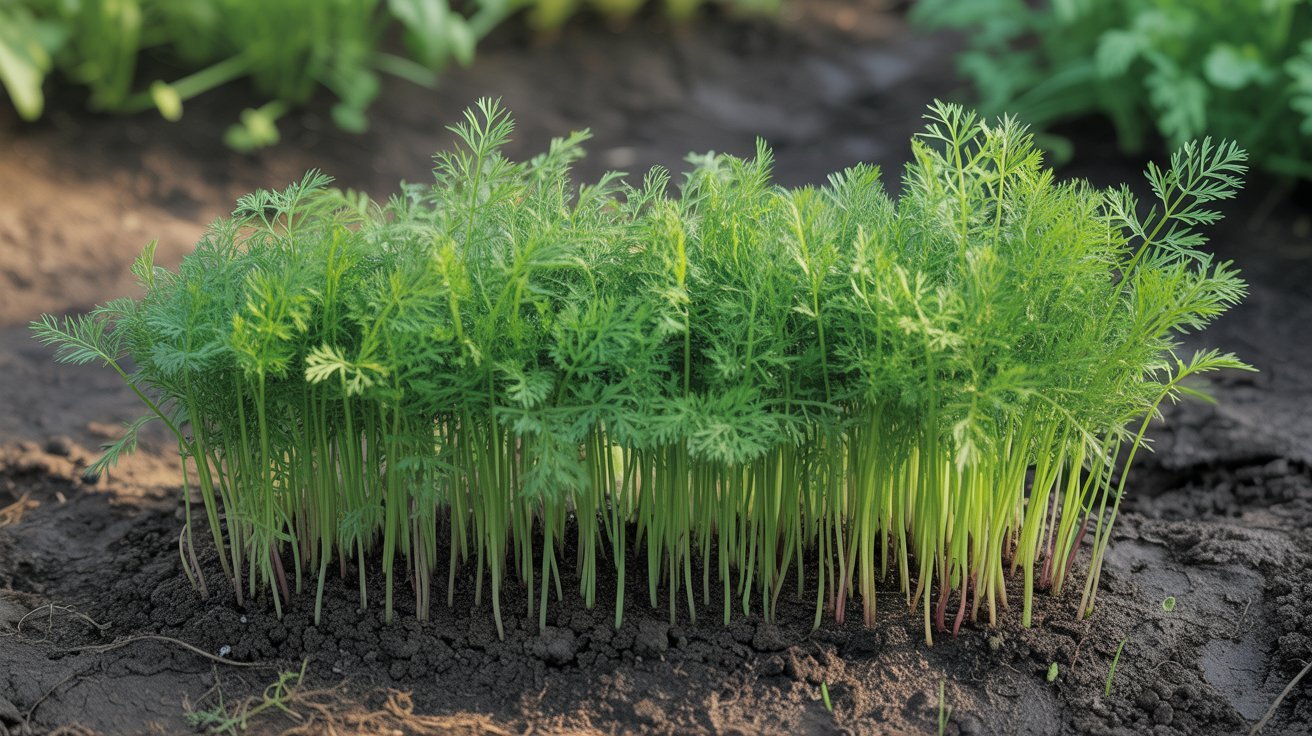
The first two leaves are called cotyledons. They’re super thin and grass-like. Honestly, they look more like blades of grass than carrot plants.
These initial leaves are incredibly delicate. You could easily mistake them for weeds if you’re not careful.
Here’s the important part: these first leaves aren’t feathery at all. That classic carrot look comes later.
The True Leaves
After those first grass-like leaves, the real magic happens. The second set of leaves looks completely different.
True carrot leaves are fern-like and feathery. They look like tiny versions of the green tops you see on store-bought carrots.
The texture is very fine and lacy. The color is bright green, sometimes almost yellow-green when they’re really young. The foliage feels soft and tender to the touch.
Size and Spacing
Young carrot sprouts are quite small. When they first appear, they’re usually only 1 to 3 inches tall.
If you plant your carrots in rows, the sprouts will form a neat, straight line. This actually helps tell them apart from weeds, which tend to grow randomly.
The spacing depends on how you planted them. Most gardeners sow carrot seeds fairly close together and thin them out later.
Carrot Sprouts vs. Weeds: Key Differences
This is where things get tricky. I’ve accidentally pulled out carrot sprouts thinking they were weeds more times than I’d like to admit.
Look-Alike Weeds and How to Spot Them
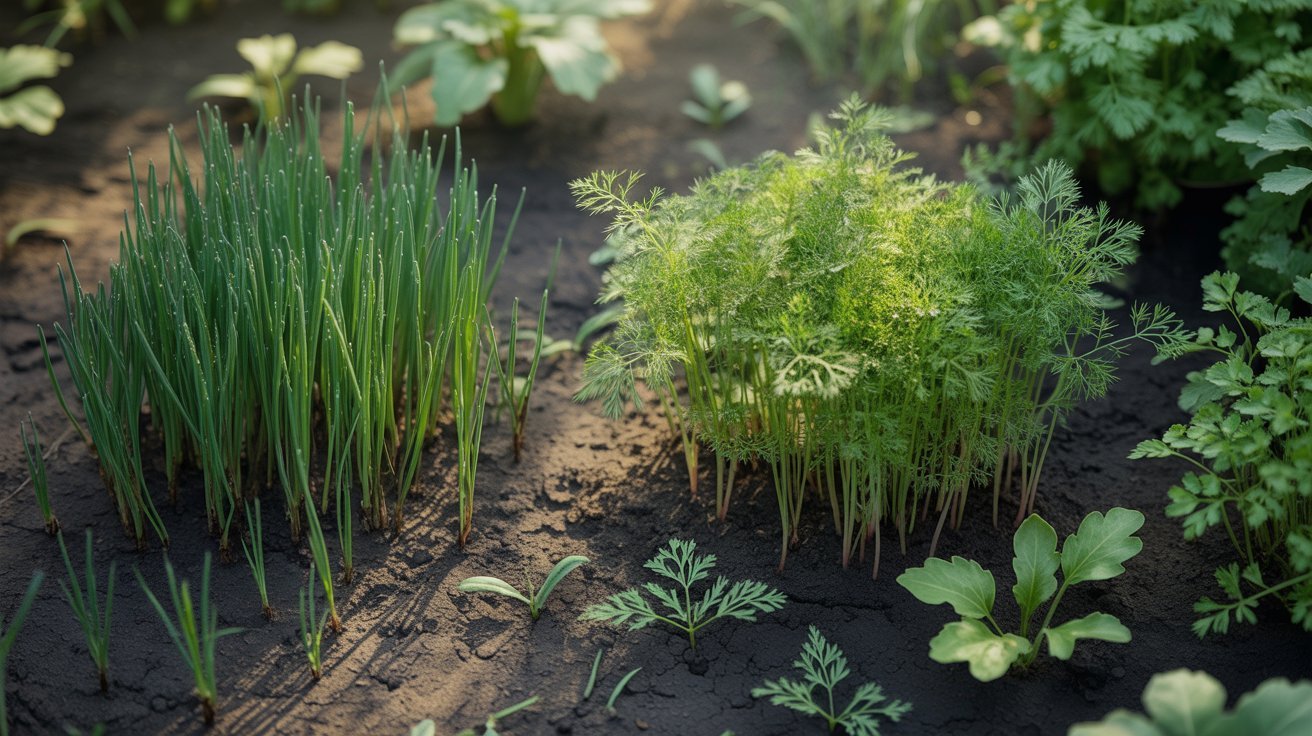
Several common weeds look surprisingly similar to carrot sprouts.
- Grass seedlings are the biggest culprits. Both grass and carrot cotyledons look thin and blade-like at first. Grass stays single-bladed, while carrots develop feathery true leaves.
- Parsley can fool you once carrot true leaves appear. Parsley leaves are usually darker green and slightly thicker.
- Queen Anne’s lace is actually a wild carrot relative. Its seedlings look almost identical to garden carrots.
Texture, Scent, and Growth Pattern
Here’s my favorite trick: gently rub a leaf between your fingers.
Carrot leaves have a faint carroty scent. Weeds usually smell grassy or have no scent at all. The texture matters too. Carrot leaves feel soft and feathery with that distinctive lacy pattern.
Growth pattern is another clue. If planted in rows, your carrots will grow in straight lines. Weeds pop up randomly.
Use Visual Cues
I always mark my carrot rows when I plant them. Use popsicle sticks, plant markers, or even rocks.
Take photos of your carrot sprouts as they grow. Keep them on your phone for quick reference when you’re weeding.
Tips for Healthy Carrot Seedlings
- Keep soil consistently moist: Water gently and regularly, but avoid overwatering. Soggy soil can cause seeds to rot before they sprout.
- Give them full sun: Carrots need at least 6 to 8 hours of direct sunlight daily. Less sun means slower growth and smaller roots.
- Use loose, sandy soil: Heavy clay soil makes it hard for carrots to grow straight. Mix in sand or compost to improve drainage.
- Go easy on nitrogen fertilizer: Too much nitrogen creates big, bushy tops but tiny, disappointing roots. Use balanced fertilizer or skip it entirely.
- Add a light layer of mulch: This keeps the soil moist and prevents it from crusting over. It also helps reduce weed growth around your seedlings.
- Thin seedlings once they’re 2 inches tall: Crowded carrots won’t develop properly. Space them 2 to 3 inches apart for the best results.
Conclusion
Identifying carrot sprouts gets easier once you know what to look for. Remember those grass-like first leaves that appear, then watch for the feathery true leaves that follow.
Check the texture, give them a gentle rub to catch that faint carrot scent, and look for that neat row pattern.
I can’t stress this enough: take your time before you start weeding. I’ve learned this lesson the hard way after pulling out too many baby carrots by mistake.
Get down close to your garden bed. Really look at what’s growing. Compare the leaves and smell them if you’re unsure.
Now that you know exactly what carrot sprouts look like, you can confidently nurture them into a healthy harvest. Happy gardening!
Frequently Asked Questions
How long does it take for carrot sprouts to appear?
Carrot seeds typically take 10 to 21 days to sprout, depending on soil temperature and moisture. Be patient, as they’re one of the slower vegetables to germinate.
Can I eat carrot sprouts?
Yes, carrot sprouts are edible and taste slightly like carrots with a mild, fresh flavor. You can add them to salads or use them as a garnish.
Why do my carrot sprouts look like grass?
The first leaves (cotyledons) are thin and grass-like, which is completely normal. The feathery, fern-like true leaves will appear a few days later.
How do I know if I’m pulling weeds or carrot sprouts?
Rub the leaves gently between your fingers and smell them. Carrot sprouts have a faint carroty scent, while weeds usually smell grassy or have no distinct smell.
When should I thin carrot seedlings?
Thin your carrot seedlings when they’re about 2 inches tall and have developed true leaves. Space them 2 to 3 inches apart for healthy root development.