
I used to watch my tomato plants grow so slowly that I’d almost given up hope. Sound familiar?
Cold soil, sluggish growth, pesky bugs, and my terrible watering habits weren’t helping either.
But I learned that faster-growing tomatoes mean you can harvest weeks earlier and get way more fruit before the season ends.
That first bite of a sun-warmed tomato from your own garden makes all the effort worth it. I’ve tested different methods over the years, and I’m sharing what actually works.
Let me show you how to get your tomato plants growing strong and fast.
Understanding What Makes Tomatoes Grow Faster
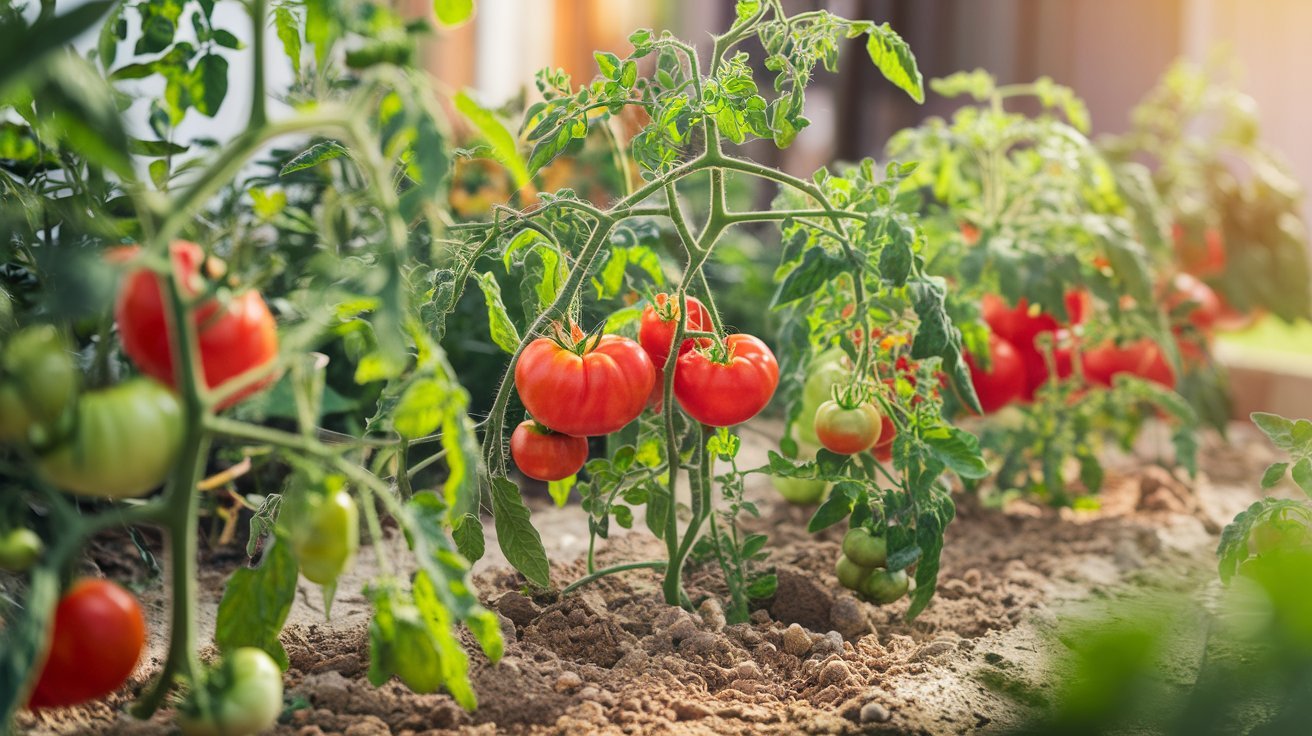
Getting tomatoes to grow quickly comes down to giving your plants what they need at the right time. Tomatoes thrive when soil is warm, roots are strong, and water stays consistent.
The methods below focus on creating ideal conditions from planting through harvest. You don’t need to use every technique.
Pick the ones that fit your garden and climate. Even a few of these tips will make a noticeable difference in growth speed and harvest timing.
List of 13 Ways to Make Tomato Plants Grow Faster
Growing tomatoes faster isn’t complicated. These 13 methods help your plants establish strong roots, absorb nutrients better, and produce fruit weeks earlier than usual.
1. Choose Fast-Maturing Varieties
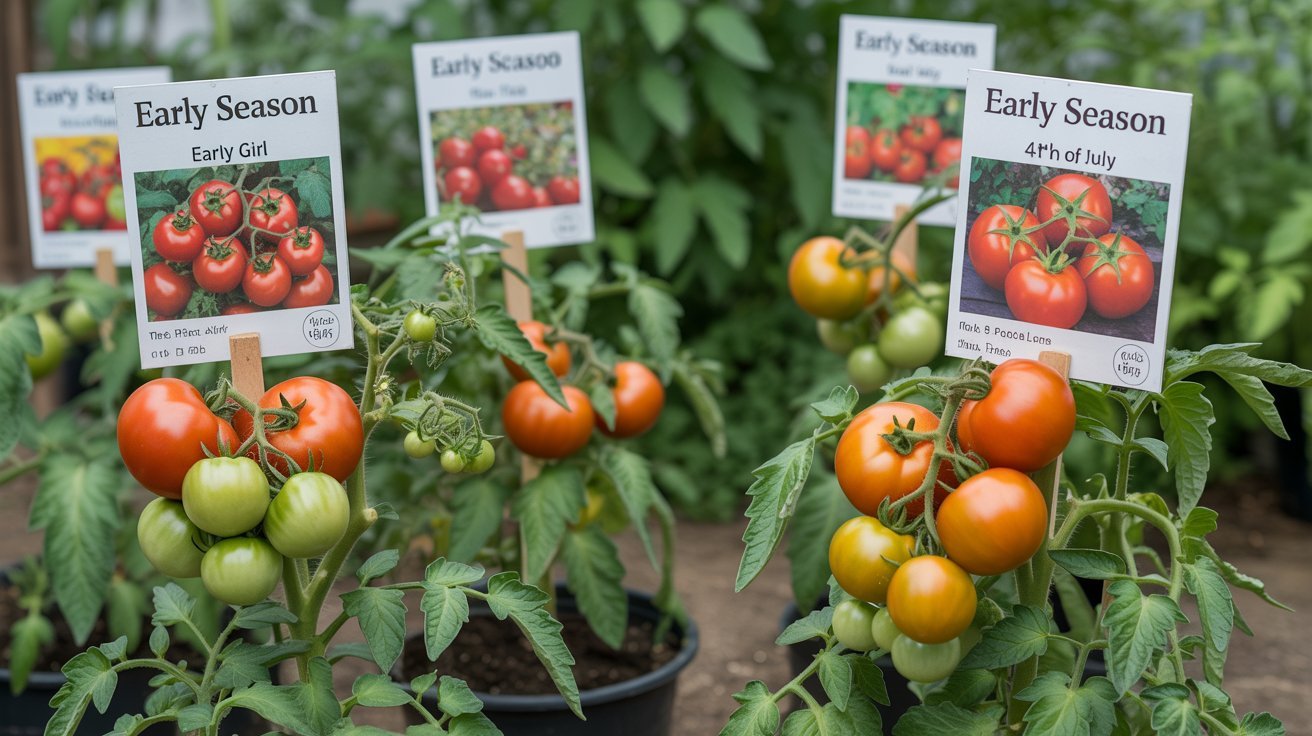
Not all tomatoes grow at the same pace. Look for varieties labeled “early season” on seed packets. Popular options like Early Girl and 4th of July produce ripe tomatoes in 50 to 60 days.
Check the “days to maturity” number before you buy. These varieties are bred for shorter growing seasons and start producing much faster than standard types.
2. Warm Up the Soil
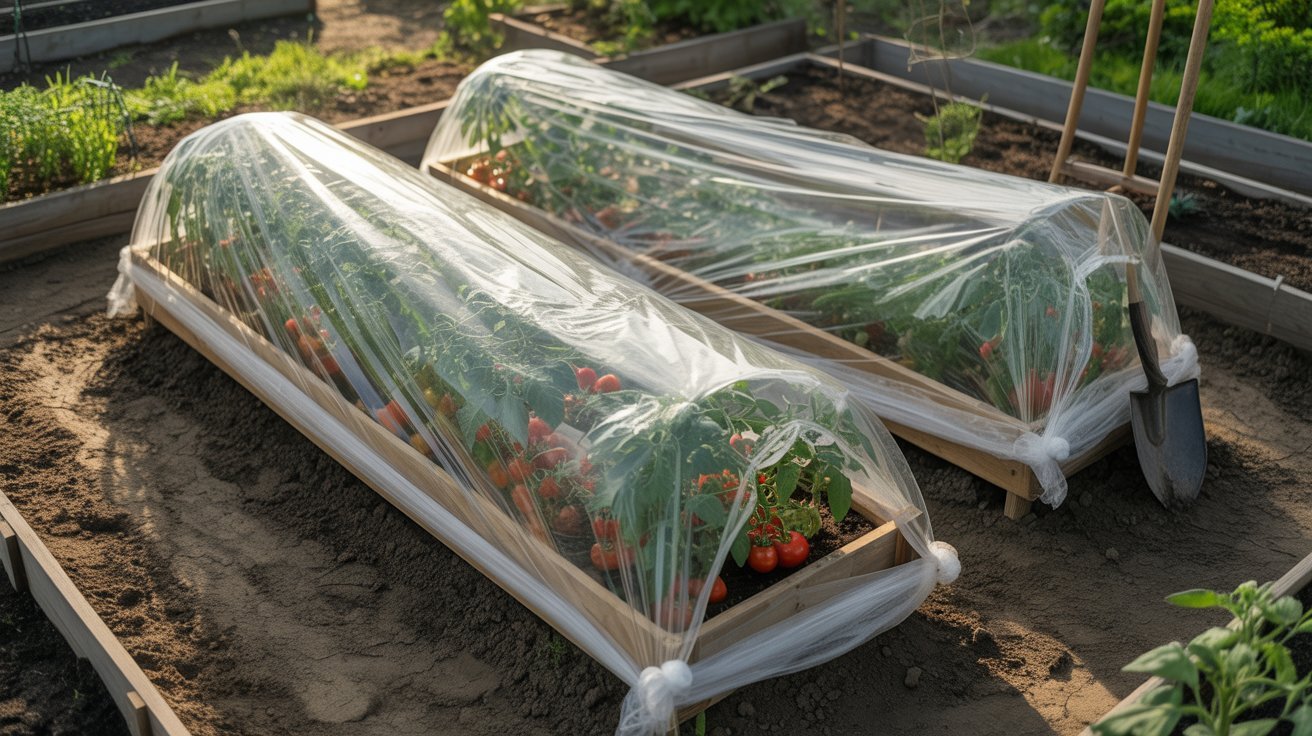
Tomatoes hate cold soil and won’t grow well until the ground reaches at least 60°F. Cover your planting area with clear plastic sheets a few weeks before planting.
The plastic traps heat and warms the soil faster. Raised beds and containers also warm up quicker than ground soil. Remove any old mulch early in spring so dark soil can absorb more heat.
3. Harden Off Seedlings
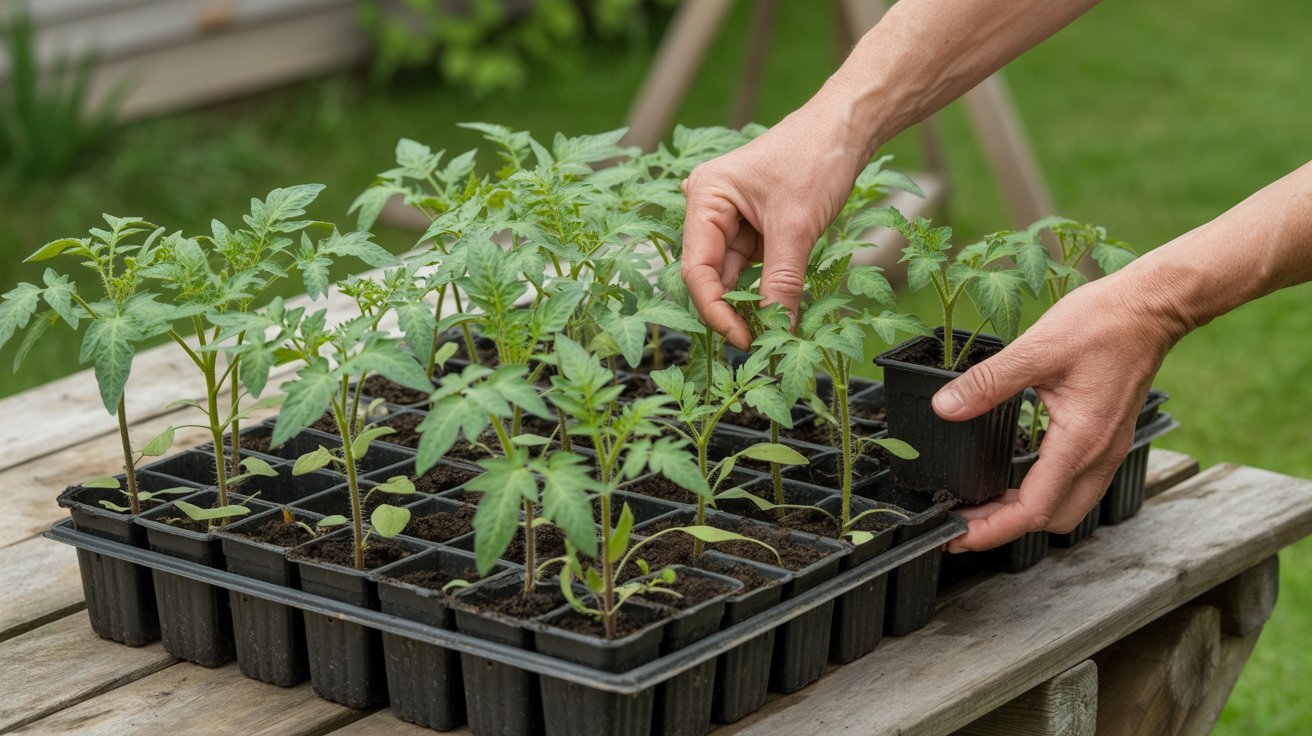
Indoor seedlings need time to adjust before going outside permanently. Start by placing your seedlings outside for an hour or two, then bring them back inside.
Gradually increase their outdoor time over 7 to 10 days. This helps them adapt to direct sunlight, wind, and temperature changes. Skipping this step can shock your plants and slow their growth significantly.
4. Plant Deep and Encourage Strong Roots
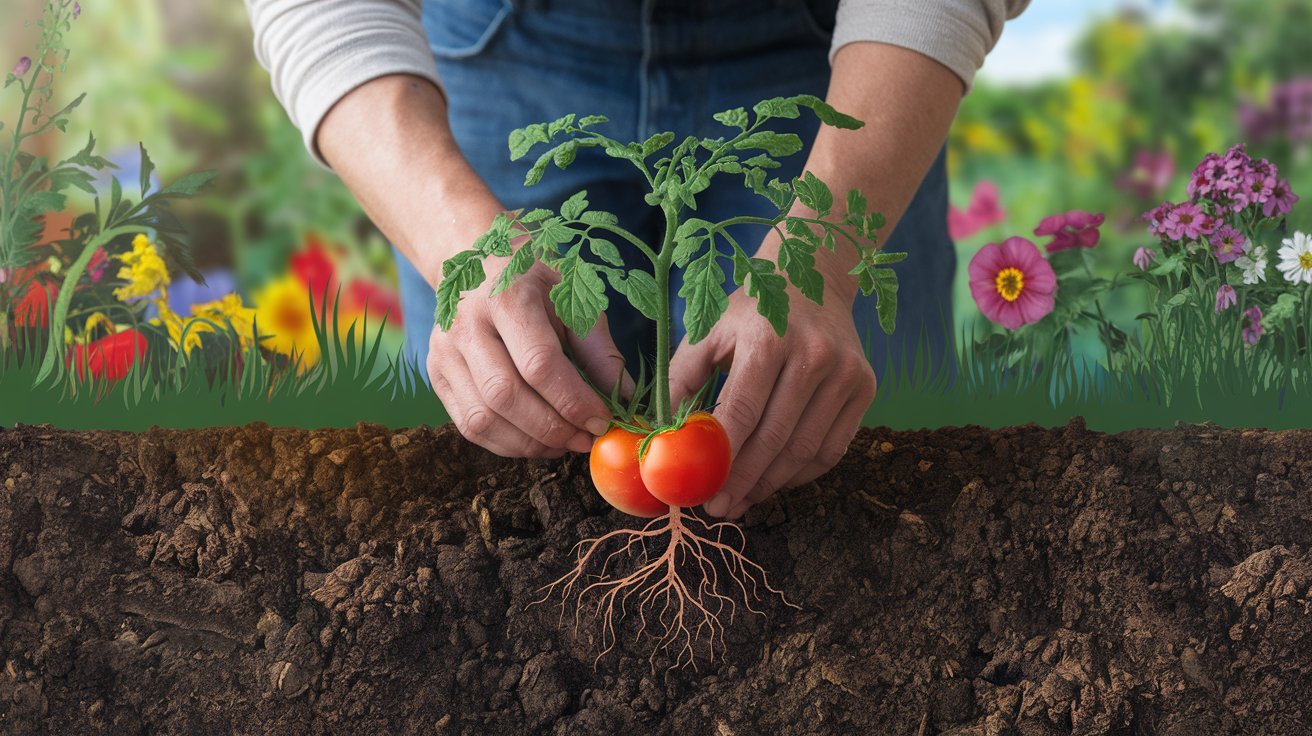
Bury your tomato plant deeper than it sat in its pot. Remove the lower leaves and plant the stem underground. Tomatoes can grow roots along any buried stem.
More roots mean better water and nutrient absorption. Your plant will establish faster and grow more vigorously. This method creates a stronger root system that supports faster growth throughout the season.
5. Add Nutrients at Planting
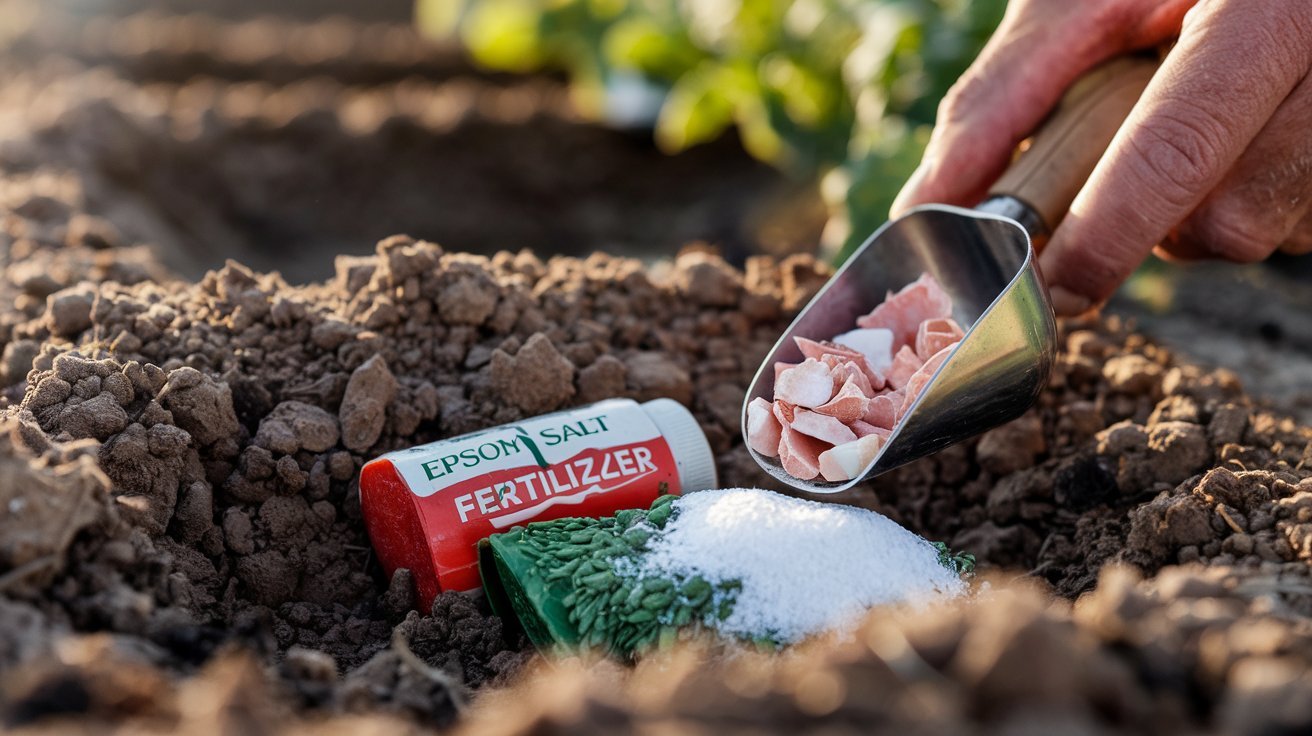
Give your tomatoes a nutritional boost right from the start. Crush a few eggshells and add them to the planting hole for calcium. Add a tablespoon of Epsom salt for magnesium, which helps with fruit production.
Mix in quality tomato fertilizer according to package directions. These amendments feed your plant as roots grow. Good nutrition at planting time sets up faster, healthier growth.
6. Provide Sturdy Support Early
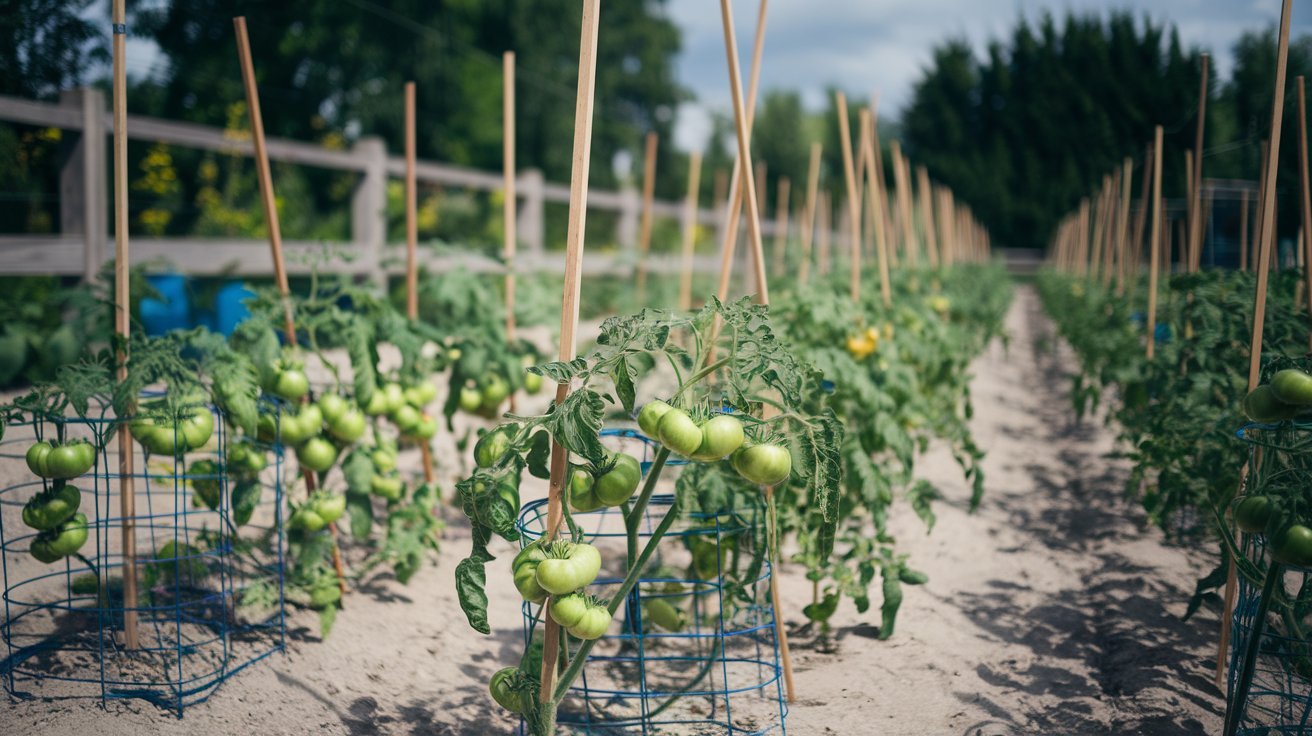
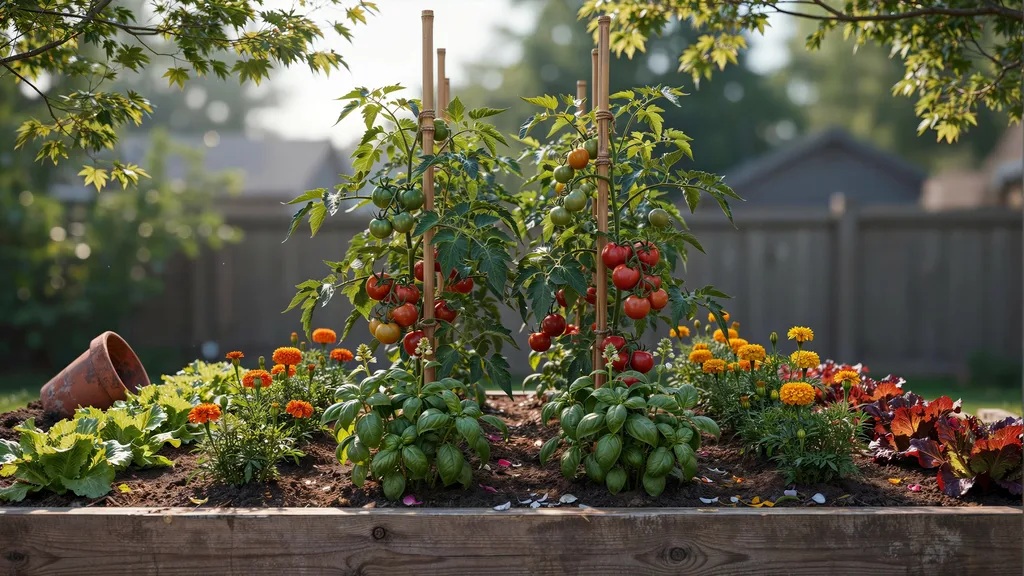
Install cages, stakes, or other supports when you plant, not later. Waiting risks damaging roots. Proper support keeps stems upright and leaves exposed to full sunlight.
It also improves air circulation. Tomatoes with good support grow faster because they don’t waste energy sprawling on the ground. Early support means less stress and better growth overall.
7. Water Deeply and Consistently
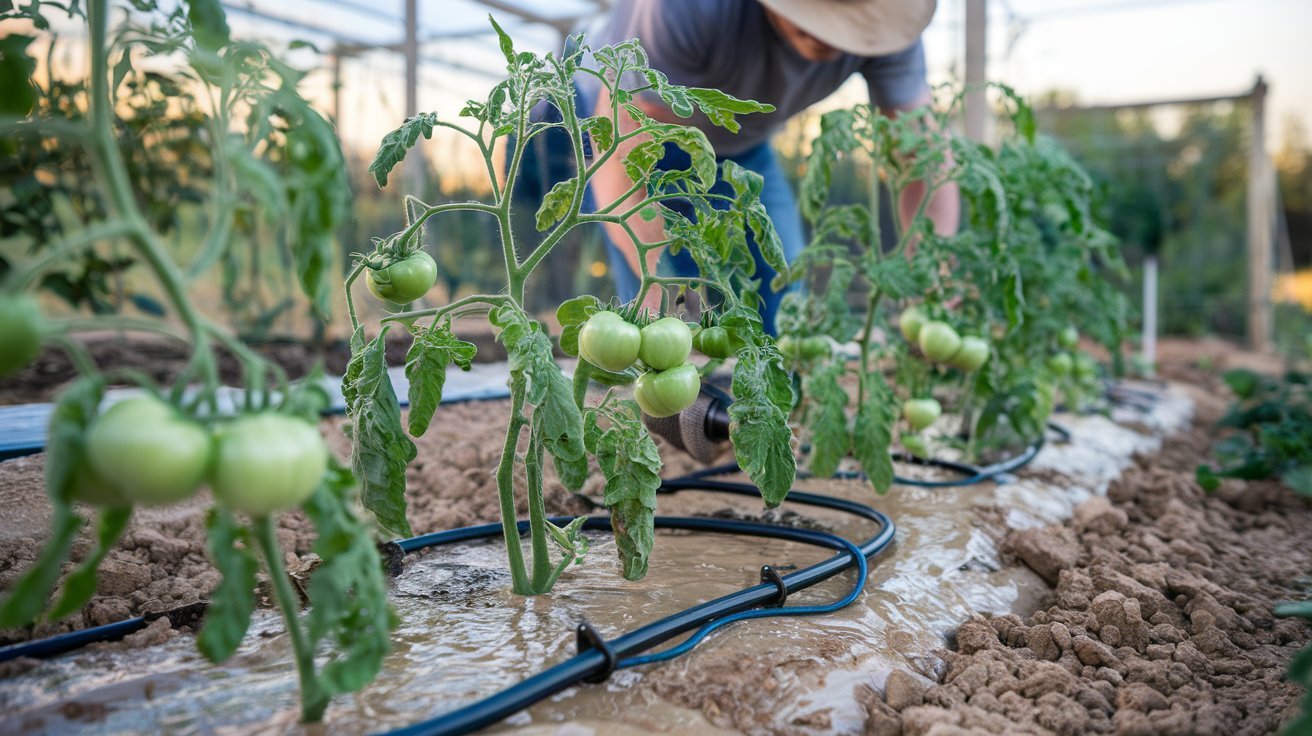
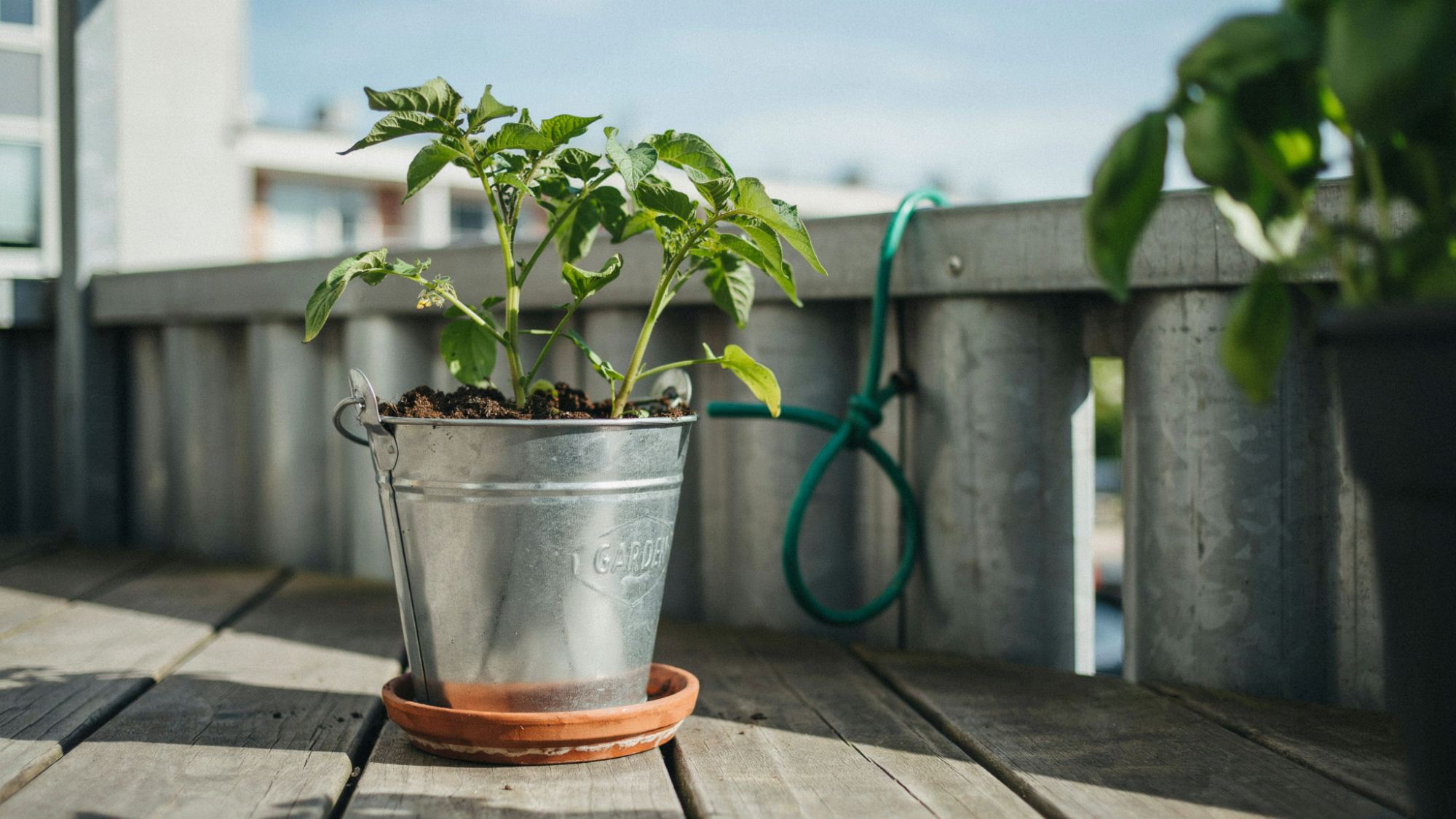
Tomatoes need steady moisture to grow fast. Water deeply at the base rather than sprinkling from above. Soaker hoses and drip irrigation work best because they deliver water directly to roots.
Consistent watering prevents stress that slows growth. Check soil moisture regularly, especially during hot weather. Deep watering encourages roots to grow downward, creating stronger plants.
8. Mulch to Retain Moisture and Control Temperature
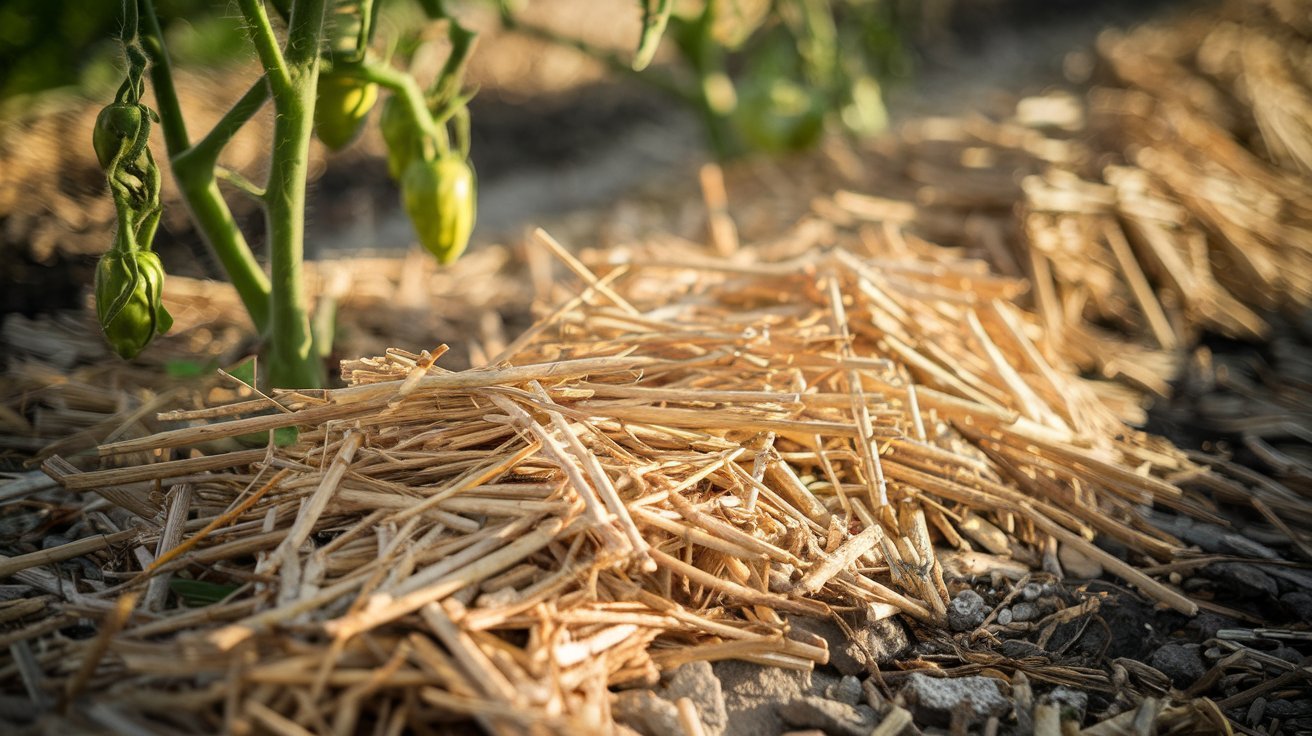
Apply a 2 to 3 inch layer of organic mulch around your plants. Straw, pine needles, or wood chips all work well. Mulch keeps soil moisture consistent and regulates temperature.
Keep mulch about an inch away from the stem to prevent rot. Mulched plants need less frequent watering and experience less stress. The steady conditions help tomatoes grow faster and more consistently.
9. Prune for Airflow and Sunlight
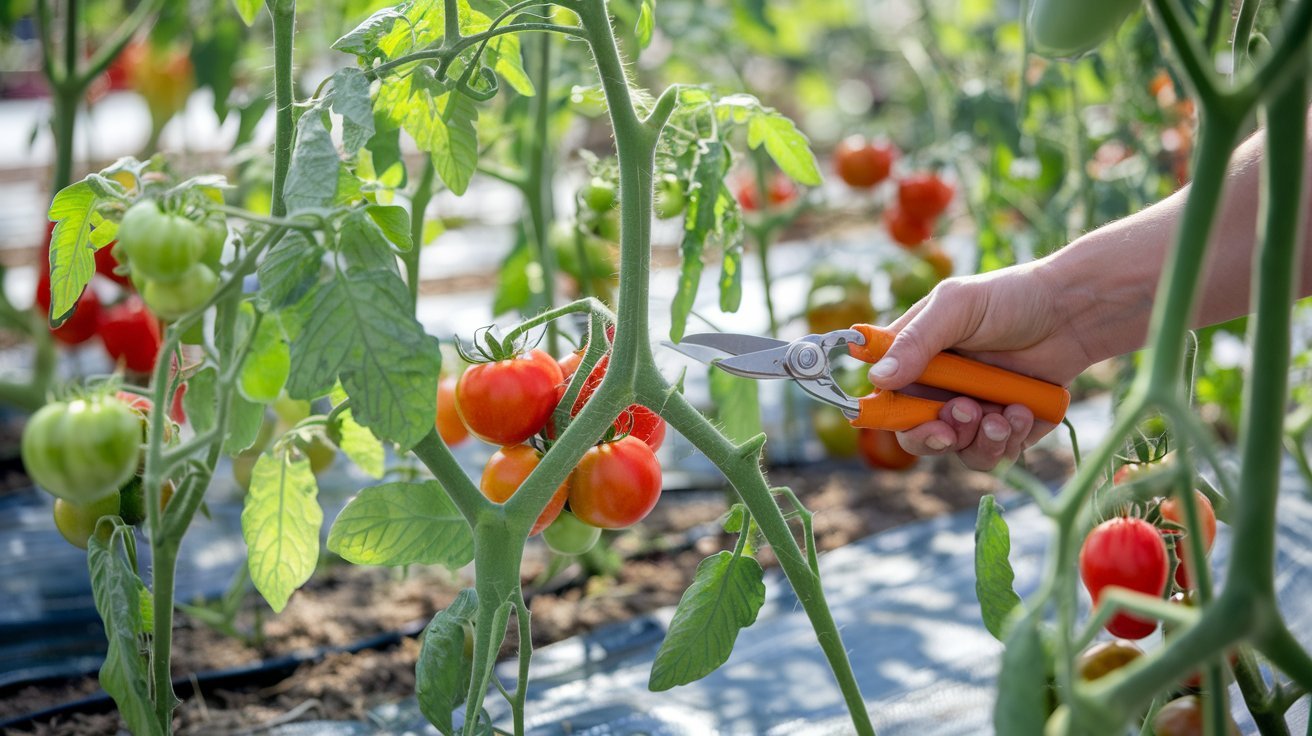
Remove the lowest leaves once your plant is established. These leaves often touch the soil and can spread disease. Pinch off suckers that grow between the main stem and branches.
This focuses the plant’s energy on fruit production. Better airflow reduces fungal problems that slow growth. More sunlight means faster photosynthesis. Strategic pruning keeps plants healthy and productive.
10. Plant at the Right Time
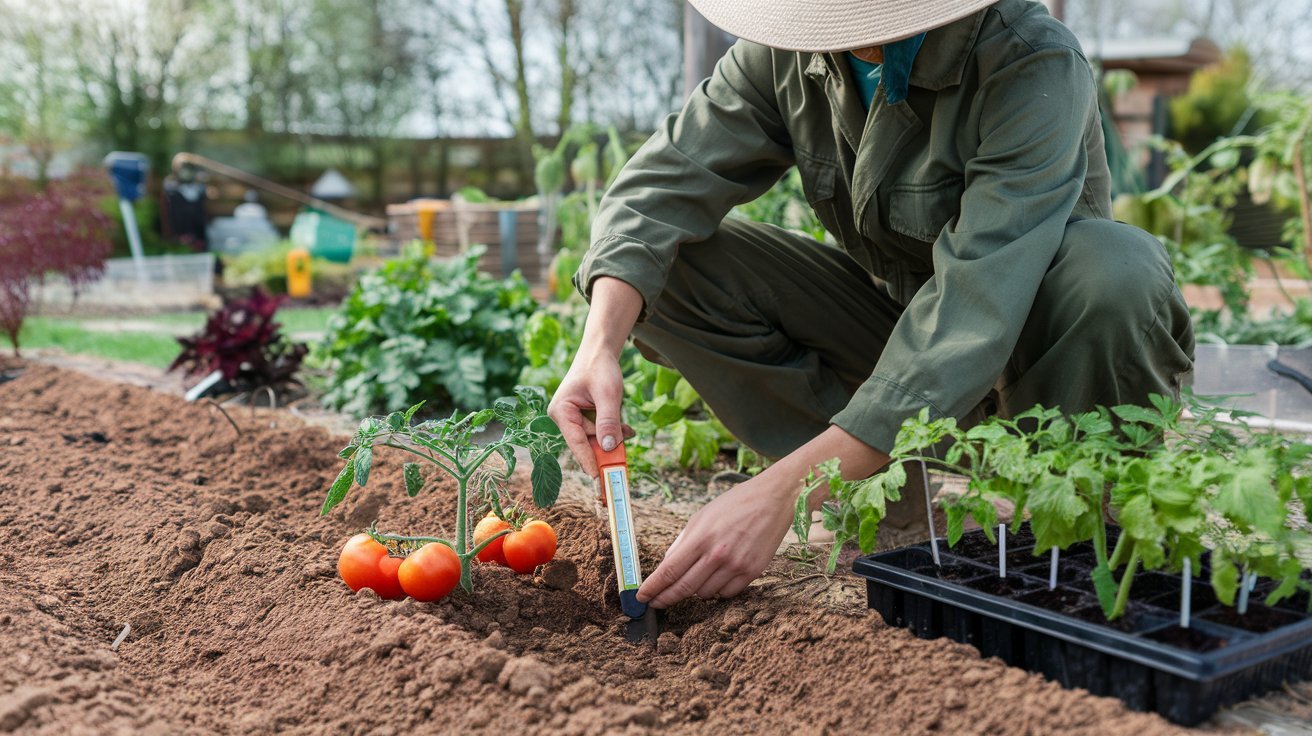
Wait until all danger of frost has passed in your area. Check that soil temperature has reached at least 60°F. Planting too early in cold soil stunts growth and can even kill seedlings.
Watch your local weather forecast for late cold snaps. Tomatoes planted at the right time grow much faster than those put in too early. Be patient for a few extra days.
11. Ensure Proper Plant Spacing
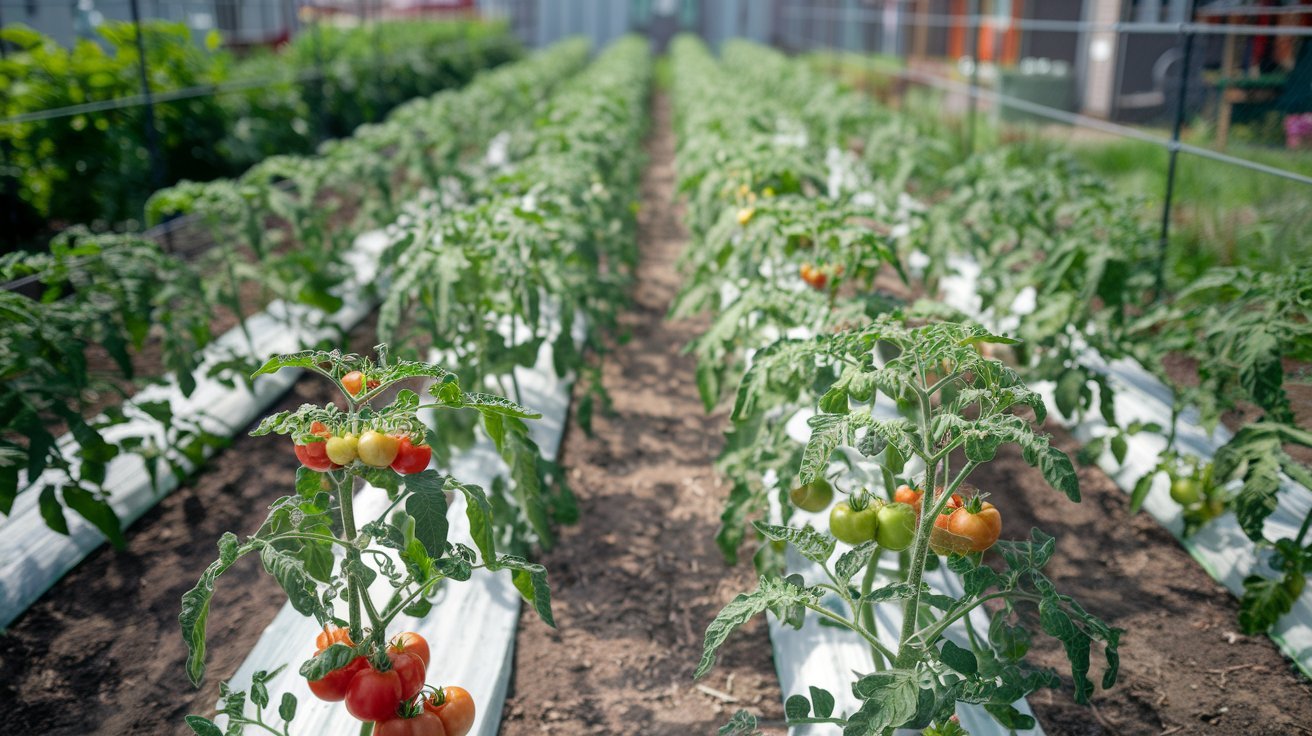
Don’t crowd your tomatoes together. Plants need space for air circulation and sunlight. Crowded plants compete for nutrients, water, and light. Space plants at least 24 inches apart in garden beds.
Proper spacing reduces disease problems and improves overall plant health. You’ll get more tomatoes from well-spaced plants than from crowded ones, even though you’re growing fewer overall.
12. Regularly Harvest Ripe Fruit
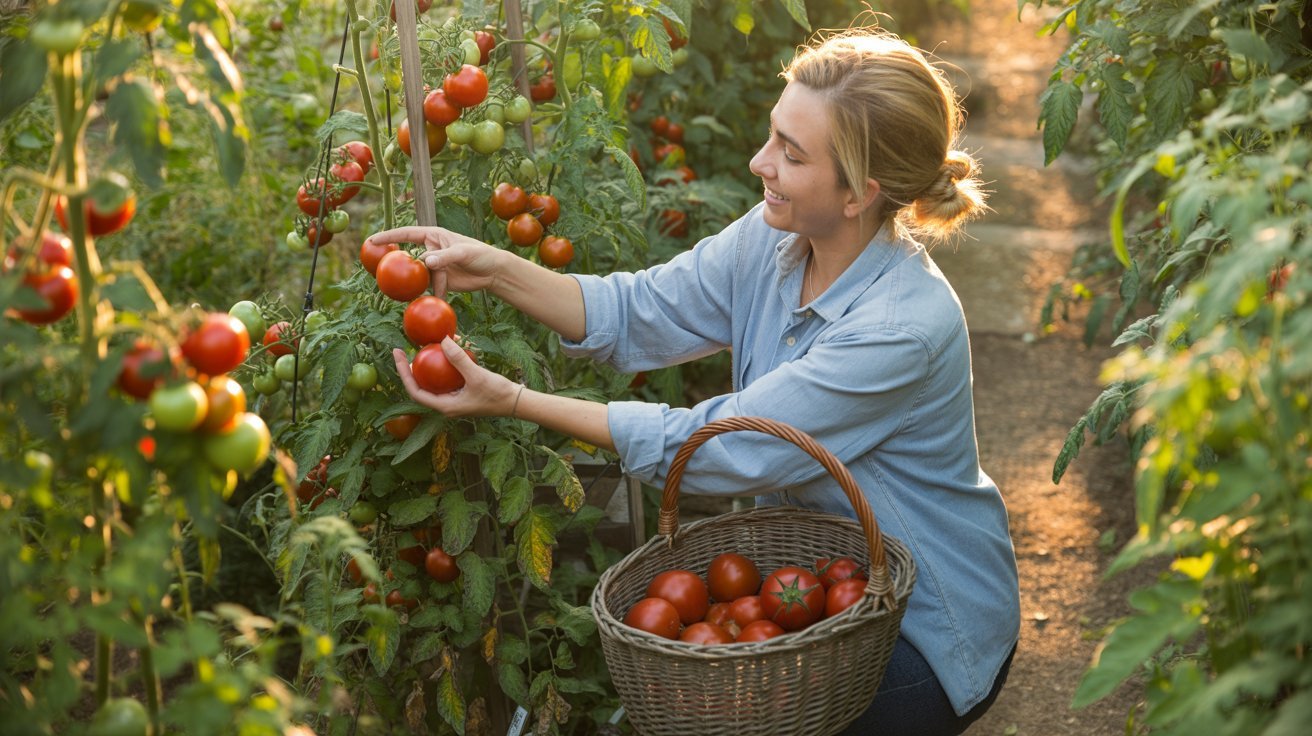
Pick your tomatoes as soon as they’re ripe. This signals the plant to keep producing more flowers and fruit. Leaving ripe tomatoes on the vine tells the plant its job is done.
Check plants every few days during peak season. The plant will redirect energy to developing new fruit. This simple habit keeps your tomato plant producing much longer.
13. Protect from Pests and Extreme Conditions
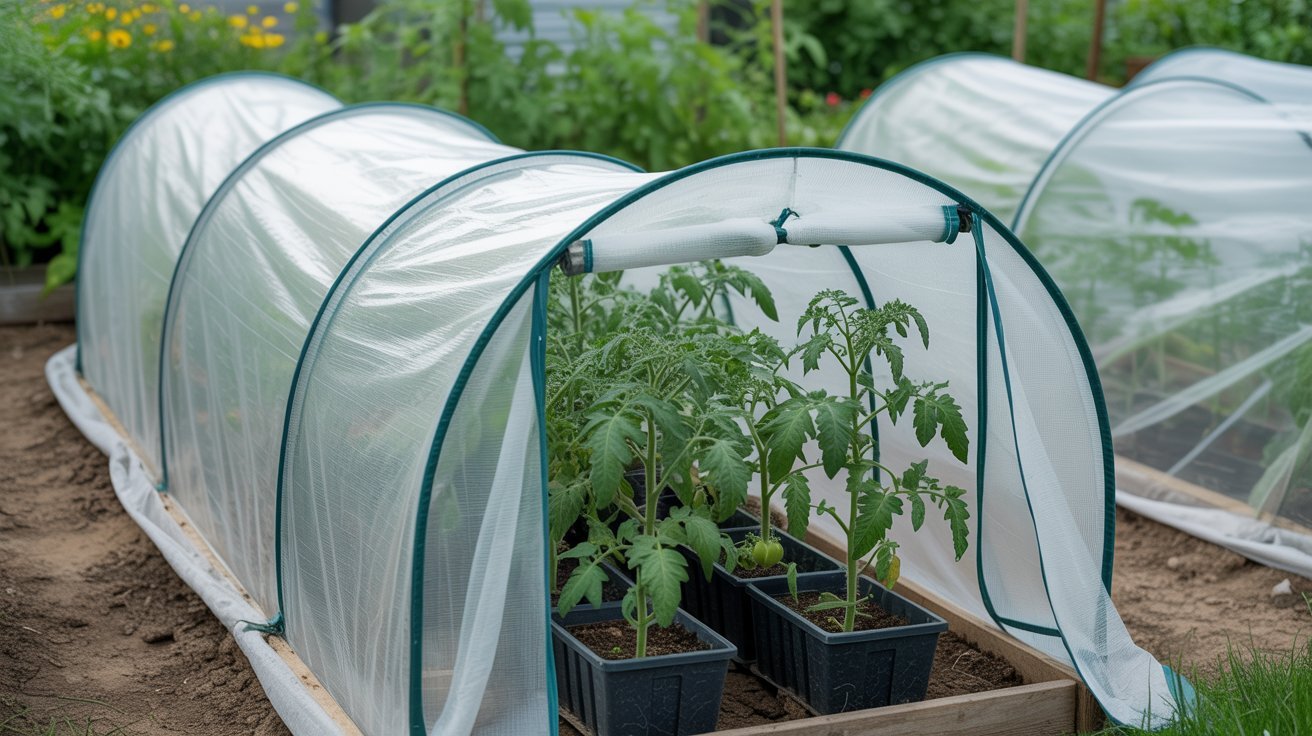
Use row covers or mini greenhouses to shield young plants from harsh conditions. These protect against unexpected cold snaps, strong winds, and common pests. Protection reduces stress and allows faster, uninterrupted growth.
Remove covers once plants are established and weather is reliably warm. Check regularly for pests and address problems quickly. Healthy, protected plants grow significantly faster.
Tips for Maximum Tomato Growth
- Combine multiple methods for best results: Using several techniques together works better than relying on just one approach. Try pairing warm soil with deep planting and consistent watering.
- Stay consistent with your care routine: Tomatoes respond well to regular attention and steady conditions. Check on your plants daily and maintain the same watering and feeding schedule.
- Pay attention to what your plants are telling you: Yellowing leaves, slow growth, or drooping stems are signs something needs adjusting. Address problems quickly before they slow down growth.
- Adapt these methods to your local climate: What works in hot, dry areas might differ from cooler, humid regions. Observe how your plants respond and make changes based on your specific conditions.
- Keep learning from your garden each season: Take notes on what worked well and what didn’t. Your experience will help you grow faster, healthier tomatoes year after year.
Conclusion
Growing tomatoes faster comes down to smart preparation and consistent care.
Warm up your soil before planting, choose early varieties, and give your plants the nutrients and support they need from day one.
Water deeply, mulch well, and don’t skip the hardening off process. These methods have helped me harvest tomatoes weeks earlier than I used to, and the plants produce so much more fruit.
Healthier plants mean fewer problems and bigger yields. Start using these tips in your garden today.
Before you know it, you’ll be biting into those ripe, juicy tomatoes you’ve been waiting for. Happy growing!
Frequently Asked Questions
How long does it take for tomato plants to grow?
Most tomato varieties take 60 to 85 days from transplanting to produce ripe fruit. Early season varieties can produce tomatoes in as little as 50 days, while larger beefsteak types may need 90 days or more.
What helps tomato plants grow faster?
Warm soil, deep planting, consistent watering, and proper nutrition are the most important factors. Adding support early and choosing fast-maturing varieties also speeds up growth and fruit production significantly.
Should I remove the bottom leaves from my tomato plants?
Yes, removing the lowest leaves helps prevent soil-borne diseases and improves airflow around the plant. Wait until the plant is established, then trim leaves that touch the ground or look yellow and unhealthy.
How often should I water tomato plants?
Water tomato plants deeply 2 to 3 times per week, or more often during hot weather. The soil should stay consistently moist but not waterlogged. Check the top 2 inches of soil before watering.
Can I plant tomatoes directly in the ground or do they need containers?
You can plant tomatoes in either the ground or containers successfully. Containers warm up faster in spring and offer better drainage, but in-ground plants have access to more nutrients and don’t dry out as quickly.