
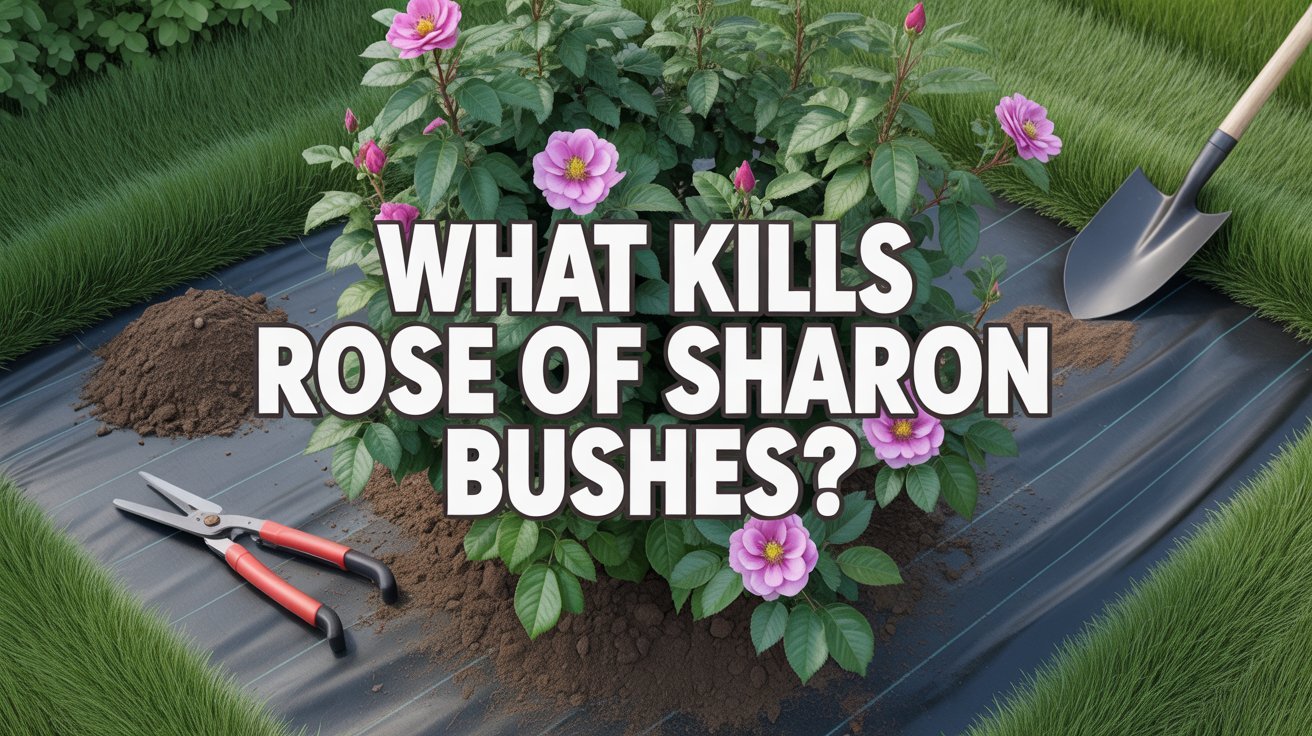
Rose of Sharon (Hibiscus syriacus) brings beautiful blooms to many yards, but this plant can quickly take over your garden space.
I’ve seen these bushes spread out of control. They drop thousands of seeds each year and their roots run deep underground. Many homeowners try to remove them and fail because they don’t know what kills Rose of Sharon permanently.
In this guide, I’ll show you proven methods that actually work. You’ll learn manual removal techniques that get the roots out, natural solutions like smothering and repeated cutting, and when chemicals might help. I’ll also share how to stop new seedlings from sprouting.
These are real solutions I’ve tested myself. Let’s get your garden back.
Why Rose of Sharon Is Hard to Remove
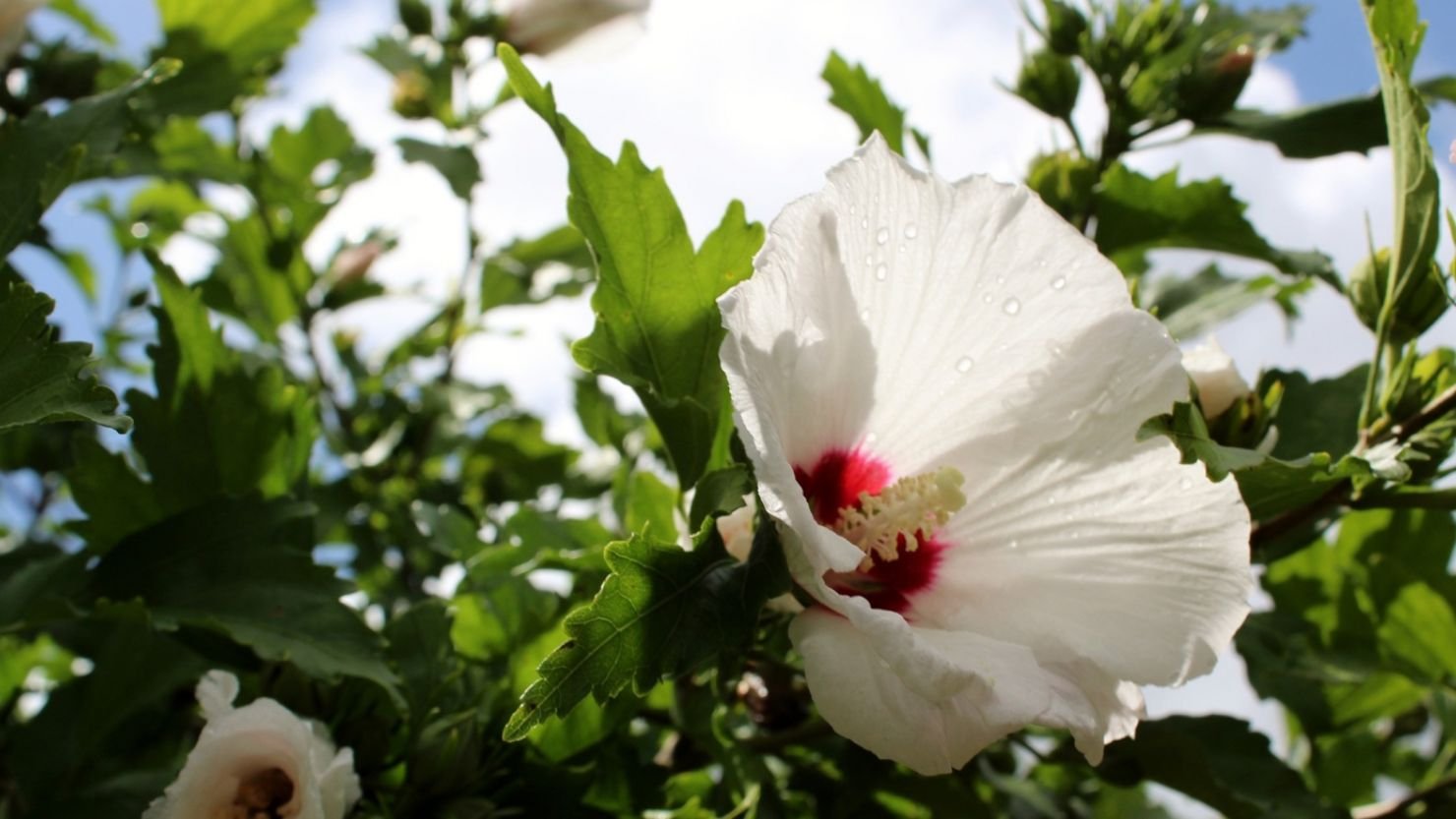
Rose of Sharon fights back when you try to remove it. The plant has a deep taproot that anchors it firmly in the ground. Side roots spread out from the center and store food for regrowth.
Cut it down and it sprouts back within weeks. Those roots hold months of stored energy. Each root fragment left in the soil can generate new shoots.
The seed problem makes things worse. One mature plant drops hundreds of seeds every fall. These seeds can wait years in the soil before sprouting.
You might remove the parent plant successfully, only to face dozens of seedlings the next spring.
This combination of stubborn roots and prolific seeding is why simple removal methods often fail. You need a complete strategy that addresses both the root system and seed control.
Understanding the Rose of Sharon
Learn why this common shrub becomes hard to manage and spreads so rapidly in home gardens.
What Is a Rose of Sharon?
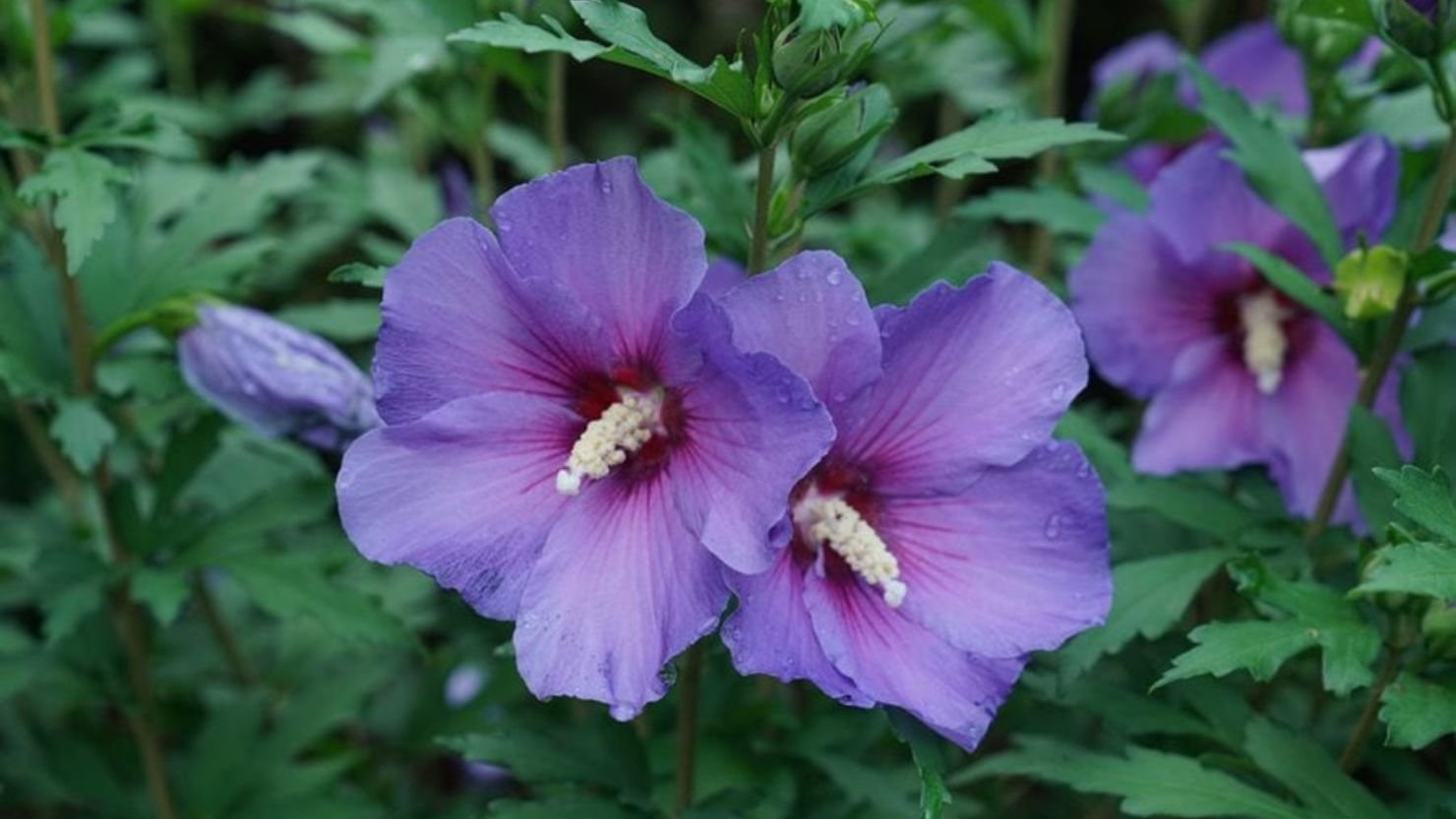
Rose of Sharon is a deciduous shrub from the hibiscus family that grows 8 to 12 feet tall. It blooms from mid-summer through fall with flowers in white, pink, purple, or red.
This shrub spreads mainly through seeds, dropping hundreds of seed pods each autumn that stay viable in soil for years.
The plant also has a strong taproot system with roots reaching several feet deep and side roots spreading outward.
Why It Becomes a Problem
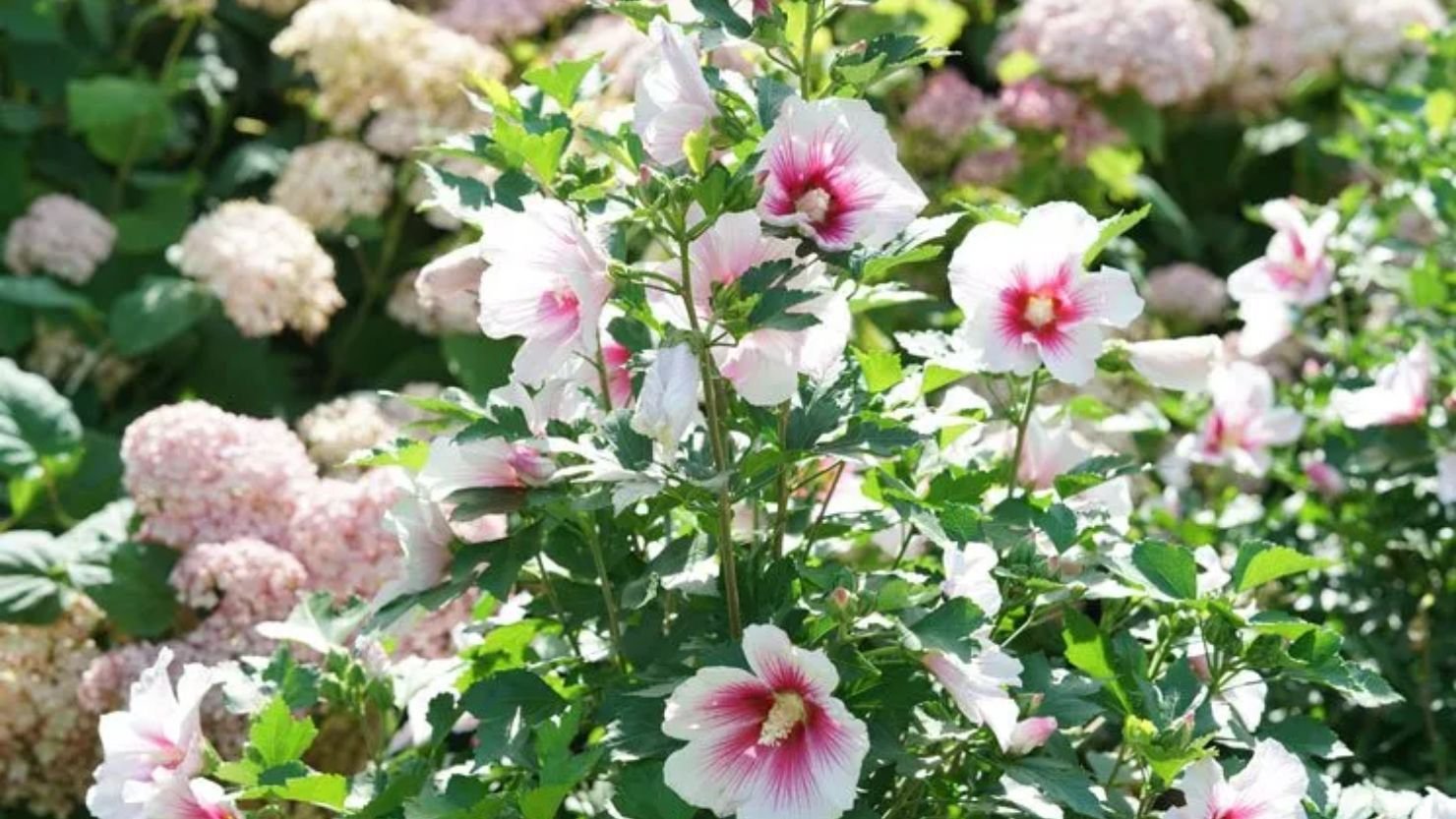
Rose of Sharon can take over garden beds in just a few seasons as seedlings pop up everywhere.
They crowd out other plants and native species, reducing garden diversity and limiting resources for birds and pollinators.
Removal is tough because of those deep roots, cut the plant down and it often grows back. Pull up small shoots and you might leave root pieces behind that sprout new growth.
Chemical treatments don’t always work either due to the plant’s vigorous growth.
What Kills Rose of Sharon Bushes Permanently
Three proven methods to remove Rose of Sharon completely, from physical removal to targeted treatments that work.
Step 1: Cut and Dig Method (Manual Removal)
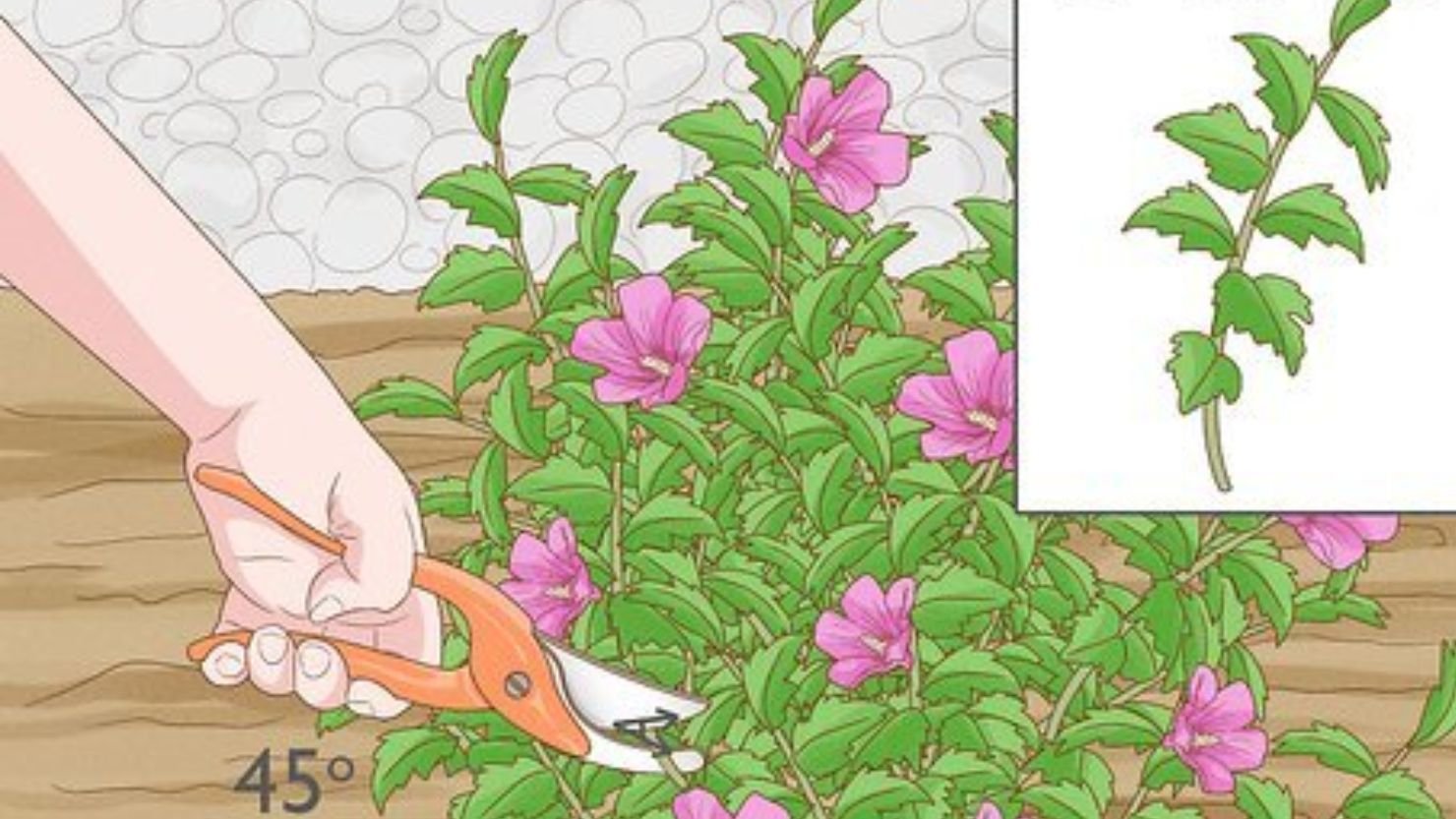
Cut all stems to ground level with loppers or a saw.
Dig around the base about 2 feet out and 18 inches deep. The taproot runs straight down, so get underneath it.
Use a spade to cut side roots. Rock the root ball and pull out the entire mass.
Watch for new shoots over the next few weeks and remove them immediately.
Step 2: Smothering the Roots (Solarization)
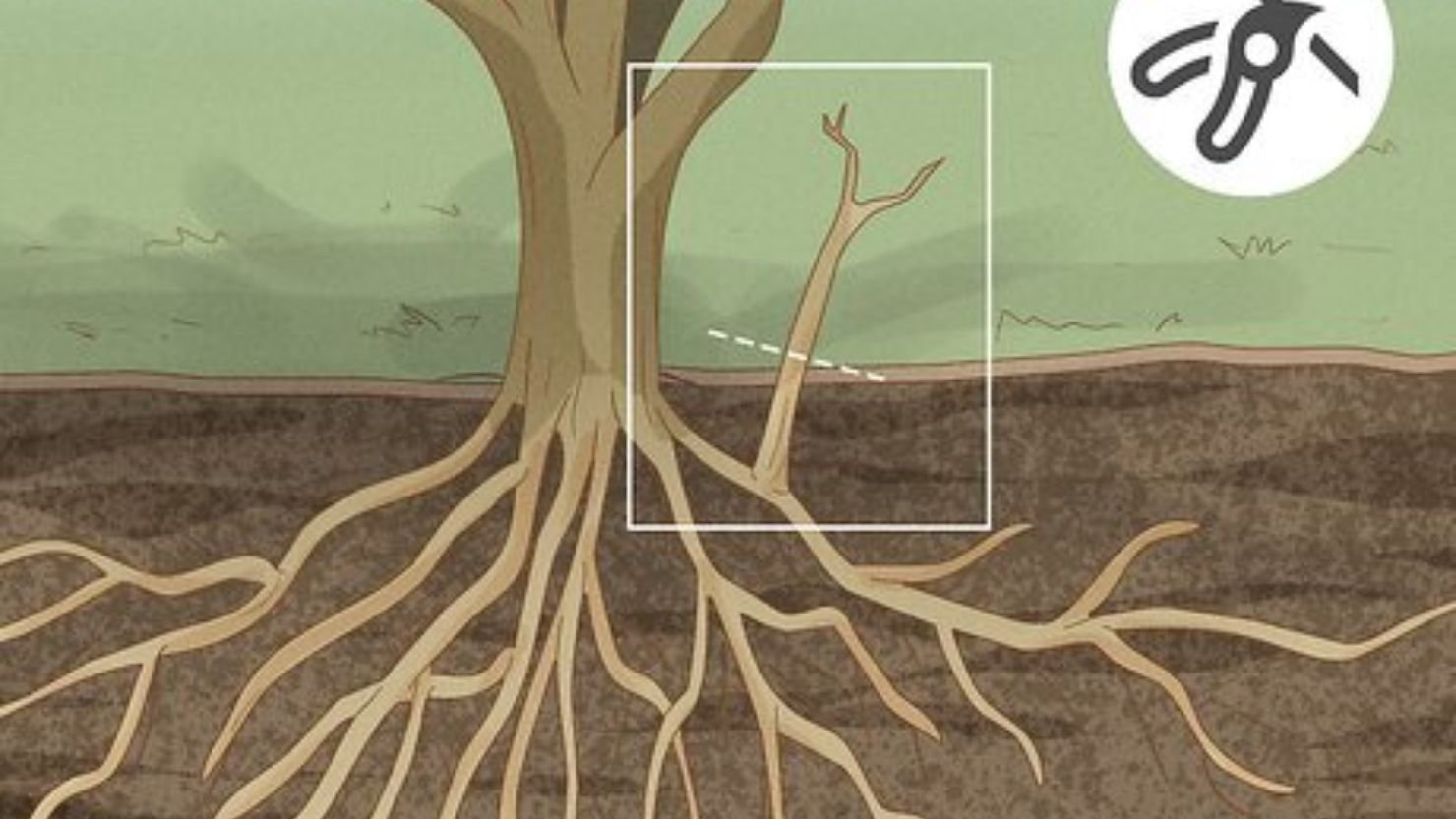
Cut the shrub to ground level. Cover the area with black plastic sheeting extending 3 feet beyond the base.
Pin down edges with rocks. Leave it for 6 to 12 months.
Heat and darkness will kill the roots naturally.
Step 3: Herbicide Treatment (Last Resort)
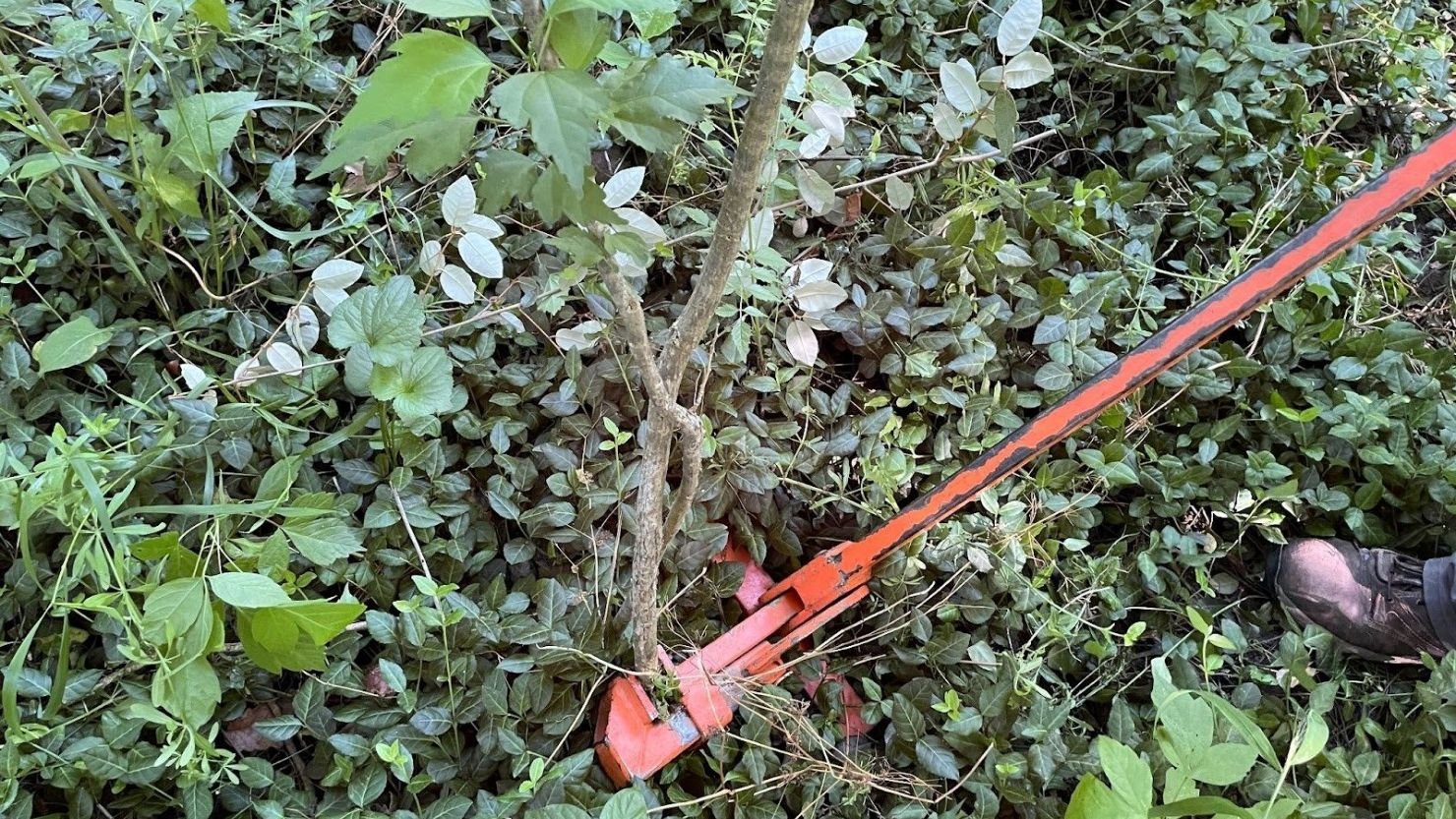
Cut stems flat. Apply systemic herbicide (glyphosate or triclopyr) directly to cut surfaces within minutes.
Wear protection and keep pets away.
Reapply if new shoots appear.
Eco-Friendly and Chemical-Free Alternatives
Natural methods that kill Rose of Sharon without harsh chemicals, perfect for organic gardens and sensitive areas.
The Cut-and-Leave Method
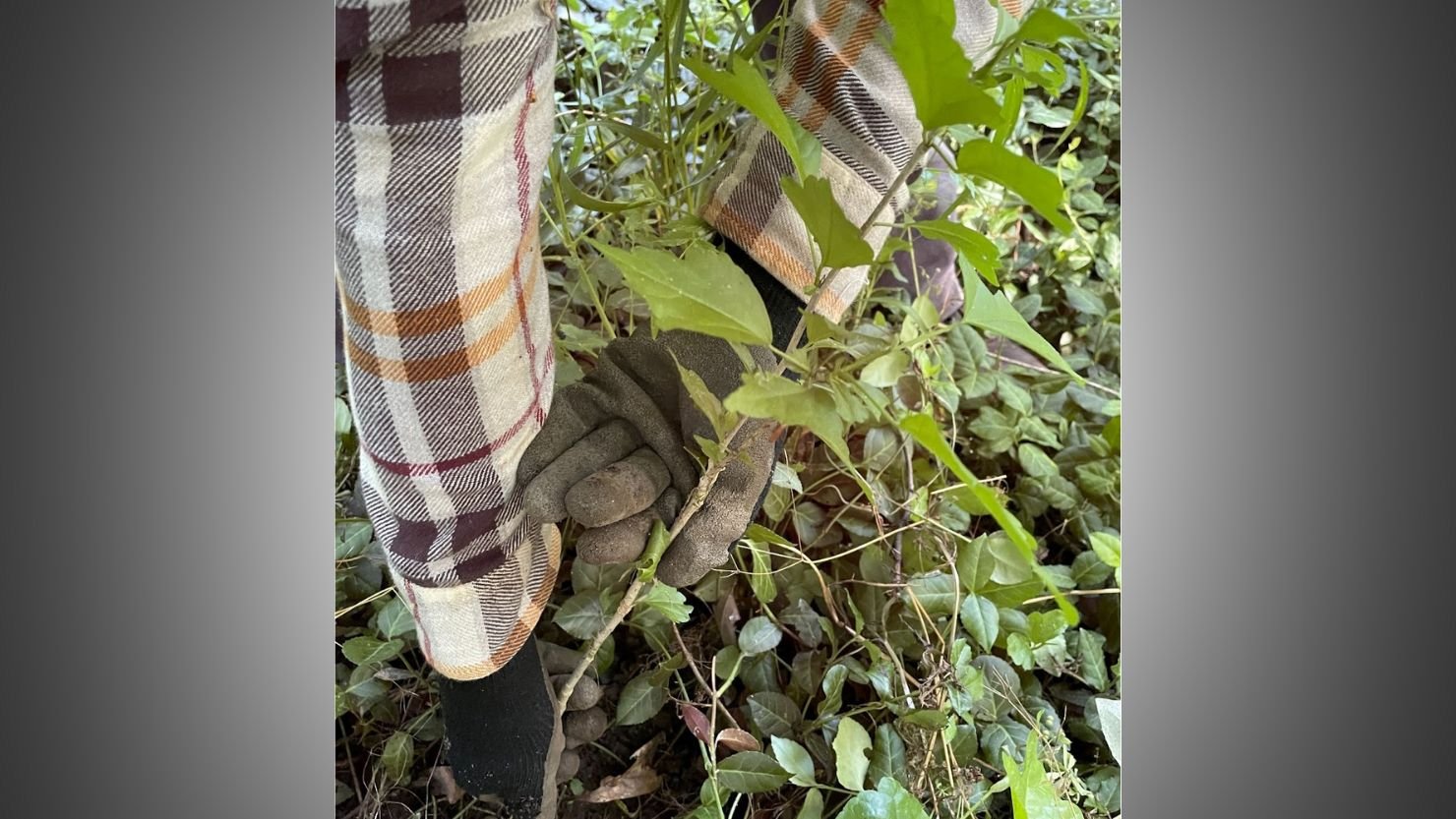
Cut all stems to the ground. When new shoots appear, cut them again. Keep cutting every time you see growth.
Each cutting exhausts the root reserves. The plant weakens with each cycle.
Do this during the growing season from spring through early fall. You might need to cut monthly at first.
Continue for at least one full growing season. Some plants need two seasons before they die.
Cardboard and Mulch Covering
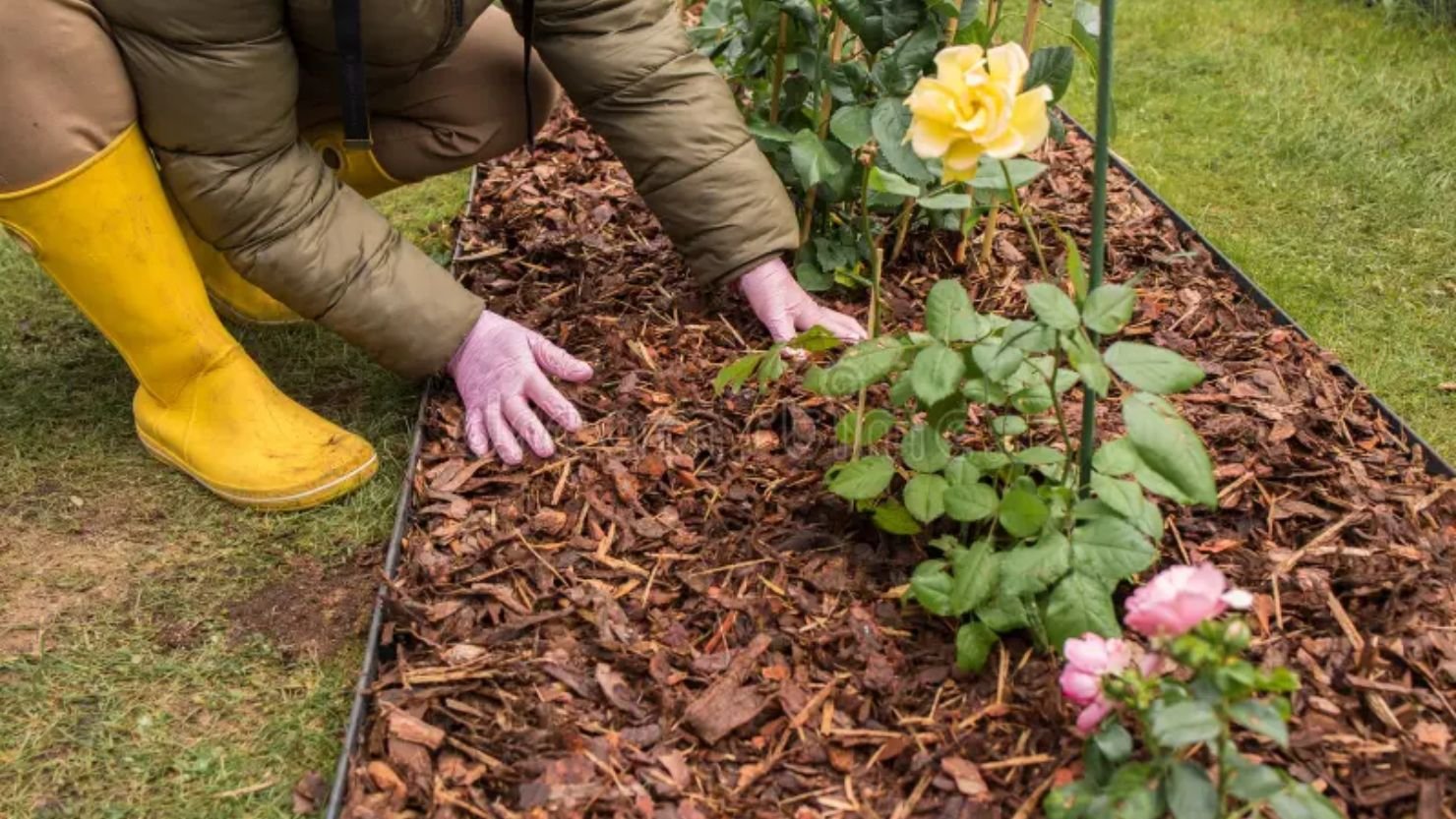
Cut the shrub down completely. Lay thick cardboard over the root area with overlapping pieces.
Wet the cardboard. Add 6 to 8 inches of wood mulch on top.
Over 8 to 12 months, roots die from lack of light and air. This method also improves your soil as materials decompose.
Check for shoots poking through and add more cardboard or mulch if needed.
Preventing Future Growth
Stop Rose of Sharon from returning and spreading with these simple maintenance practices and smarter plant choices.
Deadheading Before Seeding
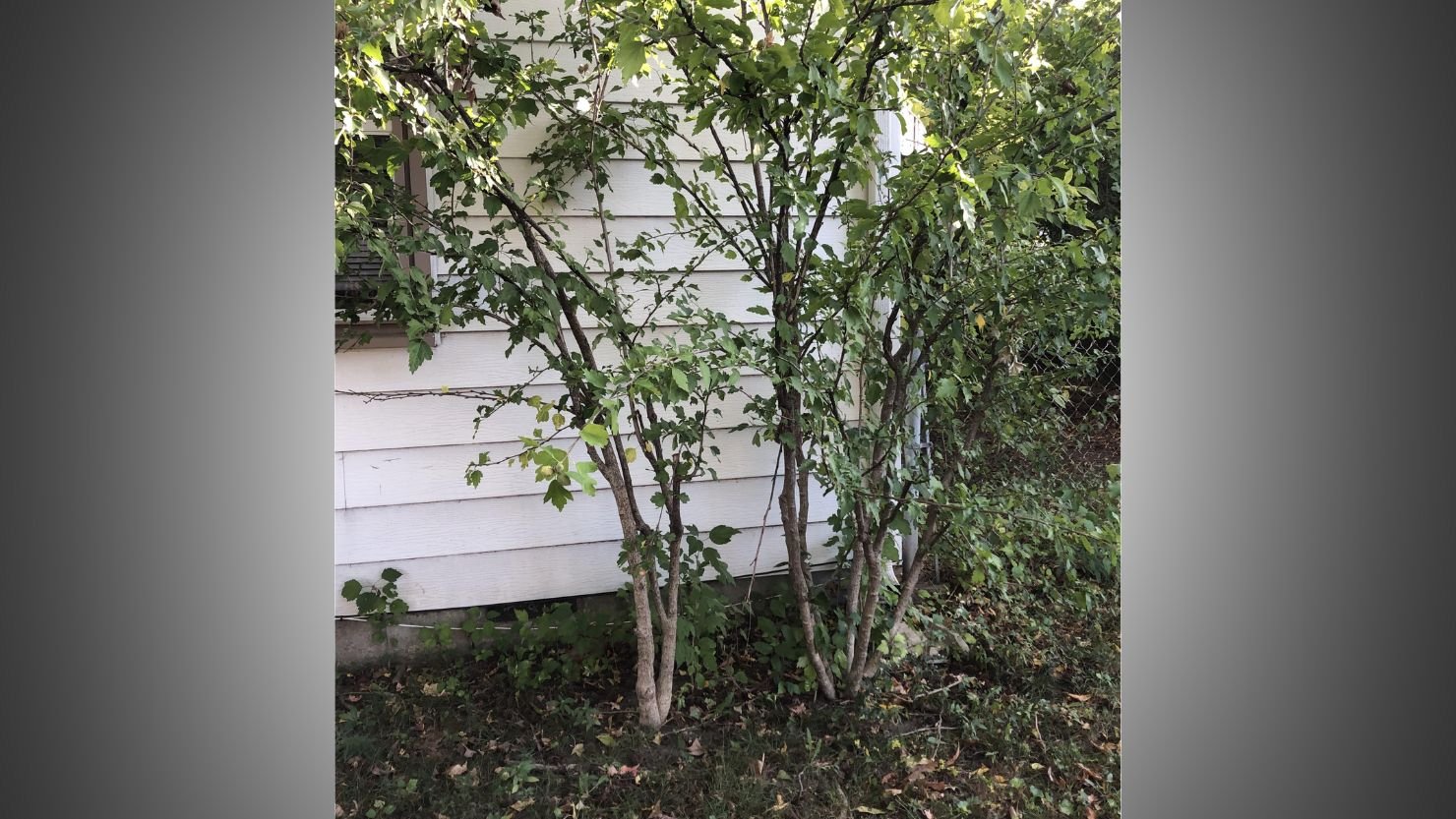
Remove spent flowers before they form seed pods. Do this in late summer and fall when blooms finish.
Clip flowers right after petals drop. Don’t wait for pods to form. Make this part of your weekly routine. It takes just minutes per plant.
Bag all removed flowers and pods. Don’t compost them as seeds can survive and spread.
Choosing Sterile Cultivars
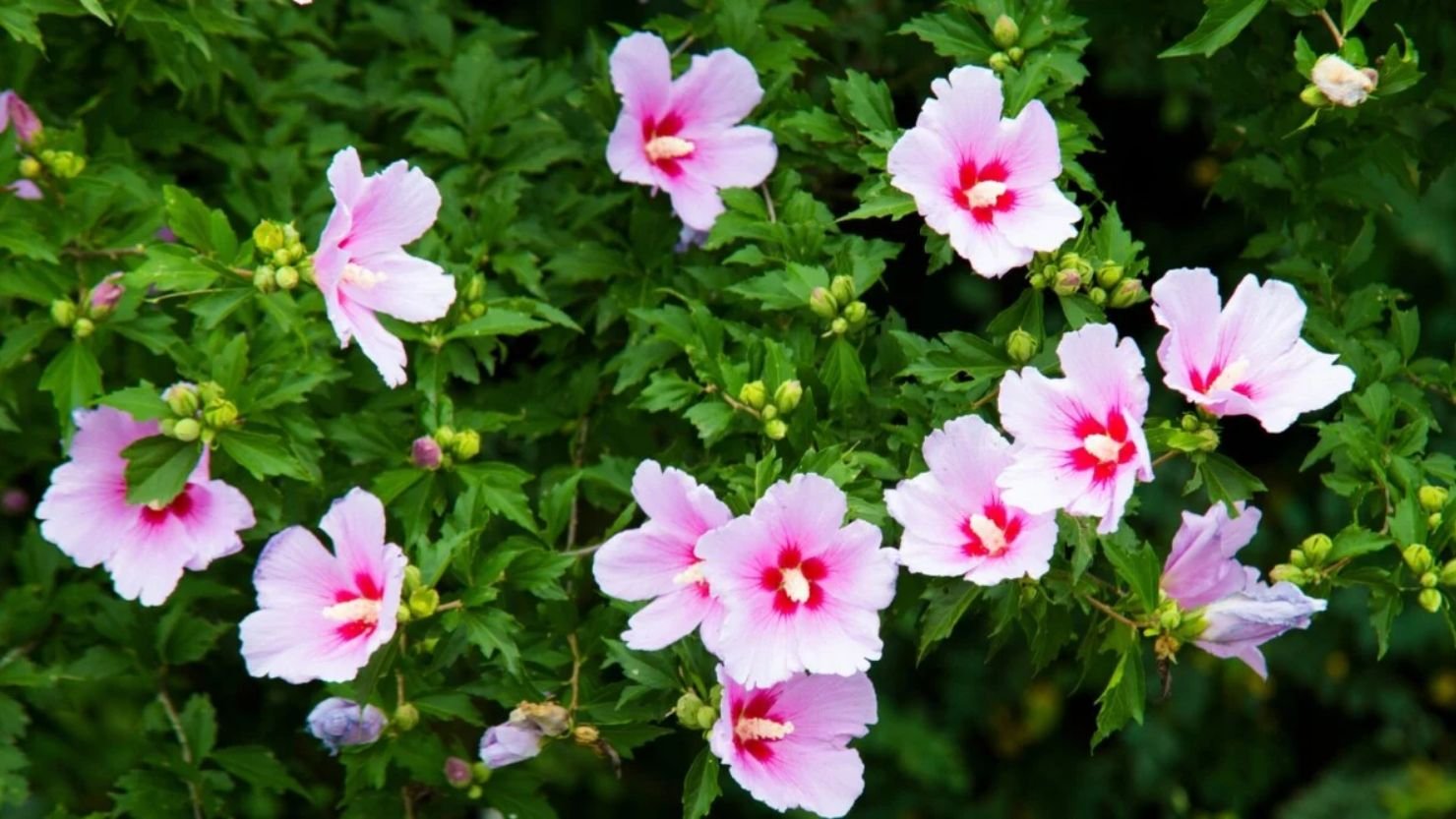
Plant sterile varieties that produce few or no viable seeds. Good options include ‘Diane,’ ‘Helene,’ ‘Minerva,’ and ‘Aphrodite.’ The ‘Chiffon’ and ‘Satin’ series also work well.
These varieties bloom beautifully without the spreading problem.
Remove old shrubs completely before planting sterile cultivars in their place.
Common Mistakes to Avoid
Learn what not to do when removing Rose of Sharon so you don’t waste time or make the problem worse.
- Leaving root pieces behind: Cutting down the bush without removing roots is the biggest mistake. Any root fragment larger than your finger can sprout new plants, causing shoots to appear weeks later.
- Incomplete root removal: Those roots hold enough energy to regrow multiple times. Take the time to dig thoroughly and get as much root mass as possible to prevent regrowth.
- Over-reliance on herbicides: Spraying repeatedly damages surrounding soil and plants, and can create herbicide-resistant growth. Use chemicals only when other methods fail and follow directions exactly.
- Skipping follow-up maintenance: Even after removing 90% of a plant, the remaining 10% will regrow if ignored. Check the area every few weeks for at least one season and pull or cut any new growth immediately.
- Walking away too soon: Stay vigilant until you’re certain the roots are dead. This consistent follow-through makes the difference between success and failure in complete removal.
Conclusion
I spent two summers fighting Rose of Sharon in my previous yard, cutting it down three times before learning the real secret, you have to remove those taproots completely. Once I did that, my regrowth problems finally ended.
Here’s what worked for me: combine cutting with smothering or careful herbicide application, then stay vigilant about checking for new shoots.
Consider replacing removed shrubs with native plants that support local wildlife and need less maintenance. Your garden will be healthier and much easier to manage.
Have you dealt with Rose of Sharon in your yard? I’d love to hear what methods worked for you, drop a comment below and let’s share tips!
Frequently Asked Questions
Will cutting Rose of Sharon kill it permanently?
Cutting alone rarely kills Rose of Sharon permanently since the roots store enough energy to regrow. You must either remove the roots completely or cut repeatedly over many months to exhaust the plant’s reserves.
How long does it take to kill Rose of Sharon roots?
Physical root removal works immediately if done thoroughly, while smothering takes 6 to 12 months. Repeated cutting requires at least one full growing season.
Can Rose of Sharon roots spread underground?
Rose of Sharon spreads mainly by seeds, not underground runners. Seedlings sprouting nearby create the illusion of spreading roots, but it’s actually new seeds germinating.
Is Rose of Sharon considered invasive?
Rose of Sharon is considered invasive in many regions due to aggressive seed production. It’s not officially listed everywhere, but it spreads rapidly if not controlled in home gardens.
What kills Rose of Sharon naturally without chemicals?
The most effective natural method combines cutting the plant down and removing the entire root system. Alternatively, cover cut stumps with black plastic or cardboard topped with mulch for several months.