
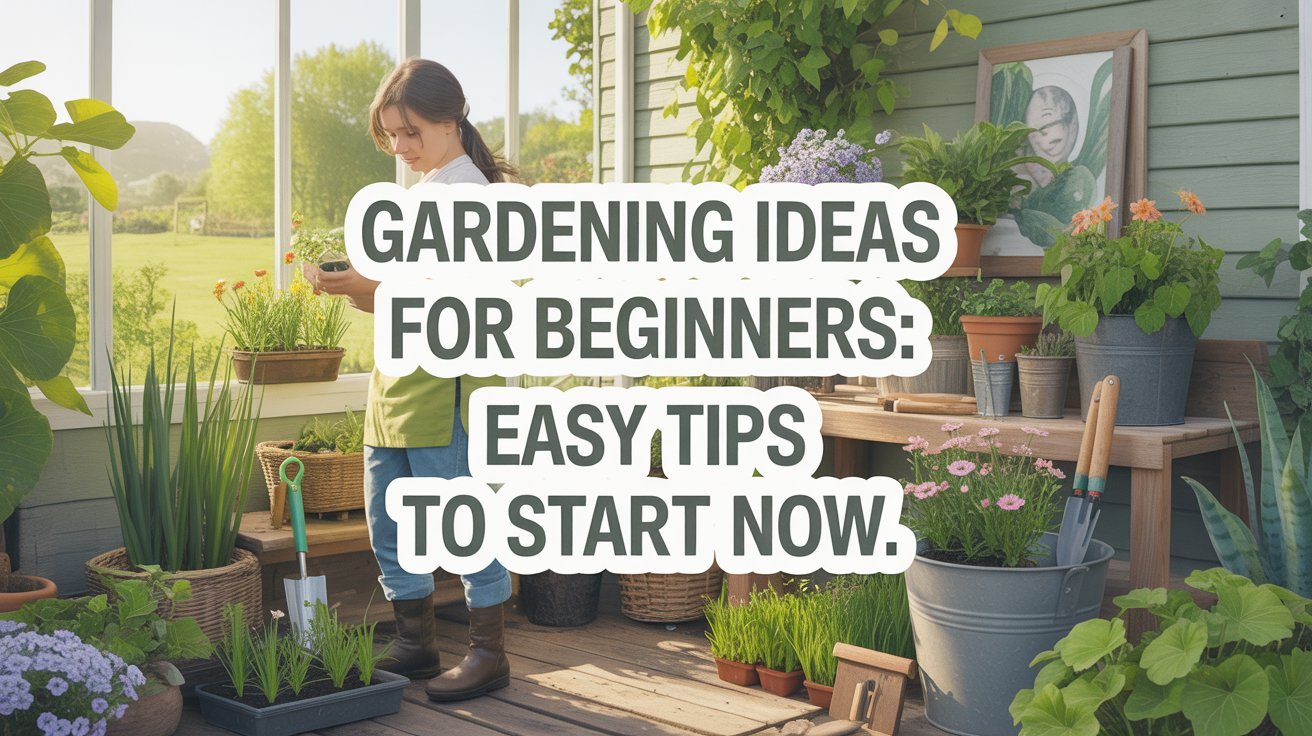
Have you considered the idea of starting a garden? If so, you have come to the right spot.
I understand that it can feel overwhelming at first. But the reality is that gardening ideas for beginners are truly easier than you think.
In this guide, I will take you through practical steps of gardening that actually work. Topics will include selecting a planning area, choosing easier plants, and avoiding common mistakes. You will learn to grow food and flowers very easily.
I have wondered if my garden plants would make it. They did and so can yours. So come along and get your hands into the soil and let’s grow something great.
Getting Started with Your First Garden
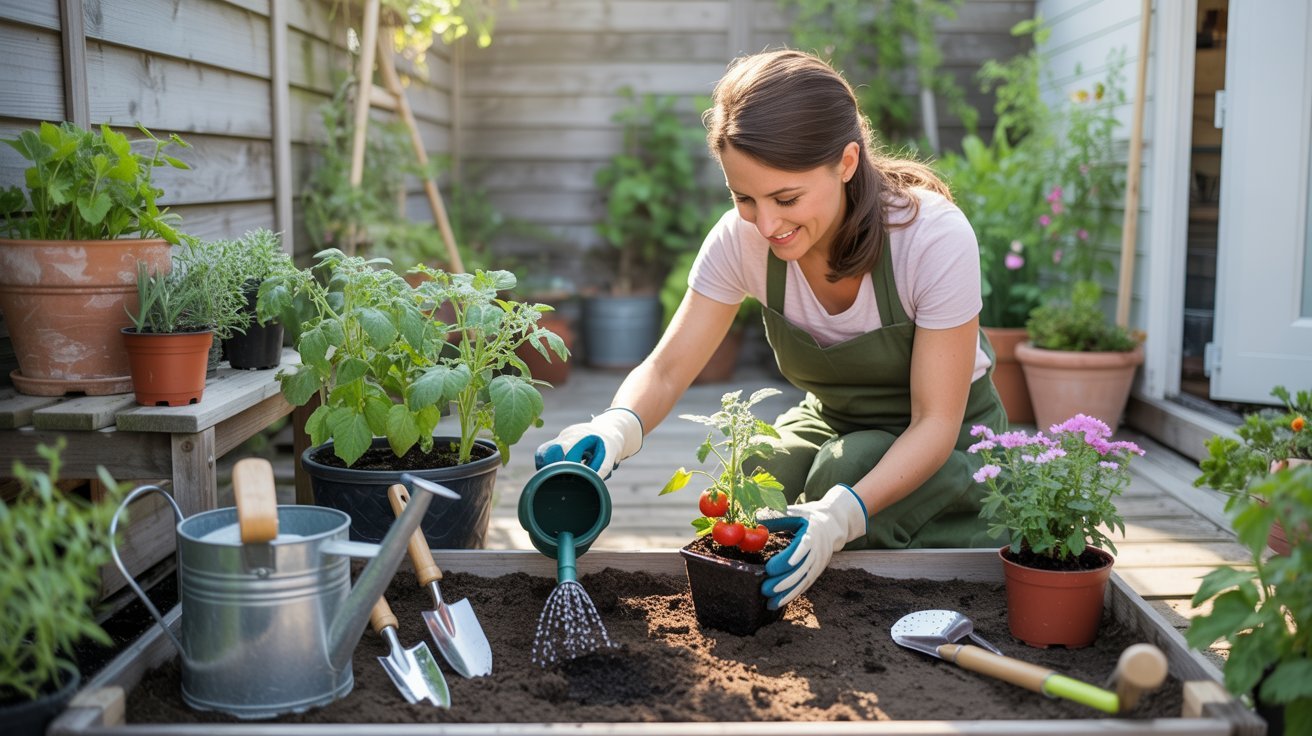
Starting a garden feels like a big step, but it doesn’t have to be complicated.
You need just three things: a spot with sunlight, some basic soil, and a few beginner-friendly plants. Don’t worry about having the perfect setup or knowing everything upfront.
Gardening is something you learn by doing.
Pick a small area or even a single container. Choose one or two plants that excite you. Then start. The rest will follow naturally as you go.
Every experienced gardener once stood exactly where you are now, wondering if they could really do this. They could. And so can you.
Why Start Gardening?
Get ready to find how growing plants can transform your space and your mood with simple steps.
The Benefits of Growing Your Own Plants
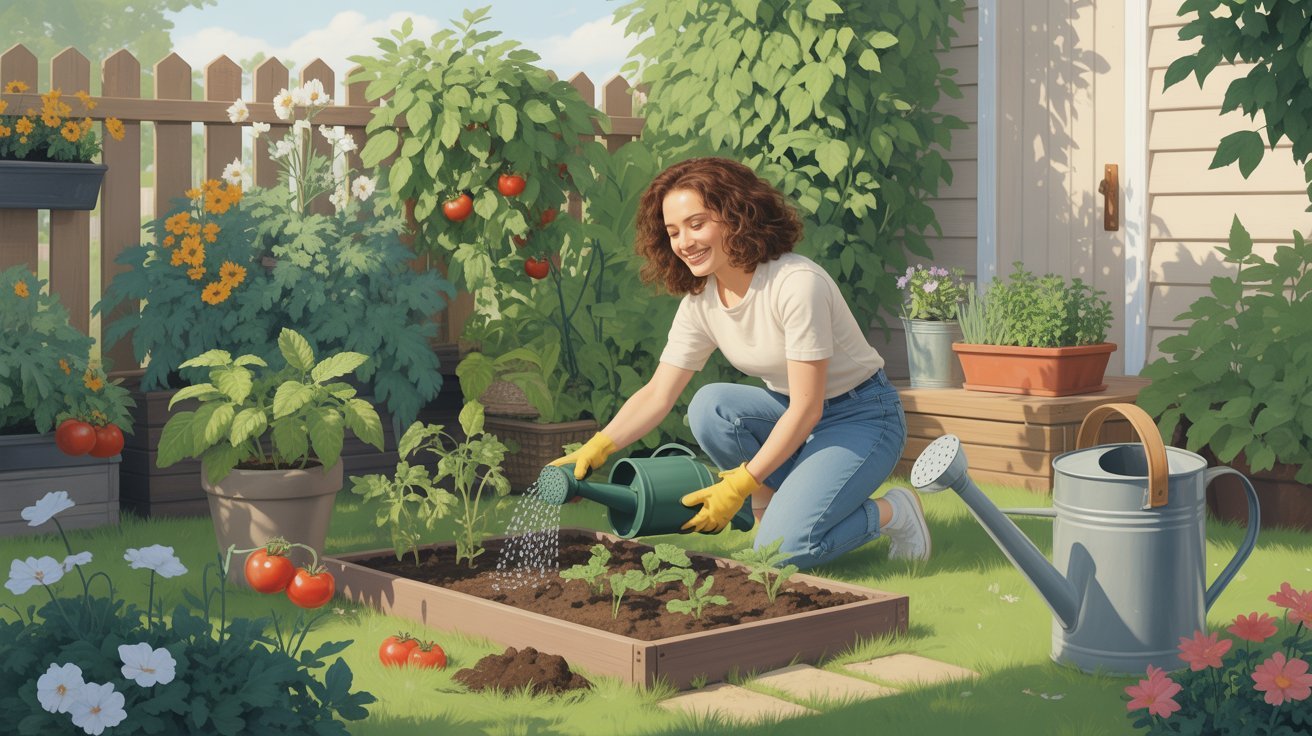
Gardening does wonders for your mind and body. When you’re outside digging and planting, you’re moving. That counts as exercise. You’re also breathing fresh air and soaking up vitamin D.
But it goes deeper than that. Watching seeds sprout feels incredibly satisfying. It reduces stress. It gives you something to care for.
Plus, you get fresh food. Tomatoes from your backyard taste better than store-bought ones. You know exactly what went into growing them. No mystery chemicals.
And there’s the sustainability angle. Growing your own reduces packaging waste. You’re doing something good for the planet while feeding yourself.
It fits any lifestyle too. Busy professional? Try low-maintenance herbs. Stay-at-home parent? Garden with your kids. Retired? Make it your peaceful daily ritual.
Common Myths About Gardening (Debunked)
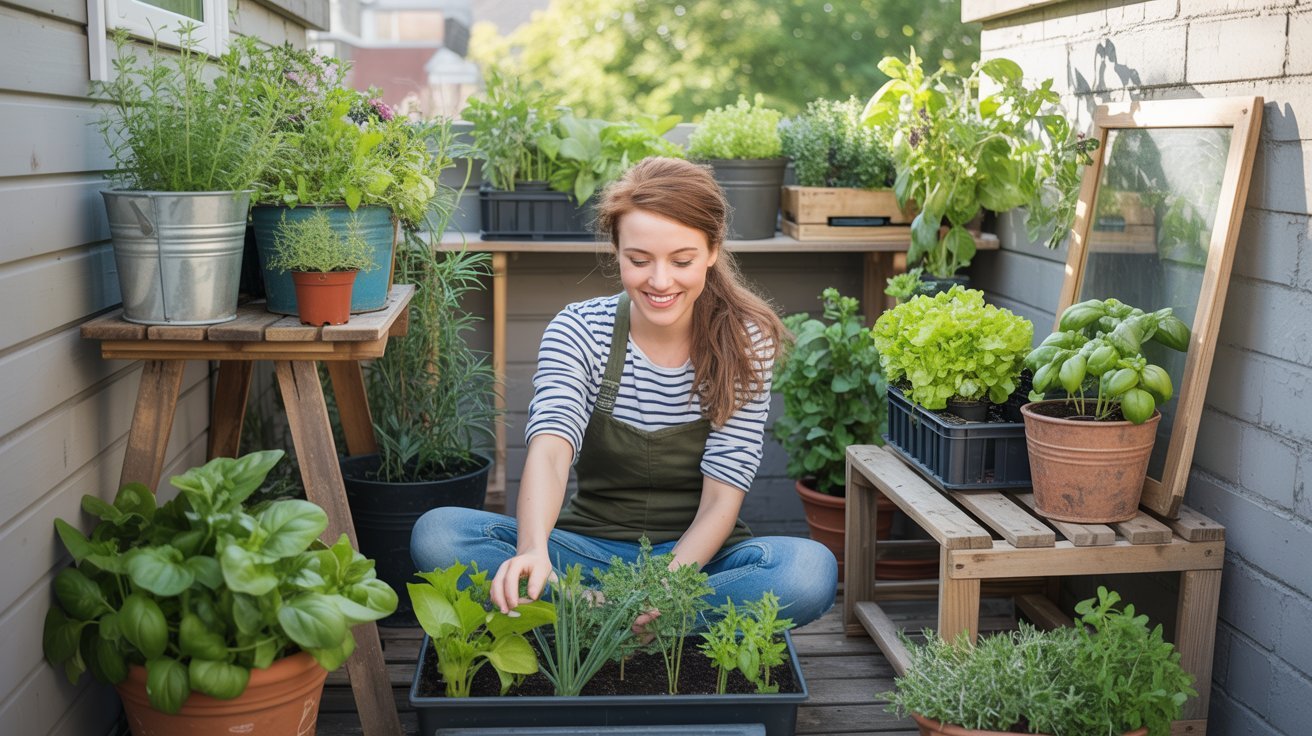
“I don’t have space”: You don’t need a big yard. Container gardening works on tiny balconies, and pots, buckets, or old crates can hold plants perfectly.
“It’s too hard”: Some plants practically grow themselves. Lettuce, beans, and basil are incredibly forgiving and don’t demand perfection from beginners.
11 Easy Gardening Ideas for Beginners
Simple strategies to help you plant, grow, and harvest without confusion or guesswork.
1. Choose the Right Spot for Sunlight and Access
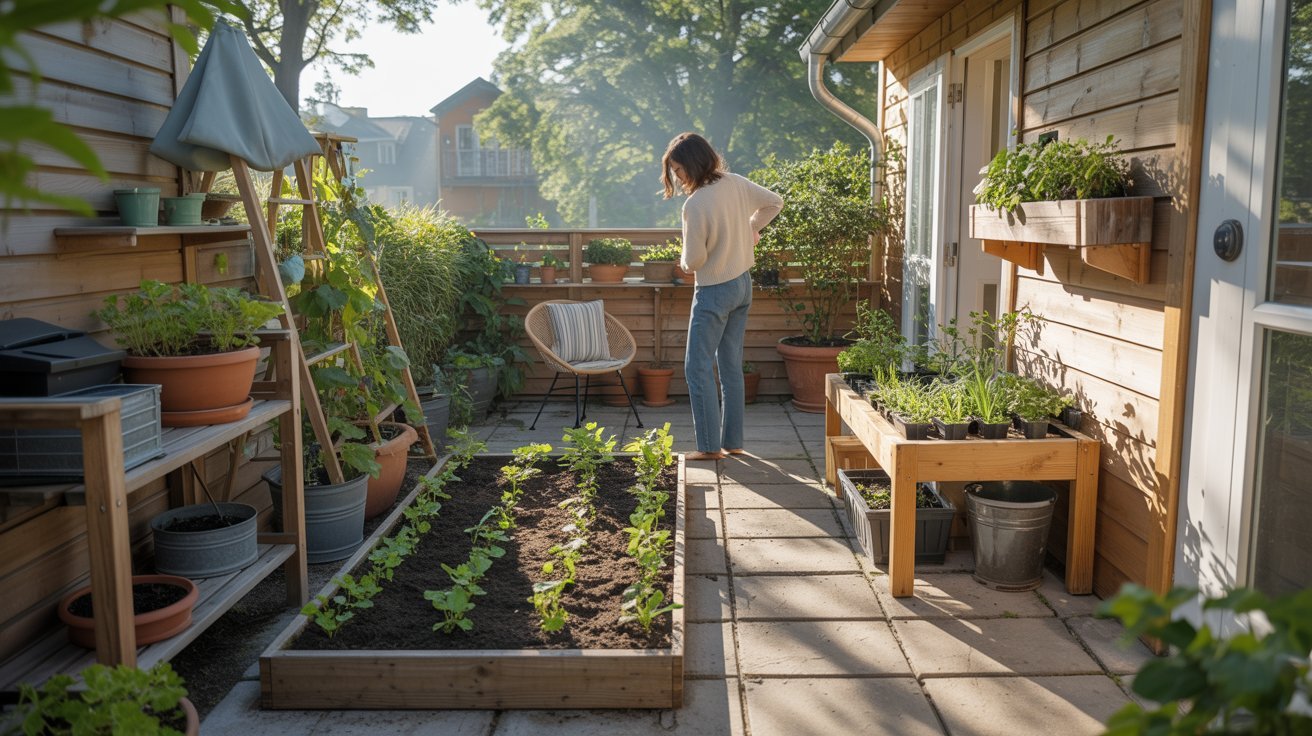
Most vegetables need 6 to 8 hours of direct sunlight daily. Watch your yard or balcony throughout the day. Notice where the sun hits longest.
Pick a spot you can reach easily. You’ll check on your plants often. If your garden is hidden behind the shed, you might forget about it. Keep it visible. Make it convenient.
2. Start Small (Quality Over Quantity)
New gardeners get excited and plant everything. Then they feel overwhelmed. Don’t do that.
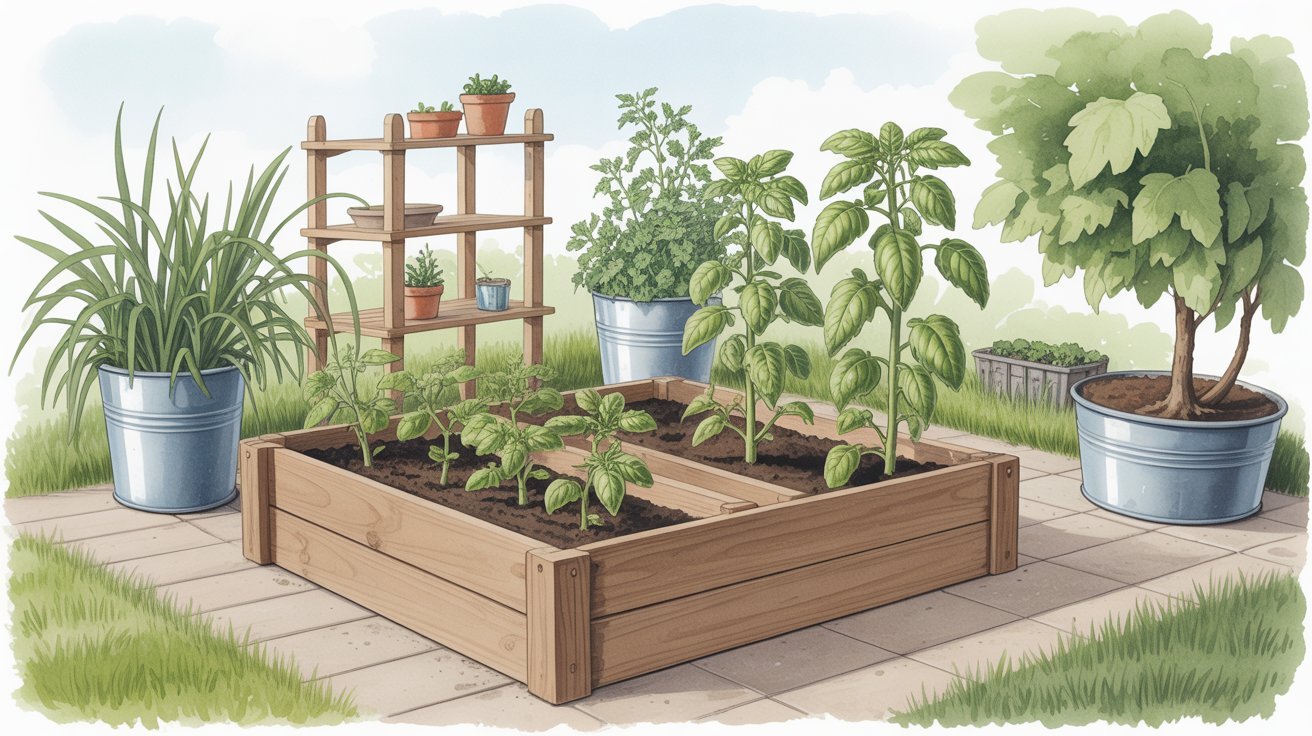
Begin with just a few plants. A 4×4 foot raised bed is plenty. Or maybe five containers. Focus on taking care of these well.
Quality beats quantity every time. Three thriving tomato plants will reward you more than twenty struggling ones.
3. Know Your Planting Zone and Frost Dates
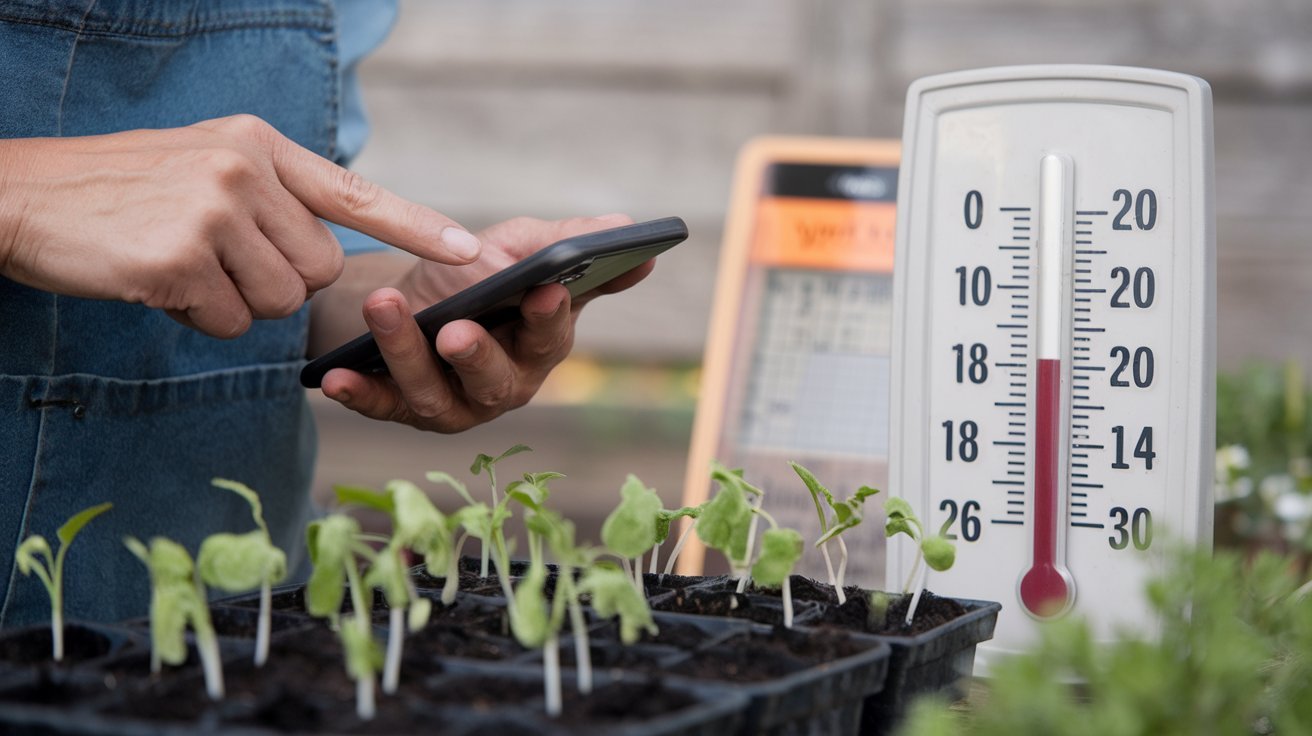
Your USDA hardiness zone tells you which plants survive in your climate. Look it up online using your zip code. It takes two minutes.
Frost dates matter too. Planting tomatoes too early means they’ll die when frost hits. Check your last spring frost date and first fall frost date. Plant accordingly.
Timing isn’t everything, but it sure helps.
4. Begin with Easy-to-Grow Vegetables and Herbs
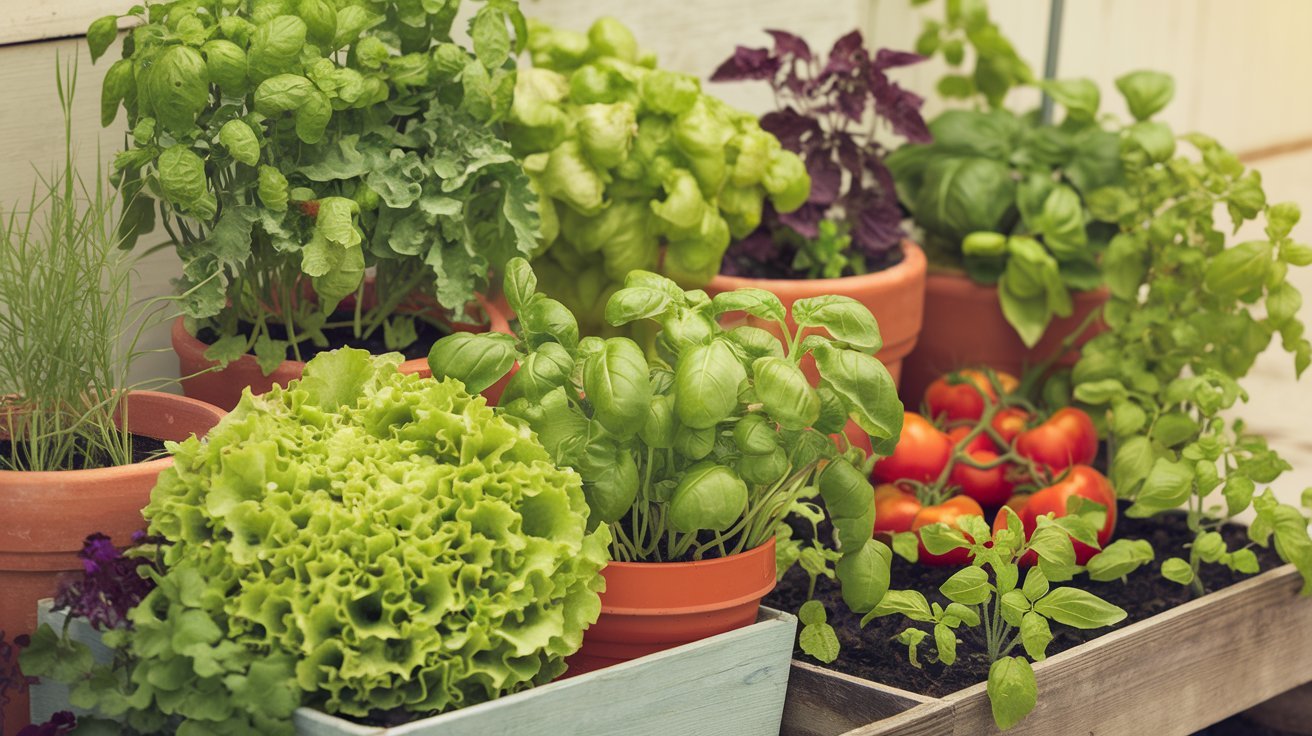
Some plants are naturally beginner-friendly.
Lettuce grows fast. Beans don’t need much fussing. Basil thrives in pots. Tomatoes reward you with actual food.
Herbs especially build confidence. They’re hard to kill. They smell amazing. And you’ll actually use them in cooking.
Start here. Success breeds more success.
5. Try Container Gardening
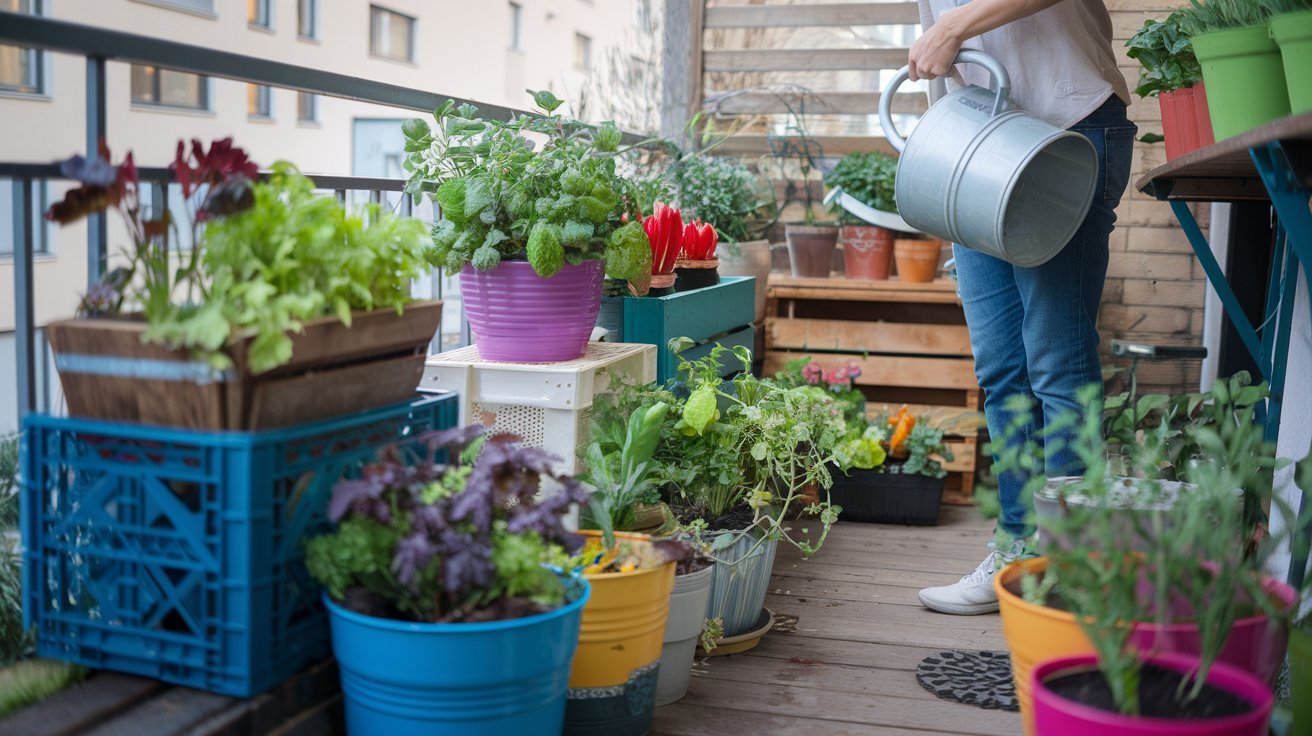
No yard? No problem. Containers work beautifully on patios, balconies, or doorsteps.
Use potting mix, not garden soil. Potting mix drains better. Make sure your containers have drainage holes. Water needs somewhere to go.
Water more frequently than ground gardens. Containers dry out faster. Check the soil with your finger before watering.
6. Focus on Soil Health
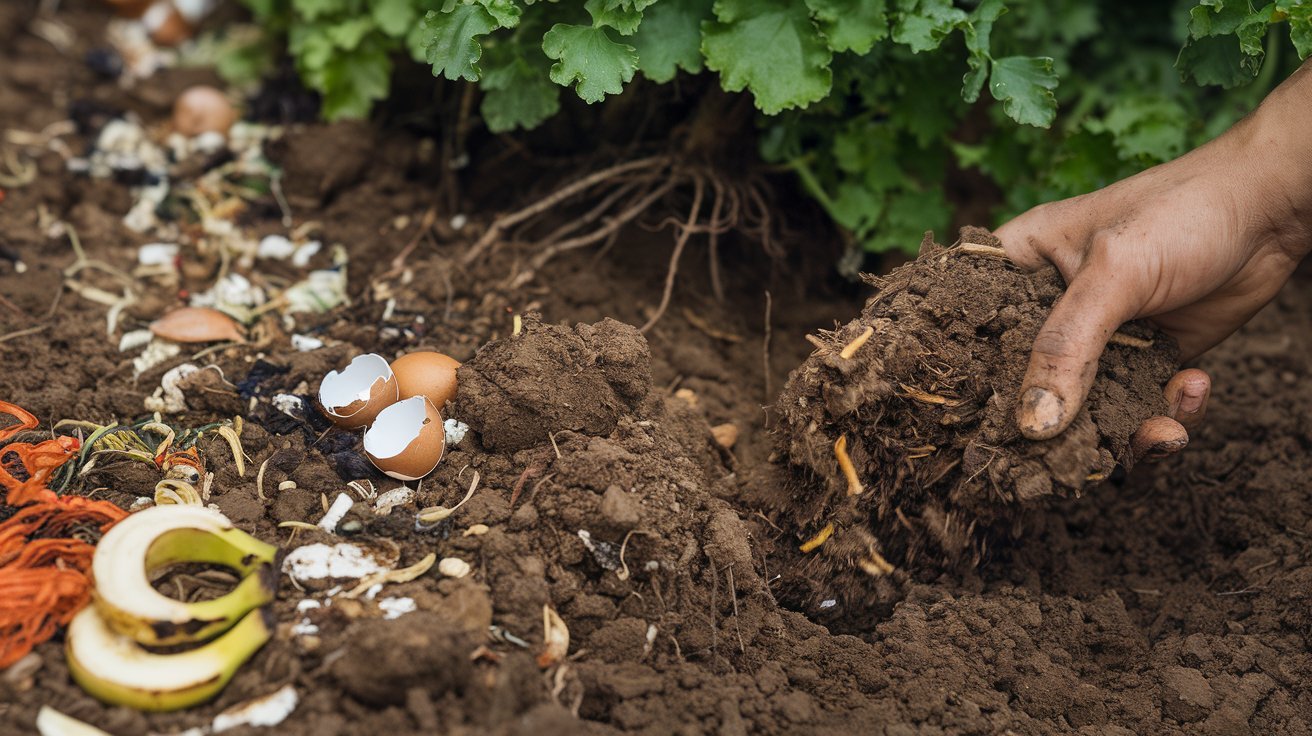
Good soil makes everything easier. Mix in compost before planting. It feeds your plants naturally.
You don’t need fancy fertilizers right away. Coffee grounds add nitrogen. Crushed eggshells provide calcium. Banana peels offer potassium.
Healthy soil grows healthy plants. It’s that straightforward.
7. Water Smartly, Not Constantly
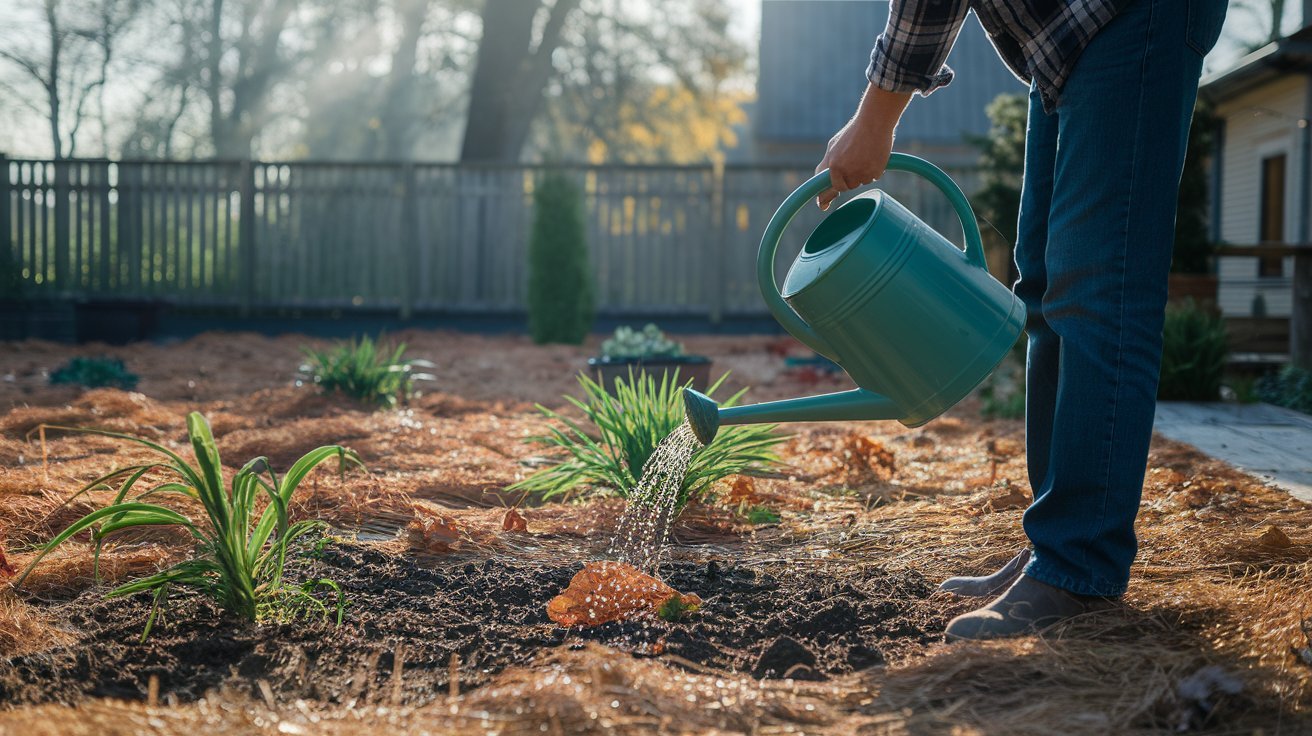
More plants die from overwatering than underwatering. Seriously.
Stick your finger into the soil. If the top inch feels dry, water. If it’s still moist, wait.
Water in the morning when possible. This gives plants time to absorb moisture before the heat. Make sure water reaches the roots, not just the surface.
8. Use Mulch to Save Time and Water
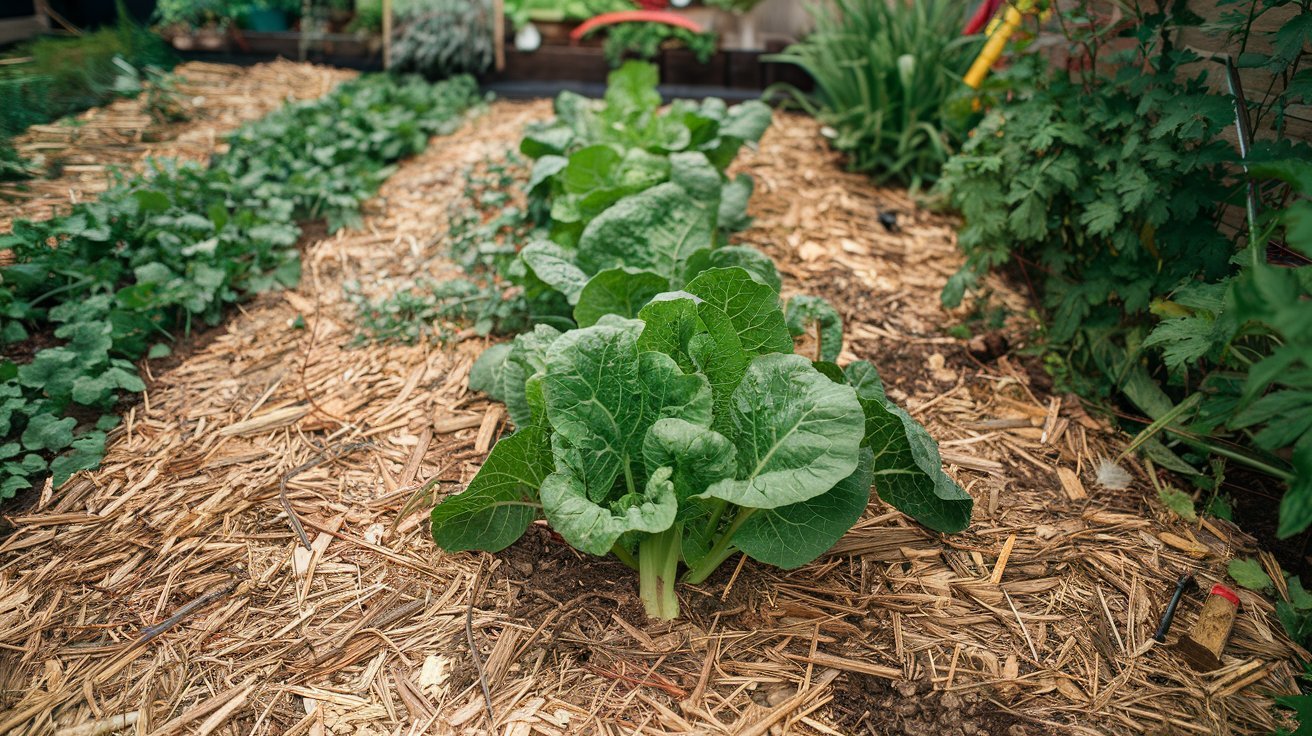
Mulch is your secret weapon. Spread it around your plants.
It keeps moisture in the soil longer. That means less watering. It also blocks weeds from sprouting. Less weeding means more time enjoying your garden.
Straw, wood chips, or shredded leaves all work great for beginners. Just lay down a few inches and you’re done.
9. Attract Pollinators Naturally
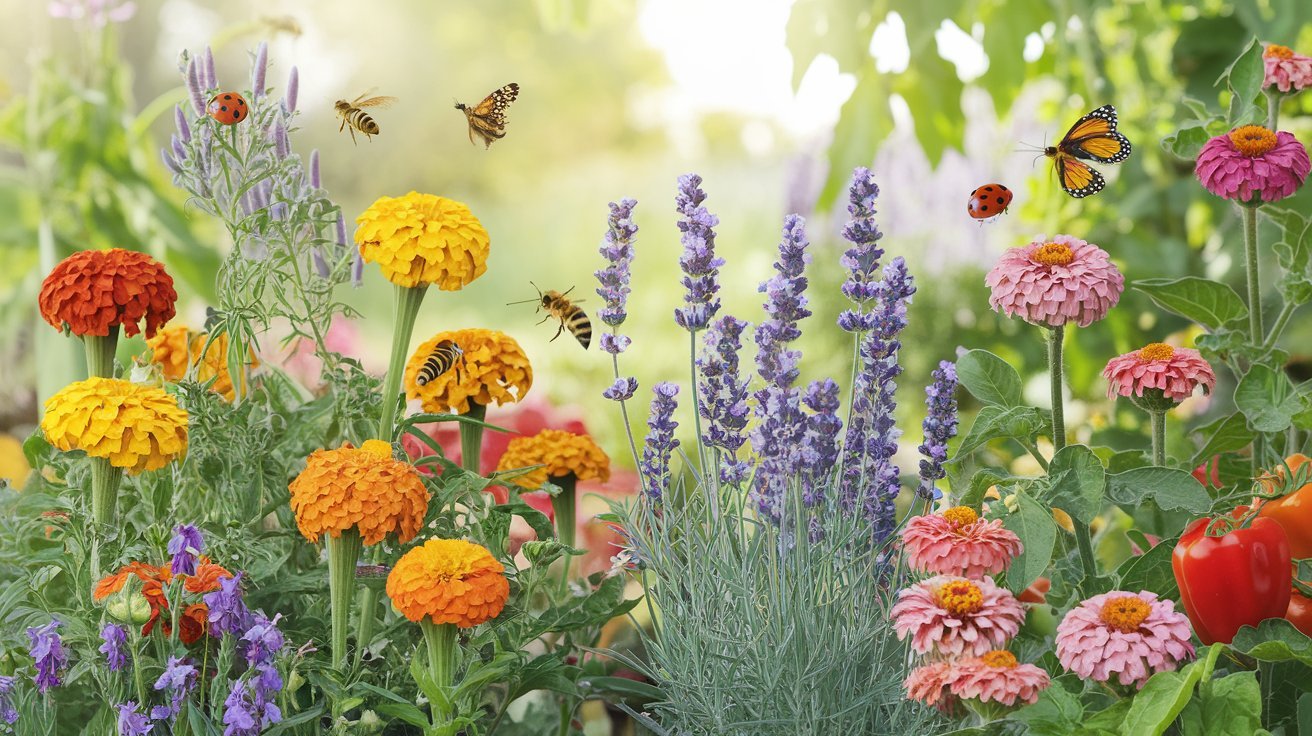
Bees and butterflies help your garden produce more. They pollinate flowers that become fruits and vegetables.
Plant marigolds, lavender, or zinnias nearby. These bright flowers attract helpful insects. No pollinators? Fewer tomatoes and peppers.
Think of flowers as garden helpers, not just decoration.
10. Prune and Trim Regularly
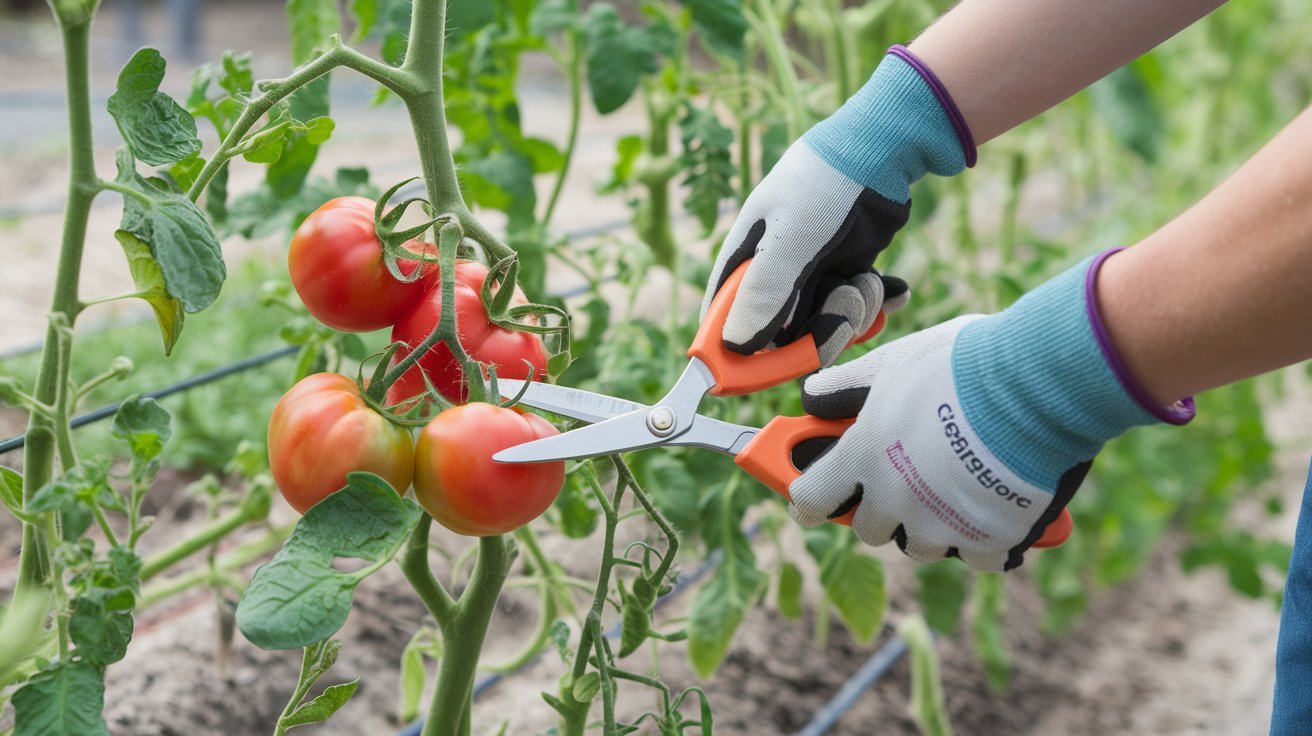
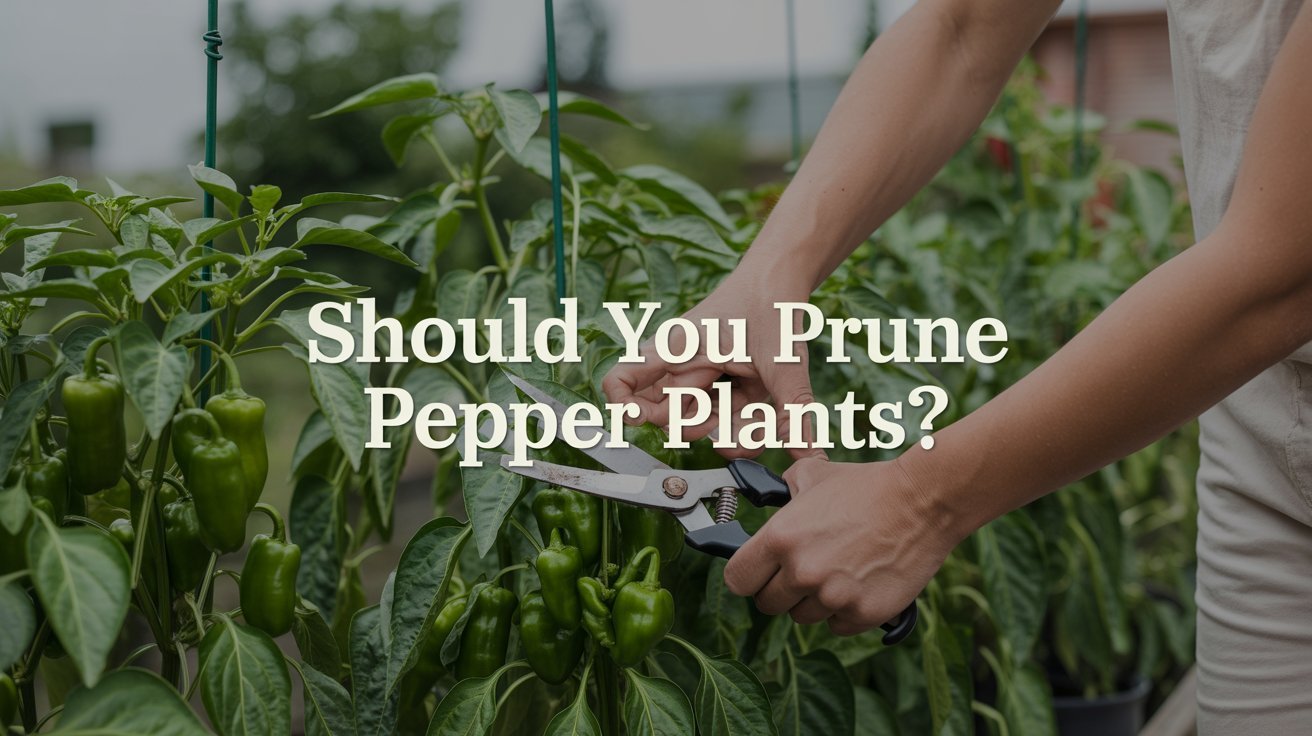
Trimming might seem scary at first. But plants actually grow stronger when you prune them.
Remove dead or yellowing leaves. Pinch off the tops of herbs to encourage bushier growth. Cut back leggy stems.
Don’t overthink it. A little trimming goes a long way. Your plants will thank you with better growth.
11. Keep Learning and Enjoy the Process
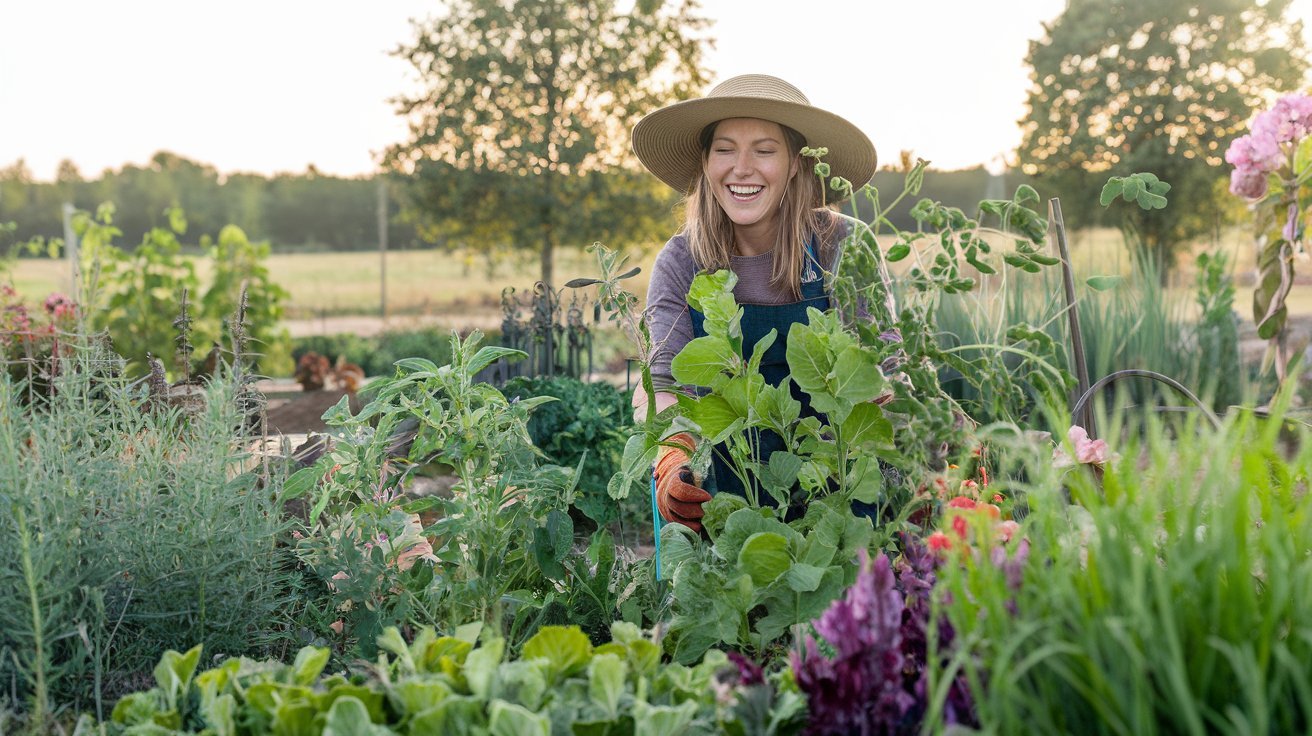
Gardening is trial and learning, not perfection. Some plants will thrive. Others might fail. That’s completely normal.
Celebrate the wins. Learn from the losses. Every season teaches you something new.
Join a local garden group or online community. Other gardeners love sharing tips. You’re not in this alone.
Bonus Gardening Tips for Small Spaces
Maximize tiny areas with creative vertical solutions and hanging options that save floor space.
Vertical Gardening Ideas for Balconies
- When floor space is tight, grow upward
- Install a trellis against your balcony wall
- Climbing plants like peas, cucumbers, and pole beans love vertical support
- Use wall-mounted planters for herbs and small vegetables
- They don’t take up your walking space
- Stack them at different heights for maximum growing area
- Vertical gardens turn blank walls into living green spaces
DIY Hanging Planters and Fence Planters
- Hanging baskets work great for strawberries, cherry tomatoes, and trailing herbs
- Hang them from ceiling hooks or balcony railings
- Got a fence or balcony railing? Attach planters directly to it
- You can buy rail planters or make your own from containers
- Just secure them well so they don’t fall
- These setups free up floor space completely
- You’ll be amazed how much you can grow when you think creatively
Common Mistakes Beginners Should Avoid
Learn what trips up new gardeners so you can skip the frustration and grow successfully.
Overwatering and Overcrowding
- Too much water drowns plant roots
- They need oxygen just like they need moisture
- Yellow leaves often mean you’re watering too much, not too little
- Overcrowding plants causes competition for nutrients, sunlight, and water
- Air can’t circulate between crowded plants
- This invites disease
- Give each plant proper spacing
- Follow the guidelines on seed packets
- A little distance makes a big difference
Ignoring Soil pH and Sunlight Requirements
- Different plants need different soil pH levels
- Most vegetables prefer slightly acidic to neutral soil
- Test your soil cheaply with a kit from any garden center
- Sunlight matters just as much
- Shade-loving plants will burn in full sun
- Sun-loving plants will struggle in shade
- Read plant tags carefully
- Match plants to your available light
- Respecting these basics prevents months of frustration
Essential Tools to Get You Started
Basic equipment that makes gardening easier without breaking your budget or cluttering your space.
Gloves, Shears, Trowel, Watering Can
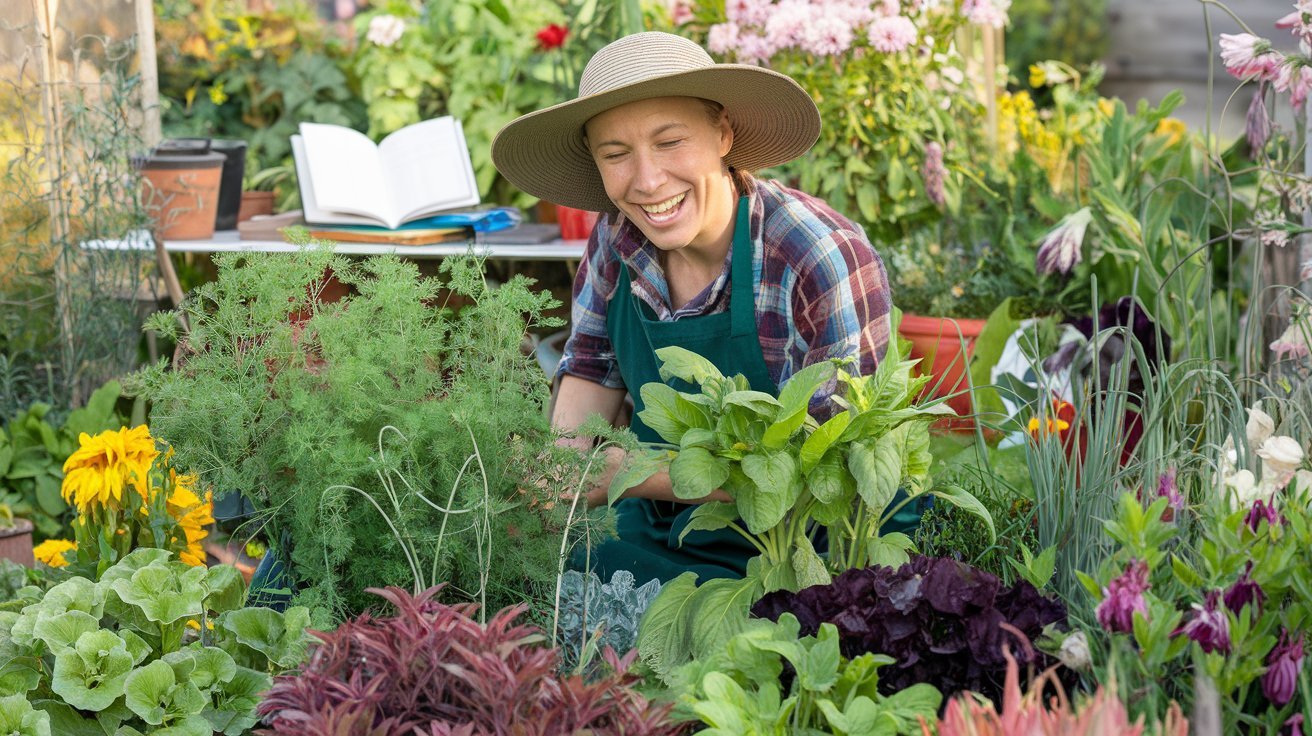
You don’t need a shed full of tools. Start with these four essentials. Gloves protect your hands from thorns, dirt, and blisters. Garden shears cut stems and harvest vegetables cleanly.
A trowel digs small holes for transplants. A watering can delivers water gently without blasting delicate seedlings. That’s honestly enough for your first season.
Budget-Friendly Beginner Tool List
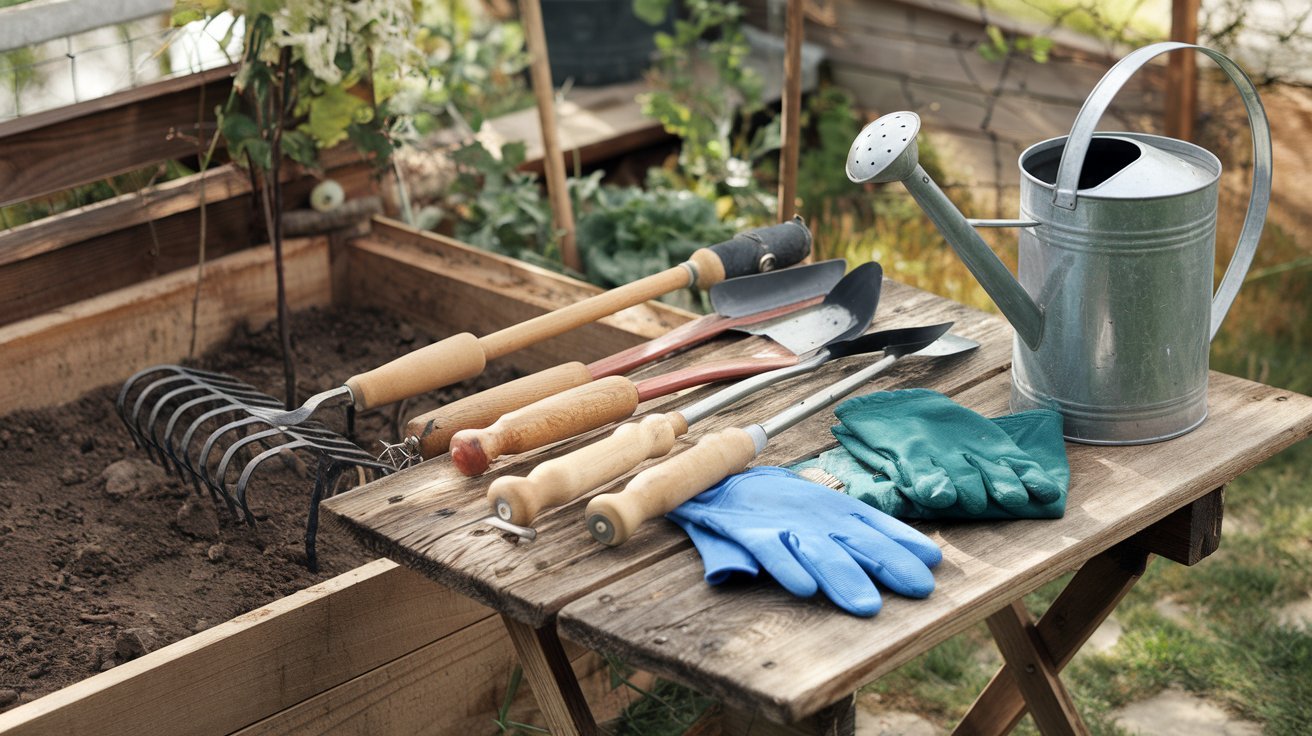
Shop smart and save money. Look for multi-purpose tools like a hand rake that’s also a cultivator. Check garage sales and thrift stores since gardening tools last forever.
Used ones work just as well as new. Buy quality only for items you’ll use constantly. For everything else, basic is fine.
Conclusion
I recall the time of planting my first tomato. For weeks, I would check the pot every morning like a crazy plant parent. That little plant taught me the virtue of patience, and that consistent, albeit small doses of care were greater than concern.
You will soon gain the same experience with this list of gardening ideas for beginners. You can start with just one plant. Water it. Watch it grow. That small win will be the motivation for your next step. Gardening is not a game of perfection.
It’s about showing up and figuring it out. So, do you have your cup of coffee ready? You have all the skills you need, now get your seeds and plant something today.
Drop some comments below and tell me what you are going to plant first.
Frequently Asked Questions
What is the easiest vegetable for beginners to grow?
Lettuce and radishes are perfect first vegetables. They grow quickly, need minimal care, and tolerate beginner mistakes well. You’ll see results in just a few weeks.
How often should I water my garden?
Check soil moisture before watering. Most gardens need water every 2 to 3 days, but this varies by climate, season, and plant type. Morning watering works best.
Can I start gardening without a yard?
Absolutely. Container gardening works on balconies, patios, or even sunny windowsills. Use pots with drainage holes and quality potting mix for success.
When is the best time to start a garden?
Spring after the last frost date is ideal for most vegetables. Fall works great for cool-season crops like lettuce and broccoli. Check your local planting calendar.
Do I need expensive tools to start gardening?
No. Basic gloves, a trowel, shears, and a watering can are enough. Many gardeners start with even less and add tools as needed over time.